
A Texas judge handed a stunning defeat to the NCAA on Monday, granting an injunction to Texas Tech quarterback Brendan Sorsby that keeps him eligible for the 2026 season. The NCAA has unsurprisingly appealed the decision, per Justin Williams of The Athletic, sending the case to the Court of Appeals for the Seventh District of Texas.
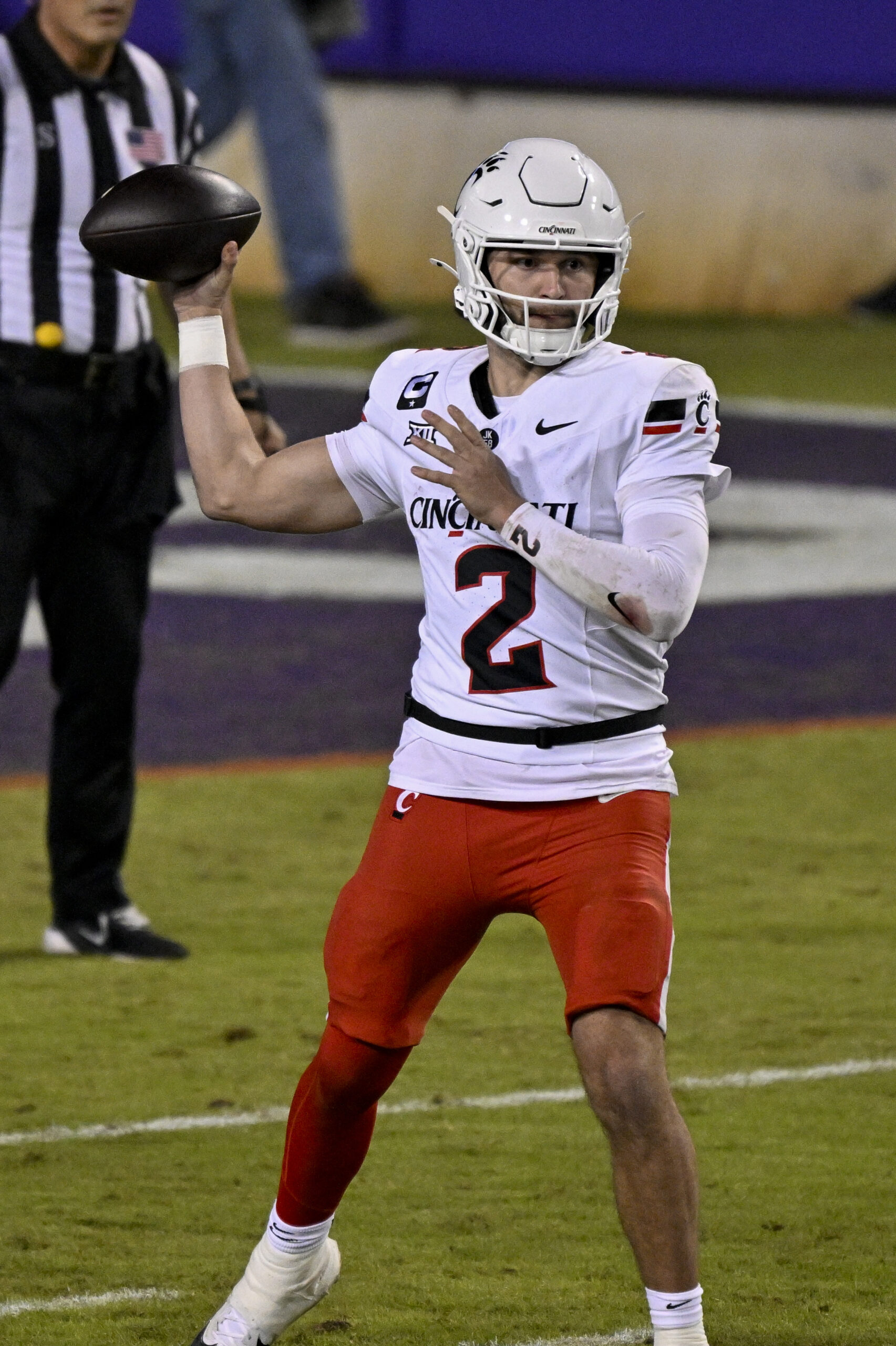 Sorsby admitted to an extensive history of sports betting and entered a treatment facility for gambling addiction earlier this year. Between his own bets and bets placed by friends on his behalf, he has wagered over $130k in the last four years – two at Indiana and two at Cincinnati – including at least 40 bets placed on the Hoosiers’ football team while he was a member.
That was widely thought to be the kiss of death for Sorsby’s college career. The NCAA ruled him permanently ineligible and denied Texas Tech’s reinstatement request, leaving his lawsuit against the association as his last path to suiting up for the Red Raiders this year. The lawsuit itself would not be resolved before the season, so Sorsby sought an injunction to restore his eligibility as the legal process played out. He is entering his fifth and final college season, so winning the injunction could allow him to play this year and declare for the 2027 NFL Draft before the case is resolved and essentially escape punishment from the NCAA. The NCAA is seeking an “accelerated appeal,” on the injunction, per ESPN’s Max Olson, though there is no guarantee that it is resolved before the season.
Sorsby was not expected to succeed in the injunction hearing in Lubbock County District Court last week. He needed to show that he had a strong chance of eventually winning the lawsuit, and by his own admission, he broke the NCAA’s clear and inviolate gambling rules. His legal team argued that his diagnosed gambling and anxiety disorders made him protected under the NCAA’s constitution. The association contended that they did consider Sorsby’s mental health but it should not grant him an exception to the consequences of his gambling infractions which undermined the integrity of college sports.
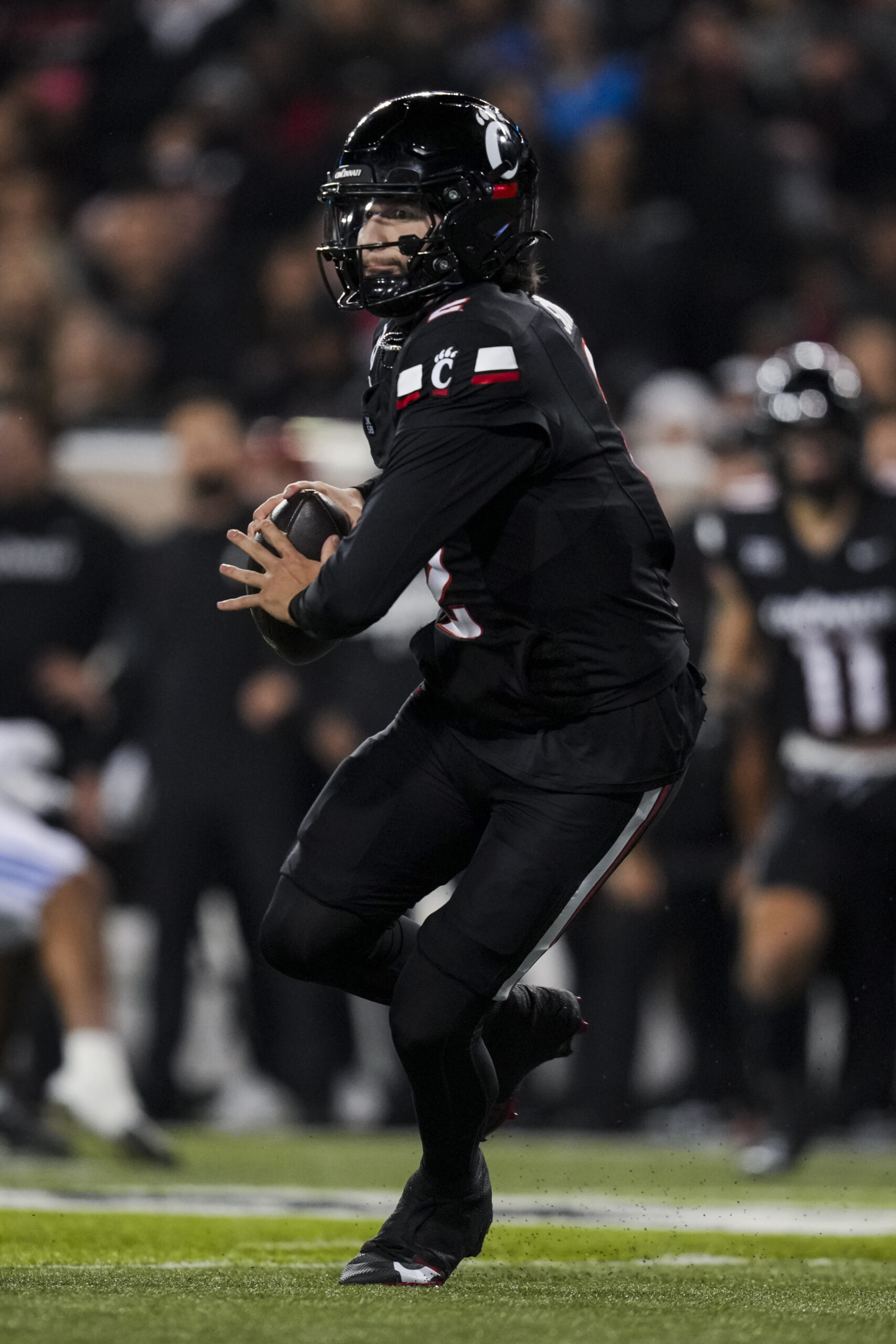 Judge Ken Curry sided with Sorsby, per Sports Illustrated’s Albert Breer, ruling that he “demonstrated a probable right to relief on his claims.” He also wrote that the 22-year-old would “suffer a probable, imminent, and irreparable injury” if he cannot suit up for the Red Raiders this fall, citing Sorsby’s personal development, Texas Tech’s success, and his ability to “make an informed decision regarding whether or not to enter the 2026 NFL Supplemental Draft.”
The NCAA released a statement expressing their disagreement with the ruling and concern about “the damaging, far-reaching and broadly destabilizing ramifications of this outcome — which undermines and corrupts the integrity of sports.” Sorsby’s lead attorney Jeffrey Kessler called it a “just result,” noting that the two-game suspension that is part of the ruling was their original offer to the NCAA.
The rest of the college sports world was left stunned by the decision, according to ESPN’s Pete Thamel. Other schools are already organizing their opposition, per Seth Emerson and Ralph E. Russo of The Athletic, with Nebraska and Georgia issuing mandates to their athletic programs to no longer schedule Texas Tech. Internal discussions about already-set matchups are ongoing. The Big Ten, of which Nebraska is a member, are expected to consider a conference-wide ban on scheduling Texas Tech in any sport, Thamel adds. Kansas State, who are in the same conference as Texas Tech, is having “serious discussions” about the situation, athletic director Gene Taylor said (via Yahoo Sports’ Ross Dellinger), calling it “greater than the Big 12.”
Sorsby is now on track to play for the Red Raiders this season, which would take him out of the supplemental draft, though he could still consider that route. The NFL has set a June 22 deadline to enter the supplemental draft. If the NCAA wins their initial appeal before that date, he can still go pro this year. However, if he does not apply for the supplemental draft and loses that appeal – or a subsequent one to the Texas Supreme Court, per veteran NFL reporter Charles Robinson – after June 22, he may be forced to take a year away from the field and enter the 2027 NFL Draft.
If Sorsby’s saga were to twist back towards the NFL’s supplemental draft, he could go for a second-round pick, according to NFL Network’s Ian Rapoport. A successful year at Texas Tech could put him in the first-round range in 2027. But teams will still have significant questions about his betting history and commitment to his treatment for his mental health issues, which are also a term of the injunction. Talent often wins out, especially if Sorsby can show he has put his gambling behind him, but it could be a red flag clubs opt to avoid with a strong slate of quarterback prospects set to go pro next year.
He won’t “suffer a probable, imminent, and irreparable injury” if he cannot suit up for the Red Raiders this fall. He’ll suffer that if he isn’t in the CFL winning back-to-back Grey Cups.
If he plays a single snap this year college athletics as a whole are completely ruined. If he was a pro he’d be banned from the league for what he did. He has no business playing.
From your lips to the Football Gods ears. May it ruin “college” athletics asap!
Who cares he was the backup quarterback. He bet on Indiana to win. And he stopped betting on Indiana when he became qb. He bet on other college football games, who cares. He wasn’t influencing games or had any influence over it. He wasn’t making lots of smaller bets it seems. 90k over 4 years is not that much. He wagered 90k but his losses could be only 5k. 90k is just his wagering. He hardly has a gambling problem. Should he have done it ? No. Is he a kid? Yes did he make a mistake ? Yes. Did he screw anyone over or harm anyone else law ? No.
I didn’t know Sorsby’s attorney had an account here.
NCAA sports betting agreements are defined by a landmark 2025 data and logo rights partnership with Genius Sports, which runs through 2032 and designates them as the exclusive distributor of official NCAA championship data to licensed sportsbooks.
Exclusive Rights: Genius Sports holds the exclusive rights to distribute official real-time data and marks/logos for NCAA postseason tournaments—including March Madness—to participating Authorized Gaming Licensees.
NCAA LiveStats: As part of the agreement, Genius Sports continues to utilize the NCAA’s official LiveStats platform to process fast, secure statistical data for over 70,000 games annually.
Welcome to NIL money 2.0
Before NIL there was the “improper benefits” era where players weren’t allowed to be given money among other things in exchange for attending certain programs. “Compromises the integrity of the game” they said justifying the policy with players receiving a free education, free meal plans, free room and board as the NCAA made billions off their name image and likeness. Players got 0% of that money.
Now we have NIL money, which is unlimited as long as it’s funded by third parties. That couldnt possibly “compromise the integrity of the game”.
We also have standard practices of players sitting out bowl games refusing to play even if healthy citing not wanting to affect their draft stock. Something something compromising game integrity and affect sports betting lines
Anyways.
Long as the NCAA is making billions of selling data from the players to sports betting sites and the players get 0% of that money I’m fine with them betting. What’s good for the goose in good for the gander.
If you think a kid betting on his team to win and place bets on non football sports is the real issue wait till you figure out
How the CFB system rigs who they decided is allowed in the playoffs
Determine referring assignments to help increase chances of outcomes they want
Got rid of transfer restrictions to make money off big names
Among other things that’s wrong with college football