
Brian Flores‘ discrimination lawsuit against the NFL is one (key) step closer to seeing open court. The U.S. Supreme Court declined to hear an appeal from the NFL on Tuesday that sought to keep the matter within the league’s private arbitration process, per Lindsay Whitehurst of the Associated Press.
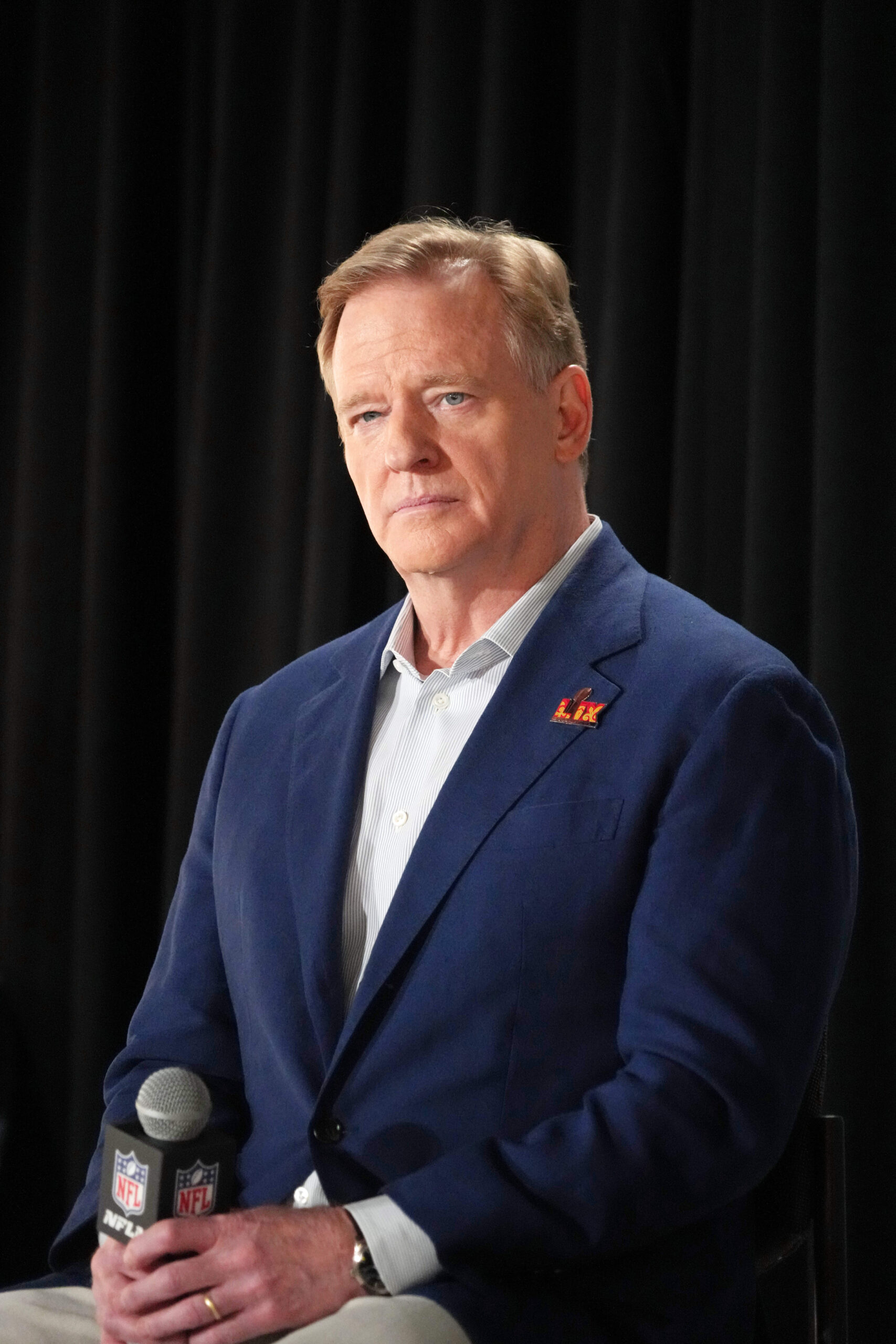 Flores’ lawyers have successfully argued in lower courts that contracts requiring non-player employees – i.e. coaches and executives – to settle disputes via arbitration are nonenforceable. (Player contracts operate under a collective bargaining agreement, which puts them in a separate category.) Commissioner Roger Goodell has the power over that process, including selecting arbiters, creating a conflict of interest for cases in which the league is a party.
The Supreme Court could have heard the appeal and intervened in the case to rule on the enforceability of arbitration clauses in NFL employee contracts. The league’s filing was specifically worded to narrowly apply to sports leagues to avoid bigger questions about the validity of similar processes in other businesses, as noted by Pro Football Talk’s Mike Florio. Instead, the ruling of lower courts will remain in place, keeping Flores’ lawsuit on track for a jury trial in federal court.
“We respect the Supreme Court’s decision not to grant review,” an NFL spokesperson said (via Florio).“Regardless of the forum, we are fully prepared to defend ourselves as this matter proceeds.”
Flores’ lawyers, David Gottlieb and Douglas Wigdor, were understandably more positive about the Supreme Court’s decision.
“We are pleased that the Supreme Court declined to accept the NFL’s appeal,” they said in a statement. “The NFL must now accept that its commissioner cannot be the arbitrator over discrimination claims against the league and its teams. We look forward to litigating these claims in court.”
However, the Supreme Court’s decision is unlikely to accelerate an outcome in this case. The NFL will continue to throw up every legal roadblock it can to keep Flores’ claims from seeing the light of open court. The private arbitration process itself is an example of how the league tries to keep disputes – especially high-profile ones alleging racial hiring discrimination – out of the public eye. That also means that this latest update increases the chance of an out-of-court settlement, perhaps before Flores’ legal team can go through the discovery process and gather even more ammunition for their suit.
This is going to be something. Cases don’t last 4 years w/o legs. Get yo popcorn ready.
I’m not sure about the merits of Flores’ case, but I’m VERY happy that Roger Goodell and the NFL are going to be forced to have their dirty laundry aired in public.
Even if Flores loses, his suit will bring about positive change. The NFL has been allowed to ignore right and wrong while prioritizing “protect the shield” for too long. This case is about more than race. It’s about an organization that has been allowed to manipulate public perception in order to keep the money train rolling. A reckoning is overdue.