
The anticipated sea change on the edge rusher market did not disappoint. With a host of Hall of Fame-caliber players receiving new deals in the same offseason, the position’s salary ceiling climbed by more than $12MM in AAV between March and August. The final domino did not fall until late October, but it will influence how future contract-seeking edge players proceed.
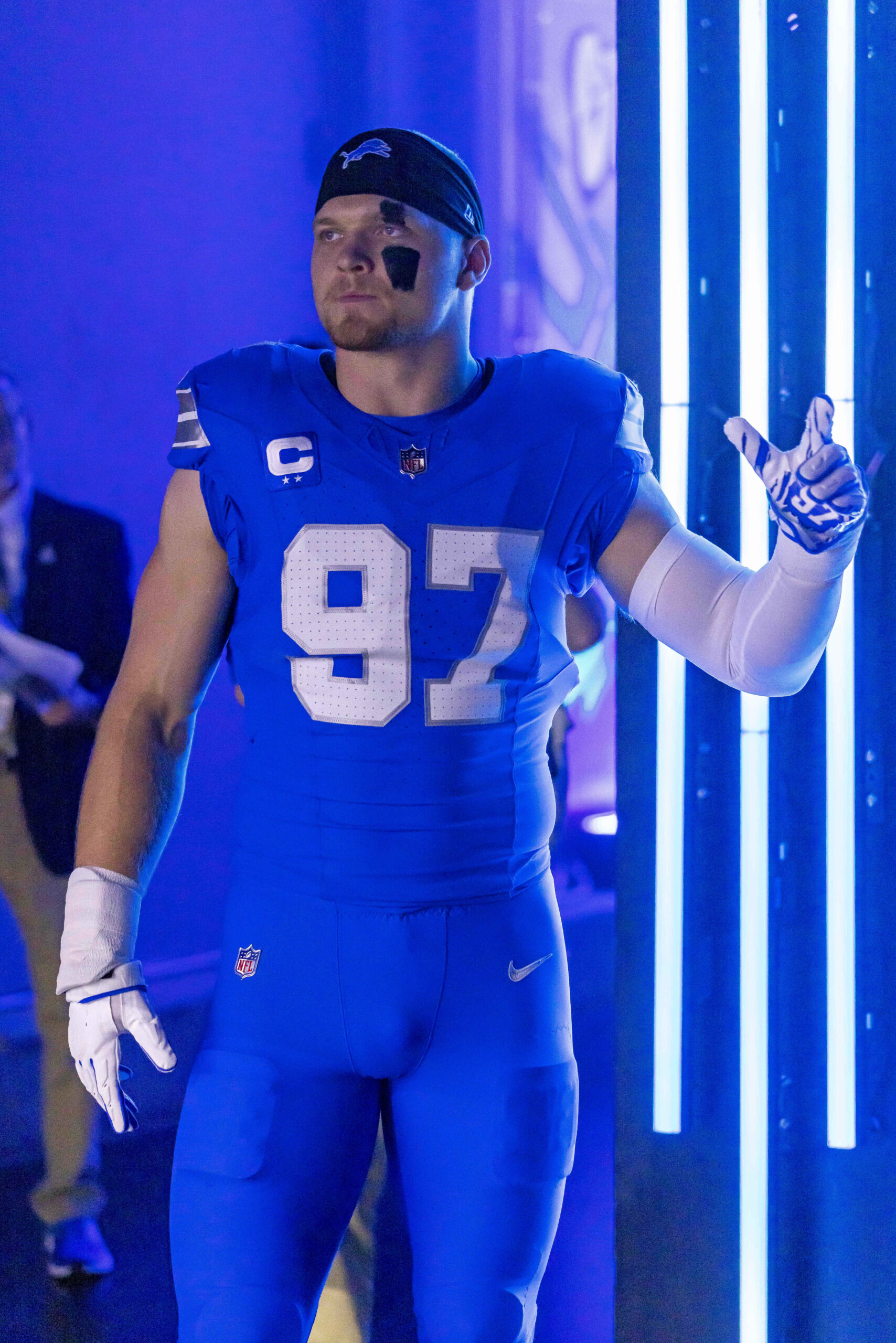 Although Aidan Hutchinson‘s Lions extension did not eclipse Micah Parsons‘ Packers pact, it came close. The Lions gave their ace pass rusher a four-year, $180MM deal, checking in just south of Parsons’ four-year, $186MM Green Bay accord. The Lions and Hutchinson had been in talks off and on since before Maxx Crosby began the offseason fireworks in March. In that time, the EDGE ceiling rose from $34MM per year (Nick Bosa) to $46.5MM. The sides began talks at the Combine.
Green Bay’s late-August Parsons blockbuster raised the market by nearly $6MM per year, topping where the Steelers went for T.J. Watt ($41MM AAV) in July. While Detroit has shown a willingness during the Brad Holmes GM era to extend standout players in-season — as the Alim McNeill deal showed last year — the team and Hutchinson’s camp may have completed their deal by Week 1 were it not for the Packers’ process. The Cowboys-Packers trade slowed the Lions’ negotiations, according to ESPN.com’s Jeremy Fowler and Eric Woodyard.
“[The contract] would’ve probably been done earlier, but with the Micah thing,” Aidan’s father, Chris, said via ESPN. “Nobody could predict that, so that threw a wrench into it. So then everybody had to, as the expression goes, ‘get used to the new price of gas’ as he reset the whole market, so everybody had to take a step back, and it just took a while.”
As of early August, the Lions and Hutchinson had not engaged in serious talks. The Parsons contract was finalized August 28, but we heard shortly after that trade/extension came together that the Lions would need more time. Unsurprisingly, the new EDGE going rate stalled the talks.
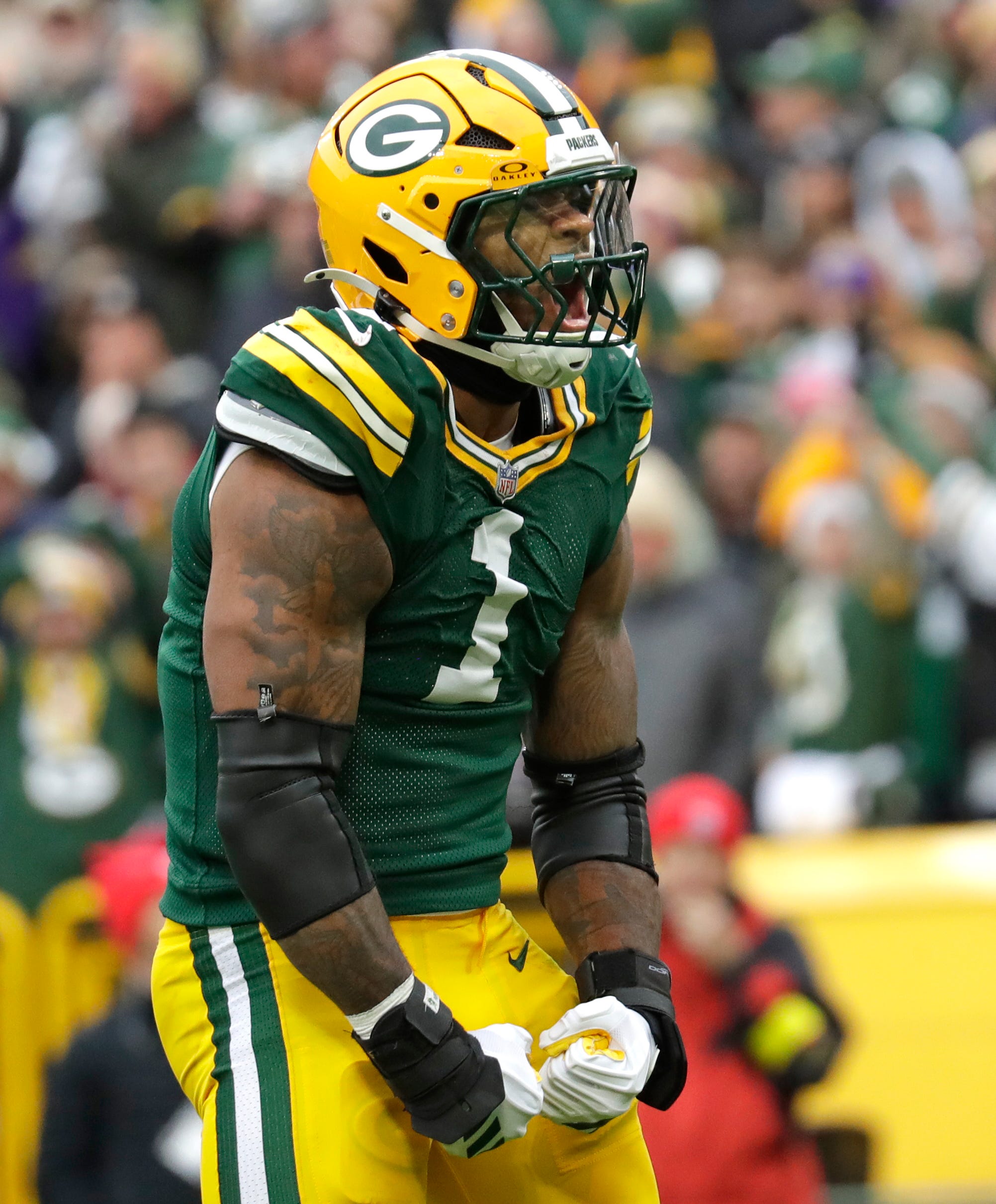 Turning 25 shortly before the Parsons extension, Hutchinson is more than a year younger. He could have pushed the Lions to move the bar closer to $50MM per year, and the Lions could have waited after having exercised a fifth-year option on the Michigan alum in April. A delay into 2026, however, would likely have cost more.
Another cap rise coupled with Hutchinson perhaps ready to tack an All-Pro season onto his resume — after successfully returning from a broken leg — would have positioned the fourth-year player to pounce. The Texans, who reset the cornerback market early this past offseason via Derek Stingley Jr.‘s deal (agreed to in March), also could have impacted the process by using the same timeline with the fast-rising Will Anderson Jr. — which is believed to be a goal.
Ultimately, Hutchinson did not choose to drag his negotiations out further and delay an assured windfall. His extension is much closer to where Parsons resides than the Watt-Myles Garrett tier. Parsons also had the leverage of negotiating with multiple teams due to his Cowboys relationship deteriorating into the NFC East team shopping him.
The Lions held Hutchinson’s negotiating rights until March 2027, and they certainly would have been prepared to unholster the franchise tag at that point had matters really stalled. But Detroit has been able to lock down its cornerstone cogs acquired during the Holmes-Dan Campbell era. Hutchinson followed McNeill, Penei Sewell, Amon-Ra St. Brown, Jared Goff, Kerby Joseph and Jameson Williams in signing an extension north of $20MM per year.
“There’s a lot of factors that went into it, but ultimately, I know I wanted to be in Detroit and that was the goal,” Hutchinson told ESPN. “Obviously, as a player, you have a responsibility when you’re in the echelon of players that I’m in to continue to push the market up, but was it at the expense of continuing to draw this process out and try to get an extra $1 or $2 [million] or get above Micah or whatever it was.”
 After leading the Lions in sacks despite finishing just four games last season, Hutchinson has 8.5 sacks and 24 QB hits this year. He is not on the stratospheric pace of 2024, but the Lions employ one of the NFL’s best players. Acquiring a better No. 2 edge rusher — a need for a while now — should only boost Hutchinson.
As they did with Sewell and St. Brown, the Lions kept the full guarantee low but included guarantee mechanisms that will trigger early payouts. Hutchinson received “only” $55.72MM at signing, trailing Parsons ($120MM) by a staggering margin. But a 2027 option bonus worth $28.29MM will vest by Day 3 of the 2026 league year. The same structure is in place for 2028, according to Pro Football Talk’s Mike Florio, who adds most of Hutchinson’s 2029 money will vest a year early as well. He will see $29MM of his $35.43MM 2029 compensation guarantee on Day 3 of the 2028 league year, per Florio, who adds the remaining $6.43MM will lock in on Day 3 of the ’29 league year.
The early triggers were a priority for Hutchinson, per Fowler and Woodyard, who add the Lions structured the deal to have cash payouts lower in 2027 and ’28 — when the team is high on extension dollars — compared to 2029 and ’30. Hutchinson’s 2030 money is nonguaranteed, but this deal does not include a lofty final-year number to inflate the value. The Lions also built in five void years to delay cap surges. The contract does not produce a cap number beyond $21.7MM until 2029, when it inflates to $53.9MM.
“you have a responsibility when you’re in the echelon of players that I’m in to continue to push the market up”.
This is the same absurd nonsense we heard from Dak when he got his big payday. Hearing these guys trying to sound like they did something noble for the poor unfortunate players making only $20MM is annoying. I’m not bothered that they got the money but please stop insulting our intelligence with this fake heroism stuff.
I do think there is some comradery between players. Not enough to make a guy hold out on their own, but when someone at the top of the field takes a discount, it does hurt the leverage of those not quite there. And it upsets the competitive balance that the league tries to build in. Brady with the Pats for years, for example.
Hutchinson is a really good player. But he is not as good as Micah. They’re both in their prime and should be paid at their peak right now.