
No NFL transaction has defined a team’s 2020s on a level in which the Deshaun Watson trade/extension sequence shaped the Browns’ decade. The catastrophic misstep has produced nothing resembling Watson’s Texans form and is poised to clog Cleveland’s cap sheet through 2028.
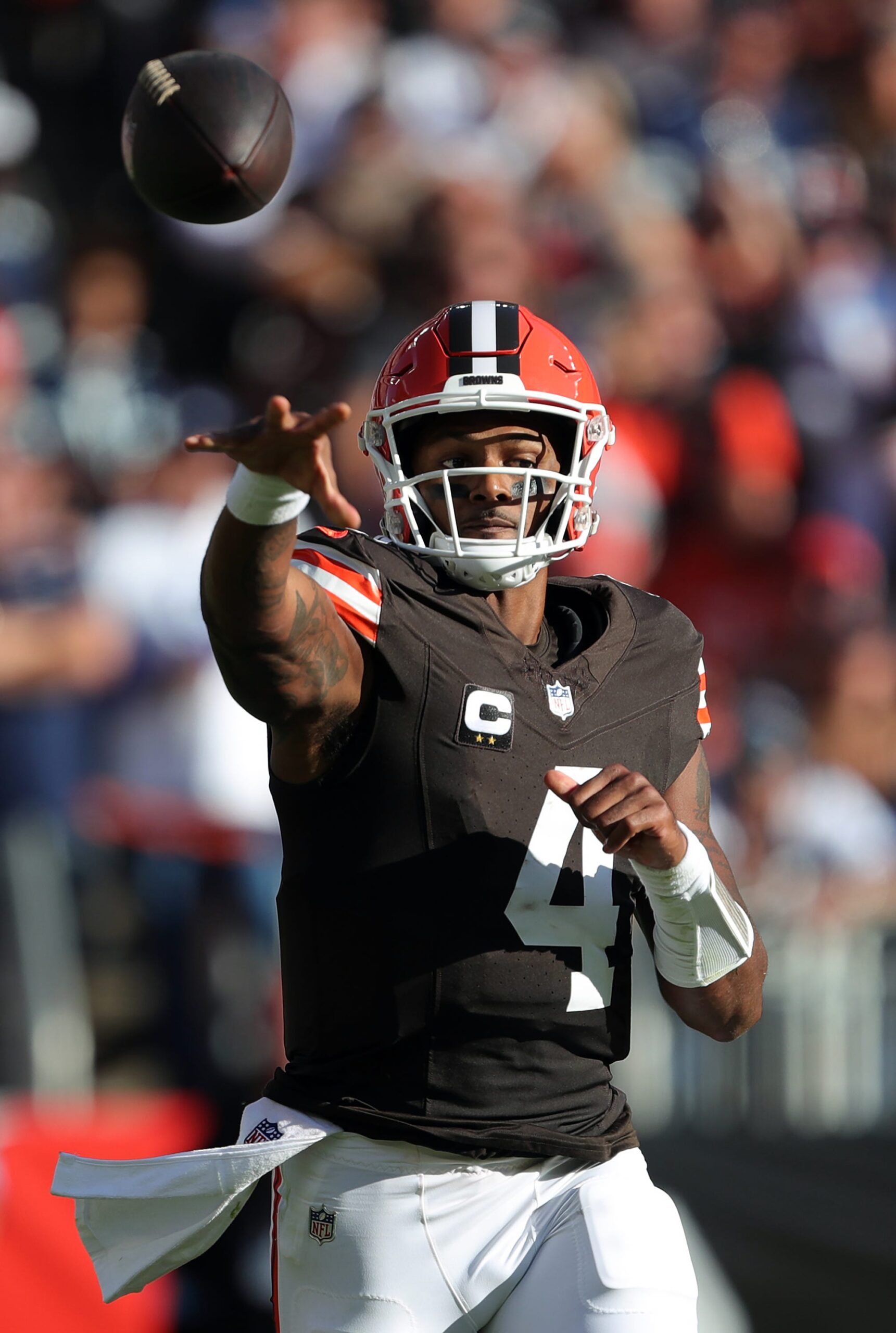 Although Watson is only under contract for one more season, the Browns’ spree of restructures on the QB’s deal have them positioned to designate the high-priced player as a post-June 1 cut in 2027. That is projected to spread $86.2MM in dead money between 2027 and 2028, running the Watson contract’s time on Cleveland’s payroll to seven years.
Not long after the Browns made the decision to part with three first-round picks, two third-rounders and a fourth for Watson and a sixth, Jimmy Haslam said GM Andrew Berry devised the plan to give the quarterback a fully guaranteed contract. That offer rocketed the Browns back in the Watson sweepstakes, after he previously eliminated them during a process that appeared set to produce a Falcons commitment from the Georgia native. But the five-year, $230MM pact swayed the embattled passer.
That became a massive mistake on the Browns’ part. The team’s decision to part with the assets it did — as the first team to trade three future firsts for a QB since the 1976 49ers (Jim Plunkett) — and sign off on the fully guaranteed deal has made it widely viewed as the worst transaction in NFL history. Haslam even said last year the Watson trade was a “swing and miss,” though the owner walked that back a bit this offseason — as an interesting push for the QB to start again has taken place.
Although Berry was the front office point man at the time Watson was acquired, an ESPN.com report indicates Haslam played an “active role” in doing background work that led to the trade. Haslam, who famously pushed for the Browns’ Johnny Manziel pick in the 2014 first round, obviously needed to approve the historic transaction. But the owner being part of the process that led to it offers an interesting wrinkle in this seminal move, even if he credited/blamed Berry for hatching the scheme to convince Watson to commit to Cleveland.
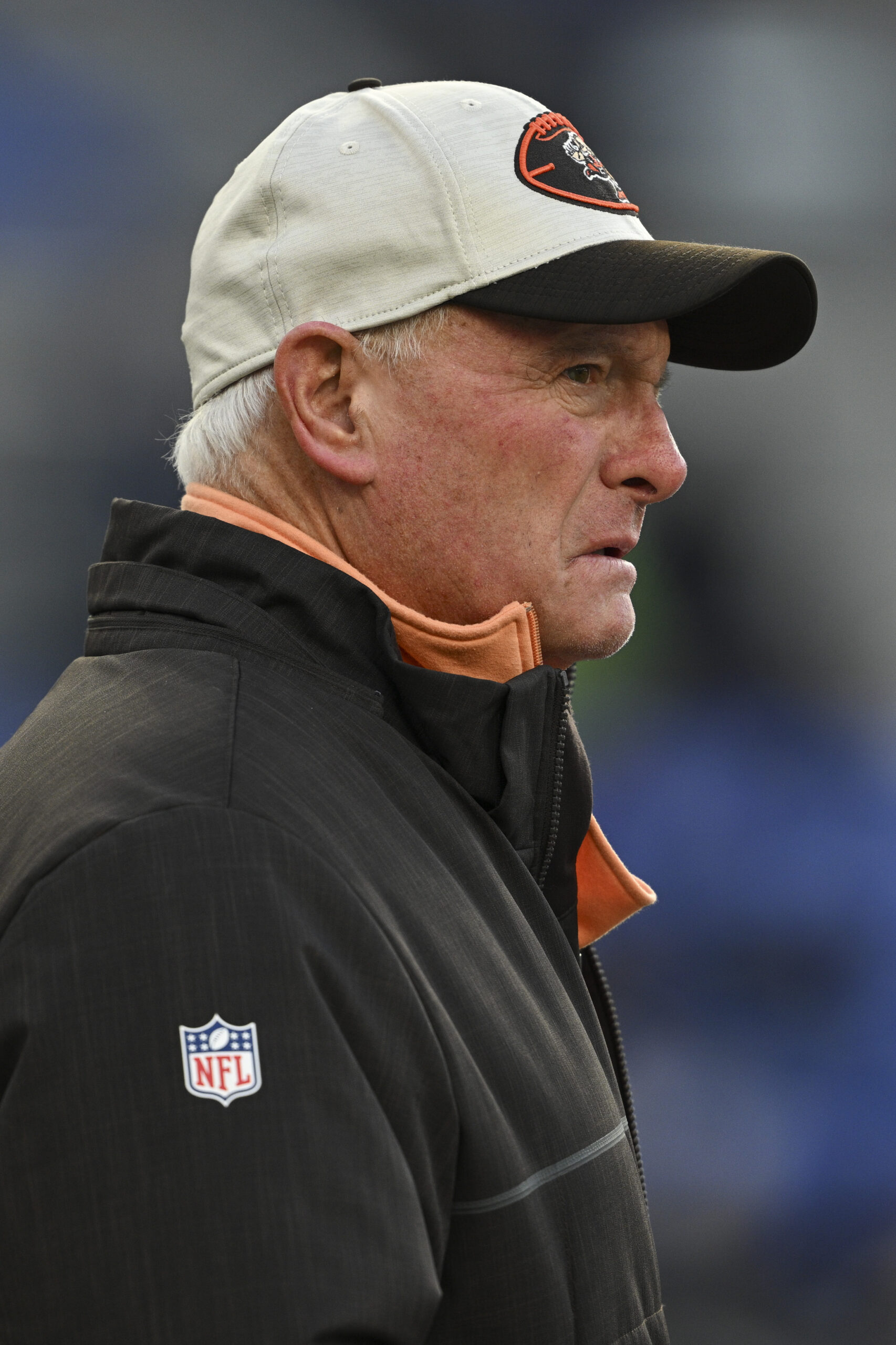 Haslam doing background work is also not especially surprising, considering Watson had been hit with dozens of sexual misconduct allegations over the previous year, but this piece of information does shine a light on ownership influence in the NFL. Two of the Browns’ three playoff berths since respawning in 1999 have come during the Haslam era, but the organization also completed an astonishing 4-44 stretch during Haslam’s first decade in charge — a period that brought a run of GM and HC changes. The Browns have followed their 2023 playoff berth with an 8-26 record.
The Browns had not extended a head coach or general manager under Haslam until he authorized re-ups for Berry and Kevin Stefanski in 2024. Haslam has since fired Stefanski, making the interesting move to keep Berry at the helm despite his fingerprints being on the Watson disaster. It is worth wondering how active the owner was in bringing Watson to Ohio; Berry remaining on the job four-plus years after that trade would seem to suggest the GM was not solely responsible for the decision.
Berry said in 2024 Browns brass was aligned on the Watson trade. Stefanski had said earlier that season, before Watson’s first Achilles tear, he was not being forced by ownership to keep starting the wildly ineffective QB. Watson spent the 2025 season, after a second Achilles tear, out of the picture but has moved back to the forefront in Cleveland thanks to his competition with Shedeur Sanders for the Browns’ QB job. Haslam’s fingerprints on the team’s 2026 QB plan make for an interesting storyline to follow as the Browns enter what is likely their final year with Watson on the roster.
Was this supposed to be new information? I thought last year’s “swing and a miss” admission clearly spelled that out.
Yeah, we kinda all knew that from the way Berry has kept his job and Stefanski kept his a long time. Berry’s built some very good rosters despite having a smoking crater in the middle of his salary cap every year and missing three first rounders to boot.
Haslam is a cancer of an owner.