
Wide receivers and edge rushers (and to a lesser extent, cornerbacks and defensive tackles) have all seen significant jumps in their pay over the last two years, and center Tyler Linderbaum blew his positional market out of the water in March.
 The next positions up for raises are offensive tackles and guards, according to ESPN’s Jeremy Fowler. Both have seen steady bumps in recent years; Commanders left tackle Laremy Tunsil recently cracked the $30MM-per-year mark, and Cowboys left guard Tyler Smith signed a $24MM AAV extension at the beginning of last season. The league’s top receivers and edge rushers, though, are paid more than $40MM per year, and, along with cornerbacks, saw players reset the market by at least $5MM per year.
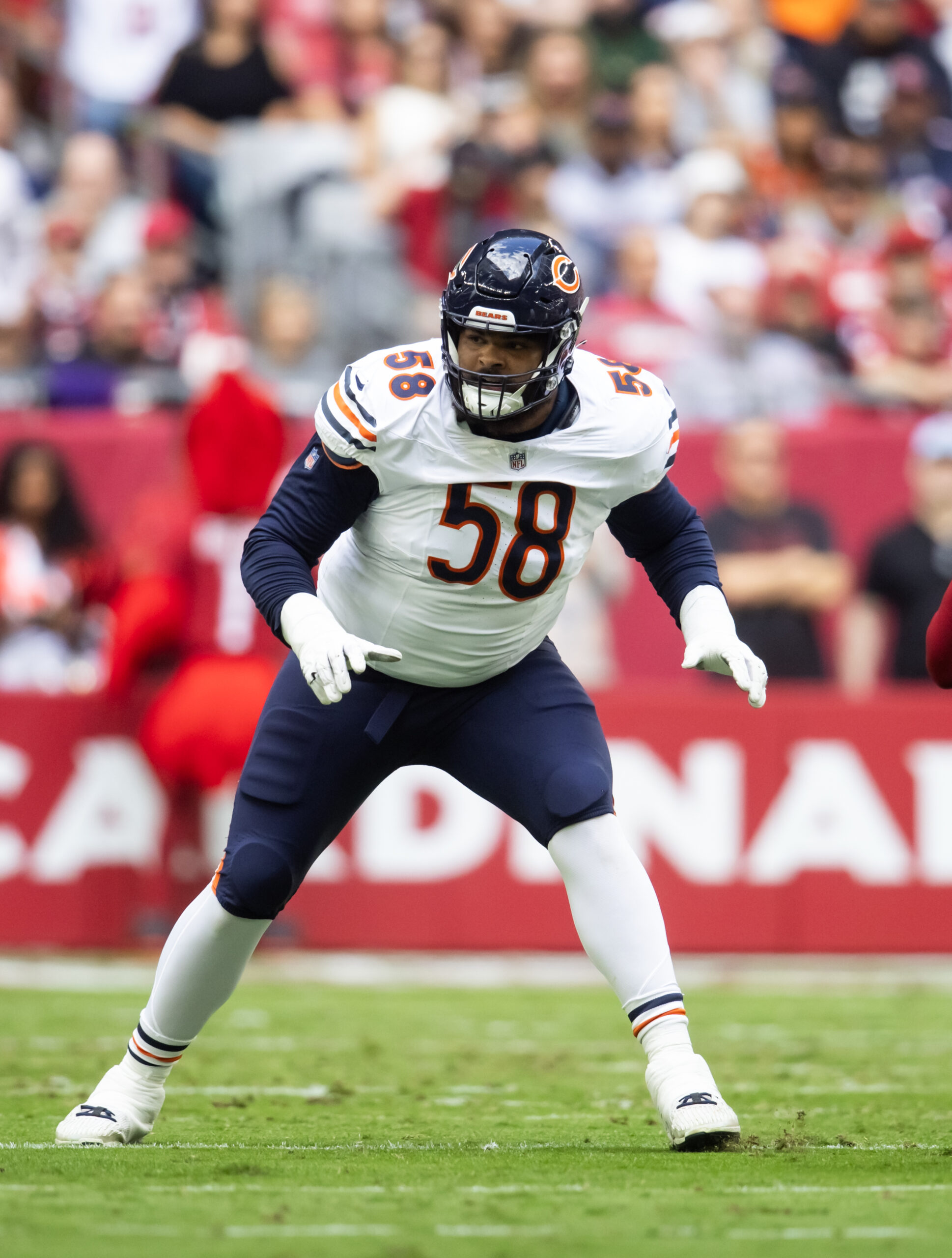
The rise in edge rusher pay should lead to a corresponding jump for the offensive tackles who block them, a pattern that has persisted since Lawrence Taylor first made the blind side the most important area in the game. (The increase in wide receiver pay had a similar effect on the cornerback market.) However, all of the league’s top veteran tackles are under contract for at least two years, limiting the ability of players like Tristan Wirfs and Penei Sewell to negotiate substantial raises, though Sewell’s impending switch to left tackle in Detroit could give him some grounds. As for younger players, Bears right tackle Darnell Wright is the top 2023 draftee who is eligible for an extension off his rookie deal. His second-team All-Pro nod last season significantly strengthens his case for a top-of-the-market extension, but he is unlikely to secure a $5MM-plus raise over Tunsil’s deal.
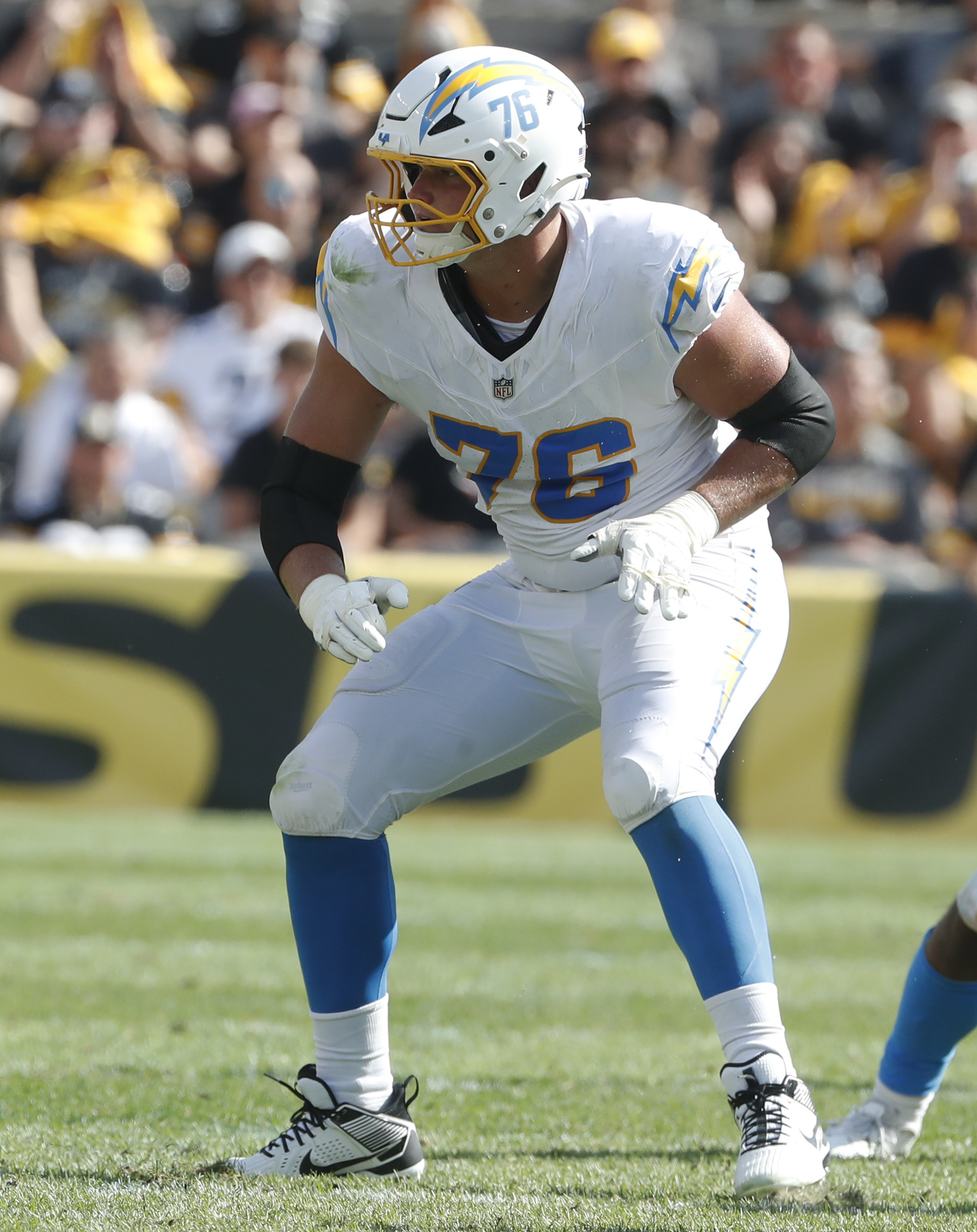
Such a jump may need to wait until 2024’s strong draft class reach extension eligibility next season. Chargers right tackle Joe Alt is currently the best candidate to push for $35MM per year or more, but Jets left tackle Olu Fashanu and Titans left tackle JC Latham could play themselves into a similar range.
As with offensive tackles and edge rushers, guards should benefit from the increase in defensive tackle pay with four players signing for at least $25MM per year in the last year. However, none have eclipsed Chris Jones‘ 2024 $31.25MM AAV deal, which may limit the jump for guards.
 2023 first-rounder Peter Skoronski is the top extension-eligible guard from his draft class, but his pedigree does not support a market-setting deal. But Colts left guard Quenton Nelson is entering a contract year, and with Pro Bowl and All-Pro recognition in every year of his career, he is well-positioned to demand a big raise.
Guards have long been paid more than centers, so Linderbaum’s jump to $27MM per year should give Nelson plenty of leverage to reach a similar sum. It will be interesting to see, though, if his deal reflects a new trend of teams paying all interior linemen in a similar range.
There are two other patterns that could emerge from Linderbaum’s contract. The first is guarantee structure. His three-year deal includes the first two seasons fully guaranteed at signing with the third season’s guarantees vesting at the beginning of the second. In other words, his deal is effectively fully guaranteed, as the Raiders are not going to release him before the remainder of his guarantees kick in. Other offensive linemen may now pursue deals that are three years in length with similar guarantees rather than the four years that have been more popular, especially for players’ second contracts.
The last potential trend from Linderbaum’s deal with the Raiders is an increased willingness for teams with young quarterbacks to aggressively invest in their offensive lines. Las Vegas wanted to add one of the league’s best centers to both to block for Fernando Mendoza and to serve as a trust partner at the line of scrimmage as he transitions to the pros. The Jets are expected to draft a rookie quarterback next year, and the Titans already have Cam Ward, which could give Fashanu, Latham, and Skoronski more leverage.