
Back in August, it was announced that the NFL had come to an agreement with ESPN to sell them NFL Network and other media assets (including RedZone and NFL Fantasy) in exchange for a 10-percent equity stake in ESPN. Today, according to Andrew Marchand of The Athletic, government regulators approved the “billion-dollar” acquisition, and the two sides were able to close the deal late last night. 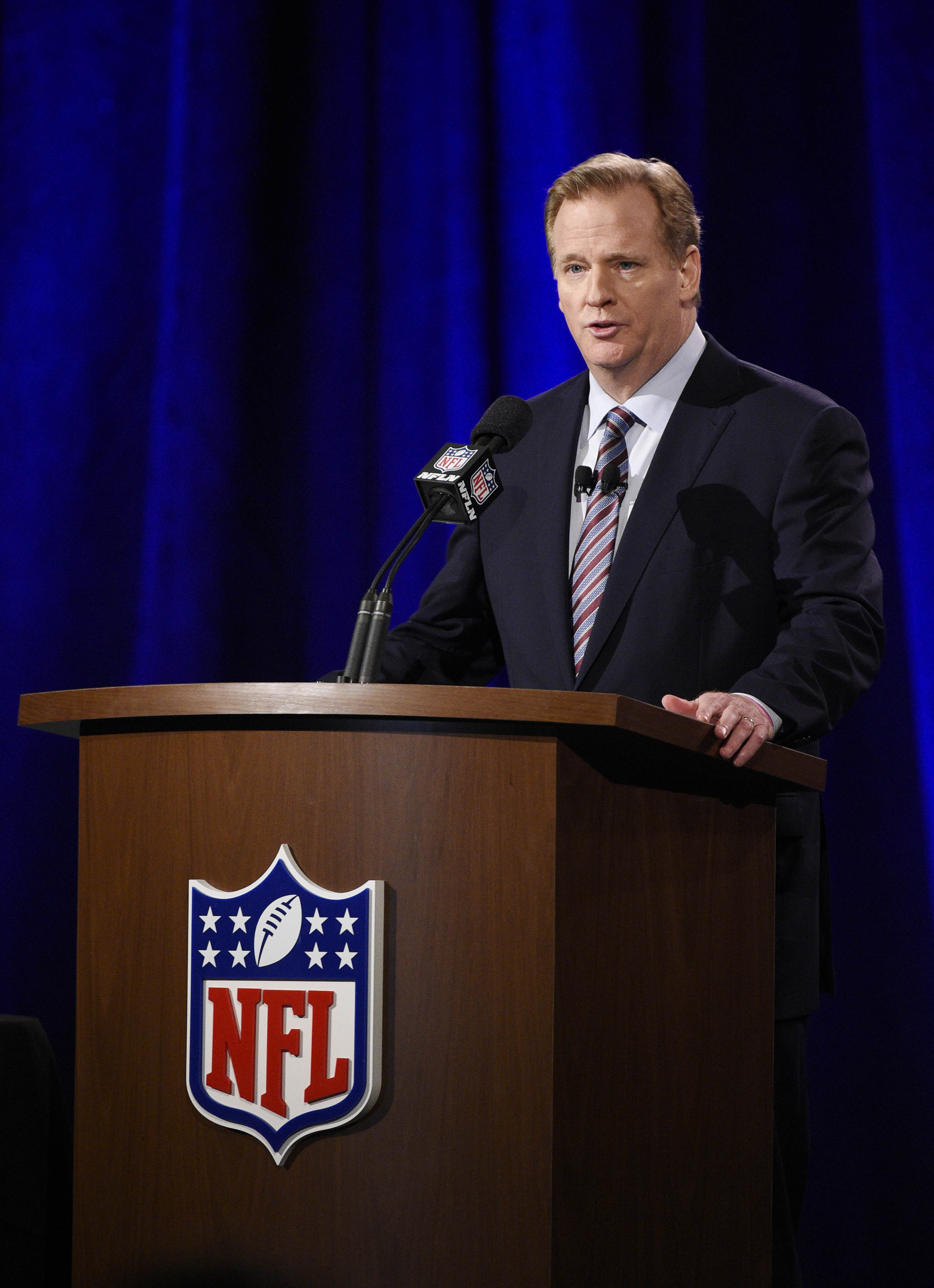
The NFL had been looking to take advantage of the streaming capabilities ESPN has boasted for years now with apps such as ESPN Watch, ESPN+, Hulu, and Disney+ — all owned by the Disney company. ESPN also had been looking to expand past the streaming and cable bundles by providing customers with a direct-to-consumer platform that began selling in the fall for $29.99 per month, allowing viewers access to ESPN without needing to purchase a separate streaming or cable subscription. With the new deal, NFL Network will now be incorporated into the direct-to-consumer product by the start of the 2026 NFL season.
By gaining linear rights to the RedZone Channel and the RedZone brand, ESPN reportedly hopes to expand that format of broadcasting to other sports. This does pose challenges with some sports. While most NHL games are broadcast through ESPN, several are exclusive to NHL Network and TNT/HBO Max. The same is true for most NBA games, while college sports also see different conferences and teams having individual deals apart from ESPN. Additionally, aside from college football and baseball, other sports don’t dedicate single days of the week to games, making a RedZone-type service much more useful some days than others.
NFL Network will still be available in participating cable bundles; it will just now be grouped in the cadre of other ESPN offshoot networks, including ESPN2, the SEC Network, and the ACC Network. This does mean that more NFL games will be appearing on ESPN in 2026, as well. ESPN will continue to broadcast the Monday Night Football games, though they will reportedly “do away with the…doubleheaders” on Monday nights, and they will take on seven more games from NFL Network — three games that the NFL Network was already allotted then four more that were expected to be sold out to the other streamers. ESPN will also broadcast the Super Bowl for the first time next year, bringing the event back to ABC, as well, for the first time since 2006.
As was mentioned in August, this does pose a concern for the other streamers in the market for NFL games for the future. The NFL is already in 11-year deals worth over $110BB with its network and streaming partners, though Marchand notes that it has a potential opt-out clause in its contracts at the end of the decade. YouTube TV owns the rights to NFL Sunday Ticket, while ABC/ESPN/Disney/NFL Network, FOX, CBS/Paramount/Nickelodeon, NBC/Peacock, Amazon, Netflix, and YouTube all have individual rights to air certain games throughout the season.
The league seems eager, though, not to wait for the end of the decade, hoping to begin renegotiating those deals starting this year. It will be interesting to see what renegotiations have to offer for the other networks, as it seems fairly obvious that the NFL will be incentivized to give more content to the network of which it now owns 10 percent. One has only to look at how the league handled those four games that were expected to be sold out for next season.
Additional controversy could stem from the reporting arm of ESPN. Per Marchand, starting in April, NFL employees will officially become a part of ESPN, meaning reporters like ESPN’s Adam Schefter and NFL Network’s Ian Rapoport, usually competing to break stories, will now essentially be working for the same outlet. And when scandal strikes in the NFL, as it frequently does, it will be interesting to see just how critical ESPN reporters opt to be when covering the league that now owns 10 percent of their employer.
Without the NFL Network, the league will continue to own and operate its retained media businesses such as NFL Films, NFL+, NFL.com, the NFL Podcast Network, the NFL FAST Channel, and the official websites for all 32 teams. The NFL Fantasy Football application will merge with ESPN’s, and ESPN will maintain the service. Some changes may not be happening as soon as April, when the league emp0loyees will begin to get processed over to ESPN, but most are expected to be in place by the start of the next regular season.
Pay enough to Trump get anything approved
🙄 yea, blame Trump and not ALL of government. Dude gonna act like this is a new thing. Poor guy 😂
We’ve never seen it like this. Look how many deals are only getting worked out for his cronies. CBS, Tik Tok.
Hey blacktrumper….I bet that you are ok with trump suing the IRS for 10 billion. So I’m guessing that you are. Too dumb to realize that he’s suing you.
This seems a bit like when NBC merged with Universal because Universal owned Law & Order and it was easier to merge than constantly negotiate for their biggest cash cow.
ESPN and the NFL are like Google- 100 % driven by profit but so ingrained in the culture that they get away with murder.. and an almost complete disregard for their customers.
This is the start of the fleecing of the football fan. It’s already started with the Thursday games on Amazon. And the over seas games on Hulu.
Very soon it’s going to be Monday night games on one streaming service, then the Sunday 1pm (EST) games on another, then the 4pm games on yet another and of course then the Sunday night games on yet another streaming service. Just to watch your team, or if you’re a football fan, or even a fantasy football fan you’re going to need to subscribe to 4-5 different services. And the YouTube package will get smaller and more expensive. Don’t forget the Super Bowl will end up being a pay-for-view event shortly.
It’s bad enough everything is going through the roof and prices are out of control, soon football will cost you hundreds and hundreds of dollars for the season.
I think your post is about 5 years too late. It’s not soon that you’ll have to go to all these streaming services and pay hundreds of dollars. That’s existed for years as the article said with yourube TV, hulu, Amazon, nfl, espn, CBS, ABC, NBC and fox. And you cant even watch free games on nba or fox online without paying for the app or cable unless you go buy an antenna which I now have to do. When I was a kid it was just on CBS, NBC, and fox. And this and other consolidations actually mean it’s getting closer to the old cable model. Hulu will be discontinued as a standalone service this year per the buyout last year, merging with Disney and ESPN. Now if nfl network merges with espn and Disney that further brings those under 1 umbrella. There will still be the other huge companies like cbs paramount/fox/nbc/Amazon and all that for a long time but at least this is a tiny bit of consolidation. The main issue as you ended with is price. Combining services or not, and whether on 3 platforms or 11, the cost is excessive and higher than a cable package was 2 decades ago, even if you buy the black Friday specials. It’s obnoxious especially when they already have billions coming in from betting companies they shouldn’t have to squeeze individual customers out of every dollar. But the greed will be there until people stand up to it and refuse to support it. (Not much diff than ticket prices, new stadiums, concessions, etc. All ballooned up faster than even inflation. And side note. The sports model of let’s be sponsored by gambling companies and expect our employees/athletes to not bet is surreal)….
Get a vSeeBox and your set.
All the above is true. But I will say as far teams in the local market the NFL is the only sport by rule where they have to broadcast the local team on fee over the air tv.
The start of fleecing already happened. It’s a total mess to watch the games (legitimately at least). A buddy of mine gave me access to the You Tube Sunday Ticket. What a waste of money. You don’t get Thursday, Sunday night, Monday games, overseas games, Saturday games, and many games are blacked out. And then there’s the same commercials over and over again. What’s the point? I’ll keep my using my free sites and not give the NFL a dime.
@plus3 – I completely agree and thought the exact same thing when I got a free trial of YouTube TV or nfl sunday ticket from like fanduel or draftkings. It was like a week or month something but I was like you literally can’t watch any games unless they are the 11am and 2pm Sunday afternoon games, hence the name. All the others at night or international mornings or different days of week. Nope! And I had been using 1 or 2 streaming sites for years but am trying to be more ethical with that this year at least a little. So I saw Draftkings started streaming games live if you had a bet on it so that was cool. I also just had my 2.99 Paramount back Friday promo end after 2 months, am getting a TV antenna to get the cbs/nbc/fox, and got a crazy 9 mo free of nba league pass (covers just alightly above half but not all games each night). But that doesnt help me with my non local teams like the jags or in mlb the reds. So I’ll probably use those streaming sites too for that. It’s an absolute mess still as you said
Again the little guy gets pooped on. Before you know it you will have to pay to watch the local news.
With these corporate media mergers and buyouts. It’s all crap. CBS once the highest rated network,is now at rock bottom. They sold out to the orange element. Now I dont watch CBS ,outside football,anymore.
I highly doubt CBS is “rock bottom”.
No CBS isn’t rock bottom. They are just an inch above FAUX from being on the bottom
I’m extremely skeptical that Goodell and the NFL would be satisfied with 10% of anything.
For years now I Just watch the highlights on you tube. It’s the way to do it. I sure as hell am not watching ESPN.
This is going to require everyone to carry an ESPN+ plan at some point if you wish to see a great deal of games.
Sad and good at the same time.
One of the reasons I kept cable. Plus many cable packages now are hybrid where they offer streaming channels