
Coveted 2027 Draft Picks May Complicate Draft Day Trades
We’re days away from the 2026 NFL Draft, and rumors indicate that the first round of the event has the potential to be wild with several teams eager to trade up, according to NFL insider Jordan Schultz, and multiple teams willing to move back. Schultz goes on to say, though, that trade agreements may be difficult to reach as teams appear to be overly attached to their top 2027 NFL Draft picks.
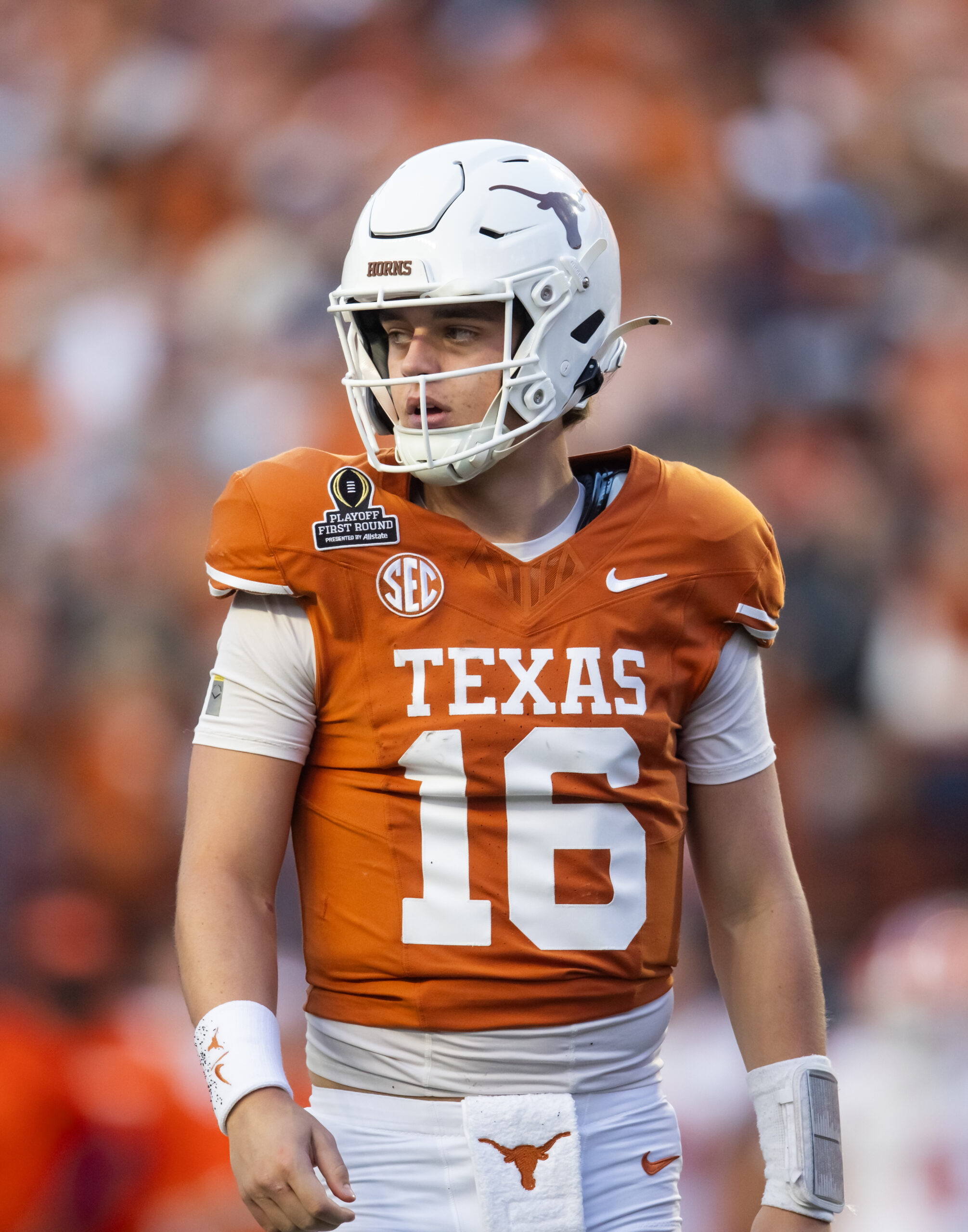 Now, this far out, any trade conversations are mostly going to be preliminary; unless an organization is trading up to Nos. 2 or 3, an element of surprise is crucial in making sure the teams they’re trading past don’t have an opportunity to get back in front of them. Once Thursday rolls around, tunes may change as the intensity of the moment drives up adrenaline, but right now, there’s a serious lack of interest in relinquishing a first-round pick for next year. Ryan Dunleavy of the New York Post posits that an elite upcoming draft class is the cause for hesitation.
Similar claims were made in the run up to and aftermath of the 2025 NFL Draft, when QB-needy teams stayed conservative, trusting that the talent of the 2026 class would be much improved from the group that produced only two first-round rookie passers. A year later, after disappointing campaigns for LSU’s Garrett Nussmeier, Texas’ Arch Manning, and Clemson’s Cade Klubnik, the 2026 class will likely only produce one Day 1 QB. If Alabama’s Ty Simpson is able to sneak into the first round, then this year’s class will match the class it was meant to outperform.
The entire 2026 draft class (not just quarterbacks) has been largely viewed as thin, so Dunleavy’s assertion that teams are looking to hold out for a potentially deeper class next year is starting to sound like an eerily similar song. Dunleavy specifically noted 13 players expected to lead this talented group. One of them is a player that was supposed to be leading this year’s prospect pool, so highlighting them again here shows an impressive lack of superstition.
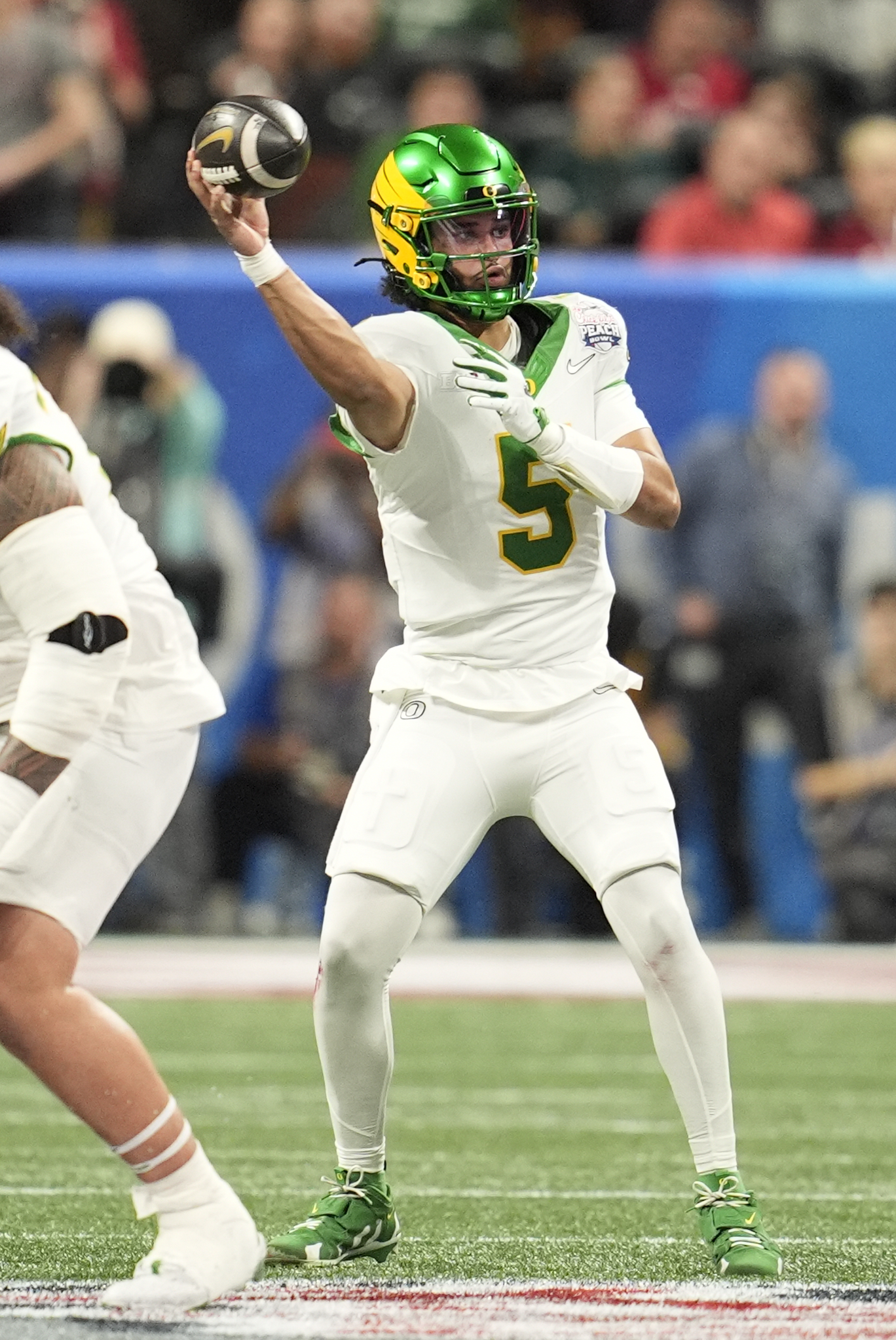 Once again, Manning is the first name mentioned. After initially exciting with flashes of potential playing alongside starter Quinn Ewers, Manning’s first year as the starter got off to a rough start. He turned things around as the season ground on, and he carries strong momentum into next year. Dunleavy also mentioned Oregon’s Dante Moore and Ole Miss sensation Trinidad Chambliss. Both passers were initially expected to give Simpson a run for QB2 honors in this year’s draft before opting to return for another year of college.The last quarterback mentioned was Ohio State’s Julian Sayin, who will be newly eligible for the draft after the completion of his redshirt sophomore season.
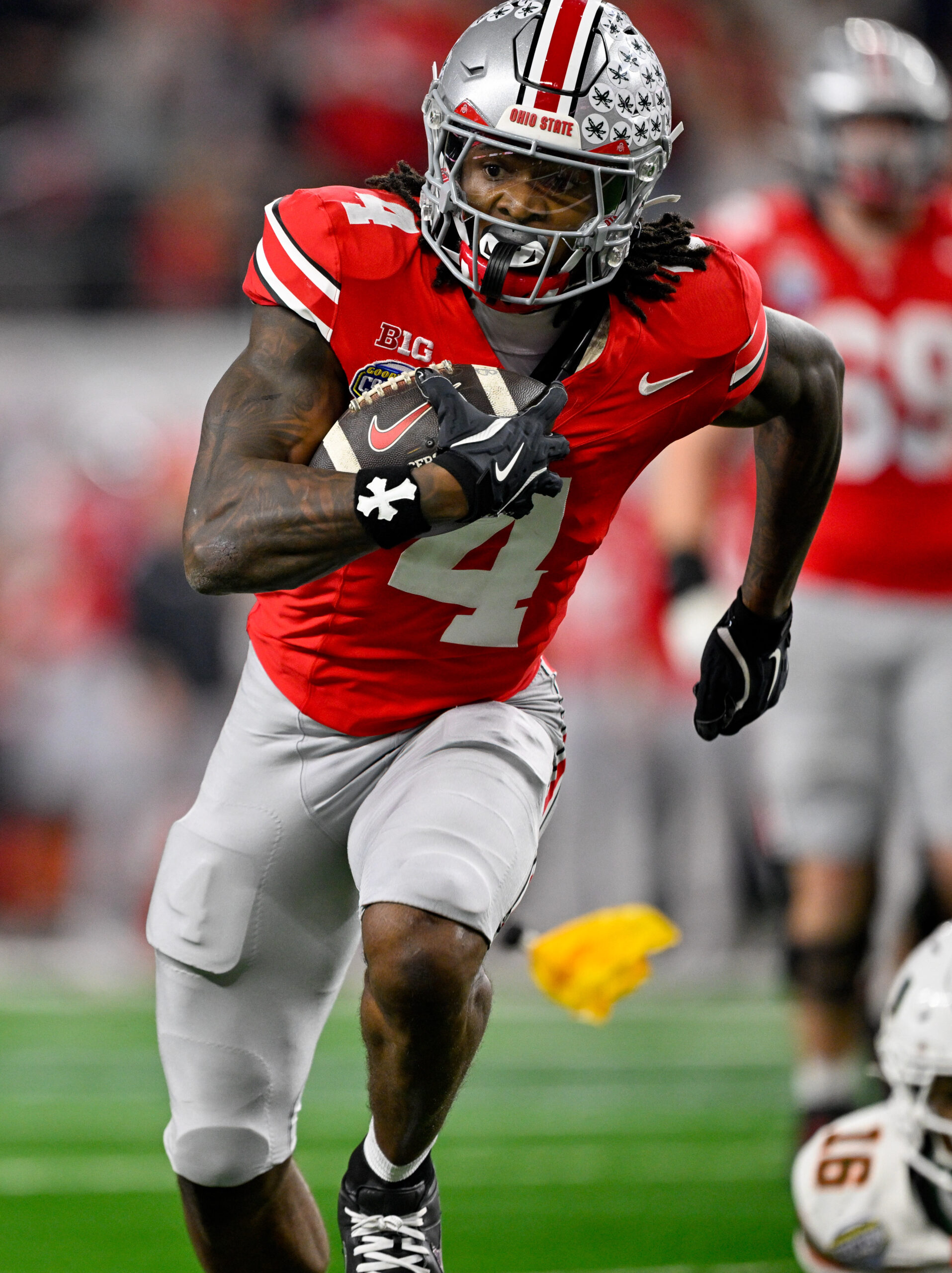
The wide receivers of the 2027 class will also generate enormous expectations leading up to their potential final seasons of college ball. Ohio State wide receiver Jeremiah Smith has been the expected WR1 of this class since his first game in Columbus. Though the Buckeyes produced first-round pass catcher Emeka Egbuka in 2025, and Carnell Tate is currently projected to be WR1 of this year’s crop, Smith has been the dominant WR1 of the Ohio State receiving corps both years. His receiving stats of the past two seasons, totaling 163 receptions, 2,558 yards, and 27 touchdowns, dwarfed the contributions that made his teammates first-rounders.
Smith is joined by Alabama’s Ryan Williams and new Longhorns wide receiver Cam Coleman. Williams showed brilliance in his true freshman year with the Crimson Tide but suffered a sophomore slump no one saw coming. If he can regain his dominance from 2024, he’ll easily work himself into first-round consideration. Coleman has shown increasing potential in two years at Auburn. A final season in Austin with Manning will give him a chance to enter Day 1 talks, as well.
 Oregon tight end Jamari Johnson is already being touted as a potentially better prospect than this year’s expected first-round tight end out of Eugene, Kenyon Sadiq. The transfer from Louisville is looking to help enter the Ducks into TEU conversations. Lastly for the offense, Dunleavy highlighted Texas offensive tackle Trevor Goolsby, who has played on both sides of the line and allowed just one sack in 2025.
On defense, Dunleavy has listed edge rushers Colin Simmons from Texas and Dylan Stewart from South Carolina, defensive tackle David Stone out of Oklahoma, and cornerback Leonard Moore from Notre Dame. Simmons has led the Longhorns defense in sacks in each of his two years in Austin, totaling 21.0. Stewart hasn’t been as dominant for the Gamecocks, but his 11.0 career sacks and 22.5 tackles for loss in two seasons show just how disruptive he can be.
Stone exploded onto the scene for the Sooners in 2025, recording 8.5 tackles for loss to go along with 1.5 sacks. Moore impressed as a freshman for the Fighting Irish with 11 passes defensed, two interceptions, and two forced fumbles then kept going with five interceptions (one returned for a touchdown), seven passes defensed, and another forced fumble en route to All-American honors in Year 2.
Based on our crystal clear hindsight, let’s promise not to anoint anyone too early. Most of the 13 incredibly talented student athletes above were underclassmen this past year. If they continue their meteoric trajectory, they’ll get their flowers throughout the pre-draft process next year. If they fail to live up to the loftiest of expectations, though, they are still young, and should have the grace of every year of their amateur eligibility before final judgements are placed on them. Regardless, it appears teams will think twice before giving up the ability to be in position to draft one of these names next year.