
MetLife Stadium, home of the Giants and the Jets, has once again entered the spotlight due to injury concerns about its turf.
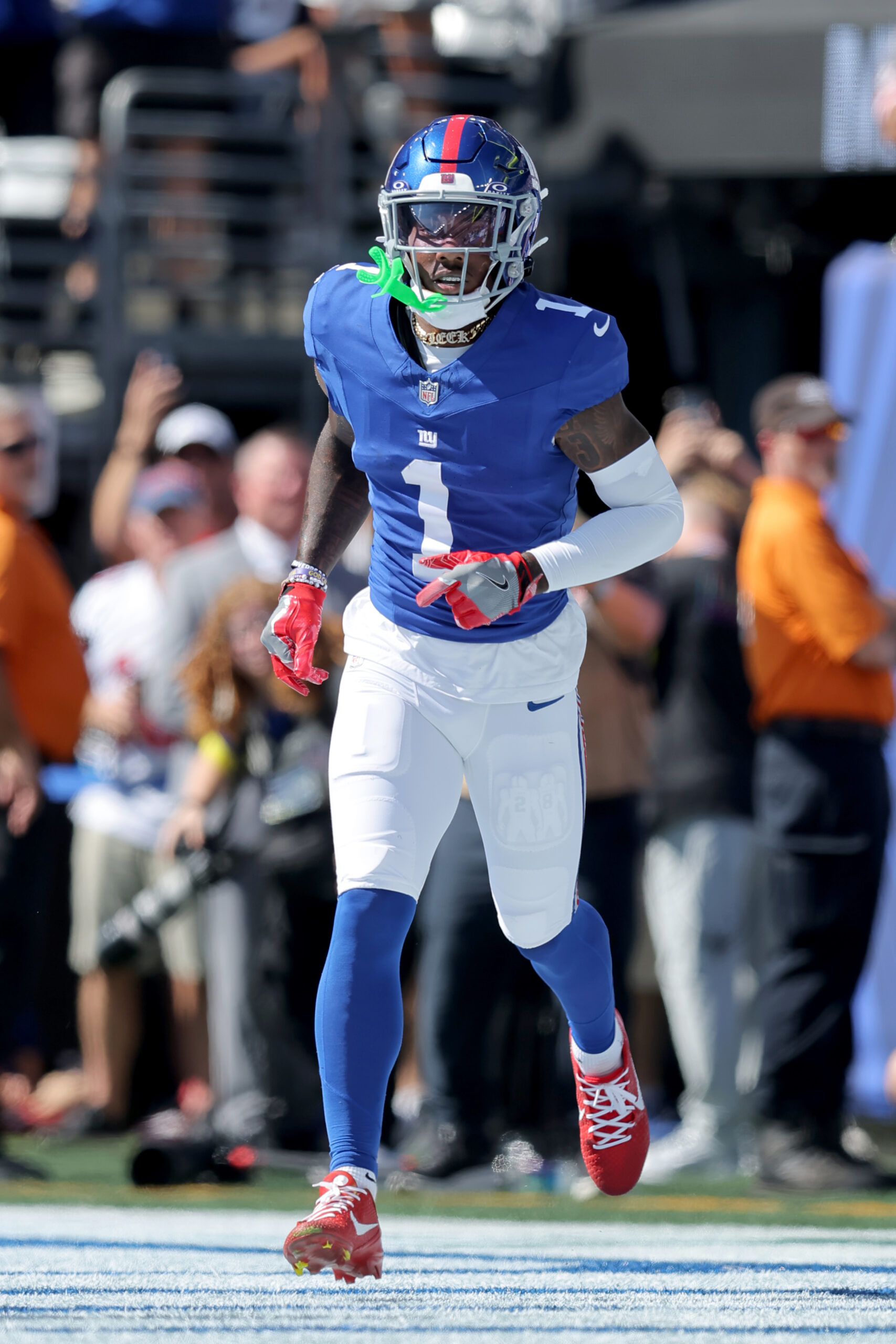 Giants wide receiver Malik Nabers suffered a season-ending knee injury during a Week 4 game at home after landing awkwardly on the field, re-igniting players’ objections to MetLife’s playing surface.
Then, this past week, Eagles defensive tackle Jalen Carter was a surprise inactive for a visit to MetLife Stadium on Thursday Night Football. The turf “played a part” in Carter’s decision to sit out, per NFL Network’s Ian Rapoport. Carter is the first player known to specifically avoid playing a game at MetLife, though other players may have made similar choices in the past. Future game day inactives at MetLife may draw questions about the turf’s influence in their decision not to play.
Those events fueled a widespread belief among players that grass is safer to play on than turf. One team is “petrified” of playing at MetLife, with an executive noting that players may be less inclined to play through injury when visiting the New York teams. Leaguewide, more than 90% of players have said they prefer grass in the last two NFLPA surveys, according to The Athletic’s Diana Russini. Of particular confusion is the decision by several stadiums to switch from turf to grass for upcoming soccer tournaments with plans to switch back to turf for football.
However, injury data from the league tells a different story. Since installing a new FieldTurf Core system in 2023, injuries have at MetLife have decreased; last year, it had one of the lowest injury rates in the NFL, according to ESPN’s Adam Schefter. Research from the Jets indicates that players have suffered more knee ligament or Achilles tears on grass compared to turf fields, and league data also shows that lower-extremity injuries are actually less common at MetLife.
NFLPA executive director David White mentioned players’ concern about MetLife’s turf to the Giants during a pre-planned visit that took place after Nabers’ injury, per CBS Sports’ Jonathan Jones. Still, neither the NFL nor either of the home teams plan to make any changes to the playing surface at MetLife, though it seems to be a point of contention that players will continue to raise.
You could have games played on Jello pudding and players would still suffer injuries. The real issue isn’t the surface but the quality of maintenance of the surface.
Oh so its not the surface but its the surface good to know.
In all seriousness though, turf does increase injury risk. There are studies online that show turf causes more ACL tears than grass. Its not a secret. Just because ACL tears can still happen on grass doesnt make nullify the increased injury risk playing on turf provides.
What I meant to say was that a badly maintained surface (be it grass, turf or anything else) is going to result in more injures than a surface that is well cared for.
And what I meant to say is that if you took the best maintained grass and the best maintained turf surface, turf would still cause more injuries than grass. The type of surface does matter
He is playing US bank turf in MN this week. He sitting out again??
Wait, so the Jets organization conducted its own study to prove that its own playing surface was “just fine”. Seems legit.
Tyreek Hill dislocated his knee during the Dolphins’ home game in Week 4. Hard Rock Stadium has a grass surface.
Fred Warner dislocated his ankle during the 49ers’ away game in Week 6. Raymond James Stadium in Tampa has a grass surface.
Maybe it has something to do with player conditioning.
Or the game is just violent. Bad injury examples to make a case for conditioning?
Yeah because Fred Warner having his ankle pinned and rolled up from behind is due to a conditioning issue.
Goodell: “We’re going to cover all the fields with bubble wrap and fast track our flag football agenda to keep players safe and fans happy”.