
The ever-evolving landscape of college football has had several residual effects on the NFL, and nothing has forced more evolution in college football than the allowance for players to profit on their name, image, and likeness. NIL has already had some intriguing side effects on the NFL, but there’s some thought that the next new effect we may see could include the revival of the supplemental draft. 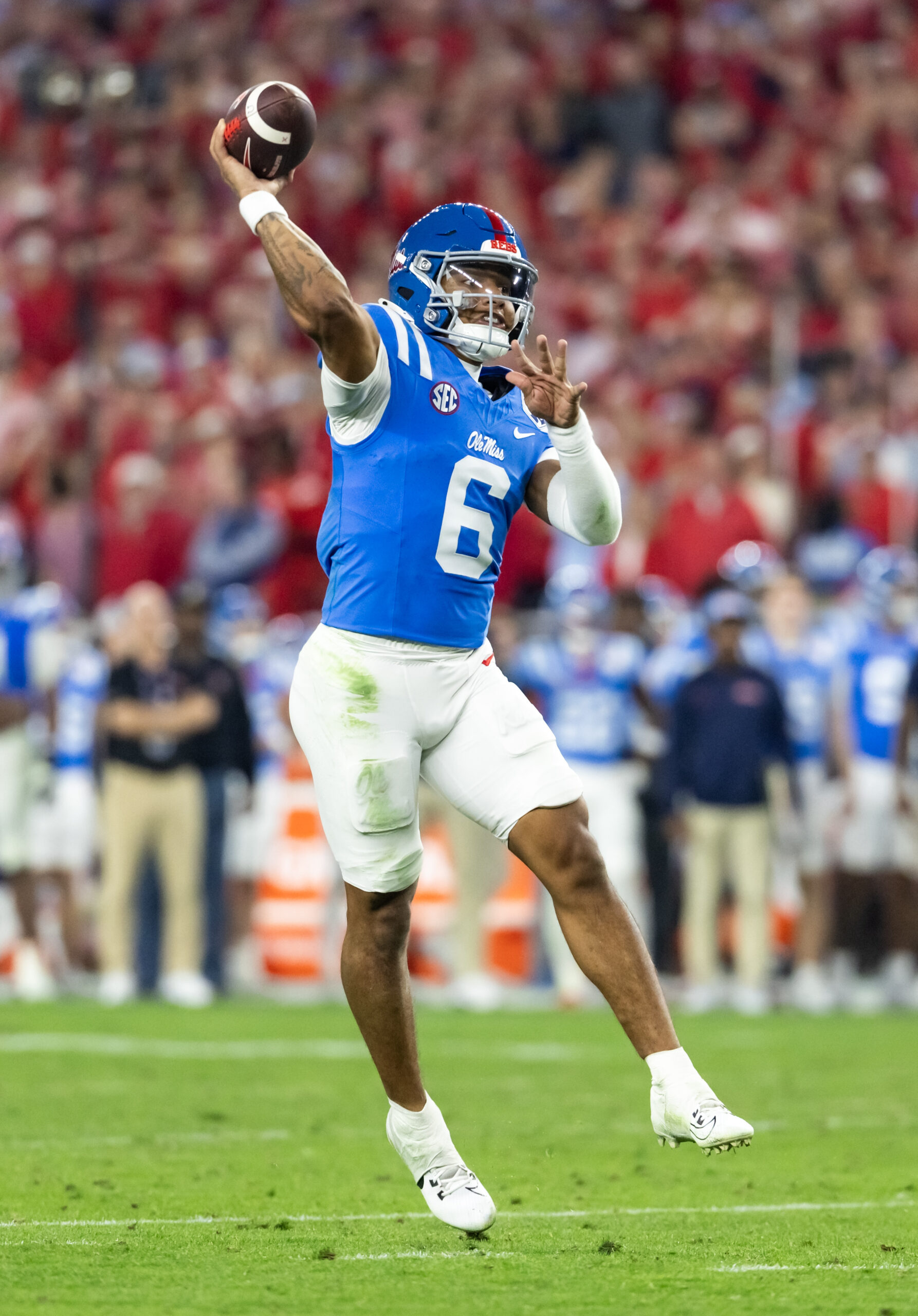
At the collegiate level, NIL has brought a bit of parity back to an NCAA that had seen SEC power Alabama with a stranglehold on the sport of football with short stints of relevance from other SEC powers like Florida, LSU, and Georgia and with the occasional popup of an Ohio State or Clemson. The more these programs won, the better they would recruit, and the strong recruiting would beget more winning which would beget more strong recruiting.
With the onset of NIL, schools whose alumni base could form large enough coalitions through which student athletes could find NIL opportunities suddenly were able to attract more and better recruits without the championship-winning pedigree necessary to draw them in. The ability for players to make large amounts of money in the amateur ranks also made it to where promising, young players who would make too early, blind jumps to the NFL in hopes of ascending at their self-perceived peak or avoiding the pitfall of a career-ending injury pre-career could stay in school without fear of no compensation.
Those two factors, combined, made it to where the transfer portal became one of the most influential tools in the sport. This past year alone, though some of the usual suspects, like Alabama and Georgia, found their way into the College Football Playoff’s 12-team tournament, we saw a couple new, well-funded teams like Texas Tech and Miami make a run, while other new teams like Ole Miss and Indiana made their runs relying on older transfers. A common stat quoted throughout the CFP was that the average age of the Hoosiers’ championship-winning roster was only two years younger than the average age of the Packers’ roster, though those numbers may be a bit exaggerated.
As for Ole Miss, throughout the second half of their season, transfer backup quarterback Trinidad Chambliss emerged as an electric talent in his fifth year of play. Before arriving in Oxford, Chambliss spent four years at Ferris State. He didn’t play in his first two years with the Bulldogs and only got a few snaps as a redshirt sophomore before leading his team to a Division II championship victory in Year 4. He transferred to Ole Miss for his redshirt senior season, exhausting his final year of collegiate eligibility, but despite having a successful season in which he put up some great film, Chambliss is suing the NCAA for an additional year of eligibility.
 This lawsuit puts Chambliss in an unfortunate situation. There’s every chance that he could come out on the winning end and return to the Rebels for another run at the CFP, but there’s also a chance that the proceedings could be slow and lengthy, extending past his opportunity to declare for the NFL Draft but denying him the ability to return to school. Hence the potential for the return of the supplemental draft. Since 1993, the supplemental draft has only been an option for players who planned to attend college but, for whatever reason, were not able to. If Chambliss’ attempts at another year of eligibility fall short after a lengthy process, he would fit that description to a T.
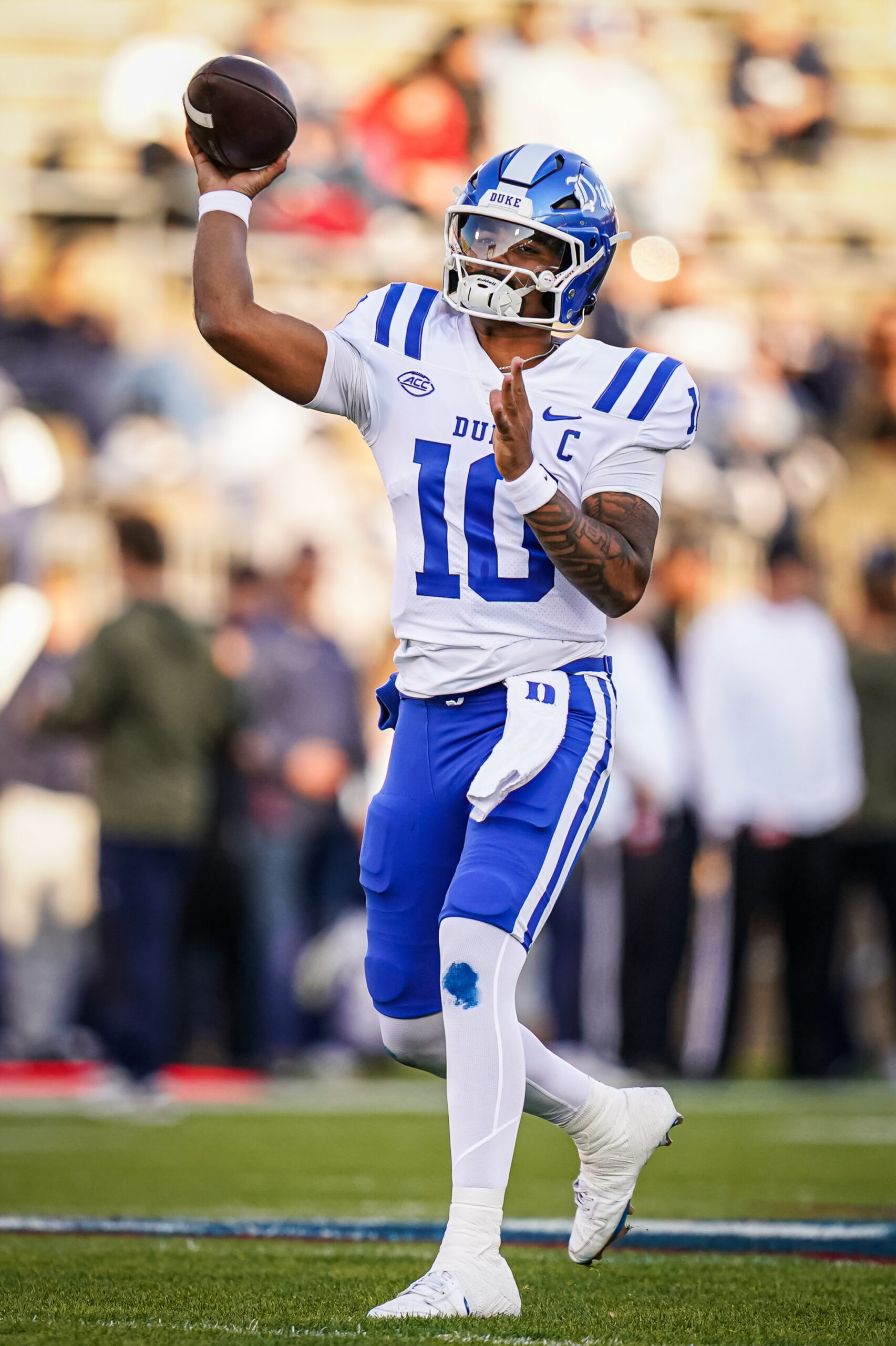
We’ve also seen a similar situation emerge out of Durham, where transfer quarterback Darian Mensah is attempting to transfer a second time. Joining the Blue Devils by way of Tulane, Mensah had a phenomenal season and, after a brief consideration of an NFL declaration, announced his intention to return to Duke for 2026. On the very last day that the transfer portal was open, though, Mensah made the decision to enter the portal with a new intention of transferring to Miami.
After initially seeming to be willing to play ball, Duke opted to sue Mensah on the grounds that his NIL deal was a two-year contract and, by transferring, he was violating the terms of his deal. As Mensah continued to pursue amenable compensation to settle outside the courtroom, the university pressed on with the lawsuit. Ultimately, Duke and Mensah were able to come to a settlement agreement outside of court, and Mensah has been permitted to pursue his transfer, but Tony Pauline of EssentiallySports posed a hypothetical wherein Mensah could’ve lost his suit, not wanted to play for the team that sued him out of a richer NIL deal, and been past the point to declare for the draft, making him another candidate for the NFL’s supplemental draft.
The picture painted by Pauline, combined with the current legal actions of Chambliss, show why the potential for more supplemental draft candidates is growing as a result of NIL. The NFL hasn’t seen a player drafted in the supplemental draft since 2019. Before this, the longest droughts between picks were three different occasions in which two players were picked three years apart. It’s been seven years since the last supplemental draft pick, but as NIL encourages players to seek more time in college, we could see an increase in cases that don’t get resolved until it’s too late for a player to join the regular draft, leading to an increased pool of candidates for the supplemental draft.
NIL is a mess, but the NFL has typically in the past worked with the NCAA to create a cohesive college-to-pro pipeline. If they did allow the supplemental draft to be an option for college (minor league) players to graduate to the pros after unsuccessfully attempting to extend their time in college or after losing suits against the colleges that paid them, it would signal a push in a direction apart from the NCAA. That hadn’t been their policy in the past, even though it’s sort of the basis for the supplemental draft in a lot of cases.
At the end of the day, though, it’s doubtful to cause much of an impact. The way that the supplemental draft works dictates almost from the get-go that teams are reluctant to use it. Spending a future pick on a player in the supplemental means that staff is definitely going to be under the microscope for taking him based on how well he does (immediately, in all likelihood), and players who are that good quite rarely go to the supplemental draft to begin with. Chambliss had a very good college season, but the reason that he is attempting to go back is because of his draft status. He’s not going to be as in demand in the pros at this particular moment as he is college, and he figures to be extremely high profile for a supplemental draft pick. Most other candidates will have had less success.
If the numbers of qualified players increase, I could see the league soft expanding the draft for a year or two, but I don’t think that it will last. The college landscape is just too volatile right now (which shills like Florio think is great for players, and blame the NCAA entirely for, and not the players who are being coerced by agents to do). More importantly, I don’t think that teams will be willing to spend a future pick for most of the players involved. When they do pick guys, it’s rarely with a top end pick. I know, I know, it’s happened, but the very fact that so few examples exist proves that teams would rather use their picks in the regular draft.
The supplemental draft has always been on a semi case by case basis, not an expectation. The first few times that a player misses the draft due to these concerns, the NFL could do it, but if this becomes common, I doubt that it continues. If something like a lawsuit is keeping a player out of the normal draft, are teams going to wait that long with fingers crossed to find out if he loses and will be available? Chances are higher that the league adopts a different longstanding policy to do it in another way.