
Mutual Interest In Extension For Jets LB Jamien Sherwood
The Jets were expected to have a strong couple of linebackers with C.J. Mosley and Quincy Williams leading the group in 2024 before Mosley got knocked out for most of the year as he dealt with a herniated disk in his neck. With Mosley out for an extended period, New York got a surprise strong contribution from fourth-year linebacker Jamien Sherwood, whose performance in a contract-year could pay big dividends, per Zack Rosenblatt of The Athletic. 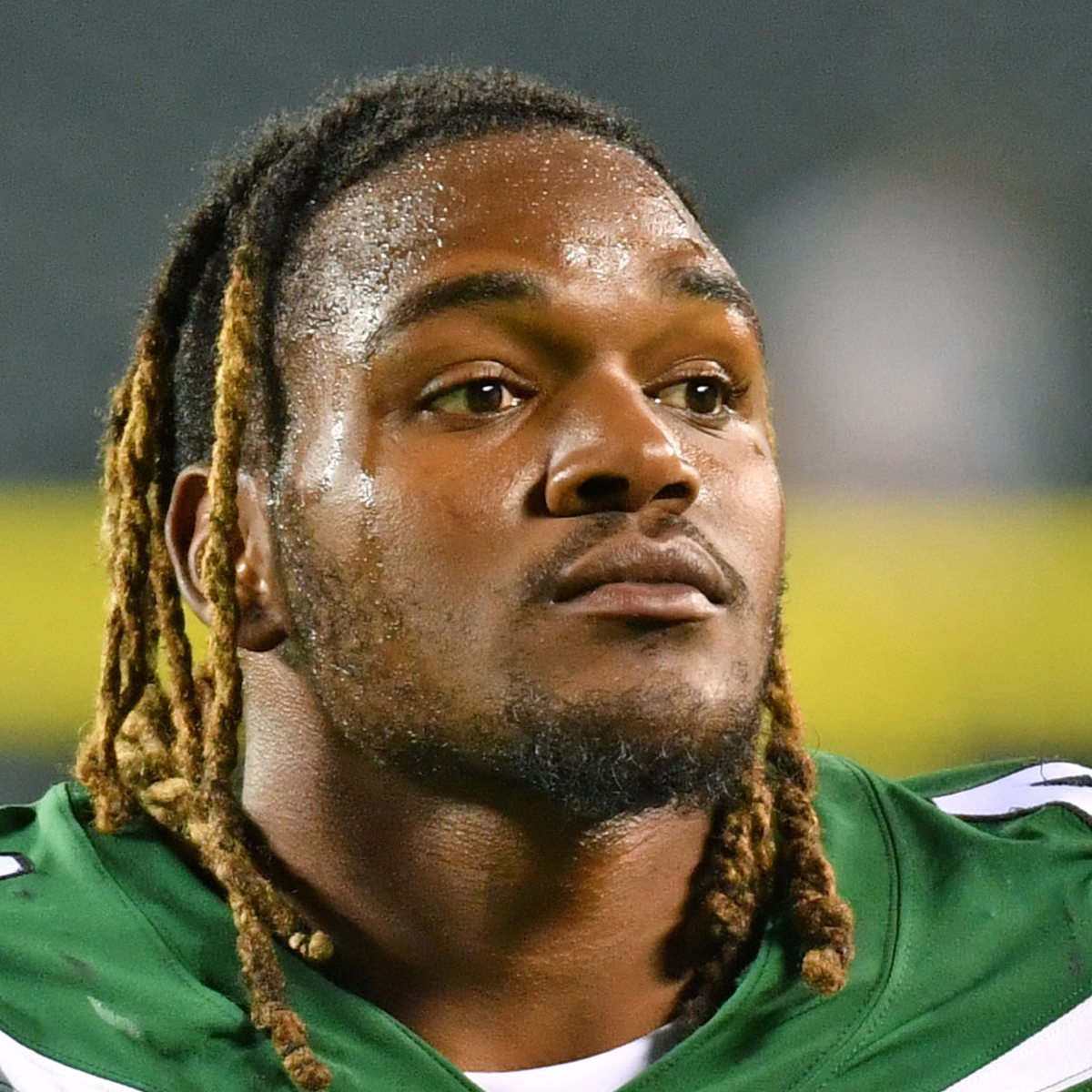
Despite signing an extension almost a year ago, Mosley is now expected to be released by the Jets sometime this offseason. Mosley’s extended absence in 2024 was the third time he had missed most of a season in New York since signing with the Jets in 2019. If the team moves on from Mosley, as expected, Sherwood’s career-year could have been a successful audition to replace Mosley for good.
Sherwood’s first three years in the league were relatively quiet. A torn Achilles tendon cut the fifth-round pick’s rookie season short after he started four of the first six games that year. Despite showing that starting potential, Sherwood didn’t make a single start in any of the 17 games he appeared in the following year. He returned to the starting lineup three times in 2023.
After entering the year slotted as a backup to Mosley once again, Sherwood ended up starting 16 of the team’s 17 games. While notching career highs in most statistics, Sherwood recorded an impressive 10 tackles for loss while leading the league in solo tackles (98) and tying for third in the league in total tackles (158).
The analytics were impressed with the 25-year-old, as well. After his first full season as a starter, Pro Football Focus (subscription required) ranked Sherwood as the league’s 18th-best linebacker. He’d had favorable analytics in 2022 and 2023, as well, but he didn’t log enough playing time to rank among the linebackers who did in those years.
With Sherwood’s rookie contract expiring, he’s bound for free agency, and after a career year, he’s well-positioned for a strong second contract. Rosenblatt said as much on the Flight Plan Podcast, claiming that Sherwood should expect “a pretty big contract for a linebacker.” Rosenblatt later added that he was hearing about interest from both sides in reaching a new deal with the Jets.
After only one strong season, it’s hard to imagine Sherwood coming out and making Roquan Smith, Fred Warner, or Tremaine Edmunds money. We’ve seen a few of the league’s more frequent tacklers (Zaire Franklin, Bobby Okereke, Foyesade Oluokun) all sign contracts around $10MM per year in recent years, so there’s a chance he lands in that range. The Jets know that he works in their system and have need with Mosley expected to be gone, so they may just be willing to make a new deal like that work for Sherwood.
2025 RFA Tender Numbers
In addition to recent salary cap, franchise tag, and transition tag numbers for 2025, Tom Pelissero of NFL Network reported today on the numbers for restricted free agent tenders.
Restricted free agent tenders apply to players who are entering free agency with only three years of accrued NFL experience. While unrestricted free agents (players entering free agency with four or more years of experience) are able to determine their new contracts off of market demands, restricted free agents are limited to different tender categorizations. If a team doesn’t tender a restricted free agent by the start of the new league year, they’ll immediately become unrestricted free agents who can sign anywhere with no market limitations.
If a team does tender a restricted free agent, they can place first-round, second-round, original-round, or right-of-first-refusal tenders on the player. Other teams can submit offer sheets for the tendered player if they wish to acquire him, but the team that tendered him can match the offer sheet to keep the player if they choose. If a first-, second-, or original-round tender is placed on the player, the tendering team can receive draft compensation if it allows the player to walk for the offer sheet.
Like the franchise and transition tag, the restricted free agent tender is a one-year contract. The value of that contract is limited and determined by what tender is placed on the player.
For 2025, if a team places a simple, right-of-first-refusal tender on a player, he will earn a salary of $3.26MM for the year, should he sign that tender. If the team places a right-of-first-refusal tender with compensation set at the player’s original draft round, he will earn the higher of $3.41MM or 110% of the 2024 Paragraph 5 salary for the year, should he sign. The same tender with a designated second-round compensation will result in that player earning the higher of $5.35MM or 110% of the 2024 Paragraph 5 salary for the year, should he sign. The same tender with a designated first-round compensation will result in that player earning the higher of $7.46MM or 110% of the 2024 Paragraph 5 salary for the year, should he sign.
Lastly, should a player with a first-round tender receive an offer sheet from another team that waives or limits the new team’s ability to place the franchise/transition tag on that player and that provision is not matched by the tendering team, the player can earn the higher of $7.96MM or 110% of the 2024 Paragraph 5 salary for the year, should he sign.
2025 NFL Franchise/Transition Tags
The NFL has officially set the 2025 salary cap at $279.2MM, a figure that will shape teams’ financial plans as they navigate the offseason.
The salary cap doesn’t just dictate how much money teams can spend; it also factors into the calculation of franchise and transition tags. For more than three decades, teams have been able to use a franchise or transition tag on one player during the offseason to retain them on a one-year deal. The value of the franchise tag is based on the top five salaries at each position, while the transition tag is calculated using the top 10 salaries at each position.
Teams have already been able to tag players since February 18, but now they know exactly how much that decision will cost. The Chiefs, for example, moved forward with placing the non-exclusive franchise tag on Pro Bowl guard Trey Smith. That will cost them $23.4MM this year, though the two sides are expected to continue negotiations on a long-term extension.
Other teams who were considering tags – including the Vikings with Sam Darnold and the Dolphins with Jevon Holland – will now have exact numbers to work with. Here are those figures for the non-exclusive franchise tag (via NFL Network’s Tom Pelissero):
- Quarterback: $40.24MM
- Running back: $13.64MM
- Wide receiver: $23.96MM
- Tight end: $13.83MM
- Offensive line: $23.4MM
- Defensive end: $22.06MM
- Defensive tackle: $25.12MM
- Linebacker: $25.45MM
- Cornerback: $20.19MM
- Safety: $18.6MM
- Kicker/punter: $6.31MM
However, the new tag figures will not apply to players who were tagged last season, like the Bengals’ Tee Higgins. Those players can be tagged for 120% of last year’s salary. The Bengals are expected to use a second tag on Higgins, which would pay him $26.2MM in 2025. The rest of 2024’s tagged players all signed long-term extensions, making them ineligible for a tag this year.
Teams rarely use the exclusive franchise tag, which costs more than the non-exclusive tag as it prevents players from negotiating with other teams. The non-exclusive tag is more frequently used, which allows players to negotiate and sign offer sheets with other teams. The player’s previous team can then match that offer sheet to retain the player or decline to match and receive two first-round picks from the player’s new team. That process rarely plays out in full; instead, franchise tags typically lead to players signing long-term extensions with the team that tagged them.
The transition tag is similar to the non-exclusive tag in that it allows players to negotiate and sign offer sheets with other teams. The previous team maintains the right to match such offer sheets, but if they decline, they are not entitled to any draft pick compensation.
Here are the 2025 transition tag numbers:
- Quarterback: $35.38MM
- Running back: $11.07MM
- Wide receiver: $21.44MM
- Tight end: $11.71MM
- Offensive line: $21.27MM
- Defensive end: $19.87MM
- Defensive tackle: $20.85MM
- Linebacker: $20.86MM
- Cornerback: $17.6MM
- Safety: $15.03MM
- Kicker/punter: $5.73MM
It’s worth noting that the NFL maintains two archaic positional designations in its calculations for franchise and transition tags (as well as fifth-year options.) All offensive linemen are grouped together, rather than separating centers, guards, and tackles. All linebackers also fall under one category, meaning that inside linebackers fall under the same category as outside linebackers, even those who are primarily edge rushers. These distinctions have made it difficult for teams to tag interior offensive linemen and inside linebackers due to the significantly larger salaries of offensive tackles and edge rushers, though the Chiefs didn’t let it stop them this year.
Patriots To Explore WR Trade Market; Team Out On Tee Higgins?
Tee Higgins was long known to be the top option at the receiver position in the 2025 free agent class. As the Bengals aim to keep him in place on a long-term pact, they are prepared to use the franchise tag on him for the second year in a row, however. 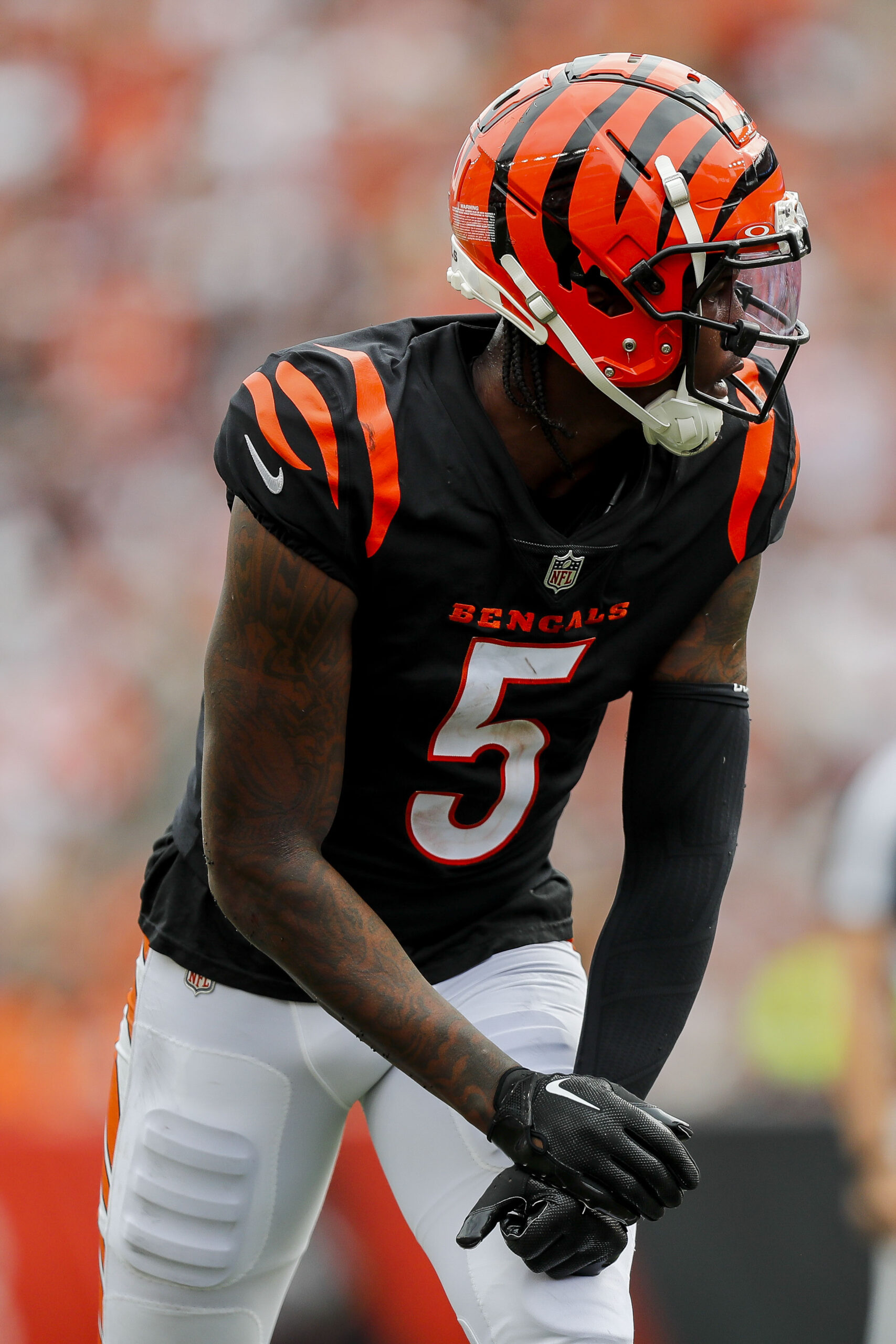
Before it was learned Cincinnati would take that route, the Patriots were named on more than one occasion as a strong suitor. New England has ample cap space and the need to upgrade at the receiver position, so a lucrative offer would have come as no surprise. Now, the only way Higgins could be acquired would be through a tag-and-trade.
Even if the Bengals were to entertain such a move, though, New England may not be a suitor. Chad Graff of The Athletic reports the Patriots’ offseason plan “does not include” an attempt to trade for Higgins (subscription required). That marks a departure from the team’s previous stance, but a consensus does not appear to exist on this front. The Boston Sports Journal’s Mike Giardi writes New England should in fact still be counted among the teams willing to pursue Higgins should a trade become feasible.
Regardless of how things shake out in that respect, Graff confirms to no surprise the Patriots intend to focus on making additions on the line of scrimmage this offseason. Upgrading multiple O-line spots represents an obvious priority given the way 2024 played out. If Davon Godchaux ends up being traded, meanwhile, adding at the defensive tackle spot will increasingly become important.
Still, Graff’s report states the Patriots intend to be active on the trade market as it pertains to wideouts. Two high-profile names – Cooper Kupp (Rams) and Deebo Samuel (49ers) – are known to be available. The former was informed by Los Angeles the team (which is willing to retain money in a deal) will be moving on, while the latter has seen San Francisco’s front office confirm it will honor his trade request. Early Samuel suitors have emerged, but the Patriots are not believed to be among them.
On that note, Giardi reports Samuel’s play against man coverage has been raised as a concern by teams at the Combine. The 29-year-old’s skillset makes him one of the more unique players in the league, but injuries in addition to his age could give suitors pause when contemplating a trade. Given their league-leading cap space (nearly $128MM), however, the Patriots are better equipped than many to absorb a notable contract in a deal and/or work out an extension with a new wideout upon arrival.
New head coach Mike Vrabel made it clear earlier this week he expects the Patriots to be aggressive in free agency. It will be interesting to see if the new league year also brings about movement on the trade front as the team looks to improve from its last-place finish in passing offense from 2024.
Raiders Won’t Place RFA Tender On Desmond Ridder, Looking Into Justin Fields
The Raiders are not planning to place a restricted free agent tender on quarterback Desmond Ridder, per NFL Network’s Tom Pelissero.
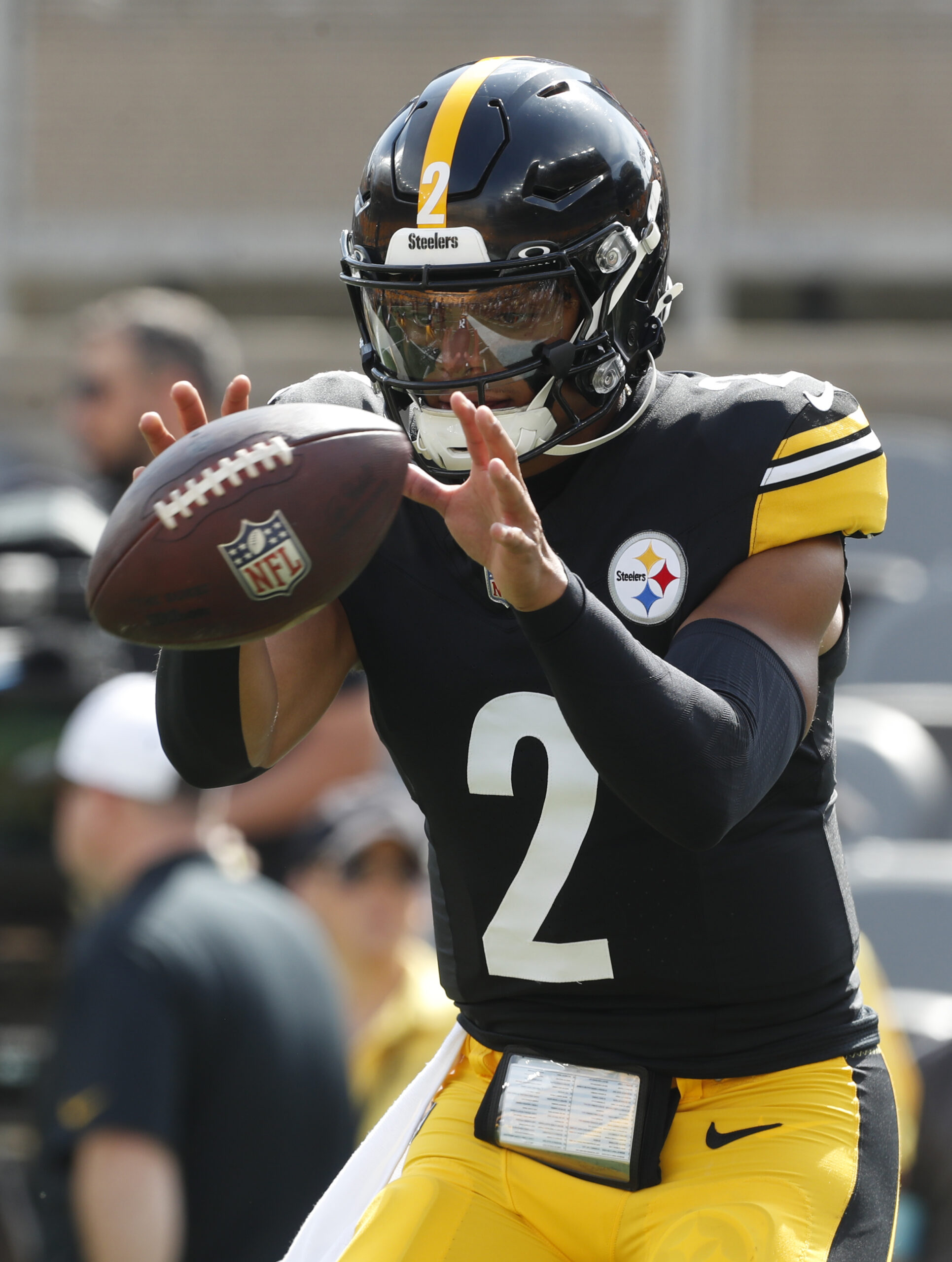 Ridder appeared in six games for the Raiders in 2024 with one start. He completed 52 of his 85 passing attempts for 458 yards, two touchdowns, and two interceptions, resulting in a career-low 73.6 passer rating. That performance made it clear that Ridder is not a starting-caliber quarterback, but an RFA tender could have kept him in Las Vegas as an inexpensive backup.
However, the new Raiders regime has more ambitious plans for the position. In addition to moving on from Ridder, they are also expected to release Gardner Minshew as they search free agency and the draft for their next quarterback. Las Vegas has already been linked with Sam Darnold and Russell Wilson, and they are also expected to explore signing Justin Fields, per ESPN’s Adam Schefter.
Ridder, meanwhile, will join a backup quarterback market in free agency that includes experienced veterans like Jacoby Brissett and Marcus Mariota as well as younger options like Zach Wilson and Trey Lance.
Originally a Falcons’ third-round pick in 2022, Ridder earned a starting job by the end of his rookie year. He continued as the starter for most of the 2023 season, but was deemed surplus to requirements after Atlanta signed Kirk Cousins. Ridder was then traded to the Cardinals, where he ended up on the practice squad after losing the backup quarterback battle in training camp.
The Raiders then signed Ridder off of the Cardinals’ practice squad to serve as Minshew’s backup after Aidan O’Connell landed on injured reserve. Ridder came in for Minshew after he broke his collarbone in Week 12, but O’Connell took over the starting job when he returned from IR the following week. O’Connell’s struggles in Week 14 gave Ridder a chance to finish the game under center and start in Week 15. He played the entire game, but completed less than 60% of his passes and threw two interceptions. The Raiders went back to O’Connell in Week 16, and Ridder played just three snaps for the rest of the season.
Ridder’s step back in Las Vegas will hurt his free agent stock this spring. Like last year, he may enter training camp competing for a roster spot as the No. 2 quarterback.
Rams, LT Alaric Jackson Making Progress On Extension Talks
The Rams have already sorted out their quarterback situation for 2025. Questions remain at the left tackle spot, but that may not be the case for much longer. 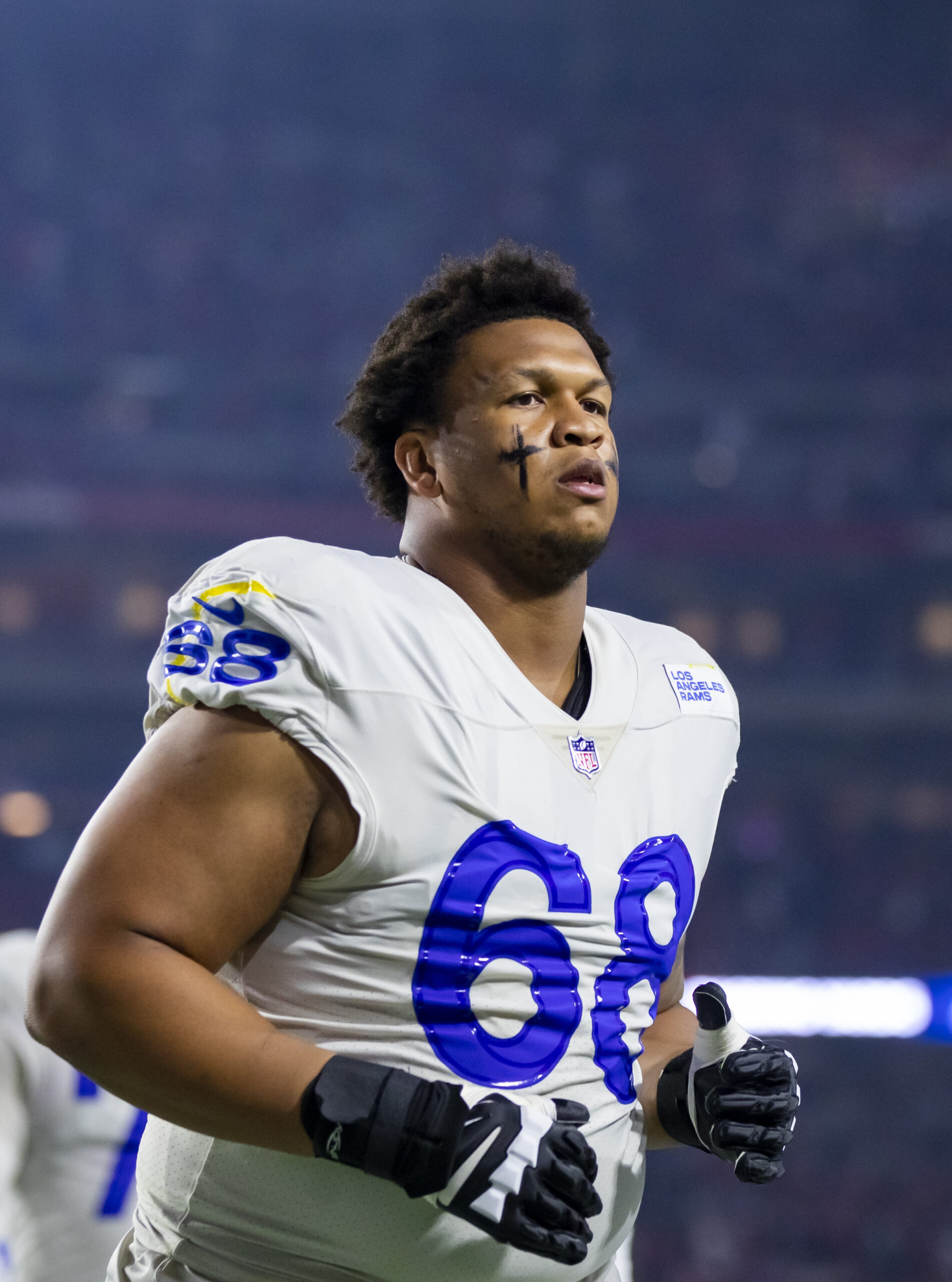
Progress is being made on a long-term extension as it pertains to left tackle Alaric Jackson, ESPN’s Jeremy Fowler reports. No deal is in place at this point, but Fowler notes one can be expected to be finalized in the near future. At the moment, Jackson is on track for unrestricted free agency.
[RELATED: Rams Grant Jonah Jackson Permission To Seek Trade]
The 26-year-old has been with Los Angeles for all four years of his career. Jackson played sparingly during his debut campaign, then split his time between left tackle and right guard in 2022. The former UDFA then handled full-time blindside duties beginning the following year, grading out as the 43rd-best tackle in terms of PFF evaluation.
Without a replacement in place, it came as little surprise the Rams placed a second-round RFA tender on Jackson last offseason to prevent a potential departure. That move allowed the Windsor, Ontario native to collect $4.89MM last season. Upon serving a two-game suspension at the start of the campaign, Jackson resumed his place atop the depth chart at the left tackle spot.
In the wake of Andrew Whitworth‘s retirement, Joe Noteboom was tapped as the team’s successor on the blindside. The latter signed a three-year, $40MM deal with the expectation of handling a full-time starting role. Jackson has supplanted him in that capacity, though, and he will be in place for years to come if he and the Rams can reach agreement on a deal.
In 2024, Jackson registered a 78.4 PFF grade – by far the best of his career and a mark good for 18th amongst tackles. He allowed fewer quarterback hits, hurries and pressures than the previous campaign, and expectations will thus remain high with respect to pass protection in particular moving toward. Provided Jackson inks a Rams deal soon, one of the top pending free agent linemen (at tackle or any other spot) will come off the market. Jourdan Rodrigue recently noted strong interest will exist in the event he becomes available (subscription required).
Given today’s update, though, it is increasingly unlikely that will be the case. A raise compared to 2024 will no doubt be in order for Jackson on a long-term pact, one which will provide the Rams with clarity on the blindside if and when it is finalized.
2026 Fifth-Year Option Salaries Unveiled
Yesterday, the league informed teams of the 2025 salary cap ceiling ($279.2MM). Now, clarity has emerged regarding the fifth-year options for members of the 2022 draft class. 
All teams will need to decide by May 2 to pick up or decline the 2026 option on players selected in the first round of that year. For the fifth year in a row, option values will be broken into tiers based on playing time and performance. Since the 2020 CBA, option years have been guaranteed in full.
The top tier consists of players who have been selected to two or more Pro Bowls (on the initial ballot) during the early stages of their careers. These figures also match the 2025 franchise tag values. Via Tom Pelissero of NFL Network, here is the position-by-position breakdown at that level:
- Quarterback: $40.24MM
- Running back: $13.64MM
- Wide receiver: $23.96MM
- Tight end: $13.83MM
- Offensive line: $20.99MM
- Defensive end: $23.4MM
- Defensive tackle: $25.12MM
- Linebacker: $25.45MM
- Cornerback: $20.19MM
- Safety: $18.6MM
- Kicker/punter: $6.31MM
The second tier applies to players who have one Pro Bowl on their resume and matches the value of 2025 transition tags. Here is how that groups shakes out financially:
- Quarterback: $35.38MM
- Running back: $11.07MM
- Wide receiver: $21.44MM
- Tight end: $11.71MM
- Offensive line: $21.27MM
- Defensive end: $19.87MM
- Defensive tackle: $20.85MM
- Linebacker: $20.86MM
- Cornerback: $17.6MM
- Safety: $15.03MM
- Kicker/punter: $5.73MM
Tier 3 consists of players who played at least 75% in two of their first three seasons, those who averaged at least a 75% snap share through three seasons or those who crossed the 50% snap barrier in each of their initial three campaigns. Those positions are broken down as such:
- Quarterback: $25.38MM
- Running back: $7.33MM
- Wide receiver: $16.82MM
- Tight end: $8.5MM
- Offensive line: $17.56MM
- Defensive end: $15.12MM
- Defensive tackle: $14.37MM
- Linebacker: $14.75MM
- Cornerback: $13.63MM
- Safety: $10.23MM
- Kicker/punter: $4.6MM
The fourth and final tier applies to players without a Pro Bowl nod and who do not meet the playing time criteria:
- Quarterback: $22.12MM
- Running back: $6.58MM
- Wide receiver: $15.49MM
- Tight end: $7.71MM
- Offensive line: $16.69MM
- Defensive end: $13.92MM
- Defensive tackle: $12.94MM
- Linebacker: $13.41MM
- Cornerback: $12.68MM
- Safety: $9.27MM
- Kicker/punter: $4.29MM
Matthew Stafford Resolution Approaching; Latest On Raiders’, Giants’ Pursuits
The top storyline around the NFL continues to be the uncertain future of Matthew Stafford. A resolution (with the Rams or otherwise) regarding the in-demand quarterback could be coming soon, though. 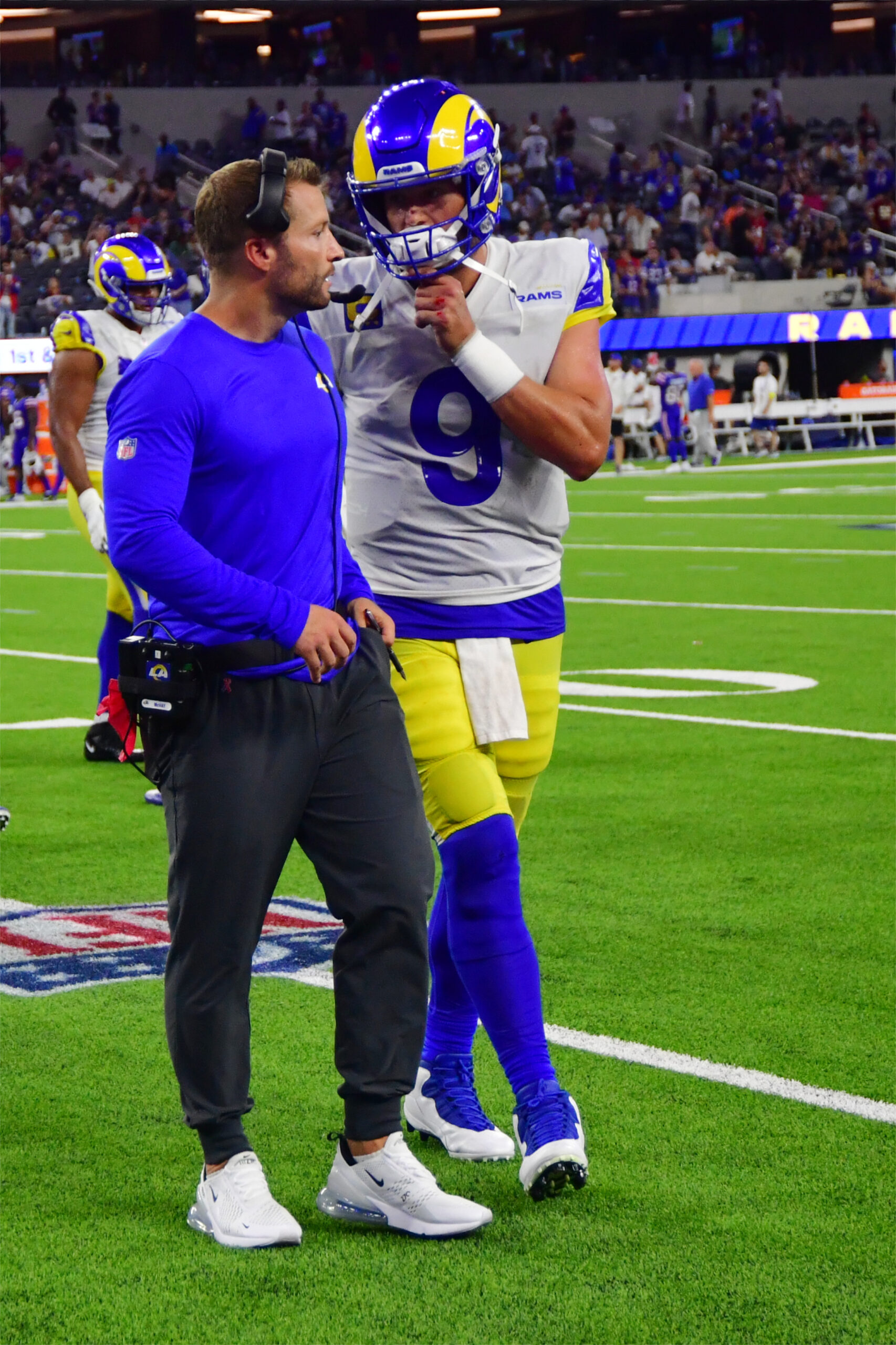
An expectation exists that this situation will reach a conclusion by the end of the Combine, NFL Network’s Ian Rapoport notes (video link). Any potential trade cannot take place until the new league year begins in mid-March, but an agreement can of course be worked out at any time. The Raiders and Giants are the top contenders on the trade front, but another arrangement with the Rams is still possible. Stafford is believed to be seeking $50MM annually on average with his next pact, a price point Los Angeles is reportedly not prepared to meet.
Nevertheless, the Rams are still in contention to attain their stated goal of keeping the 37-year-old in place for at least 2025. Stafford is contemplating the requirement of uprooting his family after four years with Los Angeles, Rapoport’s colleague Mike Garafolo adds; starting over at this point in his career would be notable even with a lucrative offer awaiting him on a new team. Given the fact the Rams have a young core and reached the divisional round of the playoffs in 2024, there are also football-related arguments to be made in favor of staying in place.
For that to be possible, though, it has long been clear another raise will be required. Stafford and the Rams agreed o accelerate some of his future compensation to 2024 last summer, avoiding a training camp holdout with a short-term solution. A year-to-year approach is still in play with the Rams in need of a successor at some point in the near future regardless of what happens with Stafford. The Super Bowl winner could wind up agreeing to a restructure light on years but once again featuring a notable bump in pay. Ryan Dunleavy of the New York Post passes on talk of a $55MM-per-year deal taking place last night at the Combine, which the Rams (like usual in recent years) have not attended. A major change in approach on Los Angeles’ part would be needed to agree to terms along those lines.
 Team and player are nevertheless set to remain in communication in this case. Stafford and Rams head coach Sean McVay have spoken multiple times recently, per NFL Network’s Peter Schrager (video link). Conversations between the two will continue as the parties weigh their respective options. A report from Dianna Russini, Jourdan Rodrigue, Tashan Reed, Dan Duggan and Vic Tafur of The Athletic adds that Stafford will meet with the Rams at their facility today (subscription required). Should those talks fail to yield a resolution, the possibility of a trade will remain.
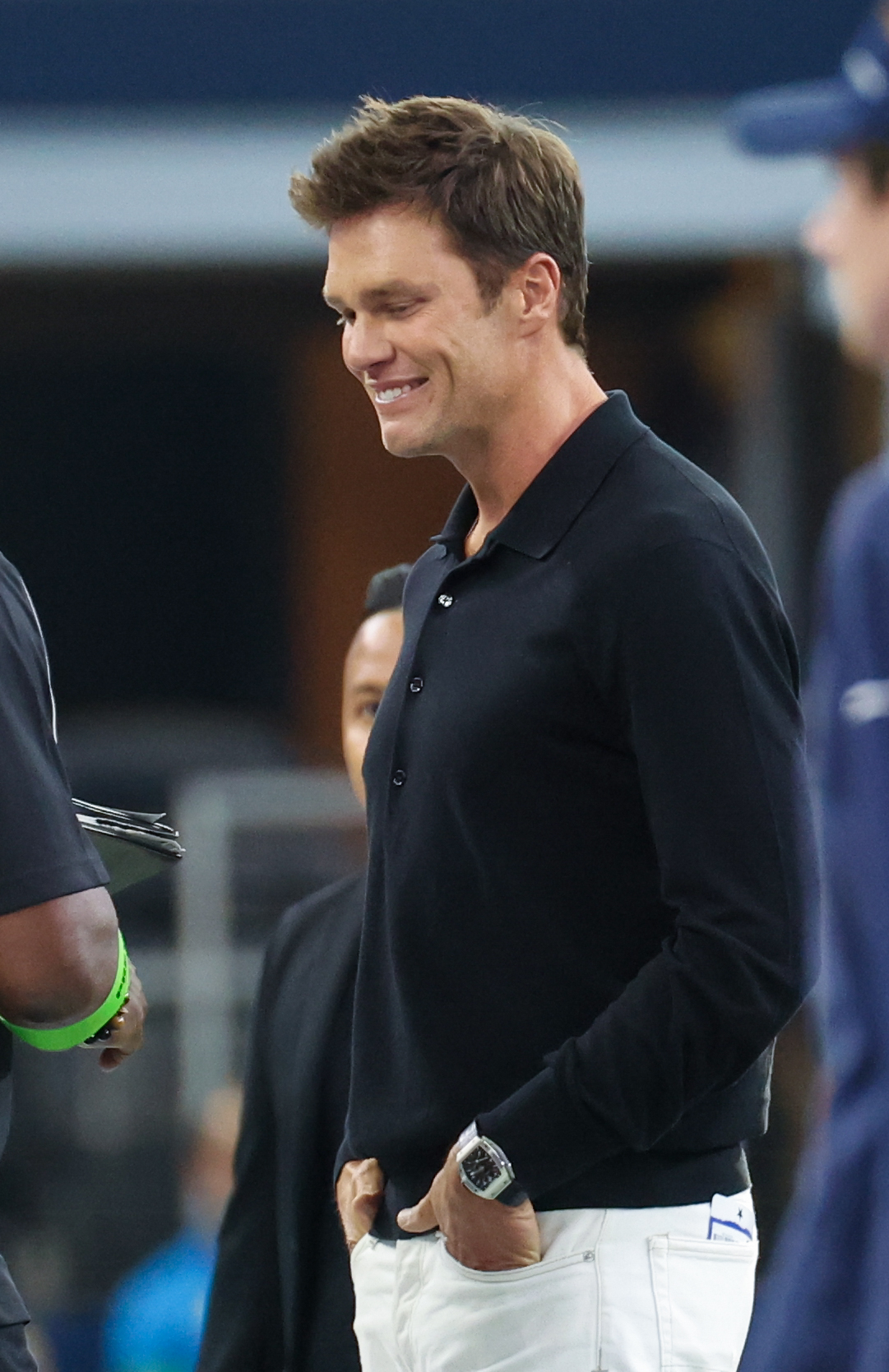
The Raiders – led in no small part by minority owner Tom Brady – are the top team to watch with respect to Stafford suitors. Vegas has been in contact with the two-time Pro Bowler’s camp since he was given permission by the Rams to seek out a trade. Those conversations have yielded at least the framework of an agreement on a new contract. Just like the Giants, however, the Raiders are not prepared to part with their top selection in April’s draft to swing a deal. Los Angeles has been connected to an asking price of a Day 1 pick, but a package built on other draft capital could wind up being sufficient if negotiations on a restructure fall through.
In the event the Raiders or Giants manage to work out trade compensation, new details on a Stafford investment have emerged. The Athletic piece notes both teams have held discussions on a two-year pact which would include between $90MM and $100MM in guaranteed money. Stafford – whose career earnings sit at $364MM – will be in line for significant compensation one way or the other during the waning stages of his NFL tenure. 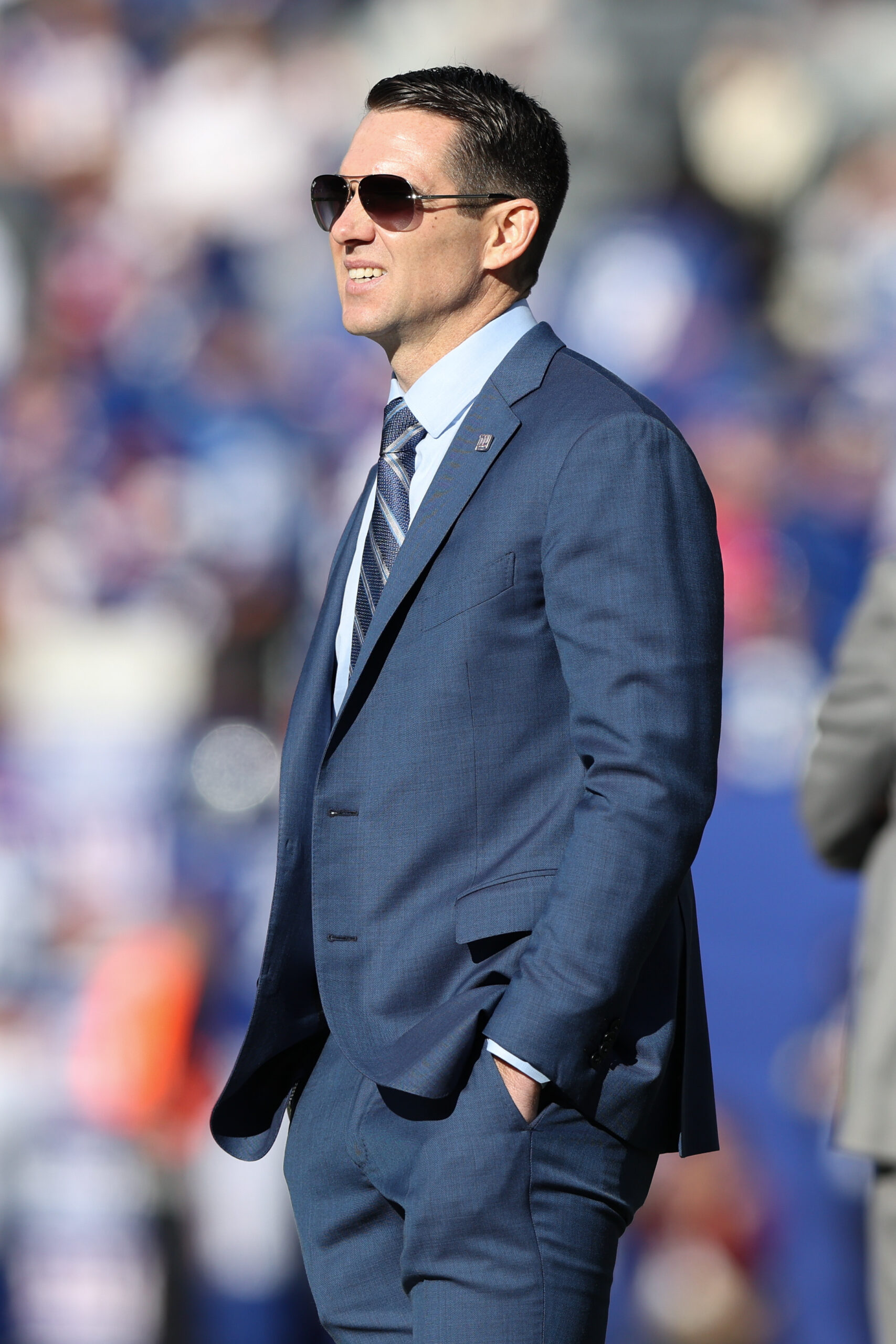
While New York is still in the running at this point, ESPN’s Jordan Raanan reports the Giants are seen as the underdogs in this three-team competition. General manager Joe Schoen has made it clear veteran and rookie quarterbacks are on the team’s to-do list, but it would be interesting to see how he would pivot in the event Stafford proved to be unattainable. As Raanan adds, failing to secure the former No. 1 pick would not be for a lack of effort on the part of Schoen and Co.
The Raiders are expected to move on from Gardner Minshew after one year with the team, creating a vacancy on the QB depth chart. Per The Athletic, members of Vegas’ offensive staff prefer adding a veteran under center this offseason in lieu of adding a rookie. The 2025 class is not held in high regard at the quarterback spot, although the Raiders have been linked to trading up for Cam Ward recently.
With finances representing a major hurdle for Los Angeles, Rodrigue noted during an appearance on SumerSports that an impasse still exists between Stafford and the Rams. The financial figure on a new pact, but also structure, will need to be worked on for a new agreement to be reached. Failing that, negotiations on a trade could very well pick up with the new league year approaching.
Cam Ward Will Not Throw At Combine
Shedeur Sanders made it clear on Sunday will not participate in drills at the NFL Combine, leaving one of the two passers seen as a first-round lock to wait until his Pro Day to throw. At first, it was unclear if the other (Cam Ward) would take the same route. 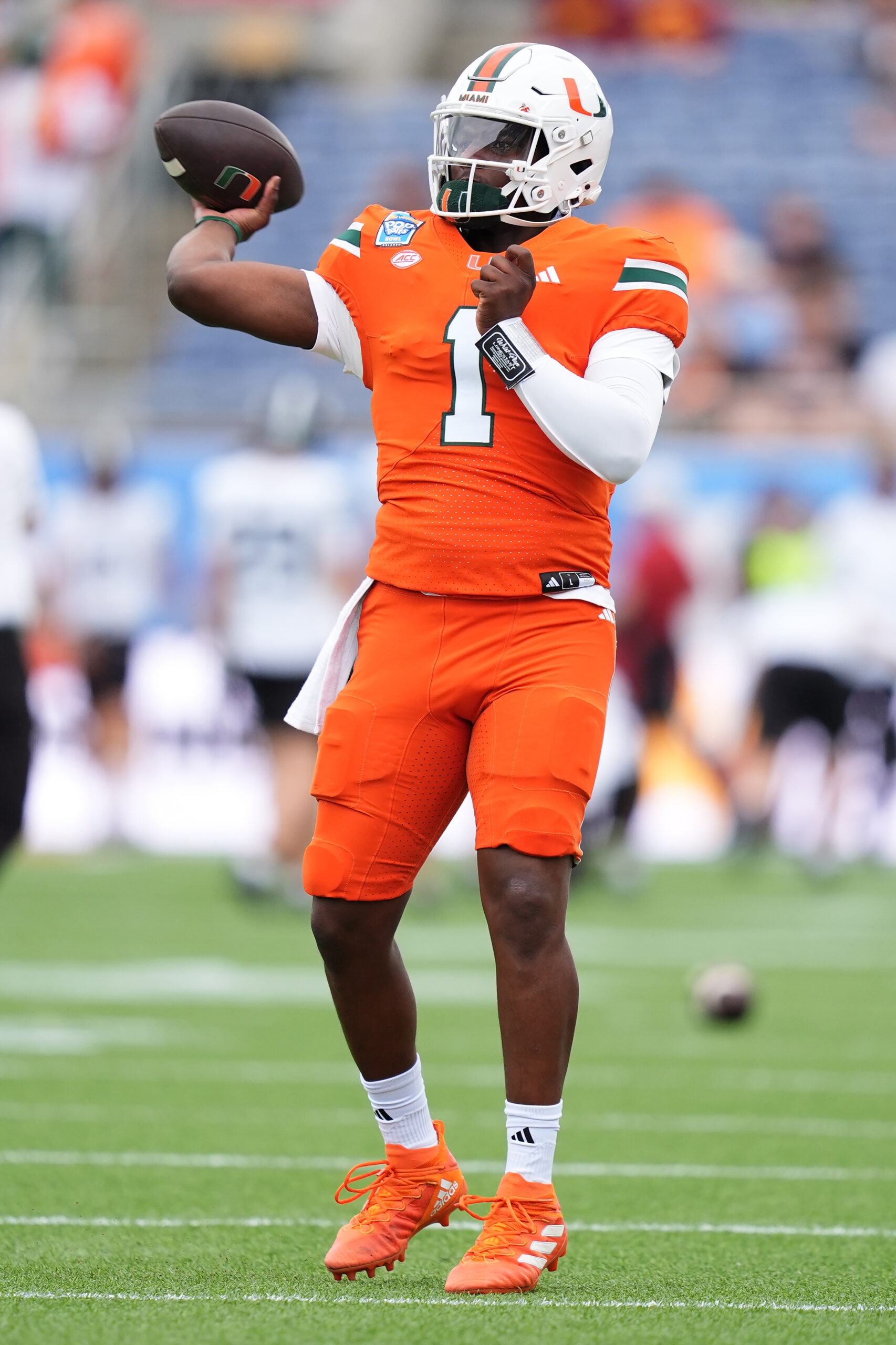
When speaking to the media on Friday, though, Ward confirmed he will not throw at the Combine either. The Miami passer noted, to no surprise, he will participate in on-field work during his Pro Day. Today’s news confirms the consensus top two passers in the 2025 class will be available only for medical checks and interviews in Indianapolis, continuing a growing trend seen in recent years.
Throughout the early portion of the pre-draft process, it was clear a gap existed between Ward and Sanders and the rest of the prospects who will be available in April. More recently, Ward has gained ground in terms of being viewed as the top option; as a result, he is a contender to hear his name called as early as first overall given the top of the order. The Titans will be in the market for a quarterback to compete with Will Levis, although they have made it clear they are open to moving down the board.
Tennessee, as expected, has already received calls about the availability of the No. 1 pick. A shortlist of teams prepared to move up the board to secure a QB exists, and the Raiders – previously linked to Sanders – were recently named as a contender to trade up with the intention of selecting Ward. Vegas’ evaluation of both signal-callers (like that of all other teams) will continue to evolve over the coming weeks with Pro Days and private workouts.
Neither Sanders nor Ward will not throw at the Combine, but that will be the case for some of the other quarterbacks in the class. The likes of Jaxson Dart (Ole Miss), Jalen Milroe (Alabama) and Riley Leonard (Notre Dame) are already known to be participating, and other passers looking to boost their stock in Indianapolis will receive increased attention over the coming days.
Steelers Prefer To Re-Sign Justin Fields Over Russell Wilson?
The Steelers aim to have at least one in-house quarterback on a new deal by the time free agency starts. Further indications have emerged regarding which passer the team prefers on that front. 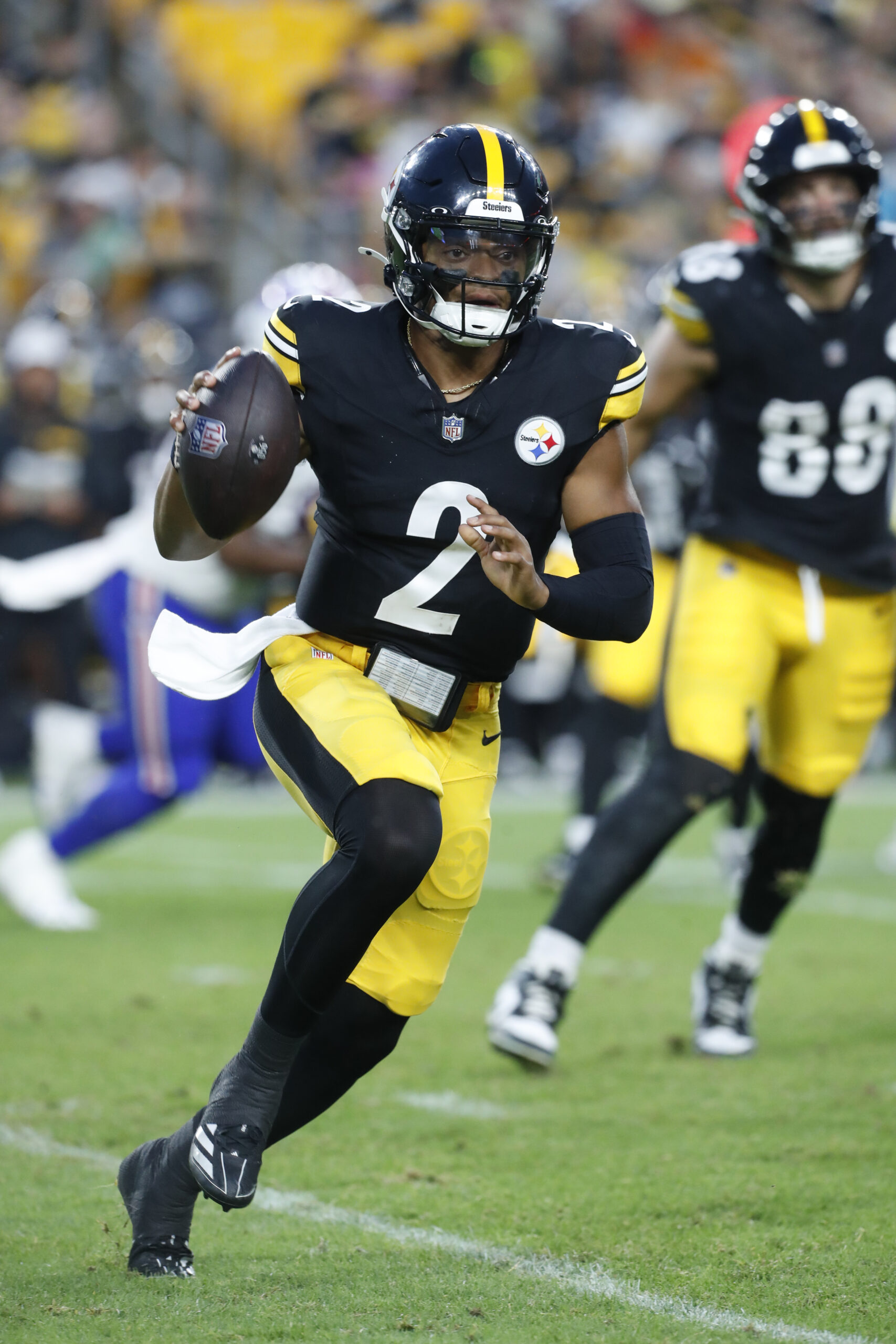
During an appearance on 93.7 The Fan, ESPN’s Mark Kaboly noted Justin Fields is Pittsburgh’s top target as things stand. He added the team is waiting to see if the former Bears first-rounder is onboard with taking a Steelers contract, something he has expressed interest in this offseason. After spending much of the 2024 campaign as Russell Wilson‘s backup, though, Fields is looking for a path to a starter’s role in Pittsburgh or elsewhere.
Sportskeeda’s Tony Pauline echoes Kaboly’s report, noting that the Steelers — who are unimpressed with the top QBs in this year’s draft and are therefore unlikely to select a passer in the first round — want to move forward with Fields. The club is believed to be targeting an offensive or defensive lineman with its top draft choice (No. 21 overall).
Moving on from their Kenny Pickett–Mason Rudolph tandem last offseason, the Steelers signed Wilson and traded for Fields. Both passers were on expiring contracts, and Wilson held onto the top spot on the QB depth chart through training camp before suffering a calf injury. Fields handled starting duties for the first six weeks of the campaign, posting a 4-2 record while posting a 5:1 touchdown-to-interception ratio and adding five rushing scores along the way. Head coach Mike Tomlin elected to install Wilson as the starter once he was healthy, though.
That decision was not unanimous, and since the end of the campaign – which was defined in no small part by underwhelming performances from Wilson in particular and the Steelers’ offense as a whole – Fields has maintained support in the organization. Given the age difference between the passers (Fields will turn 26 next week, Wilson is 36), it would come as little surprise if an investment were to made in the younger option. Pittsburgh is unlikely to keep Fields and Wilson in place for another year.
As a result, a preference for the former would leave the latter on the move via free agency for a second straight offseason. Wilson can indeed be expected to depart, CBS Sports’ Aditi Kinkhabwala noted on her own 93.7 The Fan appearance. The longtime Seahawk has expressed a desire to remain in Pittsburgh, but other options could await him in the event he were to reach free agency. A reunion with Pete Carroll on the Raiders has been floated as a possibility, although they (like the Steelers) have been linked to a Matthew Stafford pursuit.
Pittsburgh is not seen as one of the frontrunners for Stafford, who could of course remain with the Rams via a contract resolution. In that event, both Wilson and Fields could find themselves among the more attractive options on the market once the new league year begins. The Steelers have been in contact with both camps, to no surprise, but a final decision one way or the other could be coming soon. As things stands, Fields is firmly in the lead to receive a deal for at least 2025.