
Giants WR Malik Nabers Uncertain For Week 1?
Malik Nabers‘ recent cleanup surgery raised some doubt about his availability for Week 1. Giants head coach John Harbaugh has since indicated that his Pro Bowl wide receiver’s status is indeed up in the air for New York’s season opener against the Cowboys.
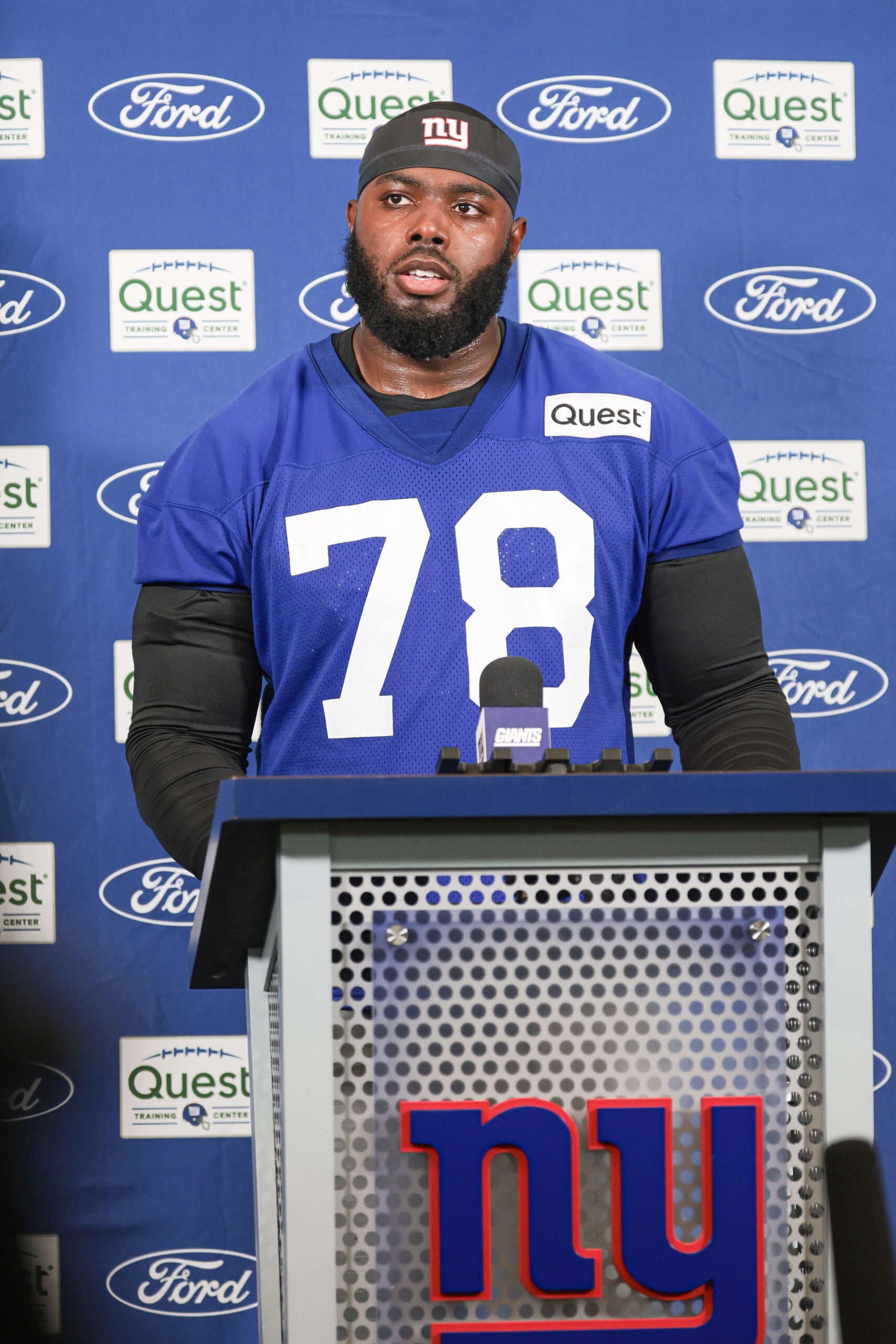 “Just impossible to predict,” Harbaugh said at OTAs this week (via ESPN’s Jordan Raanan). “The goal is to start the season and get out there sometime in training camp. That’d be the goal, and we’ll see what happens.”
Nabers, 22, tore his ACL and meniscus at the end of September and underwent his first surgery in October. The Giants initially expected him to be ready for training camp, but Harbaugh walked that back in April. Now, it seems that the team is bracing for his potential absence to start the season.
“We’ll be ready to go either way,” Harbaugh said, adding that Nabers’ injury was not “simple.”
This could be a worrying update for Giants fans (and Nabers’ fantasy GMs), but Harbaugh was notoriously coy about injuries in Baltimore, especially complicated situations like Ronnie Stanley and Nnamdi Madubuike. During the season, he typically defers to the injury report, but that is less of an option in the offseason, where players’ presences at practice are closely watched and noticed.
Nabers seems unlikely to take the field until the end of training camp, at best, and his ramp-up period could extend into the season. He could even open the year on the physically unable to perform list, though that would prevent him from practicing until Week 5 and delay his return even longer.
The Giants are also taking a cautious path with star left tackle Andrew Thomas. He missed the start of the 2025 season as he recovered from a 2024 foot injury and finished the year on injured reserve due to a hamstring injury. Thomas said (via The Athletic’s Dan Duggan) that he is currently going through a “ramp up” process due to a lingering shoulder injury as well as long-term management of his 2024 Lisfranc injury.
While Thomas is sidelined, 2025 fifth-rounder Marcus Mbow is taking first-team left tackle reps, per Ryan Dunleavy of the New York Post. The Purdue product was the Giants’ swing tackle as a rookie two starts and 261 snaps at left tackle and one start and 58 snaps at right tackle, per Pro Football Focus (subscription required).
Chargers Announce Coaching Promotions
The Chargers announced a number of staff promotions this week, including coordinator titles for three senior coaches.
 Defensive line coach Mike Elston has added defensive run game coordinator to his title, and defensive backs coach Steve Clinkscale has taken on defensive passing game coordinator responsibilities. Both have been with Jim Harbaugh for at least four years having held similar roles at Michigan before coming to Los Angeles in 2024.
Clinkscale interviewed for the Chargers’ defensive coordinator job this offseason but was passed over for Chris O’Leary. His new title bump is somewhat of a consolation prize that could help him get attention for other teams’ DC vacancies next year, should he have such ambitions. Elston certainly does not. He revealed this week that he turned down an interview to replace outgoing DC Jesse Minter and prefers to remain a defensive line coach for the foreseeable future.
The Chargers gave quarterbacks coach Shane Day an offensive passing game coordinator role. He was considered for a promotion to offensive coordinator in Los Angeles was well as the same job on John Harbaugh‘s inaugural staff in New York. Day was a senior offensive assistant in Houston during C.J. Stroud‘s 2023 breakout season and oversaw Justin Herbert‘s career-best efficiency in 2024. Last year, of course, was greatly impacted by the team’s offensive line injuries, which dragged down Herbert’s numbers significantly.
The Chargers also promoted Mike Hiestand from defensive assistant to defensive run game specialist. He will continue his work with the team’s front seven in that role. Additionally, offensive assistant Josh Hammond is now Los Angeles’ assistant wide receivers/assistant special teams coach.
Steelers QB Aaron Rodgers’ Incentives Based On Playing Time, Playoff Success
Aaron Rodgers‘ new contract with the Steelers includes $22MM in fully guaranteed money with an additional $3MM available via incentives and other bonuses, per
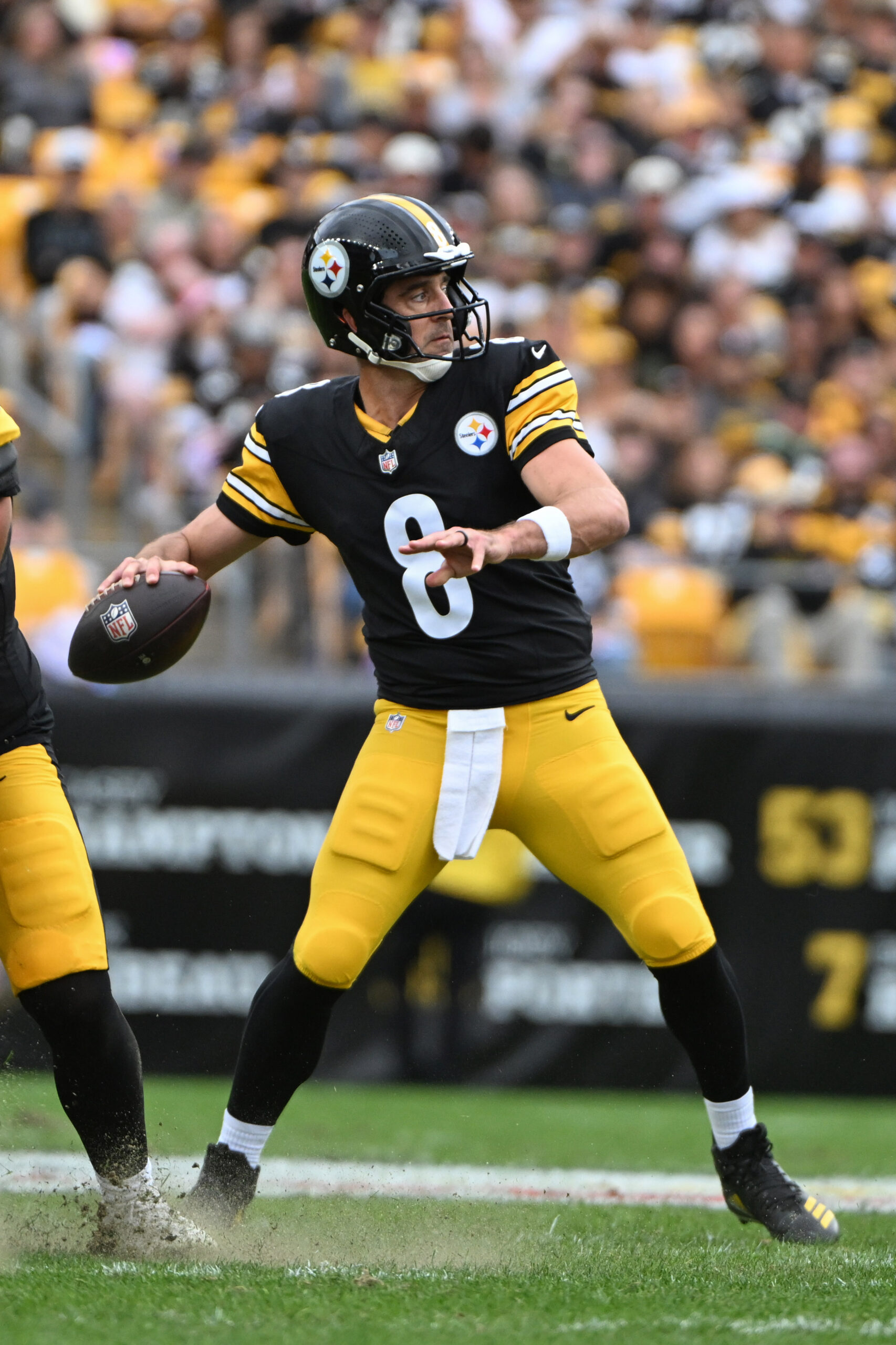 Rodgers is almost certainly going to receive his two roster bonuses, worth $250K each. The first is due on August 7 for being on the 90-man roster, per Sports Illustrated’s Albert Breer; the second will be earned if he is on the roster for Week 1 of the regular season.
The rest of Rodgers’ potential earnings can come via a set of four incentives worth $625K apiece for winning playoff games. For all of them, he must have played at least 75% of Pittsburgh’s regular-season snaps. The first incentive is for winning a wild-card game or receiving a first-round bye and going up through the divisional, championship, and Super Bowl rounds of the playoffs. He must play 50% of the snaps in all of those games, with an obvious exception for a first-round bye.
The structure of Rodgers’ 2026 deal is very different than last year’s $13.65MM deal that included a $10MM signing bonus and almost $6MM in incentives. The 42-year-old did not receive any signing bonus this time around with his $22MM salary instead making up his guaranteed money.
In 2025, Rodgers’ incentives were based on playing at least 70% of the Steelers’ offensive snaps during the regular season with $500K available for making the postseason and escalating incentives for each playoff win. Another $1.5MM was available for winning the MVP, which would have been the fifth of his career.
Rodgers only hit the first incentive, which was considered ‘Likely To Be Earned’ and therefore counted against Pittsburgh’s salary cap in 2025. None of his incentives in 2026 are LTBE, so any that he earns will count against the 2026 cap.
Texans Try Out 5 Wide Receivers
The Texans currently have 12 wideouts under contract, but they are still exploring additional options at the position. Houston hosted five receivers for workouts, per KPRC2’s Aaron Wilson, including River Cracraft, D’Wayne Eskridge, and Samori Toure.
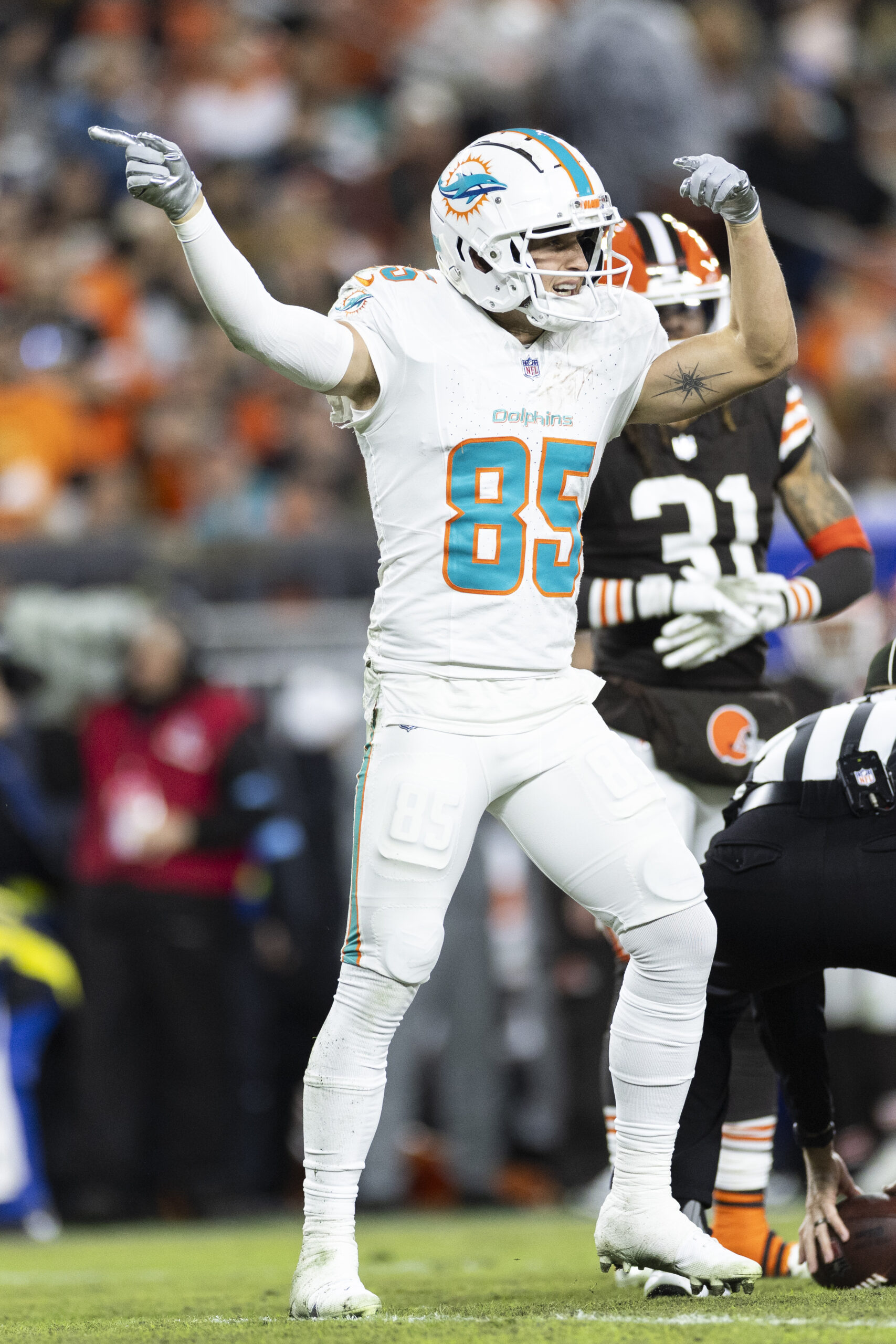 Cracraft, 31, has spent time with four teams in his eight-year career. After a year on the Broncos’ practice squad, the former Washington State Cougar made his first eight regular-season appearances in 2018 but only played 19 snaps the following season. He spent the next two years in San Francisco with more time on offense but just nine targets in as many games. Cracraft was relegated to special teams duties in 2021 and signed with Mike McDaniel‘s Dolphins the following offseason. He saw more offensive involvement in Miami with 29 appearances and 464 snaps over the next three years, but still remained a tertiary target with just 289 receiving yards. He spent last year on Washington’s practice squad with just 11 snaps in his two elevations.
The Seahawks selected Eskridge with the No. 59 pick in the 2021 draft, but the 29-year-old only appeared in 24 games across his first three seasons due to injuries and a suspension of the league’s personal conduct policy. His contributions when healthy amounted to just 302 total yards on 32 touches. Eskridge spent the last two years in Miami but remained on the periphery of the offense with a lead kick return role in 2025.
Toure, 28, was a Packers seventh-round pick in 2022 who appeared in 22 games over his first two seasons with 251 snaps on offense. He only caught 13 of his 28 targets for 160 yards with just three snaps on special teams. He spent the 2024 season on the Bears practice squad and appeared in one game for the Saints last year.
Houston also hosted undrafted rookie Demarcus Lacey and Titans 2024 sixth-round pick Jha’Quan Jackson for workouts. Lacey racked up 769 yards through the air and 157 on the ground at Marshall in 2025 with an average of 12.2 yards on 17 punt returns. Jackson was Tennessee’s primary punt returner for 12 games as a rookie, but he lost the job after committing five fumbles. He was waived during final roster cuts in 2025 and spent a week on the Saints’ practice squad in November.
Four of the five wideouts have experience as a returner, indicating the Texans may also be looking for special teams help as they progress through OTAs. However, their roster is still well-stocked at the receiver position, so the team could be getting an idea of their options should they need more depth by training camp.
Chargers DL Coach Mike Elston Turned Down DC Interview
The Chargers interviewed several internal candidates to replace former defensive coordinator (and now Ravens head coach) Jesse Minter, but defensive line coach Mike Elston‘s name was not on the list.
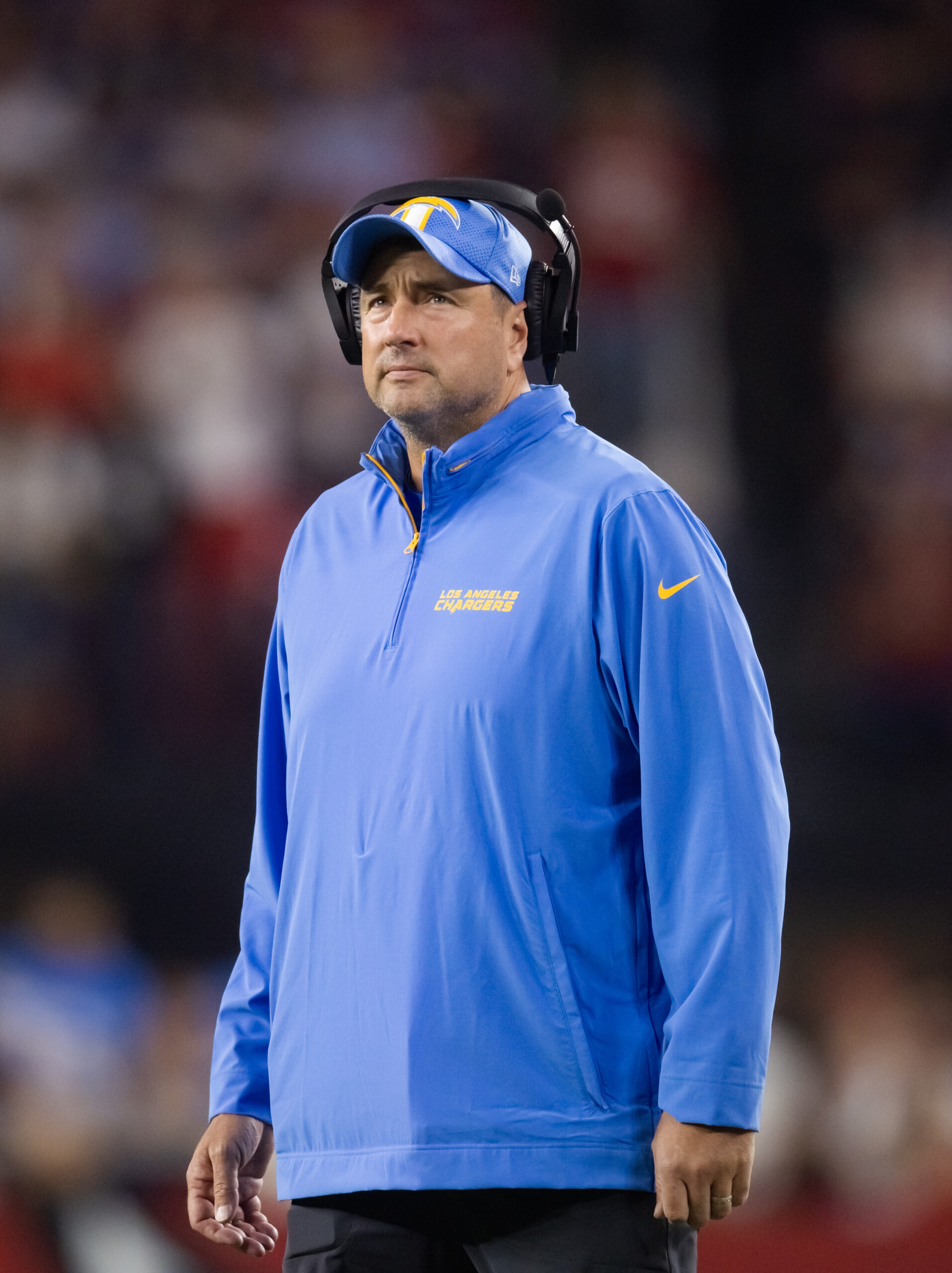 That was not for a lack of interest on the team’s part. Elston revealed this week (via The Athletic’s Daniel Popper) that head coach Jim Harbaugh approached him about a promotion to DC, but he declined to interview for the job.
Elston, 51, has been Harbaugh’s defensive line coach for the last four years. At Michigan, he coached future first-rounders Mazi Smith, Mason Graham, and Kenneth Grant. In Los Angeles, his line anchored the Chargers’ top-10 defense in each of the last two years despite the team’s relative lack of investment in the unit.
That success naturally piqued Harbaugh’s interest when searching for Minter’s replacement, but Elston no longer has “aspirations of running a defense” and remains committed to working with the Chargers’ defensive line.
An unambitious coach is an underrated advantage in the NFL. If Elston turned down an interview for the Chargers’ DC job, he is probably not interested in moving to another team. As long as he remains in Los Angeles, the Chargers should have a solid defensive line without worry of their veteran coach being poached by another club.
Bears To Sign RB Salvon Ahmed, S Anthony Johnson Jr.
The Bears are signing running back Salvon Ahmed and safety Anthony Johnson Jr., per NFL insider Jordan Schultz, adding depth to position groups that were quietly low on experience.
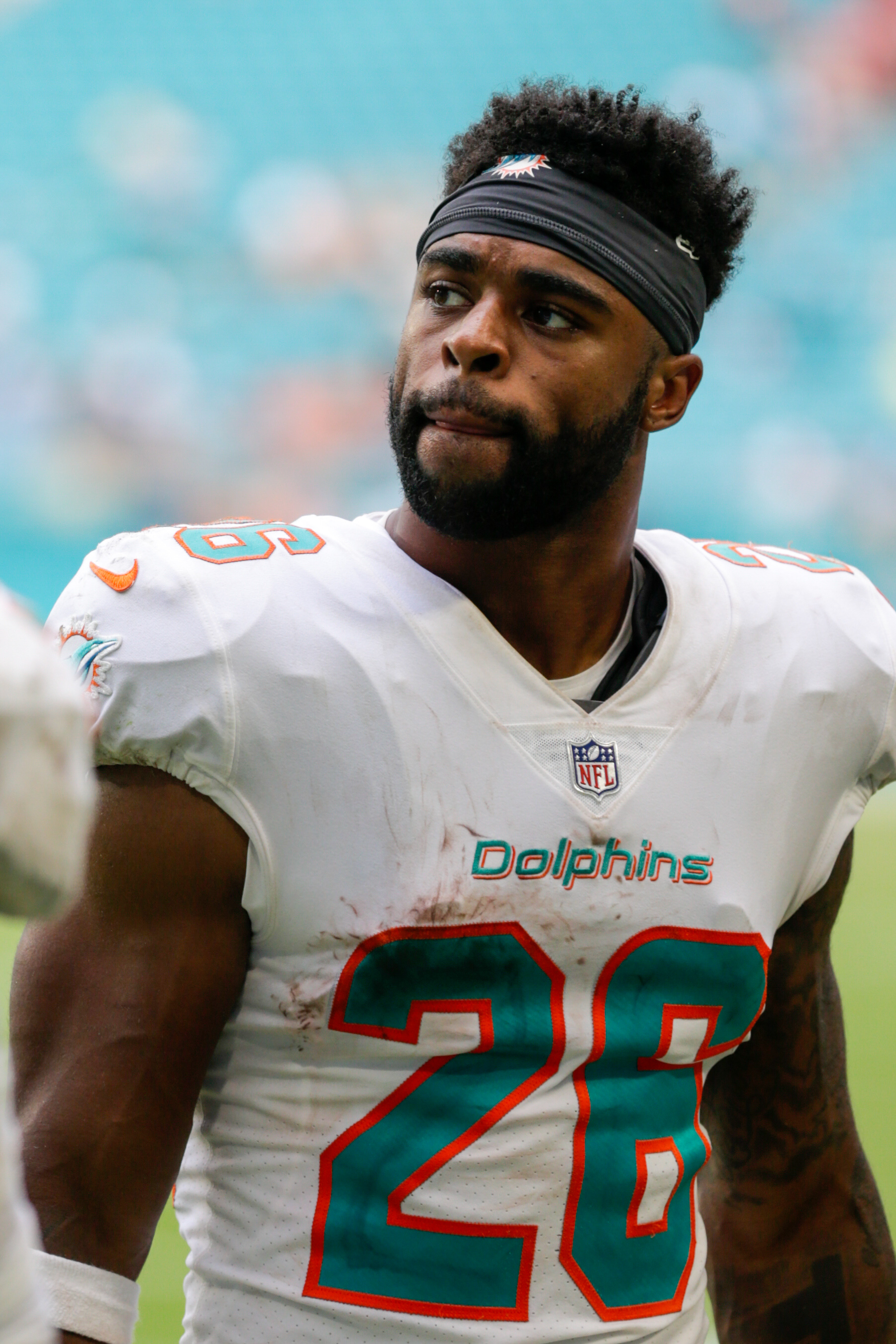 Ahmed, 27, signed with the Dolphins as an undrafted rookie in 2020 and amassed 646 yards on 152 touches across 18 games in his first two seasons. He only saw 51 touches for 221 yards in 2022 and 2023. Ahmed was waived by the Dolphins during the 2024 preseason and spent time with the Broncos and Colts during the regular season, though he did not appear in a game. He then signed a reserve/futures contract in Indianapolis for the 2025 season, but went down with a season-ending ankle injury during training camp.
The Bears’ running back room is headlined by six-year veteran D’Andre Swift and 2025 seventh-round pick Kyle Monangai, who took all but seven of Chicago’s backfield touches last year. Travis Homer, who is now in Pittsburgh, appeared in 10 games with all but six snaps coming on special teams, and Roschon Johnson and Brittain Brown combined for 10 games and 19 offensive snaps. Further down the depth chart, the Bears also have 2025 UDFA Deion Hankins and undrafted rookie Coleman Bennett.
Ahmed has more experience than all of Chicago’s current running backs other than Swift, giving him somewhat of an advantage over his competition for a roster spot. However, he will still need to show he is recovered from last year’s injury and can still contribute either on offense or special teams to make the team.
Johnson, 26, was a Packers seventh-round pick in 2023 who appeared in 12 games with a 40% snap share as a rookie. He was waived during final roster cuts in 2024 and made his way to the Giants. He played nine games in New York with 113 of his 135 snaps coming on special teams and spent the following year on injured reserve.
In Chicago, Johnson will join a revamped Bears safety room that is without last year’s starters, Kevin Byard and Jaquan Brisker. The team let both walk in free agency and signed former Seahawks fourth-round pick Coby Bryant to a three-year, $40MM deal. They also retained 2022 seventh-rounder Elijah Hicks, drafted Oregon’s Dillon Thieneman with the No. 25 overall pick in April’s draft, and signed Oregon State’s Skyler Thomas as an undrafted rookie. Also returning from last year’s practice squad are Gervarrius Owens and Dominique Hampton.
Similar to Ahmed, Johnson will immediately become one of the Bears’ most experienced players at his position, though all of his playing time came in 2024 or earlier. His health will also be crucial to his ability to earn a roster spot this summer.
Jim Caldwell No Longer On Panthers’ Staff
The Panthers have parted ways with senior advisor/assistant Jim Caldwell, according to Joe Person of The Athletic. He was first hired in 2023 by then-head coach Frank Reich, reuniting the pair after working together in Indianapolis from 2006 to 2011.
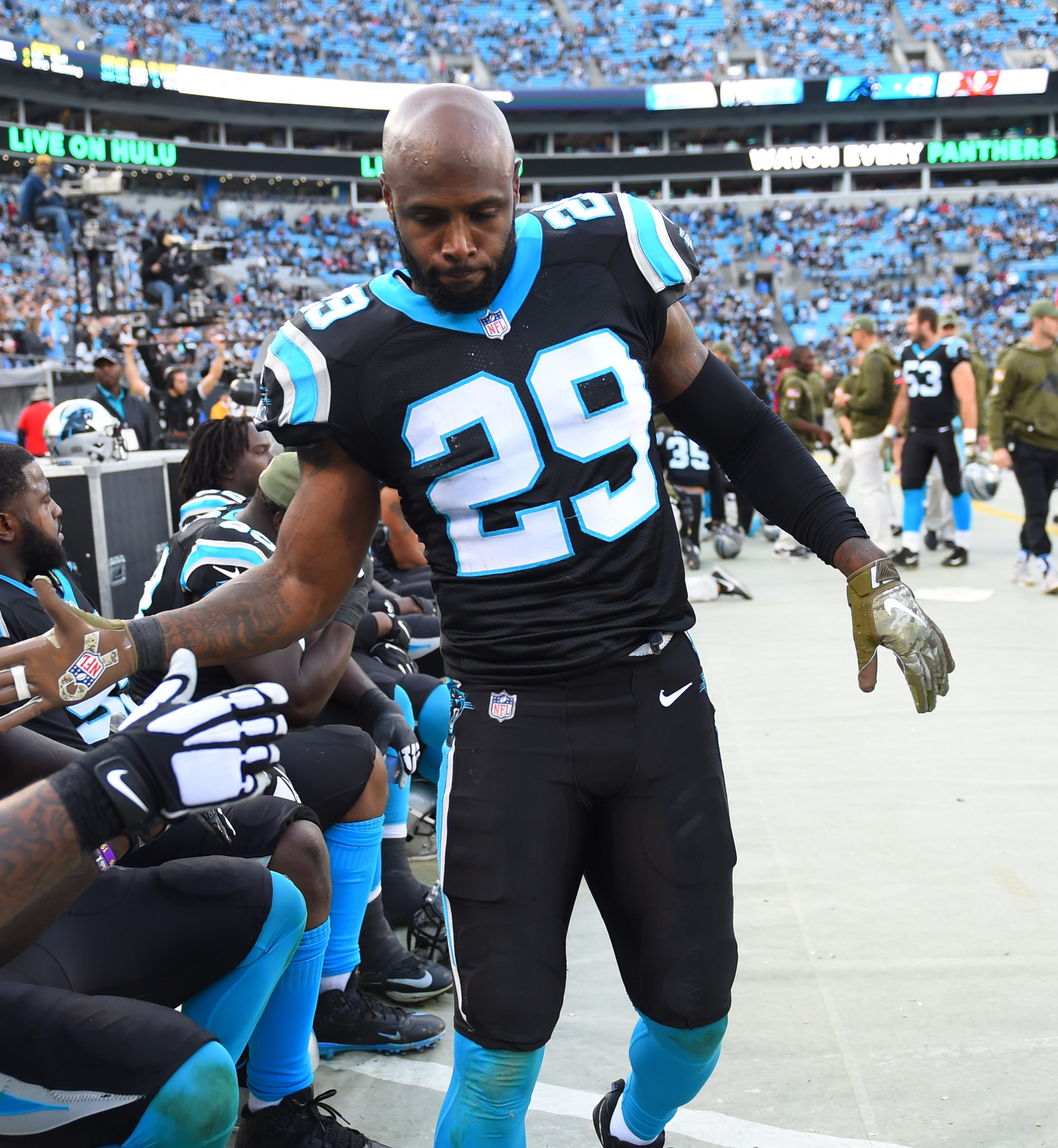 Caldwell served as the Colts’ head coach for the last three years of that period and has since spent time with the Ravens, Lions, and Dolphins with a four-year stint in the top job in Detroit.
Caldwell’s successor, Carl Smith, similarly has connections to the Panthers’ current coaching staff. He overlapped with head coach Dave Canales on the Seahawks’ offensive staff from 2011 to 2018. For the first seven years, Smith served as Seattle’s quarterbacks coach with Canales coaching wide receivers. Smith was promoted to associate head coach in their final year together with Canales moving into his vacated role.
Smith is also the father of Tracy Smith, the Panthers’ special teams coordinator. The father and son duo previously worked together in Cleveland (2009-2010), Seattle (2011, 2021-2023), and Houston (2019-2020).
The Panthers are also adding former Bears and Giants assistant Mike Adams to their coaching staff, per KPRC2’s Aaron Wilson. The 45-year-old spent 16 years in the NFL, including two seasons in Carolina, before beginning a coaching career as an assistant defensive backs coach in Chicago. He was not retained in 2022 and made his way to New York the following year as an assistant special teams coach. For the last two years, Adams served as the Giants’ assistant secondary coach. His role in Carolina is not yet known.
Carolina made an addition in their front office as well, promoting football operations intern Joshua Krieger to scouting assistant, per InsideTheLeague’s Neil Stratton. Krieger previously served in recruiting roles at Pitt and Temple.
Minor NFL Transactions: 5/18/26
NFL teams are getting their rosters set for voluntary Organized Team Activities that will take place over the next month. Here are the latest minor moves from around the league:
Carolina Panthers
- Signed: RB Miles Davis, DT Tywone Malone
- Waived/injured: TE Bryce Pierre, RB Montrell Johnson
Green Bay Packers
- Signed: CB Marlon Jones Jr.
Indianapolis Colts
- Signed: RB Anderson Castle
- Waived: RB Jordon Vaughn
Jacksonville Jaguars
- Placed on reserve/retired: WR Alex Bullock
Pittsburgh Steelers
- Signed: DB Tamon Lynum
Davis tried out at the Seahawks’ rookie minicamp but did not make the team. His workout in Carolina was more successful, per KPRC2’s Aaron Wilson, and he will take Johnson’s place on the Panthers’ roster.
Jones was a first-team All-Big Sky selection for his standout 2023 season at Eastern Washington, which featured three pick-sixes. He transferred to Vanderbilt in 2024 but missed the season after being diagnosed with cancer. After recovering, Jones appeared in nine games for the Commodores in 2025, and he will now continue his remarkable story in Green Bay.
Steelers Sign Round 2 WR Germie Bernard
NFL teams are signing second-round draft picks at a much faster pace than last year. The latest is new Steelers wide receiver Germie Bernard, who put pen to paper on Monday, per a team announcement.
 Pittsburgh traded up six spots to draft Bernard with the 47th overall pick to ensure they would land a desired receiver prospect after narrowly missing out on USC’s Makai Lemon in the first round. They landed a versatile, all-around wideout with good size (6-foot-1, 206 pounds) and a solid athletic profile who should quickly carve out a role in Mike McCarthy‘s new offense.
Bernard started at Alabama for the last two years after a tertiary role at Washington in 2023, all under Kalen DeBoer. His production grew throughout his college career and peaked in his final season with team-highs of 64 receptions and 862 receiving yards, plus nine total touchdowns.
Though he lined up primarily on the outside in 2025, 46.5% of his snaps over the last three years have come out of the slot, which will help him earn playing time in a receiver room that already features boundary stalwarts D.K. Metcalf and Michael Pittman. The 22-year-old can also contribute as a blocker, gadget player, or returner – all roles he held at Alabama – giving the Steelers plenty of ways to deploy him on offense and special teams.
The Falcons signed No. 48 pick Avieon Terrell to a fully guaranteed contract, which should result in a similar deal for Bernard. He will receive $10.54MM over the next four years ($2.64MM AAV) with a signing bonus over $4MM, per OverTheCap.
The Steelers also signed seventh-round pick (No. 230 overall) Eli Heidenreich to his four-year rookie deal, worth a total of $4.54MM. His only guarantees will be a signing bonus in the range of $150k.
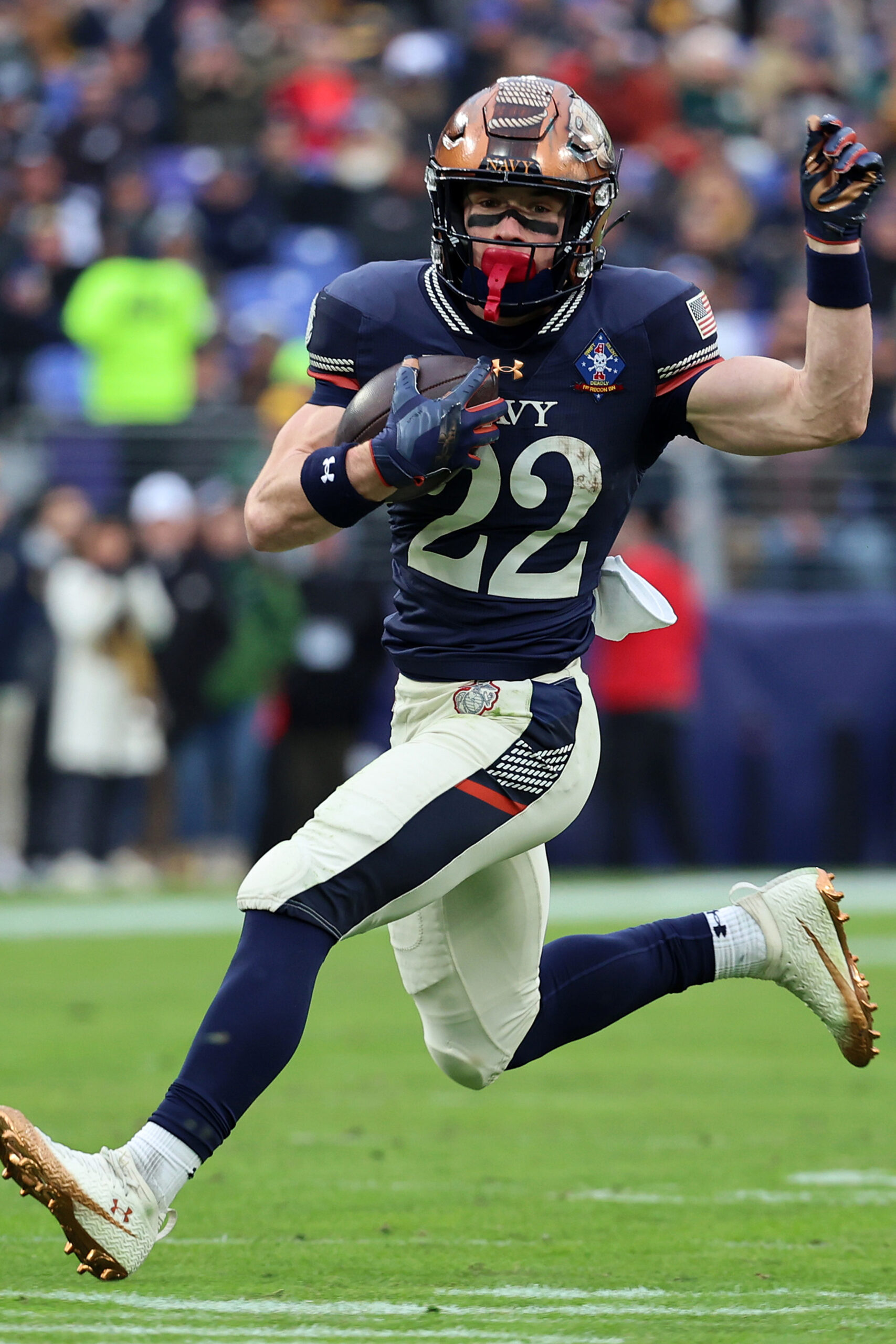
Heidenreich, classified as a running back/wide receiver in Pittsburgh’s announcement, was a dynamic part of Navy’s triple-option offense for the last three years. In 2025, his 941 receiving yards for 55.6% of the Midshipmen’s total passing offense; he also took 77 carries for 499 rushing yards (6.5 yards per attempt). Heidenreich tested extremely well at the Combine, but his unique college scheme and deployment raised questions about his ability to translate to the NFL. The Steelers took a shot on the 22-year-old, who, like Bernard, could factor in the return game or with manufactured touches on offense.
Brendan Sorsby Requests Expedited Resolution To Eligibility Issue From NCAA
The legal battle around the future of Texas Tech quarterback Brendan Sorsby has begun to take shape.
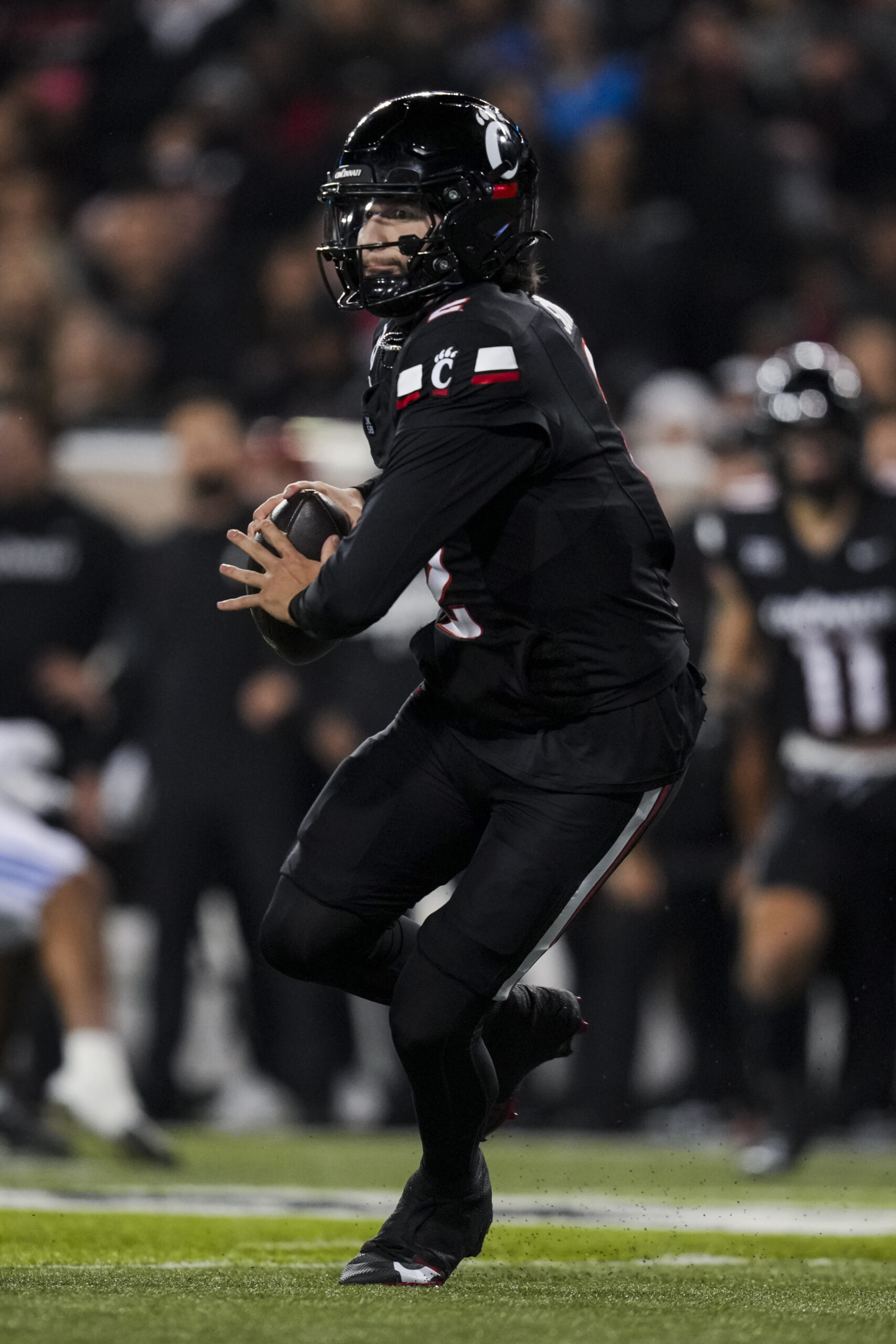 First up is an attempt to reinstate his NCAA eligibility. His lawyers requested an expedited resolution to that process, per Ross Dellinger of Yahoo Sports, seemingly with an expectation of being denied as they have also informed the NCAA of an “imminent” legal challenge.
Then there is Texas Tech, who gave Sorsby a $6MM NIL deal to transfer in from Cincinnati. The school has formed their own legal team to represent their interests (via Dellinger’s colleague, Charles Robinson), which include protecting their investment in Sorsby and getting it back if he is deemed ineligible.
Given the gambling allegations against Sorsby, escaping punishment of some sort seems impossible. But he and Texas Tech could push for a settlement with the NCAA that forces him to take a suspension but leaves him eligible for part of the 2026 season.
If the NCAA will not play ball, then Sorsby and Texas Tech may face off for his NIL money. The 22-year-old will then turn his attention to the NFL, who would have to approve his entrance into the supplemental draft. The league has done so in the past for players dealing with college eligibility issues, but increased scrutiny around their partnership with the gambling industry may require them to take a harder line. Sorsby could then pursue legal action against the NFL from an antitrust angle, a specialty of his lead attorney, Jeffrey Kessler.
Analysis of the situation has frequently referenced former Ohio State quarterback Terrelle Pryor, who lost his college eligibility for accepting money for autographs. The NFL accepted him into the supplemental draft but suspended him for the first five games of his career. The league could treat Sorsby similarly to deliver him some kind of punishment while also permitting him to continue his football career.