
Minor NFL Transactions: 3/3/26
Today featured several major moves around the NFL, but only one minor one:
Cleveland Browns
- Released: C Justin Osborne
As if letting their entire starting offensive line was not enough, the Browns have now released reserve center Justin Osborne, who missed the entire 2025 season with a back injury.
Giants To Release LB Bobby Okereke
NFL teams are continuing to turn over their rosters ahead of free agent. The latest move comes from the Giants, who are planning to release linebacker Bobby Okereke, per NFL insider Jordan Schultz.
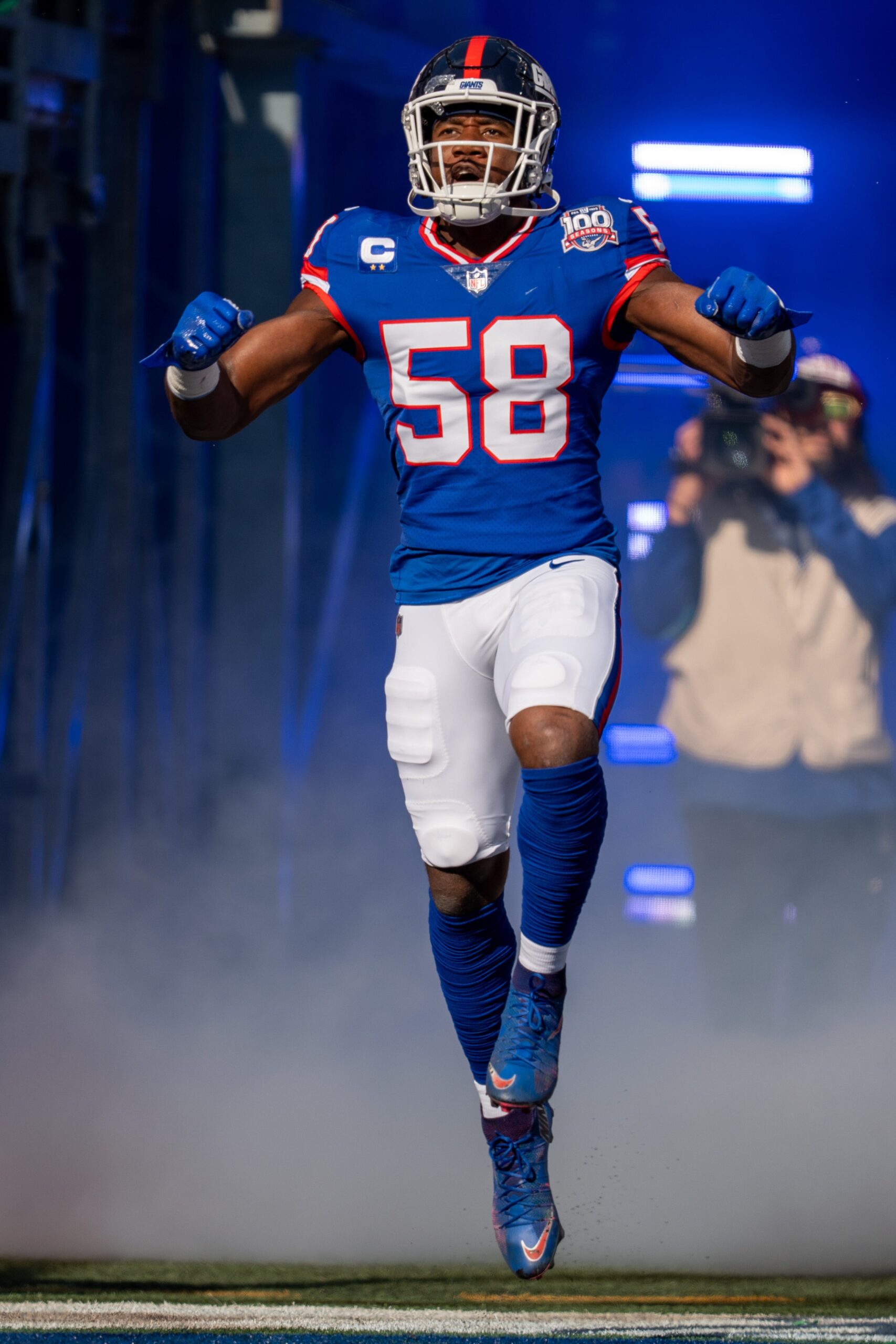 The move will save $9MM against the salary cap with $5.46MM in dead money, per OverTheCap. The Giants are currently $1.8MM under the 2026 cap and will need to make additional cuts and restructures to open up their budget for free agency. (New York’s contract structure leaves something to be desired, as they ended up paying Okereke $31MM for three years’ work. Typically, teams backload their contracts more aggressively for bigger potential cap savings in the final season of the deal.)
Okereke, 29, signed a four-year, $40MM contract with the Giants in 2023, which turned out to be a solid value. He immediately took over as the quarterback of the defense and wore the green dot for every snap of his debut season. The seven-year veteran was the team’s leading tackler and posted career-highs in sacks, tackles for loss, forced fumbles, and passes defended. He missed five games in 2024 with a back injury, but still played well when available. In 2025, Okereke returned for a full season and once again led the defense in tackles, though he did not make impact plays as frequently as his first two years in New York.
Once his release is officially processed, Okereke will be free to sign with other teams. His experience should draw him interest on the open market. However, a linebacker market whose growth has slowed significantly in recent years and a strong crop of free agents at the position could limit his earning potential. He should still be able to receive a multi-year deal heading into his age-30 season, though it may not be significantly higher than the last deal he signed – especially considering the growth in the salary cap in the interim.
The Giants, meanwhile, are expected to be “aggressive in finding a replacement” for their starting middle linebacker, according to ESPN’s Jordan Raanan. New head coach John Harbaugh prioritized the position during his 18 years in Baltimore and will likely be looking for a new leader and tone-setter in the middle of his defense. New York currently has just two linebackers under contract in 2026 – Chris Board and Darius Muasau – neither of whom profile as starters for a defense that will need two.
The Giants will have a number of proven linebackers to pursue in free agency, though they will need to free up additional money to do so. Quay Walker, Devin Lloyd, and Devin Bush are younger options who could anchor the defense for multiple years. But the Giants also have the fifth overall pick in April’s draft and could use it on Ohio State linebacker Sonny Styles after his incredible performance at the Combine. Selecting him and adding one of the many older veterans set to hit the market would give the Giants a veteran green dot-wearer and Styles a mentor as he adjusts to the pros.
Ravens Likely To Pick Up Zay Flowers’ 5th-Year Option
The NFL released the official figures for the fifth-year options of players selected in the first round of the 2023 draft. Teams now have until May 1 to decide on those options for the 2027 season.
 The most expensive fifth-year option from the 2023 draft class does not belong to a quarterback, as none of the three selected in the first four picks – Bryce Young, C.J. Stroud, and Anthony Richardson – reached one Pro Bowl in their first three seasons. Young and Stroud only met the playtime requirements for the second-tier option, which comes in at $25.9MM for quarterbacks. Richardson did not even get that far, but his $22.5MM will still be a non-starter for the Colts.
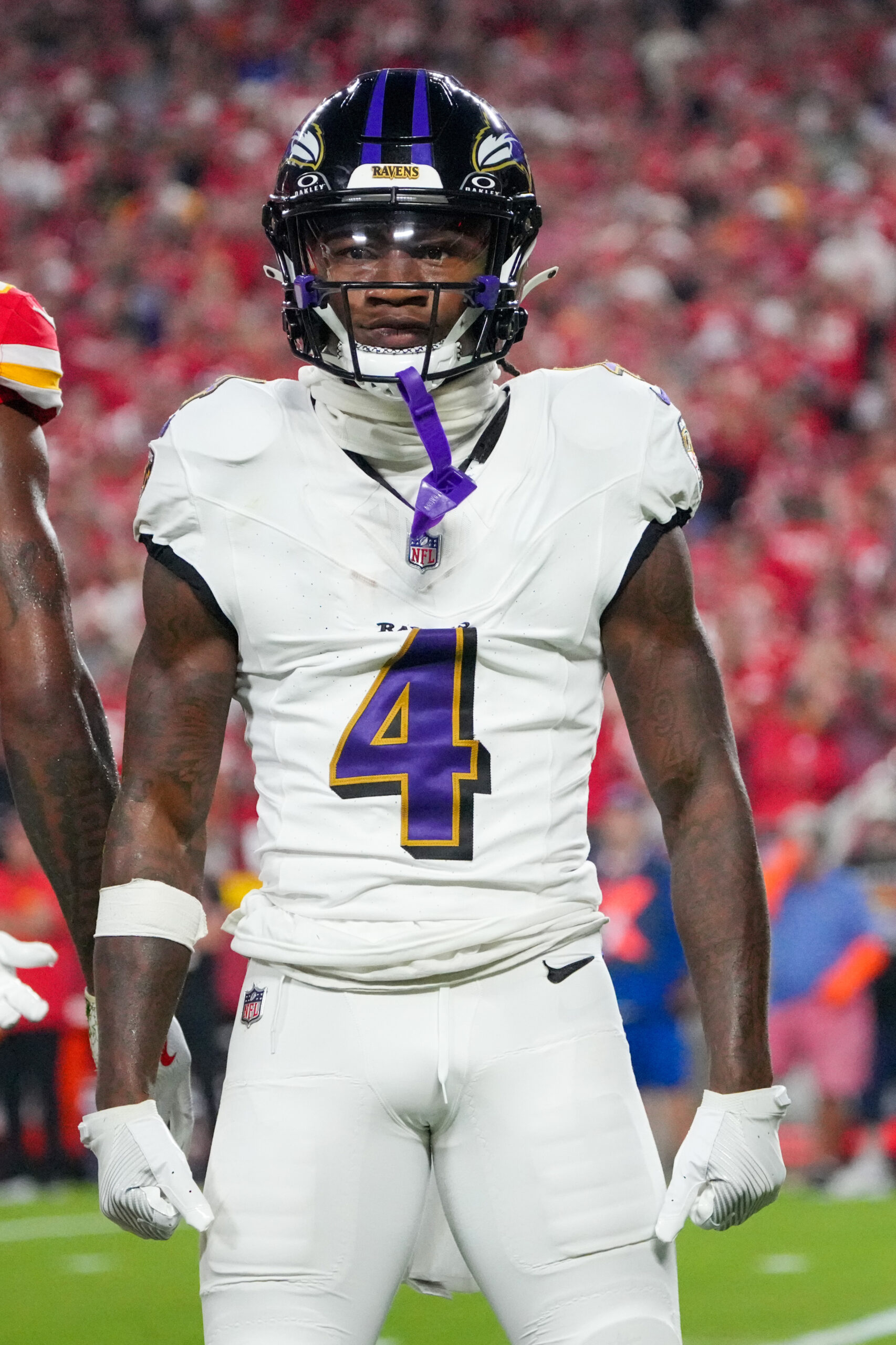
Instead, Ravens wide receiver Zay Flowers has the NFL’s highest price tag for his 2027 option. Pro Bowl nods in each of the last two seasons pushed him into the highest tier, but the Ravens are still expected to pick up his $27.3MM fifth-year option, per ESPN’s Dan Graziano. At the moment, that would be the 13th-highest AAV of any wide receiver, though more are sure to eclipse that figure in the meantime.
Flowers is arguably already worth almost $30MM per year. After strong performances in his first two seasons, he exploded in 2025 and ranked seventh in the NFL with 1,211 receiving yards and 11th with 86 receptions. He also recorded career-highs in yards per target (10.3) and passer rating when targeted (112.6). Flowers did all this despite missing Lamar Jackson for more than four games and the rest of the offense putting up their worst performance in years.
Currently, the receiver market tops out at Ja’Marr Chase‘s $40.25MM per year with seven other making between $30MM and $35MM annually. That will briefly drop to six once the 49ers part ways with Brandon Aiyuk but should soon shoot back up as players like Drake London, Chris Olave, and George Pickens sign long-term deals. By the time 2027 rolls around, $27.3MM will look like a steal for Flowers, especially if he takes another step forward under new offensive coordinator Declan Doyle.
Flowers’ fifth-year option will also establish a solid floor for a long-term extension, as players rarely sign long-term deals with a lower AAV then their fifth-year option. However, it also limits the amount Flowers can earn in the next two years to a little less than $30MM, including his 2026 salary. The Ravens can offer him a much stronger two-year cash flow with an extension later this offseason, and the money up front might incentivize him to make a deal.
The Ravens are typically a deadline team, so do not an expect an official announcement on Flowers’ fifth-year option until after the draft.
Offseason Outlook: Baltimore Ravens
After missing the playoffs for the first time since 2021, the Ravens made arguably the biggest move of the 2026 offseason: firing longtime head coach John Harbaugh. He spent the past 18 years in Baltimore, compiling a 180-113 (.614) record with 12 playoff appearances and a Super Bowl victory. But Harbaugh could not bring another Lombardi Trophy to Baltimore in seven seasons with Lamar Jackson starting at quarterback, and owner Steve Bisciotti felt he had to make a change.
The Ravens then embarked on an exhaustive search process to find just the fourth head coach in franchise history. Led by general manager Eric DeCosta, the team interviewed 16 candidates with Chargers defensive coordinator Jesse Minter emerging as the man for the job. Now, the two will work together to quickly bring Baltimore back into Super Bowl contention. DeCosta has a number of key contract situations to address, while Minter will be tasked with getting the most out of the current roster. The Ravens' top priority should be getting stronger in the trenches, the primary source of their on-field issues in 2025.
Coaching/front office:
- Fired head coach John Harbaugh
- Hired Jesse Minter as HC replacement
- Added Declan Doyle as offensive coordinator
- Reunited with Anthony Weaver as defensive coordinator
- Promoted Anthony Levine Sr. to special teams coordinator
- Added Joe Lombardi as senior offensive assistant
- Hired Marcus Brady as pass-game coordinator
- Brought in Israel Woolfork as quarterbacks coach
- Dwayne Ledford hired as offensive line coach
- Rick Minter hired as defensive analyst
- Giants hired Harbaugh as their new HC
- Browns hired OC Todd Monken as their new HC
Firing Harbaugh brought a major paradigm shift in Baltimore, a moment that may well define the franchise for years to come. A 1-5 start from a team with Super Bowl expectations would put most head coaches on the hot seat, but Harbaugh was not most head coaches. After almost two decades with the Ravens, during which time he developed close relationships with Bisciotti and DeCosta, he was thought to be untouchable.

Tua Tagovailoa Drawing Interest As Potential FA, Not Trade Target
The Dolphins will part ways with Tua Tagovailoa this offseason, and the entire NFL knows it.
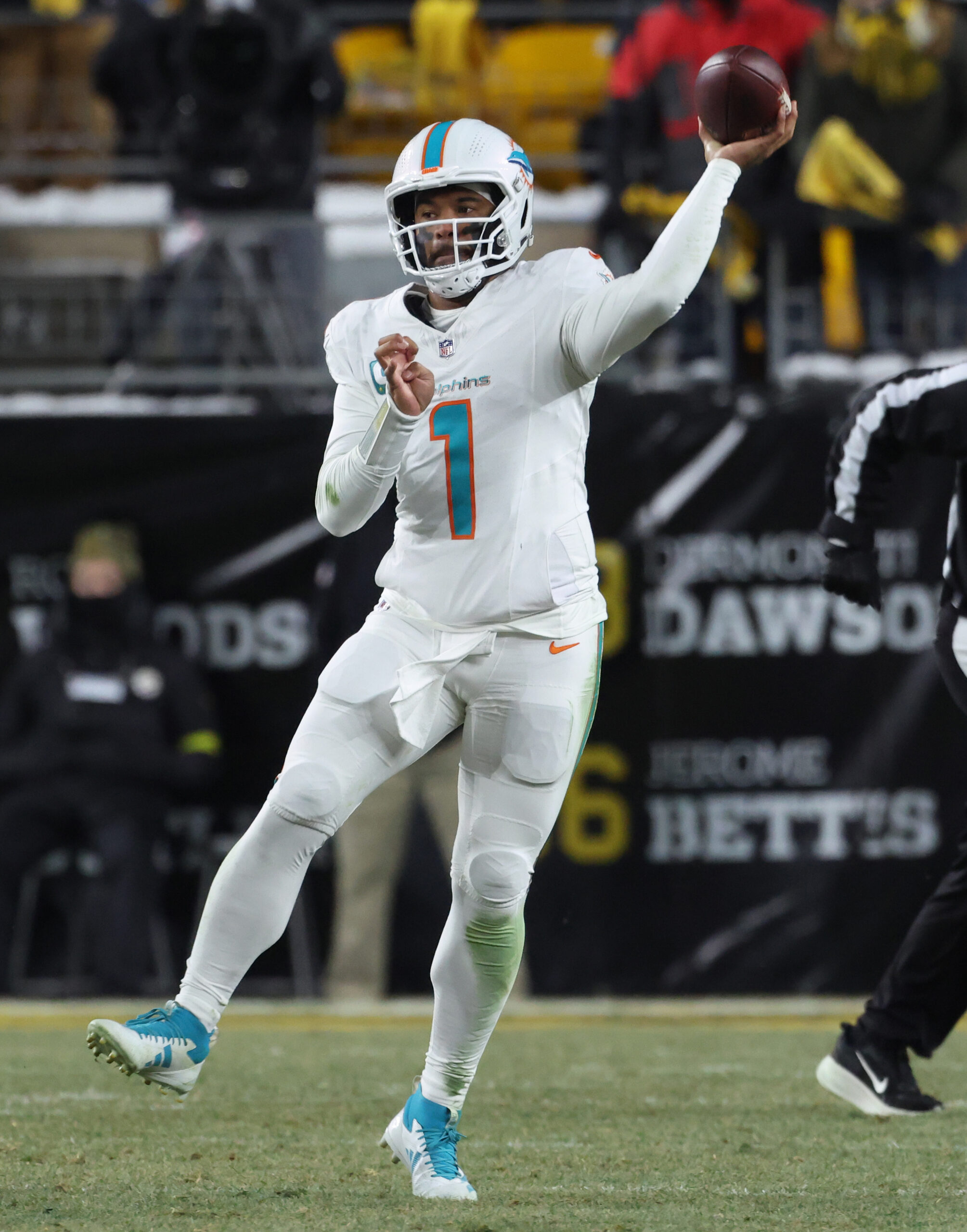 As a result, other teams are not interested in the 27-year-old quarterback as a trade target, per Essentially Sports’ Tony Pauline. There are multiple clubs, however, who would pursue Tagovailoa as a free agent. All they have to do is wait for Miami to cut him.
Moving any draft capital for Tagovailoa to then take on his massive contract – including $54MM in guaranteed compensation in 2026 (via OverTheCap) – is an over-investment in an asset that has rapidly depreciated over the last two seasons. Signing him as a free agent, however, would cost no draft picks and only a veteran-minimum salary, since Tagovailoa would still be receiving his pay from Miami.
Perhaps an enterprising general manager with plenty of extra cap space could take a creative approach.
The Dolphins are just $772K over the 2026 salary cap and badly need to clear space just to fill their roster, sign their draft class, and field a team this season. Releasing Tagovailoa will incur a dead cap charge of $99.2MM, some of which can be pushed into 2027 with a post-June 1 designation. That will still add $11.1MM to their balance sheet this year. That can be offset with a post-June 1 release of Bradley Chubb, but the Dolphins’ new regime probably wants to do more than balance the budget in their first offseason.
Back to that enterprising GM: he could try to acquire Tagovailoa via trade and ask the Dolphins to give him better draft capital in exchange for taking on his massive salary. Miami would not package Tagovailoa and a draft pick in exchange for no return, but perhaps a pick swap upgrading one of the acquiring team’s selections could be equitable.
The new club would have a potential bridge starter, and the Dolphins will have minimized the financial impact of moving on from their former first-round pick. There are also a number of teams that need to spend rather aggressively this offseason to meet the league’s three-year cash spending requirement, and absorbing Tagovailoa’s salary is one way to contribute to that effort.
Still, the most likely path is an outright release followed by Tagovailoa signing for the veteran minimum with a new team. He will likely be looking for a starting opportunity, or at least the potential to earn one.
Malik Willis Could Receive $30MM AAV In Free Agency; Too Much For Miami?
FEBRUARY 28: Mike Florio of Pro Football Talk writes one “theory” in league circles is that Willis will ultimately land between $20MM and $25MM per season on a two- or three-year contract. That would mark a major contrast to other notable QB deals given Willis’ lack of starting experience, but demand from a long list of suitors could of course produce an even more lucrative agreement.
FEBRUARY 24: Could Malik Willis be the NFL’s next successful quarterback reclamation project?
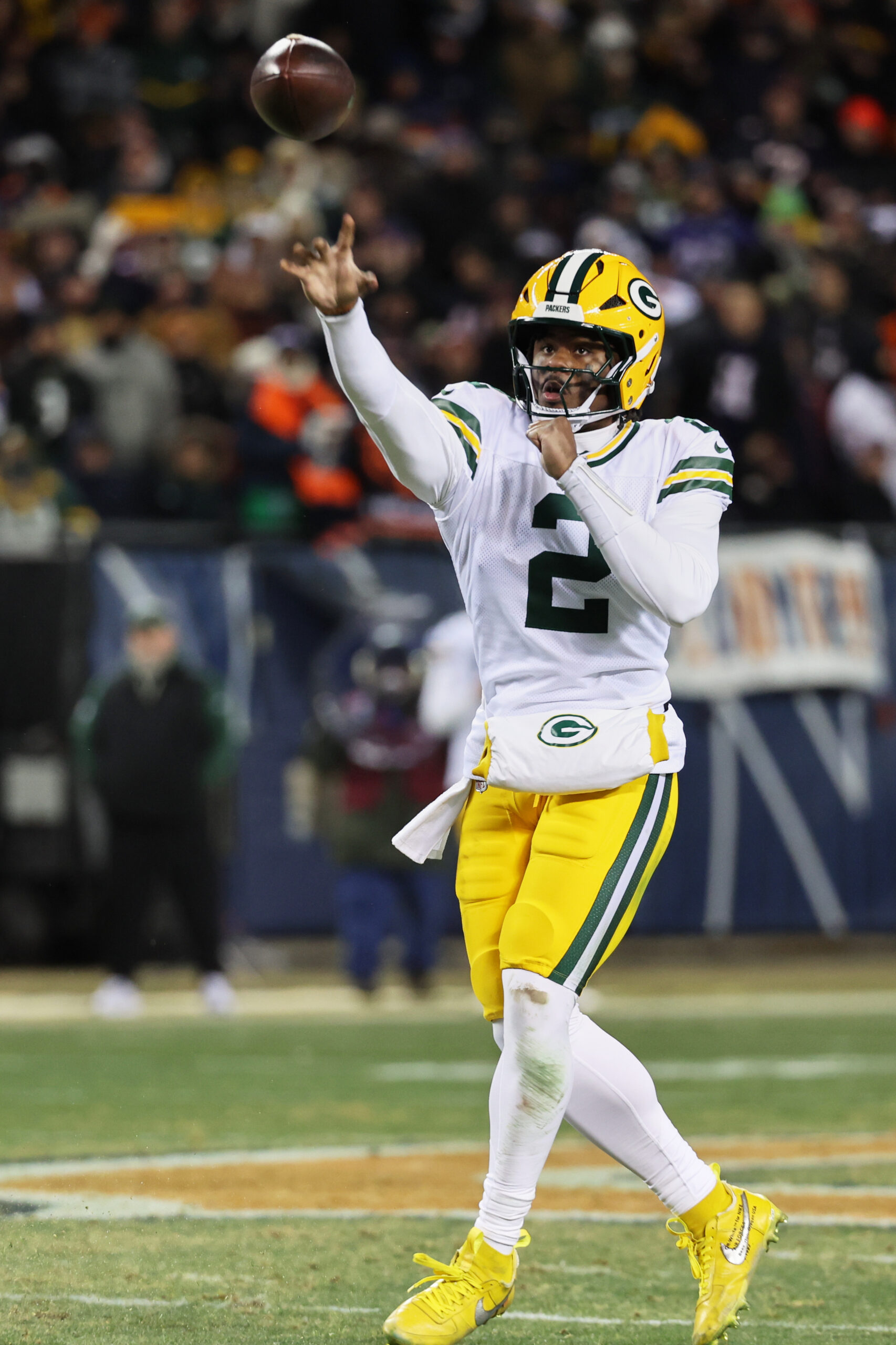 Teams are certainly interested in finding out. The 2022 third-round pick is set to hit free agency in March with considerable hype about his potential as a starter.
Projections for his market value have grown over the last few months, with NFL Network’s Ian Rapoport predicting that Willis could get anywhere from $30MM to $35MM per year in free agency during a recent appearance on NFL Daily. Host Gregg Rosenthal added that he could see Willis getting as much as $42MM per year. Veteran insider Jordan Schultz adds a $30MM-per-year deal, at least, appears to be a “foregone conclusion” for Willis.
That is a steep price for a quarterback with just six career starts, three of which were rough rookie performances in Tennessee. Willis has made huge strides since arriving in Green Bay in 2024, but those projections would pay him similarly to Baker Mayfield and Sam Darnold after they had proven themselves as full-time starters. Willis may not have to take a lower one-year ‘prove it’ deal as Mayfield and Darnold did, but matching or exceeding their AAVs feels like a long shot.
Teams may still be willing to pony up for a young quarterback with exciting athletic traits and the ability to develop under the right coaching. Willis’ lack of starting experience may work in his favor, too. Justin Fields‘ known limitations capped his market last offseason, but teams have only seen Willis thrive in Green Bay in the last two years.
The Dolphins have emerged as an obvious landing spot for Willis after hiring Packers defensive coordinator Jeff Hafley and vice president of player personnel Jon-Eric Sullivan as their next head coach/general manager duo. However, they have a tight cap situation and will already be paying Tua Tagovailoa $54MM in 2026, per OverTheCap.
“I don’t know that Miami has the money,” Rapoport said. But don’t just take it from him.
In response to a question about Willis at the Combine, Sullivan himself acknowledged that the Dolphins have “a bit of an uphill climb” when it comes to their finances.
“Have we had conversations about Malik? I think anybody that is potentially in the quarterback market would be lying if they said they have not,” Sullivan said (via C. Isaiah Smalls of the Miami Herald). “The reality of the situation is we have 30-plus unrestricted and restricted free agents. And we got eight picks as we sit here today and not a ton of money to do stuff in free agency.”
The Dolphins could certainly find a way to get Willis to Miami, but doing so will take a combination of cuts, restructures, and a creative contract structure. Even then, as Sullivan notes, the team has more areas to address, and concentrating $90MM at quarterback will limit their ability to invest in other positions.
But Hafley and Sullivan should also know how team leadership can be defined by their ability (or inability) to acquire quarterback talent. 26-year-olds with starting potential rarely hit unrestricted free agency, so the Dolphins may be best served by prioritizing Willis now and building the roster around him over the next two offseasons in the hopes of getting back to playoff contention by 2027.
Broncos To Hire Colorado DC Robert Livingston As Pass Game Coordinator
The Broncos are making a local hire to replace Jim Leonhard, their former pass game coordinator who now serves as the Bills’ defensive coordinator. University of Colorado DC Robert Livingston is set to take Leonhard’s position on Sean Payton‘s staff in Denver, per ESPN’s Adam Schefter.
Livingston, 40, spent the last two years running the Buffaloes’ defense under Deion Sanders. The unit allowed 34.8 points per game in 2023, which ranked 124th out of 133 FBS teams. In Livingston’s first season, they improved to 46th, surrendering 23.1 points per game. , allowed the 10th-most points per game. Colorado regressed in 2025, ranking 112th with 30.5 points allowed per game. They did, however, rank 11th in opposing completion rate (55.4%), a positive sign for his new role overseeing the Broncos’ pass defense.
In Denver, Livingston will reunite with defensive coordinator Vance Joseph. The two overlapped in Cincinnati in 2014 and 2015 while Joseph was the Bengals’ defensive backs coach. Livingston was a scout focusing on defensive backs from 2012 to 2014 and a defensive quality control in 2015. Joseph left during the 2016 offseason, but Livingston was promoted to safeties coach that role until 2023, when he was hired by Sanders.
Before reaching the NFL, Livingston served as the safeties coach at Furman in 2010 and a defensive quality control coach at Vanderbilt in 2011. He will now take on a role overseeing a Broncos’ pass defense that ranked among the league’s best in 2025.
Browns Want To Re-Sign Devin Bush, Cory Bojorquez, Teven Jenkins
The Browns are prioritizing re-signing their own players rather than pursuing available free agents this offseason.
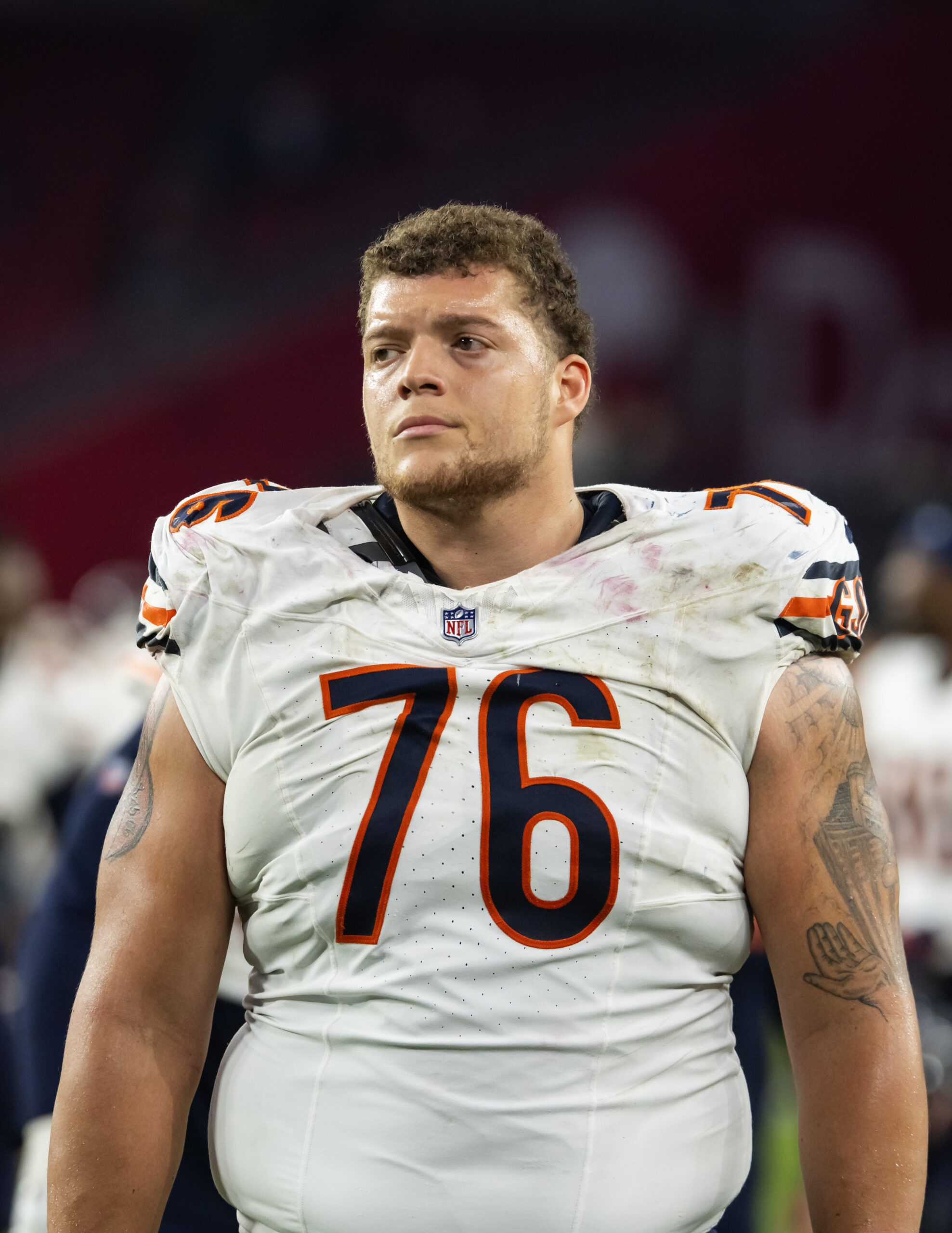 General manager Andrew Berry said at the Combine (via The Athletic’s Zac Jackson) that the team is “probably one offseason away from being hyper aggressive” in free agency. Instead, they will look to retain linebacker Devin Bush, punter Corey Bojorquez, and guard Teven Jenkins, per Cleveland.com’s Mary Kay Cabot.
Bush is a “high priority” for a multi-year deal after two strong years in Cleveland. He replaced Jeremiah Owusu-Koramoah in 2024 after season-ending injury and started every game last year with the Pro Bowler still on the shelf. Koramoah is not expected to play again – certainly not anytime soon – so Bush would be inline to start alongside Carson Schweisinger in 2026. He ranked second on the team behind the rookie with 125 tackles and led the NFL with 164 interception return yards and two pick-sixes. However, strong classes of free agents and draft prospects at the linebacker position could deflate Bush’s value on the open market and encourage him to re-sign with the Browns.
Bojorquez has spent the last four seasons in Cleveland, and the Browns’ anemic offense in 2024 and 2025 made him the busiest punter in the league. The 29-year-old led the NFL in total punts and punt yardage in each of the last two seasons, though his per-punt averages significantly decreased last year. Bojorquez will likely be looking for a decent raise over his previous $2MM AAV in a punter market that has risen above $4MM per year.
Jenkins, 28, only started four games in 2025, primarily at right guard. But with the Browns’ entire starting offensive line hitting free agency, Cleveland will want to maintain some continuity up front. But all five of those players are at least 30 years old, while Jenkins is 28 and could come at a discount given his injury history. The former Bears’ second-round pick has received solid grade from Pro Football Focus (subscription required) in his career and could be penciled in as a Week 1 starter, likely at right guard.
The Browns are expected to consider re-signing center Ethan Pocic and cornerback Martin Emerson, who are both recovering from torn Achilles. The situation with Emerson is “unsettled,” per Jackson, and both players could face tough markets due to their injuries.
New head coach Todd Monken also wants to retain left guard Joel Bitonio, according to Cabot, but the 34-year-old is considering retirement before exploring a new contract with the Browns or another team. He has spent all of his 12-year career in Cleveland and has remained a durable, reliable blocker well into his 30s.
Bears Want To Retain QB Case Keenum As Coach
Case Keenum is set to hit free agency in March, but if the Bears have it their way, the journeyman will stay in Chicago.
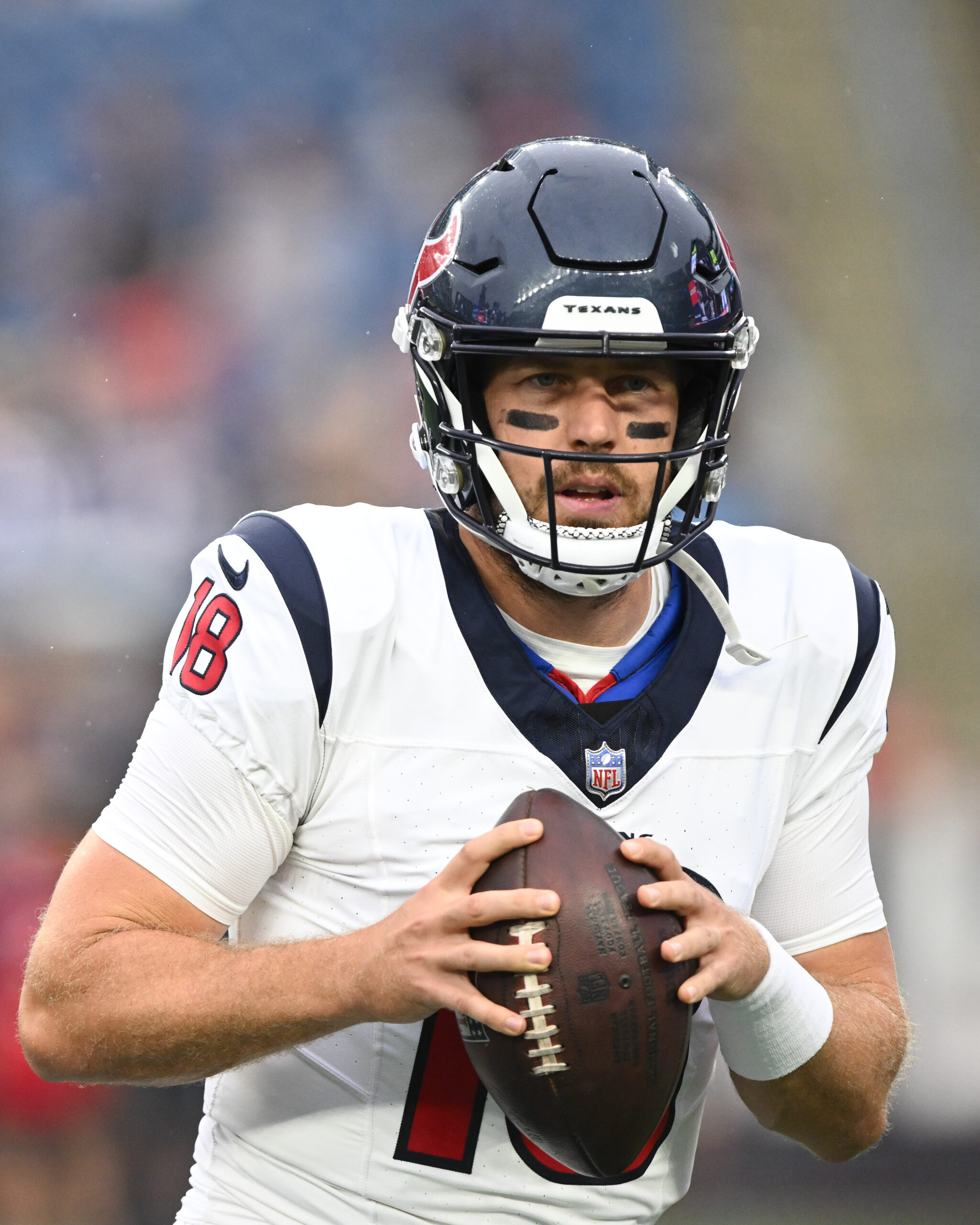 But it would not be as a quarterback. Instead, Ben Johnson is hoping that Keenum can join his coaching staff and continue to mentor the team’s young passers, Caleb Williams and Tyson Bagent, according to Essentially Sports’ Tony Pauline.
Keenum, 38, arrived in Chicago in 2025 and quickly endeared himself to Johnson as a veteran voice in the quarterback room. At this point in his career, he does not profile as much more as a player. He last started a game in 2023 for the Texans with no more than two starts in a season since 2019. And despite the positive reputation Keenum has built up in the league, his stretches of starting-caliber play were far and few between.
But the backup quarterback-to-assistant coach pipeline has been active in recent years, especially this offseason with Sean Mannion and Davis Webb both landing offensive coordinator gigs. It is unclear what role Keenum would take on; the Bears already have quarterbacks coach J.T. Barrett and Robbie Picazo as an offensive assistant focused on quarterbacks and receivers. Perhaps Keenum could be an assistant quarterbacks coach.
He would have to retire from playing to do so. If he thinks he still has gas left in the tank, he may want to see his options in free agency before taking off the pads. But the Bears are a rising team, and this could be a good opportunity to kickstart his coaching career.
2026 NFL Franchise/Transition Tags
The NFL’s 2026 salary cap will be $301.2MM, a figure will have a significant impact on a number of other contract situations around the NFL.
Chief among them are the franchise and transition tags. Teams can use one of the two tags on one player per year, which ties them to a one-year contract at the top of their positional market. The value of the franchise tag is determined by the top five salaries at each position, while the transition tag is based on the top 10, but the calculation of the final figures factors in the salary cap.
Teams have internal projections for the next round of tag numbers and most have already made their decisions on players who could be tagged. However, any figures that differ significantly from those predictions could make them reconsider.
Here are 2025 non-exclusive franchise tag figures, courtesy of NFL Network’s Tom Pelissero:
- Quarterback: $43.895MM
- Running back: $14.293MM
- Wide receiver: $28.298MM
- Tight end: $15.045MM
- Offensive line: $25.773MM
- Defensive end: $24.434MM
- Defensive tackle: $27.127MM
- Linebacker: $26.865MM
- Cornerback: $21.161MM
- Safety: $20.149MM
- Kicker/punter: $6.649MM
The exclusive tag is often seen as prohibitively expensive, since the team must account for the entire amount on their salary cap that year. Instead, ‘franchise tag’ typically refers to the non-exclusive tag, which allows tagged players to negotiate with other teams. If they agree to an offer sheet, the original team gets a chance to match. If they decline, the player signs with a new team, who must send the original team two first-round picks.
That required compensation often makes negotiating with non-exclusive franchise-tagged players a non-starter. Instead, players on the non-exclusive tag often sign extensions with their original teams with the tag number serving as a key point of reference on a long-term AAV.
Here are the numbers for this year’s transition tag:
- Quarterback: $37.833MM
- Running back: $11.323MM
- Wide receiver: $23.852MM
- Tight end: $12.687MM
- Offensive line: $23.392MM
- Defensive end: $21.512MM
- Defensive tackle: $22.521MM
- Linebacker: $21.925MM
- Cornerback: $18.119MM
- Safety: $16.012MM
- Kicker/punter: $6.005MM
The Cowboys have already placed the non-exclusive franchise tag on wide receiver George Pickens, as have the Falcons on tight end Kyle Pitts. Other candidates for a tag – either franchise or transition – include Seahawks running back Kenneth Walker, Jets running back Breece Hall, and Colts quarterback Daniel Jones and wide receiver Alec Pierce.
One player who is unlikely to be tagged is Ravens center Tyler Linderbaum, as all offensive linemen are grouped together when calculating tag figures. That makes the OL tag representative of the offensive tackle market, which is much too expensive for a center. The NFL uses the same designations to calculate fifth-year options, which is why the Ravens did not pick up Linderbaum’s last offseason. The same issue pops up for inside linebackers, who are grouped together with outside linebackers who typically earn far more money for their pass-rushing abilities.