
Latest On Rams, DT Aaron Donald
The Rams reached a blockbuster agreement to acquire Myles Garrett last week. Aaron Donald then dropped breadcrumbs about a potential unretirement. Understandably, the Rams are intrigued by this prospect.
Were Donald to unretire, he would again be the most accomplished player on the Rams’ roster. Garrett would be the only one close to the former all-world defensive lineman, who would be delaying his Hall of Fame induction by returning. While it is possible this situation drags on past training camp, teams may well need to prepare for a Rams D-line housing Garrett and Donald.
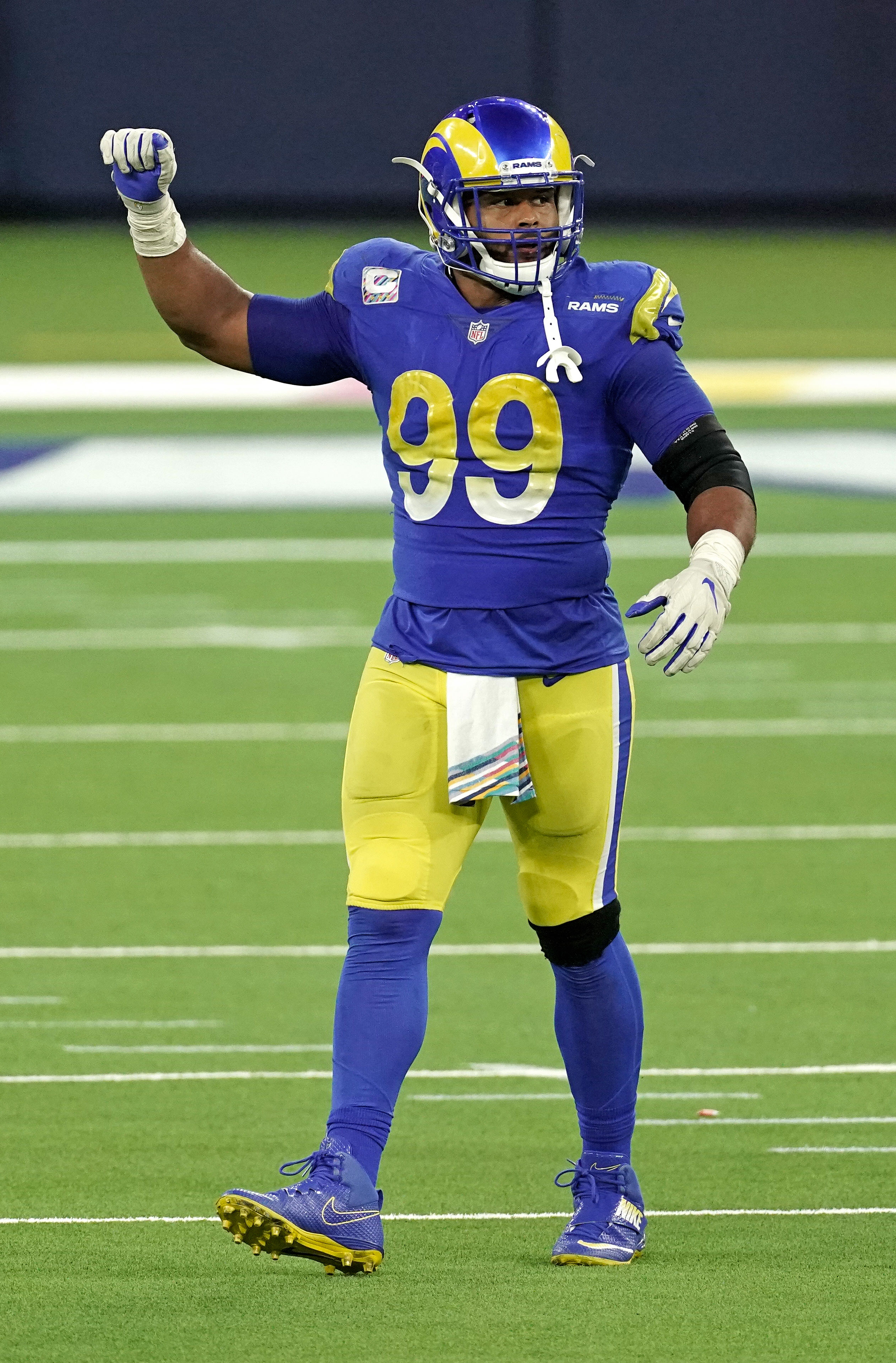 Rams DC Chris Shula said (via The Athletic’s Nate Atkins) he would welcome Donald back “with open arms”; the three-time Defensive Player of the Year retired months before Shula’s first season as Los Angeles’ defensive play-caller. Adding fuel to the fire here, ESPN’s Adam Schefter predicts Donald will return to the Rams after two years away.
While Schefter cautions no reporting is present on a Donald comeback being set just yet, but the veteran insider views it as “more likely than not” the 35-year-old D-line dynamo will be back. In surveying some other teams on the prospect of Donald returning to the Rams, Schefter indicates outside expectations are the NFC West power will find a way to bring Donald back.
Donald said last fall he did not have an itch to return to football, noting he had merely missed the camaraderie rather than the game itself. Several months later, he has openly teased a return. It would stand to reason the Rams would be prepared to use the legendary DT less than they previously did, as the 10-year Pro Bowler carried at least an 81% snap share on defense from 2017-23. In that span, Donald won three Defensive Player of the Year awards and helped the Rams to two Super Bowls and one title.
Since Donald’s retirement, the Rams have seen Kobie Turner and Braden Fiske become mainstays. Turner played 67% of the Rams’ defensive snaps last season, while Fiske logged a 48% number. Also rostering Poona Ford at nose tackle, the Rams would need to reduce two rising D-line talents’ playing time to accommodate a Donald return.
This would qualify as a champagne problem for a franchise that would have the makings of a D-line that potentially surpasses the 1960s-’70s Fearsome Foursome in terms of talent. The Rams teamed all-time greats Merlin Olsen and Deacon Jones together, to go with an evolving set of quality supporting-casters, more than 50 years ago to form a historic inside-outside D-line pair. Fiske, Ford and Turner’s presences accompanying a Donald-Garrett duo would stand to present tremendous blocking difficulties for opponents as the Rams attempt to “host” a Super Bowl for the second time.
Donald was attached to a three-year, $95MM deal — a raise provided after he threatened retirement post-Super Bowl LVI — and one season remains on that contract. The Rams have found money to bring in Garrett and Trent McDuffie this offseason. McDuffie signed a cornerback-record extension, while Garrett remains on his $40MM-AAV Browns contract — one the Rams restructured post-trade. L.A. also has Turner, Byron Young, Puka Nacua, Steve Avila, Warren McClendon. The team included Jared Verse in the Garrett trade but has decisions to make on several other young players. But if Donald truly wants to come back, the Rams will surely accommodate him.
Dolphins To Extend C Aaron Brewer
The Dolphins had signed Aaron Brewer to a mid-tier center contract in 2024, but after his breakthrough 2025 season, a new deal is in place. Brewer is now the NFL’s third-highest-paid center.
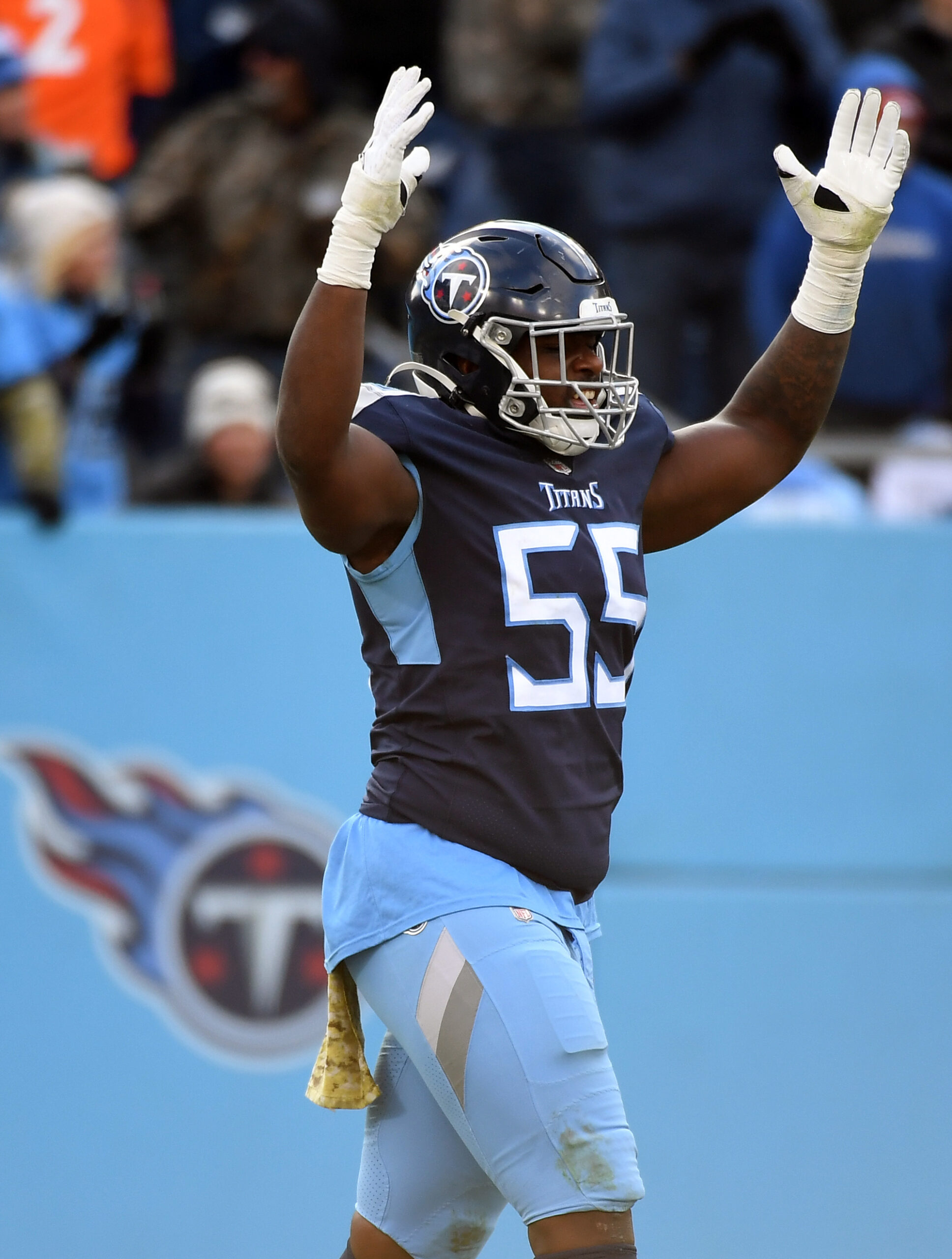 Miami’s new regime is giving Brewer a three-year, $52.5MM extension, ESPN’s Adam Schefter reports. The deal will provide the veteran interior blocker with $37MM guaranteed. At $17.5MM per year, Brewer trails only Tyler Linderbaum and Creed Humphrey among center salaries. Brewer is now signed through 2029.
Plenty of rumblings about a Brewer payday emerged this offseason. Although new regimes regularly use their early months to evaluate holdover players — and this Dolphins power structure has made sweeping changes — Brewer joins De’Von Achane as extension recipients during the team’s offseason program. Achane signed a four-year, $64MM extension in May.
The Chris Grier-Mike McDaniel power duo had added Brewer on a three-year, $21MM deal in 2024. That represented a mid-market deal, though the pact being finalized months before Humphrey’s extension raised the center ceiling made Brewer’s terms reasonably player-friendly. But Linderbaum has since smashed through both the center and guard roofs, using unrestricted free agency to create a new sector on the center market.
Linderbaum’s AAV outpaces Humphrey’s by a staggering $9MM, but Brewer and Cam Jurgens join Humphrey on the market’s new second tier. Jurgens did see more in total guarantees ($43MM) compared to Brewer, and it will be interesting to see where the latter’s new deal lands in terms of fully guaranteed money.
Should the $17.5MM AAV be the contract’s base value, Brewer will surpass Jurgens’ salary ($17MM per annum). GM Jon-Eric Sullivan is launching a rebuild, as the Tua Tagovailoa release and trades of Jaylen Waddle and Minkah Fitzpatrick illustrate, but will ensure Brewer is around to block for free agent signing Malik Willis and perhaps a long-term successor.
Playing both guard and center with the Titans, Brewer worked his way up from the UDFA level into surefire starter. An injury-battered Titans O-line could count on the Texas State alum in 2022, when Brewer started 17 games at guard. Tennessee then placed a second-round RFA tender on him in Mike Vrabel‘s final offseason in charge. Moving to center in 2023, Brewer started 17 more games that season and created a nice market for himself. That led to the Dolphins paying him to begin snapping to Tagovailoa. The signing surely went better than the team anticipated.
Brewer landed a second-team All-Pro honor despite the Dolphins struggling in McDaniel’s final season. Pro Football Focus graded Brewer as its second-best center — behind Humphrey — while ESPN’s pass block win rate metric slotted the 28-year-old blocker ninth among all interior O-linemen. Although Miami did not see Tagovailoa rebound from a concerning 2024, Brewer’s work helped Achane to a career-best season. New HC Jeff Hafley will count on that duo moving forward.
The Dolphins have questions to answer up front as Hafley’s tenure starts. Austin Jackson accepted a pay cut after another injury-plagued season, and the veteran right tackle is in a contract year. The team has Patrick Paul entering a second season as its starting left tackle. The Dolphins are stationing first-round pick Kadyn Proctor — a tackle at Alabama — at left guard while putting 2025 second-rounder Jonah Savaiinaea in a competition to keep a starting job. Savaiinaea, who started at LG last season, is vying for the RG post with Jamaree Salyer and rookie D.J. Campbell.
Brewer represents some certainty for Miami’s new staff. Sullivan’s staff has now taken care of he and Achane, and it will be interesting to see if a Jordyn Brooks extension — one the former first-round linebacker has lobbied for — will come next in this transition period.
Pats Not ‘Exploring’ Stefon Diggs Reunion; TE Addition Possible
Although the Patriots released wide receiver Stefon Diggs in March, the four-time Pro Bowler was reportedly open to a new deal with the team as of mid-May. As expected, though, the Patriots went on to acquire wideout A.J. Brown from the Eagles a couple of weeks later. With Brown now the leader of a crowded receiving corps, Diggs will probably have to look elsewhere.
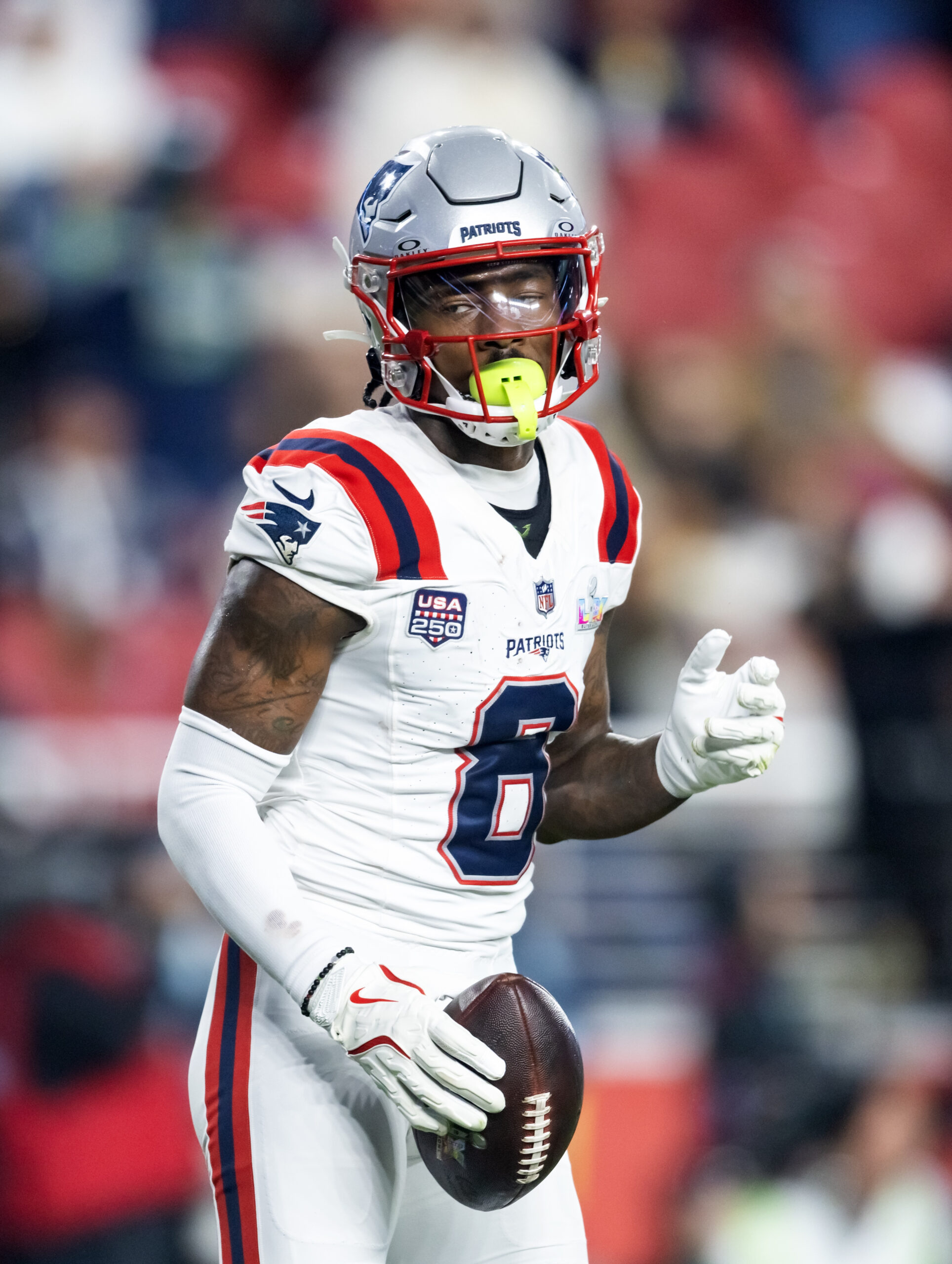
When head coach Mike Vrabel met with reporters Wednesday, he downplayed the chances of the Patriots re-signing Diggs, saying (via Doug Kyed of the Boston Herald), “Right now, I don’t think that that’s something that I think we’re exploring, but I would never say no.”
Diggs gave the Patriots strong production in what ended up as the only season of his three-year, $63.3MM contract with the team. In his return from the torn ACL he suffered in 2024 with the Texans, Diggs stayed healthy and led the Patriots in receptions (85), targets (121) and yards (1,013). He also caught four touchdowns, helping the Pats to a remarkable one-year turnaround in which they went from 4-13 to 14-3.
New England advanced all the way to Super Bowl LX, but the team couldn’t overcome Seattle in a 29-13 loss. The Patriots gave Diggs the ax a few weeks later and opened up $16.8MM in cap space at the cost of $9.7MM in dead money. At the time, Diggs was facing strangulation and assault charges for an alleged incident with his former personal chef. He was found not guilty in early May, though the league has continued to review the matter. It is unclear if he will face any discipline.
While the 32-year-old Diggs may be the best receiver left in free agency, Vrabel noted the Patriots are “happy” with the options they have. Beyond Brown, the club has expensive free agent pickup Romeo Doubs, Mack Hollins,2025 third-round pick Kyle Williams, Kayshon Boutte, DeMario Douglas and Efton Chism in its top seven. Hollins and Williams are “near-locks” for roster spots, according to Kyed. On the other hand, Boutte has come up as a trade candidate. He is reportedly open to a change of scenery, but the fourth-year man claims he is still content in New England.
“I wouldn’t mind being here,” Boutte said this week (via Chad Graff of The Athletic): “I do want to be here.”
With Brown and Doubs playing on big-money deals, Boutte is not in good position to sign an extension as he heads into a contract year, Graff notes. At the same time, Graff does not believe the Patriots are so well off at the position that they would give Boutte away for a late-round pick. Meanwhile, Douglas is reportedly on the roster bubble and might lose his spot to Chism, who could be the Patriots’ kick returner.
Although another agreement with Diggs appears unlikely, the Patriots may be in the market for tight end help after losing Julian Hill to an undisclosed injury. They brought in the former Dolphin on a three-year, $15MM pact in free agency, but he abruptly went on season-ending IR on June 1.
Asked about a potential tight end addition, Vrabel said (via Kyed), “I think that’s somewhere where we’d have to address.”
The Patriots have a clear-cut No. 1 tight end in Hunter Henry. They also drafted Eli Raridon in the third round this year. CJ Dippre, Jack Westover and undrafted rookie Tanner Arkin round out the group, but they could have company soon.
Giants Work Out LB Anfernee Orji, DL Marlon Davidson
The Giants hosted linebacker Anfernee Orji and defensive lineman Marlon Davidson for workouts during mandatory minicamp this week , per Dan Duggan of The Athletic. Both spent time under Giants defensive coordinator Dennard Wilson while he held the same job in Tennessee.
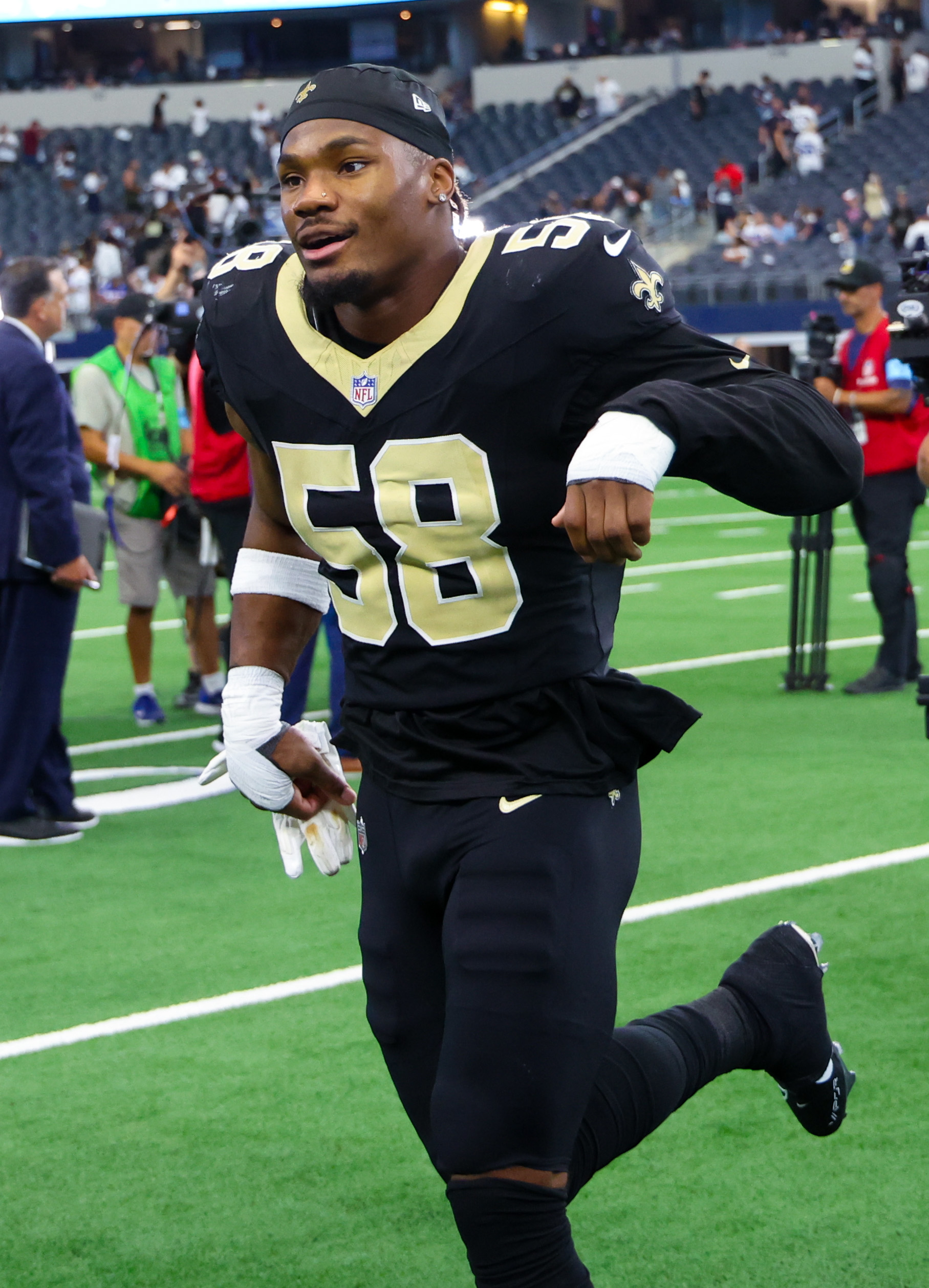 Orji, 25, signed with the Saints as an undrafted free agent in 2023 and spent the year on the practice squad. He made the 53-man roster in 2024 and appeared in 16 games with a core special teams role (82% snap share) and 146 snaps on defense.
Orji was a casualty of the New Orleans’ 2025 offseason overhaul. He was waived by the Saints and made his way to Tennessee but suffered a torn ACL in training camp that sidelined him for the entire season.
The Giants’ inside linebacker room is the thinnest one on their defense. They have just six players under contract – seven if you count No. 5 pick and hybrid edge rusher Arvell Reese – so they could stand to add another body for training camp.
Davidson, 28, was a Falcons second-round pick in 2020 who largely disappointed in Atlanta. He appeared in 19 games in his first two seasons with 29 tackles, one sack, and one tackle for loss before undergoing knee surgery that sidelined him for all of 2022. The Falcons waived Davidson the following offseason. He then spent time with the 49ers and the Titans with five appearances for Tennessee to close the 2023 season. Davidson missed the 2024 season due to a biceps injury and played nine snaps for the Falcons next year.
The Giants should place Roy Robertson-Harris (torn Achilles) on the physically unable to perform list at the start of training camp, which could open a spot in the defensive line room for Davidson. Even if signed, he and Orji would both face an uphill battle to a roster spot, though their connection with Wilson might give them a leg up in catching up on the team’s new defensive scheme.
Packers TE Tucker Kraft Expected To Start Camp On PUP
Packers tight end Tucker Kraft said on Wednesday that he is “doing better than expected” working his way back from a torn ACL suffered last November.
 Kraft, 25, attributed the progress to the first three months of his rehab and listed several positive markers in his recovery.
“I feel great, my quad looks great,” Kraft said (via USA Today’s Ryan Wood). “Swelling is minimal to none. No weird pains and aches coming out of my treatment and my training.”
The fourth-year tight end is still expecting to start training camp on the physically unable to perform list with the goal of being healthy enough to “hit the ground running” when he does return to the field. Kraft anticipates getting enough conditioning in camp to start Week 1 without a snap limit
The 6-foot-5, 259-pounder is now seven months removed from knee surgery. The nine-month mark – a common standard for ACL recoveries that is currently being used by Kraft’s teammate Micah Parsons – will be roughly midway through training camp, one month before the regular season opener. The timeline is there, but there is still time for setbacks – or a switch to an even more cautious path in camp.
“There’s a lot of things that really need to happen prior to me playing in the season,” Kraft acknowledged.
A full recovery might be the final step to a long-term deal between the Packers and their star tight end. Kraft has been mentioned as an extension candidate this offseason in a tight end market that is expected to rise within the next year. He gave a cryptic response when asked about contract talks, per Wood, indicating an agreement might be in the works. Kraft has not been the focal point of Green Bay’s offense the way Trey McBride is in Arizona, but he still has an argument to match or exceed Kyle Pitts‘ $15MM AAV on a multi-year contract.
Jaguars RB Chris Rodriguez Undergoes Surgery, Expected Back For Camp
The Jaguars’ running backs room looks completely different than it did only two years ago, and the unfamiliar group will have an additional challenge to overcome this offseason. According to Ryan O’Halloran of The Florida Times-Union, running back Chris Rodriguez Jr. has undergone a procedure on his left foot but should be back to “full go” in time for training camp.
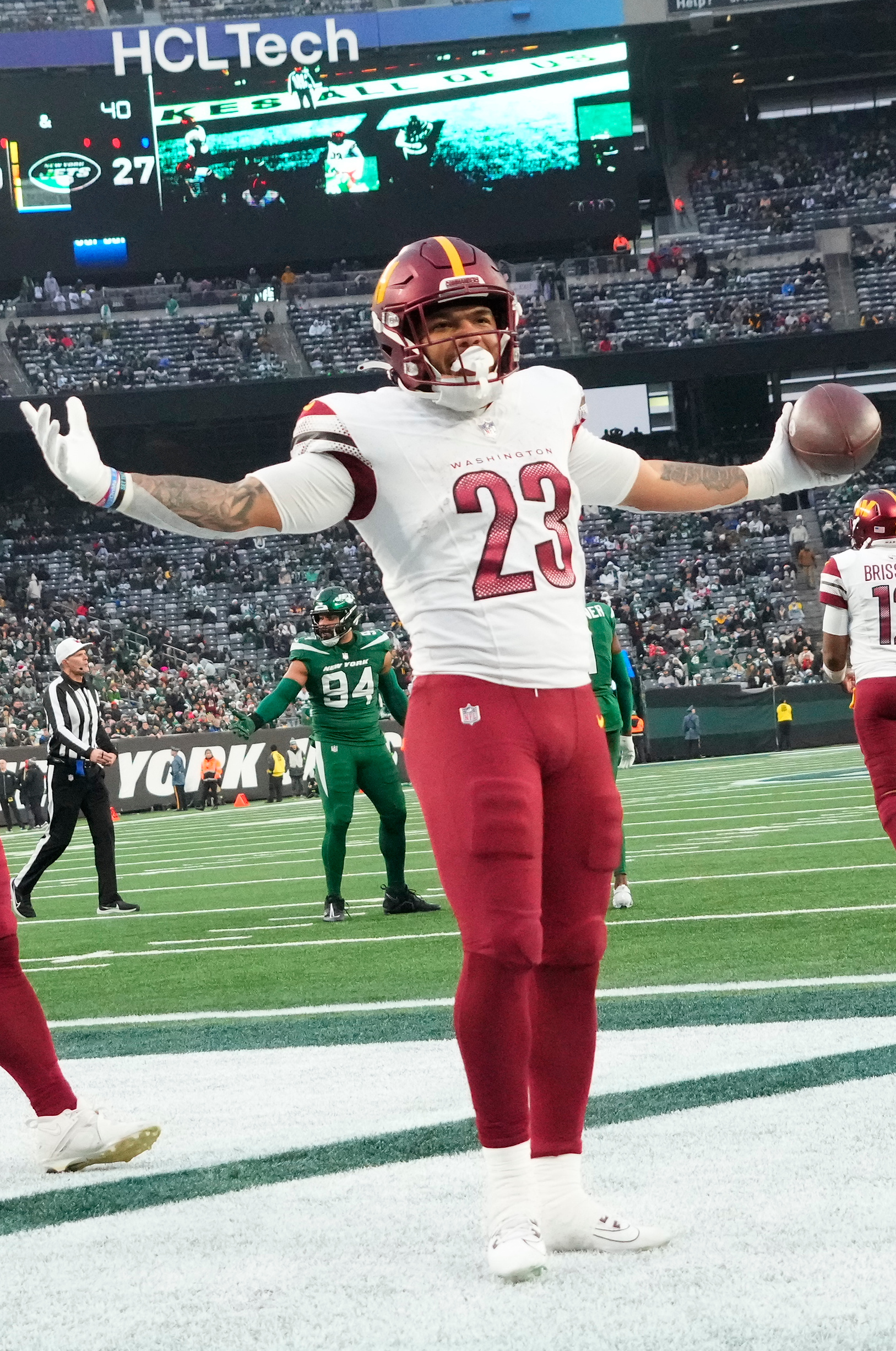 When former Jaguars running back Travis Etienne departed in free agency, Jacksonville already had his presumed replacement in the building in fourth-round rookie Bhayshul Tuten. With the only other running backs remaining on the roster behind Tuten being his fellow rookie, seventh-rounder LeQuint Allen, and veteran special teamer DeeJay Dallas, the Jaguars signed Rodriguez to bring some additional experience to the room.
That experience was sidelined, though, when Rodriguez suffered a foot injury during the team’s offseason program. Luckily for the second-year backs, the Jaguars also signed veteran back Ameer Abdullah about a month ago. Without Rodriguez in the room, though, the team doesn’t have a running back that rushed for more than 310 yards last year — Tuten totaled 307 as a rookie.
The team reportedly allowed Etienne to walk because they felt comfortable moving forward with Tuten, so there’s no concern for who they will be relying on in the run game, but Rodriguez is also expected to be a big part of the rushing attack in 2026. The Kentucky-product played for the Wildcats when Jaguars head coach Liam Coen was the offensive coordinator at the school, so the move to Duval seemed like a comfortable fit for Rodriguez’s second contract. While the surgery certainly put Rodriguez’s new start on hold, “the recovery is not expected” to force him to miss the start of training camp come late July.
Rodriguez should be joining second-year two-way player Travis Hunter in becoming full practice participants at training camp. It’s been known since early May that Hunter will be expected back for camp, and Coen provided some updates on Hunter’s recovery this week, per The Florida Times-Union’s Juston Lewis.
In the latest update, Coen informed reporters that Hunter had clocked speeds as fast as 22.6 miles per hour before practice yesterday. While Hunter has been getting plenty of looks in the team’s virtual practice room, seeing him hit those speeds shows just how close Hunter is to returning to the outdoor practice fields. While Hunter and his coach may be getting antsy, it seems clear he and Rodriguez can set their sights on training camp.
Broncos Begin Extension Talks With CB Ja’Quan McMillian
The Broncos have fielded one of the NFL’s best defenses in the last two years, especially against the pass. Denver allowed just 5.6 yards per attempt in 2024, the second-lowest mark in the league, which dropped to a league-best 4.8 in 2025.
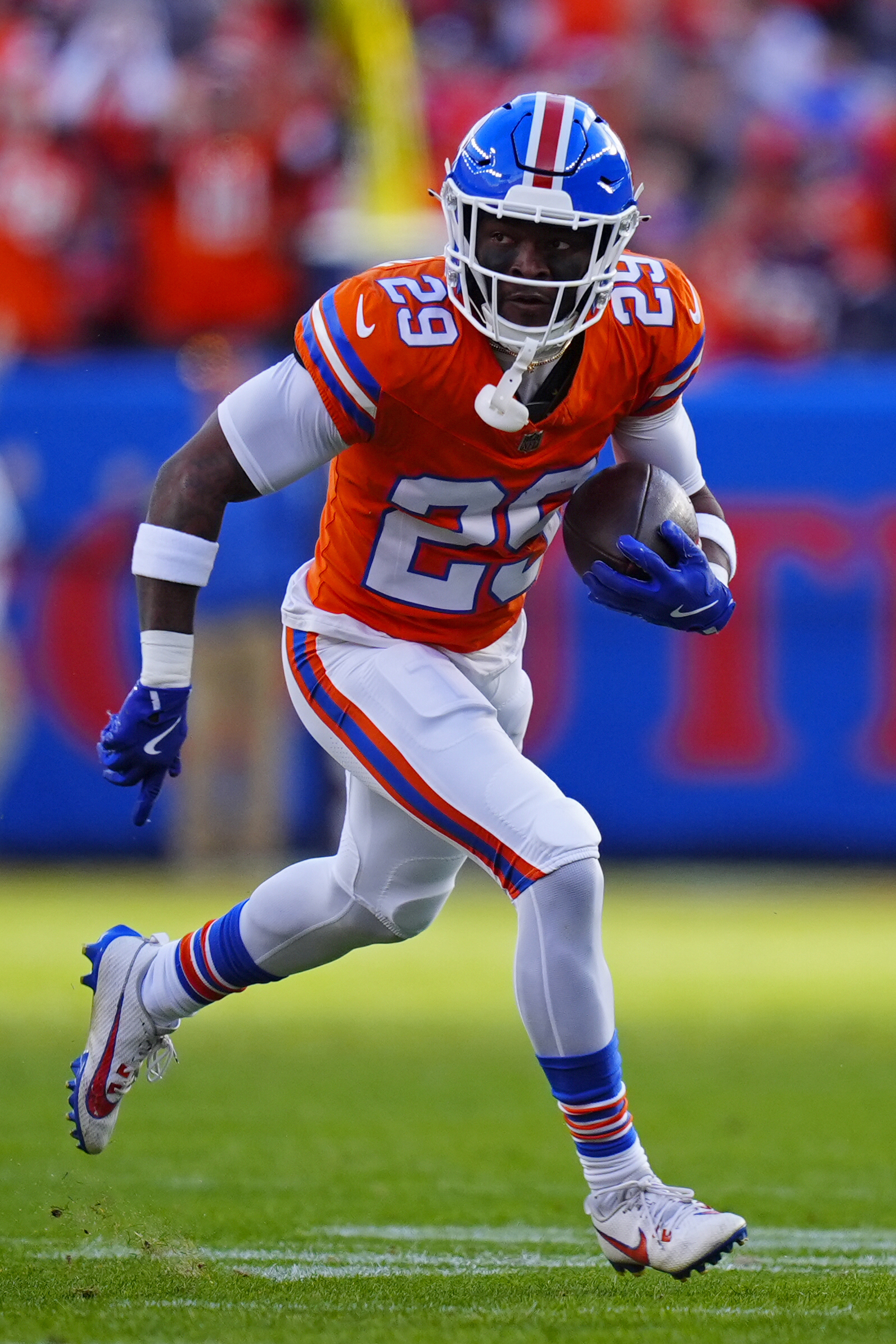 Starting slot cornerback Ja’Quan McMillian has been a key cog of the Broncos’ secondary since he took over the job midway through the 2023 season. Originally a 2022 UDFA out of East Carolina, he spent his rookie year on the practice squad but was elevated to start and play every snap in Week 18. After a rough start from Essang Bassey in 2023, McMillian stepped in as the team’s nickel for the rest of the season and allowed 6.1 yards per target, the 18th-fewest among qualified cornerbacks.
McMillian saw a substantial jump in targets in 2024, but still allowed just 6.8 yards per target with fewer touchdowns than the year before. Last season, he staved off first-round pick Jahdae Barron to keep his job and allowed career-lows of 5.9 yards per target and a 74.3 passer rating when targeted. He finished the season with the fourth-highest overall and seventh-highest coverage grade of any cornerback (min. 100 snaps), per Pro Football Focus (subscription required).
That performance would seem to position McMillian as one of the league’s top nickels, a market that is currently topped by Kyler Gordon at $13.3MM per year. He should be able to eclipse the $12MM AAV currently held by Marcus Jones, but he is unlikely to break into starting outside cornerback money at $15MM per year or more.
The Broncos have Patrick Surtain locked in as their long-term CB1. Riley Moss has been the starter on the opposite boundary for the last two seasons and allowed a roughly league-average 7.4 yards per target both times. He is in the final year of his rookie contract and could earn more on his next deal than McMillian since he lines up on the outside.
McMillian’s contract situation then becomes somewhat of a question about how Denver sees Barron. He played nickel for his first two years as a starter at Texas before putting up an elite performance as a full-time boundary corner in 2024. He filled a hybrid role as a rookie with 153 snaps in the slot, 93 outside, 99 in the box. If the Broncos see him as a long-term replacement for Moss, they will be more inclined to pay McMillian. But if defensive coordinator Vance Joseph wants to use Barron’s skillset in the slot, McMillian will likely be playing for a new team next year.
The Broncos are not expected to hand out any extensions until much closer to the season, Tomasson notes, giving them time to evaluate their cornerback room. They used the No. 20 pick on Barron last year and are unlikely to keep such a highly-drafted player on the sidelines for a second year in a row. The team may want to see how Barron fits into their secondary moving forward before making a decision on their veteran cornerbacks who are entering contract years.
DE Za’Darius Smith Released From Eagles’ Reserve/Retired List
Last year, veteran pass rusher Za’Darius Smith signed with the Eagles a day after the team’s season opener but only lasted five weeks in Philadelphia before announcing his midseason retirement. According to Aaron Wilson of KPRC 2, the Eagles have reportedly terminated Smith from their reserve/retired list, opening the door for the 33-year-old to make a return to the league, should he find the right situation.
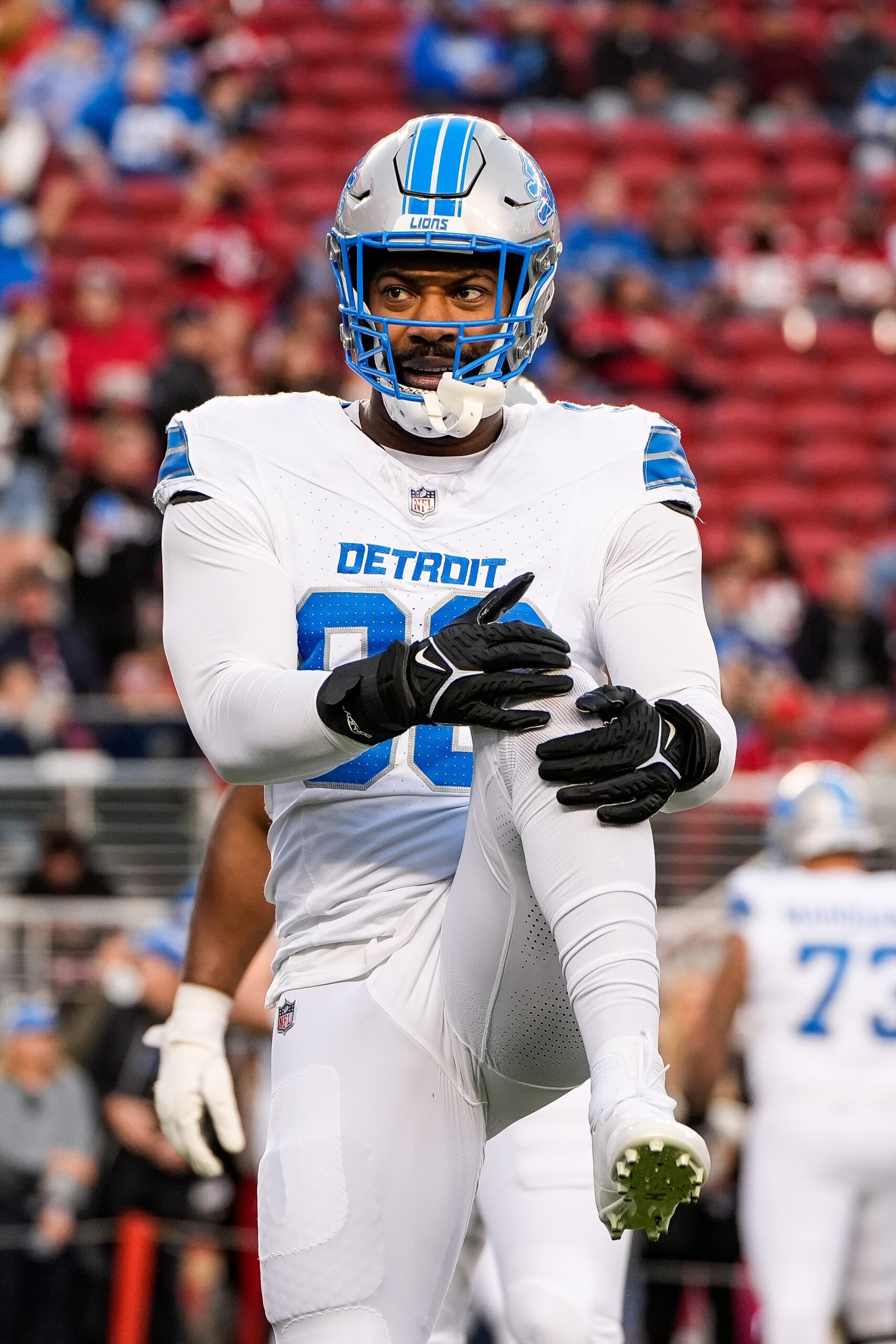 Yes, Smith will be 34 years old by the start of the regular season, but he is only two seasons removed from a nine-sack 2024 season split between the Browns and Lions. At his prime, though, Smith was routinely putting up sack totals in the double-digits. After exhausting his rookie contract in Baltimore with 18.5 sacks in four years, Smith joined the Packers and delivered two Pro Bowl campaigns in three years.
In his first season with the Packers, Smith put up career highs in sacks (13.5), tackles for loss (17), and quarterback hits (37). He didn’t quite match those numbers in his second Pro Bowl season, but his 12.5 sacks, 12 tackles for loss, and 23 quarterback hits were enough to land him second-team All-Pro honors. A back injury that had bothered him all through training camp in his third year in Green Bay limited him to only one game and led to his release, but Smith rebounded in 2022 with the Vikings, giving Minnesota 10.0 sacks, 15 tackles for loss, and 24 quarterback hits en route to his third Pro Bowl season.
The Vikings traded Smith to Cleveland the next year, and after a disappointing 2023 campaign, the Browns sold high on him, trading him to Detroit before the trade deadline the next season. Smith went unsigned for the entire offseason following his half-season with the Lions, and his announcement shortly after arriving in Philadelphia came as a shock to the league.
With the Eagles releasing him from the contractual rights they retained following his retirement, Smith will now be able to seek out new opportunities and find a team that best fits his situation. A few of his former teams all oddly appear to be in need of some pass rush depth, so a reunion may be on the table.
Minor NFL Transactions: 6/10/26
Here are today’s midweek minor moves from around the NFL:
Las Vegas Raiders
- Signed: WR Brandon Johnson
- Placed on IR: WR Corey Rucker
San Francisco 49ers
- Signed: RB Sincere McCormick
- Waived: RB Jordan Mims
Eagles Sign A.J. Epenesa, Michael Jordan
Several weeks after A.J. Epenesa‘s Browns deal fell through, the veteran edge rusher has found a new home. The Eagles signed the former second-round pick, per a team announcement.
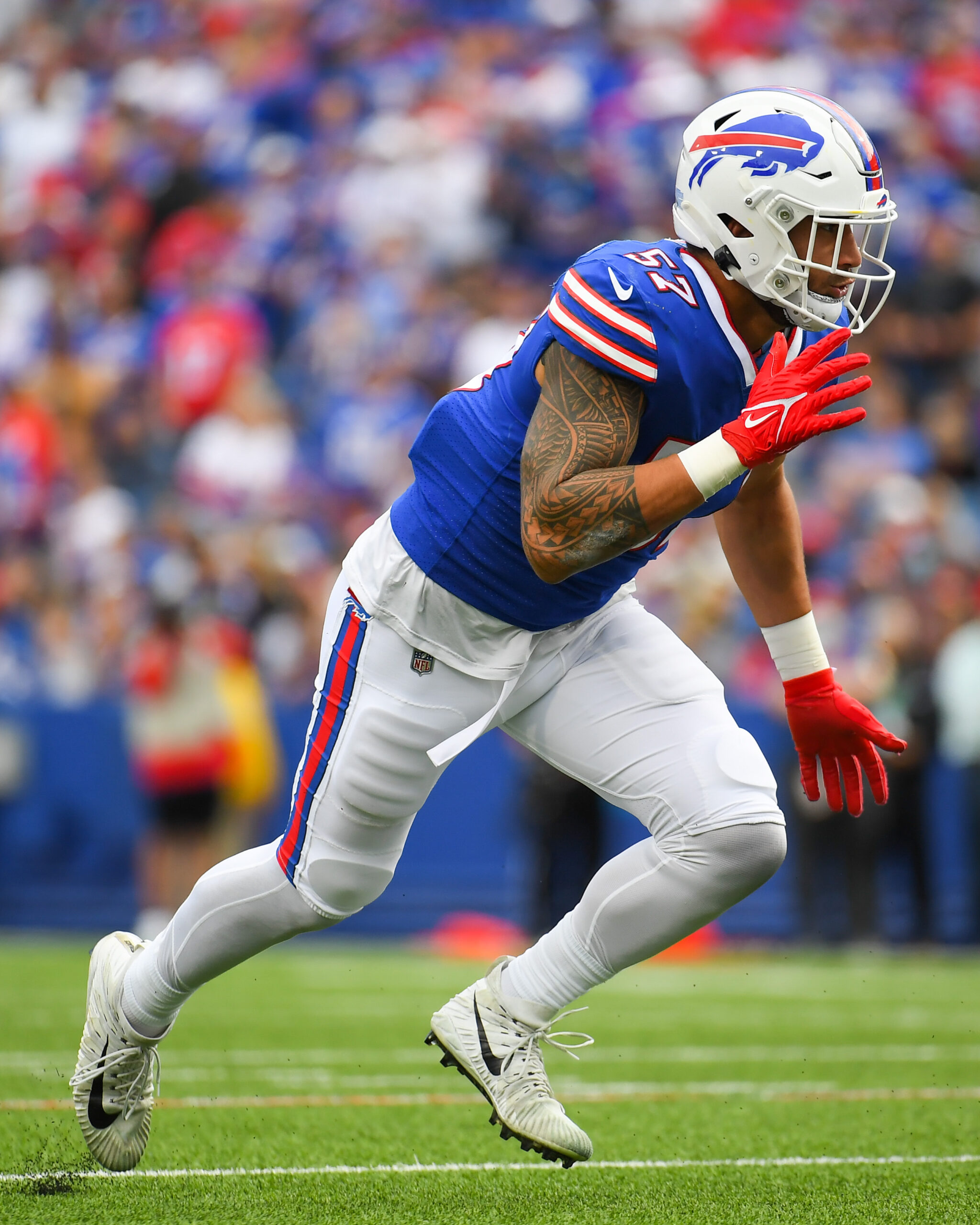 Philadelphia has signed Epenesa and guard Michael Jordan. The team waived linebackers Chandler Martin and Isiah King to clear roster space. Epenesa will head to Philly after six years in Buffalo.
Epenesa, 27, had committed to the Browns in March but saw the team express concerns about his physical and back out of the agreement. The Iowa product then visited the Dolphins and Bears but will vie to become an auxiliary rush option for an Eagles team that has again seen some turnover at its edge-rushing spots.
The team lost Jaelan Phillips in free agency but belatedly replaced him by trading for Jonathan Greenard during the draft. Philadelphia has also taken fliers on Arnold Ebiketie and Joe Tryon-Shoyinka. The team released the unretired Brandon Graham, but that move may be procedural that and precede the franchise’s longest-tenured player returning. The Epenesa signing crowds Philly’s EDGE corps, with Nolan Smith and Jalyx Hunt in place as well. The Epenesa signing could also provide some insurance for the Eagles in case Graham does not re-sign.
Graham, 38, retired not long after Super Bowl LIX but agreed to come back in-season. The Eagles had just lost Za’Darius Smith to an in-season retirement. Graham then expressed interest at playing a 17th season. Already the only Eagle to play 16 years with the team, the 2010 first-round pick would seemingly factor into the organization’s supplementary EDGE situation, which would leave Ebiketie, Tryon-Shoyinka and Epenesa vying for limited playing time.
Playing well as an auxiliary Bills rusher from 2022-24, Epenesa only recorded 2.5 sacks last season. Buffalo consistently used Epenesa as a rotational cog, with Von Miller and then Gregory Rousseau anchoring the team’s pass rush. Epenesa tallied 6.5 sacks in 2022 and ’23, combining for 14 tackles for loss in those seasons. He then delivered a six-sack, eight-TFL 2024 to go with his only career safety. Epenesa does not have a sack in 14 career playoff games, and the Bills added Bradley Chubb in free agency before drafting Clemson edge rusher T.J. Parker in the second round.
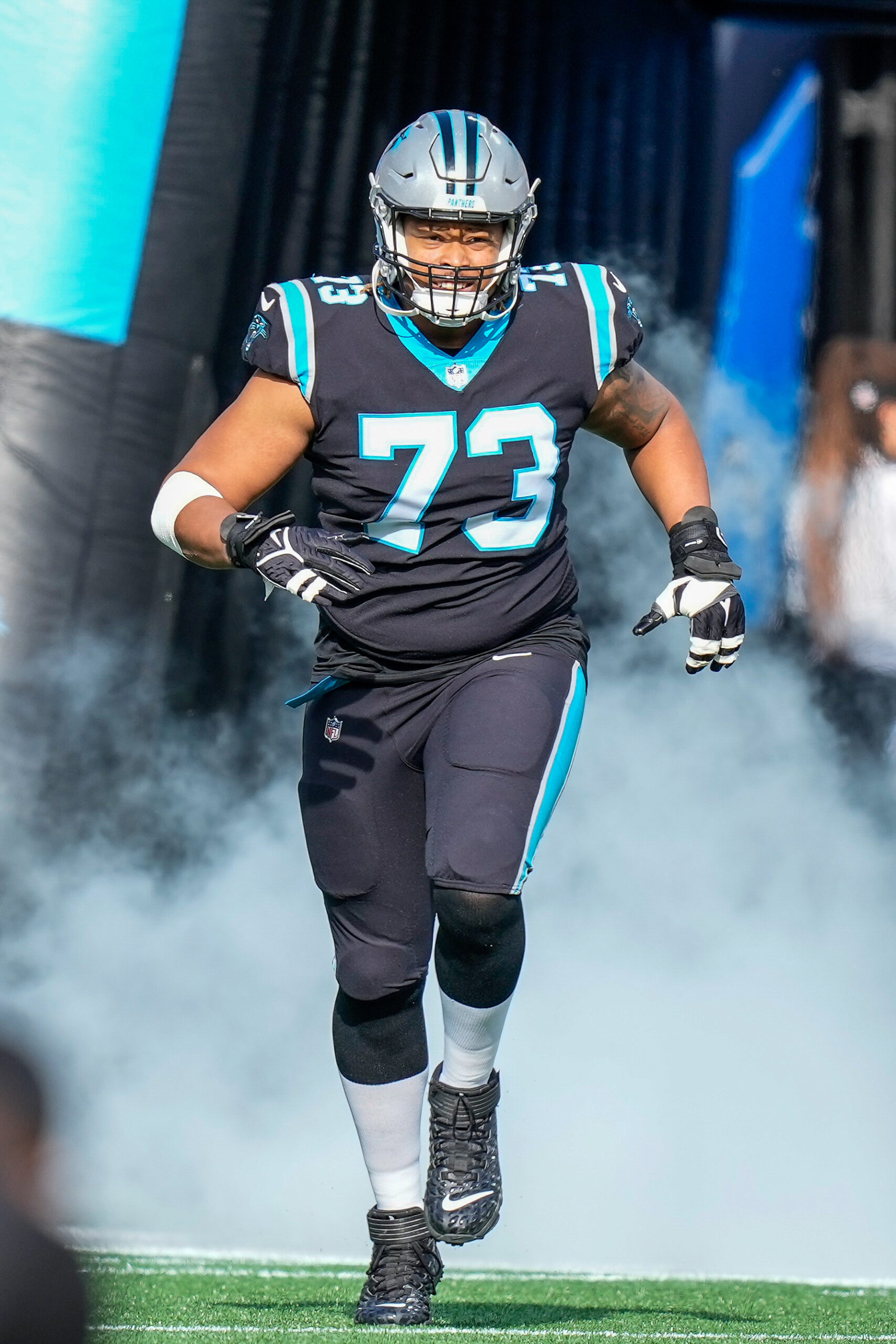 The first- and second-most-famous Michael Jordans are unapproachable for the veteran O-lineman, but the enduring guard has continued to work as a starter at various stops. Brought in as a depth option by the Buccaneers last year, Jordan ended up starting nine of the 11 games he played. This came after he started 11 of 12 Patriots contests in 2024. Jordan was a 10-game Panthers starter in both 2020 and ’21, before serving as a 2022 Carolina backup and missing the 2023 season.
Jordan spent the 2023 season on the Packers’ practice squad and did not make the Pats or Bucs’ rosters out of training camp in the ensuing years. But the former Bengals fourth-rounder managed to move back onto each team’s roster for extended starter duty each year.
Pro Football Focus has never graded Jordan as a top-60 guard, but teams have continued to view him as a valuable backup. The Eagles return starters Landon Dickerson and Tyler Steen, though Dickerson considered retirement this offseason and missed time in 2025. Philly also drafted a guard in Round 6 (Micah Morris).