
Free Agency Notes: Queen, Seahawks, Packers, Panthers, Pats, Jackson, Bengals
The Ravens’ Roquan Smith payment always made it likely Patrick Queen would need to collect his money elsewhere. Now that Queen’s most recent defensive coordinator landed a coaching job, a logical fit has emerged. Indeed, many executives predicted (via the Washington Post’s Jason La Canfora) Queen would wind up reunited with Mike Macdonald in Seattle. With the Seahawks likely to again part ways with Bobby Wagner, spots are open. Jordyn Brooks, who joined Queen as a 2020 first-round LB pick, is also on the cusp of free agency. Queen is coming off his best season — a Pro Bowl showing alongside Smith — and turned a corner once the Bears trade commenced last year.
Checking in eighth on PFR’s top 50 free agents list (before the Chris Jones and Baker Mayfield deals), Queen could be in line to rival what Tremaine Edmunds received ($18MM per year, $41.8MM fully guaranteed) last year and land a top-five ILB contract. Barely 12 hours from the legal tampering period, here is the latest from the free agent scene:
- Not known for splashy signings, the Packers do look like they are ready to upgrade at one position on the market. Green Bay appears likely to look at the top safeties available, ESPN’s Jeremy Fowler notes. Although several veteran safeties became street free agents due to recent cuts (Justin Simmons, Jamal Adams, Quandre Diggs and Jordan Poyer among them), this saturated market does include two young guns that should be paid well soon. It would not shock to see the Pack pursue Xavier McKinney and Kamren Curl, Fowler adds. Both safeties are going into their age-25 seasons, which could separate them on a crowded market.
- The Panthers released Bradley Bozeman today, and while they will look for a center, expect a guard pursuit as well. This year’s market is big on guards, and The Athletic’s Joe Person writes the Panthers want to upgrade at a guard spot this offseason. Carolina lost both its starting guards — Brady Christensen, Austin Corbett — to major injuries last season, representing one of the many issues on offense in Bryce Young‘s rookie year. The team does not consider Ikem Ekwonu an option. Despite the 2022 first-rounder playing guard at points in college, ESPN.com’s David Newton indicates the new coaching staff is keeping him at left tackle.
- The Patriots are open to bringing back J.C. Jackson, according to Sportskeeda.com’s Tony Pauline. Jackson’s season ended early after the team placed the veteran cornerback on the reserve/NFI list. Should Jackson move past the mental health struggles that wrapped his first season back in New England, Pauline adds the team is open to another reunion despite last week’s release.
- Seeing a revolving door form at right tackle (Bobby Hart, Riley Reiff, La’el Collins, Jonah Williams) over the past four years, the Bengals want that to stop. They may be ready to take a two-pronged approach by adding a veteran and a potential rookie heir apparent. “We would like to have somebody man the right tackle spot for a number of years, yes,” player personnel director Duke Tobin said (via The Athletic’s Paul Dehner Jr.). “We’d like it to be a young guy that can come in and do that or a veteran that might have the opportunity to rebuild his career, something. But yes, we would like that to be manned on multiple fronts. But we’re focused with having it manned well enough to provide us a chance to win next year. That’s the No. 1 thing.” Williams is a free agent, and given the market he might have — as a chance to move to left tackle may await — it is unlikely the 2019 first-round pick is back in Cincinnati.
Packers To Release LB De’Vondre Campbell
Once free agency officially begins, De’Vondre Campbell will see his Packers tenure come to an end. The veteran linebacker will be released on the first day of the new league year, Tom Sliverstein of the Milwaukee Journal Sentinel reports. 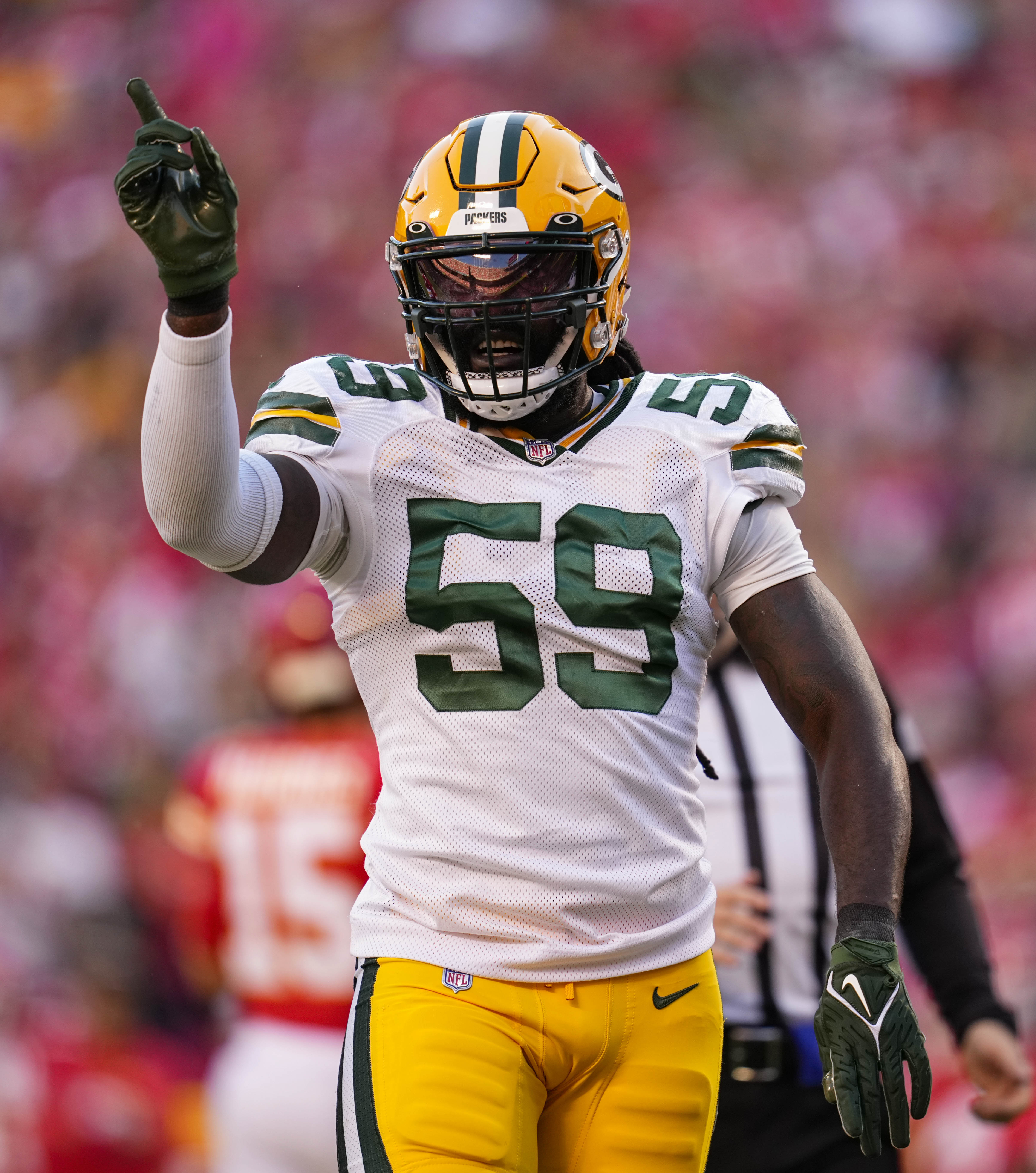
By waiting until the start of the league year, Green Bay will be able to designate Campbell a post-June 1 release. That route will yield just over $10.5MM in savings, a far higher figure than if he were to be let go now. However, the Packers will not see that added cap space until June 2. Moving on from Campbell will produce a dead money charge of $3.66MM.
The 30-year-old had a late breakout during his debut campaign with the Packers. Playing on a one-year deal in 2021, he posted 146 tackles, two interceptions and a pair of sacks en route to receiving first-team All-Pro honors. Campbell was rewarded with a five-year, $50MM deal in 2022. Expectations went through the roof as a result, but the former fourth-rounder saw a downturn in production over the past two seasons. Still, his release will create the need for a new starter at the LB spot this offseason.
Campbell played through a shoulder injury in 2022, and he was limited to 11 games last year. Green Bay will be looking for more stability on the health front with an outside addition or the retention of an in-house replacement candidate. Silverstein notes special teamer Eric Wilson is on the Packers’ list of players the team would like to re-sign. Wilson last saw a heavy defensive workload in 2020 with the Vikings, though, so he will likely retain his third phase responsibilities while Green Bay re-shapes its starting defense under new DC Jeff Haffley.
Kristian Welch (a fellow special teams ace) is a pending free agent like Wilson. As a result, the only sure thing at the LB spot for the time being is 2022 first-rounder Quay Walker. The Georgia alum has started all but one of his games in Green Bay to date, posting at least 118 tackles each season. He will be counted on heavily moving forward, but it will be interesting to see who he will be paired with in 2024. The Packers presently have $13.6MM in cap space, a figure which will grow well after the first few waves of free agency have taken place via Campbell’s release. It will be interesting to see how much of a market develops for him once he becomes available.
NFL Announces 2024 Compensatory Picks
The NFL has awarded compensatory draft picks for teams in the 2024 draft. Based on an add/subtract formula that covers the 2023 free agency period, comp picks span from Round 3 to Round 7. The higher picks go to the teams that endured the most significant free agent losses.
This year, the NFL awarded 34 comp picks. The comp pick formula assigns picks to franchises who suffered the largest net losses, so teams that signed multiple free agents have a lesser chance of receiving picks. The CBA limits the total compensatory number to 32, per Rob Demovsky of ESPN.com, who notes the Cowboys, Jaguars and Packers qualified for an additional comp pick based on the net loss formula.
The updated NFL format also rewards third-round comp picks to teams that saw a minority assistant coach land a head coaching job or a minority front office exec become a GM. Teams receive two third-round picks for losing an assistant or FO staffer to a top job, but the picks do not come in the same draft. The 49ers’ pipeline here is still flowing and will continue to do so into the 2025 draft, with Ran Carthon landing the Titans’ GM job last year and DeMeco Ryans becoming the Texans’ HC. The Rams collected the first of their two third-rounders for the Falcons’ Raheem Morris hire. The Buccaneers do not receive a comp pick for Dave Canales‘ Panthers move due to the Latino staffer being Tampa Bay’s OC for just one season.
Sorted by round and by team, here are the league’s 2024 compensatory selections.
By round:
Round 3: Jaguars (No. 96 overall), Eagles (No. 97), Rams (No. 98)*, 49ers (No. 99)*
Round 4: 49ers (No. 132), Bills (No. 133), Ravens (No. 134)
Round 5: Saints (No. 167), Packers (No. 168), Saints (No. 169), Eagles (No. 170), Eagles (No. 171), Chiefs (No. 172), Cowboys (No. 173), Saints (No. 174), 49ers (No. 175)
Round 6: Bengals (No. 208), Rams (No. 209), Eagles (No. 210), 49ers (No. 211), Jaguars (No. 212), Rams (No. 213), Bengals (No. 214), 49ers (No. 215), Cowboys (No. 216), Rams (No. 217), Jets (No. 218), Packers (No. 219), Buccaneers (No. 220)
Round 7: Chargers (No. 253), Rams (No. 254), Packers (No. 255), Jets (No. 256), Jets (No. 257)
* = special compensatory selection
By team:
- Los Angeles Rams: 5
- San Francisco 49ers: 5
- Philadelphia Eagles: 4
- Green Bay Packers: 3
- New Orleans Saints: 3
- New York Jets: 3
- Cincinnati Bengals: 2
- Dallas Cowboys: 2
- Jacksonville Jaguars: 2
- Baltimore Ravens: 1
- Buffalo Bills: 1
- Kansas City Chiefs: 1
- Los Angeles Chargers: 1
- Tampa Bay Buccaneers: 1
2024 Top 50 NFL Free Agents
With the franchise tag application deadline in the rearview mirror, we have a clearer picture of who will be available in free agency. Barring 11th-hour deals, starting quarterbacks and a future Hall of Fame defensive tackle will drive the class in the 32nd year of full-fledged free agency in the NFL.
In addition to the Kirk Cousins–Baker Mayfield–Chris Jones trio, interior offensive linemen will cash in as part of this year’s crop. Last year’s tackle class was a bit deeper; this year, O-line dollars figure to be funneled inside.
The NFL’s legal tampering period, which gives players a window to speak with other teams and reach unofficial agreements, begins at 11am CT on March 11. The new league year opens two days later, though much of the frenzy will take place during the tampering period.
This list ranks free agents by earning potential, with guaranteed money serving as the general measuring stick. This is one of the great running back classes in free agency annals, but even though some of the RBs’ accomplishments far eclipse many of the players ranked above them, the position’s market has absorbed numerous hits. Older standouts, including potential Hall of Famers, not having the earning power they once did also factors into this equation.
Here is this year’s PFR top 50 free agents list, along with potential landing spots for each player.
1. Kirk Cousins, QB. Age in Week 1: 36
Cousins hitting free agency in his prime six years ago brought countless rumors about his value and future. Quarterback movement was less common then. Cousins made that foray count, scoring a landmark deal from the Vikings – a fully guaranteed three-year, $84MM pact. We are back here again because Cousins and the Vikings could not agree on a fourth extension, with the sides’ 2023 talks breaking down in part because Minnesota refused to provide guarantees into a third year. Cousins is coming off an Achilles tear, but given the need here, the 13th-year veteran is back atop a free agent value list.
Thanks to Cousins’ two-franchise tag path out of Washington in the late 2010s, the Vikings could not realistically tag their quarterback. No one has been tagged a third time since the 2006 CBA made doing so prohibitive. While the Vikings and Cousins have each expressed interest in a reunion, time is running out due to the structure of Cousins’ third Vikings contract. And a clear threat has emerged.
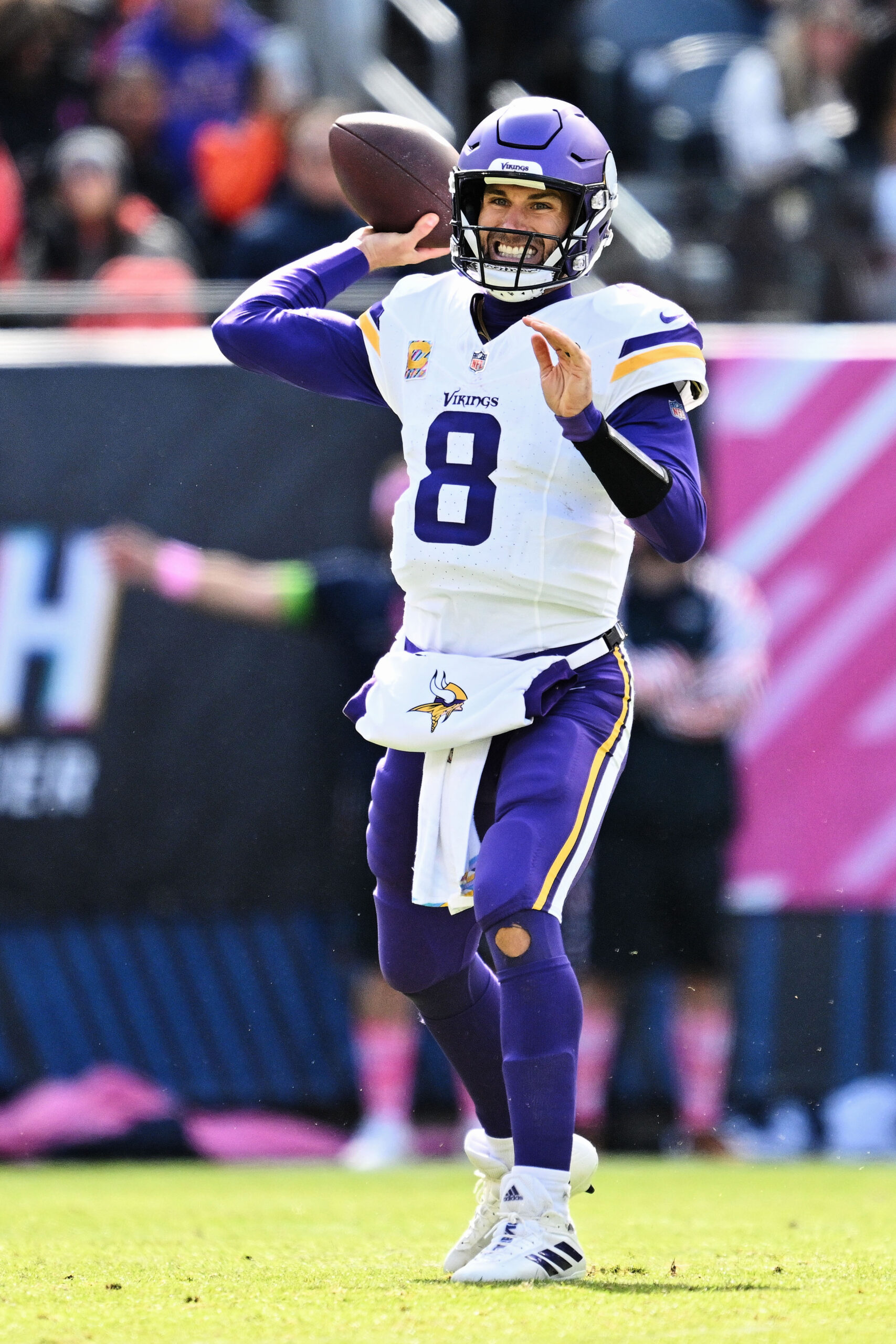 If Minnesota cannot re-sign Cousins before the start of the 2024 league year, $28.5MM in dead money will move onto the team’s 2024 cap sheet. Considering the dead cap awaiting and the Vikings holding the No. 11 overall draft slot, the team is in crunch time at quarterback. Minnesota will need to decide on perhaps one final contract with one of the NFL’s all-time financial mavens, and with Justin Jefferson interested in the team’s decision with the quarterback that helped him to a historic start, the NFC North club is navigating a layered process.
Never confused with a top-tier quarterback, Cousins has been in the league’s upper third for much of his career. The former Washington fourth-rounder had thrown 18 TD passes compared to five INTs before the Week 8 Achilles tear shut him down, finishing this productive stretch with Jefferson sidelined three games. QBR slotted Cousins seventh last season but rehabbing this injury in his mid-30s certainly will not make teams feel great about the offers required to win this derby. Still, this is the cost of doing business with above-average QBs.
Cousins has all of one Pro Bowl as a non-alternate, coming in 2022. Illustrating the value this position brings and Cousins having the upper hand on the Vikings in negotiations thanks to the fully guaranteed deal he landed in 2018, the Michigan State alum has made more than $231MM in his career. That number will almost definitely balloon past $300MM by 2025. Cousins has signed deals worth $28MM, $33MM and $35MM per year. Although Derek Carr scored a $37.5MM-AAV Saints pact and a practical guarantee of $70MM, Cousins’ consistency and financial shrewdness may still top that even near the end of his mid-30s.
Only Fran Tarkenton and Tommy Kramer have served as Vikings QB1s longer than Cousins, but Minnesota also must begin planning for the future. The team has seen Cousins and Jefferson form a dominant connection; Minnesota has also won just one playoff game since signing Cousins, failing to reach the postseason in three of his healthy years. If the Vikings pass and set their sights on the draft, who will make the payment?
Facing incomprehensible dead money due to the Russell Wilson extension going bust, the Broncos could certainly use Cousins as a bridge. Denver’s dead cap — $85MM over the next two years once Wilson is designated a post-June 1 cut — will make this signing difficult. The Broncos bowed out of the Cousins sweepstakes six years ago, signing Case Keenum; they may not have the resources to make a competitive bid now.
Cousins-to-Atlanta is producing enough smoke it is time to closely monitor this relocation; this reality would put Terry Fontenot’s skill-position draftees in better position to thrive, after Marcus Mariota and Desmond Ridder held them back. While Justin Fields odds pointed the Bears QB to Atlanta last week, it looks like the Falcons prefer a proving passing option. Hiring ex-Rams QBs coach Zac Robinson as OC, the Falcons appear the Vikings’ top threat if Cousins hits the tampering period unsigned.
Best fits: Falcons, Vikings, Broncos
2. Baker Mayfield, QB. Age in Week 1: 29
Were this an accomplishments-based ranking, Mayfield would not sniff this tier. Starting QBs in their primes get paid, as they rarely reach the market. Mayfield is not exactly a set-it-and-forget-it option, as this era has featured less QB patience than previous NFL periods. But he is being linked in the $35MM-per-year range. That marks a staggering transformation from 2023, when one team was willing to make the former No. 1 pick its starter favorite.
Mayfield turned down slightly more lucrative offers to vie against only Kyle Trask — after the Bucs passed on Will Levis, whom they brought in for a “30” visit — last year. The bet on a return to form in Dave Canales’ system paid off, though it is important to note how far the ex-Browns QB1 fell over the previous two seasons. Rumblings of a franchise-level extension — in the $30MM-plus-AAV range, when that number meant more — surrounded Mayfield’s 2021 offseason, which followed the ’20 Browns nearly upsetting the Chiefs in the divisional round. That remains Cleveland’s lone Round 2 playoff run since 1989. Had Mayfield built on the progress he showed in 2020, an alternate NFL reality — in which the Falcons have Deshaun Watson and the Bucs pursue a different post-Tom Brady stopgap — probably ensues. But the ’21 season tanked Mayfield’s stock, which had farther to fall in 2022.
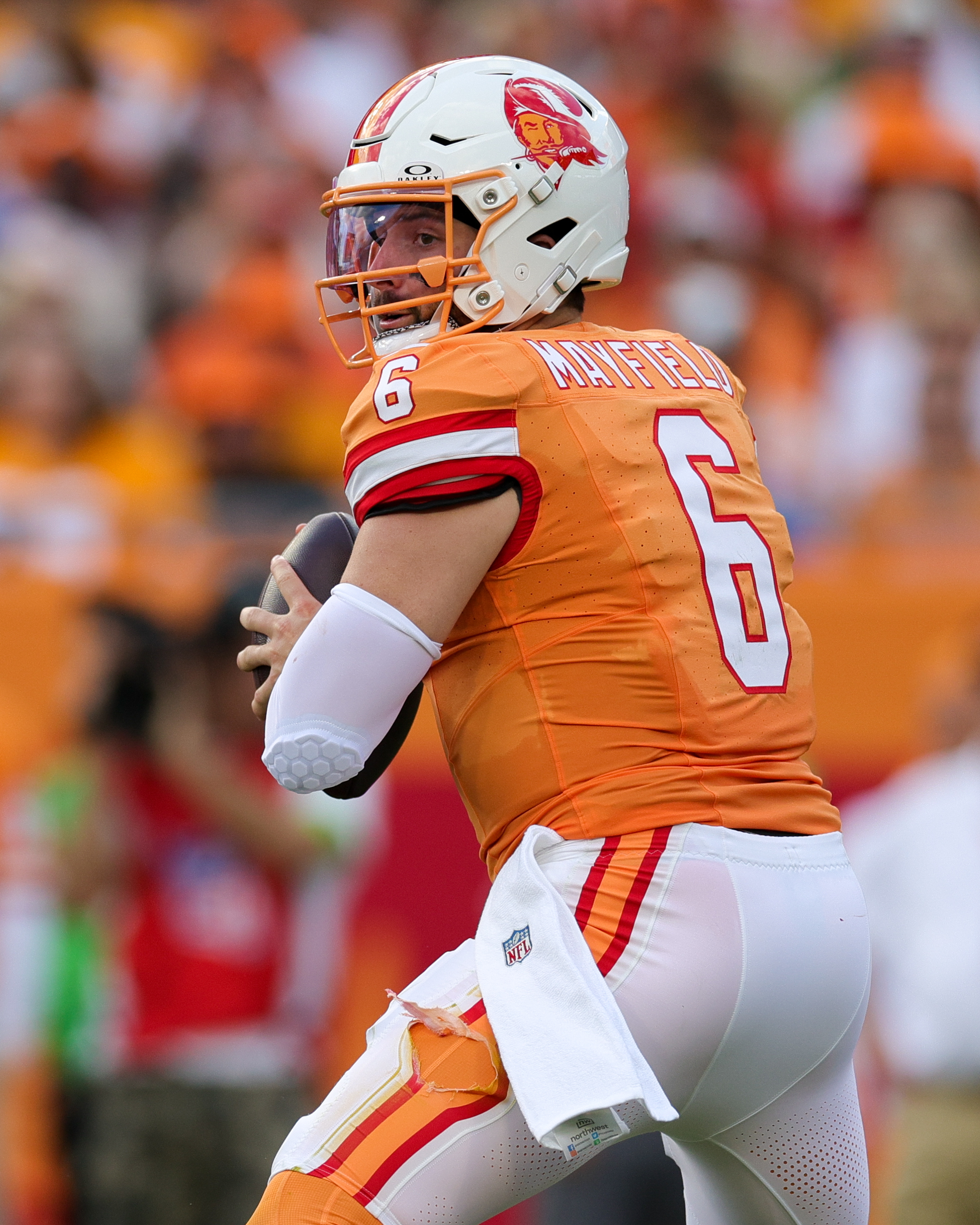 An early-season injury to Mayfield’s non-throwing shoulder plagued him in 2021, and after the Browns’ unrefusable Watson offer led Mayfield to Carolina, horrid form keyed a last-place QBR finish in 2022. Mayfield’s 2023 QBR (54.3) trails his 2020 number (65.5), and the Bucs went from 3-0 to 4-7 to the divisional round. This rollercoaster ride provided a nice microcosm of Mayfield’s pro career, which also involved a steep 2019 dip due largely to Freddie Kitchens being overmatched as a head coach. But the inconsistency should matter here, to a degree.
If the Bucs let Mayfield hit the market, the statuses of Cousins and Justin Fields will be intertwined with his as teams without top-three draft real estate determine their options. It is not out of the question clubs could view Sam Darnold, Jacoby Brissett, Gardner Minshew or Ryan Tannehill at a far lower price as a more cost-effective option than Mayfield. The Giants faced same question last year; was there a team willing to go to the $40MM-per-year place had Big Blue let Daniel Jones hit free agency? The Jones contract has likely come up in Mayfield negotiations, complicating the Bucs’ decision.
Mayfield established new career-high marks in TD passes (28) and yards (4,044). He also limited his INTs to 10 in Canales’ offense. The Bucs gave Mayfield input in their OC search, which produced ex-Rams OC Liam Coen, providing an obvious signal they do not intend to let him get away. The Bucs just made the playoffs with Brady’s $35.1MM void years-driven dead money on their payroll. While Mayfield’s deal would be backloaded, Tampa Bay would not see too much change here with Mayfield set to go from a $4MM base salary to likely beyond $30MM.
Geno Smith’s three-year, $75MM deal should serve as Mayfield’s floor, as it is the veteran-QB1 basement presently. But Smith agreed to Seahawks-friendly terms. A pay-as-you-go contract is unlikely here, with the Jones and Derek Carr deals respectively producing practical guarantees of $81MM and $70MM. Mayfield is also four years younger than Smith. Mayfield might not match Jones and Carr for AAV, but the Bucs will need to pay him more per year than they did Brady ($25MM).
Passing would make the Bucs start over from a poor draft slot to do so (No. 25), arming Mayfield’s camp with more leverage. The Vikings being unable to complete a deal with Cousins could make them a Mayfield suitor, and while the Patriots have quite a few connections to the former Heisman winner — including Eliot Wolf and OC Alex Van Pelt — it does not make too much sense for the Pats taking this route given the shape of their roster. With Fields and Cousins in the mix and the Steelers setting their sights lower, Mayfield’s options are still somewhat limited. That will play into the Bucs’ hands; both sides need to be careful here.
Best fits: Buccaneers, Falcons, Vikings
3. Chris Jones, IDL. Age in Week 1: 30
The Chiefs secured dynasty status after trading Tyreek Hill and, barring some playoff surges, missing on the Frank Clark contract. They have not paid cornerbacks during this stretch, highlighting the importance of Steve Spagnuolo’s centerpiece defender. (L’Jarius Sneed’s franchise tag, coming with heavy trade rumors, points to the Chiefs going in this direction again.) Patrick Mahomes and, especially over the past year, Travis Kelce receive most of the attention. Jones has been the clear third Chiefs pillar during this period, racking up five All-Pro honors and being the only pure defensive tackle in the sack era (1982-present) to record two 15-sack seasons.
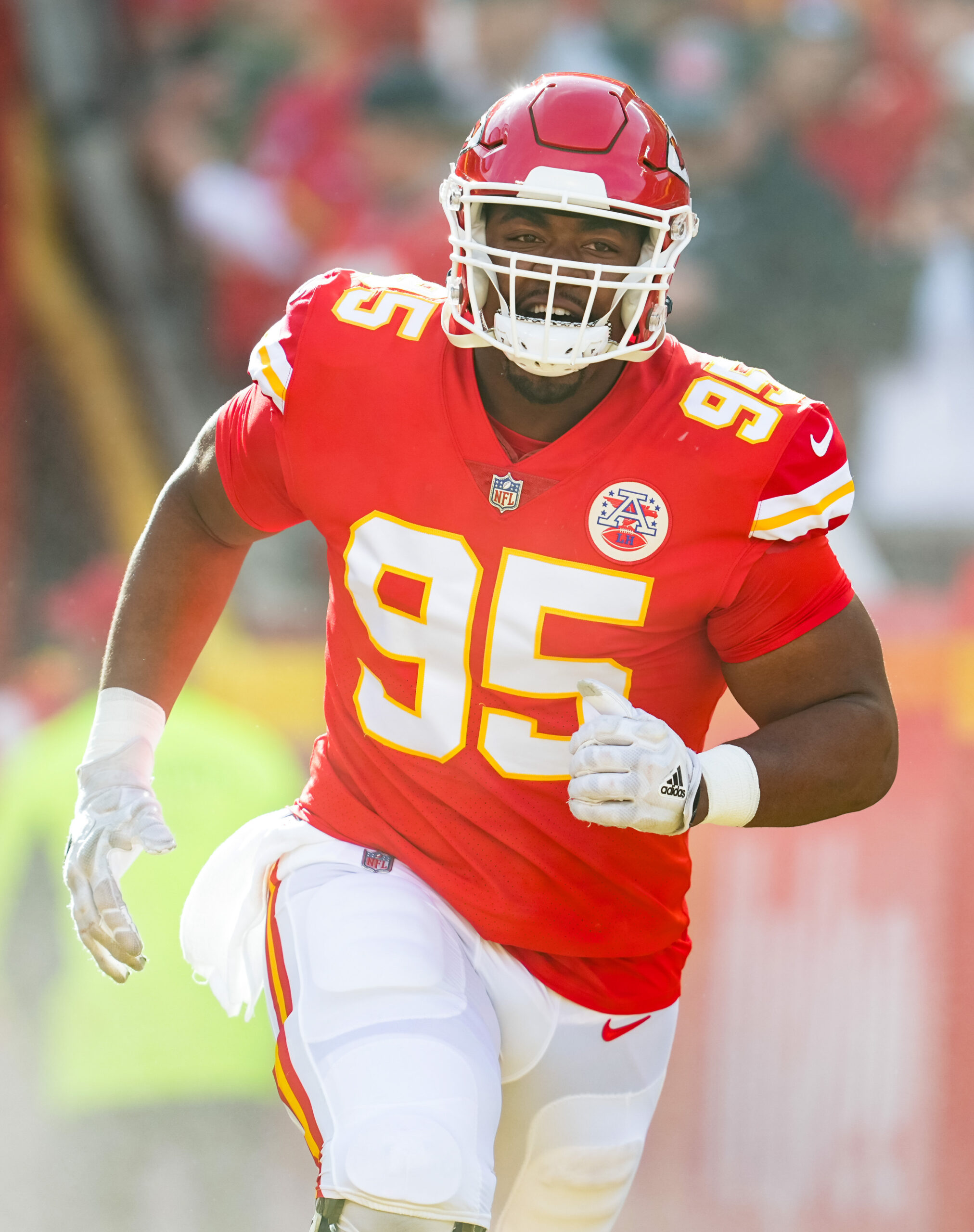 Jones has also been durable, missing more than two games in a season just twice and suiting up for all but one contest during Kansas City’s back-to-back Super Bowl-winning campaigns. That makes the Chiefs’ defensive struggles in Week 1, during Jones’ holdout, notable. Rightfully asking for money in the Aaron Donald neighborhood, Jones bet on himself rather than accept a Chiefs offer that placed him on the same plane as less proven DTs — in the second tier that formed thanks to 2023’s Jeffery Simmons, Quinnen Williams, Daron Payne and Dexter Lawrence extensions. With Nick Bosa raising the defender ceiling to $34MM per year in September, Jones reaching $30MM AAV is in play on the open market. The Chiefs’ top priority is preventing Jones reaching free agency.
Kansas City franchise-tagged Jones in 2020, which always made a 2024 tag – at 120% of his pre-restructure 2023 salary, pushing the total past $32MM — unrealistic. Although Jones has said on multiple occasions he wants to stay in Missouri, the Chiefs’ negotiations last year created the risk of losing one of the best players in franchise history. From a pass-rushing standpoint, Jones has surpassed Donald (the current Donald version, that is) during the Chiefs’ back-to-back Super Bowl-winning years. He is three years younger than the Rams all-time great. Donald needed to threaten retirement to secure his landmark raise at 31; Jones reaching the open market healthy — in a year when a record cap spike occurred — effectively maximizes his leverage.
Javon Hargrave scored a $21MM-per-year pact; it took only $40MM fully guaranteed for the 49ers to land him. From an accomplishments and impact standpoint, Jones’ free agency is closer to Reggie White’s than Hargrave. White was 31 when his 1993 free agency tour commenced. Albert Haynesworth (2009) and Ndamukong Suh (2015) scored record-setting deals when they hit the market. Jones probably will not top Bosa’s AAV, but eclipsing the current DT guarantee high (Williams’ $66MM) seems likely.
The Chiefs have shown they can get by after losing corners; they have not shown they can win without Jones, who has made countless pivotal plays while rushing from inside and outside. The most recent led to a 49ers overtime field goal, which set up a championship-cementing Chiefs drive. Kansas City will need to make a monster offer to keep Jones off the market, but at this point, the champs must prepare to outbid other teams as their future Hall of Fame DT is less than a week away from testing the market.
Bears GM Ryan Poles was in Kansas City when the Chiefs drafted Jones in the 2016 second round, and Chicago is likely to restart its QB contract clock via a Caleb Williams pick soon. The Texans also have a rookie-QB contract (and Will Anderson on a rookie pact) around which Jones’ guaranteed years could be structured. With budgets increasing as of the recent cap news, teams could enter this bidding for one of the best defenders to ever hit free agency.
Best fits: Chiefs, Texans, Bears
4. Christian Wilkins, IDL. Age in Week 1: 28
The stars have aligned for Wilkins. From the Dolphins’ cap status to Justin Madubuike being franchise-tagged and the rest of the high-level D-tackles from Wilkins’ draft class being extended last year, the charismatic Clemson alum is about to reap the rewards of hitting free agency at this point. Excelling against the run and coming off his best pass-rushing season, the five-year veteran is likely to land a deal in the ballpark of those given to the rest of the 2019 first-round DT contingent. If the Chiefs re-sign Chris Jones, suddenly the player the Dolphins shied away from extending is the market’s top D-tackle prize.
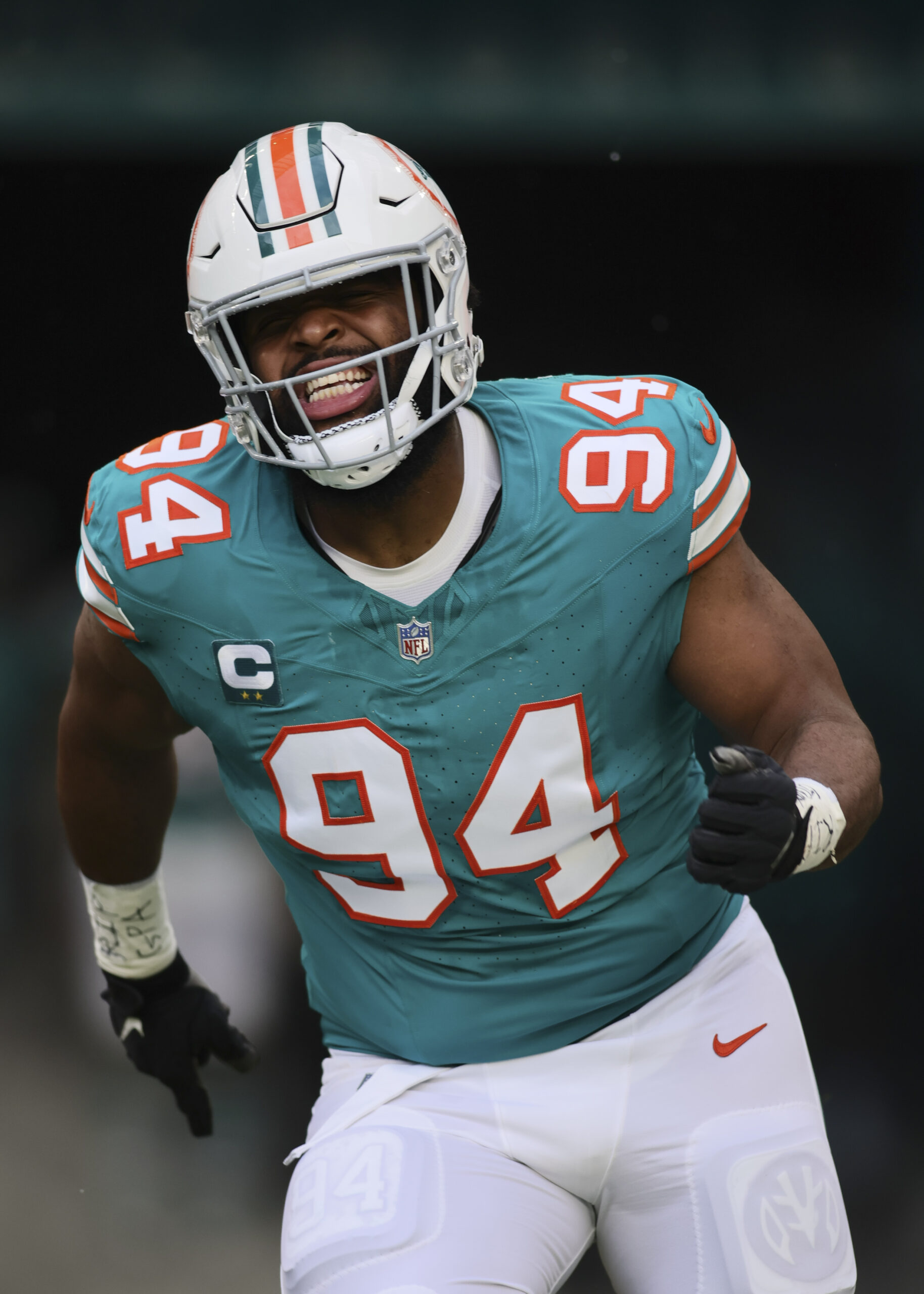 Negotiations dragged on last summer, and other deals set the market. The Commanders extended Daron Payne in March, while the Titans reached an agreement with Jeffery Simmons in April. Dexter Lawrence followed in May, and the Jets hammered out their Quinnen Williams re-up just before training camp. Each pact was worth between $22.5-$24MM per year, creating a new second tier behind Aaron Donald’s outlier accord, and brought between $46-$47.9MM guaranteed at signing. This is a narrow range, making it a bit odd nothing was finalized. The Dolphins offered a top-10 DT salary, but that falls short of the Payne-Simmons-Lawrence-Williams range. It is possible the Dolphins also used 2019 first-round DT Ed Oliver’s deal, which came in lower ($17MM AAV, $24.5MM guaranteed at signing) as a comp in these talks. That would naturally introduce a complication.
A September rumor suggested the Dolphins were hesitant to go into the above-referenced price range due to Wilkins’ low sack output (11.5 sacks from 2019-22). He responded with a career year, tallying nine sacks — twice as many as his previous best — and 23 QB hits (10 more than his prior best). Wilkins finished 13th in ESPN’s pass rush win rate metric. This came after ESPN’s run stop win rate metric viewed Wilkins as a dominant presence, ranking him first in 2022 and second in 2021. Wilkins, who also deflected 15 passes from 2020-22, adding a pass rush piece will be valuable soon.
Residing in poor cap shape, the Dolphins already released Jerome Baker and Emmanuel Ogbah and are set to cut Xavien Howard. They have also paid two D-line pieces — DE Bradley Chubb, DT Zach Sieler — eight figures per year and have Jaelan Phillips presumably on the extension radar. Will Wilkins, acquired during Brian Flores’ first year, need to find his money elsewhere? Flores’ Vikings could be waiting.
Best fits: Texans, Vikings, Patriots
5. Jonathan Greenard, Edge. Age in Week 1: 27
Already a lower-profile franchise, the Texans saw their on-field work drift off the radar as their Bill O’Brien-run operation cratered and produced two subsequent HC one-and-dones. One of the players who was worth monitoring during this bleak period broke through to help Houston re-emerge under DeMeco Ryans. Greenard delivered a 12.5-sack season, leading the Texans in sacks by a wide margin and providing Will Anderson with a quality bookend.
A fringe tag candidate entering the offseason, Greenard had already tallied an eight-sack season (in 2021) before an injury-plagued 2022 stalled his early-career momentum. But last season brought new territory. Ranking 20th with 33 quarterback pressures, Greenard smashed his career-high with 22 QB hits. He ranked sixth among edge rushers in ESPN’s pass rush win rate metric in 2023. Reinvigorated in Ryans’ scheme, Greenard profiles as a player the Texans want to re-sign. But rumblings about his price will put Houston to the test. An AAV in the $22MM neighborhood could be in the offing for a player whose best work should still be ahead. Teams look eager to land Greenard.
Sitting in the top five in cap space and having Anderson and C.J. Stroud tied to rookie deals through at least 2025, the Texans can afford to make some investments elsewhere. They have begun doing so via the Dalton Schultz re-signing. Beyond its O-line, Houston’s cap sheet is light on big payments. Regularly stocking the roster with two-year deals at lower-middle-class rates, GM Nick Caserio has not gone to this financial territory to retain a player just yet. The Patriots would regularly let this type of player walk, as the Trey Flowers 2019 Detroit defection illustrates. The Texans’ Stroud and Anderson situations, however, support a re-signing.
Best fits: Texans, Commanders, Bears
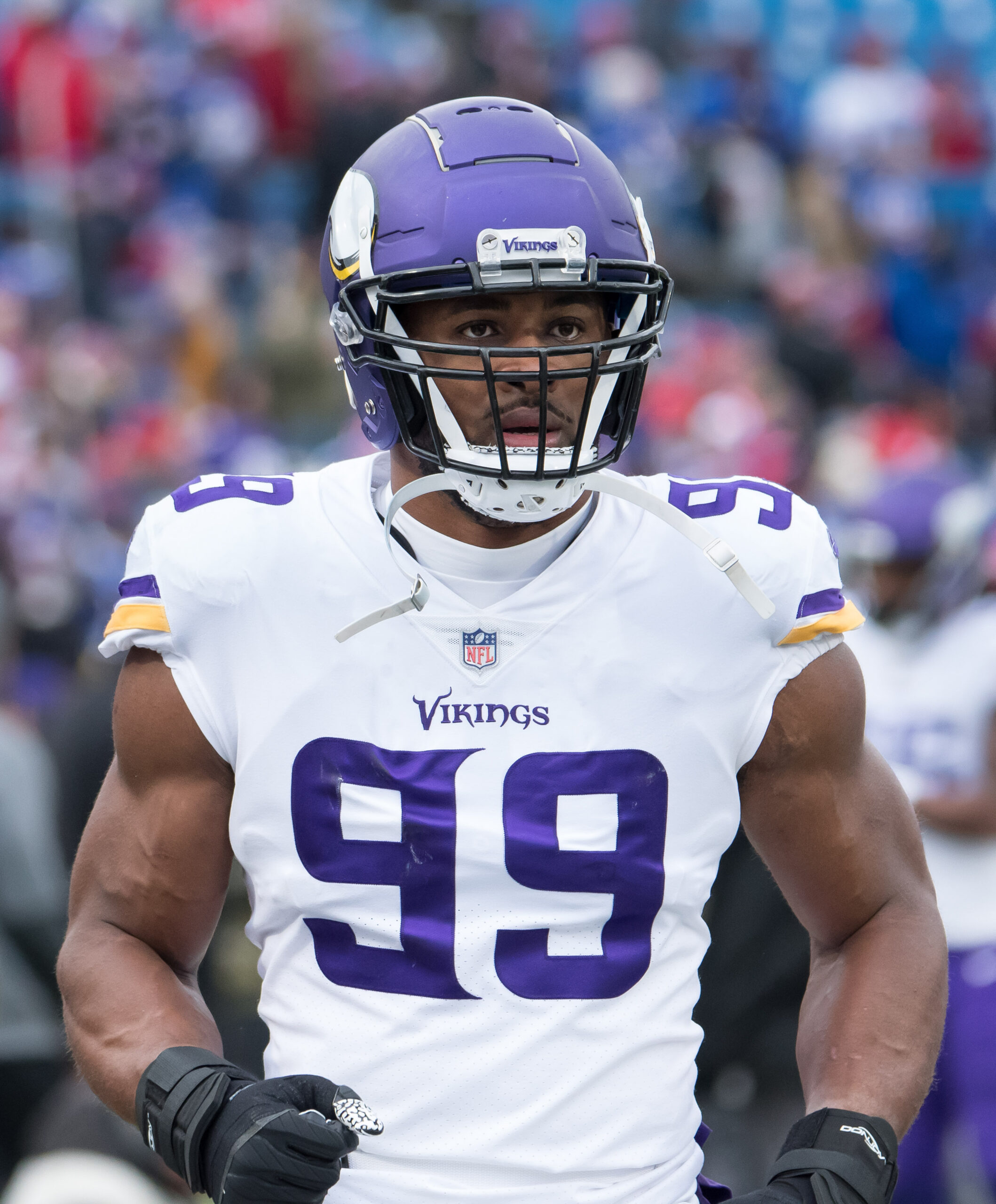
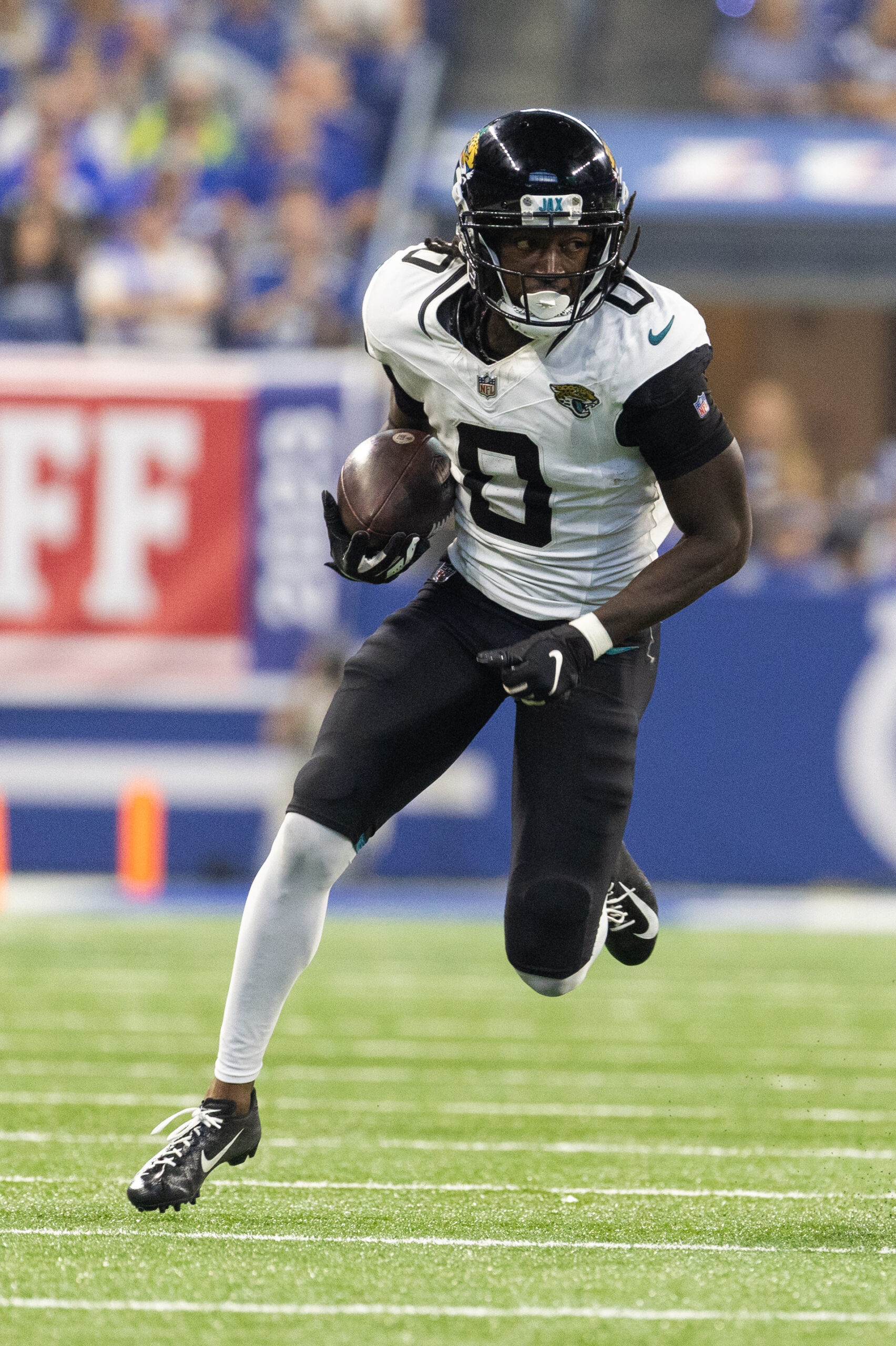
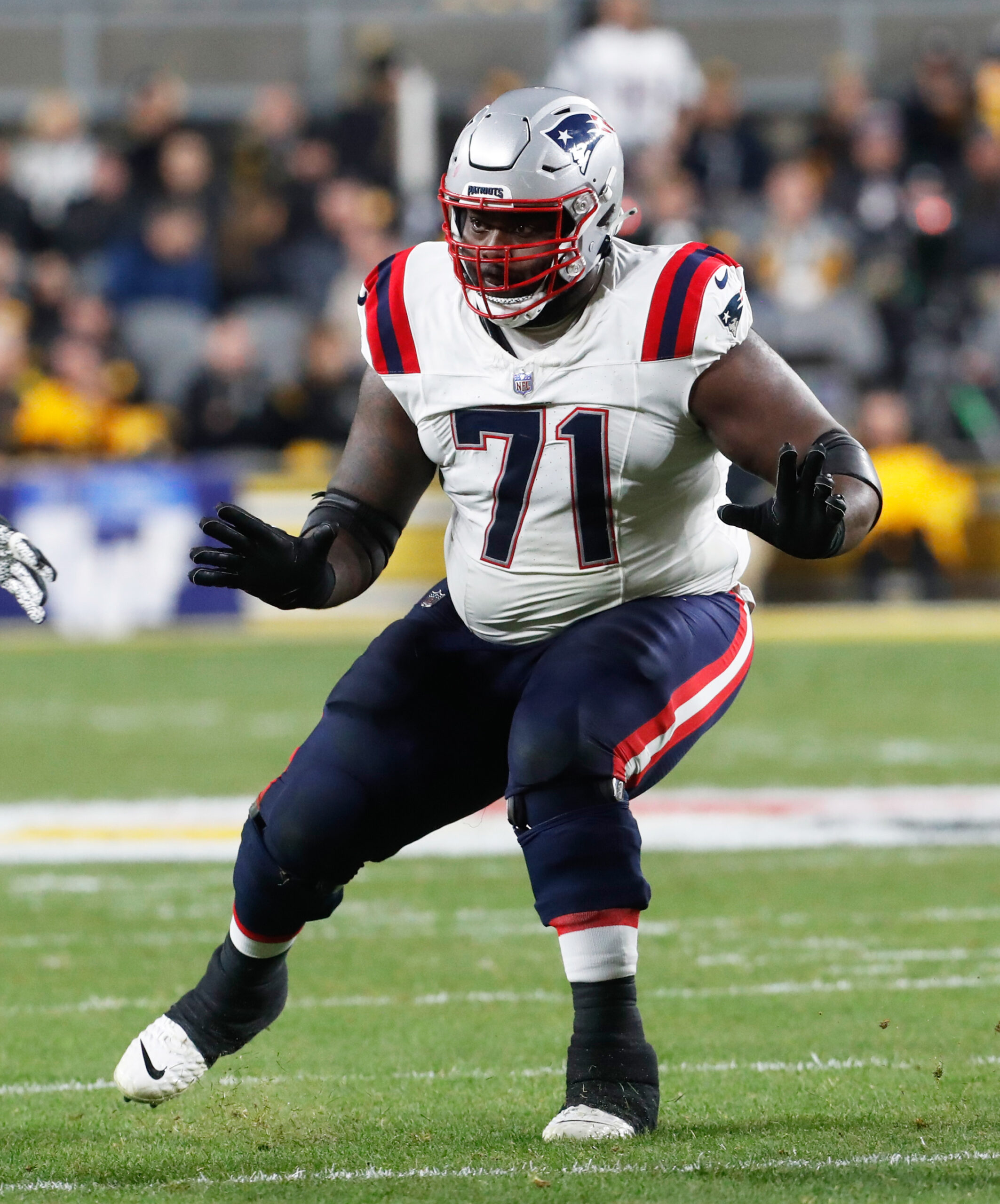
Packers Aiming To Reduce Aaron Jones’ Cap Number, Not Expected To Re-Sign AJ Dillon
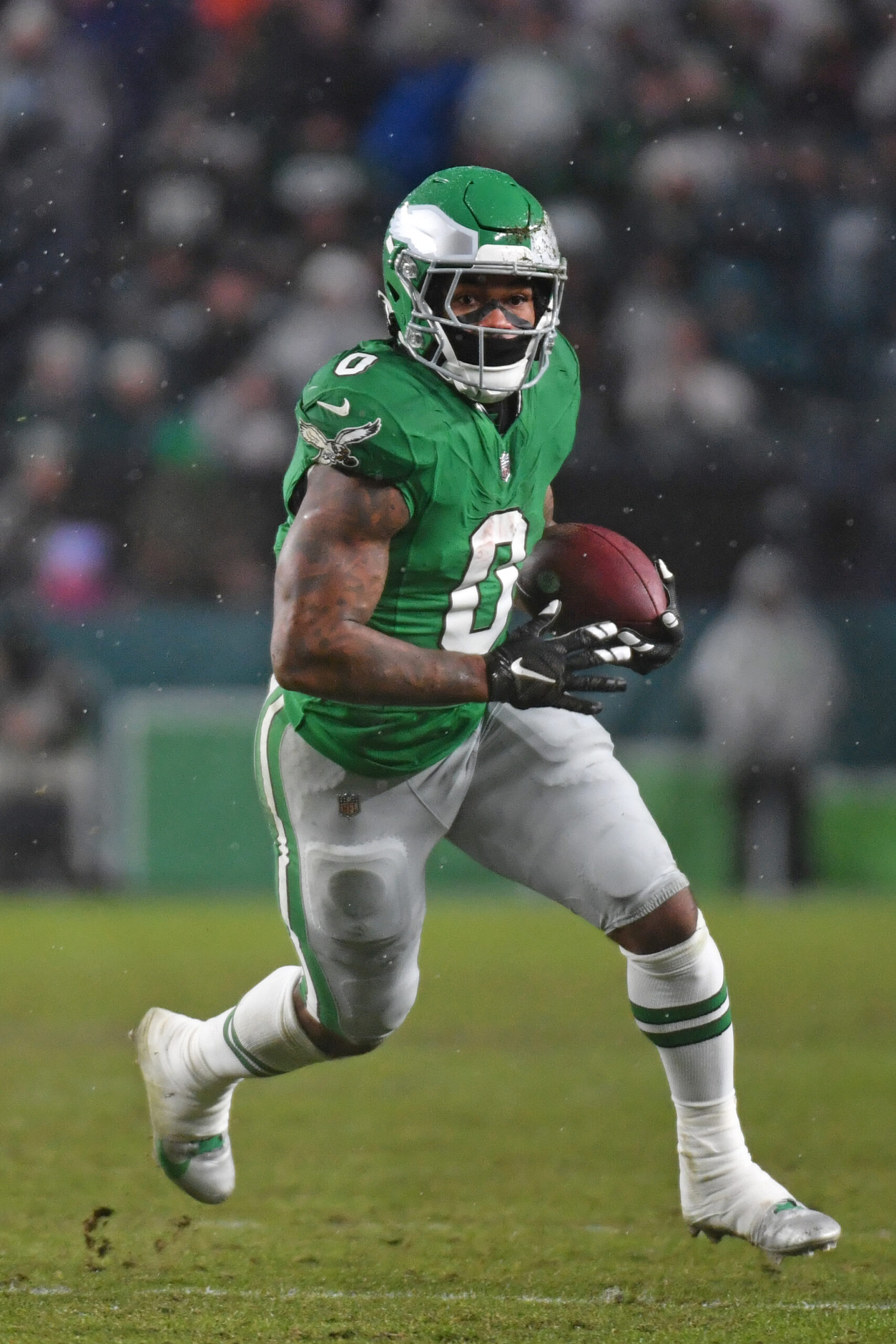
Just more than a year ago, the Packers helped lay the groundwork for a rough running back year. They reached a pay-cut agreement with Aaron Jones, ensuring he would stay for the 2023 season. That pact paid off, with Jones helping drive the team to the divisional round.
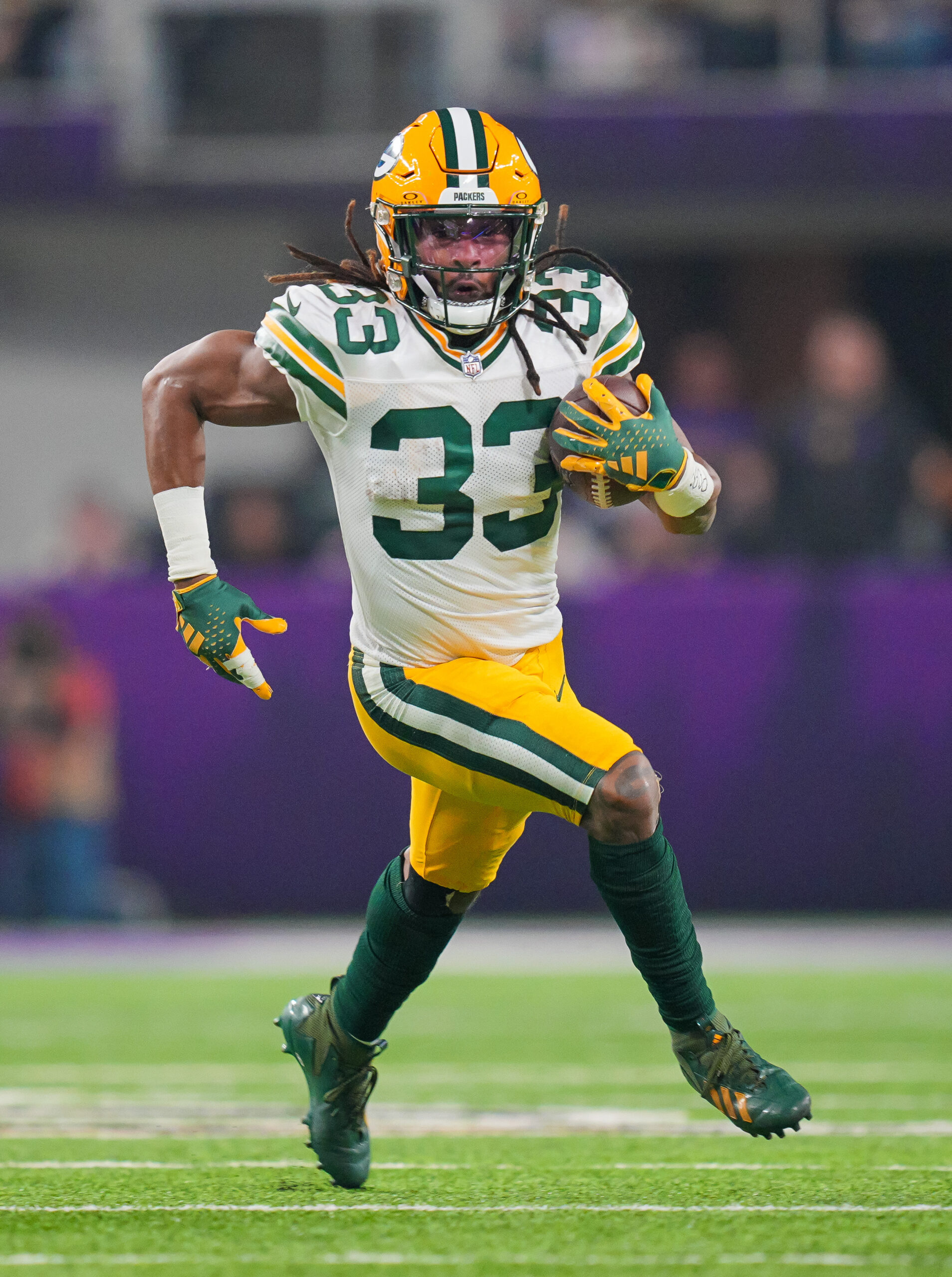 GM Brian Gutekunst said earlier this offseason the team planned to retain Jones, who is going into his age-29 season. But the Packers are interested in lowering Jones’ $17MM 2024 cap number. With this being the final year of the talented running back’s contract, such a reduction is a trickier matter.
Packers brass and Jones’ agent met Friday about making the change, per the Milwaukee Journal Sentinel’s Tom Silverstein. It is unclear how the sides plan to accomplish this goal. Also unclear: how motivated Green Bay is to make the move. An all-or-nothing effort on this front would naturally put Jones’ roster spot in jeopardy. An extension would help here, as going deeper into the void years well would increase dead money associated with the contract-year RB.
Jones accepted a $5MM reduction in exchange for an $8.52MM signing bonus last February. The void years from that adjustment run through 2027. Were Jones to depart as a free agent next year, the Pack would be hit with $6.6MM in dead money. Should Green Bay release the productive back now, a post-June 1 designation would probably be necessary. That would only leave the team with $5.7MM in 2024 dead money, while bringing more than $11MM in cap savings. That said, Jones remains a valuable piece and the only veteran presence among the team’s skill-position corps.
A four-year Packer contributor, AJ Dillon is on track for free agency. The between-the-tackles bulldozer is not expected to be re-signed, Silverstein adds. Although Jones battled hamstring and knee injuries in 2023, he returned and ripped off a borderline-dominant stretch to help the Packers make a late-season charge that ended with the team putting a scare into the eventual NFC champion 49ers in Round 2. Jones put together for five consecutive 100-plus-yard rushing games to close the season. Dillon did not fare as well in a contract year.
The former second-round pick averaged a career-low 3.4 yards per carry, scoring just two touchdowns. The Packers leaned on their experienced RBs last season, deploying a WR-TE contingent consisting entirely of first- or second-year players. Dillon totaled 1,573 rushing yards and 12 TDs between the 2021 and ’22 seasons, becoming a popular presence in Green Bay despite a limited pass-game skillset.
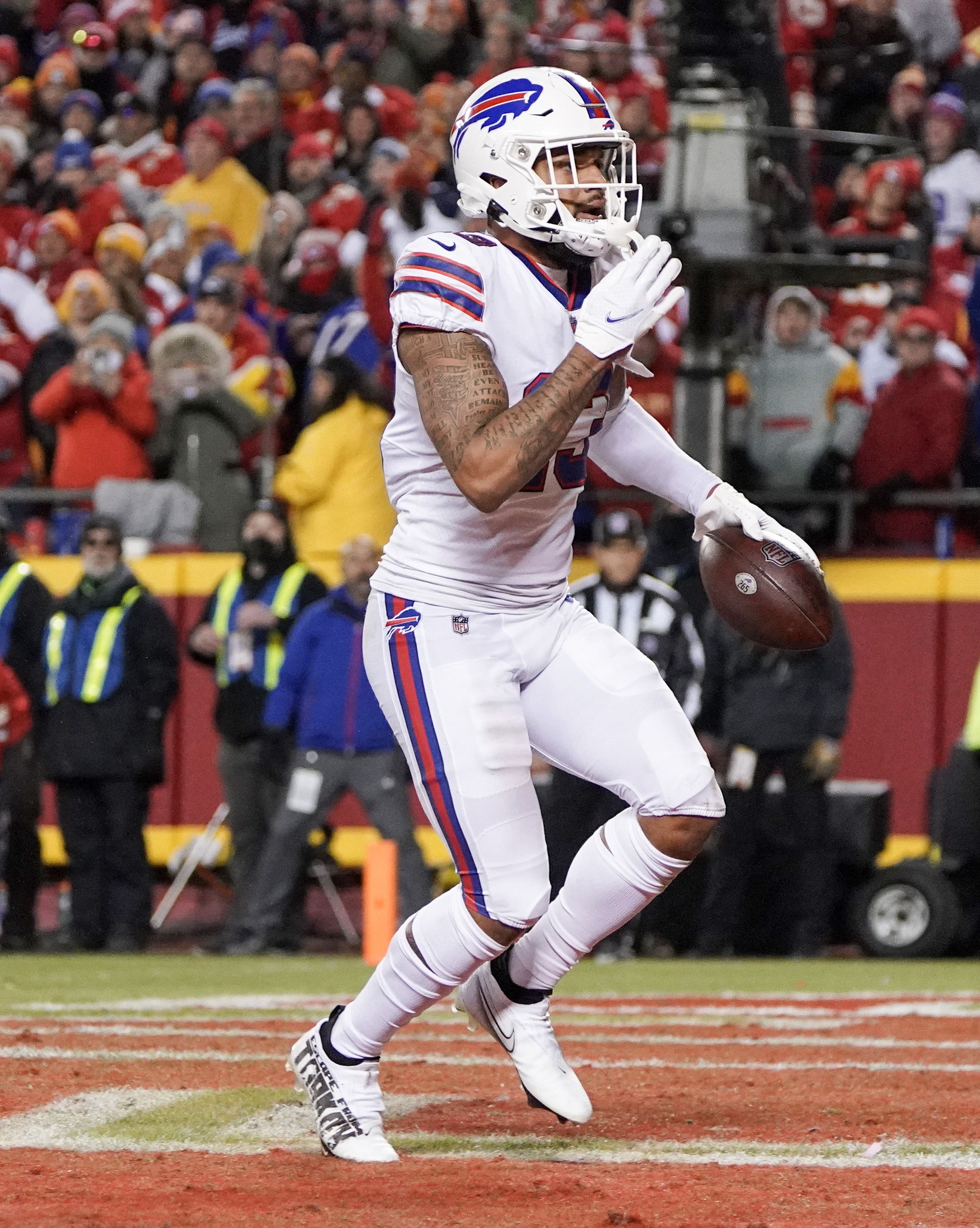
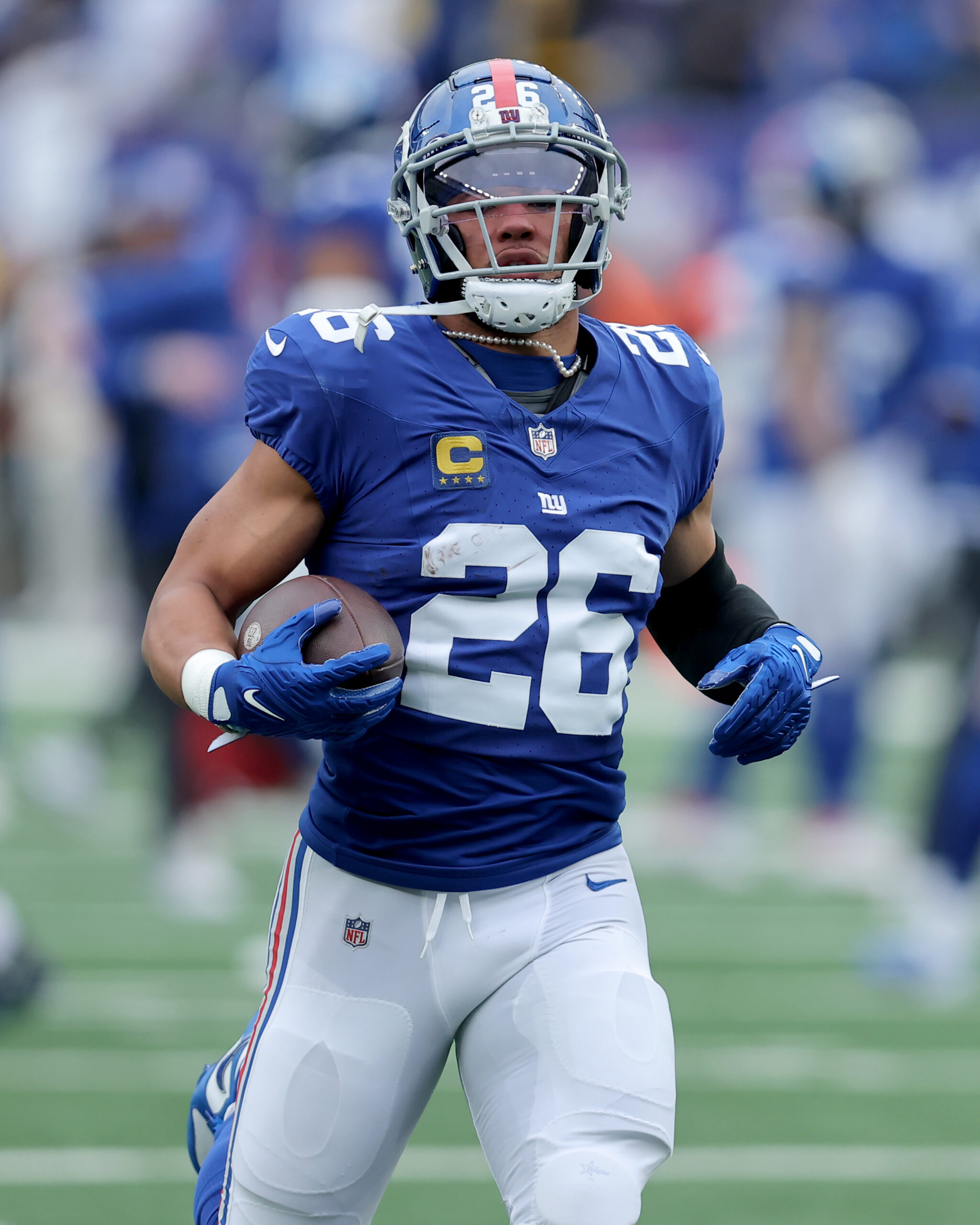
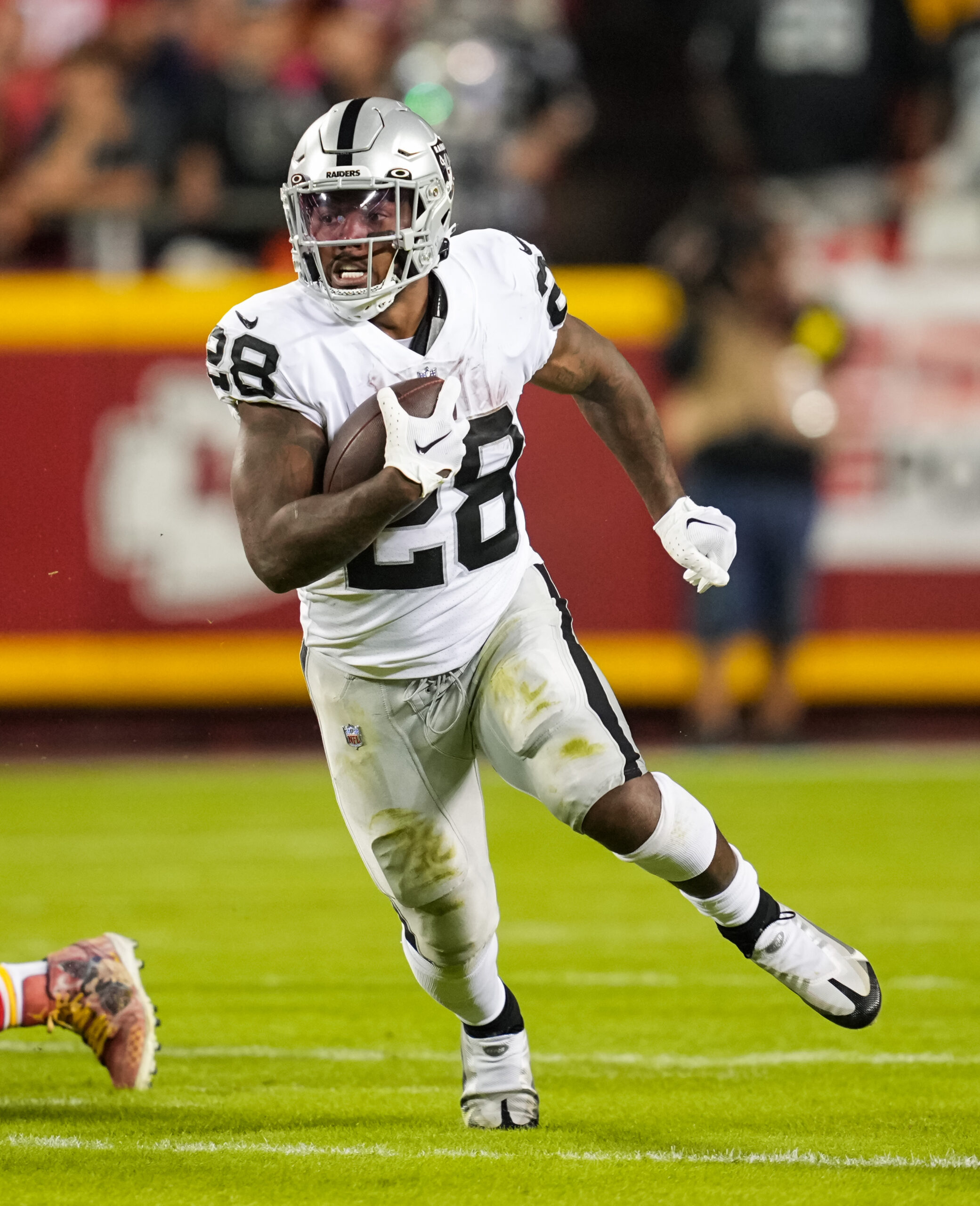
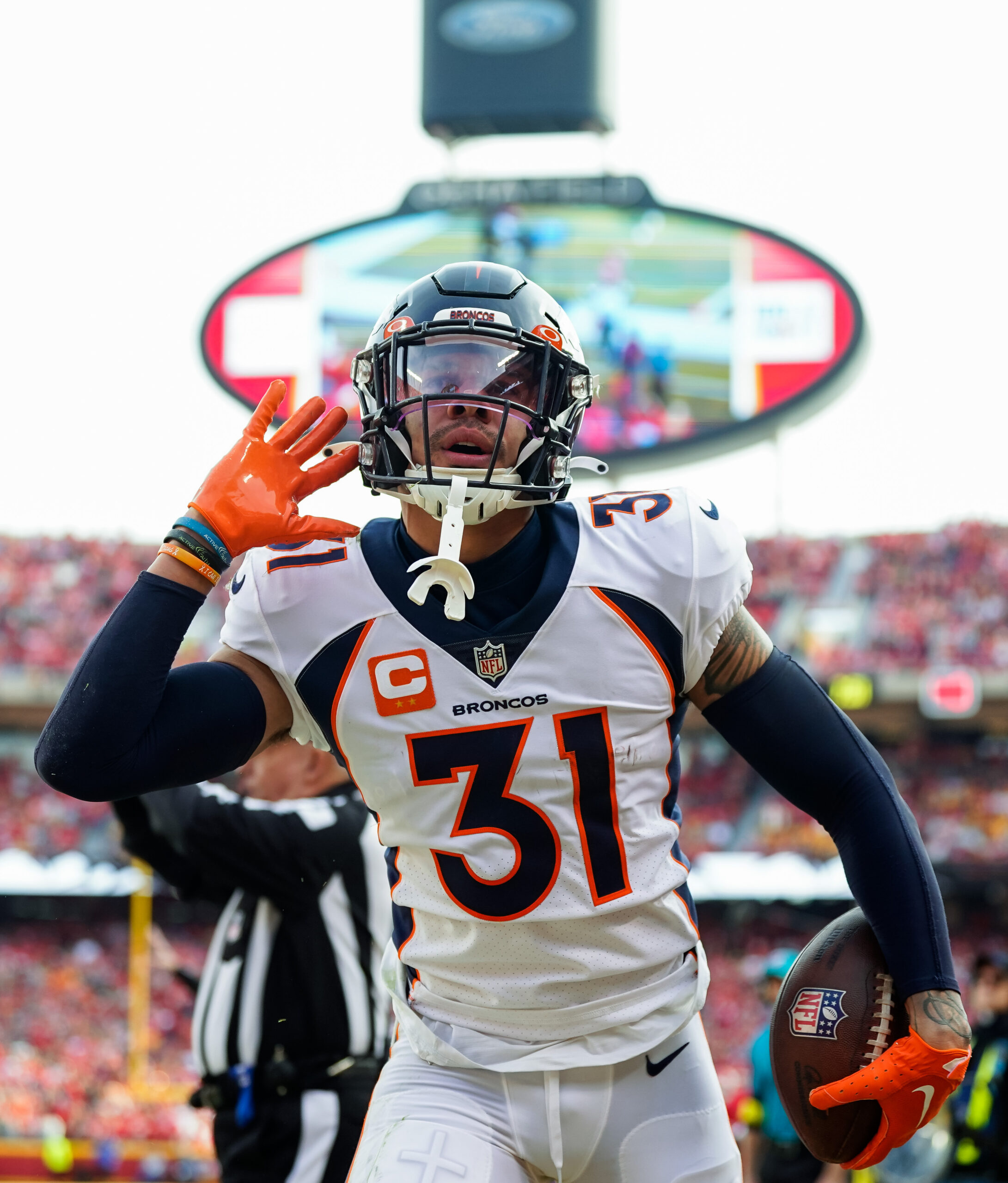
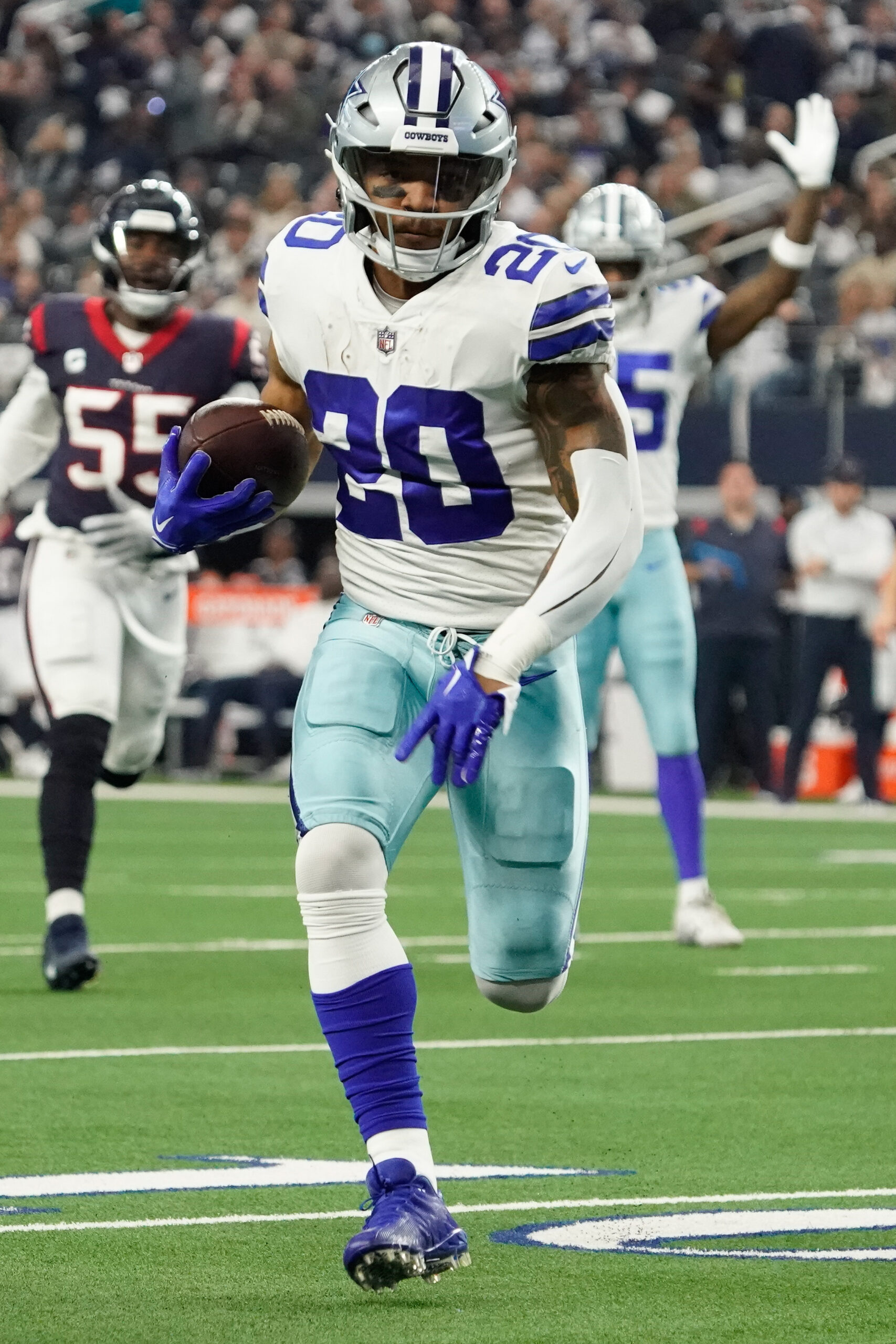
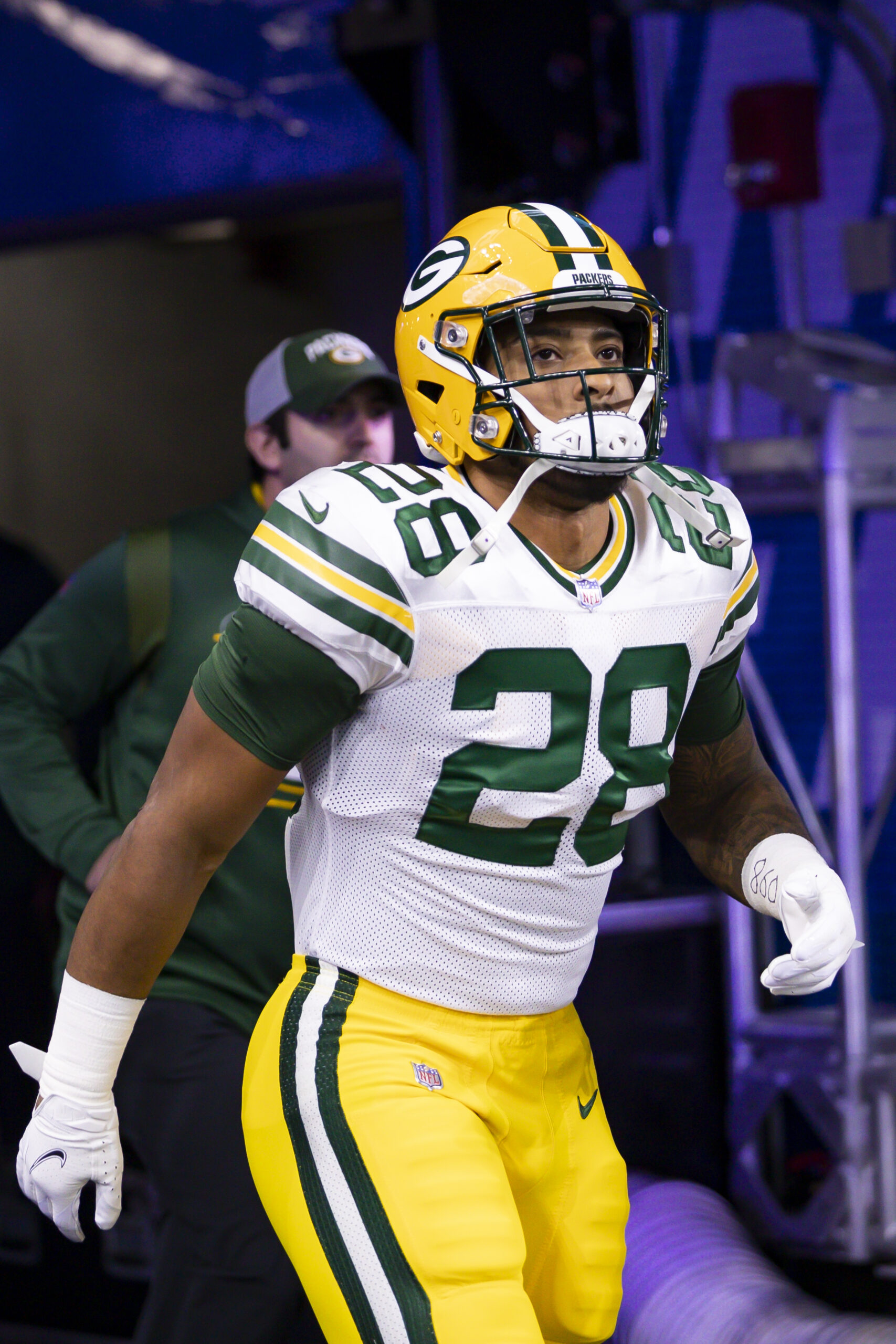 Jones is one of the game’s best dual-threat backs, and the Packers would certainly miss the former fifth-round pick if he was jettisoned. That said, a host of options will be available to RB-needy teams in free agency. That spells trouble for Dillon, who joins Saquon Barkley, Josh Jacobs, Austin Ekeler, Derrick Henry, Tony Pollard, D’Andre Swift and Gus Edwards as notable backs set to hit the market. The Bengals may add Joe Mixon to this list soon as well. This would help the team with Jones, who is due an $11.1MM base salary next season. Though, it is unclear if the Packers are planning another pay-cut ultimatum.
The Packers recently created some cap space by restructuring the contracts of Preston Smith and Rashan Gary, per ESPN.com’s Field Yates and NFL.com’s Tom Pelissero. The moves created more than $7MM in cap space together. Green Bay, which is also likely to release David Bakhtiari, currently holds just more than $14MM in cap room.
Latest On Packers, S Darnell Savage
Darnell Savage joined the Packers in 2019 with high expectations, but his time with the team could soon come to an end. The veteran safety was among those players whose contracts recently voided, creating dead cap charges regardless of if they re-sign with Green Bay or head elsewhere in free agency. 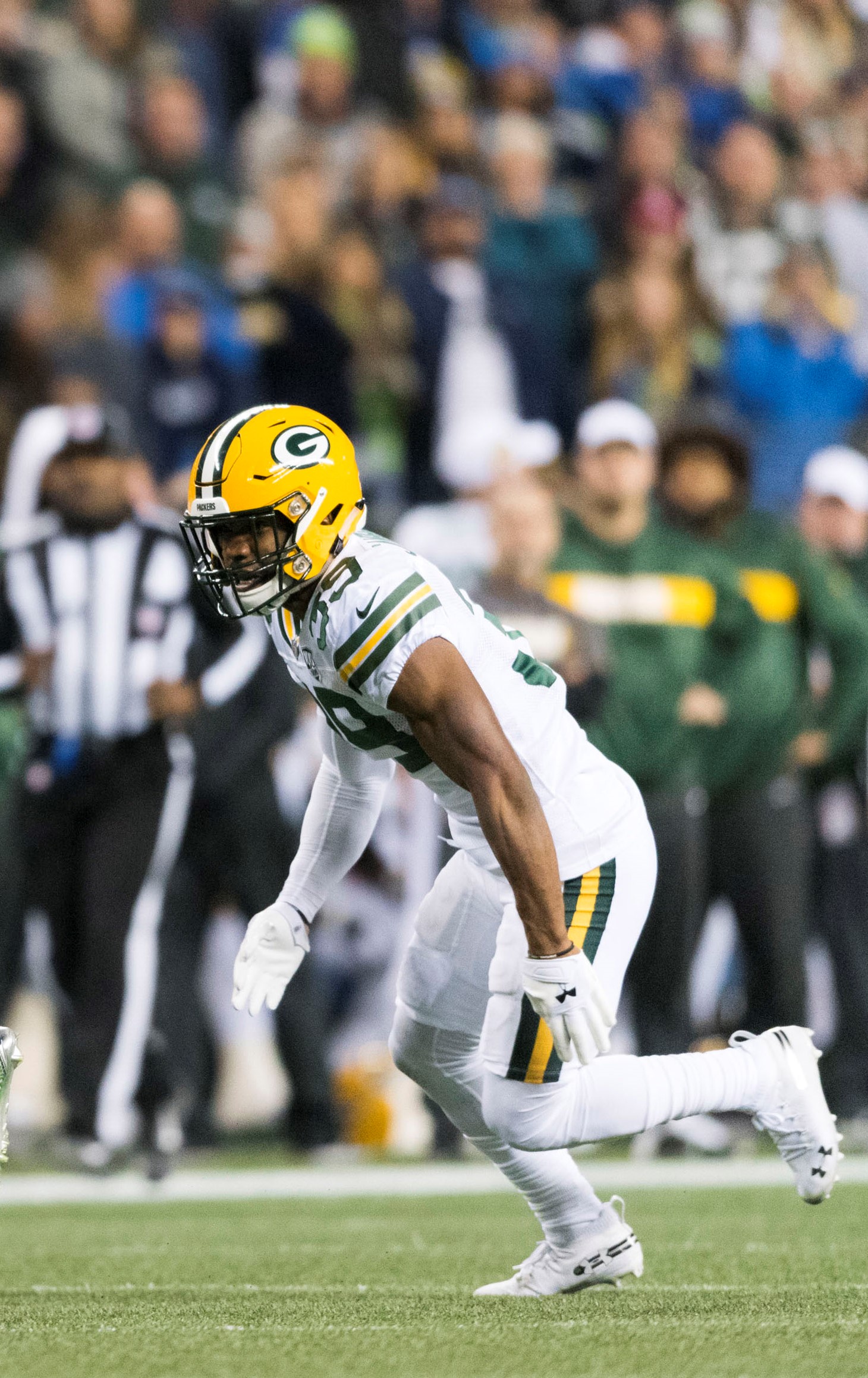
As noted at the time by ESPN’s Rob Demovsky, Savage’s contract will carry the largest dead money of the group. The Packers will be hit with a $5.46MM charge for the former first-rounder, who is on track to test the open market for the first time in his career next month. His representation is well aware of the opportunities which could arise taking him out of Green Bay.
“Darnell loved his time in Green Bay, and we remain optimistic that a deal can get done before the league year,” Savage’s agent Seth Katz said (via Demovsky). “But realistically, the window for free agent communication is around the corner, and there will be significant interest in Darnell.”
Savage remained a full-time starter throughout much his five seasons with the Packers, a tenure which included a number of ups and downs. The former first-rounder was benched in a four-game stretch in 2022, although he returned to first-team action when healthy this past season. He was limited to 10 regular season contests due to a calf injury, but he was activated in time for Green Bay’s closing regular season contests and both playoff games.
The Maryland alum totaled a career-low 51 tackles in 2023, and he was held without an interception (in the regular season) for the first time. Savage’s downturn in ball production (one pass deflection) came about as his struggles in coverage continued. He allowed a completion percentage of 78.3% as the nearest defender while surrendering an opposing passer rating above 100 for the third consecutive season. PFF rated Savage 15th amongst qualifying safeties, though, a far more favorable evaluation than the team’s other options at the position.
Still, it would come as little surprise if the 26-year-old were to head elsewhere. Demovsky confirms no contract talks have taken place between Savage and the Packers, leaving him on course for free agency. Presuming the Buccaneers use the franchise tag on All-Pro Antoine Winfield Jr., the list of available safeties will likely offer little in the way of star power. Demovsky reports Savage could land the largest deal in the 2024 class at an AAV between $5MM and $7MM.
In any event, the Packers could see a number of departures on the backend this offseason. Savage is joined by Rudy Ford and Jonathan Owens – who combined to see 20 starts last season – as pending free agents. With a new defensive coordinator in place, improvements in the secondary will be a key offseason goal. A number of new faces at the safety position could be a major factor in that effort.
Rams Finalize 2024 Coaching Staff
The Rams were one of several teams forced to reconstruct their coaching staff this offseason. While it’s always a challenge to replace staff, the Rams aren’t doing it because they needed to fire anybody, they’re simply replacing coaches who moved on to bigger jobs. Head coach Sean McVay is doing what he’s done year after year, bringing in a new staff that is sure to flourish under his tutelage. 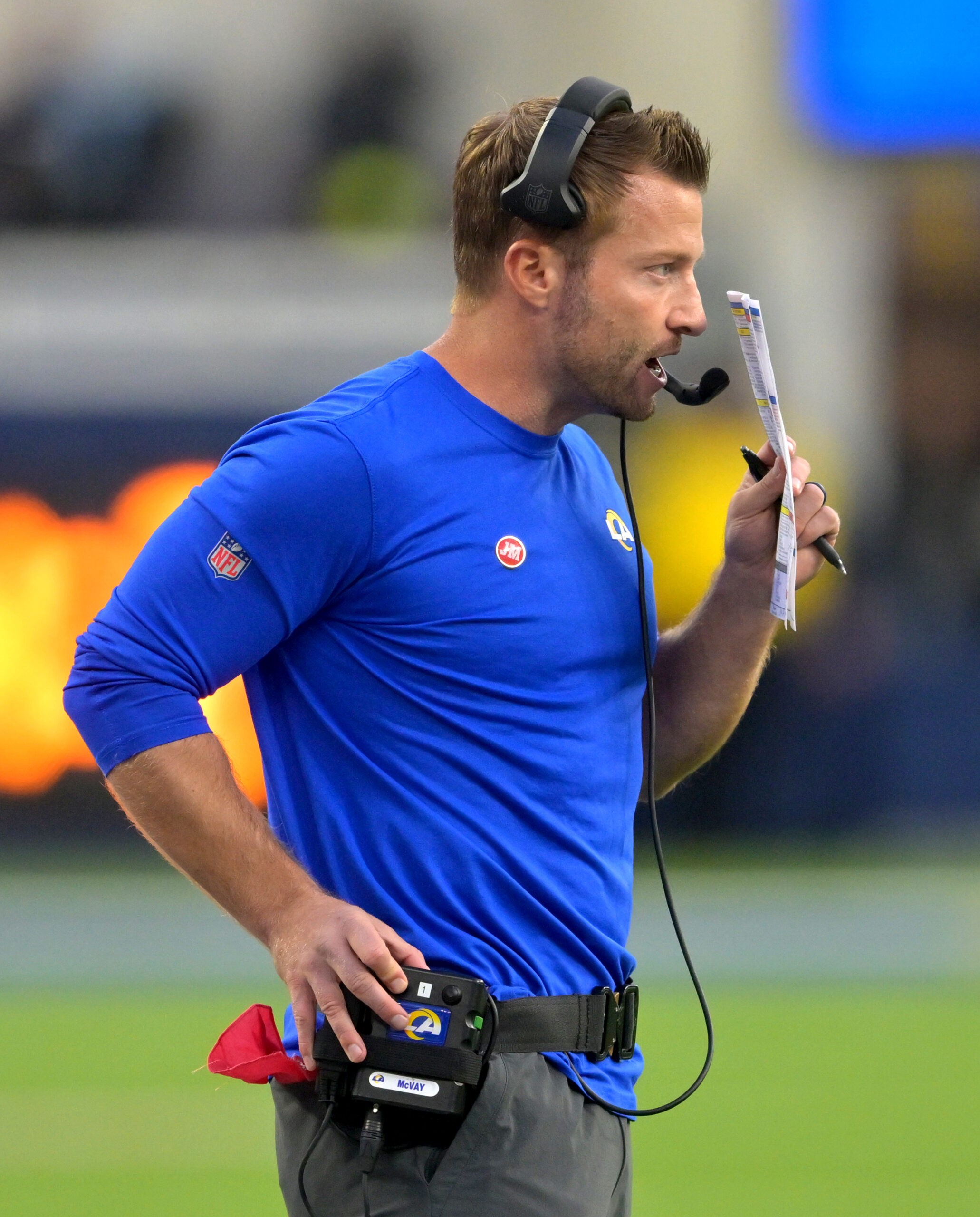
On offense, we were already aware of the hires of quarterbacks coach Dave Ragone to replace Zac Robinson, senior offensive assistant Jerry Schuplinski, and offensive assistant and pass game specialist Nate Scheelhaase, though the “offensive assistant” part of that title is new information.
In addition, since the departed Robinson had held the title of pass-game coordinator, that moniker has transferred to tight ends coach Nick Caley. Lastly, with offensive assistants K.J. Black and Nick Jones following Robinson and former defensive coordinator Raheem Morris to Atlanta, Los Angeles has brought in former Jets quarterbacks coach Rob Calabrese as a new offensive assistant. Calabrese takes a step back after spending three years in his first NFL position coaching job.
The defensive side of the ball is where the most change will commence, since Morris departed to become the next head coach of the Falcons. We have already reported on Giff Smith‘s replacement of Eric Henderson as defensive line coach and run game coordinator and the hiring of former Eagles defensive coordinator Sean Desai as a senior defensive assistant, as well as the departure of assistant head coach Jimmy Lake, who left to become Morris’ defensive coordinator in Atlanta.
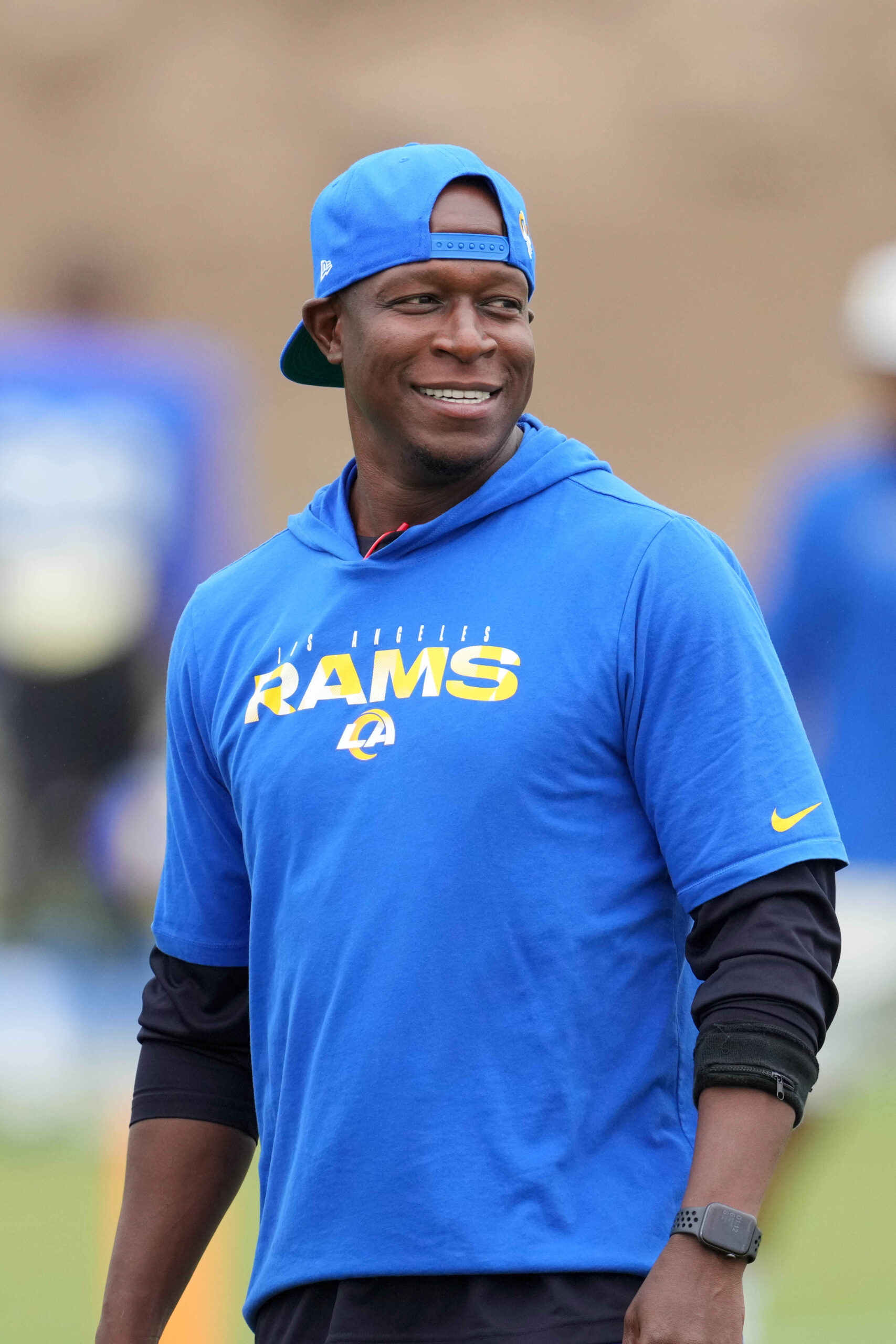 Los Angeles’ update informed us on some pending information for the rest of the defensive staff. First, we had heard that former Packers pass-game coordinator Greg Williams had interviewed for the Rams inside linebackers coaching job, and now we know that he has officially been hired for the role, replacing Chris Shula following his promotion to defensive coordinator. Formerly the secondary coach, Chris Beake‘s official title has been altered to safeties coach, and while assistant defensive line coach AC Carter interviewed for the position that went to Smith after Henderson’s exit, Carter will simply remain in his current role. Additionally, outside linebackers coach Joe Coniglio, defensive backs coach and pass game coordinator Aubrey Pleasant, and defensive assistant Mike Harris have all been retained by Shula in their current roles.
Lastly, on special teams, the Rams hired Chili Davis as assistant special teams coach to replace Jeremy Springer, who departed to become special teams coordinator in New England. Davis will take his first NFL job after coaching for the last 11 years in various college gigs. Most recently, he served as special teams coordinator at Florida A&M in 2022 before going to Manhattan to serve as Kansas State’s special teams quality control coach. Also, on the coaching staff, John Streicher has been brought on board to serve as game management coordinator. Streicher spent the last six seasons in Tennessee, most recently serving as the Titans director of football administration.
There you have it: the 2024 coaching staff for the Rams. McVay is certainly used to shuffling his staff at this point in his career in Los Angeles. He was able to rebound from a rough 2022 season to get back to the playoffs, and with this new staff, he’ll try to get back to the pinnacle of the sport after winning it all in 2021.
2024 NFL Cap Space, By Team
The NFL provided clarity to its teams on Friday by setting the salary cap ceiling ($255.4MM). Franchise tag figures have been locked in as well, and clubs can now proceed with their offseason planning knowing exactly where they stand with respect to financial flexibility. Courtesy of Over the Cap, here is the current landscape in terms of salary cap space:
- Washington Commanders: $79.61MM
- Tennessee Titans: $78.66MM
- Chicago Bears: $78.34MM
- New England Patriots: $77.96MM
- Indianapolis Colts: $72.34MM
- Houston Texans: $67.58MM
- Detroit Lions: $57.61MM
- Arizona Cardinals: $51.1MM
- Cincinnati Bengals: $50.67MM
- Tampa Bay Buccaneers: $43.68MM
- Los Angles Rams: $43.11MM
- Las Vegas Raiders: $42.94MM
- Minnesota Vikings: $35.81MM
- Carolina Panthers: $34.57MM
- Atlanta Falcons: $33MM
- New York Giants: $30.8MM
- Philadelphia Eagles: $27.35MM
- Jacksonville Jaguars: $24.68MM
- Kansas City Chiefs: $18.19MM
- Baltimore Ravens: $16.63MM
- Seattle Seahawks: $12.97MM
- New York Jets: $12.76MM
- Pittsburgh Steelers: $9MM
- Green Bay Packers: $2.3MM
- San Francisco 49ers: $5.07MM over the cap
- Cleveland Browns: $7.76MM over
- Dallas Cowboys: $9.86MM over
- Denver Broncos: $16.81MM over
- Los Angeles Chargers: $25.61MM over
- Miami Dolphins: $27.92MM over
- New Orleans Saints: $42.11MM over
- Buffalo Bills: $43.82MM over
All teams must be cap compliant by the start of the new league year, but it will of course be more than just those currently over the limit which will make cost-shedding moves in the near future. Cuts, restructures and extensions are available as tools to carve out space in advance of free agency. Several have already taken place around the league.
That includes the Dolphins’ release of defensive end Emmanuel Ogbah and the planned cut of Xavien Howard. The latter cannot be designated a post-June 1 release until free agency begins but once it happens, Miami will move much closer to cap compliance. The Saints have moved considerable commitments into the future via restructures (as usual), but more transactions on that front will be required even with the cap seeing an historic single-season jump.
The roughly $30MM spike from 2023 will provide unforeseen spending power for teams already set to lead the pack in cap space while also making the task of those at the bottom of the list easier. Spending more on backloaded contracts this offseason at the expense of future space obviously carries risk, however. Still, the news of a higher-than-expected ceiling will add further intrigue to each team’s financial planning.
With Dak Prescott and Deshaun Watson each set to carry record-breaking cap hits for 2024, the Cowboys and Browns will be among the teams most in need of working out a deal to lower those figures. In Dallas’ case in particular, an extension would provide immediate breathing room in addition to clarity on his future beyond the coming season. For Cleveland, Watson’s fully-guaranteed deal has already been restructured once and will need to be again to avoid consecutive years of a $64MM cap charge over its remaining term.
If the Commanders and Patriots add a quarterback with the second and third picks in this year’s draft, each team currently in the top six in space will enjoy the benefits of having a signal-caller on their rookie contracts. That would allow for an aggressive approach to free agency, although the Chiefs’ success after Patrick Mahomes signed (and re-worked) his monster extension has proven it is possible to win Super Bowl titles with a substantial QB investment on the books.
NFC Notes: Buccaneers, Packers, Magee
The Buccaneers dipped into the realm of college football to hire University of Kentucky offensive coordinator and quarterbacks coach Liam Coen. The team didn’t stop there, reaching out twice more to help fill out the rest of their offensive coaching staff recently.
ESPN’s Adam Schefter was the first to report that Coen and company were dipping back to Lexington in order to poach offensive quality control coach Brian Picucci. The hunt was apparently successful as Josh Alper of NBC Sports followed up to confirm that Picucci would be heading to Tampa Bay as the team’s new assistant offensive line coach.
The Buccaneers also went to the college ranks in order to fill their position for wide receivers coach. According to Schefter, University of Georgia wide receivers coach and pass game coordinator Bryan McClendon has been hired as Tampa Bay’s new wide receivers coach. McClendon has been a long-time college staffer and is well-regarded in coaching circles.
As running backs coach for the Bulldogs from 2009-14, McClendon coached Todd Gurley and Nick Chubb. As wide receivers coach at South Carolina from 2016-19, McClendon mentored Deebo Samuel, Bryan Edwards, and Shi Smith. He also had two years of offensive coordinator experience with the Gamecocks, as well. McClendon will inherit a wide receiving corps featuring Chris Godwin, Russell Gage, and Trey Palmer, and he will likely hope the team can come to terms with long-time star, and pending free agent, Mike Evans.
Here are a few other staff updates from around the NFC:
- In the Packers‘ front office, it has been made known that team president and chief executive officer Mark Murphy is going to retire in July 2025. The organization has reportedly formed a search committee in order to find Murphy’s replacement. Packers executive committee vice president and lead director Susan Finco will chair the committee and executive committee secretary and chair of the personnel and compensation committee Dan Ariens will serve as vice chairperson. The search committee is comprised of several individuals throughout the organization’s structure and will utilize the national search firm Korn Ferry to conduct the search. The expectation is that the process will take around six to nine months.
- Lastly, the Bears will also be losing a member of their front office, though this one is in effect immediately. According to Matt Zenitz of CBS Sports, Chicago’s chief of staff Sean Magee will be departing for a job in the collegiate ranks. Magee is expected to be hired as senior associate athletic director and general manager for football at the University of Michigan.
Packers Expected To Cut LT David Bakhtiari
David Bakhtiari‘s time with the Packers is almost definitely winding down. Post-Aaron Rodgers and Mason Crosby, the 2013 draftee is the team’s longest-tenured player. But the knee injury sustained in a late-season practice in 2020 sidetracked the All-Pro’s career.
That seminal setback has led to five surgeries on the same knee; counting playoff opportunities, Bakhtiari has missed 45 games since the December 2020 injury. He was on the field for one contest last season, and although the longtime Green Bay left tackle did not put retirement in play when he went down last season, he will soon no longer be attached to the lucrative extension signed midway through the 2020 campaign.
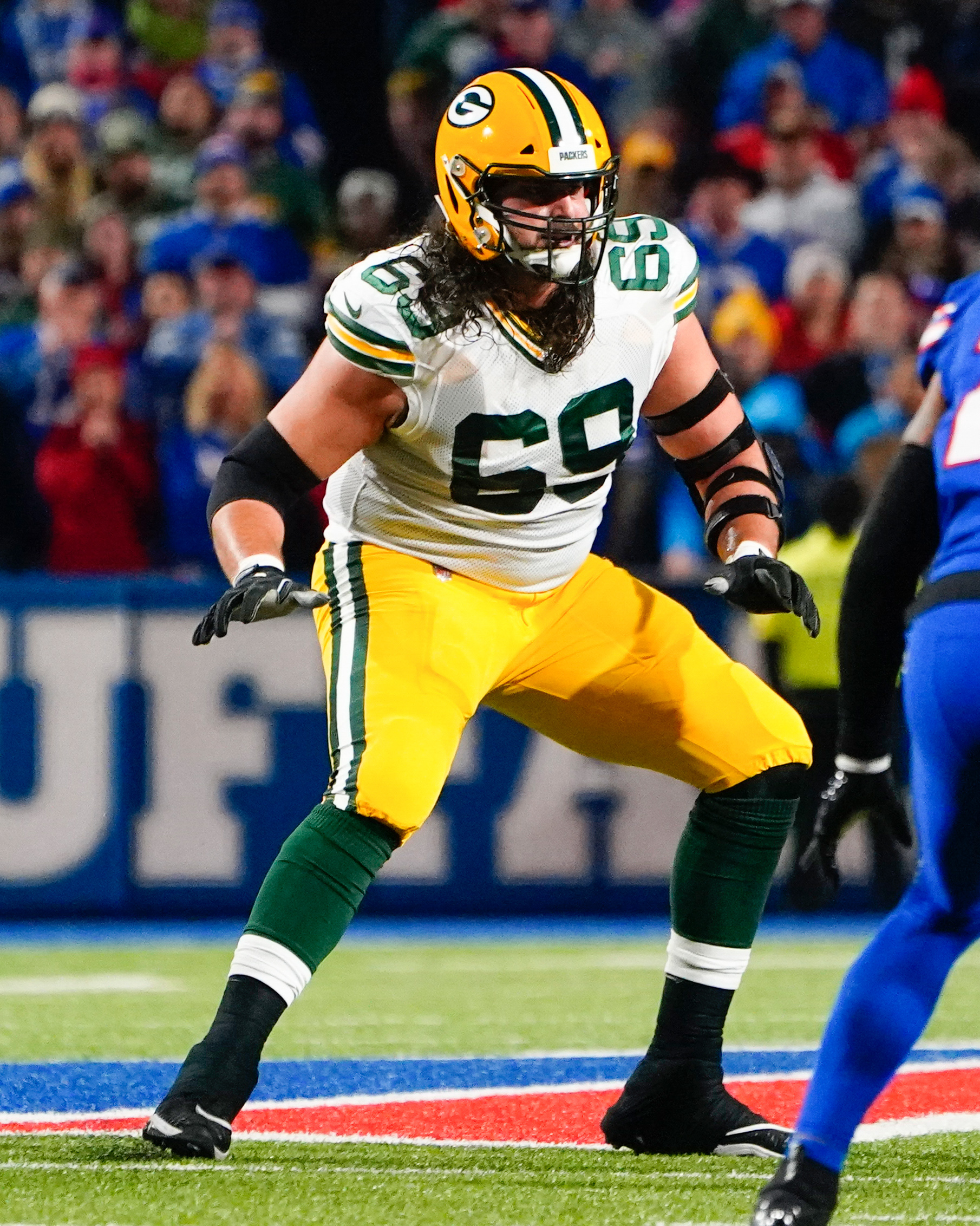 The Packers are expected to release Bakhtiari soon, The Athletic’s Matt Schneidman notes (subscription required). Labeling the matter a formality, the Green Bay Press Gazette’s Ryan Wood also points to this release transpiring.
The Packers can save nearly $21MM by cutting the 11-year veteran. He is set to count a team-high $40MM against the Packers’ cap this year. One season remains on Bakhtiari’s contract. None of his remaining salary is guaranteed, though the Packers have more than $19MM in deferred signing bonus set to represent dead money if/when the former fourth-round pick is cut.
Prior to Bakhtiari going down with the ACL tear, the Packers gave him a four-year, $92MM extension. That deal came to pass six weeks before the injury, representing important timing on Bakhtiari’s part. While both the tackles who signed record-setting extensions during that 2020 season — Bakhtiari, Ronnie Stanley — have run into recurring injury trouble since, the elder of the two blockers has been unable to string together a steady batch of starts since going down.
A reasonable “what if?” exists surrounding Bakhtiari’s injury. The Packers obtained the NFC’s No. 1 seed in 2020 but saw Shaq Barrett and Jason Pierre-Paul tee off on their tackles in a narrow NFC championship game loss. The Barrett-JPP second-half sack spree protected Tom Brady, who threw three second-half INTs in the narrow Buccaneers win. While it is reasonable to suggest the Packers venture to Super Bowl LV if Bakhtiari was available, that quickly devolved into a missed opportunity. By the point the five-time All-Pro was ready to play regularly again, the Packers were no longer at that level. They finished 8-9 and missed the playoffs during the 2022 slate, which featured 11 Bakhtiari outings.
Bakhtiari played well when on the field in 2022, ranking as Pro Football Focus’ No. 12 overall tackle. More knee trouble and an appendectomy sidelined him for six contests that season, which came after a 2021 campaign included only 27 Bakhtiari snaps. Last season, the 32-year-old blocker played in Week 1 but soon needed the above-referenced fifth knee procedure. Matt LaFleur said Bakhtiari experienced swelling in his surgically repaired knee before Week 2, and ESPN.com’s Rob Demovsky indicates training camp remains the goal for the injury-prone veteran.
After Elgton Jenkins suffered a torn ACL when filling in for Bakhtiari at left tackle in 2021, the team settled on seventh-round pick Rasheed Walker as the veteran’s primary replacement last season. The 2022 draftee made 15 starts and was the team’s blind-sider in both playoff games. Barring an offseason upgrade effort, Walker would go into the ’24 season as one of the many rookie-contract starters on Green Bay’s offense.
As for Bakhtiari, the Jets being the team to give him a bounce-back opportunity seems logical. Rodgers wields considerable influence with the AFC East club, and the four-time MVP has been connected to wanting to bring his longtime LT to the Big Apple. The Jets would probably prefer a more stable option, given Mekhi Becton‘s injury-plagued tenure. The team is not viewed as overly interested in re-signing Becton, however, and Rodgers certainly drove personnel moves last year. It will be interesting to see if Rodgers pushes hard for the Jets to sign Bakhtiari at a significantly reduced rate — compared to his Packers deal, at least — once his Wisconsin tenure wraps.