
Saints WR Chris Olave Still Recovering From Blood Clot
Saints wide receiver Chris Olave missed the end of the 2025 season due to a blood clot in his lung. His original return timeline was four weeks, but more than six months later, he has yet to complete his recovery.
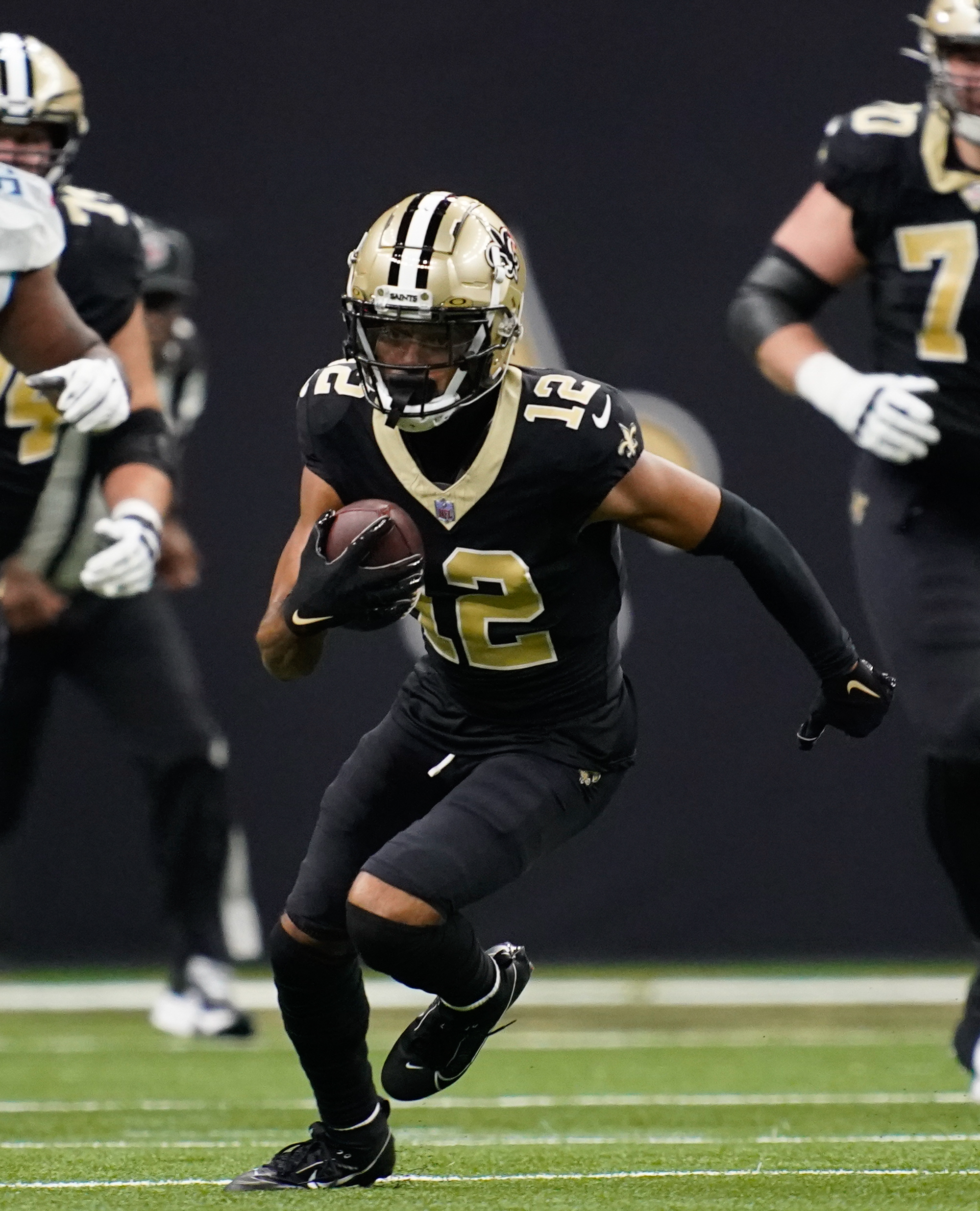 Olave has not participated in team drills during New Orleans’ offseason practices, per Matthew Paras of The Times-Picayune. He has been present at OTAs – notable since he and the Saints are in the middle of contract negotiations – but the team is giving him a long runway to ramp up his involvement. Clubs are generally cautious about player injuries during the offseason, especially with a highly dangerous medical issue like a blood clot, especially when there is big money involved.
Olave, 24, has two years left on his rookie contract and is due $3.33MM this season and a $15.49MM fifth-year option in 2027. That is not the money the Saints are looking to protect. They want to ensure a long-term investment in their star wideout – which could include $100MM or more in guarantees – rewards them with several years of high-level play. Continuing a gradual ramp-up process may be ideal for both Olave’s health and financial security.
The Saints have also been cautious with several members of their rookie class. First-round receiver Jordyn Tyson is still dealing with the lingering hamstring issue that plagued him during the pre-draft process. He was a limited participant at OTAs, per Mike Triplett of NewOrleans.Football, along with second-round defensive tackle Christen Miller and fifth-round safety Lorenzo Styles. Head coach Kellen Moore revealed that fourth-round tight end Oscar Delp, who was also limited, is dealing with a hamstring injury of his own.
Bears CB Kyler Gordon Remains Injured Through Minicamp
Kyler Gordon made only five combined regular and postseason appearances in 2025. Well into the offseason, the veteran cornerback has still not been able to participate in practices.
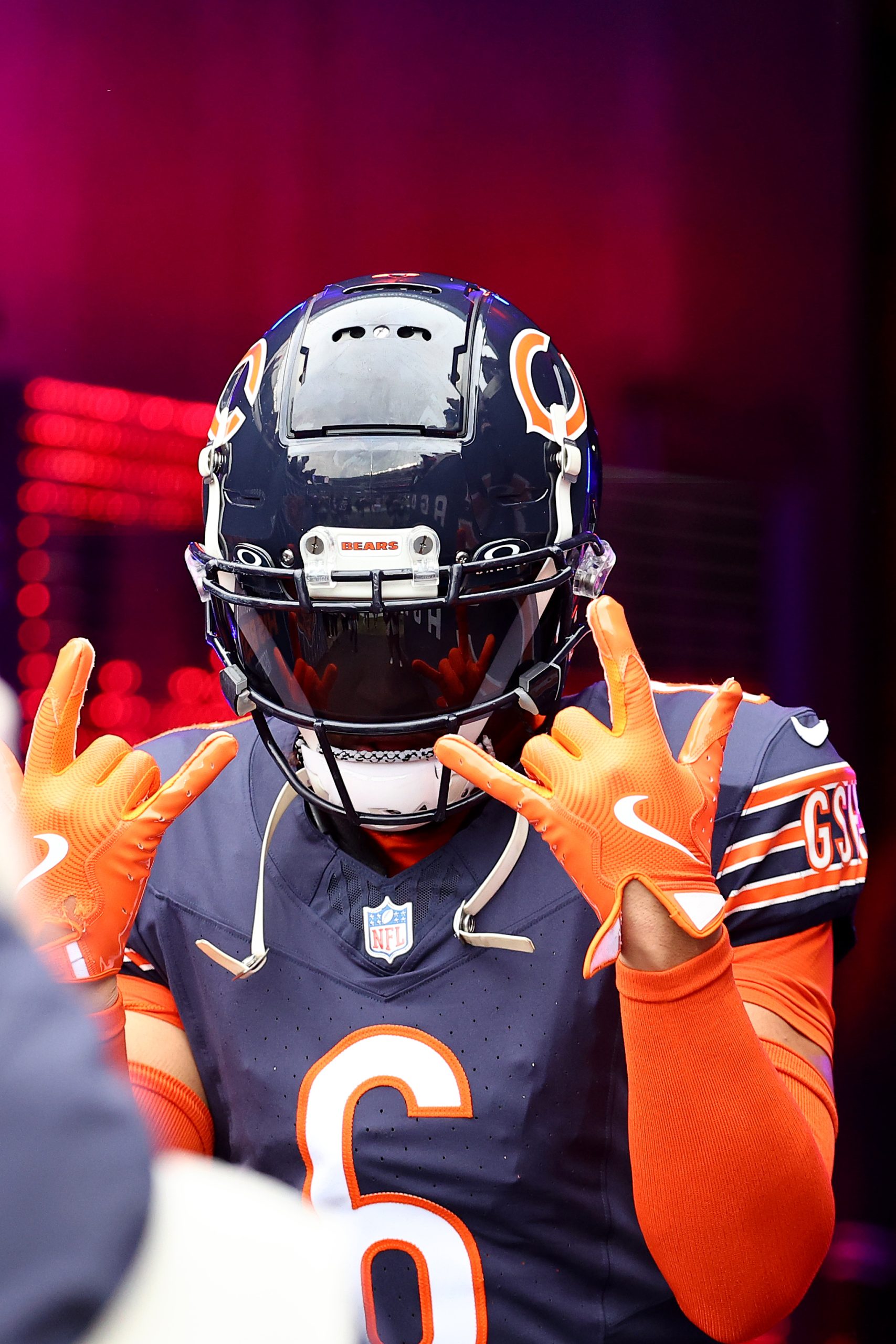 Gordon was sidelined for OTAs due to a soft-tissue injury. That situation has now stretched through to mandatory minicamp. Gordon has been at the team’s facility while rehabbing, as noted by Patrick Finley of the Chicago Sun-Times. Nevertheless, he has not been on the field so far.
“This spring was going to be a springboard for us to get going in the right direction,” head coach Ben Johnson said (via Finley) about Gordon’s situation. “So, you know, we’re still working through that. We’re still trying to get that availability piece going.”
Things have not gone according to plan on the rehab front, as demonstrated by Johnson’s remarks. There is of course still time for Gordon to heal in full leading up to training camp, but his situation will be worth monitoring over the course of the summer. The 26-year-old is on track for another season as Chicago’s starting slot corner when he is back on the field.
Gordon logged double-digit appearances during each of his first three seasons in the NFL. In 2024, the former second-rounder inked an extension making him the league’s highest-paid slot CB at the time. Gordon is under team control through 2028 as a result. Expectations will be high for a strong showing in the Bears’ secondary this season and beyond, provided the 26-year-old can avoid a repeat of last year’s separate injured reserve stints.
Despite leading the NFL in interceptions during Johnson and defensive coordinator Dennis Allen‘s first season with Chicago, the team only ranked 22nd against the pass. Improvement in that regard will be key as the Bears aim to replicate their success from last year. Gordon figures to play a key role in those efforts, but it remains to be seen when he will back to full strength.
QB Will Grier Considered Position On Cowboys’ Coaching Staff Prior To Panthers Signing
Will Grier‘s football journey continued in 2026 with a return to the Panthers being worked out. The veteran quarterback is set to handle No. 3 duties with his original team as a result.
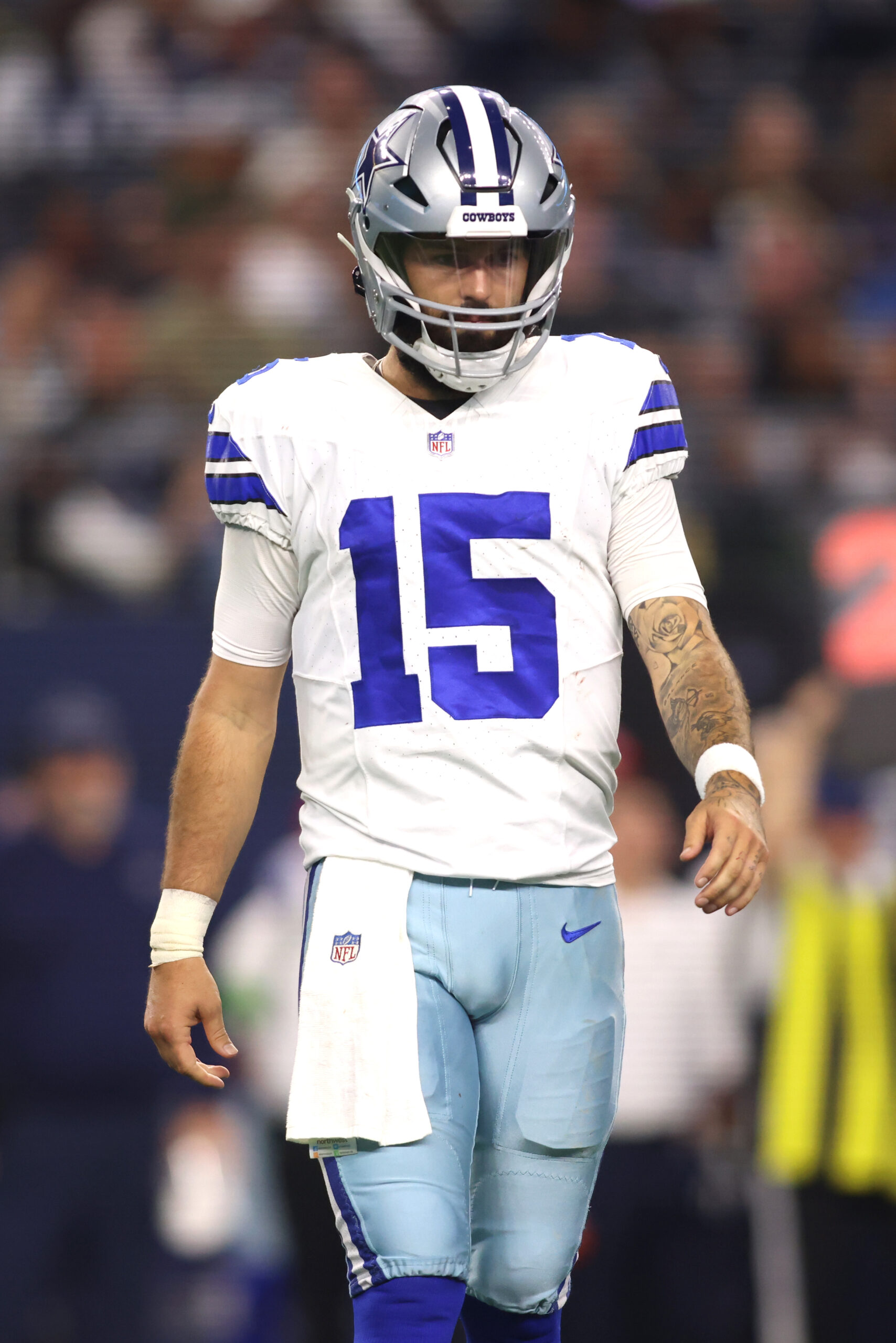 Prior to deciding on his latest playing contract, though, Grier received the opportunity to begin his coaching career. The Cowboys offered the 31-year-old a spot on Brian Schottenheimer‘s staff following the 2025 season (which was spent on Dallas’ practice squad). As recalled by Grier’s father Chad, Will nearly accepted the offer.
“Man, there’s not a huge chance you’re gonna play [in Carolina] this year,” Chad Grier said (via The Athletic’s Joe Person). “But there’s zero chance you get to play if you’re coaching. So I would say you stay in that league as a player as long as you possibly can. You have the rest of your life to coach.”
Grier entered the NFL as a Panthers draftee in 2019. The former third-rounder made two appearances as a rookie, but he has not seen any regular-season action since. Grier has managed to remain in the NFL, though, and he will add at least one more season to his resume from a playing perspective. Given the willingness of the Cowboys to add him to their staff, future opportunities can certainly be expected beginning next year.
In 2026, the Panthers will once again have Bryce Young as their starting quarterback. The coming season will be critical as Carolina gives thought to a long-term extension in his case. The team signed Kenny Pickett in March in a move which set up the trade sending Andy Dalton to Philadelphia. Grier is slated to spend 2026 behind those two on the depth chart.
Playing time during the fall is once again highly unlikely as a result. Nevertheless, Grier represents a candidate to immediately transition to coaching once he elects to hang up his cleats.
Australia Opener Could Affect TE George Kittle’s Return
When 49ers tight end George Kittle suffered a torn Achilles tendon in the playoffs last year, it seemed the natural conclusion that he would be missing some of the regular season in 2026. The team first set its sights on an early-season return, an ambitious but somewhat reasonable goal.
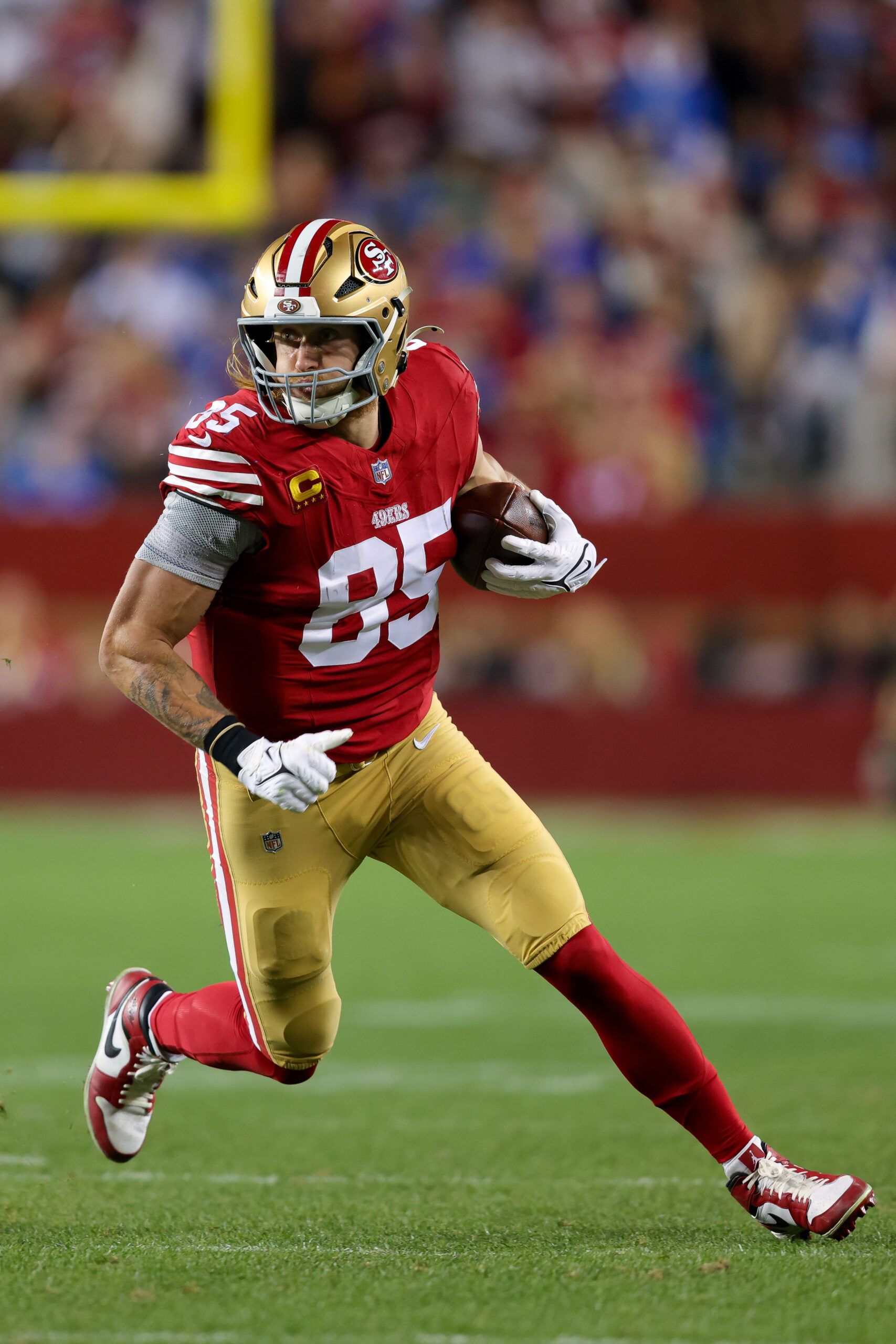 When it was made known that Kittle was hopeful for a Week 1 return, it seemed things were trending closer to ambition than reasonability. Not to say that Kittle cannot find his way back to the field when he hopes to, but every time that timeline for recovery grows shorter, it decreases the likelihood that Kittle will be healed and ready. That timeline got involuntarily shorter when the Week 1 moved up four days with the league’s schedule release. With the 49ers being one of two teams assigned to the league’s new Australia addition to the international game series, Kittle’s Week 1 deadline moved closer.
Even aside from the four-day difference in Week 1 dates, Kittle will need to be well enough to be able to sit for a 15-hour flight before then playing in an all new timezone, something Kittle seemed to voice concern over in an appearance on Front Office Sports with Baker Machado. As much as Kittle wants to be there for his team right out of the gates, it may be decided that the trip will do more harm than good in his recovery efforts. After watching Kittle miss stretches throughout the season last year, San Francisco may choose to be more safe than sorry.
So far, Kittle’s updates post-surgery have been mostly positive. After the draft, Kittle claimed that, 13 weeks removed from surgery, he was trending ahead of schedule. “My Achilles is doing great, no setbacks in my recovery,” Kittle said recently, via David Bonilla of 49erswebzone.com. “Checking all the boxes, doing everything I’m supposed to do. My surgeon’s happy. My physical therapist in LA, who works with him, is super happy. Niners are happy. I’m happy.”
Kittle acknowledges the round trop to Melbourne to start the season as a “challenge,” but more specifically, he refers to it as “just another challenge.” It was ambitious to aim for an early-season return. It was more ambitious to aim for no missed time in the regular season at all. With the added hurdle of extended travel, Kittle seems ready for the challenge.
Bears Announce More Front Office Updates
As the Bears have continued to update staff positions on their website over the past few days, Neil Stratton of SucceedinFootball.com has noticed a few new changes in the team’s front office. According to Stratton, recent promotions have named Trey Koziol the new senior director of player personnel, Breck Ackley the new director of player personnel, Jeff Shiver as a new senior executive scout, Andrea Wright the new football administration & analytics manager, and Jason Harris as a new scouting assistant.
Koziol only arrived in Chicago in 2022, when he was hired as co-director of player personnel. He first started in the NFL as a scouting intern for the Titans in 2008. He was promoted the next year to pro scout and spent four more years in that role in Tennessee. In 2013, he was hired as an area scout in Kansas City, where he reunited with former Boston College teammate Ryan Poles. The Chiefs promoted Koziol to national scout after five years then, three years later, named him assistant director of college scouting. He only worked one year in that role before following Poles to Chicago.
Ackley has been with the Bears since 2012, following a short attempt at coaching at the collegiate level. Working his way up the ranks over the years, Ackley won a BART award as one of the NFL’s top 10 scouts in the inaugural year of the award. He was promoted two years ago to director of college scouting and will now have broader responsibilities over the entire player personnel department alongside Koziol.
Shiver is a longtime veteran of the front office in Chicago, hired back in 1987 as one of only four scouts for the team at the time. He’s seen the department grow, he’s seen the league grow, he may even soon see the team grow their fan base in a new state. Entering his 40th season on the Bears’ staff, Shiver’s presence in the building continues with a new prefix added onto his title.
Wright joined the Bears in 2023 after working roles in analytics at Miami (OH) and Xavier. She started in Chicago as a football research associate and was promoted after a year to football administration and analytics coordinator. After two years in the position, she’s upgraded from coordinator to manager.
Panthers Announce Front Office Promotions
The Panthers announced a number of promotions in their front office this week, per a team announcement. Headlining the changes are Jared Kirksey and Justin Davidov, who were named the directors of player personnel and football administration, respectively.
Kirksey first joined the Panthers in 2021 as their East national scout, likely playing a key role in the team’s selection of offensive tackle Ikem Ekwonu with the No. 6 pick in the 2022 draft. He was promoted to assistant director of college scouting in 2022 and director the year after.
The Panthers do not have a sterling draft record in Kirksey’s tenure with zero All-Pro or Pro Bowl selections for players selected in the last four drafts. Day 1 and 2 investments in receivers Jonathan Mingo and Xavier Legette, running back Jonathon Brooks, and edge rusher DJ Johnson have not borne fruit. However, 2023 No. 1 pick Bryce Young has turned a corner towards becoming Carolina’s franchise quarterback, aided greatly by 2025 first-round receiver Tetairoa McMillian, who eclipsed 1,000 receiving yards as a rookie.
Kirksey got his NFL start in 2008 as a Texans scouting intern focused on college and pro specialists. In 2010, he moved to Tampa Bay, where he remained for three years, followed by eight years in Jacksonville. His father, Larry Kirksey, was a college and pro coach for 39 years, which included an overlapping stint with his son as Houston’s wide receivers coach.
Davidov’s tenure with the Panthers only started in 2022, after nearly four years working for the league office in statistics and player personnel. After four seasons as football administration coordinator in Carolina, Davidov now finds himself at the director level in the team’s administrative department. The former Gettysburg College passer assists the team in all aspects of cap management and contract negotiations.
In addition to Kirksey’s elevation, several other scouts saw upwards movement this week. Both Jordan Trgovac and Blake Still were named personnel scouts responsible for evaluating both college and professional personnel. Trgovac comes into the role after starting her personnel journey with the team as a scouting assistant in 2022 and getting promoted last year to mid-Atlantic area scout. Before that, she got her start in the NFL as a communications assistant with the Chiefs. Still is following in her foot steps as he makes the transition from media to scouting. He’s served the past five years as the team’s football video coordinator.
Formerly serving as scouting assistants, Gabby Weinrich and Chris Smith have been promoted to area scout and pro scout, respectively. Both Weinrich and Smith were hired two years ago, Weinrich after working in player personnel and recruiting at Nebraska and Smith after an assistant director of player personnel role at Temple, player personnel internships with the Chiefs and Dolphins, and a scouting assistant role with the Senior Bowl.
Filling one of the shortly vacated scouting assistant positions will be new hire Cam O’Brien. O’Brien joins formerly promoted football operations intern Joshua Krieger in the new role. Krieger actually has experience with Smith, working previously in his player personnel department for the Owls as a football recruiting assistant.
Ely Allen contributed to this post.
Todd Boehly Considering Seahawks Ownership Bid
Another billionaire has entered the fray to be the new owner of the Seahawks.
Todd Boehly, CEO of holding company Eldridge Industries, is considering a bid to own Seattle’s NFL team, per Semafor’s Liz Offman. The Seahawks would be the latest addition to Boehly’s extensive sports portfolio, which includes part-ownership in the MLB’s Los Angeles Dodgers and the NBA’s Los Angeles Lakers. He is also the co-owner and chairman of English soccer club Chelsea and majority owner of French soccer club Strasbourg.
Potential partners in Boehly’s bid include Mark Walker, CEO of Guggenheim Partners and co-owner of Chelsea and the Lakers, and unnamed investors in the Middle East.
Projections for the Seahawks’ sale price have fluctuated over the past several months. Initial expectations exceeded $10 billion immediately following the team’s Super Bowl win , but perceptions of a soft market dropped expectations to $7 billion by April. Bidding is now expected to approach $9 billion, which would still set a record for an NFL team’s sale, besting Josh Harris’ 2023 acquisition of the Commanders for $6 billion.
$9 billion would also be one of the highest purchase prices for any American sports team. The Lakers were sold for $10 billion last year. The exact amount of Boehly’s funding in that deal is unknown. He and Walker bought 27% of the team, placing their investment around $2.7 billion.
Other bidders for the Seahawks include a joint venture between Boston Celtics co-owners Aditya Mittal and Wyc Grousbeck and a group led by Sun Microsystems co-founder Vinod Khosla. Adding Boehly into the mix could drive Seattle’s price up further. Formal bids are expected within the next month.
Steelers Make Front Office Promotions
The Steelers recently made three promotions in their front office (via InsideTheLeague’s Neil Stratton), including a new role for longtime executive Sheldon White.
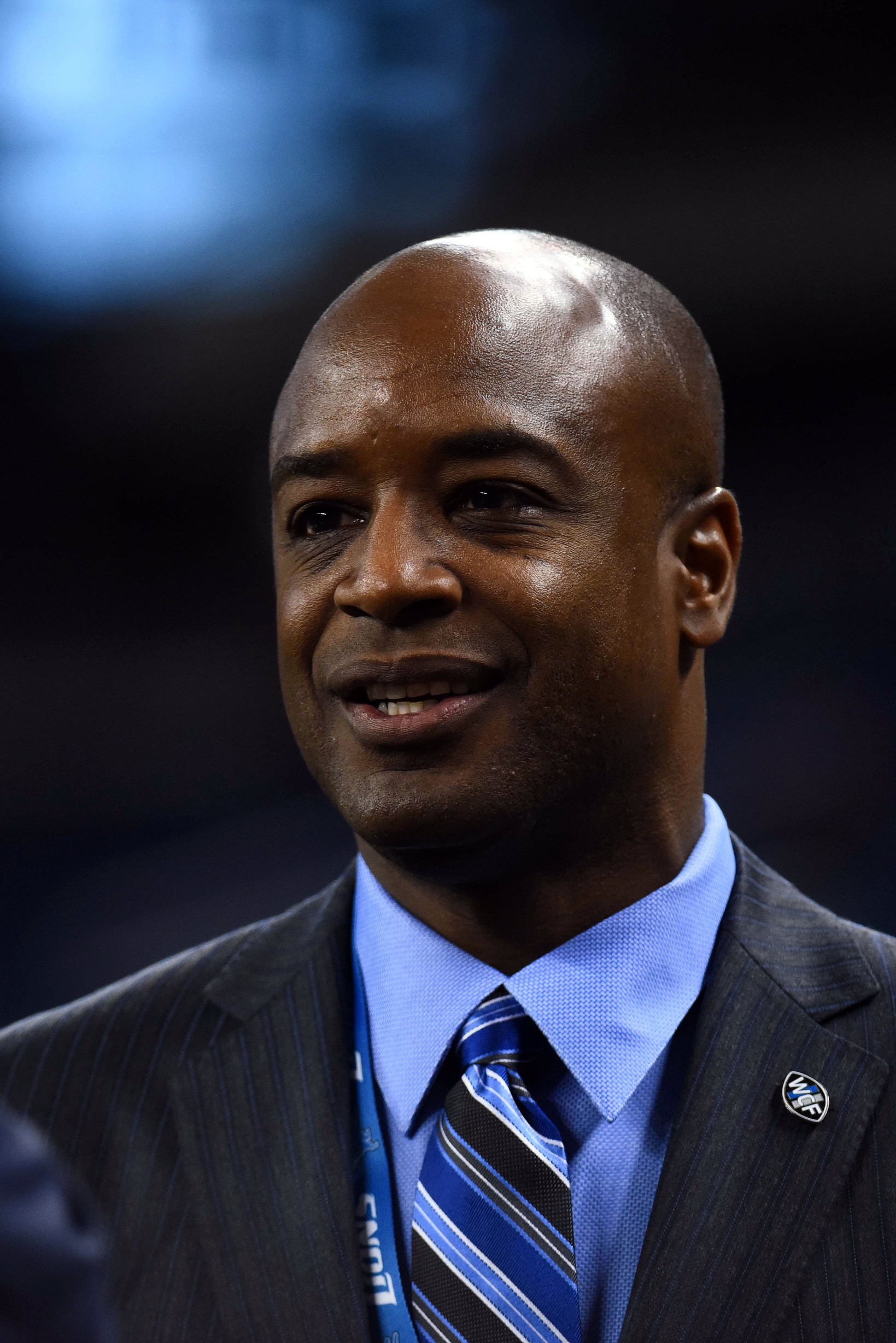 White, 61, is a former Giants, Lions, and Bengals cornerback who retired in 1993. He has been in Pittsburgh since 2022, first as the director of pro scouting and now as a senior personnel executive.
White began his front office career as a scout in Detroit in 1997. He was promoted to director of player personnel in 2000 and vice president in 2009 with a brief stint as interim general manager in 2015. White was considered for the Lions’ full-time GM gig, but lost out to Bob Quinn. He then spent four years at Michigan State, primarily as the executive director of player personnel and recruiting.. He also interviewed for the Raiders’ GM vacancy last year, and additional success in Pittsburgh could keep him on the radar for future hiring cycles.
The Steelers also promoted Max Gruder from assistant director of player scouting to director of pro personnel. The former Pitt linebacker spent one training camp with the Falcons in 2012 before retiring as a player and joining the Dolphins as a scouting assistant the following year, per his LinkedIn. Gruder was promoted to pro scout in 2014 and remained in Miami until 2019, when he was hired as the Eagles’ assistant director of pro scouting. A promotion to director followed in 2022; two years later, he was poached by the Steelers.
Kelvin Fisher, another ex-player, has been promoted from senior scouting assistant to senior national scout. The former Jets and Cardinals fullback is in the middle of his second scouting stint in Pittsburgh. His first came from 2000 to 2013, during which time the Steelers made the playoffs eight times, appeared in three Super Bowls, and won two. Fisher then moved to Buffalo as the Bills’ director of college scouting and returned to Pittsburgh in 2018. Draft hits during his time with the Steelers include franchise legends like Troy Polamalu, Ben Roethlisberger, and Cameron Heyward, as well as more recent stars like Alex Highsmith, Joey Porter Jr., and Nick Herbig.
Finally, the Steelers landed on a formal title for January hire Tim Gribble, who will be the senior director of college personnel.
Browns GM Andrew Berry Not Ruling Out New Deshaun Watson Deal
Between the nature of his Cleveland tenure and the status of his contract, 2026 has long been viewed as Deshaun Watson‘s final Browns season. He would welcome a second contract with the team, though, and the door could be open to such an arrangement.
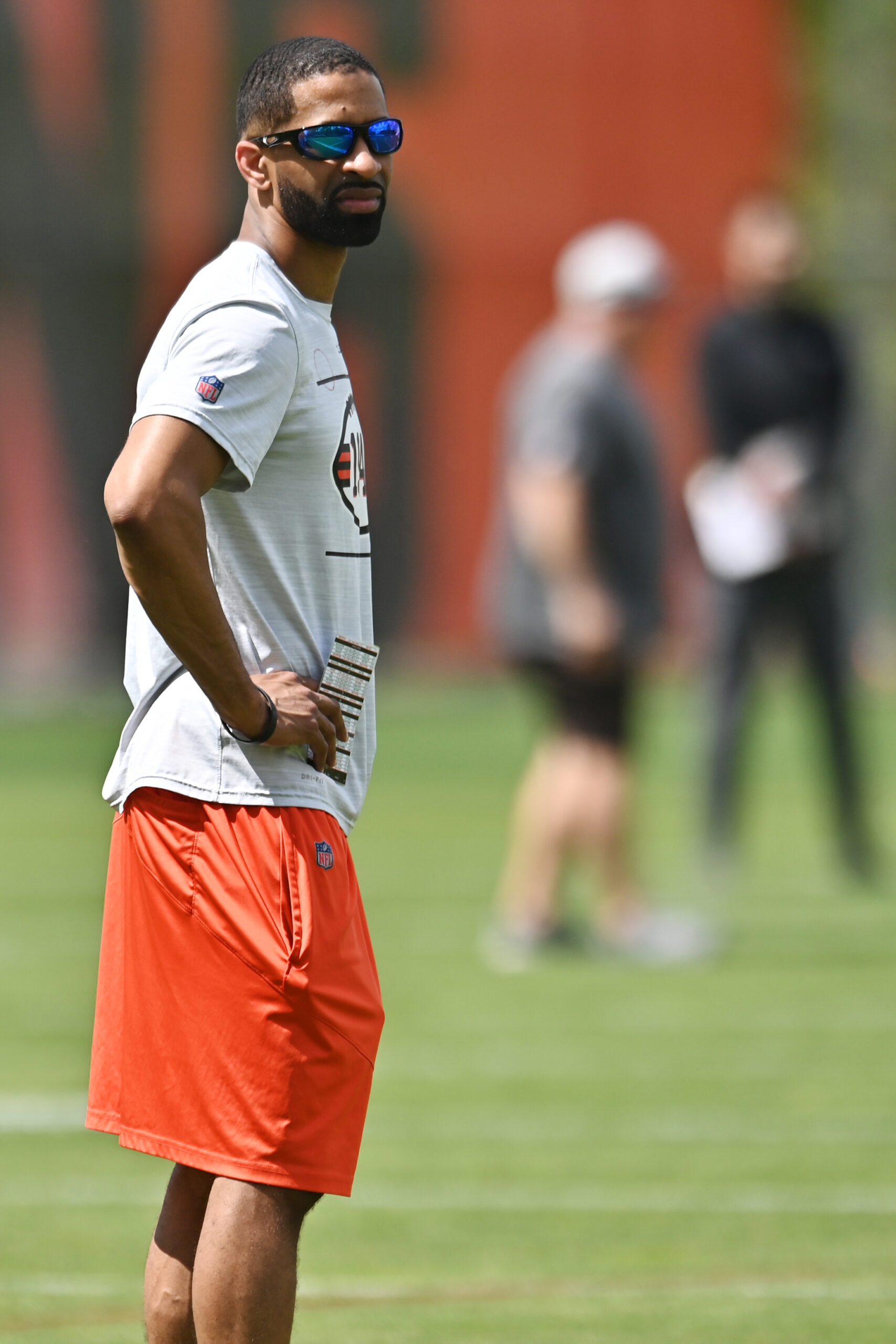 “I think everything is on the table,” general manager Andrew Berry during an appearance on 92.3 The Fan (video link). “I think it would be silly to go into a season saying, ‘Something absolutely can or cannot happen.’ And I think particularly at the quarterback position, we’ve seen it with guys whether it’s Sam Darnold, or Daniel Jones, or Geno Smith, even Baker [Mayfield] after he left us and Carolina.
“So I think you have to be open-minded and flexible. But I wouldn’t rule out anything. We’re looking for guys who can perform and who can lead.”
Watson, 30, has one year remaining on the fully guaranteed, $230MM contract he signed upon arrival following the blockbuster trade which sent him to Cleveland. That swap saw the Browns part with three first-round picks in addition to the team’s massive financial commitment. Due to the suspension which opened his Cleveland tenure and injuries including two Achilles tears, however, Watson has totaled only 19 starts over the past four years.
The three-time Pro Bowler has not been able to regain his previous form when on the field during that span. Many have therefore anticipated a post-June 1 release taking place next spring, something which would allow the Browns to spread out a hefty dead cap charge across two seasons. An alternative to that plan would of course be a new contract being signed altogether.
The performance of Shedeur Sanders through training camp and beyond in 2026 will be critical in shaping the decision from Berry and Co. The 2024 fifth-rounder has been taking part in a competition with Watson for the QB1 gig. Head coach Todd Monken initially wanted to have clarity atop the depth chart by the end of this week’s minicamp, but the competition will continue through the summer. Sanders doing enough to earn a lengthy first-team opportunity could result in Cleveland parting ways with Watson next year.
On the other hand, Watson winning and retaining the starting spot in 2026 could pave the way for at least the exploration of a new Browns deal. A agreement on that front would no doubt cover a shorter term than his current pact and come at a lower cost, but it would give Cleveland the opportunity to generate value (up to a certain extent) from an investment which has certainly not gone according to plan.
NFL Mailbag: Rams, Seahawks, Crosby, 49ers, Mahomes, Jackson, Nabers
This week's edition of the PFR mailbag addresses questions regarding the top three NFC West teams from 2025. Patrick Mahomes' new Chiefs deal, its implications, and more, are also covered.
James asks:
If [Aaron] Donald comes back, do you see the Rams as the clear favorite? Or are the Seahawks somehow being slept on?
It will certainly be interesting to see if Donald really does come back in 2026, won’t it? I don’t know if he’s in position to play a full season after two years out of the game, but signing in time for the playoffs would (well, should) make that defensive front even scarier to go up against.
