
NFL Draft Pick Signings: 5/5/26
Today’s mid- to late-round rookie signings from the 2026 NFL Draft:
Denver Broncos
- LB Red Murdock (seventh round, Buffalo)
Kansas City Chiefs
- RB Emmett Johnson (fifth round, Nebraska)
The Broncos have secured the signature of Mr. Irrelevant who received a $122K signing bonus, per Parker Gabriel of the Denver Post. Johnson joins a crowded backfield in Kansas City, where he’ll work for reps behind free agent addition — and Super Bowl LX MVP — Kenneth Walker, all the time competing against another free agent signing in Emari Demercado and last year’s draft pick, Brashard Smith.
Browns Considered Trading Into First Round For WR Denzel Boston
Reloading at wide receiver, the Browns did not stop after choosing KC Concepcion 24th overall. Cleveland made another big move at the position during the draft, tabbing Denzel Boston at No. 39.
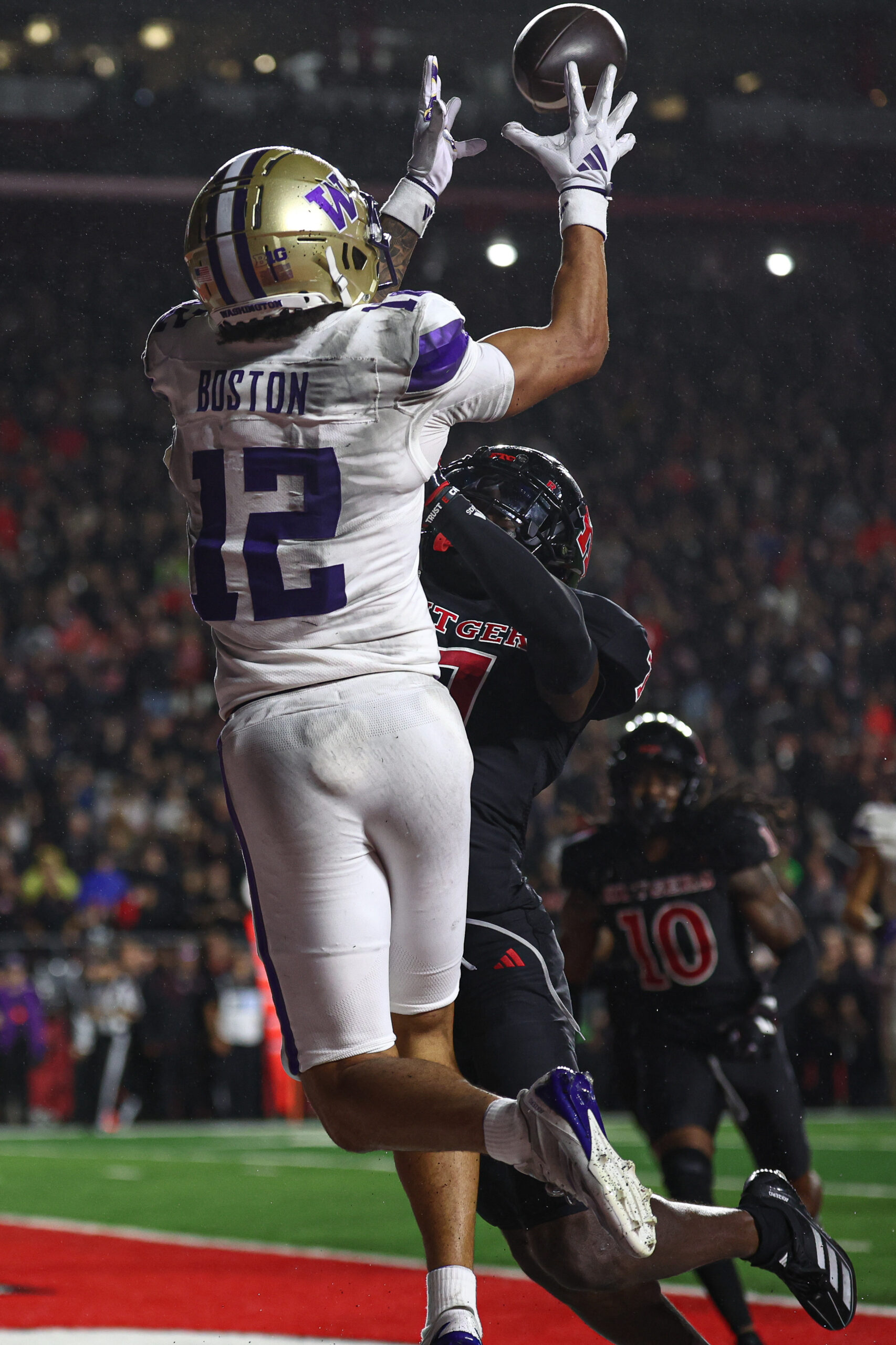
The Browns entered this draft with two first-round picks, obtaining the No. 24 overall selection via the Jaguars’ 2025 Travis Hunter trade-up. The Jags’ dramatic improvement from 2024 to ’25 made that pick less valuable, but the Browns came out of Round 1 with a tackle and a receiver — their long-rumored preference.
Cleveland, however, considered joining the Jets in making it a three-first-rounder haul. The Browns pondered trading back into Round 1 to secure Boston, according to ESPN.com’s Jeremy Fowler, who notes the team viewed the Seahawks (No. 32) as a potential option. Seattle GM John Schneider confirmed the team was looking to trade down, which the veteran exec has done many times in Round 1 during his lengthy tenure; the defending champs entered the draft with only four picks.
Schneider confirmed potential trade-down opportunities arose, but the Seahawks stayed put and drafted Notre Dame running back Jadarian Price. It should be viewed as a safe bet the Browns represented one of those trade-down chances for the Seahawks, but the team viewed the 49ers as a threat to draft Price. San Francisco, after trading down twice in Round 1, held the No. 33 overall pick to start Round 2.
After the Browns stood down on a first-round trade-up — and what would have been their first three-first-rounder haul since 2017 (when the team added Myles Garrett, David Njoku and Jabrill Peppers) — Fowler adds discussions took place regarding a move up the board early in Round 2. We heard before the 49ers’ No. 33 pick the Browns were among the teams interested in climbing, but no Cleveland trade commenced.
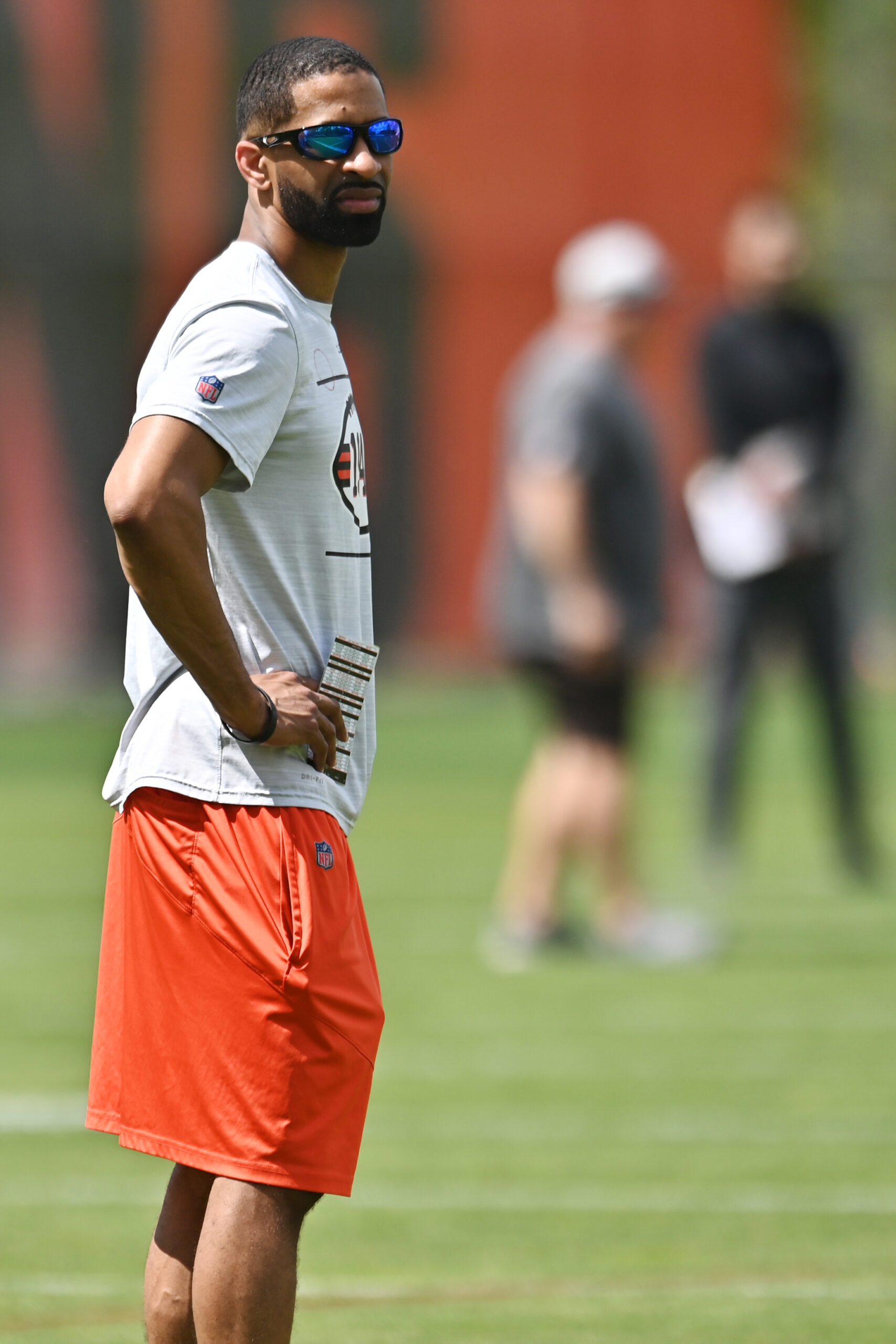
Andrew Berry and Co. bet on a defense-heavy start to the second round and was mostly proven right. After the 49ers chose a receiver (De’Zhaun Stribling) and the Cardinals a guard (Chase Bisontis) to start the draft’s second night, four defensive players (EDGE T.J. Parker, DT Kayden McDonald, CB Colton Hood, S Treydan Stukes) respectively went to the Bills, Texans, Giants and Raiders. That left Boston on the board for longer than expected, and the Browns pounced at No. 39.
Boston was widely mocked as a first-round pick, with pre-draft rumors relaying the Washington product was viewed as a top-three receiver in this class by some teams. Those may not have been entirely accurate, though it is worth wondering if teams merely stood down and addressed other positions while still viewing Boston highly. The Browns conducted a “30” visit with Boston in mid-March and will plug him in alongside Concepcion and Jerry Jeudy. The team has no plans to trade Jeudy despite an underwhelming second season in Cleveland.
The Browns had not used a first- or second-round pick on a receiver under Berry or predecessor John Dorsey. Granted, Cleveland went three drafts without a first-round pick (due to the Deshaun Watson trade/fiasco), but the team has underinvested, draft-wise, at this premier position for a long time. After missing on Corey Coleman in the 2016 first round — when Berry worked under then-front office boss Sashi Brown — Cleveland opted to make other moves at receiver, like trading for Jeudy and Amari Cooper.
Steelers Did Not Call Cowboys About No. 20 Pick
The Steelers got caught flat-footed during the first round of the 2026 NFL Draft. The team was expecting to land Makai Lemon with the 21st overall pick and even had the USC wideout on the phone to inform him of its decision.
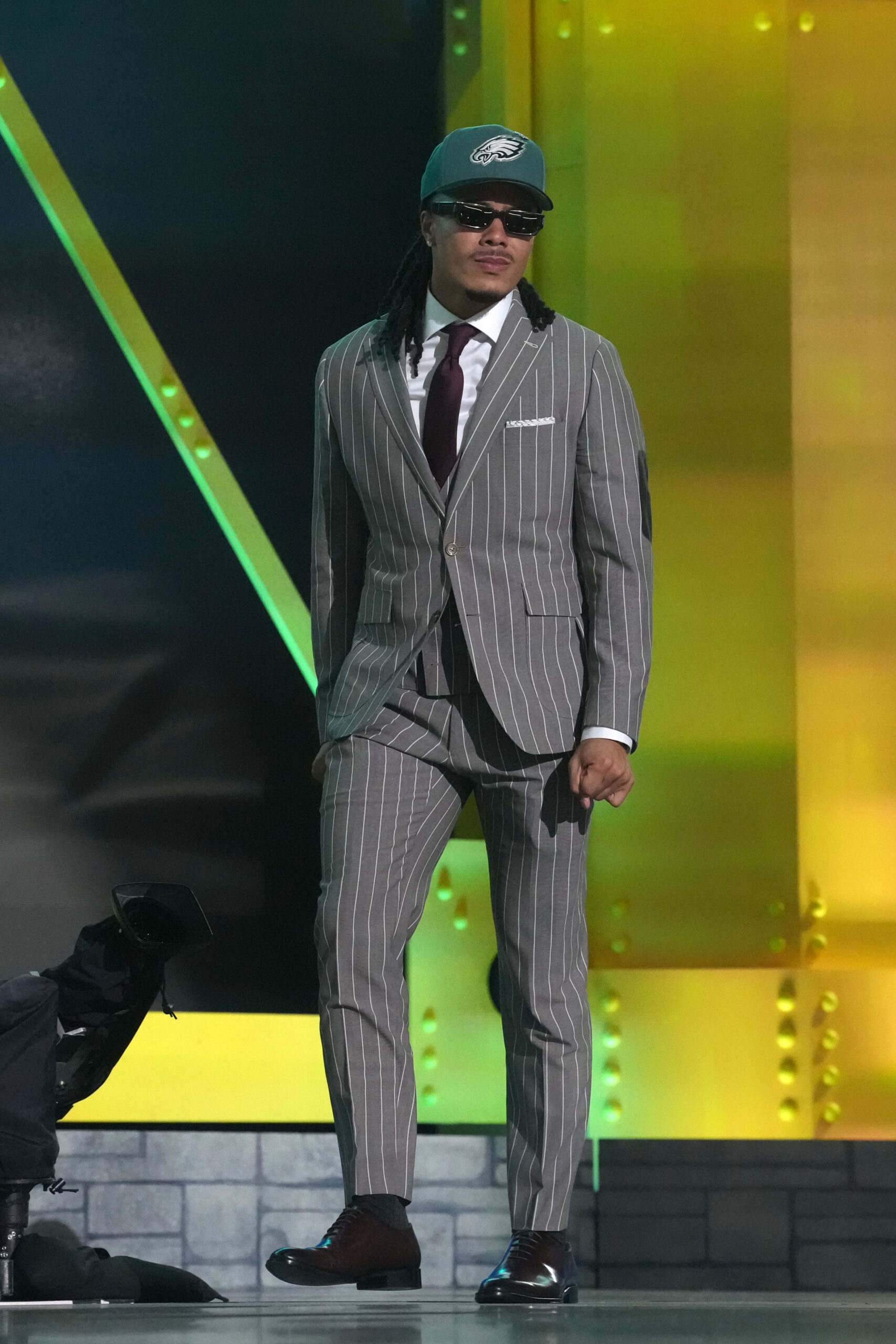 There was just one problem: they were not on the clock. The Cowboys were, and they completed a trade with the division rival Eagles, who moved up to the No. 20 pick to steal Lemon out from under Pittsburgh. The Steelers pivoted to Arizona State offensive tackle Max Iheanachor, but it was abundantly clear they were outmaneuvered by Philadelphia’s general manager, Howie Roseman.
Instead of prematurely calling Lemon – rumored to be a common Steelers draft tactic – perhaps general manager Omar Khan should have dialed the Cowboys’ number. He made no attempt to move up one spot to snag their desired prospect, per ESPN’s Jeremy Fowler, and could only watch – or more accurately, listen – as Lemon hung up to take the call from Philadelphia and become an Eagle.
However, the Steelers may not have been able to beat the Eagles’ offer. Philly sent a pair of fourth-rounders to Dallas to move up from the No. 23 pick, where the Cowboys were confident they could still land UCF edge rusher Malachi Lawrence. In that case, Pittsburgh may have needed to match or exceed Philly’s package of picks, a sizable overpay to move up one spot.
Still, offering an alternative to trading with a division rival would have at least gotten the Cowboys’ attention. Lawrence was known to have other first-round interest, too, so Dallas may have preferred to move back one spot rather than three to ensure they got their man. Combined, those factors could have helped a weaker offer from Pittsburgh still beat their in-state rivals.
Lemon was not linked to the Cowboys during the pre-draft process, so the Steelers understandably were not worried about him going to Dallas. But opting to reach out to him rather than Jerry Jones may turn out to be a decision Khan regrets. It will be very interesting to watch how the careers of Lemon and Iheanachor play out.
Browns Considered Jordyn Tyson, Francis Mauigoa In Round 1; Latest On Jerry Jeudy
Heavily rumored to be considering a trade-down move from No. 6, the Browns found a taker and flipped the pick to the Chiefs in exchange for third- and fifth-rounders. The Chiefs took LSU cornerback Mansoor Delane, leaving the Browns with one of their preferred prospects on offense at No. 9.
 GM Andrew Berry had already asked Chiefs counterpart Brett Veach if he would use No. 6 on offense or defense; after hearing the Kansas City front office boss’ answer, Berry would be assured of one of the team’s three preferred offensive prospects being available at 9.
[RELATED: Deshaun Watson Holds Early Lead For Browns’ QB Job]
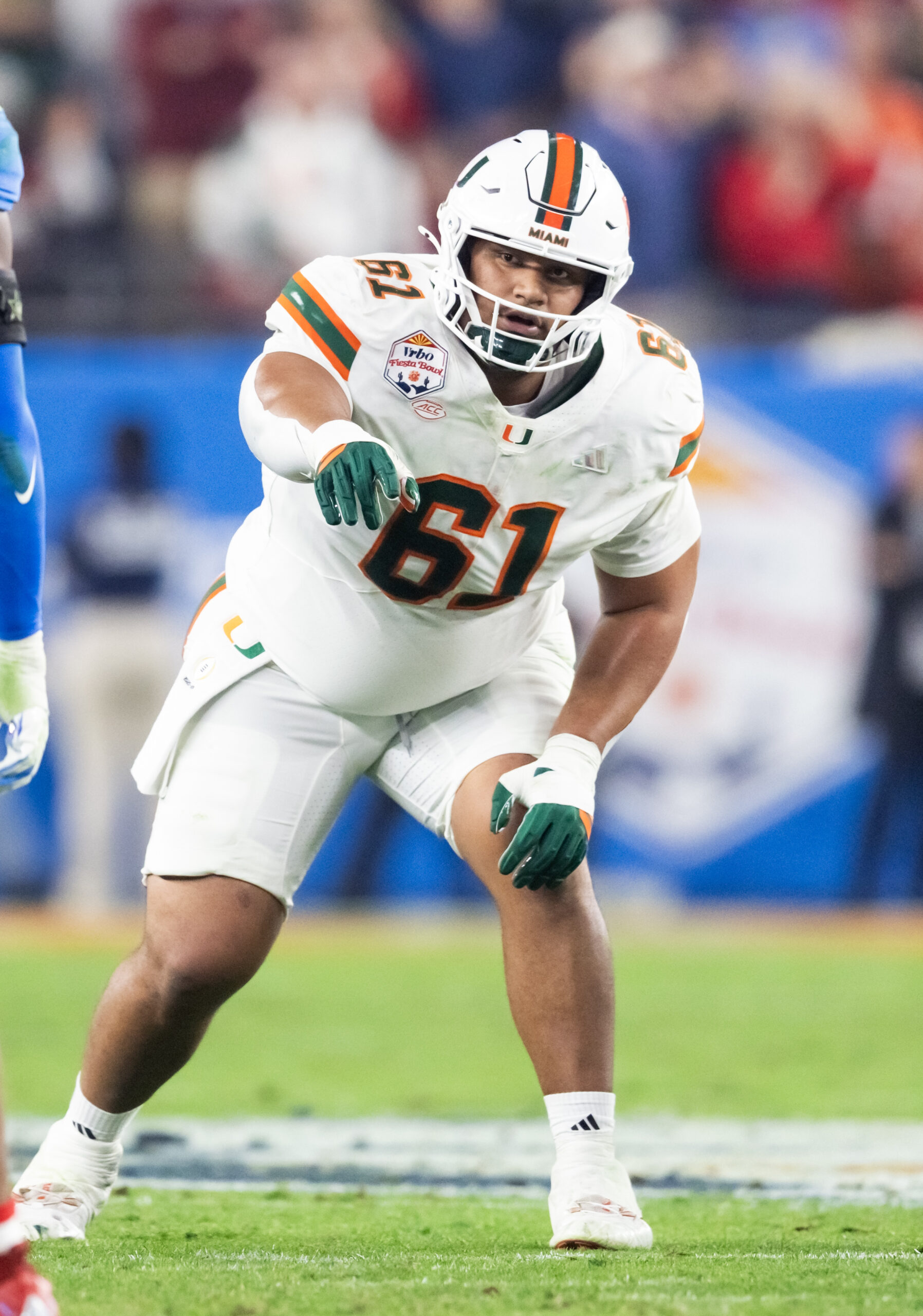
The Browns felt comfortable with that three-spot slide due to interest in Jordyn Tyson, Spencer Fano and Francis Mauigoa, as detailed by ESPN’s The Pick Is In special (h/t ESPN.com’s Daniel Oyefusi). While it is unclear if the Browns would have taken Tyson above Fano at 9, the Saints took the play out of their hands by grabbing the Arizona State wide receiver at 8.
Browns-Tyson rumors did not circulate heavily before draft weekend, as the most recent tie came from an early-March “30” visit. The Browns kept their Tyson interest under wraps, though we did hear some teams preferred his upside to Carnell Tate‘s. The Titans were not among that group, as they chose Tate fourth overall. The Browns addressed receiver with their second and third draft choices, taking Texas A&M’s KC Concepcion and Washington’s Denzel Boston at Nos. 24 and 39.
Cleveland was closely tied to wanting a tackle in Round 1, and the team came away with Fano. The team chose Fano over Mauigoa, whom the Giants drafted one spot later. Fano came as a cleaner prospect, with Mauigoa’s disk issue affecting his draft stock.
The Browns declined two Cowboys offers for No. 9, with Dallas initially proposing Nos. 12 and 20 for Nos. 9 and 24. Berry labeled that first offer light, before Cowboys COO Stephen Jones tacked on a fifth-rounder (h/t Oyefusi) to the proposal. The Browns stayed at 9 and drafted Fano, who is ticketed to be the team’s left tackle. We heard earlier the Browns received calls from NFC teams before Tyson went off the board and that Cleveland declined another offer for 9. It is now known the Cowboys made the latter proposal.
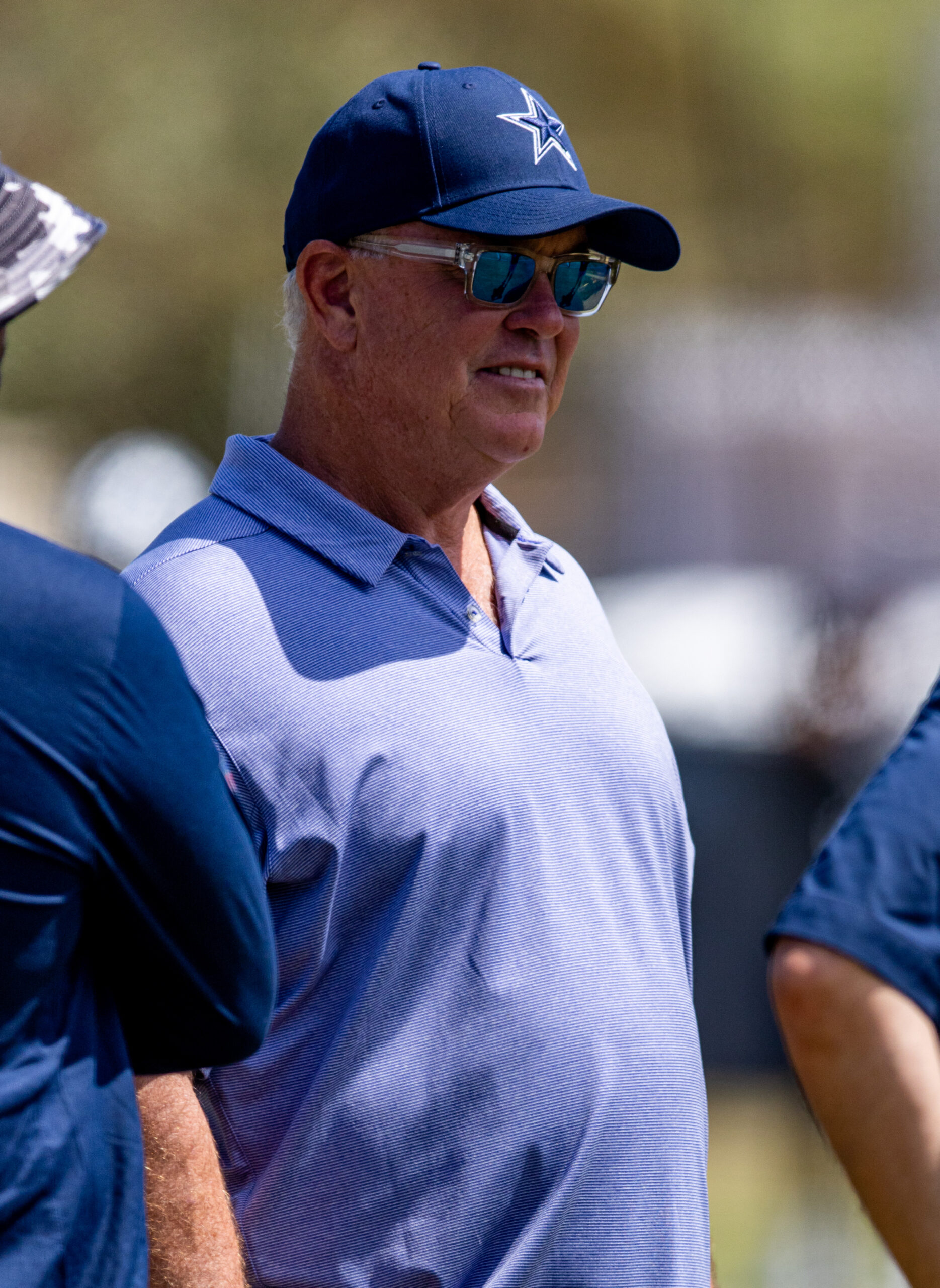 The Browns, who gave Fano LT challenger Dawand Jones a pay cut in exchange for upfront guarantees, may have been leery of dropping below the Giants in the draft. Jones said during the ESPN special the Browns were likely worried about the Giants with regards to a tackle.
The Dolphins loomed at No. 11, inviting a scenario in which both the Browns’ top tackle options were off the board by the time No. 12 came around. Miami moved down one spot with Dallas, which may have been trying to outflank New York for Caleb Downs — a player frequently linked to Big Blue pre-draft — with its offer for No. 9. But the Cowboys ended up with the Ohio State safety at No. 11. The Dolphins also chose a tackle — Alabama’s Kadyn Proctor — after trading down.
As Tyson joins Chris Olave in New Orleans, the Browns rounded out their receiver cadre with Concepcion and Boston. They will accompany Jerry Jeudy, whom Berry said (via Oyefusi) the team will not be impacted by the team’s first- and second-round wideout choices. Jeudy’s three-year, $52.5MM extension runs through the 2027 season.
“He’s our bell cow,” Berry said of Jeudy. “I think with receiver rooms you can have, maybe a ball-dominant player or you can essentially build a basketball team with different skillsets. We prefer the second approach. Don’t get me wrong, I’ll take Calvin Johnson if he’s out there. But we feel like we have a nice, well-rounded room with speed, RAC, contested catch ability, separation. So, we’re really pleased with the youth and talent in that group.”
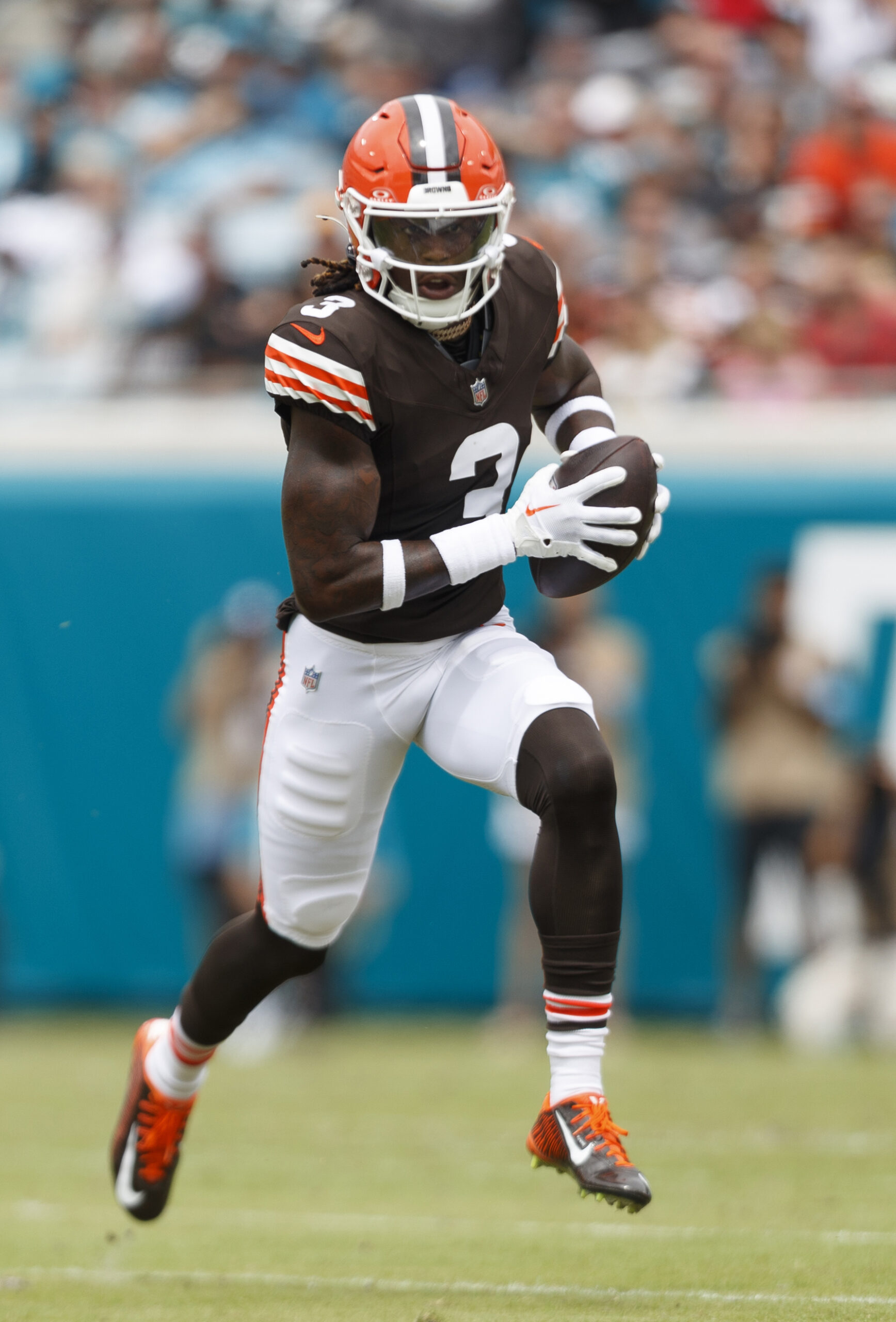 Boston’s size-oriented outside skillset will complement smaller wideouts like Jeudy and Concepcion. Jeudy has plenty of slot experience as well. While the former Broncos first-rounder is heading into his seventh NFL season, he just turned 27. More prime years should remain, though the Alabama product is coming off a down 2025.
After a Pro Bowl 2024 season that included a belated breakout — 90 catches, 1,229 yards, four touchdowns — Jeudy slumped last season (50/602/2 in 17 games). Drops were an issue for the upper-crust route runner, but the Browns are planning to give him another chance.
It would cost the Browns more than $22MM to trade Jeudy this year. While they could prorate that over two years by waiting until after June 1, Cleveland’s frequently used contract structure — where base salaries are dropped to the minimum in bonus-flooded accords — would make a trade punitive in the grand scheme. The Browns already paid Jeudy a $6MM option bonus for 2026. The team will have an easier time moving off the deal in 2027, but it appears Deshaun Watson (or one of Cleveland’s second-year arms) will have Jeudy to target alongside Concepcion and Boston.
The topic of a second Jeudy trade could resurface at the trade deadline — after it briefly came up last fall — as his low base salary and nonguaranteed 2027 compensation would make him an attractive chip. But the Browns will continue their offseason program with Jeudy as the veteran presence alongside the SEC and Big Ten WR prospects.
Ravens GM Eric DeCosta Discusses Center Need; Team Could Trade For C
MAY 4: Jeff Zrebiec of The Athletic confirms it is “possible, if not probable” the Ravens will trade for a center this spring. Baltimore currently has over $27MM in cap space, so finances should not be an issue if a deal is sought out in the near future.
MAY 3: While the Ravens shored up the interior of their offensive line this offseason by adding John Simpson in free agency and selecting Vega Ioane in the first round of the draft, there is a glaring hole at the center position. Tyler Linderbaum, who manned the pivot for Baltimore for the last four years (earning Pro Bowl acclaim in each of the last three), signed a record-setting deal with the Raiders in March, and the Ravens are still seeking an adequate replacement.
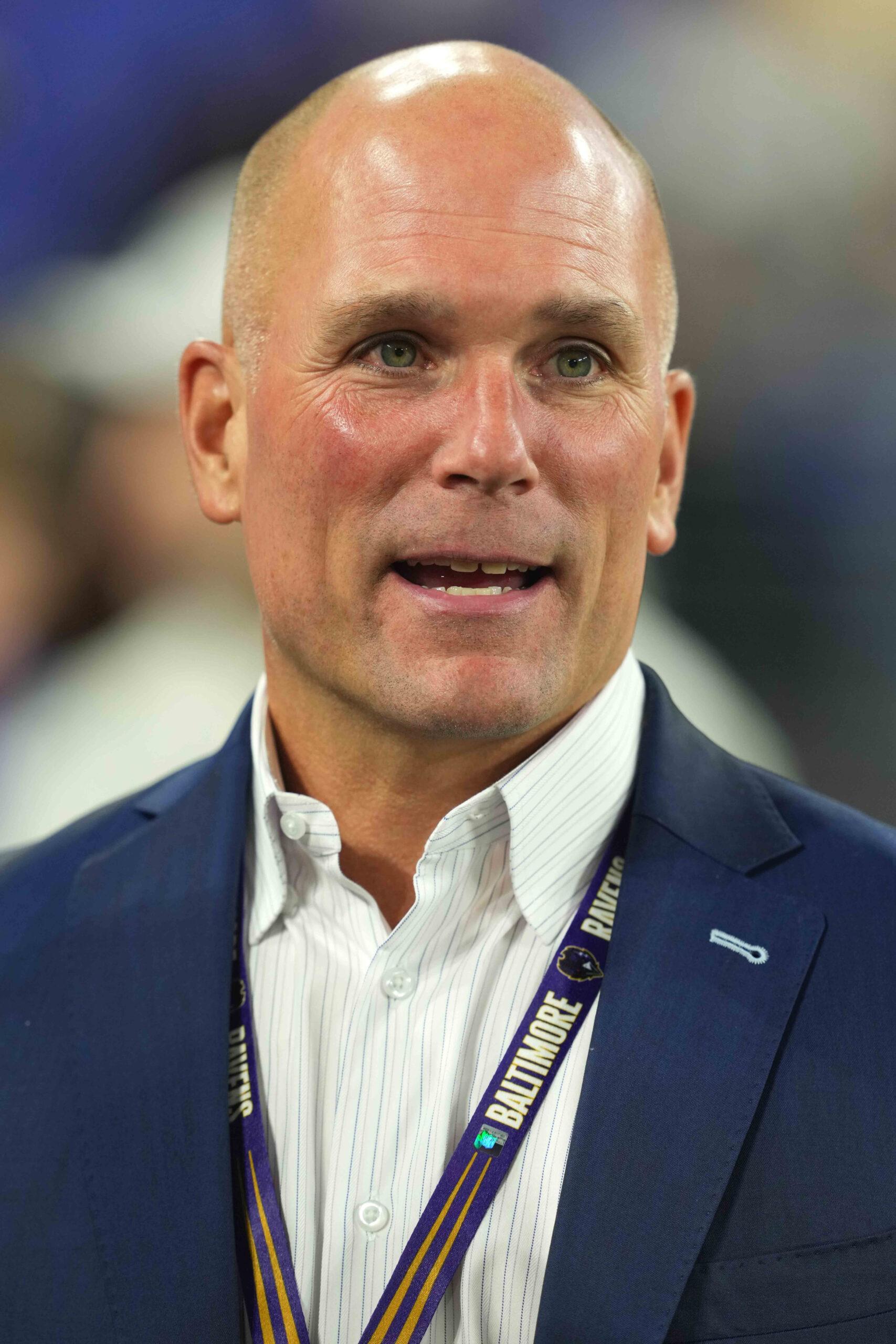 As ESPN’s Jamison Hensley details, general manager Eric DeCosta said the two center prospects in the 2026 draft class he believed could make an immediate impact were taken in the second round, which he considered a surprise. Presumably, he is referring to Logan Jones, who went to the Bears with the No. 57 pick, and Jake Slaughter, whom the Chargers selected with the No. 63 choice. With his own second-round pick, DeCosta opted to bolster his pass rush (Zion Young, No. 45 overall), and by the time the Ravens were back on the clock at No. 80, Jones and Slaughter were long gone.
DeCosta acknowledged during an interview on WBAL (via Hensley) that the center position remains in a state of flux, though he indicated he could address that need via trade. Of course, he did not name possible trade targets, though players like Chicago’s Garrett Bradbury or Miami’s Aaron Brewer could speculatively fit the bill.
The Bears just acquired Bradbury via trade this offseason but then drafted Jones. The Dolphins restructured Brewer’s deal in order to absorb the dead money created by the Jaylen Waddle trade and have expressed an interest in extending the snapper, a 2025 second-team All-Pro. Still, the ‘Fins are rebuilding, and after the club’s new regime traded a former cornerstone in Waddle, moving a contract-year player like Brewer who appears poised to cash in thanks in part to Linderbaum’s mega-deal could make sense.
Players like Graham Glasgow, Ethan Pocic, and Ryan Bates are still free agents, and the Ravens will presumably continue to evaluate Corey Bullock, a 2024 UDFA who took extensive reps at center last summer and who is currently penciled in atop the center depth chart. Baltimore also signed Danny Pinter and Jovaughn Gwyn this offseason, but neither of those players presently profiles as a viable starting option for a club with championship aspirations.
Giants Had “Basically The Same” Grade On RB Jeremiyah Love, LB Arvell Reese; Latest On OL Francis Mauigoa
The Giants were said to be high on Notre Dame running back Jeremiyah Love in the run-up to the draft, and some members of the organization were reportedly hoping Love would fall to Big Blue’s No. 5 overall pick despite the perceived value issues in selecting a running back so early. As it turned out, the Giants never had to make that call, since the Cardinals chose Love at No. 3. But it would have been an interesting dilemma for New York, as a team source told Ralph Vacchiano of Fox Sports the Giants had Love and Ohio State linebacker Arvell Reese (whom New York selected at No. 5) graded “basically the same.”
John Harbaugh was one of Love’s biggest supporters, and Vacchiano says the new head coach wants to build the same type of rushing attack he deployed in Baltimore with his Derrick Henry-fronted corps. On the other hand, GM Joe Schoen is among the Giants’ staffers who believe strongly in positional value, and the No. 5 overall pick is due to make a fully-guaranteed $47.8MM, which is $11.8MM more in guaranteed money than any RB has ever received.
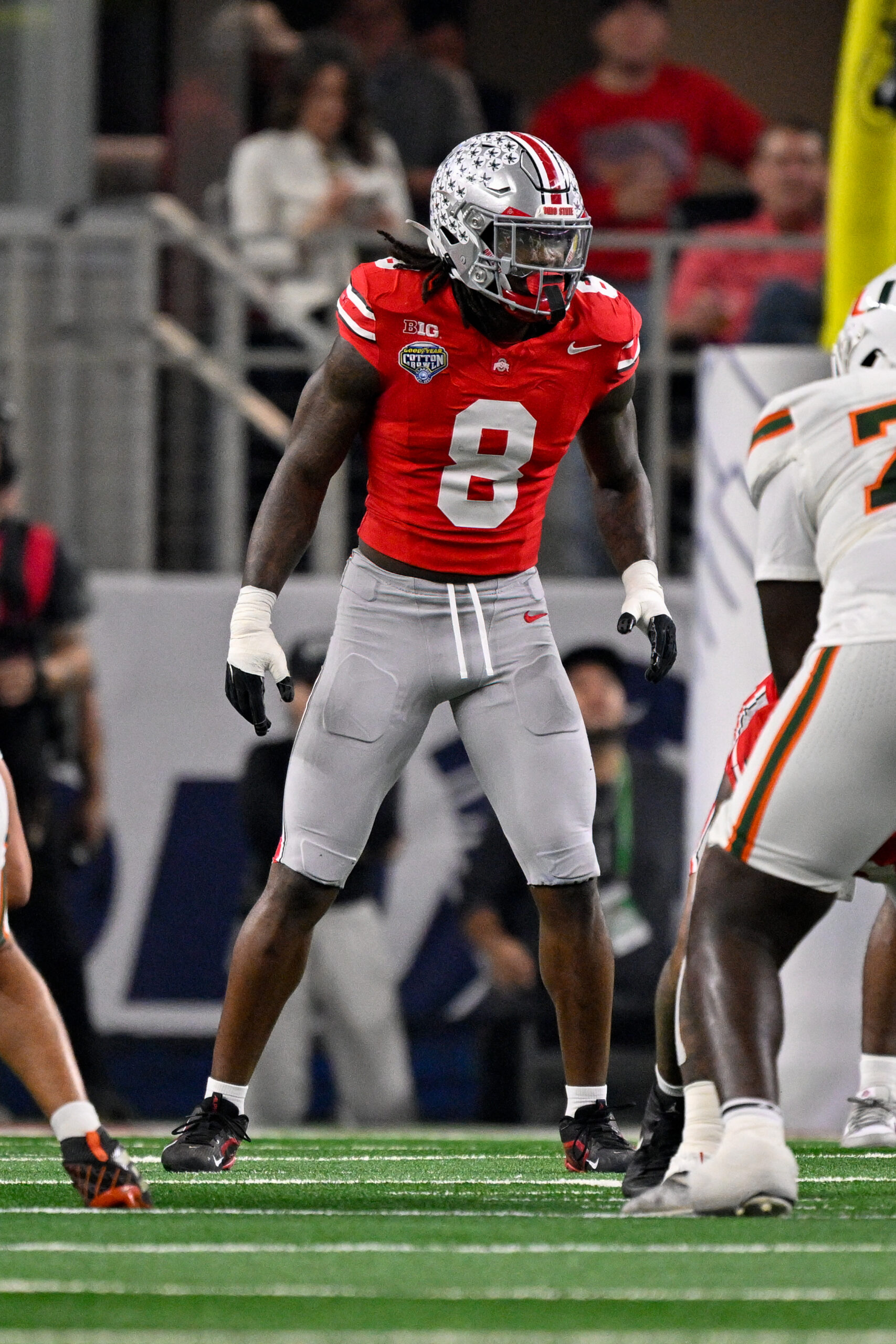 One GM told Vacchiano, “[i]t’s a terrible use of assets. Obviously, you can find 1,000-yard rushers for much less. You have to really believe [Love] is a Hall of Fame talent and can transform your team immediately. Because financially, you’re saying he’s 33% better than [Saquon] Barkley. And he’s not.”
Despite those sentiments, which Schoen and other key voices in the building appear to share, one predraft report said the Giants would take Love if he fell to them (which they did not expect). Of course, they also thought Reese would be taken before No. 5; Schoen indicated the former Buckeye was the highest-rated non-quarterback on the club’s board. Ultimately, the Giants were not forced to make what may have been a rather difficult decision, and they were free to simply take the player they believed was the best available.
New York was also armed with the No. 10 overall pick, thanks to the Dexter Lawrence trade the club completed with the Bengals about a week before the draft. The Giants used their acquired selection on Miami (FL) offensive lineman Francis Mauigoa. Dan Duggan of The Athletic confirms Love and Reese were the Giants’ top-graded non-QBs, and he says Mauigoa would have been the choice at No. 5 if Reese were off the board (it is unclear if Duggan is suggesting the Giants would have taken Mauigoa over Love, or if both Love and Reese are unavailable in this hypothetical).
In any event, the Giants’ willingness to use the first of their two top-10 selections on Mauigoa underscores Schoen’s assertion that the team is comfortable with their new blocker’s health situation despite a herniated disc that was discovered at the scouting combine. New York understands surgery may be necessary at some point but does not believe it is a given. Even if Mauigoa is forced to go under the knife eventually, the Giants are unconcerned about the long-term effects.
A college tackle, Mauigoa will begin his career competing for a job at guard. Reese will see most of his early action as an off-ball linebacker rather than as an edge rusher thanks to New York’s existing EDGE depth.
Seahawks Were Wary Of 49ers’ Interest In RB Jadarian Price; Seattle Remains Open To Signing Dante Fowler
The Seahawks filled a major need in this year’s draft when they selected Notre Dame RB Jadarian Price with the last pick (No. 32 overall) of Day 1. Although they reportedly attempted to trade out of the first round — and, per ESPN’s Brady Henderson, the Titans (No. 35) and Giants (No. 37) were among the potential trade partners — the ‘Hawks felt comfortable selecting Price for a number of reasons (aside from his obvious talent as a runner and relatively low odometer reading).
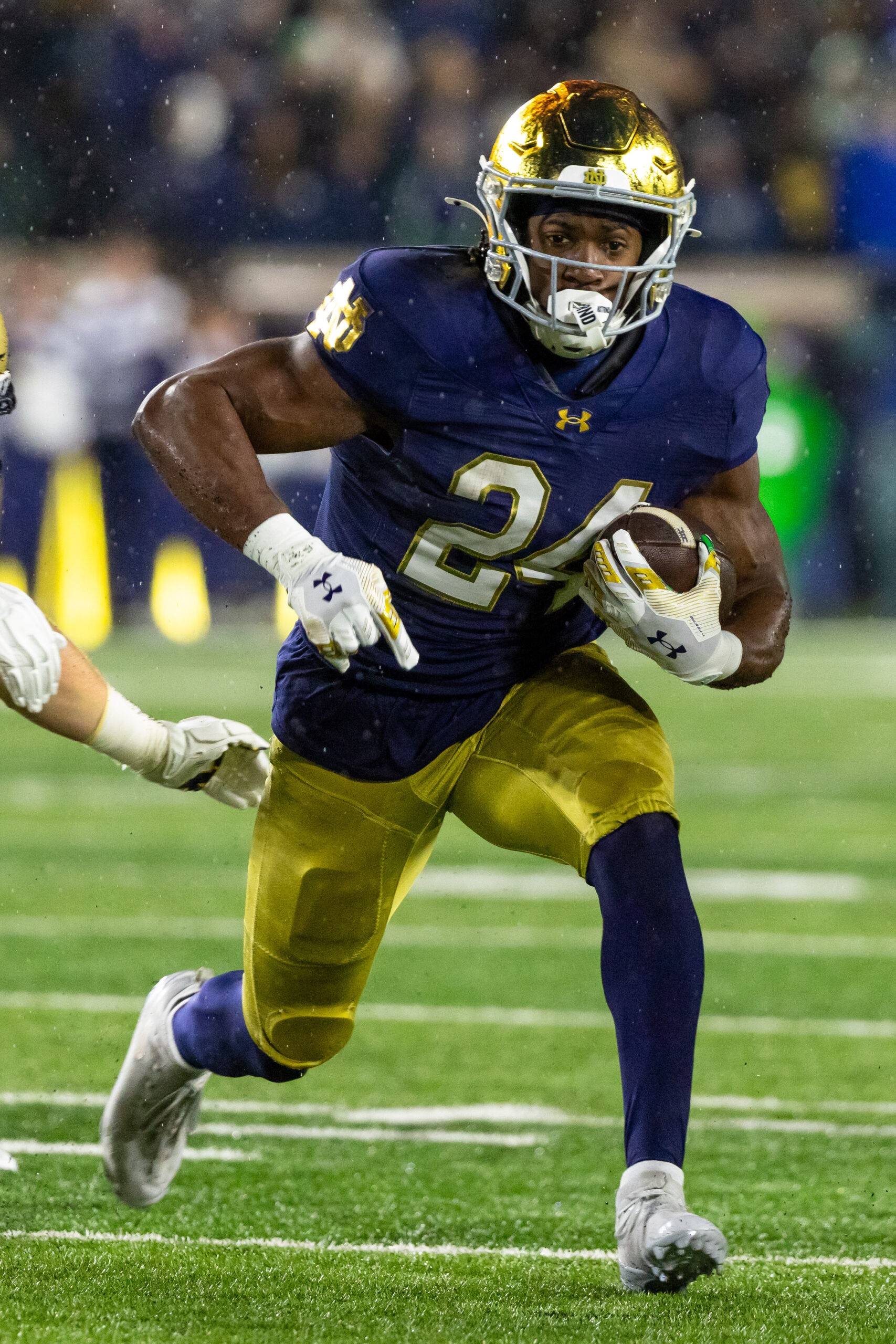 As Henderson relays, Price’s character and willingness to eschew more lucrative NIL deals to remain with the Fighting Irish as Jeremiyah Love‘s backup — which Price says he did as a challenge to himself to earn a notable workload alongside Love, whom he called the best player in college football — contributed to GM John Schneider‘s decision to pull the trigger with his first-round selection.
Plus, Schneider was concerned the division-rival 49ers would nab Price at No. 33, and given the perceived gap between Price and the next tier of RBs in this year’s draft class, that would have been a bitter pill to swallow (Henderson says Schneider viewed Washington’s Jonah Coleman and Arkansas’ Mike Washington as Day 3 options if he was unable to land the former Golden Domer).
The Seahawks’ other realistic first-round target was San Diego State CB Chris Johnson, whom the Dolphins selected at No. 27. Seattle ultimately landed a cornerback prospect when it chose Julian Neal with the No. 99 pick, and it was Neal’s tackling ability that stood out. Riq Woolen, who defected to the Eagles in free agency, was not a sure and willing tackler, and the club hopes Neal will represent an upgrade in that regard and step into Woolen’s CB3 role.
Like Woolen, Dareke Young left the Seahawks in free agency, and Henderson suggests Emmanuel Henderson, the No. 199 pick, could take over for Young on Seattle’s special teams unit thanks to his ability to return and cover kicks. A different wide receiver the ‘Hawks were eyeing for a third phase role, Kentucky’s Kendrick Law, went to the Lions as the 168th pick.
Interestingly, some members of the organization valued fifth-round guard Beau Stephens more highly than Keylan Rutledge, who went to the Texans in the first round. Henderson confirms, as our Connor Byrne recently noted, that Seattle expects Stephens to push Anthony Bradford for the starting right guard spot in 2026.
The board was not as kind to Seattle with respect to pass rushers, as would-be targets like R Mason Thomas, Derrick Moore, and Jaishawn Barham went elsewhere. That leaves the Seahawks without a replacement for Boye Mafe, who signed with the Bengals in March. Dante Fowler, who visited Seattle last month and who remains unsigned, remains one of Schenider’s top options, per Henderson. The ESPN scribe had said in a prior report that Schneider could still sign a pass rusher, whether that’s Fowler or someone else.
AFC Draft Rumors: Ravens, Dolphins, Patriots, Colts, Jets, Bengals
When the Ravens were on the clock at No. 14 overall in the 2026 NFL Draft, the number of options available to the team had general manager Eric DeCosta seeking an opportunity to move back. Baltimore thought it had a deal in place, but it “fell apart,” according to Jeff Zrebiec of The Athletic.
The top option for the Ravens was always offensive guard Vega Ioane, but surprisingly, when the team was on the clock, Miami defensive end Rueben Bain Jr. was still on the board. Not to mention, DeCosta had interest in grabbing a weapon for his star quarterback, if they were able to move back and still secure USC receiver Makai Lemon or Oregon tight end Kenyon Sadiq. DeCosta felt comfortable the team could trade back and still land one of those four players without leaving the teens.
Per Michael Silver, also with The Athletic, DeCosta thought he had a deal in place to do so while also returning “extra fourth-round picks in each of the next two drafts” to Baltimore. Similar to how DeCosta and the Ravens backed out of their trade agreement at the turn of the new league year, though, the team he thought would make the deal “changed their mind,” changing their half of the deal in the process and leading to the Ravens moving on without a trade and with Ioane instead.
Here are a few other recent draft rumors from across the AFC:
- The Dolphins also got hurt by the trade game during the draft. According to Barry Jackson of the Miami Herald, Miami had its eye set on Notre Dame wide receiver Malachi Fields in the third round before the Giants sent three picks to Cleveland for the right to move just ahead of the Dolphins at No. 74. With Fields off the board, Miami pivoted to the next wide receiver on their board, Caleb Douglas out of Texas Tech, a pick that was generally criticized as a bit of a reach by analysts.
- Miami almost got targeted again in the fourth round, per Tony Pauline of EssentiallySports. Pauline claims the Patriots were interested in trading up on Day 3 for Texas defensive end Trey Moore, whom the Dolphins took at No. 130. New England had given up their 125th overall pick to move up three spots in the first round and would’ve had to trade up from the fifth round to land Moore. They didn’t end up selecting a pass rusher until the seventh round, when they took Boston College’s Quintayvious Hutchins just before the final compensatory picks.
- The Colts were able to land Georgia linebacker CJ Allen after trading back six spots. It was a gutsy move to delay the selection right when a run at the position had begun. General manager Chris Ballard had been eager to add more picks heading into Day 3, and the move back was a perfect opportunity to do just that. According to Joel A. Erickson of the Indianapolis Star, Ballard desired the picks enough to consider moving back again, but after playing with fire once already, he opted not to risk losing the services of the linebacker they coveted.
- One of the biggest debates leading into the 2026 NFL Draft was who the Jets were going to select at No. 2 overall. They ended up choosing Texas Tech defensive end David Bailey over Ohio State hybrid linebacker Arvell Reese. According to Jets senior reporter Eric Allen, while New York liked both prospects, Bailey’s established pass-rushing prowess and demonstrated production made him a better fit for what the team is trying to do. Per head coach Aaron Glenn, they still believe Reese will go on “to have a really good career” but felt more secure with Bailey as their pick.
- The Bengals made a bold move trading away a top 10 draft pick for former Giants defensive tackle Dexter Lawrence. A pick that high is usually considered a guarantee to land a franchise with a blue chip prospect, but this year’s draft crop was seen as thinner than usual. NFL Network’s Tom Pelissero appeared on the Rich Eisen Show before the draft and claimed that the lack of blue chip prospects convinced Cincinnati to make the move for Lawrence. Per Pelissero, the Bengals only had seven players graded as blue chip prospects and didn’t foresee any of them falling to them at No. 10, so they traded for a player they knew was a blue chip prospect. It would be interesting to know if Bain had been one of those seven, and whether or not they would’ve preferred to have Bain fresh out of college, but ultimately, Lawrence is a decent consolation prize.
NFC Draft Rumors: Saints, Bain, Cowboys, Guarantees
On the eve of the 2026 NFL Draft, multiple reports came out asserting the Saints were a team to monitor for a potential draft day trade-up. Sitting already at No. 8 overall, rumors seemed to indicate that New Orleans could be looking to move up as far as the third pick in the draft, but general manager Mickey Loomis set things straight for the media (video via NewOrleans.Football) the next day.
Fully aware of the reports that had been made, Loomis told reporters, “Yeah, I never made one call to move up from pick 8.” After noting some surprise in the room, he continued, “I know it was reported by a couple of people, but that was completely untrue.”
The surprise was in part due to the existing reports of such interest, but it also stemmed from Loomis’ history of memorable moves up draft boards in years past. Dating back to his first draft with the Saints in 2003, Loomis has negotiated moves up for players like Johnathan Sullivan, Jammal Brown (2005), Sedrick Ellis (2008), Mark Ingram (2011), Brandin Cooks (2014), Stephone Anthony (2015), Marcus Davenport (2018), and Chris Olave (2022). Loomis did admit that the team was looking to make moves up on Day 2 of this year’s draft, but concerning the first round, he told reporters that the cost to move up would’ve been too high while knowing a player they really liked would fall to them at No. 8.
Here are a few other draft rumors coming out of the NFC:
- The Buccaneers were considered big winners on Day 1 of the draft after walking away with Miami defensive end Rueben Bain Jr. 15 picks into the first round. They had no clue that Bain would end up slipping just that far, but somehow, according to Greg Auman of FOX Sports, they were able to come away with a player that general manager Jason Licht told reporters was a top-five player on their board.
- The Cowboys ended up making a trade up one spot — from pick 12 to 11 — in order to ensure nobody would trade in front of them for Ohio State safety Caleb Downs. According to Jon Machota of The Athletic, they also attempted to make a move up to No. 9 overall in a deal that would’ve affected their second first-round pick, as well. Per Machota, Dallas offered Cleveland pick Nos. 12 and 20 with a fifth-rounder in exchange for Cleveland’s pick Nos. 9 and 24. The Browns were not interested. It’s unclear if Downs still would have been the target had the deal gone through. Machota also notes that, if the Cowboys hadn’t been able to move back from 20th to 23rd, they still would’ve taken UCF’s Malachi Lawrence. If Lawrence was gone by 23, though, then they would’ve pivoted to Georgia linebacker CJ Allen, who ended up going to the Colts at No. 53.
- In 2025, there was a holdout of second-round picks as players pushed for guaranteed money that hadn’t made it past the first round until only recently. There was — and still is — some anticipation about where that line might get drawn in this year’s draft, but a few team’s have moved quickly to draw the line at their own third-round picks. Last year, increased guarantees made it all the way through the second round with Eagles safety Andrew Mukuba being the latest pick to receive any. Even the first pick of the third round, Giants defensive tackle Darius Alexander, received only his signing bonus as guaranteed money. So far, only four third-rounders have signed deals this year, and Packers defensive tackle Chris McClellan is the earliest of the four. His deal’s only guaranteed money is his signing bonus. With Cardinals quarterback Carson Beck standing at the top of the third round, though, it will be interesting to see if there is any kind of push for guarantees to start making their way back into the third round.
Raiders Optimistic CB Jermod McCoy Can Play In 2026, Avoid Immediate Surgery
As the 2026 draft rolled along, cornerback Jermod McCoy‘s continued slide down the board became one of the event’s biggest storylines. That was not a surprising development; an obvious first-round talent, predraft reports indicated McCoy’s stock could be undermined by the long-term prognosis for his medically-repaired knee.
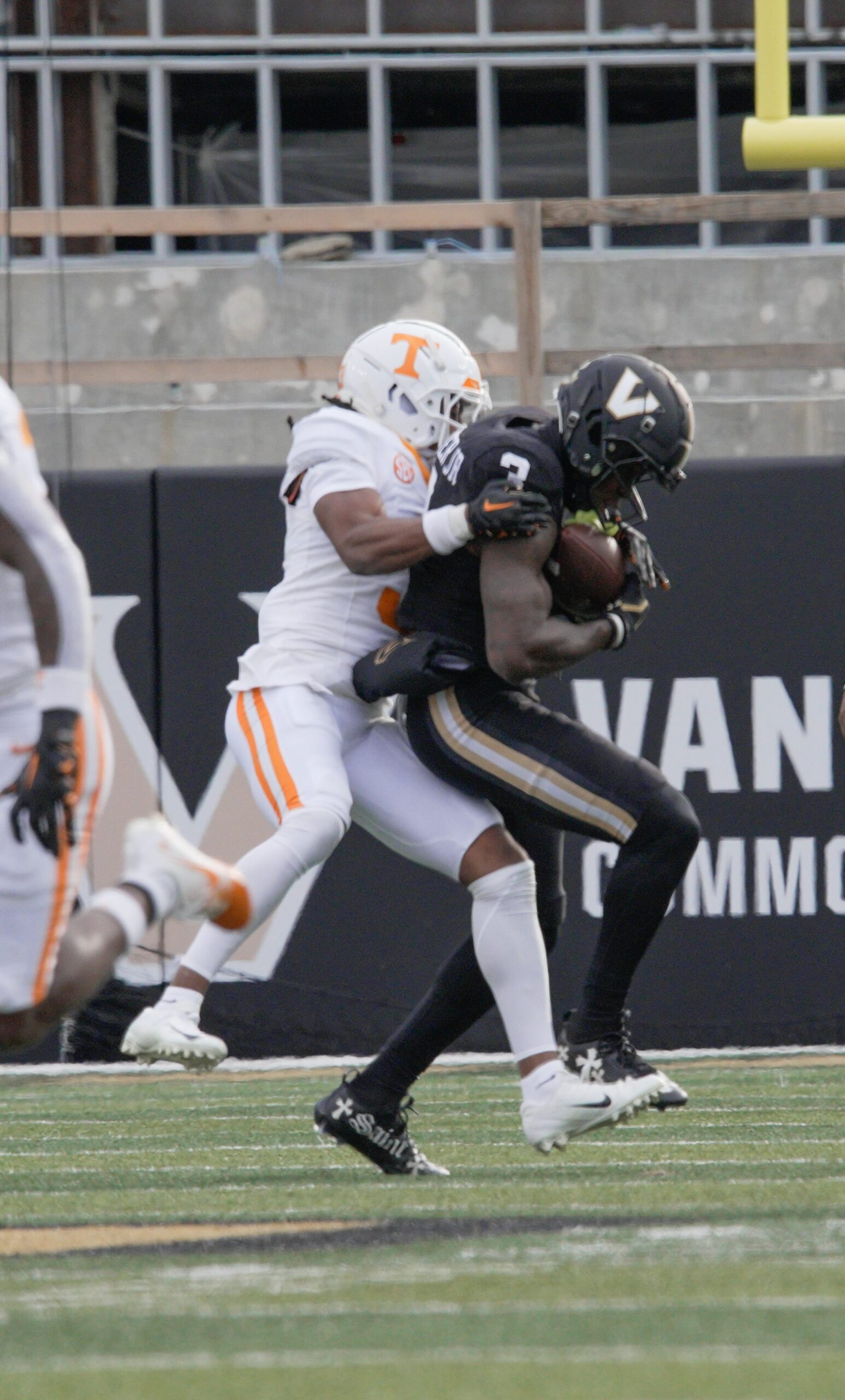 Eventually, the Raiders put an end to McCoy’s free fall by selecting the Oregon State and Tennessee product with the first pick of Round 4 (No. 101 overall). Naturally, Las Vegas did plenty of research on the knee, as ESPN’s Jeremy Fowler writes. Fowler says the club is optimistic about McCoy’s chances to suit up in 2026 and to avoid immediate surgery, even if he will need some sort of operation in the future.
But it was not McCoy’s short-term availability that gave teams pause. Despite missing the entirety of the 2025 slate due to an ACL tear, McCoy performed well at Tennessee’s pro day in March. He ran a 4.37-second 40-yard dash, logged a 38-inch vertical jump, and registered a 10-foot, 7-inch broad jump. His ACL is reportedly a non-issue; the bigger concern is a bone plug that was used to repair a cartilage defect in his knee, a plug that may need to be replaced down the road. Such a procedure could sideline McCoy for an entire season, and an unsuccessful surgery could end his career.
Fowler polled eight teams after Day 2 of the draft, and five of them said they had removed McCoy from their draft boards entirely. The Raiders clearly believed McCoy’s upside was worth a Day 3 gamble, and if his knee holds up, Las Vegas may have gotten a steal.
McCoy solidified his status as one of the most talented CBs in the country with a tremendous 2024 campaign in which he had more interceptions (four) than touchdowns allowed (two). He also limited opposing passers to a miniscule 53.6 passer rating, and his performance led to second-team All-American and second-team All-SEC honors.
The rebuilding Raiders also acquired Taron Johnson to bolster their secondary this offseason, although Johnson is ticketed for the slot. If healthy, McCoy will join Eric Stokes and Darien Porter as Vegas’ top boundary options.
In his report on McCoy, Fowler quoted a rival executive who said, “this felt like [general manager] John Spytek’s draft.” Given that Spytek’s first draft in the GM chair was heavily influenced by one-and-done head coach Pete Carroll, that is considered positive news.