
Minor NFL Transactions: 9/10/24
Here are Tuesday’s minor moves:
Atlanta Falcons
- Signed: T Brandon Parker
Carolina Panthers
- Signed from practice squad: RB Mike Boone, DB Lonnie Johnson
- Waived: LB Jamie Sheriff
Cleveland Browns
- Signed from practice squad: DE Sam Kamara
New York Giants
- Signed from practice squad: FB Jakob Johnson
Pittsburgh Steelers
- Placed on IR: P Cameron Johnston (story)
Tampa Bay Buccaneers
- Signed: CB Keenan Isaac
- Placed on IR: CB Bryce Hall (story)
Free Agent
- Suspension lifted: CB J.C. Jackson, DE Al-Quadin Muhammad, WR Michael Thomas
- Suspended: WR Hayden Hatten
Not long after being a 49ers cut as the NFC champions pared set their initial 53-man roster, Parker secured another opportunity. The 49ers carried Parker on their roster this offseason and brought him back shortly after releasing him. A 33-game starter with the Raiders, Parker joins a Falcons roster housing Storm Norton as the swingman behind Jake Matthews and Kaleb McGary.
Isaac went to camp with the Bucs but caught on with the Panthers, via their barrage of waiver claims, after being waived. The Panthers waived Isaac before their Week 1 game. Isaac initially signed with the Bucs as a 2023 UDFA and played in two games last season.
Hatten incurred a five-game suspension today. A Seahawks UDFA this year, Hatten did not make the team’s 53-man roster. At the same time, the NFL lifted the suspensions of the other three free agents, Jackson, Muhammad, and Thomas.
Colts To Place CB JuJu Brents On IR
3:57pm: In moving Brents to IR, the Colts are signing Lammons to their 53-man roster, Fox59’s Mike Chappell tweets. A former Chiefs backup, the 28-year-old corner played in four games as a Colts reserve last season.
3:03pm: The Colts received scrutiny for inaction at cornerback this offseason. While the team re-signed stalwart slot CB Kenny Moore during an offseason featuring a retention-heavy strategy, no notable moves covered its outside spots. It is possible that will change soon thanks to an injury development.
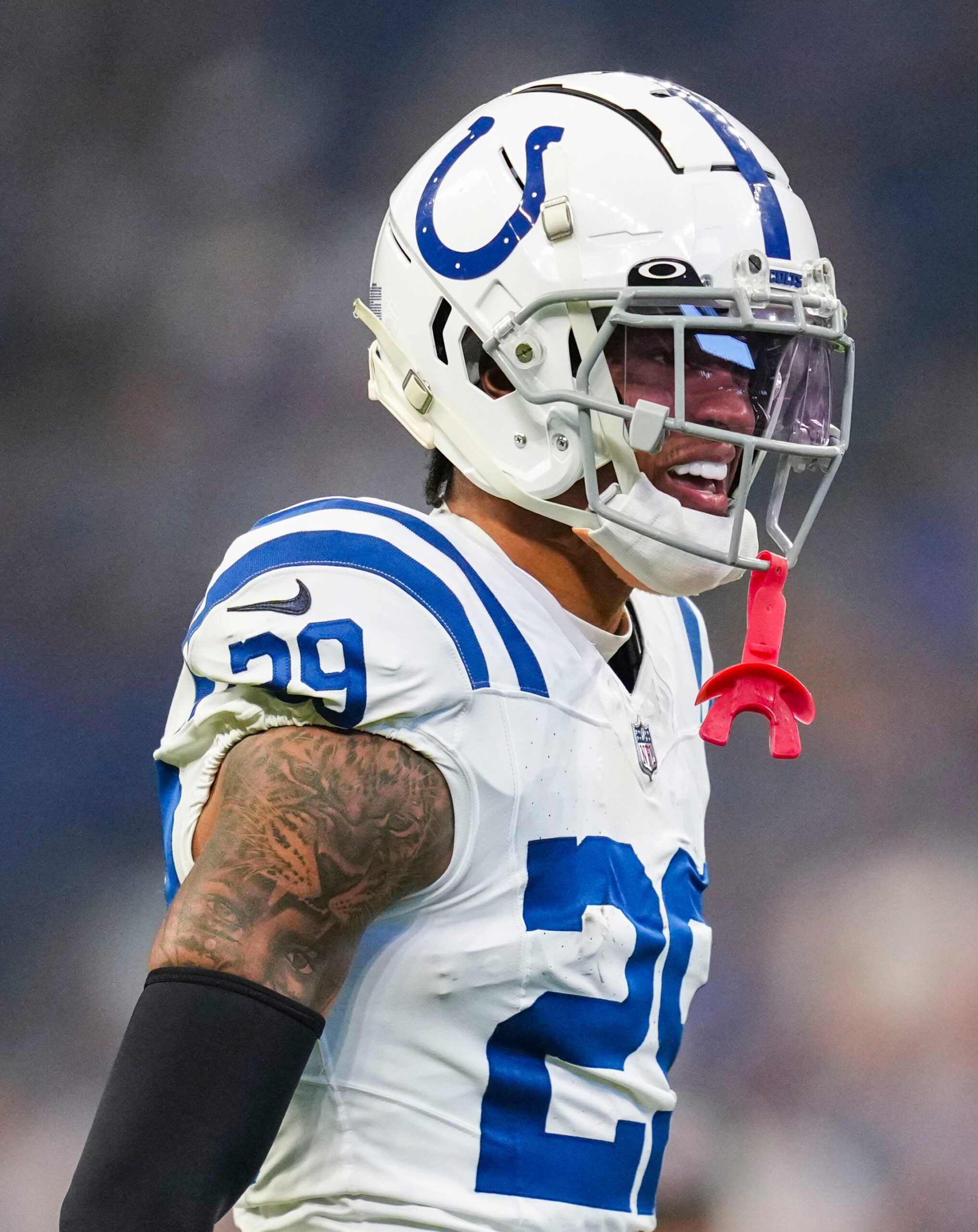 A knee injury will lead JuJu Brents to IR, and NFL.com’s Ian Rapoport reports the second-year cover man is expected to miss the rest of the season. The Colts took Brents in last year’s second round. Brents’ injury invites questions for the Colts, who had penciled him in as a starter while holding a competition for their CB2 role.
Brents played 62 snaps against the Texans, and while this injury represents his most significant NFL setback, the Kansas State alum has dealt with other maladies already in his young career. Brents missed eight games due to injury last season and suffered a broken nose during preseason play. He underwent cleanup ankle surgery this offseason.
As Brents was on track to start during the offseason program, the Colts pitted 2023 seventh-rounder Jaylon Jones and UDFA Dallis Flowers against each other for the other perimeter job. Jones won and started in Week 1. The Colts also claimed Samuel Womack off waivers from the 49ers. This led to the team cutting Darrell Baker, who started six games with Indianapolis last season. Baker landed with the Titans.
Flowers, who started all four games he played before suffering a season-ending Achilles tear last year, was a healthy scratch in Week 1. Womack played but did not see any time on defense. Chris Lammons saw 22 defensive snaps, giving the Colts another option. Though, it would not surprise to see a Colts team that struggled against the pass last season seek outside help.
Chris Ballard defiantly stuck to his homegrown roster-building strategy recently, but it was surprising to see the Colts not address the corner position in the draft. Brents represented the lead outside CB for Indianapolis, which waived Isaiah Rodgers following his gambling suspension last year. The Colts showed some flexibility here in 2023, signing Stephon Gilmore. The former Defensive Player of the Year signed with the Vikings recently, but Patrick Peterson and Xavien Howard remain available. Hit with a civil lawsuit this offseason, Howard was not believed to be on Indy’s radar previously.
Pro Football Focus graded Brents 66th among corners last season; the Colts drafted the Indianapolis native 44th overall. While Moore will man the slot, the Colts carry just four healthy corners (Jones, Womack, Flowers) on their active roster. Lammons played as a practice squad elevation in Week 1. Brents’ rookie contract runs through 2026.
Rams To Sign OLs Geron Christian, Ty Nsekhe, Dylan McMahon
Reminding of their 2022 situation, the Rams have run into considerable offensive line trouble early. As a result, they will turn to one of their patchwork solutions from 2022. Ty Nsekhe is re-signing with the team, according to his agency.
The Rams are signing both Nsekhe and Geron Christian. Both players have primarily functioned as tackles during their careers. Christian went to camp with the Titans this year but did not make their 53-man roster. Nsekhe joined Christian with the Browns last season. This will give Nsekhe a chance to play an age-39 season.
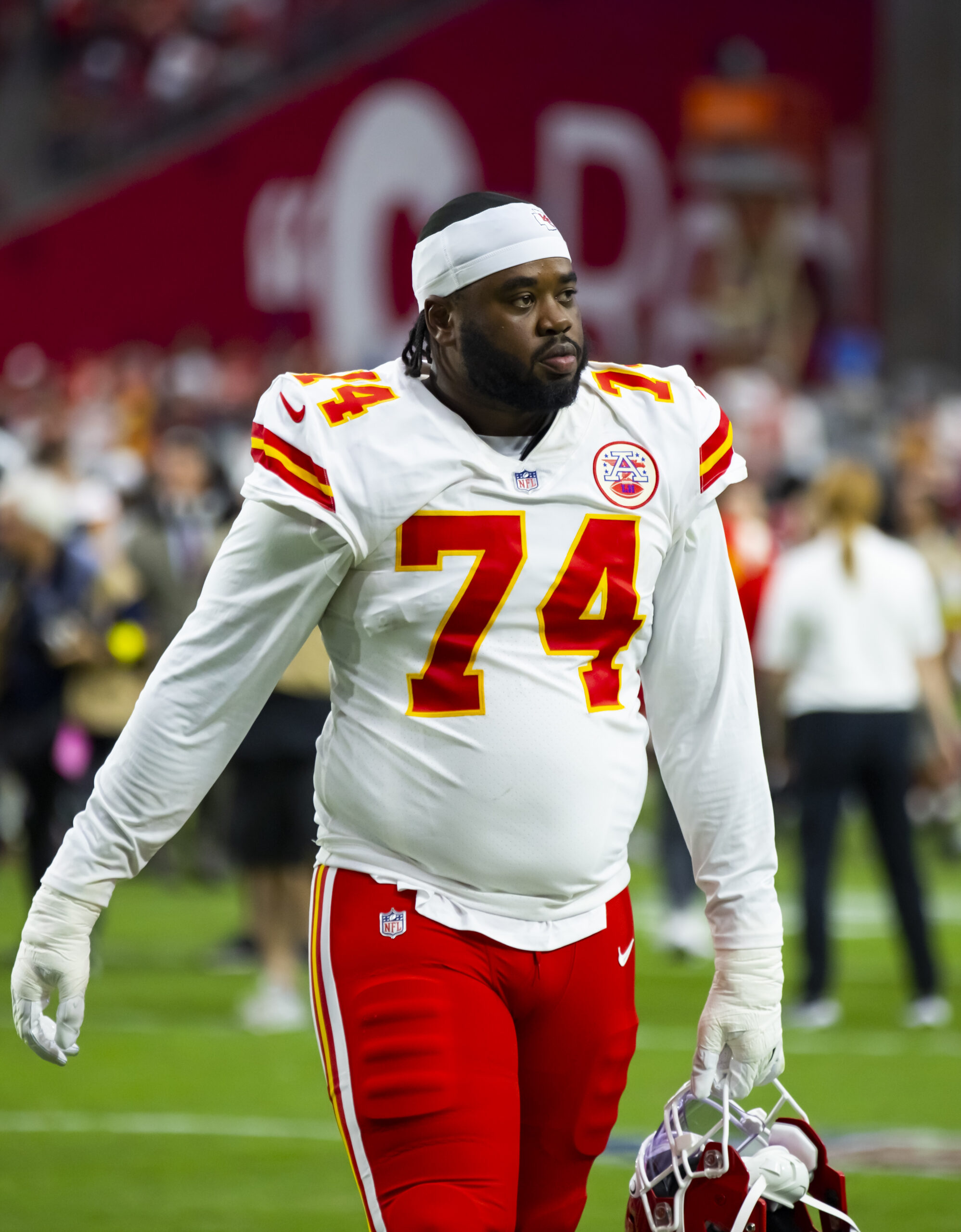 As Los Angeles navigates needs across its front, the team is also signing Dylan McMahon off the Eagles’ practice squad, per his agency. A rookie UDFA, McMahon must remain on L.A.’s active roster for at least three weeks, since the team is poaching him from another P-squad. It would stand to reason Nsekhe and Christian are joining the Rams’ taxi squad, perhaps in preparation for quick elevation due to the dire straits along with position group.
Already playing without suspended left tackle Alaric Jackson, the Rams were without longtime right tackle Rob Havenstein against the Lions. They then lost Steve Avila to an MCL sprain that appears likely to move him to IR. Joe Noteboom also went down during the game, summoning practice squad elevation AJ Arcuri into action. Kevin Dotson played throughout, but the team’s RG starter is dealing with a lateral ankle sprain.
Havenstein, who was not part of the injury brigade in 2022, missed the opener with an ankle injury. As it stands, the Rams have only Jonah Jackson in place as a healthy starter. And the four-year Lions LG, who has already moved from left guard to center back to LG since joining the Rams, missed the preseason due to injury. With backups heavily involved already, the Rams have some extra bodies coming in to work with the team in practice.
The Rams signed Nsekhe early in the 2022 season and used the journeyman as a eight-game starter. This will mark Nsekhe’s third stint with the Rams. He began his career as a member of the St. Louis Rams — in Les Snead‘s 2012 GM debut — but then wandered to Washington, Buffalo and Dallas. Nsekhe, who will turn 39 in October, played in two Browns games last season.
Christian, who turns 28 today, and Nsekhe — teammates in 2018 (Washington) and 2023 (Cleveland) — have each made 25 starts. Christian’s most recent game work came under Bill Callahan in Cleveland. The Browns, who lost their top three tackles last season, used Christian as their left tackle over the season’s second half.
NFC East Notes: Bland, Eagles, Giants
The Cowboys managed fine without DaRon Bland in Week 1, smothering Deshaun Watson‘s comeback effort. But the team has not gotten a chance to play Bland and Trevon Diggs together since September of last season. Bland’s IR-return designation leaves the 2023 All-Pro out of the picture until at least Week 5. While a late-August report suggested Bland could miss eight games due to the foot stress fracture he suffered, ESPN.com’s Jeremy Fowler notes the Cowboys are optimistic Bland will be ready to return when first eligible.
This would be welcome news for a Cowboys team that has seen each of its preferred top three corners sustain a significant injury since 2022. Jourdan Lewis suffered a career-threatening Lisfranc injury that season, and Diggs tore an ACL in September. The latter issue moved Bland from the slot to the boundary, leading to his record-breaking five-pick-six performance last season. The Cowboys used fifth-round rookie Caelen Carson as their starter alongside Diggs in Cleveland.
Here is the latest from the NFC East:
- Devin White‘s role will be one to monitor when he debuts for the Eagles. The free agency addition missed Week 1, with Nakobe Dean starting alongside Zack Baun. Dean and Baun served as Vic Fangio‘s LB regulars in the Brazil game, and while White should still have a role upon debuting, the Philadelphia Inquirer’s Jeff McLane notes Dean beat out the former Buccaneers top-five pick for a starting job. White was believed to be on track for a starting role before camp. The Eagles had planned for Dean to be their top linebacker last season, but two IR stints — because of a foot issue — changed that plan. Dean’s injury-plagued second season, after he backed up Kyzir White and T.J. Edwards as a rookie, led to the White and Baun signings. White is coming off a disappointing Bucs season, which ended with a reduced role. After previously aiming for a top-five ILB deal in 2023, White is on a one-year, $4MM contract.
- The Eagles lost four front office execs to assistant GM roles in 2022, leading Howie Roseman to rebuild his power structure. This resulted in both Alec Halaby and Jon Ferrari being elevated to the assistant GM role that had previously stood vacant despite the front office talent Roseman had stockpiled. Halaby interviewed for the Commanders and Panthers’ GM jobs during this year’s cycle, meeting about the Carolina gig twice. Ferrari should be expected to be summoned for GM meetings soon as well, The Athletic’s Jeff Howe notes (subscription required). Ferrari has been with the Eagles since 2016. Prior to the AGM bump, he worked mainly in the team’s compliance department.
- Both Nick McCloud and Gunner Olszewski are expected to miss time for the Giants. McCloud, who pushed for a starting cornerback spot in training camp, sustained a knee injury that could keep him out weeks, Fox Sports’ Ralph Vacchiano notes. Olszewski sustained a groin injury and will miss extensive time. Both players re-signed on one-year deals this offseason.
- Staying with the Giants, the team used 2023 third-rounder Jalin Hyatt as its No. 4 wide receiver in Week 1. Hyatt played only 16 snaps against the Vikings, with Vacchiano indicating the Tennessee alum is “clearly behind” the Malik Nabers–Wan’Dale Robinson–Darius Slayton trio. This could certainly change if the Giants considered a Slayton trade — which they did not during the offseason — but the deep threat played at least 16 snaps in 15 of his 17 rookie-year games.
- The Cowboys were among the teams to create cap space recently. They restructured Terence Steele‘s contract, per ESPN.com’s Field Yates. This update creates $4.5MM in cap space for the team, one that just agreed to the most lucrative deal in NFL history (Dak Prescott‘s four-year, $240MM extension).
- Josh Harris will work with Harris Blitzer Sports & Entertainment CEO Tad Brown in running the search for the team’s next president, the Washington Post’s Nicki Jhabvala tweets. The Commanders are searching for a successor to Jason Wright, who announced he will leave the post after the season.
Steelers Preparing For Justin Fields To Start In Week 2
Russell Wilson won the Steelers’ starting job after the preseason, but his return trip to Denver may feature street clothes or another full uniform and no game action.
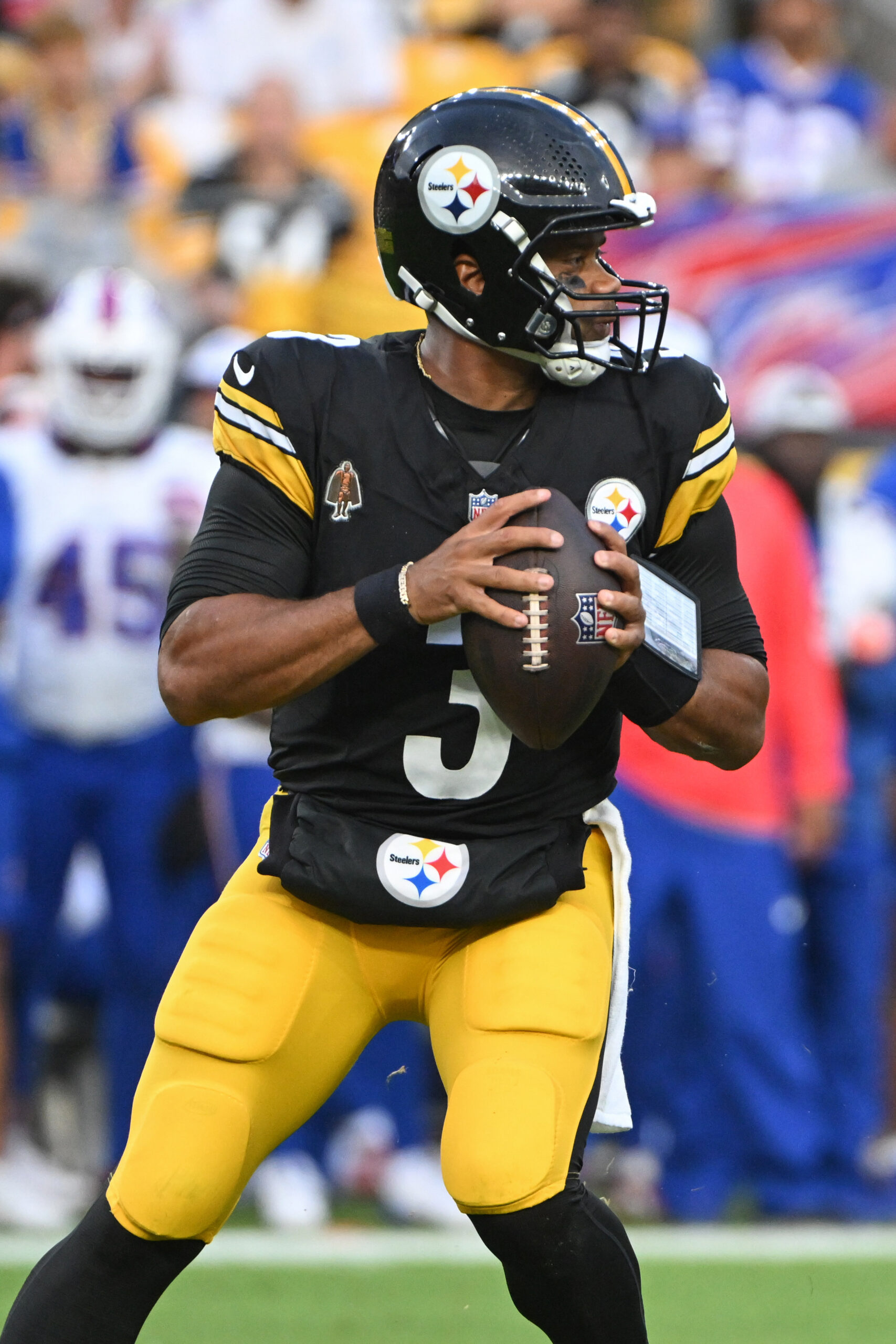 Mike Tomlin is preparing for Justin Fields to start against the Broncos, The Athletic’s Mike DeFabo notes. The 18th-year Steelers HC said Wilson, who aggravated his training camp calf injury last week, does not have a chance to practice fully until at least Thursday, per the Pittsburgh Post-Gazette’s Gerry Dulac. Wilson is set to be limited Wednesday, which does keep the door open to a return.
Wilson is feeling better, Tomlin added, but the Steelers — having seen the free agent signing’s calf problem recur — are again leaning toward exercising caution. Wilson still suited up for Pittsburgh’s opener in Atlanta, and given his recent past, he will undoubtedly push to play in Week 2. The Broncos released Wilson after two years, doing so after demoting him — due largely to an injury guarantee in his contract — in Week 17.
Although no Steelers touchdowns occurred in their 18-10 win over the Falcons, Fields completed 17 of 23 passes for 156 yards while rushing for 57. Fields closed the gap on Wilson, despite frequent pole position-related classifications of the Steelers’ QB race this offseason, after the latter’s injury during training camp and would stand to help his case to be Pittsburgh’s full-time starter by playing well in Week 2.
The trade acquisition has not usurped Wilson just yet, Tomlin added (via ESPN.com’s Brooke Pryor), though SI.com’s Albert Breer indicates plenty in the building are excited to see how Fields builds on his first start. This comes after a report that pointed to Fields having significant support in the QB battle from sources at the Steelers’ facility.
More Fields reps may well hurt Wilson’s cause, and although rumors about the Steelers being interested in post-2024 partnerships with both passers, this will probably be the only season Wilson and Fields are teammates. The Broncos benched Wilson largely due to contract concerns; he has never been parked strictly for performance issues. Wilson, 35, had never missed a game until 2021; a finger injury sidelined him then. In 2022, however, Wilson gave way to Brett Rypien twice — because of a hamstring injury and a concussion.
The Broncos moved on via their Bo Nix draft choice at No. 12 overall. Wilson still counts a record-smashing $53MM in dead money on Denver’s payroll, with more than $30MM in Wilson funds — from a post-June 1 cut — to be on the Broncos’ 2025 cap sheet.
Offseason In Review: San Francisco 49ers
As we reach the end of this year’s Offseason In Review journey, the defending NFC champions — who played the lead role in churning out summer content — close the show. After coming closer to winning a championship without actually doing so than anyone in the Super Bowl era, the 49ers completed a busy offseason.
Extensions and reworkings, one after an endless rumor spree that involved a handful of other teams, dominated a San Francisco offseason that also featured a key coaching change. Here is how the 2023 runners-up went about assembling their latest Super Bowl contender.
Extensions and restructures:
- Reached four-year, $120MM extension ($45MM guaranteed) with WR Brandon Aiyuk
- Finalized two-year, $38MM extension ($24MM guaranteed) with RB Christian McCaffrey
- Agreed to reworked three-year, $82.66MM contract ($26.9MM guaranteed) with T Trent Williams
- Hammered out two-year, $15.39MM extension ($8.44MM guaranteed) with WR Jauan Jennings
- Agreed to one-year, $5.85MM extension ($4.54MM guaranteed) with RT Colton McKivitz
- Extended S George Odum at three years, $7.5MM ($3.58MM guaranteed)
- Restructured WR Deebo Samuel‘s deal, creating $16.4MM in cap room
- Restructured TE George Kittle‘s contract, creating $9.75MM in cap space
- Gave FB Kyle Juszczyk pay cut, creating nearly $4MM in cap room
Amid the 49ers’ months-long Aiyuk odyssey, they rewarded the game’s most dynamic running back. As RB salaries stagnated ahead of a 2023 crisis point at the position, this year brought some relief for the market. Saquon Barkley secured $26MM fully guaranteed to top all backs. No player had approached McCaffrey’s $16MM-per-year AAV, however; that number topped position since the Panthers signed off on it in April 2020. But McCaffrey’s deal had paid out its guarantees ahead of the All-Pro’s age-28 season. The 49ers soon took care of the 2022 trade acquisition, raising the RB ceiling with a number unlikely to be approached in the near future.
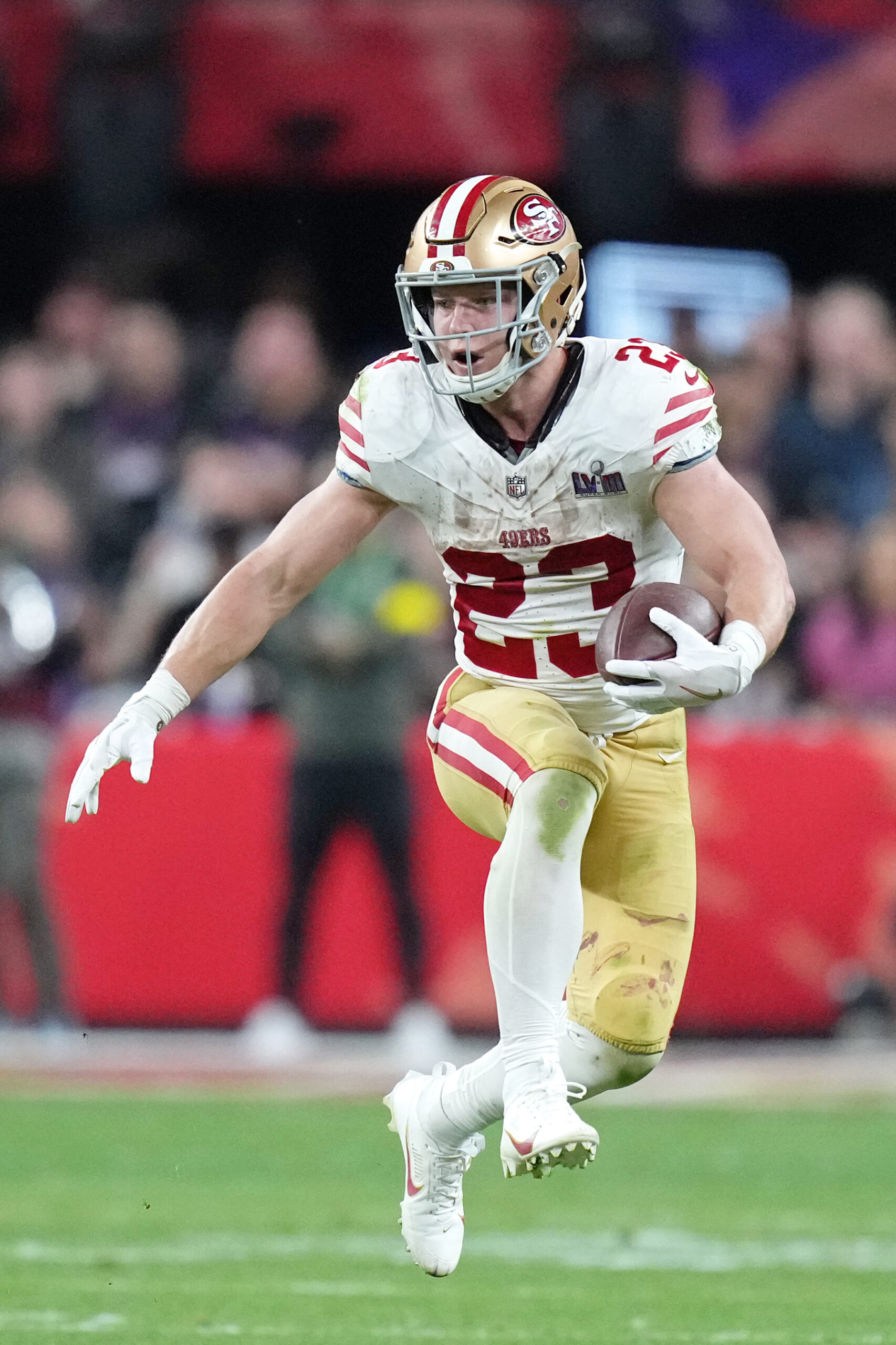 McCaffrey now holds the RB AAV lead by $4MM, and his $24MM at signing trails only Barkley. Of course, CMC already played four seasons on the deal he inked with the Panthers to set himself up well despite playing a position with a notoriously short career span.
The second-generation NFLer proved a perfect fit in Kyle Shanahan‘s offense, giving Brock Purdy an unmatched backfield weapon as he began his QB1 run. The 49ers beat out the Rams by sending second-, third-, fourth- and fifth-round picks for McCaffrey and saw tremendous return on investment last year, when the former top-10 draftee soared to Offensive Player of the Year acclaim.
McCaffrey’s rushing title (1,459 yards) was the franchise’s first since Hall of Famer Joe Perry in 1954, and the OPOY’s 21 total touchdowns led the league despite the 49ers resting him in Week 18. McCaffrey’s workload (1,806 career touches) and Carolina injury history certainly bring concerns entering Year 8, but he has shown the value a top-tier RB can provide a team and did well to secure money through 2025.
Although the deal runs through the 2027 season, it becomes a pay-as-you-go pact beyond 2025. It would cost the 49ers $12.8MM to move on from McCaffrey in 2026, but even if that happens, this will still be considered a successful partnership. The 49ers had kept RB costs low since their 2018 Jerick McKinnon deal did not pan out, but they will hope to again lean on the game’s most expensive ball-carrier as they attempt to win their first Super Bowl in 30 years.
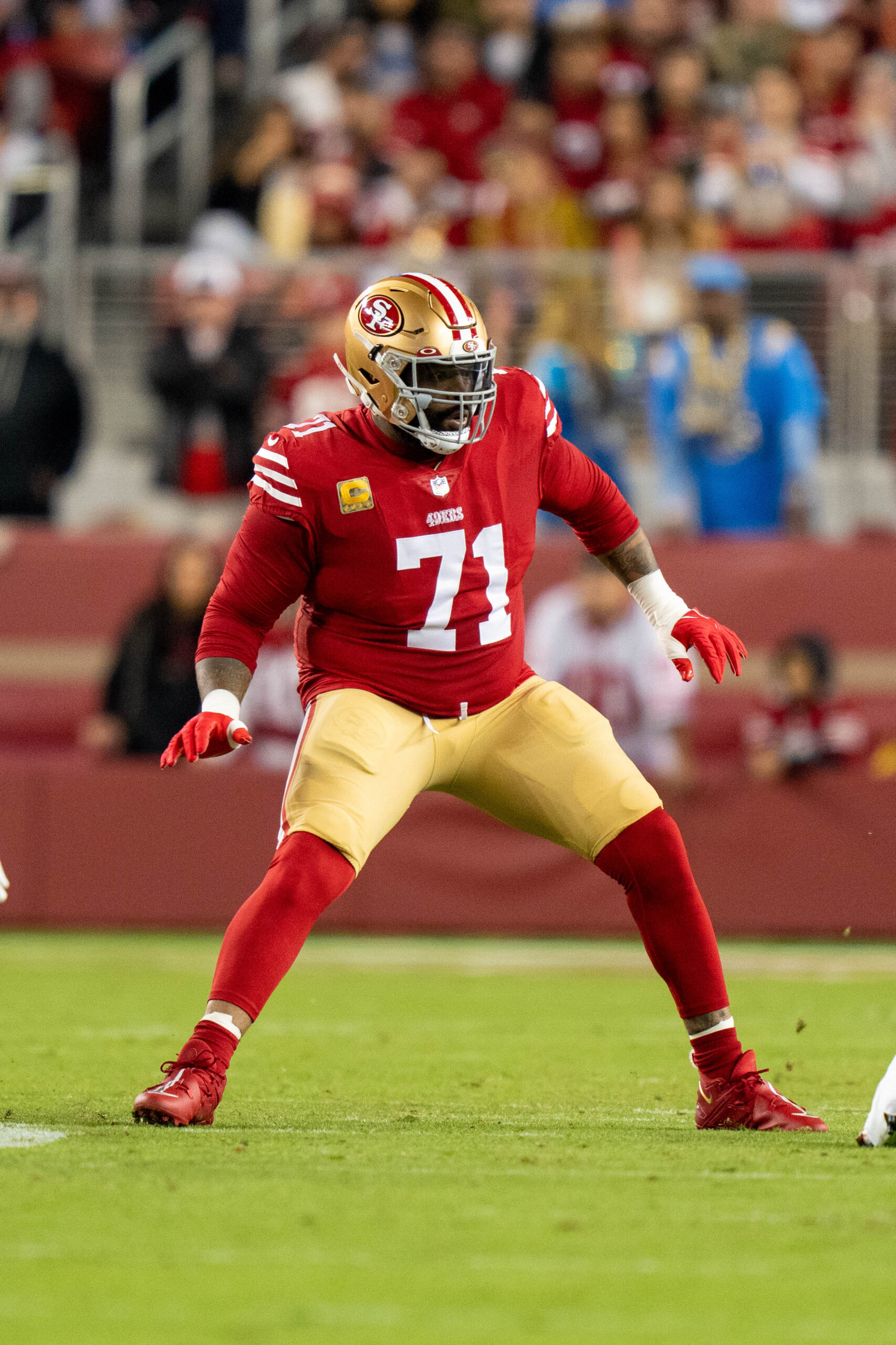 This payment may well have provided a push for Williams to act regarding his contract, as he is by far the top player blocking for McCaffrey. The 49ers have constructed an offensive line that features only Williams tied to a deal worth more than $6MM per year, leaving the door open to this holdout due to the value the perennial All-Pro left tackle provides. A rumor about a potential Williams contract squabble surfaced in June, and the decorated blocker indeed followed through on an attempt to seek an update midway through his six-year deal.
Williams, 36, signed a six-year, $138MM contract in 2021, as the 49ers beat out the Chiefs to re-sign a player who would secure Hall of Fame entry on this contract. The former Washington top-five pick, a first-team All-Pro each year from 2021-23, had played out the guarantees on his contract. Despite the 49ers controlling Williams through 2026, they were dealing with a player who had already displayed conviction via his 2019 Washington standoff — one that ultimately keyed a 2020 trade to San Francisco. The 49ers’ O-line construction also brings Williams dependance, a blueprint reflected in the team’s 0-2 record without its stalwart LT last season.
Between missed practices and preseason games, this holdout cost Williams $5.39MM to wage. Although the CBA prevented the 49ers from waiving Williams’ fines like they did for Nick Bosa (due to the former being on a veteran contract), the holdout probably proved worthwhile for the 15th-year veteran. Williams’ updated deal added no new years but made him the NFL’s highest-paid tackle once again ($27.55MM per year) and made it nearly impossible for the 49ers to move on until at least 2026. Even then, the penalty would now be steep ($35.7MM).
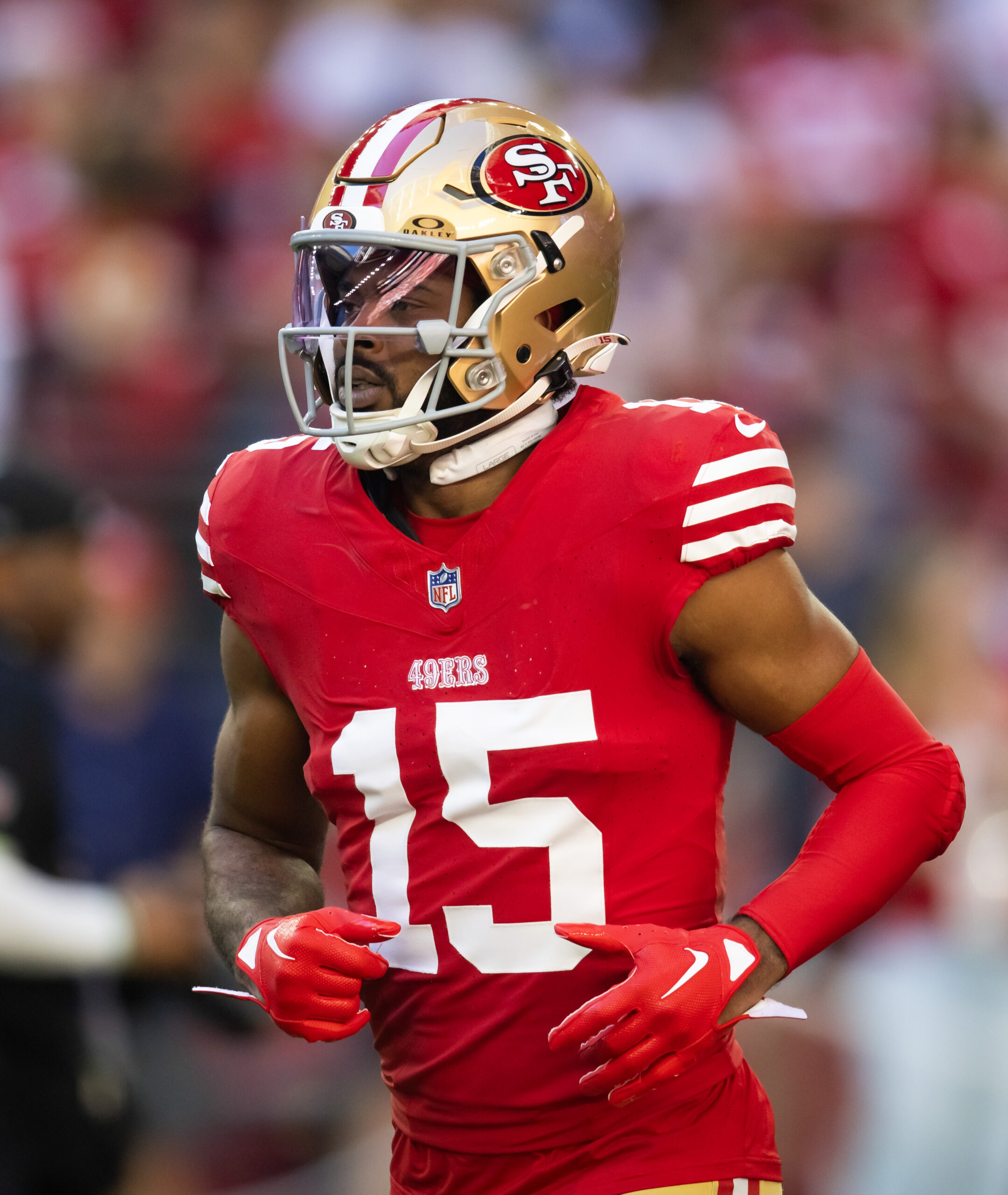 With Williams confirming late last season he was not planning to retire, the 49ers will show faith he can deliver multiple additional seasons. With one more Pro Bowl nod, Williams — an 11-time Pro Bowler — can set the NFL tackle record.
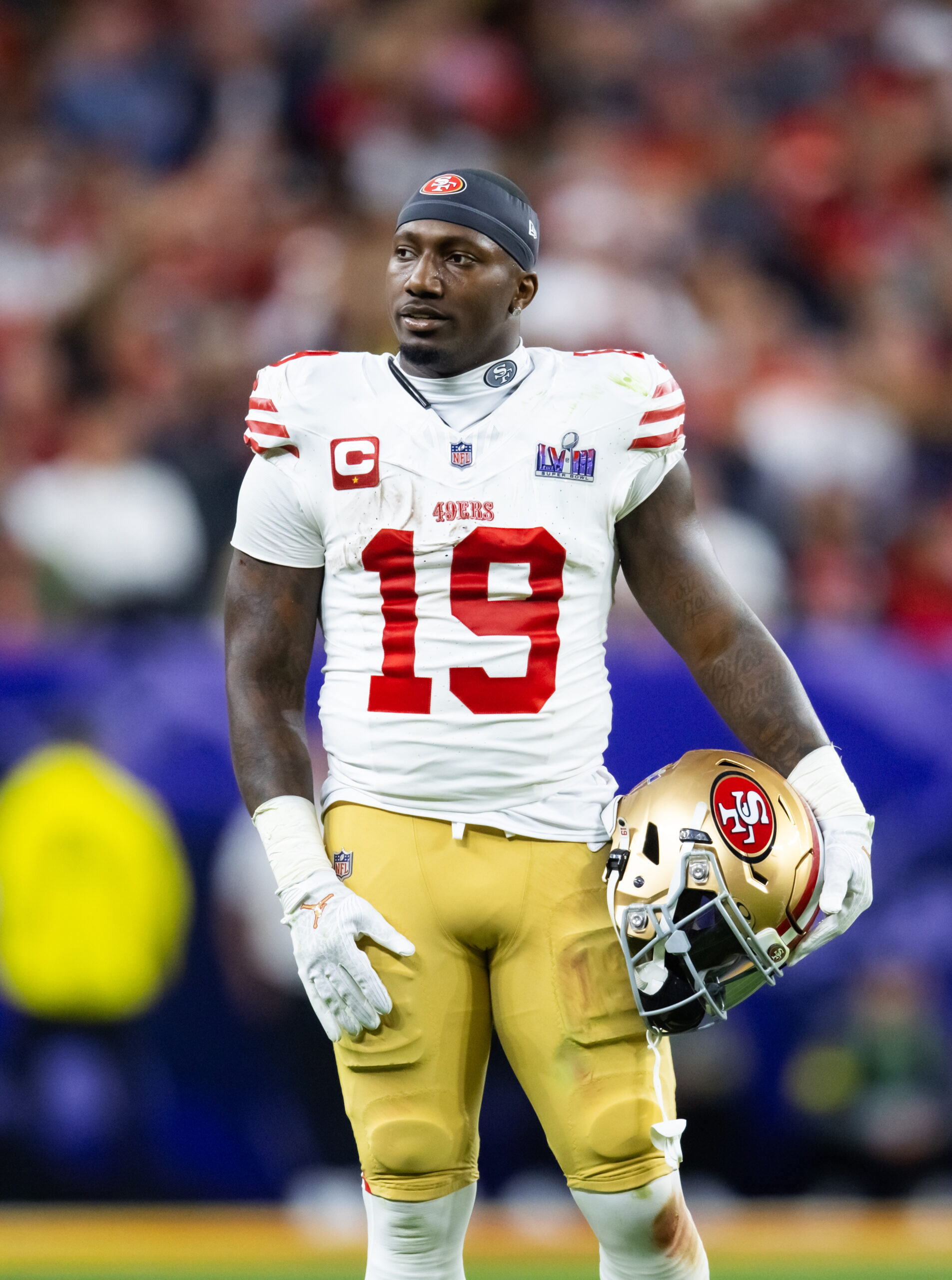
Jennings’ agreement pointed to the 49ers splitting up their Aiyuk-Deebo Samuel pair in 2025, and with Aiyuk finally signed, Samuel trade rumors probably are not far away. A former seventh-round pick, Jennings has delivered strong value. The team attempted to replace Jennings with third-rounder Danny Gray, but Jennings has proven important in more ways than one. The ex-quarterback caught and threw a TD pass in Super Bowl LVIII, coming after a 361-snap season, and PFF rated him as the NFL’s third-best run-blocking receiver in 2023.
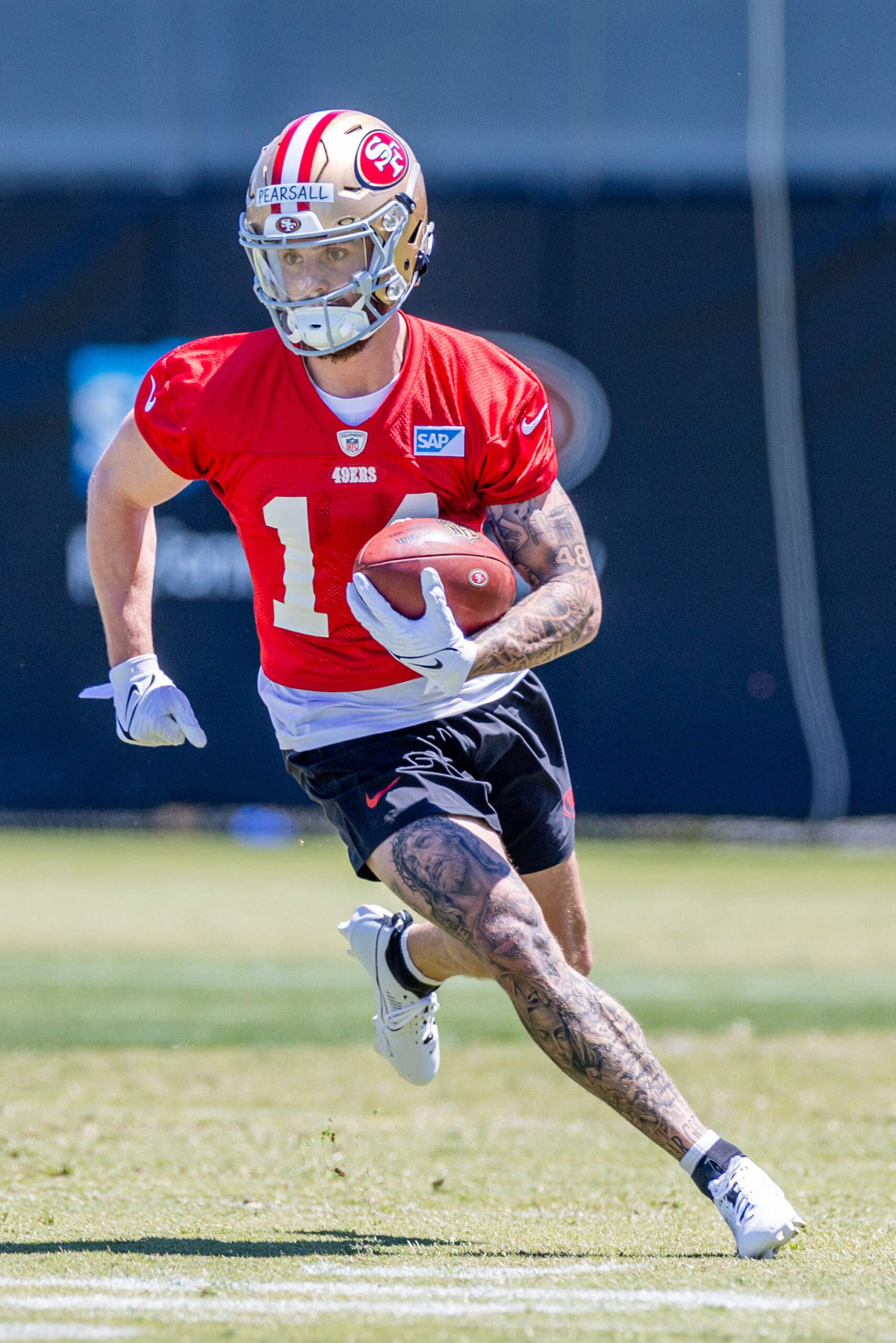
Previously given a second-round RFA tender, the 27-year-old role player is signed through 2025. He rounds out a deep receiving corps, should first-rounder Ricky Pearsall eventually factor into this season’s equation. Of course, this was a footnote compared to the next notable WR transaction the 49ers completed.
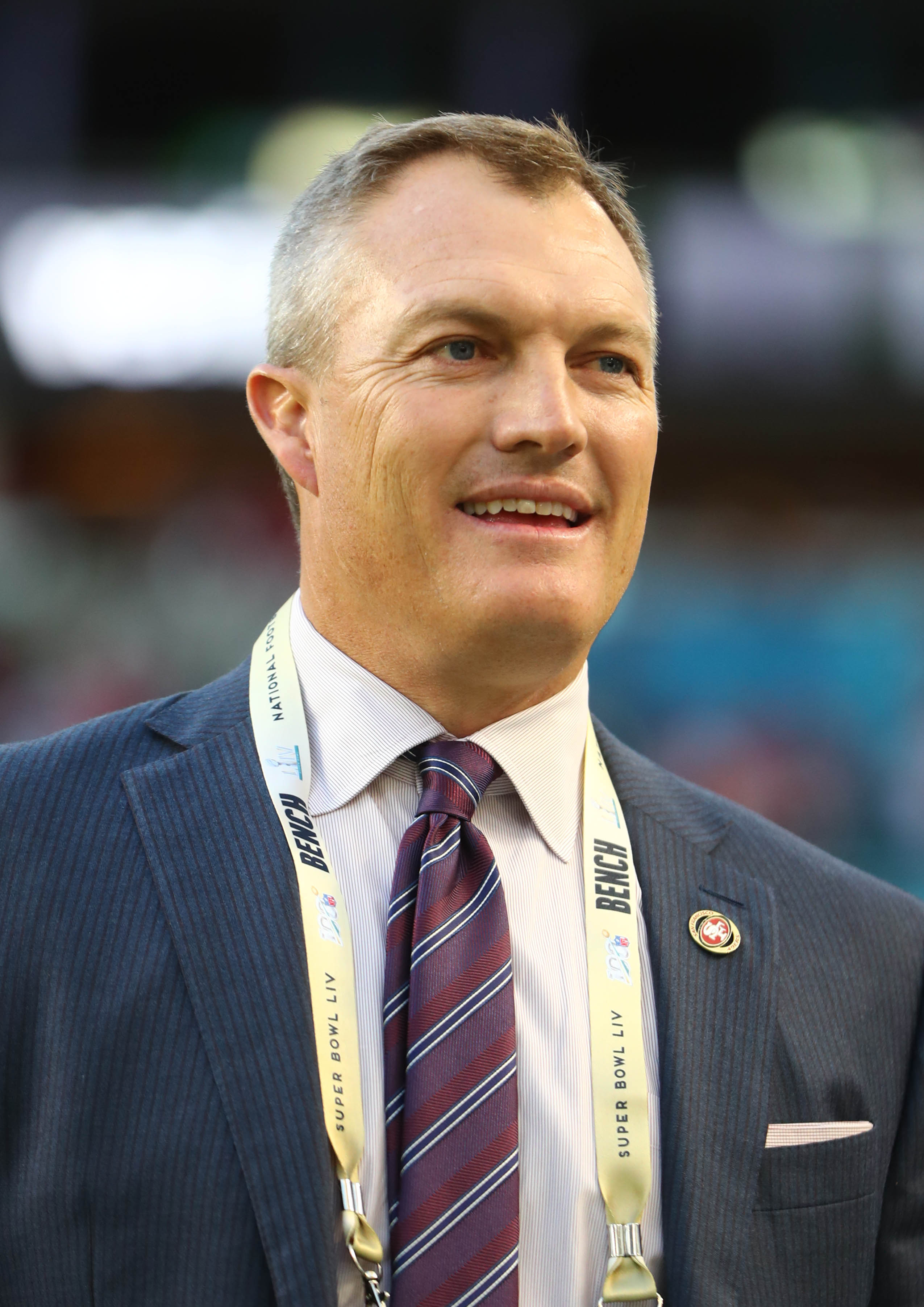
John Lynch said in February an Aiyuk extension would present challenges; this proved a good synopsis for the action-packed negotiations ahead. Discussions began in late March, but no movement between the parties occurred for months. This produced countless rumors about Aiyuk’s price points — in terms of AAV and guarantees — and invited other teams to inquire. Trade talks did not become serious until training camp, though the 49ers — as they did with Samuel during his 2022 impasse — discussed Aiyuk with teams during the draft. San Francisco wanted a mid-first-round pick for the second-team All-Pro; no team made such an offer, and by summer’s end, no team ultimately would.
 During the sides’ negotiations, the wideout market shifted. When the parties began talking, one receiver was tied to a deal north of $30MM per year (Tyreek Hill). Amon-Ra St. Brown and A.J. Brown joined that club in April, and Justin Jefferson reset the market in late May. CeeDee Lamb used the Jefferson deal to secure monster terms from the Cowboys following a holdout. The top two contracts on the market did not affect Aiyuk too closely, but the position’s ceiling rising as it did inflated asking prices for players not quite on that level. The Dolphins and Eagles respectively paying Jaylen Waddle ($28.25MM per year, $76MM guaranteed) and DeVonta Smith ($25MM AAV, $69.99MM guaranteed) shaped the Aiyuk talks as well.
These deals did not convince the 49ers to change their Aiyuk view for months; the team stood at a price between $26-$27MM per year until training camp. Aiyuk had aimed to land St. Brown-level money and targeted guarantees in the Brown range ($84MM). An ascending player, the 26-year-old talent still exited the 2023 season 17th in receiving yards in the 2020s. Aiyuk’s surface-level stats brought scrutiny regarding his demands.
The 2020 first-round pick, however, displayed high-end efficiency last season. His 1,342-yard year came on just 105 targets in the 49ers’ well-balanced offense. Aiyuk’s 3.01 yards per route run ranked third in the NFL last year, and his camp undoubtedly parlayed this efficiency — along with Aiyuk’s importance to a championship contender — into the late-August windfall.
Before reaching the finish line, the 49ers let Aiyuk shop around. Had he wanted to merely take the best deal, the Patriots (at $32MM per year, with Kendrick Bourne potentially coming back to San Francisco) may have been the trade partner. But Aiyuk did not want to be dealt to New England or Cleveland, the latter offering $30MM per and submitting an interesting package involving contract-year WR Amari Cooper along with second- and fifth-round picks. Although Aiyuk would have welcomed being dealt to the Commanders and reuniting with college teammate Jayden Daniels, they were not especially interested.
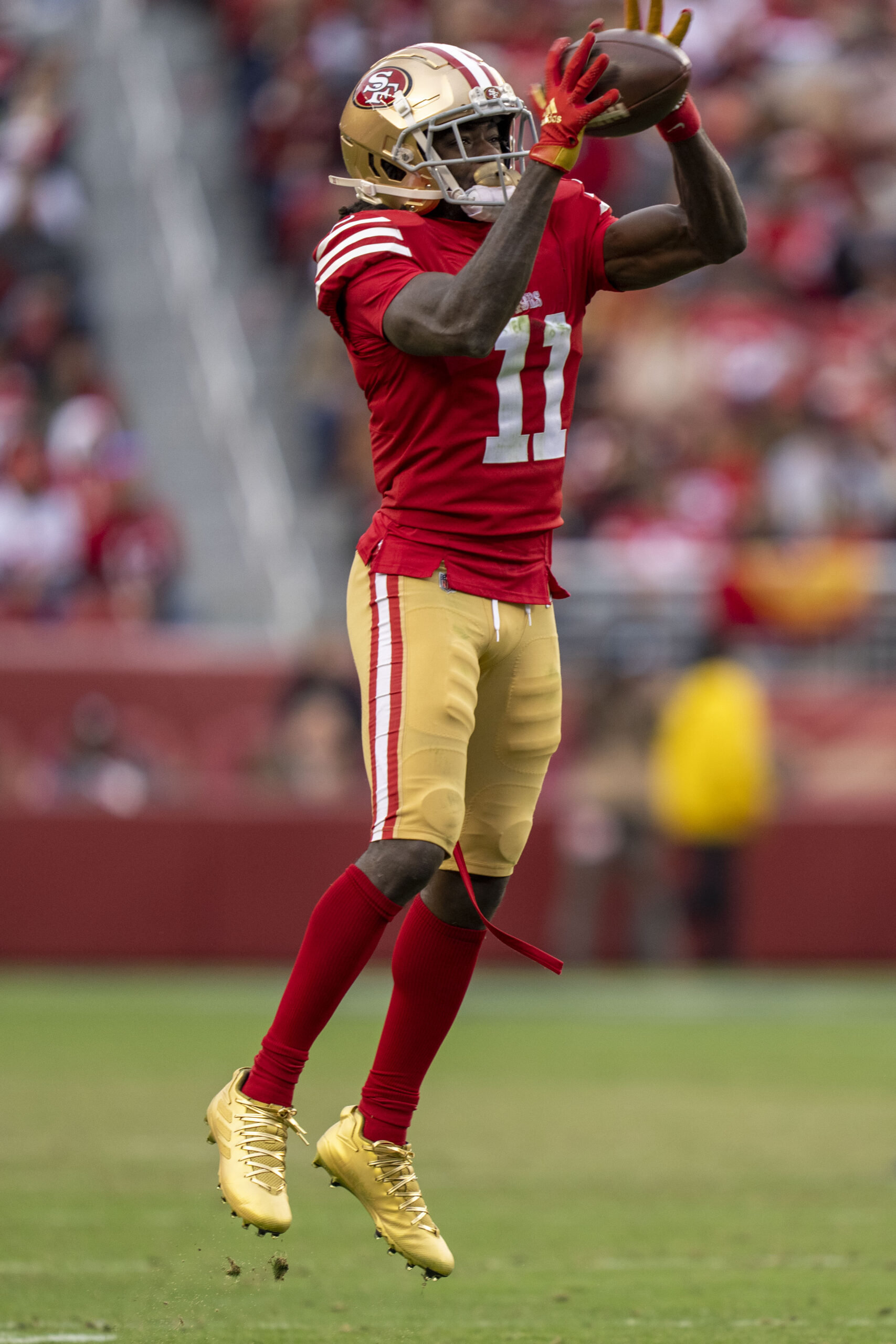 The Steelers — an Aiyuk draw largely due to Mike Tomlin‘s presence — became the “what if?” team, but their trade and extension offers underwhelmed both the 49ers and Aiyuk. Trade framework ultimately emerged, but the underwhelming proposals ended up bringing Aiyuk back to the table with the 49ers, who again turned a WR trade request into a summer extension. Of course, it took San Francisco upping its offer to $30MM per.
Pittsburgh not having a comparable receiver to trade for Aiyuk hurt its cause, leading San Francisco to contact other teams about what would have essentially been a three-team trade. Most notably, they offered the Broncos a third-rounder for Courtland Sutton. The Steelers offered second- and third-round picks for Aiyuk, but the 49ers being unable to flip the third they would have obtained for Sutton helped keep Aiyuk in the fold. Sitting on the same extension offer for two-plus weeks, Aiyuk accepted and is now the NFL’s sixth $30MM-per-year receiver.
Considering how difficult it would have been for the 49ers to replace their top outside receiver at this juncture, a late-summer trade never made much sense. Had the 49ers been rebuilding and determined to obtain the most value, Aiyuk is probably in the AFC now. For one more season at least, the 49ers’ four-All-Pro skill-position setup — which includes Samuel and George Kittle on through-2025 contracts — is intact. A likely Purdy 2025 extension threatens to split up the quartet after this season.
Free agency additions:
- Leonard Floyd, DE. Two years, $20MM ($12MM guaranteed)
- Yetur Gross-Matos, DE. Two years, $18MM ($9.39MM guaranteed)
- De’Vondre Campbell, LB. One year, $5MM ($4.56MM guaranteed)
- Jordan Elliott, DT. Two years, $7MM ($2.33MM guaranteed)
- Joshua Dobbs, QB. One year, $2.25MM ($2.25MM guaranteed)
- Isaac Yiadom, CB. One year, $3MM ($1.38MM guaranteed)
- Rock Ya-Sin, CB. One year, $1.19MM
- Brandon Parker, T. One year, $1.13MM
- Eric Saubert, TE. One year, $1.13MM
- Tracy Walker, S. Practice squad
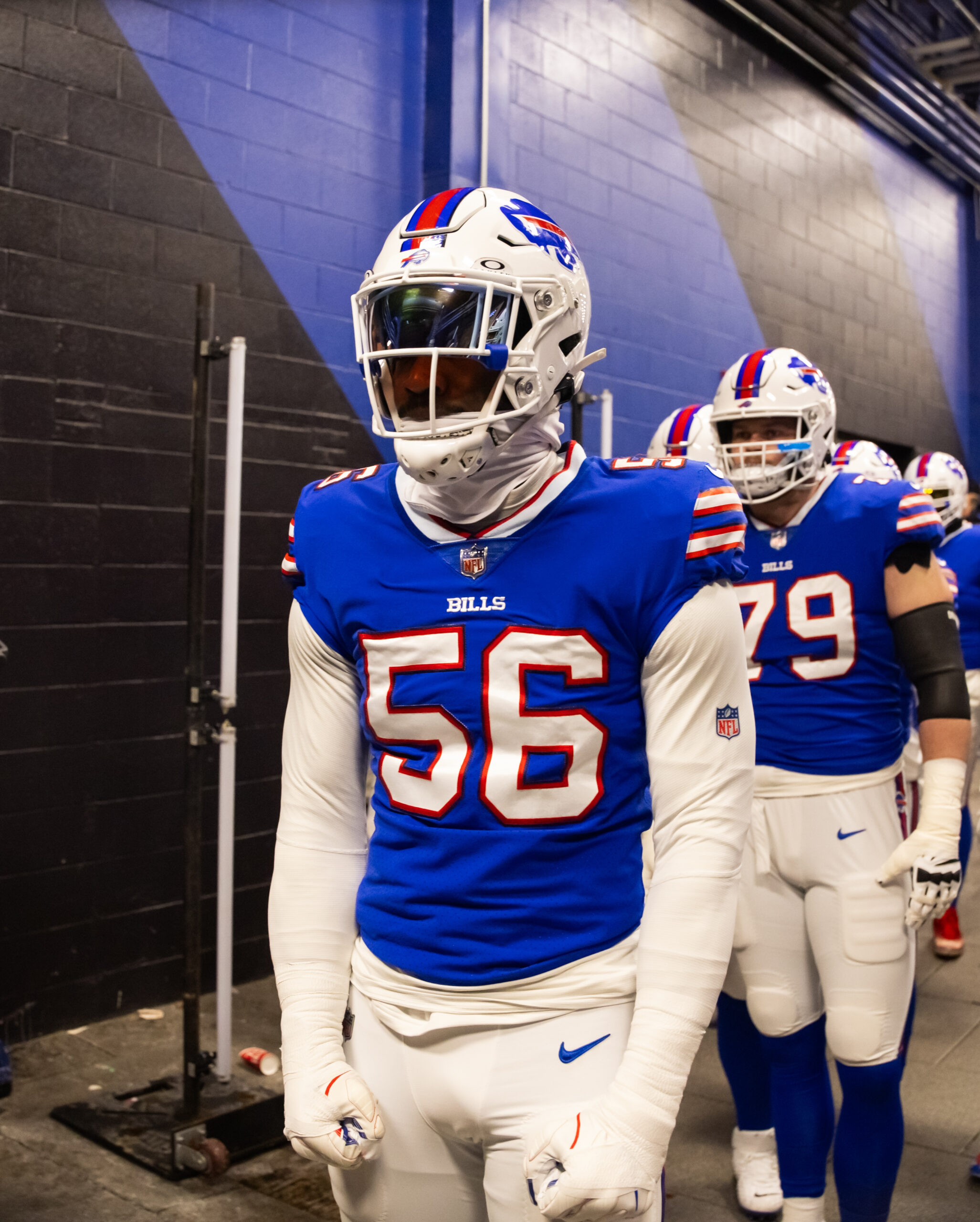 These signings seem like they occurred years ago, as the 49ers’ holdover contracts overshadowed their outside additions. But Floyd represents a key piece for a team that carried far less proven edge rushers opposite Bosa for a multiyear stretch. After washing out with the Bears, Floyd revitalized his career alongside Aaron Donald. Floyd’s Bills work, however, showed he was not merely a Donald creation.
The former top-10 Chicago pick matched his career high with 10.5 sacks last season, becoming a vital defender for a Bills team that did not see Von Miller display his 2022 form after a second ACL tear. Given a one-year, $7MM Buffalo deal, Floyd anchored the AFC East champs’ pass rush. He is in San Francisco due to an assist from offseason hire Brandon Staley, the ex-Rams DC who pushed for a reunion.
Floyd, who turned 32 on Sunday, has been one of the 2020s’ most consistent rushers. He has totaled between nine and 10.5 sacks in each of the past four seasons and tallied between 18 and 22 QB hits each year this decade. Teaming with Bosa and highly regarded D-line coach Kris Kocurek should allow Floyd to continue producing at this level.

Offseason In Review: Dallas Cowboys
Perhaps the worst letdown in a string of Cowboys playoff misfortunes caused Jerry Jones to make Mike McCarthy a rare lame-duck HC and stall on a Dak Prescott extension. The longtime owner received steady criticism for letting the Prescott and CeeDee Lamb situations fester throughout the offseason, one that otherwise featured few veteran augmentations.
Rookies became needed to fill holes along Dallas’ offensive line, and constant questions about how the team plans to assemble a backfield came out. As usual, however, the Cowboys kept it interesting as they remain on the job of trying to end a near-30-year NFC championship game drought.
Extensions and restructures:
- Reached four-year, $136MM extension ($67MM guaranteed) with WR CeeDee Lamb
- Restructured QB Dak Prescott‘s contract, creating $4MM in cap space
- Restructured G Zack Martin‘s deal, creating nearly $13MM in cap space
With Micah Parsons under contract through 2025 via the fifth-year option, the Cowboys’ three-headed contract quagmire became a Lamb-Prescott matter as this offseason progressed. In Cowboys fashion, negotiations with each generated numerous headlines. One holdout ensued. But the team did reach a resolution with one of the two standouts, moving first to pay Lamb after his first-team All-Pro season.
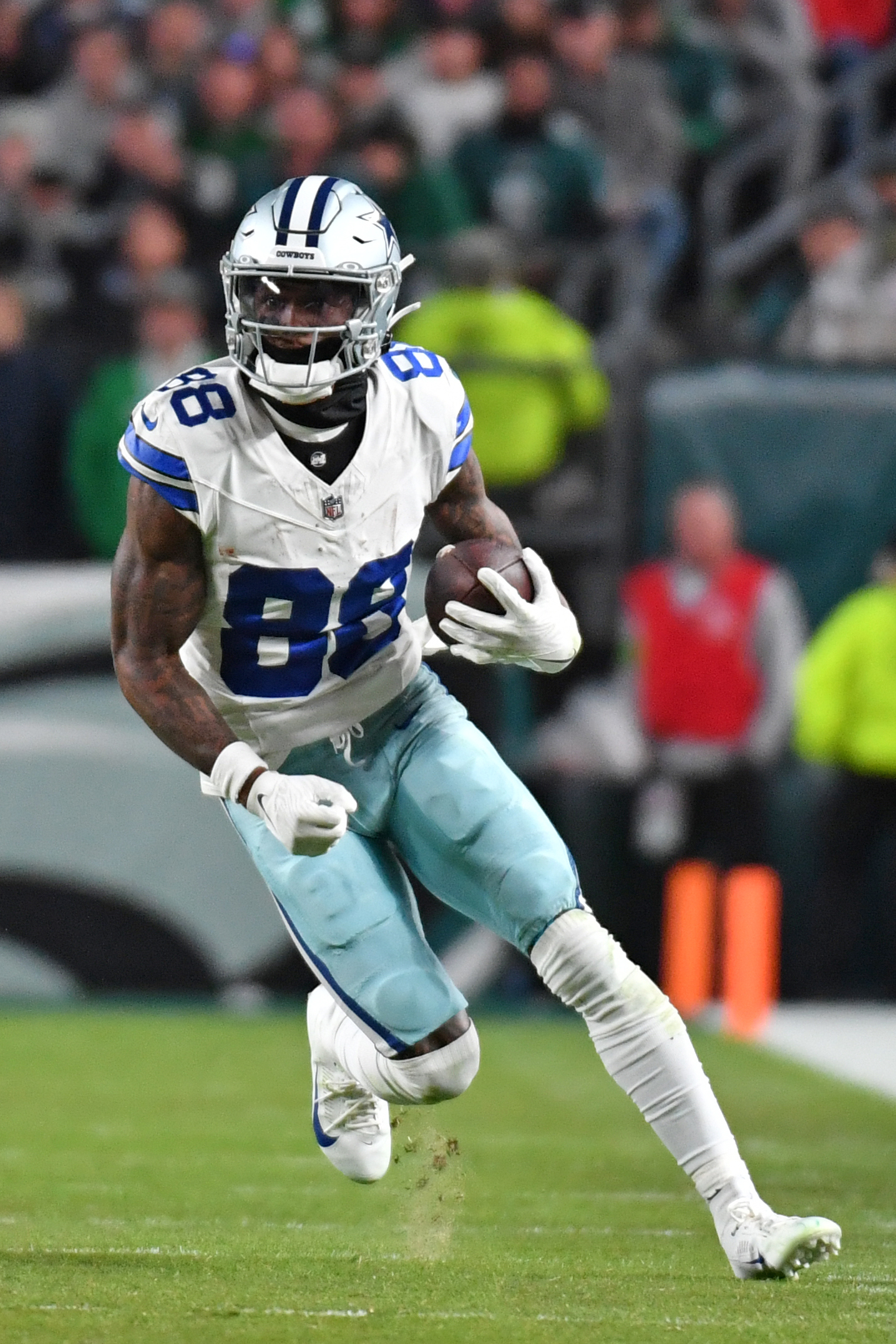 Shifting to the Cowboys’ go-to performer after the 2022 Amari Cooper trade, Lamb led the NFL in receptions last season and broke Michael Irvin‘s single-season records for catches and yards by tallying 135 grabs and 1,749 yards. Serious extension talks did not pick up until training camp. Lamb surfaced as an extension candidate in 2023, and it would have been cheaper to extend him then. Per COO Stephen Jones, Lamb was not interested in an extension in 2023. Whatever the case may be, the 25-year-old wideout enhanced his value by both dominating in 2023 and waiting for other receivers to move the market well past $30MM per year.
Exiting the 2023 offseason, only Tyreek Hill had secured a $30MM-per-year deal at wide receiver. Hill’s pact also deceived, as a phony final-year salary propped up the AAV. Lamb and Justin Jefferson sought legit structures, and by the time Dallas’ WR1 came to the table, three other wideouts — Jefferson, A.J. Brown, Amon-Ra St. Brown — had moved past $30MM per annum. Jefferson’s $35MM-per-year deal that included $110MM guaranteed and $88.7MM guaranteed at signing played the biggest role in Lamb negotiations, just as it has in Ja’Marr Chase‘s Bengals talks.
Stephen Jones initially said Lamb was seeking to become the NFL’s highest-paid non-QB, topping Jefferson, but quickly retracted it. Jerry Jones then said the team was not operating urgently with Lamb before backtracking, after Lamb took issue with the owner’s situational assessment. The Cowboys submitted a few offers to Lamb, initially coming in below $33MM per year and then moving between $33-$34MM on average before finally reaching $34MM per.
 The Vikings’ landmark deal reset the WR guarantee market, and this booming market did not feature the kind of deals the Cowboys typically work out. Dallas has long preferred lengthier contracts — spanning at least five years — but receivers in recent offseasons had opted for three- and four-year extensions. Dallas both bent on term length, guarantees and eventually AAV.
After previously never giving a wideout more than $60MM guaranteed, the Cowboys rewarded Lamb — after a weeks-long holdout — with $100MM locked in and $67MM at signing. Those numbers placed the 2020 first-rounder comfortably in second at the position.
As many big-ticket extensions now feature, a rolling guarantee structure offers Lamb year-out protection. His 2026 base salary ($25MM) shifts from an injury guarantee to a full guarantee in March 2025. Another $7MM for 2027 will shift from an injury guarantee to locked-in cash in 2026. The Cowboys used four void years packed with option bonuses to spread out Lamb’s cap hits; the extension saved the team more than $10MM in 2024 cap space.
[RELATED: Prescott Agreed To Four-Year, $240MM Extension On Sunday]
The Lamb holdout merely stood as a high-end undercard to Prescott’s main event. Dallas took this process to the wire — ahead of a soft Week 1 deadline — and is heading into rocky terrain with their ninth-year starter. After a rumor circulated indicating the Cowboys would be OK letting Prescott hit free agency next year, the team pushed back on it by insisting it wants to extend the former fourth-round find. Both team and player initially said a contract did not have to be done by Week 1, but Prescott later added that “it says a lot if it is or it isn’t.” This situation ran late into Saturday night, but Dak remains on the four-year, $160MM contract he signed in March 2021. As it stands, he is months from being one of the most coveted targets in free agency history.
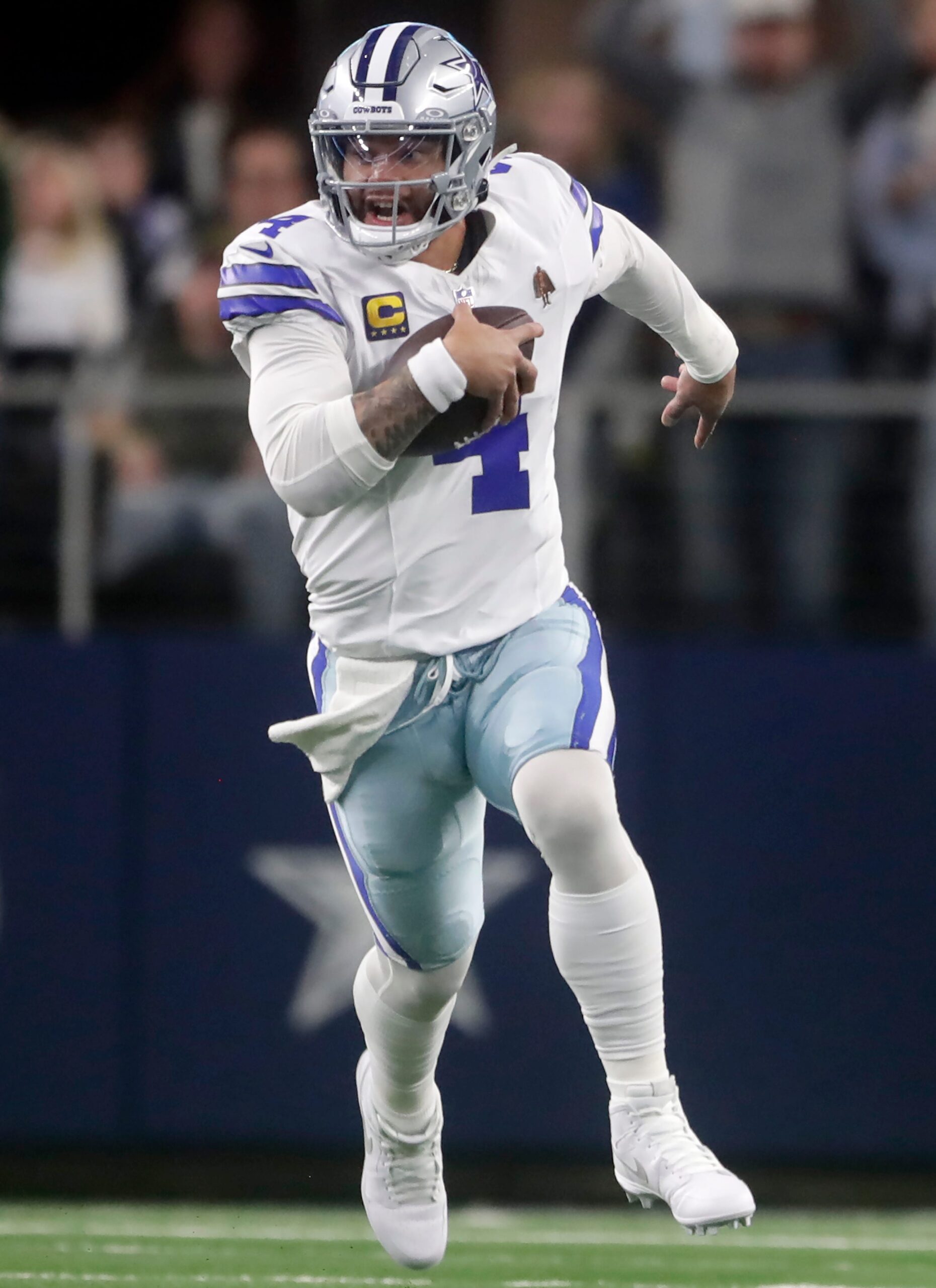 The Cowboys are battling uphill against their quarterback, having given him extraordinary leverage thanks to a three-offseason negotiation that afforded the QB no-trade and no-franchise tag clauses. Dallas later completed multiple restructures, ballooning Prescott’s 2024 cap hit to $55.13MM and creating a $40.13MM dead money hit — thanks to void years — if he is not extended by the start of the 2025 league year.
Unless the 30-year-old passer receives a monster offer — the $60MM-per-year number has come up often — there is no reason for him to pass on approaching free agency. He did not shut down that path this summer.
Maligned due to his place as the centerpiece player on a team known for late-season shortcomings, Prescott is nevertheless coming off a second-team All-Pro season. The MVP runner-up bounced back from a down 2022 season, and if Kirk Cousins fetched $100MM in practical guarantees ahead of an age-36 season following Achilles surgery, Prescott would be in position to reset a quarterback market that has incrementally climbed to the $55MM-per-year place. As should be expected, Dak is targeting a deal north of that $55MM-AAV number.
 Unless the Cowboys are keen on starting over at QB with a veteran team — this worked out well for the post-Super Bowl 50 Broncos — after Jerry Jones’ 82nd birthday, they will need to again give in. A contract flooded with guarantees and early vesting dates will almost definitely be required to keep Dak from testing the market, as a $60MM-plus-AAV accord would certainly await in 2025 if he plays out his contract year.
Jones has received steady criticism for letting his top players’ values increase by waiting on extensions, but this is a unique contract to complete. The sides are believed to be in agreement on term length, at least, and the Cowboys do have exclusive negotiating rights until mid-March. Though, the closer we get to free agency, the more challenging the mission becomes for the team.
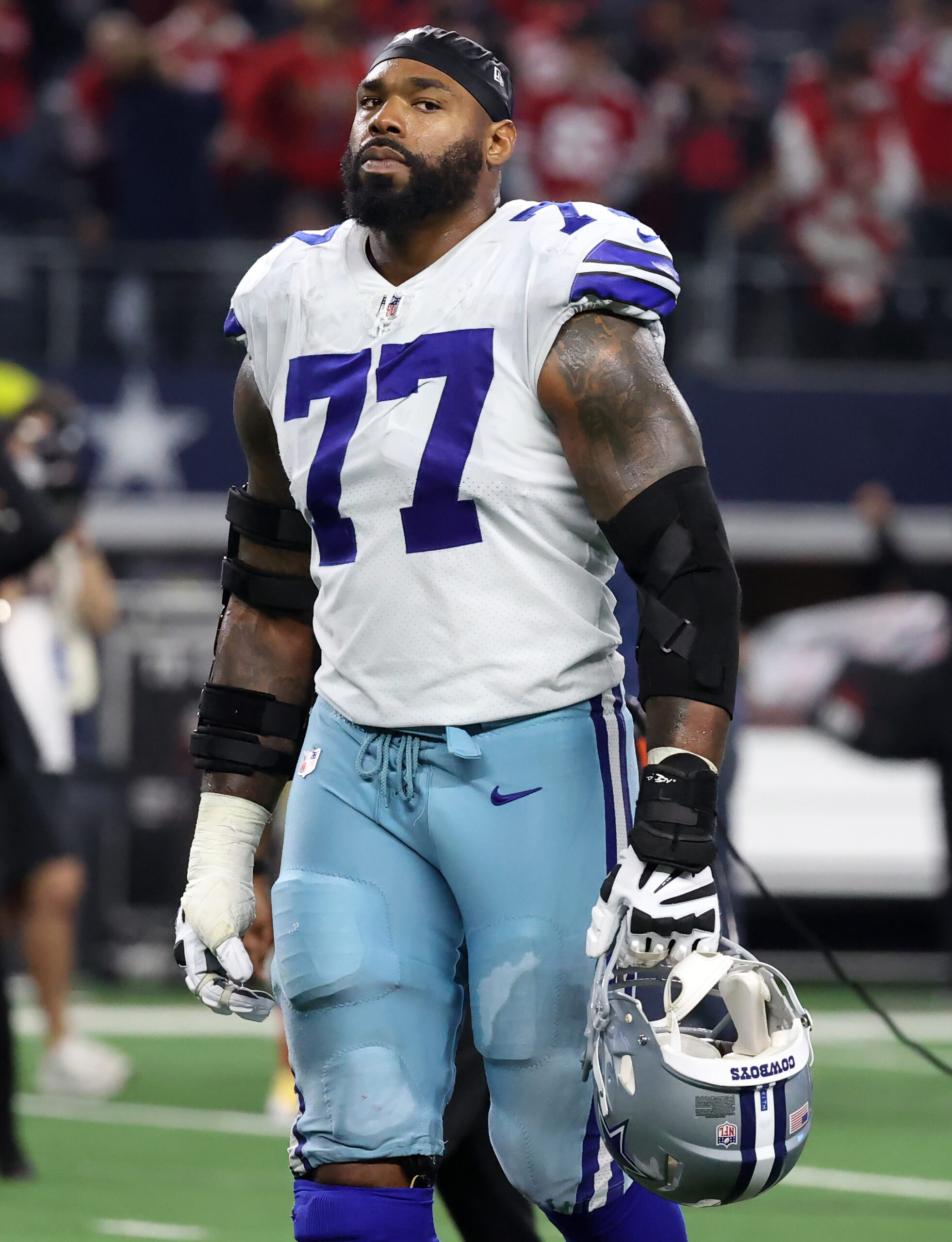
The Cowboys’ longest-tenured player now that Tyron Smith is gone, Martin still earned All-Pro acclaim despite admitting he was not at his best following a holdout last year. Martin is a future first-ballot Hall of Famer who secured guarantees over his six-year contract’s final two seasons, but this restructure will inflate the dead money total the Cowboys would absorb if the soon-to-be 34-year-old blocker is not re-signed in 2025. The 11th-year veteran is considering retirement after this season. If Martin retires, the Cowboys would be tasked with replacing an all-time guard great and face a $26.5MM dead cap hit next year.
Free agency additions:
- Eric Kendricks, LB. One year, $3MM ($2.5MM guaranteed)
- Linval Joseph, DT. One year, $2.5MM ($2MM guaranteed)
- Ezekiel Elliott, RB. One year, $2MM ($1.63MM guaranteed)
- Dalvin Cook, RB. Practice squad
- Carl Lawson, DE. Practice squad
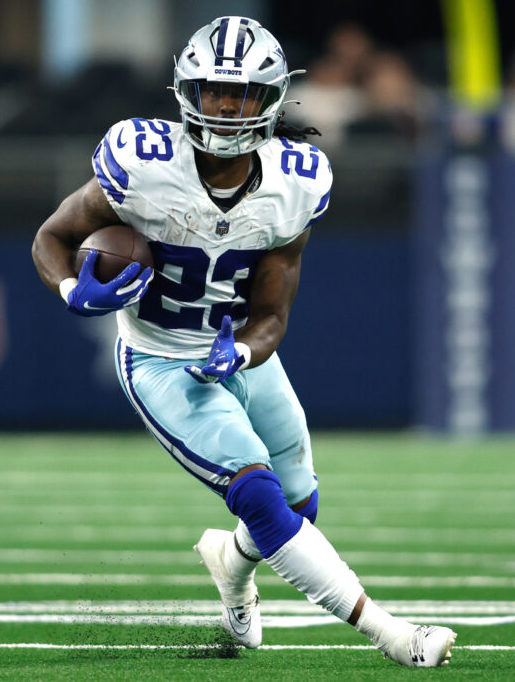
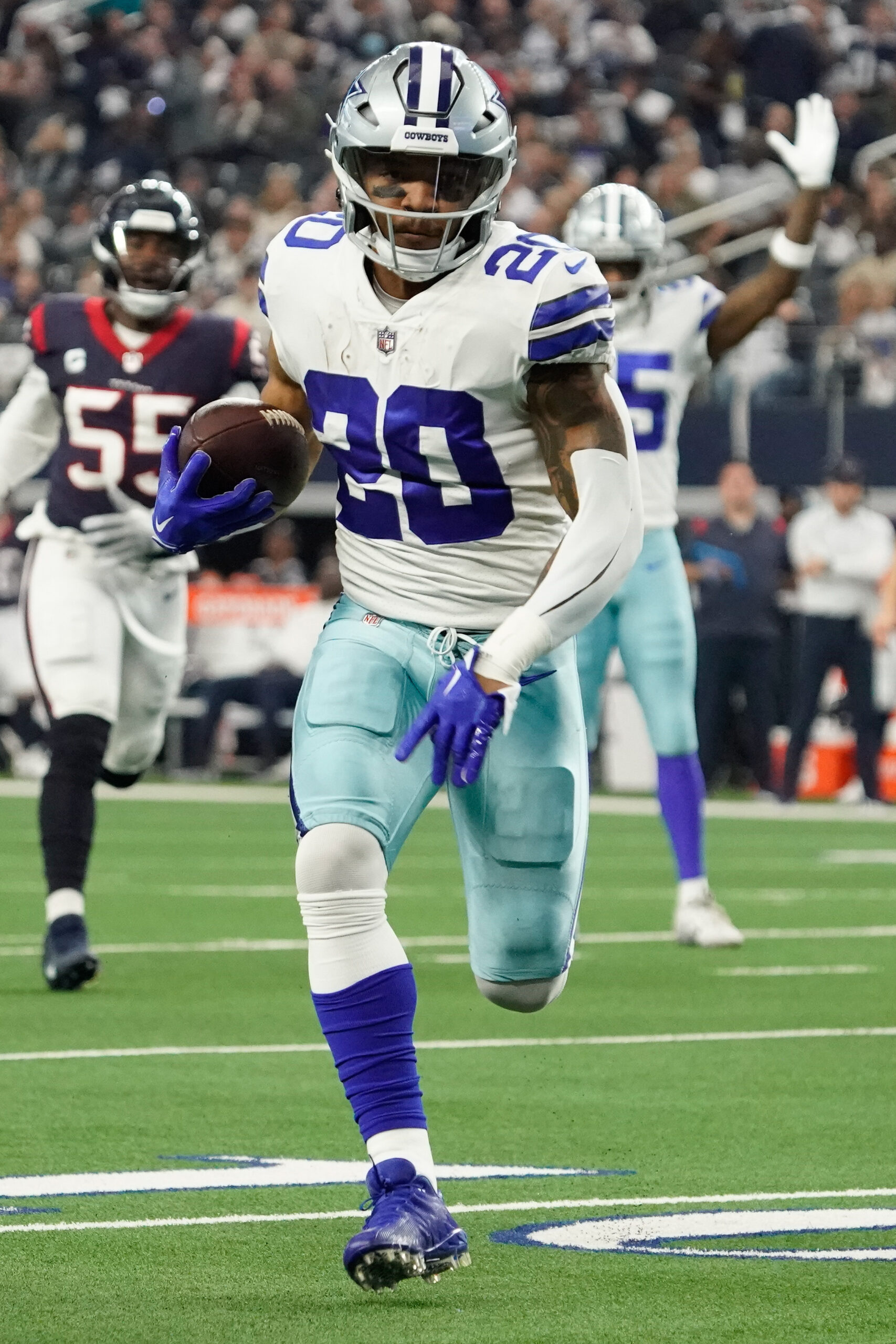
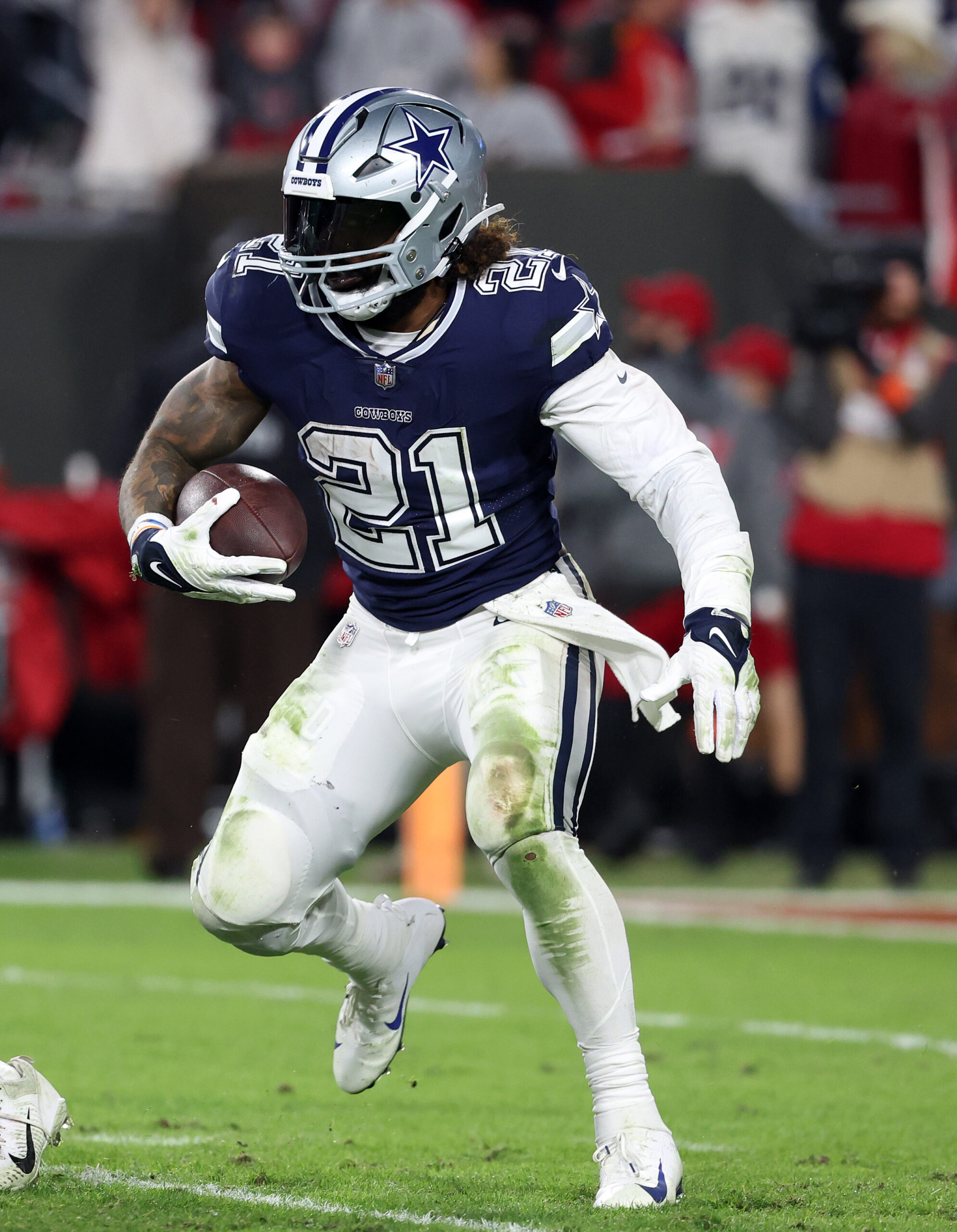 Elliott now counts more than $8MM on Dallas’ payroll; the other $6MM comes from dead money associated with the Cowboys ditching his previous contract. Once given a six-year, $90MM deal to anchor Dallas’ offense, Elliott is now 29 and enters the season with by far the most touches (2,421) among active backs. The Cowboys did miss two-time rushing champion’s nose for the end zone last season, but his presence atop the depth chart creates concern.
Even as Elliott closed the Bill Belichick era as the Patriots’ starting running back, his New England one-off produced a bottom-10 rushing yards over expected mark (minus-71). The Cowboys pursued Zack Moss in free agency but saw him join the Bengals on a two-year, $8MM deal. Dallas did not chase Derrick Henry this offseason, and rumblings about an Elliott reunion — a topic that came up last year even after Dallas made him a post-June 1 cut — emerged before March’s end.
It remains odd the Cowboys did not at least add a late-round RB flier of sorts, instead re-signing Rico Dowdle and bringing in Cook, who enters the season with the fifth-most touches (1,585) among active RBs. Following four straight 1,100-yard rushing seasons in Minnesota, Cook saw his play nosedive in New York. The would-be Jets bridge back to Breece Hall ended up being released. The Cowboys can elevate Cook to their active roster, but an Elliott-Dowdle-Cook committee — in 2024, at least — may well be the NFL’s least formidable backfield.
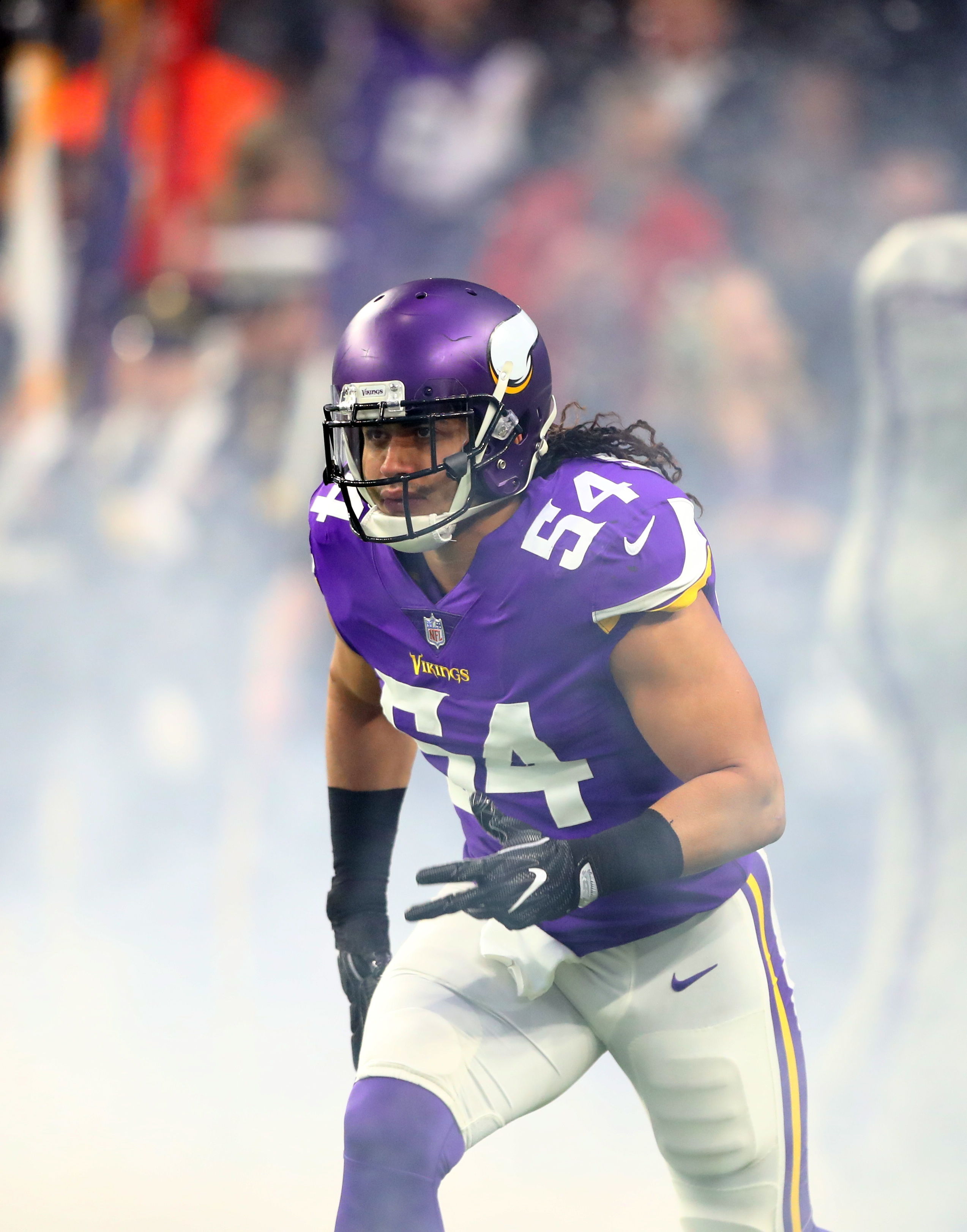
 The reunion theme continued on defense. While Kendricks and Joseph have no previous Cowboys ties, they both played several seasons under new DC Mike Zimmer. Each served as part of the Vikings’ defense-powered core in the 2010s, helping the team to three playoff berths during Zimmer’s tenure.
Joseph, 35, will be charged with helping out a Dallas run defense that ranked 16th last season — but one that allowed Aaron Jones to run wild in the seminal wild-card loss. The recent Chargers and Bills D-tackle, Joseph has made 170 career starts. He will most likely work as a situational player tasked with aiding Dallas ground deterrence.
Kendricks, 32, comes over after becoming a cap casualty (by the Vikings and Chargers) in each of the past two seasons. The former Zimmer mainstay had a deal in place to be the 49ers’ bridge to Dre Greenlaw, but Kendricks backtracked on that commitment and joined a Cowboys team promising more opportunities. With the Cowboys moving undersized LB Markquese Bell back to safety, cutting Leighton Vander Esch and seeing 2023 third-round pick DeMarvion Overshown coming back from an ACL tear, Kendricks is suddenly needed again.
Offseason In Review: Atlanta Falcons
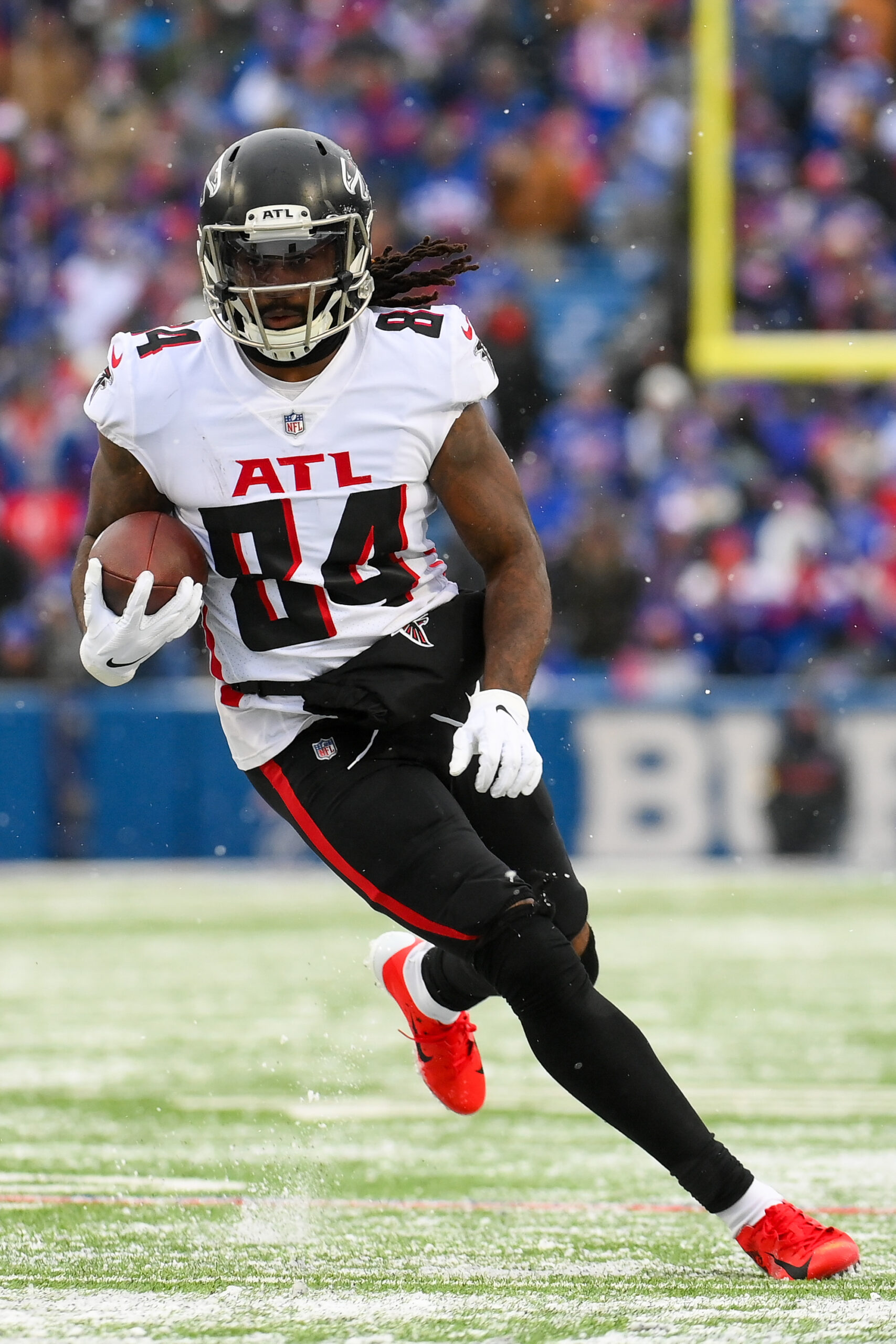
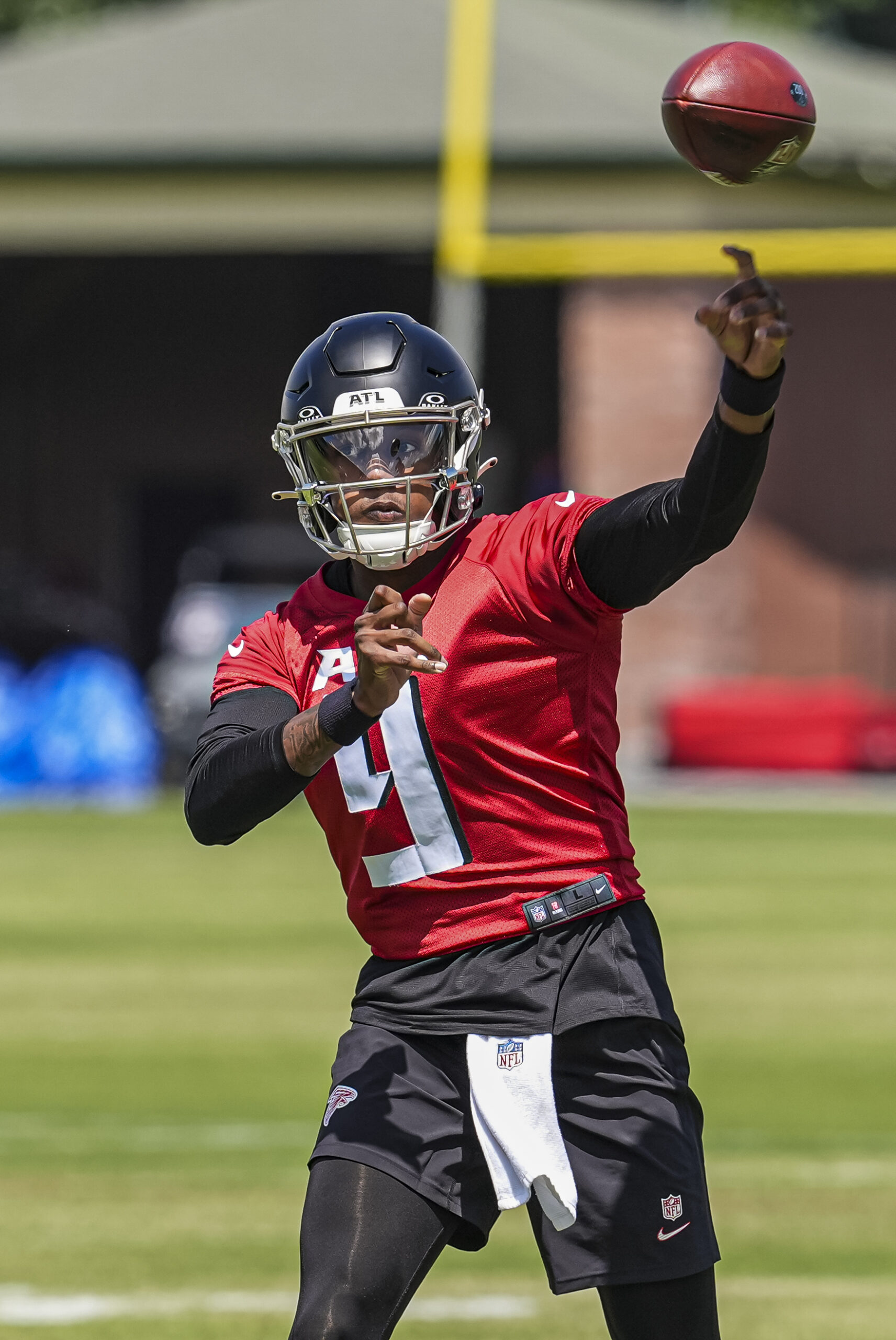
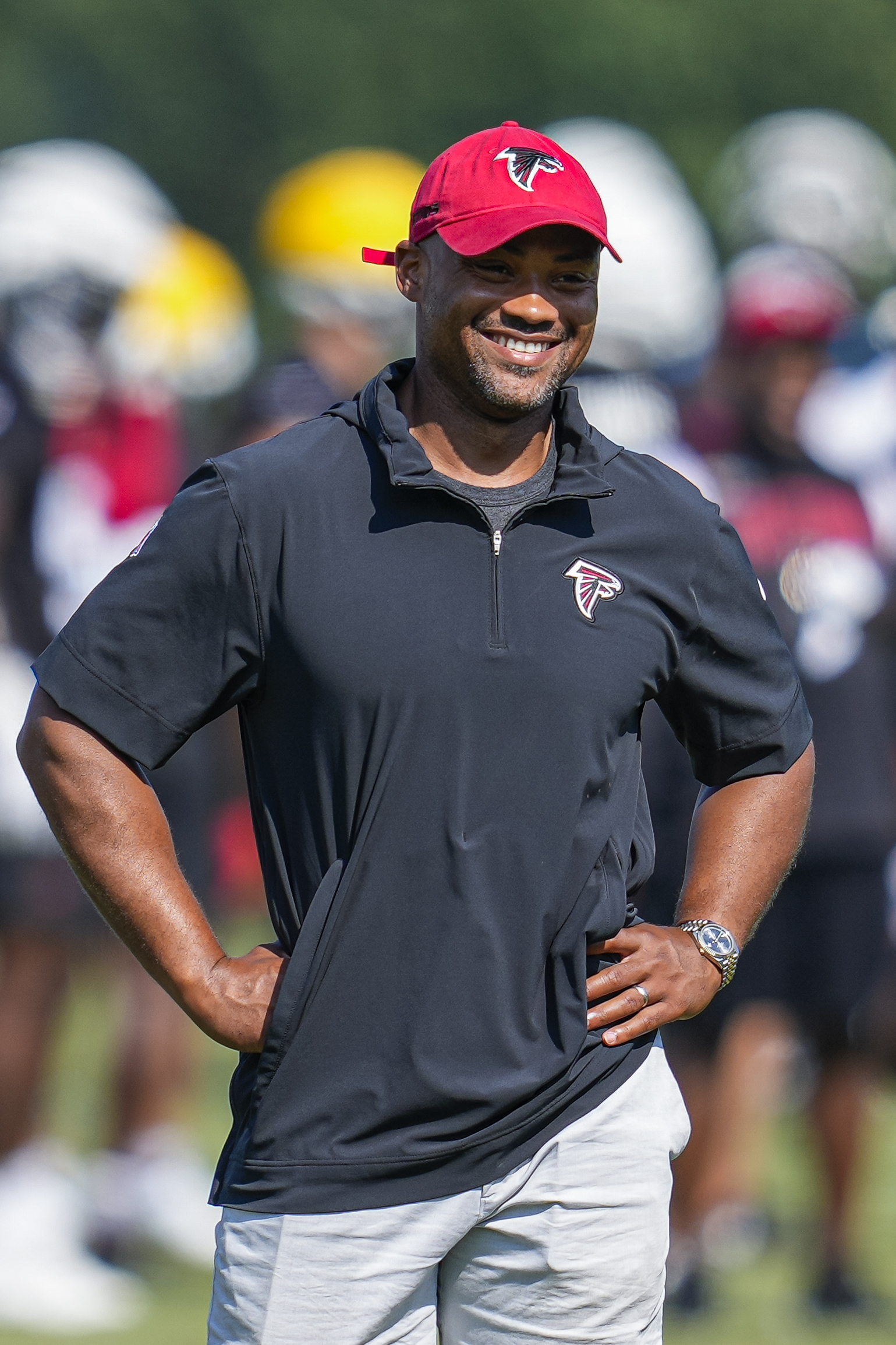
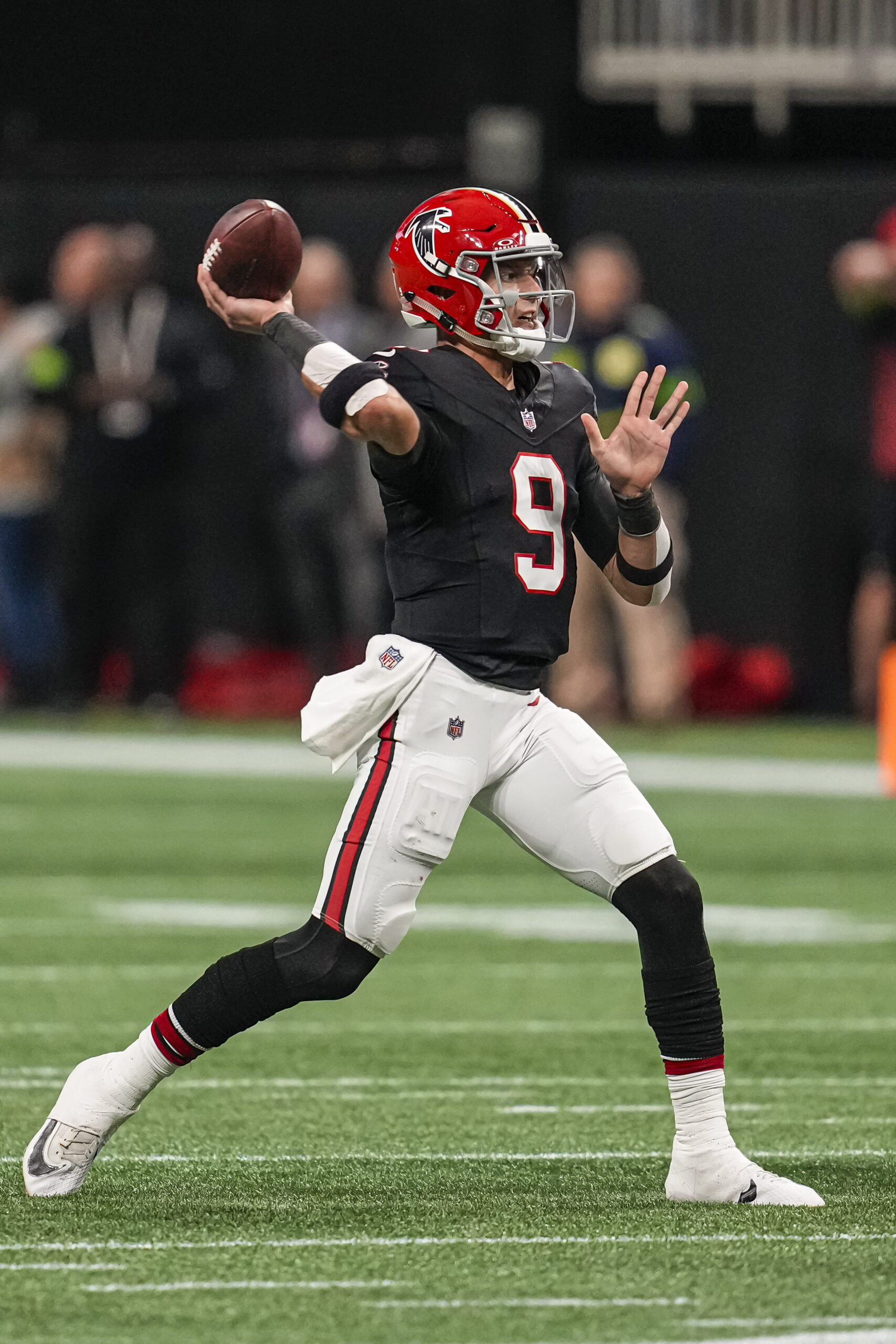
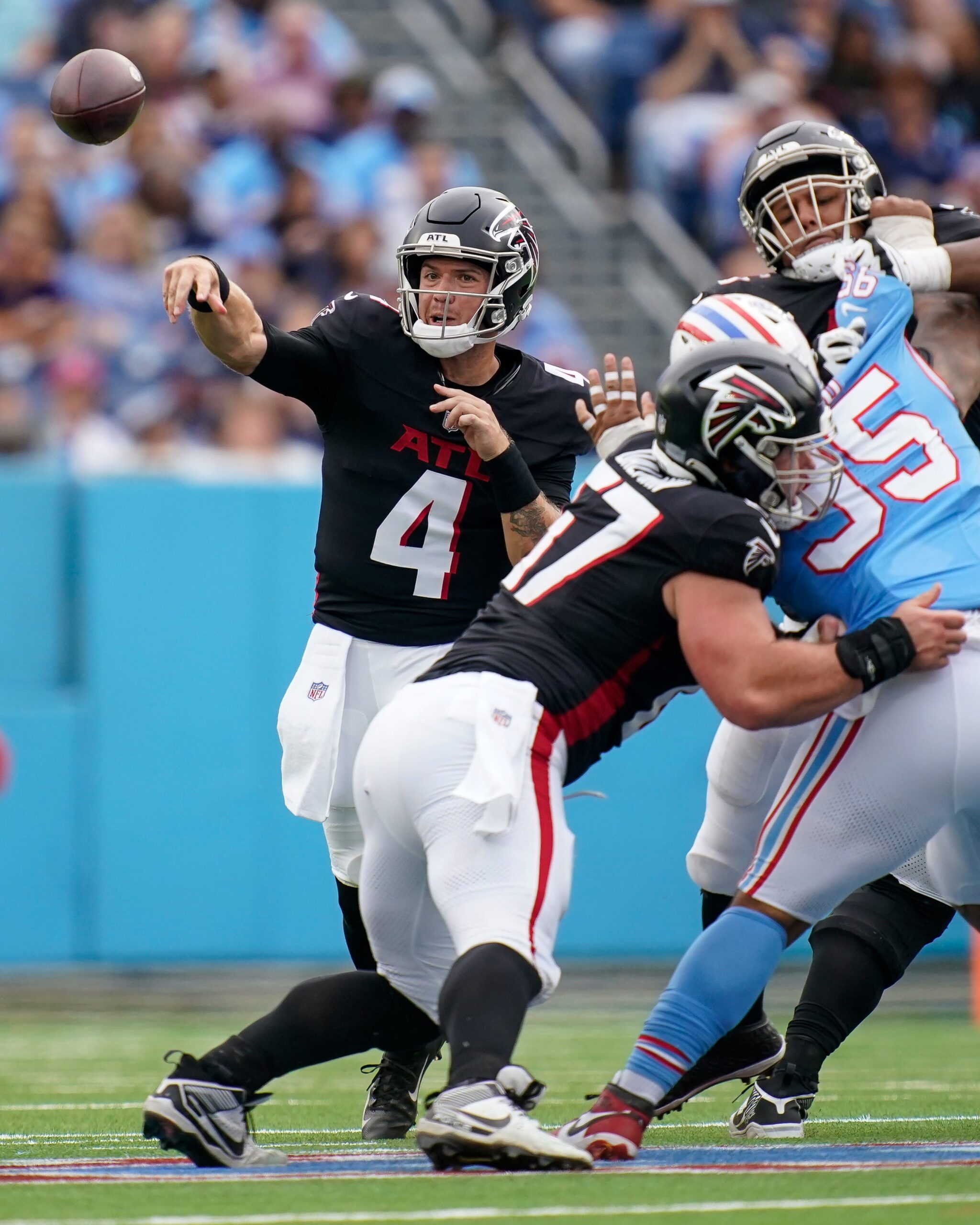
It is difficult to come up with an offseason that featured this much Falcons discussion. Perhaps 2007. But this one brought three storylines that helped shape the NFL over the past several months. Three straight 7-10 seasons, which followed three previous non-playoff efforts, had made the Falcons into one of the league’s least interesting teams. Atlanta’s coaching search, free agency period and the draft — and even some post-draft activity to build on what the team had already done in 2024 — made this a captivating club to follow.
Coaching/front office:
- Fired HC Arthur Smith; hired Raheem Morris as replacement
- Conducted two HC interviews with Bill Belichick
- Hired Rams’ Zac Robinson, Jimmy Lake as offensive, defensive coordinators
- Added Ken Zampese as senior offensive assistant; retained DBs coach Jerry Gray
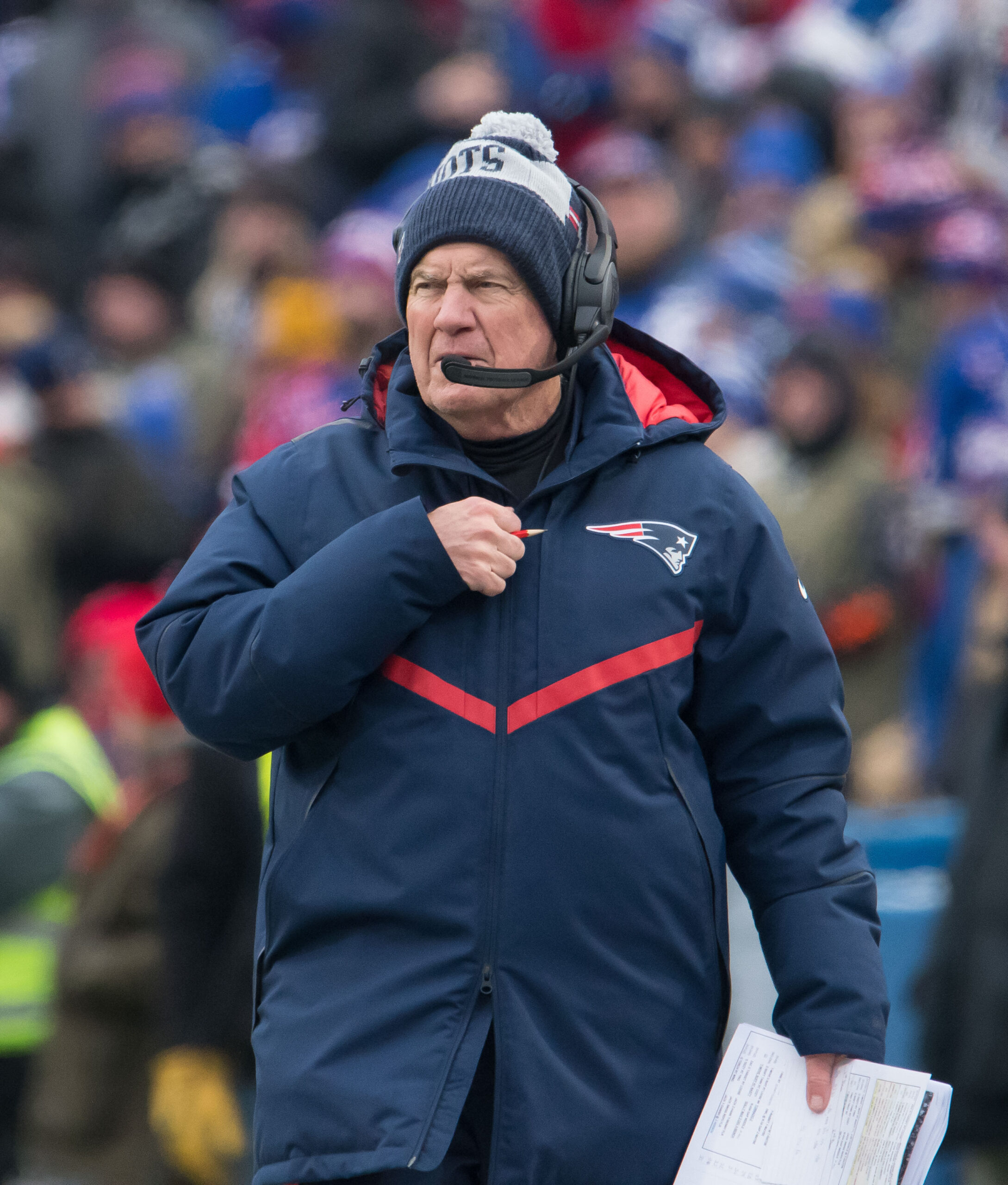 Joining Ron Rivera in entrusting his job to a quarterback plan most doubted, Smith saw two season-ending blowouts seal his fate. The former Titans OC could not turn Desmond Ridder into a reliable starter, benching him on multiple occasions. Considering Ridder’s 2024 trajectory, Smith faced too daunting a task. Ownership still canned the three-year HC and set its sights on a more experienced option. Being the only team to target the most experienced coach on the market turned out to backfire, as the process received endless scrutiny and fallout.
Targeting experience after hiring first-timers in his searches throughout his ownership tenure, Arthur Blank is believed to have initially wanted Belichick as his next head coach. After the two interviews the Patriots legend conducted, he was in the lead. The Falcons were moving closer to going with the most accomplished HC in the Super Bowl era, and on the morning of the Morris hire, Belichick still believed he would land the job. Changes during one of the most captivating searches in PFR’s history will be associated with Morris, through no fault of his own, as Falcons higher-ups took heat for not hiring Belichick.
A rumor about many in the NFL suspecting Belichick was interested in bringing ex-Patriot assistants Josh McDaniels, Matt Patricia and Joe Judge with him came about as the candidate’s slide out of the lead chair for this job began. More significantly, turf protecting may well have taken place in Atlanta’s front office. Even though a report came out about Belichick being willing to cede personnel control — which he held throughout his New England tenure — CEO Rich McKay and GM Terry Fontenot would have naturally seen their power threatened had the longtime Patriots czar come aboard. Dot connecting certainly points to this duo steering Blank in another direction.
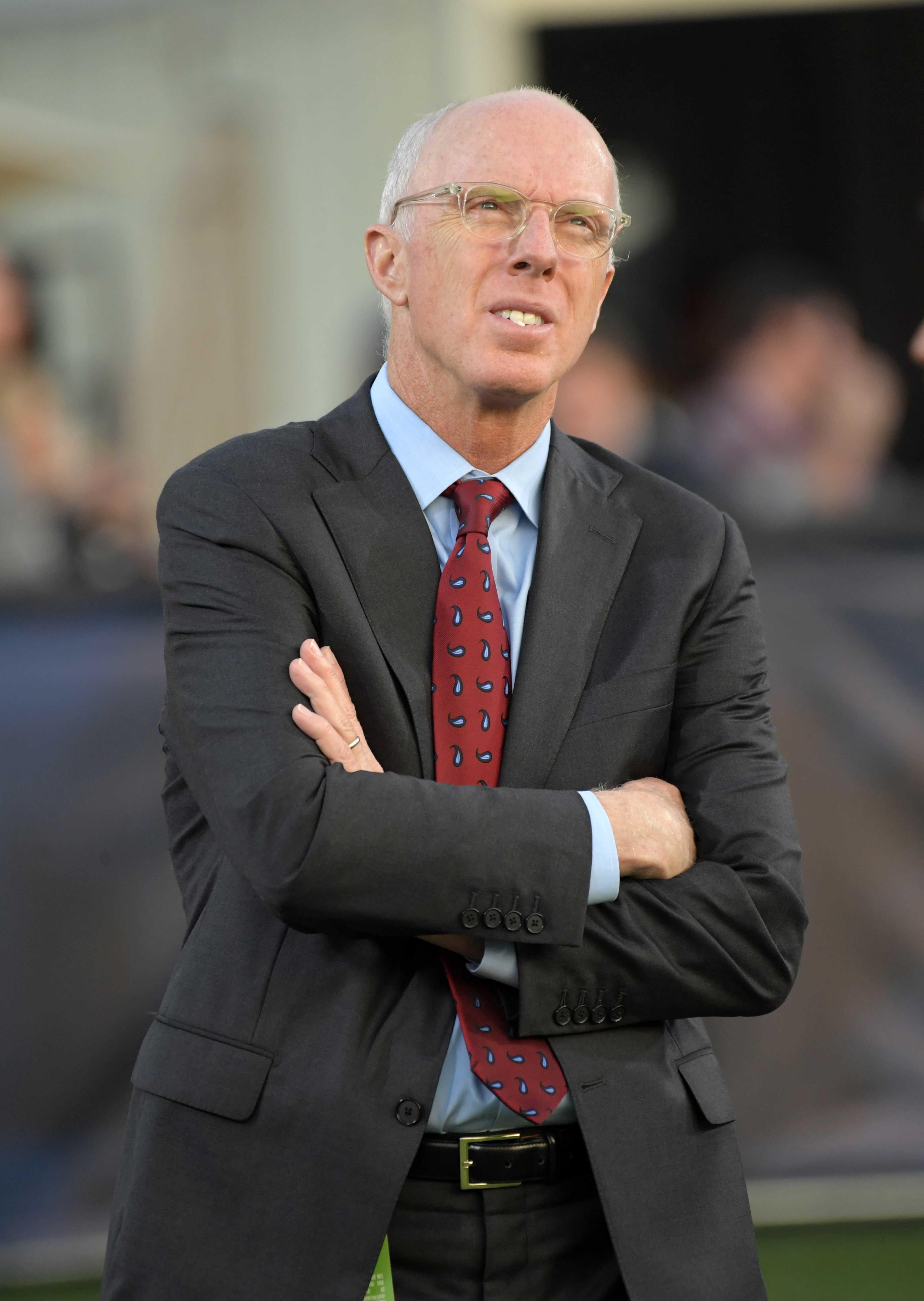 McKay, who has been with the Falcons since 2003, moved from the GM chair to the CEO role in 2008. He still wields considerable power within the organization, and a February report indicated the ex-Falcons and Buccaneers GM had a good relationship with Morris and conversely was not on the greatest terms with Belichick. Blank and McKay co-ran the search, with Fontenot providing input in his fourth year as GM, and an April examination revealed the Falcons did not end up ranking the 72-year-old leader in the top three for the job. With Morris the unanimous first choice, the McKay-Fontenot-Blank trio is believed to have respectively ranked Mike Macdonald and Bobby Slowik second and third.
Although a report that surfaced immediately after the Morris hire indicated McKay would step back from his role in football operations, he will certainly be tied to this decision. Football fans may have him to thank (perhaps blame) for Belichick’s upcoming media blitz this season.
As it stands, Fontenot remains in place as the team’s football ops boss. Belichick, who would have been the oldest HC hire in NFL history by six years, was seen as a short-term play by the Falcons and would have threatened Fontenot’s place in the power structure due to sheer experience. The six-time Super Bowl-winning HC figures to run into age-related hurdles as he tries to return to the league in 2025 as well. While Belichick-NFC East connections have subsequently emerged, Morris has a second chance.
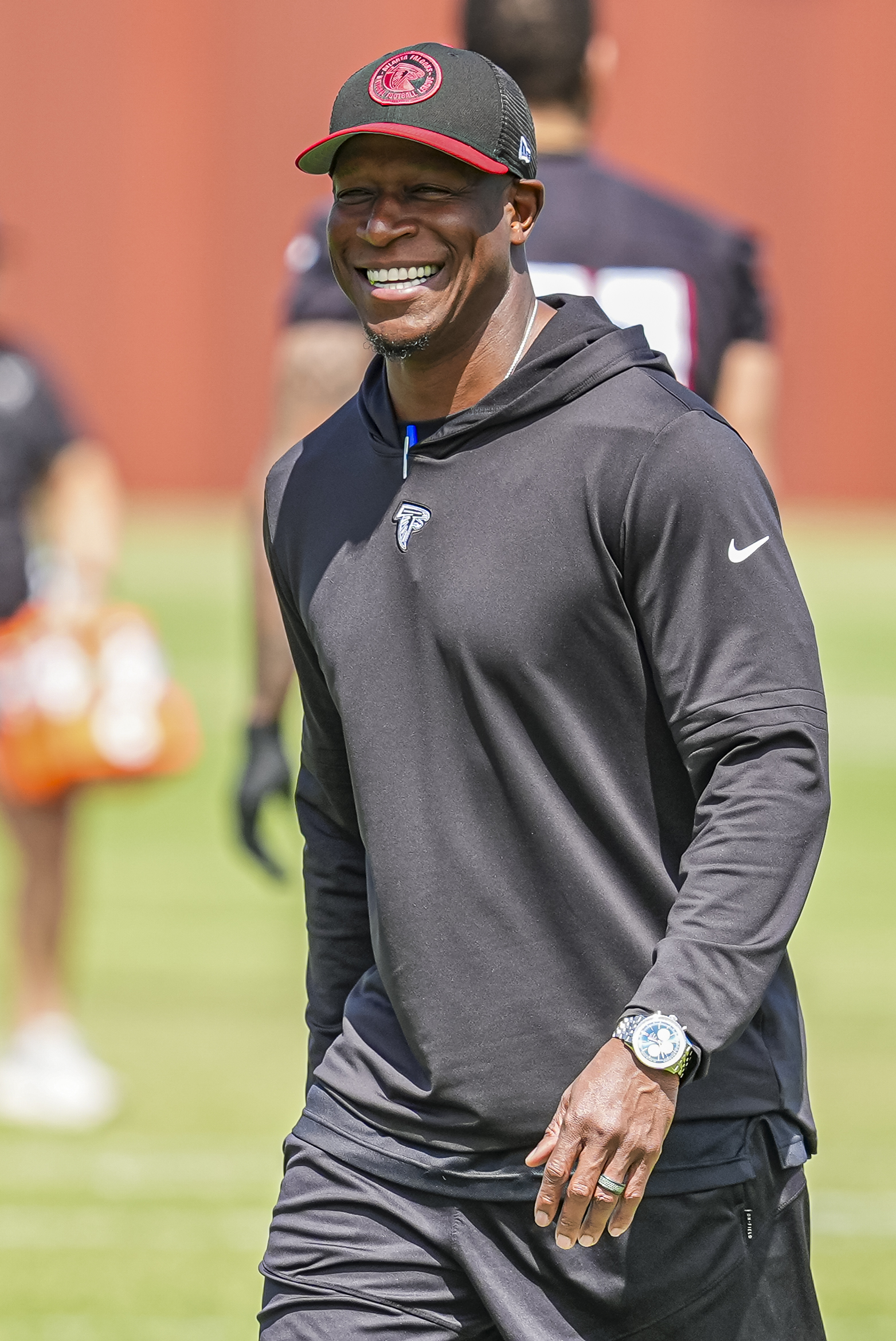 Atlanta also interviewed Jim Harbaugh but saw the Michigan leader cancel a second interview, as he zeroed in on Los Angeles. Morris, 48, will make a historically quick return to a team that had employed him as its interim HC for most of the 2020 season.
Morris broke into the NFL as an assistant under McKay in Tampa and remained well liked among Falcons players still left from his interim stay. The former Bucs HC worked as a Falcons assistant (on both the defensive and offensive sides) from 2015-20 and bolstered his credentials for a second chance after winning a Super Bowl ring as Rams DC.
The Sean McVay tree has also produced promotions for several defensive coaches, with Morris following Brandon Staley as a Rams DC to receive a top job. Benefiting considerably from Aaron Donald‘s presence, Morris did not produce a top-12 defensive ranking in points or yardage in L.A. Being 24 years younger than Belichick obviously helped Morris’ cause, as did his past with McKay and the Falcons. Morris enters this season 21-38 as a head coach, but this Falcons roster may be the best he has helmed. Morris’ Bucs stay overlapped almost entirely with Josh Freeman‘s QB1 stint.
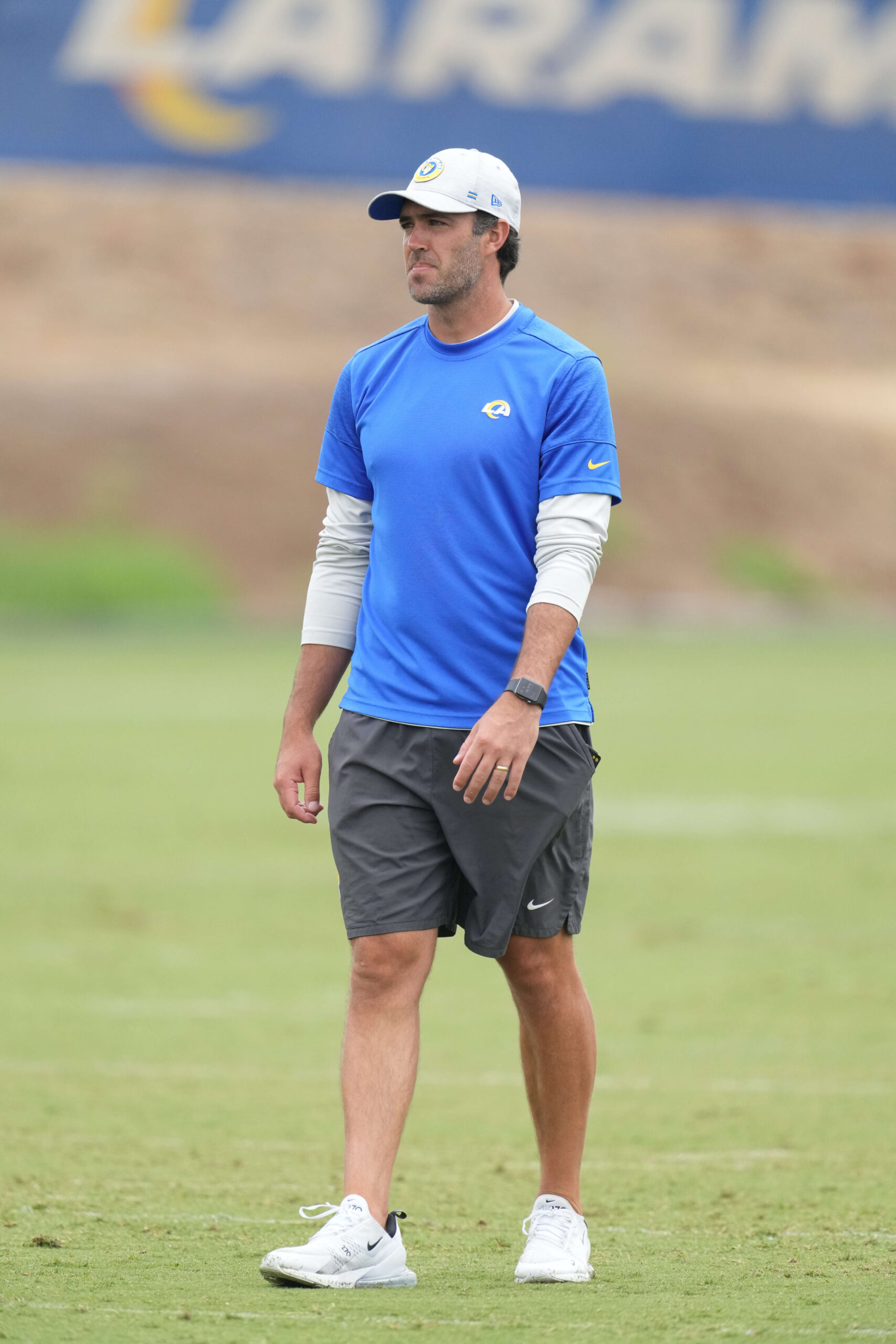 A few teams targeted Zac Robinson as OC, but once Morris took over in Atlanta, he quickly brought the ex-Rams QBs coach with him. The former Oklahoma State quarterback has been on McVay’s staff since 2019. Robinson, 38, has only worked for the Rams, moving up to pass-game coordinator in 2022. With teams continuing to gravitate toward McVay staffers, Robinson probably would have had multiple options — particularly after Puka Nacua‘s rookie-year dominance — to begin an OC career.
Lake’s resume is more complicated. Although he coached with Morris in Tampa and L.A., Lake is still best known for his quick dismissal as Washington’s HC. An incident in which Lake appeared to strike a player on the sidelines preceded another complaint emerging against the Huskies’ then-HC, and the school fired him in November 2021. Lake, who spent part of Morris’ Bucs stint coaching DBs, resurfaced as a Rams assistant HC in 2023. No other team sought a Lake DC interview this offseason, and he will begin this season as the Falcons’ defensive play-caller.
Free agency additions:
- Kirk Cousins, QB. Four years, $180MM ($90MM guaranteed)
- Darnell Mooney, WR. Three years, $39MM ($26MM guaranteed)
- Justin Simmons, S. One year, $7.5MM ($7.5MM guaranteed)
- Charlie Woerner, TE. Three years, $12MM ($4.16MM guaranteed)
- Ray-Ray McCloud, WR. Two years, $5MM ($2.13MM guaranteed)
- Antonio Hamilton, CB. One year, $1.38MM ($1.15MM guaranteed)
- James Smith-Williams, OLB. One year, $1.29MM ($168K guaranteed)
- Ross Dwelley, TE. One year, $1.29MM ($96K guaranteed)
- Kevin King, CB. Practice squad
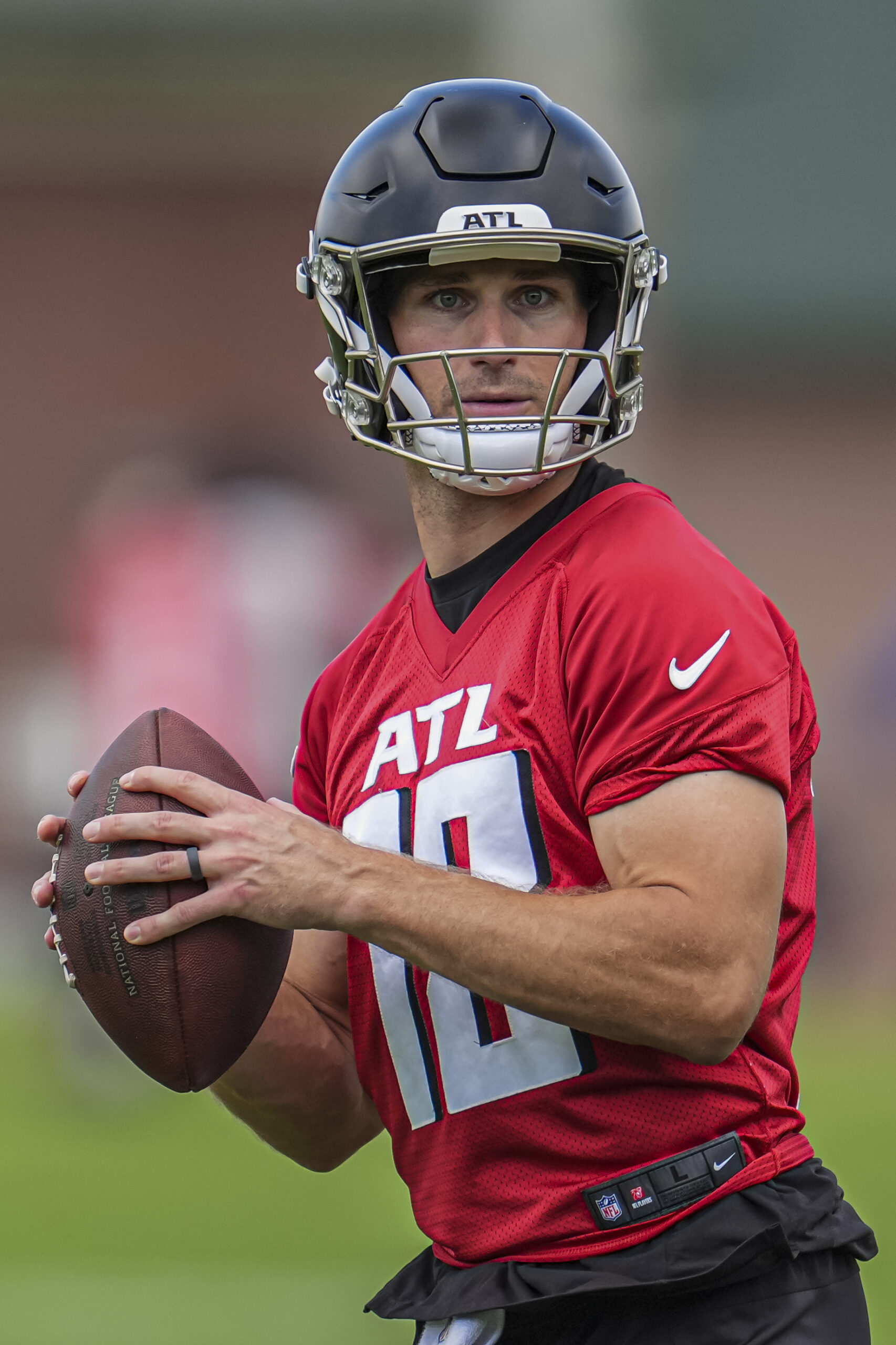 The Vikings were not willing to offer Cousins a deal comparable to the offer the Falcons submitted. Cousins-Atlanta connections came out in early March, and although both the QB and Vikings brass had said they wanted to huddle up for a fourth contract, hitting the open market once again — despite coming off an Achilles tear and entering an age-36 season — opened the door to lucrative outside bids. Being a proven above-average quarterback still brings big opportunities.
Cousins and the Vikings engaged in negotiations last year, but the sides disagreed on Year 3 guarantees. This led to a restructure, one the Vikings are paying for now. Even as $28.5MM was set to accelerate onto Minnesota’s 2024 cap, the Vikings stood down. They had a farfetched scenario in which Cousins could be their bridge QB before a rookie eventually took over (the irony), but Cousins wanted more than being a year-to-year option. One of the shrewdest financial operators in NFL history maximized his value once again by hitting the open market, and the Falcons — a year after Blank expressed excitement in building a roster around Ridder’s rookie contract — returned to the franchise-QB payment business.
Atlanta was linked to Justin Fields and Baker Mayfield, but Cousins rumors took over — as the ex-Rams staffers were not interested in Fields — in the days leading up to the legal tampering period. Other than the 2007 Joey Harrington signing in an emergency circumstance, this is the first Falcons free agency play for a starting quarterback since they signed Bobby Hebert from the Saints in 1993 — full-fledged free agency’s debut. In the years since, they had used the trade market (Jeff George, Chris Chandler) and the draft (Michael Vick, Matt Ryan, Ridder) to staff the position. Cousins brings risk, due to age and the October 2023 Achilles tear, but he has also been a dependably productive passer since usurping Robert Griffin III in Washington.
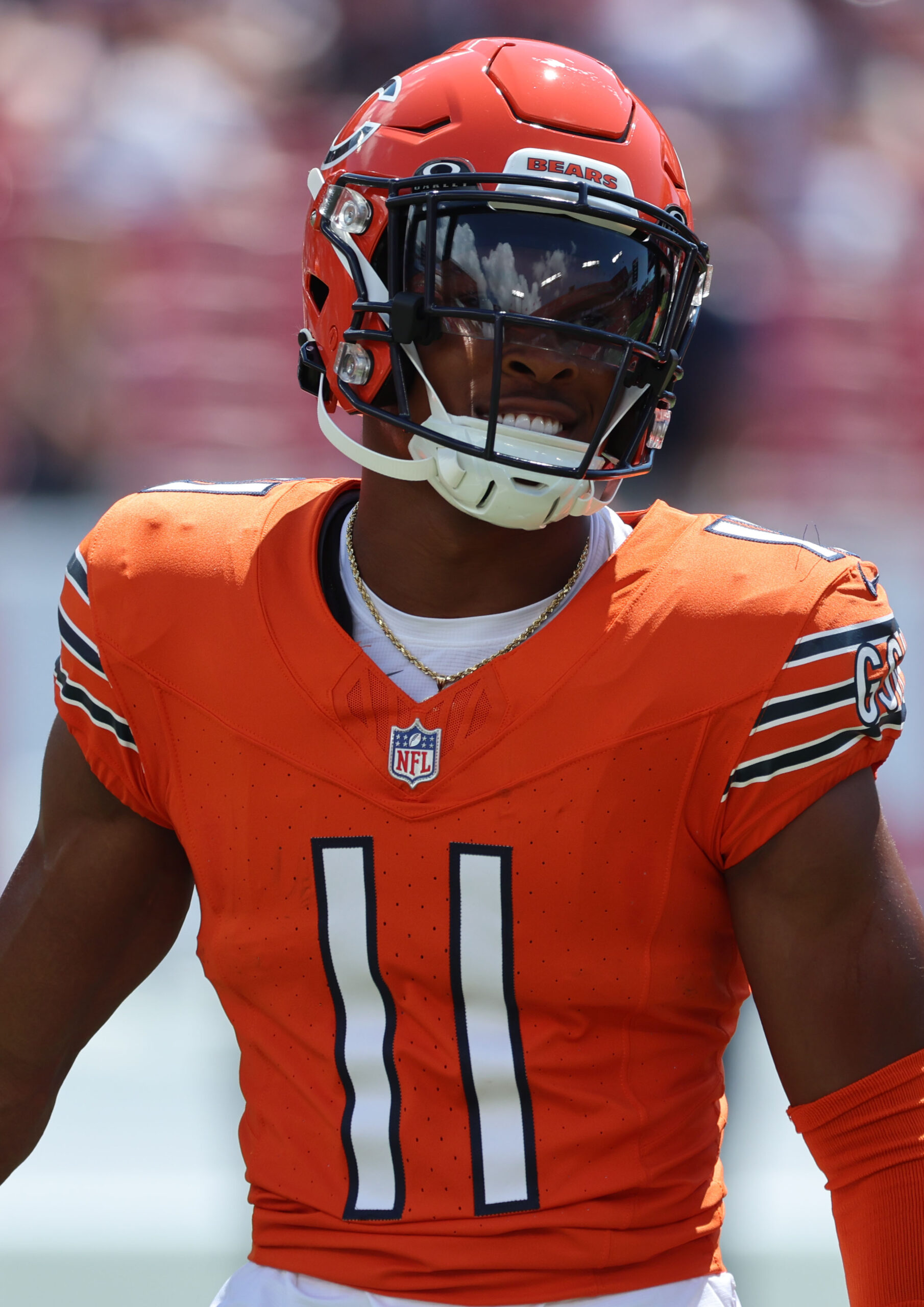 Cousins had thrown an NFL-most 18 touchdown passes when he went down, finishing off a three-TD day in Green Bay, and carries no previous injury baggage to Atlanta. Aaron Rodgers is also recovering from the same injury; he is nearly five years older.
Cousins could not elevate the Vikings to the Super Bowl precipice; the team missed the playoffs in three of his five healthy seasons. But the QB, who was blessed with Justin Jefferson and the Stefon Diggs–Adam Thielen pair before that, regularly put up stats. Cousins finished with three 30-plus-TD seasons in Minnesota. Though, he never finished in the top 12 in QBR as a Viking. The former fourth-round pick did rank seventh in the metric in his eight-game 2023 season. He received full clearance early in training camp.
The Falcons lost a fifth-round pick for tampering regarding their pursuits of Cousins and Mooney, whom the QB told his new team he would help recruit. This came before players could agree to deals, leading to a light punishment. Mooney will come over after two mediocre Bears years, but the former fifth-round find’s 2021 1,000-yard season clearly still resided in execs’ minds, as it took the Falcons matching the Jaguars’ three-year, $39MM Gabe Davis deal to land Mooney. The Chiefs and Titans were linked to Mooney as well.
Mooney, 26, ranked 39th in yards per route run in 2021 — Allen Robinson‘s franchise tag season that ended up revealing the veteran’s decline — and totaled 1,055 yards that year. He combined for 907 yards under OC Luke Getsy. Mooney’s fortunes should improve under Cousins, who consistently fed Thielen, Diggs and Jefferson while keeping K.J. Osborn regularly involved as well. The Falcons have not seen a productive receiving duo in a while, with the Julio Jones–Calvin Ridley pair last seeing substantial time together in 2019.
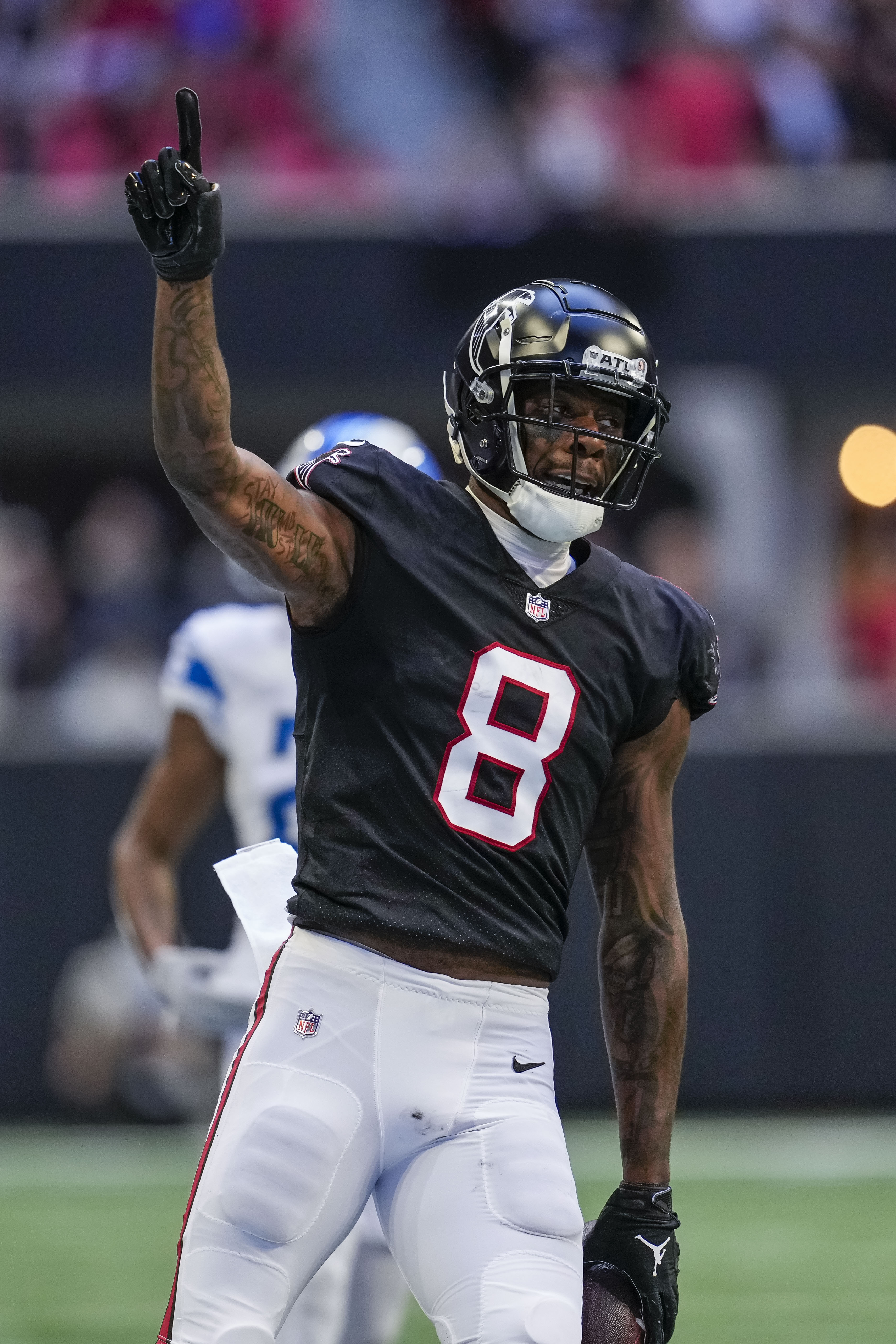
Offseason In Review: Miami Dolphins
Making back-to-back playoff berths for the first time in more than 20 years, the Dolphins have elevated their operation under Mike McDaniel. The drivers of that effort became more expensive this offseason, and the team again replaced its defensive coordinator. The Dolphins ranked first in total offense for the first time since Dan Marino‘s age-33 season (1994), but another late-season letdown — albeit with significant injury problems — became the lead story for this team.
As they attempt to shake off a no-show for a frigid Kansas City wild-card game, the Dolphins also lost some key pieces in assembling their 2024 puzzle. But they sure took care of their cornerstones as well.
Extensions and restructures:
- Reached four-year, $212.4MM ($132.17MM guaranteed) with QB Tua Tagovailoa
- Reworked WR Tyreek Hill‘s deal, finalizing three-year, $90MM agreement ($54MM guaranteed)
- Agreed to three-year, $84.75MM extension ($35.98MM guaranteed) with WR Jaylen Waddle
- Extended CB Jalen Ramsey at three years, $72.3MM
- LT Terron Armstead accepted $4.25MM pay cut in exchange for $10MM in guarantees
- Extended RB Raheem Mostert on two-year, $9.08MM deal ($4.13MM guaranteed)
- Gave RB Jeff Wilson pay cut from $2.6MM to $1.13MM
- Restructured DT Zach Sieler, FB Alec Ingold, TE Durham Smythe contracts, saving $8.86MM in cap space
Even though a partial hold-in took place to open training camp, the Dolphins’ negotiations with Tagovailoa were not especially rocky. But the value debates here did become interesting during the months-long talks.
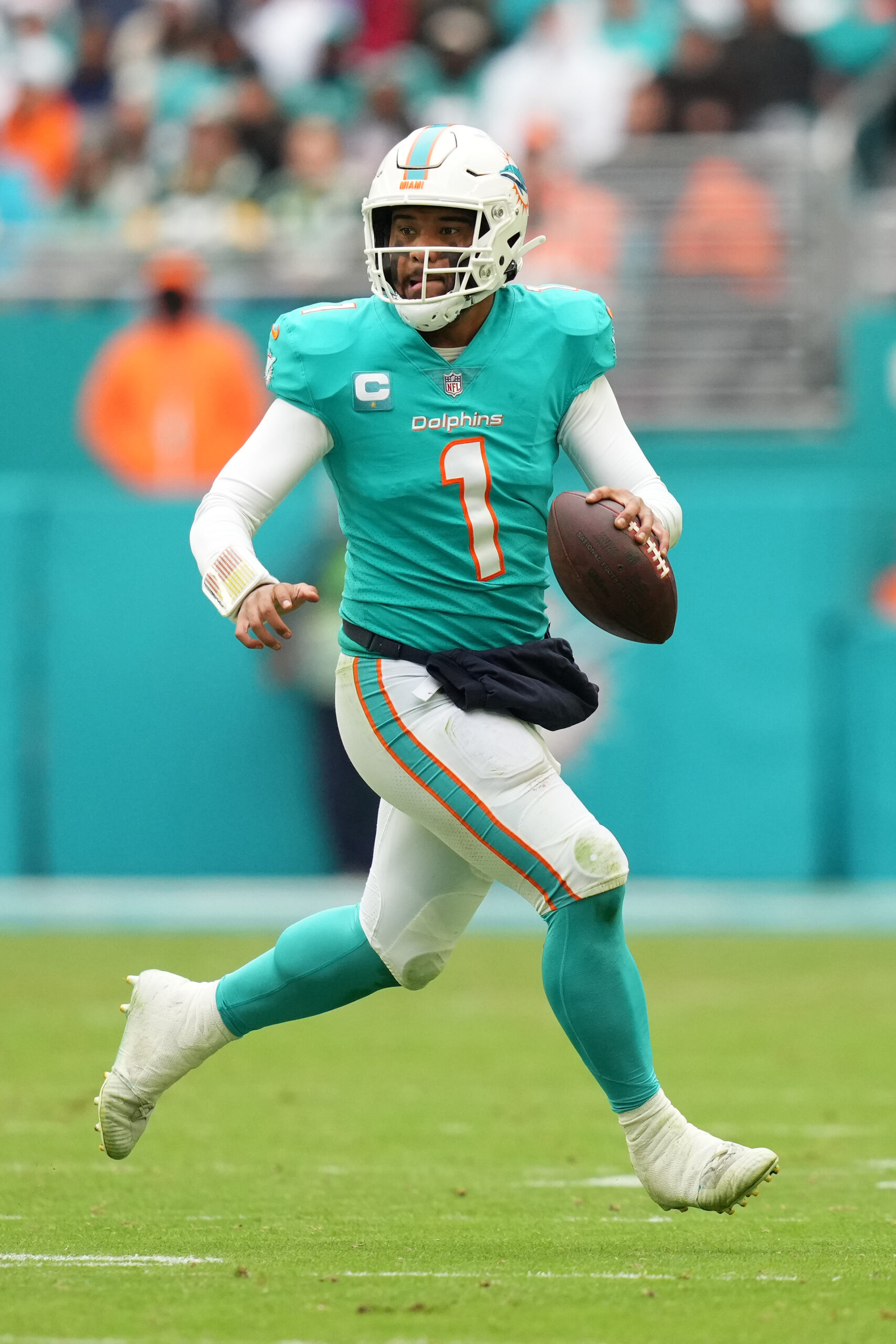 While most teams with first-round quarterbacks they plan to extend complete extensions after the player’s third year, the Dolphins were understandably hesitant about this deal. Tua submitted inconsistent work during Brian Flores‘ tenure and sustained at least two (but most likely three) concussions in 2022. Early retirement consideration transpired in 2023, but the NFL’s lone active southpaw QB1 stayed healthy last season and set himself up for a payday on a soaring market.
The NFL’s passer rating and yards per attempt leader in 2022 (105.5, 8.9), Tagovailoa showed his breakthrough (when healthy) was not a fluke by pacing the 2023 field in yardage (4,624) during a season in which both Hill and Waddle — not to mention most of Miami’s O-line — missed time. The sides began negotiations in April, but by midsummer, the fifth-year passer had rejected one offer. A subsequent report indicated the Dolphins were aiming to avoid extending their QB at a top-market rate.
Guarantees became a sticking point for the team as well, but the Dolphins were not the team to buck this growing trend of giving promising but unspectacular (to date, at least) passers $50MM-plus per year. Tagovailoa joined Goff, Lawrence and Jordan Love in expanding the $50MM-AAV club to eight this offseason. The Dolphins, who had last authorized a franchise-level QB payment upon extending Ryan Tannehill (at $19.25MM per year) in 2015, needed to adjust the per-year salary near the end of the negotiations to complete the deal.
Tagovailoa’s “the market is the market” assessment reminded of the reality the Dolphins faced. Even second-tier QBs carry tremendous leverage, and the Dolphins waiting until Year 5 to pay theirs further equipped the player. The team navigated a difficult cap situation this offseason, and a Tua 2025 franchise tag would have placed a cap hold beyond $40MM on the payroll. Another productive year with the historically explosive Hill-Waddle tandem also would have upped Tagovailoa’s price, with Dak Prescott likely set to raise the market’s ceiling once again.
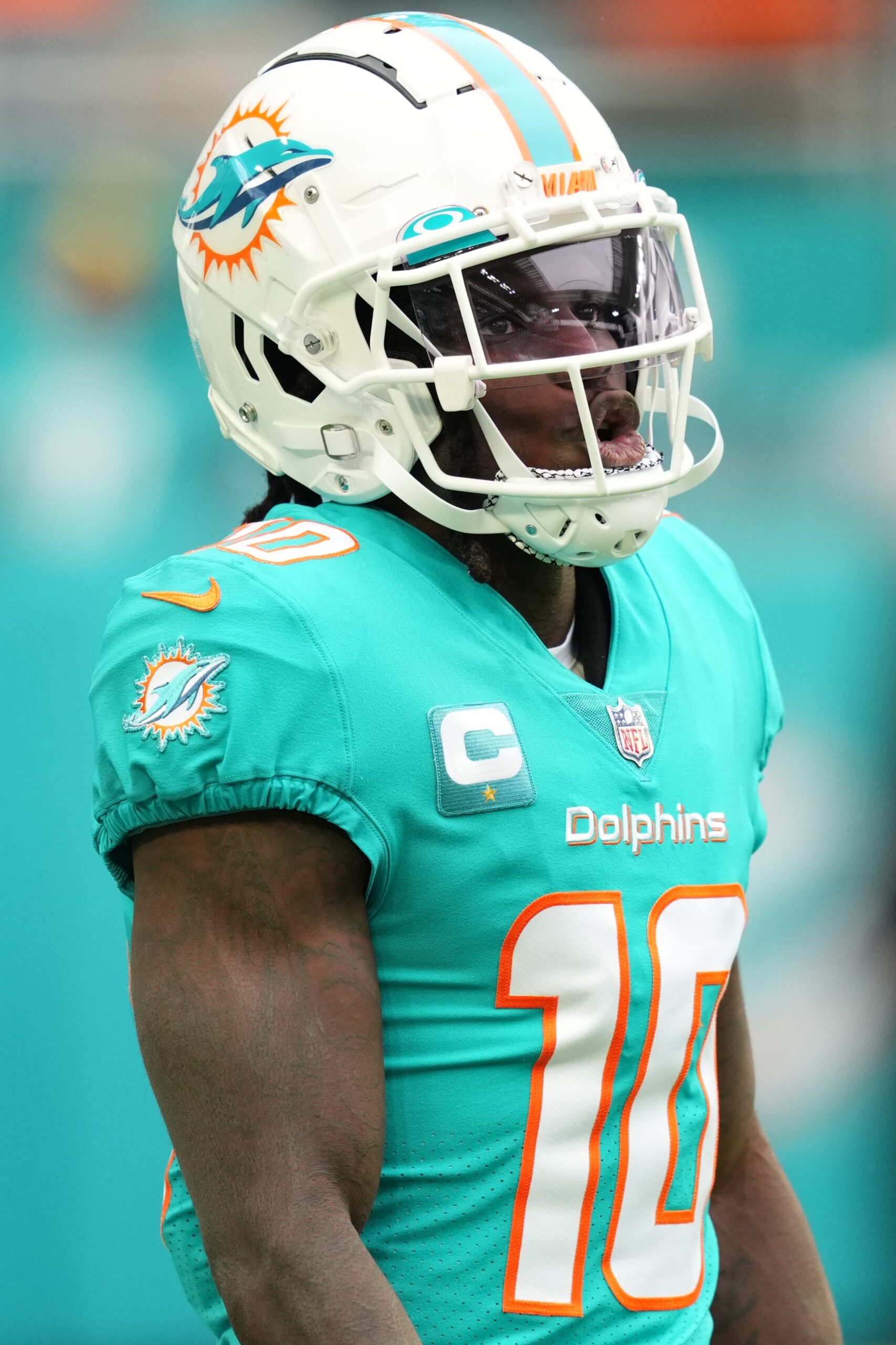 The Dolphins did avoid paying Tua $55MM per year, but they both settled on the Goff $53MM-AAV level and agreed to a rolling guarantee structure that protects the QB long term. The 26-year-old passer’s 2026 base salary ($54MM) will become fully guaranteed in March 2025. This deal also gives the Dolphins two fewer years of control compared to what Lawrence gave the Jaguars or Justin Herbert and Joe Burrow provided their teams (by agreeing to five-year deals before their fourth seasons). Miami waiting until Tagovailoa’s contract year and then agreeing to a four-year deal bolstered his negotiating position, and the Alabama product will be on track to cash in again — provided he stays on this trajectory — by his age-30 offseason.
Hill might not be in a Dolphin by that point, but he has transformed the team’s early-Tua-years offenses and may well have secured first-ballot Hall of Fame entry during his Miami tenure. Although Hill’s ugly off-field incident in college and his 2019 issue in Kansas City will always be tied to his legacy, the elite speed merchant has climbed up the WR ranks historically in Miami despite separating from Patrick Mahomes and Andy Reid.
Hill, 30, was on pace for the NFL’s first 2,000-yard receiving season before suffering an injury in early December. Shortly after his second Dolphins slate wrapped, the eight-year veteran began angling for an updated contract despite three years remaining on his 2022 extension.
The Dolphins had Hill on a four-year, $120MM, but that contract featured what amounted to a phony final year to inflate the AAV to $30MM. Still, the Dolphins had the All-Pro target under contract through 2026. Teams do not make a habit of redoing deals with players signed for three more seasons, but GM Chris Grier had shown a precedent by reworking Xavien Howard‘s through-2024 contract back in 2022. That gave Hill’s camp ammo; the deep threat’s impact on Tagovailoa’s performance certainly did as well. While Hill indicating he would not seek a trade to force the issue hurt his leverage, the Dolphins took care of him anyway.
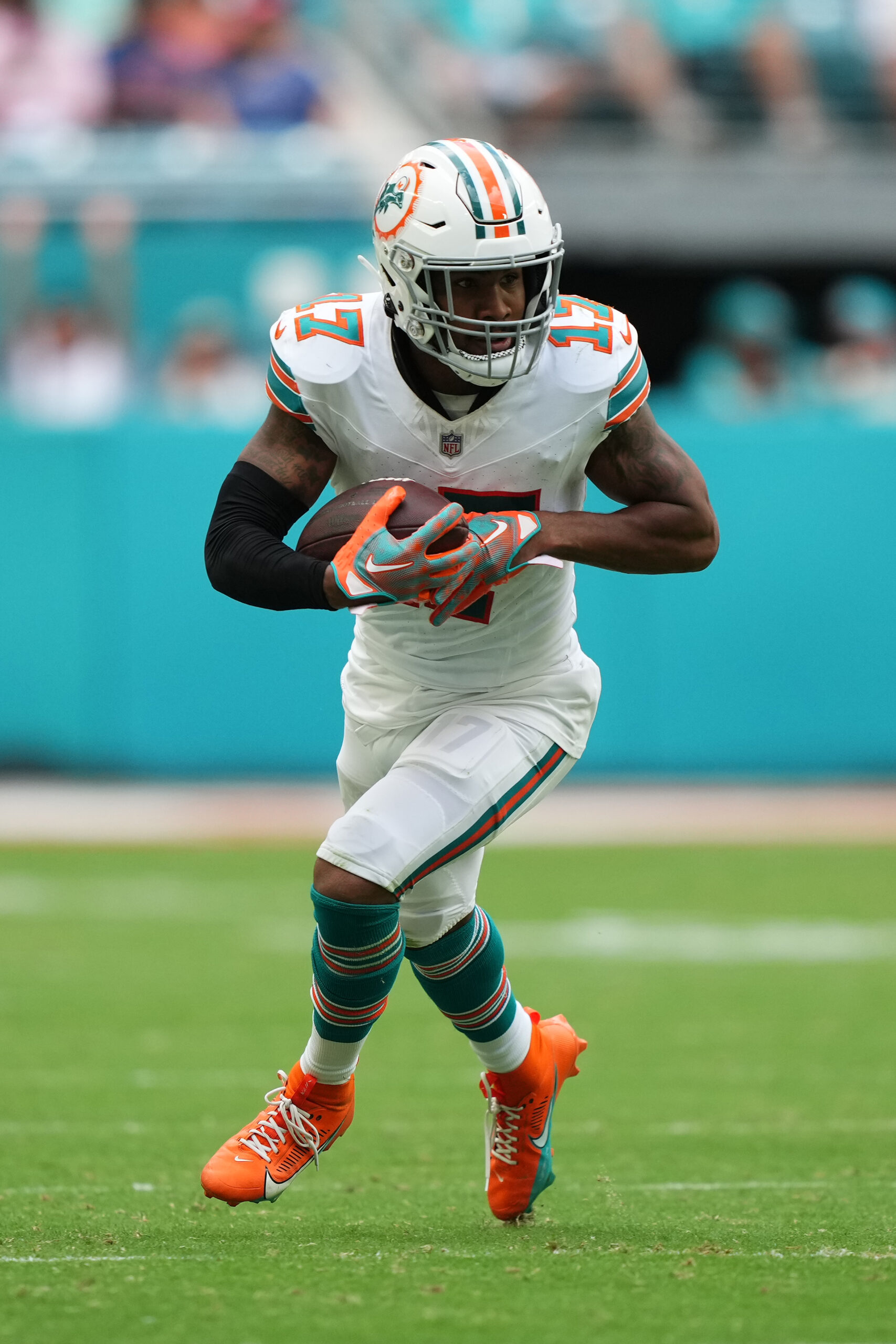 The revised contract turned Hill’s 2024 and ’25 salaries from nonguaranteed to fully guaranteed. Hill remaining on the Dolphins’ roster in 2026 — his age-32 season — would bump the guarantees to $65MM. The Dolphins probably knew they would have to complete a reworking with Hill after they paid Waddle, who has shown tremendous promise but has resided as the team’s clear-cut No. 2 wideout since the Hill trade.
Grier quickly took Waddle out of consideration during the Jonathan Taylor trade talks last summer, and the 2021 first-round pick is 3-for-3 in 1,000-yard seasons. Although Hill is the more dangerous weapon, Waddle also brings elite speed for a speed-obsessed team. The former No. 6 overall pick, who cost the Dolphins a future first-rounder to acquire in 2021, led the NFL with 18.1 yards per catch in 2022. That came after a far less explosive 2021 attack used Waddle as a short-area target (9.8 YPC). McDaniel quickly revamped Waddle’s role, and the Dolphins agreed to a deal that should keep their current WR2 rostered longer than their WR1.
Waddle’s $28.25MM-per-year deal checks in seventh among wide receivers. In terms of total guarantees, Waddle’s $76MM surpasses both the contracts Hill has agreed to with Miami. The 25-year-old pass catcher’s 2026 base salary will lock in by March 2025. On Day 3 of the 2026 league year, $15.2MM of Waddle’s 2027 base salary ($23.39MM) will become fully guaranteed.
At this rate, Waddle profiles as the Dolphins’ long-term top receiver. With this three-year extension giving Waddle a chance to cash in again before age 30, he will have some time to grow back into that WR1 role during Hill’s remaining seasons.
Friday marked Ramsey’s second Dolphins agreement in two years. The team reworked Ramsey’s deal to add guarantees upon acquiring him and has now — two days after Patrick Surtain‘s landmark Broncos accord — made him the NFL’s highest-paid corner. (Miami had also restructured Ramsey’s previous deal earlier this offseason to save nearly $20MM.) This move will push out Ramsey’s contract through 2028.
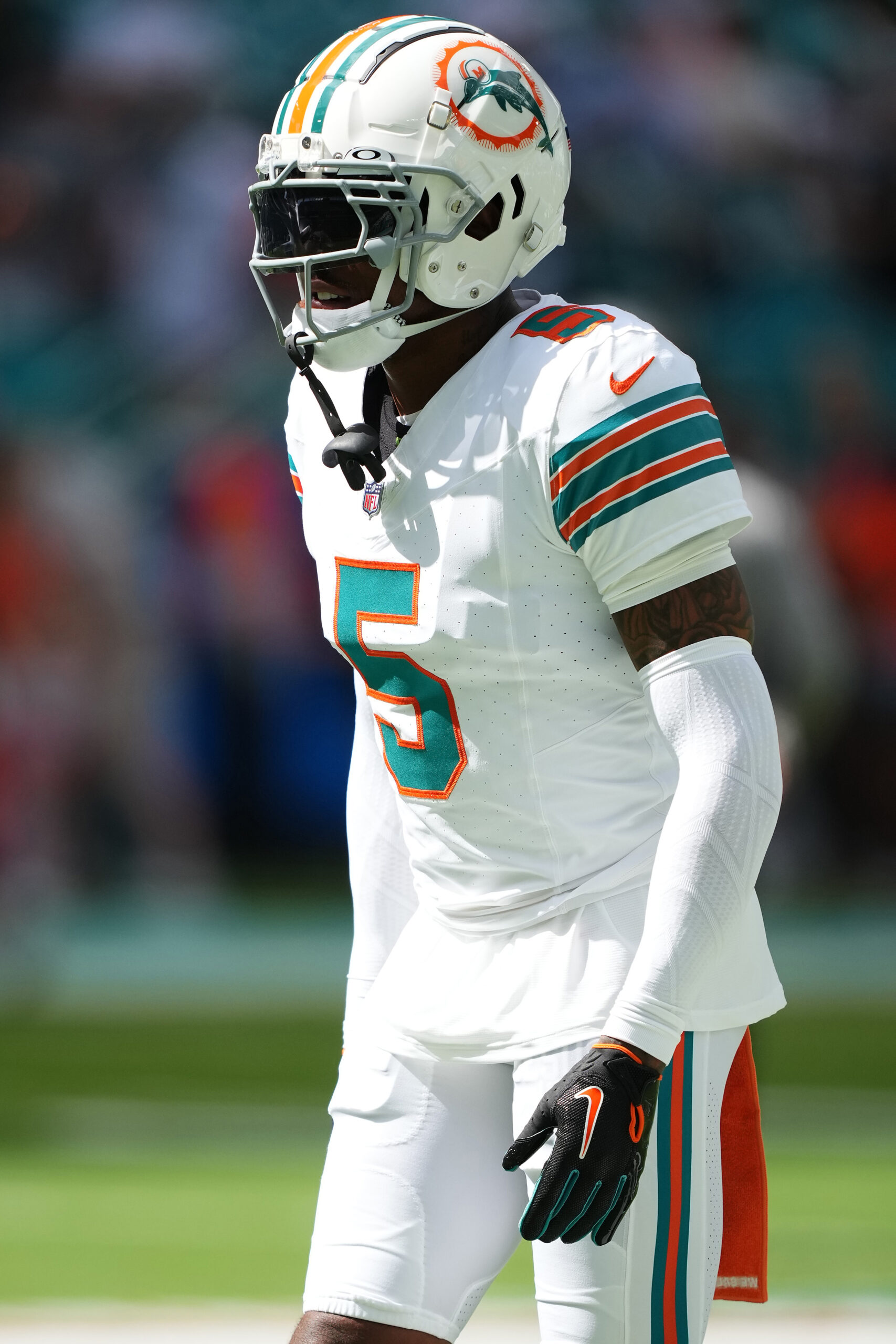 Playing lead roles for the Jaguars and Rams, Ramsey secured another megadeal despite going into his age-30 season. The full guarantee is not yet known, but Ramsey will see $55.3MM in total guarantees. The NFL now having two $24MM-per-year corners — after the position’s ceiling had been $21MM for more than two years — represents good news for Sauce Gardner in 2025.
Grier has again paid a player with at least two years left on his previous deal; Ramsey’s ran through 2025 but did not include any guarantees for next year. The only active corner with three first-team All-Pro nods, Ramsey has now secured two extensions (the first with the Rams in 2020) and a key reworking. He only played in only 10 Dolphins games last season, undergoing meniscus surgery. Pro Football Focus graded Ramsey’s first Dolphins season modestly, assessing him as the NFL’s 57th-best CB in 2023. But last year’s trade, which sent a third-round pick and tight end Hunter Long to the Rams, keeps the veteran in place as Miami’s top cover man. The team will hope Ramsey can continue to play well into his 30s, which is far from a given at this position.
Armstead has navigated numerous injuries with the Dolphins but still submitted upper-echelon work. The team parted ways with starters Robert Hunt and Connor Williams, doing so after receiving assurances its veteran left tackle was planning to play at least one more season. Armstead, 33, has missed 11 games since signing a five-year, $75MM Dolphins deal. This continued a trend of injury-limited seasons for the Pro Bowl blocker. The Dolphins would take on $18.5MM in dead money if Armstead retires next year.
The fantasy universe expects De’Von Achane to usurp Mostert this season, but the veteran back parlayed a monster 2023 season into some more guaranteed money. Despite going into his age-32 season, Mostert — a journeyman special-teamer until becoming a 49ers RB regular in 2019 — has only 766 career touches. This career arc has allowed the 2015 UDFA to play this long, and McDaniel extracted plenty from his ex-San Francisco charge last season.
Mostert joined Achane among the top 10 in rushing yards over expected and led the NFL with 21 touchdowns. Injury-prone in San Francisco, Mostert has missed just three games since 2022. Injuries significantly limited the backfield speedster in the two years prior, but the Dolphins’ deep backfield supplies insurance.
Free agency additions:
- Aaron Brewer, OL. Three years, $21MM ($10.22MM guaranteed)
- Jordyn Brooks, LB. Three years, $26.25 ($9.5MM guaranteed)
- Kendall Fuller, CB. Two years, $15MM ($7.98MM guaranteed)
- Jonnu Smith, TE. Two years, $8.4MM ($3.96MM guaranteed)
- Odell Beckham Jr., WR. One year, $3MM ($3MM guaranteed)
- Benito Jones, DL. One year, $1.79MM ($1.79MM guaranteed)
- Jordan Poyer, S. One year, $2MM ($1MM guaranteed)
- Anthony Walker, LB. One year, $1.38MM ($918K guaranteed)
- Calais Campbell, DL. One year, $2MM ($790K guaranteed)
- Siran Neal, DB. One year, $1.95MM ($650K guaranteed)
- Marcus Maye, S. One year, $1.38MM ($568K guaranteed)
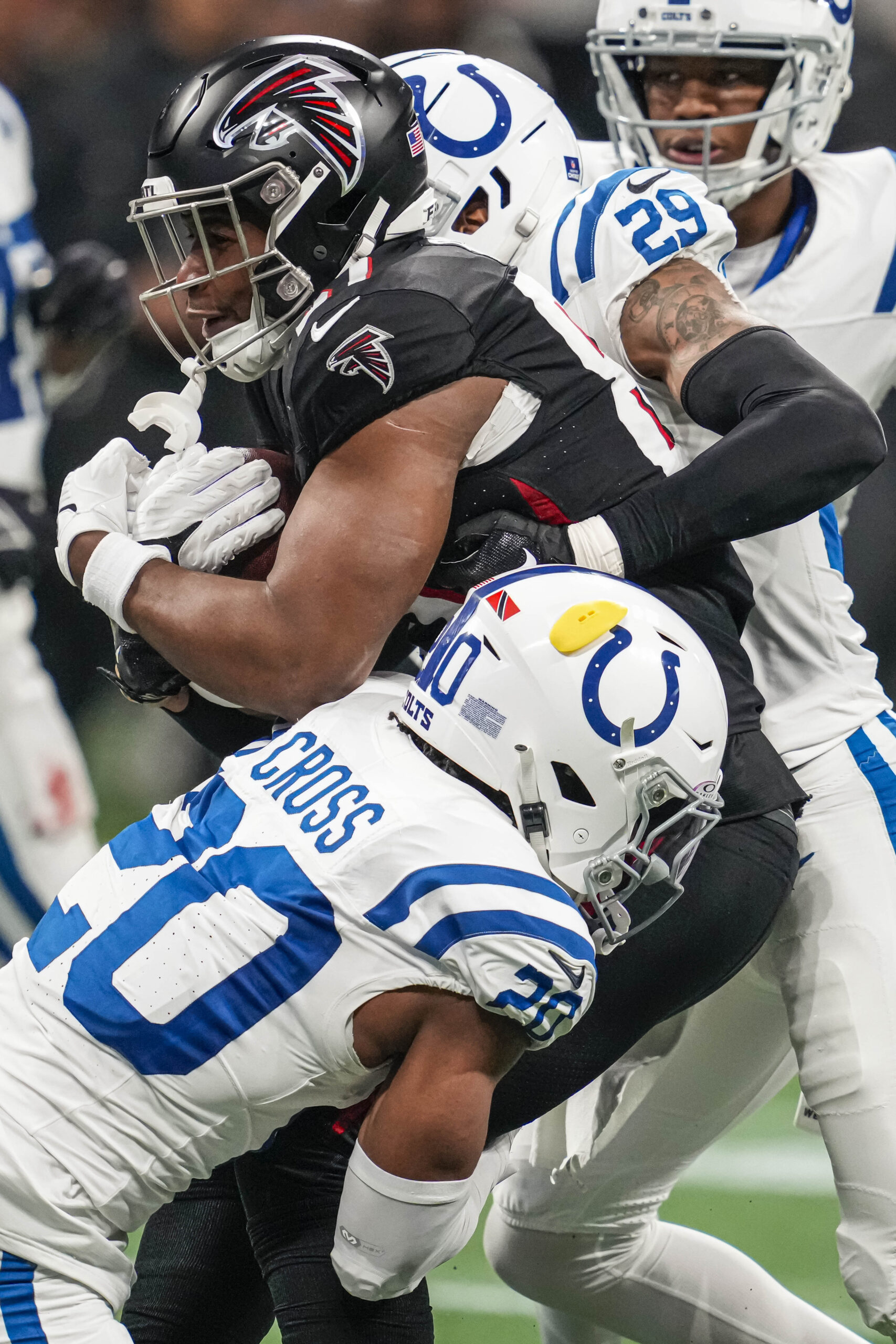 For a UDFA who did not play too much over his first two seasons, Brewer has done well for himself. He started 17 games in each of the past two years — no small feat on injury-battered Tennessee O-lines — and drew a second-round RFA tender salary in 2023. Shifting from guard to center last year, Brewer did not distinguish himself among the position’s best. But he still commanded an eight-figure guarantee from a team in need. PFF viewed Brewer as a better center, where he played in spurts during each of his first three years at Division I-FCS Texas State, ranking him 11th at the position in 2023.
McDaniel’s offense has not highlighted the tight end position much. Mike Gesicki‘s franchise tag went to waste in 2022, and the team rolled out a top-heavy passing attack last season. No one came between Jaylen Waddle (1,014 yards) and Durham Smythe (366) among Tagovailoa targets. Smith will be poised to change that, depending on how much McDaniel will be keen on utilizing this position. Arthur Smith sure did, infuriating Kyle Pitts fantasy GMs by regularly incorporating Jonnu (582 yards) into the offense. Topping 400 yards twice as a Titan, Smith no-showed as a Patriot. But the Dolphins could certainly use more from this position, especially with Beckham on the PUP list.
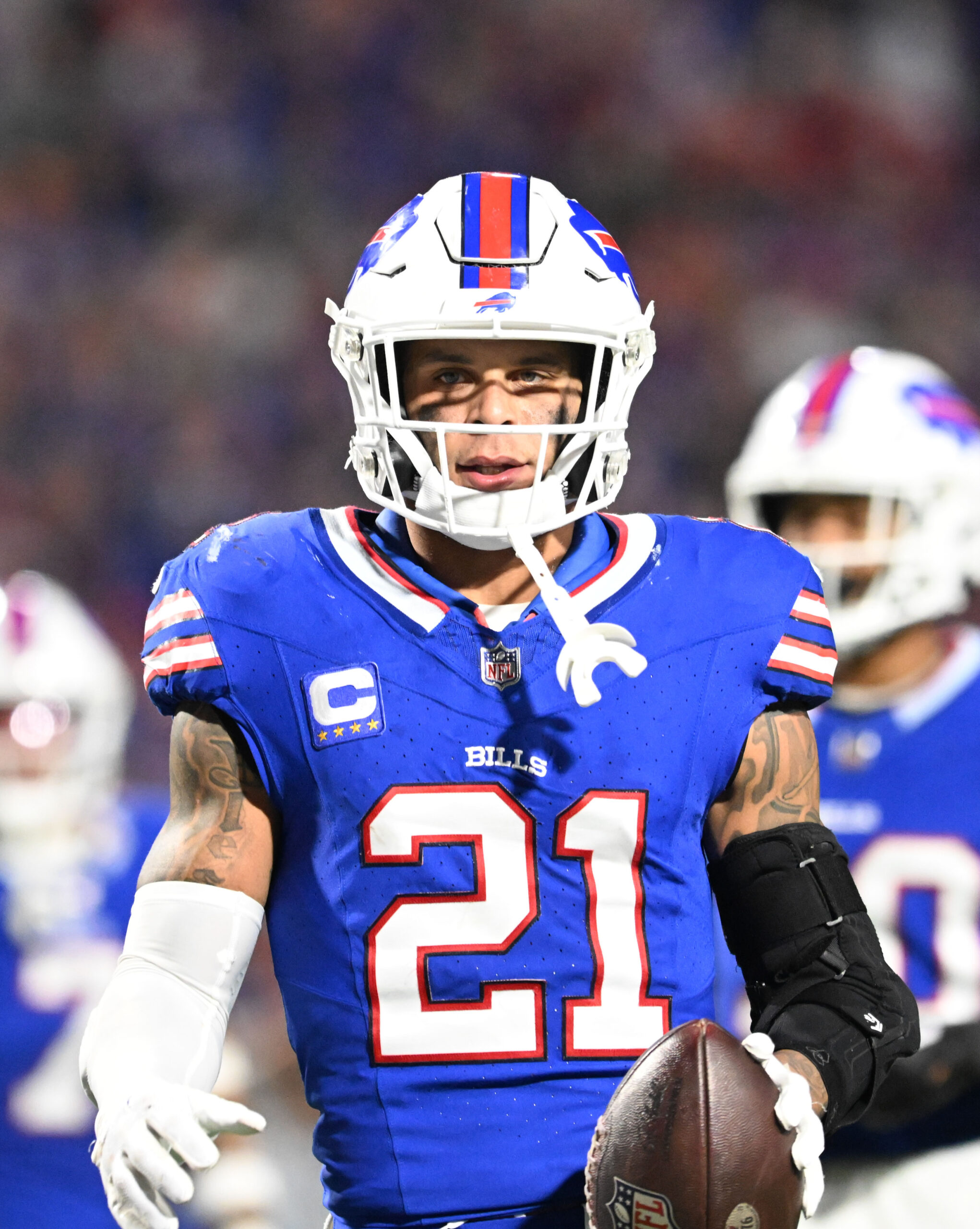 Seeing their Xavien Howard–Byron Jones tandem last just two years, the Dolphins did not opt to extend their Howard-Ramsey partnership past one. Fuller will be asked to team with Ramsey. Defecting from a rebuilding Commanders team, Fuller is coming off a year in which he was charged with a whopping nine touchdown passes allowed as the closest defender. Illustrating how the NFL coverage metrics are not exactly on par with MLB-level advanced stats, PFF ranked Fuller seventh among corners last season. Fuller, 29, has 93 career starts on his resume and has extensive experience inside and outside. For now, the Dolphins are using Fuller outside and Kader Kohou at nickel.
Poyer (33) opted to re-sign with the Bills last year, but their 2024 cost-cutting mission included the veteran safety. Poyer intercepted 22 passes in seven Bills seasons, starting 107 games as part of one of this century’s premier safety duos (alongside Micah Hyde). Maye provides an interesting third safety option, coming off a suspension- and injury-marred Saints season. The former Jets franchise player is now 31. This will be a transition for Maye, a starter throughout his seven-year career. The Ravens used three-safety looks often; Maye would give Anthony Weaver this option in Jevon Holland‘s contract year.
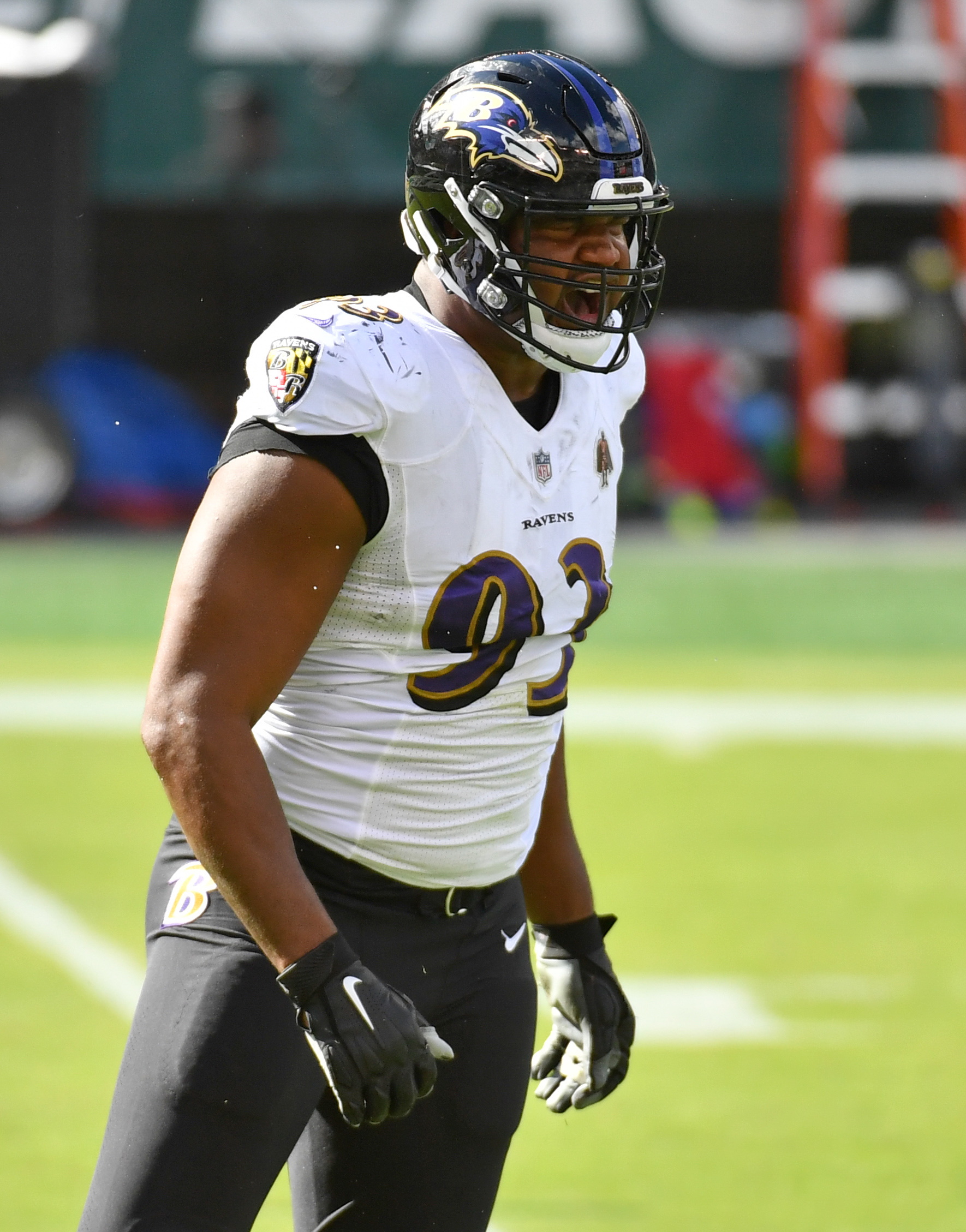 Brooks steps in for longtime starter Jerome Baker, though this switch came from two free agent signings rather than a Dolphins-Seahawks trade. The 2020 first-rounder made it back from a January 2023 ACL tear to start 16 games last season, putting together his third 100-plus-tackle campaign. A starter alongside Bobby Wagner in two of the past three years — as the ILB legend left Seattle and then returned — Brooks added 4.5 sacks in his contract year. Brooks, 27, comes slightly cheaper than Baker, who was tied to a three-year, $37.5MM deal.
Miami waited on the two biggest names in its 2024 FA class. Campbell is the league’s oldest defender, turning 38 earlier this week, but has remained durable and productive. A college teammate of Devin Hester and Frank Gore, the 2008 Cardinals draftee has started the fourth-most games (225) by a D-lineman in NFL history. Only Bruce Smith, Jim Marshall and Reggie White have that beat. Campbell crossed the 100-sack barrier last season, adding a Falcons-most 6.5 to his career total. Among active players, only Von Miller and Cameron Jordan have Campbell beat for sacks.
The former Miami Hurricane is near the end of a remarkable career, but he should help the Dolphins’ post-Christian Wilkins solution up front. This signing reunites Campbell and Weaver, with the ex-Ravens assistant in place on John Harbaugh‘s staff during the accomplished D-lineman’s final two Baltimore seasons.
Commanders To Extend G Sam Cosmi
SEPTEMBER 6: Of the guarantee figure, $26.6MM is locked in at signing, per Over the Cap. That includes a $20MM signing bonus. Cosmi can earn six-figure per game roster bonuses every year as well as annual workout bonuses. His 2024 cap number now sits at $5.66MM, and it will jump to $10.5MM next year before roughly doubling after that point.
SEPTEMBER 4, 12:48pm: Cosmi agreed to a four-year, $74MM deal, ESPN.com’s Adam Schefter tweets. The contract includes more than $45MM guaranteed. At $18.5MM per year, Cosmi is now the NFL’s fifth-highest-paid guard. Pouring a bit of cold water on this value, Fox Sports’ Ralph Vacchiano indicates the $74MM number reflects the deal’s max payout. This would point to incentives being included. Full terms are not yet available.
11:27am: The Commanders’ offensive line features some questions ahead of Jayden Daniels‘ rookie season. Midlevel veteran free agents are in place at multiple spots, and a rookie third-round pick is set to debut at left tackle. But the team answered one long-term question today.
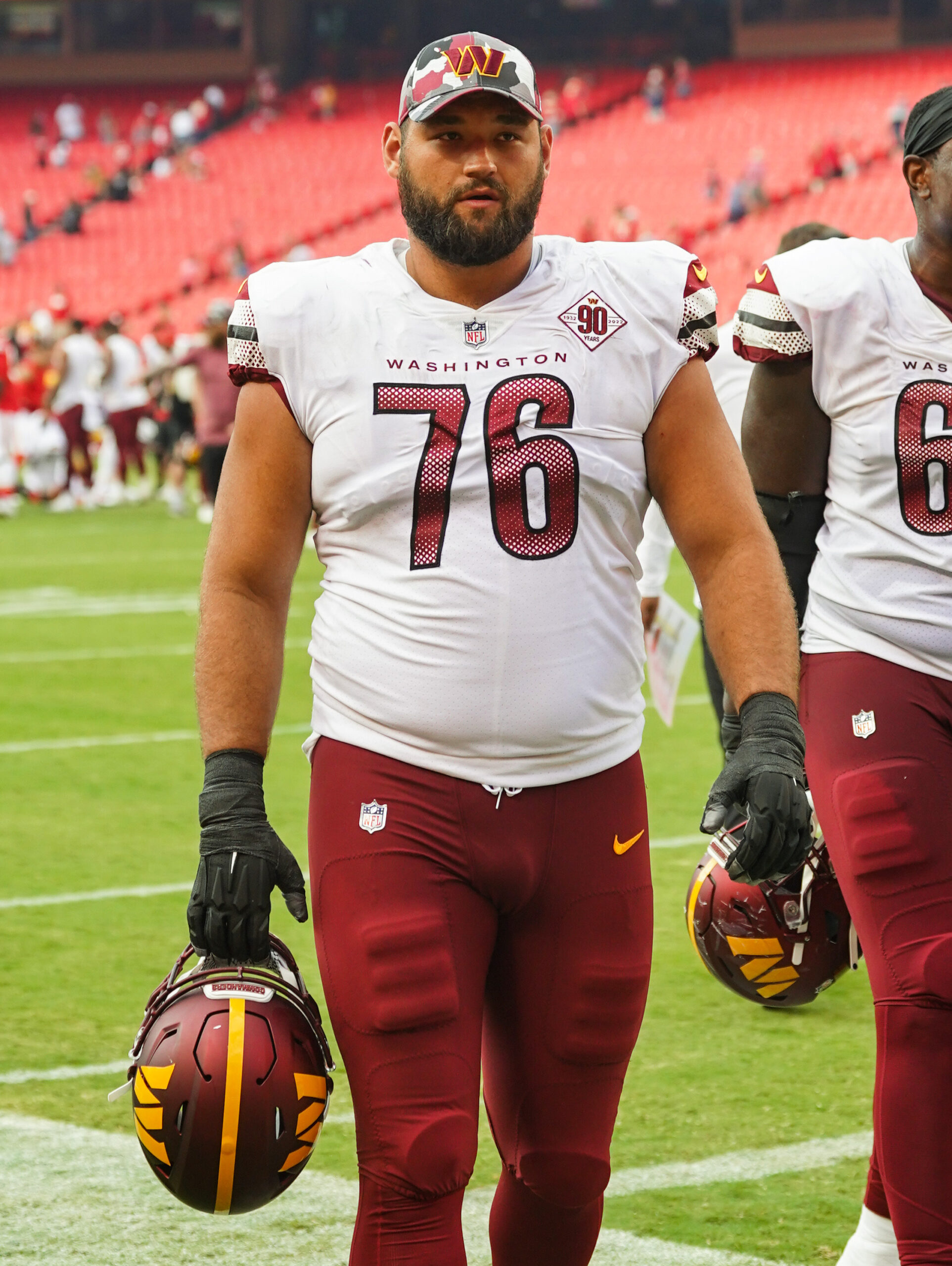 Sam Cosmi will be signed beyond 2024, with NFL.com’s Ian Rapoport reporting the team’s right guard agreed to terms on a four-year extension. This will lock in the converted tackle through the 2028 season.
This will only be Cosmi’s second full season at guard. Washington used the 2021 second-round pick primarily at right tackle during this first two seasons, moving him inside in 2023. Cosmi played well at his second NFL spot, and the team’s new regime took notice. Cosmi will be the only Ron Rivera-era draft choice set to line up for Washington’s starting O-line in Week 1. The rest of the group will consist of free agency additions (Andrew Wylie, Tyler Biadasz, Nick Allegretti) and third-round rookie Brandon Coleman.
Pro Football Focus slotted Cosmi fourth overall among guards in 2023, reminding this positional switch of Teven Jenkins‘. The latter has been a much better guard for the Bears compared to his tackle work. Despite one less season at guard, Cosmi will beat his 2021 second-round classmate to the extension punch.
Cosmi, 25, started all 17 Washington games last season; he entered the 2023 campaign with 15 career starts. PFF deemed Cosmi an effective tackle as well, but the Commanders kicked him inside upon signing Wylie during Eric Bieniemy‘s OC one-off. Cosmi’s run blocking has stood out thus far, and the Commanders will count on the former Texas Longhorn in that department again this season.
PFF graded the Commanders’ O-line 24th as a whole last season, and the team made some changes. Peters’ regime cut left tackle Charles Leno and center Nick Gates, with those funds helping the team as it added both Biadasz and Allegretti. At $10MM per year, Biadasz entered the week as the Commanders’ highest-paid O-lineman. The terms on Cosmi’s deal, however, should be expected to change that.
Washington chose Cosmi 51st overall in 2021, doing so in the first draft in which Rivera collaborated with then-GM Martin Mayhew. The latter remains with Washington as an advisor to new GM Adam Peters. The two worked together in San Francisco. Mayhew remaining in place may have helped Cosmi’s cause, as the Commanders spent most of their offseason funds on free agents as opposed to extensions.