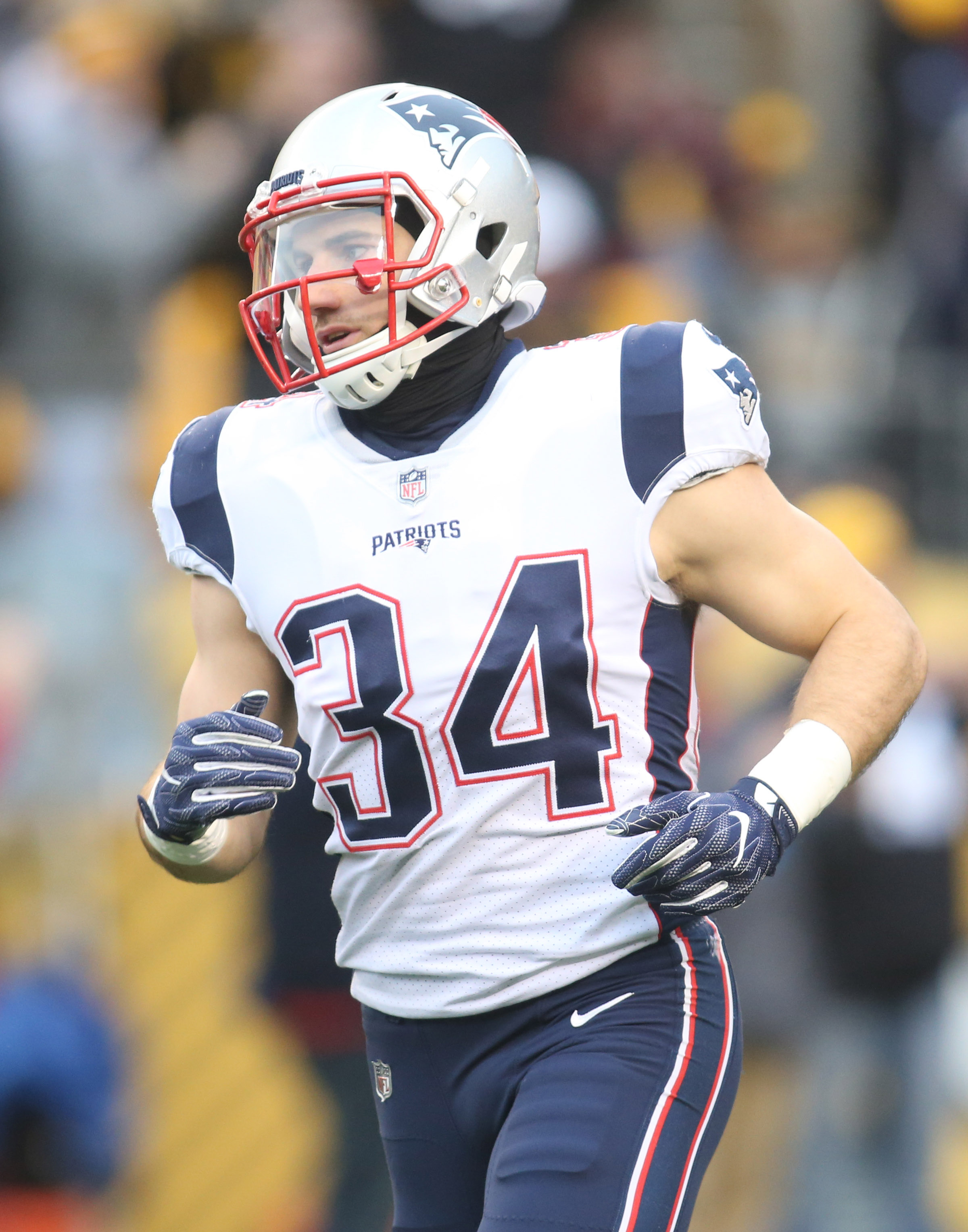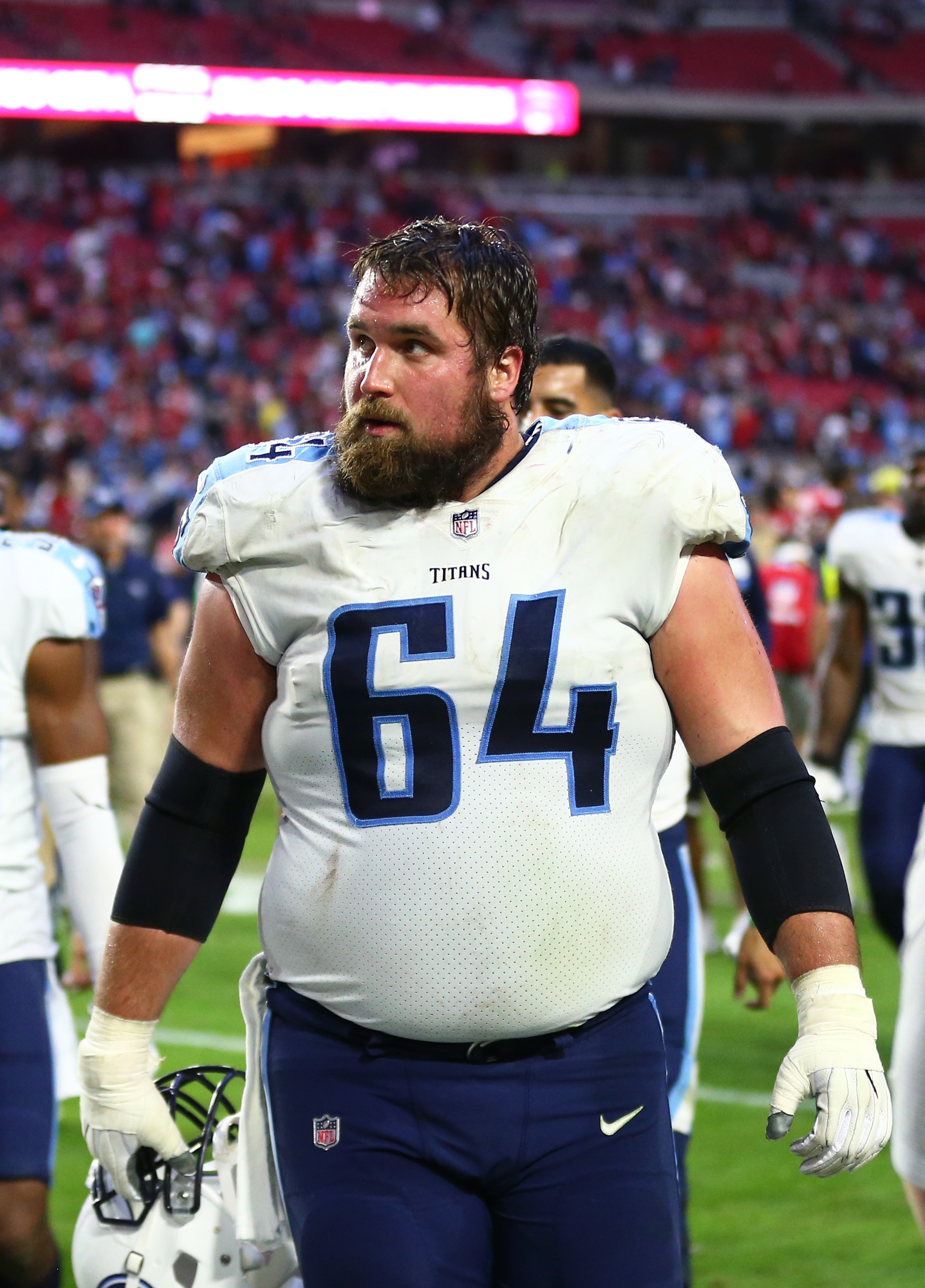
Top 2018 NFL Free Agents By Position: Offense
NFL free agency will get underway on Wednesday, March 14th, and while the list of free agents will change between now and then, we do have some idea of who will be available when free agency kicks off. The frenzy is right around the corner and it’s time for us to break down the outlook for each position. We’ll start today on offense, before getting to defense and special teams later this week.
Listed below are our rankings for the top 15 free agents at each offensive position. The rankings aren’t necessarily determined by the value of the contracts that each player is expected to land in free agency, they are simply the players we like the most at each position, with both short- and long-term value taken into account. Restricted and exclusive-rights free agents are not listed here since they are unlikely to actually reach the open market. The same goes for players who have been franchise tagged or transition tagged.
We’ll almost certainly be higher or lower on some guys than you are, so we encourage you to make your voice heard in our comments section to let us know which free agents we’ve got wrong.
Here’s our breakdown of the current top 15 free agents by offensive position for 2018:
Quarterback:
- Kirk Cousins
- Drew Brees
- Case Keenum
- A.J. McCarron
- Sam Bradford
- Teddy Bridgewater
- Colin Kaepernick
- Josh McCown
- Mike Glennon
- Drew Stanton
- Jay Cutler
- Chase Daniel
- Ryan Fitzpatrick
- Brock Osweiler
- Tom Savage
There were many difficult calls when putting this list together, but ranking Kirk Cousins as the No. 1 QB available was not among them. Cousins is 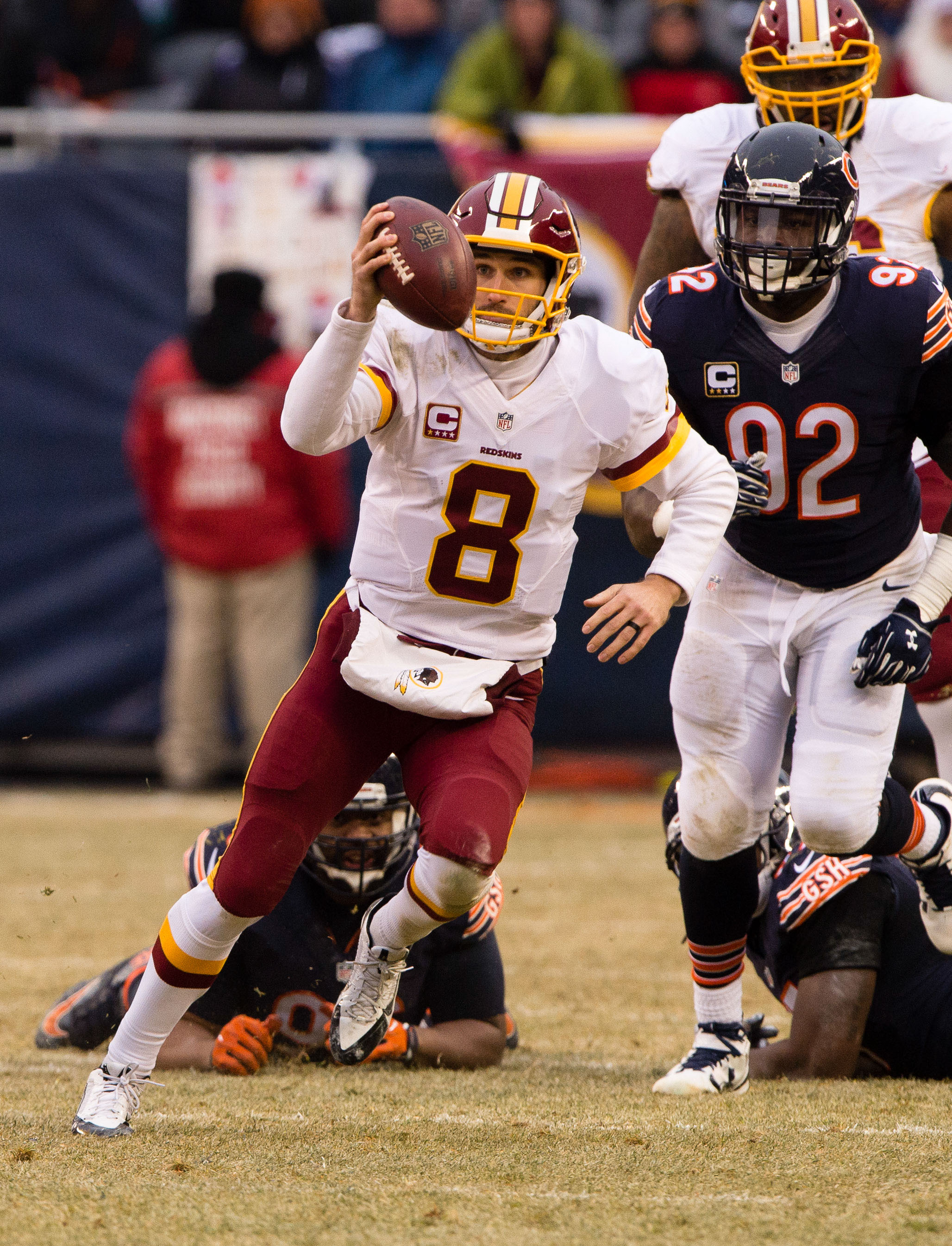 the best quarterback to reach free agency in recent history and he’ll become the highest-paid player of all-time – at least, for some period of time – in mid-March. Who will make history with Cousins? That’s anyone’s guess right now. The Browns have more cap room than any other team, but a recent report from Adam Schefter of ESPN.com listed the Broncos, Cardinals, Jets, and Vikings as the final suitors for Cousins. Of those four, the Jets have the most money to work with, but they’re concerned about the Vikings winning out and Cousins’ desire to win could point him in another direction. If the Broncos and Cardinals want in on the Cousins sweepstakes, they’ll have to get creative with the books.
Drew Brees is included here, but by his own admission, he’ll be re-signing with the Saints rather than testing the open waters of free agency. Unless the Saints lowball their franchise QB, it’s hard to see him leaving New Orleans.
Case Keenum put together a tremendous season for the Vikings, but he doesn’t have a history of success beyond 2017. There will be plenty of interest in Keenum, but only after QB-needy teams strike out on Cousins. The incumbent Vikings could re-sign Keenum, but right now, it seems like they are intent on exploring the Cousins waters first.
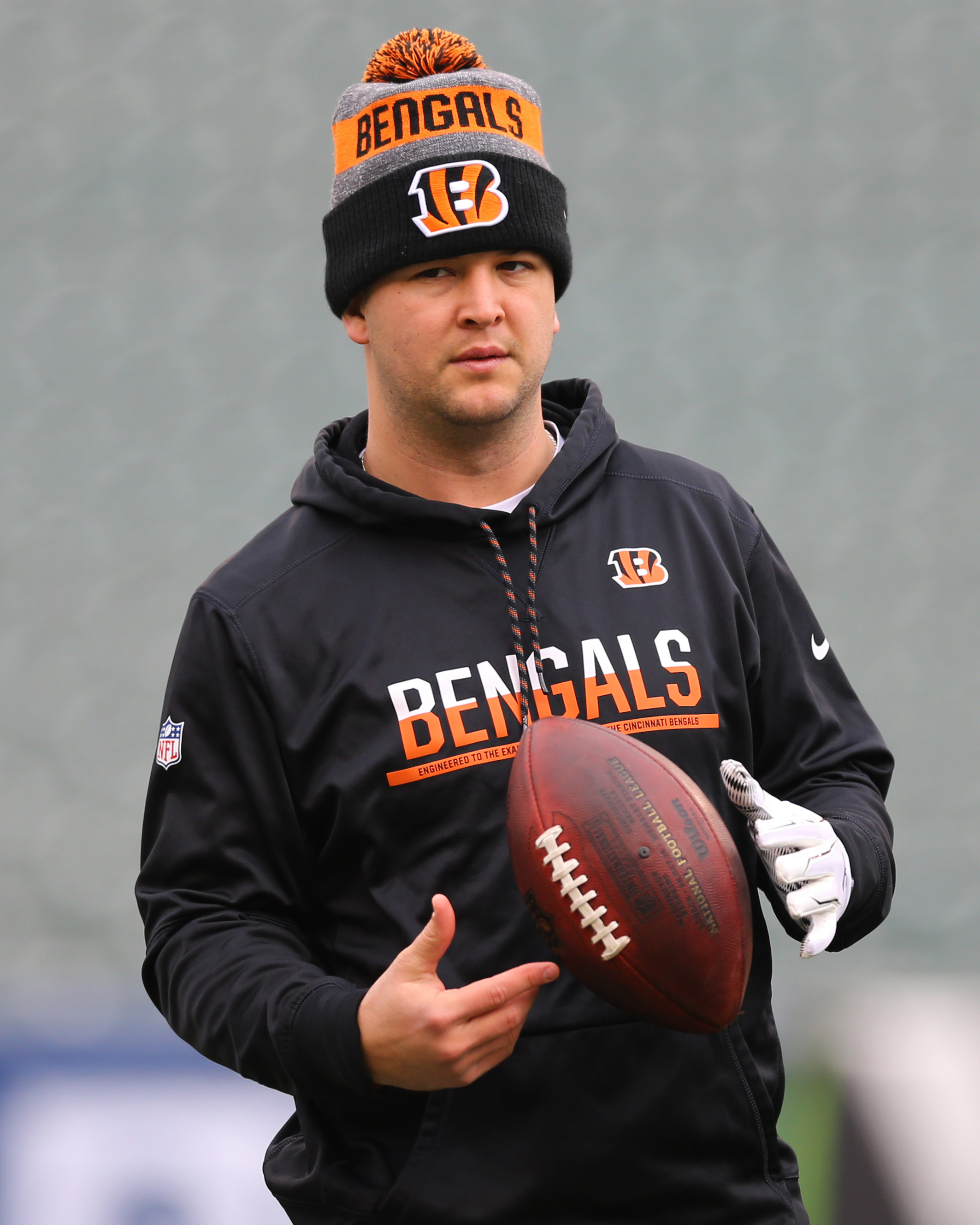 There isn’t a ton of footage on A.J. McCarron, which made his placement on this list awfully tricky. We know this much: McCarron did well in place of Dalton in the home stretch of the 2015 season and his former offensive coordinator Hue Jackson was salivating at the chance of landing him before the Browns bungled the trade with the Bengals. McCarron’s relative youth is a plus (he won’t turn 28 until September) and his lack of experience can be looked at as a positive. Unlike some of the other names on this list, he hasn’t run up his NFL odometer.
What will NFL teams make of Teddy Bridgewater and Sam Bradford this offseason? Not long ago, both seemed like quality starting options. However, there are serious injury questions about both players and any team signing them will either look to backstop them with another decent option or ask them to come onboard as a QB2. With that in mind, one has to wonder if Bradford would consider retirement if asked to hold the clipboard for another signal caller. Bradford has earned upwards of $110MM over the years in the NFL, so it’s safe to say that he has enough money in the bank to call it quits if he wants. For now, he’s intent on playing.
Colin Kaepernick‘s placement on this list is sure to draw some strong reactions from his fans and detractors alike. Looking purely at his football ability, there’s no question that he belongs on someone’s roster. At minimum, Kaepernick profiles as a high-end backup, even after a year out of the game.
Quarterbacks coaches have long believed that Mike Glennon is capable of great things, due in part to his height. At 6’7″, he can see over any defensive line, but he hasn’t done much on the field to prove that he is a quality Week 1 starting option. Josh McCown, who is a decade his senior, edges him here for his surprisingly strong performance in 2017 at the helm of a weak Jets offense.
Top 3 Offseason Needs: New Orleans Saints
In advance of March 14, the start of free agency in the NFL, Pro Football Rumors will detail each team’s three most glaring roster issues. We’ll continue this year’s series with the New Orleans Saints, who finished with an 11-5 record before suffering a devastating loss to the Vikings in the Divisional Round.
Depth Chart (via Roster Resource)
Pending Free Agents:
- Jack Allen, C (ERFA)
- Delvin Breaux, CB (RFA)
- Drew Brees, QB
- Rafael Bush, S
- Brandon Coleman, WR (RFA)
- Chase Daniel, QB
- Kasim Edebali, DE
- Jonathan Freeny, LB
- Clay Harbor, TE
- Gerald Hodges, LB
- John Hughes, DT
- George Johnson, DE
- Senio Kelemete, OL
- John Kuhn, FB
- Josh LeRibeus, OL
- Zach Line, FB
- Michael Mauti, LB
- Tony McDaniel, DT
- Sterling Moore, CB
- Alex Okafor, DE
- David Parry, DT (RFA)
- Willie Snead, WR (RFA)
- Kenny Vaccaro, S
- Zach Wood, LS (ERFA)
Top 10 Cap Hits for 2018:
- Cameron Jordan, DE: $14,247,000
- Terron Armstead, T: $13,500,000
- Larry Warford, G: $9,000,000
- Max Unger, C: $8,000,000
- Coby Fleener, TE: $8,000,000
- Mark Ingram, RB: $6,245,000
- Drew Brees, QB: $6,000,000 (dead money)
- Nick Fairley, DT: $6,000,000 (dead money)
- A.J. Klein, LB: $5,200,000
- Thomas Morstead, P: $4,850,000
Other:
- Projected cap space (via Over the Cap): $31,065,354
- 27th pick in draft
- Must exercise or decline 2019 fifth-year option for G Andrus Peat
Three Needs:
1) Re-sign Drew Brees: The entire Saints’ offseason hinges on re-signing 39-year-old quarterback Drew Brees. Nearly every report has indicated Brees wants to return to New Orleans, and it’s frankly difficult to imagine him leaving for another club. General manager Mickey Loomis & Co. had planned meet with Brees and his representatives at the scouting combine over the next week, and Brees’ unique contract structure means the two sides must agree to a new deal before the 2018 league year begins on March 14.
Brees worked out a one-year extension in September 2016 that locked him up through the 2017 campaign. Technically, the pact runs through the 2020 season, but the typically cap-strapped Saints used three void years in order to spread out Brees’ $30MM signing bonus. Signing bonuses prorate on NFL salary caps, so tacking on “fake” seasons to the end of a contract allow clubs to save cap space in the present while knowing they’ll have to pay the bill down the line.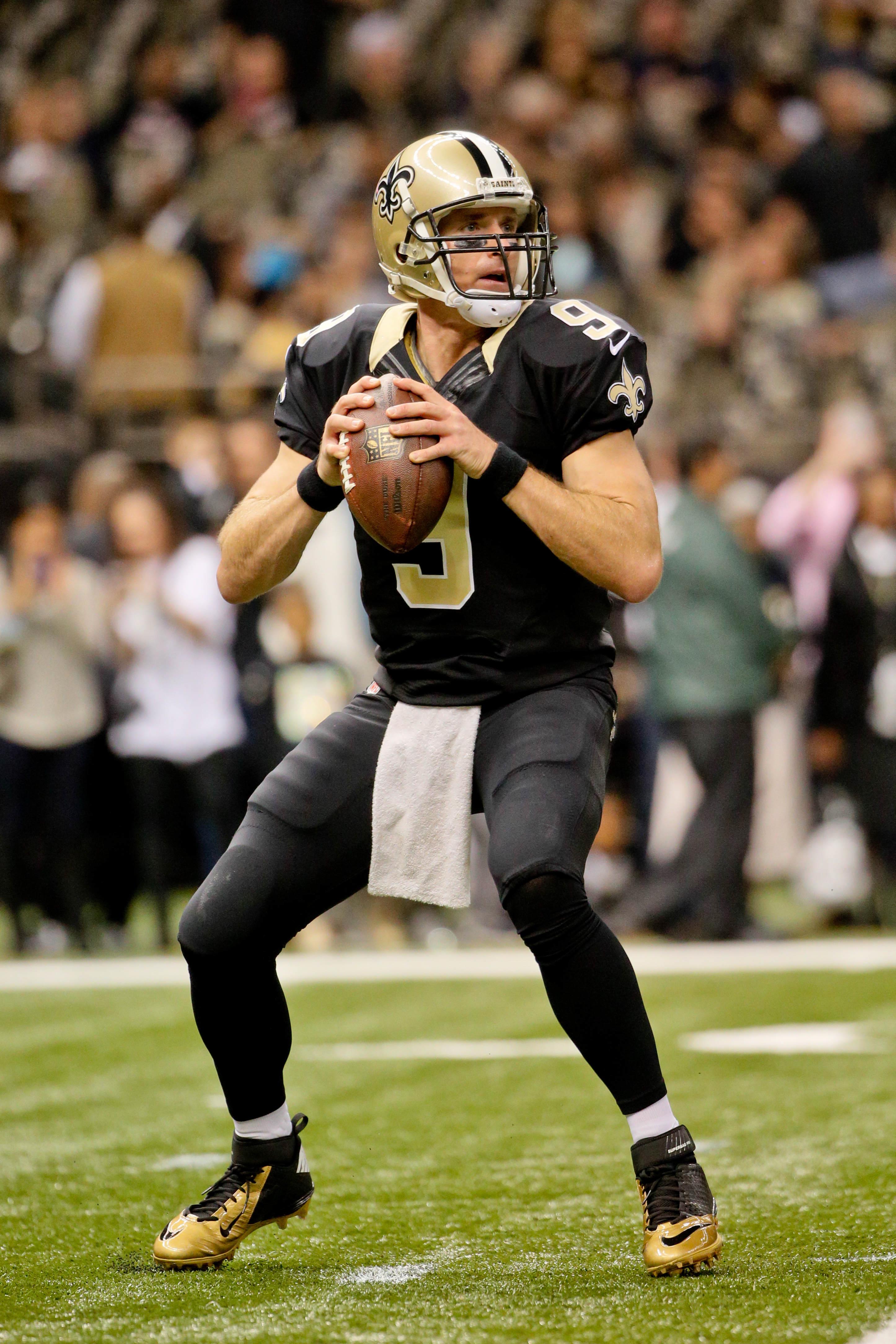
Because Brees was given a $30MM signing bonus, the Saints are responsible for a $6MM cap charge ($30MM divided by five years) in each season of the deal. Brees’ contract will void on March 14, and if he hasn’t inked a new agreement at that point, the remaining $18MM in signing bonus proration will immediately accelerate onto New Orleans’ 2018 salary cap. What the Saints need to do, then, is extend Brees for a few more years, which would allow them to once again spread out that remaining $18MM.
If the Saints’ history of salary cap management is any indication, they’ll attempt to kick the can down the road again by signing Brees to a new contract that contains more void seasons. A five-year deal that contains a void provision after year two would allow New Orleans to retain Brees for the time being while giving the team even more wherewithal to spread out his signing bonus. Yes, such a plan would simply force the Saints to address Brees’ deal again in say, 2020, but given that New Orleans is squarely in its contention window, Loomis can afford to sort out any contractual problems when the time comes.
For what it’s worth, there’s little question the Saints need to retain Brees despite his advanced age and the surprisingly large number of quarterback alternatives available this offseason. Brees didn’t post his typically gaudy offensive statistics in 2017, but that was largely by design, as he attempted only 536 pass attempts, his lowest in a full 16-game slate since 2005 (his final year with the Chargers).
New Orleans built an offense that doesn’t have to fully rely on Brees, as the club ranked first in rushing DVOA and second in pressure rate allowed. Buoyed by Mark Ingram, Alvin Kamara, and a strong offensive line, Brees ranked second in passer rating and adjusted net yards per attempt, and third in Football Outsiders‘ DVOA, which measures value on a per-play basis.
2) Back to the drawing board opposite Cameron Jordan: The Saints struck gold in 2017 by inking former Cardinals edge rusher Alex Okafor to a one-year, $3MM deal. After years of trying (and failing) to find a defensive end to play alongside standout Cameron Jordan, New Orleans finally landed Okafor, who graded as Pro Football Focus‘ No. 22 edge defender before going down with a torn Achilles in late November. With Okafor in tow, the Saints ranked sixth in adjusted sack rate, their best showing since 2013, and finished 11th in pressure rate.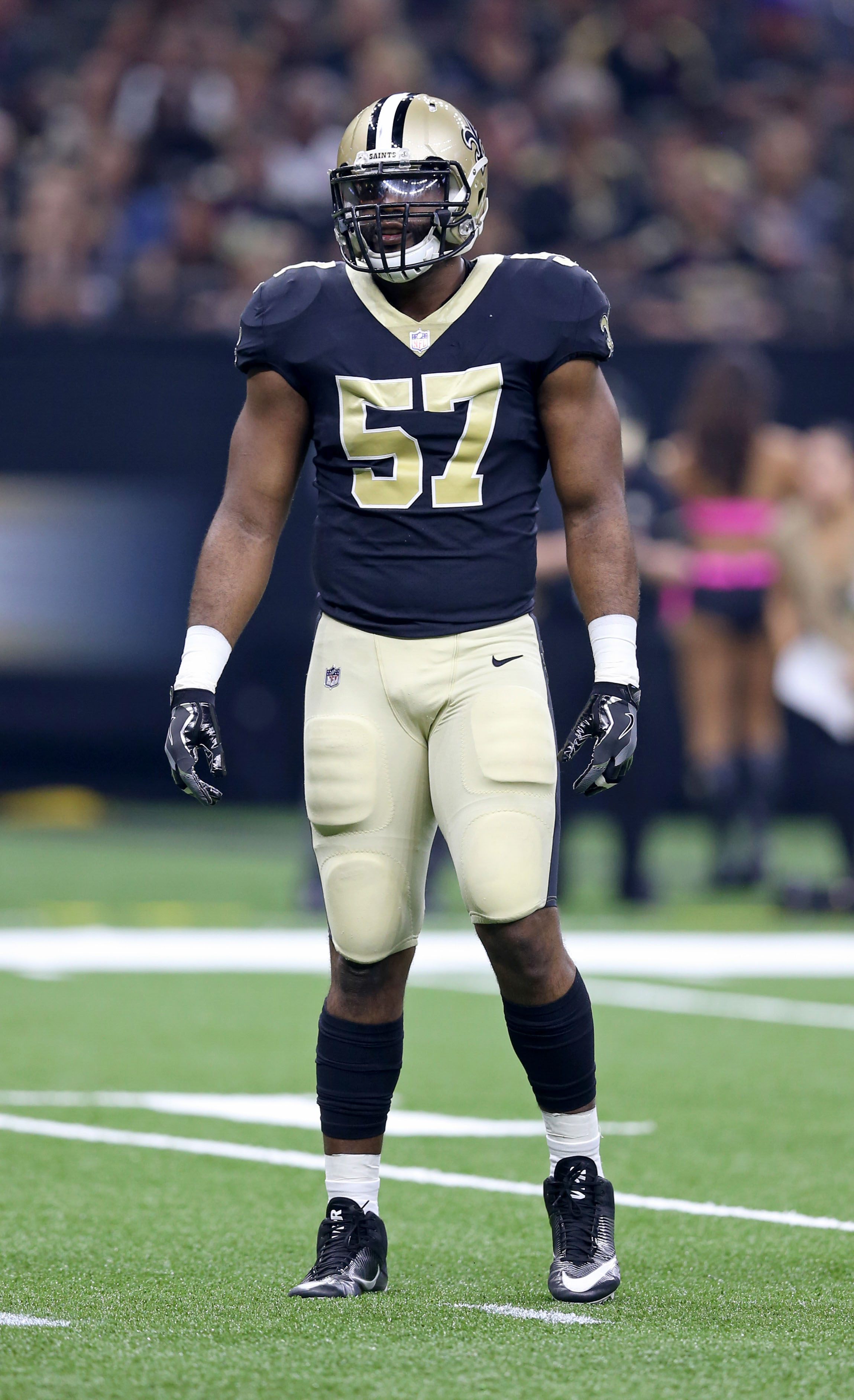
Okafor was one of the best one-year signings in the NFL a season ago, and the now 27-year-old has indicated that he’d like to return to New Orleans in 2018. While the Saints could explore a new deal with Okafor, they shouldn’t overpay to do so. Okafor didn’t have much of a market last season, and New Orleans doesn’t need to reward him for a (admittedly solid) 10-game sample. If Okafor is willing to re-sign for the $3MM he landed last year, the Saints should be interested. But given that he’s coming off an Achilles injury (which could limit his explosion and first step going forward), Okafor doesn’t need to be a high priority for New Orleans.
The Saints could also look at other internal options before scouring the free agent market in search of edge defenders. Trey Hendrickson was a third-round draft pick last year, and he offered an adequate performance as a situational rusher during his rookie campaign. On 235 pass-rushing snaps, Hendrickson put up 13 quarterback pressures. If New Orleans believes Hendrickson could advance to a full-time role in 2018, the club may not need to find another defensive end. The Saints also have 2017 sixth-rounder Al-Quadin Muhammad on the roster, but the Rutgers product only played 24 defensive snaps last season.Read more
PFR Originals: 2/25/18 – 3/4/18
The original content and analysis produced by the PFR staff during the past week:
- As the offseason progresses, PFR will assess each team by examining the top three needs on each respective NFL roster. We covered two organizations last week:
- The NFL has now announced the 2018 compensatory selections and used a coin flip to settle a tie between the 49ers and Raiders, so the Complete 2018 Draft Order is now available.
- A number of selections have been already been dealt, and you can keep track of them by bookmarking our list of 2018 Traded NFL Draft Picks.
Traded NFL Draft Picks For 2018
While many 2018 NFL draft picks that get traded won’t be moved until later in the offseason, or during the draft itself, plenty of selections have already changed hands. This list will continue to be updated throughout the offseason, so be sure to check back after trades have been consummated for an updated look at which picks are on the move for 2018. If you have any corrections, please contact us.
Here are 2018’s traded draft picks:
Updated 4-8-18 (1:45pm CT)
Round 1
- Jets acquired pick No. 3 from Colts.
- Browns acquired pick No. 4 from Texans in deal for QB Deshaun Watson.
- Colts acquired pick No. 6 from Jets in deal for No. 3 pick.
- Bills acquired pick No. 12 from Bengals in deal for T Cordy Glenn.
- Bengals acquired pick No. 21 from Bills in deal for T Cordy Glenn.
- Bills acquired pick No. 22 from Chiefs in deal for QB Patrick Mahomes.
- Patriots acquired pick No. 23 from Rams in deal for WR Brandin Cooks.
Round 2
- Browns acquired pick No. 35 from Texans in deal for QB Brock Osweiler.
- Colts acquired pick No. 37 from Jets in deal for No. 3 pick.
- Patriots acquired pick No. 43 from 49ers in deal for QB Jimmy Garoppolo.
- Colts acquired pick No. 49 from Jets in deal for No. 3 pick.
- Bills acquired pick No. 56 from Rams in deal for WR Sammy Watkins.
- 49ers acquired pick No. 59 from Saints in deal for RB Alvin Kamara.
- Browns acquired pick No. 64 from Eagles in deal for 2016 No. 2 pick.
Round 3
- Bills acquired pick No. 65 from Browns in deal for QB Tyrod Taylor.
- Giants acquired pick No. 69 from Buccaneers in deal for DE Jason Pierre-Paul.
- 49ers acquired pick No. 70 from Bears in deal for QB Mitch Trubisky.
- Chiefs acquired pick No. 78 from Redskins in deal for QB Alex Smith.
- Texans acquired pick No. 80 from Seahawks in deal for T Duane Brown.
- Panthers acquired pick No. 85 from Bills in deal for WR Kelvin Benjamin.
- Bills acquired pick No. 96 from Eagles in deal for CB Ronald Darby.
Round 4
- Packers acquired pick No. 101 from Browns in deal for DB Damarious Randall.
- Buccaneers acquired pick No. 102 from Giants in deal for DE Jason Pierre-Paul.
- Giants acquired pick No. 108 from Buccaneers in deal for DE Jason Pierre-Paul.
- Redskins acquired pick No. 109 from Broncos in deal for S Su’a Cravens.
- Rams acquired pick No. 111 from Dolphins in deal for DE Robert Quinn.
- Broncos acquired pick No. 113 from Redskins in deal for S Su’a Cravens.
- Browns acquired pick No. 114 from Packers in deal for QB DeShone Kizer.
- Bears acquired pick No. 115 from Cardinals in deal for S Budda Baker.
- Dolphins acquired pick No. 123 from Browns in deal for WR Jarvis Landry.
- Chiefs acquired pick No. 124 from Rams in deal for CB Marcus Peters.
- 49ers acquired pick No. 128 from Steelers in deal for TE Vance McDonald.
- Eagles acquired pick No. 130 from Patriots in deal for CB Eric Rowe.
- Dolphins acquired pick No. 131 from Eagles in deal RB Jay Ajayi.
- Rams acquired pick No. 135 from Giants in deal for LB Alec Ogletree.
- Rams acquired pick No. 136 from Patriots in deal for WR Brandin Cooks.
Round 5
- Packers acquired pick No. 138 from Browns in deal for DB Damarious Randall.
- Seahawks acquired pick No. 141 from Texans in deal for T Duane Brown.
- Redskins acquired pick No. 142 from Broncos in deal for S Su’a Cravens.
- 49ers acquired pick No. 143 from Jets in deal for CB Rashard Robinson.
- Seahawks acquired pick No. 146 from Raiders in deal for RB Marshawn Lynch.
- Saints acquired pick No. 147 from Dolphins in deal for LB Stephone Anthony.
- Steelers acquired pick No. 148 from 49ers in deal for TE Vance McDonald.
- Broncos acquired pick No. 149 from Redskins in deal for S Su’a Cravens.
- Browns acquired pick No. 150 from Packers in deal for QB DeShone Kizer.
- Seahawks acquired pick No. 156 from Eagles in deal for DL Michael Bennett.
- Jets acquired pick No. 157 from Cowboys in deal for S Xavier Woods.
- Bengals acquired pick No. 158 from Bills in deal for T Cordy Glenn.
- Raiders acquired pick No. 159 from Patriots in deal for WR Cordarrelle Patterson.
- Broncos acquired pick No. 160 from the Rams in deal for CB Aqib Talib.
- Redskins acquired pick No. 163 from Broncos in deal for S Su’a Cravens.
- Bills acquired pick No. 166 from Jaguars in deal for DT Marcell Dareus.
- Seahawks acquired pick No. 168 from Patriots in deal for DE Cassius Marsh.
- Raiders acquired pick No. 173 from Cowboys in deal for FB Jamize Olawale.
Round 6
- Rams acquired pick No. 176 from Giants in deal for LB Alec Ogletree.
- Cardinals acquired pick No. 182 from Broncos in deal for T Jared Veldheer.
- Rams acquired pick No. 183 from Dolphins in deal for DE Robert Quinn.
- Bills acquired pick No. 187 from Bengals in deal for T Cordy Glenn.
- Browns acquired pick No. 188 from Redskins in deal for QB Kevin Hogan.
- Saints acquired pick No. 189 from Cardinals in deal for RB Adrian Peterson.
- Cowboys acquired pick from Raiders in deal for FB Jamize Olawale.
- Rams acquired pick No. 194 from Lions in deal for T Greg Robinson.
- Rams acquired pick No. 195 from Bills in deal for CB E.J. Gaines.
- Patriots acquired pick No. 198 from Rams in deal for WR Brandin Cooks.
- Buccaneers acquired pick No. 202 from Steelers in deal for S J.J. Wilcox.
- Redskins acquired pick No. 205 from Browns in deal for QB Kevin Hogan.
- Dolphins acquired pick No. 209 from Rams in deal for DE Robert Quinn.
- Raiders acquired pick No. 210 from Patriots in deal for WR Cordarrelle Patterson.
Round 7
- Patriots acquired pick No. 219 from Browns in deal for CB Jason McCourty.
- Steelers acquired pick No. 220 from Giants in deal for CB Ross Cockrell.
- 49ers acquired pick No. 223 from Dolphins in deal for C Daniel Kilgore.
- Vikings acquired pick No. 225 from the Broncos in deal for QB Trevor Siemian.
- Seahawks acquired pick No. 226 from Jets in deal for WR Jermaine Kearse.
- Dolphins acquired pick No. 227 from the 49ers in deal for C Daniel Kilgore.
- Jaguars acquired pick No. 230 from Bengals in deal for DE Chris Smith.
- Chiefs acquire pick No. 233 from Cardinals in deal for CB Marcus Cooper.
- Panthers acquired pick No. 234 from Bills in deal for WR Kelvin Benjamin.
- Jets acquired pick No. 235 from Seahawks in deal for DT Sheldon Richardson.
- Packers acquired pick No. 239 from Bills in deal for LB Lerentee McCray.
- 49ers acquired pick No. 240 from Chiefs in deal for CB Kenneth Acker.
- Redskins acquired pick No. 241 from the Rams in deal for TE Derek Carrier.
- Chiefs acquired pick No. 243 from the Titans in deal for DE David King.
- Seahawks acquired pick No. 248 from Vikings in deal for CB Tramaine Brock.
- Bengals acquired pick No. 249 from Patriots in deal for LB Marquis Flowers.
- Eagles acquired pick No. 250 from Seahawks in deal for DL Michael Bennett.
Complete 2018 NFL Draft Order
The full 2018 NFL draft order can be found below, sorted by round. The list of 256 selections includes all traded draft picks and compensatory picks, and will continue to be updated leading up to the draft if additional deals are made. For an explanation of how traded picks were acquired, check out our complete breakdown.
Here’s the complete 2018 NFL draft order:
Updated 4-8-18 (1:46pm CT)
Round One:
- Cleveland Browns
- New York Giants
- New York Jets (from Indianapolis)
- Cleveland Browns (from Houston)
- Denver Broncos
- Indianapolis Colts (from New York Jets)
- Tampa Bay Buccaneers
- Chicago Bears
- San Francisco 49ers
- Oakland Raiders
- Miami Dolphins
- Buffalo Bills (from Cincinnati)
- Washington Redskins
- Green Bay Packers
- Arizona Cardinals
- Baltimore Ravens
- Los Angeles Chargers
- Seattle Seahawks
- Dallas Cowboys
- Detroit Lions
- Cincinnati Bengals (from Buffalo)
- Buffalo Bills (from Kansas City)
- New England Patriots (from Los Angeles Rams)
- Carolina Panthers
- Tennessee Titans
- Atlanta Falcons
- New Orleans Saints
- Pittsburgh Steelers
- Jacksonville Jaguars
- Minnesota Vikings
- New England Patriots
- Philadelphia Eagles
Round Two:
- Cleveland Browns
- New York Giants
- Cleveland Browns (from Houston)
- Indianapolis Colts
- Indianapolis Colts (from New York Jets)
- Tampa Bay Buccaners
- Chicago Bears
- Denver Broncos
- Oakland Raiders
- Miami Dolphins
- New England Patriots (from San Francisco)
- Washington Redskins
- Green Bay Packers
- Cincinnati Bengals
- Arizona Cardinals
- Los Angeles Chargers
- Indianapolis Colts (from Seattle via New York Jets)
- Dallas Cowboys
- Detroit Lions
- Baltimore Ravens
- Buffalo Bills
- Kansas City Chiefs
- Carolina Panthers
- Buffalo Bills (from Los Angeles Rams)
- Tennessee Titans
- Atlanta Falcons
- San Francisco 49ers (from New Orleans)
- Pittsburgh Steelers
- Jacksonville Jaguars
- Minnesota Vikings
- New England Patriots
- Cleveland Browns (from Philadelphia)
Top 3 Offseason Needs: Oakland Raiders
In advance of March 14, the start of free agency in the NFL, Pro Football Rumors will detail each team’s three most glaring roster issues. We’ll continue this year’s series with the Oakland Raiders, who underwhelmed with a 6-10 record after receiving significant offseason hype because of their 2016 playoff berth. The team opted to fire Jack Del Rio months after giving him an extension and bring back Jon Gruden, who has not coached since the 2008 season. After being viewed to be in better shape in 2017, the franchise is in a less cozy place as far as needs go as well entering Gruden 2.0’s first offseason.
Depth Chart (via Roster Resource)
Pending Free Agents:
- Denico Autry, DE
- NaVorro Bowman, LB
- Shilique Calhoun, LB (ERFA)
- Jon Condo, LS
- James Cowser, LB (ERFA)
- Justin Ellis, DT
- Erik Harris, S (ERFA)
- Sebastian Janikowski, K
- Denver Kirkland, G (ERFA)
- EJ Manuel, QB
- Keith McGill, S
- Reggie Nelson, S
- Lee Smith, TE
- Giorgio Tavecchio, K (ERFA)
Top 10 Cap Hits for 2018:
- Derek Carr, QB: $25,000,000
- Khalil Mack, LB: $13,846,000
- Gabe Jackson, G: $10,500,000
- Kelechi Osemele, G: $10,500,000
- Sean Smith, CB: $8,500,000
- Rodney Hudson, C: $8,350,000
- Bruce Irvin, LB: $8,250,000
- Donald Penn, T: $8,131,250
- Michael Crabtree, WR: $7,687,500
- Amari Cooper, WR: $7,210,993
Other:
- Projected cap space (via Over the Cap): $15,775,913
- Ninth/tenth pick in draft
- Must exercise or decline 2019 fifth-year option for WR Amari Cooper
Three Needs:
1) Restock the cornerback spots: The player most associated with Raiders cornerbacks over the past three years is now gone. Gruden and Reggie McKenzie showed David Amerson the door, and he’s now with the rival Chiefs. Sean Smith has not been what the franchise envisioned upon signing him in 2016, and the legal entanglement he’s gotten into paves a path for the soon-to-be 31-year-old corner out of Oakland. Releasing Smith comes free of charge thanks to McKenzie’s usual method of frontloading deals; the Raiders will see $8.5MM in cap relief with a Smith cut. The question then evolves to how to repair this area.
 With slot man T.J. Carrie a free agent, the Raiders will be incredibly thin here if/when they cut Smith. Only 2017 first-rounder Gareon Conley qualifies as a building block, and he missed all but two games of his rookie season with a troublesome shin injury. Nevertheless, Conley will be expected to commandeer one of Oakland’s starting jobs this coming season.
Despite being a UFA, Carrie — a Bay Area native — already met with Gruden and members of the new coaching staff. He’s expressed a desire to stay. Although Carrie had his best season in 2017 after winning the slot job full-time following D.J. Hayden‘s exit, the 27-year-old defender will be in a market with other (more proven) slot stoppers Patrick Robinson, Aaron Colvin and Nickell Robey-Coleman. A midlevel deal might be enough to keep Carrie in Oakland, thus locking down another of the team’s de facto starting spots.
With the Raiders no longer having a high-end cornerback salary on their books, in the event they cut Smith, they could target one of the upper-echelon free agents. And Tony Pauline of DraftAnalyst.com reports they don’t intend to go exclusively after bargain buys, with Trumaine Johnson being their top UFA target.
With needs across their defense, steering clear of the Johnson/Malcolm Butler/Kyle Fuller tier may be the wiser choice. The team visited with Vontae Davis, but he opted for a Bills agreement. Other members of this upper-middle class of veterans include Prince Amukamara, Bashaud Breeland, Rashaan Melvin and E.J. Gaines.
The Raiders’ budget will be tighter because they will not be making rumored cuts. Both Bruce Irvin ($8.25MM in potential savings, no dead money) and Michael Crabtree ($7.27MM would-be savings, no dead money) will not be released. Each’s upper-middle-class salary will remain on the Raiders’ books. While these cuts would have created key needs as well, the veteran duo remaining on the roster will limit the team to some degree. And a long-rumored Khalil Mack extension coming to fruition could shrink the the signing bonus-averse franchise’s spending allotment further.
That said, Johnson offers reliability the Raiders haven’t had in years. Amerson had a strong 2015 season en route to his extension but was inconsistent a year later and experienced extensive injury trouble last season. Smith did not play as well as he did in Kansas City and has off-field troubles to attend to.
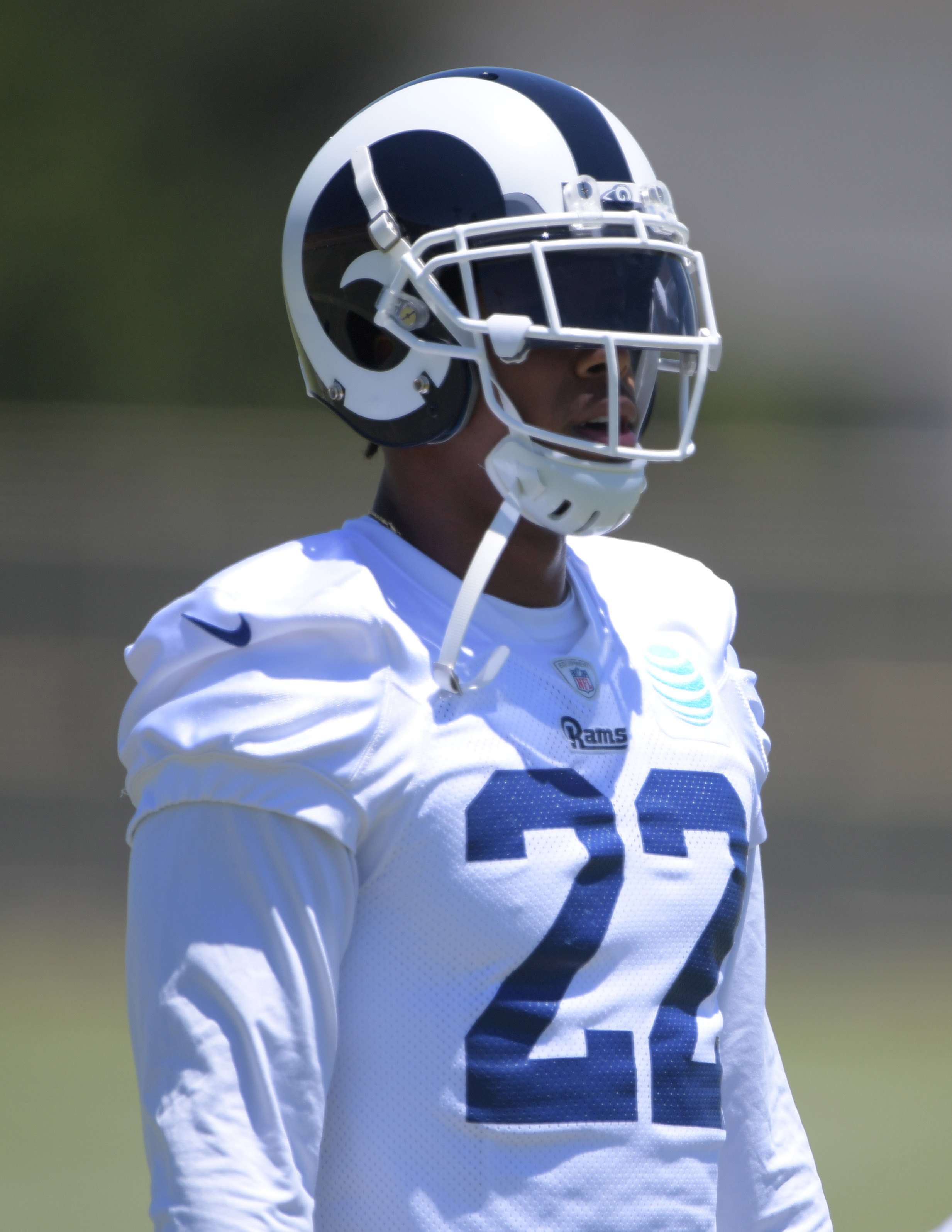 Johnson turned 28 in January and has been a solid corner for years, enough so that the Rams felt the need to tag him twice. And Los Angeles’ trade for Marcus Peters ensures Johnson will hit the market. And he will not come cheap.
Former teammate Janoris Jenkins signed for $12.5MM per year in 2016 — a $155MM cap universe — so it would be hard to see Johnson signing for less when the cap will approach or exceed $180MM. And if McKenzie would continue his usual contract policy to ensure protection in deals’ later years, a Johnson pact would eat into Oakland’s funds considerably. And the 6-foot-2 corner with a history of press-man ability will have an extensive market.
The more prudent method would be spreading money around their defense, which indeed needs help at all levels after the Raiders inexplicably ignored their biggest needs in free agency last year. They opted to spend money to augment a top-10 offense, which interestingly became much worse, and the defensive problems remained.
Despite the resources poured into their cornerback position in recent years, the Raiders have not posed much trouble to opposing quarterbacks. The two Amerson/Smith years produced pass-defense rankings of 24th and 26th, and the Raiders also finished 26th in air deterrence in 2015.
The Raiders picked two cornerbacks in the first round this decade in Hayden and Conley but did not supplement them with other high picks. The team could turn back to the draft again, now that finances are tighter than they have been in many years.

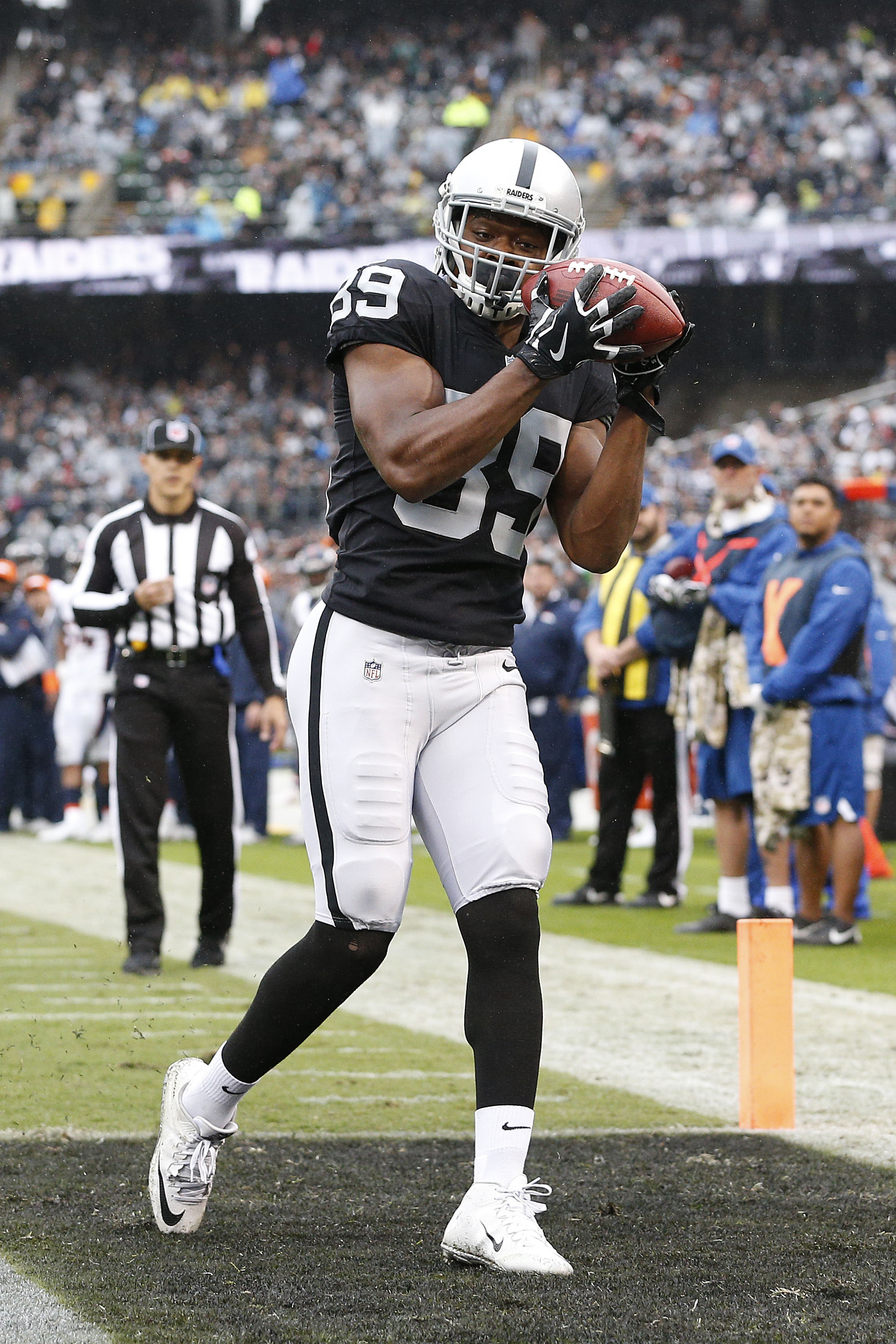
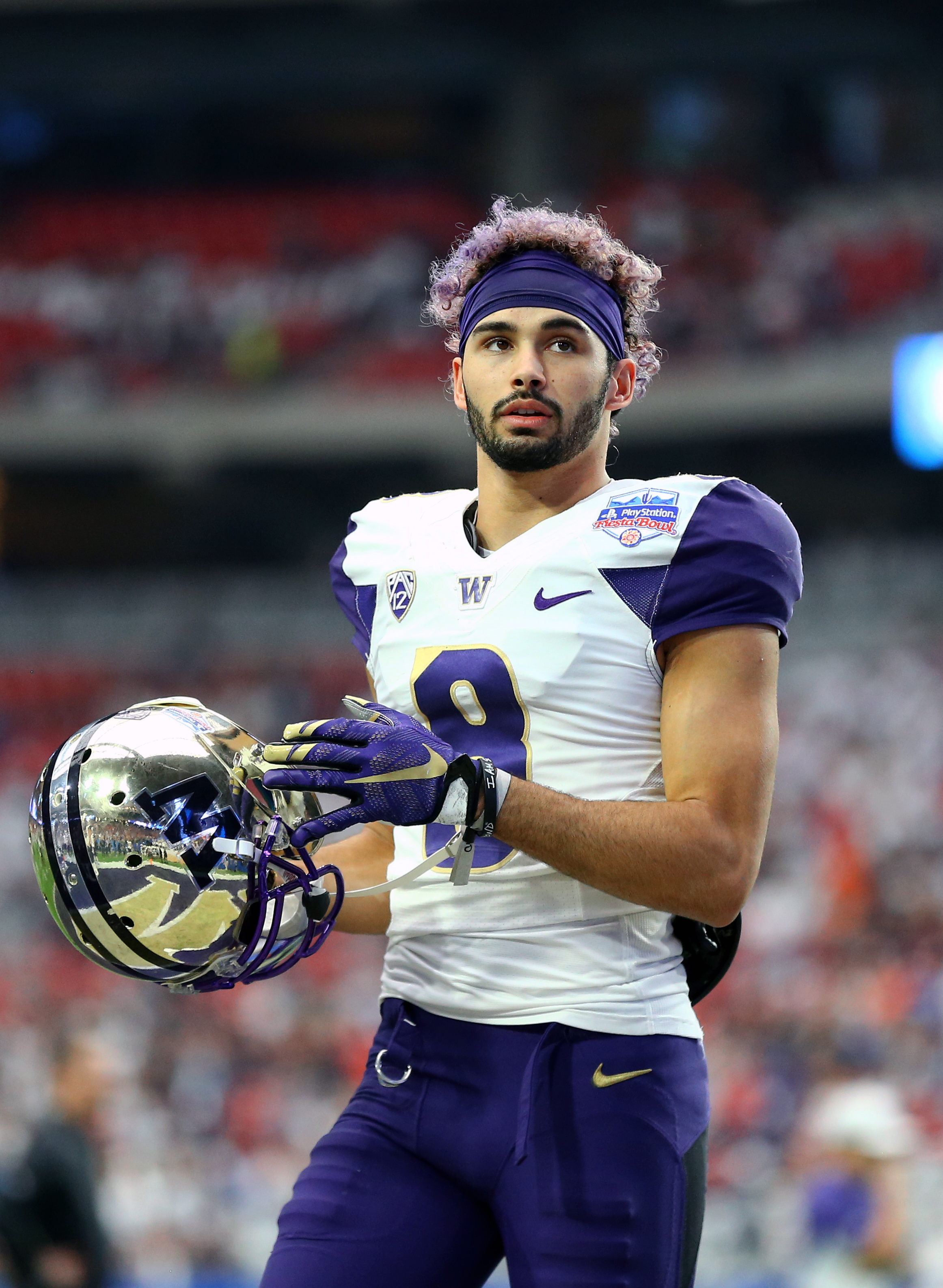
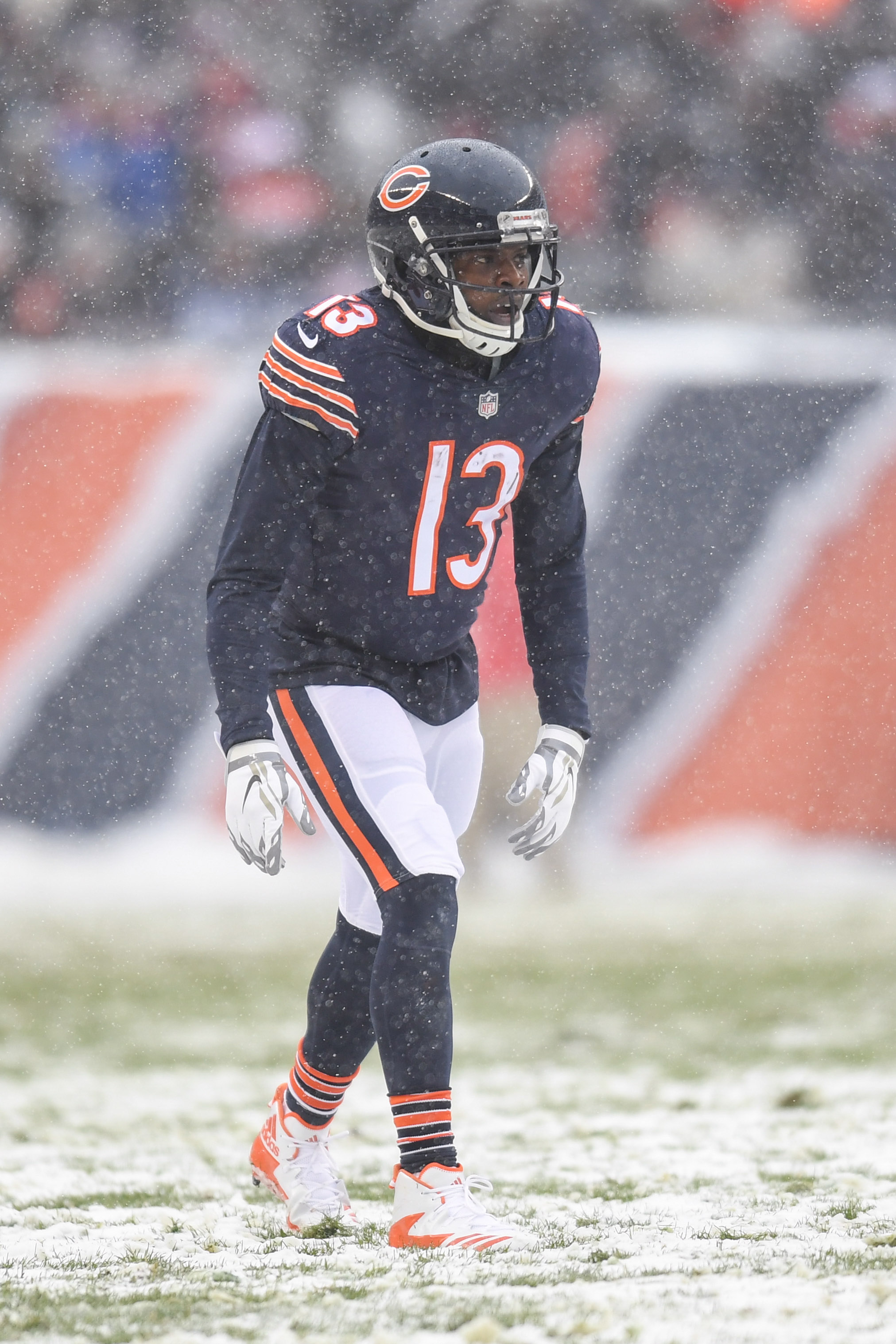
Top 3 Offseason Needs: Jacksonville Jaguars
In advance of March 14, the start of free agency in the NFL, Pro Football Rumors will detail each team’s three most glaring roster issues. We’ll continue this year’s series with the Jacksonville Jaguars, who finished with a 10-6 record before advancing to the AFC Championship Game for the first time in more than 20 years.
Depth Chart (via Roster Resource)
Pending Free Agents:
- Arrelious Benn, WR
- Aaron Colvin, CB
- Tyler Gaffney, RB (RFA)
- Corey Grant, RB (RFA)
- Chad Henne, QB
- Ben Koyack, TE (ERFA)
- Marqise Lee, WR
- Lerentee McCray, LB
- Patrick Omameh, G
- Matt Overton, LS
- William Poehls, T (ERFA)
- Paul Posluszny, LB
- Chris Reed, G (ERFA)
- Mychal Rivera, TE
- Allen Robinson, WR
- Peyton Thompson, S (RFA)
- Shane Wynn, WR (ERFA)
Top 10 Cap Hits for 2018:
- Calais Campbell, DL: $17,500,000
- Malik Jackson, DT: $15,500,000
- A.J. Bouye, CB: $15,500,000
- Telvin Smith, LB: $11,810,235
- Marcell Dareus, DT: $10,175,000
- Blake Bortles, QB: $10,000,000
- Brandon Linder, C: $9,406,250
- Dante Fowler Jr.: $7,474,167
- Tashaun Gipson, S: $7,050,000
- Allen Hurns, WR: $7,000,000
Other:
- Projected cap space (via Over the Cap): $29,848,410
- 29th pick in draft
- Must exercise or decline 2019 fifth-year option for DE Dante Fowler Jr.
Three Needs:
1) Add competition for Blake Bortles: The Jaguars will run it back in 2018 — instead of exploring a quarterback upgrade via the free agent market, where they could have gone after Kirk Cousins or Case Keenum, the Jags will stick with Blake Bortles after agreeing to a new three-year, $54MM deal that contains $26.5MM in guarantees. Bortles was already under contract for more than $19MM in 2018 thanks to Jacksonville exercising his fifth-year option. That option is guaranteed for injury only, but given that Bortles is recovering from wrist surgery and likely wouldn’t have been able to pass a physical, the $19MM+ figure could be considered effectively fully guaranteed.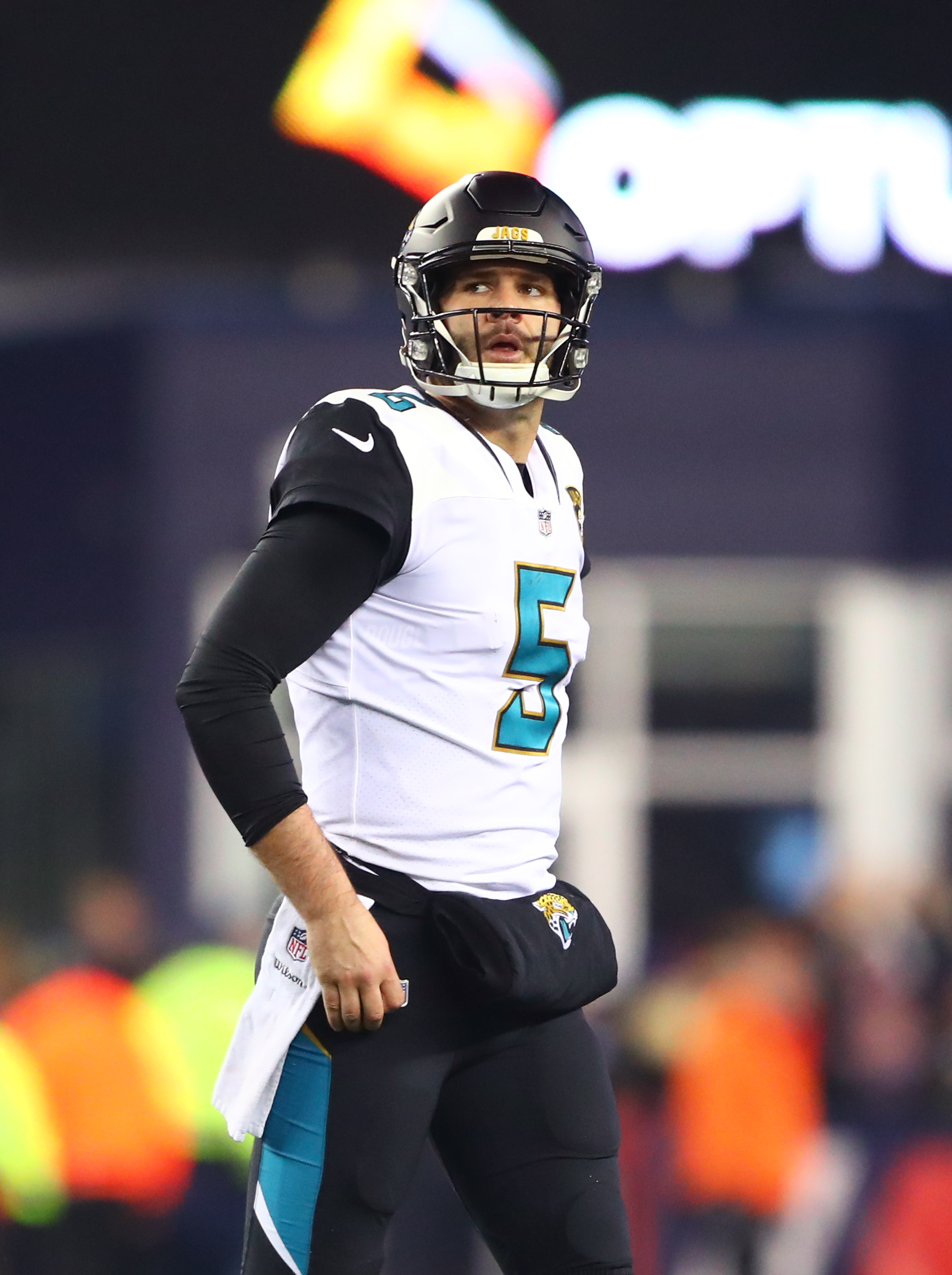
Under the terms of Bortles’ new contract, his cap charge will be reduced to just $10MM, giving the Jaguars about $9MM in additional cap space. The pact will add a partially guaranteed base salary in 2019 ($6.5MM of $16MM is fully guaranteed), which will make it difficult for Jacksonville to part ways with Bortles: a $16.5MM dead money charge would accelerate onto the club’s salary cap if it releases Bortles next offseason. That number might not be as scary given that Bortles’ contract now contains offset language (meaning the Jaguars will be off the hook for whatever salary Bortles theoretically earns with a new team), but there’s no doubt Jacksonville has committed to keeping some form of Bortles — either the flesh-and-blood player, or simply the remnants of his salary — on its 2019 books.
But the move to extend Bortles wasn’t about the 2019 campaign — no, it was about the upcoming season, when the Jaguars clearly feel they can once again compete for the AFC championship and a Super Bowl title. Once it became clear Bortles and his $19MM salary would stick due to injury, Jacksonville didn’t have a ton of other options. So decision makers Tom Coughlin and Dave Caldwell opted to double down on 2018, create cap space to solidify other parts of the Jaguars roster, keep Bortles in place as the team’s starting quarterback, and worry about 2019 when the time comes.
However, Bortles’ new contract shouldn’t preclude the Jaguars from adding long-term competition under center, and while that will likely need to occur in the draft, there is one free agent signal-caller who could make sense for Jacksonville. Teddy Bridgewater will officially hit the free agent market after five seasons with the Vikings, and while all the tea leaves point to him returning to Minnesota, the former first-round pick could be interested in moving on, especially if the Vikes bring in Kirk Cousins.
Bridgewater, of course, hasn’t played a full season since 2015 while recovering from a gruesome knee injury, but he’s still only 25 years old. Perhaps he’ll want to land with a team that will allow a clearer shot at a starting job, but I question whether NFL clubs will trust Bridgewater’s health. Jacksonville, though, could promise Bridgewater the chance to start later in the 2018 season if Bortles fails, and might be able to ink him to a contract that would keep him in town through 2019 or 2020.
In the draft, the Jaguars aren’t likely to get a shot at Sam Darnold, Josh Rosen, Baker Mayfield, or Josh Allen, but Louisville’s Lamar Jackson could be available at pick No. 29. Jackson, the 2016 Heisman winner, would be fascinating entrant as Bortles’ backup in 2018 and a future starter in 2019 and beyond. Lance Zierlein of NFL.com calls Jackson a “maestro of improv who is Second City worthy,” and Jackson would be deadly utilizing run-pass options in Jacksonville’s offense. He needs work — Zierlein says Jackson needs to improve his accuracy on the run and his pocket awareness — but the former Cardinal seems like a high-risk, high-reward option that would mesh with the rest of the Jaguars’ roster.
2) Bolster the offensive line: Jacksonville invested in its offensive line in 2017, using the 34th overall selection on Alabama tackle Cam Robinson. Although he started 15 games on the blindside during his rookie campaign, Robinson graded as a bottom-five tackle in the NFL, according to Pro Football Focus, seemingly confirming pre-draft concerns that he was a right tackle or guard. Ideally, the Jaguars would add new left tackle, shift Robinson to the right side, and release incumbent right tackle Jermey Parnell, but the utter lack of left tackles in both free agency and the draft makes that strategy untenable.
Instead, the Jags will likely give Robinson another shot on the blindside and seek upgrades on the interior. Center Brandon Linder is an excellent pivot and under contract through 2022, so he’s not going anywhere, but Jacksonville should pursue improvement at guard. Patrick Omameh and A.J. Cann finished 36th and 37th, respectively, among 77 PFF qualifiers, so the Jags can certainly aim for more production. Additionally, neither Omameh or Cann is signed to a long-term deal: Omameh, in fact, is scheduled to hit free agency next month, while Cann has one year left on his rookie contract.Read more
PFR Originals: 2/18/18 – 2/25/18
The original content and analysis produced by the PFR staff during the past week:
- It’s franchise tag season! NFL teams began deploying the tender last Tuesday, and have until March 6 to do so:
- In our latest PFR glossary entry, Zach Links re-examined the specifics of the franchise and transition tags, noting the salary implications of each.
- Zach also took an overview of the franchise tag candidates around the league, detailing which players are virtual locks to receive the tender while also analyzing fringe candidates.
- Micah Powell scrutinized the possibility of the Rams using the franchise tag on wide receiver Sammy Watkins, whom Los Angeles acquired in exchange for a second-round pick and cornerback E.J. Gaines in 2017.
- Similarly, Rory Parks considered a franchise tag for Jaguars Allen Robinson, who missed the 2017 campaign with a torn ACL but is still expected to garner significant interest on the free agent market.
- As the offseason progresses, PFR will assess each team by examining the top three needs on each respective NFL roster. We covered three organizations last week:
Franchise Tag Candidate: Allen Robinson
Allen Robinson is one of the top receivers in this year’s class of free agent wideouts, and while Robinson and the Jaguars have not engaged in contract talks, Jacksonville is reportedly open to hitting him with the franchise tag to keep him around for 2018.
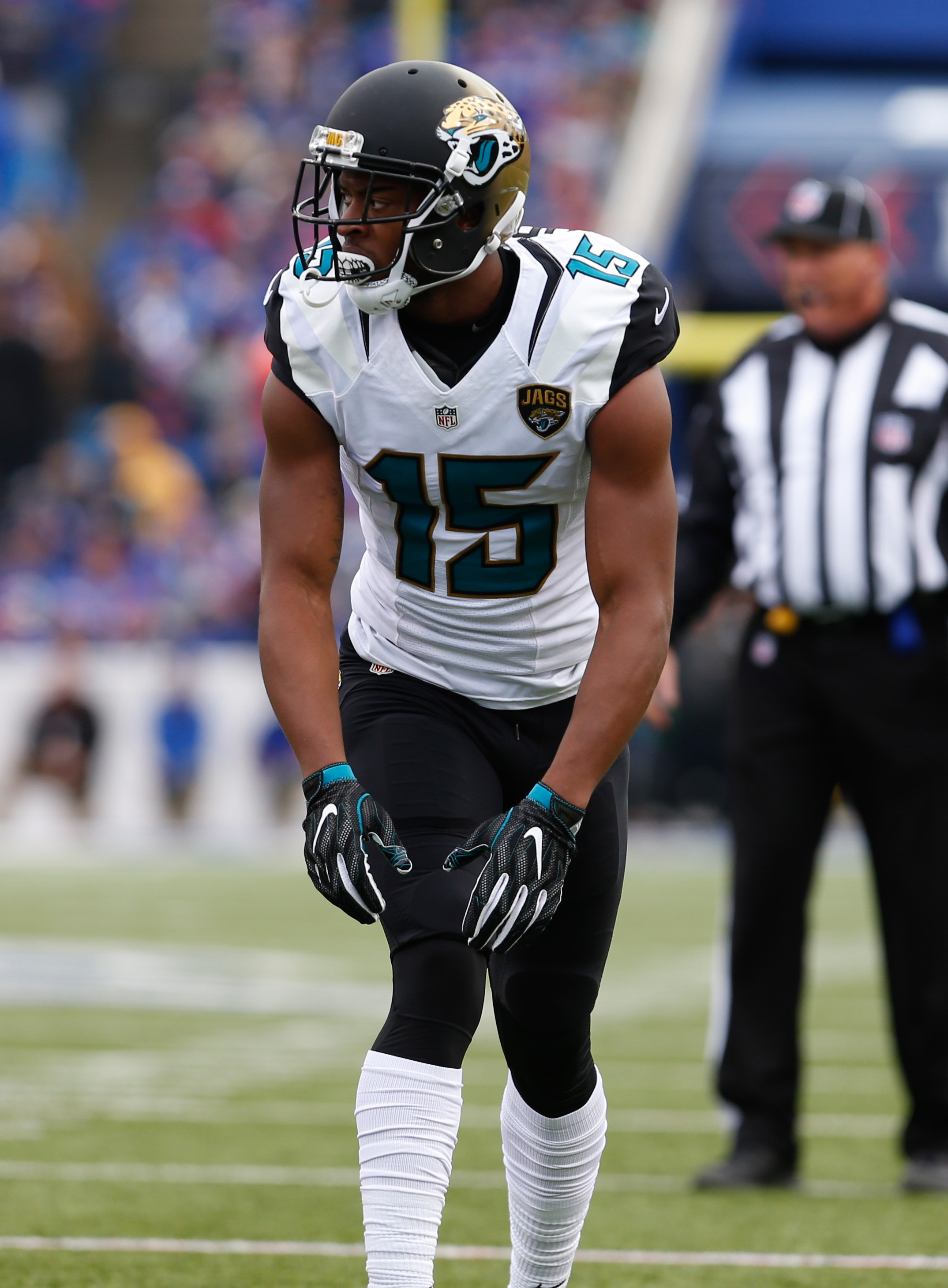
Robinson presents an interesting case. He was fantastic in 2015, posting 80 catches for 1,400 yards and a whopping 14 touchdowns en route to his first Pro Bowl nod. However, much of that production came when the Jags were trailing big and were forced to throw the football, often against soft coverages. He regressed in 2016, as he put up just 883 yards and six scores, and his 2017 campaign was wiped out by a torn ACL.
So what you have is an intriguing player in the prime of his career with tantalizing physical tools who is two years removed from his best season and who is coming off a major injury. He also struggled against press coverage in 2016, which certainly doesn’t help.
Nonetheless, he is the most gifted receiver on the Jags’ roster, and there would be at least a few teams willing to gamble on his upside if he hits the open market. Jacksonville knows that, and it also knows that it needs to surround Blake Bortles — who just signed an extension keeping him with the Jags through 2020 — with as much talent as possible. That explains why the Jags would be willing to pony up the $16MM franchise tender for a player with Robinson’s promising but questionable track record.
Fellow Jags wideout Marqise Lee is also set to hit free agency, and while he has been a solid contributor over the last several years, he is not nearly as talented as Robinson, and he, too, struggles against press coverage. So if the Jags are to let either player walk, it would likely be Lee. The other wideouts on the roster include the solid but unspectacular Allen Hurns, the unproven Dede Westbrook, and 2017 UDFA Keelan Cole.
There are plenty of intriguing wideouts in this year’s draft, but most of them are Day 2 types and may not be ready to contribute right away, and there are no other free agents that are not likely to be tagged who can match Robinson’s upside. The guess here is that Robinson plays out the 2018 season under the tag and that Jacksonville picks up a wideout in the second or third round to groom behind him.
Top 3 Offseason Needs: Tennessee Titans
In advance of March 14, the start of free agency in the NFL, Pro Football Rumors will detail each team’s three most glaring roster issues. We’ll continue this year’s series with the Tennessee Titans, who advanced to the Divisional Round but still replaced head coach Mike Mularkey with former Texans defensive coordinator Mike Vrabel.
Depth Chart (via Roster Resource)
Pending Free Agents:
- Eric Decker, WR
- Harry Douglas, WR
- DaQuan Jones, DE
- David King, DE (ERFA)
- Josh Kline, G
- Brice McCain, CB
- Curtis Riley, S (RFA)
- Brian Schwenke, G
- Quinton Spain, G (RFA)
- Erik Walden, LB
- Brandon Weeden, QB
- Avery Williamson, LB
Top 10 Cap Hits for 2018:
- Jurrell Casey, DT: $14,920,000
- Logan Ryan, CB: $11,166,666
- Taylor Lewan, T: $9,341,000
- Brian Orakpo, LB: $9,000,000
- Derrick Morgan, LB: $8,500,000
- Marcus Mariota, QB: $7,704,446
- Delanie Walker, TE: $7,033,334
- Johnathan Cyprien, S: $6,750,000
- DeMarco Murray, RB: $6,500,000
- Rishard Matthews, WR: $5,833,334
Other:
- Projected cap space (via Over the Cap): $49,488268
- 25th pick in draft
- Must exercise or decline 2019 fifth-year option for QB Marcus Mariota
Three Needs:
1) Find a young edge rusher: Three edge rushers played more than 50% of the Titans’ defensive snaps in 2017: Brian Orakpo, who will be 32 years old when the 2018 campaign gets underway; Derrick Morgan, who turned 29 last month; and 32-year-old Erik Walden, who is an unrestricted free agent. Tennessee finished in the middle of the pack in both adjusted sack rate (12th) and total sacks (18th), but the team needs to get younger at outside linebacker.
To be clear, the Titans do have some youthful pass rushers on their roster, but none that have shown anything at the NFL level. Kevin Dodd, selected near the top of the second round in the 2016 draft, missed time with a foot injury during his rookie season and subsequently failed to make an impact in 2017. In total, he’s played only 279 defensive snaps during his first two years in the league. A pair of former seventh-rounders — Aaron Wallace and Josh Carraway — also haven’t produced in their brief NFL tenures.
Tennessee has plenty of 2018 salary space (seventh-most in the league, at present), but general manager Jon Robinson isn’t likely to find what he’s looking for on the open market. The Cowboys intend to use the franchise tag on Demarcus Lawrence, while the next-best edge option, Lions defensive end Ezekiel Ansah, will turn 29 years old in May, meaning he’s probably not a fit. While there are several intriguing pass rushers scheduled to become free agents, they’re likely not the type of premier edge players that will immediately affect opposing offenses.
The most fascinating free agent that could be of interest to the Titans is actually on the restricted free agent market. Shaquil Barrett played two-thirds of the Broncos’ defensive snaps a season ago, and while he posted only four sacks, the 25-year-old managed 30.5 pressures. Denver will likely place a second-rounder tender on Barrett, but I wonder if they’ll be able to match a creative offer from Tennessee. Not only does Denver boast far less cap space than the Titans, but general manager John Elway & Co. will likely spend the early days of the free agent period trying to woo Kirk Cousins or another free agent quarterback into joining his club.
The Broncos have botched the restricted free agent process in the very recent past: in 2016, Denver assigned running back C.J. Anderson the original round tender when a second-round offer would have cost just $900K more. The Broncos ultimately matched a Dolphins offer sheet, but Elway completely misread Anderson’s market from the outset, and ended up paying a financial price.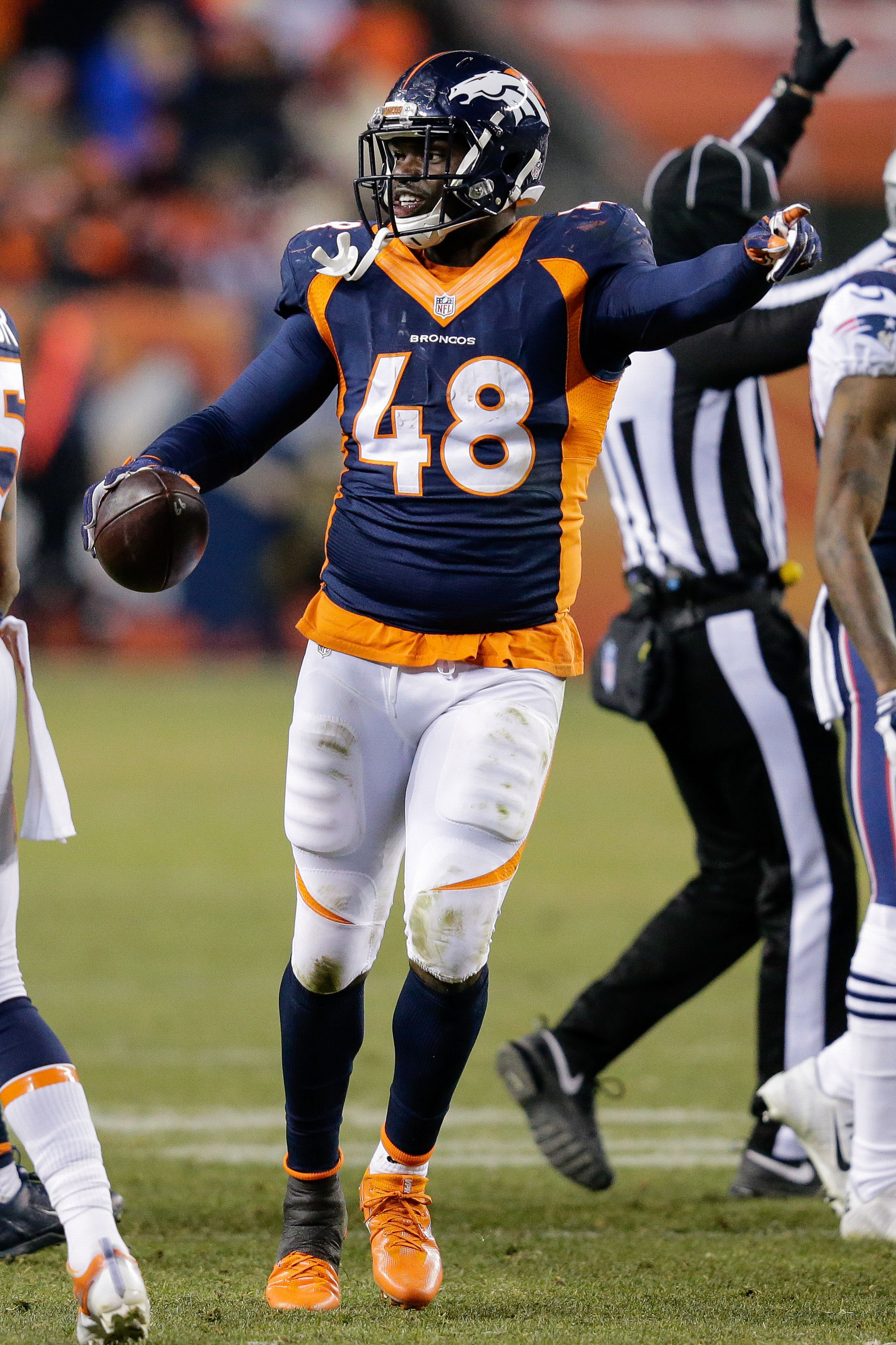
If the Titans craft an offer to Barrett that includes a hefty base salary or roster bonus designed to eat up 2018 cap space, and officially hand that offer to Barrett on the first day of free agency, how will the Broncos react? At a time when they’ll be searching for a signal-caller, possibly fielding trade offers for wideouts Demaryius Thomas or Emmanuel Sanders, and attempting to keep another RFA (center Matt Paradis), the Broncos may be blindsided yet again.
If a Barrett acquisition proves unrealistic, the Titans will still have the option of perusing the unrestricted free agent market. I’ve previously mentioned Aaron Lynch (49ers) and Jeremiah Attaochu (Chargers) as potential additions for clubs in need of upside at the edge position, and the Titans could show interest. Lynch, notably, ranked fifth in the NFL with 34 pressures as recently as 2015, and if he can keep his weight down, he’d be a viable reserve option for Tennessee. With an eye toward youth, the Titans may also consider Cardinals outside linebacker Kareem Martin, who offers 56 games worth of experience and is only 26 years old. Chris Smith (26) flashed in the 2017 preseason with the Bengals and is now freely available. Matching any of these younger defenders with veteran defensive coordinator Dean Pees could result in success.
The draft will offer yet another avenue for the Titans to acquire a pass rusher, but a top heavy class of defensive ends/linebackers means Tennessee might not have a shot at a blue-chip prospect at the end of the first round. Josh Norris of Rotoworld sent Sam Hubbard to the Titans in his most recent mock draft, but there are legitimate concerns about the Ohio State product’s athleticism. Perhaps Tennessee gets lucky and sees Marcus Davenport (UTSA) or Harold Landry (Boston College) slip, but if not, the club will have to be comfortable selecting a player with off-field concerns such as LSU’s Arden Key, or wait until Day 2 and pick up someone like Kansas’ Dorance Armstrong, whom Matt Miller of Bleacher Report calls the draft’s biggest sleeper on the edge.
2) Bring in a complement to Derrick Henry: The Titans are fully expected to release veteran running back DeMarco Murray this offseason in a move that will save the club $6.5MM in both cash and cap space, and while the club and new offensive coordinator Matt LaFleur will turn over the rushing attack to second-year back Derrick Henry, Tennessee will need to find a pass-catching back to pair with its bruiser.
LaFleur was the Rams’ offensive coordinator in 2017, and Los Angeles attempted to bring in a back — Lance Dunbar — to spell Todd Gurley on the cheap. Gurley proved he didn’t really require breathers on the way to being named Offensive Player of the Year, and Dunbar was never able to stay healthy, but the Rams at least had the idea in mind. Henry has shown the ability to become an every-down back, a runner who become the foundation of an offense, but I’d expect Tennessee to pursue at least one other RB to play alongside him.Read more