
Cardinals QB Carson Palmer Retires
Carson Palmer is calling it a career. One day after Cardinals coach Bruce Arians announced his retirement, Palmer has done the same. 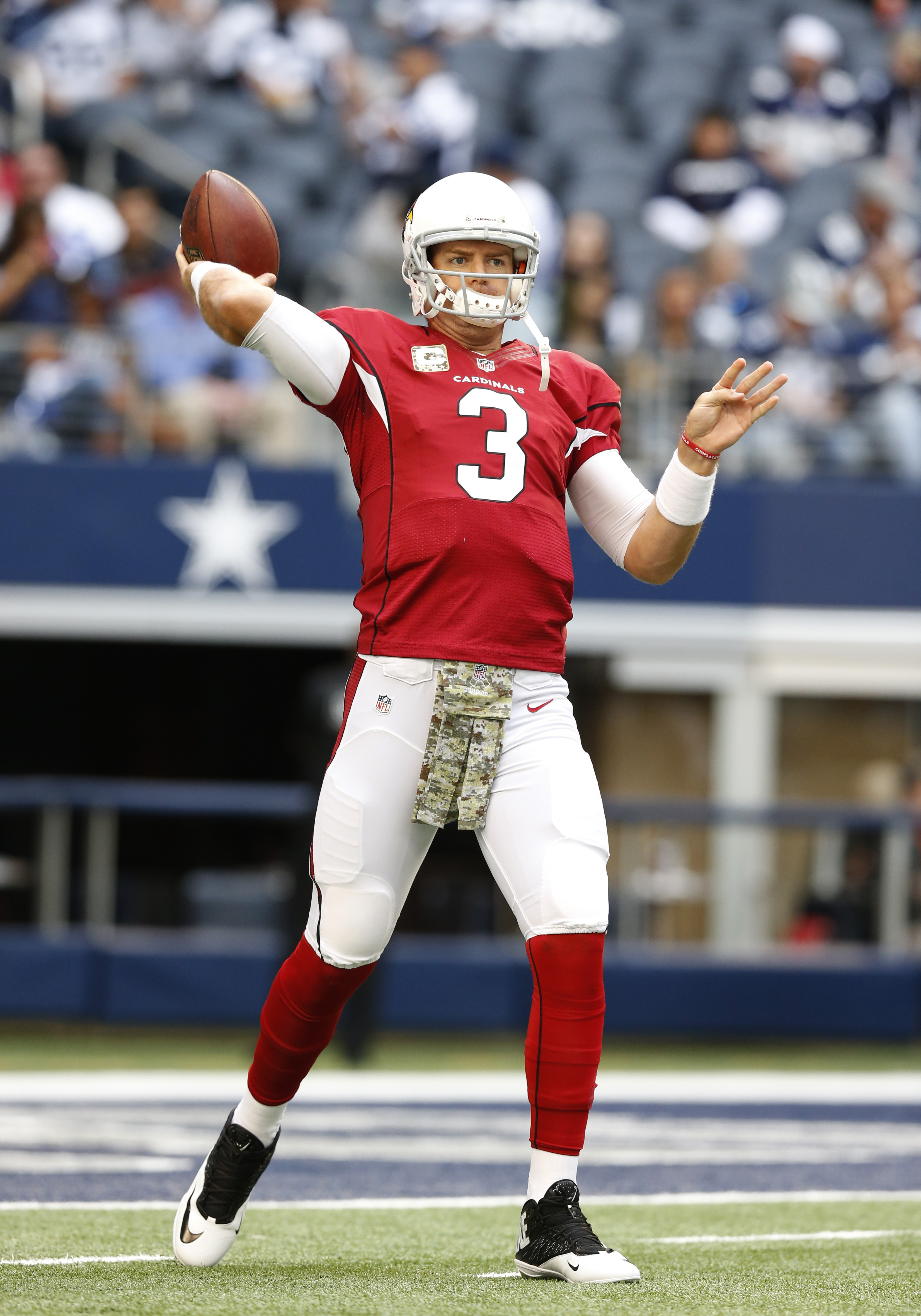
“Over the years, I’ve had teammates who decided to hang it up and I would ask them how they knew when it was time to walk away,” Palmer wrote on social media. “The answer was almost always the same: You just know. For me that time is now. Why? Quite simply, I just know.”
Palmer, who turned 38 at the end of December, had one more year to go on his contract but instead decided to hang ’em up. After 14 years in the NFL, multiple serious knee injuries, and tons of grueling battles, few can blame Palmer for walking away. The 2017 campaign wasn’t the sendoff he was hoping for – a broken arm ended his season in October – but he leaves the game with plenty of accomplishments and roughly $175MM in career earnings.
Palmer is third in franchise history with 38 wins as the Cardinals’ starting QB, an impressive feat considering all of the time he missed in 2014 and 2016. He also ranks high in major statistical categories for QBs including passing yards (11th), touchdown passes (11th), and completions (10th).
The retirement of Palmer leaves the Cardinals without QBs under contract for next season with Blaine Gabbert, Drew Stanton, and Matt Barkley all scheduled for free agency. Arians indicated that Gabbert could be the team’s successor to Palmer, so it wouldn’t be a surprise to see him re-signed before he hits the open market in March. Then again, the team’s next head coach could alter the team’s plans. There will be a handful of interesting signal callers in free agency and the Cards also have the No. 15 overall pick at their disposal.
The retirement of Arians and Palmer may lead Larry Fitzgerald to a similar choice. The wide receiver is said to be leaning towards ending his playing career even after a strong 2017 campaign. Despite being the league’s oldest wide receiver, Fitzgerald hauled in a career-high 109 passes with 1,156 receiving yards and six scores.
Cardinals To Interview Keith Armstrong
We have a new name in the Cardinals’ coaching search. The Cardinals will interview Falcons special teams coach Keith Armstrong about their vacancy, Sam Farmer of the Los Angeles Times (on Twitter) hears. The interview will take place next week, as D. Orlando Ledbetter of the Atlanta Journal-Constitution tweets. 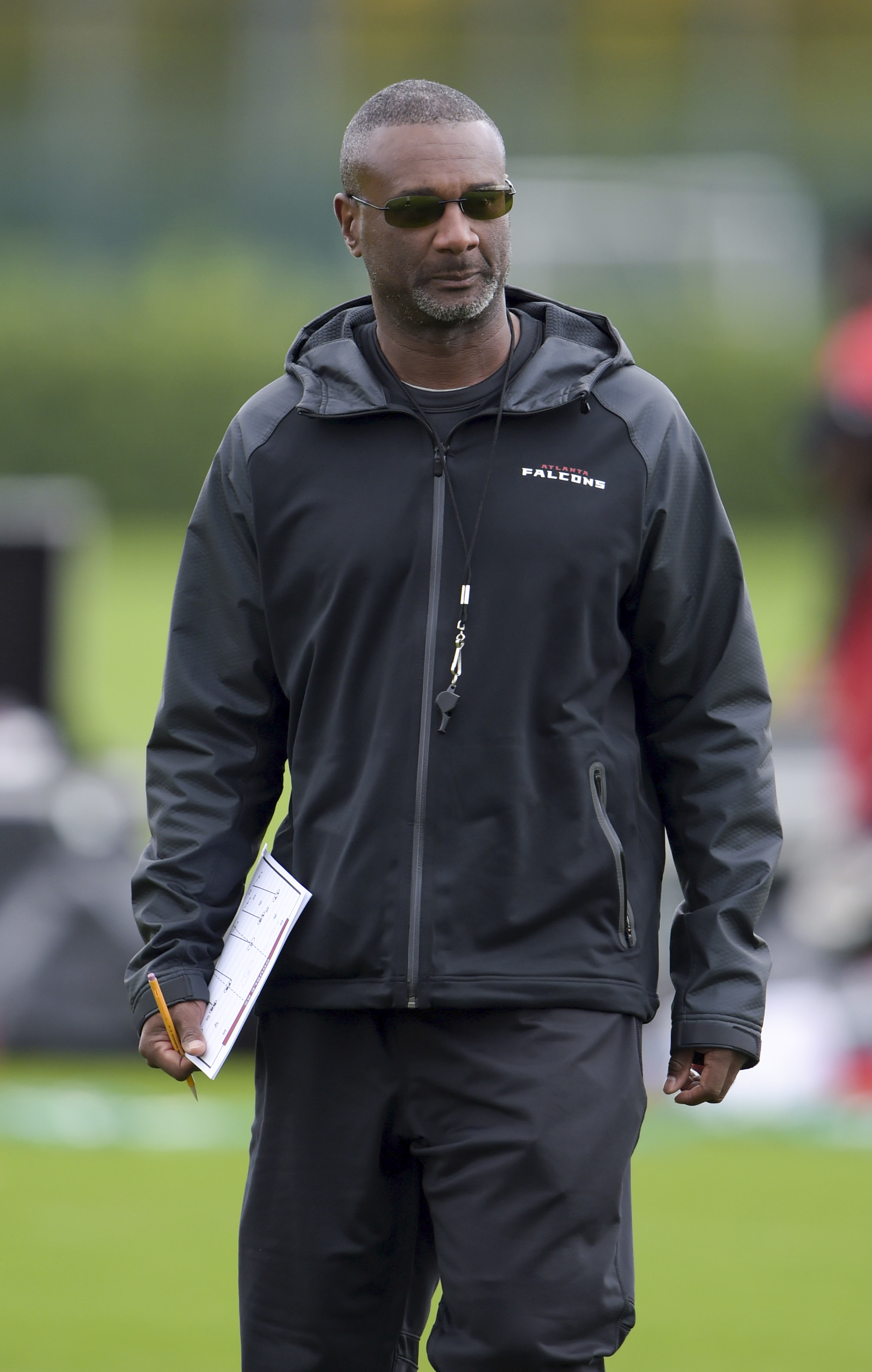
[RELATED: Cardinals To Interview DC James Bettcher]
The Falcons interviewed Armstrong for their own head coaching position in 2015, a search that ended with the hiring of Dan Quinn. In the following year, there was speculation that Todd Bowles would try and lure him to the Jets as ST coordinator, but the Falcons were unwilling to allow him to make a lateral move. The Falcons are expected to OK the interview, though it will have to take place after Atlanta’s Wild Card game on Saturday.
Armstrong has more than 20 years of professional head coaching experience and is highly respected in NFL circles, but it’s not often that a special teams coordinator makes the direct jump to HC.
Arizona defensive coordinator James Bettcher will also be interviewed for the position.
Cardinals To Interview DC James Bettcher
The Cardinals will interview defensive coordinator James Bettcher for their head coaching position, Ian Rapoport of NFL.com (Twitter link) hears. Bettcher is getting first crack at interviewing for the vacancy and it could take place as soon as tomorrow, Rapoport adds. 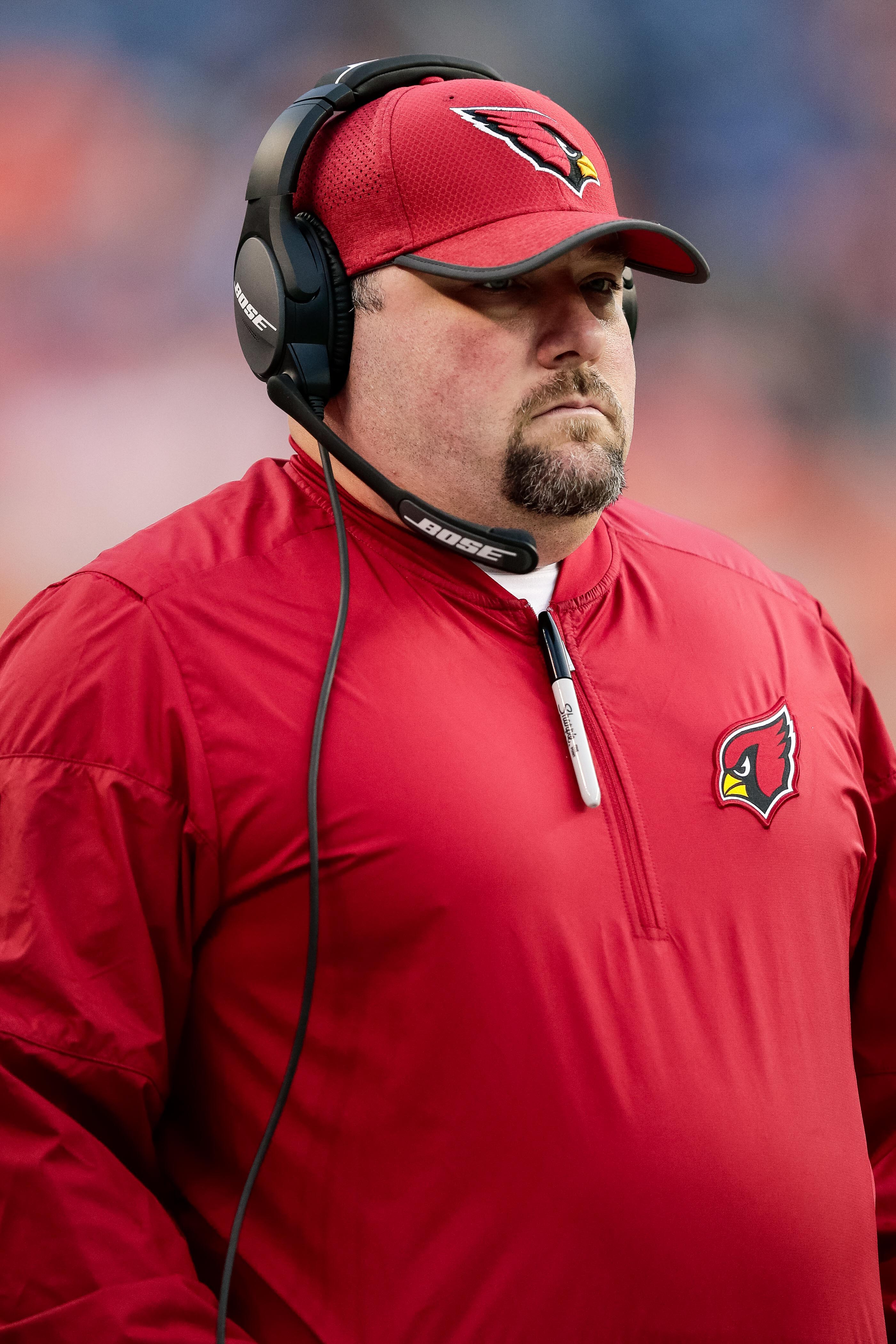
[RELATED: Bruce Arians Announces Retirement]
The Cardinals’ decision to put Bettcher up at bat first could be an indication that he is a leading candidate to replace Bruce Arians. He might not be the biggest name out there, but he is familiar with the organization after spending the last four seasons in Arizona. He’s spent the last three years as the DC in Arizona and the team has finished no worse than sixth in total defense.
It’s not immediately clear whether offensive coordinator Harold Goodwin will also receive consideration for the job.
RELATED:
Cardinals Add Mike Munchak To Interview List
Following the retirement of head coach Bruce Arians, the Cardinals went to work on filling out a list candidates to interview for the vacancy in the coming days. The latest name to make the cut is Steelers offensive line coach Mike Munchak, NFL.com’s Ian Rapoport reports (Twitter link). 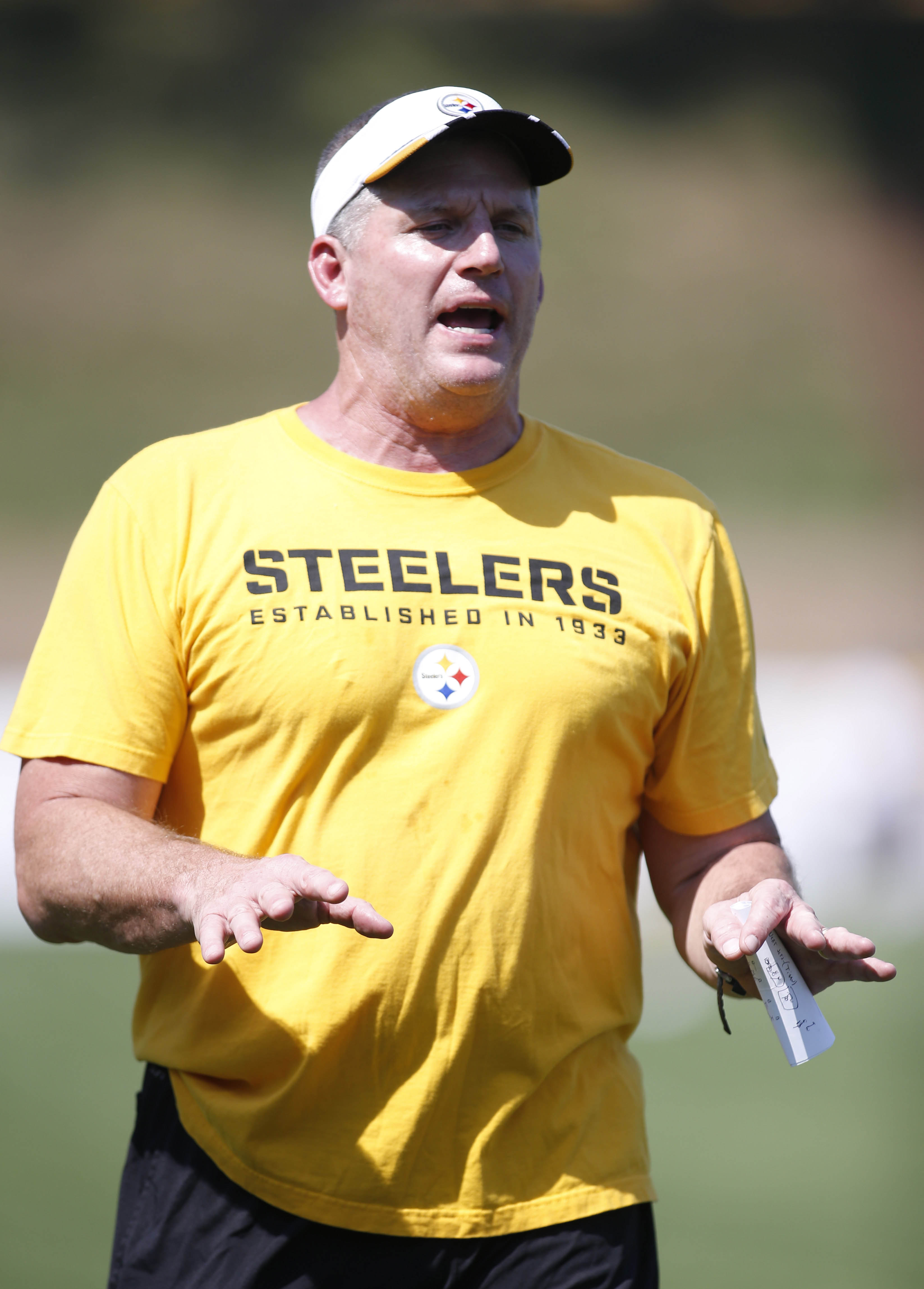
Munchak, a Hall of Fame guard who played 12 season with the Houston Oilers, served as head coach of the Titans from 2011-13 and managed a 22-26 record. After being dismissed from the team, Munchak joined the Steelers as the team’s offensive line coach and has been there ever since.
Under Munchak’s direction, Pittsburgh has paved the way for three 1,000-yard campaigns by Le’Veon Bell in four seasons. It also permitted the sixth-fewest sacks in 2017.
The Hall of Famer joins a list of candidates that includes Vikings offensive coordinator Pat Shurmur, Patriots defensive coordinator Matt Patricia, Eagles defensive coordinator Jim Schwartz, Eagles quarterbacks coach John DeFilippo and Patriots linebackers coach Brian Flores.
Larry Fitzgerald Leaning Toward Retiring?
The NFL’s third-leading all-time receiver, Larry Fitzgerald may be ready to step away from the game after what was his 14th season.
Bruce Arians‘ retirement could have an impact on how Fitzgerald proceeds, with NFL.com’s Ian Rapoport reporting (via Twitter) some of those close to the star pass-catcher do not believe he will want to come back and play in a new offense.
Fitzgerald thrived in Arians’ attack, posting three straight 100-plus-reception seasons from 2015-17. Despite being the league’s oldest wideout, Fitzgerald caught a career-high 109 passes this season and recorded 1,156 receiving yards and six touchdowns. He booked three more Pro Bowls in this span.
Carson Palmer is uncertain to return as well, and Rapoport reports the 38-year-old quarterback is an even longer shot to come back for what would be his 16th NFL season. Palmer and Fitzgerald played together for five years in Arizona, but the quarterback encountered more injury trouble this past season. And Arians having played a key role in rejuvenating Palmer’s career, the former No. 1 overall pick could be inclined to walk away instead of playing the final year of his most recent contract.
Both Fitzgerald and Palmer are signed through 2018.
Cardinals Request To Interview Patriots’ LBs Coach Brian Flores
The Cardinals are going to make an attempt to interview multiple members of the Patriots’ defensive staff. They submitted an interview request to meet with New England linebackers coach Brian Flores, Adam Schefter of ESPN.com tweets.
This comes barely an hour after a request to meet with Patriots DC Matt Patricia. Flores is just 36 years old and has never been a coordinator, but like Patricia, he’s been on Bill Belichick‘s staff since 2004 — beginning a Pats career as a scouting assistant when he was just 23.
Bruce Arians officially retired barely two hours ago, but the Cards have been connected to a host of names since. They are already setting up an interview with Eagles quarterbacks coach John DeFilippo and have submitted interview requests for Vikings OC Pat Shurmur and Eagles DC Jim Schwartz.
Flores has been in his current post for two seasons. He also worked under Patricia from 2012-15 coaching the Pats’ safeties.
Cardinals Request HC Interviews With Matt Patricia, Jim Schwartz
Bruce Arians‘ New Year’s Day retirement has the Cardinals searching for a new head coach for the first time in five years, and the franchise has been busy in its opening stages of filling Arians’ post.
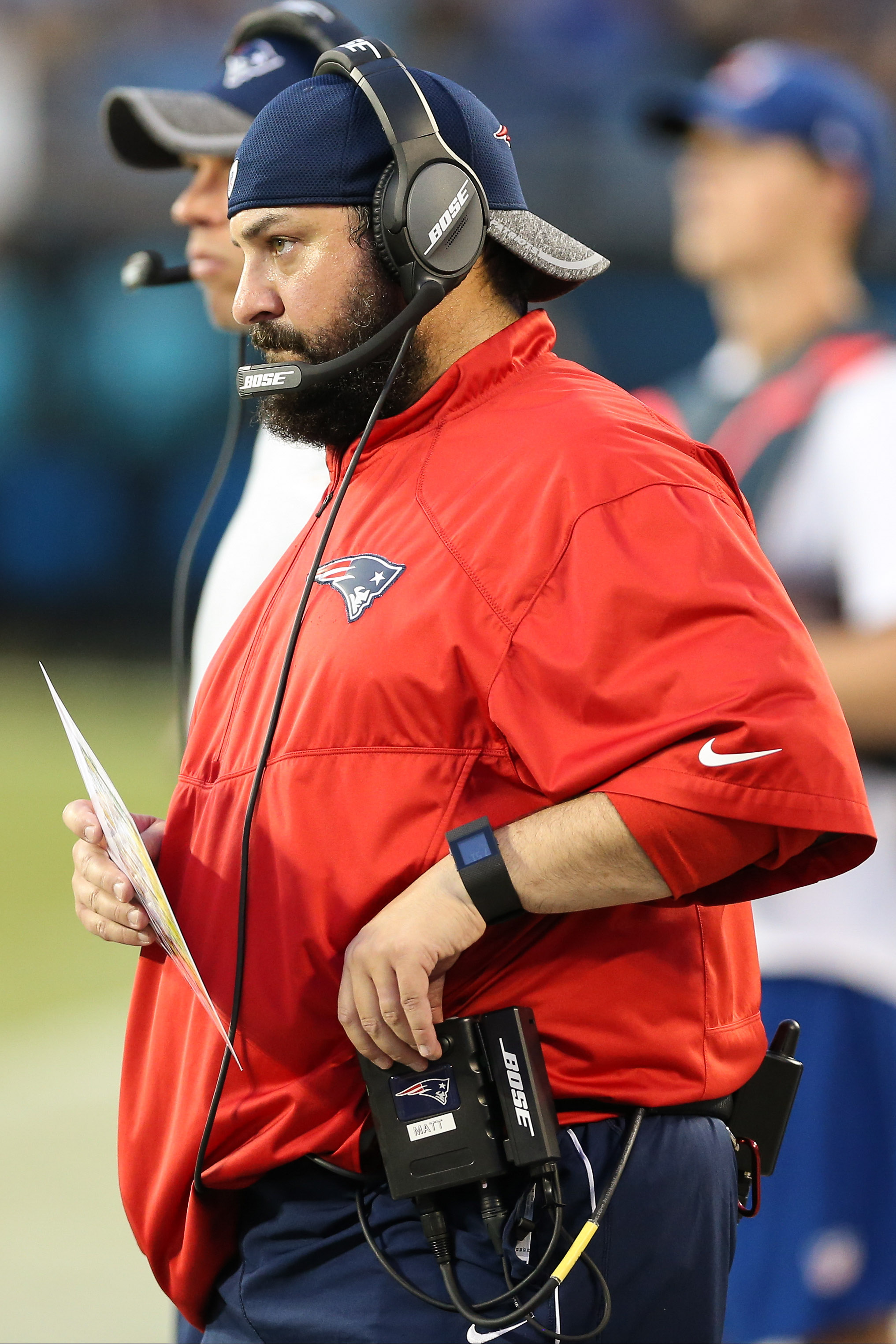 The Cardinals have requested permission to interview Eagles DC Jim Schwartz and Patriots DC Matt Patricia, Ian Rapoport of NFL.com tweets. This comes on the heels of reports the Cards are in the process of setting up a summit with Eagles QBs coach John DeFilippo and have requested a meeting with Vikings OC Pat Shurmur.
Schwartz has been linked to the Giants and has an interview already scheduled with New York. The Giants and Lions have requested permission to meet with Patricia.
The 43-year-old Patricia’s only coached in New England, being on Bill Belichick‘s staff since 2004. He’s served as the Patriots’ DC since 2012. Belichick’s towering presence and his assistants’ less-than-stellar collective work in head-coaching opportunities have helped keep Patricia in New England, but this could be the year a team takes a chance on the defensive leader.
Schwartz almost certainly figures to land a second head-coaching job, with his Eagles defense finishing fourth this season during a campaign that’s seen Philadelphia book the NFC’s No. 1 seed for the first time in 13 years. A bidding war could be on the way for his services.
Cardinals, Lions Request Interviews With Vikings’ Pat Shurmur
Both the Cardinals and Lions came out of Monday morning with coaching vacancies, and the architect of the Vikings’ offense is on the teams’ list.
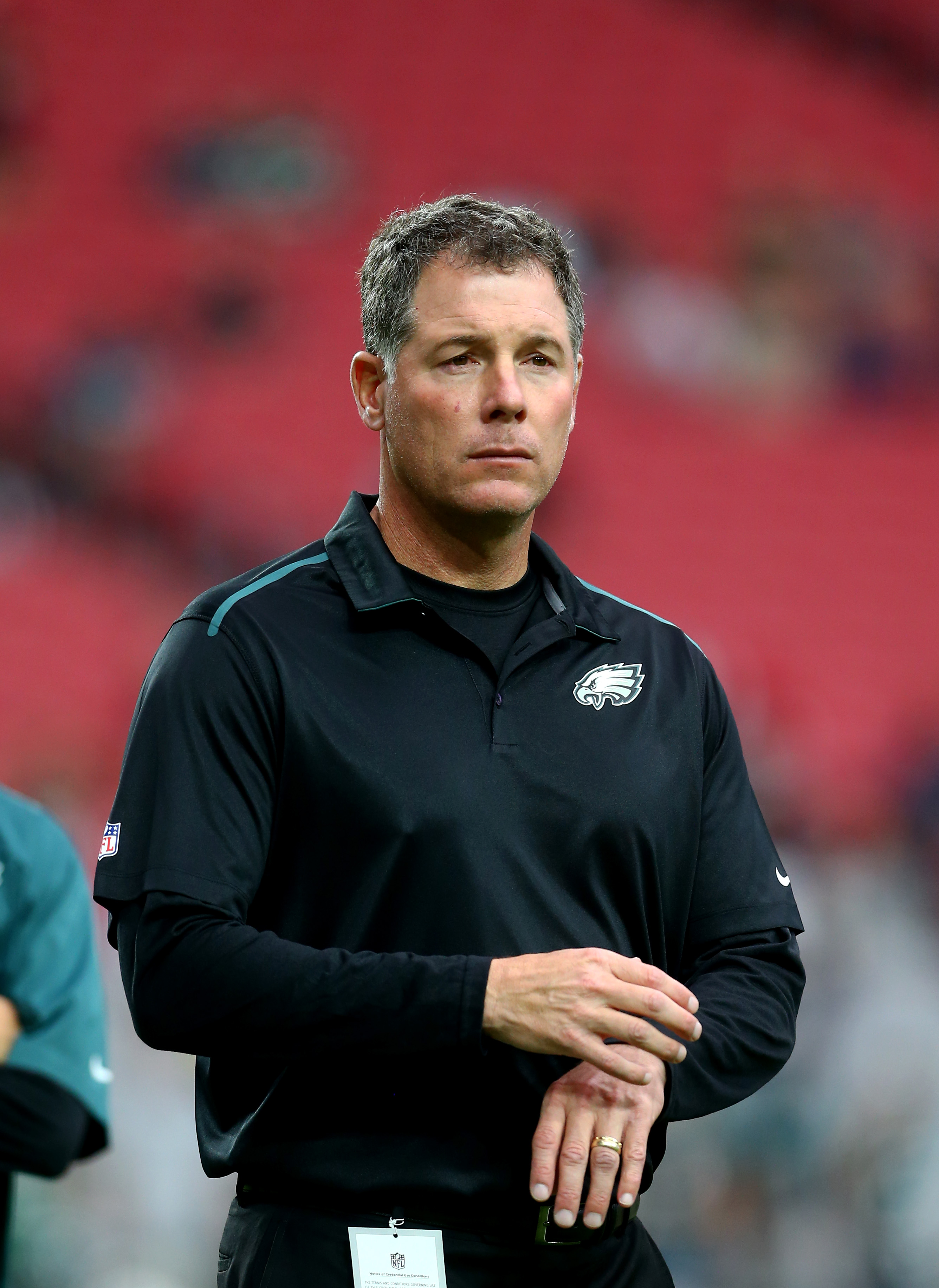 The Vikings have a first-round bye, and that’s opened the door for the Cardinals and Lions to submit requests to interview Pat Shurmur for their HC positions, Tom Pelissero and Ian Rapoport of NFL.com report (Twitter links).
Shurmur’s work in helping the Vikings be an upper-echelon offense despite the keys being in journeyman Case Keenum‘s hands this season undoubtedly made the second-year Minnesota OC an attractive HC candidate.
The 52-year-old Shurmur has two years of head-coaching experience as well, leading the Browns from 2011-12. He’s been an OC with the Rams and Eagles as well and is only in his first season as the Vikings’ full-time offensive leader. Norv Turner‘s departure midway through last season resulted in Shurmur becoming the Vikes’ interim OC. Minnesota took the interim tag off that label after 2016, and the Keenum-piloted Vikings are one of the favorites to win Super Bowl LII.
Bears, Cardinals Setting Up HC Interviews With Eagles’ John DeFilippo
After firing John Fox, the Bears are moving fast into the interview process to replace him. The team is setting up a meeting with Eagles quarterbacks coach John DeFilippo, Mike Garafolo of NFL.com tweets.
The Cardinals are joining the fray as well. Minutes after Bruce Arians officially announced his retirement, a Cardinals request to interview DeFilippo for their HC job emerged, Adam Schefter of ESPN.com tweets. While the Bears are going to be competition, Ian Rapoport notes (on Twitter) Cards GM Steve Keim has had DeFilippo on his radar for a while.
The interview is expected to occur later this week, per Garofolo. DeFilippo has served in his current role since 2016, and in that time Carson Wentz transformed from Division I-FCS quarterback prospect to one-time MVP frontrunner.
Wentz threw 33 touchdown passes — an Eagles single-season record — in 13 games, and the 39-year-old DeFilippo will have a chance to vault two rungs on the NFL ladder largely because of the North Dakota State’s progress. DeFilippo did serve as the Browns’ OC but did so for one season (2015) before that staff was broken up, routing him to Philadelphia.
Bruce Arians Announces Retirement
The Cardinals will be looking for a new coach. Bruce Arians announced he will conclude his five-season tenure in Arizona and retire from the profession.
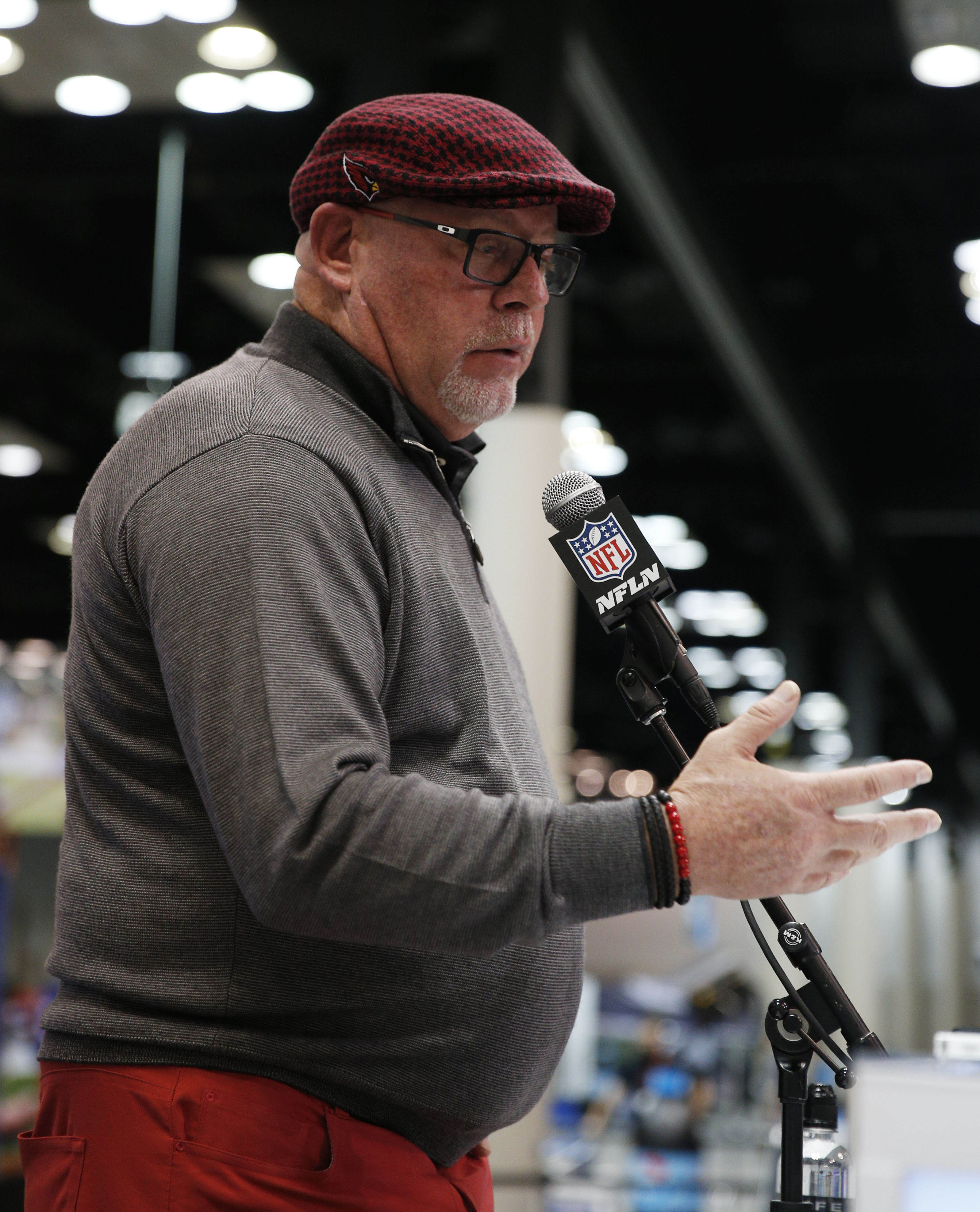 Michael Bidwill said (via Kent Somers of AZCentral.com, on Twitter) Arians informed him of this decision on Sunday. The search for Arians’ successor will begin immediately.
The 65-year-old Arians has been a coach for more than 40 years and first coached in the NFL in 1989. Only five of those seasons came as an NFL head coach, but Arians spent nine seasons as an offensive coordinator in the league — the last of which (2012) earned him the long-awaited opportunity to lead a team.
In Arizona, Arians steered the Cardinals to two playoff berths. The 2015 season was his unquestioned masterpiece, with the Cardinals gliding to the NFC championship game. He will finish with a record of 49-30-1.
Arians cemented himself as a high-end coaching candidate by winning NFL coach of the year honors leading the 2012 coach while Chuck Pagano underwent cancer treatment. Prior to that season, Arians operated as the Steelers’ offensive coordinator during a period that saw the franchise win its sixth championship (2008) and reach its most recent Super Bowl (in 2010).
Arians coached Carson Palmer during his entire Arizona stint, one that revived his career, and his offense helped Larry Fitzgerald further place himself among the league’s all-time greats at his position. Neither are guaranteed to return in 2018, so this decision could be a seminal one regarding how the Cards’ cornerstone players proceed.