
Giants’ RG Battle Takes Shape Ahead Of Training Camp
The Giants are returning all five of their starting offensive linemen from last season, but they are still expected to hold a competition for the right guard job during training camp, according to The Athletic’s Dan Duggan.
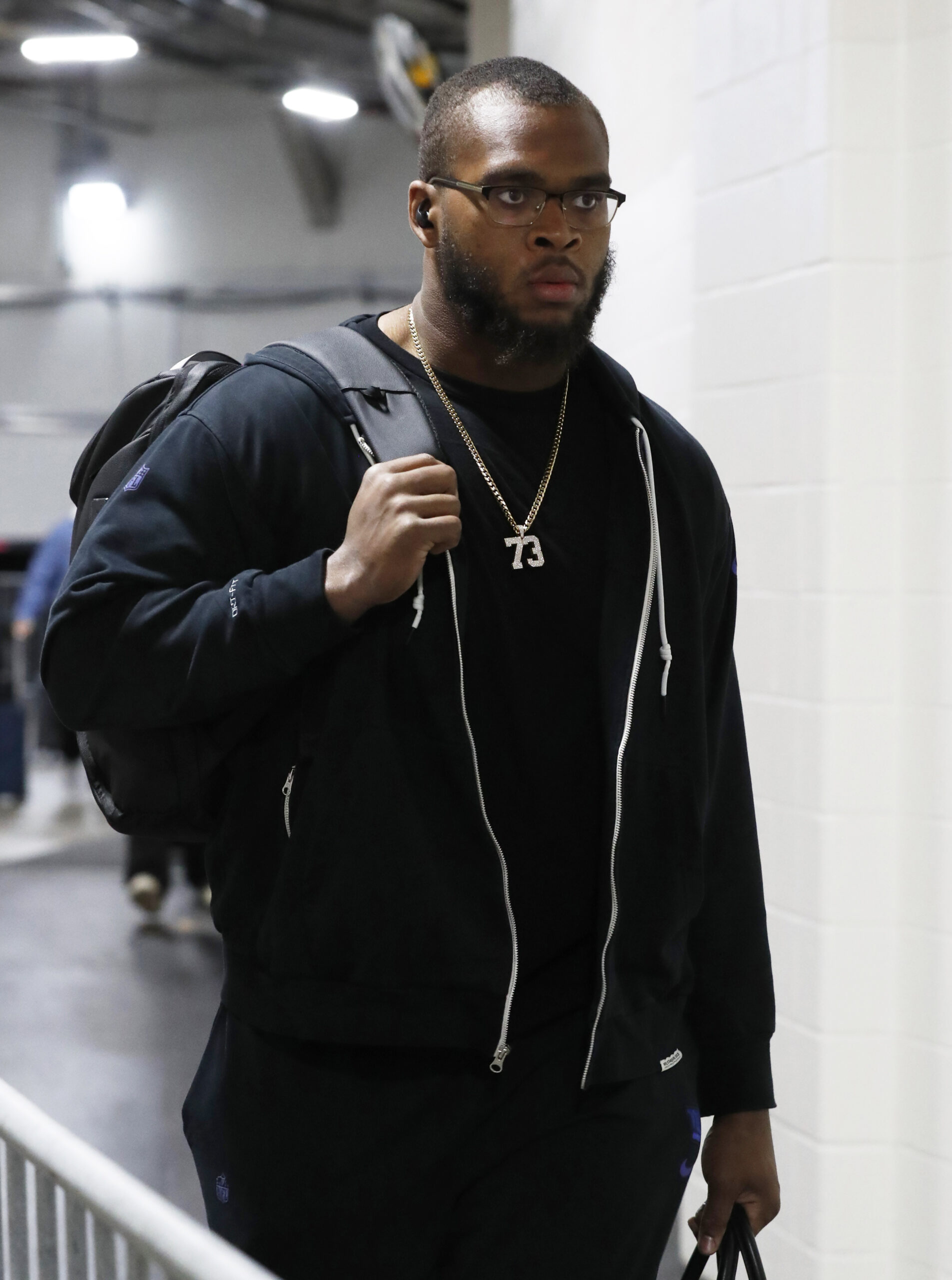 10-year veteran Greg Van Roten played every snap at right guard in 2024, the only Giant to do so on either side of the ball. He was re-signed to a one-year, $3MM contract this offseason and should enter training camp as the favorite to start once again this year.
However, the 35-year-old Van Roten will likely see some competition for first-team reps with the team’s younger guards. Former No. 7 pick Evan Neal transitioned to guard this offseason as he enters the final year of his rookie deal. He struggled at tackle across his first three seasons, but the Giants are hoping that a switch to the interior will help cover up his deficiencies in space. Neal is due just over $4MM in guaranteed money this year, but the Giants will pay a $2.95MM roster bonus on the third day of training camp, per OverTheCap. That will leave just $1.1MM in guaranteed salary for the season, an affordable price for a backup in New York or elsewhere if Neal doesn’t win the starting right guard job.
Second-year UDFA Jake Kubas made the Giants’ 53-man roster as a rookie and started the last three games of the season at both guard spots, per Duggan. He could also factor into the right guard competition, especially with two inexpensive years remaining on his contract with the potential for a restricted free agent tag in 2027.
Van Roten’s durability and consistency last year will put him in pole position to start in 2025, but the Giants must know that retirement isn’t far off for one of the oldest offensive linemen in the league. If Neal or Kubas emerges as a more long-term option, the team could elect to install him as the starter with Van Roten serving as an ultra-reliable backup.
Extension Candidate: Lamar Jackson
The Ravens return 19 of 22 starters from the team they fielded in Buffalo six months ago. This is mostly good luck, as the team avoided too many expiring contracts to impact players, but that luck shifts pretty hard in the other direction in 2025 with Mark Andrews, Isaiah Likely, Tyler Linderbaum, Odafe Oweh, Travis Jones, Ar’Darius Washington, and many others heading into contract years.
All-Pro safety Kyle Hamilton will be expecting a new deal sometime soon, as well. While the Ravens will surely be working towards extension offers for many of them, there’s one player they’ve already claimed is at the forefront of their priorities for an extension. 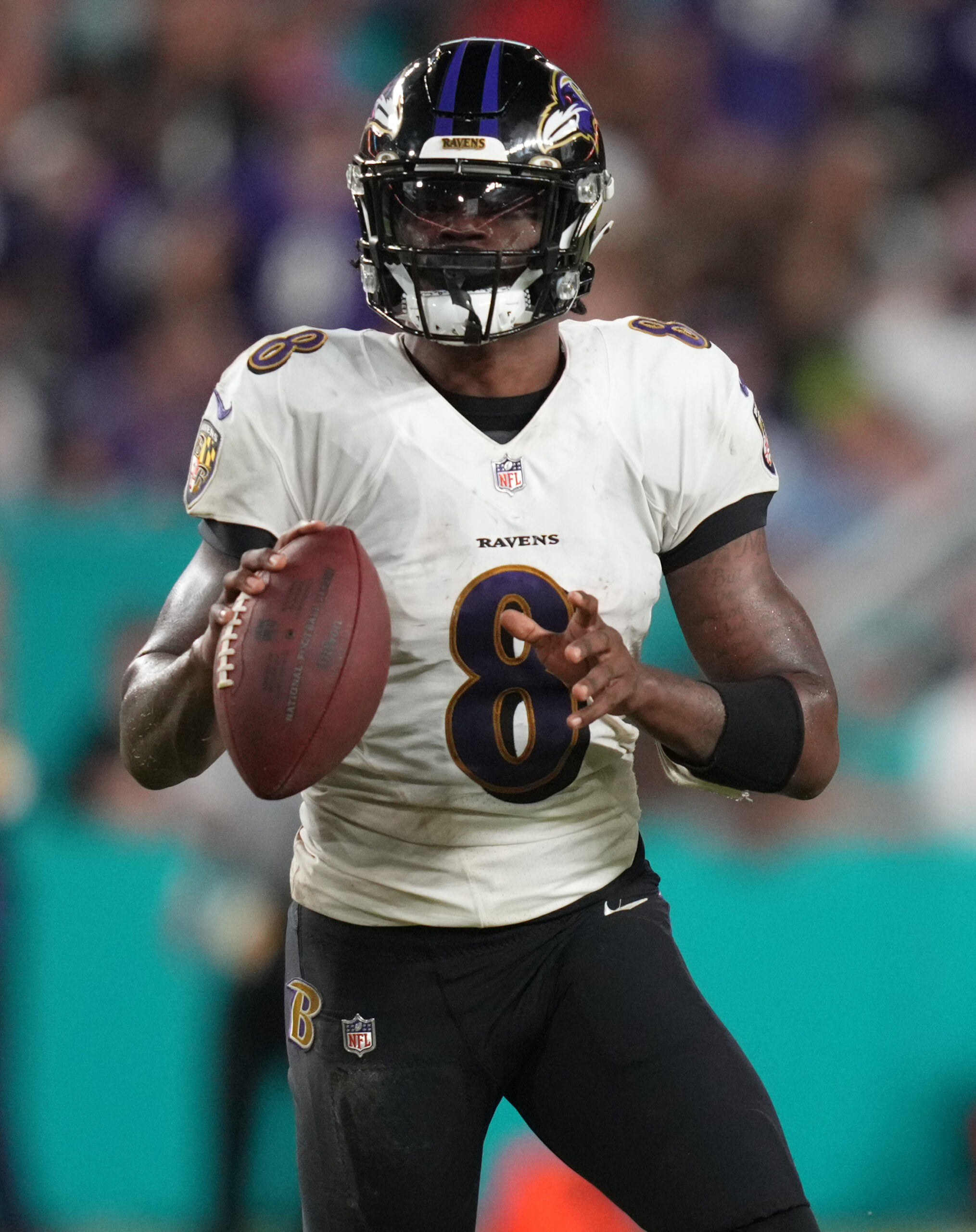
So many quarterbacks have gotten new deals in the last two years that Lamar Jackson‘s once-record-setting five-year, $260MM extension from 2023 feels like a distant memory. Thanks to recent new deals for Justin Herbert, Joe Burrow, Trevor Lawrence, Jordan Love, Dak Prescott, Jared Goff, Tua Tagovailoa, Brock Purdy, and Josh Allen, Jackson’s formerly league-leading $52MM annual average salary has sunk all the way down to 10th-highest in the NFL. Head coach John Harbaugh indicated at league meetings that Jackson could be back on top soon.
While it may seem counterintuitive to prioritize a Jackson extension when he still has three years remaining on his contract and the Ravens have so many players on contracts that expire sooner, getting Jackson on a new deal could serve a crucial role in helping to team to secure some of his talented teammates long-term. After this season, the final two years of Jackson’s contract have him sporting an untenable cap hit of $74.5MM. In order to help keep some of his teammates in Baltimore, Jackson and the Ravens could pursue an extension in the fashion of the man who beat him out for MVP last year.
Allen signed a six-year, $330MM extension in March despite the fact that his prior deal still had four years remaining. Instead of simply tacking on new years with more money to grant Allen his extension, the Bills essentially scrapped the terms of his original contract, giving their MVP a raise while keeping some flexibility in the team’s salary cap for years to come.
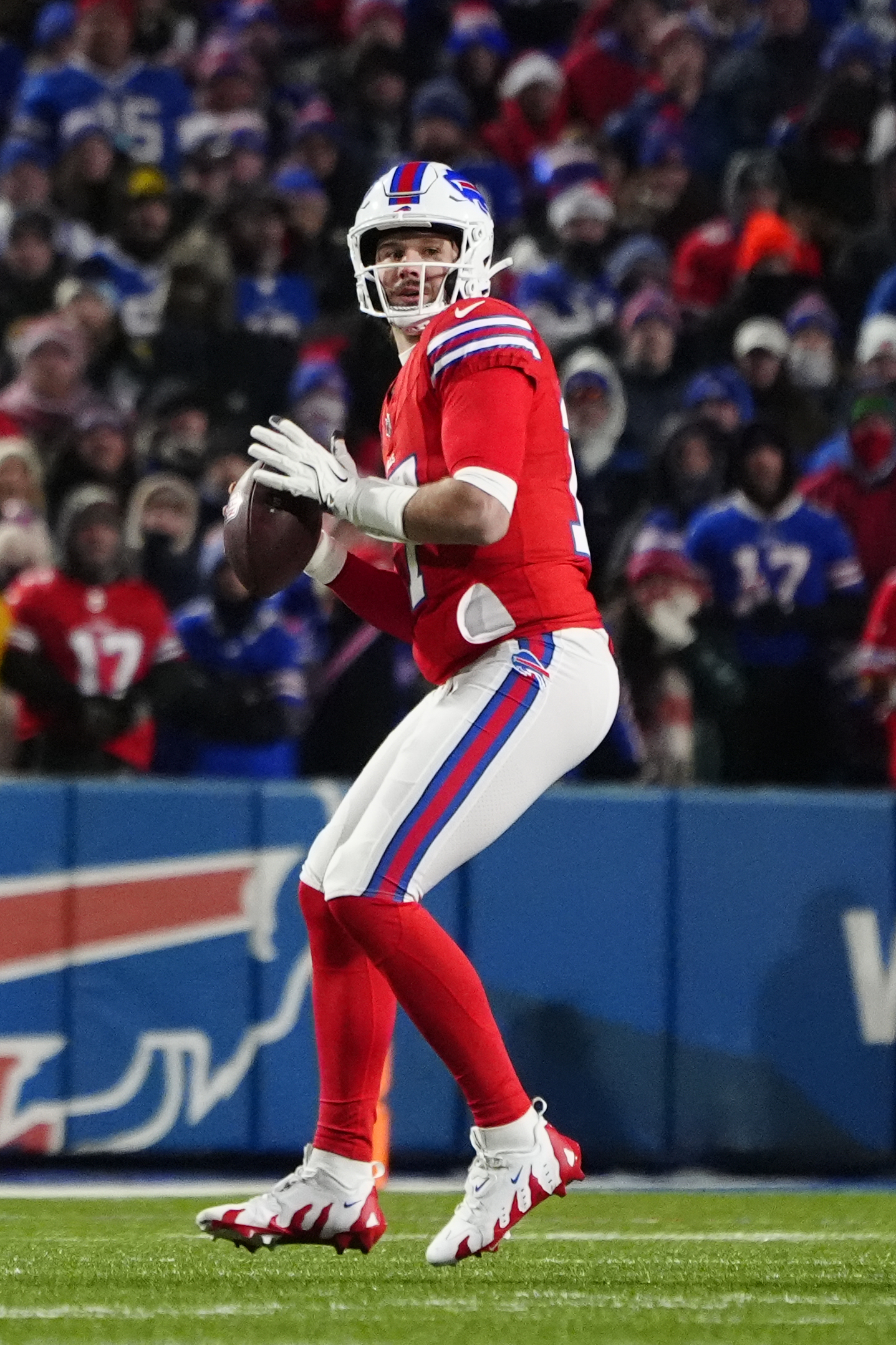 Allen and Buffalo may have paved the way for Jackson and many quarterbacks expecting raises in the future. The Ravens could create $15.8MM of cap space in 2025 with an extension, and scrapping the terms of the original deal could help significantly lower Jackson’s cap hit in 2026 and 2027, as well. The Ravens supposedly always planned to return to the negotiation table before reaching Jackson’s obscene cap hits, and the Bills may have provided them with the perfect solution.
One key point of difference could come in the cash and guarantee structures. Allen and the Bills chose an extremely straightforward method in which Allen’s cash receipts vary relatively little from year to year, ranging from $52.5MM to $58MM. In contrast, Jackson’s current contract saw him receive $80MM in Year 1 and $31.79MM in Year 2. In Allen’s deal, his full guarantees come from a modest signing bonus ($56.75MM), his first- and second-year base salaries, and $34.5MM of his third-year base salary. Jackson pushed hard for a fully guaranteed deal in 2023 but ended up settling for a signing bonus of $72.5MM, his first- and second-year base salaries, and some bonuses in Years 2 and 3.
It’s hard to know just how much the Ravens could follow in Buffalo’s footsteps with a Jackson deal or just how much Jackson is willing to follow in Allen’s. The team may love the structure, but Jackson may want more money up front, like with his last deal. Jackson may also see the value in spreading out his cash flow in order to ensure that the Ravens can continue to surround him with talented players.
The time is right for Baltimore to try to make something happen, before training camp and the preseason take Jackson away from the table. Regardless, they’ll need to get something done in the next nine months if they want to avoid getting stuck with one player taking up a projected 24.26 percent of the team’s salary cap space in 2026.
Kirk Cousins: Falcons’ Draft Plans Would Have Altered Free Agency Approach
Last March, the Falcons’ decision to sign Kirk Cousins seemed to put to rest questions about their plans at the quarterback spot over the intermediate future. The following month, however, Atlanta selected Michael Penix Jr. in the first round of the draft. 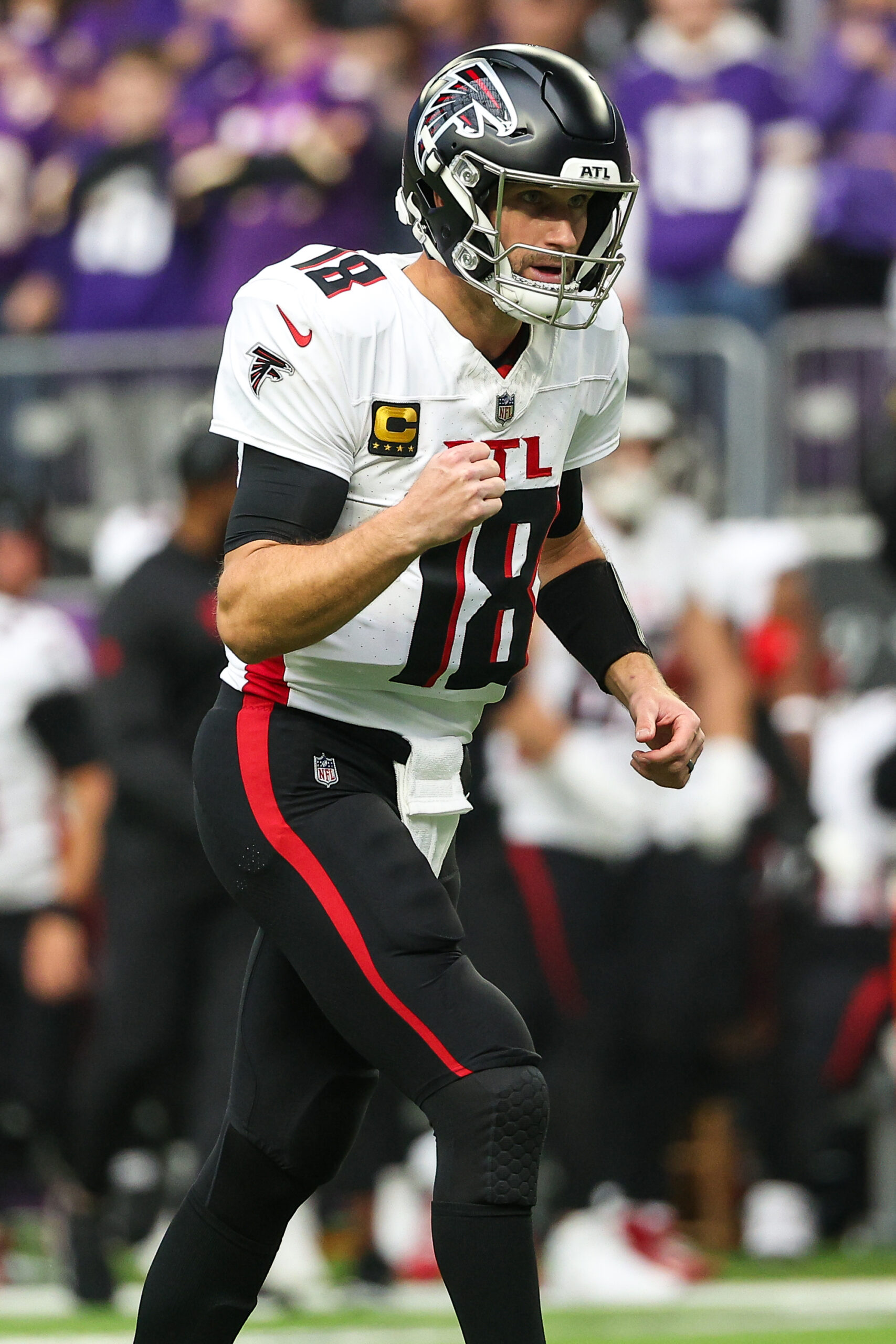
It was reported in the immediate aftermath of that move Cousins was caught off guard by the Penix selection. Differing from the Vikings, the Falcons guaranteed the first two years of the 36-year-old’s contract, a key factor in his decision to leave Minnesota after six years there. In the end, both teams made Day 1 investments under center, with the Vikings selecting J.J. McCarthy two spots after Penix. Both are positioned to operate as starters in 2025.
Cousins initially declined to offer a firm answer when asked last year if knowing about the eventual Penix selection would have altered his approach to free agency. The four-time Pro Bowler is one of three signal-callers showcased in the 2025 edition of Netflix’s Quarterback documentary series, however. That has allowed Cousins to reflect on how things played out last spring, and his latest remarks on the situation make it clear he would have likely handled things differently had he known a first-round QB was in the Falcons’ plans.
“It felt like I had been a little bit misled or certainly if I had had the information around free agency, it would have affected my decision,” Cousins said (via The Athletic’s Josh Kendall) when speaking about the Penix selection. “I had no reason to leave Minnesota, as much as we loved it there, if both teams were drafting a quarterback high.”
The Vikings were willing to retain Cousins for 2025, but the team preferred to take a year-to-year approach knowing they were in position to draft his successor. Sam Darnold signed a one-year deal and enjoyed a productive campaign in Minnesota before departing in free agency this March. That leaves McCarthy – who was sidelined for his entire rookie campaign due to meniscus surgery – in position to handle QB1 duties this season and beyond.
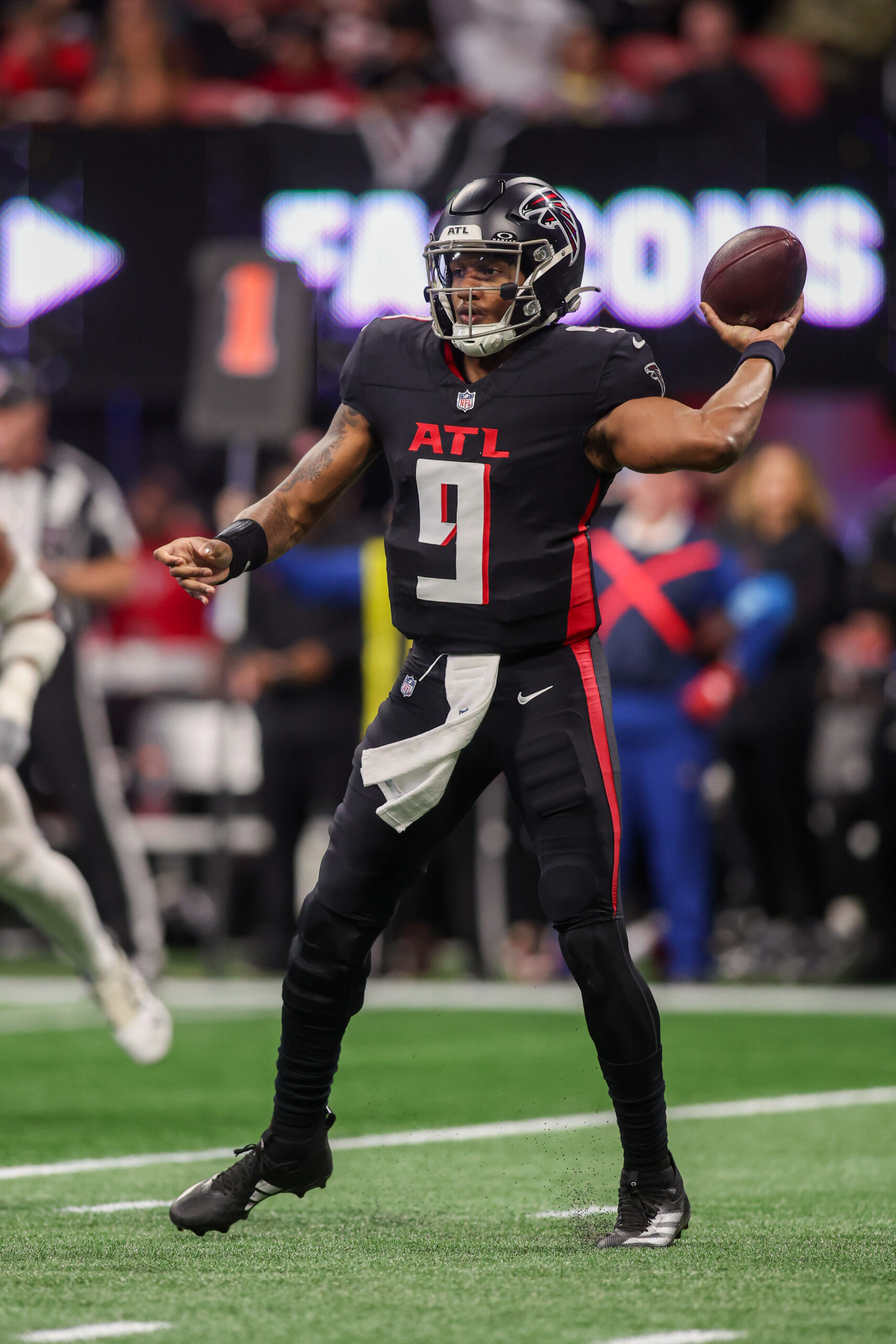 Coming off an Achilles tear, Cousins worked as Atlanta’s starter through the beginning of the 2024 campaign. While battling shoulder and ankle injuries, his play took a turn for the worse until Penix was inserted into the lineup. The 25-year-old enters the coming season atop the Falcons’ depth chart, but an offseason filled with speculation about a Cousins trade or release has ultimately not resulted in a parting of ways.
Cousins is in a better spot health-wise than he was at the time of his benching, but without any starting gigs available at this point he is in line to remain in Atlanta. An injury during training camp could change the situation, but for now the Falcons are set to retain him as a backup (as they professed a willingness for all spring) carrying a $40MM cap hit. That situation is of course partly by choice on Cousins’ part after he elected not to waive his no-trade clause prior to the draft to avoid a repeat of last year’s situation.
Cousins is owed a $27.5MM base salary this season, and a $10MM roster bonus for next year has already vested. That financial barrier prevented a trade from taking place over the past few months and it will remain challenging for interested teams to swing a deal if Atlanta declines to retain any money. As a result, Cousins is destined to remain with the Falcons for at least one more year before a parting of ways becomes feasible and the opportunity will present itself to move past this chapter of his career.
Checking In On Unresolved Edge Rusher Situations
At the offseason’s outset, we projected the edge rusher market — which had not moved too much aside from Nick Bosa‘s contract since T.J. Watt‘s 2021 extension — would take center stage due to the volume of marquee players entering contract years. The fireworks have not disappointed.
The Raiders entered the fray despite having Maxx Crosby contracted for two more seasons, and their early play led the Browns to make the same move — one that took Myles Garrett off the trade block. Garrett’s $40MM-per-year number — which led to Ja’Marr Chase‘s asking price changing, as the title of “highest-paid non-quarterback” gains steam in the NFL — still leads the way at his position, but a glut of edge rushers are still deep in negotiations.
Although both Odafe Oweh and Kwity Paye are heading into their fifth-year option seasons, rumors of negotiations have not emerged involving the Ravens and Colts edge players. Those situations are worth monitoring, but front-burner matters involving All-Pro-caliber rushers — and one curious rookie case — have produced a wave of headlines this offseason. As training camps near, here is where everything stands:
Trey Hendrickson, Bengals
The messiest of these situations has brought a staredown. Although the Bengals have seen a few players (Tee Higgins, Jonah Williams, Germaine Pratt) request trades in recent years, they have not buckled. Hendrickson, though, levied accusations against the team at OTAs and is prepared to sit out regular-season games. This came after executive VP Katie Blackburn‘s comments taking issue with Hendrickson’s stance. Highlighted by the Carson Palmer standoff 14 years ago, the Bengals have not been known to cave. But the team seemingly went from being prepared to move on from Higgins to paying its No. 2 wideout after Joe Burrow‘s crusade. Burrow has stumped for Hendrickson as well.
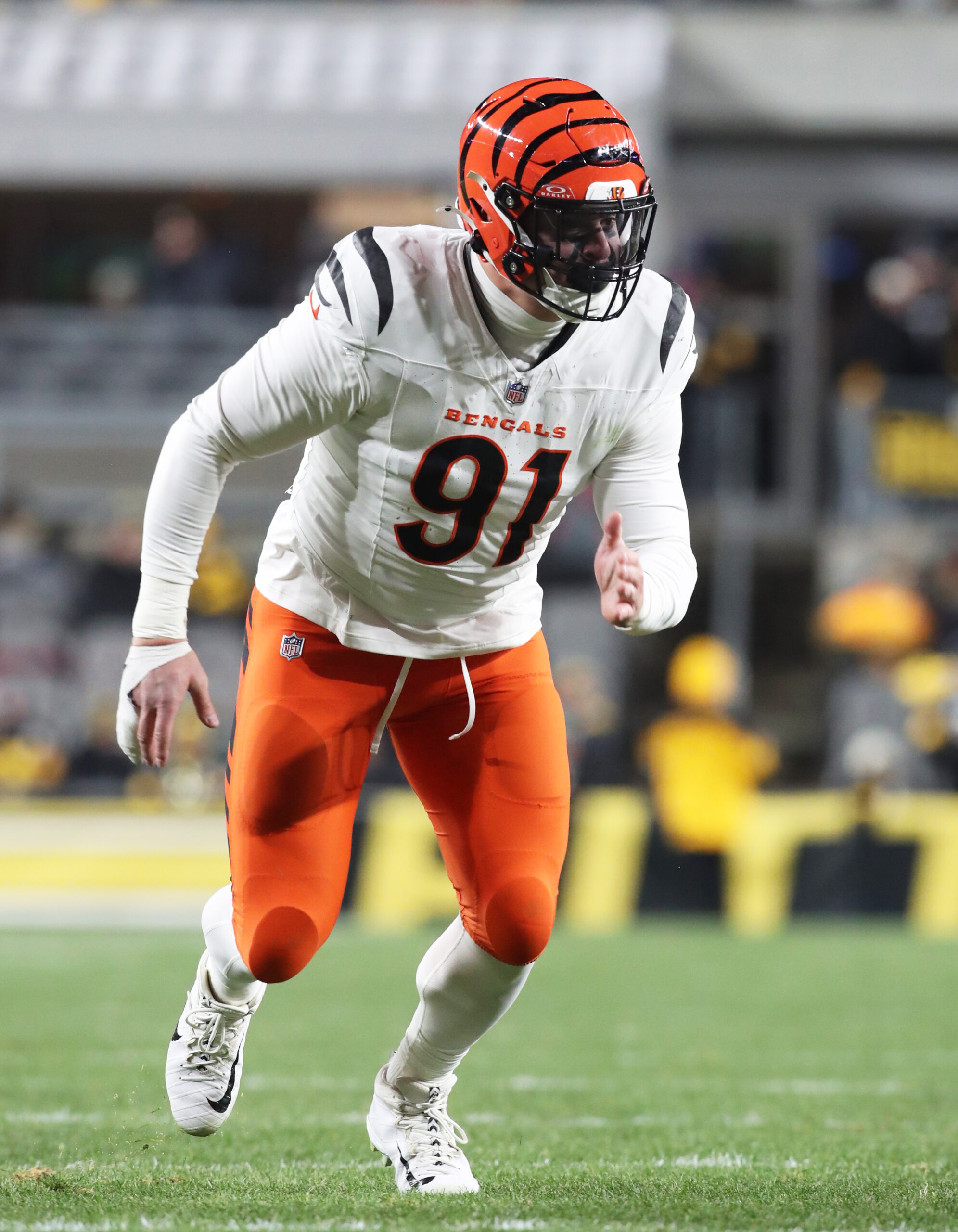 Trade rumors here have died down, despite the Bengals giving Hendrickson’s camp permission to shop around. The Bengals rejected multiple offers, and teams viewed the Bengals’ asking price — believed to be at least a first-round pick — as unrealistic since an acquiring team would need to hand out a monster extension as well. Hendrickson made it clear early in the offseason he wanted either a Bengals extension or to be traded to a team that would authorize one; months have passed without either resolution, leading to frustration from a player who has anchored Cincinnati’s pass rush since signing in 2021.
Hendrickson, 30, went public after no talks commenced in the weeks following the draft and made it known he would extend his holdout into the regular season. The Bengals are likely betting the 2024 sack leader will cave rather than miss game checks, and they have not offered a $35MM-per-year deal — which would surpass Bosa and land in the range Crosby set — to their top defender.
The Bengals also have a long-held precedent of not guaranteeing salary beyond Year 1, joining the Packers and Steelers in that approach. Though, Cincy bent for Chase and Burrow. The team is aiming to give Hendrickson another one-year deal, after extending him (one year, $21MM) in 2023; the ninth-year vet wants a true extension, even if he is not expecting to match Garrett’s Browns terms.
Cincinnati paid Geno Atkins at 30 and Carlos Dunlap at 29 in 2018, authorizing third contracts for both. Hendrickson will be 31 by season’s end, adding urgency to his situation. The team saw its defense regress in 2024, denying an MVP-caliber Burrow season and Chase’s triple-crown showing from producing a playoff berth. Hendrickson has leverage of denying his services to prop up a defense that needs to improve to better the Bengals’ chances at making the playoffs for the first time since 2022. But the sides are not close to an agreement.
 Aidan Hutchinson, Lions
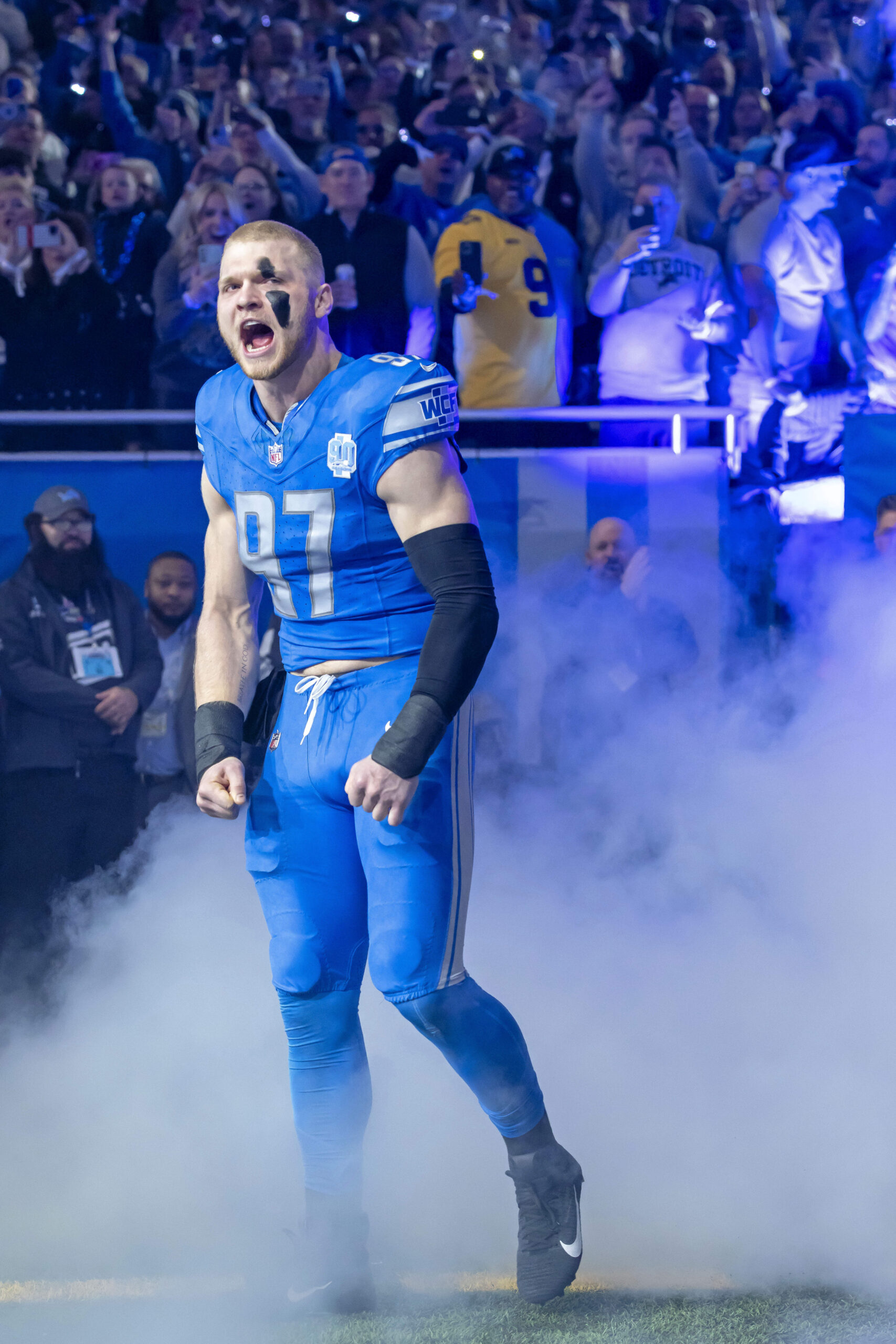
Hendrickson’s price may well change if other rushers land deals that move the bar; Hutchinson is a player to monitor here. The Lions acted early with Penei Sewell, giving the All-Pro right tackle a deal that topped both tackle markets in April 2024. Sewell still resides as the NFL’s highest-paid RT. Hutchinson enters his fourth training camp in position to top the EDGE market, as he is going into an age-25 season. He is also now fully cleared from the broken leg that ended his 2024 season early.
The Lions made it known they were preparing to extend Hutchinson, and fifth-year GM Brad Holmes acknowledged the price could change as other extensions are completed at the position around the league. Hutchinson’s second contract will almost definitely come in north of $40MM per year, as he is nearly five years younger than Garrett. The Lions lacking a proven presence opposite the former No. 2 overall pick also increases his leverage, and the sides are expected to accelerate talks now that a full recovery has taken place.
Detroit striking first here likely would provide a discount. The NFL’s 2023 pressures leader, Hutchinson showing All-Pro-level form again would up his price come 2026. Even with the team having Hutchinson signed through 2026 via the fifth-year option, waiting until the option year could lead to a notably higher price if/once Micah Parsons and T.J. Watt receive their big-ticket extensions before Week 1.
Micah Parsons, Cowboys
Considering how the Cowboys played it with Dak Prescott and CeeDee Lamb, this situation has generated headlines since Parsons became extension-eligible in January 2024. Parsons, 26, is a three-time All-Pro who is the top player on a team. Trade rumors emerged in 2024, but they fizzled fairly early. Even as the Cowboys paid Prescott and Lamb on top-market deals, with the QB breaking new ground by reaching $60MM AAV, Parsons has long been expected to receive an extension. Once again, however, the Cowboys are dragging their feet. This routine has even surprised Parsons, who said the Cowboys waiting once again will lead his price to rise.
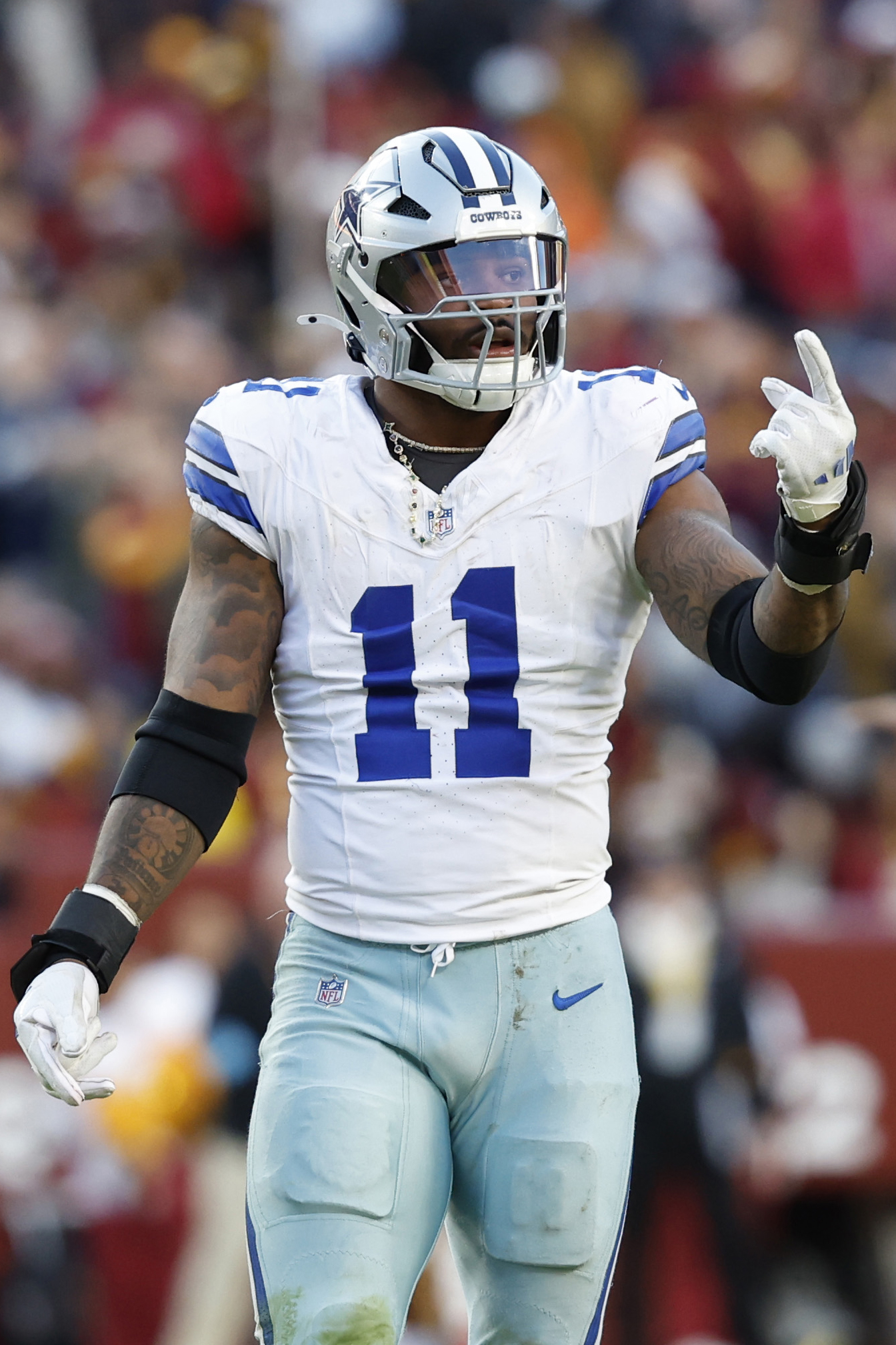 Parsons said during the Cowboys’ 2024 offseason program he was fine waiting until his contract year to sign a new deal, and he expected to become the NFL’s highest-paid defender. Although the Penn State-developed dynamo missed time due to injury in 2024, nothing has really changed regarding that ask. Parsons floated out what appeared to be a $50MM-per-year ask by the spring. It is unlikely the Cowboys will go there, but the fifth-year rusher admitted his price has already risen based on the Crosby and Garrett deals. Parsons’ age and early-career performance work in his favor, and he just saw his top two teammates lead the Cowboys to breaking on their usual term-length aim.
Both Prescott and Lamb secured four-year extensions, being the rare high-profile Cowboys to land deals shorter than five years. Term length is an issue for Dallas with Parsons, but five- and six-year deals are largely avoided now. Only one free agent (Will Fries) agreed to even a five-year deal this year; the cap’s record growth has led players to prefer shorter-term pacts to cash in again sooner. Rumblings of Parsons and Jerry Jones being in step on price emerged, but no reports of a true agreement have come out.
Parsons is still holding out hope for an extension to be done by training camp, even as Cowboys delays have been much discussed, and it represented a good sign he attended the team’s offseason program and participated at points. A hold-in still should be considered likely until a deal is done.
Shemar Stewart, Bengals
The Bengals have managed to pay both Chase and Higgins while still seeing many question their commitment. The team has attempted to distance itself from a frugal reputation; its handling of the Hendrickson and Stewart situations has made that difficult.
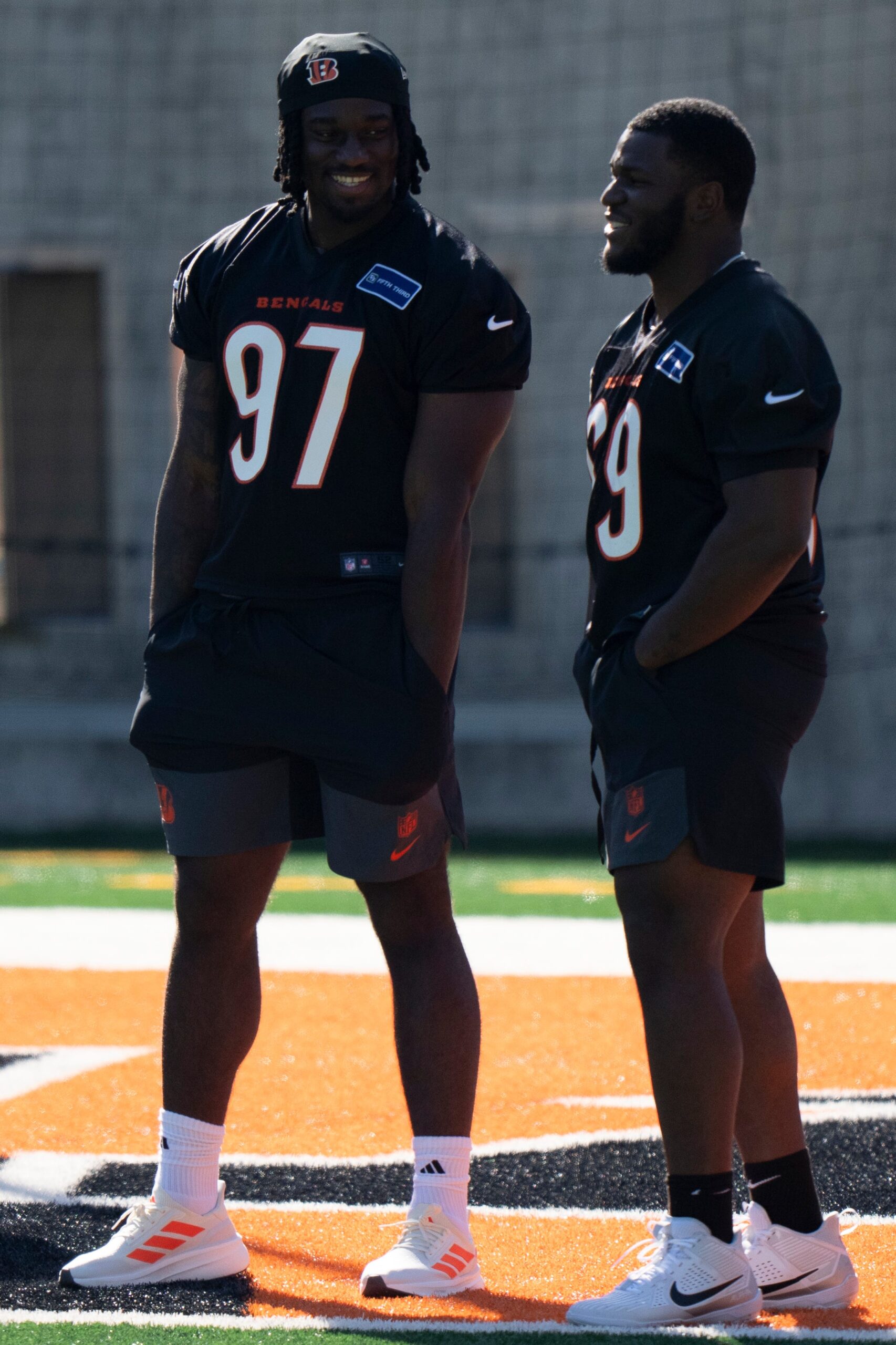 While Hendrickson is amid a classic holdout, Stewart is at odds with his new team over minor contract language. He and Broncos safety Jahdae Barron are the only unsigned first-rounders. Barron signed a waiver that allowed him to participate in Denver’s offseason program; Stewart and the Bengals could not accomplish that. This created a situation in which the Bengals’ top two D-ends were not on the field for offseason work.
Language included in the Bengals’ rookie waiver did not sit well with Stewart, who left minicamp early after voicing confusion about the team’s overall goal. The Bengals want to include a clause in Stewart’s contract “that causes a default in the current year to trigger a default in all remaining years.” Stewart also expressed an issue with bonus payments, as his contract would not match the bonus schedule of 2023 and ’24 Cincy first-rounders Myles Murphy and Amarius Mims. Stewart’s agent wants to negotiate this or potentially secure his client a concession rather than the Bengals making an all-or-nothing crusade on this minor matter.
Regardless of how the sides got here, this is not a good place to start — especially given the Hendrickson situation and the team’s poor 2024 defensive showing. Stewart will be attached to a fully guaranteed $18.96MM rookie deal. Offset language has played a role in some of the few holdouts in the rookie-scale era, but the 2011 CBA largely did away with rookie standoffs. The Bengals’ past shows they are unlikely to budge here, putting the onus on Stewart to accept the team’s terms. But this relationship has endured a seemingly unnecessary early hiccup.
T.J. Watt, Steelers
Watt separated from Parsons’ track by skipping minicamp. This also diverges from the All-Pro’s 2021 course, when he staged a hold-in at minicamp and training camp. More material on Watt’s negotiations has come out this time around; the prospect of a training camp holdout — a practice largely curbed by the 2020 CBA — looms. Watt, 30, is aiming to become the NFL’s highest-paid defender. His resume warrants a commitment on this level, but as of this week, no deal is close. Guarantees are an issue this time around.
The Steelers ended Watt’s hold-in days before the 2021 season, reaching a then-market-setting extension (four years, $112MM). More importantly, Pittsburgh gave Watt $80MM fully guaranteed. This broke the team’s non-QB precedent of not providing guaranteed salary beyond Year 1. With Garrett securing $40MM ahead of his age-30 season, Watt (31 in October) naturally wants what his 2017 draft classmate received. Watt can use the threat of not playing — the Steelers are 1-10 in games he has missed — against a team hellbent on changing its recent one-and-done playoff pattern, having signed Aaron Rodgers and traded for D.K. Metcalf, Jalen Ramsey, and Jonnu Smith.
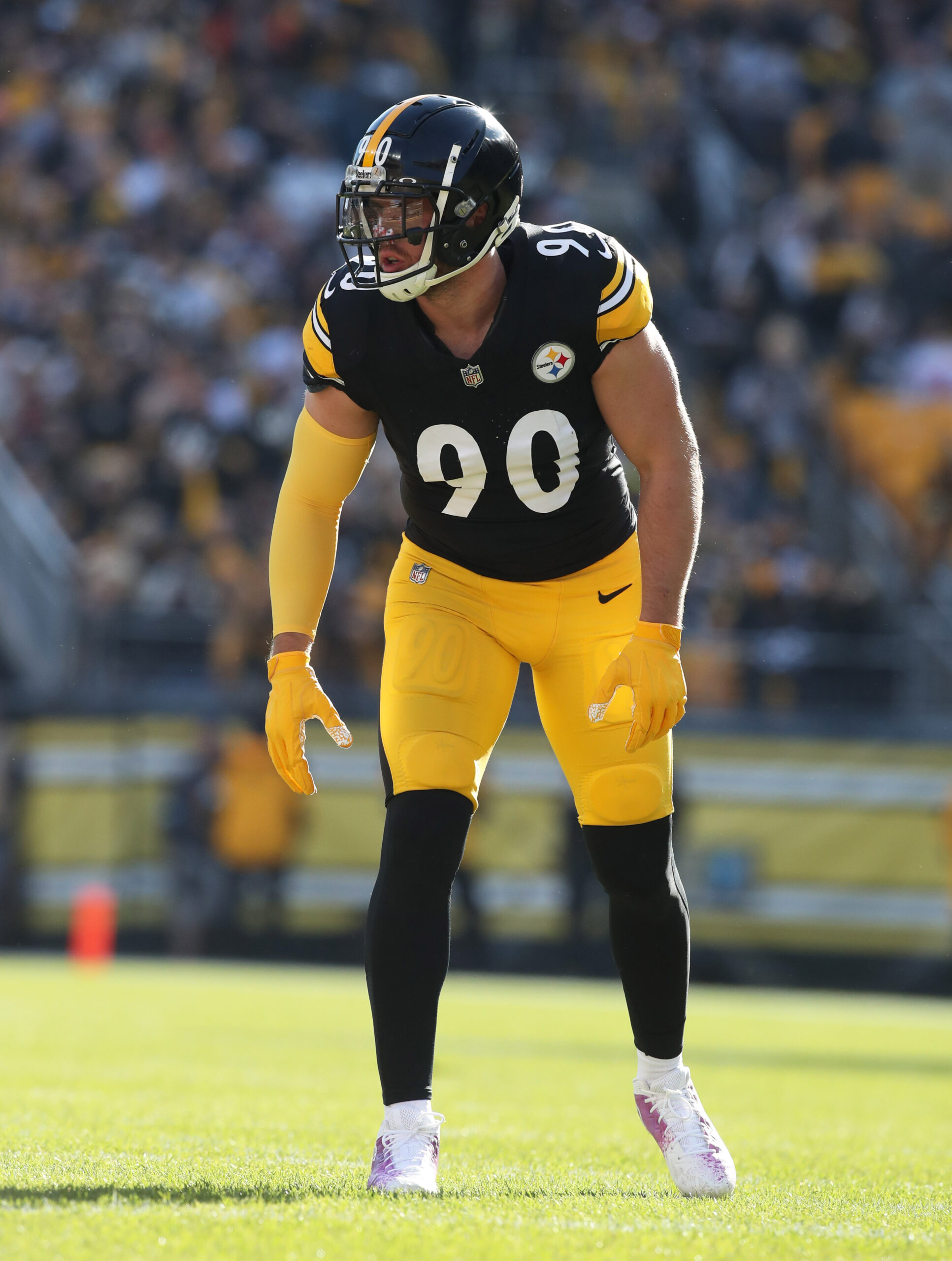 With this situation still unresolved when the team made the trades with the Dolphins, buzz about teams looking into Watt circulated. The team is undeterred. Moving Watt would seemingly be a nonstarter for the Steelers, as it would make little sense to add the cast of veterans they have only to deal away their best player. Even if the Steelers could use a second first-round pick as ammo to trade up for a 2026 QB prospect — after Rodgers’ expected retirement — trading Watt now would severely wound the 2025 team’s chances.
It will be interesting to see if Watt holds out, as the Steelers famously do not negotiate in-season. That separates these talks from the other three veterans’ negotiations. A resolution will happen by Week 1, and it is still expected Pittsburgh will pay up. As it stands, though, the sides are apart on both guarantees and term length. A 2026 franchise tag would become necessary in the event no agreement is reached, but with the team not having negotiated in-season since 1993, a Watt threat to miss regular-season games — no such threat has come out yet — would carry more weight. Both parties want an extension done by camp, but hurdles remain.
Release Candidate: David Ojabo
David Ojabo entered the NFL with high expectations despite the Achilles tear he suffered shortly before being drafted. The Ravens edge rusher has not developed as hoped, however, and his ability to retain a roster spot this summer will be worth watching. 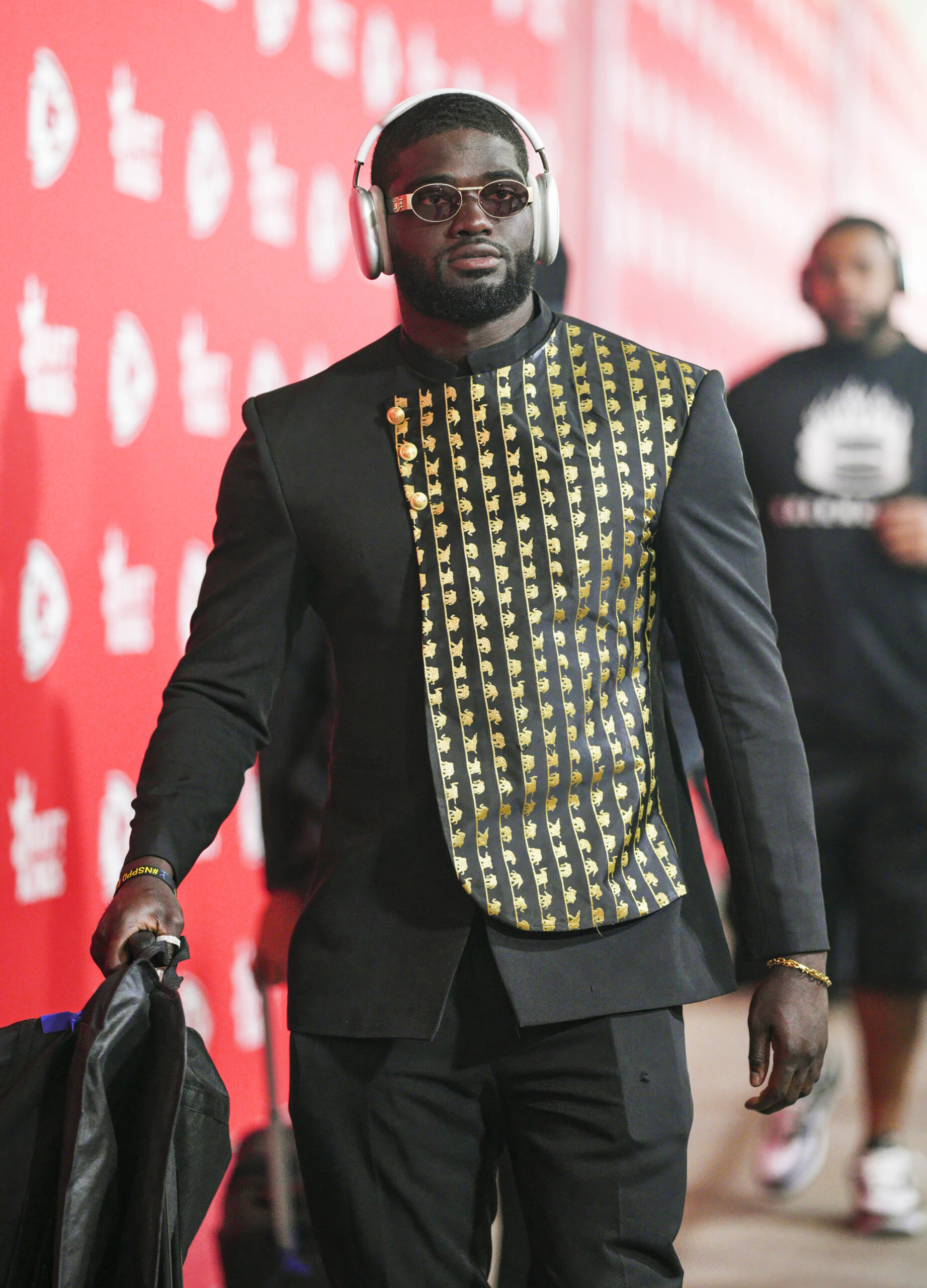
During Michigan’s Pro Day, Ojabo suffered his torn Achilles. That injury hurt his draft stock, but Baltimore selected him in the second round in 2022. His recovery process resulted in just three combined regular and postseason contests as a rookie, a span which included only one sack. Hopes were high from team and player for a step forward in Year 2, but a knee/ankle injury shut Ojabo down after three games.
This past season saw the 25-year-old appear in 13 games as he managed a much healthier campaign than his first two. Ojabo only handled a 33% snap share, however, and that rotational role resulted in limited production. Two sacks and nine pressures were a reflection of his workload but also an inability to move up the depth chart (which was led by Kyle Van Noy and Odafe Oweh). With one year remaining on his rookie contract, this summer will be critical for Ojabo.
As The Athletic’s Jeff Zrebiec writes (subscription required), Van Noy and Oweh remain in position as starters for 2025. Baltimore’s pass rush group also includes returnees Tavius Robinson and Adisa Isaac, along with second-round rookie Mike Green. Those five can be considered roster locks, whereas Ojabo enters training camp on the bubble. Per Zrebiec, Ojabo could “very easily” find himself on a new team in 2025.
As things stand, Ojabo is set to carry a cap charge of $2.52MM for the final year of his pact. Cutting or trading him would create $1.78MM in savings while generating a dead money charge of only $733K. It would come as a surprise to see a notable trade market in this case, given Ojabo’s missed time and limited production when on the field. In the event he were to be waived, though, teams looking for a depth addition with upside based on age could show interest in a modest deal following roster cuts.
Van Noy is entering the final season of his pact while Oweh is slated to play on his fifth-year option as things stand. Keeping one or both in the fold beyond 2025 would be an understandable goal for the Ravens after each member of that tandem produced double-digit sacks last season. Robinson, Isaac and Green will each be on their rookie deals for at least two more years, so they can be expected to remain in place for that time. Ojabo, on the other hand, could find himself on the move in the near future.
Chiefs TE Travis Kelce Not Planning To Finish Career Elsewhere
Three weeks ago, veteran Chiefs tight end Travis Kelce was undecided on his future once his contract expires at the end of the coming season. He claimed that he couldn’t see himself “ever playing anywhere else,” but with things up in the air still, he resolved to “deal with that down the road.” In an appearance on the Bussin’ With The Boys podcast a week ago, Kelce set the record straight. 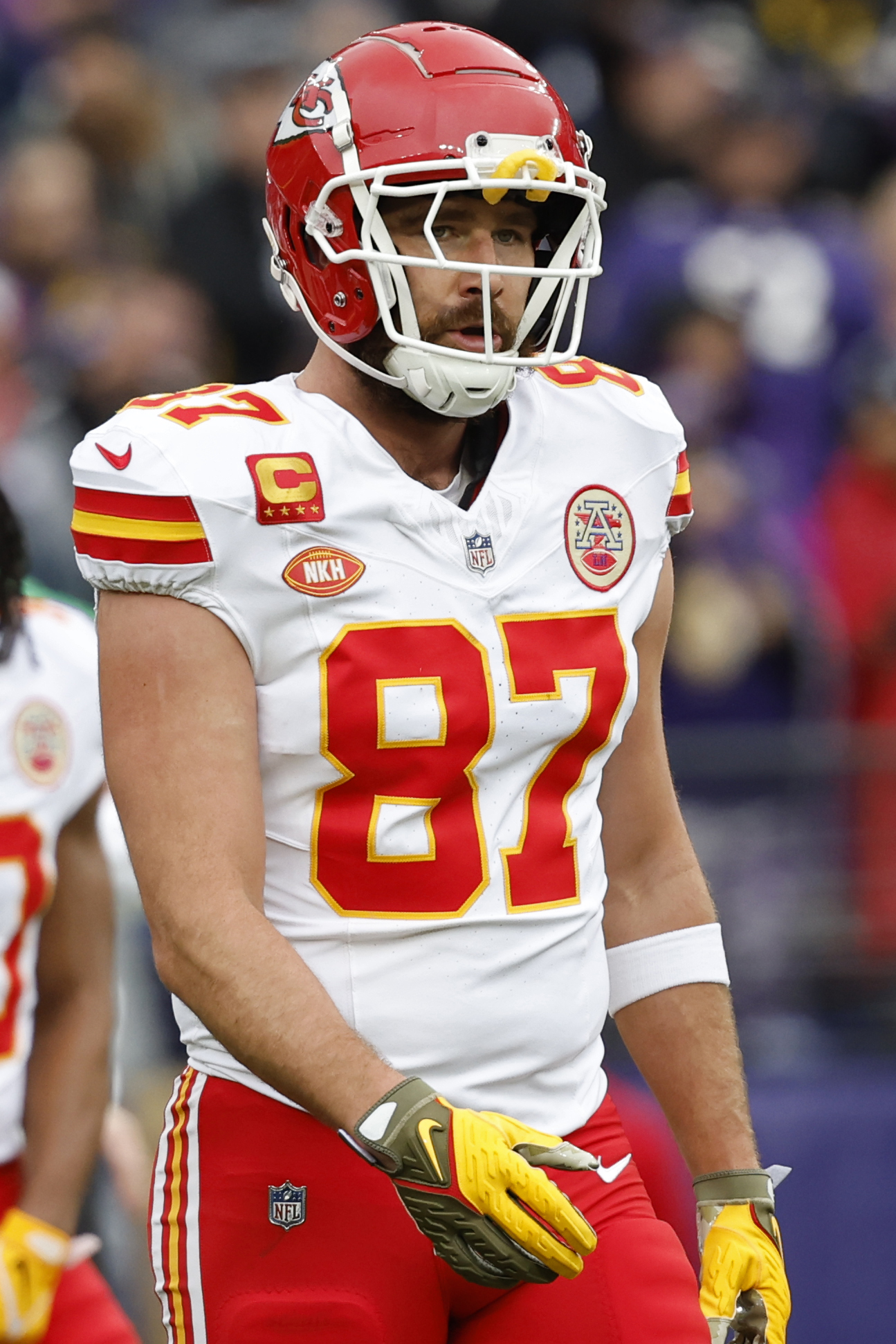
When asked by former NFL linebacker Will Compton if he could see himself in another uniform, Kelce told the crew, “At this point, no. Maybe if you would’ve asked me that maybe like a contract or two ago, I’d have been like, you know, I’d keep it open.”
He went on, waxing poetic about his affinity for Kansas City. Highlighting the connections he’s developed within the community, his relationship with quarterback Patrick Mahomes, whom he referred to as “family,” head coach Andy Reid‘s role as a mentor in his life, Kelce told the crew how he’ll always have a home in Kansas City.
The three-time Super Bowl champion is not ignorant of what the future holds, though. Heading into a contract year during which he will turn 36 years old, Kelce seems fully aware that, at some point, a business decision will be made by the Chiefs. While Kelce still has the ability to contribute to the Kansas City offense, putting up career lows in yardage and touchdowns in 2024 — not including his single-snap rookie season — continued a trend of decreasing production from his 2023 campaign.
Regardless of his contributions in the upcoming season, the Chiefs are going to have to start thinking long-term and investing young at the position. The team recently extended Noah Gray, who picked up a good amount of slack last year, while fourth-round rookie Jared Wiley saw one target in seven games before sitting out the rest of the season with a torn ACL.
With the writing beginning to appear on the wall, Kelce’s certainly made himself no stranger to life after football. With his own New Heights podcast that he hosts with his retired brother, Jason Kelce, an appearance on Saturday Night Live, acting credits in television shows like Moonbase 8 and Grotesquerie, and a soon-to-be-seen role in the long-awaited Happy Gilmore sequel, it’s hard to imagine Kelce disappearing from the spotlight any time soon. Whatever his future holds, it seems it won’t include him sporting a helmet with anything but an arrowhead on it.
Latest On Recent Dolphins Trades
JULY 8: A few additional compensation details trickled in today on Ramsey’s situation in Pittsburgh. Per ESPN’s Field Yates, in addition to the $3MM the Dolphins advanced to Ramsey in order to help facilitate the trade to the Steelers, Pittsburgh, too, provided their new All-Pro with some early funding. Similar to Miami, the Steelers took $1.5MM from Ramsey’s 2026 base salary to increase his base salary this year.
Yates adds that Ramsey’s original deal had language that gave him active game roster bonuses of $45K per game in the final three years of his contract (2026-28). Pittsburgh changed that language, converting the potential bonuses into base salary, meaning he won’t miss out on the bonus if he’s inactive for any games. In all, the conversion adds $765K to each year’s base salary.
JULY 4: NFL Network’s Tom Pelissero made an appearance on the Rich Eisen Show yesterday, in which he gave some keen insight on two recent trades made by the Dolphins with the Steelers and Giants. 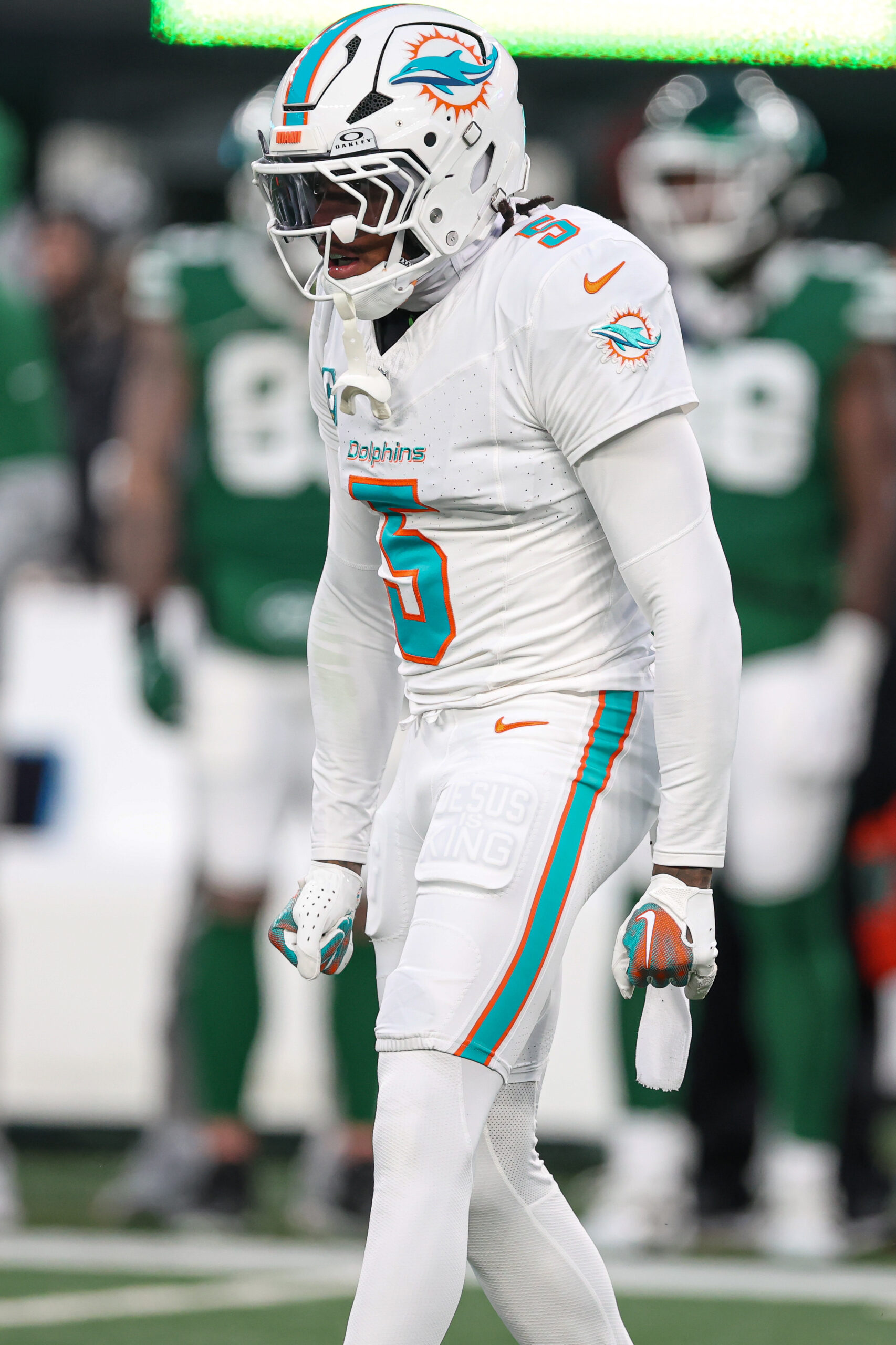
Pelissero started by underlining the influence Jalen Ramsey had held in Miami, noting his impact on former defensive coordinator Vic Fangio‘s dismissal from the team. We had noted, shortly after Fangio’s departure was finalized, that Ramsey and a few other defensive backs had expressed issues with the defensive play-caller, and Pelissero confirmed as much, pointing out that the two never clicked due to Fangio’s inflexibility in putting Ramsey in the best position to succeed.
He goes on to say that, while discussions with the Steelers had been ongoing, there was always doubt about whether or not Ramsey would accept Pittsburgh as a trade destination. From the Jaguars to the Rams to the Dolphins, Ramsey has never played for a cold-weather team, and the prevailing assumption was that a return to Los Angeles was most likely. Ultimately, the Rams seemingly lacked the cash and cap space to take on Ramsey’s contract, and while the Chargers exchanged several calls with Miami, they never found a deal that interested them.
Mostly, the Dolphins were focused on player-for-player trades. Knowing how big of a deterrent Ramsey’s contract was for potential trade partners, the team knew that it would have to take on a big salary in return. With that in mind, they turned back to Pittsburgh to reunite with safety Minkah Fitzpatrick. They’ll now take on the two remaining years on Fitzpatrick’s contract, which doesn’t contain any guarantees. In fact, if his doesn’t work out on the team in 2025, they can cut him with only $6.86MM in dead money in order to obtain $17.6MM in cap savings.
In order to sweeten the pot and bring the Steelers back to the table, they included Jonnu Smith. Smith is an apparent favorite tight end of Steelers offensive coordinator Arthur Smith. The two were in Atlanta together in 2023 and will reunite after a career year for the tight end. Smith’s recent production and Fitpatrick’s declining production made taking on Ramsey’s contract a bit more palatable for Pittsburgh. As a result, Pittsburgh extended Smith for another year elevating his annual average salary from $4.2MM on the original two-year deal to $6.8MM per year over three seasons with the extension.
Ramsey also received some money from the trade, Pelissero explains. While, technically, he isn’t receiving any additional funds from the Steelers or Dolphins, he was owed $1.5MM of his salary from Miami this year and $1.5MM of his salary in 2026, as well. With the trade taking place, the Dolphins essentially advanced the $3MM to Ramsey upfront, while the Steelers take on the remainder of Ramsey’s contract.
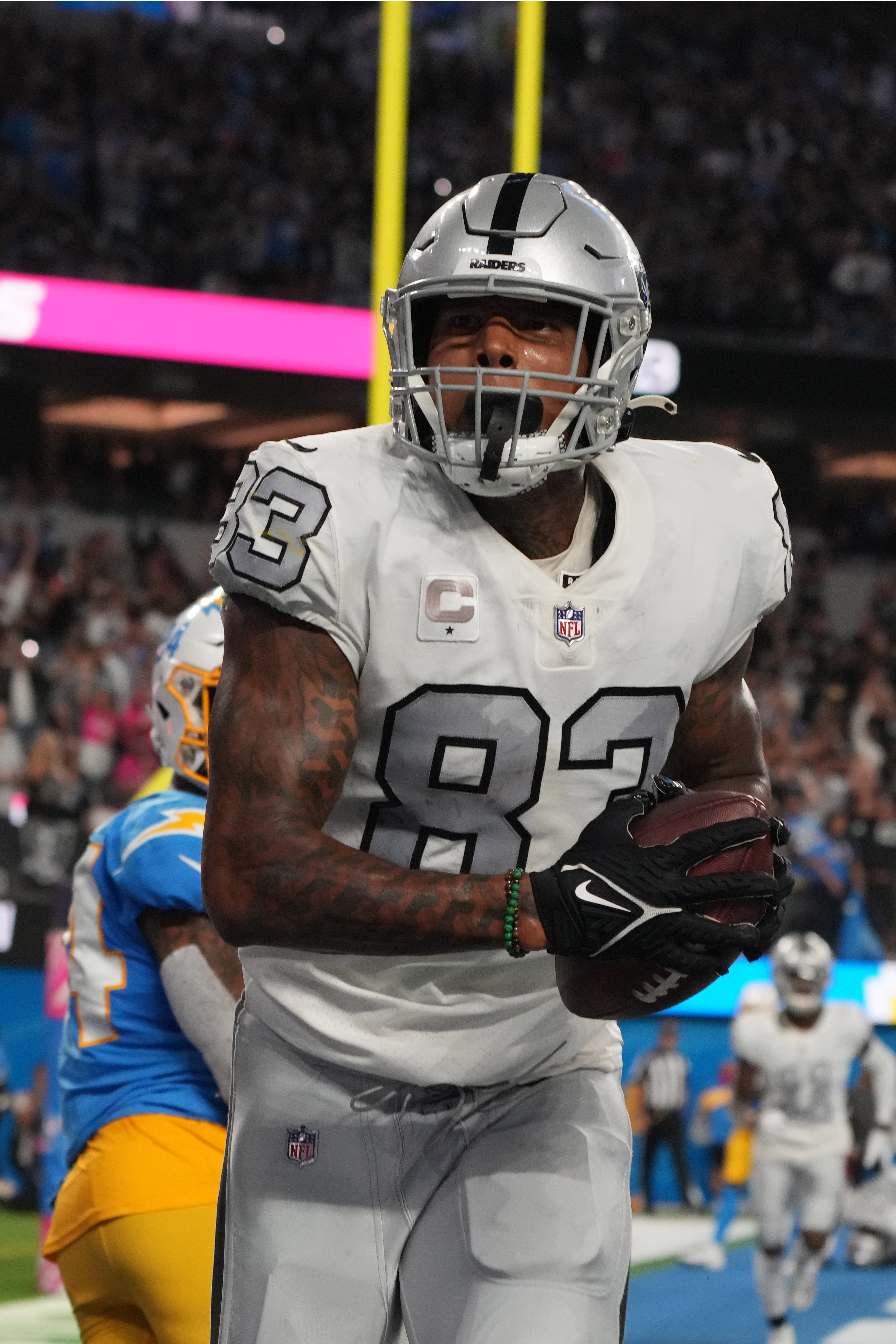 Pelissero also spoke on the team’s acquisition of formerly retired tight end Darren Waller, a trade, he says, that materialized relatively quickly. Waller and his agent, Drew Rosenhaus, reportedly reached out to the Giants last week, telling them that Waller was either going to go play for the Dolphins or stay retired. To his credit, general manager Joe Schoen did not press Waller or try to convince him to stay. Instead, he took his prize of a 2026 sixth-round pick in exchange for a player he knew wasn’t going to contribute to his team ever again.
Waller’s fit in Miami is already obvious, following the departure of Smith for Pittsburgh, but it works out even more once one digs deeper. Dolphins offensive coordinator Frank Smith was the tight ends coach of the Raiders for the first three years of Waller’s tenure in Oakland and Las Vegas. These were the years that saw Waller break out from a fizzled-out Baltimore late-round receiver to a Pro Bowl tight end. Peliserro claims Waller’s relationship with Smith is “unique” and that they’re “like brothers.” Especially with Waller’s troubled history, having a coach he can trust makes his unretiring make much more sense.
In terms of Waller’s impact on the offense, it seems like it could be another strong fit. Waller’s size and ball-control style of play match well with another offseason addition in wide receiver Nick Westbrook-Ikhine. Both players should be excellent compliments to the speed elsewhere on the offense in Tyreek Hill, Jaylen Waddle, and De’Von Achane, granted Waller can return to a high level of play after sitting out for a full season of NFL play.
Even if Waller can’t, all it cost the Dolphins to find out was a sixth-round pick next year. In order to offload Ramsey and his contract, the team had to part ways with Smith and replace him with Waller for a 2026 sixth-rounder. They take on Fitzpatrick’s contract, as well, but a year from now, the team could be free of both players’ contracts, and virtually no hint of the Ramsey fallout will remain.
Broncos Likely To Use Marvin Mims As WR2
Courtland Sutton‘s extension talks certainly can include a point that the former John Elway draftee’s 1,081 receiving yards last season more than doubled the next-closest Broncos weapon. Although Denver was linked to Ohio State’s Emeka Egbuka in Round 1, the team did not make a significant investment at the position this offseason.
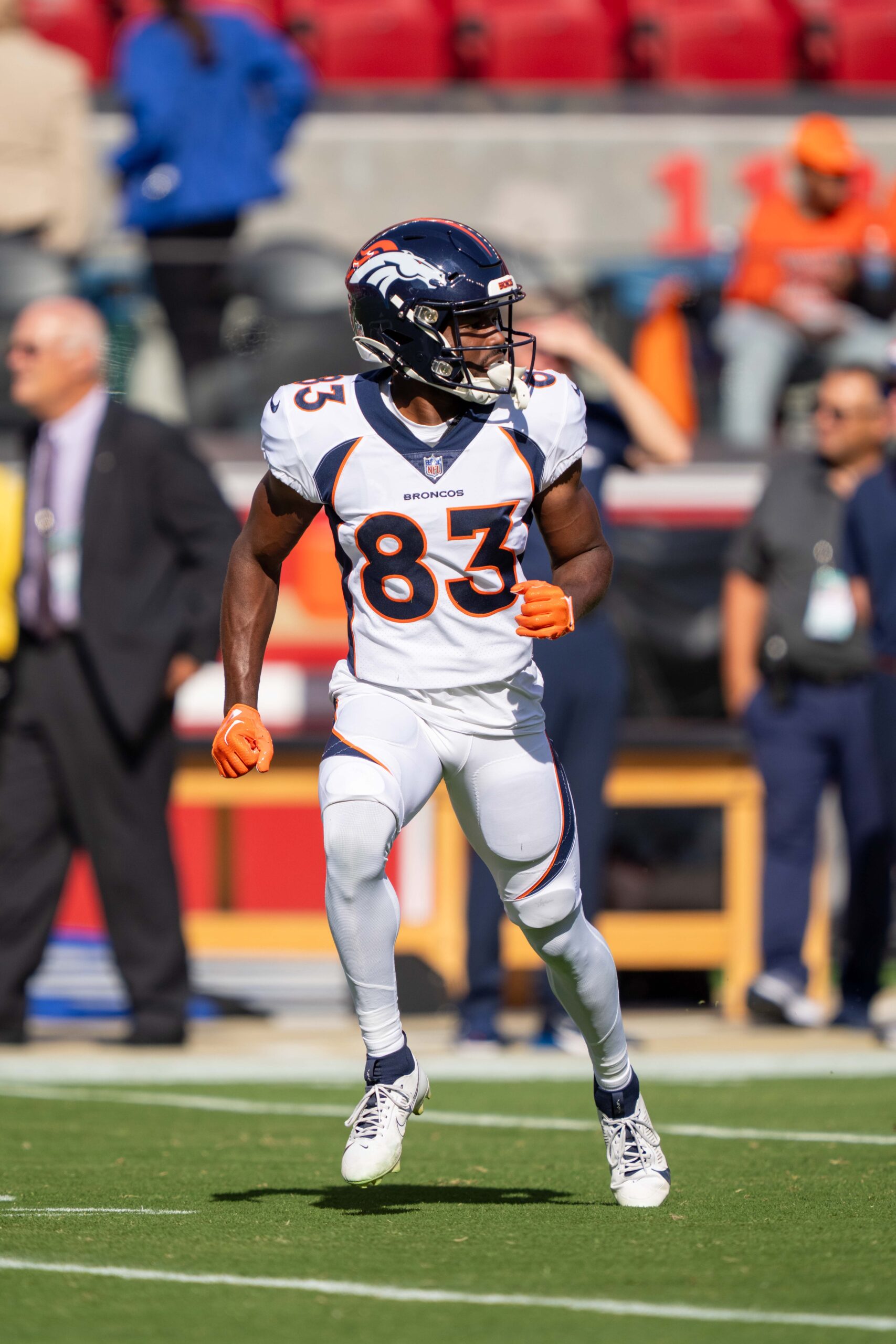
As Sutton’s negotiations continue, a sizable gap still appears between he and the rest of the Broncos’ wideouts. One of the team’s holdovers, though, did make noticeable progress during last season’s second half. The stretch run Marvin Mims put together last season looks to have him positioned to be Sutton’s top sidekick in 2025, as the Denver Post’s Parker Gabriel notes the former second-round pick is the Broncos’ most likely WR2.
 [RELATED: Assessing DL Zach Allen’s Extension Case]
Mims did not see too much time at receiver as a rookie, playing 38% of the Broncos’ offensive snaps. Denver was believed to be eyeing an increased role for the Oklahoma product after trading Jerry Jeudy, but Mims actually ended up with a lower snap rate (27%) in his second season. The deep threat, though, made considerable progress during the season’s second half.
After sitting on just 15 receptions for 56 yards through nine games, Mims totaled 32 grabs and 447 yards during the final eight. This included a 93-yard score in a shootout win over the Browns and two crucial TDs to force overtime in a Week 17 loss to the Bengals. Mims, 23, has been more impactful as a return-game presence in earning back-to-back first-team All-Pro honors as a kick returner. But his elusiveness jumps out among the current Broncos’ receiving corps.
Sean Payton‘s first draft featured the Broncos lacking first- and second-round picks, thanks to the Russell Wilson trade, but the team traded back into Round 2 for Mims at No. 63. While the Broncos could certainly use Mims’ explosiveness in an offense that features some big-bodied contributors at the position, the dynamic returner has yet to command a starter-level usage rate through two seasons.
The Broncos used fourth- and seventh-round picks on Troy Franklin and Devaughn Vele, respectively, last year and saw each log more offensive snaps than Mims’ 297. Franklin played 37% of Denver’s offensive snaps as a rookie, while Vele — his final-round status notwithstanding — trailed only Sutton in terms of WR usage by playing 54% of the team’s snaps on offense. Vele, who is already 27 despite going into his second season, impressed during OTAs. The Broncos also used a third-round pick on Illinois’ Pat Bryant, a 204-pound prospect who posted just a 4.61-second 40-yard time at the Combine. The presences of Vele, who goes 6-5 and 210 pounds, and Bryant along with the 6-4 Sutton leave room for Mims’ explosiveness in Denver’s offense.
Connections to Cooper Kupp and Stefon Diggs surfaced earlier this offseason for the Broncos, but no close ties to Keenan Allen or Amari Cooper emerged. It appears Denver will go with its in-house group; Payton pointed in this direction before free agency. Though, the Evan Engram addition will be important to how Bo Nix‘s second-year targets are dispersed. The Broncos still appear to be counting on Mims to build on his late-season form and be a regular offensive contributor for the first time in his career.
LB C.J. Mosley Retires, Launches Agency
JULY 8: Mosley’s retirement won’t keep him completely away from football. According to ESPN’s Rich Cimini, Mosley is launching Legacy Trust Sports Group, a full-service sports agency co-founded with longtime business partner Brandon Wassel.
“Coaching was never my path, but guiding, mentoring and doing the right thing has always been in my DNA,” said Mosley. He will be joined at LTSG by senior agent Joe Gazza, while former Auburn scouting director AK Mogulla will be the vice president of player personnel, per Zenitz.
JUNE 19: Still unsigned deep into the offseason, C.J. Mosley will not continue his career in 2025. The veteran linebacker informed CBS Sports’ Matt Zenitz on Thursday that he is retiring. 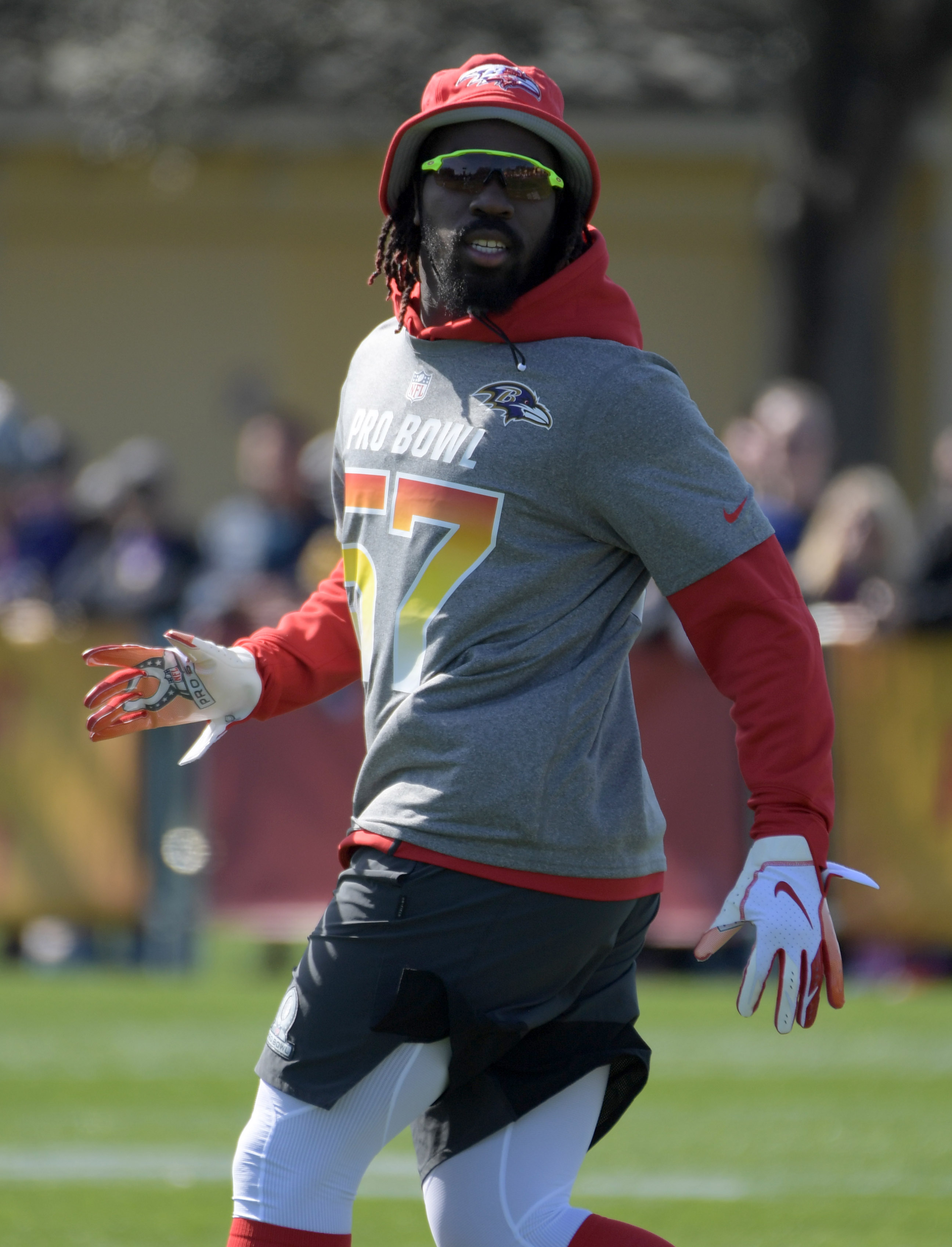
“Today, it is time to wake up from my childhood dream and share it with the next generation,” Mosley said on Instagram while officially announcing his decision (video link). “I spent my whole life and career building my legacy. Now it’s time to start a new chapter with new dreams.”
Mosley was long seen as a cut candidate for the Jets this offseason, and he was indeed let go in March. The 33-year-old (as of today) became a free agent as a result, but no suitors showed interest up to this point. Mosley intended to keep playing this season, but that will no longer be the case.
A first-round pick of the Ravens in 2014, Mosley immediately took on starting duties and established himself as one of the league’s most productive linebackers. He earned a Pro Bowl nod in four of his five Baltimore campaigns before departing on the open market. Mosley landed a five-year, $85MM pact with the Jets, a deal which did not pay early dividends for the team. The Alabama product was limited to two games in 2019 and he was among the players who sat out the following campaign due to COVID-19 concerns.
Each year from 2021-23, Mosley was able to remain available to his second career team. During that stretch, he continued to record triple-digit tackles (something he managed seven times during his NFL tenure). A herniated disc resulted in considerable missed time this past season, however, and that injury led to new questions about a potential parting of ways. Using a post-June 1 designation, the Jets proceeded with Mosley’s release to get out of the final year of his contract.
New York retained fellow linebacker Jamien Sherwood on a $15MM-per-year deal this spring, and he will be counted on to remain one of the team’s most productive defenders moving forward. With respect to the remaining market at the LB spot, meanwhile, the likes of Eric Kendricks, Ja’Whaun Bentley and Kyzir White are still available to teams looking to make an addition ahead of training camp. Mosley – whose career included five second-team All-Pro nods – will now turn his attention to his post-playing days.
Thanks in large part to his free agent Jets deal (a record-breaking accord for linebackers at the time), Mosley accumulated over $88MM in career earnings. He will depart the NFL with 136 combined regular and postseason games to his name at the pro level following a college tenure which included a pair of national championships.
Latest On Commanders’ Pursuit Of New Stadium At RFK Site
The Commanders are pursuing a return to the nation’s capital, but the D.C. Council is unlikely to approve a $3.7 billion deal championed by Mayor Muriel Bowser before a July 15 deadline, according to Jenny Gathright of The Washington Post.
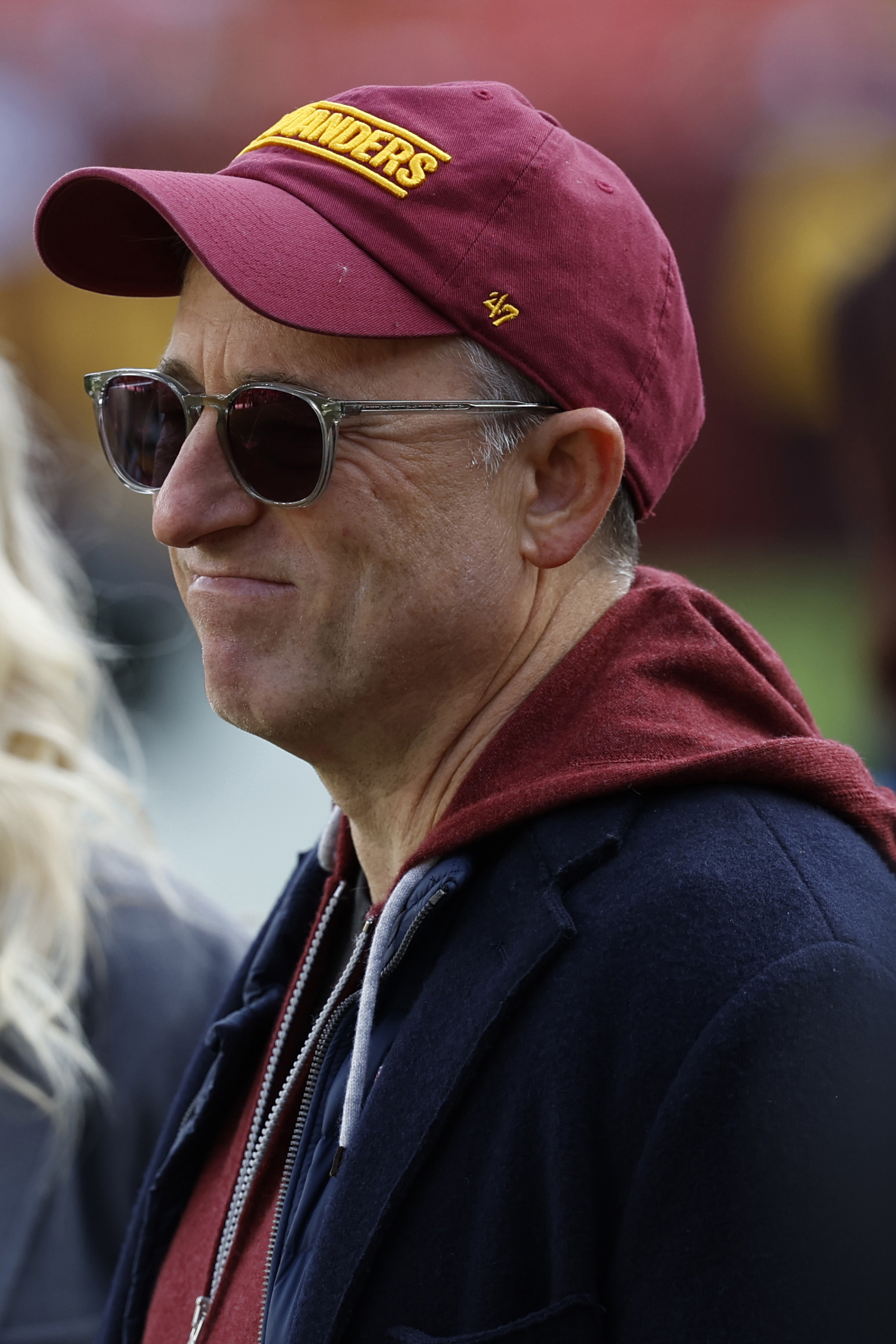 In January, former President Joe Biden signed into law a bill that transferred control of RFK Stadium – the franchise’s home from 1961 to 1996 – and the 170-acre property on which it sits to Washington, D.C. The bill also empowered Bowser to negotiate with the Commanders to bring them back to the city, which resulted in a term sheet that requires a council vote by July 15. If the deal is not approved by then – or if the terms are altered “materially” – the city will no longer have exclusive negotiating rights with the team, per Gathright. That would allow the Commanders to explore alternative options for their future stadium, whether it be a continued stay in Landover or another location in the D.C. metropolitan area.
Members of the D.C. Council have requested more information about the deal regarding revenue projections and tax exemptions, arguing that the size of the deal – which includes $1 billion in public funds – merits a more careful approach. They have also suggested changes to the stadium’s parking, rent, and labor agreements. Compiling this information and negotiating the proposed alterations are all but certain to delay the deal’s approval until after the July 15 deadline.
Bowser said in June that the Commanders were “outraged” and “blindsided” by the potential delay, as it could interfere with the team’s “very, very specific timelines” regarding construction. In a statement (via Gathright), the Commanders said that they “need a new home by 2030” and warned that further setbacks could threaten that goal as well as their desire to host other major events, such as the 2031 FIFA Women’s World Cup.
Indeed, the council scheduled public hearings on July 29 and 30, per Liam Griffin of The Washington Times, essentially guaranteeing that the city will not hit the Commanders’ deadline. Bowser said last week (via Mike Florio of Pro Football Talk) that her level of concern was a four out of five last week, though council members have expressed confidence in the Commanders’ desire to return to Washington.
Team owner Josh Harris has made it clear on multiple occasions that his intention when he bought the team in 2023 was to bring it back to the city for which it is named. However, it would not be surprising if the Commanders looked into other locations in the meantime, both to give them leverage as they continue working with D.C. and to ensure they have another option for a future home if their preferred plan falls through.