
Chargers Slotting Joe Alt At Right Tackle; Trey Pipkins In Play For Guard Job
Joe Alt only played left tackle at Notre Dame, but the Chargers have a Pro Bowler protecting Justin Herbert‘s blind side. They are not moving Rashawn Slater, with SI.com’s Albert Breer indicating the No. 5 overall pick is set to compete for the team’s right tackle job.
All 33 of Alt’s Fighting Irish starts came at left tackle, and his father — John, a 1984 Chiefs first-round pick — operated as a left tackle for 13 NFL seasons. Alt is set to move to the spot Trey Pipkins has manned for the past two seasons. The Chargers have Pipkins tied to a three-year, $21.75MM deal; his $6.25MM 2024 base salary is guaranteed.
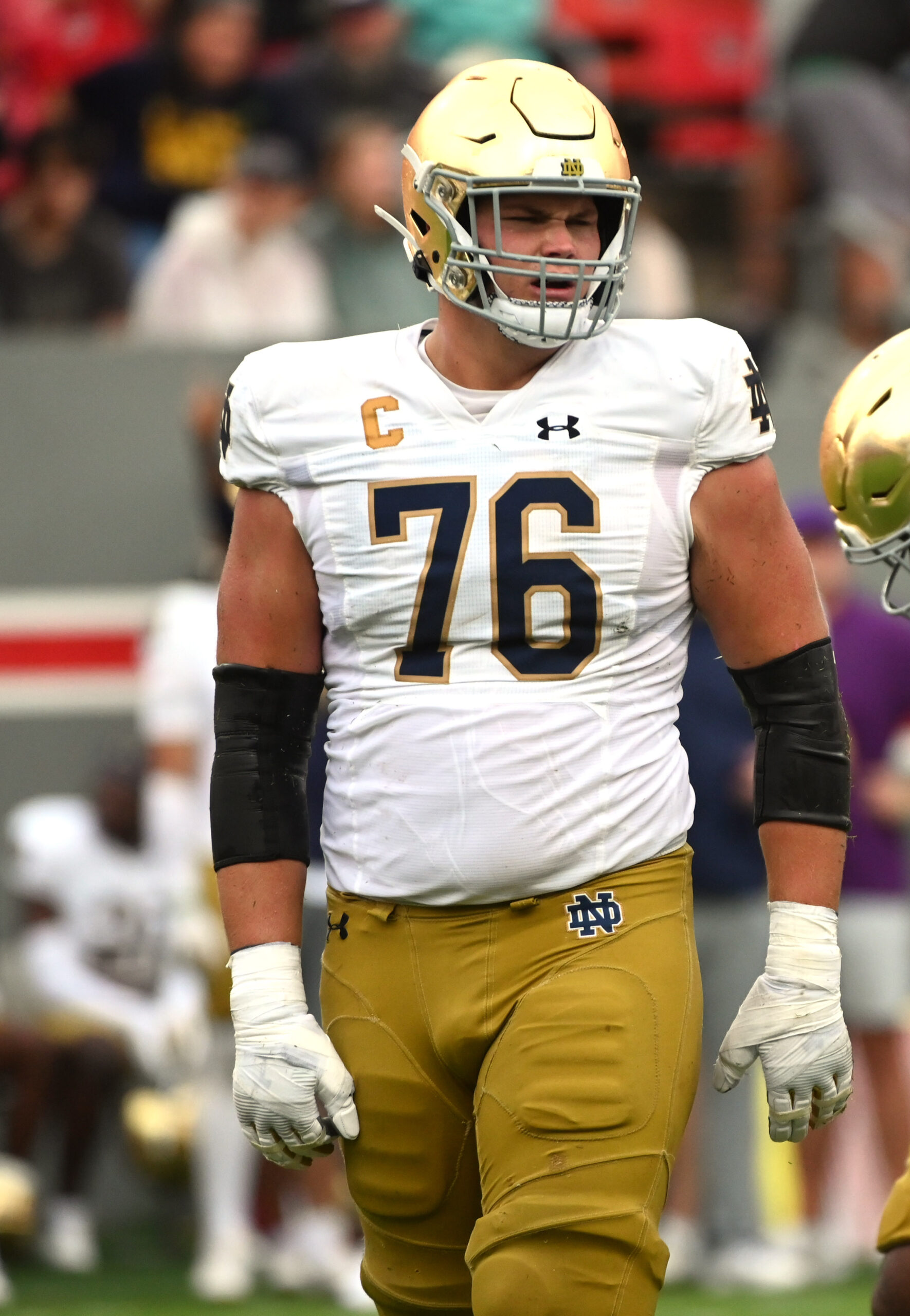 Jim Harbaugh called Pipkins “one of our best five” linemen and expects the multiyear starter to still have a place along the Bolts’ starting offensive front. This would appear to challenge incumbent right guard Jamaree Salyer, who slid from Slater left tackle replacement to starting guard in Brandon Staley‘s final season. Pipkins “could very well” move to right guard this offseason, per The Athletic’s Daniel Popper.
“I think he’s one of our five best right now, and that’s not going to change,” Harbaugh said of Pipkins. “I’ve been extremely impressed with Trey, and he also has that kind of freaky athleticism and also building the strength and power to match that athleticism. I would predict that there’s a spot in the starting five for Trey Pipkins.”
A 2019 third-round pick out of Division II Sioux Falls, Pipkins has started 41 games — including 31 over the past two seasons. The Chargers had not seen much right tackle stability in the years before Pipkins won the job in 2022. Pro Football Focus graded Pipkins 50th among tackles last season, though moving to guard at this stage of his career would figure to be a challenge. Pipkins, 27, has never played a snap at guard in five pro seasons.
Georgia’s starting left tackle during the first of its back-to-back national championship seasons (2021), Salyer filled in for an injured Slater for much of the 2022 season. The sixth-round pick did not fare especially well upon moving inside last year, grading as one of PFF’s worst run-blocking guards. Jordan McFadden could also be an option at right guard, per Popper. The Chargers chose McFadden in the 2023 fifth round. McFadden started two games as a rookie.
With Harbaugh adding he would “play five tackles” if he could, the Bolts certainly seem prepared to gauge Pipkins’ value as a guard. The Chargers are almost definitely set to ask two of their top three tackles — Alt and Pipkins — to switch positions, as Slater stays put. With Alt the Chargers’ highest-drafted O-lineman since Russ Washington in 1968 and the team having Pipkins on a $7.25MM-per-year contract, this will be a situation to monitor ahead of Harbaugh’s first season back in the NFL.
Drew Lock In Play To Win Giants’ Starting QB Job?
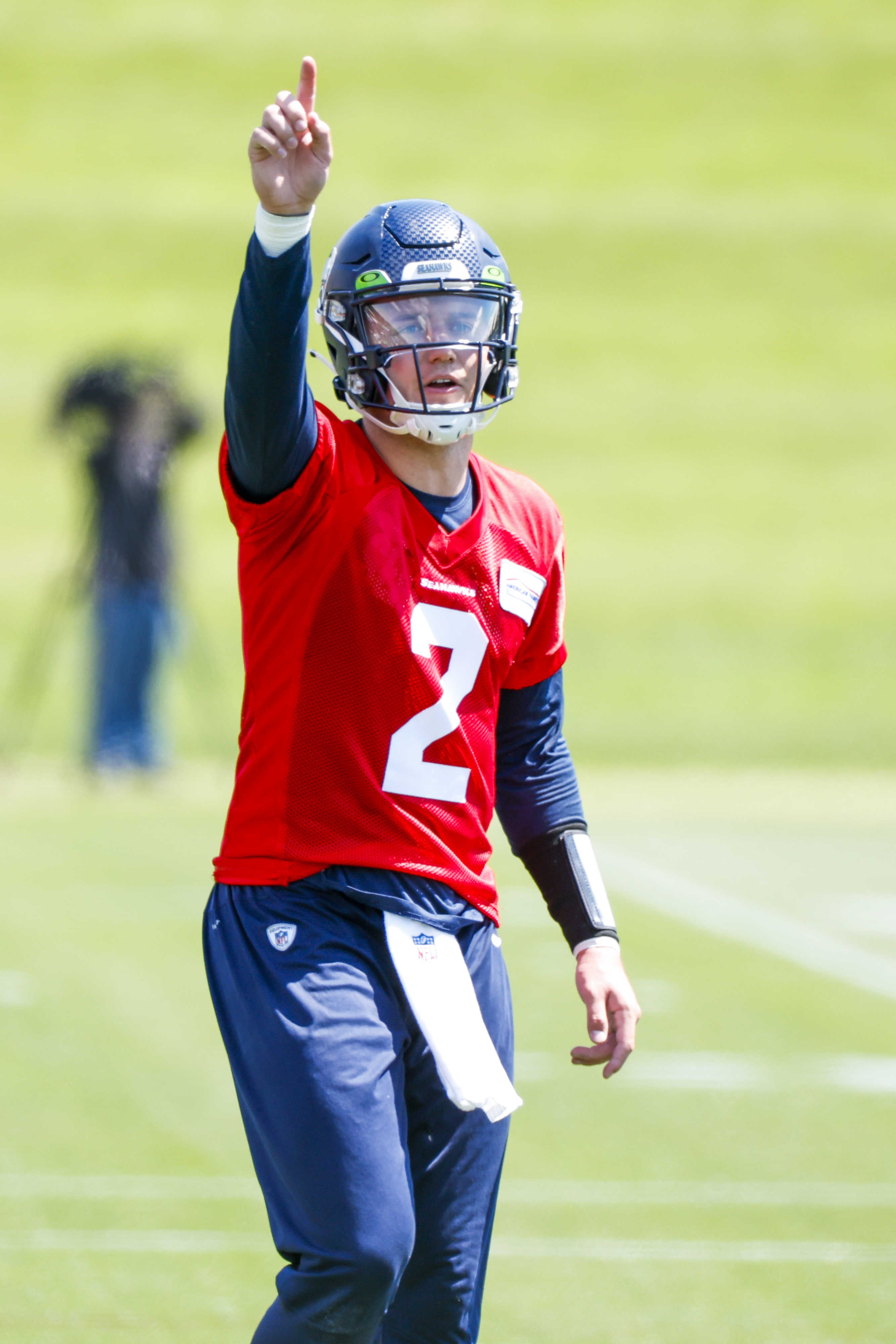
Giants GM Joe Schoen has repeatedly indicated Daniel Jones is on track to return by training camp and reprise his role as the team’s starting quarterback. The team also showed tremendous confidence in the rehabbing QB by using the No. 6 overall pick to draft Malik Nabers, doing so despite extensive work on this year’s passer class.
Jones’ resume doubles as an unusual one for a quarterback on track for a sixth year as a team’s starter, but the party line (and Jones’ contract) centers around that being the Giants’ path. However, more rumblings about a QB competition are coming out. NFL.com’s Daniel Jeremiah said during his Move the Sticks podcast (h/t the New York Post’s Ryan Dunleavy) Drew Lock holds a legitimate chance to win that starting job.
 [RELATED: Giants Deny Daniel Jones Buyer’s Remorse]
The Giants thoroughly scouted this year’s QB class, being closely linked to both Drake Maye and J.J. McCarthy and hosting the likes of Bo Nix and Spencer Rattler on “30” visits along with the recent North Carolina and Michigan starters. The value did not align for the Giants at No. 6, with a clear line of demarcation forming between Maye and the next tier at the position. That led to the team offering the Patriots Nos. 6 and 47, along with a 2025 first-rounder for No. 3 overall. As it stands, the Giants remain a Jones-centric operation.
“Yeah, for me, I said it in January after the season. Expectation was Daniel would be our starter and we brought Drew Lock in to be his backup and Tommy [DeVito] has been the backup,” Schoen said, via ESPN.com’s Jordan Raanan. “So that’s where we are and that’s how we’ll move forward this season. Daniel is still under contract for three more years. As it sits today, that is where we are.”
Certainly not a ringing Jones endorsement, Schoen’s comments come after Seahawks GM John Schneider said the Giants dangled the carrot of giving Lock a chance to compete for the starting job. Lock could well vie for playing time when Jones is healthy, the New York Daily News’ Pat Leonard adds.
Schoen’s assessment also points to a second “prove it” year for the 2019 No. 6 overall pick. Jones, 26, responded well to such a challenge in 2022, piloting a moderately talented Giants team to a surprising divisional-round run. But he fared poorly before going down last season, doing so after receiving $81MM guaranteed at signing. That deal guarantees Jones’ $35.5MM base salary this season. After this year, the Giants can move on without too much in the way of dead money.
The Giants’ QB research project pitted this year’s class against Jones and Lock, and Jeremiah adds Maye provided the cutoff point. The team used Lock as a central comparison tool while evaluating this year’s class, per Jeremiah, who said the former second-round pick has a “really good shot” of winning the Giants’ job. Given the team’s 2023 commitment to Jones, it would be borderline shocking if Lock — who signed a one-year, $5MM deal in March — beat him out. On the whole, however, Jones has not given the Giants what they hoped for in an Eli Manning successor. And just about everything went wrong for the five-year starter last season.
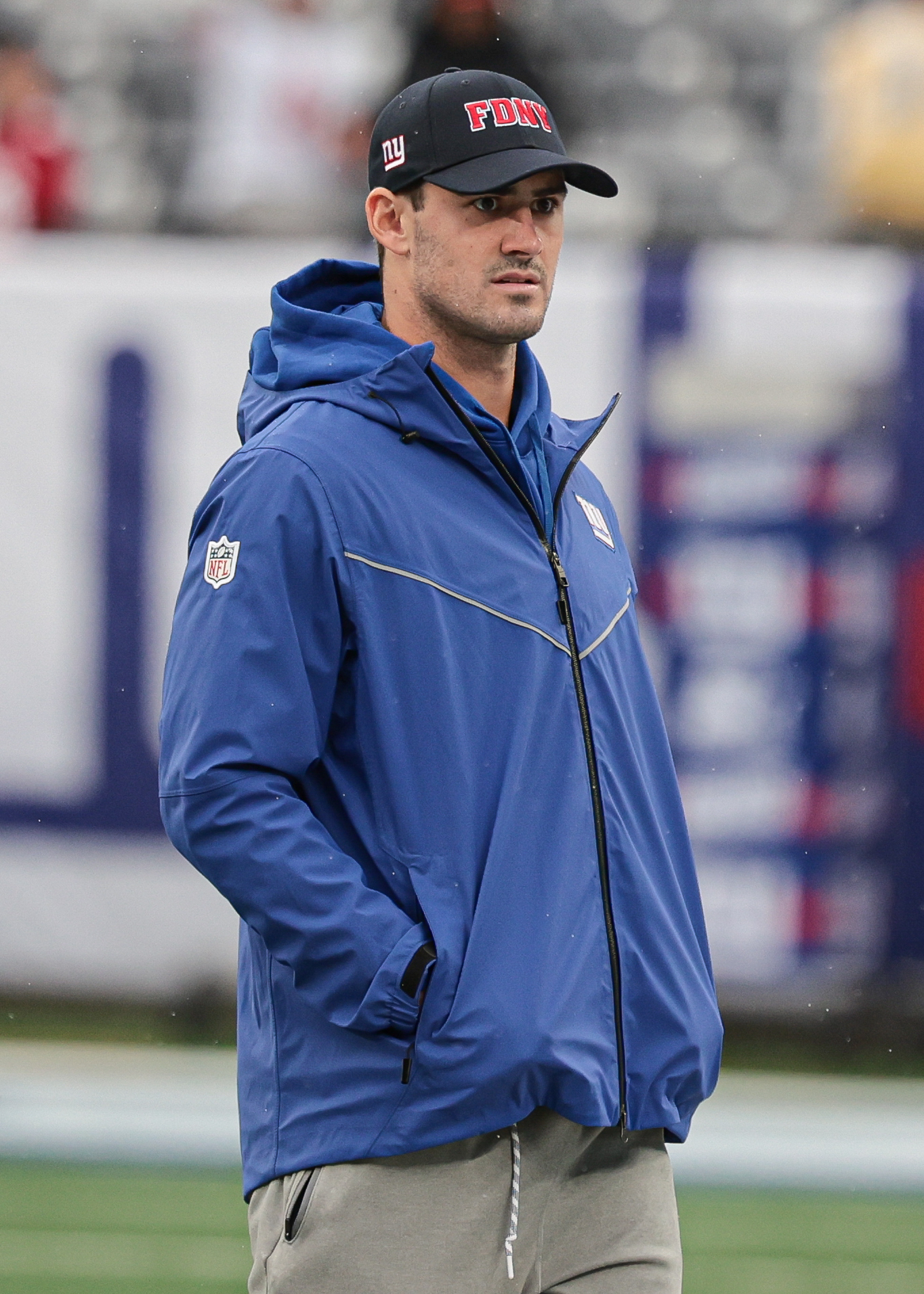 A March report indicated the Giants’ QB search largely hinged on a lack of confidence Jones could stay healthy. Jones’ health history also is believed to have partially influenced Lock’s decision to sign with the Giants. Two neck injuries — one of which requiring a 2022 surgery — have hindered the scrutinized starter, and he will not be full-go until at least training camp. That will open the door to Lock offseason starter reps. Those could be important, if this is to become a genuine competition.
Chosen 36 spots after Jones in 2019, Lock lost a competition with Geno Smith in 2022 and did not threaten the latter’s job security last year. The former Broncos draftee has proven erratic when given extended run as a starter. Lock led the NFL in INTs during his last full-season starter run (2020), doing so despite only finishing 12 games. He also played the lead role in sinking the Broncos in 2021, starting the team’s final three games (all losses) after entering a Week 15 contest with the team at 7-6. Lock, 27, did play well in a start against the Eagles last year, leading a game-winning drive. Of course, the Eagles’ defense was on the brink of a full-on collapse at that point.
It would be interesting to see the Giants bail on Jones as their starter just as they have given him a No. 1-caliber wide receiver prospect; the team’s previous hopes at doing so failed miserably. But Jones has just one top-half QBR finish (2022) and one season with more than 15 TD passes (2019). He should be considered on the hot seat. The Giants also would owe an additional $12MM in injury guarantees if Jones is unable to pass a physical by the start of the 2025 league year.
Moving parts exist here, and while it would surprise if Lock received the call based on his past and the Giants’ Jones investment, this could be a storyline to monitor soon.
Cowboys To Decline Trey Lance’s Fifth-Year Option
The Cowboys sent the 49ers a fourth-round pick for Trey Lance in August; the parties are going into their second season together. No immediate plans for a third will be in place.
Even with Lance’s participation rate qualifying him for the bottom tier of the fifth-year option structure, exercising it would cost the Cowboys $22.41MM. The former No. 3 overall pick will instead, as expected, move into a contract year. The Cowboys are declining Lance’s 2025 option, ESPN.com’s Todd Archer reports.
[RELATED: 2025 NFL Fifth-Year Option Tracker]
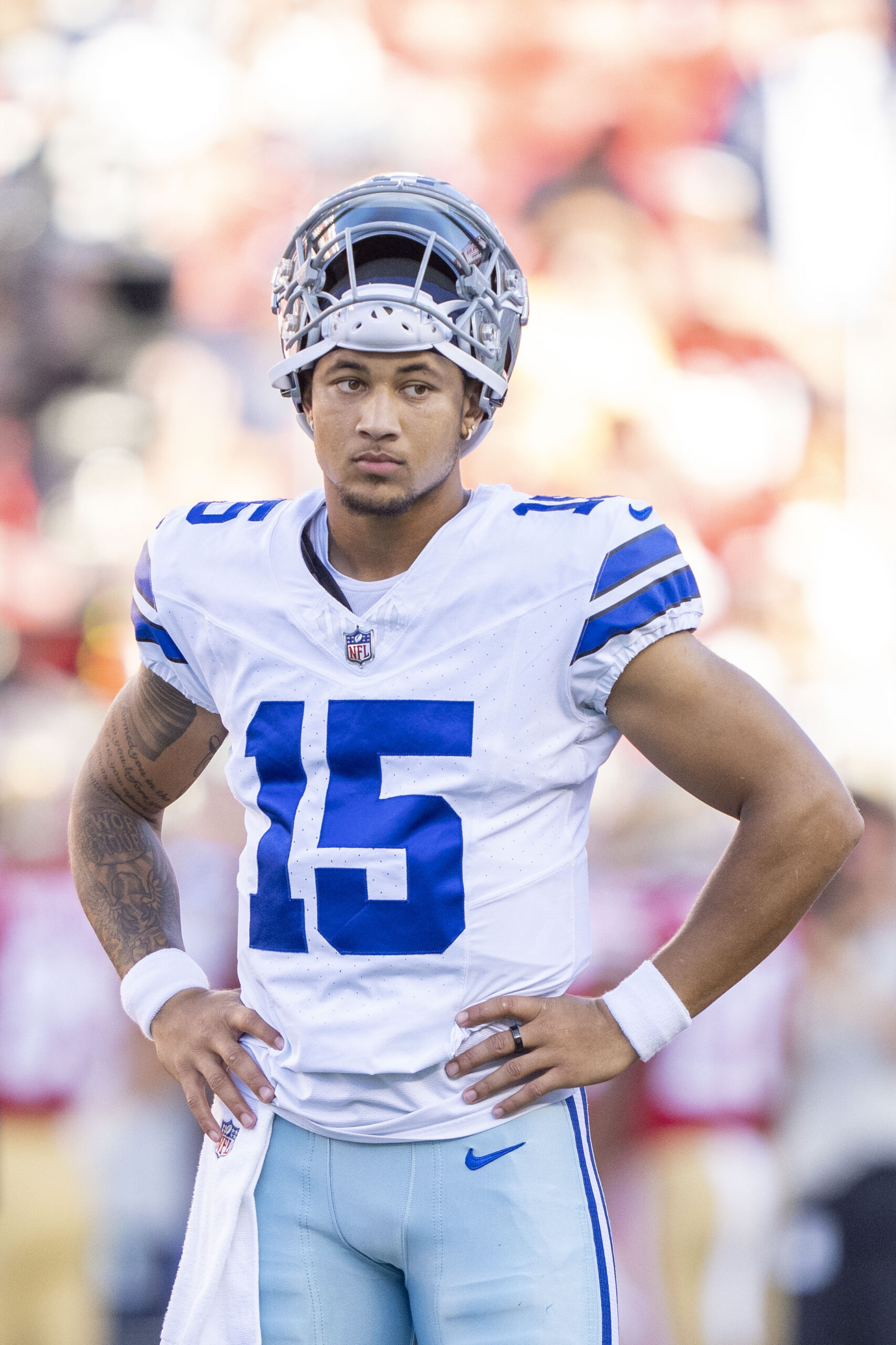 Plans for Lance remain unclear for the Cowboys, who are effectively renting the one-year North Dakota State standout as a project on a depth chart headlined by Dak Prescott but still including Cooper Rush. The latter’s contract calls for a $2.25MM base salary. Lance is due a $1.1MM base salary, but the Cowboys picked up a guaranteed roster bonus worth $4.25MM in March.
As it stands, Lance is on track to become one of the biggest draft busts in NFL history. After turning to Lance as their Week 1 starter in 2022, the 49ers reversed course following an ankle injury that required two surgeries. Lance could not beat out Sam Darnold for San Francisco’s backup job last year, and the team kept Brandon Allen as its third-stringer. While Brock Purdy has bailed out the 49ers, they sacrificed two future first-round picks and a third to move up — from No. 12 to No. 3 — for Lance three years ago. Purdy has allowed San Francisco to move on rather cleanly, but Lance’s future is cloudy.
This year will be a bit different for Lance, as he will go into the preseason with the Cowboys. He arrived in Dallas after the 2023 preseason slate wrapped, but he and Rush stand to see extensive time during the Cowboys’ August tilts this preseason. The Cowboys have liked what they’ve seen from Lance in practice, per Archer, and will be ready to give him plenty of run in the preseason. That said, Lance was inactive for every Cowboys game last season.
Next year’s free agency may well feature four of the five first-round QBs from the 2021 draft. The COVID-19-marred period undoubtedly affected teams’ evaluations, but that first round included three passers that have not worked out (Lance, Zach Wilson, Mac Jones) and another inconsistent option (Justin Fields) that was traded due to the Bears having access to a better option in this year’s draft (Caleb Williams). Lance’s marks the last of this batch of declined options, with the Broncos, Jaguars, and Steelers each declining the option to greenlight guaranteed money for their low-cost reclamation projects. Only one of the five 2021 first-round QBs — Trevor Lawrence — saw his option exercised.
A dual-threat sensation for North Dakota State in 2019, Lance was denied a chance to build on that success due to the pandemic prompting Division I-FCS to nix its fall seasons. Lance declared for the 2021 draft and did well to score a $34MM guarantee from the 49ers. Unable to threaten Jimmy Garoppolo‘s job security as a rookie, Lance completed 15 of 31 passes in 2022. He has thrown just 102 NFL passes and still has fewer than 500 attempts since high school. This preseason will at least provide Lance the chance to display progress.
While Prescott’s contract-year status could conceivably impact Lance, the latter has not shown much to indicate he will be worthy of longer-term consideration. It will be interesting to see if that changes in the coming months.
PFR Glossary: The Fifth-Year Option
This week brings the annual deadline for teams to exercise or decline fifth-year options, with the 2021 first-round class in the crosshairs this year. That group marks the fourth crop of first-rounders to have their fifth seasons evaluated with fully guaranteed money in play, but the fifth-year option has existed since the 2011 CBA.
With first-round contracts becoming increasingly burdensome as the 2000s progressed, 2011’s lockout-marred offseason produced a rookie pay scale that remains in place today. The slot system also ended teams’ ability to sign first-round picks to six-year contracts, as Sam Bradford, Trent Williams and a few others from the 2010 draft received (while attached to deals that dwarfed some impact veterans’ accords).
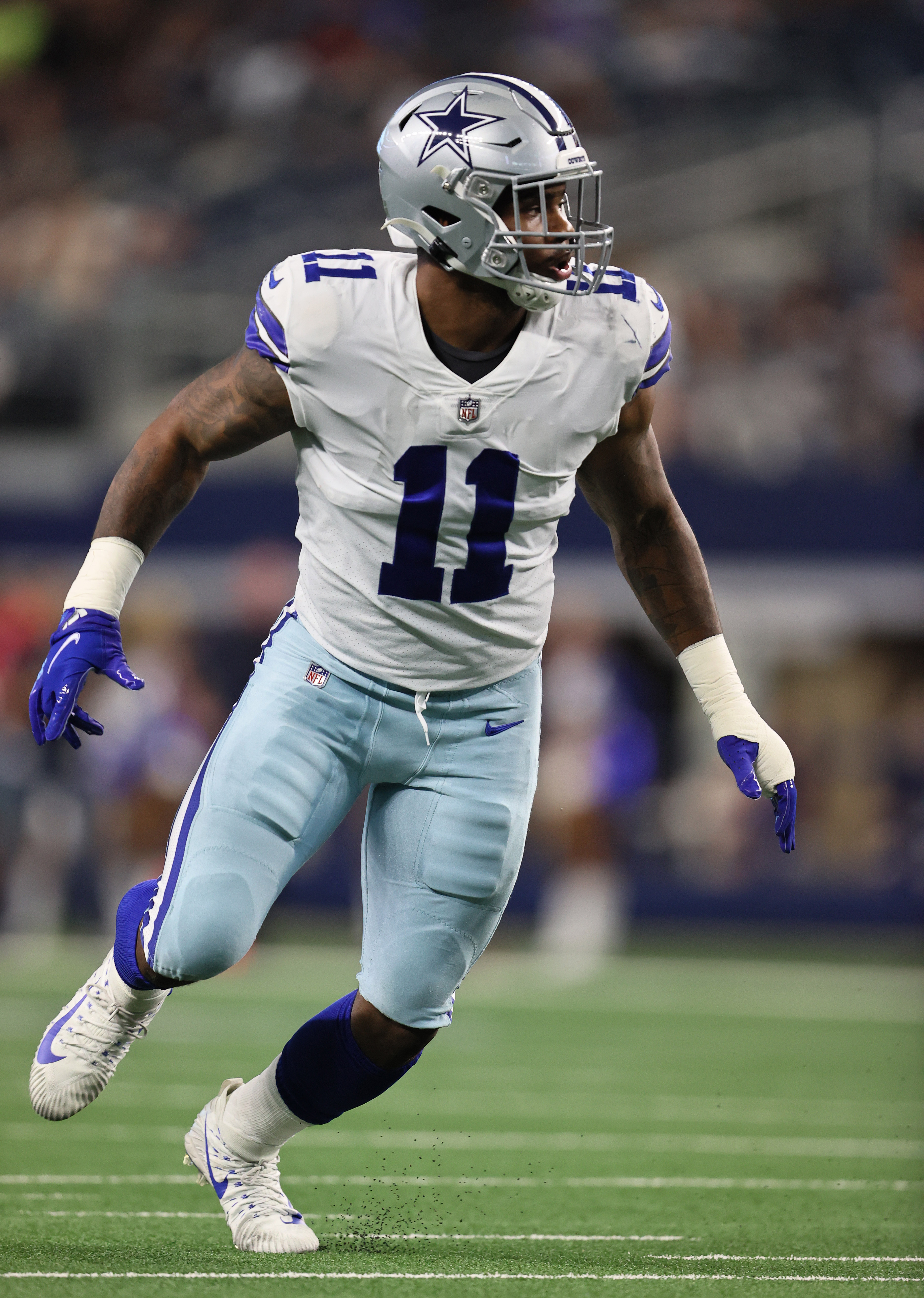 As owners removed lavish rookie contracts from the game, they gave up a year of control. Draft-slot contracts have spanned four years since the July 2011 agreement, but the fifth-year option — available on first-rounders’ rookie deals — became a way for teams to retain their top picks without extension costs entering the picture.
A loophole existed that further benefited teams during the 2011 CBA’s version of the fifth-year option. As second- through seventh-round draftees could hit free agency following their fourth seasons — making teams more likely to negotiate ahead of Year 4 — first-rounders both could be tied to a fifth season and then see their team bail on the option free of charge by March of Year 5.
The 2011 CBA guaranteed the options for injury only, meaning a team could move on from a player with no dead money if the player passed a physical at the start of the league year. This allowed teams to put off negotiations for extension-eligible players into Year 5 and also gave clubs the freedom, provided the player was healthy, to escape a first-rounder’s rookie contract before the money became guaranteed when the league year began.
This happened on a few occasions, with Robert Griffin III being the most memorable example. Washington picked up RG3’s fifth-year option in 2015 but cut him, after bubble-wrapping the former No. 2 overall pick behind Kirk Cousins, in March 2016. The 2020 CBA addressed this issue. When teams exercise a player’s option now, his fifth season is fully guaranteed.
The 2020 CBA also changed the structure of the fifth-year option. Exercising an option from 2014-20 meant players drafted from Nos. 1-10 were tied to the value of their position’s transition tag. For players chosen from Nos. 11-32, the option came out to the average of the third-25th-highest salaries at their position. With the 2020 CBA fully guaranteeing the options, it also introduced a performance- and participation-based system that divided each position’s option prices into four tiers.
Players selected to two or more Pro Bowls (original ballot only) in their first three seasons reside on the top tier, which matches the franchise tag value. Micah Parsons, Patrick Surtain and Ja’Marr Chase checked in on that tier this year. Tier 2 covers first-rounders who earned one original-ballot Pro Bowl invite over their first three seasons; this level matches the transition tag number. Rashawn Slater and Kyle Pitts‘ option prices came in here. Participation covers the final two tiers. Players who achieve any of the following will receive the average of the third-20th-highest salaries at their position:
- Players who averaged at least a 75% snap share through three seasons
- Those who logged at least a 75% snap share in two of their first three seasons
- Those who crossed the 50% snap barrier in each of their first three seasons
Tier 4 covers players who did not meet these participation standards; those players’ options come out to the average of the third-25th-highest salaries at the position. Teams have until May 2 to exercise or decline options. With the 2020 CBA not set to expire until March 2031, this option format stands to be in place for a while.
Note: This is a PFR Glossary entry. Our glossary posts explain specific rules relating to free agency, trades, or other aspects of the NFL’s Collective Bargaining Agreement. This post was modified from an earlier entry by Zach Links.
Tyler Boyd Visits Chargers, To Meet With Titans
Teams have more incentive to sign free agents following the draft, when the market presents opportunities. The deadline for signings to affect the 2025 compensatory formula expired this week, opening the door for some players to find new homes ahead of offseason work.
Tyler Boyd remains unsigned, but that may not be the case for long. The longtime Bengals wide receiver met with the Chargers this week, according to ESPN.com’s Jeremy Fowler, who adds the Titans have a Boyd meeting scheduled as well. Boyd will be in Nashville later this week.
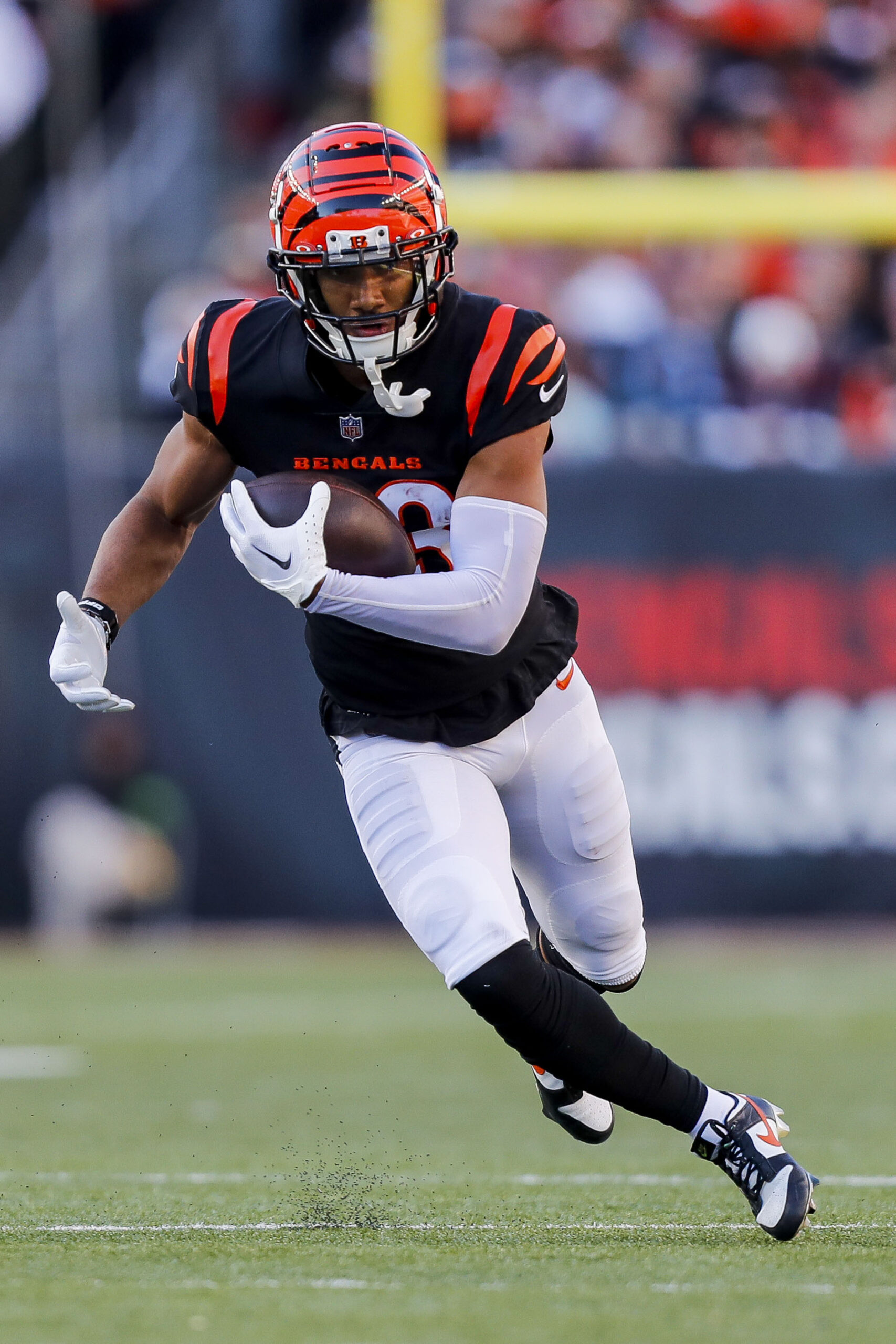 Among the teams linked to Boyd earlier this offseason, the Chargers still have an apparent need at wideout. The team traded Keenan Allen — the second-longest-tenured receiver in franchise history — to the Bears and released Mike Williams as the cap compliance deadline neared. Williams joined the Jets. The Bolts passed on filling their receiver need with Malik Nabers or Rome Odunze — the latter joining Allen in Chicago — to draft Joe Alt at No. 5. We had heard continued rumblings the Bolts would proceed this way, and even though the team added Georgia’s Ladd McConkey in Round 2, it is arguable it still needs help at the position.
Los Angeles also drafted two receivers in Round 7 — USC’s Brenden Rice and ex-Jim Harbaugh Michigan charge Cornelius Johnson. That presents a complication for a team that does still roster Josh Palmer and 2023 first-round pick Quentin Johnston. The latter struggled to acclimate as a rookie, but the team will still expect development in Year 2. With the Chargers not making a secret they plan to commit to the run game, they probably are not too eager to pay much for a veteran receiver.
The Titans have more money invested at the position, beating out the Jaguars and Patriots to sign Calvin Ridley (four years, $96MM) while still rostering 2023 addition DeAndre Hopkins. The latter is under contact at an $8.27MM salary on his two-year deal. The Titans saw Hopkins, 31, shake off his run of injuries and stay healthy last season — his seventh 1,000-yard campaign. They also carry 2022 first-rounder Treylon Burks, but the Arkansas alum — acquired shortly after the A.J. Brown trade — has not panned out just yet. This Tennessee regime also did not draft Brown, with Jon Robinson and Mike Vrabel since fired.
Tennessee does feature a familiar face for Boyd in new HC Brian Callahan, the Bengals’ OC for the previous five seasons. Boyd produced three straight 800-plus-yard seasons — including a 1,000-yard showing in 2019 — in Callahan’s first three seasons. Boyd is coming off a down year (67 receptions, 667 yards, two touchdowns), but so is Tee Higgins. Joe Burrow‘s injury impacted Cincy’s receiving corps across the board.
Boyd, 29, was also linked to the Chiefs, 49ers, Lions, Dolphins and Steelers before the draft. Mutual interest in a Boyd return to his hometown (Pittsburgh) existed, but the former second-round pick’s asking price proved too high for the Steelers. With signings no longer affecting the compensatory formula, teams are traditionally more willing at this time of year to add midlevel free agents. Boyd, who has made his bones in the slot, continues to command interest as an auxiliary option.
Bears To Waive P Trenton Gill
The Bears turned to the fourth round for a punter last week, tabbing Iowa’s Tory Taylor to take over. This will mean a change, and Chicago is not wasting much time finalizing it.
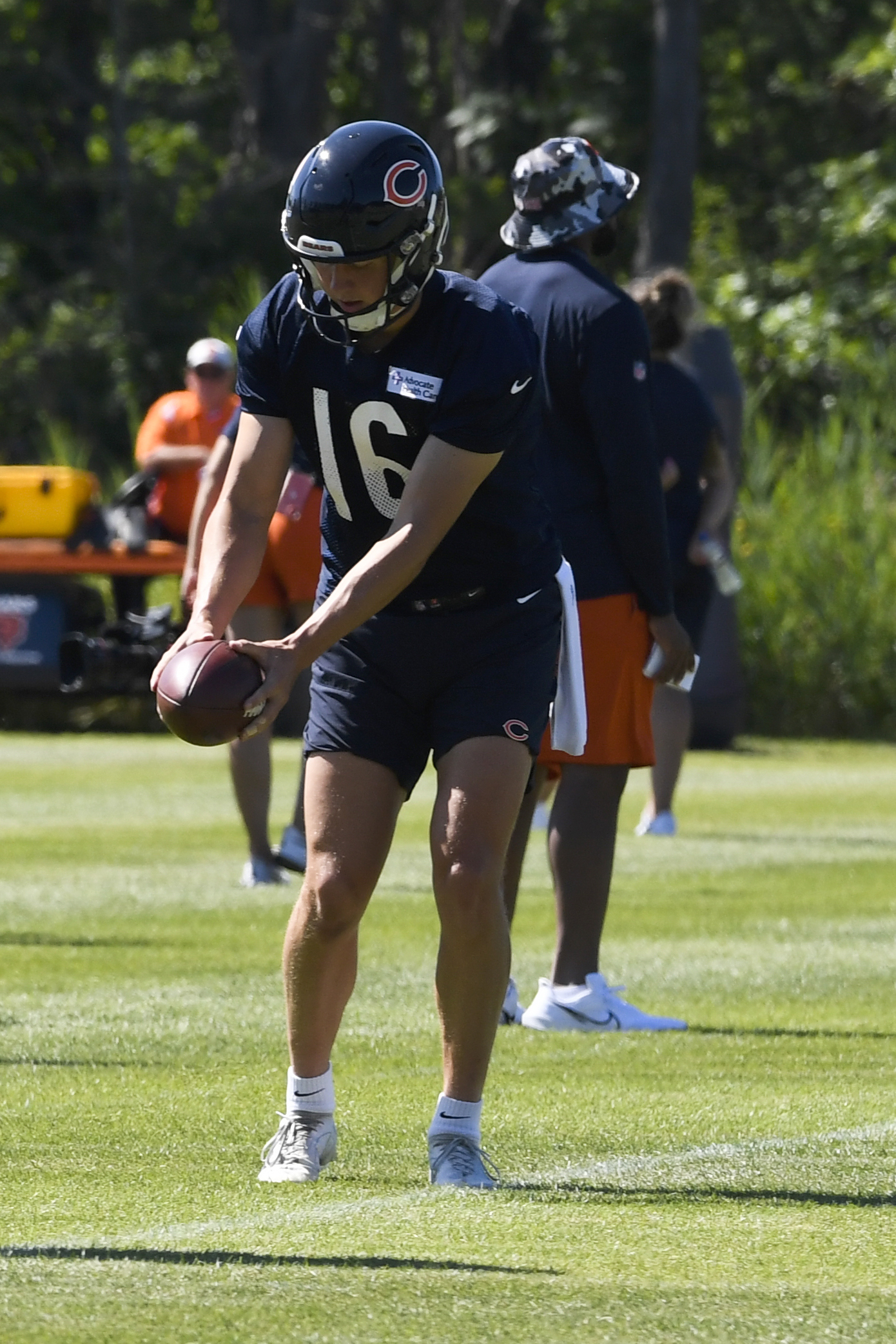 Rather than entertain any notion of a competition, the Bears are waiving incumbent punter Trenton Gill, ESPN.com’s Field Yates tweets. Gill operated as the Bears’ punter for the past two seasons. Two years remain on Gill’s rookie contract.
Among regular punters, Gill’s 46.1-yard average ranked in the bottom quartile last season. The Bears ranked 31st in net punting, which obviously affects more than just Gill’s range, but finished 30th in punts inside the 20 (26.9%). Chicago chose Gill 255th overall out of NC State in the 2022 draft. Gill is due a $985K base salary in 2024; the Bears will incur a minimal dead money hit (less than $40K) via this transaction.
The move clears the way for Taylor, who was on the field often for an Iowa team that struggled offensively in 2023. Averaging 48.2 yards per boot in 2023, Taylor managed this despite punting 93 times. Iowa’s 15.4 points per game ranked 132nd in Division I-FBS. Their punter, meanwhile, broke several FBS single-season and career records and earned All-America acclaim in 2022 (second team) and ’23 (first team).
Entering the draft with only four picks, the Bears brought in Caleb Williams (No. 1) and Rome Odunze (No. 9) before drafting Yale tackle Kiran Amegadjie 75th overall. When the Bears took Taylor at No. 122, they were out of picks. The team later traded a future selection to move into Round 5 for Kansas State edge rusher Austin Booker. Taylor’s rookie contract will run through 2027; the Bears will be hoping his Windy City tenure lasts longer.
Three teams over the past four years have chosen a punter in Round 4, though between 2007 and 2019, only one — the 2012 Jaguars, who chose Bryan Anger in Round 3 — did so. The Bears decided to follow the recent trend, deeming an upgrade here a priority.
Broncos Met With Drake Maye, Spencer Rattler; Raiders’ QB Need Impacted Team’s Bo Nix Plan
While Sean Payton effectively admitted he participated in a smokescreen effort regarding the Broncos‘ interest in trading up for a quarterback, the team was most closely tied to Bo Nix during the draft run-up. That did not end up costing the Broncos, who selected the Oregon prospect at No. 12. But the team also did its homework on other passers.
We heard before the draft that J.J. McCarthy trekked to Denver and Nix threw for Broncos brass in Eugene, but SI.com’s Albert Breer notes the Broncos did meet with Drake Maye and Spencer Rattler before the draft. Maye proved to be well out of Denver’s price range, as New England turned down two offers — from the Giants and Vikings — that included 2025 first-round picks. Ticketed to be Derek Carr‘s backup in New Orleans, Rattler did not go off the board until Round 5.
[RELATED: Assessing Bo Nix’s Prospect Profile]
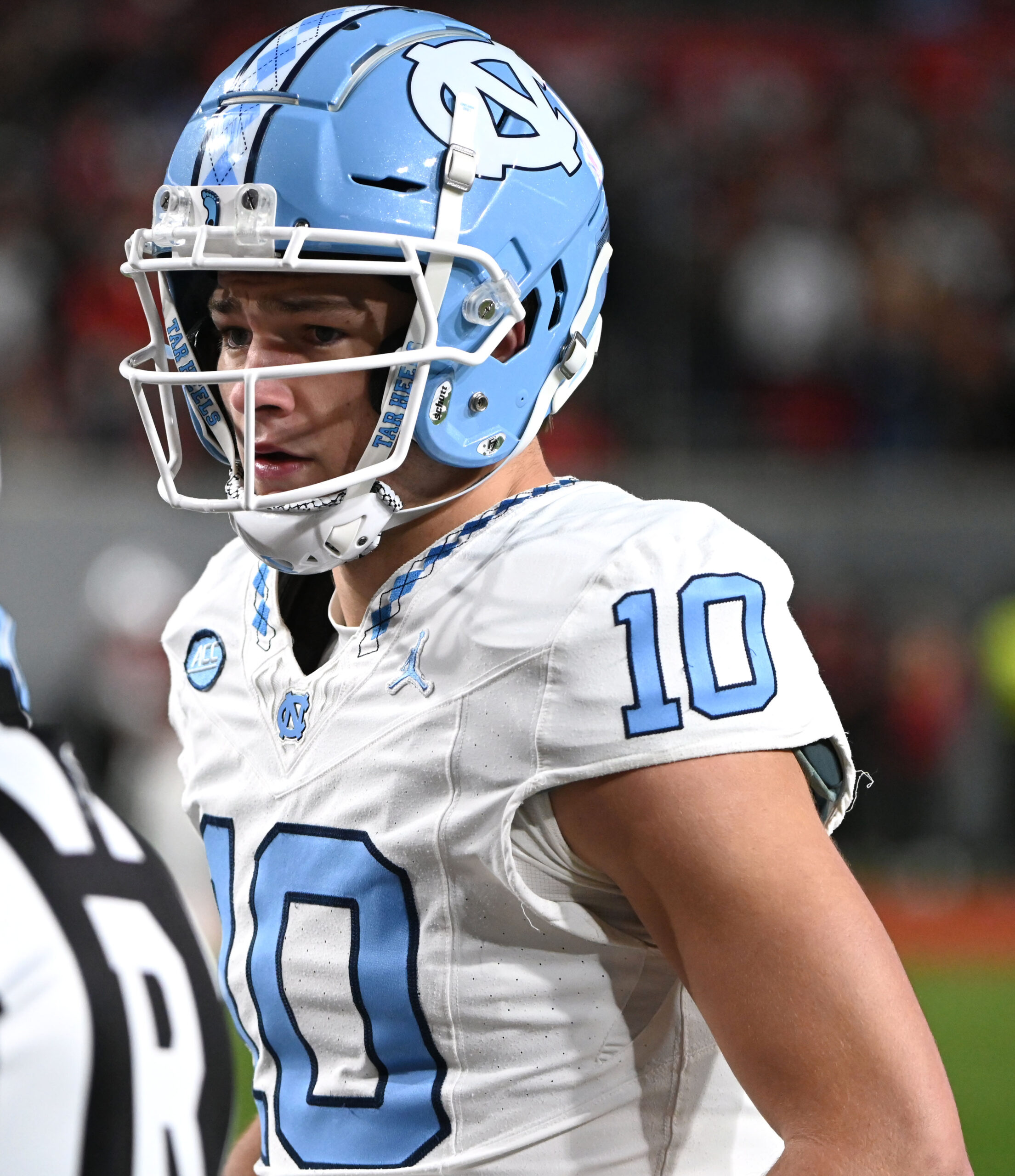 Multiple reports pointed to the Broncos being interested in making an aggressive move up the board for a passer; McCarthy, who met with the Broncos on a “30” visit, was mentioned as a target. It turns out Broncos-Nix connections early this offseason doubled as prescient reports. The five-year college starter will likely be given the keys early in his rookie season, with ESPN.com’s Dan Graziano mentioning during a recent TV appearance the recent Pac-12 star is expected to “play right away.”
Broncos GM George Paton scouted Nix at four Oregon games but did not share his views with Payton, per Breer, with an aim toward the Super Bowl-winning HC — and the current Broncos top decision-maker — reaching his own conclusions on the prospect. Payton said post-draft Broncos brass viewed the Vikings as being McCarthy fans and the Raiders eyeing Michael Penix Jr. The Broncos did carry some fear, especially after the Falcons chose Penix at No. 8, the Raiders would leapfrog them for Nix, Breer adds. The QB-needy Raiders’ presence at No. 13 influenced the Broncos to stay put and make a pick many have labeled a reach.
The Raiders were, in fact, interested in Penix — more so than Nix or McCarthy — according to ESPN.com’s Jeremy Fowler. After a second straight offseason of extensive work on QB draft prospects, the Raiders did not add a high-value pick at the position. As the Raiders regroup around Gardner Minshew, the Broncos do not have a clear hurdle in Nix’s path to seeing action early. Denver has Jarrett Stidham as a placeholder and took a flier on Zach Wilson before passing on the ex-Jet’s fifth-year option. Barring something unexpected, it would surprise if Nix is not Denver’s starter early this season.
Although QBs coach Davis Webb ran Nix’s workout, Breer adds the Paton-Payton tandem — along with ownership — did not reveal to other members of the team’s staff where Nix stood on the team’s board. It is believed the Broncos viewed Nix as this draft’s third-best QB prospect. Most do not agree with that placement, and longtime draft analyst Todd McShay said during an appearance on The Ringer’s Ryen Russillo Podcast (h/t the New York Post) at least 10 NFL evaluators he spoke to did not have a first-round grade on Nix. The Broncos are high on Nix’s accuracy, with their research effort removing QB prospects’ screens and short routes to reveal a player who still ranked as one of Division I-FBS’ most precise passers when those dumpoffs are taken out of the equation.
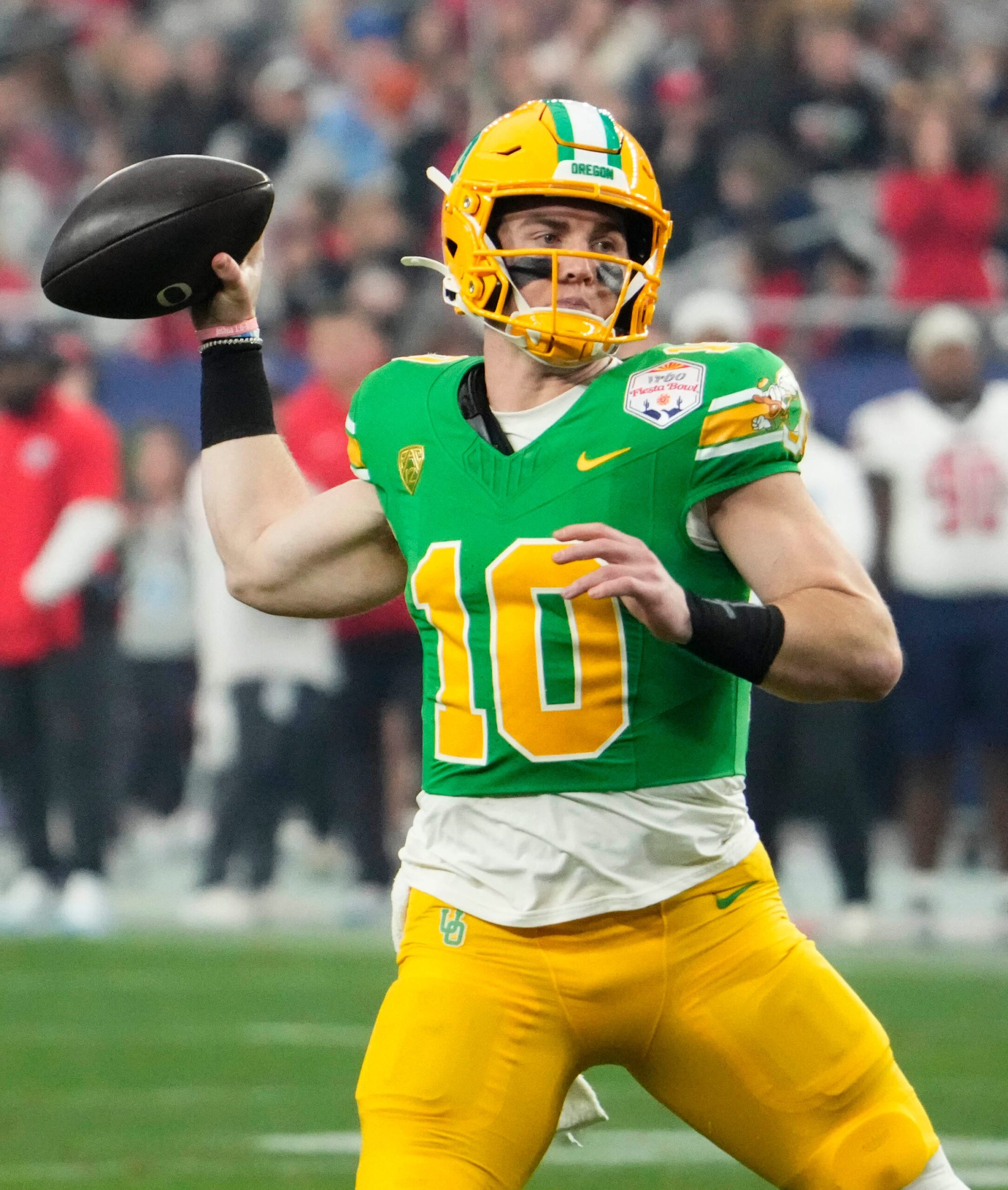 Since Peyton Manning‘s retirement, the Broncos have used two first-round picks on QBs (Nix, Paxton Lynch) and one second-rounder (Drew Lock) on the position. The team made three trades for starters, obtaining Joe Flacco (2019), Teddy Bridgewater (2021) and Russell Wilson (2022), while signing Case Keenum (two years, $36MM) in 2018. Nothing has worked for the NFL’s only franchise to see a QB retire following a Super Bowl win. That has occurred twice in Denver, and the team has encountered a much tougher journey replacing Manning than John Elway.
Nix now holds the keys to the Broncos’ effort to pick up the pieces post-Russell Wilson, whose $85MM dead money number will cut into Denver’s ability to capitalize on the No. 12 pick’s rookie contract. Although Payton led the effort in pointing Drew Brees to the Hall of Fame and helping develop Tony Romo in Dallas, grooming a first-round pick from scratch will be new territory. With Wilson’s contract quickly becoming an albatross, the Broncos did not have much of a choice but to turn back to the draft.
Saints To Sign DB Will Harris
A Saints-to-Lions pipeline formed recently, with Dan Campbell and Aaron Glenn in place after lengthy New Orleans tenures. Will Harris will make the reverse trip, committing to the Saints on Wednesday.
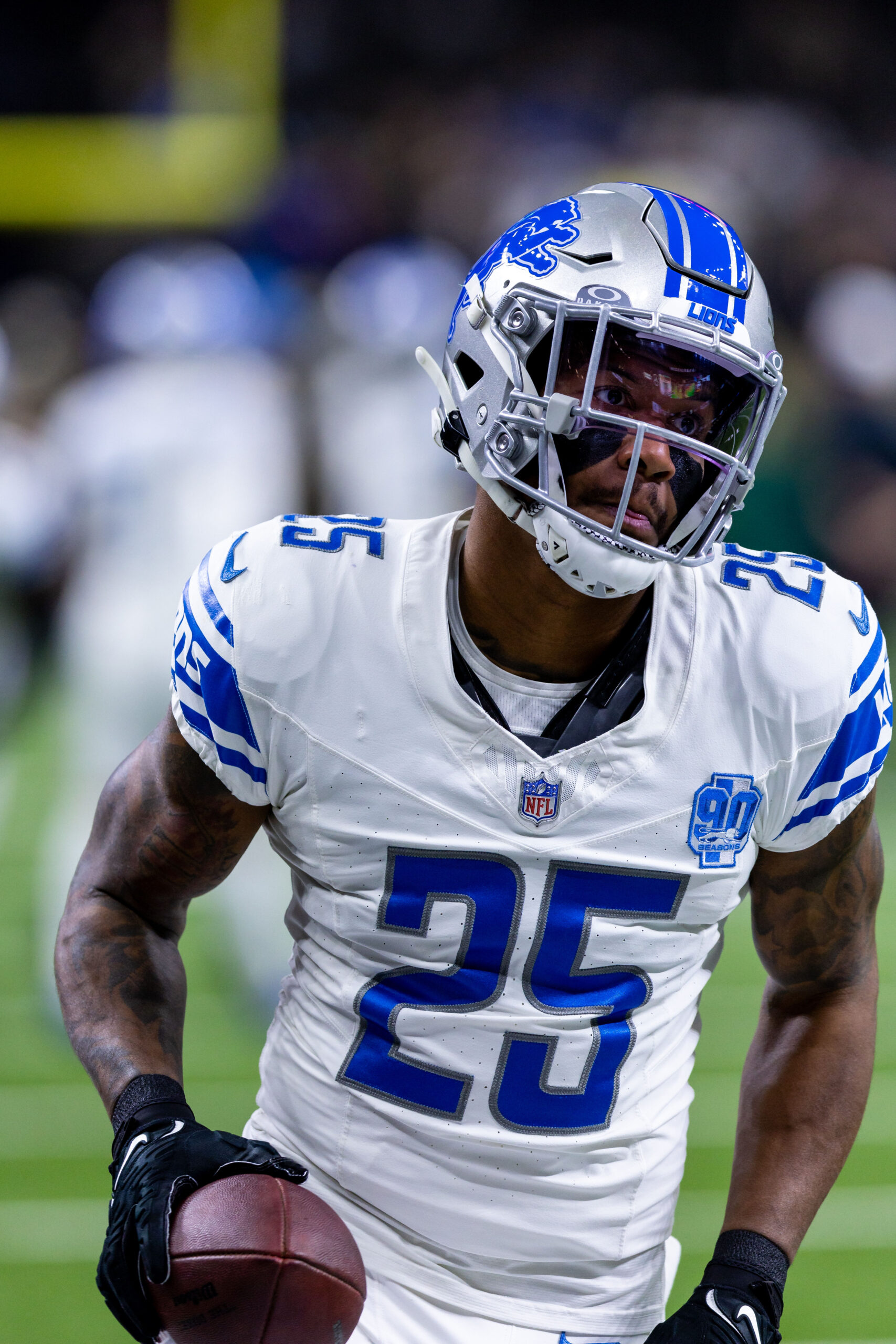 The veteran defensive back is joining the Saints, according to NFL.com’s Mike Garafolo. Harris has experience at both safety and cornerback, and he will relocate within the NFC a year after re-signing with the Lions. Harris, 28, has made 40 career starts.
[RELATED: Marshon Lattimore Still In Saints’ Plans]
Busy reshaping their DB corps last year, the Lions reduced Harris’ playing time despite re-signing him. After the former third-round pick had played 1,012 defensive snaps for the 2021 Lions and logged 660 in 2022, the Lions’ bevy of additions kept him as a backup last season. Harris played in every Lions game but started only two and was on the field for just 192 defensive plays. The Bob Quinn-era draftee will nevertheless bring some versatility to the Saints, having spent full seasons at both safety and corner — with some time as a sub-package linebacker — while in Detroit.
As the Lions brought in C.J. Gardner-Johnson, Cameron Sutton, Emmanuel Moseley and second-rounder Brian Branch last year, Harris played on a one-year, $2.58MM deal. The Lions have now moved on from three of these players, making a concerted effort to upgrade at corner, where Harris spent the 2023 season. Detroit moved Harris to corner before the 2022 season and kept him there upon re-signing the Boston College product. Harris started two games last season, playing behind the likes of Sutton, Jerry Jacobs and Kindle Vildor. Only Vildor remains with the Lions among that CB cadre, as the team traded for Carlton Davis and used its first two draft choices on corners last week.
Harris started 11 games from 2019-20 but made 17 starts during Campbell’s first season, a rebuilding campaign that ended at 3-13-1. Pro Football Focus has never been particularly impressed by the 6-foot-1 defender, though he made 93 tackles in 2021 and stuck as a starter for much of Glenn’s second DC season.
The Saints released Marcus Maye this offseason but reached an extension agreement with Tyrann Mathieu. The team used rookie Jordan Howden as a Maye fill-in during his injury- and suspension-marred 2023. New Orleans also re-signed Johnthan Abram in March. At corner, the team added Kool-Aid McKinstry to a crew housing Marshon Lattimore and recent Day 2 picks Alontae Taylor and Paulson Adebo. If nothing else, Harris stands to supply some depth and special teams assistance for the NFC South club.
Jaguars Add 13 UDFAs
Now in Year 3, the Doug Pederson-Trent Baalke partnership has most of its offseason roster in place. The Jaguars agreed to terms with 13 UDFAs. Here is the Jacksonville post-draft group:
- Shawn Bowman, TE (Rutgers)
- Andre Carter, DE (Indiana)
- Joshua Cephus, WR (UTSA)
- Brevin Easton, WR (Albany)
- Jalen Jackson, RB (Villanova)
- Steven Jones, OL (Oregon)
- Trey Kiser, LB (South Alabama)
- Lorenzo Lingard, RB (Akron)
- Andrew Parker Jr., LB (Appalachian State)
- Josh Proctor, S (Ohio State)
- Wayne Ruby, WR (Mount Union)
- Joseph Scates, WR (Memphis)
- David White Jr., WR (Western Carolina)
A host of small-school options populate the Jags’ list. Two of the four players who do hail from Power 5 programs — Bowman and Carter — respectively transferred from Maine and Western Michigan. Jones spent six years at Oregon, starting 32 games. The 340-pound blocker’s 14-game run at right guard last season drew first-team All-Pac-12 acclaim. Proctor started 20 games for the Buckeyes and participated at the Combine this year. Between his signing bonus and salary guarantee, Proctor is locked into $215K, KPRC2’s Aaron Wilson tweets.
Multiple teams offered Parker around $200K guaranteed, Wilson adds, noting the Jaguars secured his commitment for that amount. Parker transferred from Arkansas in 2022 and earned first-team All-Sun Belt acclaim last season, leading Appalachian State with 114 tackles. The Jags did not draft a linebacker but still roster 2022 third-rounder Chad Muma and 2023 fourth-rounder Ventrell Miller behind starters Foyesade Oluokun and Devin Lloyd.
Ruby will attempt to go from Division III to the NFL; he will do so after being the rare college player to record three 1,000-yard receiving seasons. Ruby’s 2022 at the D-III powerhouse jumps out; the 190-pound wideout totaled 105 receptions for 1,785 yards and 30 touchdown receptions. The 30 TDs were one shy of a D-III record. He followed that up with a second first-team All-American honor last season. Cephus also topped 1,100 yards last season, totaling 1,151 and 10 TDs — en route to first-team All-Conference USA honors — in 2023.
The Jags devoted nearly half their UDFA class to receiver, doing so despite adding Gabe Davis, Devin Duvernay and first-rounder Brian Thomas Jr. this offseason. The Jags also have 2023 sixth-round pick Parker Washington rostered. Competition for practice squad jobs figures to include this batch of UDFAs.
Stephen Ross Rejected $10 Billion Offer To Sell Dolphins
In 2018, David Tepper bought the Panthers for a record $2.28 billion. The price to land an NFL franchise has skyrocketed since. The eventual Broncos cost (in 2022) more than doubled that Panthers number, while Josh Harris paid $6.05 billion for the Commanders last year.
A recent Dolphins development shows the prices will only go up. Stephen Ross is believed to have rejected an offer of $10 billion for control of the Dolphins, Hard Rock Stadium and the Miami Formula One race, according to USA Today’s Safid Deen. The Miami Herald’s Barry Jackson confirms Ross declined “an enormous offer” for controlling interest in the team.
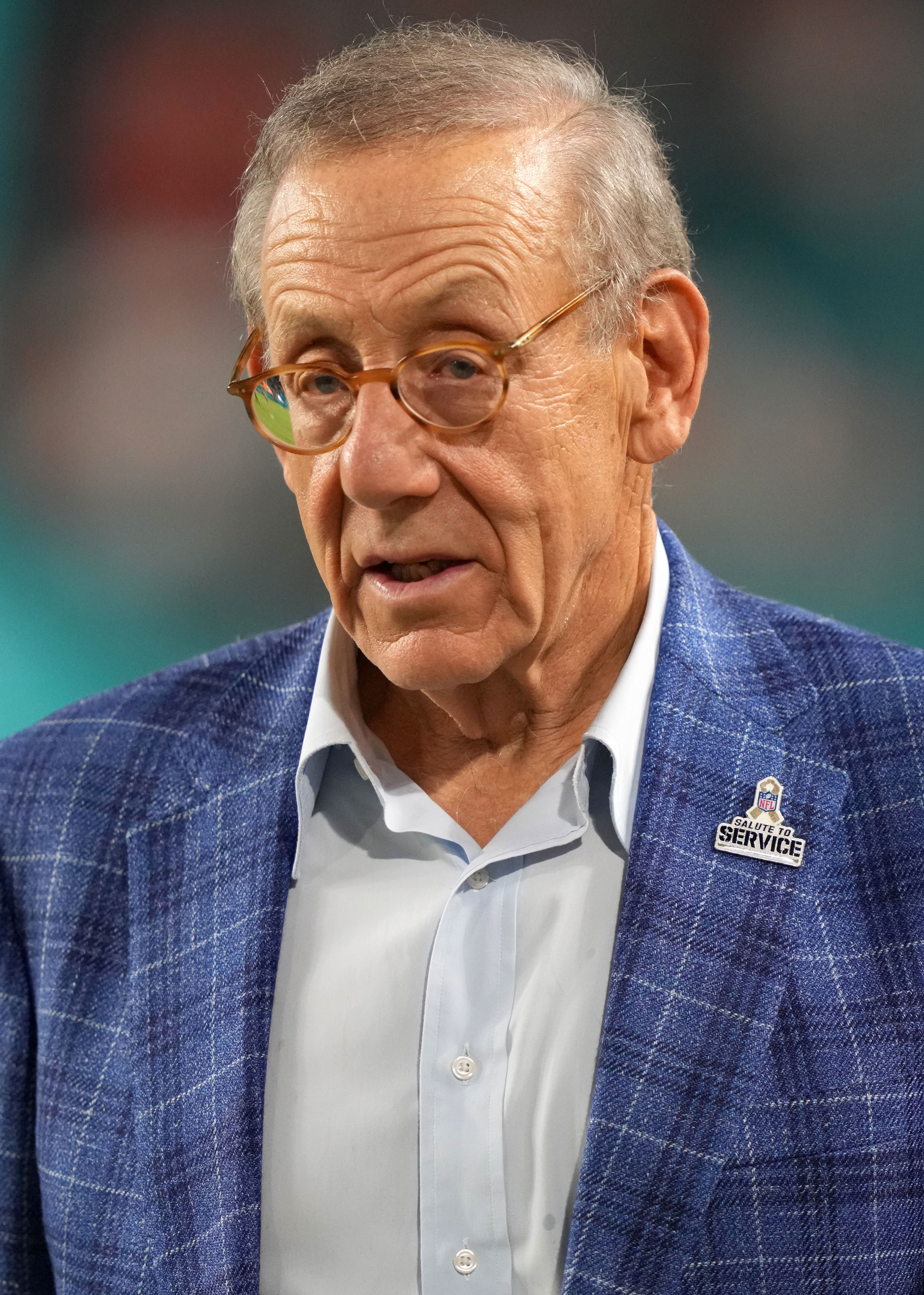 This eye-popping number did not move Ross to sell, and it is unclear how much of that total was solely for the Dolphins. But the league moving toward 11-figure payments would be a notable development given where entry prices stood barely five years ago.
Ross, who has owned the Dolphins since 2009, rejected the offer, Deen notes, preferring to keep the franchise in the family. Any sale agreement would need to be approved by 24 NFL owners. It is not known who made this offer. Seeing as it took thorough vetting by the NFL to approve a complex Harris ownership bid for the Commanders, the structure of this Dolphins proposal would be rather important.
Ken Griffin, a hedge fund manager who has engaged in talks with Ross about buying a stake in the franchise, did not submit the $10 billion proposal, Deen adds. Griffin and Ross broke off talks recently, per Jackson. Griffin holds an estimated net worth of $35.4 billion; Ross’ net worth is viewed at $10.1 billion. Serena and Venus Williams join the likes of Fergie and Marc Anthony as Dolphins minority owners.
Ross, 83, bought the Dolphins for $1.1 billion. The nine-year gap between that purchase and Tepper’s compared with what has transpired since the Panthers sale illustrates the going rate for franchises. Forbes recently valued the Dolphins at $5.7 billion, though Jackson adds internal numbers place the team north of $6 billion.
Ross has been in the public eye for his ownership actions at multiple points in recent years. This includes his 2022 suspension and the Dolphins losing first- and third-round picks for tampering with Tom Brady and Sean Payton. Ross firing Brian Flores in 2022 brought on a discrimination lawsuit that includes other teams — the class-action suit is ongoing — and an allegation from Flores that Ross offered money for losses during the 2019 season. The NFL did not punish Ross for tanking.
The Dolphins have not won a playoff game during Ross’ ownership tenure, and the 2019 rebuild effort came after the team developed a reputation for frivolous free agency spending. Stephen Ross plans to give his daughter, Jennifer Ross, control of the team down the road, Jackson adds.