
2021 NFL Franchise and Transition Tags, Explained
Tuesday, February 23rd marks first day that teams can apply the franchise tag to free-agents-to-be for 2021. While no clubs have designated franchise players yet, there will likely at least a handful of players receiving the tag before the March 9 deadline, so it’s worth taking an in-depth look at what exactly it means to be designated as a franchise player.
Essentially, the franchise tag is a tool that a team can use to keep one of its free agents from freely negotiating with rival suitors on the open market. Designating a franchise player means tendering that player a one-year contract offer. The amount of that offer changes every year and varies from position to position. The number will also differ lightly depending on what sort of specific tag the team employs. Here’s a breakdown of the three types of franchise/transition tags:
Exclusive franchise tag:
- The amount of the one-year offer is either the average of the top five highest-paid players at the player’s position in the current league year or 120% of the player’s previous salary, whichever is greater. The top five highest-paid players at the position are determined once the free agent signing period ends, so the exact amount isn’t known until then.
- The player isn’t allowed to negotiate with other teams.
- The player and his team have until mid-July to work out a multiyear agreement. After that date, the player can only sign a one-year contract.
- The exclusive tag is typically only used for extremely valuable free agents, such as franchise quarterbacks.
Non-exclusive franchise tag:
- The amount of the one-year offer is determined by a formula that includes the salary cap figures and the non-exclusive franchise salaries at the player’s position for the previous five years. Alternately, the amount of the one-year offer can be 120% of the player’s previous salary, if that amount is greater.
- The player is free to negotiate with other teams. If he signs an offer sheet with another team, his current team has five days to match the offer.
- If the offer is not matched, the player’s previous team will receive two first-round draft picks as compensation from the signing team.
- As is the case with the exclusive franchise tag, the deadline will also come in mid-July.
- Due to the attached compensatory picks, the non-exclusive franchise tag is generally sufficient for free agents. Few rival suitors are willing to sacrifice multiple first-rounders in order to sign a free agent to a lucrative deal, so there’s not much risk for a team to give up exclusive negotiating rights.
Transition tag:
- The amount of the one-year offer is either the average of the top 10 highest-paid players at the player’s position in the previous league year or 120% of the player’s previous salary, whichever is greater.
- The player is free to negotiate with other teams. If he signs an offer sheet with another team, his current team has five days to match the offer.
- If the offer is not matched, the player’s previous team does not receive any compensatory draft picks.
- Because it does not include any draft compensation or exclusive negotiation rights, and is only slightly more affordable, the transition tag is rarely used. However, it can be an effective placeholder for teams.
The exact amounts of these tags won’t be known until sometime after the salary cap number for 2021 is announced. Of course, this year’s cap is expected to drop from last year’s figure, though it will be no lower than $180MM, the agreed upon floor for the coming year.
This year’s candidates for the franchise tag include Cowboys quarterback Dak Prescott, Bears wide receiver Allen Robinson, and Buccaneers wide receiver Chris Godwin. Here are a few other notes to keep in mind as the franchise tag period gets underway:
- A team can withdraw a franchise or transition tag at any time once when the free agent period begins, but it would immediately make the player an unrestricted free agent, allowing him to sign with any team.
- If a player is designated a franchise player for a third time, the amount of his one-year offer is equal to the exclusive franchise salary for the highest-paid position (QB), 120% of the five largest prior-year salaries at his position, or 144% of his previous salary. That’s generally a non-starter, but there are no 3x-tag candidates in this year’s class anyway.
- Teams are allowed to designate one franchise player and one transition player per offseason. A team can also designate two transition players if it doesn’t designate a franchise player, but can’t designate two franchise players.
- Restricted free agents can be designated as franchise players.
- If a player chooses to sign the one-year franchise tender, his salary is essentially guaranteed. The CBA notes that if a team releases the player due to a failure “to establish or maintain his excellent physical condition,” the team may recoup his salary. However, a franchise player released due to poor performance, injury, or cap maneuvering will receive his full salary.
Note: Information from OverTheCap.com was used in the creation of this post.
Latest On Jets, Sam Darnold
The Jets are planning to complete their evaluations of the top quarterbacks in the draft before making any decisions on Sam Darnold, according to sources who spoke with NFL.com’s Ian Rapoport (Twitter link). That process includes Pro Days and interviews, which means that Darnold won’t be shipped out anytime soon. 
Rapoport hears that the Jets have received real interest in Darnold, so there is a market for the former USC standout. From here, the Jets have lots of options. They could trade Darnold and draft their next QB at No. 2 overall. Or, they could keep him and take the best player available at No. 2, regardless of position. The Jets could also stick with Darnold and trade down from No. 2 with a team targeting a signal caller.
In the Carson Wentz deal, the Eagles scored a second-rounder that can turn into a first-rounder, plus a third-round pick. It’s been said that Darnold could be had for little more than a Round 2 choice, though there’s reason to believe that the Jets could top the Eagles’ haul. After all, Darnold is younger, and still has time remaining on his lower-cost rookie deal.
Darnold hasn’t impressed as a pro, but he also hasn’t been the best of opportunities. The former No. 3 overall choice completed just 59.6% of his throws for 2,208 yards and nine touchdowns against eleven interceptions last year.
Steelers Rework Cameron Heyward’s Contract
The Steelers hammered out a basic conversion restructure on Cameron Heyward’s contract, as Ian Rapoport of NFL.com tweets. The move won’t change much for the defensive lineman, who is still set to earn $10.5MM in 2021. However, the Steelers will save $7MM on the books by shifting his roster bonus and base salary into a signing bonus. 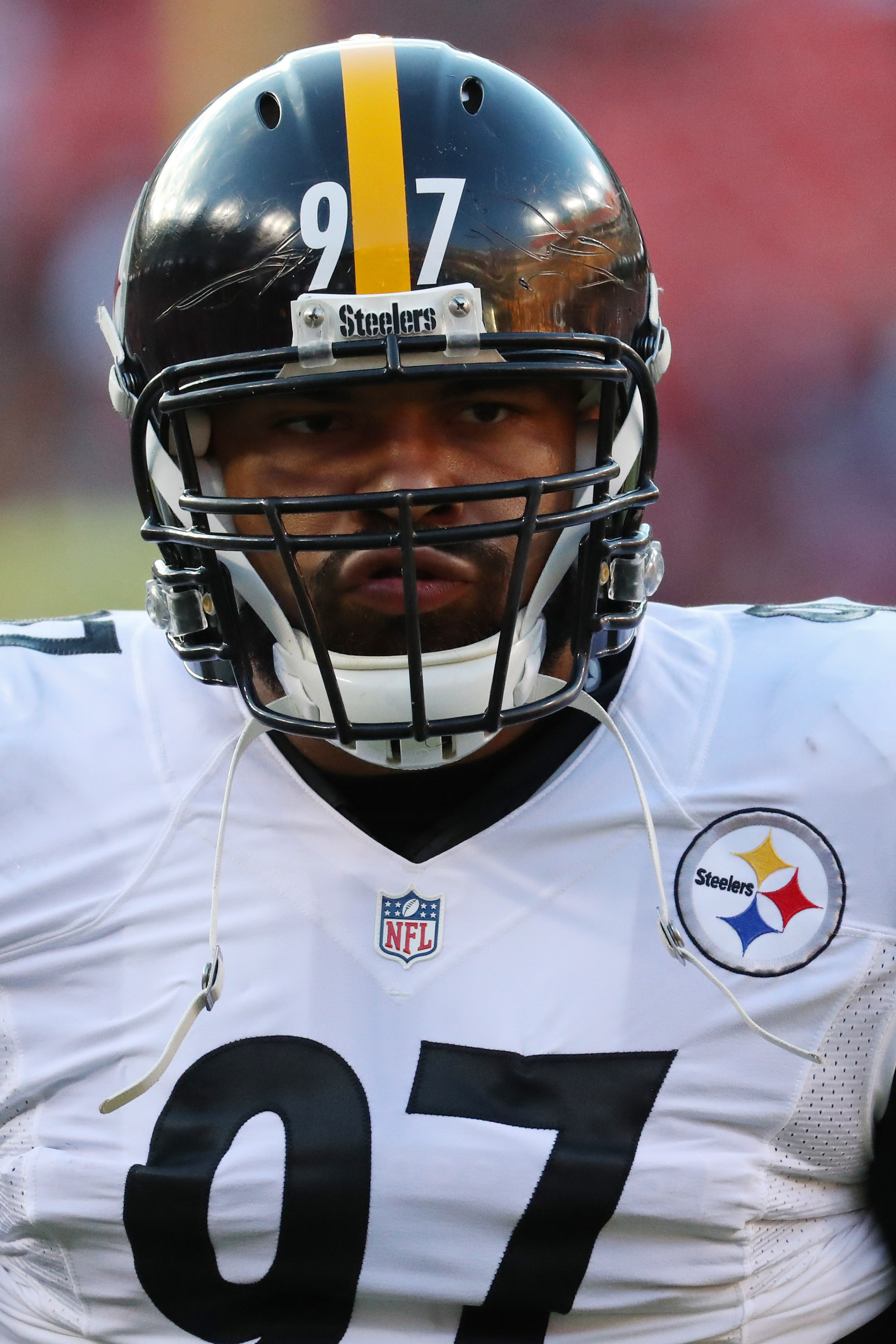
Heyward inked a four-year, $71.4MM extension with the Steelers early in the 2020 season. Between the anticipated cap decrease and whispers of “Aaron Donald-money” for Heyward, there was doubt as to whether the Steelers would be able to retain him. Ultimately, their defensive captain agreed to stay put for $18MM/year, on average. Now, he’s helping the Steelers carve out some additional space as they head into a pivotal offseason.
Heyward, 32 in May, is set to enter his eleventh season with Pittsburgh. Fresh off of his fourth consecutive Pro Bowl nod, he has 58 career sacks to his credit.
The Steelers do have about $5MM in rollover, but they need all the flexibility they can get. The impending cap reduction has even put Ben Roethlisberger‘s name into the cap casualty conversation — releasing him before the final year of his deal would save approximately $19MM.
Panthers Owner “Obsessed” With Finding QB Solution
The Panthers’ pursuit of Deshaun Watson is no joke. Owner David Tepper is “obsessed” with finding a long-term quarterback solution this offseason, according to a well-placed source who spoke with Albert Breer of Sports Illustrated.
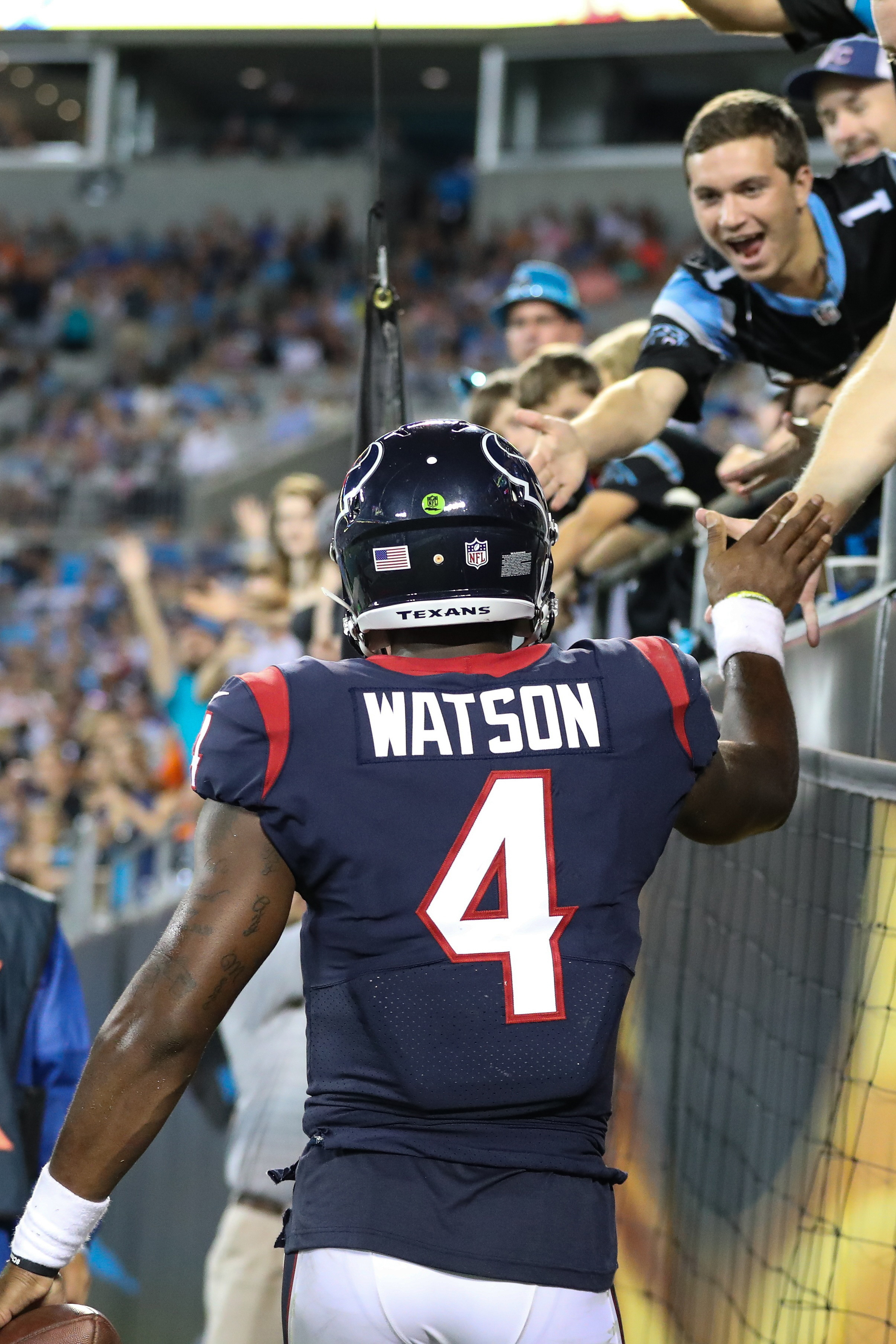
The Panthers thought they found their QB one year ago when they inked Teddy Bridgewater to a three-year, $63MM deal. They already have buyer’s remorse. Bridgewater showed his age and injury history last year, prompting the Panthers to look elsewhere. Of course, there’s still the matter of his contract — the Panthers are already locked in for $10MM in guaranteed base money this year. And, if Bridgewater remains on the roster, he’ll earn his full $17MM base salary, plus $1MM total in workout and per-game bonuses.
Tepper’s desire to upgrade could lead them to a Watson deal, even though it would be costly in terms of dollars and draft capital. The other option would be to trade up from the No. 8 overall pick to land one of this year’s top quarterbacks. Similar to the Broncos, the Panthers are in on Watson, though they were never all that keen on Carson Wentz. That’s a sign that the Panthers are looking to land a superstar, rather than a bridge QB (no pun intended).
It’s worth noting that the Panthers recently carved out significant cap space, with help from center Matt Paradis. That extra coin could give them the room necessary to land Watson and untangle themselves from Bridgewater.
WFT Looking To Extend Brandon Scherff
The Washington Football Team can keep Brandon Scherff from the open market with a second franchise tag. However, the team remains focused on ironing out a long-term extension with the standout offensive guard, according to Nicki Jhabvala of The Washington Post.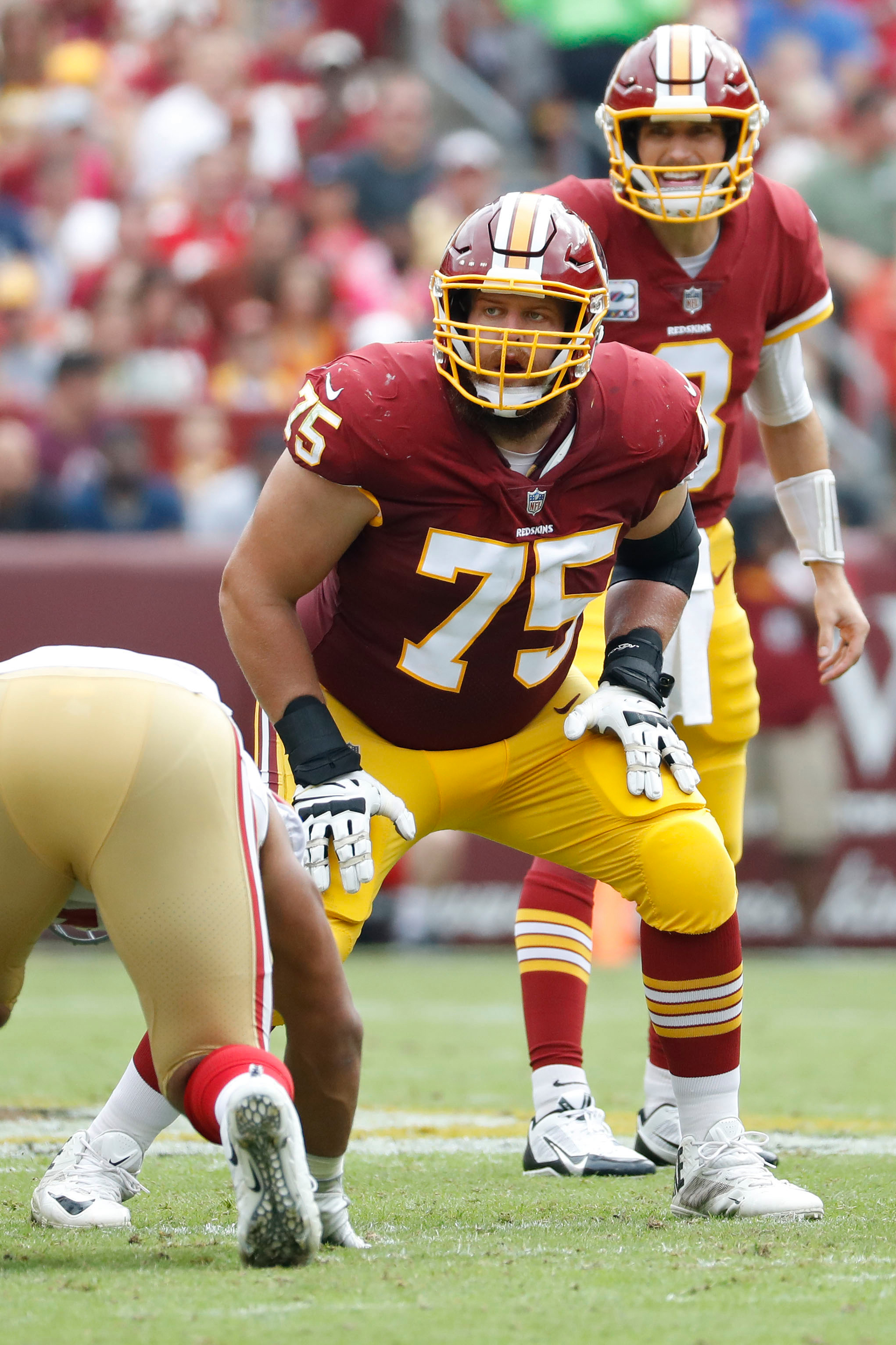
The franchise tag window runs from Tuesday through March 9. Washington, in theory, could tag Scherff and take the negotiations from there — the franchise tag extension period would give them roughly four months to work with, before the July 15 deadline. That second tag would come at a 20% increase from his previous one, making it an $18.04MM salary for 2021.
The NFL’s collective bargaining agreement still lumps guards, tackles, and centers into the same offensive lineman bucket, which effectively means that the tag pays Scherff as an elite tackle. Typically, the tag increases leverage for the team. In Scherff’s case, it gives him solid ground to stand on.
Washington does have the cap flexibility to re-up Scherff for one year, but they’d much rather lock him down through his prime years with a smoother cap hit from year to year. A brand new deal could reset the market for interior linemen, giving him $15MM+ per year to trump Brandon Brooks‘ $14.1MM average annual value.
“I’ve always said I want to stay where I got drafted,” the Pro Bowler said recently. “And I’ve been here for six years, and I absolutely love it here. … We are building something here to absolutely make a run for it in the future.”
Scherff, who just turned 29 in December, has started in all 78 of his games for Washington.
This Date In Transactions History: Panthers Release Mike Tolbert
After making a name for himself in San Diego, Mike Tolbert moved on to the Panthers and became an integral part of their offense. But, after the 2016 season, the Panthers released the multiple-time Pro Bowler in a cost-cutting move. 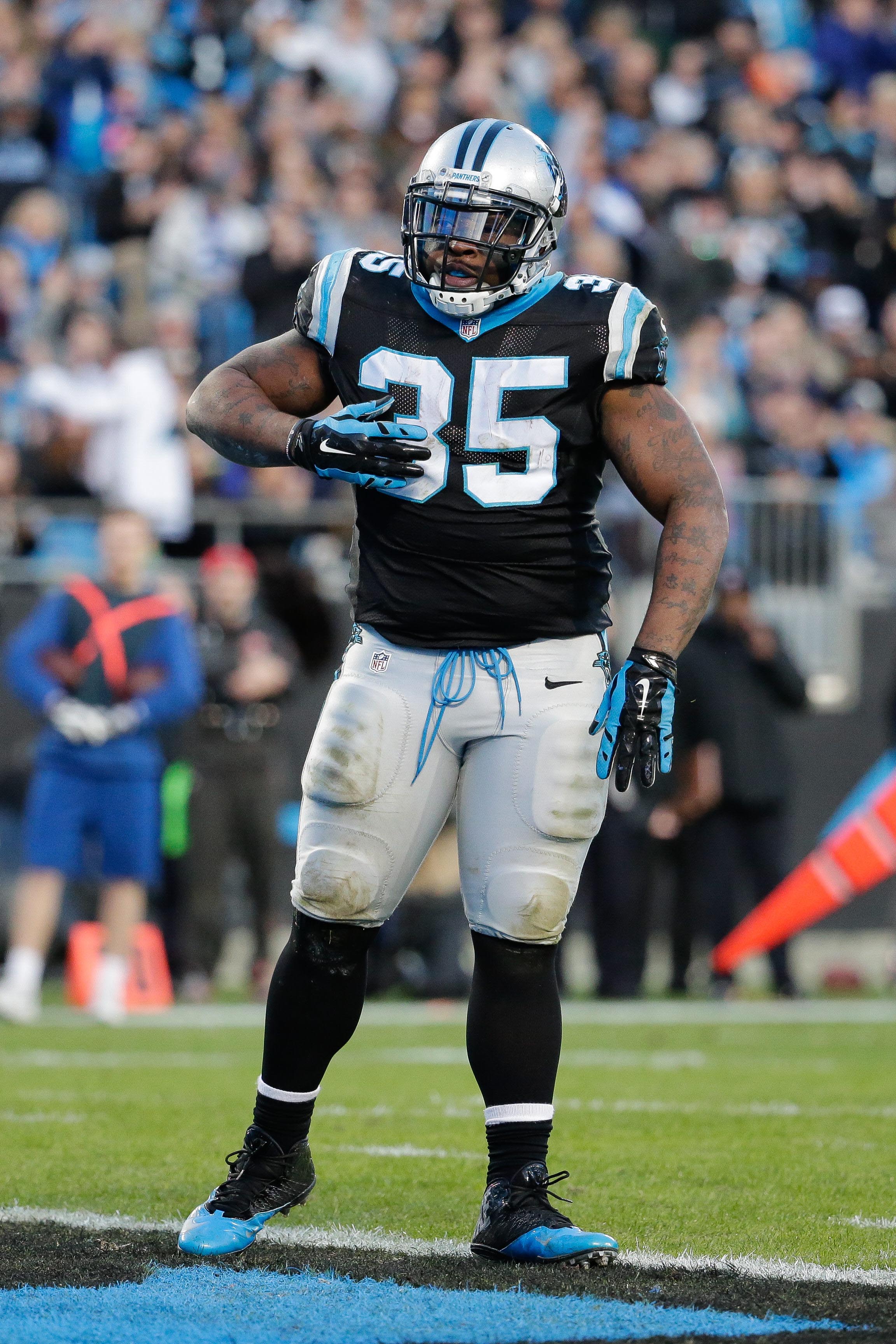
[RELATED: Panthers To Release Tre Boston]
Tolbert wasn’t the fastest guy in the NFL, but he was a wrecking ball who knew how to move the pile. In 2016, he collected the third Pro Bowl selection of his career, adding to a resume that also included two First Team All-Pro nods (2013, 2015).
However, there were some signs of decline and he had slipped in the Panthers’ pecking order. Historically, the Panthers gave Tolbert a decent amount of work. In 2016, he had just 35 carries – the lowest total of his Panthers stretch. He was still an adept lead blocker with goal line ability, but the Panthers opted to save $1.725MM against the books while carrying a $2.075MM cap charge.
Tolbert, entering his age-32 season, landed with the Bills in free agency. Other teams — like the Jets — considered the veteran, but other fullbacks with sharper run blocking skills like Patrick DiMarco received more attention. Tolbert made the cut, opened the year behind LeSean McCoy on the depth chart, and averaged 3.7 yards per carry in a limited sample. That would prove to be his final year in the NFL — fullbacks had mostly gone the way of the dinosaur in the 2018 offseason, and Tolbert did not sign another NFL deal.
Deshaun Watson Wasn’t Promised GM Search Input
Deshaun Watson has been frustrated with the Texans for a number of reasons. Among those reasons: His lack of input in the team’s GM search. However, the quarterback was never promised that he’d be included in that decision, according to a league source who spoke with Ben Volin of The Boston Globe. 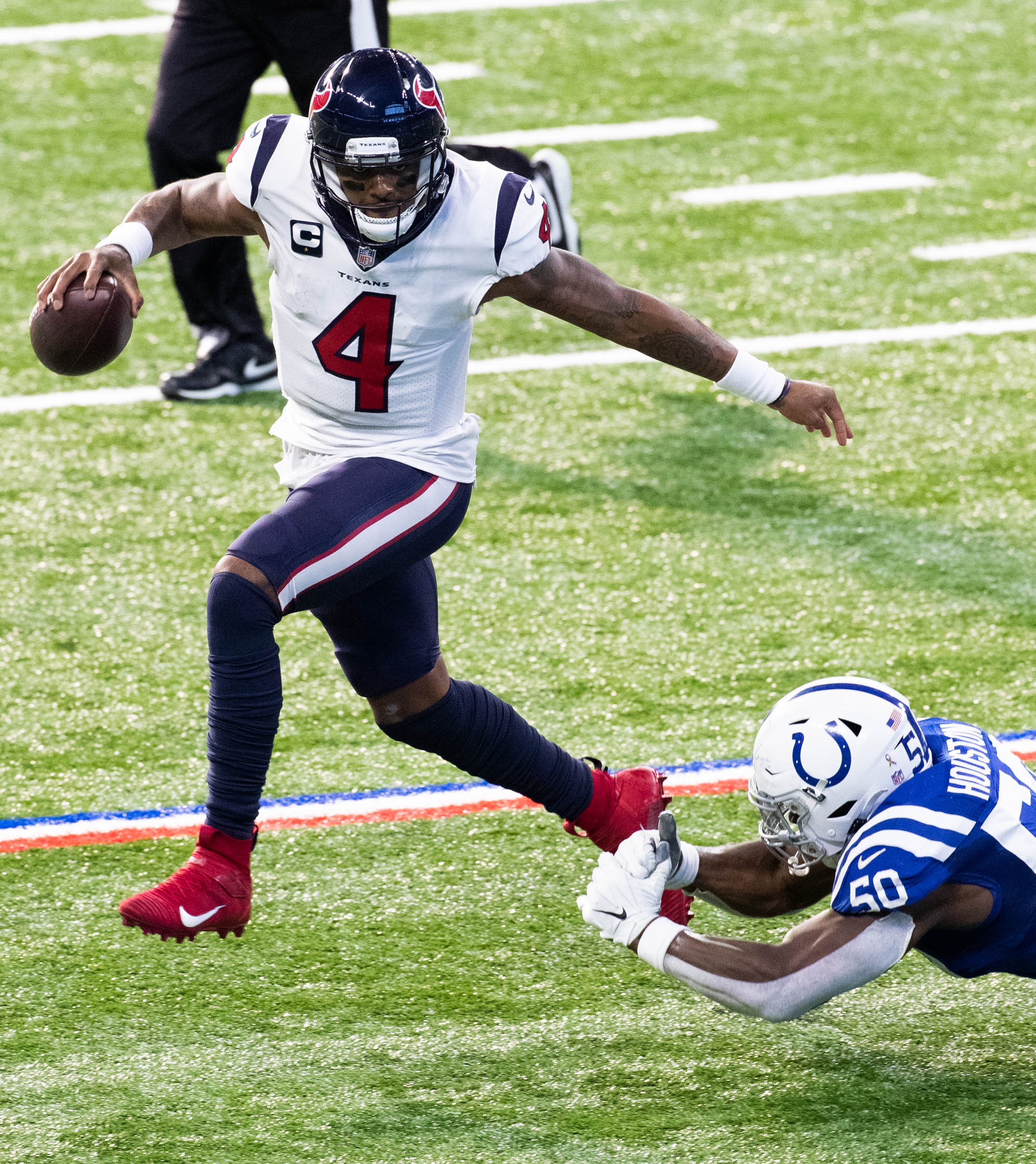
[RELATED: Panthers Planning Big Deshaun Watson Push]
The Texans did tell Watson that he could be involved in the head coaching search. Reportedly, Watson had a strong preference for Chiefs offensive coordinator Eric Bieniemy. Ultimately, they went with David Culley, a veteran assistant who wasn’t on the radar for most teams. Eventually, the Texans, interviewed Bieniemy, but he wasn’t seriously considered for the role. On the GM side, the Texans went with Nick Caserio, their longtime target for the job.
At last check, Watson has yet to communicate with Culley or Caserio. Meanwhile, his personal coach Quincy Avery is passing along notes via social media.
“What’s the criteria for a quarterback asking to get traded, then actually getting traded?,” Avery tweeted recently. “Asking for a friend.”
Avery’s friend has been heavily linked to the Panthers, who have recently carved out significant cap space. The Dolphins continue to circle around him, too, which means that a blockbuster trade involving Tua Tagovailoa could be on the table. Other potential suitors include the Jets, Broncos, and 49ers, but the Texans continue to say that he’s staying put.
Browns Re-Sign Robert Jackson
The Browns have re-signed cornerback Robert Jackson, as Mary Kay Cabot of The Plain Dealer tweets. Jackson was released by the team just ten days ago in a move that now appears to have been based on finances.
Jackson, 27, appeared in ten regular season games last year, spending the bulk of his time on special teams with just six defensive snaps. He was on the field for a good chunk of the Browns’ playoff win over the Steelers, but a hamstring injury forced him to the sidelines. Of course, Jackson wasn’t supposed to be part of the postseason plan, but the team’s COVID outbreak forced them to dig deep. Jackson wound up surrendering an easy touchdown to Chase Claypool, though it didn’t effect the final outcome.
Now, Jackson will work to solidify his spot on the 53-man roster between now and the fall. If he doesn’t make the cut, he’ll likely be a contender for the practice squad.
49ers Promote Adam Peters To Assistant GM
The 49ers have promoted vice president of player personnel Adam Peters to assistant GM, per a club announcement. Peters was up for the Panthers’ GM vacancy earlier this year, so this move should keep him satisfied until the next opportunity arises.
“Adam has earned this promotion, which is a result of his hard work and dedication to the 49er Way,” said 49ers GM John Lynch. “He has been a tremendous asset to our team and we look forward to Adam continuing to play an integral role in all aspects of football operations in our quest to compete for championships.”
Peters is entering his 19th season in the NFL. Before joining the Niners, the prior eight seasons (2009-16) with the Broncos, serving as their director of college scouting. During his time with the team, the 49ers have had their fair share of hits in the draft, including tight end George Kittle, wide receiver Deebo Samuel, wide receiver Brandon Aiyuk, linebacker Fred Warner, and defensive lineman Nick Bosa.
Panthers To Release Tre Boston
The Panthers are set to release safety Tre Boston, according to ESPN.com’s Adam Schefter (on Twitter). The move will save Carolina approximately $3.5MM against the 2021 books if Boston is designated as a post-June 1 cut. 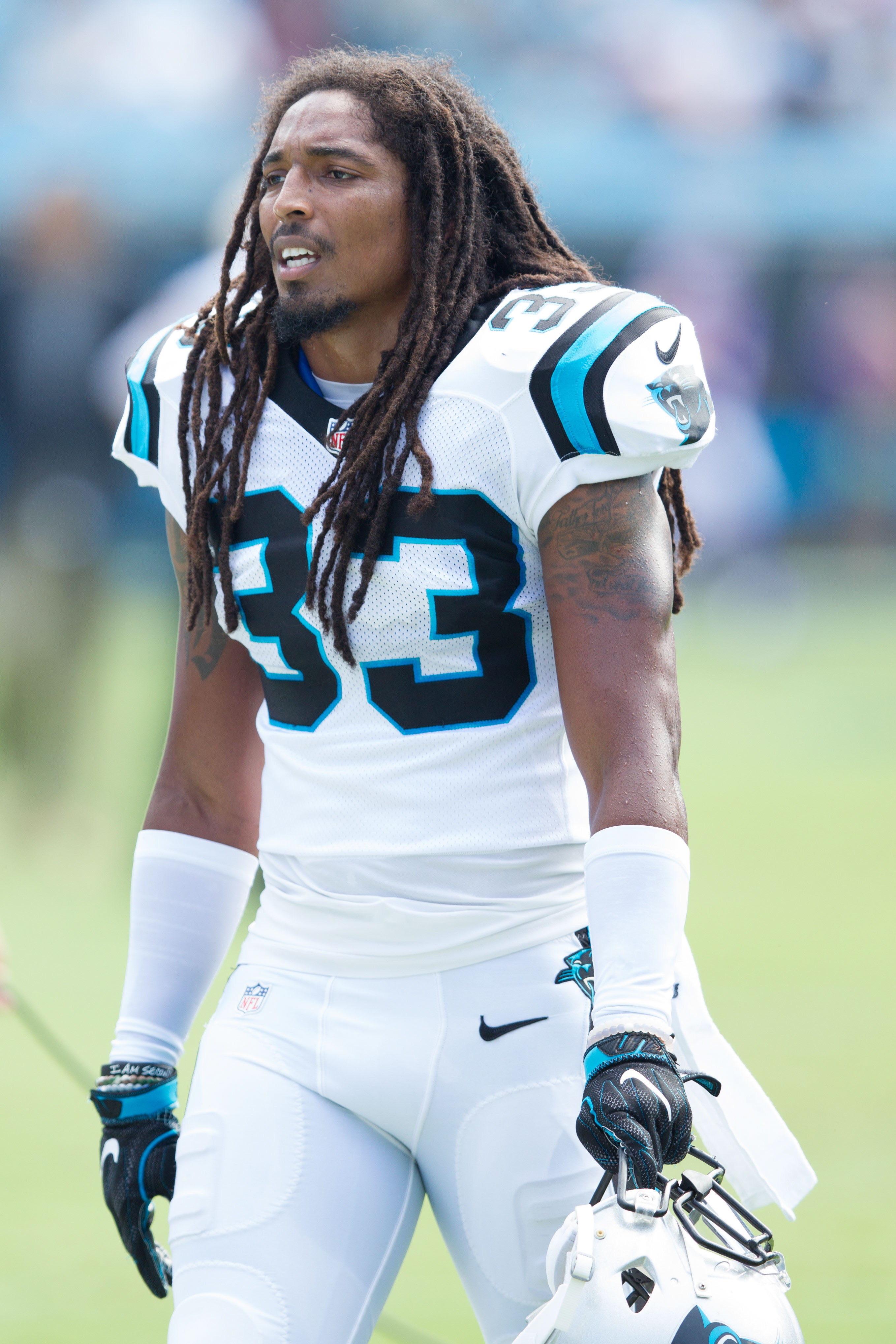
Boston returned to the Panthers in 2019, marking his second straight low-cost, one-year NFL deal. Then, Boston racked up eleven passes defensed and three interceptions, helping to turn around a suddenly resurgent secondary. He was rewarded with a three-year, $18MM deal, but he won’t see the final two seasons of that pact. The Panthers have already paid out the bulk of that commitment, furnishing him with $9.5MM in Year One.
Boston, 29 in June, tallied a career high 95 tackles in 2020 with two fumble recoveries, four passes defensed, and one interception. With 15 INTs and 104 career appearances under his belt, Boston should find a solid market for his services in March. However, given the anticipated drop in the salary cap, he’ll probably have to settle for less than his previous deal. Unfortunately for Boston, that may mean another short-term pact to carry him through 2021.