
This Date In Transactions History: Rams Release Kurt Warner
One of the best rags-to-riches tales in NFL history (temporarily) came to an end on this date 17 years ago. While no one knew it at the time, the story still had years to go before its conclusion. On June 1, 2004, the Rams released veteran quarterback Kurt Warner.
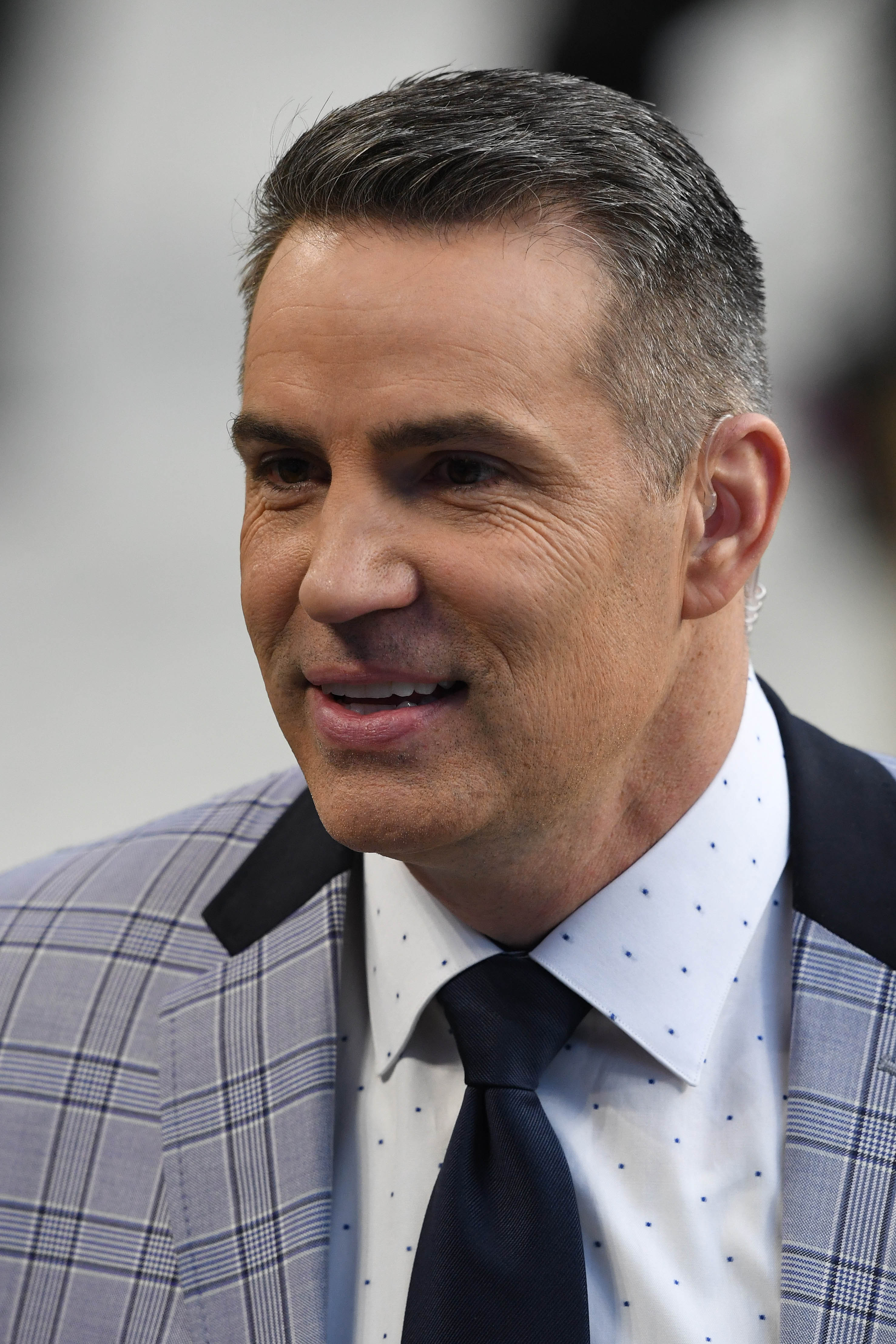 Warner, of course, went from an undrafted free agent and Arena Football League standout to NFL MVP. By the end of the 2003 campaign, Warner had easily cemented himself as one of the top athletes in St. Louis history. After getting thrust into the Rams starting lineup in 1999, the QB would go on to win a pair of MVPs, twice lead the NFL in touchdowns, and win a Super Bowl (along with a Super Bowl MVP). However, the wheels started to come off a bit during the 2002 season. Warner was limited to only six starts that season, with the Rams going 0-6 in those contests.
Warner was the starter to begin the 2003 campaign, but it somehow got worse. During his lone start, he had six fumbles, leading to his official benching. Meanwhile, fill-in Marc Bulger guided the Rams to a 12-3 record as a starter, cementing his spot as the Rams’ QB of the future. As a result, Warner found himself on the outs in St. Louis.
The writing was on the wall during the 2004 offseason. The Rams organization continued to work on a long-term pact with Bulger, and they also signed Chris Chandler to serve as the backup play-caller. So, with the June 1 deadline officially passing, the Rams decided to move on from Warner on this date in 2004. The move saved the Rams about $4.8MM in cap room while costing them about the same amount in dead cap, and they had to eat another $6MM-plus in 2005.
While Warner was reportedly seeking a starting gig following his release, he ultimately settled into a backup role as Eli Manning‘s mentor with the Giants. Warner actually had a chance to start at the beginning of the year, and he showed some improvement from his dreadful 2002 and 2003 campaigns. Still, he only finished with six touchdowns in nine starts, and the Giants voided the second-year of the QB’s contract at the conclusion of the season.
Warner added another chapter to his story in 2005. The veteran joined the Cardinals, and while he’d eventually earn a place in Arizona lore, it took a while for him to fully secure the starting gig. Thanks in part to injuries and the team’s desire to play top draft picks (including Matt Leinart), Warner only saw time in 16 games through his first two seasons with the organization, collecting a 3-12 record.
However, Warner experienced a career turnaround in 2007; his 27 touchdowns were his highest total since 2001. Then, Warner truly put himself back on the NFL map in 2008, earning a Pro Bowl nod after completing 67.1-percent of his passes for 4,583 yards and 30 touchdowns. More importantly, he guided his team to the Super Bowl, where he eventually lost to the Steelers. 2009 was another standout season for Warner, as he tossed 26 touchdowns while leading the Cardinals to a 10-5 record. However, that iteration of the Cardinals got blown out in the Divisional Round, and Warner announced his retirement soon after the season.
While no one thought Warner’s career was finished when he was released by the Rams on this date in 2004, few pundits probably envisioned him returning to the Pro Bowl, much less the Super Bowl. Just like Warner did during the early parts of his career, the QB managed to persevere and surprise during the second-half of his storied career.
PFR Originals: Tebow, Chiefs, Snyder
In case you missed it, here’s a look back at some of our recent originals:
- Tim Tebow hasn’t played in a regular season game since 2012, when he was with the Jets. Now, he’s vying for a spot on the Jaguars’ roster. Will he pull it off? Sam Robinson asked PFR readers to weigh in and, so far, ~46% of you say that the former University of Florida standout will make the cut. Meanwhile, about 25% say he’ll make the practice squad and ~30% think that he’ll be released outright.
- Six years ago, the Chiefs promoted Chris Ballard and Brett Veach to larger roles in John Dorsey‘s front office. The move vaulted Ballard up the NFL ranks, leading him to the Colts’ GM job. Meanwhile, Veach stayed and wound up as Dorsey’s successor in Kansas City. As Sam notes, the Chiefs are happy with the way things turned out. Despite going 50 years between their second and third Super Bowl appearances, the Chiefs have become the AFC’s best team to start this decade.
- Meanwhile, Ben Levine took us all the way back to 1999, when the NFL approved Dan Snyder as the new owner of the Washington football franchise. Snyder’s first season at the helm saw ten wins, but fans have been less-than-thrilled over the last 20+ years.
- Victor Cruz will always be remembered for his standout Giants seasons and his iconic salsa dance. But, in 2017, Cruz tried to start a new chapter in Chicago. Here‘s a look back at his short-lived Bears tenure, his Giants contract, and an important reminder for NFL players — always insist on guaranteed cash.
This Date In Transactions History: Chiefs Promote Chris Ballard, Brett Veach
Despite going 50 years between their second and third Super Bowl appearances, the Chiefs have become the AFC’s best team to start the 2020s. They became the only non-Patriots AFC team to reach back-to-back Super Bowls since the Broncos more than 20 years ago and, per BetOnline.ag, are slight preseason favorites to win Super Bowl LVI.
Although Andy Reid is rightfully associated with the franchise going from a 2-14 2012 season to seven playoff appearances over the next eight years, the Chiefs developed some front office talent during this span. The Reid-John Dorsey power structure included key lieutenants, and two of those — Chris Ballard and Brett Veach — took steps toward future GM posts on this day six years ago.
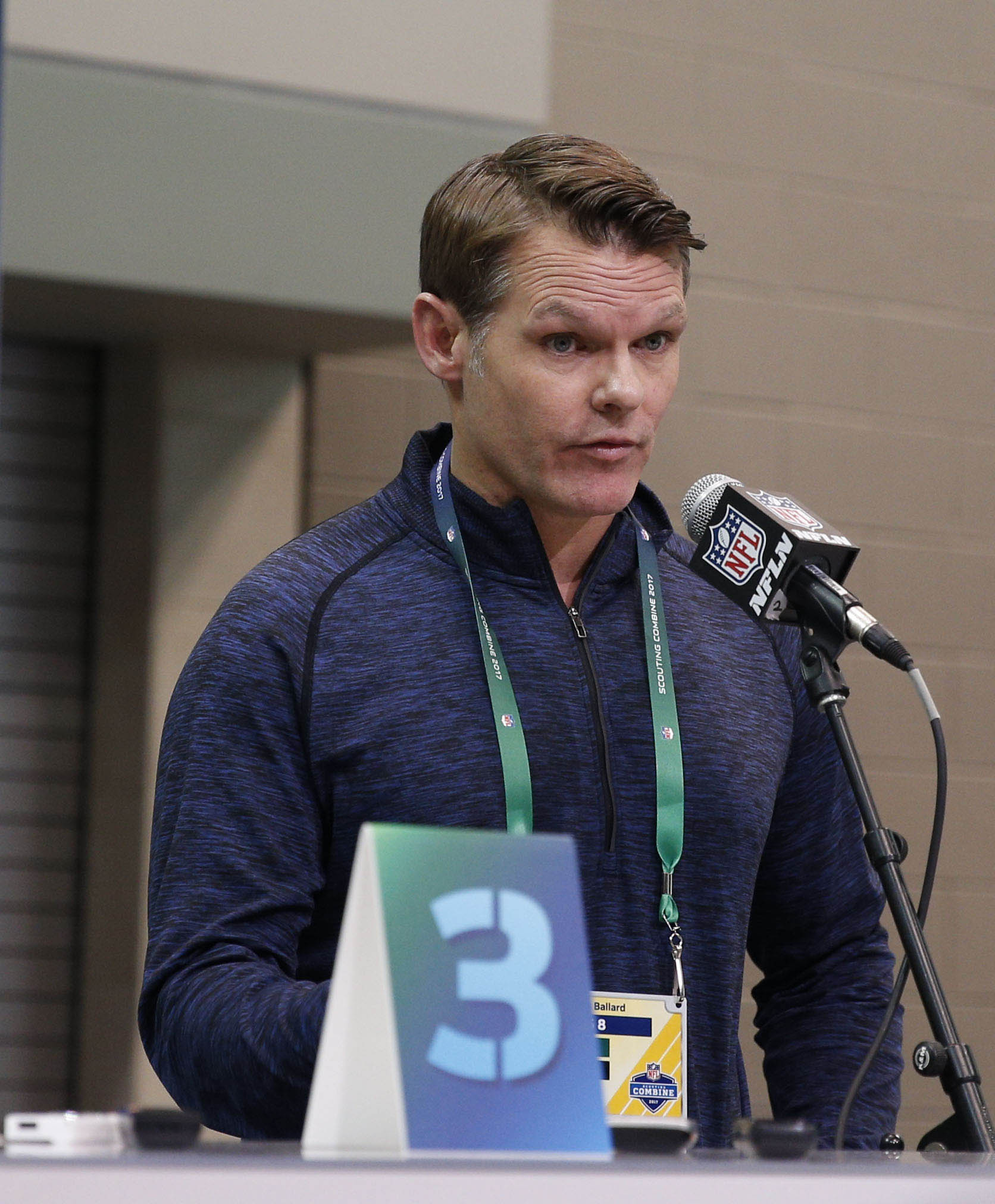 On May 29, 2015, the Chiefs promoted both to the jobs they held when GM offers came. Ballard rose from Chiefs player personnel director to director of football operations, and Veach climbed to a co-director of player personnel post. Both execs served as key Dorsey sidekicks, with Ballard in particular drawing frequent outside interest. Ballard and Veach came to Kansas City along with Reid in 2013.
The Bears, Ballard’s team before he joined the Chiefs, interviewed he and Ryan Pace for their GM post on the same day in January 2015. That job ended up going to Pace, who remains Chicago’s GM. Ballard also surfaced on the Jets and Lions’ GM radars and interviewed for the Titans’ GM post that went to Jon Robinson. The Chiefs denied the 49ers permission to speak with Ballard in early 2017. The Colts hired him months later.
Veach has worked with Reid since breaking into the NFL as an Eagles intern in 2004. A step behind Ballard in Kansas City, Veach did not interview for any outside GM jobs like his former coworker. But the Chiefs ended up promoting him to replace Dorsey, whom Clark Hunt fired in June 2017, shortly after Ballard left for Indianapolis. Both GM rises have produced success.
The Colts quickly rebounded from three straight playoff absences, having made the playoffs in two of the past three years. Indianapolis did so despite some stunning sequences — Josh McDaniels‘ bailing on a head coaching agreement and Andrew Luck abruptly retiring — proving temporary setbacks. Although measured in free agency, Ballard, 51, has been aggressive on the trade market in recent years — as deals for DeForest Buckner and Carson Wentz have shown.
Following the Chiefs’ Super Bowl LIV victory, the team gave Veach a six-year extension. Veach, 43, played a key role in the then-Dorsey-led Chiefs trading up for Patrick Mahomes in 2017 and as GM helped give the superstar quarterback help. After revamping Kansas City’s porous defense in 2019, Veach extended Mahomes, Travis Kelce and Chris Jones in 2020. The Mahomes deal remains the NFL’s richest pact, at $45MM annually, though its 10-year structure stands to benefit the Chiefs.
This Date In Transactions History: Bears Sign Victor Cruz
On this date in 2017, Victor Cruz joined the Bears on a one-year deal. With that, the longtime Giants wide receiver was set to start his next chapter. Unfortunately, things didn’t pan out as expected. 
Cruz was a logical fit for the Bears after they lost Alshon Jeffery in free agency. With their WR1 gone, they were left with Cameron Meredith, the injury-prone Kevin White, veteran Kendall Wright, Daniel Braverman, and Markus Wheaton as their top targets. Cruz was not a one-for-one replacement for Jeffery at this stage of his career, but there was a clear path to the 53-man roster. Then, in the preseason, he suffered a knee injury that took him out of the equation.
From 2011 through 2013, Cruz averaged 80 receptions, 1,209 yards, and eight end zone salsas per season for the Giants. Cruz, a former undrafted free agent out of UMass, came out of nowhere and captivated the NFL . Later, the Giants locked Cruz down with a five-year extension worth up to $43MM. Cruz could have gambled by staying on track for free agency after the 2013 season. With hindsight, Cruz was pretty happy about his decision, which yielded nearly $16MM in guaranteed cash.
Things started to come apart in 2014, thanks to a torn patellar tendon, followed by a calf injury. By ’18, Cruz was still just 31, but also years removed from live action. So, after unsuccessfully lobbying the Giants to bring him back, Cruz called it a career. His final NFL contract came from the Bears, but he left the game having only played for the G-Men.
This Date In NFL Transactions History: Dan Snyder Approved As Owner Of Washington Franchise
As with any ownership change, there was optimism in Washington on this date in 1999. Fast forward 22 years, and this was an era that fans would probably prefer to forget. On May 25, 1999, Daniel Snyder was approved as the new owner of the Washington NFL franchise.
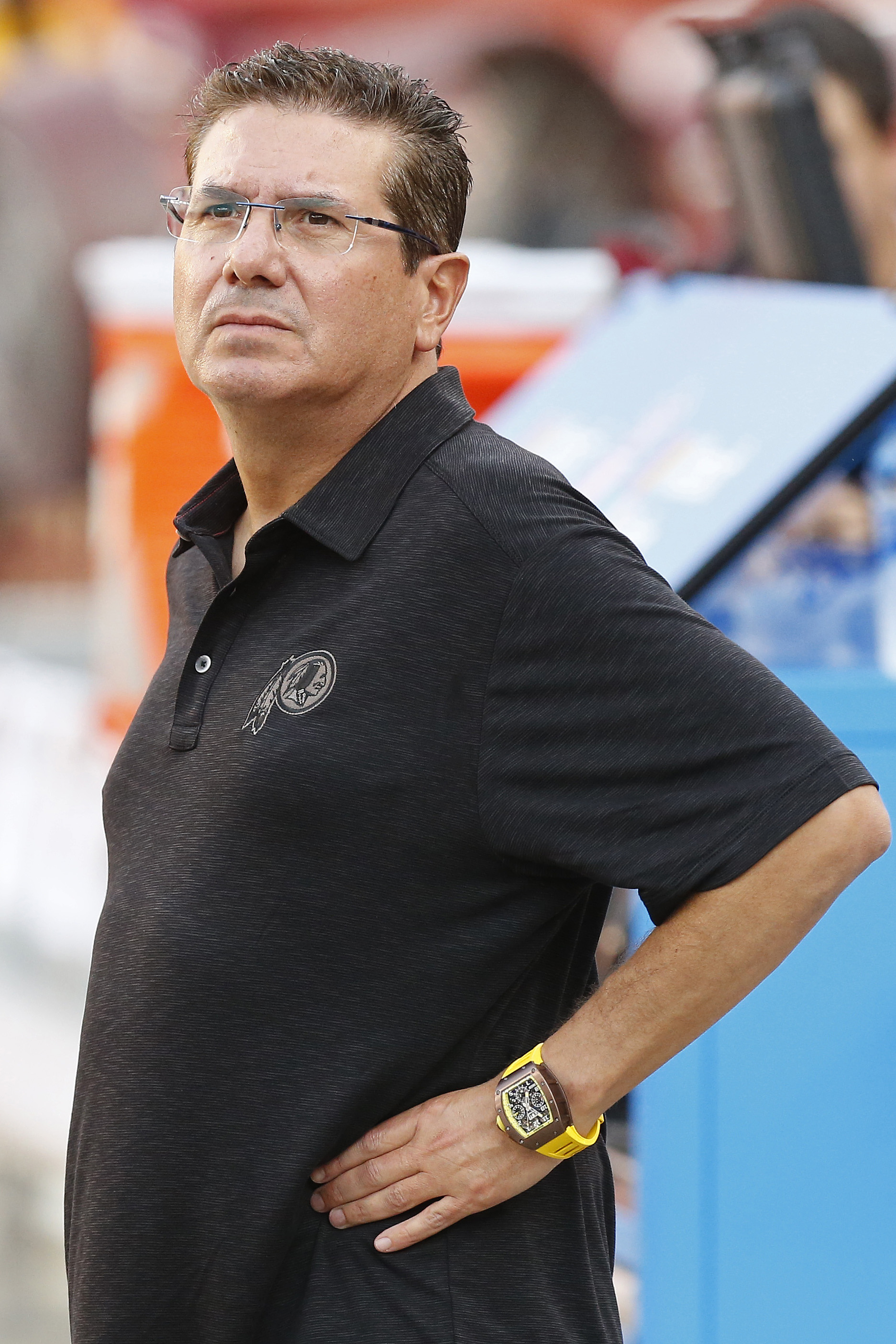 The organization was up for sale following the death of former owner Jack Kent Cooke, and Snyder ponied up a then-record $800MM for the team and Jack Kent Cooke Stadium (which is now FedEx Field). Snyder’s first season at the helm was a success; his team won 10 games, the first time they hit double-digit victories since their Super Bowl-winning season in 1991. Since that time, the on-field product has been disappointing (to say the least).
Since Snyder took over as owner, the team has gone 149-202-1 with only six playoff appearance. The team has also shuffled through 10 head coaches, including four different coaches between 1999 and 2002. Snyder hasn’t necessarily endeared himself to fans during this time; he sued season ticket holders during a recession, he temporarily banned fans from bringing signs into his stadium, and he threatened a lawsuit against a local newspaper that detailed his various controversies.
Speaking of…Snyder has also found himself in a number of off-field controversies. The owner was at the forefront of the whole name-change fiasco, refusing to change the Redskins moniker until pressured by major sponsors in 2020. That same year, Snyder was a main player in a Washington Post series that detailed rampant sexual harassment and discrimination within the organization. All the while, Snyder has found himself engaged in a number of additional ventures. This includes sports radio, an Arena Football League team, Six Flags, and Johnny Rockets. Generally, these side hustled didn’t work out all that well.
Unfortunately for fans of WFT, it doesn’t sound like Snyder is going anywhere any time soon. After selling part of his ownership to pay off team debt, Snyder managed to repurchase the remaining 40.5-percent of the team this past March. The purchase was unanimously approved by league owners.
On this date in 1999, Washington fans were likely dreaming of a return to glory. Instead, these fans have endured plenty of controversies (along with rising ticket prices and parking) in exchange for a pair of playoff wins over two-plus decades.
This Date In Transactions History: Seahawks Sign D.K. Metcalf
On this date in 2019, the Seahawks inked D.K. Metcalf to his first pro contract. The Ole Miss product was projected to be a first-round pick, but was left to sign for just $4.6MM over four years after an unexpected slide. 
Earlier in the evening, the Seahawks moved down twice. Then, once Metcalf tumbled, the Seahawks went back up the ladder to grab the Patriots’ No. 64 pick. Some evaluators weren’t all that high on Metcalf, apparently, but few could argue with the value.
Metcalf drew national attention for his physique, but the Seahawks saw him as more than just a 6’3″ mass of muscles. He first broke out on the scene with 39 grabs for 646 yards and seven touchdowns as a sophomore at Ole Miss. His follow-up year wasn’t quite as stellar — Metcalf was limited to just seven games while A.J. Brown stole the show.
Taken near the end of Round 2, Metcalf wound up as the ninth receiver to come off the board. But, other than Brown and Terry McLaurin, he dazzled like no other rookie WR that year. Straight off the bat, Metcalf had 58 catches for 900 yards and seven touchdowns. Then, last year, he took his game to a whole ‘nother level with 83 receptions for 1,303 yards and ten touchdowns.
Metcalf used his draft night slight as fuel and took that momentum into 2020 for an even bigger year. With similar progression, Metcalf could set himself up for a serious fifth-year payday while his first-round counterparts play out their option seasons.
Poll: Will Tim Tebow Make Jaguars’ Roster?
Considering the jersey sales and Jacksonville’s proximity to where Tim Tebow starred in high school and college, he might already be the most popular tight end in Jaguars history. Marcedes Lewis was obviously far more accomplished and made 12 Jaguars rosters. Will Tebow end up making one?
The Jags have a noticeable hole at tight end; this issue has persisted for several years. Lewis’ run of 400-plus-yard seasons stopped after the 2012 campaign, and the Jags gave Julius Thomas a big-ticket deal in 2015 to provide a better receiving option. That did not end up working out, and the franchise has not featured much of note at the position since it traded Thomas in 2017. Its current tight end group consists of veterans James O’Shaughnessy and Chris Manhertz and recent Day 3 picks Tyler Davis (2020, Round 6) and Luke Farrell (2021, Round 5). Among those who were pros in 2020, O’Shaughnessy’s 262 receiving yards — a career-high mark — led the way.
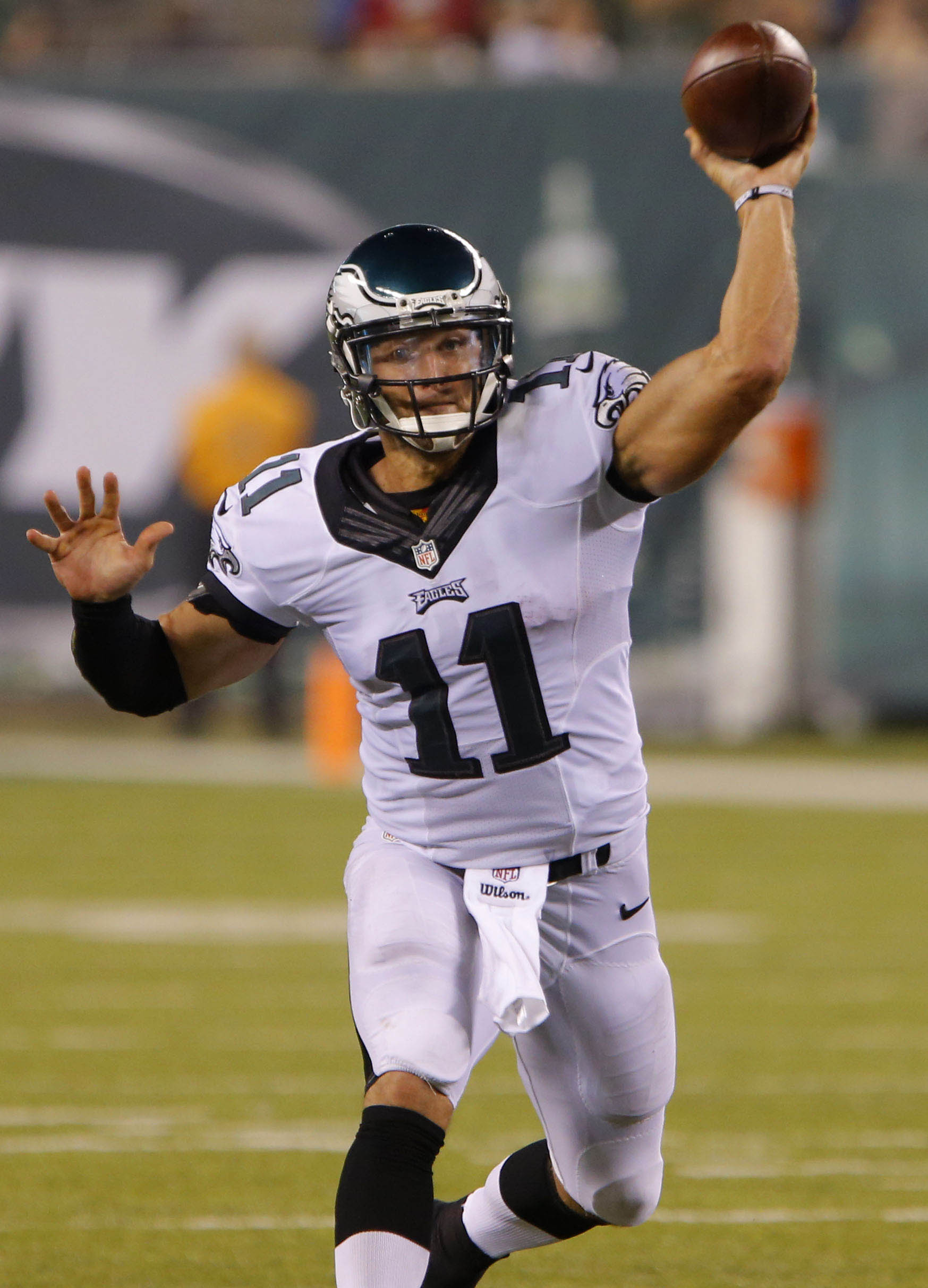 Of course, Tebow’s profile does not point to him providing a remedy for the Jags’ tight end issues. But the former Heisman winner, playoff starting quarterback and minor league outfielder generates considerable discussion and has throughout his time in the spotlight. Urban Meyer has both expressed concern for his tight end group and lauded Tebow’s leadership qualities.
Although he spent time with the Eagles and Patriots through the summer of 2015, Tebow has not played in a regular-season game since 2012 with the Jets. Should Tebow return to a game that counts in 2021, he would be only the fourth NFLer since the merger to return to the league after at least eight seasons away. Doug Flutie was the only player to do so without the 1987 players’ strike factoring into the equation; both the others — ex-Broncos offensive lineman David Diaz-Infante and former Chiefs QB Tony Adams — were replacement players in 1987.
Given Meyer and Tebow’s history, the recent Mets farmhand lasting beyond the summer probably should not be considered a shocking proposition. The Jags did not guarantee any of Tebow’s one-year, $920K contract, however, and the former Broncos first-round pick has never caught a pass in an NFL game. Tebow reportedly impressed Jags coaches at his new position during his workout and displayed ball-carrying chops at Florida and as a Bronco (660 rushing yards, six TDs in 2011). And the Jags do not have a host of roster locks at this position.
Should Tebow be released ahead of roster cutdown day, he would be eligible for Jacksonville’s practice squad. As strange as it would seem, given Tebow’s age (34 in August), a developmental/roster insurance role would make sense — if the Jags view him as a viable tight end, of course. This path may be amenable to Tebow, who spent multiple seasons with much younger teammates as part of the Mets’ minor league system. Practice squads increased from 10 to 16 players last year, but barring another change, the CBA calls for 12-man taxi squads in 2021.
On a slow weekend, weigh in with your view of Tebow’s comeback. Will he end up sticking with the Jags in 2021, or will his No. 85 jersey end up a collector’s item like Jerry Rice‘s No. 19 with the Broncos?
Will Tim Tebow make the Jaguars' roster?
-
Yes, he will make their 53-man roster 46% (1,577)
-
No 29% (976)
-
He will land on the Jags' practice squad 25% (840)
Total votes: 3,393
This Date In NFL Transactions History: Giants Acquire K Lawrence Tynes
On this date 14 years ago, the Giants and Chiefs pulled off a trade that probably would have been filed under one of our ‘Minor Transactions’ posts (had PFR existed at the time). While no one knew it at the time, the key player in the trade would ultimately play a major role in both of the Giants Super Bowl runs. On May 22, 2007, the Kansas City Chiefs traded kicker Lawrence Tynes to the Giants for a future seventh-round pick.
The 2001 undrafted free agent out of Troy had to spend a couple of years in the Canadian Football League before finally getting an opportunity with the Chiefs. He spent three years in Kansas City but didn’t do anything miraculous, converting only 78.2-percent of his field goals attempts. He also blew a field goal attempt in a playoff game against the Colts, drawing the ire of head coach Herm Edwards. The organization would later select UCLA’s Justin Medlock in the fifth-round of the draft, leading to Tynes departure.
The Giants seemed like a natural trade partner after losing Jay Feely in free agency, and they were looking for a veteran who could compete with former undrafted free agent Josh Huston. So, on May 22, 2007, the two teams pulled off the transaction, with Kansas City receiving a reported ‘undisclosed’ pick. We later learned that the mystery selection was a 2008 seventh-round pick (which ultimately turned into No. 239), which the Chiefs used on fullback Michael Merritt.
Tynes ended up winning the job for the Giants, and he proceeded to have a career year in 2007. He connected on a career-high 85.2-percent of his field goals, and he converted 40 of his 42 extra point tries. However, the kicker truly inserted himself into Giants lore with his performance in the 2007 postseason. At one point, Tynes was in the doghouse instead of the penthouse; in the NFC Championship Game, he missed a pair of fourth-quarter field goals (although one was on a bad snap), and the game ultimately went to overtime. However, Tynes redeemed himself by making a 47-yarder in overtime to send the Giants to the championship game. Tynes wasn’t the hero of the Super Bowl, but he still converted his one field goal attempt and two extra point attempts, earning himself his first ring.
Tynes missed most of the 2008 season with a knee injury, but he returned to the starting gig the following year. The kicker maintained his 83-percent(ish) field goal percentage in 2009 and 2010, but he started to show some cracks in 2011, missing five of his 24 field goal attempts. During the 2011 postseason, Tynes redeemed himself once again with playoff heroics. He kicked another game-winning field goal (this time against the 49ers in the NFC Championship Game), becoming the only player in NFL history to have a pair of postseason overtime/game-winning field goals. The Giants would again beat the Patriots in the Super Bowl, with the kicker making each of his field goal attempts in that game.
Tynes would spend one more season in New York, making a career-high 33 field goals. He signed with the Buccaneers the following offseason, but he missed the entire season thanks to a toe infection that ultimately led to a lawsuit against the team (if you’re curious, Google ‘Buccaners MRSA’). Tynes ultimately retired after getting released the following offseason.
When this trade was pulled off on May 22, 2007, it probably didn’t catch the attention of many fans. However, with the value of hindsight (and considering Tynes’ penchant for making dramatic overtime field goals in the playoffs), you could argue that this was one of the biggest transactions that influenced the Giants two Super Bowl runs.
This Date In NFL Transactions History: Bills Release Richie Incognito
On this date in 2018, the Bills moved on from their bizarre saga with Richie Incognito. They released the offensive lineman from the reserve/retired list, paving the way for him to play for another team. At the time, no one knew whether the veteran would get that opportunity. 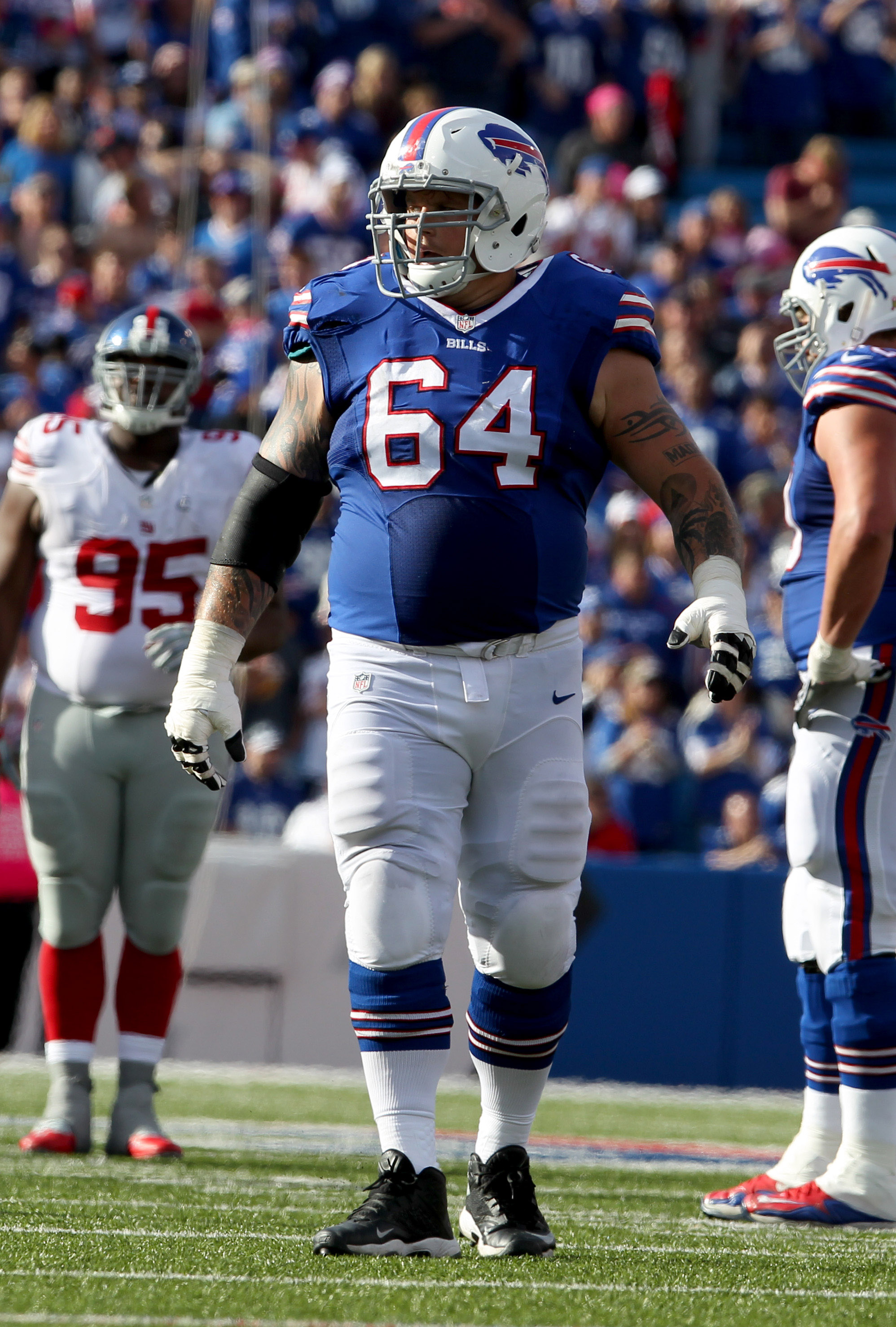
Incognito, a four-time Pro Bowler and one of the league’s best guards, made headlines for all the wrong reasons throughout his career. In 2013, he was alleged to have bullied and disparaged Dolphins teammate Jonathan Martin, which prompted Martin to leave the team and the NFL to suspend Incognito. After missing half of ’13 and all of ’14, he returned to the league with the Bills.
On the field, Incognito continued his excellence. He played every single snap for the Bills in 2015, earned a fresh ~$16MM deal prior to 2016, and graded out as one of the league’s best guards in 2017. The advanced metrics showed that Incognito was elite throughout those three years in Buffalo – he placed No. 2, No, 7, and No. 12 in the league in each of those seasons, according to Pro Football Focus.
Then, things turned once again. In March of 2018, Incognito agreed to rework the remainder of his contract, cutting his base salary in half. Weeks later, he fired his agent via Twitter. Then, Incognito retired, citing health issues and dissatisfaction with his deal.
“It pisses me the [expletive] off,” Incognito said. “The contract and all that pissed me [off] and all that, but (retiring) has nothing to do with that.”
The Bills placed Incognito on the retired list on April 12, 2018. On April 15, 2018, he requested his release. Then, on May 21, 2018 – about six weeks after Incognito announced that he was done with football – the Bills granted his request. Two days after that, Incognito caused a scene at a gym in Florida and told police that he believed he was being tracked by FBI agents for his possession of secret NSA documents. One psychiatric hold and a few months later, Incognito was arrested at an Arizona funeral parlor for threatening employees who refused to cut off his father’s head, which he wanted for research purposes.
Most in the football world figured that would mark the end of Incognito’s career, but Jon Gruden gave him another chance to play in 2019. Towards the end of another strong season, the Raiders inked the veteran to a new two-year, $14MM deal. Now, the veteran is in free agency limbo after missing all but two games last year due to injury. There was early chatter that the Raiders could bring him back, but that might not happen in the midst of their OL revamp. It’s not clear how much Incognito has left in the tank, but he’s not far removed from ’19 when he ranked as PFF’s 14th best guard.
PFR Poll: Who Will Julio Jones Be Playing For In 2021?
Julio Jones remains on the trade block. We learned earlier today that the star receiver is still available, and the Falcons would like to trade the future Hall of Famer.
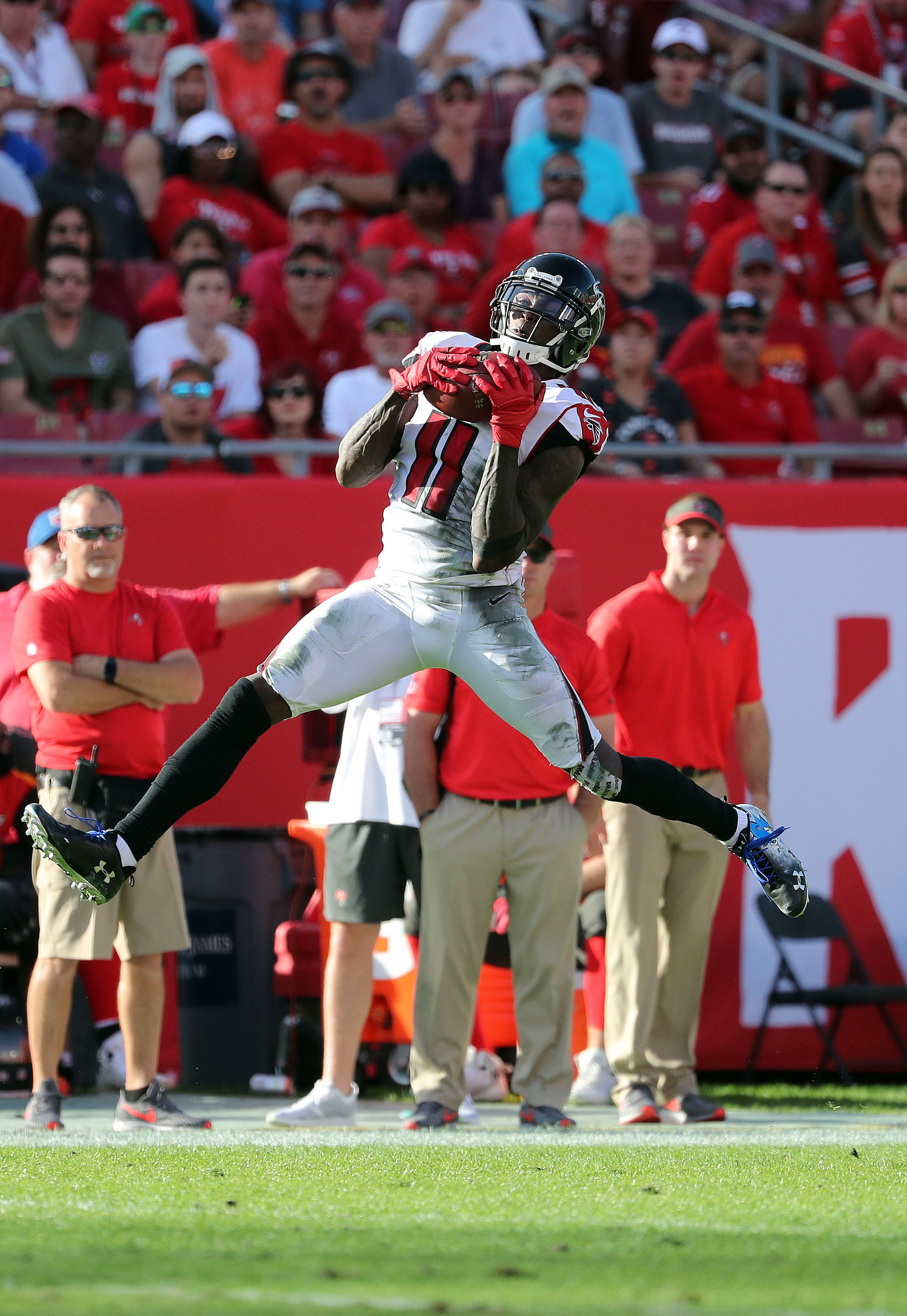 While Jones missed a handful of games in 2020, these trade rumors aren’t based on his production…there are few wideouts in the NFL who can compare to Jones’ consistent receiving numbers. Rather, the Falcons are shopping the veteran for financial reasons. The front office is currently sitting with around only $500K in cap space, and they still need to sign their draft class. With Jones earning an AAV around $22MM on his last extension, he’s always seemed like the likeliest cap casualty. GM Terry Fontenot even acknowledged that the team has to consider trading the seven-timer Pro Bowler.
“We are in a difficult cap situation,” Fontenot said. “That’s just the circumstance…Our administration has done an excellent job up to this point getting us in position to be able to manage the cap. Yet, we still have more work to do.
“So, when teams call about any players, we have to listen, and we have to weigh it and we have to determine what’s best for the organization, and we have to handle everything with class. Obviously, that particular player [Jones] — we hold him in high regard. He’s special…but we have to consider [listening on] any player if it’s right for the team, because we have to do what’s right for the team.”
There are some hurdles with a trade, particularly Jones $15.3MM salary for 2021. At this point of the offseason, it’s going to be tough for teams to find the cap room to afford the receiver…and, similar to the Falcons, few teams will want to renegotiate with Jones and pile money onto the later seasons of his contract. As a result, the Falcons reportedly aren’t seeking a first-round pick for the 32-year-old.
So, considering Jones’ talent and the Falcons asking price, a long list of teams have been mentioned as potential suitors for the receiver. So, that leads us to today’s question: who will Jones be playing for come Week 1 of the 2021 season? We provided a handful of candidates below.
Tennessee Titans
The Titans have been mentioned as a potential suitor for Jones ever since the wideout hit the block, and the connection makes plenty of sense. The team hasn’t really filled the hole on their depth chart left by Corey Davis, who signed with the Jets. If the Titans want to continue their postseason momentum, pairing A.J. Brown with Jones would make for one of the best receiver tandems in the league. Plus, new Falcons head coach Arthur Smith had spent the previous decade in Tennessee, so he’d certainly have some good words about the organization if Jones tries to control his own fate.
For what it’s worth, running back Derrick Henry made it abundantly clear on Twitter today that he’d welcome the future Hall-of-Fame receiver to Tennessee.
The downside? The Titans don’t have a whole lot of cap space, so it’d be tough to fit Jones’ massive contract on their books.
Las Vegas Raiders
Jon Gruden has been hunting for a big-name wide receiver since he joined the Raiders organization. He played a role in the infamous acquisition of Antonio Brown, and they used their 2020 first-round pick on Henry Ruggs III. In other words, the head coach would undoubtedly be a supporter of a Jones acquisition. Besides Gruden’s apparent attraction to top wideouts, the team also kind of needs help at the position; their top-three options are currently Ruggs, John Brown, and Hunter Renfrow.
The Raiders still have around $10MM in cap space, so while they’d have to overcome a few financial hurdles to acquire Jones, it certainly wouldn’t be impossible.
New England Patriots
The Patriots have made headlines for revamping their offense this offseason. The team added the two top free agent tight ends in Hunter Henry and Jonnu Smith, they acquired Trent Brown to solidify the offensive line, and they drafted Mac Jones to compete with Cam Newton at quarterback. However, the team’s wide receivers are still a bit underwhelming. The team dished out some money on Nelson Agholor and Kendrick Bourne, but neither of those players really profile as top-end receivers.
Bill Belichick has seemingly had a love-hate relationship with receiver acquisitions over the years, as he often provided Tom Brady with too many receivers or not enough receivers. The Patriots currently have a clear need for a receiver, and Jones would certainly help their quest to return to the postseason. Plus, the Patriots are currently sitting with $15MM in cap space, which would be almost enough to acquire Jones without any funny cap machinations.
San Francisco 49ers
The 49ers are clearly all-in on this current iteration of this team, as they’ve sacrificed their first-round picks through 2023 in order to snag Trey Lance with the third-overall pick. With that in mind, giving up a handful of non-firsts for a star receiver doesn’t seem like a huge risk when the cupboard is already a bit empty.
Plus, while it remains unseen if Lance or Jimmy Garoppolo will be under center for Week 1, the 49ers could use a player of Jones’ caliber. The team hasn’t had a 1,000-yard receiver since Anquan Boldin in 2014, and Jones would provide the starting quarterback with another Pro Bowl talent alongside tight end George Kittle.
The 49ers have more than $17MM in cap space, and they could carve out even more space if they decide to move on from Jimmy G. If any suitor has the financial flexibility to add Jones, it’s San Francisco.
Atlanta Falcons
Financial ramifications aside, keeping Jones in Atlanta also makes plenty of sense. The wideout has established himself as one of the top players in franchise history, he’s been incredibly productive throughout his career, and he’s only played in fewer than 10 games twice (of course, one of those seasons came in 2020). Plus, if the Falcons have any hope of returning to the Super Bowl with Matt Ryan as their starting quarterback, a loaded offense would certainly help. Jones would just be one of the many talented targets in Atlanta, along with former first-round receiver Calvin Ridley and the No. 4 pick in the 2021 draft, tight end Kyle Pitts.
We could have listed at least a handful of other teams on this list: the Chargers, Ravens, Colts, and Packers have also been listed as potential suitors (by both pundits and bookies). But for the sake of a tidy poll, we’ll group each of those teams into the “other category.”
So, with all that said, who do you think Julio Jones will be playing with to begin the 2021 campaign? Vote in the accompanying poll, and let us know your thoughts in the comments!
Who Will Julio Jones Be Playing For In 2021?
-
Other 24% (835)
-
Atlanta Falcons 21% (726)
-
New England Patriots 20% (714)
-
San Francisco 49ers 14% (506)
-
Las Vegas Raiders 12% (429)
-
Tennessee Titans 8% (282)
Total votes: 3,492