
PFR Originals: 11/25/18 – 12/2/18
The original content and analysis produced by the PFR staff during the past week:
- Last Wednesday, I asked PFR readers which team will emerge victorious in the NFC East. The Cowboys are viewed as the favorite both by statistical models and by our voters, and their position got even stronger following a surprising victory over the Saints on Thursday night. The Redskins and Eagles aren’t completely out of the divisional race, however, and they’ll face each other in a critical Monday night matchup.
- Using ESPN’s playoff probability leverage, I asked PFR readers which Week 13 game was the most important. ESPN’s metric pointed to Redskins/Eagles as Week 13’s most important contest, and our respondents agreed, although Chargers/Steelers finished in a very close second.
- Zach Links looked at the free agent case of Patriots defensive end Trey Flowers, who is projected to hit the open market next spring. Flowers be part of a stacked edge defender class that also includes Jadeveon Clowney, Frank Clark, Dee Ford and Demarcus Lawrence. New England head coach Bill Belichick doesn’t typically pay up front seven defenders, but the Pats could make an exception for Flowers.
- While the AFC playoffs are largely set aside from the No. 6 seed, there is still jockeying to be done at the top of standings. With that in mind, Sam Robinson asked PFR readers which club should be considered the favorite for the No. 1 overall seed in the AFC. The Chiefs took the top spot with roughly 44% of the vote, while the Patriots came in second at 36%.
Poll: Who Will Be AFC’s No. 1 Seed?
Five two- or three-loss teams comprise the AFC’s group of surefire contenders. The Chiefs, Patriots, Texans, Steelers and Chargers are almost certain to extend their seasons into January.
But which team will wind up with the No. 1 seed? That question becomes more interesting after the events in Kansas City on Friday.
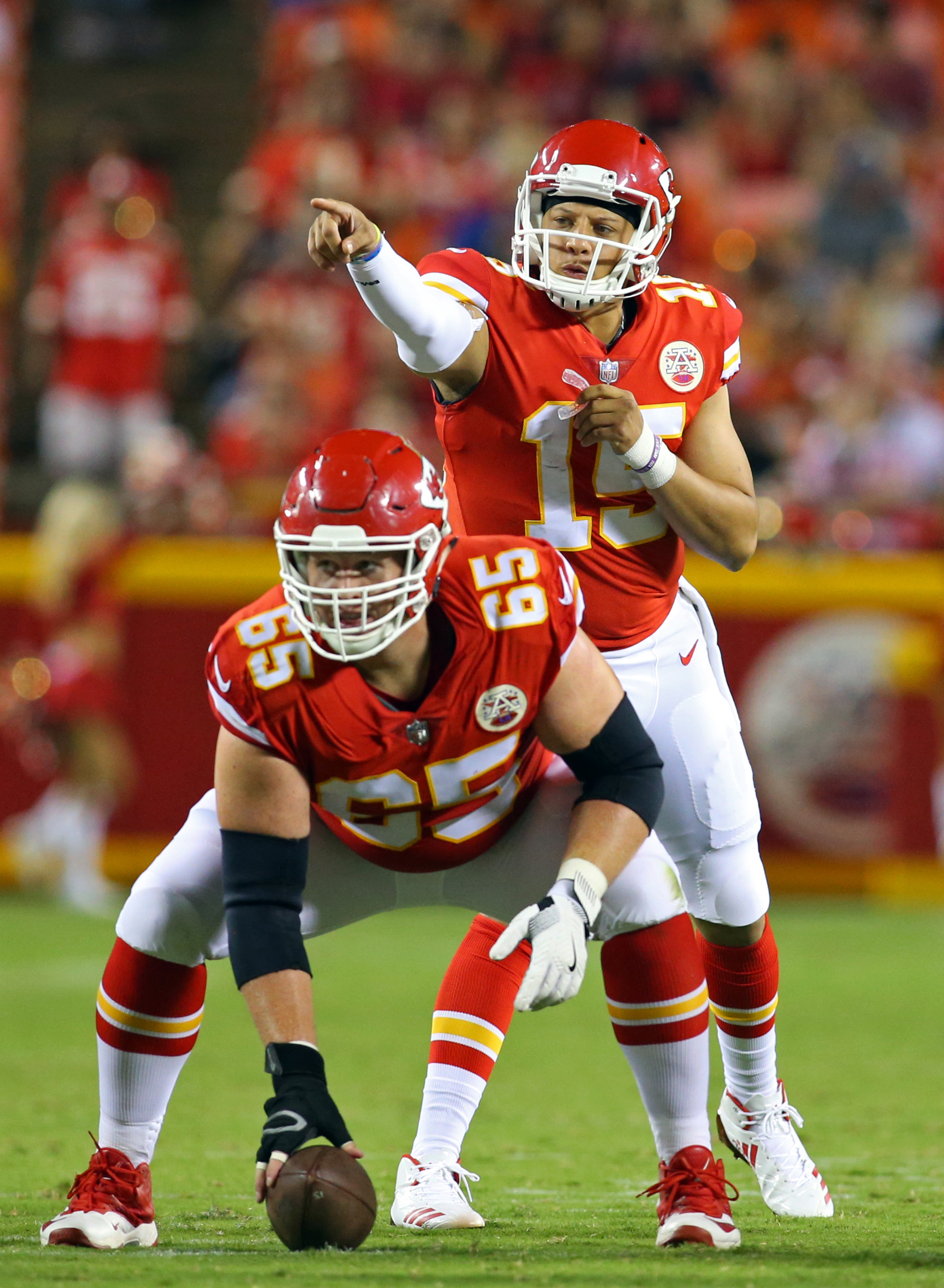 Although Sammy Watkins has missed time for the Chiefs this season, they trotted out their top offensive threats in every game. The Patrick Mahomes–Travis Kelce–Tyreek Hill–Kareem Hunt quartet led Kansas City to a 9-2 record — with losses coming by a combined six points against teams with a combined 18-4 record — and a runaway DVOA lead, but the NFL’s reigning rushing champion won’t be joining his former teammates Sunday in Oakland after the Chiefs cut him. Hunt totaled 1,202 yards from scrimmage for the Chiefs this season; no other K.C. back has more than 300. But next-man-up Spencer Ware did amass 1,368 for the 2016 Chiefs.
This may open the door for the franchise that has secured the AFC’s No. 1 seed in five of this decade’s eight seasons. Only two AFC franchises have held home field in the 2010s — New England and Denver — and no other team has represented the conference in a Super Bowl in six years.
The Chiefs have not had home-field advantage since 1997 but entered the week having the inside track to make the playoffs go through western Missouri. Football Outsiders gives Kansas City a 74 percent chance to lock down the No. 1 seed.
They have two games remaining against the 2-9 Raiders and also will be home against the Chargers, who haven’t won this matchup since 2013, and Ravens. The Chiefs must travel to Seattle in Week 16, and their margin for error may be slim.
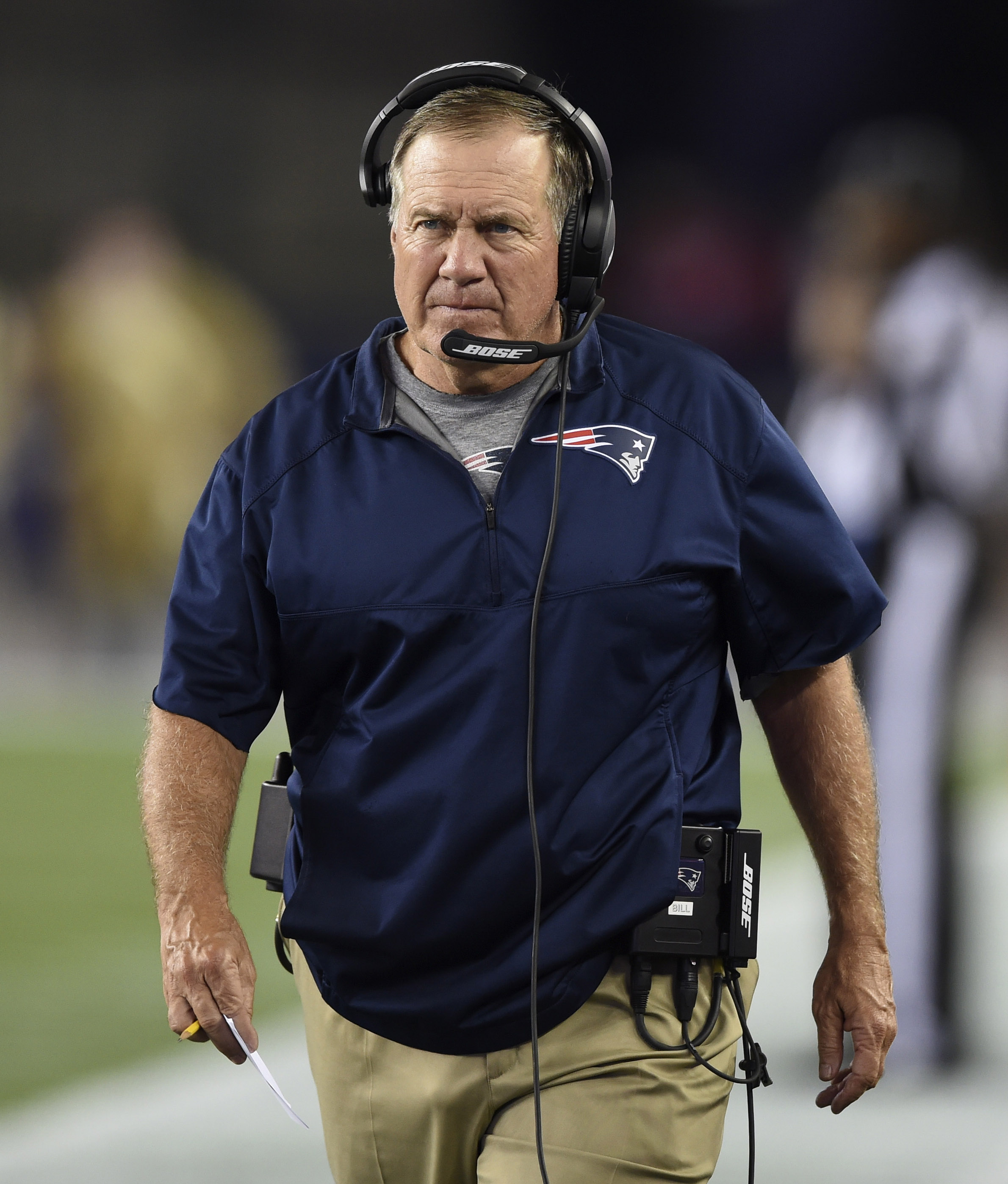 The Patriots’ AFC East rivals are again cooperating with New England’s hopes of earning a bye and possibly the 1 seed, and three of the Pats’ final five games are against the Bills, Jets and Dolphins. Football Outsiders, however, gives the Patriots merely a 13 percent chance of securing home-field advantage. But they own head-to-head tiebreakers over the Chiefs and Texans. Despite this being a less-than-dominant Patriots edition (ninth DVOA, seventh in scoring offense, 12th on defense), they have an interesting chance to obtain home field again.
New England is 19-3 in Foxborough playoff games under Bill Belichick and 3-4 away from home in January, making that position rather important.
Football Outsiders tabs Houston, Pittsburgh and Los Angeles as long shots, with none carrying better than a 6.9 percent chance (the Texans) to avoid January travel.
Houston, though, leads the contender pack with the No. 4 DVOA defense and plays just one winning team — the 6-5 Colts — the rest of the way. The Texans are riding the longest win streak in football and are the first team to win eight straight after starting 0-3. The Steelers and Chargers will encounter tougher opposition. Games against the Bolts, Patriots (both at home) and Saints still loom for the Steelers. Road trips to Kansas City and Denver are ahead for the Chargers, who also host the Ravens in Week 16.
Los Angeles is fourth in weighted DVOA and, especially with Joey Bosa back, possesses a far superior defense to the Chiefs. Will that end up mattering come Week 15 in what’s been a one-sided rivalry as of late?
So, which one of these teams will end up with the conference’s coveted postseason real estate? Vote in PFR’s latest poll and weigh in with your thoughts in the comments section.
Who will be the AFC's No. 1 seed?
-
Kansas City Chiefs 43% (392)
-
New England Patriots 37% (339)
-
Los Angeles Chargers 9% (82)
-
Houston Texans 6% (51)
-
Pittsburgh Steelers 5% (43)
Total votes: 907
Free Agent Stock Watch: Trey Flowers
Sack artists tend be among the highest earners in free agency, but in 2019 we’ll find out whether the same applies to a defensive end who has generated a ton of pressure against opposing QBs without a ton of sack dances. We’re talking about Patriots standout Trey Flowers, who will look to cash in among a star-studded class of edge rushers. 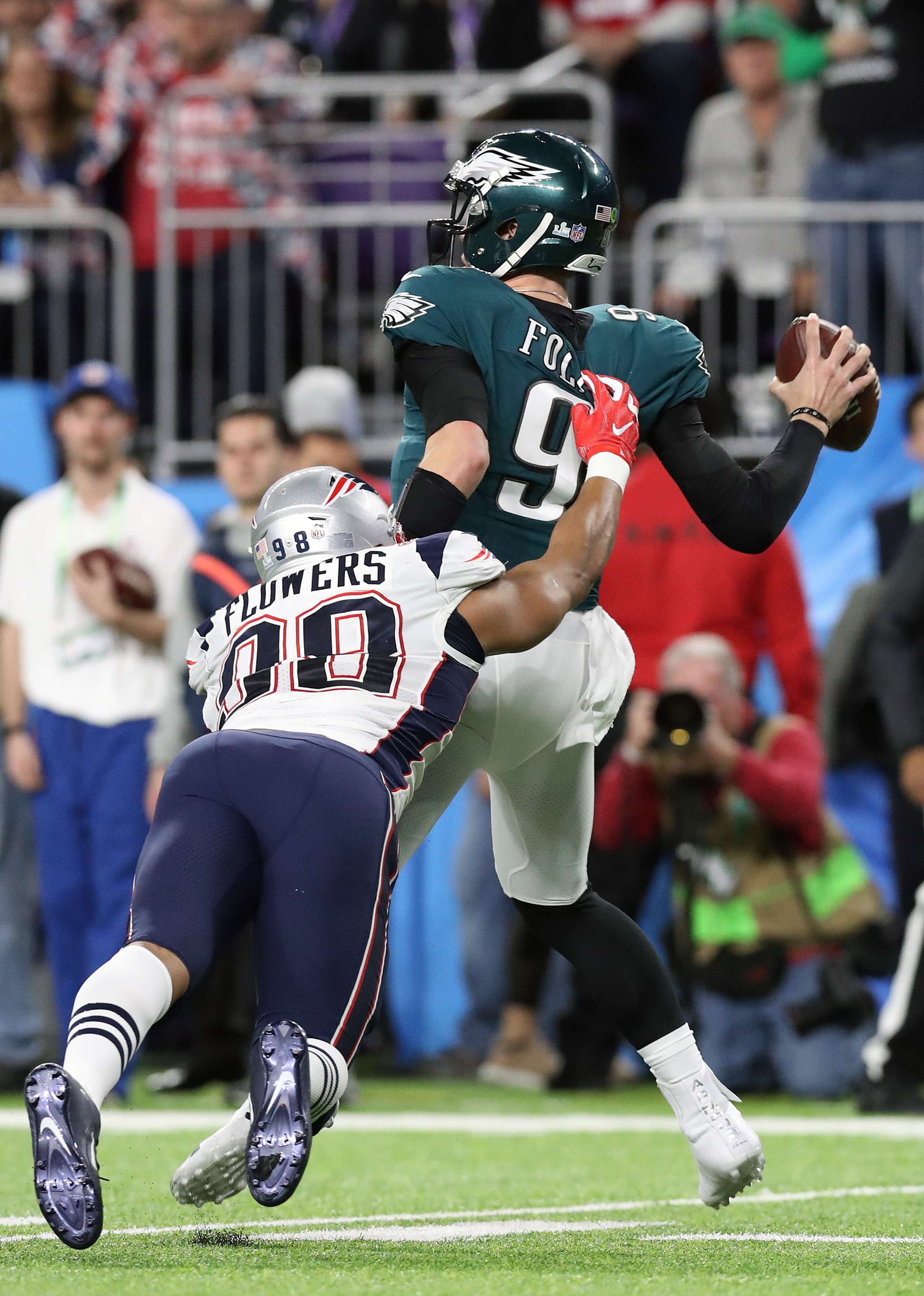
This spring, teams will be champing at the bit for free agents like Frank Clark (10 sacks), Dee Ford (9 sacks), DeMarcus Lawrence (9.5 sacks), Jadeveon Clowney (7 sacks). Flowers, meanwhile, has just 3.5 sacks through ten games this season, meaning that he’s on pace for less takedowns than his seven sacks in 2016 and his 6.5 sacks last year.
Of course, sacks don’t tell the whole story when it comes to evaluating edge rushers. Flowers has been terrorizing opposing QBs all season long and Jets signal caller Josh McCown can attest to that after he was hit four times by the Arkansas product last week. Heading into the meat of Week 13, Flowers ranks as Pro Football Focus’ No. 2 ranked edge defender, behind only Texans superstar J.J. Watt. That’s not too shabby for a player who won’t turn 26 until August.
Watt, by the way, is under contract through 2021 thanks to the six-year, $100MM contract extension he inked in 2014. Given the widespread need for high-level pass rushers, the increase of the salary cap, and the advancement of the market for DEs, it’s possible that Flowers can flirt with or best Watt’s $16.67MM average annual value.
The Patriots typically don’t shell out big bucks for defensive linemen, but they may want to make an exception here. The Patriots’ group of defensive ends beyond Flowers is far from star-studded and they should have the cap room to make his salary fit. A long-term extension with Flowers would cost no less than $13MM annually, so if they’re unwilling to commit, they can franchise tag Flowers for about $17.1MM.
If Flowers hits the open market, what kind of contract will he command? Which teams do you think will be in the mix for him? Let us know your thoughts in the comment section.
Poll: Most Important Game Of Week 13?
We’re just five weeks away from the 2018 NFL postseason, and Week 10 offers a number of intriguing matchups that could impact the playoff race. With so much on the line, which game is the most important?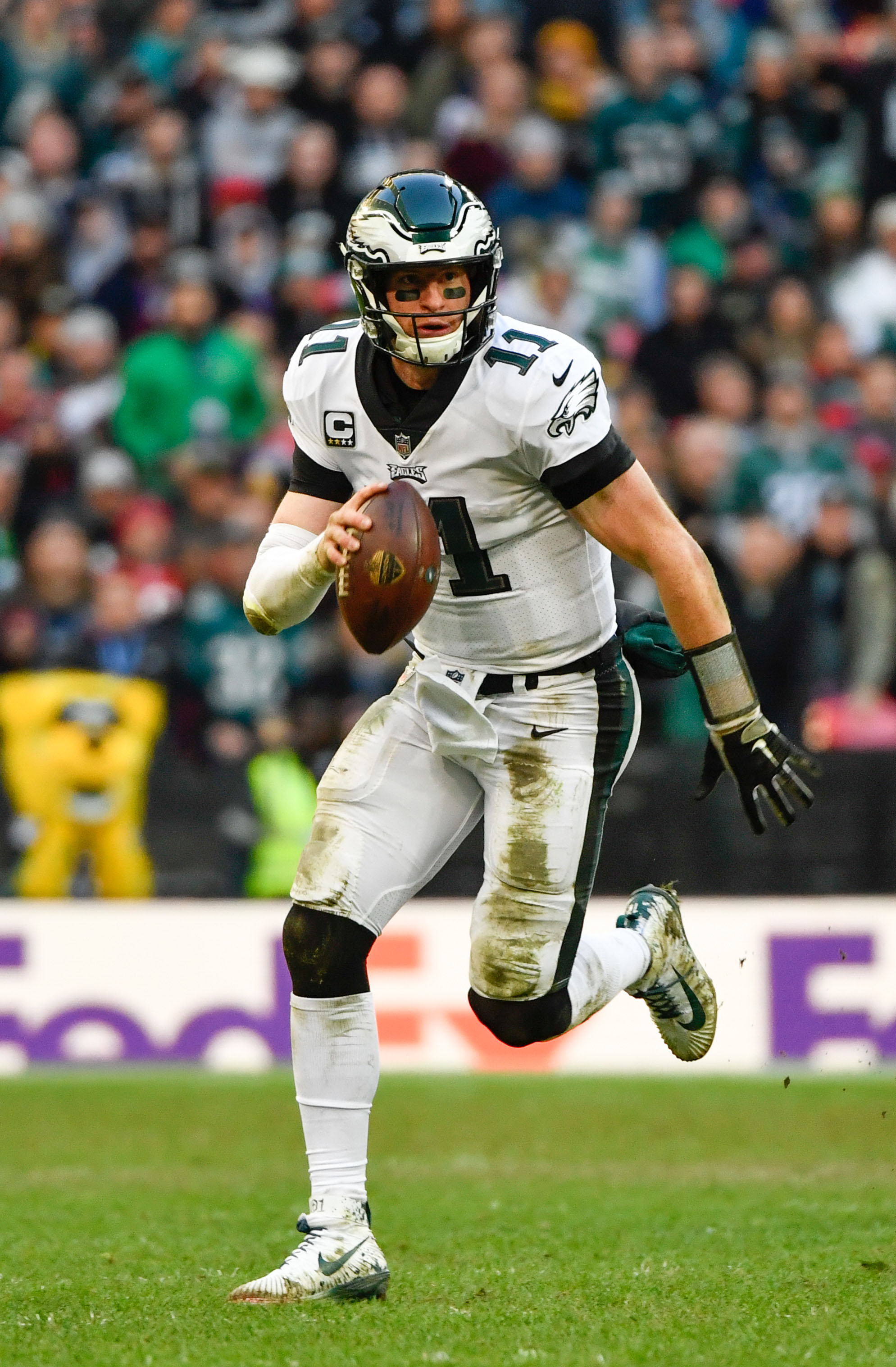
For some context, we’ll use Brian Burke of ESPN’s Playoff Probability Leverage, which Burke tweets out weekly. In short, playoff probability leverage indicates the change in chance of making the playoffs based on the results of the selected game. For example, the Rams, Patriots, Saints, and Chiefs are so assured of earning a postseason appearance that this week’s contests have limited meaning for them (less than 1% playoff leverage). The Lions, Buccaneers, Giants, 49ers, Cardinals, Bills, Jaguars, Jets, and Raiders will also face low playoff leverages because they have virtually no chance of making the postseason.
But for other clubs, Week 10 could mean everything. And by combining the playoff probability leverages of the two teams involved in a selected game, we can determine which contests will most determine the postseason entrants:
- Washington Redskins (38%) at Philadelphia Eagles (16%) = 54%
- Baltimore Ravens (32%) at Atlanta Falcons (4%) = 36%
- Indianapolis Colts (30%) at Jacksonville Jaguars (1%) = 31%
- San Francisco 49ers (0%) at Seattle Seahawks (31%) = 31%
- Minnesota Vikings (26%) at New England Patriots (1%) = 27%
- Carolina Panthers (24%) at Tampa Bay Buccaneers (1%) = 25%
- Denver Broncos (15%) at Cincinnati Bengals (5%) = 20%
- Los Angeles Chargers (7%) at Pittsburgh Steelers (7%) = 14%
Week 13 is a strange week in terms of playoff leverage, as nearly every matchup with a combined leverage of at least 20% is extremely one-sided. In other words, a lot of the games this week are critical for one team involved, and nearly irrelevant for the other club. In fact, there are only three contests in which both teams face leverage of at least five percent: Redskins/Eagles, Broncos/Bengals, and Chargers/Steelers. In the latter case, neither Los Angeles nor Pittsburgh is in danger of missing the postseason, but their showdown could be important for playoff seeding.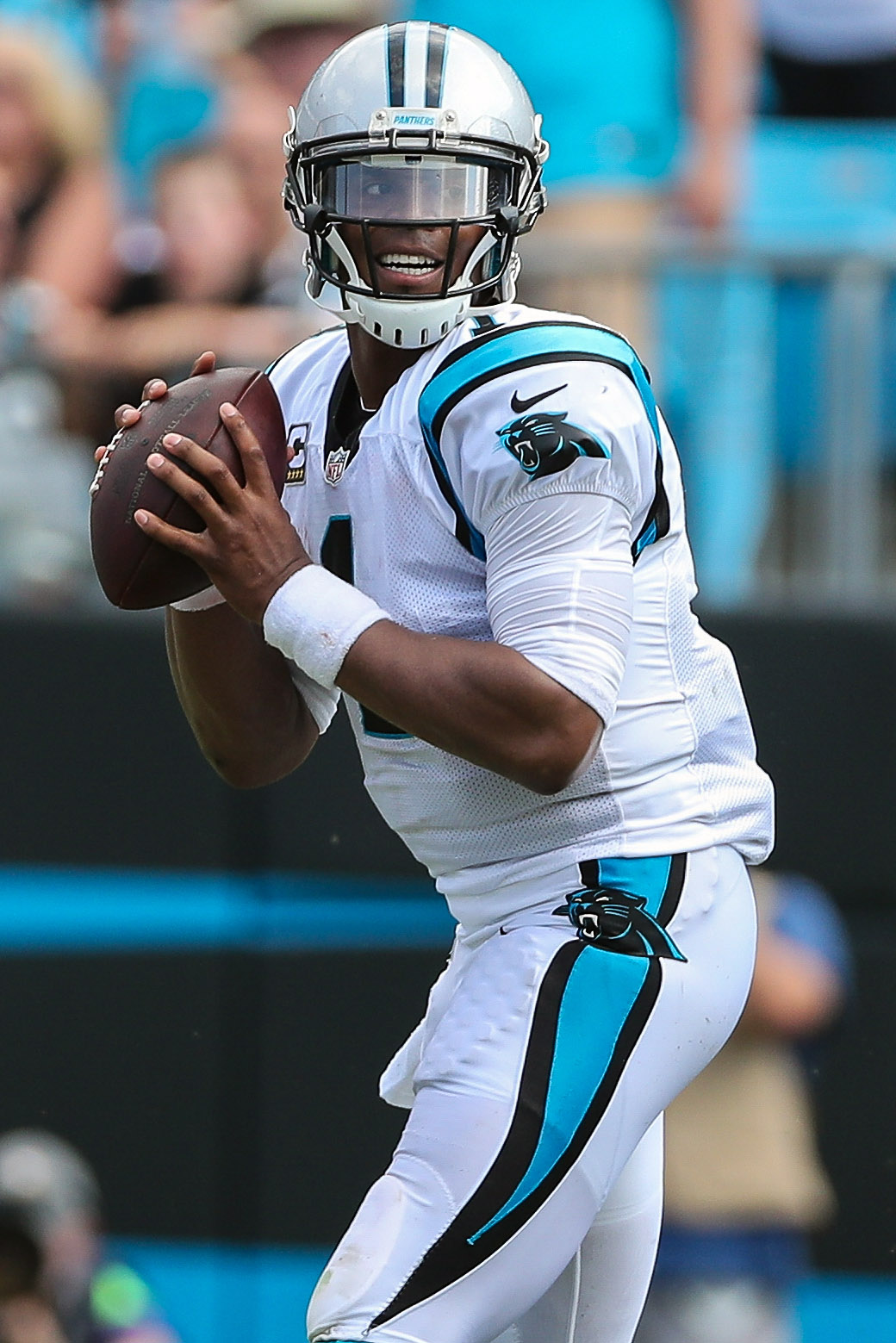
It’s also important to note that not all playoff probability leverages are created equally. For example, even if the Cowboys — who face a 23% PPL — lose to the Saints on Thursday, they’ll still have a greater than 55% chance of making the postseason. On the other hand, the Eagles, while facing a similar PPL to the Cowboys (24%), will have roughly a one-in-ten chance of earning a postseason berth if they fall to the Buccaneers. If Philadelphia wins, that number rises to about 35%.
So, what do you think? Are the numbers right — is Redskins/Eagles the most critical game of the weekend? Or does a contest farther down the playoff probability leverage spectrum, such as Broncos/Bengals mean more? Vote below, and add your thoughts in the comments section! (Link for app users).
Which is the most important Week 13 game?
-
Redskins at Eagles 31% (322)
-
Chargers at Steelers 31% (321)
-
Vikings at Patriots 23% (237)
-
Ravens at Falcons 4% (44)
-
Broncos at Bengals 4% (38)
-
49ers at Seahawks 3% (35)
-
Colts at Jaguars 3% (29)
-
Panthers at Buccaneers 2% (17)
Total votes: 1,043
Poll: Who Will Win The NFC East?
From a divisional perspective, the NFL playoff race isn’t all that exciting in 2018. While there is certainly intrigue regarding the No. 6 seed in the AFC, and the NFC wild card race still needs to shake out, there is only one divisional race that is truly up for grabs. The NFC East is still wide open at the moment, with three clubs still realistically in the hunt to take the division crown.
Let’s take a closer look at each contending team in the NFC East, along with their odds of winning the division via the New York Times, FiveThirtyEight.com, and Football Outsiders:
Dallas Cowboys
- NYT: 52%
- 538: 60%
- FO: 49.4%
Two weeks ago, I asked PFR readers which team that wasn’t at first place at the time still had a shot of winning its division. The Cowboys had roughly a 10% chance of taking the NFC East, and only nine percent of PFR readers believed Dallas was the most likely non-first place club to end up as division champions. Oh, how things have changed. The Cowboys have won two consecutive games since (bringing their current win streak to three), first defeating the Falcons before winning a critical matchup over the Redskins on Thanksgiving. Dallas has topped 130 yards rushing in each of its last three contests, while Dak Prescott has remained interception-free during the same period.
Washington Redskins
- NYT: 31%
- 538: 39%
- FO: 29.9%
The Redskins looked to be in the NFC East driver’s seat as recently as two weeks ago, but they’ve since lost two straight games and their starting quarterback. Alex Smith was certainly limited as a passer, but Colt McCoy is perhaps even more restricted under center. Additionally, the interior of Washington’s offensive line has been absolutely decimated, which could present even more problems for the 6’2″ McCoy. The Redskins will face the easiest remaining schedule of the three NFC East contenders (indeed, the third-easiest remaining slate in the league, per FO), but they’ll go up against the Eagles in two tough matchups, the first of which comes this Monday night.
Philadelphia Eagles
- NYT: 16%
- 538: 24%
- FO: 20.5%
Back in August, PFR readers deemed the Eagles as the least likeliest 2017 division winner to miss the postseason in 2018. But if the season ended today, they’d be one of only two 2017 division champions (along with the Jaguars) to not make the playoffs this year. Philadelphia’s fate certainly isn’t sealed — they’ll get to play Washington twice more, and face a pivotal Week 14 game against Dallas. But the Eagles’ other two contests are against the Rams and Texans, two clubs who can certainly take advantage of Philadelphia’s secondary woes. The Eagles can likely only afford one more loss over the remainder of the season.
So what do you think? Which one of these teams is going to win the NFC East crown? Vote below, and leave your additional thoughts in the comments section.
Who will win the NFC East?
-
Dallas Cowboys 54% (661)
-
Philadelphia Eagles 31% (378)
-
Washington Redskins 15% (177)
Total votes: 1,216
5 Key Stories: 11/18/18 – 11/25/18
Latest arrest ends Reuben Foster‘s 49ers tenure: The 49ers cut the cord on Foster after his third arrest of 2018. Foster was arrested for first-degree domestic violence battery Saturday night in south Florida. The alleged victim is Foster’s ex-girlfriend, who admitted to making false allegations that led to the linebacker’s arrest earlier this year. Foster avoided a conviction (but not an NFL suspension) on the previous charges — for marijuana possession and domestic violence — but GM John Lynch and ownership agreed on the decision to waive Foster. He will be on the waiver wire but would obviously be a controversial claim. The 2017 first-round pick has shown flashes of dominance and may well receive another chance. But for now, he saw his repeated off-field issues lead the 49ers to move on from him.
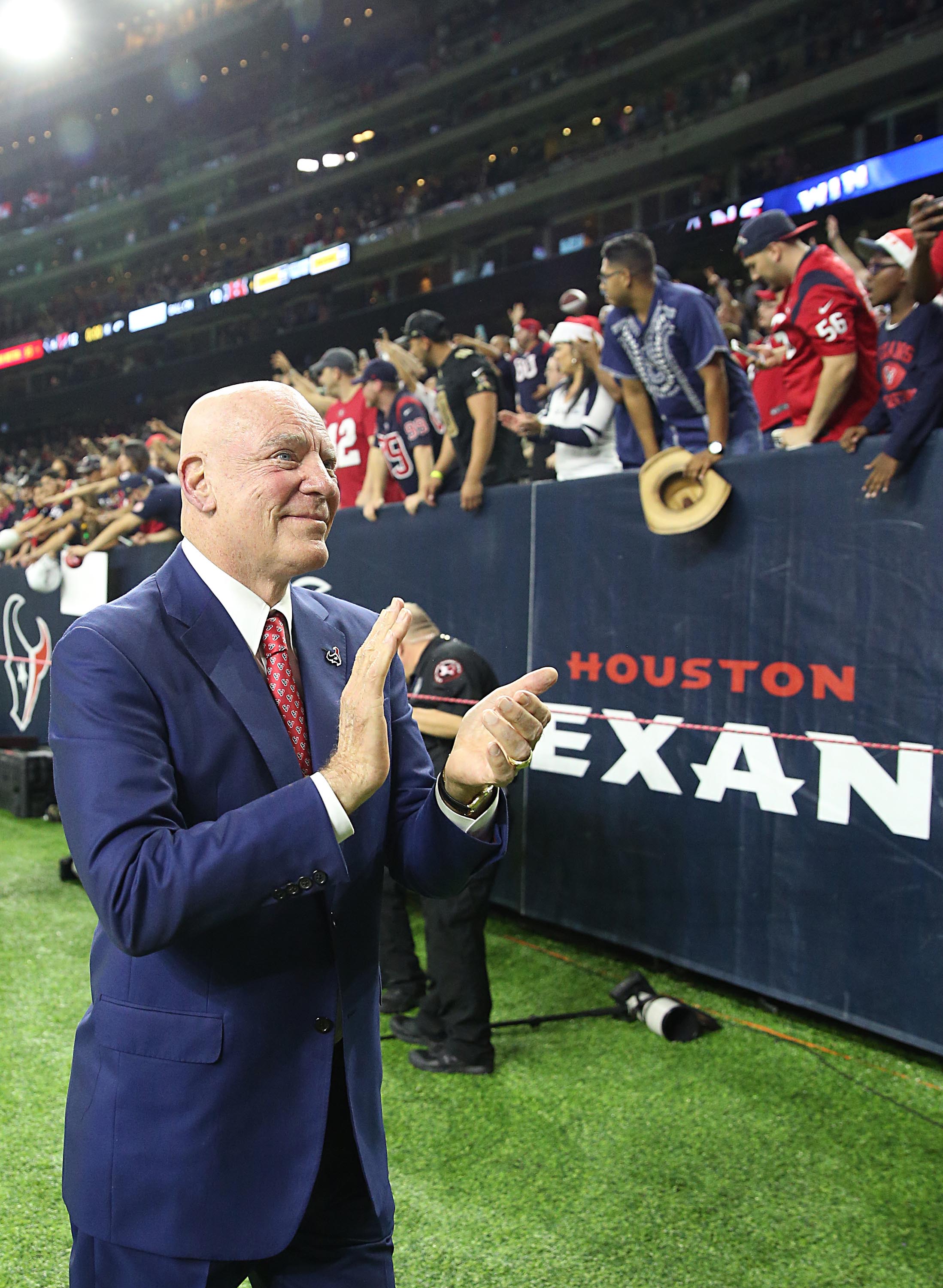 Texans owner Bob McNair dies: The Texans’ owner since their inception, McNair died on Friday at the age of 81. He was battling multiple types of cancer. He purchased an expansion team in 1999, three years before the Texans debuted, and oversaw three AFC South championships. McNair previously pursued ownership opportunities with the Dolphins and Rams but ended up bringing football back to Houston, doing so six years after the Oilers’ departure.
Jadeveon Clowney unlikely to hit market: The Texans are planning to apply their 2019 franchise tag to Clowney, who is in the final season of his five-year rookie contract. This will be an interesting process, since Clowney’s primary role is to rush quarterbacks. He’s listed as a defensive end/linebacker on Houston’s roster. Clowney’s camp will surely argue he should earn the defensive end tag (roughly $17MM), but he could also be tagged as a linebacker (roughly $15MM). The 2014 No. 1 overall pick would be in line for a $20MM-plus-AAV deal were he to hit the market.
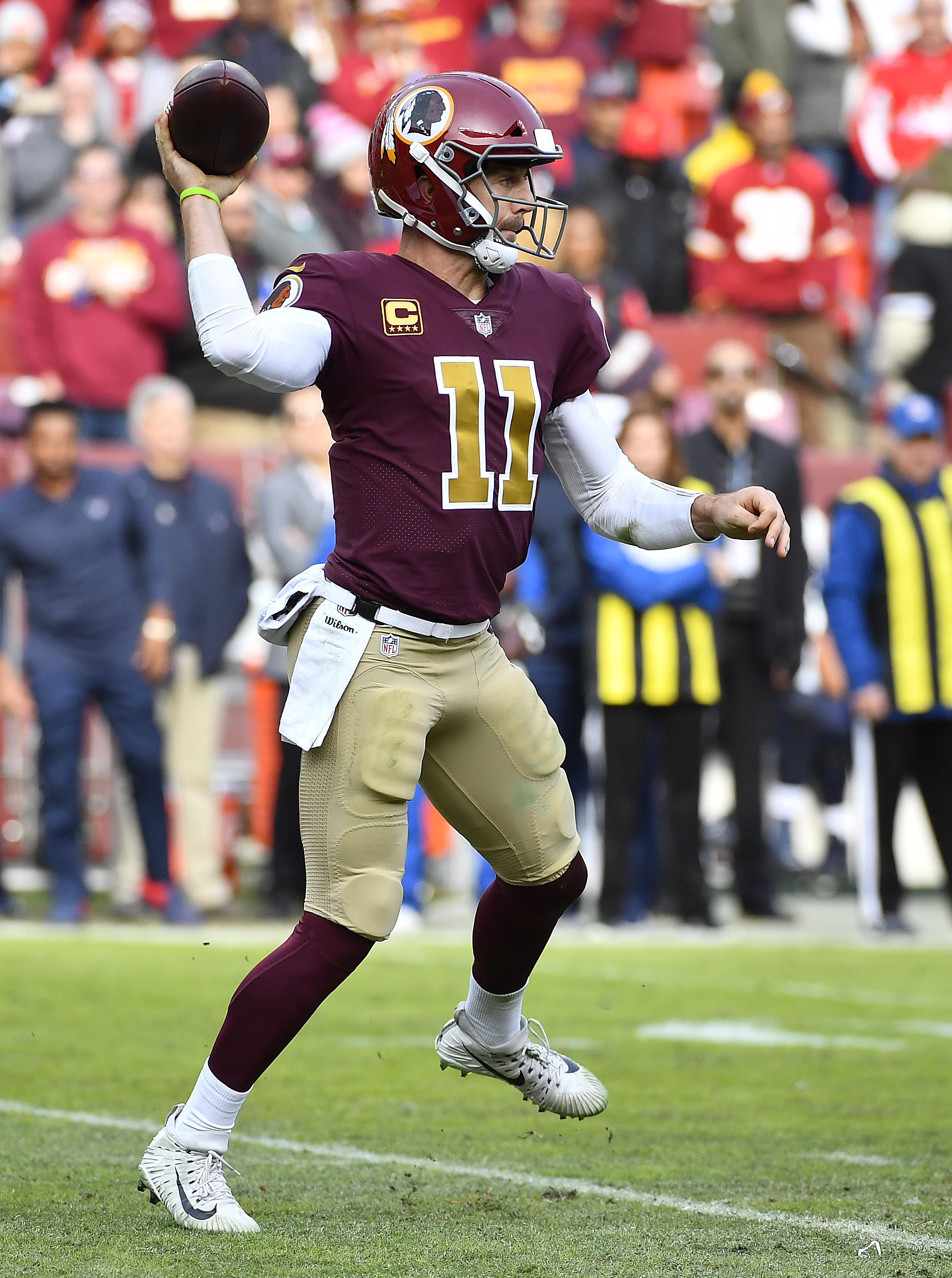 Alex Smith recovery timeline illuminated: Suffering a Joe Theismann-esque injury in 2018 will give the current Redskins quarterback a chance at continuing his career, which Washington’s Super Bowl-winning signal-caller did not receive in 1985. Smith’s recovery process from his broken leg is expected to take between six and eight months. This would put training camp as a potential goal for the former No. 1 overall pick. The 34-year-old passer signed a four-year extension that runs through the 2022 season. Washington will go with Colt McCoy for the time being and signed Mark Sanchez to be the longtime backup’s new backup.
Browns’ coaching search heating up: Gregg Williams led the Browns to another victory on Sunday, but the team is expected to conduct a thorough search to replace Hue Jackson. Despite his rough stint in Denver and recent decision to spurn the Colts, Josh McDaniels has been connected to the Cleveland opening. The Cleveland-area native isn’t the only big name that may be involved. The Bruce Arians-Browns rumors continue to swirl, and the team is also expected to contact another Cleveland-area native: Iowa State head coach Matt Campbell. Meanwhile, Jackson’s futility in northeast Ohio may not dissuade the Bengals from naming him as Marvin Lewis‘ successor. That was once the rumored plan and may be again.
PFR Originals: 11/18/18 – 11/25/18
The original content and analysis produced by the PFR staff during the past week:
- As part of our ‘This Date In NFL Transactions History’ series, our Ben Levine took a look back at the suspension of Panthers defensive end Frank Alexander. Alexander was a very promising young player who saw his career cut extremely short by off-field troubles. The suspension he earned in 2015 was his third for violating the league’s substance abuse policy in just a couple of years in the NFL, and ultimately ended his career.
- Around this time of year, people start paying more and more attention to potential draft order. Many teams are having abysmal seasons, and there’s a crowded field of teams all in position to pick very early in the draft. Our Zach Links asked readers in a poll which team was most likely to wind up with the first overall pick, and laid out the case for each side. The Raiders won the poll, garnering 49.2% of the votes with the Cardinals coming in second place.
This Date In NFL Transactions History: Frank Alexander
On this day in 2015, Panthers defensive end Frank Alexander earned his third and final suspension from the NFL. Now, this shouldn’t be confused for a good thing. Rather, the punishment ultimately spelled the end of the player’s NFL career.
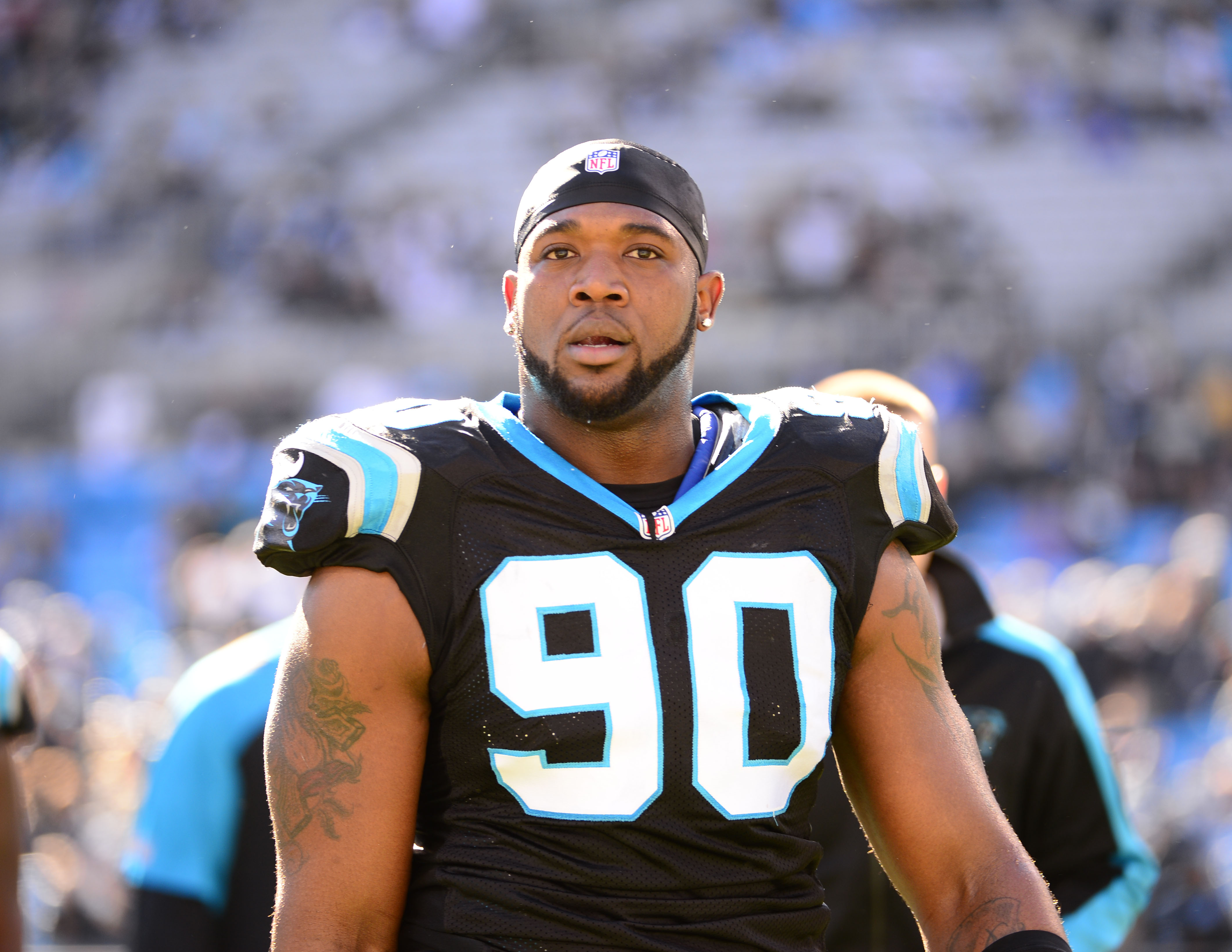 The Panthers used a fourth-round selection (No. 104) on the Oklahoma product during the 2012 draft, and it looked the organization may have found a diamond in the rough. The 6-foot-4, 270-pound lineman looked productive during his rookie campaign, compiling a modest 18 tackles, 2.5 sacks, and three passes defended in 16 games (three starts). While his counting stats took a step back in 2013, Alexander was just as productive on the field. He finished his sophomore season with 15 tackles, one sack, and two passes defended.
While Alexander was still backing up Greg Hardy and Charles Johnson heading into the 2014 season, he was expected to take on a bigger role on the defensive line. However, during the 2014 offseason, he was handed a four-game suspension for violating the NFL’s substance abuse policy. He was slapped with another 10-game suspension before the aforementioned suspension ended, and he ended up appearing in a single game during the 2014 season. Presumably no one would have guessed that that’d end up being his final NFL regular season appearance.
Alexander tore his Achilles during the 2015 preseason, and after being waived/injured by the Panthers, he landed on the team’s injured reserve. Then, three years ago today, the defensive end was slapped with a one-year suspension for his third marijuana violation. He was actually one of three Panthers players to be handed a suspension in a two-game span, as defensive end Wes Horton and wide receiver Stephen Hill were punished the day before.
The Panthers didn’t necessarily miss Alexander during that season, as they ended up reaching the Super Bowl. As for Alexander, he was unable to garner much interest from NFL teams, and he ended up catching on with the BC Lions of Canadian Football League. The 28-year-old still hasn’t appeared in a game with his new organization, and it appears that his professional football career has likely come to an end.
Poll: Who Will Pick First In The 2019 NFL Draft?
With just five weeks left in the regular season, the playoff picture is starting to take shape. And, of course, the race to the bottom is gaining clarity as well.
With some help from the Football Outsiders’ DVOA On the Clock report, let’s run down some of the candidates for the top pick in the 2019 NFL Draft:
Arizona Cardinals (30.8% chance of No. 1 pick, 88.8% chance of top-five pick)
Sunday’s contest between the Cardinals and Raiders was not exactly must-watch television, but it did carry serious NFL Draft implications. By losing 23-21 to Jon Gruden‘s squad, the Cardinals became the most likely team to net the top pick in the spring. Ideally, the Cardinals would like to end the season on a higher note, but their fans aren’t necessarily of the same mind. The Cardinals’ final six games come against the Chargers, Packers, Lions, Falcons, Rams, and Seahawks, which is not exactly a cupcake schedule.
Oakland Raiders (28.6% chance of No. 1 pick, 90.6% chance of top-five pick)
Sunday’s win was a slight blow to the Raiders’ chances of picking first, but don’t tell that to Gruden & Co. Things haven’t gone as planned this year, so they’ll take positives wherever they can get them, even if it’s a W in a meaningless November game. The Raiders’ secondary stepped up in a big way against Arizona, but the pass rush is clearly missing the game-changing talent of Khalil Mack. From here on out, wins could be harder to come by with two games against the Chiefs (twice), Steelers, and Bengals.
San Francisco 49ers (27.6% chance of No. 1 pick, 83.9% chance of top-five pick)
The Niners’ Week 10 loss to the Giants was bad for morale, but it greatly increased their chances of hitting the podium first. After their bye, the Niners will return to face the Buccaneers, which is either a good or bad matchup depending on which way you want the team to go as a San Francisco fan. The 49ers’ offense has not looked the same without quarterback Jimmy Garoppolo and running back Jerick McKinnon, but they still have some firepower thanks to the emergence of tight end George Kittle. They’re effectively in a three-horse race for the top choice, but they might not be the smart pick in this poll thanks to a relatively easy schedule down the stretch.
New York Jets (4.7% chance of No. 1 pick, 50.5% chance of top-five pick)
This offseason will be one of tremendous change for the Jets. Head coach Todd Bowles seems likely to get the pink slip and GM Mike Maccagnan will have upwards of $100MM to spend on the open market. Will they also be armed with the No. 1 overall pick? The Jets have been putrid, for the most part, and their last outing against the Bills may have been the low point of the season. But with three wins at this stage of the season and a few winnable games ahead, the Jets are not the odds-on favorites to pick first.
Tampa Bay Buccaneers (3.5% chance of No. 1 pick, 41.7% chance of top-five pick)
The Buccaneers have flip-flopped between Jameis Winston and Ryan Fitzpatrick throughout the year with mixed results. Unfortunately, their problems have extended beyond the quarterback position and injuries have not helped matters either. One important thing to note is that both Winston and head coach Dirk Koetter are playing for their respective futures in Tampa. There will be no tanking here.
Outside of those clubs, the Bills (1.8% chance of No. 1 pick, 31.5% chance of top-five pick), Giants (1.3% chance of No. 1 pick, 27.4% chance of top-five pick), and other cellar-dwellers are in the mix for the top selection.
So, who will it be? Click below to cast your vote (link for app users) and back up your choice in the comments section.
Who Will Pick First?
-
Raiders 49% (544)
-
Cardinals 32% (353)
-
49ers 8% (94)
-
Jets 5% (52)
-
Other (specify in comments) 3% (37)
-
Buccaneers 3% (30)
Total votes: 1,110
PFR Originals: 11/11/18 – 11/18/18
The original content and analysis produced by the PFR staff during the past week:
- The Browns are searching for a new head coach after firing Hue Jackson earlier this month, leading Zach Links to ask PFR readers who they think will be the new leader in Cleveland. Candidates such as Oklahoma head coach Lincoln Riley, Patriots offensive coordinator Josh McDaniels, Vikings offensive coordinator John DeFilippo, and Chiefs special teams coordinator Dave Toub could all make sense for the Browns, but Packers head coach Mike McCarthy won a plurality of the vote with 21%.
- Now that the playoff picture is beginning to take form, I asked PFR readers which non-first place team could still make its way into the postseason. While the odds favored the Titans (at least, prior to today’s loss to the Colts), voters actually went with the Vikings, who will face the Bears on Sunday night football in a contest with massive playoff implications.
- The Chargers have all but locked up the AFC’s No. 5 seed, but the sixth seed is still up for grabs. Sam Robinson asked PFR readers which team is in the best position to take that final playoff spot, and while options such as the Bengals, Ravens, Colts, and Dolphins could still have a chance, voters think the Titans have the best shot.