
Latest On Steelers’ Quarterback Situation
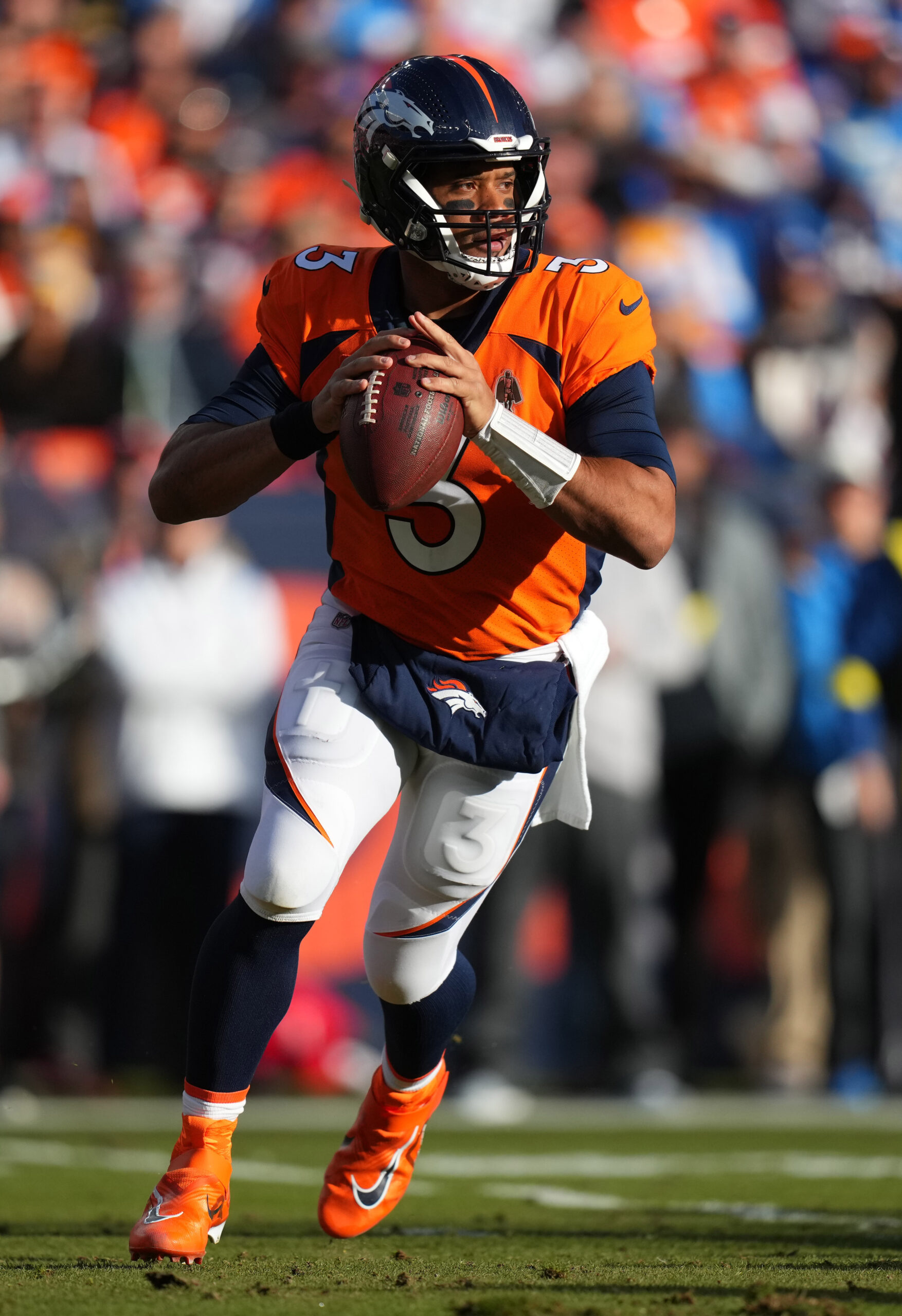
Both the Steelers’ top two quarterbacks are in Pittsburgh after unusual separations from their previous teams. Jettisoned after a rocky Denver tenure, Russell Wilson counts for a record-shattering dead money figure on the Broncos’ payroll. The Bears-Panthers swap for the 2023 No. 1 pick created another No. 1 selection for Chicago after Carolina’s 2-15 season, leading to the Bears capitalizing via Caleb Williams this year.
After showing some progress down the stretch last season, Fields is still viewed as a clear backup to Wilson with the Steelers. The three-year Bears starter said he is not prepared to sit behind Wilson for the season’s entirety. Although the Steelers have given Wilson indications he will be the starter, Mike Tomlin has left the door ajar to a training camp competition.
 [RELATED: Who Will Lead Steelers In QB Starts In 2024?]
“I’m definitely competing,” Fields said, via ESPN.com’s Brooke Pryor. “I think Russ knows that we’re competing against each other every day. Him being out there for me, that helps me getting better, especially each other. I definitely don’t have the mindset of me just sitting all year.”
Turning 25 earlier this year, Fields is more than 10 years younger than Wilson. The 2021 first-round pick is certainly not as polished as a passer but offers a more dynamic presence by comparison, though Wilson did display more in the run game under Sean Payton than he did during a bizarrely ineffective season under Nathaniel Hackett. QBR placed Wilson two spots ahead of Fields last season (21st, 23rd), though passer rating gave a considerable edge to the then-Broncos starter. Wilson’s 26 passes and eight interceptions highlighted a bounce-back campaign — to a degree, at least — and an eighth-place finish in rating (compared to Fields’ 22nd).
As for the prospect of this becoming a straight-up competition come August, The Athletic’s Mark Kaboly points to no such setup developing. Barring injury, Kaboly notes there is no chance Fields unseats Wilson to begin the season (subscription required).
This matches up with how the Steelers addressed the situation following the Fields trade. Wilson was told before the Kenny Pickett trade he would be the starter; that was among the reasons the 2022 first-rounder was dealt to the Eagles. This messaging continued following the Fields trade, with Tomlin contacting Wilson before the Steelers acquired the ex-Bears starter to ensure him the QB1 job would be his. The 18th-year Pittsburgh HC then brought up competition for the job, though it is still assumed Wilson is the clubhouse leader.
Despite Fields landing with a team that — as of now, at least — plans to sign off on a demotion, the dual-threat performer confirmed a previously reported notion he wanted to be traded to Pittsburgh. The Falcons, Raiders and Vikings were also on Fields’ list of acceptable destinations prior to free agency. Ryan Poles had said he wanted to do right by Fields, and while reports of the third-year Bears GM turning down a better offer to make sure Fields landed on his feet probably does not mean another proposal was significantly better, the new Steelers QB thanked his former GM for trading him to the Steelers.
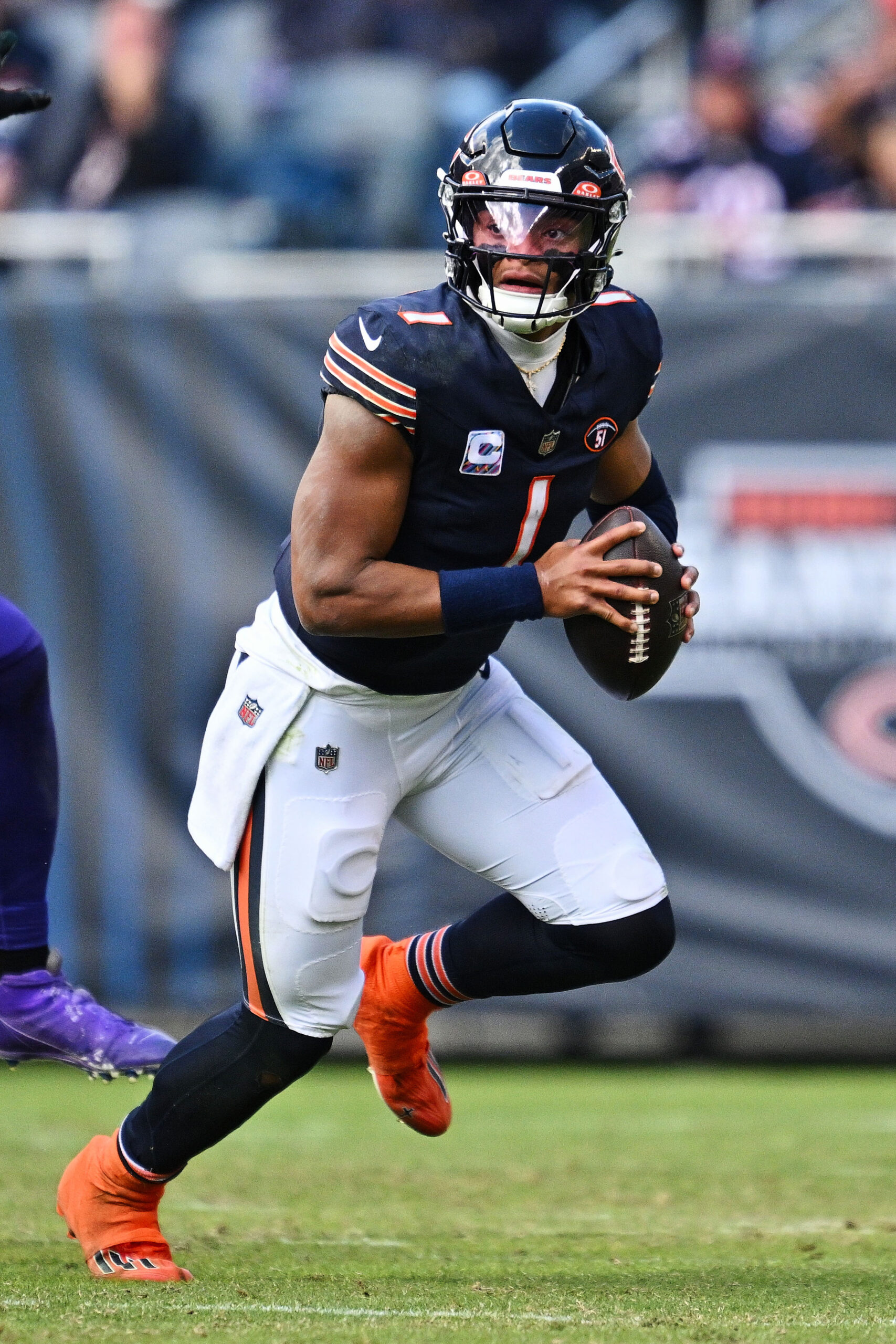 “Shoutout to Poles. We communicated to him through my agent, and I told him where I wanted to be and this was a place I wanted to be,” Fields said. “He honored that, and I appreciate him for that and glad he was able to put me in a spot where I wanted to be at.”
The Bears only received a conditional 2025 sixth-round pick for Fields; that choice could be bumped to a fourth if the former 1,000-yard rusher plays 51% of the Steelers’ offensive snaps this season.
The Steelers have expressed interest in having both Wilson and Fields back in 2025. It would be highly unlikely that comes to pass, as both players are on expiring contracts and each is accustomed to starting. A Wilson-Fields pecking order could change during the season, but months away from Week 1, the Steelers’ QB plan would only have them sending a sixth-rounder to the Bears.
The Biggest Wide Receiver Contract In Each Team’s History
Most NFL teams have authorized a big-ticket (by today’s standards) deal for a wide receiver. Ranked by guaranteed money and excluding rookie contracts and accords acquired via trade, here is the most lucrative WR deal in each franchise’s history.
Arizona Cardinals
- DeAndre Hopkins; September 8, 2020: Two years, $54.5MM ($42.75MM guaranteed)
Larry Fitzgerald‘s seven-year, $113MM extension (August 2011) holds the Cardinals standard for total value, but Hopkins’ pact checks in higher in terms of guarantees and AAV.
Atlanta Falcons
- Julio Jones; September 7, 2019. Three years, $66MM ($64MM guaranteed at signing)
Baltimore Ravens
- Odell Beckham Jr.; April 9, 2023: One year, $15MM ($15MM guaranteed at signing)
In total, Michael Crabtree‘s 2018 deal (worth $21MM) and Derrick Mason‘s 2005 agreement ($20MM) surpass Beckham’s. But the 2023 Baltimore rental’s guarantee came in higher.
Buffalo Bills
- Stefon Diggs; April 6, 2022: Four years, $96MM ($70MM guaranteed; $47.99MM guaranteed at signing)
Carolina Panthers
- D.J. Moore; March 18, 2022: Three years, $61.88MM ($41.61MM guaranteed at signing)
Chicago Bears
- D.J. Moore; July 30, 2024: Four years, $110MM ($82.64MM guaranteed; $43.65MM guaranteed at signing)
Cincinnati Bengals
- Ja’Marr Chase: March 16, 2025: Four years, $161MM ($109.8MM guaranteed; $73.9MM guaranteed at signing)
Cleveland Browns
- Jarvis Landry; April 12, 2018: Five years, $75.5MM ($47MM guaranteed; $34MM guaranteed at signing)
The Browns have featured three higher-paid receivers on their roster since Landry’s contract, but both Odell Beckham Jr. and Amari Cooper arrived via trade and played on contracts designed by other teams. Jerry Jeudy‘s AAV ($17.5MM) on his 2024 extension also outpaces Landry’s, though the recent trade pickup’s total guarantee falls short here.
Dallas Cowboys
- CeeDee Lamb; August 26, 2024: Four years, $136MM ($100MM guaranteed; $67MM guaranteed at signing)
Denver Broncos
- Demaryius Thomas; July 15, 2015: Five years, $70MM ($43.5MM guaranteed; $35MM guaranteed at signing)
Courtland Sutton‘s 2025 extension carries a higher AAV ($23MM) but included $41MM guaranteed
Detroit Lions
- Amon-Ra St. Brown; April 24, 2024: Four years, $120.1MM ($77MM guaranteed; $35.28MM guaranteed at signing)
Green Bay Packers
- Davante Adams; December 29, 2017: Four years, $58MM ($30MM guaranteed; $24MM guaranteed at signing)
Houston Texans
- Nico Collins; May 28, 2024: Three years, $72.75MM ($52MM guaranteed)
DeAndre Hopkins‘ 2017 re-up included more in total value but a lower AAV and guarantee
Indianapolis Colts
- Michael Pittman Jr.; March 11, 2024: Three years, $70MM ($46MM guaranteed; $41MM guaranteed at signing)
Jacksonville Jaguars
- Christian Kirk; March 14, 2022: Four years, $72MM ($37MM guaranteed at signing)
Kansas City Chiefs
- Tyreek Hill; September 6, 2019: Three years, $54MM ($35MM guaranteed; $22.54MM guaranteed at signing)
Las Vegas Raiders
- Davante Adams; March 17, 2022: Five years, $140MM ($65.71MM guaranteed; $22.75MM guaranteed at signing)
Los Angeles Chargers
- Keenan Allen; September 5, 2020: Four years, $80.1MM ($50MM guaranteed; $32MM guaranteed at signing)
Los Angeles Rams
- Cooper Kupp; June 8, 2022: Three years, $80.1MM ($75MM guaranteed; $35MM guaranteed at signing)
Miami Dolphins
- Jaylen Waddle; May 30, 2024: Three years, $84.75MM ($76MM guaranteed; $35.98MM guaranteed at signing)
Tyreek Hill‘s 2022 extension tops his teammate for AAV ($30MM) but came in just south for guarantees ($72.2MM)
Minnesota Vikings
- Justin Jefferson; June 3, 2024: Four years, $140MM ($110MM guaranteed; $89MM guaranteed at signing)
New England Patriots
- Stefon Diggs; March 25, 2025; Three years, $63MM ($22.6MM guaranteed; $16.6MM guaranteed at signing)
New Orleans Saints
- Michael Thomas; July 31, 2019: Five years, $96.25MM ($60.6MM guaranteed; $35.65MM guaranteed at signing)
New York Giants
- Odell Beckham Jr.; August 27, 2018: Five years, $90MM ($65MM guaranteed, $40.9MM guaranteed at signing)
New York Jets
- Garrett Wilson; July 14, 2025: Four years, $130MM ($90MM guaranteed)
Philadelphia Eagles
- A.J. Brown; April 25, 2024: Three years, $96MM ($84MM guaranteed; $51MM guaranteed at signing)
Pittsburgh Steelers
- D.K. Metcalf; March 9, 2025: Four years, $132MM ($80MM guaranteed; $60MM guaranteed at signing)
San Francisco 49ers
- Brandon Aiyuk; August 29, 2024: Four years, $120MM ($76MM guaranteed; $38.32MM guaranteed at signing)
Seattle Seahawks
- D.K. Metcalf; July 28, 2022: Three years, $72MM ($58.22MM guaranteed; $31MM guaranteed at signing)
Tampa Bay Buccaneers
- Mike Evans; March 9, 2018: Five years, $82.5MM ($55MM guaranteed; $38.26MM guaranteed at signing)
Chris Godwin‘s 2025 deal beats Evans’ for at-signing guarantees ($44MM); his 2022 deal did as well. Godwin’s 2025 deal also tops Evans’ in AAV ($22MM). The all-time Bucs receiving leader’s 2024 agreement, however, leads the way in total guarantees.
Tennessee Titans
- Calvin Ridley; March 13, 2024: Four years, $92MM ($50MM guaranteed; $46.98MM guaranteed at signing)
Washington Commanders
- Terry McLaurin; June 28, 2022: Three years, $69.6MM ($53.15MM guaranteed; $34.65MM guaranteed at signing)
Jerry Jones Supports 18-Game Regular Season; Roger Goodell Addresses Prospective Change
A back-burner matter for many years, discussions about an 18-game season did not cross the goal line during the 2020 CBA discussions. A 17-game compromise came to pass. Four years later, however, momentum appears to be building.
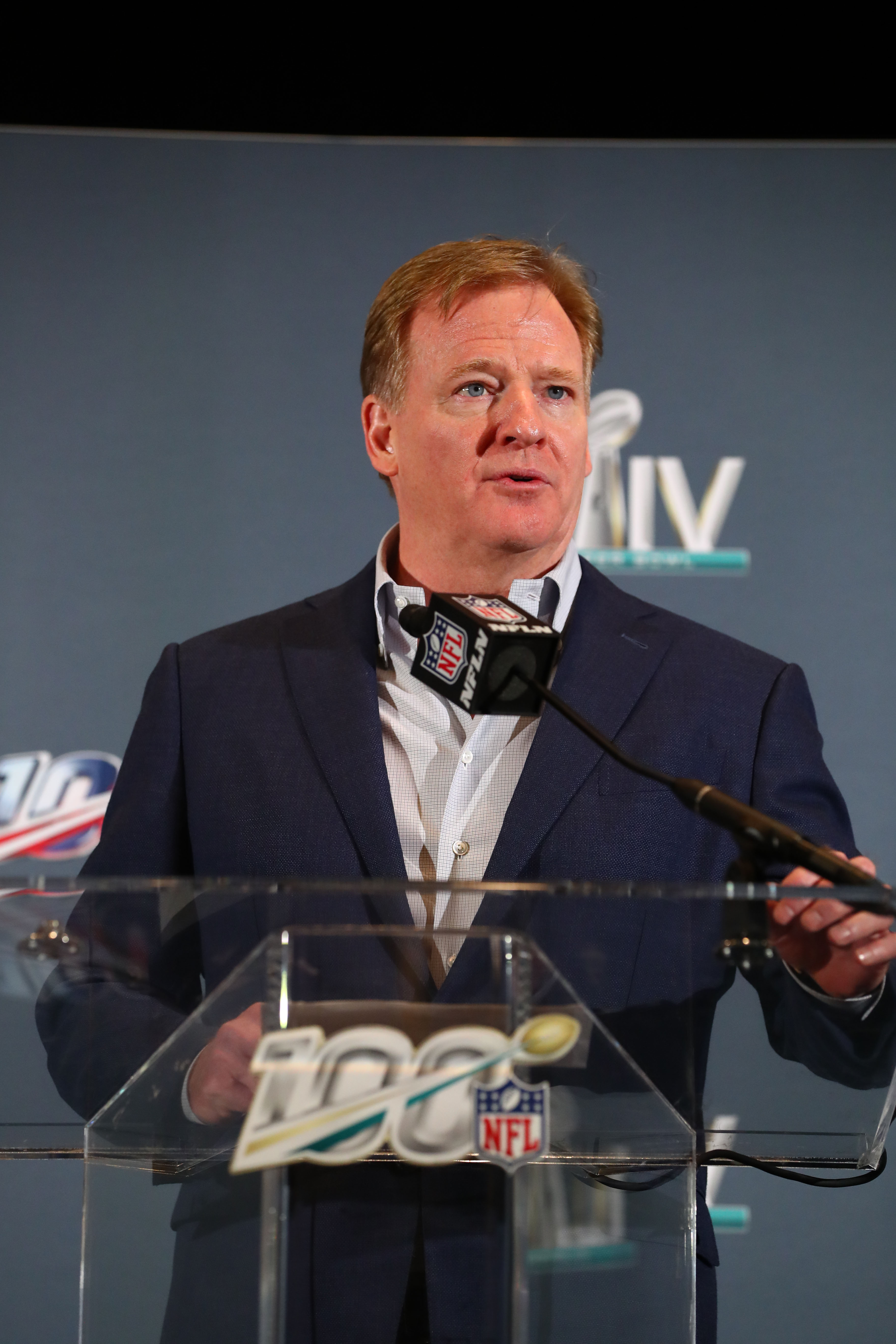 Roger Goodell expressed support for another one-game bump to the schedule, noting (via NFL.com’s Tom Pelissero) Wednesday the prospect of swapping out a preseason game for an extra regular-season contest — a scenario the longtime commissioner addressed last month — would be “a good trade.” The NFL made this trade in 2021, when it dropped the fourth preseason week for the 17th regular-season game.
Jerry Jones backed Goodell on this front, offering support (via the Washington Post’s Mark Maske) for moving to 18 games. Goodell confirmed another schedule expansion is not currently being discussed but addressed it in a “long-range context.” A report last month suggested the NFL offering significant concessions to the NFLPA in exchange for an extra game could take place well before this CBA expires. The current agreement runs through the 2030 season.
John Mara views most owners as being onboard with an 18th game, but the Giants owner can be counted as a skeptic. Citing player wear and tear, Mara (via ESPN.com’s Jeremy Fowler) has concerns about expanding the schedule.
The NFL schedule stood at 16 games for 43 years (1978-2020), and its 14-game era lasted 17 seasons before that. The NFL now appears prepared to cap the 17-game schedule at less than a decade. This could become the central talking point when the next round of CBA discussions commence, but judging by this topic’s momentum, it should be considered a good bet owners attempt to make 18 games a reality before this CBA expires.
With this prospect gaining steam, players have naturally been asked about it. The subject of a second bye week has come up. A two-bye setup did not advance too far during the talks regarding a 17-game season, but if this change comes during the 2020 CBA’s lifespan, many players will be holdovers from the 16-game era. Asking players to add two games to a schedule would be new territory. By the time the season expanded from 14 to 16 games in 1978, just one player (ex-Vikings ironman Jim Marshall) was a holdover from the 12-game era. At the rate this is going, many players will be part of the 16-, 17- and 18-game periods.
The NFL tried the double-bye format just once — in 1993 — but TV networks were displeased with a diluted schedule; that may well have impacted talks about two byes going into a 17-game format. With the 18-game season coming up more frequently midway through this CBA, expect a push for a permanent two-bye setup to be part of the NFLPA’s counter — assuming the union will consider expanding the schedule again so soon.
It will take much more than adding a bye week to convince the union on 18 games, of course, but this fight appears on tap in the not-too-distant future.
Latest On Broncos, Courtland Sutton
In what has become standard operating procedure for wide receivers carrying contract issues, a number of high-profile targets — Justin Jefferson, CeeDee Lamb, Brandon Aiyuk, Tee Higgins — have not shown up for OTAs. Courtland Sutton appears in that boat as well.
Sutton has been away from the Broncos during the pre-OTAs portion of their voluntary workout schedule, training in Florida. That appears to still be the case as OTAs get underway, per the Denver Post’s Parker Gabriel. Sutton has expressed a desire for a contract upgrade, and the seventh-year veteran may be amenable to a straight raise.
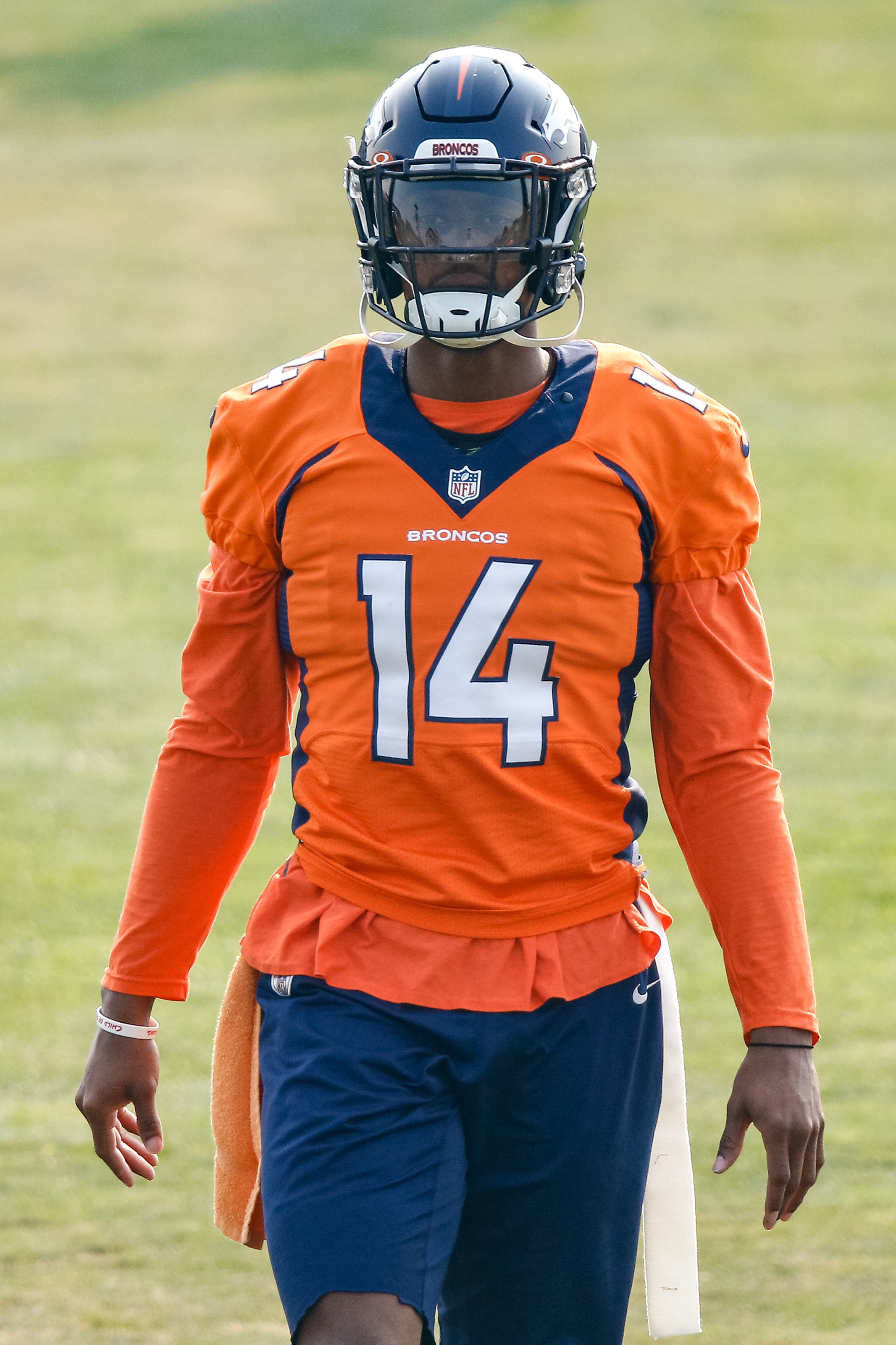 Re-emerging as Denver’s No. 1 wide receiver last season, Sutton remains tied to his four-year, $60MM deal. No wideout has been tied to a higher AAV in Broncos history, but Sutton’s contract qualifies as team-friendly now. Agreed to during the 2021 season, Sutton’s deal was finalized before a receiver market boom the following offseason. His AAV now checks in at No. 23, counting Higgins’ franchise tag, at the position.
That contract calls for a $13MM base salary in 2024; just $2MM of that total is guaranteed. Sutton is angling for a new deal — one the Broncos are unlikely to hand out due to two seasons remaining on his current pact — but ESPN.com’s Jeremy Fowler said during a recent SportsCenter appearance (via Heavy.com) Sutton would like to bump his salary up into the $15-$16MM range. No progress is coming out of these talks, Fowler adds.
Players regularly seek extensions when their contracts fall out of step with the market or when existing deals have already paid out guarantees. Sutton probably falls into both camps, but it would be interesting if a raise on his 2024 salary would bring about a resolution. The Broncos took a similar step with Chris Harris back in 2019, after the team had given Kareem Jackson a deal with a higher per-year salary. Denver gave its decorated cornerback a straight raise, bumping his 2019 pay from $8.9MM to $12.05MM.
Some clear differences between that situation and Sutton’s exist, however. En route to All-Decade honors, Harris had been the NFL’s top slot corner for several years ahead of those negotiations. The Broncos also authorized a pure raise for a player in a contract year. That agreement also came during John Elway‘s GM tenure. Sutton, an Elway-era draftee who signed his extension in GM George Paton‘s first season, has two years remaining on his deal and has not approached the heights Harris reached during his Broncos tenure. A decision-maker not around for either his draft arrival or extension, Sean Payton, now carries the most weight in the organization.
A raise would set a precedent under Payton, and teams generally prefer extensions to notable pay bumps. While Sutton has four 700-plus-yard seasons on his resume, 2019 represents his only 1,000-yard season. The Broncos are not expected to trade the 6-foot-4 wideout, who is recovering from offseason ankle surgery. Teams called the Broncos ahead of the draft. The former second-round pick does carry some leverage; the team stands to need him as a reliable target to break in Bo Nix.
Sutton, 28, profiles as Denver’s best bet for steady receiving production this season, though the team has added a few pieces under Payton — from Josh Reynolds to draft choices Marvin Mims and Troy Franklin. While Sutton sits as the highest-floor player in the Broncos’ pass-catching corps, the two recent draftees’ development will play a role in the veteran’s Denver future. A trade-rumor mainstay, Sutton is tied to a $13.5MM nonguaranteed 2025 salary.
Ravens Expect RB Keaton Mitchell To Return During Season
Injuries defined Keaton Mitchell‘s rookie season. The explosive running back did not debut for the Ravens until Week 6 and was done by Week 15. In between, the UDFA displayed promise.
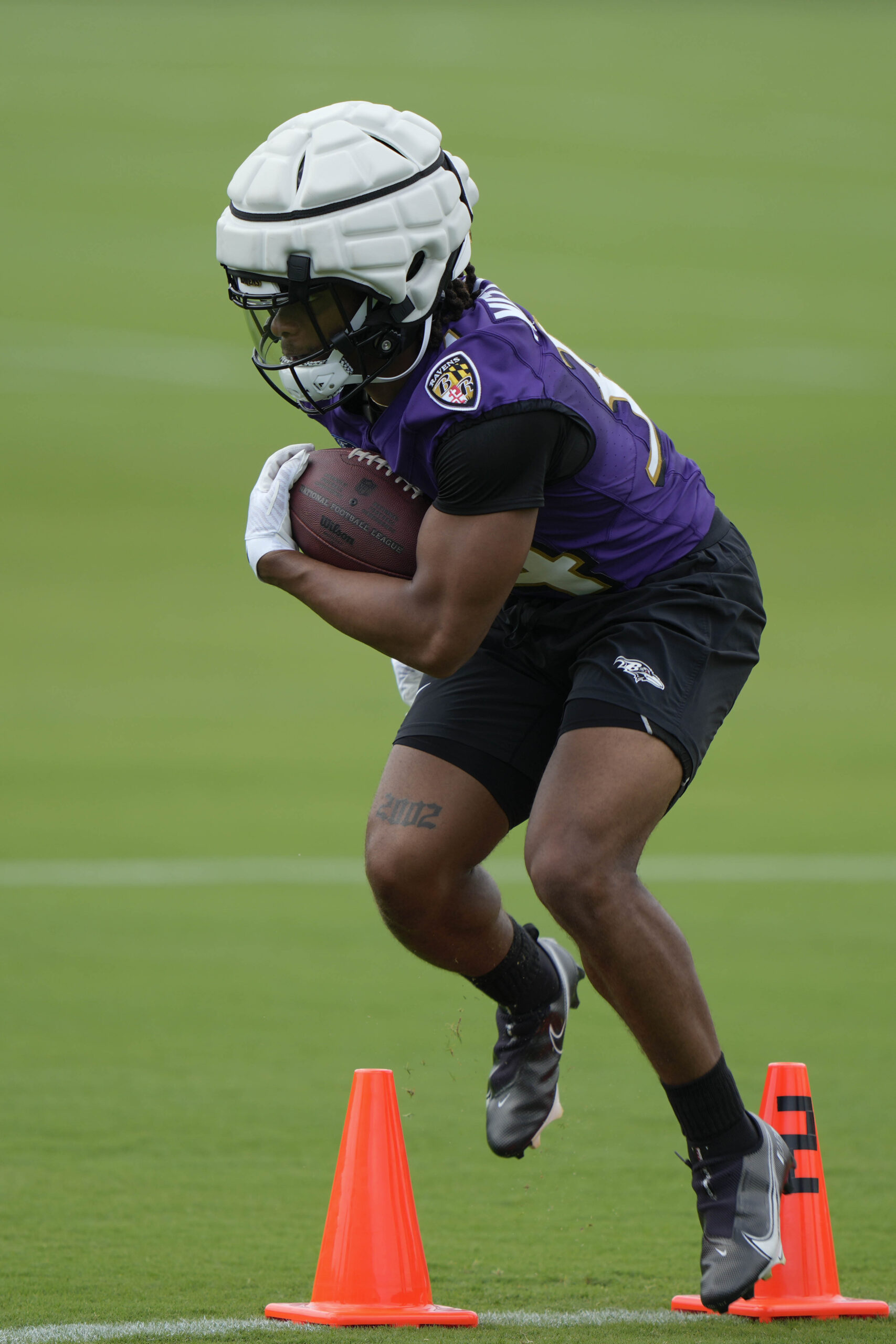 Albeit on just 47 carries, Mitchell finished his rookie year with a monster yards-per-carry number (8.4) and offered Baltimore a new dimension in its backfield. But the East Carolina product’s ACL tear brought more of the same for a Ravens backfield that had dealt with significant J.K. Dobbins and Gus Edwards maladies in recent years. Mitchell, 22, is on track to follow Dobbins and Edwards in seeing a prior year’s injury cost him time the following season.
John Harbaugh said Wednesday that Mitchell is on track with his rehab, but the second-year RB will not be ready for training camp. Mitchell is also expected to miss some time in-season, with Harbaugh indicating a return is expected “sometime during” the 2024 campaign. This aligns with what GM Eric DeCosta said in March. The 5-foot-8 ball carrier appears a prime candidate to begin the season on the Ravens’ reserve/PUP list. That would sideline him for at least four games, but the Ravens have since made a bigger investment at running back.
The Ravens lost both Dobbins and Edwards for the 2021 season’s entirety, leading to a brigade of aging veterans stopping through. Dobbins did not land on the reserve/PUP list the following season, but the former second-rounder was not ready to go until Week 3 of the 2022 slate. He also ran into more knee trouble that year, requiring an IR stay. Edwards did land on Baltimore’s PUP list and did not start his 2022 season until Week 7 of that season. Both veterans reunited with Greg Roman in Los Angeles, and the Ravens are now a Derrick Henry-centered backfield.
Baltimore gave the two-time rushing champion a two-year, $16MM deal. With $9MM of that fully guaranteed, the Ravens have the chance to reevaluate the ninth-year veteran’s form after this season. Mitchell figures to factor into that process, with he and Justice Hill the Ravens’ primary Henry backups going into the 2024 season. The team also used a fifth-round pick on Marshall’s Rasheen Ali, providing more insurance while Mitchell rehabs.
He of a 4.37-second 40-yard dash at the 2023 Combine, Mitchell gave a Dobbins-less backfield an immediate jolt midway through last season. He totaled 138 rushing yards on nine carries in a Ravens rout of the Seahawks. The Ravens used Mitchell as a change-of-pace option last season, keeping his carry count under 10 in each of his outings, but his injury in Jacksonville certainly hurt the eventual No. 1 seed’s offense.
Mitchell can be retained — through the ERFA and RFA process — through the 2026 season, giving the Ravens a low-cost option. For now, the team will await on the Henry complementary piece’s recovery.
Owners Concerned About Tom Brady Conflict Of Interest In Raiders Ownership Role
MAY 22: A Brady policy of sorts will need to be discussed if the Raiders agreement is eventually approved, per Roger Goodell (via Maske). The longtime commissioner mentioned the former QB’s access to team facilities as an issue if/once he becomes a minority owner.
This is still on hold, however. The latest round of owner meetings came and went without a vote on Brady’s Raiders stake, Maske adds. Despite the progress being made, Goodell said issues remain. Brady’s TV career appears a key matter. More than a year has now passed since Brady agreed to buy a stake in the AFC West franchise, and while Goodell discussing the topic keeps it on the radar, NFL owners continue to delay this matter.
MAY 17: In the news lately for his much-discussed roast and a mention of a possible in-season comeback, Tom Brady is months away from beginning his career as a play-by-play analyst. The legendary quarterback will cover the Cowboys-Browns matchup for FOX in Week 1.
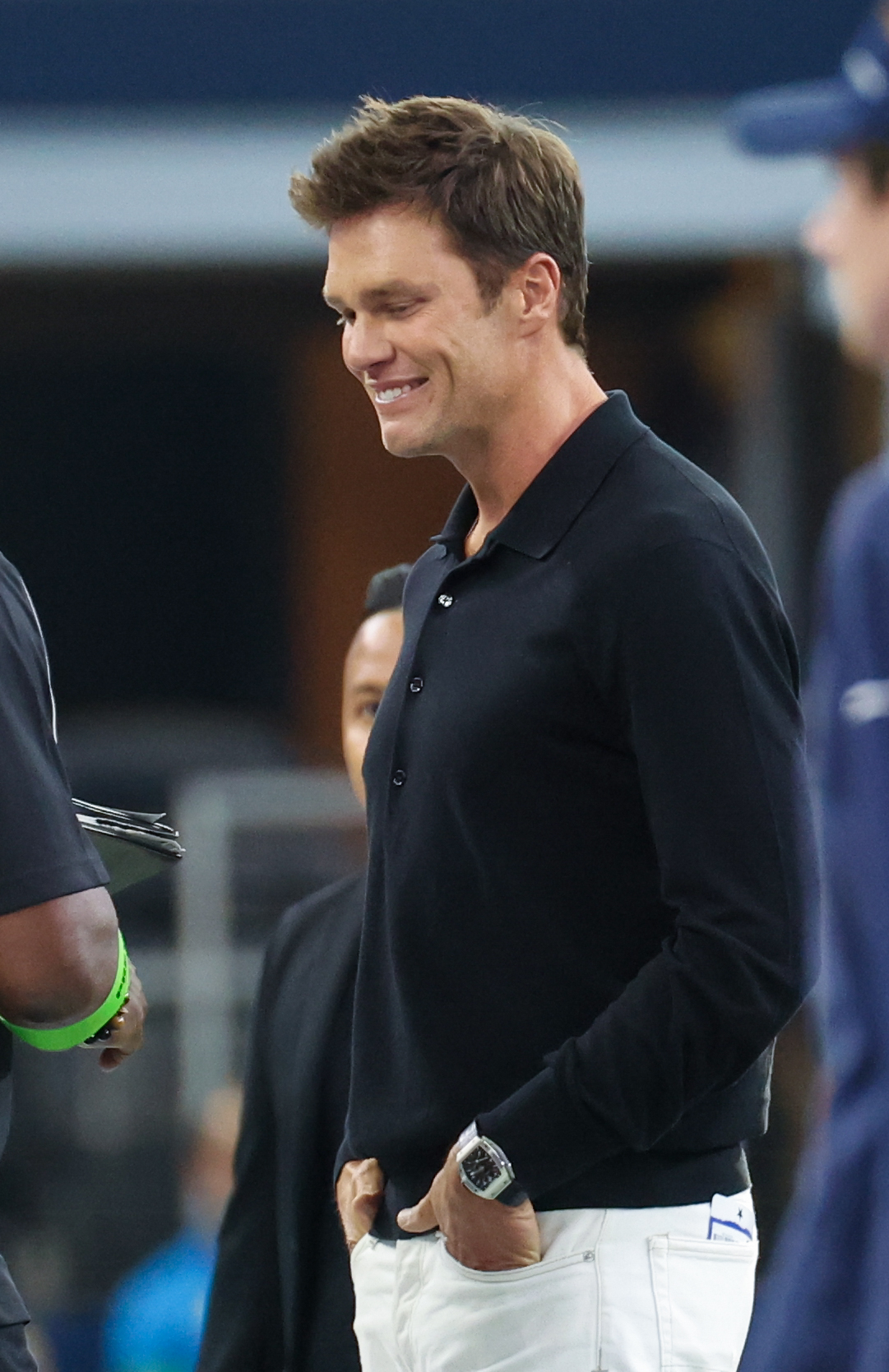 While some doubt about Brady following through with his broadcasting deal existed, we are moving close to a rare setup in which the NFL’s most famous player calls games for a network. This gig will allow Brady access to team facilities during the lead-up to games. Hans Schroeder, CEO of NFL media, said (via Fox Sports’ Greg Auman) no limitations regarding which games Brady can or cannot cover are in place.
The subject of limitations pertaining to Brady’s new role has come up due to his ongoing quest to become a part-owner of the Raiders. In May 2023, Brady agreed to purchase a stake of Mark Davis‘ franchise. The agreement, however, is still not official. Although concerns about the stake price Davis set for Brady have been resolved, the conflict-of-interest issue remains. With Brady now firmly on track to start his analyst career this season, the Washington Post’s Mark Maske reports some in the ownership ranks have expressed issues with him receiving access to team practices and facilities for his FOX role.
Should Brady ultimately be approved as a Raiders minority owner, teams will naturally be leery about sharing information with him while he is representing FOX. This would put questions to either the NFL or certain teams about limiting the future Hall of Famer’s access ahead of broadcasting assignments. The issue of a universal Brady policy taking effect or if his access will be determined on a team-by-team basis has come up, Maske adds.
The prospect of Brady’s status changing if he is approved as a Raiders part-owner does appear to be in play. Schroeder left this door open by qualifying the NFL’s no-limitations stance re: Brady by saying (via Maske), “Right now, Tom’s not an owner of the Raiders.” If the 46-year-old QB-turned-announcer is approved, this will make for an interesting chapter in NFL broadcasting history.
A February report indicated Brady’s path to becoming a Raiders part-owner was clearing up, but during the latest round of meetings in late March, no discussions about a vote on this matter are believed to have taken place. No Brady ownership talk occurred at the December owners meetings, either. Brady’s ownership route remains on hold, but it is not closed off yet. Brady said last year he plans to plav a “very passive” role as a minority owner, though a November report pointed to him being involved in the Raiders’ HC and GM hiring process. This job at FOX — one Brady delayed for a year in an effort to better prepare himself following his second retirement as a player — continues to generate understandable concerns among teams.
Brady, who co-owns the WNBA’s Las Vegas Aces with Davis, did see an effort to become a player/owner with the Dolphins nixed — to the point the team lost first- and third-round picks and saw its owner suspended — and the NFL may soon need to make another decision on a dual role involving the former Patriots and Buccaneers QB.
Brandon Aiyuk Skipping OTAs; WR, 49ers Not Close On Extension
Abiding by the usual playbook for players in the mix for a lucrative extension, Brandon Aiyuk is not at 49ers OTAs this week. The two-time 1,000-yard wide receiver remains tied to his rookie contract and is operating as other high-profile 49ers have in recent years.
While Nick Bosa is at OTAs, the league’s highest-paid non-quarterback skipped workouts — including minicamp — during his negotiations last year. Deebo Samuel did not participate in the team’s 2022 minicamp, though he did show up weeks after requesting a trade. Aiyuk’s situation is somewhat similar to Samuel’s, but he has not requested a trade. As they did involving Samuel, the 49ers listened to trade offers during the draft’s first night. The team, which rebuffed pre-draft Aiyuk trade inquiries, was believed to be targeting a mid-first-rounder.
[RELATED: 49ers Did Not Consider Day 2 Trade For Aiyuk, Samuel]
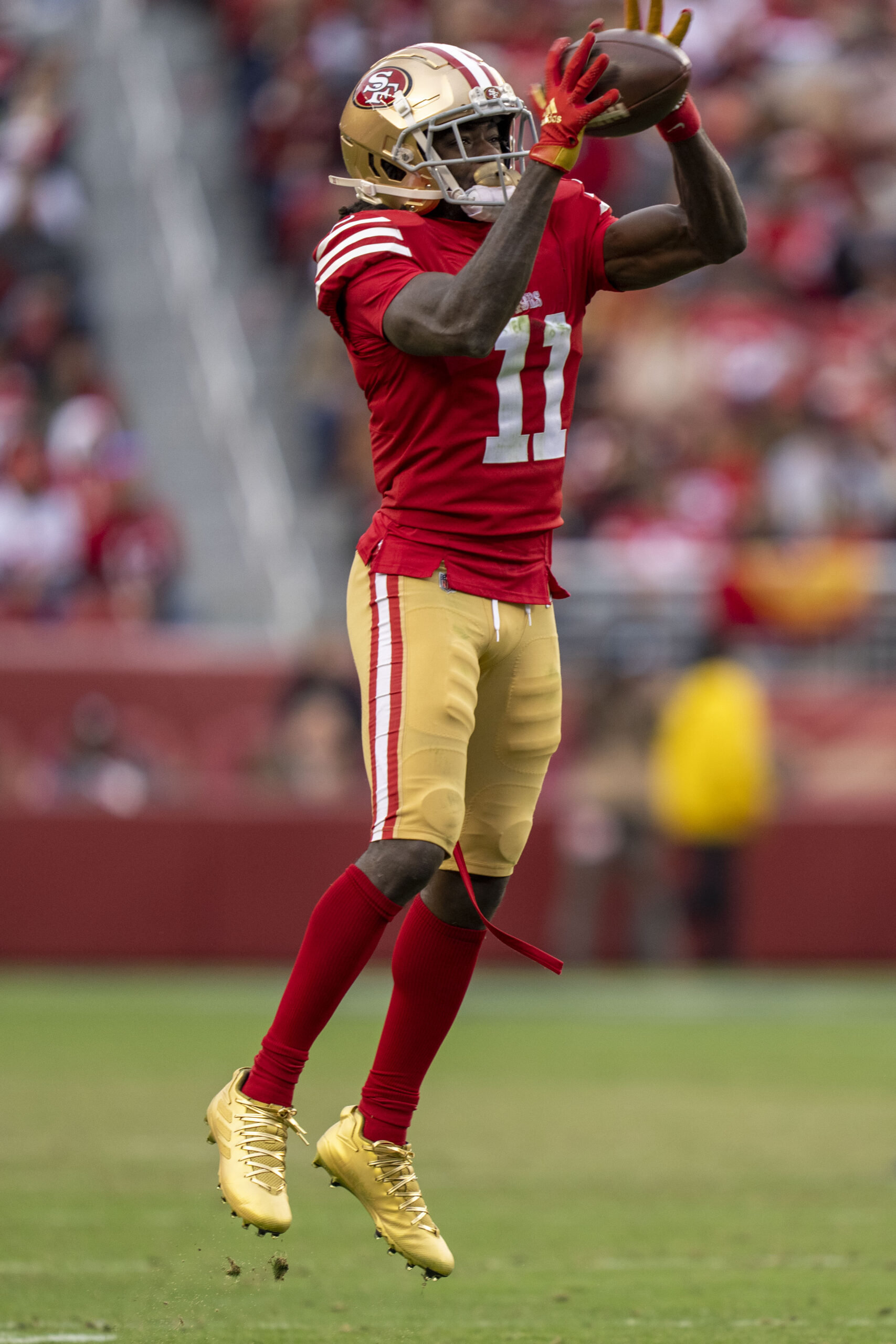 Aiyuk and the team, however, still have a long way to go to reach a resolution. The sides are no closer to hammering out an extension than they were when negotiations started, NFL.com’s Mike Garafolo notes. Since the 49ers and Aiyuk began discussions earlier this year, two other wideout contracts — those going to Amon-Ra St. Brown and A.J. Brown — have changed the market. Both deals checked in north of $30MM per year, which will almost certainly impact Aiyuk’s talks with his team.
Despite topping 1,000 yards in 2022 and ’23, Aiyuk has not matched St. Brown’s production over the past two seasons. Though, the Lions WR also has a significantly higher target share compared to Aiyuk. The 49ers’ leading receiver last season, Aiyuk reached 1,342 yards on fewer targets (105) than he received in 2022 (114). Aiyuk averaged 17.8 yards per reception last season. With Samuel two years older, Aiyuk may well profile as the receiver the 49ers want to build around beyond 2024.
For now, however, the 49ers have an intriguing receiver situation. Samuel and Aiyuk join first-rounder Ricky Pearsall and Jauan Jennings, the team’s multiyear WR3. Jennings has not signed his second-round RFA tender, but that is almost certainly coming due to the former seventh-rounder’s limited options. Unless the 49ers circle back to trade talks involving their top duo, they are poised to have a better receiving corps than they did during their latest NFC championship campaign.
The team’s post-2024 situation invites obvious questions, with Aiyuk unsigned and every other key skill-position presence — including Christian McCaffrey and George Kittle — set to be in a contract year come 2025. Brock Purdy‘s contract year will force the 49ers into big decisions, but the team has one more season with its former seventh-round QB find tied to a rookie deal.
While the 49ers would have the franchise tag as a potential Aiyuk option next year, early projections have the team more than $38MM over the 2025 cap. A tag salary would certainly pose an issue on that front, raising the stakes for this year’s extension talks. The 49ers appear to have paused any trade conversations on Aiyuk or Samuel, and the team has a John Lynch-era history of reaching extensions during camp. Samuel, Kittle and Fred Warner signed big-ticket extensions from training camp, and Bosa’s defender-record deal came to pass shortly before last season.
Time remains for Aiyuk and the team, but this offseason’s round of WR deals — a chapter that could be further muddled if Justin Jefferson or CeeDee Lamb sign during the 49ers’ talks — add potential complications. As it stands, Aiyuk is tied to a $14.12MM fifth-year option salary. San Francisco’s June minicamp, the offseason’s only mandatory activity, will mark the next stage of the Aiyuk saga.
Kenyon Green Back At Full Strength, In Mix For Texans’ LG Job
Offensive line injuries represented part of the reason the Texans burned through their eight IR activations last season, but multiple pieces were unable to return following injuries. Kenyon Green was among them.
Chosen 15th in the 2022 draft, Green worked as the Texans’ primary left guard starter as a rookie but did not play at all in 2023. A torn labrum sidelined the Texas A&M in August, and he underwent surgery. DeMeco Ryans confirmed this week Green is back at full strength.
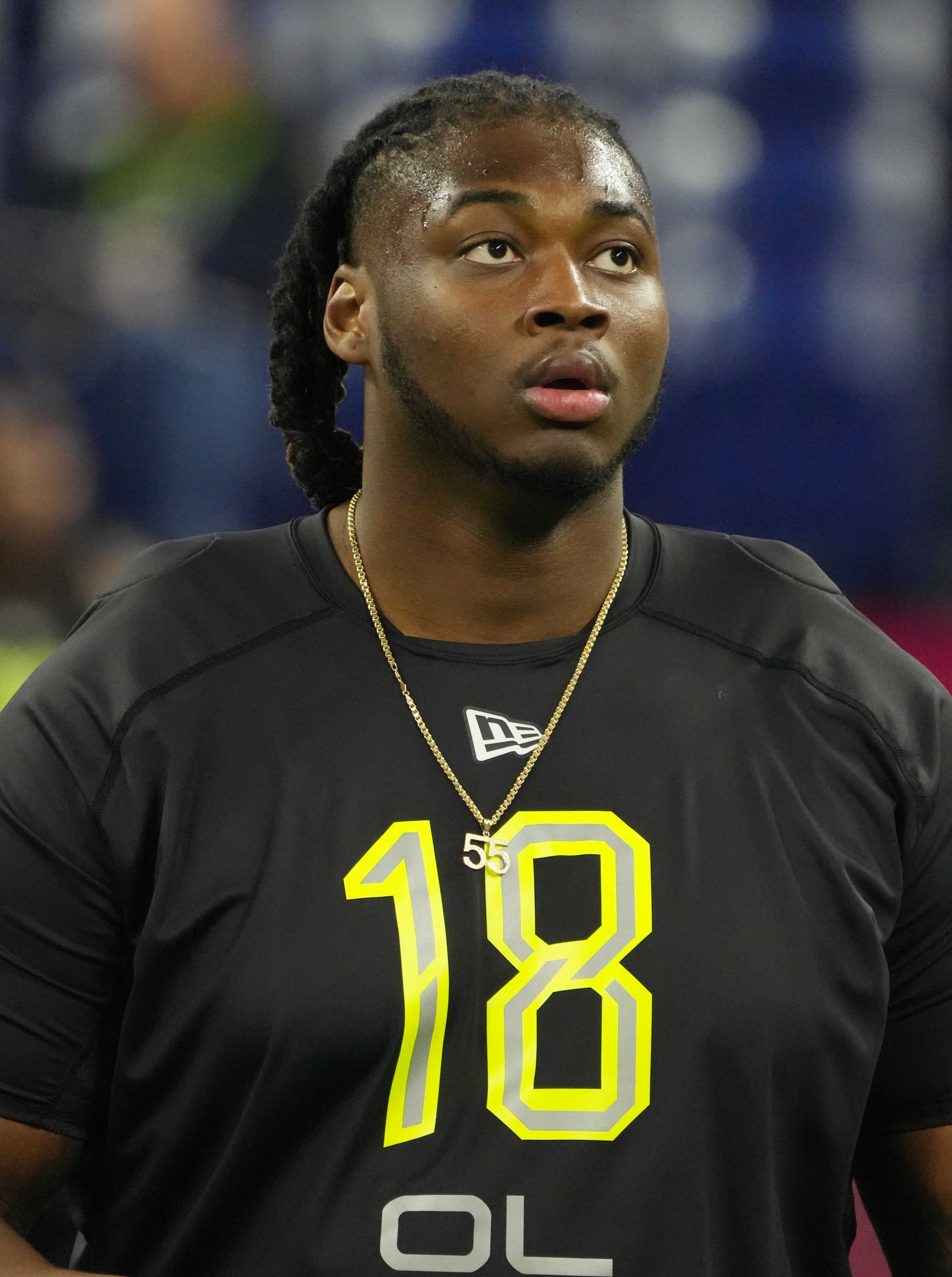 “I think that was Kenyon’s biggest thing,” Ryans said of Green’s health, via KPRC2’s Aaron Wilson. “Once he gets over that hurdle, now we can see how good of a football player Kenyon can actually be when he’s not battling and dealing with injuries. So, I’m excited of what’s ahead for Kenyon because he’s really put in the work to give himself a really good chance this year.”
Green was never eligible to return from IR last season, having been placed on the injured list before Houston finalized its initial 53-man roster. This shut down Green for the season, denying a chance at a bounce-back effort from a disappointing rookie season. Pro Football Focus ranked Green as the worst guard regular in 2022, viewing him as particularly embattled in pass protection. Prior to the shoulder operation last year, Green had already undergone two knee surgeries, including an arthroscopic procedure during the 2023 offseason, since joining the Texans as part of the Deshaun Watson trade.
The Texans used the Watson first-rounders to trade down for Green, up for Will Anderson Jr. and then out of the 2024 first round (via the Vikings) to stockpile more draft capital. While Anderson showed immediate standout potential by winning Defensive Rookie of the Year acclaim, Green is already at a career crossroads. He is believed to be in better condition midway through his third Texans offseason program, but the past two years create questions about the former All-American’s viability as an NFL starter.
As Kenyon Green aims to avoid bust status, he is poised to match up against Kendrick Green and Jarrett Patterson in the primary competition for the Texans’ left guard post, Wilson notes. This would stand to move Juice Scruggs, who played all 439 of his rookie-year snaps at left guard, to center. The Texans lost just about every O-lineman to injury at some point last season. Scruggs, Patterson, Tytus Howard, Laremy Tunsil and Kendrick Green were also among them. Acquired on roster-cutdown day from the Steelers, Kendrick Green joined Kenyon Green in suffering a season-ending injury.
Each of Howard’s 2023 snaps came at left guard as well, but the 2019 first-rounder’s journey across the O-line appears pointed back to right tackle. The Texans drafting tackle Blake Fisher in Round 2, a year after extending Howard on an $18.7MM-per-year deal, adds depth and intrigue to Houston’s O-line. Howard went down with a season-ending knee injury in November. The Texans have durable right guard Shaq Mason going into his second season with the team, but left guard will be a place to monitor on Houston’s depth chart this offseason.
Cardinals Move Paris Johnson Jr. To LT
Seven years ago, the Cardinals flipped their starting tackles by moving Jared Veldheer to the right side and first-round pick D.J. Humphries to the left edge in their then-Carson Palmer-centered offense. Chosen in the first round eight years after Humphries, Paris Johnson Jr. will be at the center of a Cardinals position revamp up front.
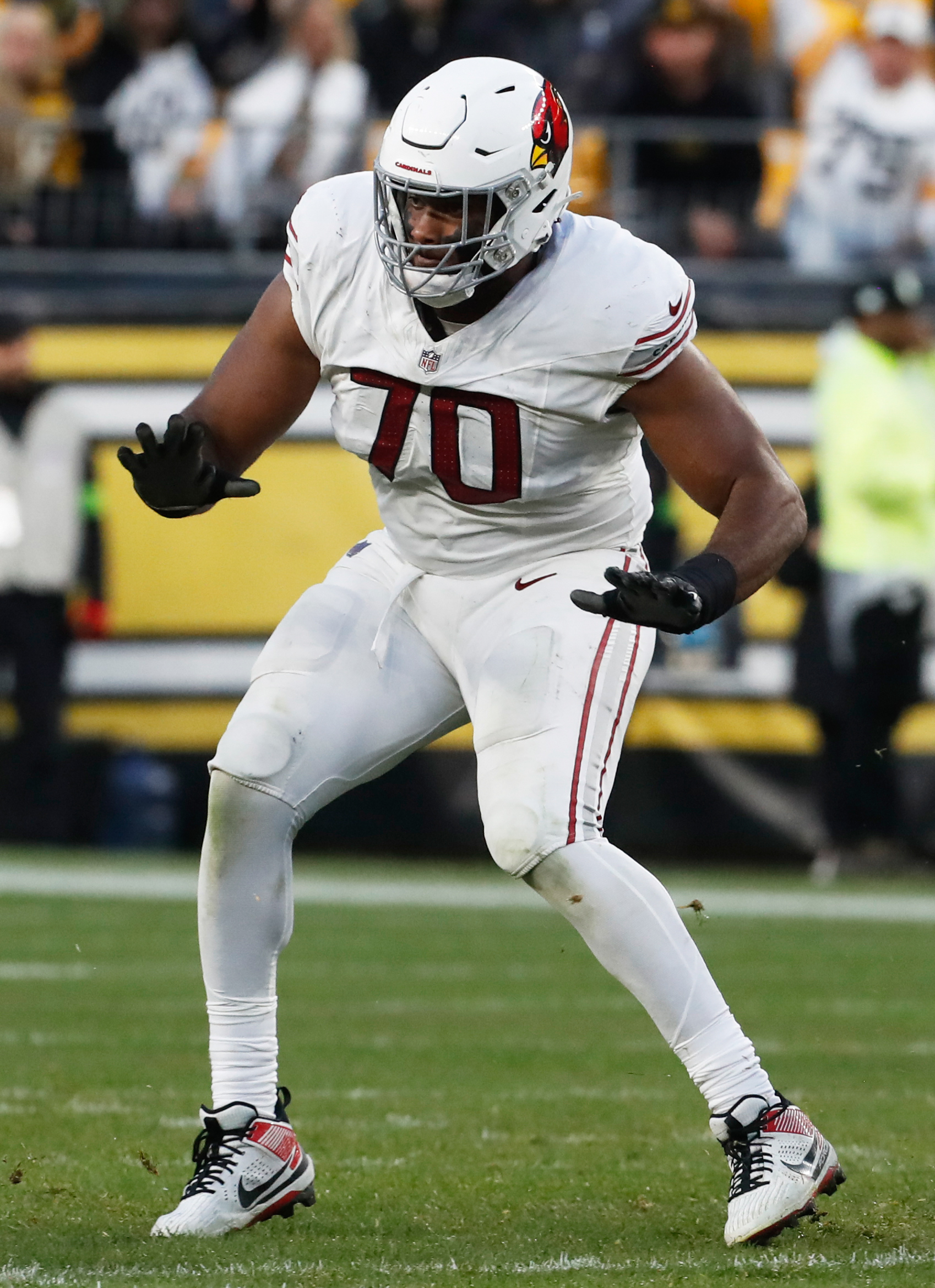 Arizona used Johnson as its right tackle in 2023, but the former No. 6 overall pick is ticketed for the blindside post this season. Jonathan Gannon confirmed the Ohio State product will play on the left side during the offseason program, as a development effort — one that will see free agency addition Jonah Williams continue at right tackle — ensues ahead of Johnson’s second season. Johnson has been working at his new spot since the Cardinals began on-field work this offseason.
“Paris obviously playing both, Jonah playing both, but we’ll start there and see how it goes,” Gannon said, via AZCardinals.com’s Darren Urban. “That’s what they both feel comfortable with right now.”
While noting he holds veto power regarding this effort, Gannon is pointing to another Cardinals tackle switch-up. The above-referenced change occurred after Humphries played right tackle in his de facto rookie year (the 2015 first-rounder missed all of his actual first season). Humphries remained in that post through last season. The Cardinals said they would be open to re-signing Humphries — a March cap casualty — but their recent Johnson-focused announcement makes a reunion highly unlikely.
At this time last year, the prospect of Johnson beginning at guard was in play. The Cardinals employed Humphries and Josh Jones and had just re-signed Kelvin Beachum. But the team slotted its top draftee on the right side. Johnson started all 17 games at RT as a rookie. A move to the left side always seemed in play, with Johnson finishing his college career there and earning first-team All-American acclaim. Johnson played right guard for the Buckeyes in 2022.
This move is perhaps more interesting for Williams, who made a trade request — a Bengals regularity over the past two springs — after the team kicked him to the right side. Cincinnati’s Orlando Brown Jr. signing “blindsided” Williams, though the three-year Bengals LT retracted his trade ask and went to work on the right side. Williams started opposite Brown throughout last season and signed a two-year, $30MM Cardinals deal.
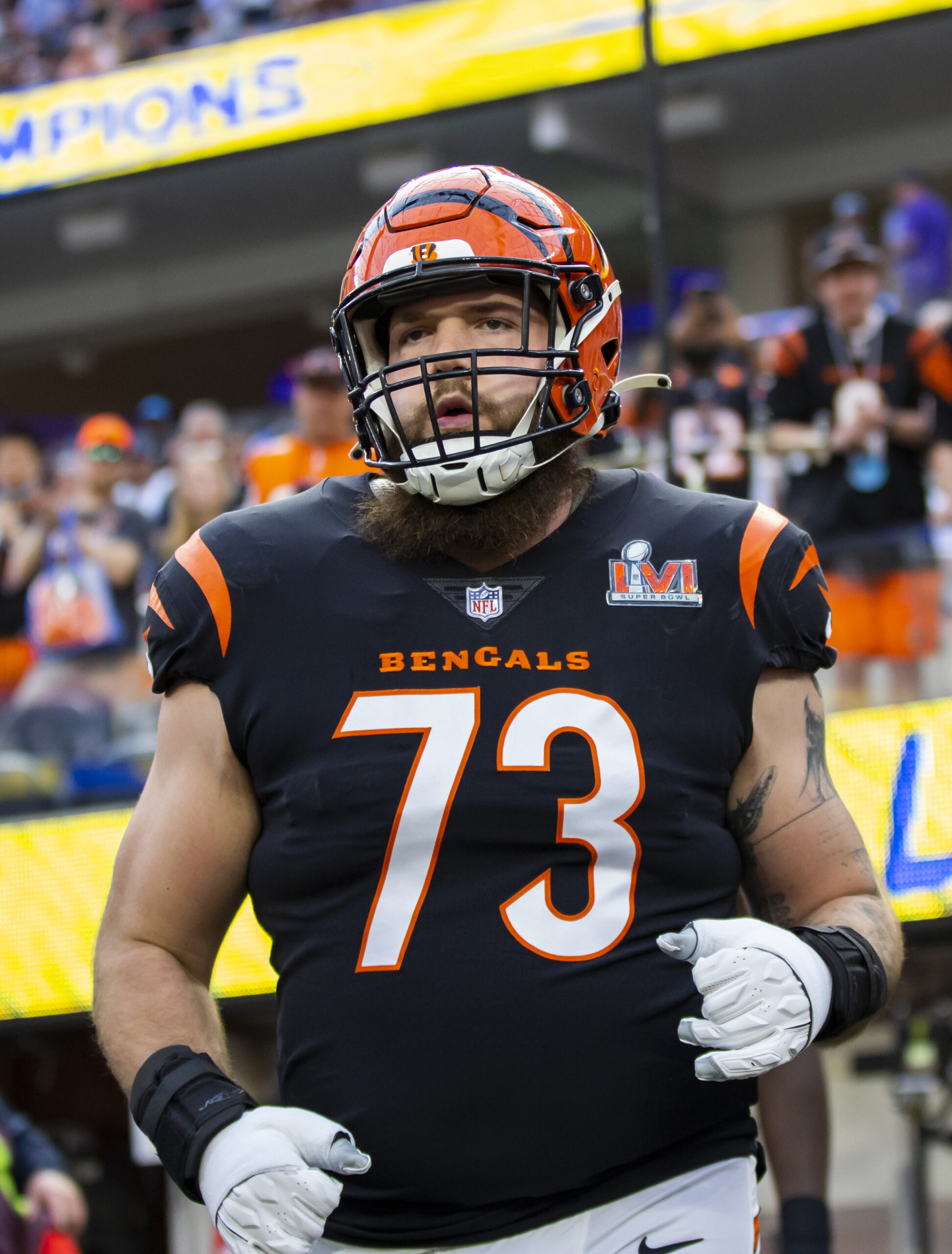 Williams agreeing to terms with a team to play right tackle is notable given the events in his final Bengals offseason. It would also seem easier for the Cardinals to keep Johnson on the right side and install Williams at the position with which he is most comfortable. But Johnson certainly brings higher upside; the team will begin an earnest developmental effort for him to take over as Kyler Murray‘s blindside protector. Pro Football Focus ranked Johnson and Williams 57th and 59th among tackles last season.
Beachum, 35 next month, remains on Arizona’s roster as a swing tackle. The team returns right guard Will Hernandez and center Hjalte Froholdt. Williams’ deal contains $19MM fully guaranteed, covering part of his 2025 salary. The team added Evan Brown in free agency, still rosters Elijah Wilkinson and used a third-round pick on Isaiah Adams. Brown, Wilkinson and Adams are set to compete for the left guard gig, Urban adds. Gannon confirmed the Brown signing will not move the Cardinals to try Froholdt at guard.
Chiefs Sign Round 2 T Kingsley Suamataia
Donovan Smith remains in free agency, setting up an interesting battle of inexperienced blockers to take over for the defending Super Bowl champions at left tackle. One of those will be second-round pick Kingsley Suamataia.
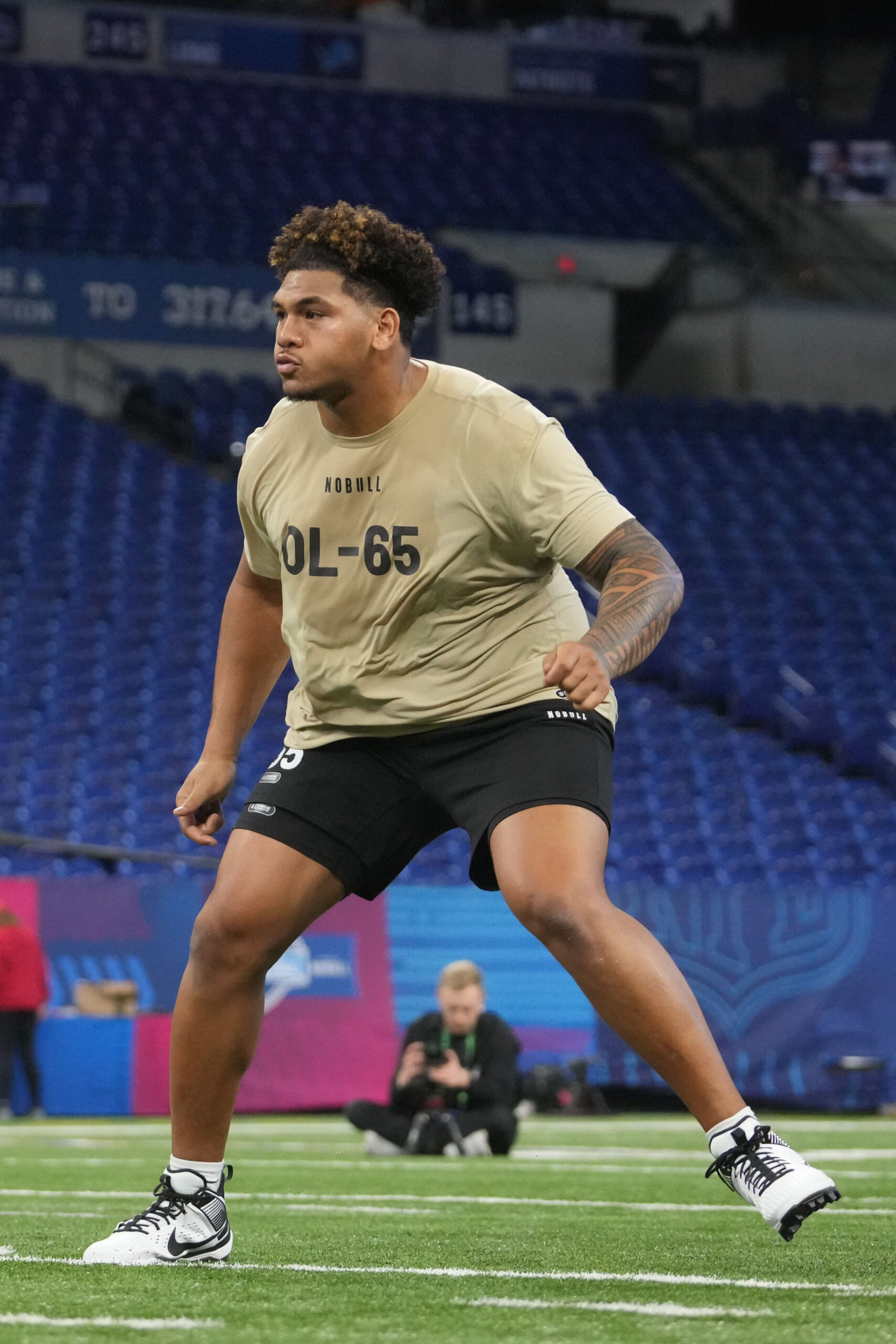 The BYU product is now under contract, per KPRC2’s Aaron Wilson. Suamataia will be tied to a four-year deal. Contracts at the back end of the second round do not carry the intrigue those at the front do, as changing guarantee structures have become part of the process associated with signing early-second-round picks. Suamataia went off the board 63rd overall.
Last season’s two Super Bowl entrants linked up on a trade that allowed the Chiefs to move up one spot for the recent Big 12 blocker. The 49ers picked up an additional fifth-rounder in the pick-swap exchange, one that saw the defending NFC champions move down one spot. While first-round pick Xavier Worthy will almost definitely play a key role as a rookie, Suamataia will be expected to mount a strong charge to replace Smith in 2024. Worthy is the only player left unsigned from the Chiefs’ draft class.
The Chiefs were connected to Suamataia before the draft, hosting him on a “30” visit. Viewed by most as a tier below the deep crop of first-round-level tackles in this class, the ex-Cougars starter will attempt to develop quickly to start as a rookie. While numerous members of this year’s rookie class used their additional years granted due to the COVID-19 pandemic, Suamataia did not and has not yet turned 22. This qualifies him as a somewhat raw prospect, though the 6-foot-5, 326-pound tackle did start in both his BYU seasons — after transferring from Oregon.
Suamataia will be pitted against 2023 third-round pick Wanya Morris for the Chiefs’ LT job, one Smith held when healthy throughout last season. The longtime Buccaneers LT, who picked up a second Super Bowl ring last season, could conceivably be an insurance option for the Chiefs. Though, as of now, he is not. It will be interesting to see if Smith lands elsewhere; that would solidify this Morris-Suamataia competition and create an experience void for a team that returns most of its starting lineup from Super Bowl LVIII. Morris started four games as a rookie.