
Poll: Which Team Is Chiefs’ Top AFC Threat?
Representation in Super Bowls has not stretched wide in the AFC over the past decade. Since 2013, all of four franchises — the Broncos, Patriots, Chiefs and Bengals — have represented the conference in Super Bowls. The NFC in that span has produced seven Super Bowl entrants.
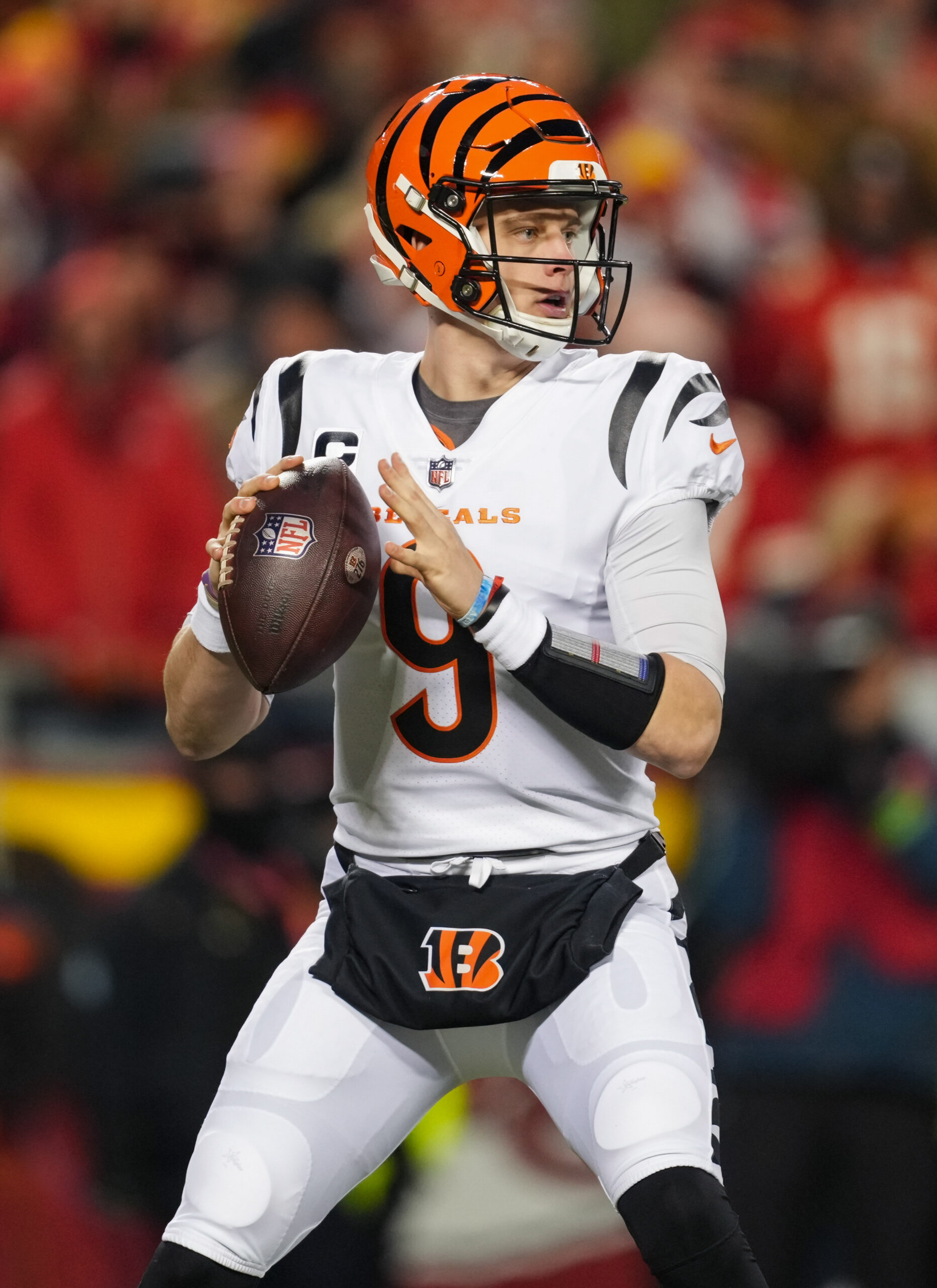 Since 2001, QB-driven graphics regarding Super Bowl participation primarily feature four faces — those of Tom Brady, Peyton Manning, Ben Roethlisberger and Patrick Mahomes. An AFC team employing a QB outside that quartet has only reached the Super Bowl three times (2002 Raiders, 2012 Ravens, 2021 Bengals) in 24 seasons. As the NFC has rolled out 21 Super Bowl QB starters since Brady’s first appearance, it has been quite difficult for outsiders to forge a path in the AFC.
This space used to ask which team was best positioned to KO the Patriots in the AFC. The Chiefs ended up getting there, first loading up around Mahomes’ rookie contract before assembling a low-cost (but highly effective) defense to help a team suddenly limited — beyond the Mahomes-Travis Kelce connection’s enduring brilliance — following the Tyreek Hill trade. As the Chiefs aim to become the first team since the mid-1960s Packers to threepeat (part one of Green Bay’s offering occurred before the Super Bowl era), which conference challenger is best built to disrupt their path back?
The AFC North appears a good place to start. The Ravens open the season with an Arrowhead Stadium trek and held the AFC’s No. 1 seed last season. Lamar Jackson skated to MVP honors, and Mike Macdonald‘s defense led the league in scoring. But familiar issues resurfaced for the team in the AFC championship game. An oddly pass-focused Baltimore effort ground to a halt, as Jackson committed two turnovers. Macdonald has since departed — the first Ravens coordinator to leave for a head coaching job since Gary Kubiak in 2015 — and ex-Baltimore linebacker Zach Orr moved into the DC post. The team also lost three starters up front. Although quiet in free agency (in terms of outside hires) beyond the splashy Derrick Henry addition, the Ravens added likely cornerback starter Nate Wiggins in Round 1 and kept Justin Madubuike off the market via the franchise tag and a quick extension.
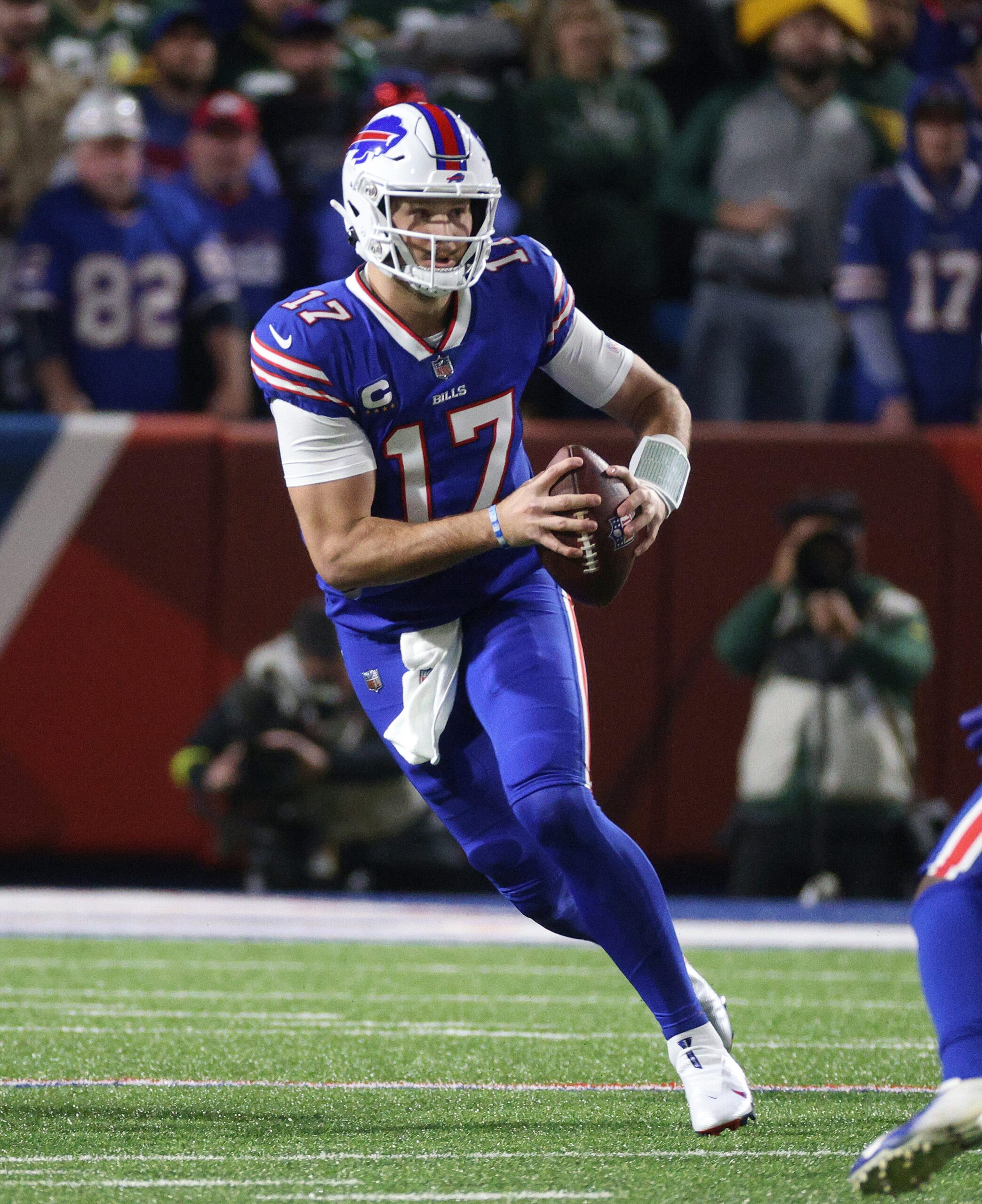 Cincinnati has shown superior mettle against Kansas City since Joe Burrow‘s arrival, beating the Chiefs thrice in 2022 before falling as both teams battled key injuries in the January 2023 AFC title game. The Bengals losing Burrow in November removed a key obstacle in the Chiefs’ path, but the NFL’s highest-paid player is back. The team also retained Tee Higgins, being the only team left to have a player on the tag, and added new tackles in Trent Brown and Amarius Mims to join Orlando Brown Jr. The team revamped its safety corps by bringing back Vonn Bell and adding ex-Raven Geno Stone. Not many glaring issues are present in Cincinnati’s lineup, with longer-term matters — the receiver situation chief among them — the top roster storylines here.
Creeping into the playoffs despite a host of high-profile injuries on offense, the Browns showed their roster strength by shrugging off the injuries to Deshaun Watson, Nick Chubb and their tackles. Cleveland acquired Jerry Jeudy via trade and then extended him, and other than adding some Jeremiah Owusu-Koramoah supporting pieces at linebacker, returns the starters from a No. 1-ranked pass defense. Watson’s struggles, for the most part, since arriving via trade will continue to define where the Browns can venture.
Although the Bills parted with Stefon Diggs and Gabe Davis, looking past Buffalo — a four-time reigning AFC East champion that defeated the Chiefs in three straight seasons in Kansas City — would probably be a mistake. The Bills made some cost-cutting moves, most notably disbanding its seven-year safety duo of Micah Hyde and Jordan Poyer (though Hyde remains in play to return), and saw concerning form from Von Miller following his second ACL tear. The Bills also lost Leonard Floyd in free agency. Focus will understandably be aimed at Buffalo’s WR crew, which now houses Curtis Samuel, second-rounder Keon Coleman and ex-Chief Marquez Valdes-Scantling (who certainly places a premium on QB talent). The Chiefs’ issues staffing their wideout spots last year provided a lingering problem; will the Bills make a higher-profile addition down the line?
 With their backs to the wall, the Joe Douglas–Robert Saleh regime will count on Aaron Rodgers belatedly delivering. The duo may or may not have attempted to strip power from OC Nathaniel Hackett, who is coming off a brutal two-year stretch. The Jets effectively replaced Bryce Huff with a more proven rusher in Haason Reddick and added Mike Williams as a supporting-caster on offense. The team will hope its pair of 33-year-old tackles — Tyron Smith, Morgan Moses — holds up, while Olu Fashanu looms as a long term tackle piece and potential short-term guard. Can the Jets do enough offensively to capitalize on their defensive nucleus of the past two seasons?
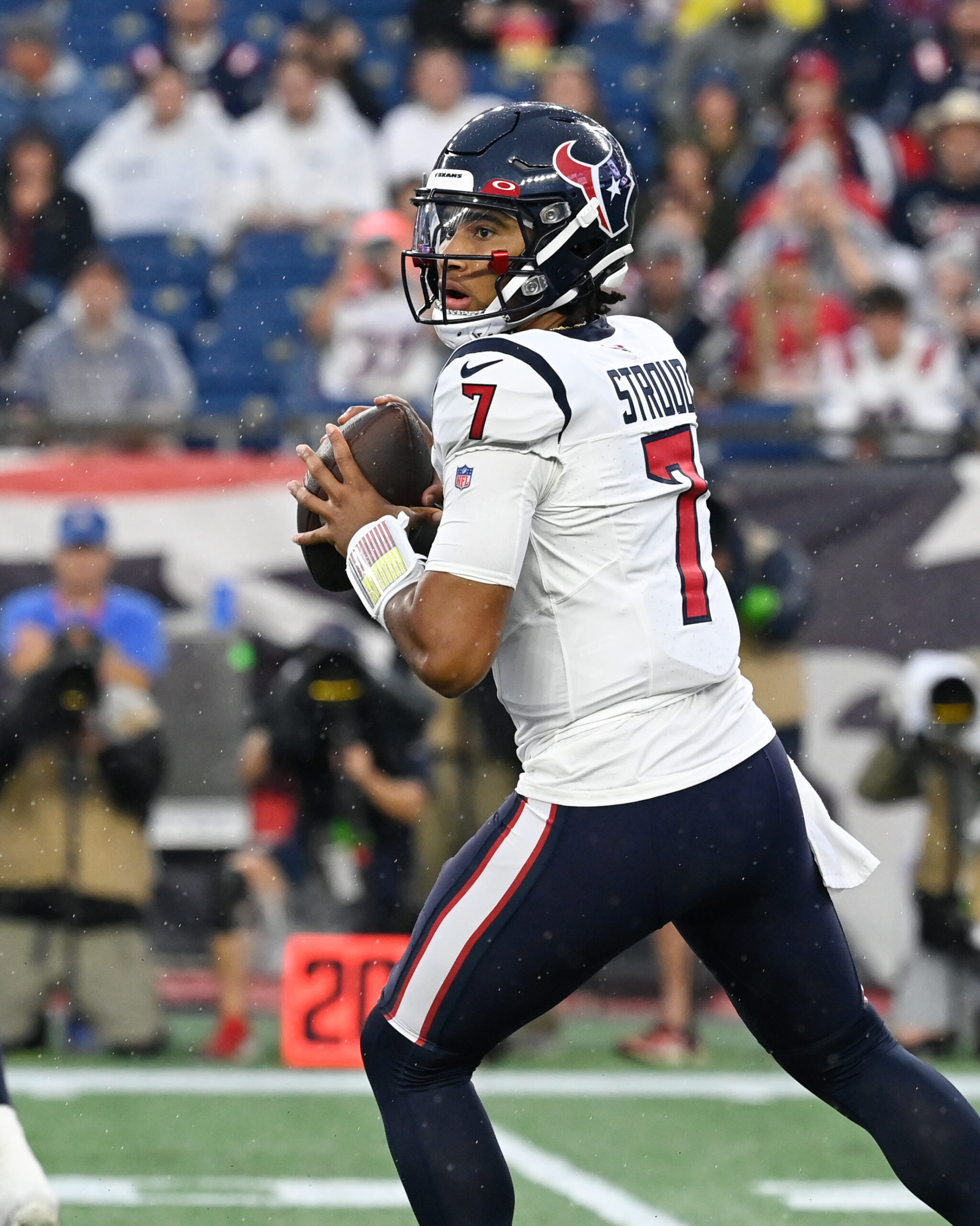
The Texans sit as a fascinating piece of this puzzle, given their outlook going into the first three seasons of Nick Caserio‘s GM tenure. After low-key offseasons from 2021-23, Houston added Diggs and a few notable defenders to the DeMeco Ryans-led roster. Danielle Hunter and Denico Autry join ex-Ryans 49ers pupil Azeez Al-Shaair as key defensive additions. Although Diggs struggled down the stretch in his final Bills season, he certainly played a lead role in elevating Josh Allen‘s stature. The Texans, who have C.J. Stroud on a rookie deal through at least 2025, will hope the Pro Bowler pairs well with Nico Collins and the returning Tank Dell.
Miami and Jacksonville’s roster equations figure to change soon, as respective extension talks with Tua Tagovailoa and Trevor Lawrence are ongoing. The Dolphins have faded badly under Mike McDaniel and did not seriously threaten the Chiefs in a frigid wild-card game, though they have obviously shown elite offensive capabilities in the right environment. Handing the play-calling reins to OC Press Taylor in 2023, the Jaguars did not build on a strong 2022 finish. The Steelers also present one of the highest floors in NFL history, and they have upgraded at quarterback by adding two options — in Justin Fields and likely starter Russell Wilson. But they also have not won a playoff game since the six-field goal offering against the Chiefs — a game that represented the final shove for Kansas City to trade up for Mahoemes — seven years ago.
The Texans emerged from the NFL’s basement last season. Is there a stealth contender lurking? The Chiefs’ division does not look particularly imposing, once again, though Jim Harbaugh now overseeing Justin Herbert is certainly an interesting development. The national championship-winning HC has authored turnarounds everywhere he has gone.
No team has qualified for five Super Bowls in a six-year period, and none of the Super Bowl era’s threepeat efforts have reached the final stage; the 1990 49ers came closest, losing on a last-second field goal in the NFC title game. Who is poised to be the best Chiefs deterrent on their path to a threepeat? Vote in PFR’s latest poll and weigh in with your AFC thoughts in the comments section.
Who is the Chiefs' top AFC challenger?
-
Baltimore Ravens 24% (722)
-
Cincinnati Bengals 17% (526)
-
Houston Texans 13% (406)
-
Buffalo Bills 8% (245)
-
Pittsburgh Steelers 7% (197)
-
Miami Dolphins 6% (173)
-
New York Jets 5% (140)
-
Cleveland Browns 4% (133)
-
Los Angeles Chargers 4% (122)
-
Las Vegas Raiders 3% (102)
-
New England Patriots 2% (72)
-
Indianapolis Colts 2% (66)
-
Denver Broncos 1% (42)
-
Jacksonville Jaguars 1% (32)
-
Tennessee Titans 1% (32)
Total votes: 3,010
The Biggest Wide Receiver Contract In Each Team’s History
Most NFL teams have authorized a big-ticket (by today’s standards) deal for a wide receiver. Ranked by guaranteed money and excluding rookie contracts and accords acquired via trade, here is the most lucrative WR deal in each franchise’s history.
Arizona Cardinals
- DeAndre Hopkins; September 8, 2020: Two years, $54.5MM ($42.75MM guaranteed)
Larry Fitzgerald‘s seven-year, $113MM extension (August 2011) holds the Cardinals standard for total value, but Hopkins’ pact checks in higher in terms of guarantees and AAV.
Atlanta Falcons
- Julio Jones; September 7, 2019. Three years, $66MM ($64MM guaranteed at signing)
Baltimore Ravens
- Odell Beckham Jr.; April 9, 2023: One year, $15MM ($15MM guaranteed at signing)
In total, Michael Crabtree‘s 2018 deal (worth $21MM) and Derrick Mason‘s 2005 agreement ($20MM) surpass Beckham’s. But the 2023 Baltimore rental’s guarantee came in higher.
Buffalo Bills
- Stefon Diggs; April 6, 2022: Four years, $96MM ($70MM guaranteed; $47.99MM guaranteed at signing)
Carolina Panthers
- D.J. Moore; March 18, 2022: Three years, $61.88MM ($41.61MM guaranteed at signing)
Chicago Bears
- D.J. Moore; July 30, 2024: Four years, $110MM ($82.64MM guaranteed; $43.65MM guaranteed at signing)
Cincinnati Bengals
- Ja’Marr Chase: March 16, 2025: Four years, $161MM ($109.8MM guaranteed; $73.9MM guaranteed at signing)
Cleveland Browns
- Jarvis Landry; April 12, 2018: Five years, $75.5MM ($47MM guaranteed; $34MM guaranteed at signing)
The Browns have featured three higher-paid receivers on their roster since Landry’s contract, but both Odell Beckham Jr. and Amari Cooper arrived via trade and played on contracts designed by other teams. Jerry Jeudy‘s AAV ($17.5MM) on his 2024 extension also outpaces Landry’s, though the recent trade pickup’s total guarantee falls short here.
Dallas Cowboys
- CeeDee Lamb; August 26, 2024: Four years, $136MM ($100MM guaranteed; $67MM guaranteed at signing)
Denver Broncos
- Demaryius Thomas; July 15, 2015: Five years, $70MM ($43.5MM guaranteed; $35MM guaranteed at signing)
Courtland Sutton‘s 2025 extension carries a higher AAV ($23MM) but included a lower guarantee
Detroit Lions
- Amon-Ra St. Brown; April 24, 2024: Four years, $120.1MM ($77MM guaranteed; $35.28MM guaranteed at signing)
Green Bay Packers
- Davante Adams; December 29, 2017: Four years, $58MM ($30MM guaranteed; $24MM guaranteed at signing)
Houston Texans
- Nico Collins; May 28, 2024: Three years, $72.75MM ($52MM guaranteed)
DeAndre Hopkins‘ 2017 re-up included more in total value but a lower AAV and guarantee
Indianapolis Colts
- Alec Pierce; March 9, 2026: Four years, $114MM ($84MM guaranteed; $60MM guaranteed at signing)
Jacksonville Jaguars
- Christian Kirk; March 14, 2022: Four years, $72MM ($37MM guaranteed at signing)
Kansas City Chiefs
- Tyreek Hill; September 6, 2019: Three years, $54MM ($35MM guaranteed; $22.54MM guaranteed at signing)
Las Vegas Raiders
- Davante Adams; March 17, 2022: Five years, $140MM ($65.71MM guaranteed; $22.75MM guaranteed at signing)
Los Angeles Chargers
- Keenan Allen; September 5, 2020: Four years, $80.1MM ($50MM guaranteed; $32MM guaranteed at signing)
Los Angeles Rams
- Cooper Kupp; June 8, 2022: Three years, $80.1MM ($75MM guaranteed; $35MM guaranteed at signing)
Miami Dolphins
- Jaylen Waddle; May 30, 2024: Three years, $84.75MM ($76MM guaranteed; $35.98MM guaranteed at signing)
Tyreek Hill‘s 2022 extension tops his ex-teammate for AAV ($30MM), but it came in just south for guarantees ($72.2MM)
Minnesota Vikings
- Justin Jefferson; June 3, 2024: Four years, $140MM ($110MM guaranteed; $89MM guaranteed at signing)
New England Patriots
- Romeo Doubs; March 10, 2026: Four years, $68MM ($39MM guaranteed; $35MM guaranteed at signing)
New Orleans Saints
- Michael Thomas; July 31, 2019: Five years, $96.25MM ($60.6MM guaranteed; $35.65MM guaranteed at signing)
New York Giants
- Odell Beckham Jr.; August 27, 2018: Five years, $90MM ($65MM guaranteed, $40.9MM guaranteed at signing)
New York Jets
- Garrett Wilson; July 14, 2025: Four years, $130MM ($90MM guaranteed)
Philadelphia Eagles
- A.J. Brown; April 25, 2024: Three years, $96MM ($84MM guaranteed; $51MM guaranteed at signing)
Pittsburgh Steelers
- D.K. Metcalf; March 9, 2025: Four years, $132MM ($80MM guaranteed; $60MM guaranteed at signing)
San Francisco 49ers
- Brandon Aiyuk; August 29, 2024: Four years, $120MM ($76MM guaranteed; $38.32MM guaranteed at signing)
Seattle Seahawks
- Jaxon Smith-Njigba; March 23, 2026: Four years, $168.6MM ($120.07MM guaranteed; $69.13MM guaranteed at signing)
Tampa Bay Buccaneers
- Mike Evans; March 9, 2018: Five years, $82.5MM ($55MM guaranteed; $38.26MM guaranteed at signing)
Chris Godwin‘s 2025 deal beats Evans’ for at-signing guarantees ($44MM); his 2022 deal did as well. Godwin’s 2025 deal also tops Evans’ in AAV ($22MM). The all-time Bucs receiving leader’s 2024 agreement, however, leads the way in total guarantees.
Tennessee Titans
- Calvin Ridley; March 13, 2024: Four years, $92MM ($50MM guaranteed; $46.98MM guaranteed at signing)
Washington Commanders
- Terry McLaurin; June 28, 2022: Three years, $69.6MM ($53.15MM guaranteed; $34.65MM guaranteed at signing)
McLaurin’s August 2025 extension eclipses his previous pact in AAV and fully guaranteed money ($44.65MM), but his first Washington payday remains the team’s standard for guaranteed money
NFL Staff Updates: Commanders, 49ers, Slater, Colts, Panthers
The Commanders announced three updates to their front office staff this week. With new leadership in general manager Adam Peters and head coach Dan Quinn, the team sees two staffers depart and one scout join his former boss.
Firstly, senior director of player development Malcolm Blacken will not be retained in 2024, per Ben Standig of The Athletic. Serving multiple stints with the team since 1999, Blacken had risen to his role from years as a strength and conditioning coach.
Joining Blacken in departure will be college scout Harrison Ritcher. According to Neil Stratton of SucceedinFootball.com, Ritcher is headed to Atlanta to serve as a national scout for the Falcons, reuniting with former Washington staffer, and current assistant general manager in Atlanta, Kyle Smith. Ritcher had been with the team since 2017.
Lastly, the Commanders will be adding Jack Quagliarello to the scouting staff as a pro scout, per Stratton. Quagliarello follows Peters from San Francisco after spending last season as a scouting assistant with the 49ers.
Here are a few other staff updates from around the NFL:
- The 49ers also made some announcements, all to their scouting staff. San Francisco has promoted Josh Williams from national scout to director of scouting & football operations, per Stratton. Williams started with the team in 2011 as a scouting assistant and has quickly risen through the ranks. As a part of the NFL’s accelerator program, Williams is widely considered a future general manager candidate. He’ll work closely with general manager John Lynch and executive vice president of football operations Paraag Marathe in 2024. In addition, Stratton notes that Ryan Schutta has been hired as a scouting assistant, filling the role vacated by Quagliarello’s departure mentioned above.
- Following his retirement, we learned that former Patriots special teams ace Matthew Slater would join the Patriots staff in a full-time role. Now, Doug Kyed of the Boston Herald tells us a bit more about Slater’s new role. Kyed says that, while Slater “hasn’t advanced into a coaching role” just yet, he will serve an advisory role on the staff in 2024.
- The Colts had reportedly finalized their 2024 coaching staff back in March, but we did note that they planned to announce two Tony Dungy Diversity Fellowship hires at the time. The team has officially made such announcements, per team writer JJ Stankevitz, naming Kalon Humphries and Diego Ortiz as the two fellows. Indianapolis also announced a title change for Joe Hastings, who will now serve as senior assistant special teams coach, and the hiring of Brent Stockstill as a defensive assistant. Stockstill makes his NFL coaching debut after five years coaching at the collegiate level with a focus on offense.
- Lastly, the Panthers have added Brad Obee as their new Midwest scout, according to Stratton. Over 21 years with the Bears and Eagles, Obee has spent time in numerous scouting roles, often focusing on pro scouting. He most recently spent the last three seasons as an area scout for Philadelphia, departing after the expiration of his contract.
AFC South Notes: Colts, Nabers, Texans, Jags
The Colts‘ wide receiver room includes two starters acquired before Shane Steichen‘s arrival — Michael Pittman Jr., Alec Pierce — and the team made a three-year, $70MM commitment to its No. 1 target in March. Steichen is starting to put his stamp on the WR room, however, with the Colts having drafted Josh Downs in last year’s third round and Adonai Mitchell in this year’s second. As Chris Ballard continues to run Indianapolis’ draft, ESPN.com’s Stephen Holder notes Steichen “strongly advocated” for Mitchell in the second round.
Mitchell is unlikely to stroll into a starting spot early, as Holder adds the Texas product will be expected to begin training camp as the top backup behind Pittman, Pierce and Downs. But the ex-Longhorns standout’s draft slot (No. 52) suggests he will be heard from early in his career. The Colts have seen mixed results from their second-round WRs under Ballard, with Pittman shining and Parris Campbell struggling to stay on the field. Pierce (No. 53 overall in 2022) has eclipsed 500 receiving yards in each of his first two seasons. A Georgia transfer, Mitchell blazed to a 4.34-second 40-yard dash at the Combine. Although he only topped 450 receiving yards in one college season (2023, with 845 and 11 touchdowns), plenty will be expected from a Colts team that has struggled with receiver depth for most of Ballard’s GM tenure.
Here is the latest from the AFC South:
- Staying on the WR topic, the Titans had a contingency plan in the event one of the teams above them at No. 7 zagged. The Giants were seemingly down to QB or WR at No. 6 throughout the pre-draft process, but a post-draft report suggested they were also eyeing Joe Alt. The Chargers were both connected to Alt and JC Latham at No. 5. In a scenario in which targets Latham and Alt were off the board, ESPN.com’s Jeremy Fowler notes Malik Nabers would have been the Tennessee pick at 7. A Nabers choice would have left the OL-needy Titans less equipped up front, and Latham filled a bigger need. The team has since signed Tyler Boyd to team with outside targets DeAndre Hopkins and Calvin Ridley.
- The Colts are changing some of their rookies’ positions ahead of their first NFL offseason programs. Ballard said fifth-round pick Jaylon Carlies will move from safety to linebacker, with the Indianapolis Star’s Joel Erickson indicating fifth-round safety Jaylin Simpson is sliding from safety to cornerback. Simpson has CB experience but moved to safety while at Auburn. Before Day 3 investments, the Colts did not address the cornerback position beyond Kenny Moore‘s re-signing. This leaves some uncertainty here — particularly on the outside.
- Third-round Colts draftee Matt Goncalves spent his college career at left and right tackle, but ProFootballNetwork.com’s Adam Caplan notes the rookie will be given time at guard this offseason. The Day 2 pick will compete for a backup job as a rookie, per Holder, as it appears Indy is planning to keep its low-cost starters (Bernhard Raimann, Will Fries) in place alongside veterans Quenton Nelson, Ryan Kelly and Braden Smith.
- The Texans will make an adjustment at a key front office post. The team did not renew director of pro personnel Ronnie McGill‘s contract, KPRC2’s Aaron Wilson notes. McGill followed GM Nick Caserio from New England in 2021; the Texans had promoted him to the director post in 2022. Teams regularly make scouting adjustments post-draft, and a notable Texans hire will be on tap.
- A scouting veteran of more than 30 years, Tom McConnaughey is retiring from his Jaguars post. The veteran staffer, who has been with the Jags since 2021, will leave after three years as a national scout with the team, InsidetheLeague.com’s Neil Stratton tweets. McConnaughey spent 26 years with the Chargers prior to moving to Jacksonville.
- In addition to hiring A.J. Highsmith and Keenan Agnew, the Titans are adding Sam Summerville to their scouting staff. Summerville is expected to join the team as a national scout, per Stratton. The Bears recently parted ways with Summerville, a former Fritz Pollard Alliance scout of the year honoree, after 12 years.
NFL Draft Pick Signings: 5/14/24
Teams continue to sign their draft picks to rookie contracts. We’ve collected today’s miscellaneous signings below:
Chicago Bears
- OT Kiran Amegadjie (third round, Yale)
Cincinnati Bengals
- WR Jermaine Burton (third round, Alabama)
- TE Erick All (fourth round, Iowa)
Denver Broncos
- EDGE Jonah Elliss (third round, Utah)
Indianapolis Colts
- WR Anthony Gould (fifth round, Oregon State)
Minnesota Vikings
- OT Walter Rouse (sixth round, Oklahoma)
New York Giants
- CB Dru Phillips (third round, Kentucky)
Seattle Seahawks
- CB Tyrice Knight (fourth round, UTEP)
NFL Draft Pick Signings: 5/13/24
Front offices around the NFL continue to chip away at their draft pick signings. That was no exception today, as a number of teams inked players to rookie contracts:
Cincinnati Bengals
- DE Cedric Johnson (sixth round, Mississippi)
Indianapolis Colts
- OT Matt Goncalves (third round, Pittsburgh)
- C Tanor Bortolini (fourth round, Wisconsin)
Jacksonville Jaguars
- CB Jarrian Jones (third round, Florida State)
- OT Javon Foster (fourth round, Missouri)
- DT Jordan Jefferson (fourth round, LSU)
- CB Deantre Prince (fifth round, Ole Miss)
- RB Keilan Robinson (fifth round, Texas)
- K Cam Little (sixth round, Arkansas)
- DE Myles Cole (seventh round, Texas Tech)
New York Jets
- RB Braelon Allen (fourth round, Wisconsin)
- QB Jordan Travis (fifth round, Florida State)
- RB Isaiah Davis (fifth round, South Dakota State)
- CB Qwan’tez Stiggers (fifth round, Toronto Argonauts)
- S Jaylen Key (seventh round, Alabama)
Philadelphia Eagles
- EDGE Jalyx Hunt (third round, Houston Christian)
- RB Will Shipley (fourth round, Clemson)
- WR Ainias Smith (fourth round, Texas A&M)
Seattle Seahawks
- TE AJ Barner (fourth round, Michigan)
- CB Nehemiah Pritchett (fifth round, Auburn)
- G Sataoa Laumea (sixth round, Utah)
- CB DJ James (sixth round, Auburn)
Tampa Bay Buccaneers
- TE Devin Culp (seventh round, Washington)
Colts Sign Seven UDFAs
After adding nine rookies via the draft, the Colts are continuing to add first-year players to their roster. The team announced that they’ve signed seven undrafted free agents, including a pair of quarterbacks:
- Jason Bean, QB/WR (Kansas)
- Trent Pennix, RB (NC State)
- Spencer Shrader, K (Notre Dame)
- Kedon Slovis, QB (BYU)
- Dalton Tucker, G (Marshall)
- Xavier White, WR (Texas Tech)
- Craig Young, LB (Kansas)
Interestingly, the Colts listed former Kansas signal caller Jason Bean as both a quarterback and wide receiver. That’s not a complete surprise considering the rookie’s running ability. In three seasons at Kansas, Bean rushed for 901 yards and nine touchdowns on 178 carries. With Anthony Richardson atop the depth chart and Joe Flacco in place as the backup, Bean’s best shot at a roster spot will surely come at a different position. Kedon Slovis will have a similar uphill battle to make Indy’s roster. The quarterback had an up-and-down college career, with his 30-touchdown campaign as a freshman in 2019 representing his career-high. He most recently got into eight games at BYU, tossing 12 touchdowns vs. six interceptions.
Among all the UDFAs, Spencer Shrader probably has the most realistic shot at a roster spot, as the rookie will compete with veteran Matt Gay for the Colts’ primary kicker spot. Shrader finished his college career having connected on only 68.3 percent of his field goal attempts, although he was 156-for-158 on his extra point tries.
Minor NFL Transactions: 5/10/24
Friday’s minor transactions as we head into the weekend:
Atlanta Falcons
- Signed: WR Dylan Drummond
Buffalo Bills
- Deemed international roster exemption: T Travis Clayton
Carolina Panthers
- Released: RB Tarik Cohen
- Waived: WR Jalen Camp, TE Chris Pierce Jr.
- Waived (with injured designation): RB Spencer Brown, T Ilm Manning, DT Raequan Williams
- Waived (with non-football injury designation): CB AJ Parker
Dallas Cowboys
- Deemed international roster exemption: DT Denzel Daxon
Denver Broncos
- Deemed international roster exemption: TE Thomas Yassmin
Houston Texans
- Waived: RB Gerrid Doaks
Indianapolis Colts
- Waived: WR Terrell Bynum
Miami Dolphins
- Deemed international roster exemption: T Bayron Matos
New York Giants
- Waived (with injured designation): RB Deon Jackson
Cohen hasn’t appeared in an NFL game since his time in Chicago, where he earned first-team All-Pro and Pro Bowl honors as a punt returner, ended in 2020. The North Carolina A&T product had been part of an effective 1-2 punch with Jordan Howard but saw his role diminish with the arrival of David Montgomery in 2019. Since then, injuries have limited the explosive rusher’s ability to make an impact.
Colts Sign Round 1 DE Laiatu Latu, Four Other Draftees
Thursday’s run of first-rounders inking rookie deals will continue with Laiatu Latu. The Colts agreed to terms with their top pick, who is now signed through 2027.
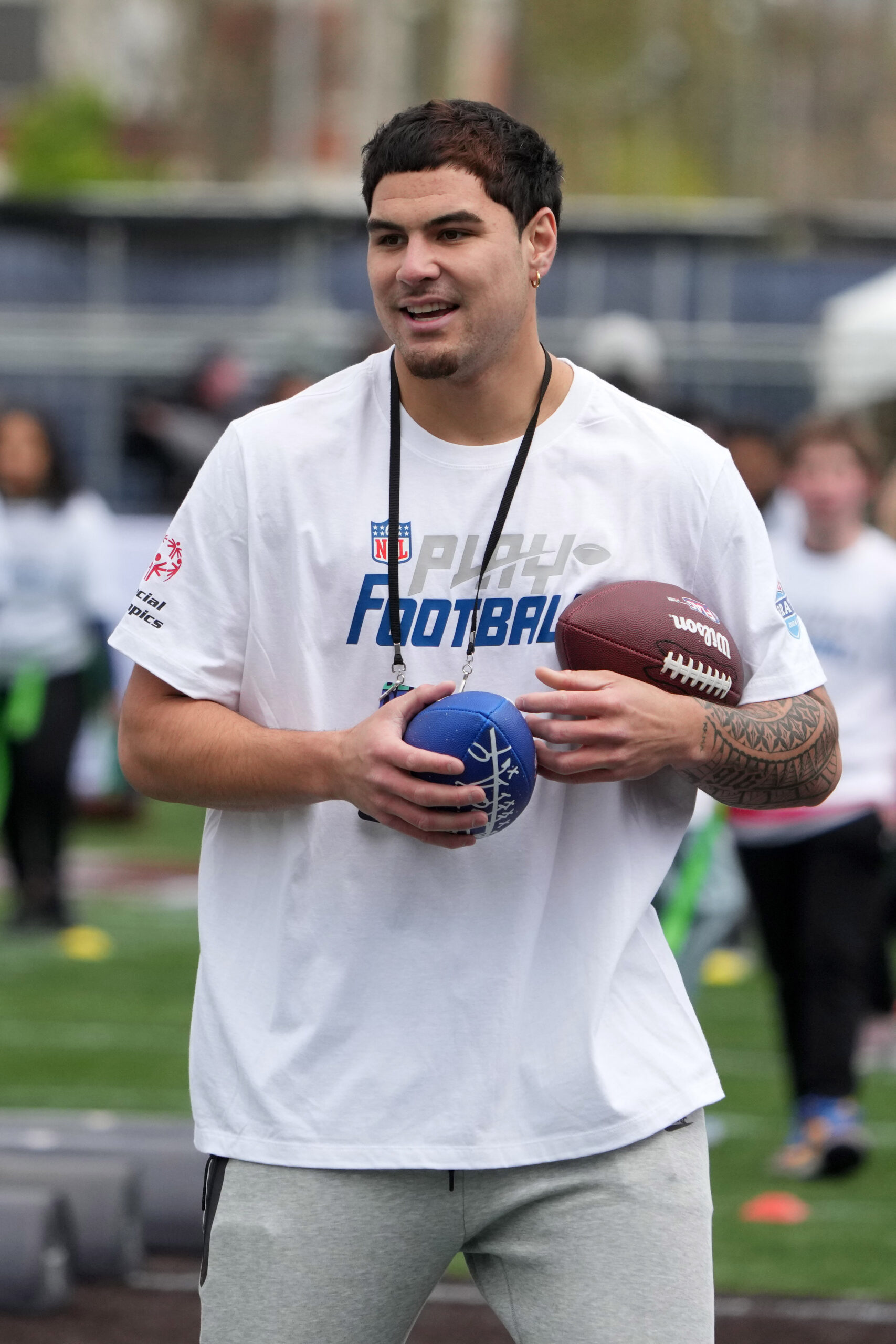 The UCLA prospect — the first defender off the board in this year’s draft, at No. 15 — will see his contract fully guaranteed, as all first-rounders’ deals are, and the Colts can keep him on this deal through 2028 via the fifth-year option. For now, Latu will get to work building on his Los Angeles-based career resurgence.
[RELATED: Colts Pick Up Kwity Paye’s Fifth-Year Option]
A neck injury at Washington forced a medical retirement from Latu, but he resurfaced with the Bruins in 2022. Last season’s Pac-12 Defensive Player of the Year showing (13 sacks, 21.5 tackles for loss) solidified Latu’s value as a first-rounder. With six QBs going off the board in the first 12 picks, other teams opted to fill wide receiver and tackle needs. The Raiders opted for a value pick in Brock Bowers. This left Latu on the board for the Colts, who jumped at the chance to grab a player they viewed as the draft’s top defender.
Latu began to display first-round-level form with a 10.5-sack 2022 season at the then-Chip Kelly-run program. He also intercepted two passes last season. The Colts had made offers to trade up in Round 1, and pre-draft reports suggested Indianapolis was targeting a skill-position player. Malik Nabers may well have been Indy’s target, but the Colts circled back to the WR position in Round 2 by taking Texas’ Adonai Mitchell. Latu will be plugged into a suddenly deep DE corps.
The Colts did not meet with Latu on a “30” visit, but they joined most teams in being comfortable with his medical outlook. The Falcons were interested enough in Latu they attempted to trade back into the middle of Round 1 — after eschewing their edge-rushing need to take Michael Penix Jr. at No. 8 — to draft the Pac-12 star.
In Indianapolis, Latu joins former first-rounder Kwity Paye, ex-second-rounder Dayo Odeyingbo and 2023 free agency pickup Samsom Ebukam. This trio fared well for the Colts last season; each posted at least eight sacks — career-high totals across the board. That group, with a heavy assist from DeForest Buckner, accumulated 51 — good enough for fifth in the league. Latu joining this rush cadre certainly should provide more strength for Indy’s suddenly formidable pass rush.
Additionally, linebacker Jaylon Carlies and cornerback Jaylin Simpson signed fifth-round rookie deals, while cornerback Micah Abraham and defensive tackle Jonah Laulu agreed to terms on their seventh-round contracts Thursday night.
2024 NFL General Manager Search Tracker
With the Patriots hiring Eliot Wolf as their de facto GM after having moved on from Bill Belichick, all five teams in need of a GM have filled their post this offseason. If other teams decide to make GM changes, they’ll be added to this list.
Updated 5-11-24 (4:35pm CT)
Carolina Panthers
- Brandon Brown, assistant general manager (Giants): To conduct second interview
- Mike Disner, chief operating officer (Lions): Withdrew from consideration
- Ed Dodds, assistant general manager (Colts): Interviewed 1/14
- Mike Greenberg, assistant general manager (Buccaneers): Interview requested
- Alec Halaby, assistant general manager (Eagles): To conduct second interview
- Khai Harley, assistant general manager (Saints): Interview requested
- Champ Kelly, interim general manager (Raiders): Interviewed 1/11
- Nick Matteo, vice president of football administration (Ravens): Interviewed 1/15
- Will McClay, vice president of player personnel (Cowboys): Withdrew from consideration
- Dan Morgan, assistant general manager (Panthers): Hired
- Samir Suleiman, vice president of football administration (Panthers): To interview
- Brandt Tilis, vice president of football operations (Chiefs): Interviewed 1/15
Las Vegas Raiders
- Trey Brown, senior personnel executive (Bengals): Interview requested
- Ed Dodds, assistant general manager (Colts): Interviewed 1/12; conducted second interview
- Terrance Gray, vice president of player personnel (Bills): Interviewed 1/12
- Champ Kelly, interim general manager (Raiders): Conducted second interview 1/15; in play to stay with team
- Kelly Kleine Van Calligan, executive director of football operations (Broncos): Interviewed 1/10
- Adam Peters, assistant general manager (49ers): Interview requested
- Tom Telesco, former general manger (Chargers): Hired
Los Angeles Chargers
- Dawn Aponte, chief football administrative officer (NFL): Interviewed 1/22
- Brandon Brown, assistant general manager (Giants): Conducted second interview 1/24
- Ian Cunningham, assistant general manager (Bears): Interviewed 1/14
- Ed Dodds, assistant general manager (Colts): Interviewed 1/17
- Terrance Gray, vice president of player personnel (Bills): Interviewed 1/16
- Joe Hortiz, director of player personnel (Ravens): Hired
- Jeff Ireland, assistant general manager (Saints): Interviewed 1/17
- Jeff King, co-director of player personnel (Bears): Interviewed 1/19
- Will McClay, vice president of player personnel (Cowboys): Withdrew from consideration
- Adam Peters, assistant general manager (49ers): Interview requested
- JoJo Wooden, interim general manager (Chargers): Interviewed 1/11
New England Patriots
- Trey Brown, senior personnel executive (Bengals): Declined interview request
- Terrance Gray, director of player personnel (Bills): Declined interview request
- Quentin Harris, former VP of player personnel (Cardinals): Declined interview request
- Brandon Hunt, director of scouting (Eagles): Interviewed 5/7-5/8
- Samir Suleiman, former director of football administration (Panthers): Interviewed 5/8
- Eliot Wolf, de facto general manager (Patriots): Hired
Washington Commanders
- Mike Borgonzi, assistant general manager (Chiefs): Interviewed 1/9
- Glenn Cook, assistant general manager (Browns): Interviewed 1/9
- Ian Cunningham, assistant general manager (Bears): Interviewed 1/10; finalist
- Alec Halaby, assistant general manager (Eagles): Interviewed 1/10
- Will McClay, vice president of player personnel (Cowboys): Withdrew from consideration
- Adam Peters, assistant general manager (49ers): Hired