
PFR Live Chat With Zach Links
Click here to read the transcript of today’s PFR Live Chat With Zach Links.
Top 3 Offseason Needs: Atlanta Falcons
In advance of March 9, the start of free agency in the NFL, Pro Football Rumors will detail each team’s three most glaring roster issues. We’ll continue this year’s series with the Atlanta Falcons, who capped off an 11-5 season with a Super Bowl appearance that ended in devastating fashion.
Depth Chart (via Roster Resource)
Pending Free Agents:
- Ricardo Allen, S (ERFA)
- Jonathan Babineaux, DT
- Chris Chester, G
- Tom Compton, T
- Patrick DiMarco, FB
- Dwight Freeney, DE
- Taylor Gabriel, WR (RFA)
- Ben Garland, C (ERFA)
- Dashon Goldson, S
- Kemal Ishmael, S
- Akeem King, S (ERFA)
- LaRoy Reynolds, LB
- Aldrick Robinson, WR
- Matt Schaub, QB
- Tyler Starr, LB (ERFA)
- Jacob Tamme, TE
- Levine Toilolo, TE
- Courtney Upshaw, LB/DE
- Sean Weatherspoon, LB
- Eric Weems, WR
- Philip Wheeler, LB
- Paul Worrilow, LB
- Blidi Wreh-Wilson, CB (RFA)
Top 10 Cap Hits for 2017:
- Matt Ryan, QB: $23,750,000
- Julio Jones, WR: $13,900,000
- Robert Alford, CB: $9,600,000
- Alex Mack, C: $9,050,000
- Desmond Trufant, CB: $8,026,000
- Mohamed Sanu, WR: $7,400,000
- Ryan Schraeder, T: $7,100,000
- Andy Levitre, G: $6,625,000
- Tyson Jackson, DL: $5,850,000
- Adrian Clayborn, DE: $5,406,250
Other:
- Projected cap space (via Over the Cap): $22,435,713
- 31st pick in draft
- Must exercise or decline 2018 fifth-year option for T Jake Matthews
Three Needs:
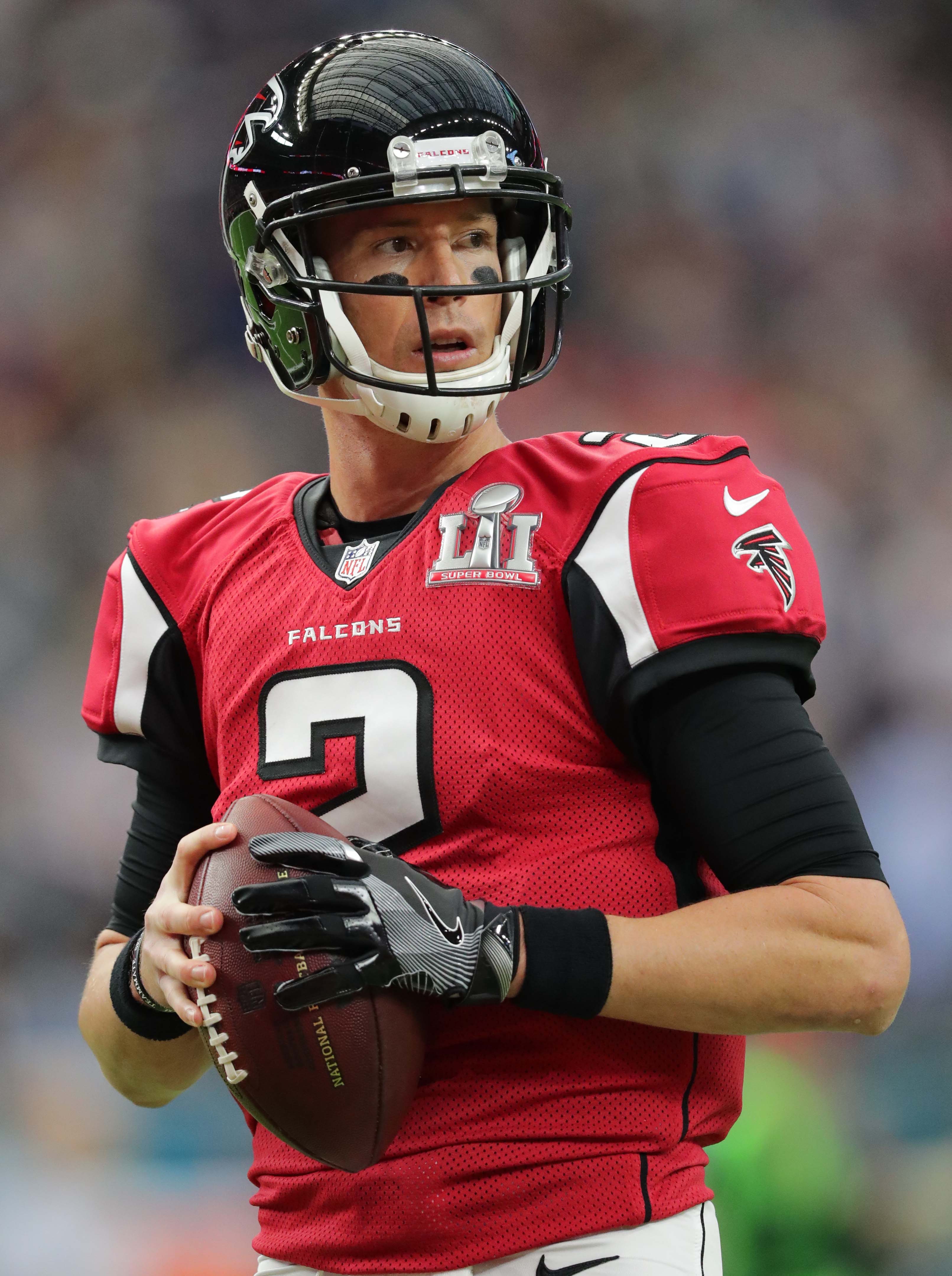
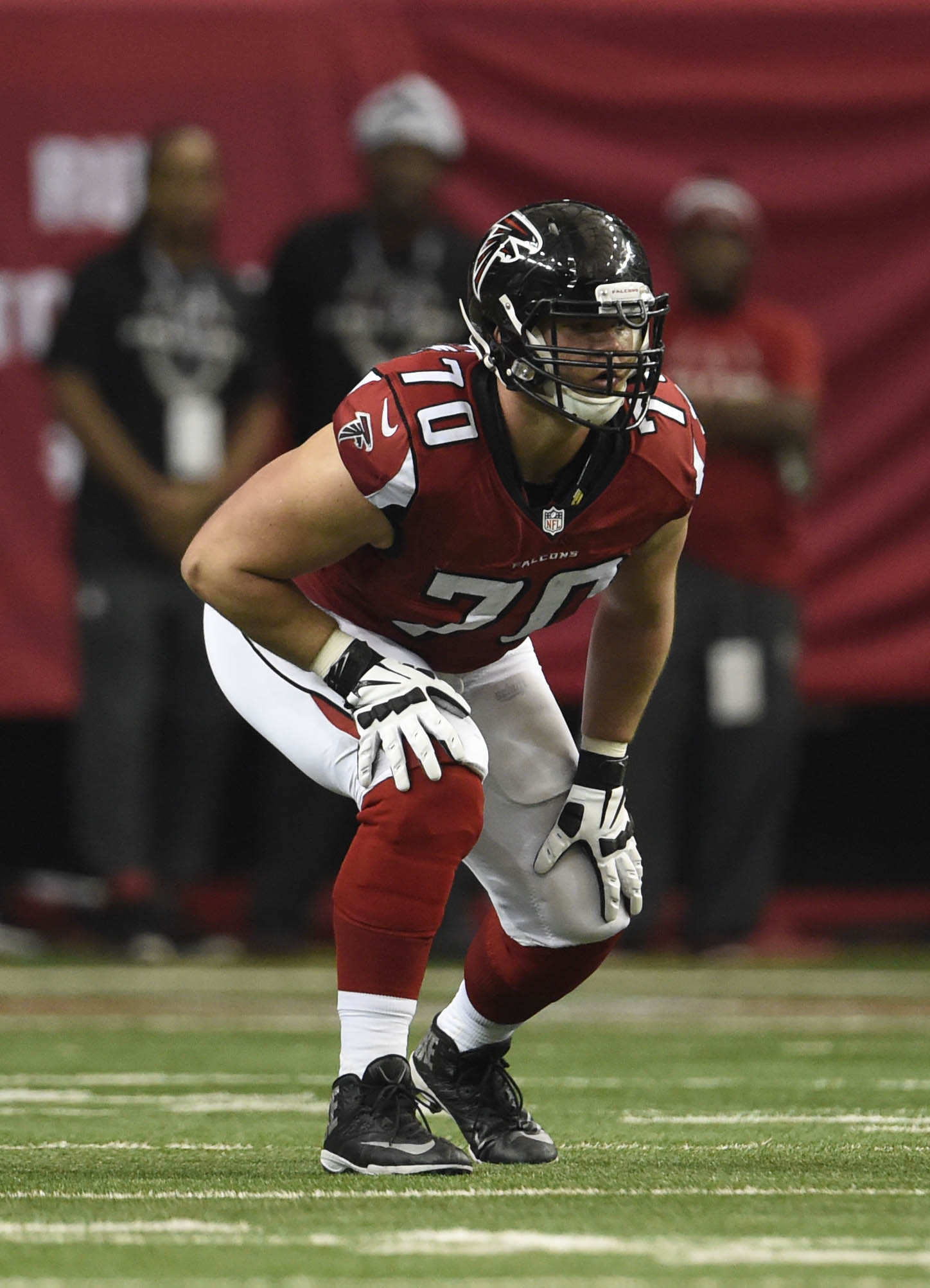
1. Fortify right guard: For the most part, the Falcons’ offensive line was a strength in 2016. While the unit ranked just 23rd in adjusted sack rate, Atlanta’s front five placed tenth in adjusted line yards and was named the sixth-best offensive line in the league in Pro Football Focus’ year-end rankings. The club has certainly invested in its line, using a first-round pick on left tackle Jake Matthews, spending heavily in free agency to land center Alex Mack, and rewarding a formerly anonymous undrafted free agent — right tackle Ryan Schraeder — with a multi-year extension.
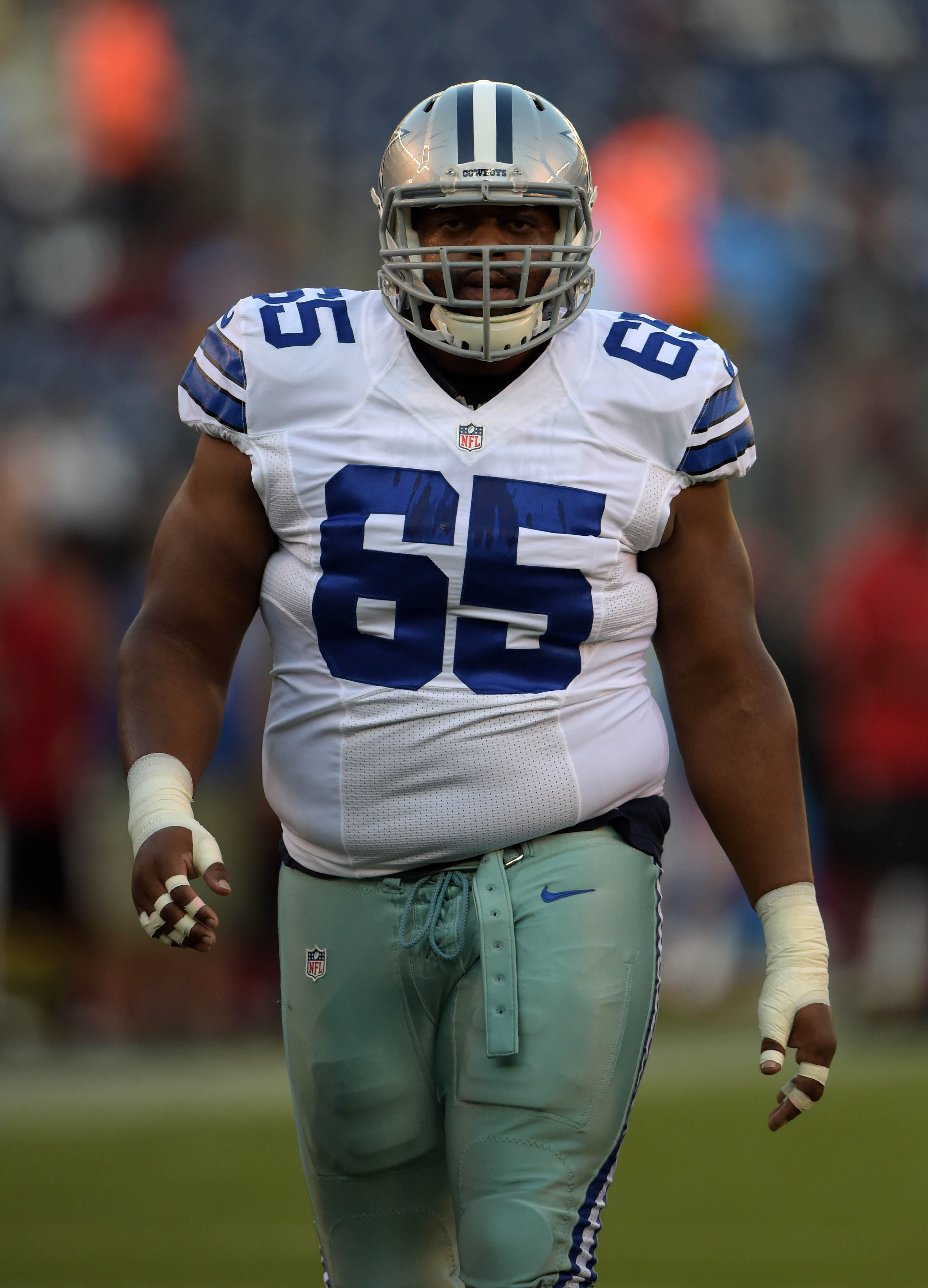
Indeed, every one of Atlanta’s offensive lineman graded out as a starting-caliber player, according to PFF, with the exception of veteran right guard Chris Chester, who ranked as the No. 56 guard among 72 qualifiers. Chester is scheduled to hit the open market next month after his one-year deal expires, so the Falcons won’t have to worry about the prospect of incurring dead money if forced to release him. Instead, the team has the option of simply letting him walk, and given that Chester is entering his age-34 season, the Falcons should do just that.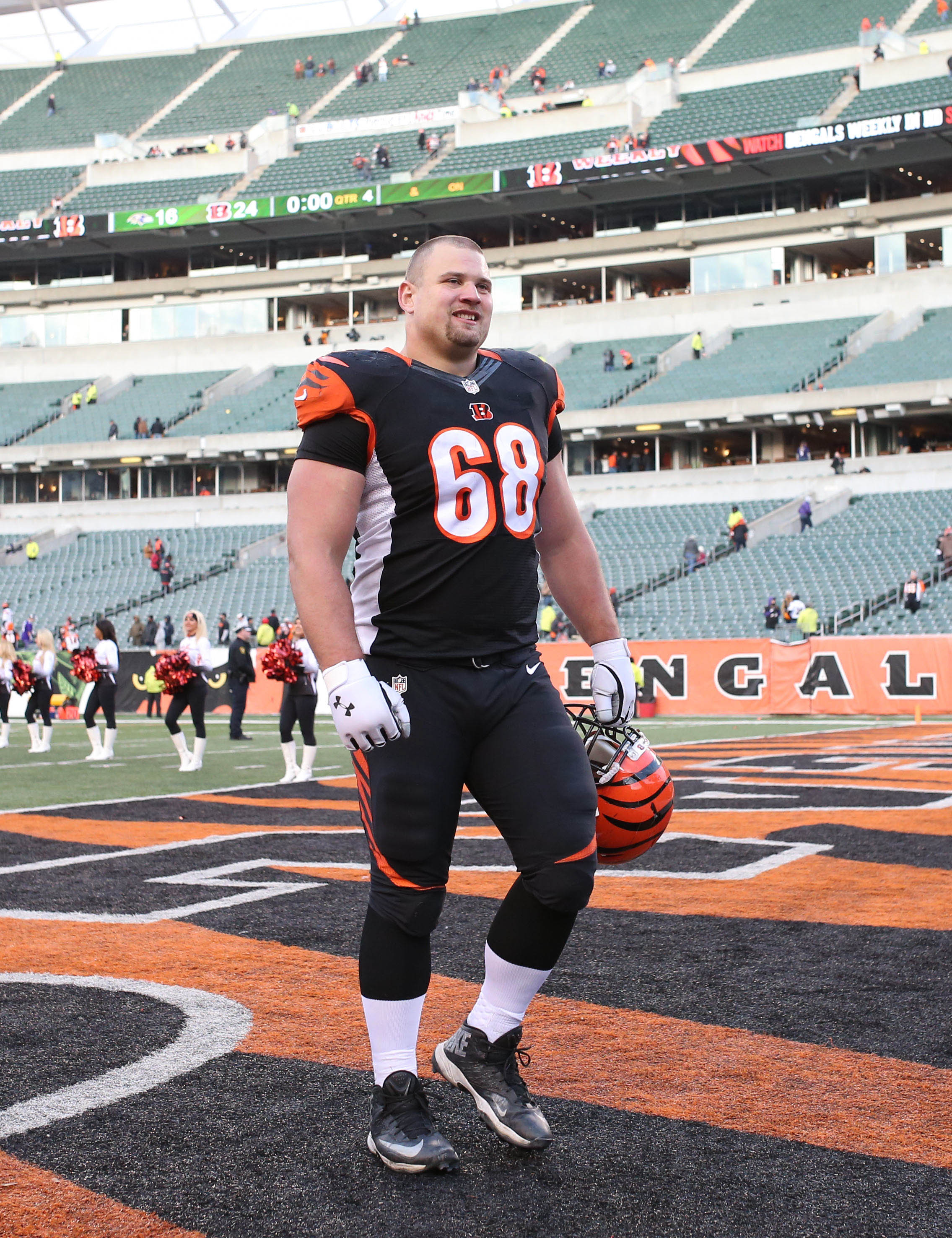
Atlanta doesn’t have a ton of cap space (ninth-least in the NFL), but it also doesn’t have a ton of needs. As such, it’s fair to wonder if general manager Thomas Dimitroff & Co. will target a top-notch guard right out of the free agent gate, adding a new player that could transform the Falcons’ offensive line into a truly elite unit. And while the free agent tackle and center markets are relatively barren, the list of available guards should intrigue Atlanta.
Kevin Zeitler, 26, looks to be the top guard headed for free agency, and appears increasingly unlikely to return to the Bengals. If he does reach the open market, Zeitler figures to be in for a massive payday. Even though right guards typically earn less than their left side counterparts, Zeitler should be able to blow past the $10MM averages landed by Kyle Long and David DeCastro, especially since each of those players inked extensions, not free agent pacts. Zeitler, who ranked as PFF’s No. 7 guard, would immediately convert Atlanta’s offensive line into one of the best units in the league.
Though he may represent the best option, Zeitler is far from the only interior lineman the Falcons could go after. The Packers’ T.J. Lang placed just one spot behind Zeitler in PFF’s rankings, and given that he’s more than two years older than the Bengals free agent, could come at a much cheaper cost. Green Bay prefers to retain its own free agents, but it hasn’t placed much emphasis on the interior of the offensive line lately, as evidenced by their surprising 2016 release of Josh Sitton. Fellow Packer J.C. Tretter, the Lions’ Larry Warford, and the Cowboys’ Ronald Leary could also catch the eye of Atlanta this offseason.
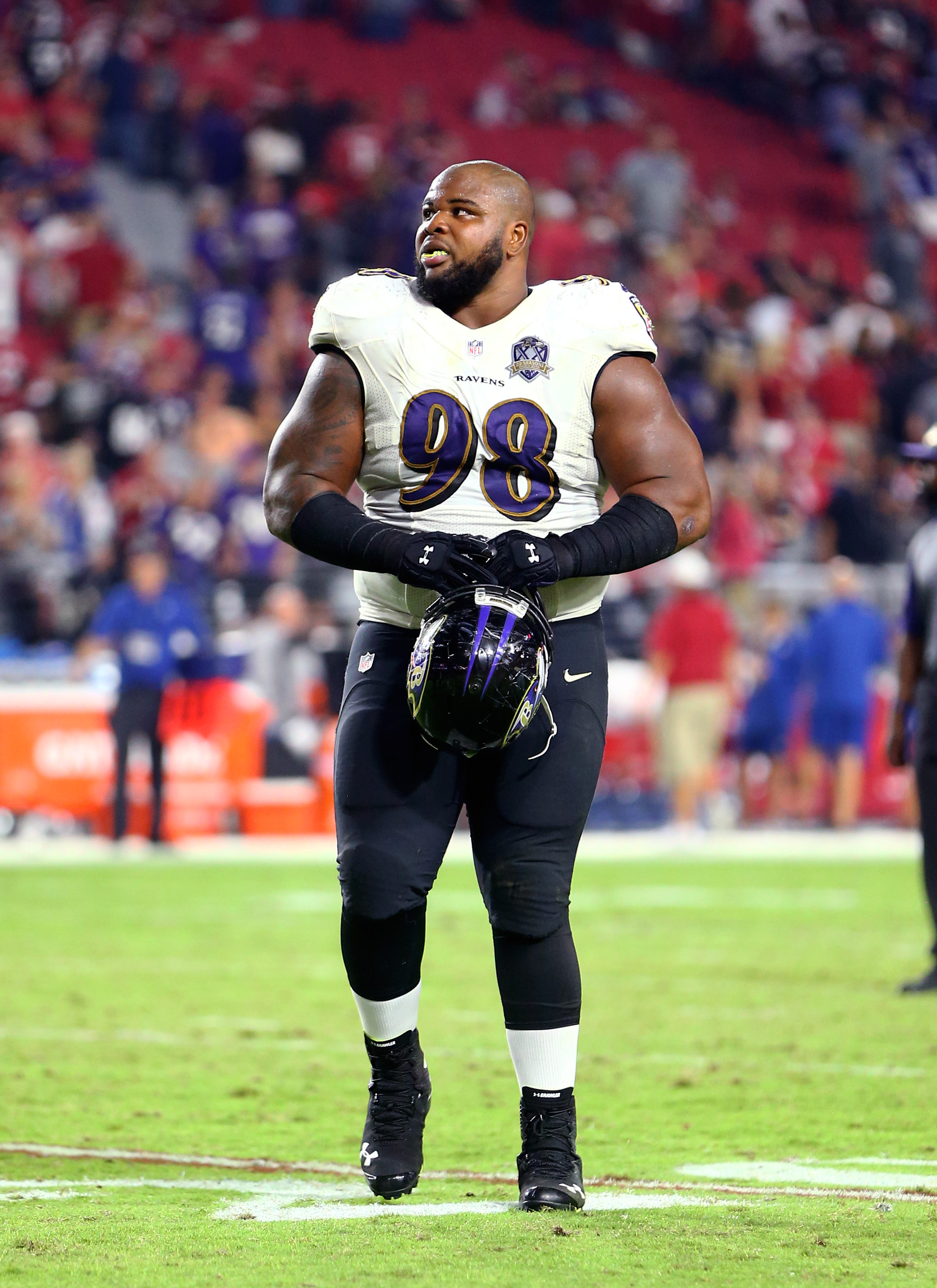
If the Falcons want to conserve their limited cap space for other position upgrades, they could instead target guard help in the draft. This year’s crop of prospects is thought to be short on offensive lineman, so Atlanta may want to use their first-round pick (No. 31 overall) on a guard lest in miss out on interior help later in the draft. Western Kentucky’s Forrest Lamp looks like the best guard available in 2017, and Dane Brugler of CBSSports.com favorably compares Lamp to the Cowboys’ Zack Martin, who — like Lamp — played tackle in college before moving inside in the pros. Dan Feeney (Indiana), Dorian Johnson (Pittsburgh), and Nico Siragusa (San Diego State) are among the other guards the Falcons could consider on Day 1 or 2.
2017 NFL Franchise Tag Candidates
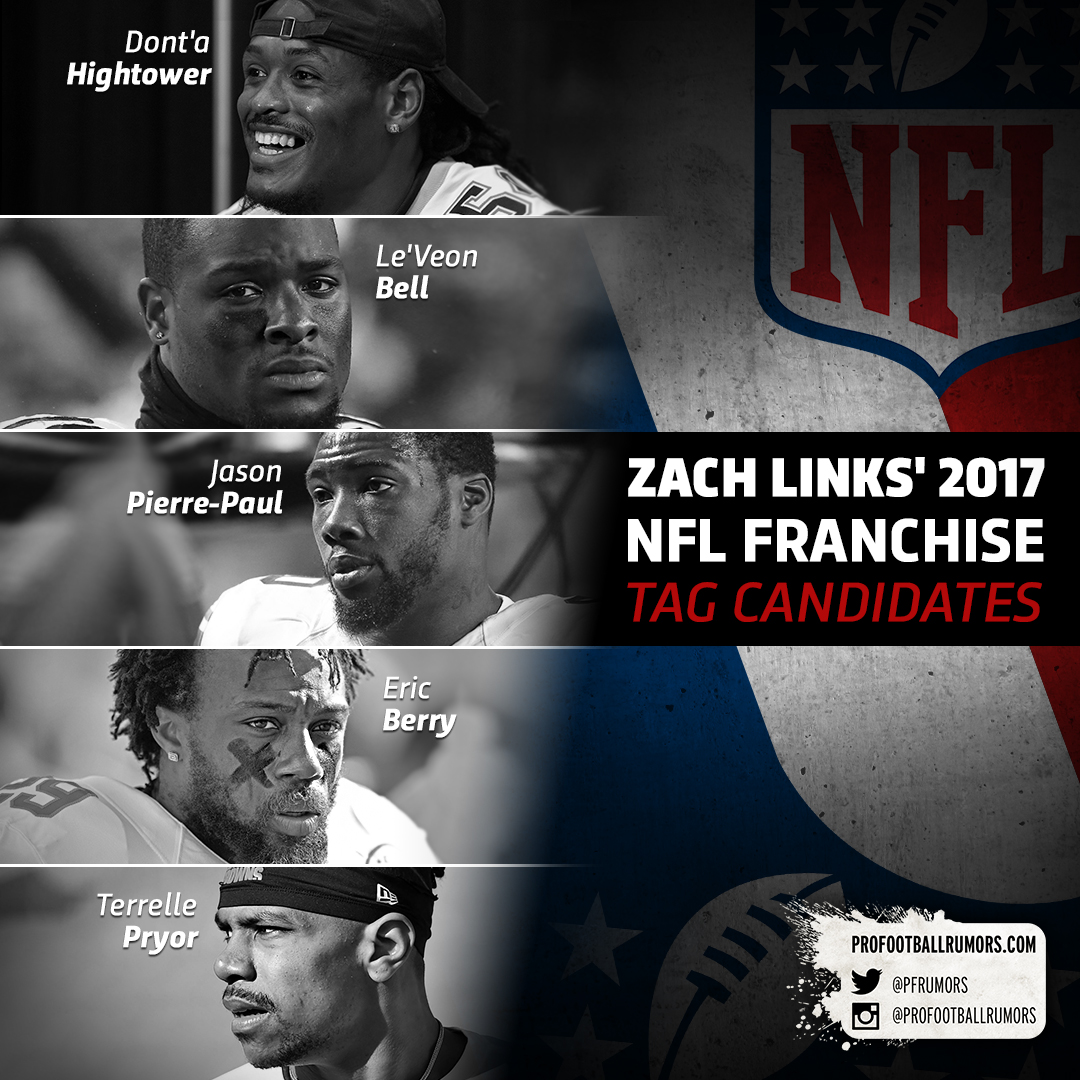
Starting today, NFL teams will be able to place franchise and transition tags on potential free agents for the first time. While the window for franchise tags is open, most clubs won’t actually tag any players right away.
As our list of important dates for the 2017 offseason shows, the deadline for teams to assign those tags doesn’t come until Wednesday, March 1st. Usually, when it comes to NFL contract discussions, deadlines spur action, so teams will wait until that deadline approaches to officially use franchise tags, once it becomes clear that they won’t be able to strike a longer-term deal yet with their respective free-agents-to-be.
Even though the action might not heat up for a couple more weeks, it’s worth taking a closer look at what to expect during 2017’s franchise tag period. The NFL hasn’t officially announced the salary cap figure for 2017, but former agent Joel Corry of CBSSports.com recently projected the 2017 franchise tag salaries based on a presumed $168MM cap. Here are the expected non-exclusive franchise tag amounts:
- Quarterback: $21.395MM
- Running back: $12.377MM
- Wide receiver: $15.826MM
- Tight end: $9.894MM
- Offensive line: $14.444MM
- Defensive end: $16.955MM
- Defensive tackle: $13.468MM
- Linebacker: $14.754MM
- Cornerback: $14.297MM
- Safety: $10.961MM
- Punter/kicker: $4.863MM
(For a refresher on the characteristics of the exclusive and non-exclusive franchise tags, as well as the transition tag, be sure to check out PFR’s glossary entry on the subject.)
Here’s our look at the most likely candidates to be tagged, along with several more outside possibilities:
Virtual Locks:
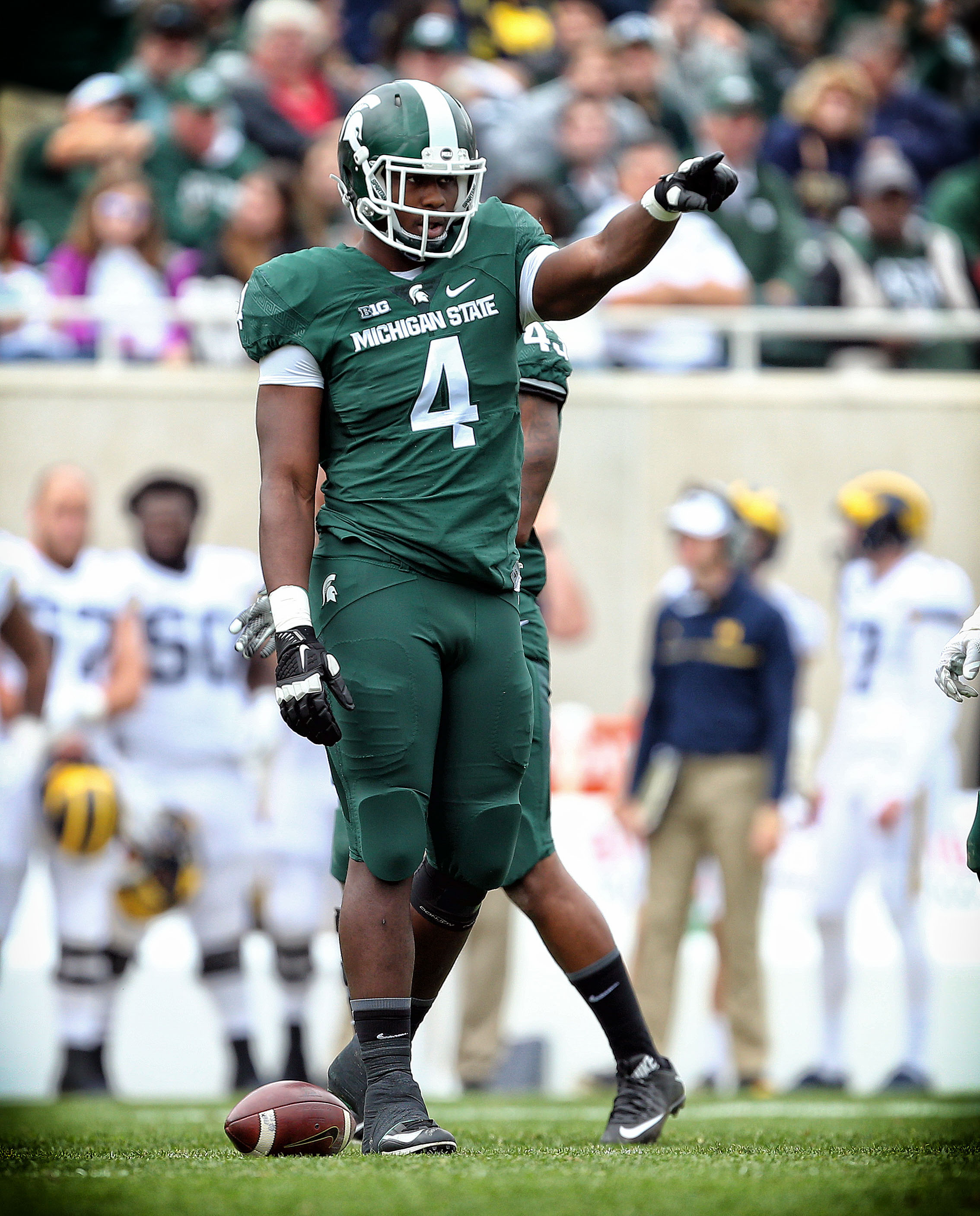
Chandler Jones, DE, Cardinals: Maybe Jones should headline a category titled “Super Duper Virtual Locks.” In January, coach Bruce  Arians said that the Cards would apply the franchise tag to Jones if they were unable to immediately lock him up to a long-term deal. Then, just this week, Cardinals president Michael Bidwill offered additional confirmation of that plan. The $16.955MM tag will be applied to Jones in the next couple of weeks and the two sides will then have until the summer to work out a long-term deal. The odds of a longer pact coming together seem pretty good, considering the Cardinals knew what they were getting themselves into when they traded for Jones last year.
Kawann Short, DT, Panthers: Panthers head coach Ron Rivera admits that Short will “probably” be tagged and, unlike ex-teammate Josh Norman, Short doesn’t have a problem with it. The 28-year-old was the third-best defensive tackle in the NFL last year, according to Pro Football Focus, and the Panthers will gladly pay him ~$13.5MM on a one-year deal. A multi-year agreement could require an average annual value of $17MM, so our early guess is that Short will wind up actually playing on the tender.
Le’Veon Bell, RB, Steelers: We’ve known for a while now that the Steelers will use the franchise tag on Bell. For all of his off-the-field headaches, Bell still stands as one of the league’s most dynamic running backs and a one-year, $12.3MM deal would suit Pittsburgh just fine. Sometime after the tag is in place, we’re expecting the two sides to agree on a long-term deal. As I wrote in our most recent edition of the Free Agent Power Rankings, Bell will top LeSean McCoy‘s ~$8MM AAV and Doug Martin‘s $15MM in guarantees on a new multiyear pact. Of course, other factors such as cash flow will be pivotal in talks, particularly given the limited shelf life of running backs.
Read more
 Toss Up:
PFR Live Chat With Zach Links
Click here to read the transcript of today’s PFR Live Chat With Zach Links.
PFR Originals: 2/5/17 – 2/12/17
The original content and analysis produced by the PFR staff last week:
- In PFR’s series The Beat, Zach Links is conducting interviews with beat writers, columnists, and TV personalities about the team that he or she covers. This week, Zach spoke with Alden Gonzalez of ESPN.com and discussed the Rams, Sean McVay, Jared Goff, Les Snead, Trumaine Johnson, and Kenny Britt.
- Kyle Shanahan‘s play-calling near the end of Super Bowl LI is sure to be scrutinized for years, but does his failure to run the clock out affect his status as a new head coach? That’s the question Zach asked PFR readers last week, and 60% of respondents don’t believe there’s any reason to be worried about the 49ers’ new head coach.
- Tom Brady figures to continue his NFL career for the foreseeable future, so the Patriots are gauging interest in backup quarterback Jimmy Garoppolo, who has one year remaining on his rookie contract. A number of clubs, including the Browns and Bears, have already expressed interest, but Ben Levine asked whether New England should trade Garoppolo given that Brady is now 39 years old. Nearly three-quarters of voters think Garoppolo should be dealt this offseason.
- As the offseason progresses, PFR will assess each team by examining the top three needs on each respective roster. We covered two organizations last week:
Top 3 Offseason Needs: Jacksonville Jaguars
In advance of March 9, the start of free agency in the NFL, Pro Football Rumors will detail each team’s three most glaring roster issues. We’ll continue this year’s series with the Jacksonville Jaguars, who failed to live up to their preseason sleeper status and finished with a 3-13 record.
Depth Chart (via Roster Resource)
Pending Free Agents:
- Tyson Alualu, DE
- Prince Amukamara, CB
- Joe Banyard, RB (RFA)
- Arrelious Benn, WR
- Jonathan Cyprien, S
- Jordan Hill, DT
- Luke Joeckel, OL
- Abry Jones, DT
- Patrick Omameh, G
- Denard Robinson, RB
- Tyler Shatley, C (RFA)
- Peyton Thompson, S (ERFA)
- Bryan Walters, WR
- Josh Wells, T (RFA)
Top 10 Cap Hits for 2017:
- Malik Jackson, DL: $15,500,000
- Kelvin Beachum, T: $8,500,000
- Jared Odrick, DL: $8,500,000
- Julius Thomas, TE: $8,300,000
- Allen Hurns, WR: $7,000,000
- Blake Bortles, QB: $6,571,983
- Jermey Parnell, T: $6,500,000
- Dante Fowler Jr., DE: $6,406,429
- Tashaun Gipson, S: $6,300,000
- Davon House, CB: $6,000,000
Other:
- Projected cap space (via Over the Cap): $64,357,959
- Fourth pick in draft
- Must exercise or decline 2018 fifth-year option for QB Blake Bortles
Top Three Needs:
1) Bolster the offensive line: Blake Bortles isn’t going anywhere. That seems readily apparent based on comments from Jaguars general manager Dave Caldwell, who believes his club can win a Super Bowl with Bortles under center, and new executive vice president Tom Coughlin, who headed off complaints about the fourth-year pro by saying “Blake Bortles is our quarterback.” Jacksonville could certainly draft another signal-caller or add a low-tier veteran such as Brian Hoyer or Josh McCown this offseason, but it’s fair to assume that Bortles — who reportedly dealt with shoulder and wrist injuries throughout the year — will return as the Jaguars’ starter.
With the club unlikely to change quarterbacks, Jacksonville will have to look to other avenues to improve an offense that ranked just 27th in DVOA. Having already fired head coach Gus Bradley and offensive coordinator Greg Olson, the Jaguars have formally installed Doug Marrone and Nathaniel Hackett in those respective roles with the hope the two offensive minds will be able to overhaul their offensive unit. With Allen Robinson, Allen Hurns, Marqise Lee, T.J. Yeldon, Chris Ivory, and Julius Thomas in tow, Jacksonville’s skill positions don’t need to be immediately addressed. That leaves the offensive line as an obvious area of focus for the Jaguars in the coming weeks.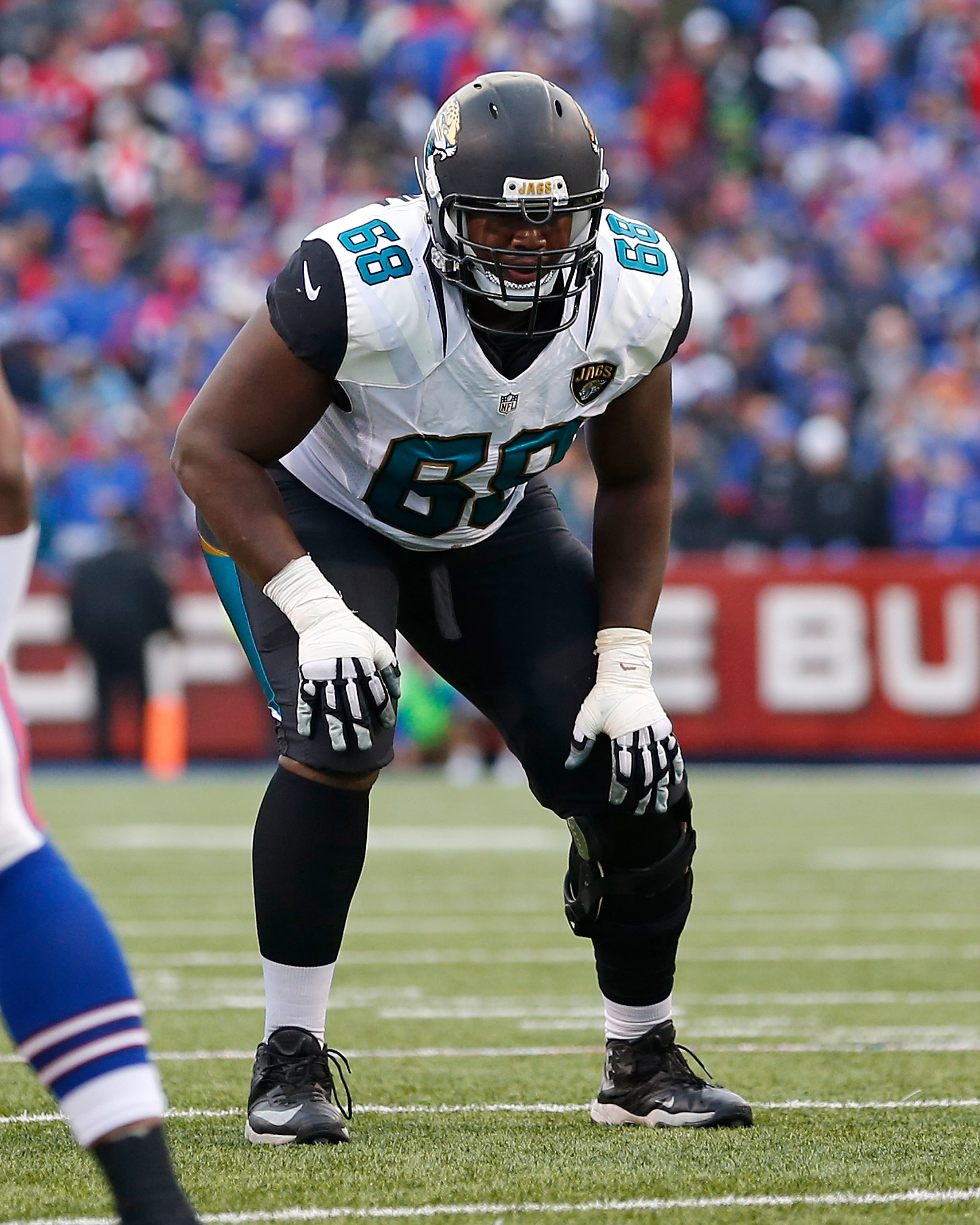
While the Jags have all offseason to repair their front five, they do face one immediate decision that will affect their plans for the offensive line as a whole. Jacksonville has until February 15 to exercise or decline a $5MM option bonus on left tackle Kelvin Beachum. If the Jaguars pick up the option, Beachum would be guaranteed an additional $13MM in base salary, making it extremely difficult for the club to release him at any point during the next two seasons. The 27-year-old Beachum wasn’t very effective in 2016 as he continued to recover from an ACL injury suffered the year prior, grading as the league’s No. 63 tackle among 78 qualifiers per Pro Football Focus, but he was an elite blindside protector for the Steelers before going down with that knee issue.
The ideal course of action for the Jaguars would entail the club declining the option, and subsequently working out a new, more team-friendly deal that includes less guaranteed money. The problem, however, is that the left tackle market is already barren, meaning a) Beachum could garner significant interest from around the NFL and potentially price himself out of Jacksonville’s range, and b) if a new pact can’t be agreed to, the Jaguars would have limited options to replace Beachum.
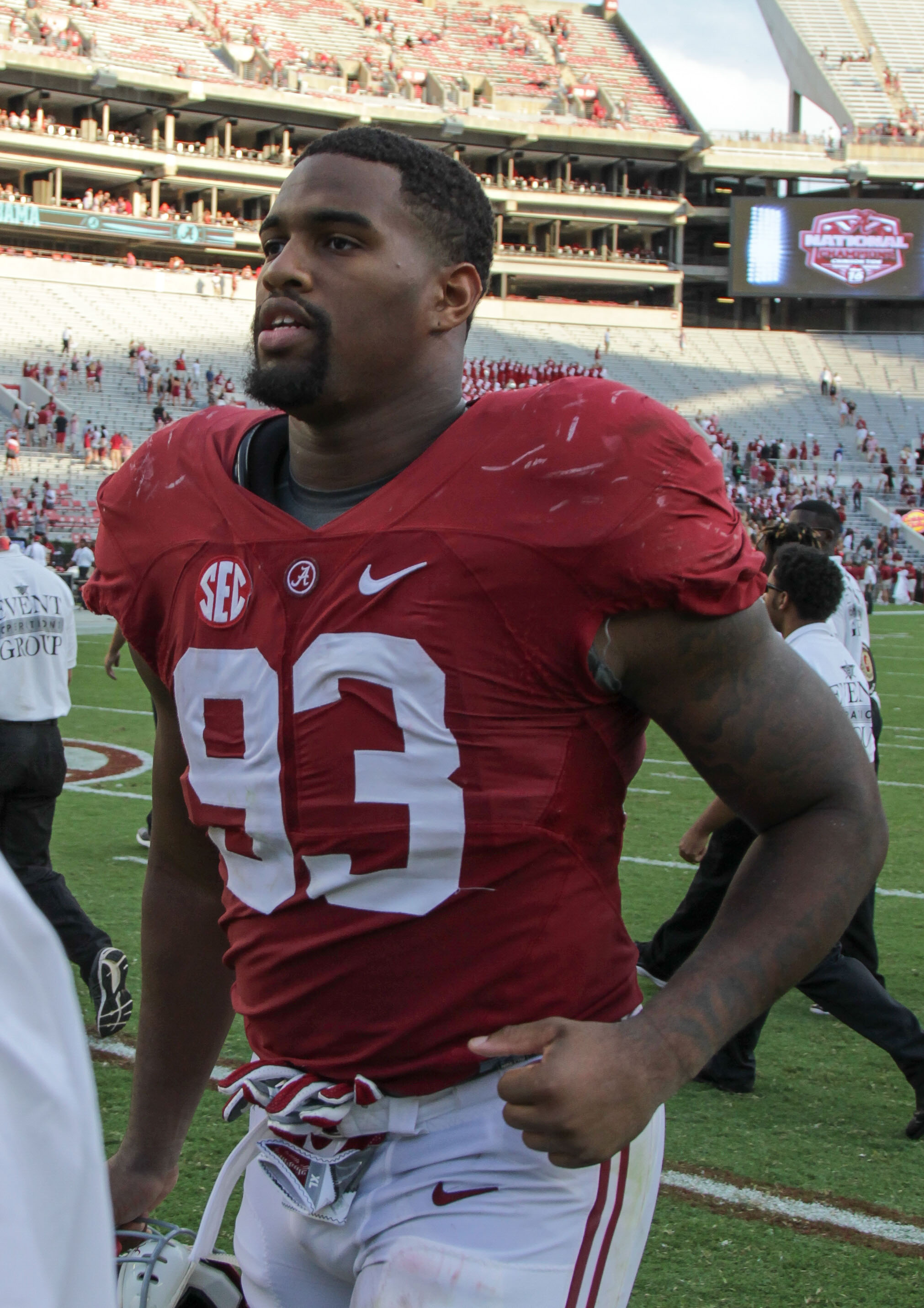
Andrew Whitworth and Riley Reiff are the only two reliable left tackles available on the free agent market, and even Reiff has flaws given that he was shifted to right tackle for the 2016 campaign. Otherwise, the Jaguars would be looking at subpar options such as Matt Kalil, Mike Remmers, or Will Beatty, none of whom would represent an upgrade over Beachum. In the draft, the top offensive tackle prospects — Alabama’s Cam Robinson, Wisconsin’s Ryan Ramczyk, and Utah’s Garett Bolles — are considered mid-to-late first-round picks, and would be reaches at fourth overall.
After assessing the alternatives, the Jaguars may simply exercise their option on Beachum and lock in their starting left tackle for the next couple of seasons, and instead turn their attention to addressing the interior of the offensive line. Center is well-handled by Brandon Linder, but Jacksonville could use at least one, and potentially two, new starting guards, depending on how the club views A.J. Cann, who played every offensive snap in 2016 and graded as PFF’s No. 48 guard among 72 qualifiers.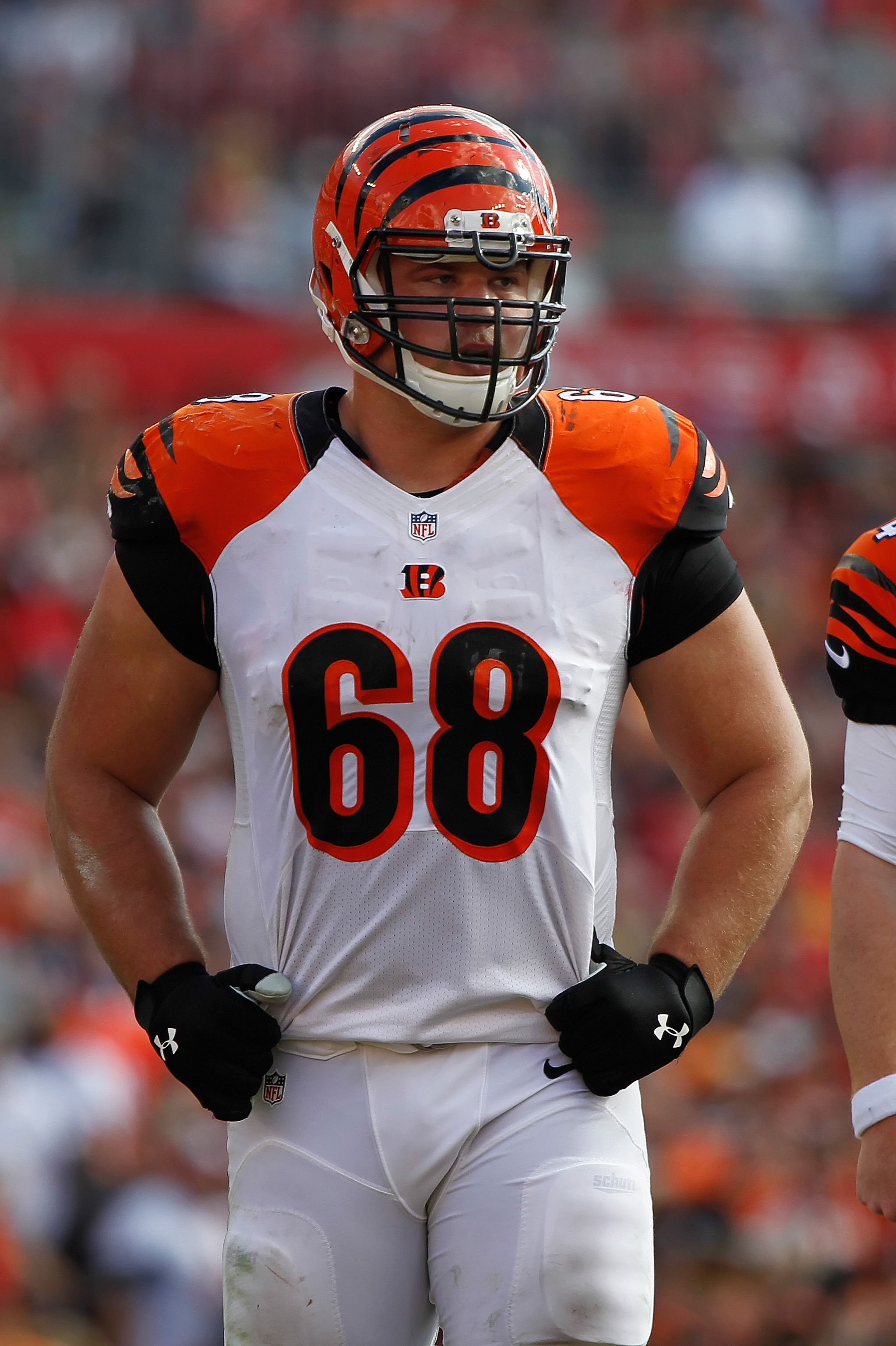
Unlike tackle, the free agent guard market is flush with talent, and the Jaguars could spend some of their ample cap space on a top-flight lineman such as Kevin Zeitler or T.J. Lang, each of whom are right guards and would likely force Cann to shift to the left side. Zeitler and Lang could each command north of $10MM per year, but cheaper options such as Larry Warford, J.C. Tretter, and Ronald Leary should also be available. Former second overall pick Luke Joeckel could return, but it’s difficult to imagine the Jaguars handing him a starting job.
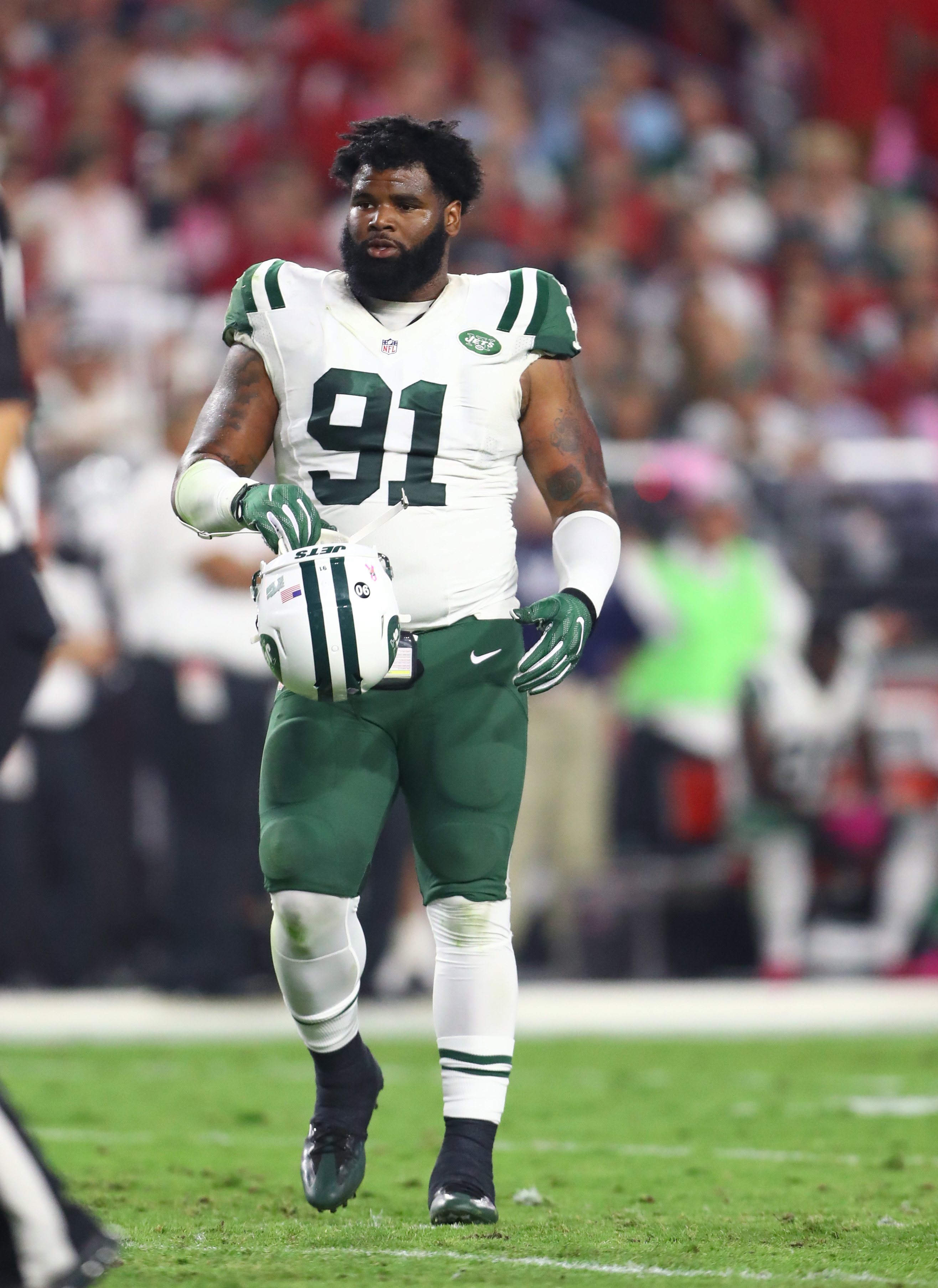

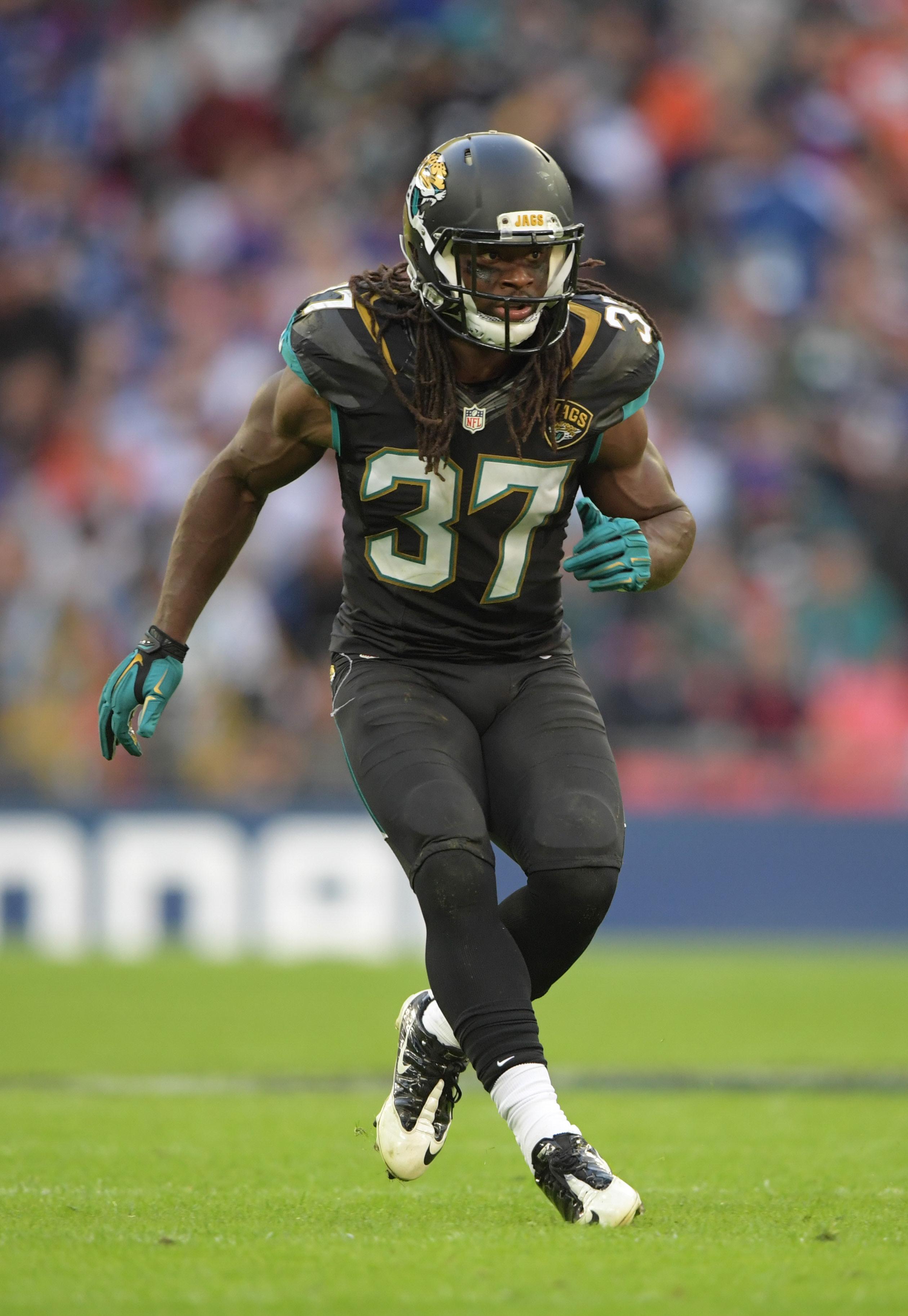
Top 3 Offseason Needs: Indianapolis Colts
In advance of March 9, the start of free agency in the NFL, Pro Football Rumors will detail each team’s three most glaring roster issues. We’ll continue this year’s series with the Indianapolis Colts, who have now followed up three straight playoff seasons with back-to-back 8-8 slates. The Colts fired GM Ryan Grigson and hired Chris Ballard, and Jim Irsay will retain Chuck Pagano. But Indianapolis must address some on-the-field needs as well.
Depth Chart (via Roster Resource)
Pending Free Agents:
- Mike Adams, S
- Quan Bray, WR (ERFA)
- Darius Butler, CB
- Chris Carter, LB
- Trent Cole, LB
- Jack Doyle, TE
- Jonotthan Harrison, C (RFA)
- Zach Kerr, DE (RFA)
- Josh McNary, LB
- Erik Swoope, TE (RFA)
- Hugh Thornton, G
- Jordan Todman, RB
- Robert Turbin, RB
- Erik Walden, LB
Top Cap Hits for 2017:
- Andrew Luck, QB: $19,400,000
- Anthony Castonzo, T: $12,800,000
- Vontae Davis, CB: $10,250,000
- T.Y. Hilton, WR: $10,000,000
- Arthur Jones, DE: $7,350,000
- Dwayne Allen, TE: $5,937,500
- Patrick Robinson, CB: $4,500,000
- Kendall Langford, DE: $4.250,000
- Frank Gore, RB: $3,500,000
- Adam Vinatieri, K: $2,750,000
Other:
- Projected cap space (via OverTheCap): $55,371,812
- Fourteenth or 15th pick in draft (will be determined by coin flip between Colts and Eagles)
Three Needs:
1.) Locate linebackers: Both parts of the Colts’ linebacking corps need help, now even more so after Thursday’s D’Qwell Jackson release leaves the team without much at any of the spots on the second level. But the pass-rushing stable is hurting the most. Robert Mathis‘ retirement signals the end of a special era for Indianapolis pass-rushers, with both he and Dwight Freeney ranking as two of the best players in franchise history. Almost every relevant pass-rusher on last year’s roster either plans to retire or will be a free agent. The Colts finished as a middle-of-the-pack team with 33 sacks last season (19th), but more than half of those came from players no longer attached to the roster. Erik Walden registered a team-high 11 despite recording 12 in his three prior Colts campaigns, and entering his age-32 season, his best football could well be behind him.
The franchise hired Chris Ballard, who’s respected for his draft acumen, having helped the Bears and Chiefs land many gems. He’ll be tasked with making this crucial repair. The potential exodus here is somewhat staggering given what the Colts have on their roster.
The Colts do not have an outside pass-rusher on their roster who recorded a sack in 2016. Entering free agency, Indianapolis employs Akeem Ayers and a host of UDFAs. The Ryan Grigson-era Colts were not shy about throwing money around in March, and the John Dorsey-led Chiefs haven’t been either. Although, the Chiefs’ buys have benefited the team more. The Colts need outside help here. Walden could be retained, but that’s a risky proposition after he nearly doubled his single-season sack best in a contract year. As for the UFA market, there are options. It’s unclear, however, if the impact players will make it to the market.
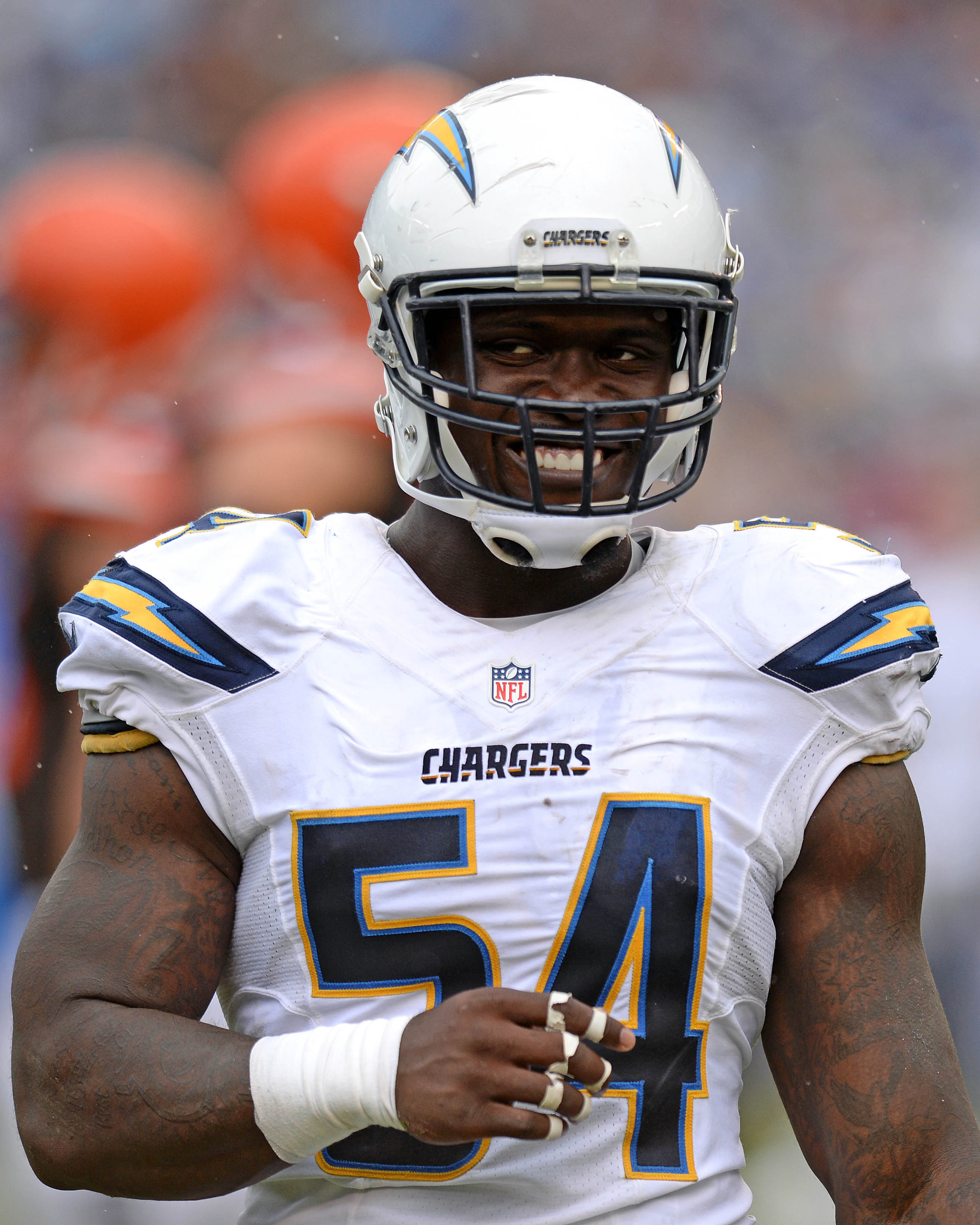 Chandler Jones and Melvin Ingram headline this class of 3-4 pass-rushers, while Jason Pierre-Paul and Nick Perry profile as other high-end performers. The Cardinals are reportedly willing to apply the franchise tag (projected at $14.754MM for linebackers) to keep Jones after his third double-digit-sack season. PFR’s No. 2 overall free agent, Jones joins Calais Campbell and Tony Jefferson as Arizona UFAs, so the Cardinals have some tough decisions to make. The former Patriot will likely be the Cards’ top priority.
Not much has surfaced on Ingram’s status in Los Angeles, but he’s the Chargers’ top outside rusher and is now free of his five-year rookie contract. The Bolts are also moving to a 4-3 set under Gus Bradley, potentially leaving Ingram without a natural position. That’s not a deal-breaker by any means, but Ingram could be a more realistic target for the Colts as a result of that philosophical change. Jason Fitzgerald of OverTheCap notes Ingram could ask for Ryan Kerrigan money (five years, $57.5MM) but could also be franchised and placed at defensive end in Bradley’s 4-3.
Pierre-Paul wants to match or top Olivier Vernon‘s contract. He’s a tougher sell due to the injury history, position change, and the demands he’s making. Perry has played exclusively in the Packers’ 3-4 and would be an obvious fit. He’s a similar contract-year story to Walden, recording 11 sacks last year after a nondescript statistical history previously, but he differs in being set for just his age-27 season in 2017. Perry did not receive abundant interest as a UFA last year but will after his 2016 emergence. The Packers like to retain their own but have talents like Jared Cook and T.J. Lang residing as impending UFAs as well, complicating their equation.
Venturing off the top tier, the Colts could target DeMarcus Ware or Julius Peppers on a short-term deal, but having employed three 30-somethings outside in ’16, Indy could be in the market for a reboot. That said, the Colts are a perennial contender in the AFC South because of Andrew Luck, so veterans can’t be considered off the table. Another 30-something who would be interesting is Lorenzo Alexander, a strange belated breakout who surpassed his previous career sack total last season, accruing 12.5 for the Bills. Expressing a desire to test the waters in what could be his only chance for a reasonable NFL payday, Alexander will be 34 in May. He qualifies as a short-term answer as a result. As for younger talent, Jabaal Sheard, Alex Okafor (eight sacks in 2014, but two biceps tears in his career) and suspension risk Armonty Bryant stand as cheaper choices than the edge players who run the risk of being tagged. Regardless, the Colts will need to address this position via veterans or rookies.
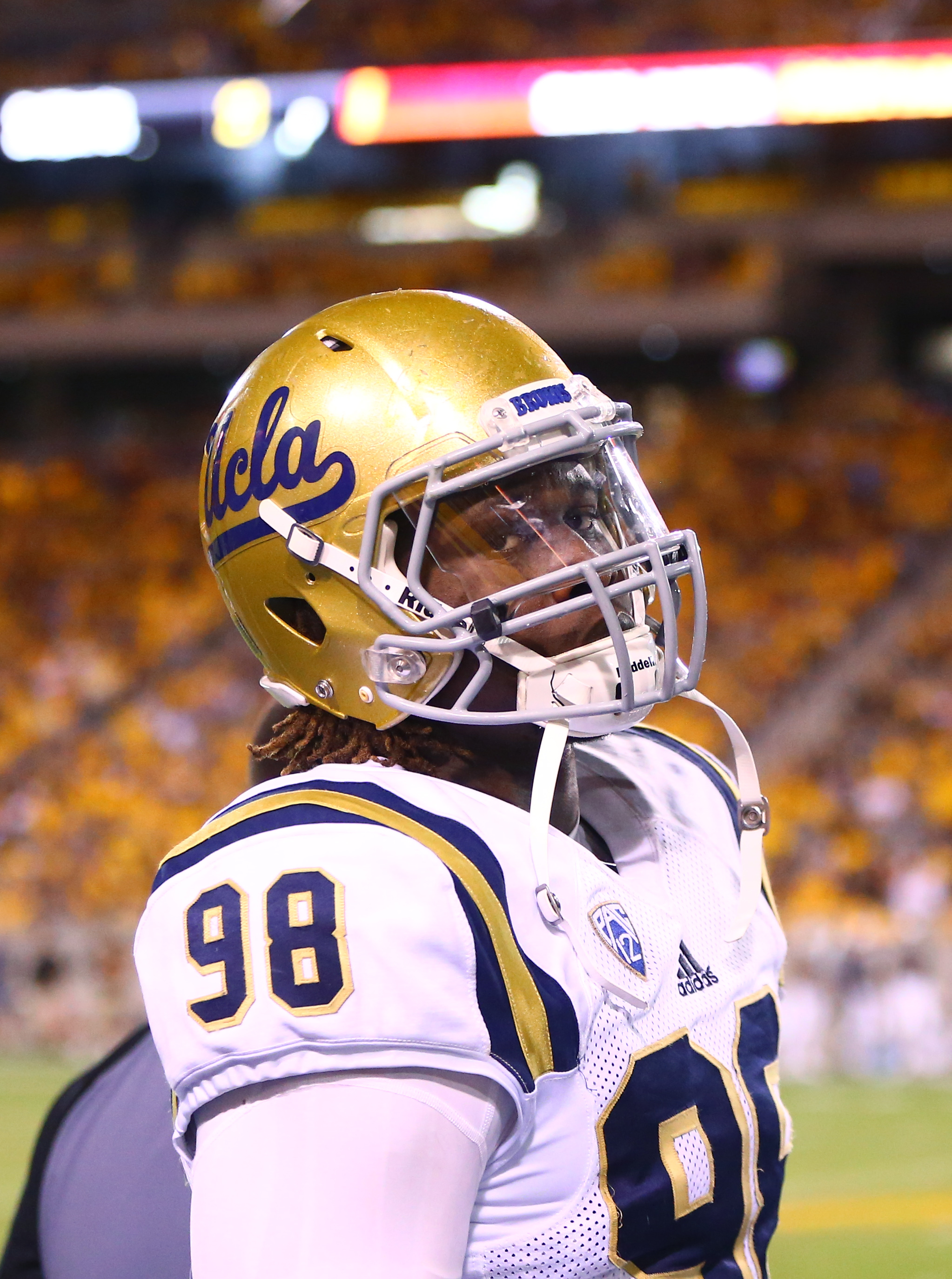 Since choosing Freeney in 2002, the Colts have not had much luck identifying pass-rushers in the first round. Jerry Hughes (2010) did not blossom in Indianapolis, and Bjoern Werner (2013) has already retired. ESPN.com’s Mel Kiper Jr. (Insider link) has the Colts selecting UCLA outside linebacker Takkarist McKinley, who recorded 18 tackles for loss and 10 sacks last season. The Colts are not going to be able to select Myles Garrett without a major trade, and the likes of Solomon Thomas (Stanford) and Derek Barnett (Tennessee) are viewed as top-12 picks, per Chad Reuter of NFL.com. Todd McShay of ESPN.com has Michigan’s Taco Charleton (10 sacks in ’16) in that realm as well, viewing the ex-Wolverines edge man as an option for a 4-3 or 3-4 team. The Colts are likely to have edge-rushing options picking 14th or 15th, but it may come down to choosing whichever one of these talents remains on the board by the time they pick.
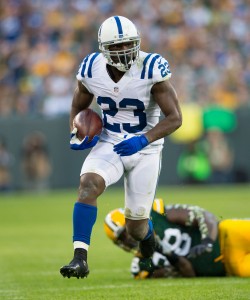
Their need at inside linebacker isn’t as glaring, if only because this position does not require the same kind of investment to upgrade. But Jackson’s release, following an inconsistent tenure and some off-the-field trouble, leaves the team without much experience. Cutting the 33-year-old veteran saves more than $5.5MM, helping the team potentially pursue younger free agents. But beyond Jackson and aside from safety/hybrid ‘backer Clayton Geathers, Indianapolis houses a fourth-round pick and UDFA — each possessing one year of NFL seasoning.
In their initial full-season stays in Indiana, Edwin Jackson and Antonio Morrison excelled in disparate fashion, according to Pro Football Focus. While neither linebacker graded particularly well, Edwin Jackson showed promise in coverage while Morrison fared better as a run defender. These two now representing the Colts’ top inside incumbents, each will be given another chance to make an impact.
Without much money tied up in the linebacker position (as of now), the Colts could target a free agent as they did D’Qwell Jackson. The likes of Lawrence Timmons, Zach Brown, Kevin Minter and Perry Riley stand to be available as UFAs. Dont’a Hightower is no lock to be franchised given the Patriots’ ways of operation, but he will cost eight figures per year. That’s not the best way to allocate funds at linebacker if no pass-rushing threats are on the roster. So, this could be an auxiliary need that could see more attention in April than March. The Colts’ first-round window doesn’t lend itself to inside-linebacking help, at least not the way this draft class breaks down so far, but by the time Round 2 rolls around, Indianapolis could be in the market for help here. That is, if the Colts don’t see a running back they covet.
The Beat: ESPN’s Alden Gonzalez On The Rams
Now that the regular season is over, we’re chatting with beat writers from around the league to gain insight on each team’s offseason and how those moves will impact the season ahead.
This week, we caught up with Alden Gonzalez of ESPN.com to discuss the Rams. You can follow Alden on Twitter @alden_gonzalez and check out his stories here.
Zach Links: After a wide-ranging search, the Rams hired the youngest coach in NFL history. Do you think the 31-year-old Sean McVay will prove to be a smart hire?
Alden Gonzalez: I think he’s going to make their offense better – it can’t be any worse – and I think the players are going to like him. I think they’re going to feed off his energy. The question is how quickly McVay can adapt to all the responsibility that comes with being an NFL head coach, from managing a game to handling a locker room to orchestrating practices. On top of all that, McVay will call the plays on offense. But he could not have made a better hire than the 69-year-old Wade Phillips as his defensive coordinator. McVay basically only has to worry about one side of the ball. 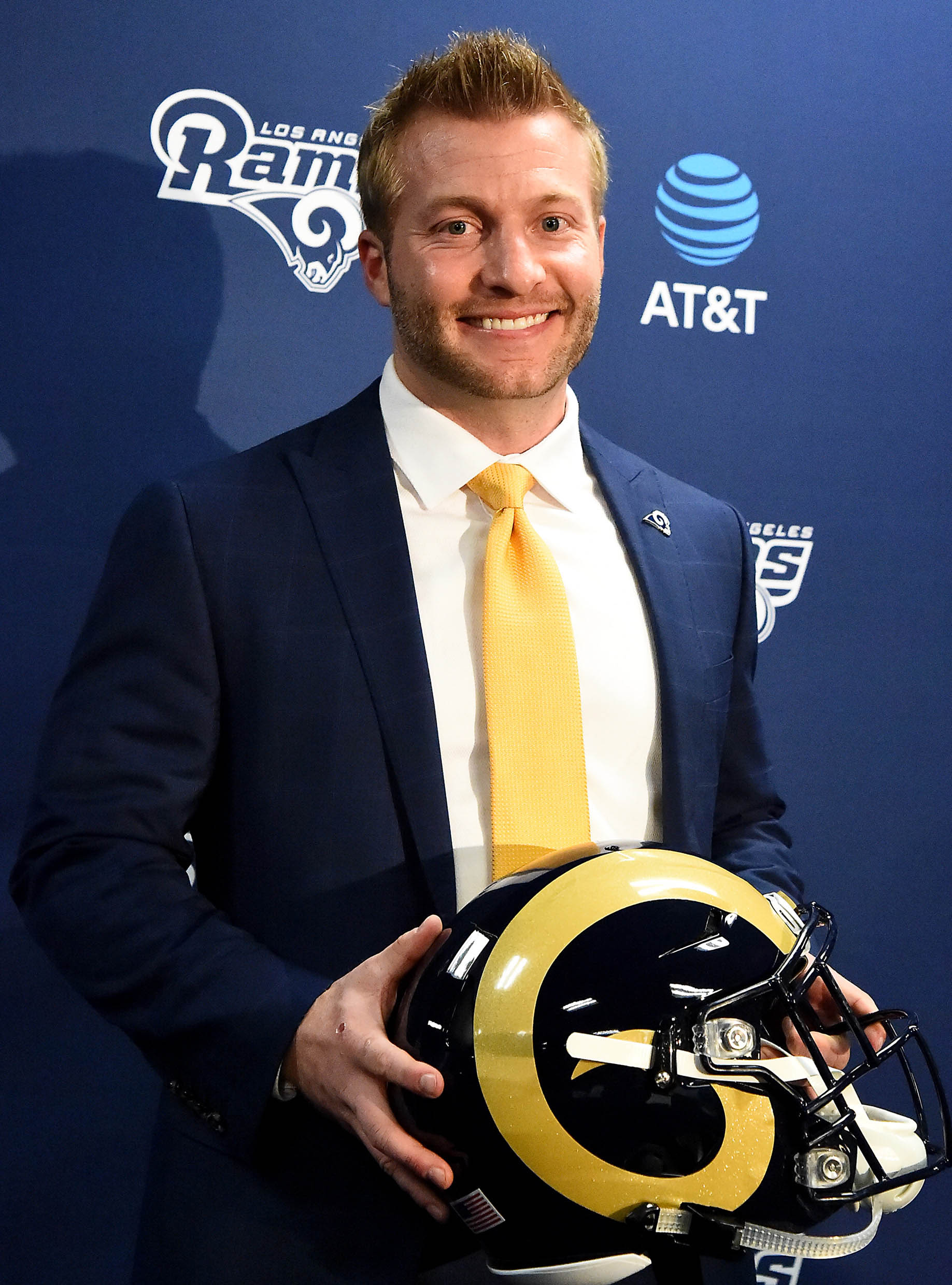
Young coaches have been very hit and miss throughout NFL history. John Madden, Don Shula, Mike Tomlin and Jon Gruden succeeded. Lane Kiffin, Raheem Morris, David Shula and Josh McDaniels did not. It’s a pretty remarkable leap of faith for what is perhaps the most important coaching hire in Rams history. But I give them credit for trying to hit a home run, and I’m trying not to get caught up on the date of McVay’s birth certificate. If he were five years older and had the exact same resume, I don’t think anybody would be making a big deal about it. He sure doesn’t act 31.
Zach Links: Before the start of the 2016 season, you told us that Jared Goff “needs to be more decisive, he needs to take care of the football and he needs to do a better job of picking up blitzes.” What have you seen from him in those areas? How do you feel about him heading into 2017?
Alden Gonzalez: Clearly he didn’t do any of that. Goff put up a 22.2 Total QBR that was by far the worst among those who made at least seven starts last season. He made poor decisions, missed easy throws and didn’t display very good presence in the pocket. But he also faced a ton of pressure, threw to an underwhelming group of receivers and ran an offensive scheme that was, for all intents and purposes, systematically broken.
So, I don’t think it’s totally fair to judge Goff just yet. I do like his arm. He’s more mobile than I expected, and many have raved about how mentally tough he is. Occasionally he also made impressive throws downfield. But he has a lot to prove and has a longer road ahead of him at this point than the Rams might have hoped. McVay’s offense is very quarterback friendly, so now is when we’ll start to see how good Goff can be.
Poll: Should The Patriots Trade Jimmy Garoppolo?
The Patriots have drafted a number of quarterbacks over the past 15 or so years to back up Tom Brady, including Matt Cassel, Ryan Mallett, and (my personal favorite) Rohan Davey. However, none of these signal-callers held as much intrigue as current second-string quarterback Jimmy Garoppolo.
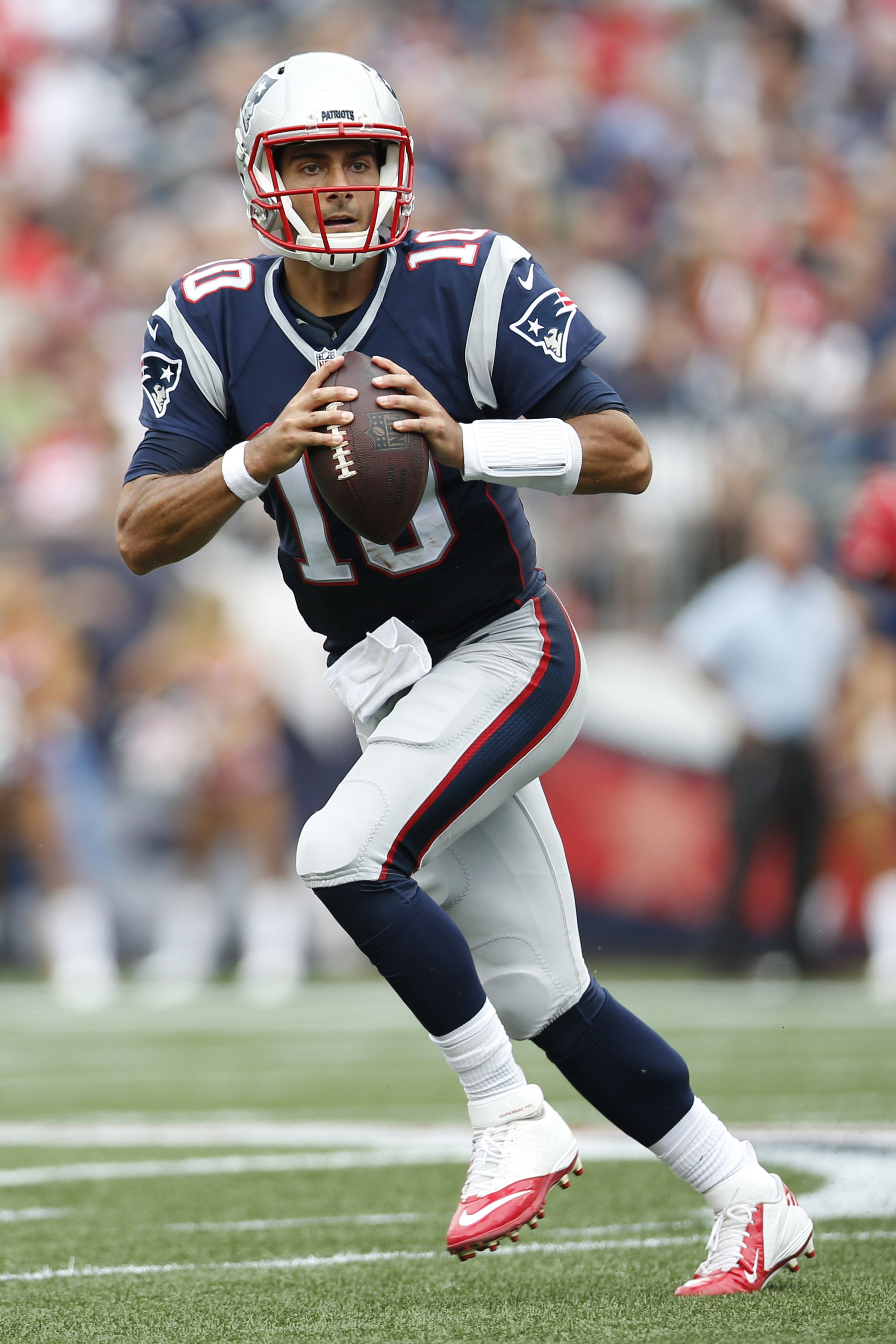 The Patriots hadn’t drafted a quarterback in the first two rounds since Drew Bledsoe in 1993, which added plenty of hype around the team’s second-round selection of Garoppolo during the 2014 draft. While many declared him the heir apparent to Brady, the Eastern Illinois product didn’t have much of a chance to showcase his skills during his first two years in the league. Excluding brief cameos during the 2014 season, Garoppolo served mostly as coach Bill Belichick’s victory cigar.
That was until this past season, when the third-year player had an opportunity to start the first four games of the season while Brady served his four-game suspension. The 25-year-old showed plenty of poise during his first two starts, completing 71-percent of his passes for 496 yards, four touchdowns, and zero interceptions. Unfortunately, Garoppolo injured his AC joint during that Week 2 victory, and rookie Jacoby Brissett ultimately took over as the starter until Brady’s return.
Brady was dynamic following his suspension, throwing a career-low two interceptions while completing 67.4-percent of his passes (his highest completion percentage since his record-breaking 2007 campaign). Of course, the former MVP also led his team to the biggest Super Bowl comeback of all-time, giving him a record fifth ring.
Despite being 39-years-old, Brady hasn’t shown any signs of slowing down, and this has predictably led to trade speculation regarding his back-up. These whispers have now been lingering for months, but the logic goes beyond the fact that Garoppolo is more than a decade younger than Brady. The quarterback is set to become an unrestricted free agent following next season. The Texans dished out $37MM in guaranteed money to Brock Osweiler following seven starts, so there’s no doubt that some desperate team would commit long-term money to Garoppolo.
Would the Patriots be willing to spend the money to retain him? The organization could re-sign the quarterback, or they could even opt to franchise him following the 2017 season. However, Brady has continually restructured his contract, and the current iteration of his deal lasts through the 2019 season. Even then, reports from this weekend indicated that the team was looking to extend Brady again next offseason. Plus, the Patriots still have Brissett signed to his rookie contract, and reports indicate that the organization is intrigued by the young signal-caller.
There certainly would be a number of teams willing to give up some assets for Garoppolo. Recent reports have connected the Bears, Browns, and 49ers to the quarterback, and more teams will surely pop up as the offseason continues. For what it’s worth, recent reports indicated that the Patriots would be willing to move their young quarterback, and the team is apparently seeking a first- and fourth-round pick in return.
The downside is all based on hypotheticals. Brady could realistically fall off a cliff suddenly, similar to what happened to Peyton Manning in 2015. Brady could also suffer a devastating injury, leaving the team with no options besides Brissett. Of course, Brady will have to retire eventually, and having a replacement ready to go has typically worked out for franchises.
That leads to my question: should the Patriots trade Jimmy Garoppolo? Let me know your thoughts in the comments.
Should the Patriots Trade Jimmy Garoppolo?
-
Yes 72% (2,579)
-
No 28% (980)
Total votes: 3,559
Poll: Do You View Kyle Shanahan Differently?
In the wake of what could have been the most exciting Super Bowl ever, everyone is trying to suss out exactly what happened: was Tom Brady a miracle worker or did the Falcons effectively give the game away? Things fell apart for Atlanta on both sides of the ball, but there is a lot of finger pointing in the direction of offensive coordinator Kyle Shanahan. 
[RELATED: Shanahan To Have Control Over 49ers’ 53-Man Roster]
Shanahan, who will serve as the next coach of the 49ers, was hired to help get the offense back on track after two abysmal years. The Niners are hoping that he’ll exercise better judgement than he did in the late stages of last night’s game. The Pats rallied back from a 28-3 deficit to bring the score to 28-20 late in regulation. Instead of running the ball three times at the Pats’ 22-yard-line with ~4:30 left, Shanahan got too cute and called for a deep pass play on second down. Ryan got sacked on the play and the Falcons’ subsequent attempts to dig out of the hole only pushed them further out of field goal range. Atlanta was forced to punt on fourth down, and that set up the Pats’ tying drive.
Should this be chalked up to a momentary lapse in judgement, or do you think less of Shanahan’s ability to lead SF after last night’s costly error? Vote here and explain your position in the comments below.
Do You Now Think Less Of Kyle Shanahan?
-
No 59% (2,463)
-
Yes 41% (1,689)
Total votes: 4,152