
Some Teams View Denzel Boston As Top-Two WR In Class
Playing all four of his college seasons at Washington, Denzel Boston did not see much time during the then-Pac-12 program’s Michael Penix Jr. years. But Boston made a big leap over the past two seasons, with some teams viewing that jump as more impressive than mock drafters would seem to believe.
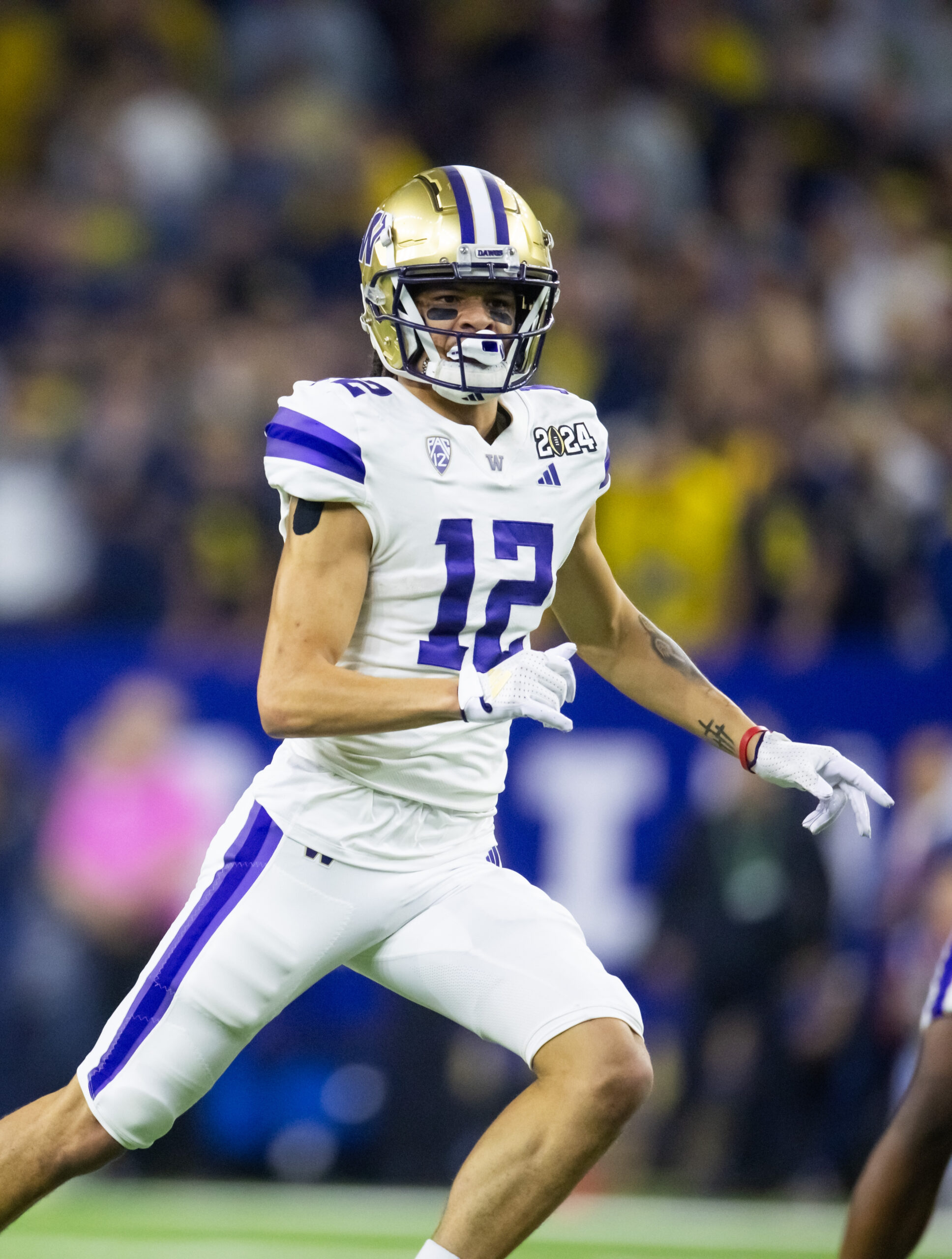 The consensus among the latter community has Carnell Tate and Makai Lemon residing as this draft class’ premier receiver prospects, with Jordyn Tyson regularly going off the board before Boston as well. But some teams view the big-bodied target this crop’s second- or third-best wideout, according to ESPN.com’s Peter Schrager.
Boston has been a regular on the “30” visit circuit, thus far meeting with the Browns, Commanders, Steelers and 49ers. With the exception of Washington (No. 7 overall), those teams hold first-round picks in the 20s (Cleveland holds Nos. 6 and 24). If anything, Boston’s stock may have been trending downward in recent days/weeks. ESPN.com’s previous mock draft placed the Huskies standout 35th, while Daniel Jeremiah’s most recent NFL.com mock draft also has Boston outside the first round. Schrager has him going 23rd to the Eagles, indicating Howie Roseman and Washington HC Jedd Fisch are longtime friends going back to college.
While an Eagles play for Boston could certainly signal they are ready to move on from A.J. Brown (at a high price) after June 1, Boston leapfrogging the likes of Lemon, Tyson or Indiana’s Omar Cooper Jr. — whom Jeremiah sends to the Jets at No. 16 — would mark a notable misevaluation from several prominent draft experts. Both Jeremiah and ESPN’s Mel Kiper Jr.-Field Yates-Jordan Reid mock also have Texas A&M’s KC Concepcion going off the board before Boston as well.
Receiving Mike Evans and Courtland Sutton comps, Boston checked in at 6-foot-4 and 212 pounds at the Combine. He did not run the 40-yard dash. Boston followed an 834-yard, nine-touchdown sophomore season with an 881-yard, 11-TD junior slate. Boston’s catch radius will make him an attractive red zone threat at the next level, and he averaged 14.2 yards per reception last season.
Jeremiah’s big board places Tate sixth, Lemon 12th, Cooper 18th, Tyson 21st and Boston 27th. Tyson’s stock looks to be moving down a bit — at least, the most recent reporting indicates as such — as he no longer is hobnobbing near the Tate-Lemon tier. It will be interesting to see where Boston’s goes over the next two-plus weeks, as we remain in visit season.
Colts Aiming For Jalen Travis To Replace Braden Smith; Latest On Indianapolis S Situation
Braden Smith absences became an issue in Indianapolis in recent years, but the Colts had used the same primary right tackle for the past eight seasons. As they did when Ryan Kelly left as a 2025 free agent, the Colts will need to replace a long-running O-line starter.
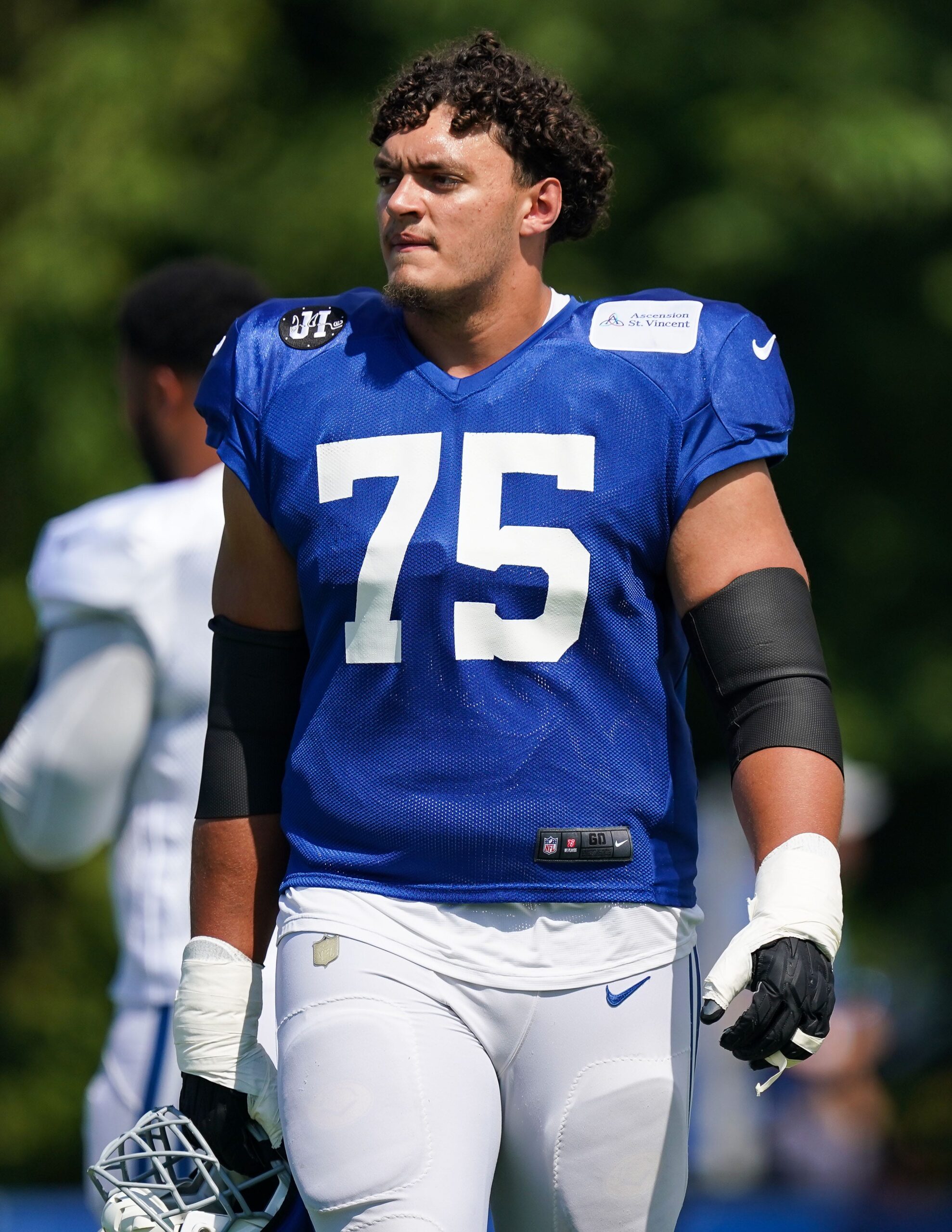 Indianapolis promoted from within to fill Kelly’s post, inserting Tanor Bortolini into their lineup to start his second season. A similar plan exists post-Smith. The Texans gave Smith a two-year, $20MM contract that includes $13.5MM guaranteed at signing. The Colts are not looking to, as of now at least, to add a veteran. Instead, Fox59’s Mike Chappell notes second-year blocker Jalen Travis moving into the lineup at RT will be the goal.
The Colts drafted Travis in the 2025 fourth round, furthering the similarities between the Kelly succession plan and the one hatched to replace Smith. Indy added Bortolini in the 2024 fourth round and turned to him as a starter during Kelly injury absences that year. Travis played sparingly as a rookie before starting the final four Colts games, bringing a near-21-year age gap between center and quarterback when he snapped to Philip Rivers in three of those contests.
Transferring from Princeton to Iowa State, Travis played left tackle during his season with the Cyclones. He also worked on the blind side in his final season at the Ivy League program. Travis logged 61 LT snaps and 247 RT snaps as a Colts rookie. While he did not play enough to qualify as a regular, Pro Football Focus viewed the Day 3 draftee’s work favorably (via 72.2 grade that would have been good enough for 32nd among tackles).
Indy turned to two second-year blockers in 2025 — Bortolini and Matt Goncalves — as Will Fries also departed in free agency. Goncalves is a converted tackle, and Chappell adds he could be shifted back to the outside in the event Travis is not ready. That would leave a hole at right guard, where Goncalves played 949 snaps last season. For now, however, the Colts are planning to go with a rather tall right side of the O-line by aligning the 6-foot-6 Goncalves and the 6-8 Travis alongside one another.
The Colts also lost safety starter Nick Cross in free agency. This was to be expected, as the AFC South club has devoted considerable resources to strengthening its secondary in recent years. After authorizing a $10MM-per-year deal for Kenny Moore, the Colts won bidding wars for Charvarius Ward (three years, $54MM) and Camryn Bynum (4/60) in free agency last year. They then agreed on a trade that sent Sauce Gardner‘s four-year, $120.4MM extension over from New York. This spree of investments made it unrealistic Cross — a two-year starter — would stay. The Commanders signed Cross to a two-year, $13MM pact.
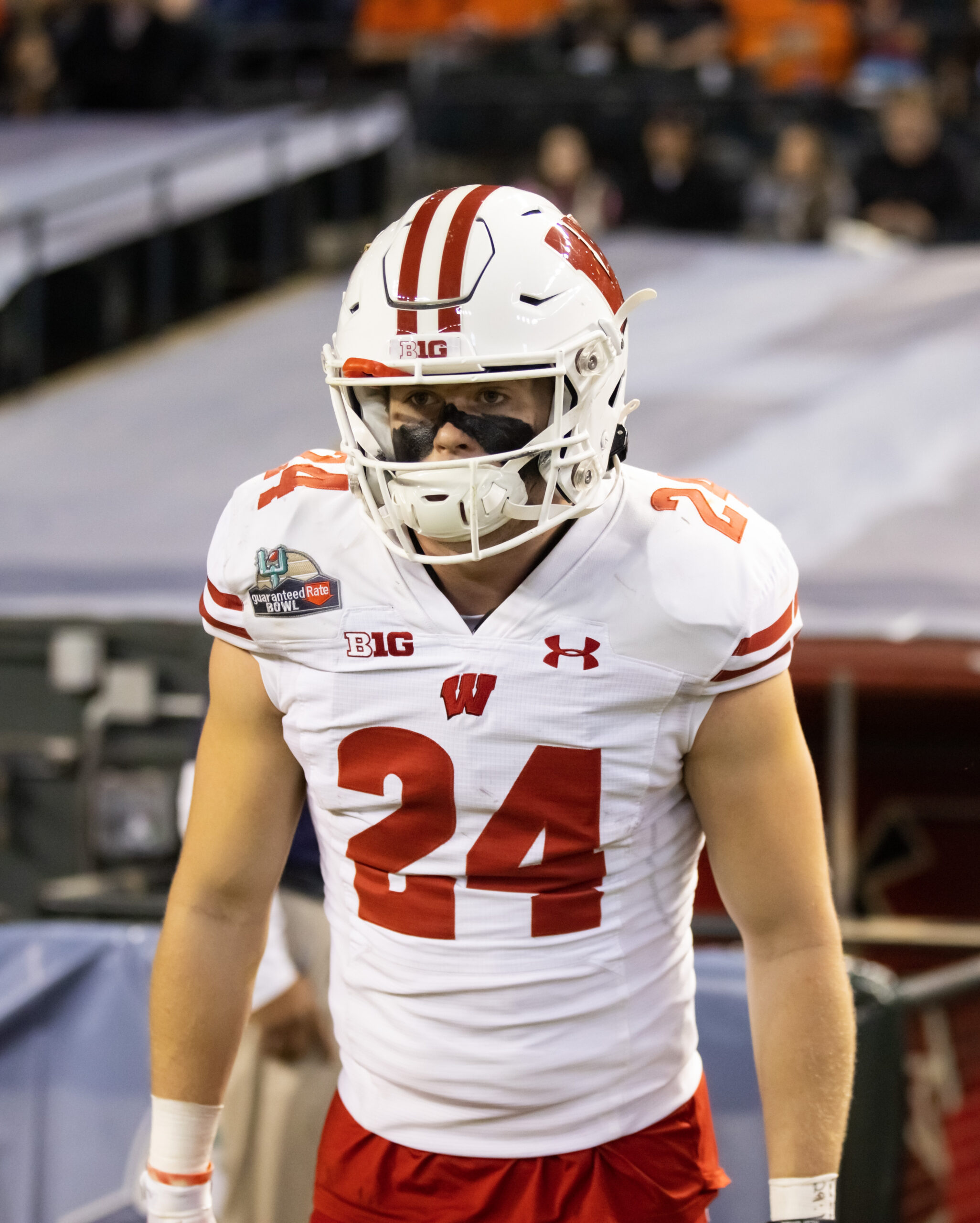 Indianapolis gave Jonathan Owens and Juanyeh Thomas low-cost deals, with Chappell indicating a competition is coming to fill Cross’ role. But each of the Colts’ top three decisionmakers — Carlie Irsay-Gordon, Chris Ballard, Shane Steichen — brought up 2025 seventh-round pick Hunter Wohler recently, per the Indianapolis Star’s Joel Erickson, pointing to the Wisconsin alum having a real shot to make a big leap. Wohler joined fellow Colts 2025 DB draftee Justin Walley in missing all of last season due to a summer injury; Wohler went down with a Lisfranc issue, landing on IR in mid-August.
Wohler earned first-team All-Big Ten acclaim in 2023, making 120 tackles (5.5 for loss) and snaring two interceptions. Known a bit more for his Simone Biles marriage, Owens has been a spot starter for a while. The 30-year-old safety has made 35 career starts, including 17 for the Texans in 2022 and 16 for the Packers and Bears over the ensuing two seasons. Thomas, 25, has made four career starts. Dallas nontendered him as an RFA in March.
It would stand to reason the Colts would prefer Wohler, drafted to develop in Lou Anarumo‘s scheme last year, to commandeer the starting role. But this year’s draft will obviously be a place to monitor with regards to a Cross replacement as well.
Dolphins Informed Malik Willis Of Jaylen Waddle Trade Before Deal Became Official
The Dolphins’ receiving corps does not look like it did when Malik Willis committed to Miami. The Broncos now have Jaylen Waddle in place as a Bo Nix weapon, strengthening a long-Courtland Sutton-reliant skill-position corps while depleting the Dolphins’ offense.
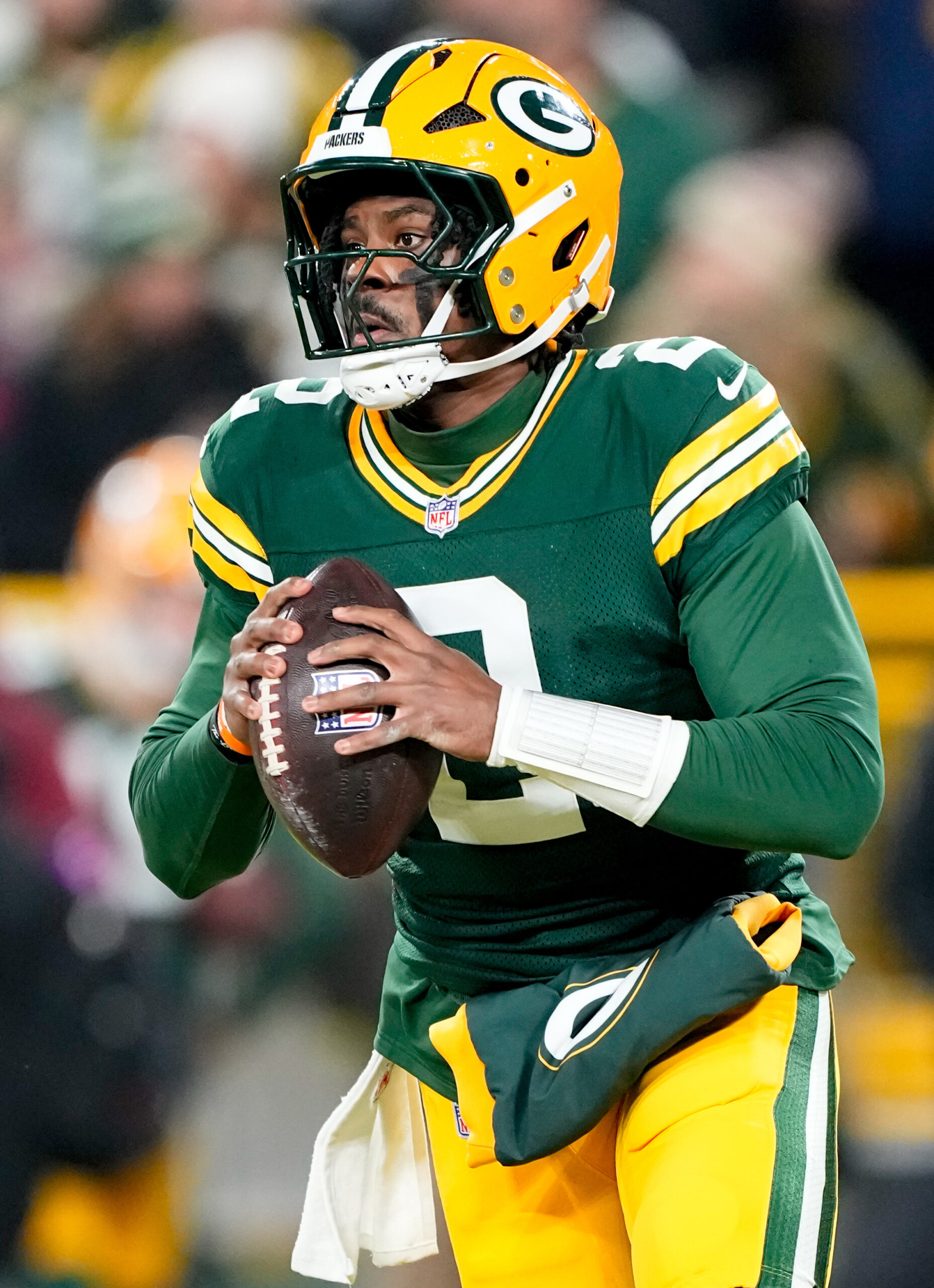 Miami dealt Waddle to Denver eight days after Willis committed to follow Jon-Eric Sullivan and Jeff Hafley to South Beach. While the new Dolphins GM could not exactly inform Willis a trade was imminent when the team gave him a three-year deal worth $67MM, the new Miami starting QB did receive advance notice shortly before Waddle was dealt.
“I’m not going to ever make it a habit to call and feel like I need to explain myself to players in the locker room for the moves that I’m going to make. That’s not how this position works,” Sullivan said, via the Miami Herald’s Barry Jackson. “I think they would respect me less if I did. I’m going to do what I think is right for the Miami Dolphins, not what a player or players want me to do.”
While this is not exactly Kirk Cousins not being informed the Falcons were eyeing a quarterback at No. 8 overall, Willis certainly has a different picture of the Dolphins’ receiving corps compared to when he signed. The Dolphins had released Tyreek Hill when they added Willis, but Waddle was in place as the team’s top wideout. After deploying an elite Hill-Waddle tandem for three-plus seasons, Miami now may have the NFL’s worst receiver array.
The Dolphins will surely address the position in the draft, but the rebuilding team has a few other needs that could warrant a first-round investment. The team rosters holdover Malik Washington to go with midlevel free agency additions Tutu Atwell and Jalen Tolbert. Both players enjoyed inconsistent tenures with their initial NFL clubs, while Washington (317 receiving yards, three touchdowns in Year 2) does not profile as a No. 1 target.
We heard last month Miami did not aggressively shop Waddle, and Sullivan confirmed (via the Herald’s Omar Kelly) that was the case. Kelly labeled the Broncos as “persistent” in pursuing the speedy wideout, whom Denver also looked into before last year’s deadline. The Broncos traded Nos. 30, 94 and 130 for Waddle and No. 111. This gives the Dolphins additional first- and third-round selections as they attempt to launch another rebuild.
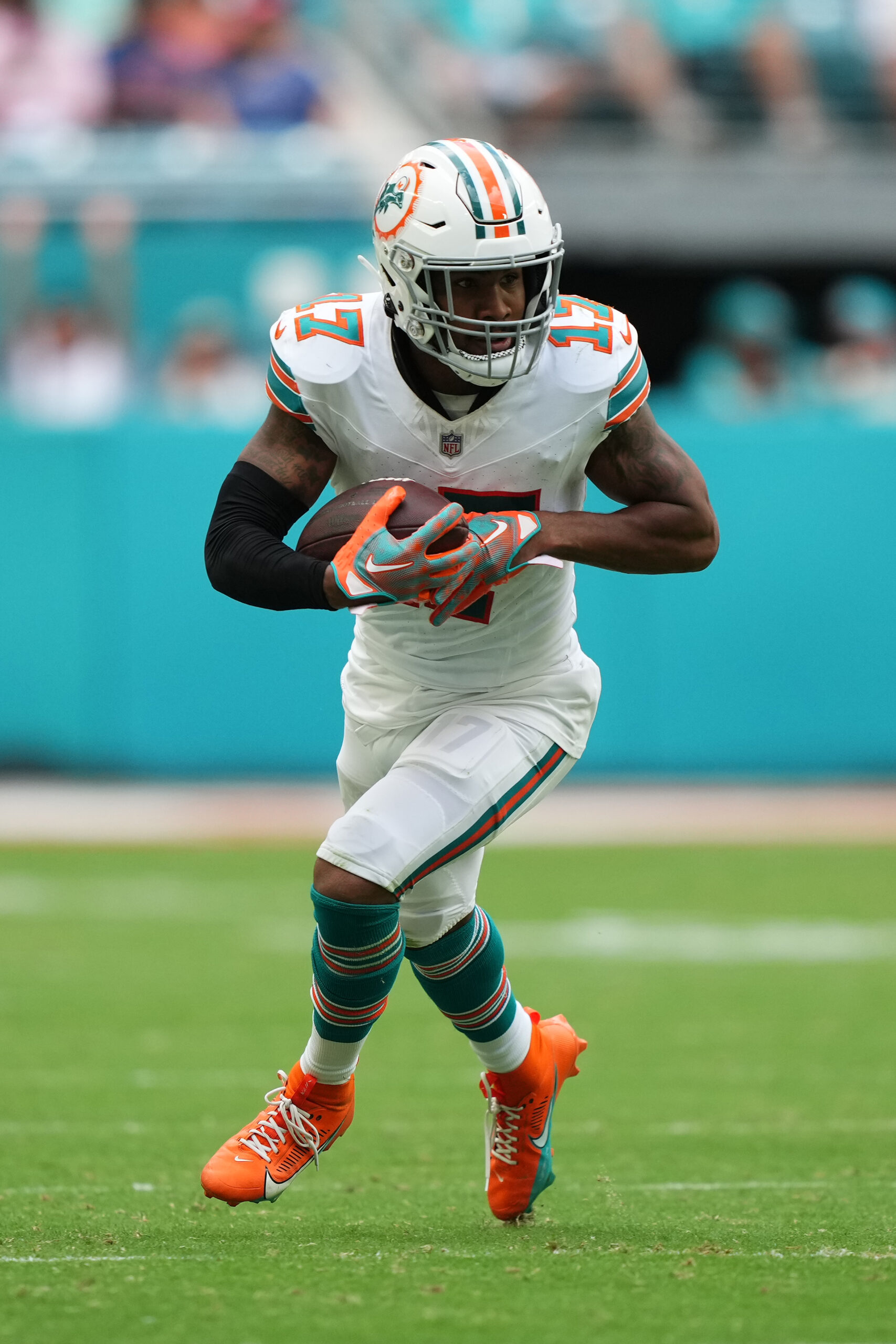 “Whenever you’re sitting in this seat you always bite your lip when you see good players walk about the door, for whatever reason they leave,” Sullivan said. “Waddle is 27 years old. We’re in an era where the market for receivers is through the roof.”
Not much criticism has come either team’s way for this move, with the Dolphins extracting considerable value for a player who has not eclipsed 1,000 receiving yards since 2023. Waddle did begin his career 3-for-3 in 1,000-yard seasons and offers a versatile skillset the Broncos had lacked during Nix’s first two seasons. Denver is certainly betting on Waddle upside shown earlier in his career, with the ex-Patrick Surtain college teammate set to team with Sutton to form a strong receiving duo in Nix’s third (and likely final) season on a rookie contract.
The Dolphins, who went through with an aggressive rebuild in 2019, will now have two first-rounders and four thirds in this draft. The team obtained the other two by dealing Jaelan Phillips to the Eagles at the 2025 deadline and sending a fourth-round pick to Houston during the 2025 draft; the Texans traded the 2026 third to draft Woody Marks 116th overall last year. With seven picks over the first three rounds, Sullivan has plenty to work with ahead of his first draft as a GM. He also has a lot of work to do to help a roster desperate for young talent.
Chiefs Still Monitoring Trent Williams; Taylor Decker On Radar?
The Chiefs aimed to stop their post-Eric Fisher revolving door at left tackle by drafting Josh Simmons in last year’s first round. Simmons impressed during training camp to win the Week 1 LT gig, but multiple issues intervened for the rookie talent.
 Simmons left the Chiefs to address an undisclosed matter midway through the season; that hiatus forced the Chiefs to get by without him for four games. Simmons then suffered a season-ending wrist injury that required surgery, knocking him out for the season on Thanksgiving. While players chosen in Round 1 certainly receive their fair share of chances, the Chiefs continue to be linked to a player who would supplant Simmons as a starter.
Trent Williams remains on Kansas City’s radar, according to Casino.com’s Jason La Canfora, who hears the Chiefs would be “ready to pounce” in a trade should the future Hall of Famer’s latest talks with the 49ers go south. This follows a link that surfaced on Day 1 of free agency, but the 49ers remain intent on working another deal out with their six-year LT.
Williams, 38 in July, has been embroiled in another wave of contract talks for several weeks. Two years after the 49ers reworked Williams’ deal to provide a guarantee influx, the sides are negotiating again ahead of the decorated LT’s contract year. While talks appear to be picking up once again, no resolution looks imminent.
Kansas City finished second for Williams in 2021, seeing San Francisco win out with a six-year deal worth $138.1MM. The Chiefs pivoted to Orlando Brown Jr., and while that required a first-round pick and more in a trade with the Ravens, the mammoth blocker — a converted right tackle — was a plus option with the Chiefs for two seasons. But Brown turned down a Williams-like six-year extension while on the franchise tag in 2022 and signed with the Bengals in 2023. The Chiefs got by with stopgap Donovan Smith in their Super Bowl LVIII-winning season but did not re-sign him in 2024, instead turning to four starters — including converted guard Joe Thuney — in a season in which this position became a flashpoint concern.
Simmons’ rookie contract runs through 2028, and it would be odd if the Chiefs brought in a veteran to essentially replace him. But an anonymous GM informed La Canfora Andy Reid would “prefer a veteran” here. The Chiefs have Jaylon Moore as an option, having given him a two-year deal worth $30MM in 2025, but he could also be needed at right tackle. Kansas City cut three-year starter Jawaan Taylor for cap savings and has not replaced him. Moving parts exist for a Chiefs team that saw would-be 2024 LT answer Kingsley Suamataia successfully kick inside to LG last season.
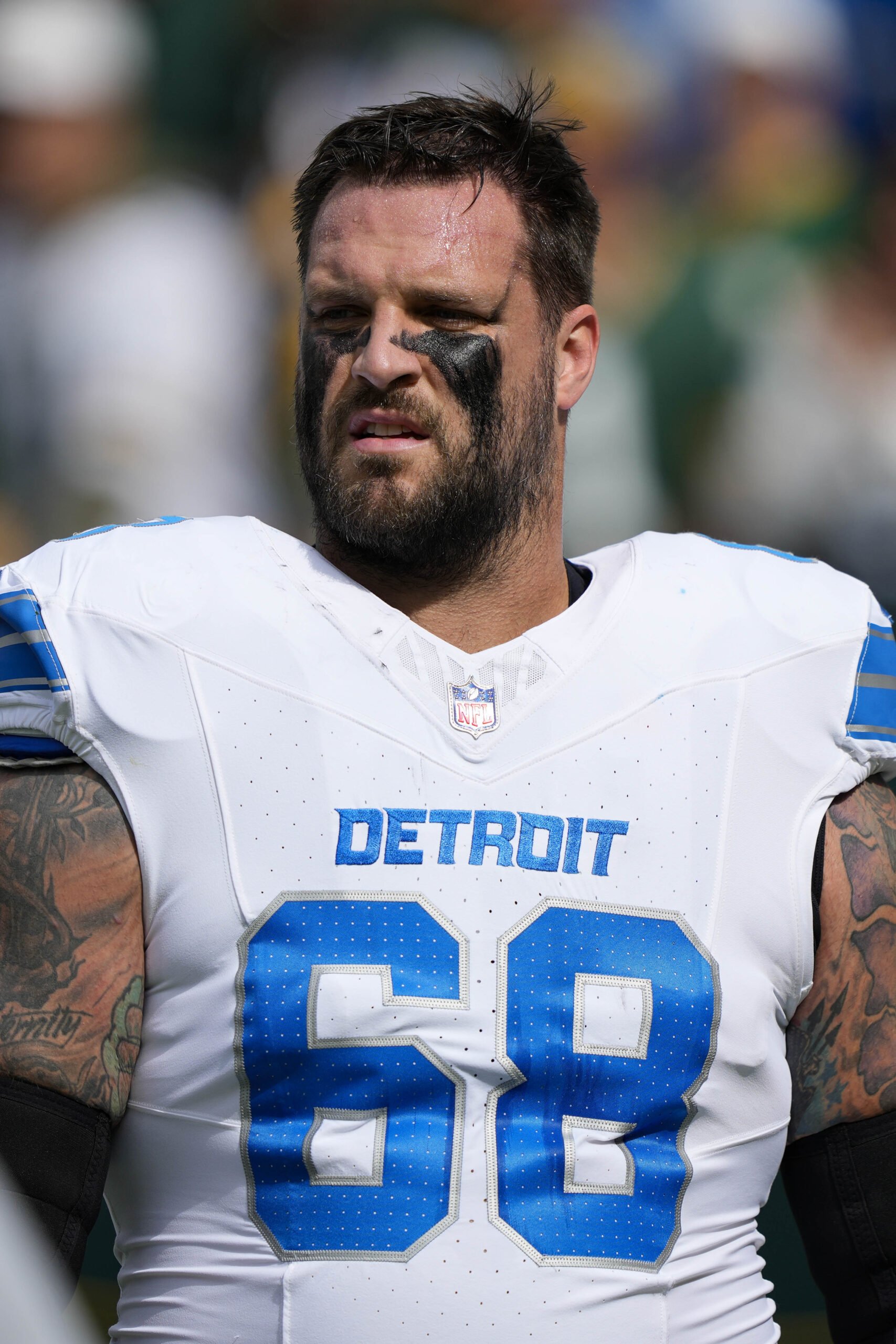 Williams might not be the only Chiefs option if, in fact, a veteran is to be acquired at left tackle. La Canfora also mentions Taylor Decker as a potential solution, though it does not appear the Chiefs are as high on him as they are Williams. Decker, 33 in August, requested a Lions release after rework talks did not progress. The 10-year Lions LT starter has not been connected to a team yet, but after considering retirement this winter, the Ohio State alum is on track to play an 11th season.
Decker (140 career starts) missed 2025 time with a shoulder injury that ended up hampering him upon return. A healthy version of the Pro Bowl tackle would stand to be an upgrade on Simmons, but it is certainly worth wondering if the Chiefs would go as far as to bench a player they drafted 32nd overall last year.
That would be a notable development for a team that has not used the same LT starter in three straight seasons since Fisher’s eight-year tenure wrapped after the 2020 season. For now, Simmons and Moore are the Chiefs’ starters at tackle. But that could certainly change in the coming weeks and months.
Lions Re-Sign DB Avonte Maddox
Avonte Maddox is signing up for another season in Detroit. The Lions announced Monday they agreed to terms to bring back the veteran defensive back.
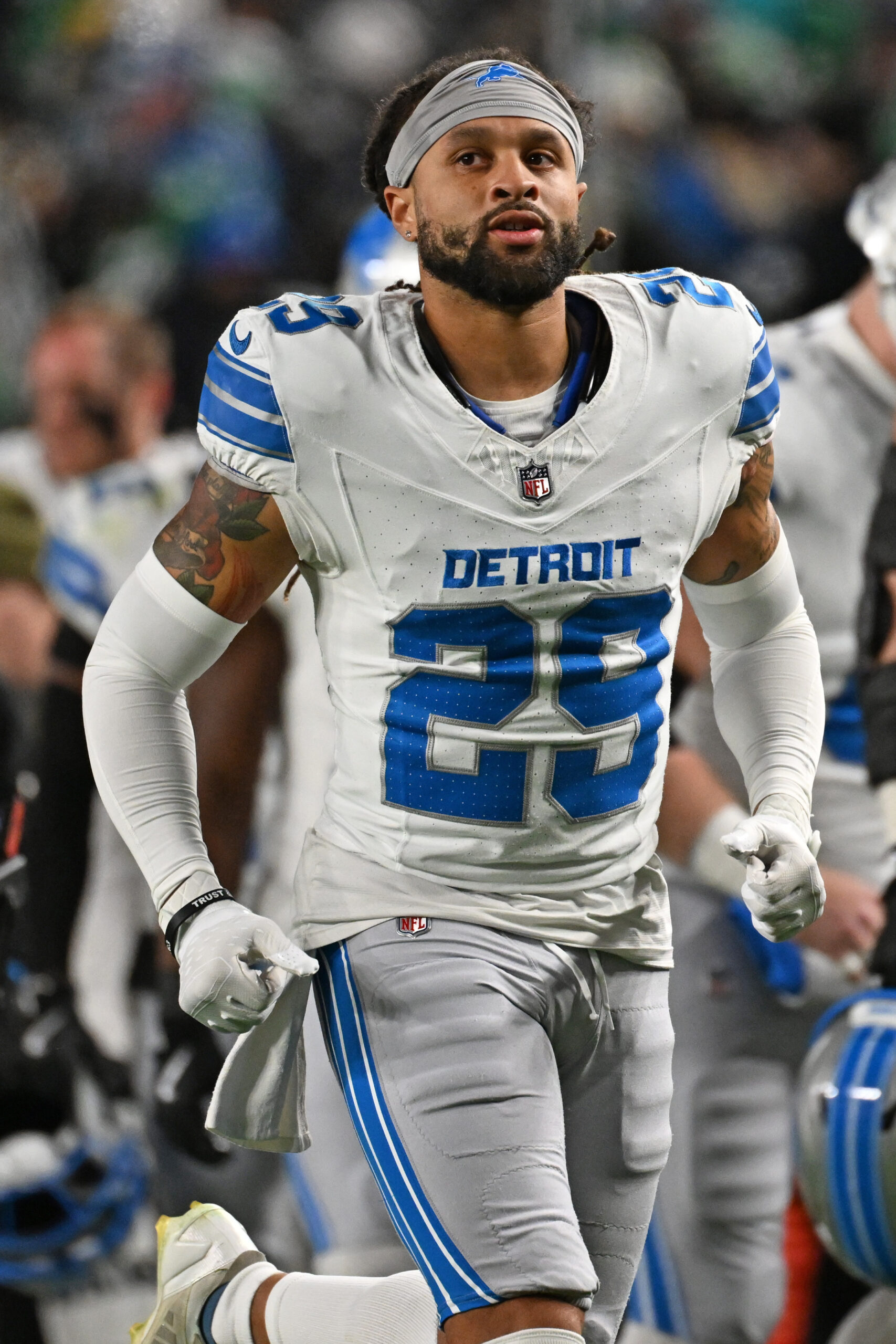 The longtime Eagles slot defender played 14 games, starting three, with the Lions last season. This will be Year 9 for Maddox in the NFL. Maddox played out a one-year, $1.42MM deal in 2025; the Lions received a nice return on that low investment.
Used mostly as a slot cornerback in Philly, Maddox played corner and safety during his first Detroit season. The Lions deployed Maddox more often as a safety, and Pro Football Focus viewed his work positively, grading the nine-year vet eighth at the position.
Detroit is loaded at safety, with Brian Branch and Kerby Joseph entrenched as starters, but both battled injuries in 2025. Branch suffered an Achilles tear late in the season; it is not a lock he is ready to return by Week 1. A nagging knee injury sidelined Joseph in October, and although the Lions waited until December to place the recently extended defender on IR, he only played six games last season — as a setback wrapped his slate early. In Maddox, Detroit reacquires some insurance.
Maddox, 30, saw a 37% snap share on defense last season. That came in well south of his top marks as an Eagle, with the NFC East team using the former fourth-round pick as its regular slot CB for many years. But Maddox intercepted a pass, broke up four more and added a forced fumble in his Lions debut. Maddox joins Christian Izien — signed to a one-year, $2MM deal ($1MM guaranteed) — as Lions safety insurance options with considerable cornerback experience.
The Lions gave Maddox a career-high 248 snaps at free safety last season. Although Maddox was given a shot there as a rookie in Philly, he had not eclipsed 21 FS snaps in a season since. Conversely, Detroit only stationed Maddox in the slot on 18 plays. That obviously pales in comparison to his Eagles usage. Maddox was the Eagles’ slot performer when they ventured to Super Bowl LVII, and although his usage decreased by the time the team returned to the top stage two years later, Maddox still came through with a crucial pass breakup on a fourth-down Patrick Mahomes toss.
Maddox and Izien seeing extensive time may not be a great development for the 2026 Lions, as it would mean trouble returning to full strength from Branch and Joseph. But the Lions are covering their bases. Even with Amik Robertson defecting to the Commanders in free agency, the Lions have a few options for the slot as well; ex-Titans slot Roger McCreary also signed with the team.
Bengals To Meet With RB Jeremiyah Love
The Bengals have seen 2023 fifth-round pick Chase Brown become a three-down player, and the sides have begun extension talks. Cincinnati also sits at No. 10 overall this year. That is not seen as optimal placement for grabbing this draft’s top running back.
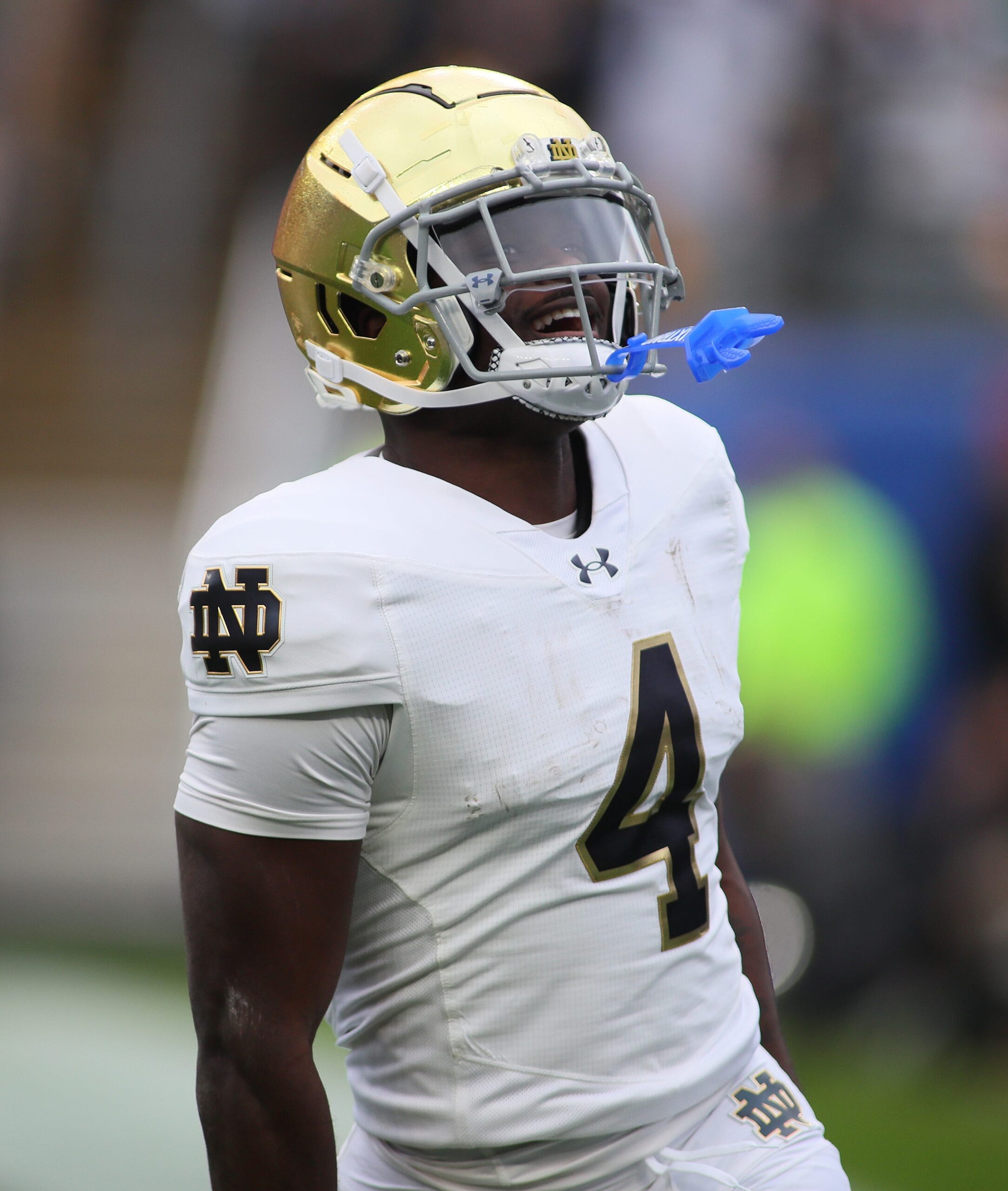 But Cincinnati is playing host to Jeremiyah Love on a “30” visit, with NFL.com’s Ian Rapoport indicating that meeting is taking place today.
It would take a few teams passing on the impact talent for Love to reach Cincinnati, but the Notre Dame product does play a position that many teams devalue. That said, the Giants (No. 5) and Commanders (No. 7) have been closely connected to the dual-threat back. Love also visited the Titans recently. If the Bengals want to pair Love with Joe Burrow, they would likely need to trade up. The Jets met with Love recently as well, though they are being tied more closely to Ohio State hybrid linebacker Arvell Reese at No. 2.
Scoring 40 touchdowns over the past two seasons, Love amassed 1,652 scrimmage yards in 2025 and 1,362 in 2024. He averaged 6.9 yards per carry in both seasons. Love sits second on Daniel Jeremiah’s NFL.com big board, trailing only Fernando Mendoza there.
Love is viewed as the only first-round-caliber RB in this year’s class, giving the teams that do not snag him in the top 10 needs that will need to be addressed on Days 2 and/or 3. Love’s Notre Dame backup last season, Jadarian Price, is viewed as this draft’s second-best back. Beyond the two former Fighting Irish teammates, no RBs reside in Jeremiah’s top 50. ESPN’s most recent mock sends Love to the Giants, while Price goes to the Vikings at No. 49. Illustrating the top-heavy construction of this RB crop, ESPN has no other backs going off the board until No. 96 (Arkansas’ Mike Washington).
One season remains on Brown’s rookie contract. He has outplayed his fifth-round slot, totaling 1,356 and 1,450 scrimmage yards over the past two seasons while scoring 11 TDs in each campaign. The Bengals reacquired Samaje Perine to back him up last year; one season remains on the veteran’s contract. The team also rosters 2025 sixth-rounder Tahj Brooks.
Chiefs’ Rashee Rice Will Not Face NFL Suspension
Following Rashee Rice‘s six-game 2025 suspension in connection with felony charges from a hit-and-run incident, the Chiefs wide receiver faced ugly allegations of domestic violence made by his ex-girlfriend.
The alleged victim, Dacoda Jones, filed a civil suit accusing Rice of repeatedly assaulting her between December 2023 and July 2025. In January, she displayed photos of injuries that Rice allegedly inflicted on her. Jones, who has two children with Rice, claims most of the alleged abuse occurred when she was pregnant.
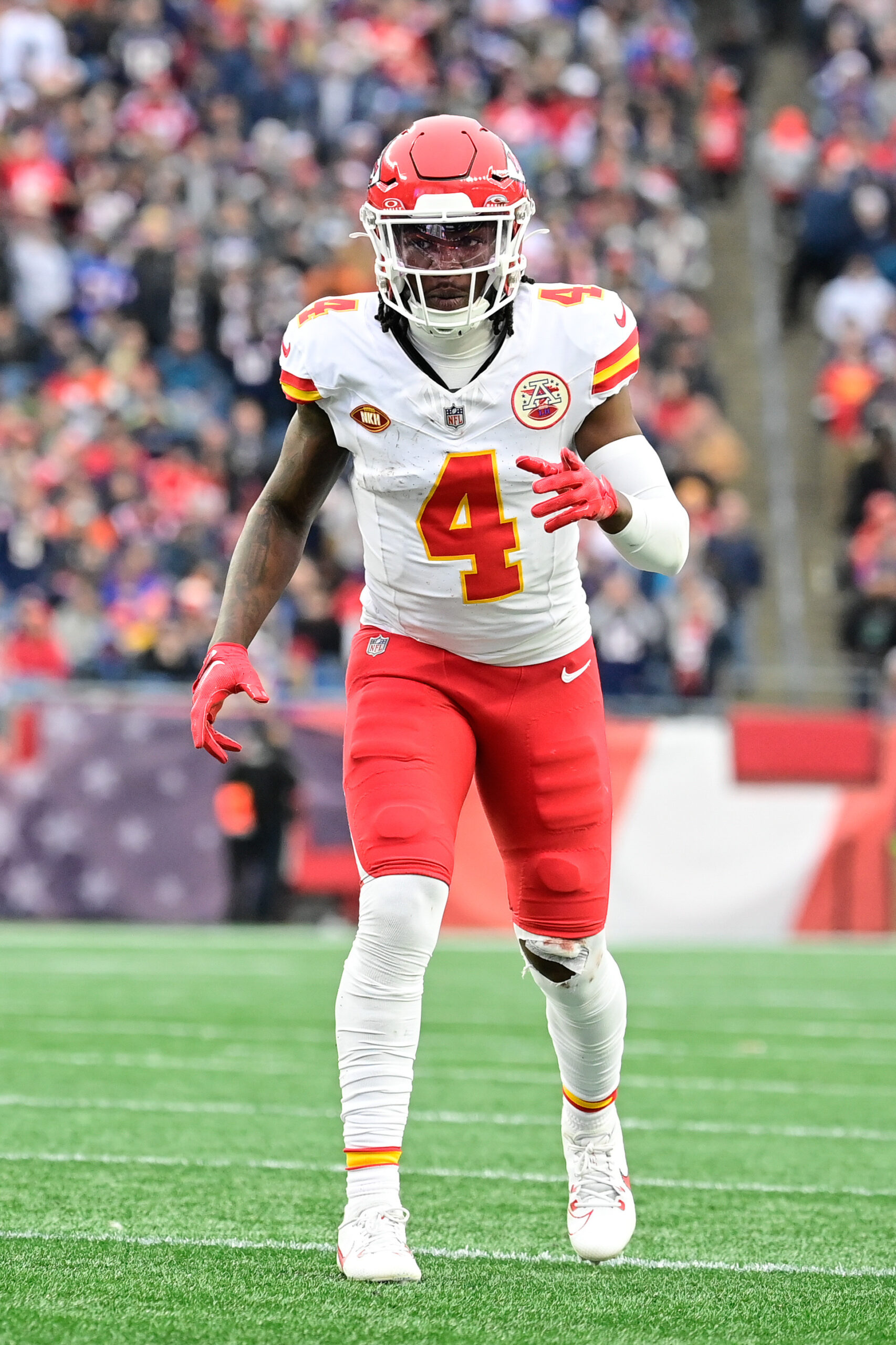 On Friday, however, the NFL concluded Rice “has not engaged in conduct that violates the personal conduct policy,” ESPN’s Adam Schefter reports. No suspension is coming at this time, per Schefter. This will be welcome news for Rice and the Chiefs, who have certainly run into a few high-profile off-field issues over the past several years. One season remains on Rice’s rookie contract.
Given the timing of this report, it certainly qualifies as a Friday news dump. Although the 25-year-old receiver was never charged with a crime, the NFL’s personal conduct policy has brought suspensions for players not charged criminally in the past. In this case, though, Rice will not enter a second straight season with a suspension.
Jones’ civil suit indicated “Rice has grabbed, choked, strangled, pushed, thrown, scratched, hit, and headbutted Ms. Jones, as well as hit her with inanimate objects.” Rice’s attorney, however, released a statement indicating that on October 9, 2025, “Ms. Jones stated under penalty of perjury in a sworn Affidavit for a Non-Prosecution that ‘Mr. Rice and I had a verbal argument, but he did not punch me.'”
Jones had alleged Rice physical abuse taking place for years; it is unclear if any cooperation issues interfered with this NFL investigation. That was the case when the league opted not to suspend then-Chiefs wide receiver Tyreek Hill in 2019, after a second wave of domestic violence allegations surfaced against the All-Pro. Hill’s ugly college domestic violence incident preceding the 2019 accusations allowed the Chiefs to construct a team-friendly extension with the star receiver. Kansas City signed Hill to a three-year, $54MM extension with a favorable (for the club) guarantee structure. Rice is now extension-eligible, and because he was a second-round pick, no fifth-year option exists on his rookie contract.
The Chiefs drafted Rice a year after trading Hill to the Dolphins, and Rice helped make up for Skyy Moore‘s failed development as a second-rounder. Rice made a big impact for the Chiefs’ Super Bowl LVIII-winning team in 2023, totaling 938 yards and seven touchdowns. An LCL tear sustained in Week 4 of the 2024 season derailed the SMU product, who was down for over a year thanks to the six-game ban taking place to start the 2025 campaign. While the possession receiver returned and played well last season, he was active for just eight games; the Chiefs placed him on IR after a concussion. Though, the team parked a few key players on IR — including Trent McDuffie and Jaylen Watson — late in a lost season.
Had Rice been suspended under the personal conduct policy a second time, he would have been looking at an absence that covered more than half his contract year. Kansas City’s top receiver not being banned represents a break for the team, though off-field troubles that extend back to his time at SMU may still influence the Chiefs in this draft. Kansas City holds two first-round picks this year, the second obtained from the Rams in the McDuffie trade, and has seen Rice run into frequent trouble.
In May 2024, weeks after the street-racing accident, Rice was the subject of an investigation for alleged assault on a photographer. The accuser did not press charges, but it continued a trend of off-field problems dating to Rice’s time in college. During the 2023 pre-draft process, NFL teams became aware of an alleged incident in which Rice or a member of his party fired multiple shots into an empty car belonging to a member of SMU’s basketball team.
Rice faces a pivotal 2026 season, as he may be auditioning — based on how the Chiefs proceed early in the draft — for other teams as a prospective 2027 free agent. But the Chiefs have shown a high tolerance for off-field issues under Andy Reid. Rice being cleared today points to him being available to open the season and craft an extension case. The Chiefs hold exclusive negotiating rights with the wideout until March 2027.
Jags, Travon Walker Agree On Extension
Not long after James Gladstone expressed confidence some Jaguars extensions would be doled out, the highest-profile player included in that group has a deal in place. The Jags are extending Travon Walker, NFL.com’s Ian Rapoport reports.
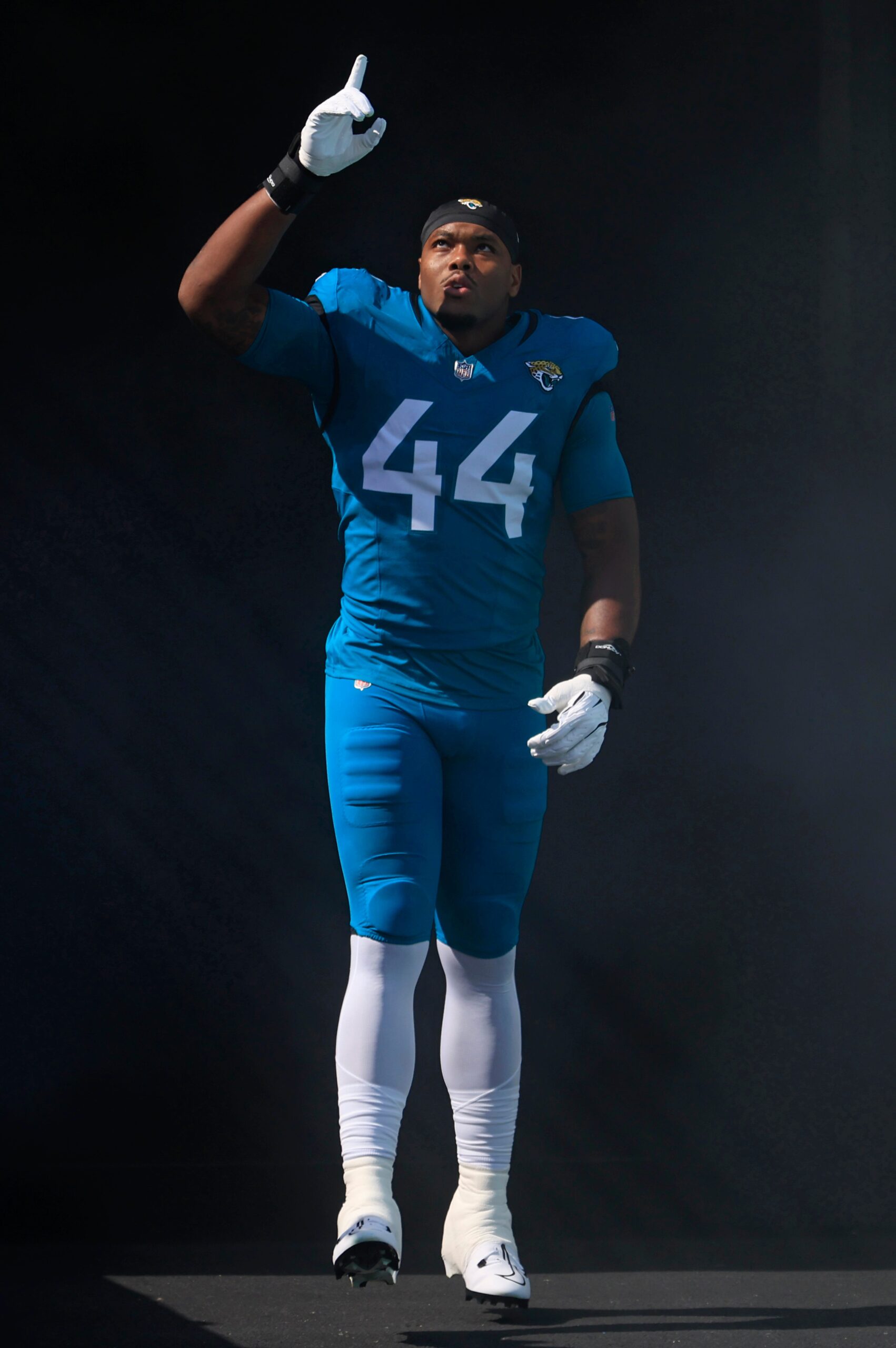 The sides agreed on a four-year, $110MM extension, Rapoport adds, confirming $77MM will be guaranteed and $50MM locked in at signing. This deal comes two years after the previous Jacksonville front office agreed to terms with Josh Hines-Allen.
Details of these agreements regularly trickle out slowly, but we have the key particulars upfront. That certainly indicates satisfaction with the terms from the player’s side, with Walker’s agency confirming the details.
At $27.5MM per year, Walker becomes the 12th-highest-paid edge rusher. This market settles far south of where last year’s boom moved the EDGE market, with Aidan Hutchinson — chosen one spot after Walker in 2022 — being one of the key parties in that 2025 sea change. It also comes in below where the Trent Baalke regime settled with Hines-Allen, who is tied to a five-year deal that averages $28.25MM per annum.
Considering Trevor Lawrence is on a $55MM-per-year deal, extending a second edge rusher in this realm represents a substantial commitment from the Jaguars. Walker also is coming off a down season. That certainly stood to help the team in negotiations, and Rapoport indicates talks have taken place for weeks. Walker also checks in 12th in full guarantees but 10th in total guaranteed money. It will be important to know what the early guarantee triggers are on this deal — if any exist.
A report coming out of the league meetings indicated preliminary Jags talks with Walker, Parker Washington and Brenton Strange were unfolding. We certainly made it far past the preliminary stage, as Walker’s camp accepted an offer. It is worth wondering if the former No. 1 overall pick would have been amenable to a deal outside the top 10 at his position had he stayed on the trajectory he was on from 2023-24.
Leading off a brigade of Georgia defenders chosen in the 2022 first round, Walker broke through in 2023 with 10 sacks and 19 QB hits. Although the Jaguars declined in 2024, Walker stayed on track by racking up career-high marks in sacks (10.5) and tackles for loss (13). While the Jags rocketed to a 13-4 season in 2025 under Liam Coen, Walker regressed. He totaled 3.5 sacks, eight TFLs and 13 QB hits. His 19 QB pressures ranked 66th last season.
When Hines-Allen signed his five-year, $141.25MM extension, the salary cap stood at $255.4MM. It is now at $301.2MM. Had Walker come through with a third straight double-digit sack season, the Jags would have been unlikely to keep his second contract under $30MM per year. Jacksonville will pay Walker more than Denver authorized for two-time Pro Bowler Nik Bonitto in 2025 (four years, $106MM). That is a notable win here for a player without any Pro Bowl accolades.
 It is impossible to examine Walker’s career without Hutchinson comparisons. We heard before the draft the Jags were split on choosing Walker’s upside over Hutchinson’s higher floor, one that stemmed from high-end production at Michigan. Baalke went with Walker, and the Lions benefited.
Hutchinson has two Pro Bowls on his resume and came back from a 2024 broken leg with a career-high 14.5 sacks to go with 35 QB hits last season. During the 2025 campaign, Hutchinson signed a monster Detroit extension (four years, $180MM). That deal, which included a defender-record $141MM guaranteed, trails only Micah Parsons among defensive players.
Baalke’s misstep gave the Lions a dominant pass rusher; it also helps the Gladstone regime sign a more affordable extension here. Walker still brings upside at 25, but he and Hutchinson certainly appear to be in different tiers as impact players.
This move is for a Baalke draftee, but it represents the third significant extension for Gladstone, who paid trade acquisition Jakobi Meyers weeks after landing him at the deadline. Meyers was brought in under Gladstone and Coen, while Walker joins offensive lineman Cole Van Lanen as a Baalke investment paid by the current regime.
The 2024 Jags offseason brought extensions for Lawrence, Hines-Allen and Tyson Campbell. Jacksonville’s current front office managed to move off the Campbell deal in a deadline trade for Greg Newsome, who has since signed with the Giants. Taking the Campbell contract off the payroll, the Jags also let Devin Lloyd walk in free agency. These decisions helped create room to afford Walker’s second contract. Walker was headed into a fifth-year option season ($15.2MM).
Gladstone and Coen will bet on Walker bouncing back in 2026. Hines-Allen, 28, has not notched a double-digit sack season since his franchise-record 17.5-sack slate in 2023. But he rebounded as a pressure artist under Anthony Campanile, tallying 48 — fifth in the NFL. The Jags will hope Walker (23rd and 22nd in pressures in 2023 and ’24, respectively) has a similar gear to reach in this defensive scheme.
Bears Planning Caleb Williams Extension
The 2011 CBA prevented teams from discussing extensions with drafted players until after their third seasons, and the 2020 CBA maintained that setup. While UDFAs can ink extensions after two years, players drafted must wait longer.
But teams can certainly prepare extension plans ahead of players’ eligibility to sign second contracts. The Bears are one of the franchises at work, and they are doing some early planning on what promises to be a landmark deal for the franchise.
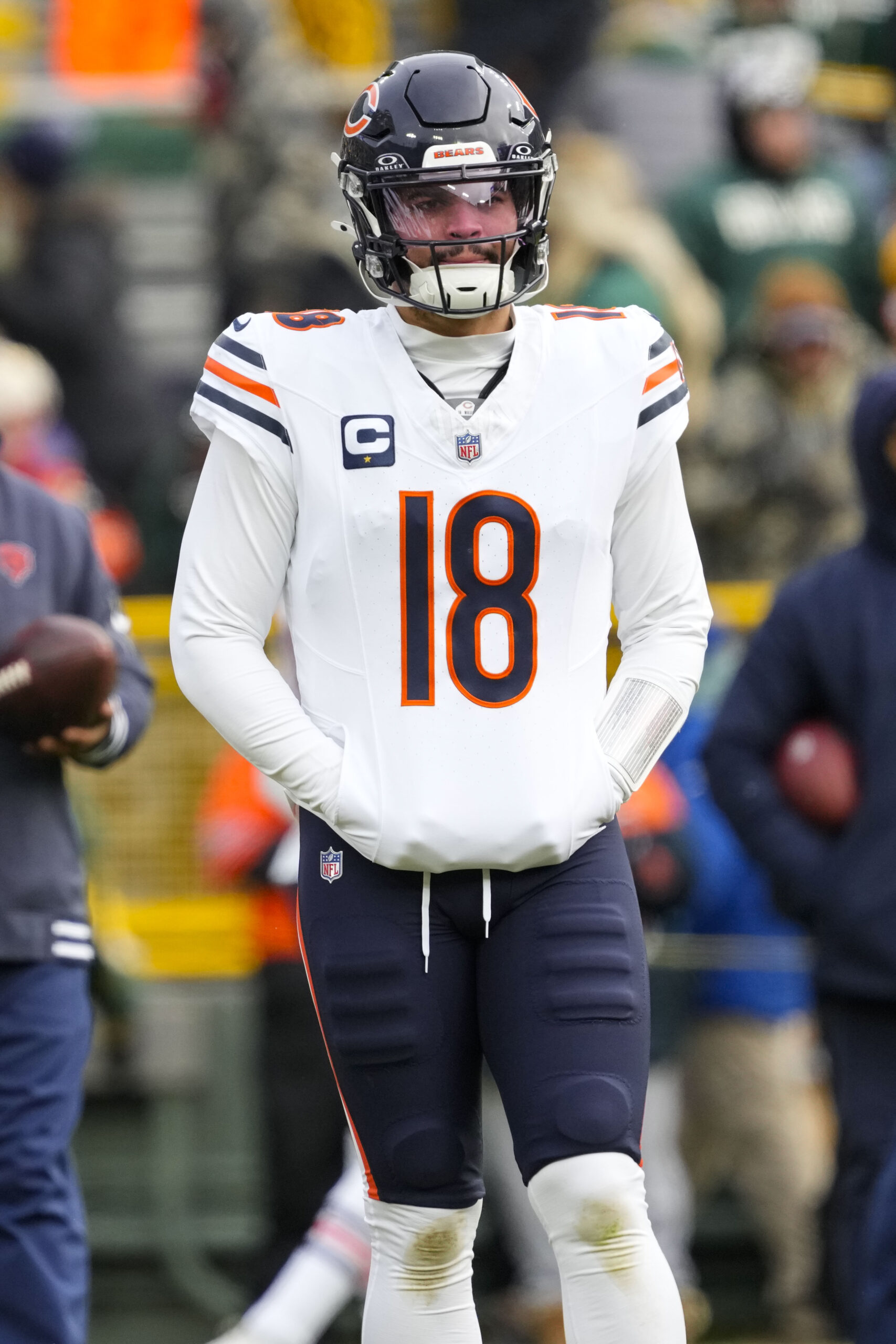 Fifth-year GM Ryan Poles is delegating responsibility of outlining a Caleb Williams extension this offseason. The 2024 No. 1 overall pick cannot be paid until January 2027. The Bears will have more intel on what a Williams extension will look like after the 2026 season, but after the former Heisman winner’s breakthrough 2025 slate, Chicago will be spending this offseason looking into how a second QB contract — a rare development for this particular franchise — will be arranged.
“It’s really a summer project,’’ Poles said, via the Chicago Sun-Times’ Patrick Finley. ‘‘[Bears VP of football administration] Matt Feinstein is digging into it now. We’ve had some preliminary [internal] conversations because we want to take some of these things into consideration as we build the team.”
Chicago has run into problems at quarterback for ages. No second contracts were given to first-rounders Justin Fields and Mitchell Trubisky, and Rex Grossman only signed a one-year deal in 2008 after underwhelming on his rookie pact. Cade McNown, a 1999 first-rounder, fared worse than that trio. Chicago received eight years from Jay Cutler after a blockbuster trade, but the rocket-armed passer was rarely viewed as an upper-crust option. Williams represents the latest swing, coming via Poles’ savvy 2023 trade-down move that gave the Panthers Bryce Young, and his 2025 brought considerable optimism.
Leading the Bears to an overtime period in the divisional round, Williams finished his second season with 27 touchdown passes and seven interceptions. He averaged only 6.9 yards per attempt, however, and completed just 58.1% of his passes — down four percentage points from a shaky 2024 showing — while ranking 16th in QBR. But Williams certainly showed progress on the whole under new HC Ben Johnson. The Bears will have another season to evaluate the former Lincoln Riley pupil.
Four- and five-year deals are the norm among quarterbacks as of late. Patrick Mahomes‘ 10-year extension represents an extreme outlier, while no one else has matched even Josh Allen‘s six-year deal since the Bills authorized that in 2021. Poles was with the Chiefs when they constructed the atypical Mahomes deal (10 years, $450MM). It featured a unique structure that brought rolling guarantees for the superstar passer, and that structure has benefited the Chiefs annually. Williams’ camp will be unlikely to go for a team-friendly accord, however.
Williams’ camp made some headlines in 2024 and ’25 related to his Bears status. The QB’s team attempted to have the Bears include a no-franchise tag clause in his rookie deal; that proved to be a nonstarter for the team. Williams, who does not have an agent, also attempted to skirt tax implications from his rookie deal in 2024.
Reports coming out of a Seth Wickersham book (American Kings: A Biograph of the Quarterback) also indicated Caleb’s father Carl Williams attempted to steer the QB clear of Chicago due to the Bears’ struggles developing passers. Carl Williams discussed this with Archie Manning, who famously helped Eli Manning avoid the Chargers in 2004, and expressed issues with the NFL’s rookie wage scale.
But the Bears having a quarterback worthy of an extension will be a win in itself. It will mark a new roster-building chapter for Chicago, which has ridden with rookie QB deals (excepting the Mike Glennon year) for nearly a decade. However, once the team can begin negotiating with Williams in earnest next year, eventful talks figure to commence. Although the Bears extended Cutler twice, they will be in for a new challenge with Williams given the skyrocketing QB market in the years since.
“I’m sure it’ll present challenges,’’ Poles said of Williams’ future negotiations. ‘‘We haven’t gotten that far. But if and when we get to that point, we’ll embrace that challenge. Our offense is going to slowly get really expensive. You want to continue to have young talent to come in and help us out on defense.”
Cardinals, Titans, Chiefs Meet With LB Arvell Reese
The lack of quarterback depth in this year’s draft class has minimized potential trade-up talk, as the Raiders are all set to select Fernando Mendoza to open the draft. But some interesting pass-rushing prospects check in behind the Heisman winner in this year’s prospect pool.
While others are more accomplished rushers, Arvell Reese carries perhaps the biggest upside. That has led the Ohio State hybrid performer to be mocked to the Jets at No. 2 overall frequently. If the Jets are to determine Reese’s developmental track is not for them, other teams in the top 10 would await. A few are doing research on the standout linebacker.
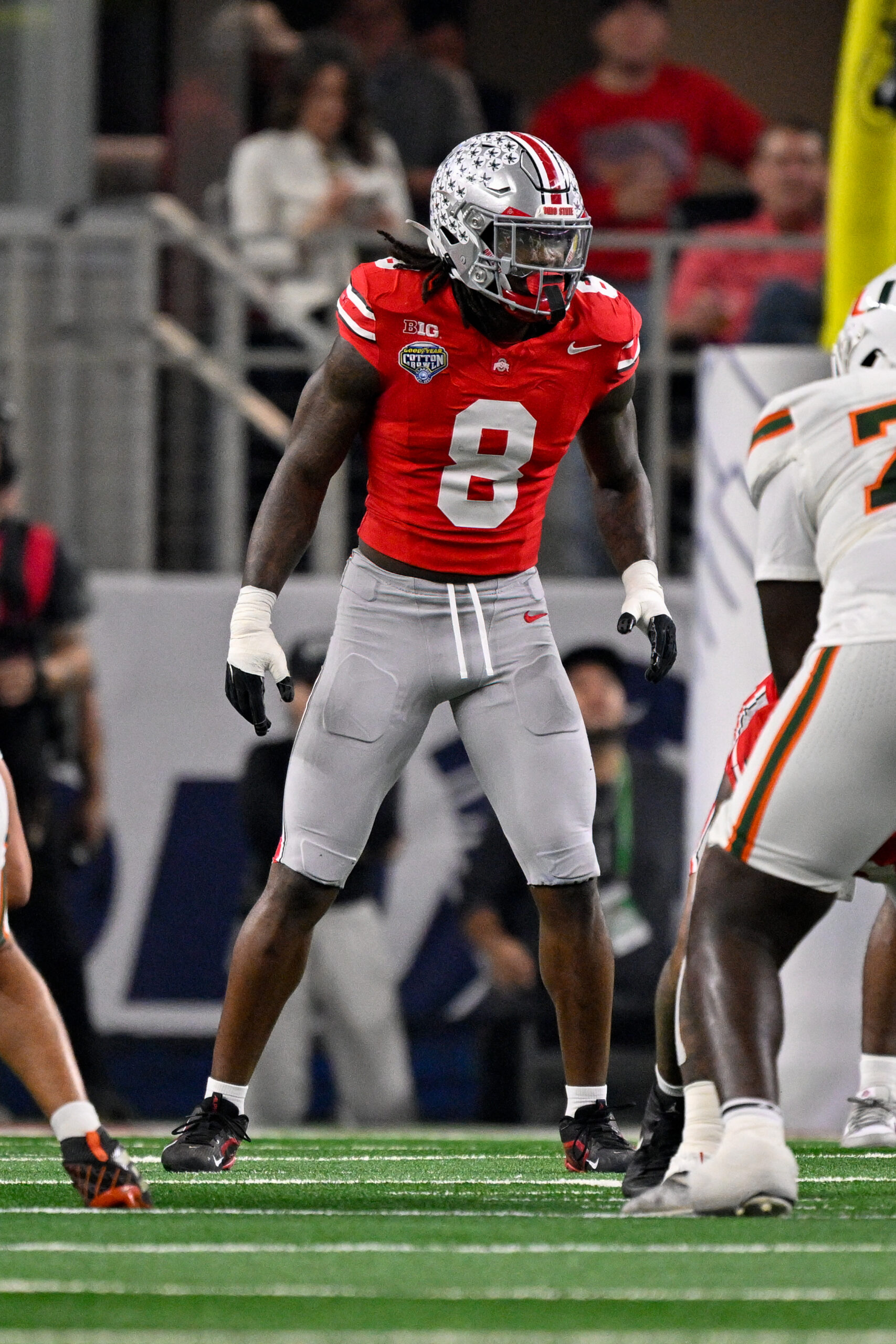 We already heard of Reese meetings with the Jets, Giants, Saints and Cowboys. He has now also met with the Cardinals, Titans and Chiefs, according to NFL.com’s Ian Rapoport and Mike Garafolo. Reese would fill needs in Arizona, Tennessee and Kansas City. The three-year Buckeyes cog is far from the only high-end pass-rushing prospect available, but he is probably the most unique player among this group.
As our Ben Levine noted in January, Reese mostly played linebacker last season at Ohio State. He only logged 97 snaps at the EDGE position in 2025 but still ranked seventh in Division I-FBS pressure rate (18.5%). Reese, who joins linebacker mate Sonny Styles (an ex-safety) in having some positional versatility, has expressed a preference to work as a pass rusher in the NFL. Considering his limited reps there, teams will need a clear plan to develop a high-ceiling prospect. But Micah Parsons‘ ascent will undoubtedly be on teams’ minds when evaluating Reese; Abdul Carter also turned a linebacker background into a No. 3 overall draft selection after moving to an EDGE role.
The Cardinals have been regularly given Miami tackle Francis Mauigoa in mock drafts. The recent national championship game starter would fill a glaring right tackle need opposite Paris Johnson Jr., but the Cards could also use help opposite Josh Sweat on the edge. Arizona has a history of selecting hybrid linebacker types, though those choices came under previous GM Steve Keim. Still, the Cardinals drafted the likes of Deone Bucannon, Haason Reddick, Isaiah Simmons and Zaven Collins and used each at multiple positions.
A veteran evaluator recently informed SportsBoom.com’s Jason La Canfora that Reese will be at his best in a 3-4 EDGE role. Neither the Chiefs nor Titans use that scheme, creating some questions about his fit. Though, any team that drafts Reese — thanks to the proliferation of nickel and dime sets — will regularly use him as an edge rusher in a four-man front. The Chiefs and Titans will just use that as their base defense.
Kansas City finished with just 25 sacks last season and has Chris Jones going into an age-32 season. The team, which has not seen 2023 first-round defensive end Felix Anudike-Uzomah show much, needs help opposite D-end George Karlaftis. The Titans hired Robert Saleh as HC and have seen him bring in four former Jets defensive linemen this offseason. Tennessee may still need a rusher opposite trade pickup Jermaine Johnson, however.