
Free Agent Stock Watch: Dak Prescott
With all the talk surrounding Tom Brady‘s impending free agency, it’s almost like you could forget about Dak Prescott‘s scheduled trip to the open market. Almost. 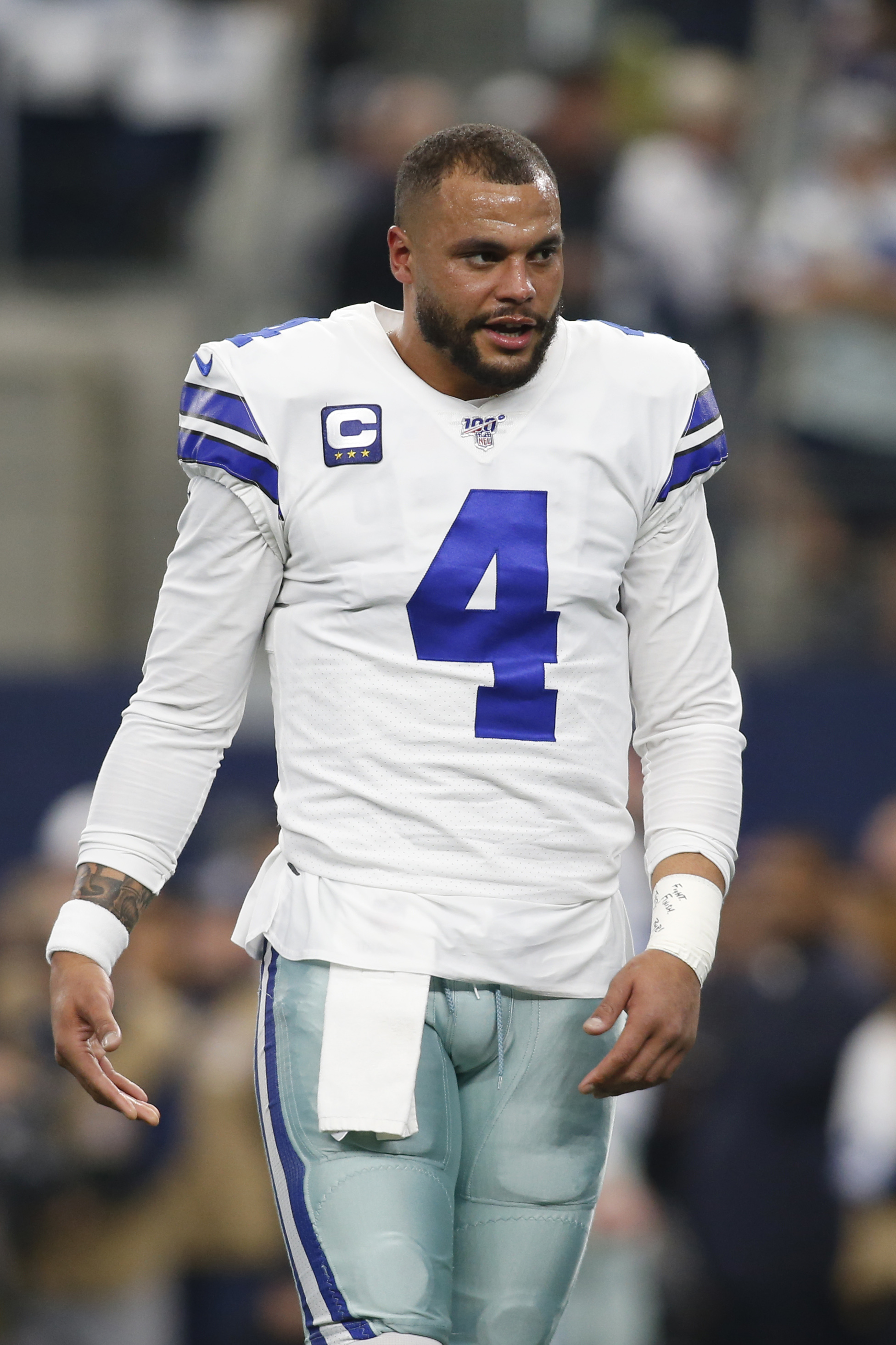
At the start of the season, it seemed like Prescott was right on the cusp of a brand new multi-year deal with the Cowboys. Back in September, Cowboys owner Jerry Jones said a new deal was “imminent.” Then, Jones & Co. spent the rest of the year deflecting questions about a potential extension. Now, the pressure is on for the Cowboys to hammer out a mega-deal that will keep Prescott under center for the foreseeable future.
Both sides have ample reason to get something done, but the Cowboys, understandably, have reservations about tying up a ludicrously high percentage of their available dollars in a handful of players. Back in September, the Cowboys offered up a contract that would have paid Prescott an average of $33MM/year. However, Prescott held off during his insanely hot start, and he was probably eyeing Russell Wilson‘s league-leading $35MM/year average.
The Cowboys’ second-half dip cost them a playoff berth and hurt Prescott’s leverage. Through the first seven games of the year, Prescott completed more than 70% of his passes with 12 TDs and seven INTs. On the back nine, Prescott completed just 61.5% of his throws with 18 touchdowns against four interceptions.
Still, there was plenty of blame to go around for the Cowboys’ drop, and much of it fell on Jason Garrett. Prescott, who won’t turn 27 until July, figures to cash in, one way or another. If the Cowboys can’t come to an agreement with Prescott on a long-term deal, they can keep him from free agency via the franchise tag, which is projected to come in at roughly $26.9MM for quarterbacks. The former fourth-round pick would surely prefer the security of a four-year contract, but that’s still a substantial pay bump from the $2.025MM base salary he earned in the final year of his rookie deal.
What will it take for the Cowboys to get a deal done with Prescott? After he finished second in passing yards (4,902) and fourth in passing touchdowns (30, a new career-high), it won’t be cheap. By betting on himself, Prescott has all but assured that he can top Jared Goff‘s four-year, $134MM deal, which averages out to $33.5MM/year. Meanwhile, his camp surely has Goff’s $110MM in guarantees – an NFL record – in the crosshairs.
The stats and comps are only part of the equation as the prospect of multiple franchise tags looms large. Sure, the Cowboys can cuff Prescott for 2020 at ~$27MM, but what about 2021, when the cost would rise another 20% to more than $39MM? (Assuming the franchise tag rules remain in tact after the new CBA.) After that, a third tag would be downright absurd – a 44% jump would cost upwards of $55MM for the 2022 season.
We’ve been fooled before, but all signs still point to a long-term accord between the QB and JJ. If the Cowboys are unwilling to top Wilson’s AAV, it’s possible that the two sides can meet in the middle on a three-year deal, which would allow Prescott to cash in at untold levels when he’s 30 years of age and the league’s revenue climbs even higher. Or, maybe they’ll cave and give Prescott just enough to edge Wilson on a four-year deal and claim victory. In any case, the Cowboys do not want to wait for Patrick Mahomes to land his next deal, which could top $40MM per annum. And, failing all of that, a tag is surely coming.
Prescott, technically speaking, is due for free agency in March, but we’d be shocked if he gets there.
Prospect Profile: Joe Burrow
The Bengals have roughly three months to figure out who they’ll take with the No. 1 overall pick, but many are convinced that their selection has already been made. Quarterback Joe Burrow, who is coming off of a ridiculous season at LSU, may be a lock for Cincinnati. 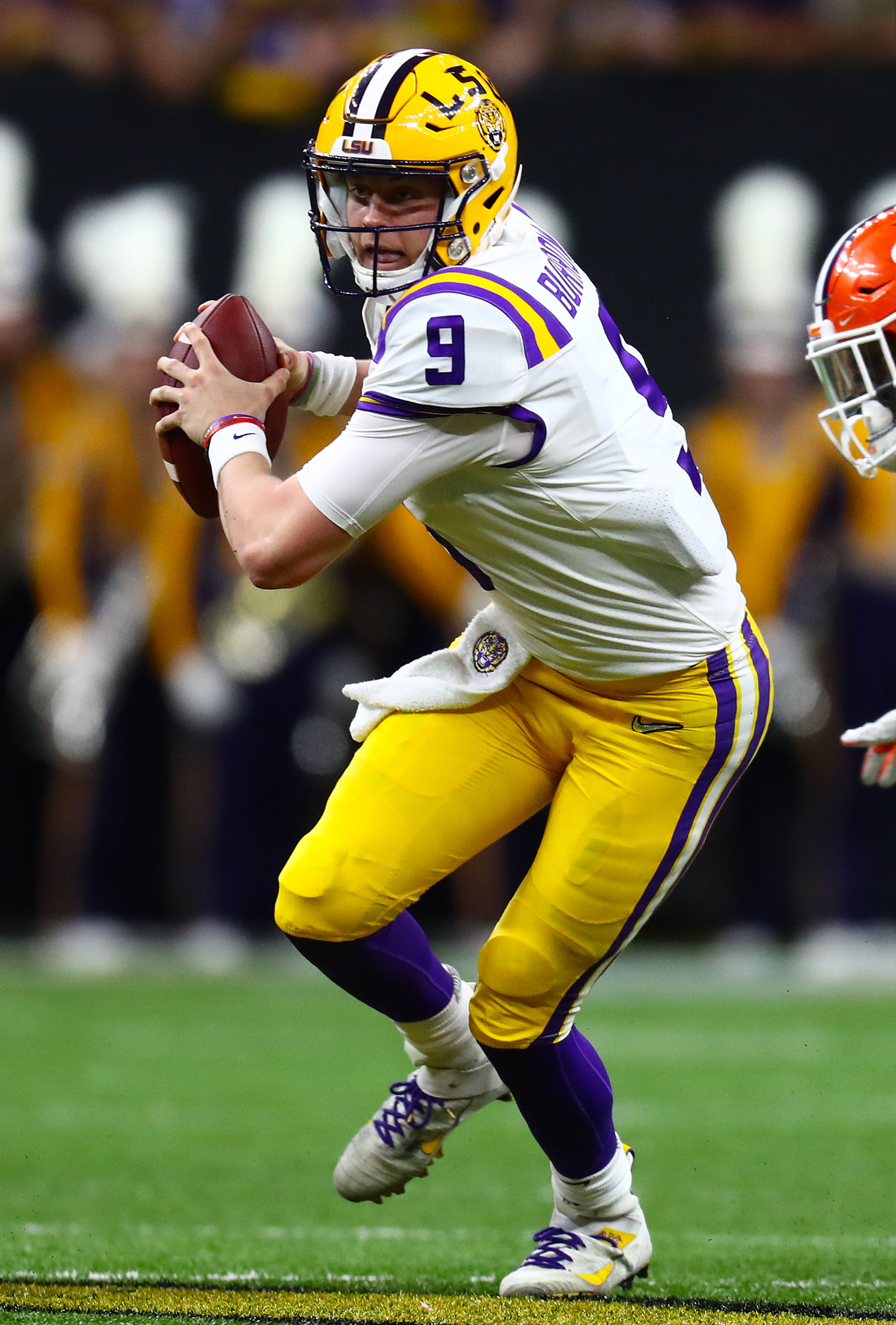
[RELATED: Bengals To Consider Tua, Herbert, Young]
Today, Burrow stands as the consensus top QB in this year’s class. But, in the summer, that wasn’t exactly the case. Scouts long drooled over the potential of Tua Tagovailoa, Justin Herbert, and Jake Fromm while Burrow seemed to be on the tier below. But, thanks to Tagovailoa’s hip injury and Burrow’s meteoric rise, the landscape shifted drastically.
The former Ohio State backup debuted as LSU’s starter in 2018 but threw for only 2,894 yards and 16 touchdown passes as a junior. Then, in 2019, Tigers passing-game coordinator (and new Panthers OC) Joe Brady helped him rise to a whole ‘nother level. Burrow threw for 5,671 yards, 60 touchdowns (!), and lobbed just six interceptions en route to a National Championship and the Heisman trophy.
The numbers have generated headlines, but execs are equally impressed by Burrow’s intangibles.
“Burrow just has it. You can’t coach it; you can’t develop it. Some guys just have it,” one longtime QB coach told Bleacher Report’s Matt Miller in November. “Baker Mayfield has it. Gardner Minshew has it. The difference is that Burrow has better size than both and a much better arm than Minshew.”
There are few knocks on Burrow, but no prospect is perfect. Among the (minor) concerns – Burrow’s limited track record of excellence. A highly-touted prospect out of high school, Burrow found himself mostly buried behind J.T. Barrett and Dwayne Haskins at Ohio State. It wasn’t until 2018 that he got his first crack at starting with LSU, and his numbers didn’t exactly jump off of the page. Then, in 2019, he was unstoppable. Someone playing devil’s advocate with Burrow would probably start here – Burrow’s game tape is excellent, but most of it comes from one season of work.
There’s also the matter of Burrow’s arm strength – he can’t air it out like Herbert and he doesn’t have a Kyle Boller fastball in his arsenal. Still, execs everywhere say that Burrow has the overall makeup to offset those limitations.
The Bengals will do their due diligence on every top prospect in this year’s crop, and they may even listen on trade inquiries, but all signs are pointing to Burrow as the top pick in April.
PFR Glossary: Rooney Rule
This offseason, five NFL teams hired new head coaches. New Redskins head coach Ron Rivera was the only non-white coach to fill one of those vacancies, which drew criticism from some, including Steelers owner Art Rooney II.
“I think where we are right now, is not where we want to be, not where we need to be,” Rooney said recently. “We need to take a step back and look at what’s happening with our hiring processes.”
“As it appears right now, there just weren’t very many minorities in the process at all this year. And I’m not sure why that is,” Rooney continued. “It doesn’t need to be that way. We have about one-third of the coaches in the National Football League are from the minority communities. That’s really not a bad pipeline. And so, the question is, why aren’t more of those people getting interviews? Why aren’t more of those people advancing through the process?”
Established in 2003, the Rooney Rule stipulates that teams must interview at least one minority candidate for head coaching positions. Named after former Steelers owner Dan Rooney, the rule is in place to make sure that candidates of color have a fair shake at climbing the ranks.
When the Rooney Rule was introduced, there were historically very few non-white head coaches in the NFL. Fritz Pollard became the first black head coach in NFL history in the 1920s and the league did not see another minority head coach until 1979 when the Raiders hired Tom Flores.
Since the advent of the Rooney Rule, dozens of qualified minority candidates have been given opportunities to showcase themselves for head coaching positions. However, it’s difficult to say whether that has directly led to a greater number of minority hires. Teams have been accused of interviewing minority candidates simply to check the box.
This was a common complaint against the Raiders a couple of years ago when they reportedly agreed to hire Jon Gruden on Christmas Eve, before they interviewed Oakland tight ends coach Bobby Johnson and USC offensive coordinator Tee Martin for the role in January. Ditto for some of this year’s searches, including the Cowboys. Some say the Cowboys weren’t giving serious consideration to former Bengals coach Marvin Lewis before they hired ex-Packers coach Mike McCarthy. The Fritz Pollard Alliance, which works with the NFL to monitor minority hiring practices, has vowed to push for changes to the rule.
In recent years, the rule has been extended to general manager vacancies. In December 2016, the NFL agreed to informally apply the rule to offensive and defensive coordinator positions, though there are no penalties for noncompliance. If a team is found to have broken the Rooney Rule in a head coaching search, the club may be faced with a substantial fine and/or a forfeiture of draft picks. In the coming months, the Rooney Rule could be expanded even further.
Poll: Will Le’Veon Bell Return To The Jets?
Last year, Jets GM Mike Maccagnan signed Le’Veon Bell to a four-year, $52.5MM deal. Weeks later, Maccagnan was fired in a long-expected, yet ill-timed, move. Apparently, new head coach Adam Gase and GM Joe Douglas were not wild about Maccagnan’s moves, including the major expenditure for Bell. 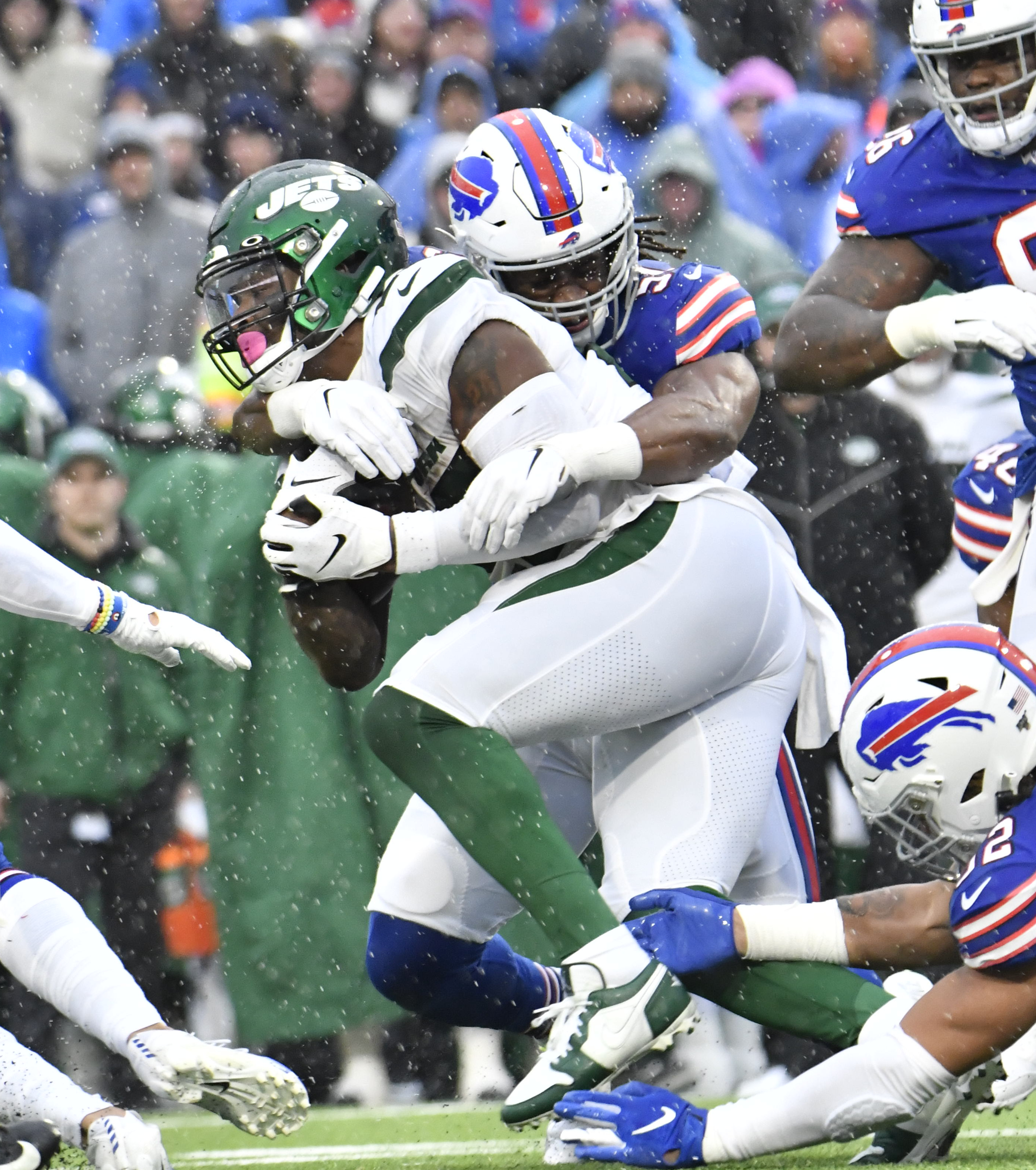
Unfortunately for Gase and Douglas, escaping Bell’s deal won’t be easy. The running back is slated to count for a $15.5MM cap figure in 2020 with similar numbers in 2021 and 2022. Shedding Bell this offseason would leave the Jets with $19MM in dead money and zero cap savings. The Jets’ best opportunity to dump Bell would come before the 2021 season, when they could save $9.5MM against $4MM in dead money.
Meanwhile, Bell underperformed in 2019 and reportedly clashed with team brass. He averaged just 3.2 yards per carry and his 66 catches for 461 yards out of the backfield weren’t nearly enough to offset that lack of efficiency.
Bell claimed multiple teams inquired about him before the October trade deadline. Douglas hinted that he would listen on calls after the season, though he later walked those comments back, saying that Bell is a valued member of the team.
Releasing Bell outright would result in $19MM in dead money. A trade would be less damaging – the Jets would absorb just $6MM in dead money while freeing up $9.5MM in cap room. Then again, the team taking on Bell would have to commit to his guaranteed $13MM for 2020, and that’s a tough sell. To offset that, the Jets would likely have to convert a portion of his 2020 pay into a signing bonus, which would add to the dead money total.
With all of that in mind, do you expect Bell to be in a Jets uniform in 2020? Cast your vote below (link for app users) and back up your choice in the comments section.
Will Le’Veon Bell Return To The Jets?
-
Yes 62% (1,239)
-
No 38% (759)
Total votes: 1,998
Poll: Will Patrick Mahomes Get $40MM/Year?
Patrick Mahomes is Super Bowl bound. He’s also in line for a monumental payday. 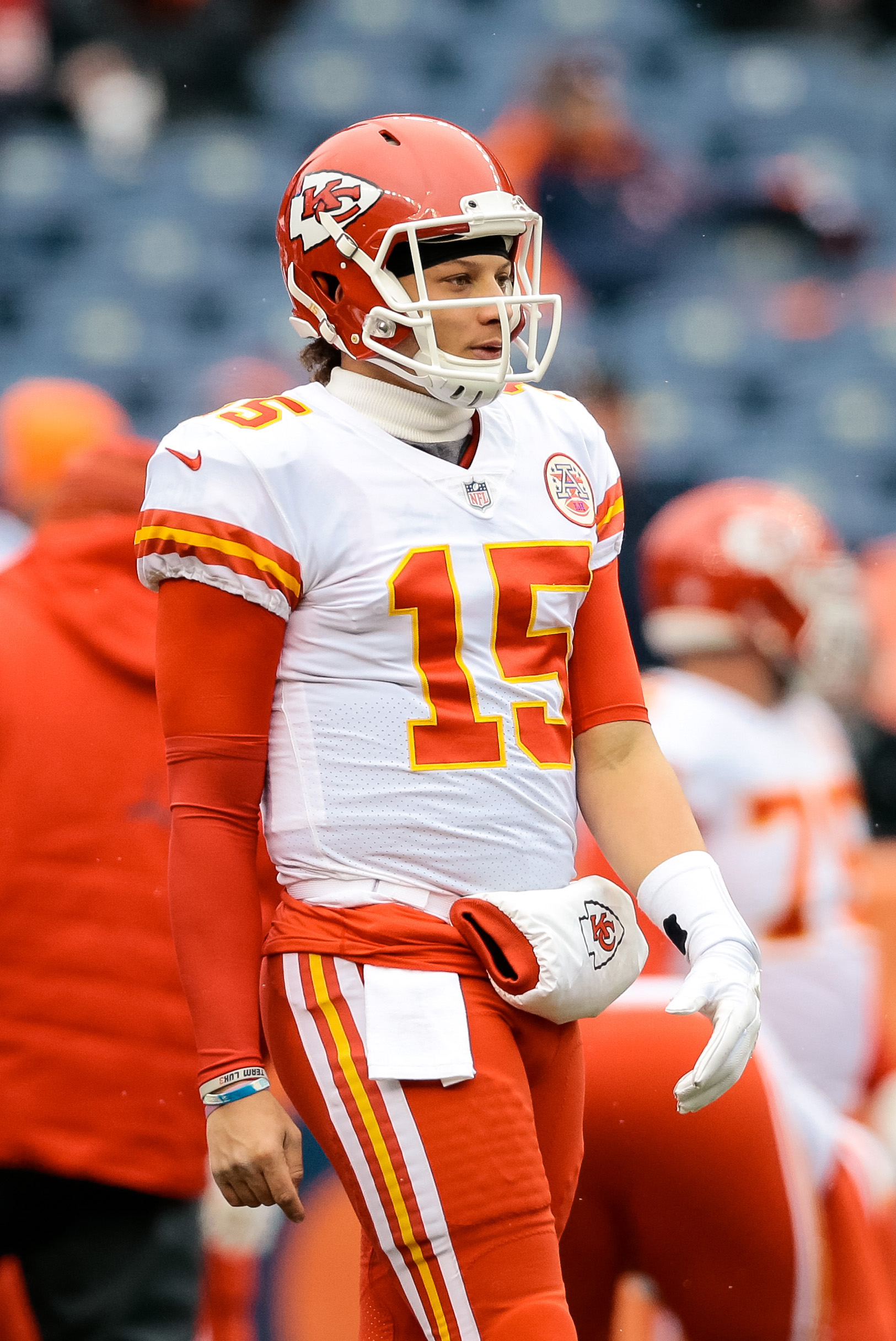
Last year, at the age of 23-and-a-third, Mahomes became the league’s youngest MVP since Dan Marino won the award in 1984. He didn’t disappoint in his encore, either. The grizzled 24-year-old threw for for 4,031 yards with 26 touchdowns against just five interceptions in 2019. He also threw in some dazzling running plays, for good measure, resulting in two more scores and 15 first downs.
His incomparable skillset and early accomplishments point to a historic contract. The NFL’s all-time average annual value (AAV) record is made to be broken and routinely shattered each year, sometimes by quarterbacks who are not considered to be among the league’s very best. Mahomes’ case is decidedly different – he’s simply from another planet, and some execs think he’ll cross the $40MM/year threshold.
“I think he’s gonna get $40MM [per year], either over four or five years,” one NFC personnel evaluator told ESPN.com’s Jeremy Fowler.
Another NFC exec with negotiating experience mostly echoed that sentiment:”If Russell Wilson is at $35MM, then probably $37.5MM.”
Wilson’s deal with the Seahawks calls for $140MM across four years. Rams QB Jared Goff isn’t far behind with $134MM over the same stretch, with a whopping $110MM in guaranteed cash. Carson Wentz fell just shy with his four-year, $128MM Eagles extension. There will be new additions to this tier – including Cowboys QB Dak Prescott – but Mahomes is poised to top Prescott’s deal (whenever that happens) and set a watermark that won’t be approached for a while.
Mahomes’ rookie deal runs through 2020 and the Chiefs hold his fifth-year option to take him through 2021. Still, league officials say time is of the essence for KC.
“If I were [the Chiefs], I would be as proactive as humanly possible,” one exec told Fowler. “If Jared Goff can get no offset language in his entire contract after three years in the league, then this specific player has all the leverage. I think $40MM would be Mahomes selling himself short.”
Will Mahomes net $40MM per year, or more, on his next deal? Cast your vote below (link for app users) and back up your choice in the comment section.
Will Patrick Mahomes Get $40MM (or more) Per Year?
-
Yes 74% (1,568)
-
No 26% (543)
Total votes: 2,111
Poll: Which NFL Team Made The Best Hire?
This year’s head coaching cycle came and went in a flash. The Redskins, Cowboys, Panthers, and Giants moved quickly to find their new sideline leaders and the Browns weren’t far behind as they filled their vacancy on January 11th. 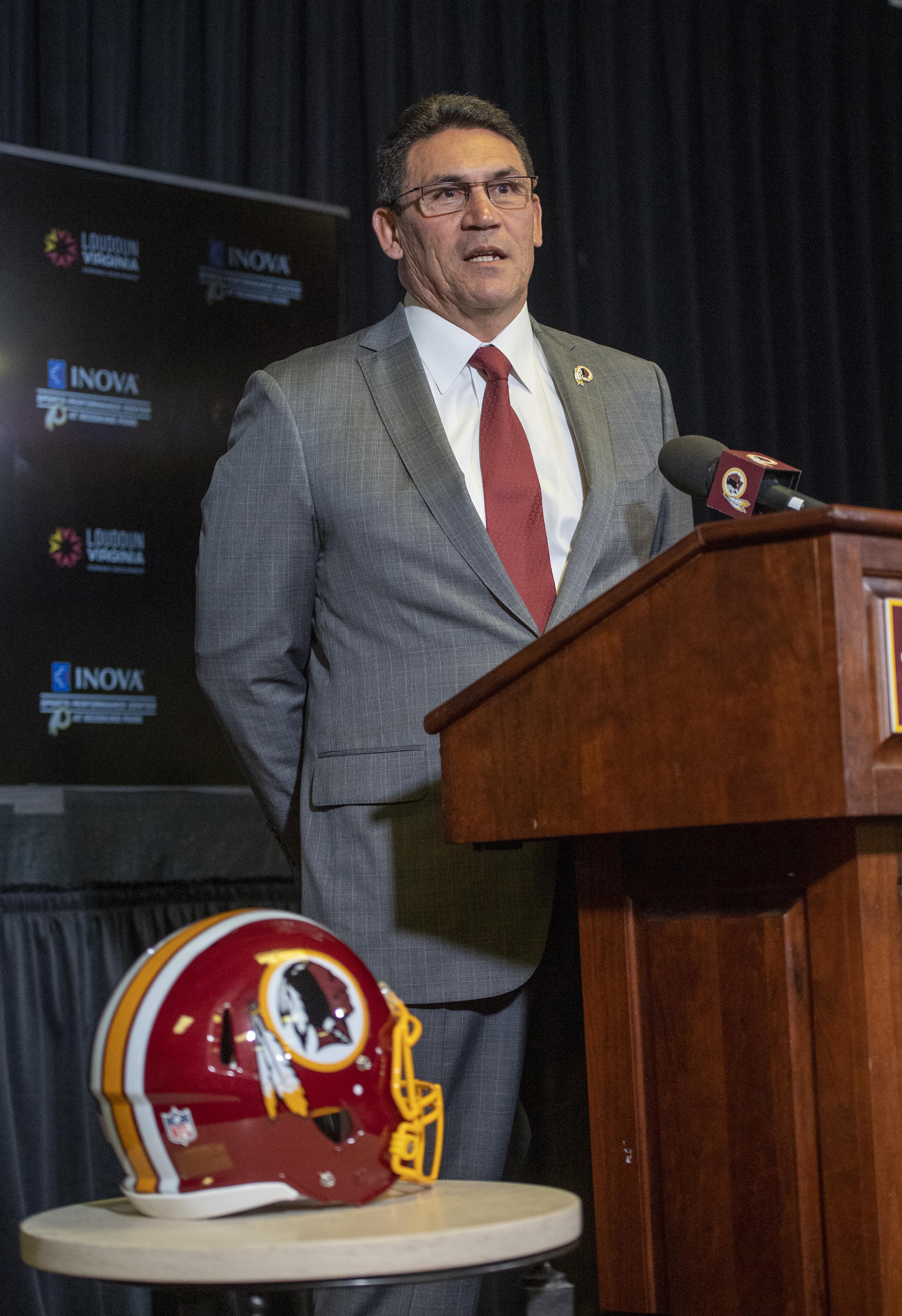
Now that the dust has settled, we want your take on the best hire of the bunch:
Ron Rivera, Redskins: The Panthers axed Rivera in early December, just before he could finish his ninth season at the helm. Quickly, the Redskins identified him as their top target to take over for interim head coach Bill Callahan, who had been holding down the fort since Jay Gruden‘s midseason dismissal. The Panthers struggled in 2019 without one-time MVP Cam Newton under center, but Rivera comes to D.C. with an impressive resume that includes four playoff appearances, three NFC South titles, and a Super Bowl appearance. The Redskins, meanwhile, haven’t been to the big game since their Super Bowl XXVI victory over the Bills following the 1991 season. Or, to put it another way – more than five years before quarterback Dwayne Haskins was born.
Mike McCarthy, Cowboys: During the season, many speculated that the Cowboys would make a splash by luring former Ohio State head coach Urban Meyer out of retirement. Instead, once the Cowboys finally fired Jason Garrett, they restricted their search to experienced NFL head coaches. Only two candidates formally interviewed for the job and McCarthy got the nod over longtime Bengals head coach Marvin Lewis. McCarthy clashed with Aaron Rodgers down the stretch in Green Bay, but he’s also credited with grooming him into one of the league’s top quarterbacks. The Cowboys are hopeful that McCarthy can have a similar impact on Dak Prescott’s development.
Matt Rhule, Panthers: The Panthers backed up a Brinks truck to hire former Baylor head coach Matt Rhule. Rhule is credited with turning around the Baylor program and, before that, the Temple program. Despite his lack of pro experience, teams have been eyeing him for the last couple of years. He was also hot during the last cycle, but a would-be deal with the Jets was nixed when Gang Green insisted on picking his assistants for him. This time around, Rhule had all the leverage he needed to get full control over his staff, and a lucrative contract that could pay him anywhere between $60 and $70MM.
Joe Judge, Giants: The Giants were infatuated with Rhule, but they were only willing to go so far. They were also blown away by Judge, who previously served as the Patriots’ special teams coach. Judge didn’t have the household name value of other candidates, but the Giants see him as someone who can handle the New York press and get the most out of young QB Daniel Jones.
Kevin Stefanski, Browns: Stefanski joined the Vikings in 2006 and climbed the ladder to become the team’s offensive coordinator midway through the 2018 season. In 2019, Stefanski’s first full season at the helm, the Vikings ranked as a top-10 offense in points while the the trio of Dalvin Cook, Alexander Mattison, and Mike Boone cracked the top six in rushing yards and touchdowns. Meanwhile, Kirk Cousins turned in one of his best seasons yet. The Browns have one of the game’s most promising young QBs in Baker Mayfield and a talented backfield group, so they saw Stefanski as a perfect fit, even though the Vikings came up short in the round.
Cast your vote below (link for app users) and back up your choice in the comments.
Who Was The Best HC Hire?
-
Ron Rivera, Redskins 36% (2,048)
-
Mike McCarthy, Cowboys 34% (1,896)
-
Kevin Stefanski, Browns 10% (577)
-
Matt Rhule, Panthers 10% (569)
-
Joe Judge, Giants 9% (530)
Total votes: 5,620
2020 NFL Head Coaching Search Tracker
Not as many head coaching vacancies have emerged this year, compared to a fourth of the league hiring new HCs in 2019. But there are a few teams going through the process presently (and another taking its time in getting started).
Listed below are the head coaching candidates that have been linked to each of the teams with vacancies, along with their current status. If and when other teams decide to make head coaching changes, they’ll be added to this list. Here’s the current breakdown:
Updated 1/11/20, 2:43pm CT
Carolina Panthers
- Matt Rhule, head coach (Baylor): Hired
- Eric Bieniemy, offensive coordinator (Chiefs): Interviewed on 1/2
- Perry Fewell, interim head coach (Panthers): Expected to interview
- Mike McCarthy, former head coach (Packers): Twice interviewed
- Josh McDaniels, offensive coordinator (Patriots): To interview on 1/7
- Kevin Stefanski, offensive coordinator (Vikings): Expected to interview on 1/9
Cleveland Browns
- Kevin Stefanski, offensive coordinator (Vikings): Hired
- Eric Bieniemy, offensive coordinator (Chiefs): Interviewed on 1/3
- Brian Daboll, offensive coordinator (Bills): Interviewed on 1/6
- Mike LaFleur, pass-game coordinator (49ers): Mentioned as candidate
- Mike McCarthy, former head coach (Packers): Interviewed on 1/2
- Mike McDaniel, run-game coordinator (49ers): Mentioned as candidate
- Josh McDaniels, offensive coordinator (Patriots): Interviewed on 1/10
- Urban Meyer, former head coach (Ohio State): Mentioned as candidate; team denied interest
- Matt Rhule, head coach (Baylor): Turned down interview opportunity
- Greg Roman, offensive coordinator (Ravens): Interviewed on 1/2
- Robert Saleh, defensive coordinator (49ers): Interviewed on 1/4
- Jim Schwartz, defensive coordinator (Eagles): Interviewed on 1/8
Dallas Cowboys
- Mike McCarthy, former head coach (Packers): Hired
- Marvin Lewis, former head coach (Bengals): Interviewed 1/4
- Josh McDaniels, offensive coordinator (Patriots): Cowboys interested?
New York Giants
- Joe Judge, special teams coordinator/wide receivers coach (Patriots): Hired
- Eric Bieniemy, offensive coordinator (Chiefs): To interview on 1/4
- Jason Garrett, former head coach (Cowboys): Interview requested
- Don “Wink” Martindale, defensive coordinator (Ravens): To interview on 1/4
- Mike McCarthy, former head coach (Packers): Interviewed on 1/3
- Josh McDaniels, offensive coordinator (Patriots): To interview on 1/8
- Matt Rhule, head coach (Baylor): Interview cancelled
- Kris Richard, secondary coach (Cowboys): Interviewed on 1/2
Washington Redskins
- Ron Rivera, former head coach (Panthers): Hired
Poll: Should The Seahawks Sign Antonio Brown?
The Seahawks were dealt a bad blow this week when Josh Gordon was banned indefinitely by the NFL. Down a major deep threat, could they consider signing Antonio Brown, the game’s most talented and controversial free agent?
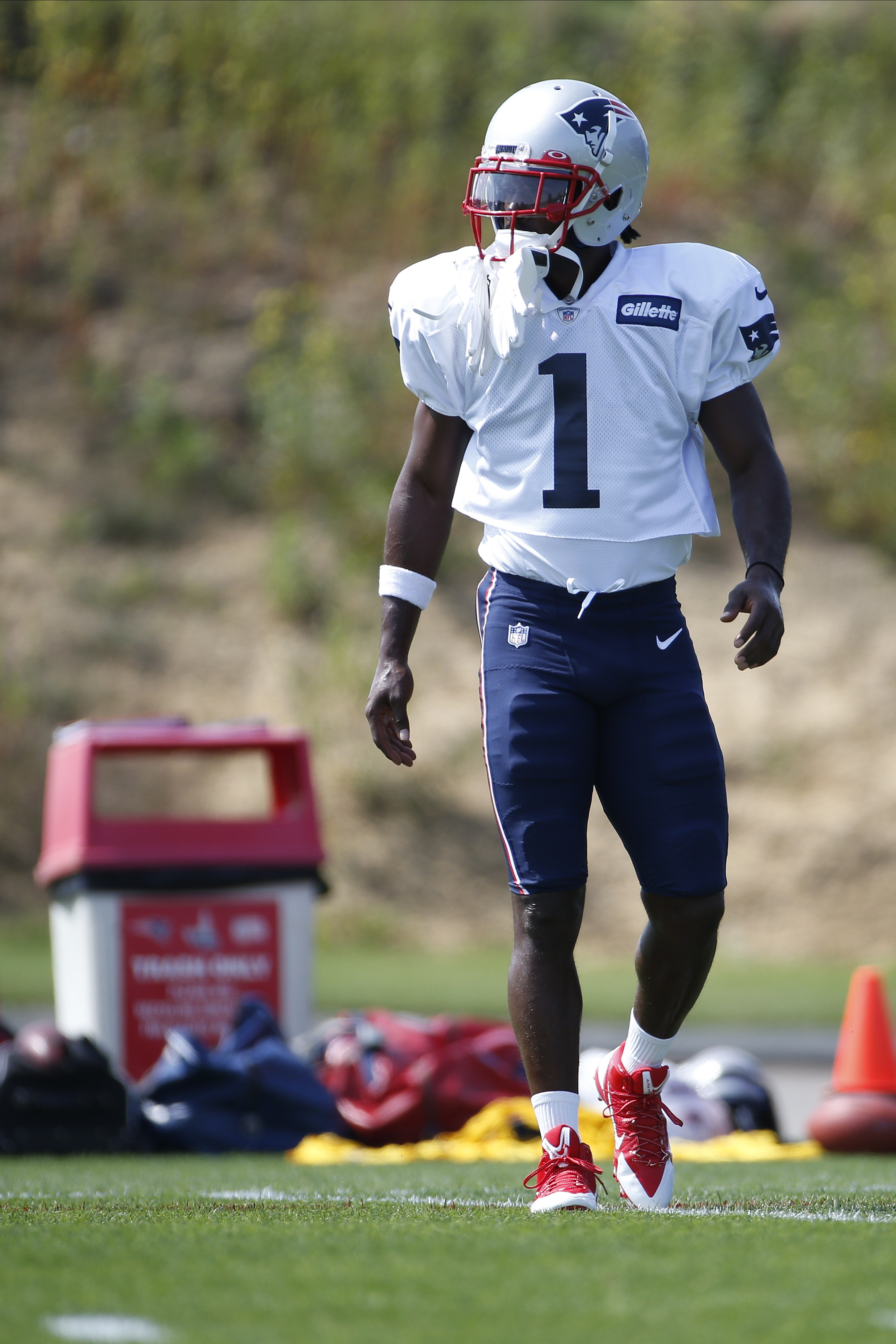 Mike Florio of PFT touched on the possibility today, while noting the obvious barriers: Brown is still waiting to find out whether he’ll be hit with a suspension of his own and the PR backlash would be enormous.
The Seahawks did their “due diligence” on Brown before claiming Gordon this year, but it’s not clear what they uncovered in their own investigation. Meanwhile, teams interested in Brown have been in a holding pattern as they await word on the wide receiver’s status from the NFL.
The belief is that if Brown is signed, the league will instantly place him on paid leave. But, if the Seahawks were to sign Brown after Week 17, there would be no real financial risk, since his compensation would be limited to just his playoff share.
With all of that said, the potential upside is enormous. Brown has caught 841 passes for 11,253 yards over the course of his ten-year career, which includes seven Pro Bowl appearances. And, in his last playoff game (January 14, 2018), reeled in seven catches for 132 yards and two touchdowns. That’s the kind of weapon Russell Wilson could use as the Seahawks gear up for their 2019/2020 push.
Cast your vote below (link for app users) and back up your choice in the comment section:
Should The Seahawks Consider Antonio Brown?
-
No 68% (1,862)
-
Yes 32% (880)
Total votes: 2,742
Poll: Who Will Get The No. 1 Overall Pick In 2020?
With only four weeks left in the 2019 regular season, a number of non-contending NFL teams have already started to look ahead to the impending offseason, and specifically, the 2020 draft. Four teams — the Bengals, Giants, Dolphins, and Redskins — still have a realistic chance of securing the No. 1 overall pick in next year’s draft, according to Football Outsiders’ odds.
Let’s take a look at each of those teams and assess the likelihood that they’ll be picking first overall next April:
Cincinnati Bengals
- Record: 1-11
- 59.6% chance of securing No. 1 overall pick per FO
- Remaining schedule: Browns, Patriots, Dolphins, Browns
The Bengals didn’t exactly head into the 2019 campaign with the intention of tanking, but that’s what’s happened, as Cincinnati didn’t secure its first victory until last week. With Andy Dalton now back under center, the Bengals certainly stand a better chance of winning another game or two than they would have under rookie three-game starter Ryan Finley. But there’s still a very real — and perhaps even likely scenario — in which Cincinnati finished 1-15 en route to selecting LSU quarterback Joe Burrow first overall.
New York Giants
- Record: 2-10
- 22.7% chance of securing No. 1 overall pick
- Remaining schedule: Eagles, Dolphins, Redskins, Eagles
Like the Bengals, the Giants are also turning back to their old starter, albeit involuntarily. With Daniel Jones nursing an ankle sprain, Eli Manning could potentially start Big Blue’s four remaining games. They’ll get to face the reeling Eagles twice over the next four weeks, and will also go up against two other clubs — Miami and Washington — which are also vying for the No. 1 pick. With Jones already in tow, New York isn’t going to draft another quarterback, so it could either trade down (not a favorite tactic of general manager Dave Gettleman) or select a generational defender like Ohio State’s Chase Young with the first overall pick.
Miami Dolphins
- Record: 3-9
- 8.5% chance of securing No. 1 overall pick
- Remaining schedule: Jets, Giants, Bengals, Patriots
The Dolphins’ tanking efforts haven’t exactly gone according to plan, but that’s okay, as Miami’s players have continued to go hard for first-year head coach Brian Flores, with the club winning three of its last five games. While it doesn’t appear the Dolphins are going to secure the top pick in next year’s draft, they do still have an outside shot at doing so, especially given that they’ll play both the Giants and Bengals over the next month.
Washington Redskins
- Record: 3-9
- 7.9% chance of securing No. 1 overall pick
- Remaining schedule: Packers, Eagles, Giants, Cowboys
The only team on this list that will definitively have a new head coach in 2020, the Redskins probably lost any chance they had at the No. 1 pick by surprisingly defeating the Panthers in Week 13 (and may have gotten Carolina head coach Ron Rivera fired in the process). Of all the teams vying for the first overall pick, Washington faces arguably the most difficult schedule, as they’ll square off with three teams that are still contending for the postseason.
So what do you think? Which of these teams will be first at the podium when the 2020 draft rolls? Vote below (link for app users):
Who will pick first overall in the 2020 draft?
-
Cincinnati Bengals 77% (1,429)
-
New York Giants 15% (280)
-
Miami Dolphins 4% (75)
-
Washington Redskins 4% (66)
Total votes: 1,850
Poll: Who Will Earn NFC’s No. 1 Seed?
The NFC’s contender class (non-NFC East contingent) has separated from the pack, giving the conference a clear top five going into December. With the NFC-leading 49ers set for a historically brutal late-season stretch, cases can be made for each of the top five moving to the home-field advantage bracket position.
 While the Cowboys and Eagles are almost certainly vying for the conference’s No. 4 seed, the 49ers, Saints, Seahawks, Packers and Vikings comprise one of the more interesting pursuits of a conference’s No. 1 slot in recent memory. Week 17 in the NFC may not feature many starters resting.
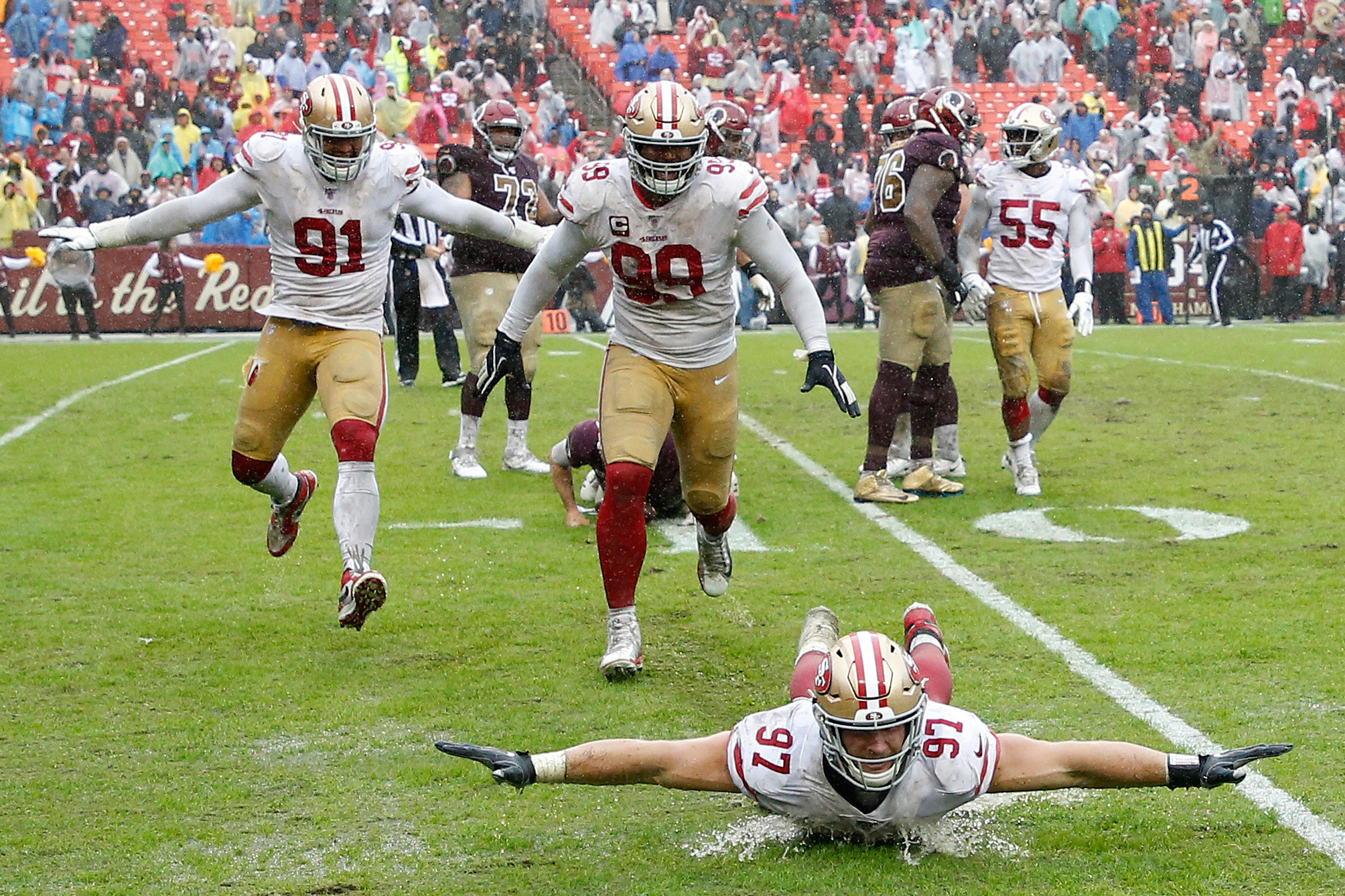
Armed with the ninth-best defensive DVOA figure through 11 games in the Football Outsiders-developed metric’s 34-season history, the 49ers carry a 10-1 record into the regular season’s final month. They made a statement in the first leg of their difficult three-game stretch, a defensive line-keyed rout of the Packers, but still have games in Baltimore and New Orleans (both oddly staying in the early-Sunday time slot) on tap. The 49ers also conclude their season with a Seattle trip. They have not won in Seattle since 2011, when Tarvaris Jackson was at the controls for the Seahawks, and have not earned a playoff bye in seven years.
 While the 49ers have the NFL’s second-toughest schedule remaining, the Seahawks’ remaining SOS is not much easier. Their final five games double as the seventh-most difficult stretch run. Seattle (9-2, No. 8 in DVOA) is 9-2 but won in San Francisco during a 6-0 road start. Following their home tilt against the Vikings, who lost in Seattle on a Monday night in December 2018, the Seahawks have a road Rams game scheduled before meetings with the Panthers and Cardinals.
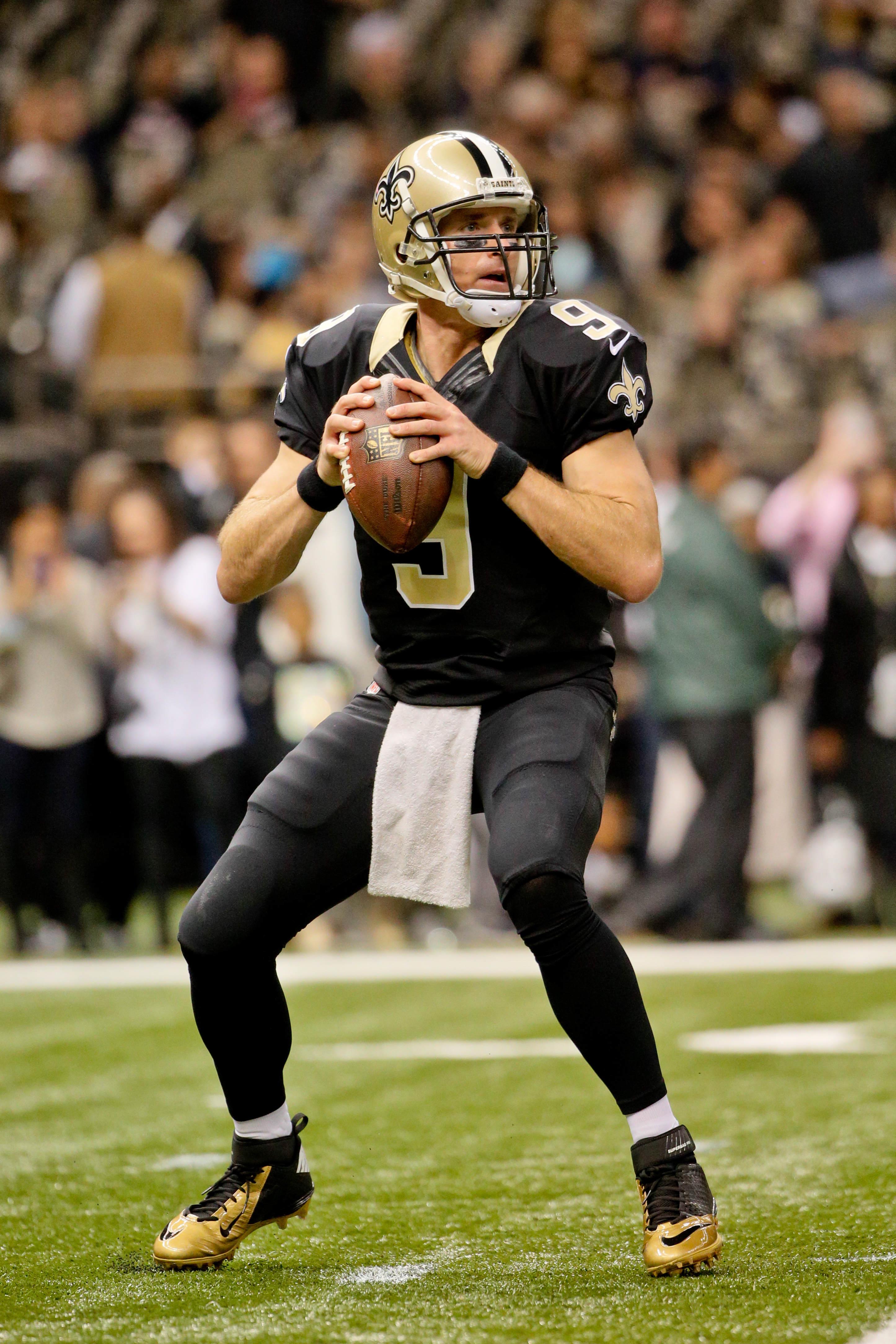
New Orleans does not have it any easier, with the league’s fifth-toughest slate remaining. After the 49ers, however, the Saints (10-2, No. 6 in DVOA) face the Colts at home before outdoor games in Nashville and Charlotte. Since 1994, only the Seahawks (2013-14) and Eagles (2002-04) have earned the NFC’s No. 1 seed in back-to-back years. Illustrating the stakes for the Saints: they are 6-1 at home in the playoffs under Sean Payton, with the loss obviously coming in controversial fashion last season, and 1-5 on the road during the Payton-Drew Brees era.
 The Vikings (8-3, No. 7 DVOA) sit 11th in the December SOS rankings but do have each of their divisional home games remaining, with a “road” game against the Chargers mixed in. Were they to stick the landing and reach the playoffs, it would mark an extraordinarily rare run. With no Viking quarterback helping the team to two postseason berths since Daunte Culpepper, Kirk Cousins guiding Minnesota to January football would make six different starting quarterbacks since Culpepper’s 2004 season to lead the Vikings to the playoffs.
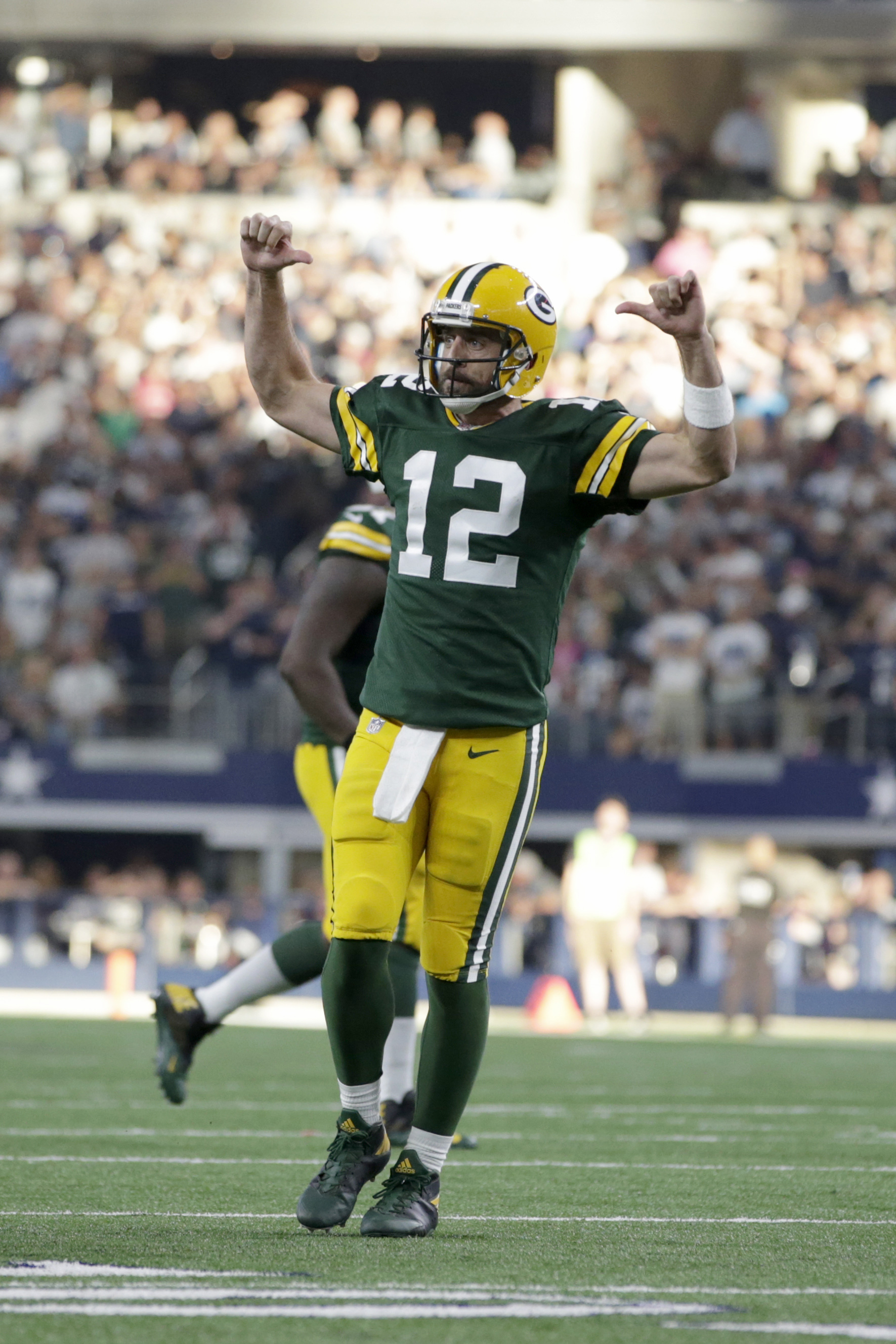
With two of their worst offensive games of the decade occurring in November trips to Los Angeles and San Francisco, the Packers (8-3, No. 10 DVOA) have cooled off considerably. They do, however, have by far the easiest road to January among the NFC’s premier quintet. Only the Eagles and Browns face a worse run of opponents than the Packers, who draw the Giants, Redskins, Bears and Lions. The Packers have not earned a playoff bye in five years but appear a stealth threat to make such a push this season.
So which of the NFC’s powers will end up securing home-field advantage? Vote in PFR’s latest poll (link for app users) and weigh in with your thoughts on this race in the comments section.
Who will earn the NFC's No. 1 seed?
-
San Francisco 49ers 29% (984)
-
New Orleans Saints 29% (979)
-
Seattle Seahawks 25% (847)
-
Green Bay Packers 11% (388)
-
Minnesota Vikings 6% (218)
Total votes: 3,416