
Cardinals Expected To Pursue QB Malik Willis; Latest On Dolphins’ QB Plans
In a year featuring a quarterback draft class that is perceived to be a weak one outside of presumptive No. 1 pick Fernando Mendoza, soon-to-be free agent Malik Willis is becoming a hot commodity. We have already heard that the Browns, Dolphins, and Steelers could be involved in Willis’ market, and Tony Pauline of Essentially Sports hears the Cardinals will be in on Willis as well.
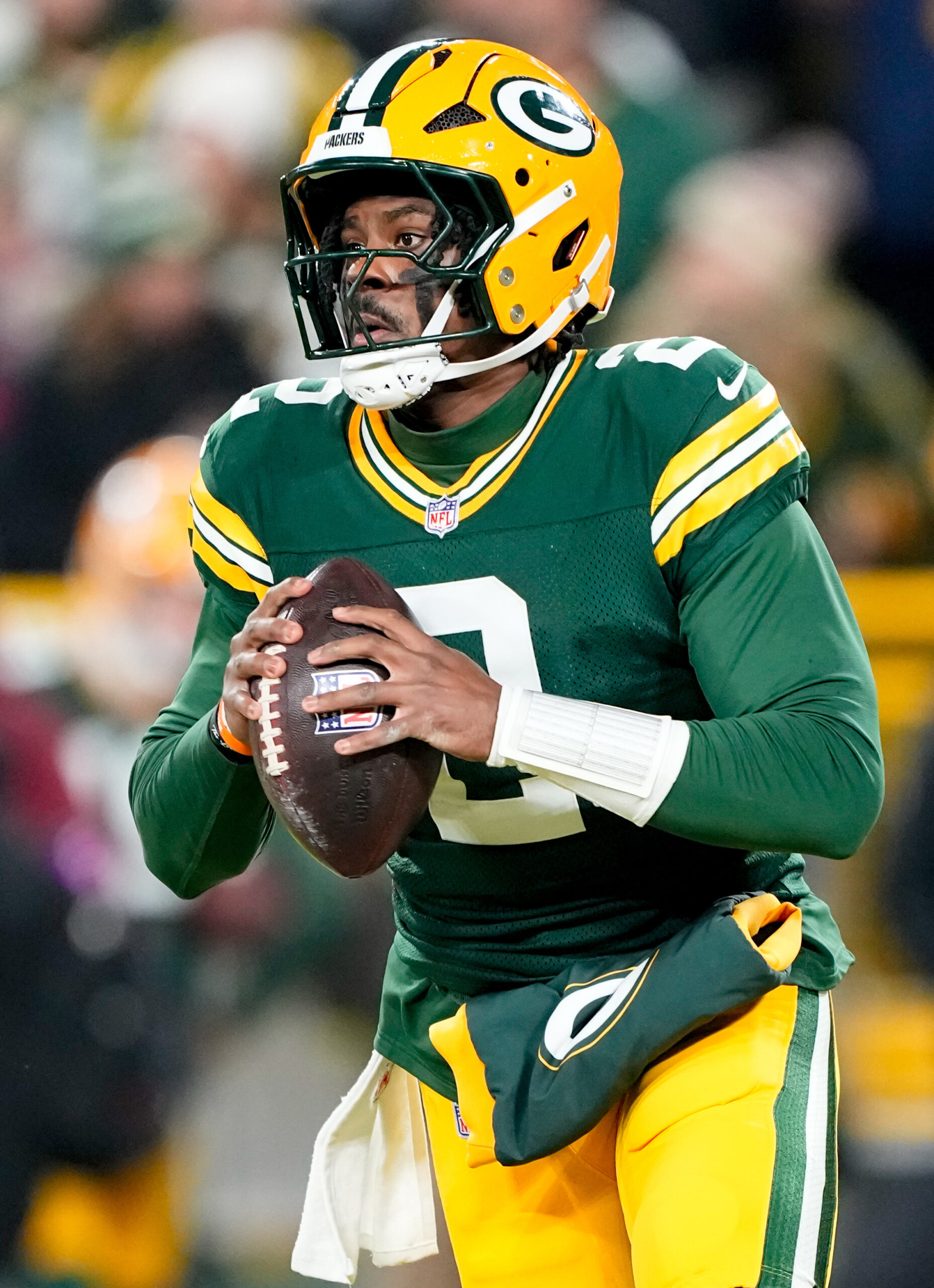
In fact, Pauline’s sources predict Willis ultimately will land in Arizona. The most recent reporting on the Cards’ incumbent QB1, Kyler Murray, indicated the club is undecided as to how it will proceed with the former No. 1 overall pick, who is already guaranteed $36.8MM in compensation for the upcoming season. That said, it would come as no surprise if the Cardinals move on, with a trade the preferred option but a release looking like the more realistic outcome.
Assuming Murray is done in the desert, as Pauline believes, the Cardinals will need to add to their QB room. While Jacoby Brissett played well in relief of Murray last season and could serve as a stopgap solution – he is under contract through 2026 – the 33-year-old journeyman does not profile as a long-term option.
Willis, who will turn 27 in May, could fit that description. The former third-round pick of the Titans has spent the past two years as a backup to Jordan Love in Green Bay, and though his playing time has been limited, he has flashed enough potential to generate notable interest. In his Packers tenure, which includes a 2-1 record as a starter, Willis has completed 70 of 89 passes (78.7%) for 972 yards and six touchdowns without throwing a pick. He has added 42 carries for 261 yards and three TDs.
Like the Cardinals, the Dolphins would prefer to trade their own former first-round signal-caller, Tua Tagovailoa, but are likely to be forced to release him. Pauline confirms that Tagovailoa is not expected to be back with the ‘Fins in 2026, and he says there is an “overwhelming belief” that Miami’s new head coach, Jeff Hafley, wants to bring Willis to South Beach.
Hafley spent the past two seasons as Green Bay’s defensive coordinator, and the Dolphins’ new GM, Jon-Eric Sullivan, was a Packers staffer for 22 years before Miami brought him aboard last month. Their connection to Willis is therefore understandable, though the club’s unenviable salary cap situation could make it difficult for them to compete for his services.
At present, the ‘Fins have just $3.18MM of cap room, and even after more cost-shedding moves, they may not be in a position to win a bidding war. That could point them to a cheaper option like Jimmy Garoppolo.
In that scenario, Garoppolo would not necessarily be handed the QB1 mantle. After all, Bobby Slowik, who was recently promoted from passing game coordinator to offensive coordinator, is said to be a “big fan” of 2025 seventh-rounder Quinn Ewers.
Ewers held his own over the final three games of the ‘25 campaign, his first taste of regular season action in the pros. Pauline’s sources believe the Texas product deserves a chance at a longer audition, particularly since he was seen as a Day 2 prospect who surprisingly fell to the seventh round. If the Dolphins cannot land Willis, Pauline hears the team plans to give Ewers a chance to start while bringing in an inexpensive veteran like Garoppolo to function as the backup.
Rams Will Seek To Improve At CB; Darious Williams A Release Candidate?
On the strength of an excellent performance from Sam Darnold, the Seahawks eliminated the Rams in the 2025 NFC Championship Game and ultimately captured the second Lombardi Trophy in franchise history. Disgruntled by that showing, the Rams have been candid about the need to improve their cornerback room this offseason, as Nate Atkins of The Athletic (subscription required) relays.
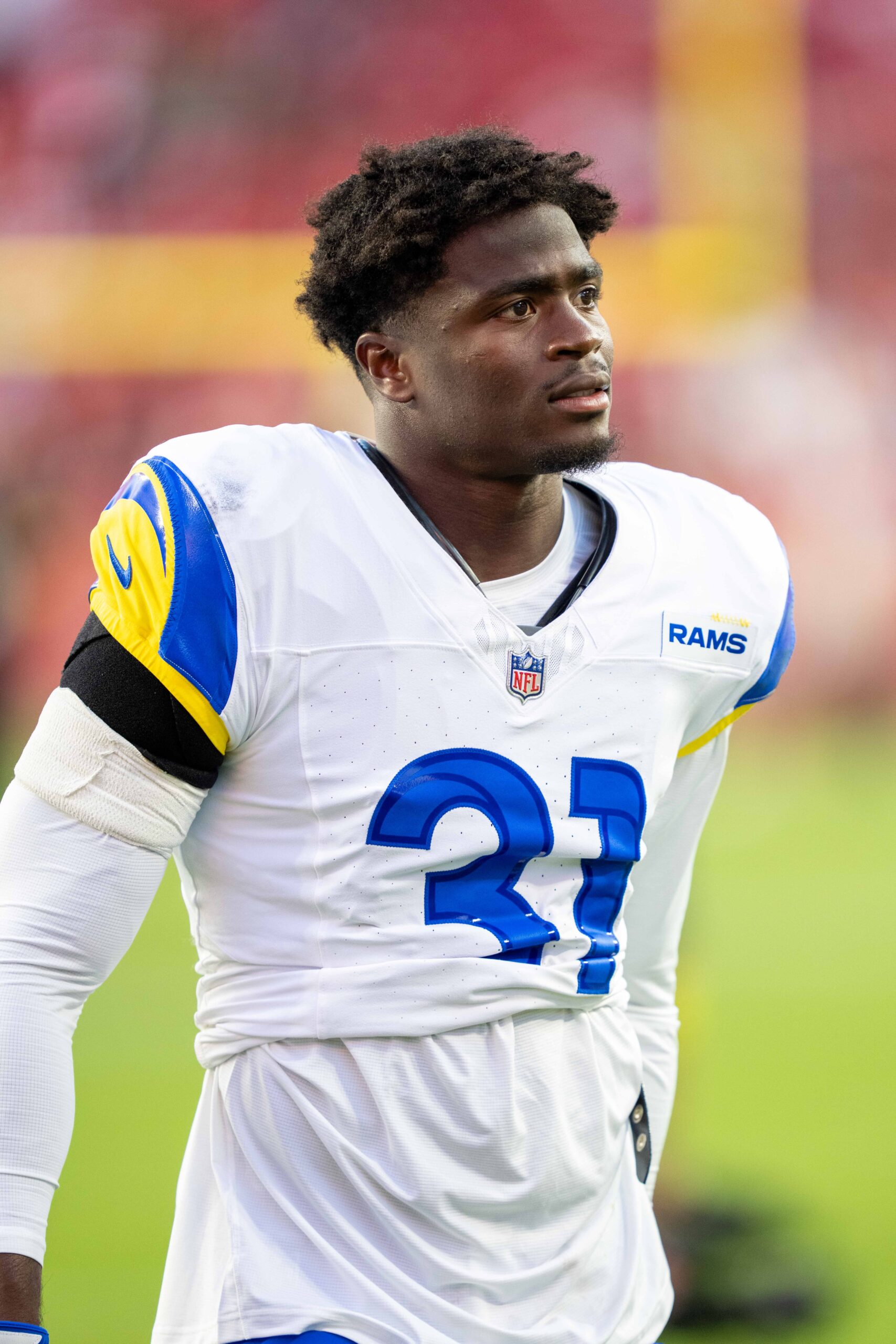
Los Angeles finished 19th in the league in terms of passing yards allowed in 2025, and none of their primary boundary corners with enough snaps to qualify – Darious Williams, Emmanuel Forbes, and Cobie Durant – earned a notable grade from Pro Football Focus. Williams is under contract through 2026 and is due a reasonable $7MM salary next year, but Atkins views the soon-to-be 33-year-old as a cut candidate.
Now in his second stint with the Rams, the former UDFA of the Ravens proved to be quite a find for Los Angeles, who claimed him off waivers from Baltimore in October 2018. He eventually became a fixture in the Rams’ secondary and earned a three-year, $30MM contract from the Jaguars in March 2022. Jacksonville released him after the second season of that pact, and he rejoined LA on a three-year, $22.5MM accord in March 2024.
In 12 games (11 starts) for the Rams in ‘24, Williams surrendered a 64.4% completion percentage and 101.7 quarterback rating, and his 59.0 PFF grade placed him 82nd among 118 qualified CBs. His numbers actually improved in 2025 (87.6 QB rating, 64.7 PFF grade), but he played considerably fewer snaps and was a healthy scratch in several games.
It is therefore not surprising that Los Angeles will consider parting ways, especially since a cut would generate $7.5MM in cap savings with a minimal dead money charge of $1.17MM. Williams’ age and contract situation, together with the Rams’ stated desire to remake their CB depth chart, make a release a logical outcome.
Forbes, a former first-round pick of the Commanders, is under club control through 2026 via his original rookie contract with Washington (the Rams claimed him off waivers in December 2024). He is due a modest $1.95MM salary next year.
Durant, whom the Rams selected in the fourth round of the 2022 draft, is eligible for free agency next month (ditto trade deadline acquisition Roger McCreary, who played just 38 defensive snaps for LA). The team recently extended versatile slot defender Quentin Lake through 2028.
Williams, who has earned over $50MM to date, will likely have to settle for a one-year contract if the Rams do move on. Still, given the league-wide need for experienced corners, he should be able to find another employer.
Micah Parsons: “I Was Really About To” Join Eagles
As the relationship between the Cowboys and Micah Parsons publicly unraveled last offseason, the Eagles reportedly put forth the best trade package for the star edge rusher. Dallas naturally did not want to deal Parsons to a division rival and ultimately shipped him to the Packers (that swap included a poison-pill provision to guard against the possibility of Green Bay sending Parsons to Philadelphia down the road).
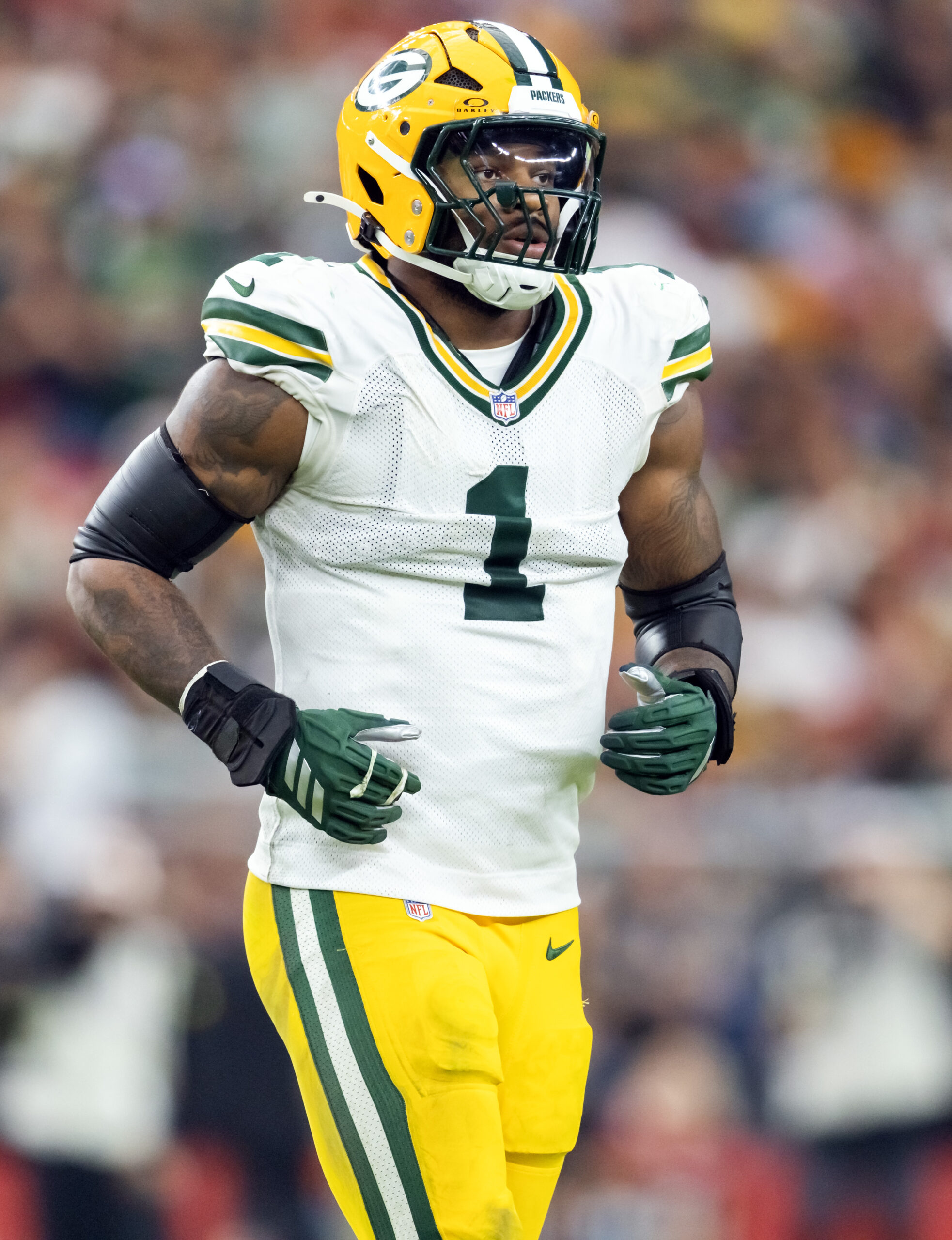
Nonetheless, Parsons himself recently stated he very nearly became an Eagle. On a recent episode of his The Edge With Micah Parsons podcast, the five-time Pro Bowler covered a number of topics with Eagles WR A.J. Brown and Panthers QB Bryce Young, including the fact that he and Brown were almost teammates in 2025.
“To be honest with you, bro, it was very close,” Parsons said (via Geoff Mosher of Philly Voice). “Eagles – before [trade deadline acquisition] Jaelan Phillips, before all of them, it was me.”
Of course, any team that acquired Parsons was going to need to authorize a record-setting extension for him, and the Packers did just that with a four-year, $188MM deal. If he were to sign a new contract with the Eagles, though, Parsons wanted to play alongside Philadelphia defensive tackle Jalen Carter. The Cowboys were known to be targeting DT reinforcements in any Parsons swap – they landed Kenny Clark from Green Bay – and it sounds as if Dallas wanted Carter to be part of a would-be trade with the Eagles.
“I was really about to come [to Philadelphia], but there was one person that I had to play with that if he was gone I did not want to be there, and that was Jalen Carter,” Parsons added. “[The Cowboys] wanted a d-tackle and they wanted to trade me plus some picks. I’m coming to play next to JC. Sorry, Cowboys fans … It really almost happened.”
Prior reporting indicated the Eagles’ offer was comprised of two first-round picks, a third-rounder, a fifth-rounder, and other unspecified assets. Assuming Parsons’ remarks are accurate, Carter was either one of the “unspecified assets,” or Cowboys owner Jerry Jones was not entirely forthright when he said he did not make a counter to Philadelphia’s proposal.
Parsons turned in a stellar first season in Green Bay, compiling 12.5 sacks in just 14 games en route to a third First-Team All-Pro selection. Unfortunately, a Week 15 ACL tear ended his campaign prematurely and kept him sidelined for the Packers’ lone playoff contest. He hopes to return no later than Week 3 of the 2026 slate.
Meanwhile, the Cowboys’ defense was among the league’s worst in 2025, which undermined a strong effort from the Dallas offense. While Parsons’ presence will improve any front seven, the Eagles finished the 2025 regular season 13th in sacks and fifth in points allowed. It was their offense that proved to be more problematic.
Derek Carr Could Consider 2026 Return; QB Has No Shoulder Limitations
FEBRUARY 9: Albert Breer of Sports Illustrated predicts Carr will resume his career. Such a development would presumably include a trade being worked out this offseason, so Carr’s potential presence in the quarterback market will remain something to watch closely over the coming weeks.
FEBRUARY 8: Last May, Saints quarterback Derek Carr announced his retirement, and it was subsequently reported that he was “extremely unlikely” to reverse that decision. In addressing the matter several months later, however, he did not close the door to an NFL return, and both the Bengals and Colts considered him during their search for injury replacements for their starting quarterbacks in 2025.
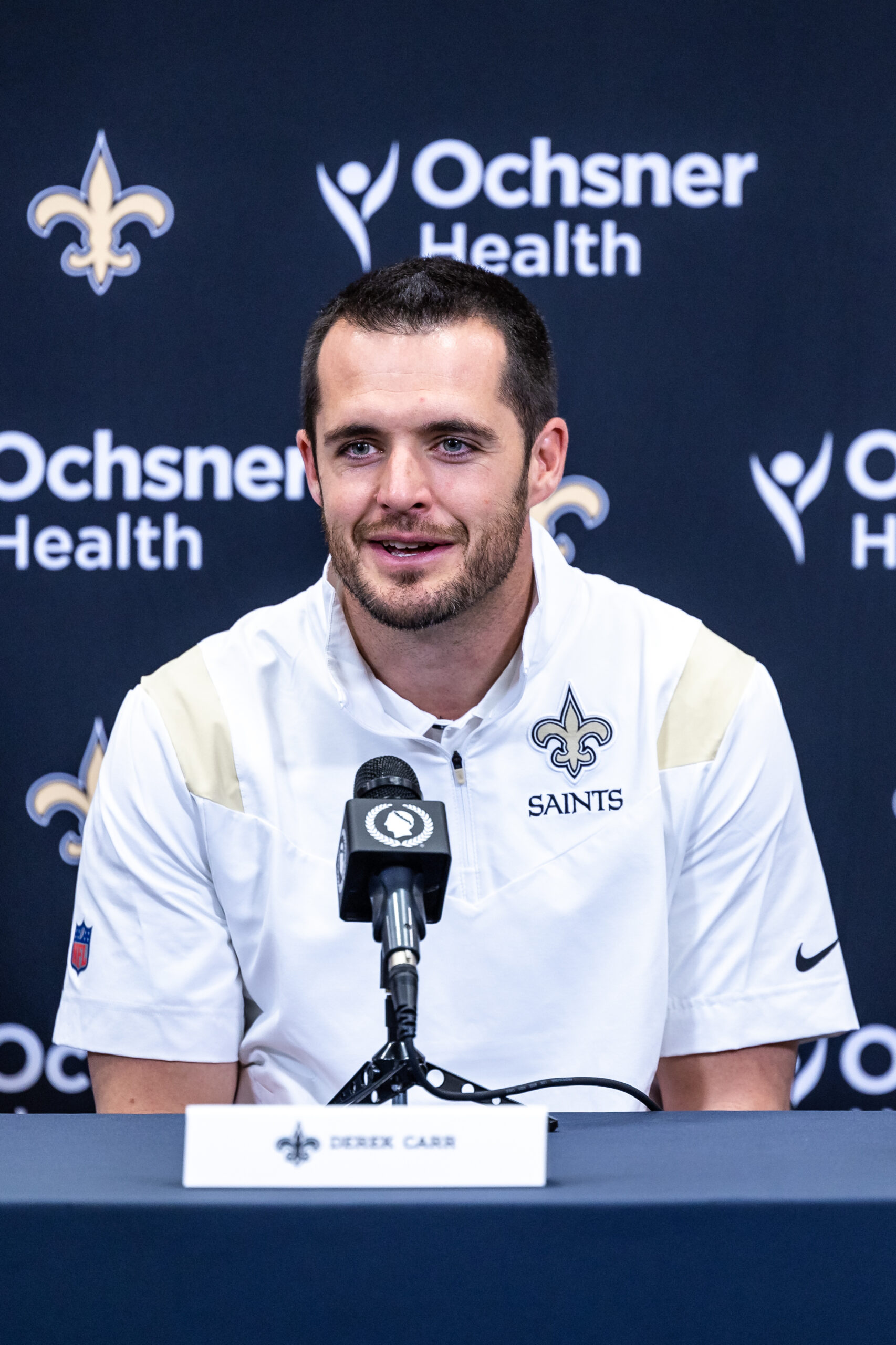
According to Ian Rapoport, Tom Pelissero, and Mike Garafolo of NFL.com, Carr is content in retirement at the moment but could be open to a 2026 comeback if the right opportunity presents itself. It is unclear exactly what the “right opportunity” would include, though the NFL.com triumvirate says Carr’s prospective coaching staff would be a key factor.
Carr, who stepped away from the game (at least temporarily) at age 34, chose that route rather than undergoing a shoulder surgery that would have jeopardized his availability for the 2025 slate. In their own announcement on his retirement, the Saints said the four-time Pro Bowler had “significant degenerative changes to his rotator cuff.”
Fortunately, Carr’s shoulder responded well to rest and recovery. He began rehabbing as the 2025 season went along, and he presently has no shoulder limitations. He is throwing fully as part of his regular exercise regimen.
While Carr is not actively pursuing a comeback, the usual dearth of quality options on the free agent and trade markets, as well as the perceived weakness of the 2026 draft class of collegiate QBs outside of presumptive No. 1 selection Fernando Mendoza, could make him attractive to clubs in need of a bridge option. The fact that he is back to full strength heightens his appeal.
The Saints still control Carr’s rights, meaning they would have to work out a trade with an interested club. But Rapoport et al. do not see that as a real hurdle. Tyler Shough’s strong showing as a rookie and the amicable end to Carr’s New Orleans tenure suggest such a deal would be easy to consummate, and trade compensation would likely be minimal given that Carr has no future with the Saints.
Across 27 games with New Orleans, Carr posted a 14-13 record and completed over 68% of his passes, throwing for 40 touchdowns against just 13 picks. That amounted to a 98.8 quarterback rating.
Klint Kubiak To Become Raiders’ HC
FEBRUARY 8: With Super Bowl LX behind him and the job done, Kubiak has confirmed that he will be the next head coach of the Raiders, per Stacey Dales of NFL Network. Las Vegas will be welcoming the Super Bowl-winning offensive coordinator to potentially serve as head coach over the presumed No. 1 draft pick, Mendoza, for the 2026 NFL season.
FEBRUARY 1: A recent report pegged Seahawks offensive coordinator Klint Kubiak as the favorite for the Raiders’ head coaching vacancy. While no agreement was immediately struck upon the completion of Kubiak’s second interview with Las Vegas brass — nothing can be finalized until after Super Bowl LX — the club is “zeroing in” on Kubiak, per Tom Pelissero of the NFL Network. Pelissero’s NFL Network colleague, Ian Rapoport, says the Raiders believe they have their guy. 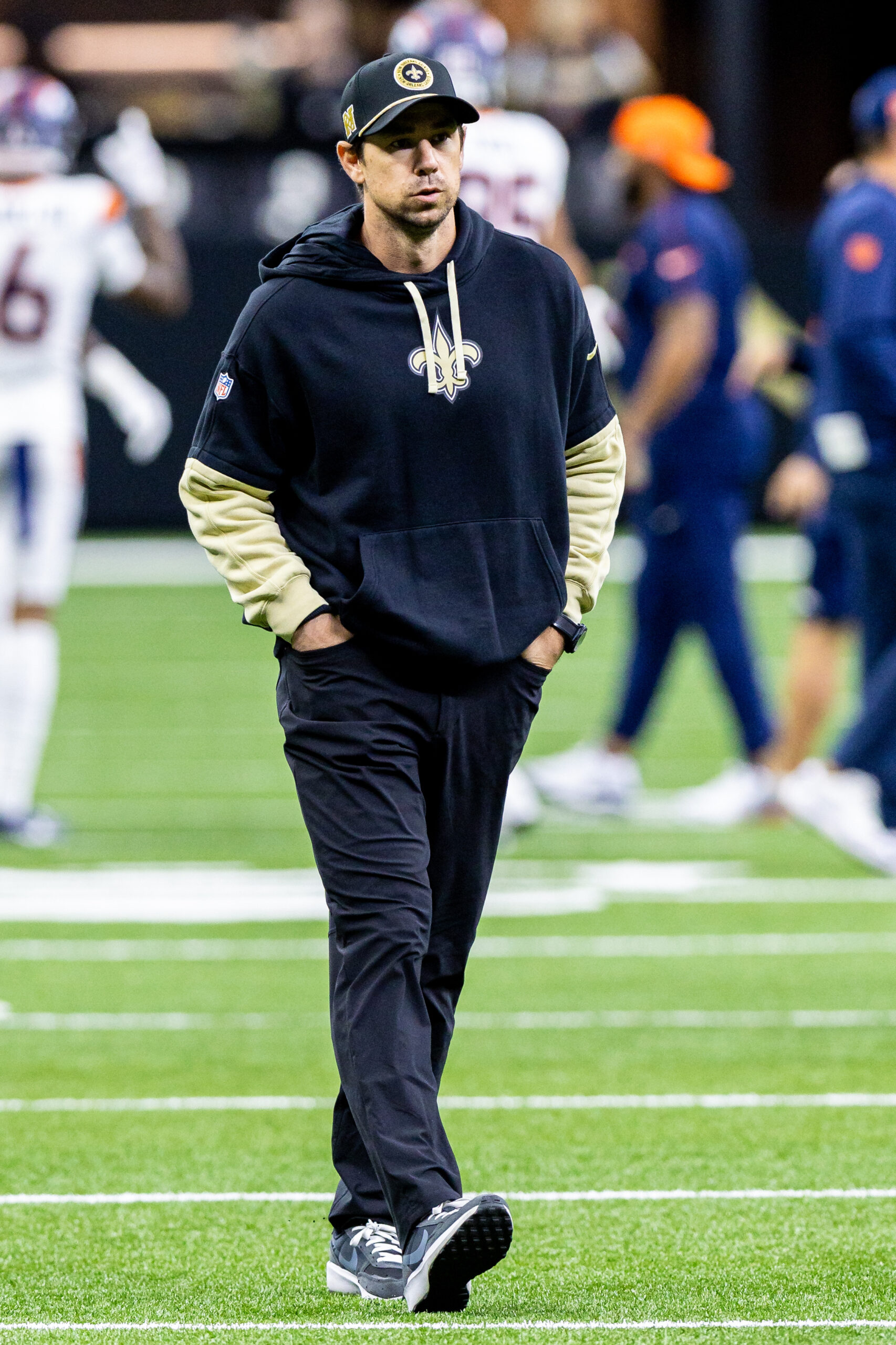
More importantly, Kubiak himself intends to work out a deal with Las Vegas, as ESPN’s Adam Schefter reports. Kubiak, who also took a second interview for the Cardinals’ HC post on Saturday, was one of the most popular candidates in this year’s cycle. In all, he interviewed with seven of the 10 clubs in need of a head coach.
Panthers defensive coordinator Ejiro Evero was among the candidates who interviewed twice with the Raiders. According to The Athletic’s Joe Person, Evero was still in contention to be hired during the time when Kubiak was weighing his options.
Las Vegas’ opening was not seen as particularly desirable. The club just finished a 3-14 season, does not have a particularly inspiring roster outside of a couple of high-end players, and plays in a difficult AFC West. However, the Raiders do have two things going for them: the No. 1 pick in the 2026 draft, and the second-most projected cap space in the league (just shy of $90MM, per OverTheCap.com).
With that No. 1 overall pick, the expectation is that the Raiders will select reigning Heisman Trophy winner Fernando Mendoza, who quarterbacked Indiana to a 16-0 season and a CFP National Championship in 2025. Mendoza is easily the best passer in his class, and Las Vegas was said to be seeking an offensive-minded HC to pair with their presumptive top draft choice.
With Kubiak, the team has exactly that. The 38-year-old’s stock has risen sharply in recent years, including three different offensive coordinator stints. Each of Kubiak’s tenures with the Vikings, Saints and Seahawks have proven to be just one year in length, but they have elevated his status as one of the league’s most highly regarded offensive minds. Kubiak’s NFL resume also includes pass-game coordinator duties with the Broncos (2022) and 49ers (2023).
A coach in various capacities dating back to 2010, Kubiak has never led a college or pro staff before. He represents an unknown as a result, but that is also true of many other first-time head coaches hired during the 2026 cycle. The Raiders will aim for stability on the sidelines with this hire, something which has been sorely lacking during the franchise’s Vegas period. Changes on the coaching staff and in the front office have been commonplace in recent years.
A housecleaning took place last offseason with head coach Antonio Pierce and general manager Tom Telesco each being dismissed after only one full season in their respective roles. The Raiders brought in John Spytek as GM, making him part of a front office influenced in large part by minority owner Tom Brady. Together, they played a key role in hiring Pete Carroll as head coach.
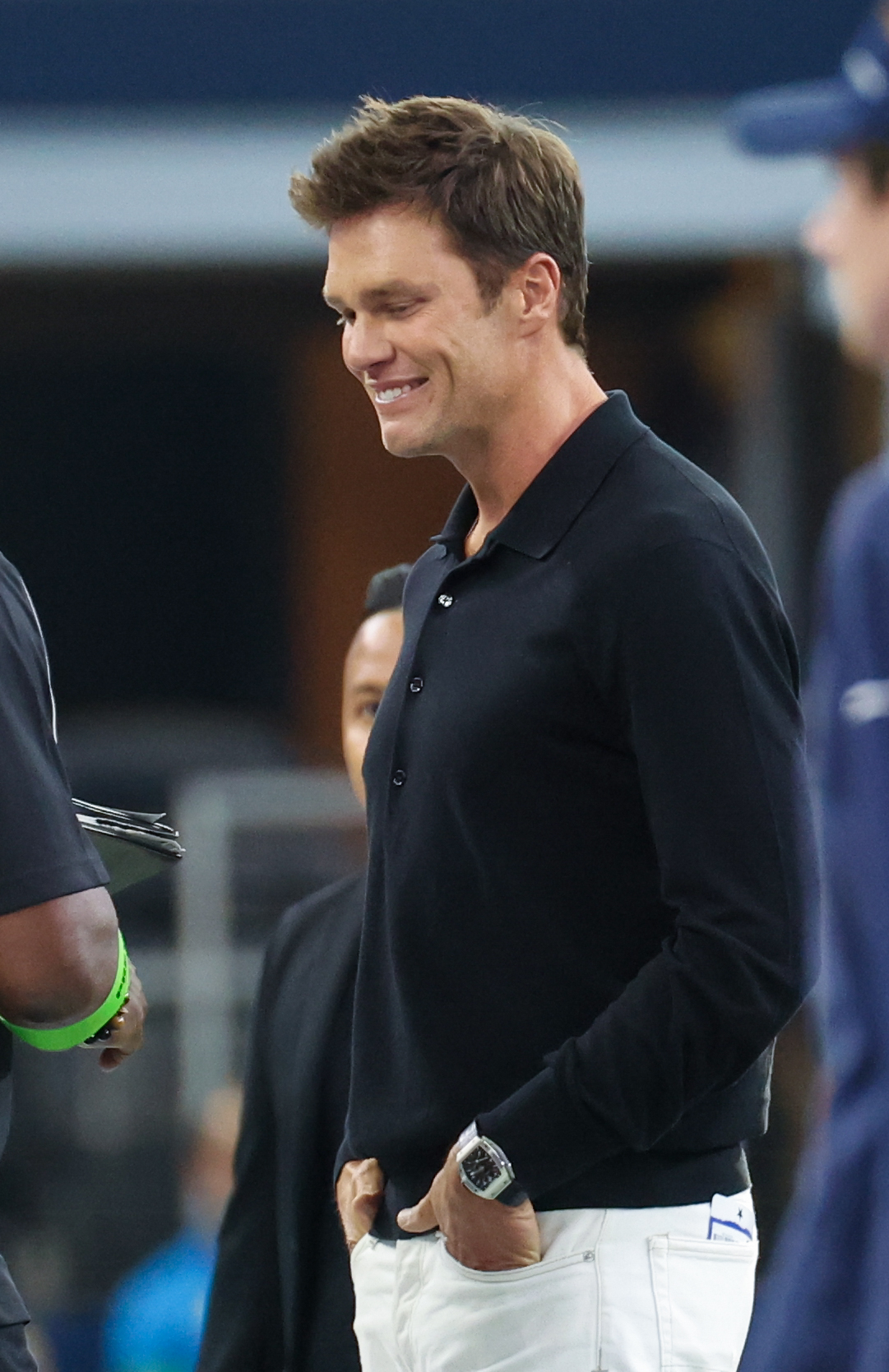 Expectations were high for at least modest success in 2025, with Carroll and a reunion with quarterback Geno Smith seeming to provide a strong floor for the Raiders. Not much (if anything) went according to plan, however, with Carroll firing two of his coordinators in the middle of the campaign. No observers were surprised when Carroll himself was dismissed one day after the season ended. That began a lengthy search, one which has now landed on Kubiak. Brady and Kubiak “hit it off” during the interview process, Schefter’s colleague Jeremy Fowler adds.
The Seahawks thrived with Kubiak and new quarterback Sam Darnold in place for 2025. Seattle earned the No. 1 seed in the NFC before winning two straight home games to reach next week’s Super Bowl. A strong defense has contributed greatly to their shared success over the course of the season, but Darnold was highly productive in the NFC title game (321 yards, three touchdowns, no giveaways). It will be interesting to see how the Seahawks fare next season with another new OC in place, the third since Mike Macdonald took over as head coach.
Provided the Kubiak agreement will become finalized after the Super Bowl, the Cardinals loom as the only NFL team with a head coaching vacancy. Kubiak’s decision to join the Raiders will thin Arizona’s list of final candidates even further.
Adam La Rose contributed to this post.
Matt Ryan Non-Committal On Michael Penix Jr.’s Status As Falcons’ QB1; Latest On Kirk Cousins’ Future
The Falcons have a new collection of decision-makers in place in the form of president of football Matt Ryan, general manager Ian Cunningham, and head coach Kevin Stefanski. One of the top priorities for that trio will be devising a short- and long-term quarterback plan.
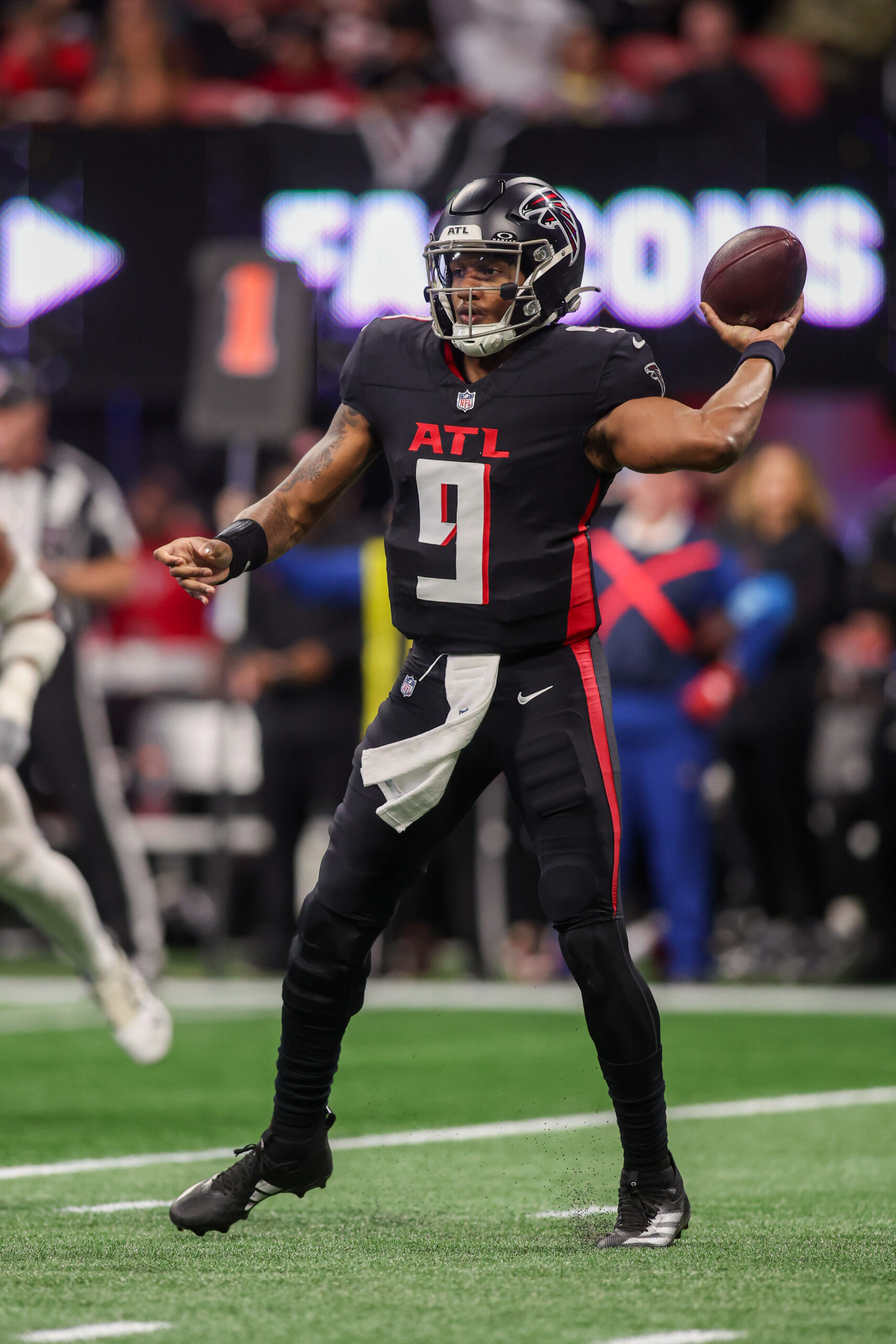
During last week’s introductory press conference for Cunningham, Ryan was asked if Michael Penix Jr. would step back into his QB1 role when he is recovered from the partially-torn ACL he sustained in November. As ESPN’s Marc Raimondi relays, Ryan was notably non-committal on that front.
“Neither of us are the head coach of the football team, so we can’t answer your question on that,” Ryan said of himself and Cunningham (even though final personnel authority belongs to Ryan, with both Cunningham and Stefanski reporting to him). “I think as we start to get into this process and dive deeper into the roster – how it currently stands, where it’s going in the future – I think those are conversations that’ll be a part of it.”
The club hoped it would be set at the quarterback position for the foreseeable future after making two splashes in the 2024 offseason. The Falcons signed Kirk Cousins in free agency in March 2024 and then surprised everyone (including Cousins) by selecting Penix with the No. 8 overall pick of that year’s draft. Cousins’ first season in Atlanta was derailed by injury, and he was ultimately benched in favor of Penix, who entered the 2025 offseason as the unquestioned starter. Despite Cousins’ status as an obvious trade/release candidate, the Falcons elected to retain the four-time Pro Bowler as the most expensive backup passer in NFL history.
Penix did not make the progress the Falcons hoped for in his sophomore campaign, and his season-ending ACL injury allowed Cousins to reclaim his spot in the starting lineup. In his 10 appearances (eight starts) in 2025, Cousins completed 61% of his passes for 1,721 yards with 10 touchdowns and five interceptions in 10 games. He posted a 5-3 record as a starter.
The terms of Cousins’ recent contract restructure mean he will soon be released. However, there is at least a theoretical possibility that Atlanta could re-sign Cousins after releasing him, as we recently suggested. In that scenario, the 37-year-old would represent a viable stopgap solution until Penix is medically cleared. Cousins’ familiarity with Stefanski’s system – Stefanski was Cousins’ quarterbacks coach/offensive coordinator in Minnesota from 2018-19 – could make a new contract more likely. While retirement and a foray into broadcasting are also on the table, Cousins said he feels “rejuvenated” after finishing out the 2025 season as a starter and would like to continue playing in 2026 (via NFL.com’s Jeremy Bergman).
Penix recently suggested he would be cleared by April, but Raimondi stands by prior reporting on the southpaw’s timeline. The ESPN scribe referenced a timeline of nine to 12 months.
“Quarterback’s obviously very important, and we’re excited about Mike and what he’s doing with his rehab,” Ryan said of Penix. “I’ve been up at the facility the last three weeks, and Michael’s been in there attacking that and he’s in a good space right now, so we’re excited about where he is at. But certainly, a lot of discussions for us about the entire roster.”
Texans’ Dino Vasso Withdraws From Consideration For DC Jobs; Browns Interview Two Internal Staffers
Texans defensive backs coach Dino Vasso garnered considerable attention for a defensive coordinator job in this year’s coaching carousel. The 38-year-old staffer has decided to remain in Houston, however.
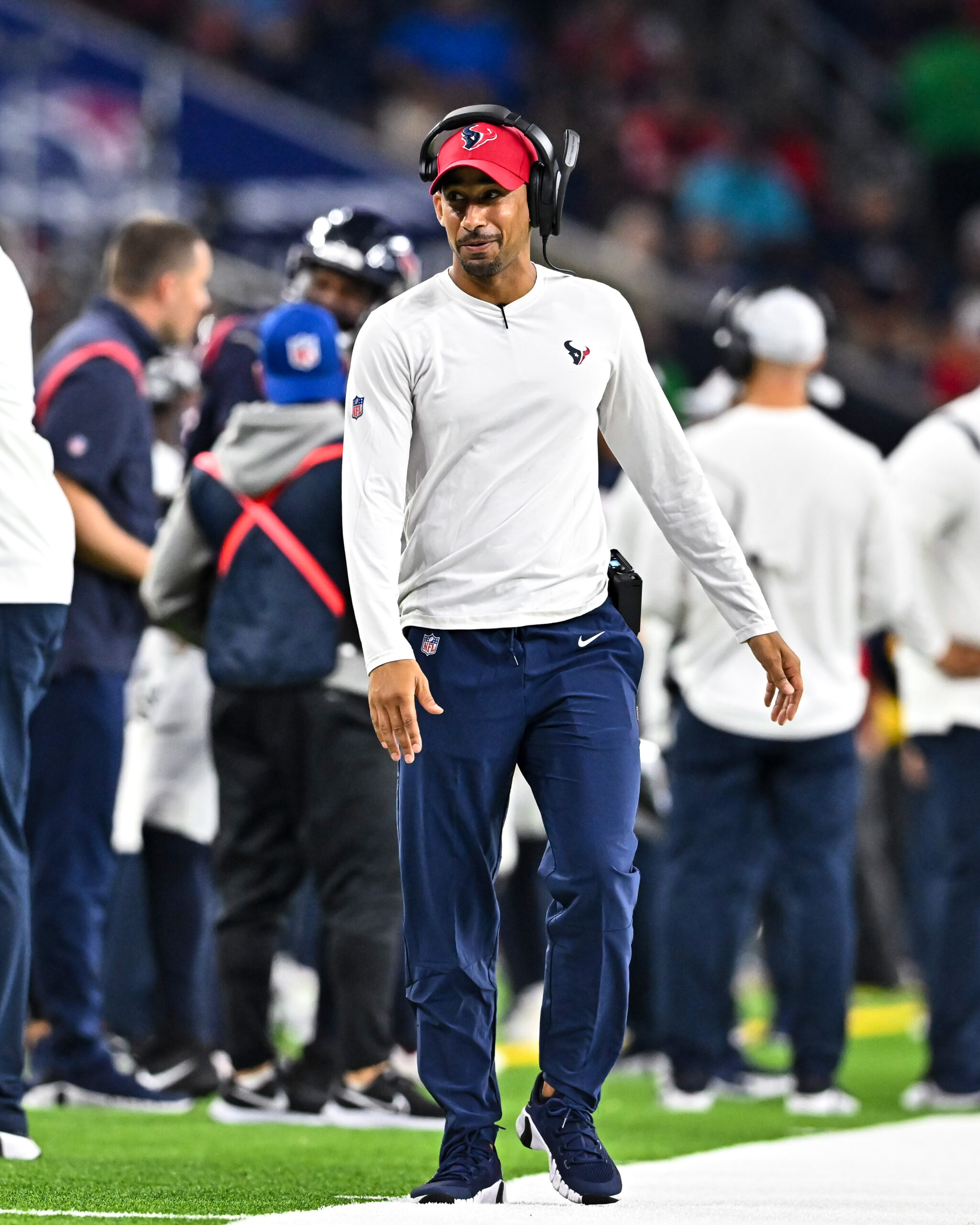
Per Ian Rapoport of the NFL Network, Vasso has withdrawn from consideration for DC jobs. It sounds as if the Texans may have given him a raise to stay, as Rapoport adds Vasso has secured a contract extension.
Vasso initially joined the Texans as a cornerbacks coach in 2021 and held that role for three years. His duties were expanded slightly in 2024, when his title was upgraded to defensive backs coach. The Texans’ defense has certainly benefited from strong secondary play in recent seasons, and we previously heard that former Browns DC Jim Schwartz and current Texans DC Matt Burke have offered endorsements for Vasso.
Vasso’s work earned him recent DC interviews with the Titans and Cardinals, and he was also named as a legitimate contender for the Browns’ DC job (which recently became available upon Schwartz’s resignation). Even though Vasso did not take a Cleveland interview, he was a top candidate for that role, as Rapport notes. Shortly after the Vasso news broke, Rapoport’s colleague, Tom Pelissero, reported that the Browns have interviewed internal candidates Ephraim Banda (safeties coach) and Jason Tarver (linebackers coach) for the opening.
New Browns head coach Todd Monken has previously stated the team will keep Schwartz’s system in place, as Pelissero relays. As such, promoting an internal staffer would be a logical move, particularly since Cleveland’s defense was one of the league’s best in 2025. Banda interviewed for the Cowboys’ and Jets’ DC gigs this year, and Tarver worked as the Raiders’ DC from 2012-14.
According to Rapoport, Vasso would have been on the short list for the Raiders’ current defensive coordinator vacancy as well. Patrick Graham, who served as Las Vegas’ DC for the past four seasons, recently joined the Steelers in the same capacity. He will become an experienced voice for Mike McCarthy’s first staff in Pittsburgh, and the Raiders – who are planning to hire Klint Kubiak as their next head coach – will now have one fewer option to fill his spot.
The Titans ultimately hired Gus Bradley as their DC under new head coach Robert Saleh. The Cardinals’ and Browns’ searches will continue, and Vasso will remain a trusted advisor on the Texans’ defense for Burke and head coach DeMeco Ryans.
Houston led the league in both total defense and points per game in 2025. Although it will be difficult to replicate that performance in 2026, another strong showing will presumably keep Vasso’s DC stock high next year.
Chiefs TE Travis Kelce Leaning Towards Continuing Playing Career?
Chiefs tight end Travis Kelce’s contract expired at the end of the 2025 season, which put retirement squarely on the table for the 36-year-old. Although he was not prepared to make a decision on his playing future in the immediate aftermath of the campaign, he did say he would make up his mind before the start of the new league year in March. As of now, signs are pointing to a return to the field in 2026.
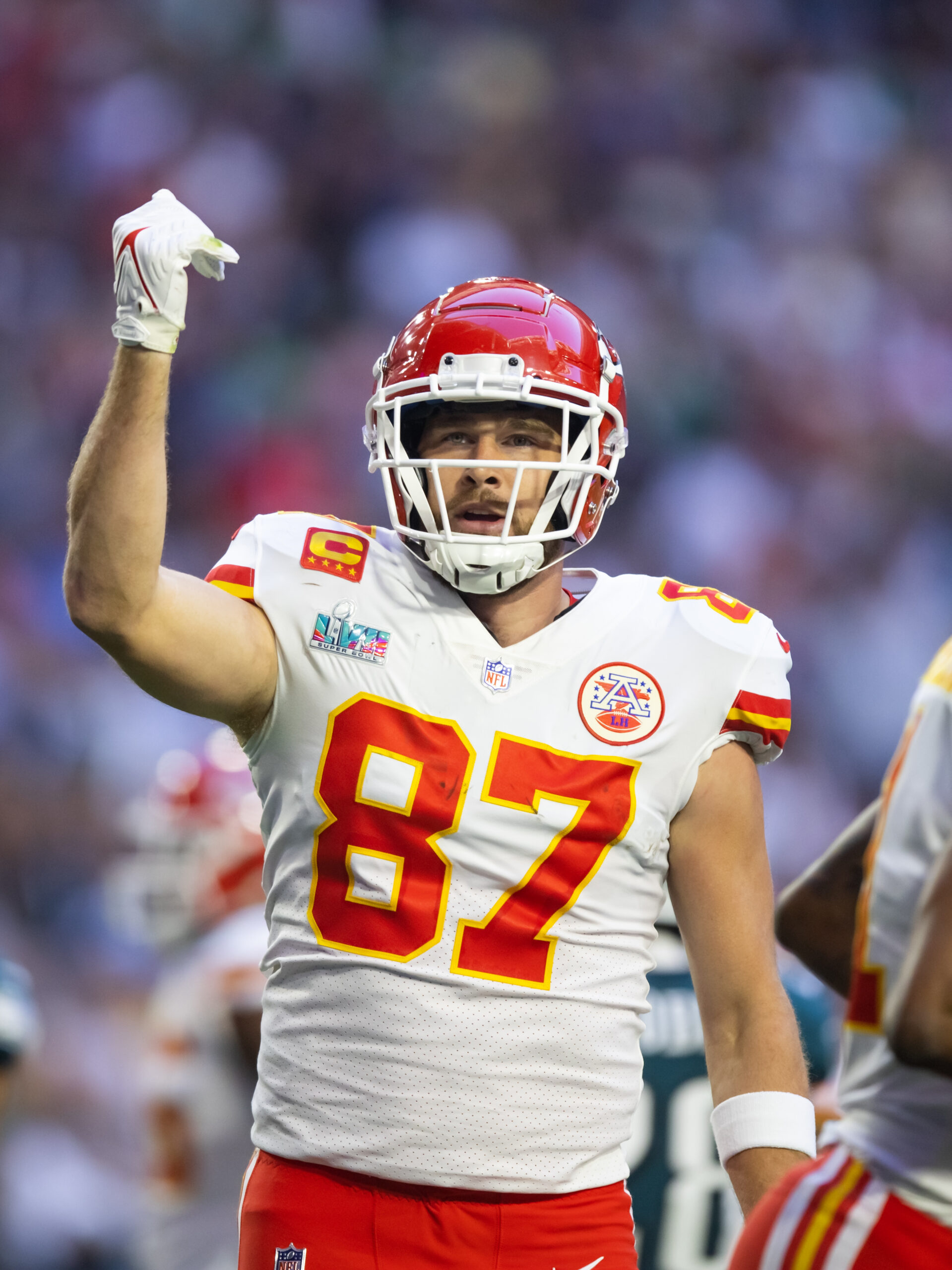
According to Dianna Russini of The Athletic (subscription required), a 14th season for Kelce “is looking more real than ever,” and Ian Rapoport of the NFL Network says Kelce and the team have been in touch about a continuation of his on-field career. Rapoport adds, to no surprise, that KC wants the future Hall of Famer back.
To that end, the two sides plan to reconvene after Super Bowl LX to finalize a mutually-workable plan. It is unclear exactly when Kelce will formally announce his decision, but it would be fair to expect a new contract to be hammered out between a player and a team that have enjoyed a long and fruitful relationship.
The return of longtime offensive coordinator Eric Bieniemy to the Chiefs’ staff in his familiar OC role may have made Kelce more inclined to come back. His comments on the matter suggested as much.
“I can’t wait to see him back in the building, man,” Kelce said. “He’s one of my favorite coaches of all time, one of my favorite people of all time. I’ve had so many unbelievable growing moments under him as a player, as a person, and I just love the guy.”
The Chiefs posted a 6-11 record in 2025, but Kelce himself enjoyed another strong season, recording 76 catches for 851 yards and five scores. After posting a career-low 8.5-yards-per-reception rate in 2024, Kelce was back to double-digits last year with an 11.2 mark.
Speculatively, it could be that Kelce does not want to end his playing days following a season in which the Chiefs missed the playoffs for the first time in 10 years. Even so, Mike Florio of Pro Football Talk suggests money could be a complicating factor.
As of the time of this writing, Kansas City is projected to be roughly $55MM over the salary cap, which puts the team in the worst financial situation in the league. It is unclear how much the Chiefs are willing to pay Kelce, but it would be surprising for him to earn over $17MM per year on his next contract, as he was on his most recent deal.
Of course, there are plenty of machinations that will allow KC to become cap-compliant and to keep the players it prioritizes. While Rapoport acknowledges the team’s current cap status, he does not believe it will create a real hurdle to a Kelce re-up.
Eagles DC Vic Fangio Expected To Return In 2026
FEBRUARY 2: Fangio did indeed “seriously entertain” retirement in recent days, but PHLY Sports’ EJ Smith reports the Eagles are now “confident” he will remain in place for at least one more year. A third season with Philadelphia as the team’s D-coordinator can be expected.
FEBRUARY 1: The Eagles have already made a change at offensive coordinator this year, hiring Sean Mannion to replace the demoted Kevin Patullo. It is unclear whether the club will also be in search of a new defensive coordinator.
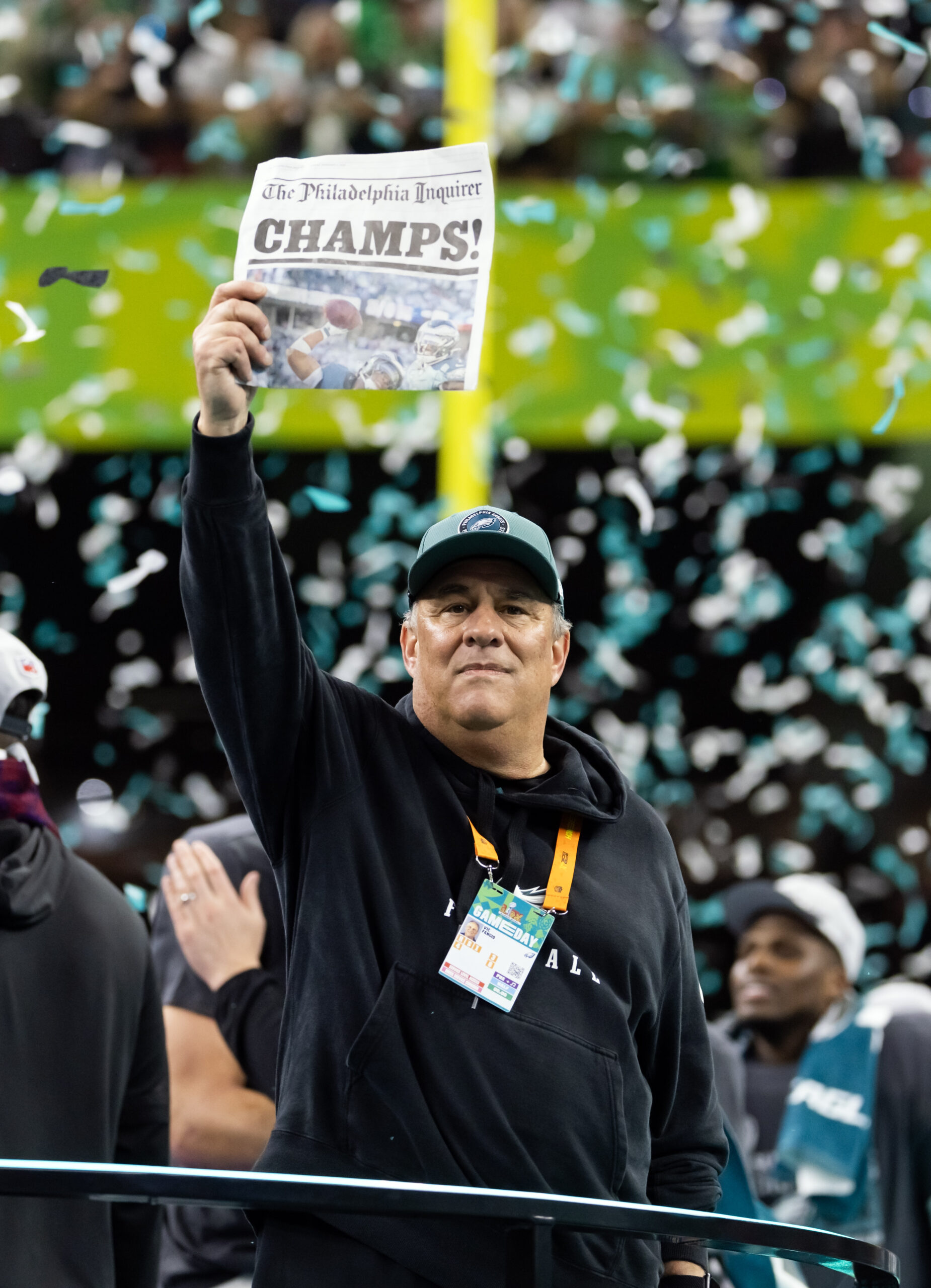
During a recent appearance on The Anthony Gargano Show, Mike Garafolo of the NFL Network said he has not heard that DC Vic Fangio is retiring, nor has he heard that Fangio will return (video link). He added that he would not be surprised either way.
According to Garafolo, during the Eagles’ Super Bowl party last year, Fangio told his fellow attendees that he appreciated working with them and suggested he was going to end his career on a high note with a Super Bowl ring. And then he elected to continue working.
It sounds as if something similar transpired this year. Citing multiple sources, Jimmy Kempski of PhillyVoice.com says Fangio told the team he was retiring, only to be convinced to come back for at least one more season. That said, a team spokesperson declined to confirm that Fangio would remain in place in 2026.
Following up on Kempski’s report, Garafolo reiterates that while Fangio appears to be leaning towards returning at the moment, that could still change. Dianna Russini of The Athletic also heard that Fangio waffled a bit in 2025, but a team source told her that “we’ll convince him to stay” in 2026.
It is not difficult to see why the Eagles want Fangio to return. One of the most respected and influential defensive minds in the game, Fangio joined Philadelphia in his current capacity in 2024, after a collapse on the defensive side of the ball torpedoed the club’s chances of a deep postseason run the year prior. A concerted effort to address deficiencies in the secondary certainly helped, but after the Eagles finished 26th in total defense and 30th in scoring defense in 2023, they finished first and second, respectively, in those areas in 2024. They went on to capture the second Super Bowl title in franchise history.
Although Fangio’s unit regressed a bit in 2025, its performance was still respectable (13th in total defense, fifth in scoring defense). This time, it was the Patullo-directed offense that undermined Philadelphia’s championship aspirations.
Additionally, with a rookie play-caller in the offensive coordinator seat, it stands to reason that head coach Nick Sirianni wants some stability and experience among his top lieutenants. It does appear the Eagles have been formulating a backup plan just in case Fangio decides to call it quits.
According to Kempski, Philadelphia reached out to former defensive coordinator Jonathan Gannon, whose success in that role over the 2021-22 campaigns helped him become the Cardinals’ head coach in 2023. Arizona cut ties with him last month, and he subsequently accepted the Packers’ DC position.
Philly was also planning to contact Jim Schwartz, per Kempski. Schwartz was the Eagles’ defensive coordinator when they won their first Super Bowl title at the end of the 2017 season. After being passed over for the Browns’ head coaching job in this year’s cycle, Schwartz reportedly wants out of Cleveland, where he has worked as the DC since 2023.
Now 67, Fangio previously said he wants to finish his coaching career as the Eagles’ defensive coordinator. It is too soon to say whether that time has already come. Jeff McLane of the Philadelphia Inquirer says Fangio has not responded to questions about his future since the 2025 season came to an end.
Broncos Expected To Promote Davis Webb To OC
10:59pm: Webb has now conducted a formal interview for the OC spot, Chris Tomasson of the Denver Gazette reports. That makes him the third candidate to speak with Denver about the position and paves the way for a promotion to officially take place.
8:00am: One of this year’s popular coaching candidates appears to be staying put. Multiple sources tell Mike Klis of 9News.com that Broncos quarterbacks coach Davis Webb will remain in Denver and will become the club’s new offensive coordinator following Joe Lombardi’s dismissal.
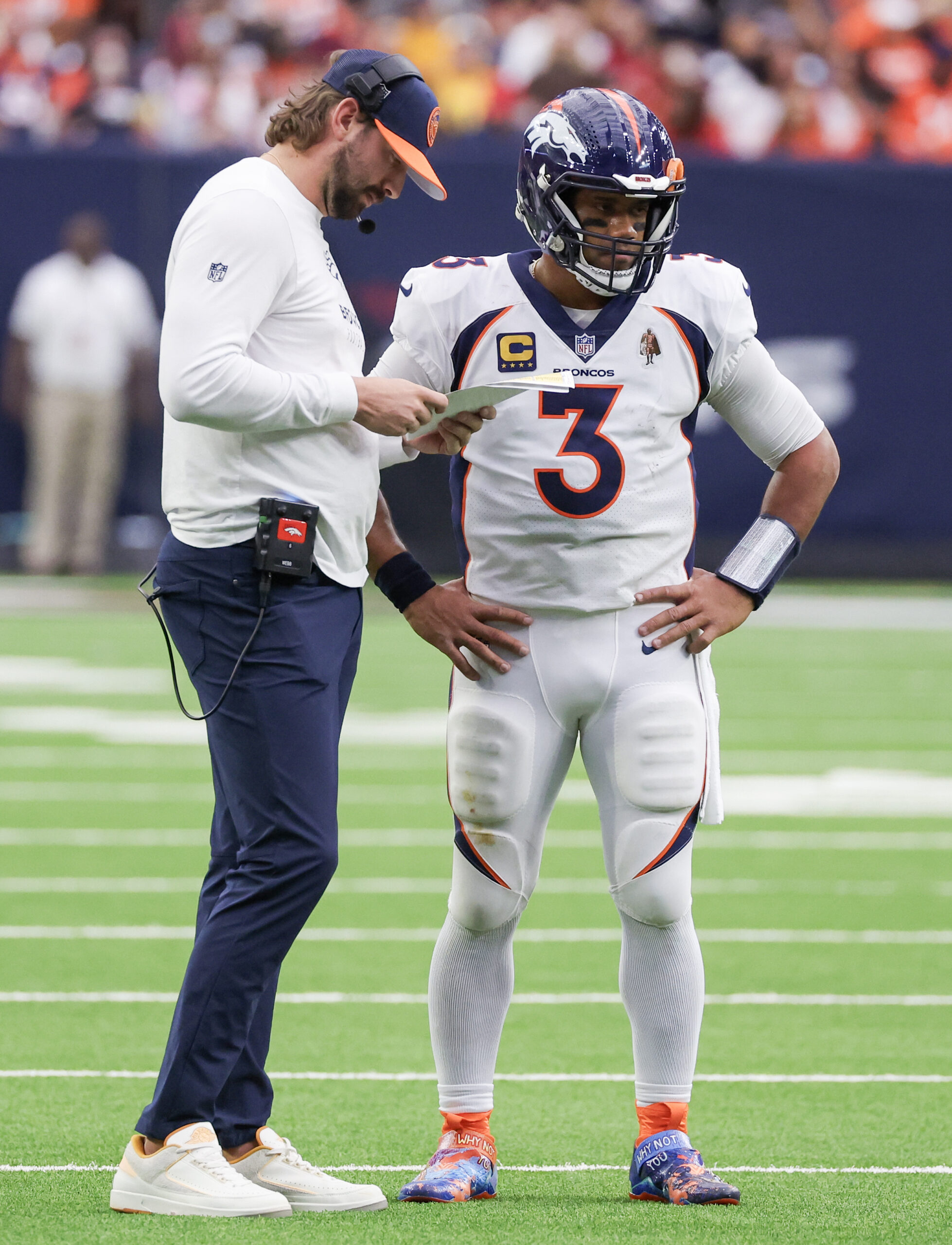
The Broncos narrowly missed advancing to this year’s Super Bowl despite being forced to start Jarrett Stidham under center in the AFC Championship Game due to QB1 Bo Nix’s fractured ankle. Nix has been the team’s starting passer in each of the last two years, and although Denver booked two playoff berths during that time and secured the AFC’s No. 1 seed in 2025, head coach Sean Payton felt an OC change was necessary.
There could be another fundamental shift on the horizon. As Troy Renck of the Denver Post writes, Webb has developed a reputation as an “offensive wizard, and quarterback whisperer,” and recent reports suggested Payton may have to cede his play-calling duties to Webb in order to keep his young protege on his staff. Payton has called the offensive plays since arriving in Denver in 2023 and held the same responsibility as the Saints’ HC for many years before that.
Payton sounded amenable to such a change several weeks ago.
“As you get older, you think about all the ramifications. It was said as you get older, maybe you don’t drive in the rain at night. You begin to… I can’t let that happen as a play caller,” Payton said (via Renck). “That’s something that I have to mentally make sure it’s quick.”
Teams around the league are intrigued by Webb’s upside as an offensive guru. The Giants and Eagles were interested in him as a play-calling OC in this year’s coaching carousel, and though he just turned 31, he took head coaching interviews with the Bills, Raiders, and Ravens. He was even considered a finalist for the Las Vegas gig before he withdrew from consideration.
That withdrawal suggested Webb would stay with the Broncos for at least the 2026 season, and signs are pointing in that direction. Whether he will have the opportunity to begin building his play-calling resume remains to be seen. Thus far, as Renck observes, Webb has called plays just once: during a preseason game in August.
In 2025, the Broncos finished 10th in total offense and 14th in scoring. As our coordinator tracker shows, they have also interviewed Bills quarterbacks coach Ronald Curry and Commanders pass-game coordinator Brian Johnson for the OC post.