
Lions GM On Kenny Golladay, Romeo Okwara
The Lions have only one franchise tag to give with two deserving players. When asked about tagging wide receiver Kenny Golladay or edge rusher Romeo Okwara, GM Brad Holmes indicated that the decision won’t be rushed. At the same time, it sounds like the Lions are hoping to keep both players in the fold for 2021. 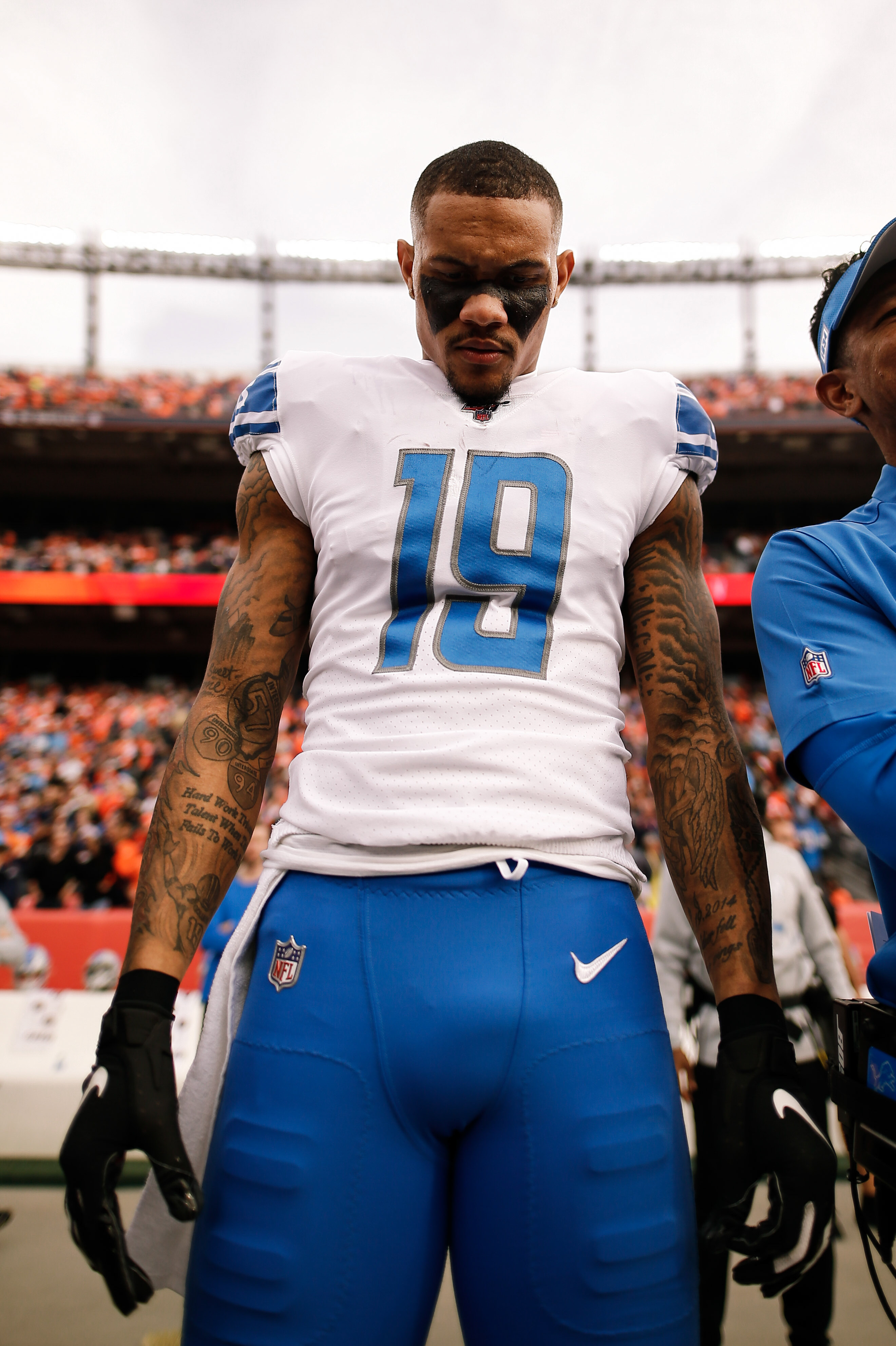
[RELATED: Looking Back On Romeo Okwara’s Last Contract]
“We want to make the best decision for the Lions, and sometimes those decisions take a little bit longer,” Holmes said (via NFL.com). “We’re not gonna rush it, so whether it is a franchise tag on a Romeo or Kenny or whoever it is, we’ll definitely have a process in place that we believe in that we’re trusting … and we’re sticking to it and [making] sure it meets the Detroit Lions’ timeline and that’s really the thing that matters the most.”
The Lions’ WR group is due for a reset, one way or another. Like Golladay, veterans Marvin Jones, Danny Amendola, and Mohamed Sanu are all out of contract, leaving youngster Quintez Cephus as the last one left. Golladay was limited to just five games last year, but his 2019 Pro Bowl campaign solidified him as a standout. He’s still only 27, and he’s just one year removed from a 65/1,190/11 stat line.
“I don’t think there’s any debate that Kenny has shown the ability to be a No. 1 receiver in this league, with that skill-set that everybody knows that he has,” Holmes said. “There’s also been no debate that Kenny’s been at the forefront of our mind in terms of making sure that we make the best possible decision for no only the Lions, but for Kenny. You’ll hear about what we’ll be doing shortly.”
The Lions — and the other 31 teams in the league — must make their franchise tag decisions by March 9.
Vikings Haven’t Spoken With Nick Easton
Four teams have reached out to free agent guard Nick Easton. The Vikings — Easton’s first NFL team — are not among them, according to Chris Tomasson of the Pioneer Press (on Twitter). 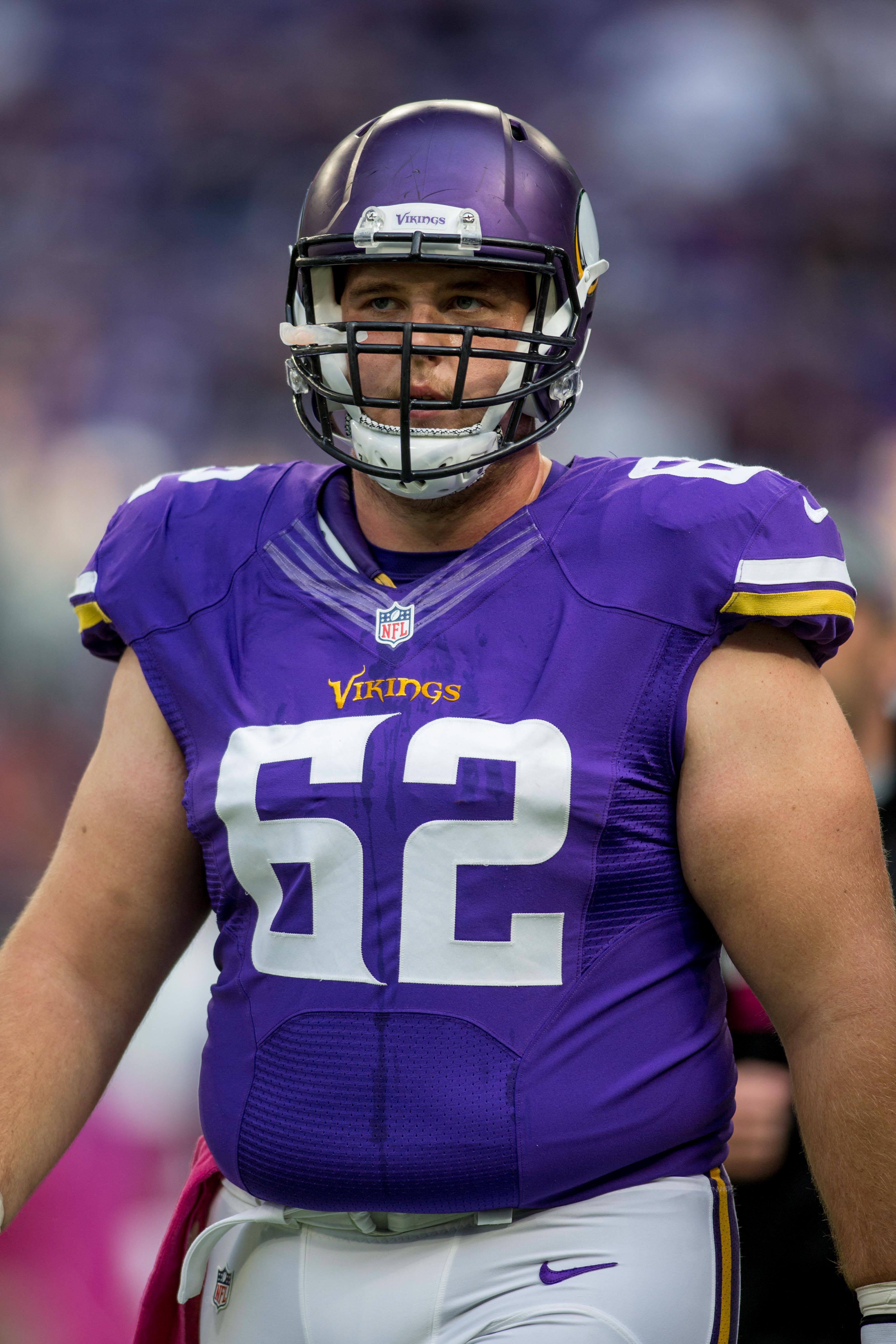
[RELATED: Four Teams Interested In Easton]
The Saints released Easton in mid-February in a cost-cutting move. And, although Easton has never been a world-beater, he appeared to be a logical fit for Minnesota. Vikings guard Dakota Dozier struggled and Pat Elflein couldn’t stay healthy. Even with solid performances from Ezra Cleveland, the interior line left much to be desired.
Now, Dozier is set for free agency, and they may or may not want back for another year. Meanwhile, Riley Reiff‘s contract could leave them searching for a new tackle. The veteran has a $5MM roster bonus due on March 19th. If they release him before that date, they can save a total of $11.75MM with just $2.2MM in dead money.
All in all, the Vikings’ O-Line is in flux. But, as of this writing, they’re not interested in solidifying that group with Easton. Other teams have reached out to Easton, however, including the incumbent Saints.
Saints Re-Sign Noah Spence
The Saints have re-signed edge rusher Noah Spence, according to Katherine Terrell of The Athletic (Twitter link). Due to injury, he has yet to play a down for New Orleans. His new deal is believed to be another one-year arrangement for the sub-$1MM minimum.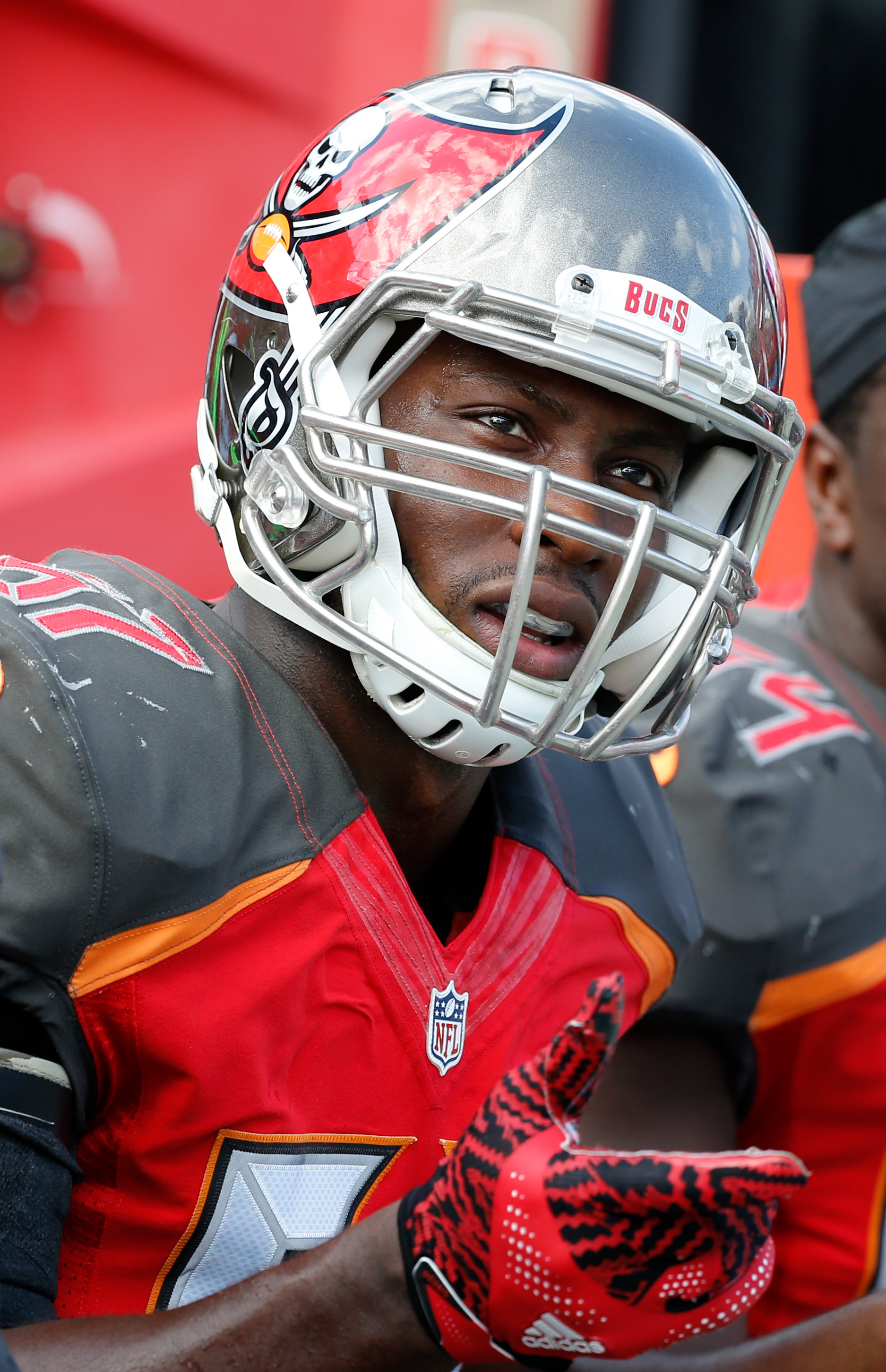
[RELATED: Saints Want To Keep Marcus Williams]
The Buccaneers selected Spence in the second round of the 2016 draft and he managed 5.5 sacks in his rookie campaign. Unfortunately, his sophomore season was largely lost to injury and he didn’t really produce in 12 games in 2018. The Bucs waived him prior to the start of the 2019 regular season, leading him to Washington. After two months there, the Saints picked him up in December.
Spence suffered another setback last year when he tore his ACL during spring workouts. Now, it seems like he’s on the road to recovery and ready to compete for a depth spot.
Chiefs Want Tyrann Mathieu “For Years To Come”
Tyrann Mathieu has just one year to go on his three-year, $42MM deal. But, GM Brett Veach says that he hopes to keep the standout safety “for years to come.” 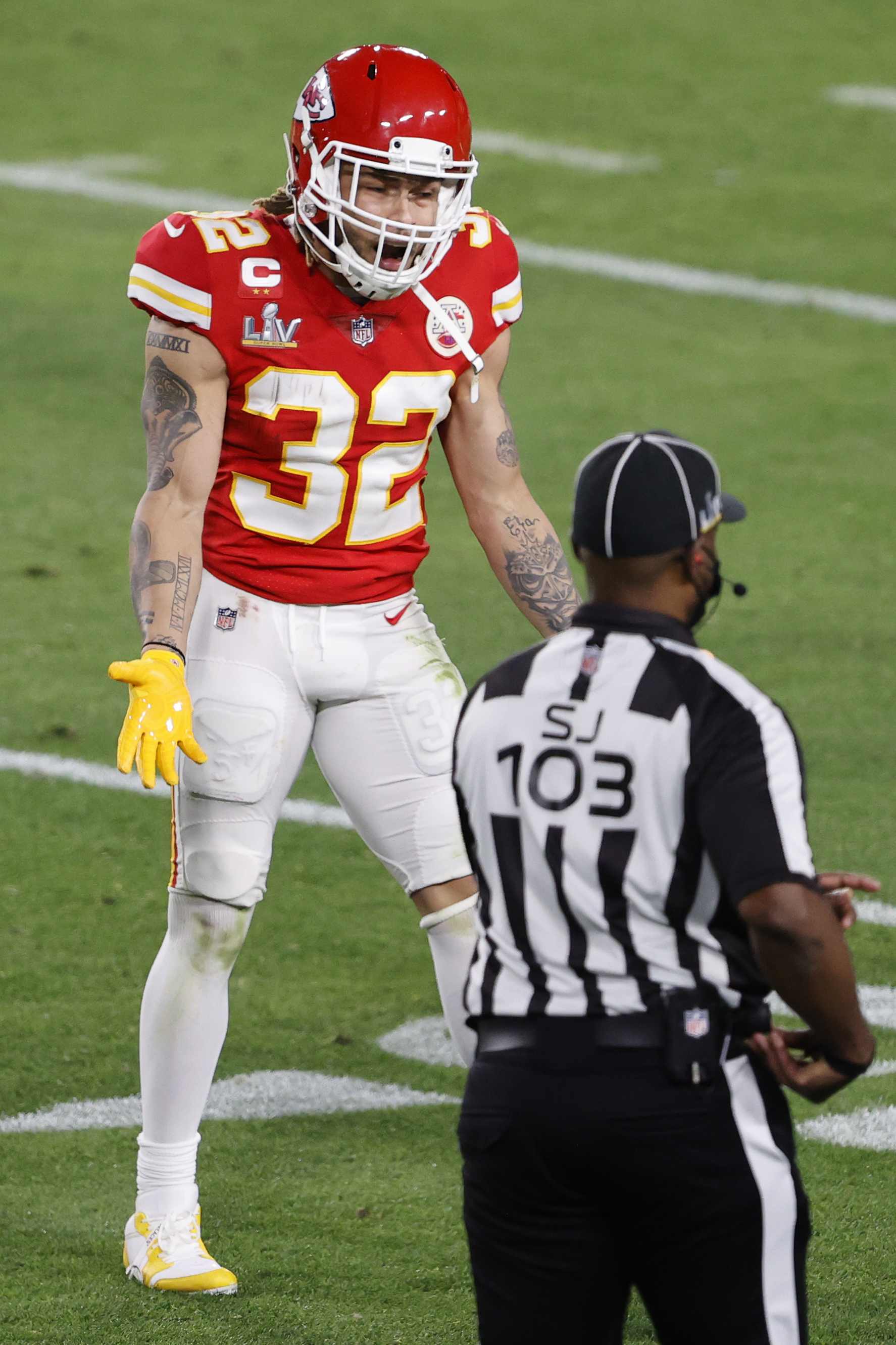
[RELATED: Eagles Requested Eric Bieniemy Interview]
“We will have some work to do, get with him and his agents,” Veach said (Twitter link via Jake Lebahn of WIBW). “He has proven to be a great leader and player and in the community, we hope to have him with this organization for years to come.”
An extension would make lots of sense for the Chiefs. First, it would keep Mathieu in red and white for 2022 and beyond. Also, a new deal could tamp down Mathieu’s sizable cap charge. As it stands, the first-team All-Pro is set to count for $19.7MM against the cap in 2021. With the cap set to drop, that would give the Chiefs some much needed capital to work with in March.
Last year, Mathieu notched 62 tackles, 6 interceptions, and nine passes defensed. Mathieu scored his deal during an uncertain period for the safety market, but he’s held up his end of the bargain. And, even though he lost his cool during the Chiefs’ frustrating Super Bowl performance, Veach wants to keep him in the fold for the long run.
No Talks Between Ravens, Lamar Jackson?
The Ravens are said to be far apart in extension talks with Lamar Jackson. According to a source who spoke with Mike Florio of PFT, those discussions haven’t actually started yet. 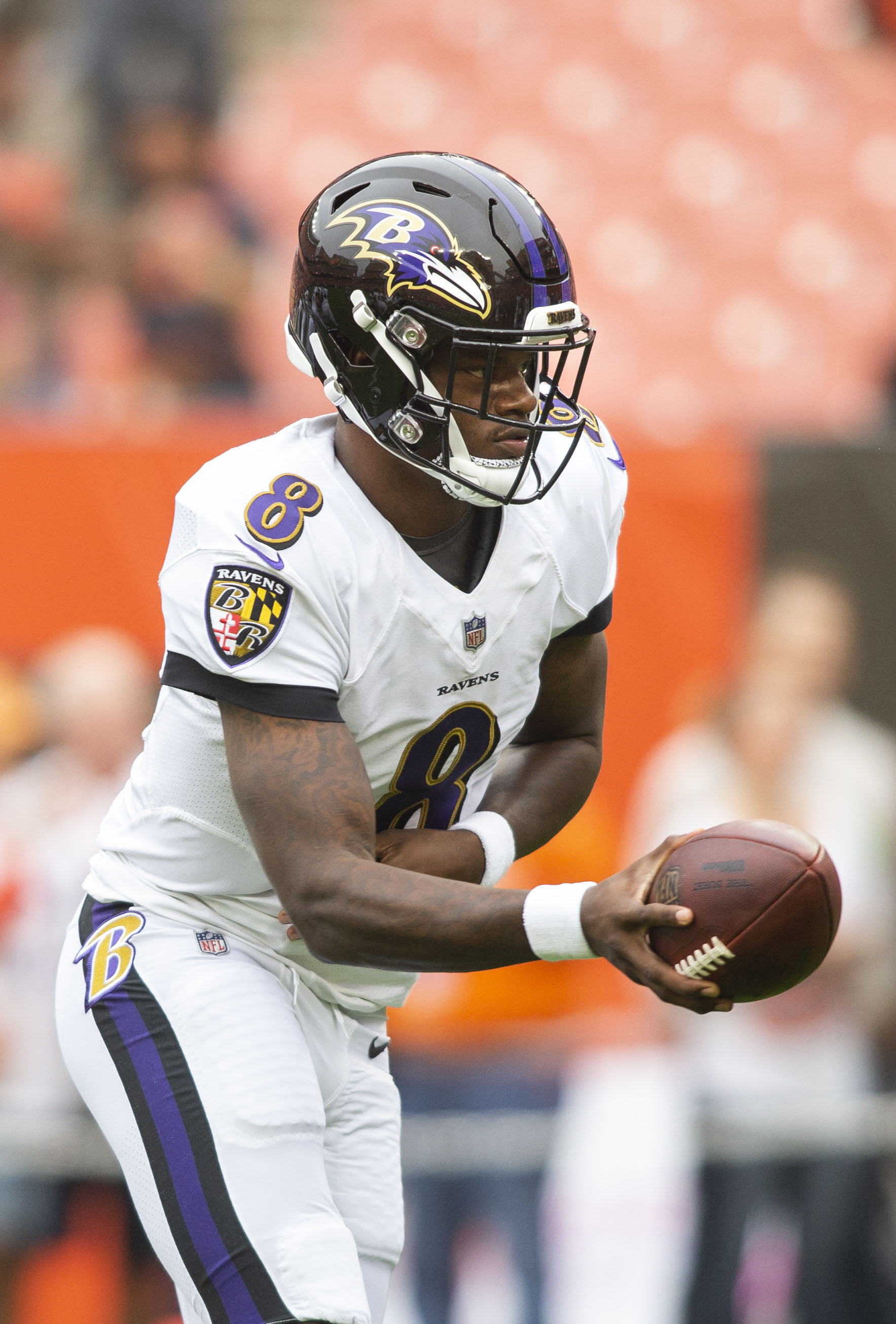
[RELATED: Ravens, Jackson Far Apart?]
Often times, conflicting reports like these are a matter of semantics. Do broader conversations about years/dollars qualify as negotiations? That depends on who you ask. But, as Florio notes, Jackson does not have an agent, so it’s hard to imagine that the Ravens have gotten especially deep in talks.
As it stands, Jackson is set to make just $1.77MM this year. In 2022, per the new collective bargaining agreement, his fifth-year option will be equivalent to the quarterback transition tender for 2021. Jackson triggered that by making a Pro Bowl. The QB transition tender was worth $21.75MM last year. This year, after the cap reduction, it should still fall somewhere near $20MM.
The higher value of the fifth-year option gives Jackson some additional leverage. It’s likely that he’ll seek a deal in the range of Deshaun Watson‘s four-year, $156MM extension. Watson’s pact gave him a $39MM average annual value and included a healthy $73MM guaranteed at signing. But, as of this writing, it sounds like the two sides have yet to truly engage.
49ers Interested In Panthers’ Teddy Bridgewater
The 49ers have called the Panthers to discuss a potential trade for Teddy Bridgewater, according to Joseph Person of The Athletic. While the Panthers are looking to upgrade at quarterback, the Niners view the veteran as a solid insurance policy for Jimmy Garoppolo. 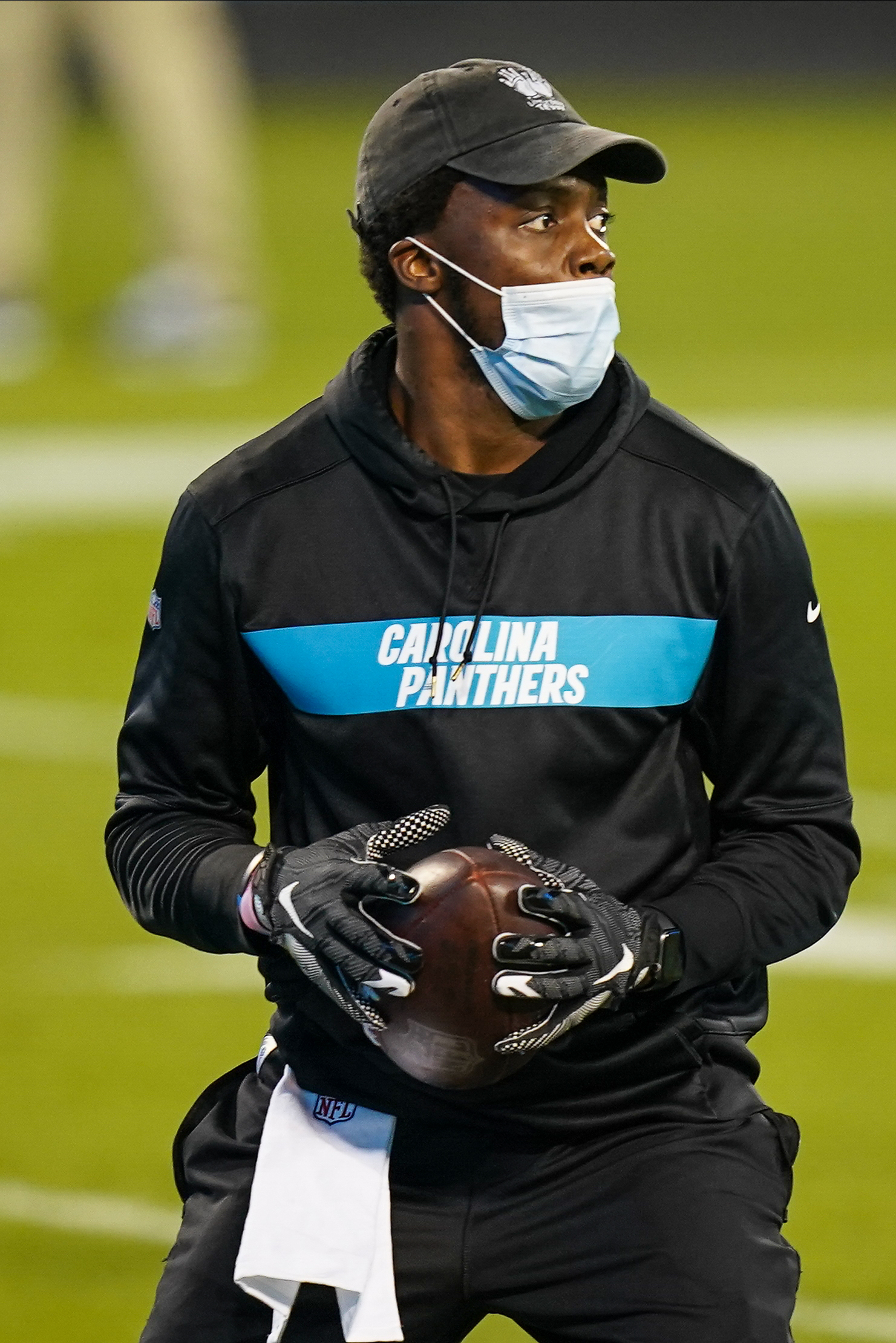
[RELATED: 49ers’ Jimmy Garoppolo Available For Trade?]
Bridgewater was offered to the Lions just a few weeks ago, before the Lions shipped Matthew Stafford to the Rams. Meanwhile, Jimmy G is believed to be very much available, despite John Lynch‘s comments to the contrary. Trouble is, rival teams share the 49ers’ concerns about the young QB.
Garoppolo has missed 23 games since his September 2018 ACL tear. And, further complicating matters, he’s one of just eight players in the NFL with a no-trade clause. Garoppolo played all 16 games in San Francisco’s 2019 NFC Championship season, but played in only three in 2018. This past year, he suited up just six times.
Bridgewater inked a three-year, $60MM+ deal with the Panthers last year to replace Cam Newton under center. Unfortunately, the highly-respected veteran didn’t live up to the deal. Now, the Panthers are set to make a run at Deshaun Watson. Failing that, they may look to draft their next QB with the No. 7 overall pick.
Washington To Cut Alex Smith
The Washington Football Team is expected to release Alex Smith, sources tell Kim Jones and Ian Rapoport of NFL.com (on Twitter). The quarterback still wants to play and there should be plenty of opportunities for him elsewhere. 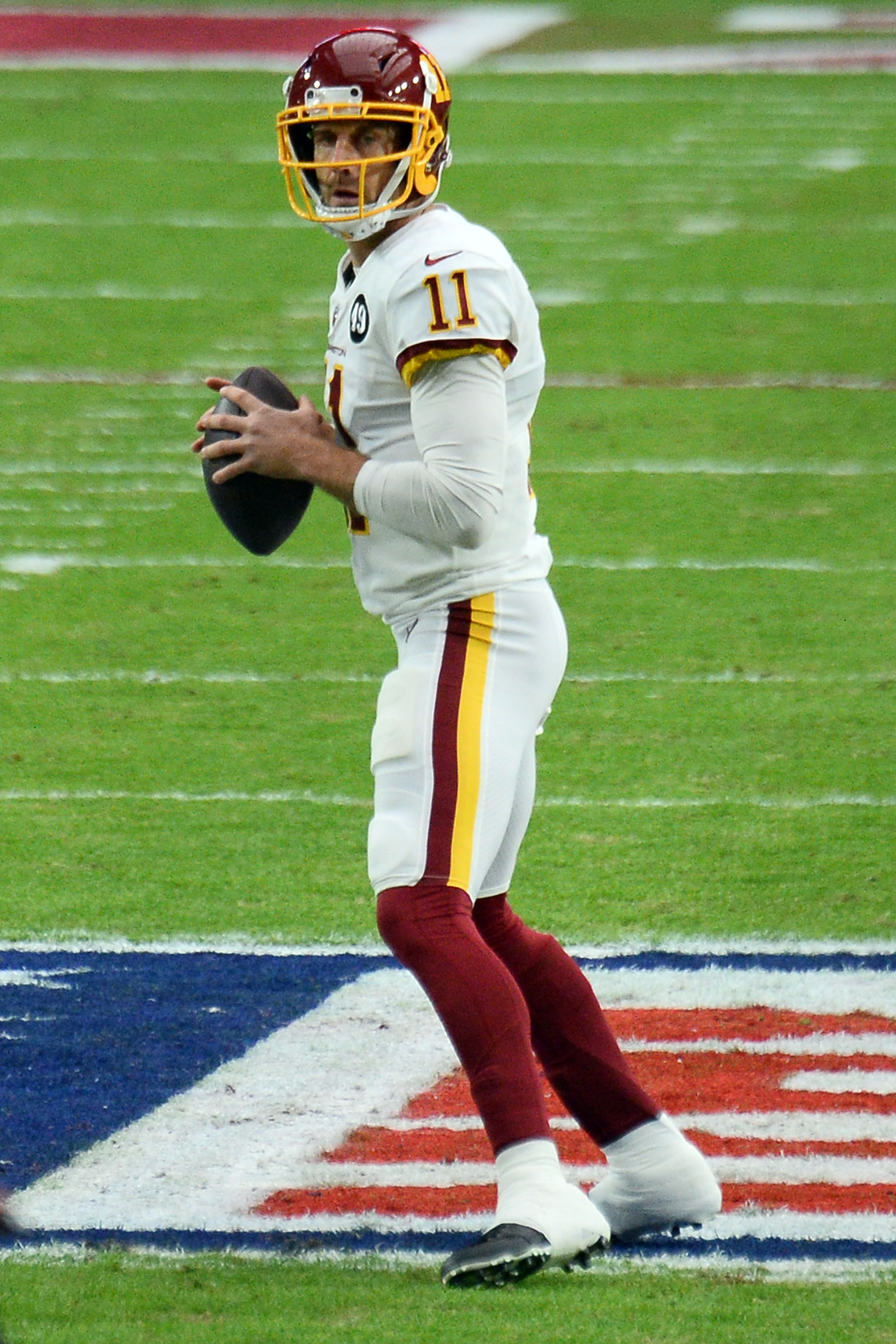
Smith’s return from a horrific injury suffered in November 2018 was one of the 2020 season’s best stories. The Washington Football Team went 5-1 in his starts and managed to win the NFC East with Smith at the helm. But, recently, Smith said that Ron Rivera & Co. didn’t want him back initially.
“When I decided to come back, I definitely threw a wrench in the team’s plan,” Smith said in February. “They didn’t see it, didn’t want me there, didn’t want me to be a part of it, didn’t want me to be on the team, the roster, didn’t want to give me a chance… “[T]hey tried to put me on PUP for two weeks, then they tried to IR me. I felt like I still hadn’t had my fair shake at that point. I wanted to see if I could play quarterback and play football, and I feel like I hadn’t been given that opportunity yet to find that out.”
Smith, 36, found out that he can still play. In 2020, his salary was fully guaranteed, so it would have made little sense for the team to drop him. This time around, his $24.4MM cap charge had only $8.6MM locked in. By releasing Smith, WFT will save $14.7MM on the books.
The NFL’s Post-June 1 Cuts, Explained
NFL teams will often use contract bonuses as a way to spread out a cap hit that might otherwise be exorbitant. For example, if a player’s four-year deal includes a $8MM signing bonus, that money can be paid immediately but spread out over four years for cap purposes. This way, the cap charge for the bonus amounts to $2MM per year for cap purposes, rather than $8MM in year one.
There’s an obvious benefit to kicking the can down the road, but it can also hurt teams if they want to terminate that deal. If the club in the above scenario wanted to release the player in the second year of his contract, it would still have to account for that remaining prorated bonus money. Rather than counting on the cap as $2MM per year for two seasons, that dead money “accelerates,” and applies to the cap for the league year in which the player is released. In other words, the remaining $4MM in prorated bonus money immediately counts against the cap.
Although these rules apply to many cuts, a different set of rules is in place for players released after June 1. In that case, a team can spread the cap hit across two seasons rather than one — for the current season, the prorated bonus figure stays at its original amount, with the remaining bonus balance accelerating onto the following season. Referring again to the above scenario, that means the player would count against the cap for $2MM in the league year in which he was cut, with the remaining $4MM applying to the following league year.
The guidelines for pre-June 1 and post-June 1 cuts are fairly straightforward, but things become a little more complicated when we take into account that teams are allowed to designate up to two players as post-June 1 cuts even if those players are released before June. Last offseason, we players like Trey Burton (Bears), Desmond Trufant (Falcons), Trumaine Johnson (Jets), and Todd Gurley (Rams) designated as post-June 1 cuts well before the actual date.
In the case of Johnson, the Jets were initially slated to pay him $11MM in base salary. Under typical circumstances, the release would have left Gang Green with a $12MM dead money obligation for 2020. However, through the post-June 1 designation, they unlocked $11MM in cap space with just $4MM in dead money. This year, they’ll wrangle with the remaining $8MM charge.
Of course, teams won’t always opt for the dead money deferral. For example, the Panthers just recently terminated Kawann Short’s contract, which left $11MM lingering on the cap. Rather than spreading it out, the Panthers chose to take it all on the current cap for a cleaner long-term slate. And, even if the team doesn’t use that cap space for summer free agents, it can come in handy for signing draft picks.
Photo courtesy of USA Today Sports Images.
This Date In Transactions History: Saints Release Jairus Byrd
On this date in 2017, the Saints released Jairus Byrd. The safety had still had multiple years to go on his six-year, $56MM deal, but, at this point, the Saints had seen enough. 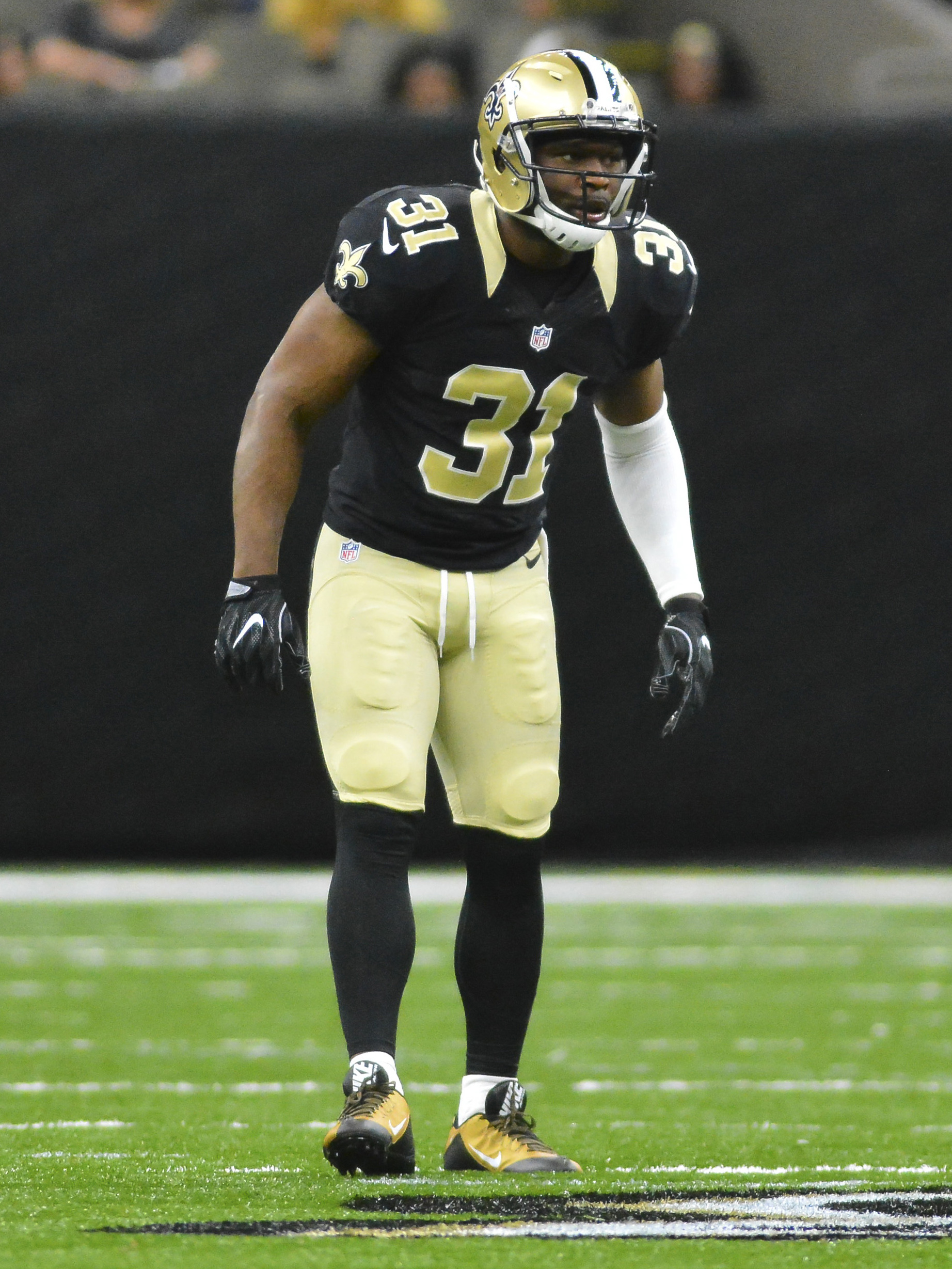
Byrd joined the Saints as a free agent in 2014, when he was positioned as one of the best talents available in the class. In his previous run with the Bills, Byrd was a star, making three Pro Bowls and intercepted a whopping 22 passes. In New Orleans, he totaled just three picks in three years. For his 33 games (32 starts), Byrd collected $28MM in guaranteed cash alone.
Injuries hampered Byrd throughout his Saints tenure, but he wasn’t a total bust. In 2016 — his age-30 season — Byrd turned in his first 16-start season since 2012. His performance placed him in the middle-of-the-pack among safeties that year (42 out of 89), per Pro Football Focus. So, even though things trending up, he wasn’t worth the megabucks. The Saints recouped $3.2MM of his would-be salary for 2017 but were still left saddled with ~$8MM in dead money.
Unfortunately, Byrd wasn’t able to do much after his release. In the fall, he hooked on with the Panthers to help fill in for an injured Kurt Coleman. After a dozen games and zero starts, Byrd’s Carolina stint marked his last action in the NFL. On the field, Byrd is best remembered for his glory days in Buffalo. In GM circles, Byrd became something of a cautionary tale for teams considering high-priced safeties. The following year, players like Eric Reid and Saints starter Kenny Vaccaro felt the sting of the depressed safety market.
The Only NFL Players With No-Trade Clauses
It’s fairly common for disgruntled NFL players to give their teams a short list of acceptable trade destinations. However, it’s still quite rare for players to hold contractual veto power over a trade. Currently, there are only nine NFL players with a no-trade clause in their deals, as ESPN.com’s Field Yates tweets: 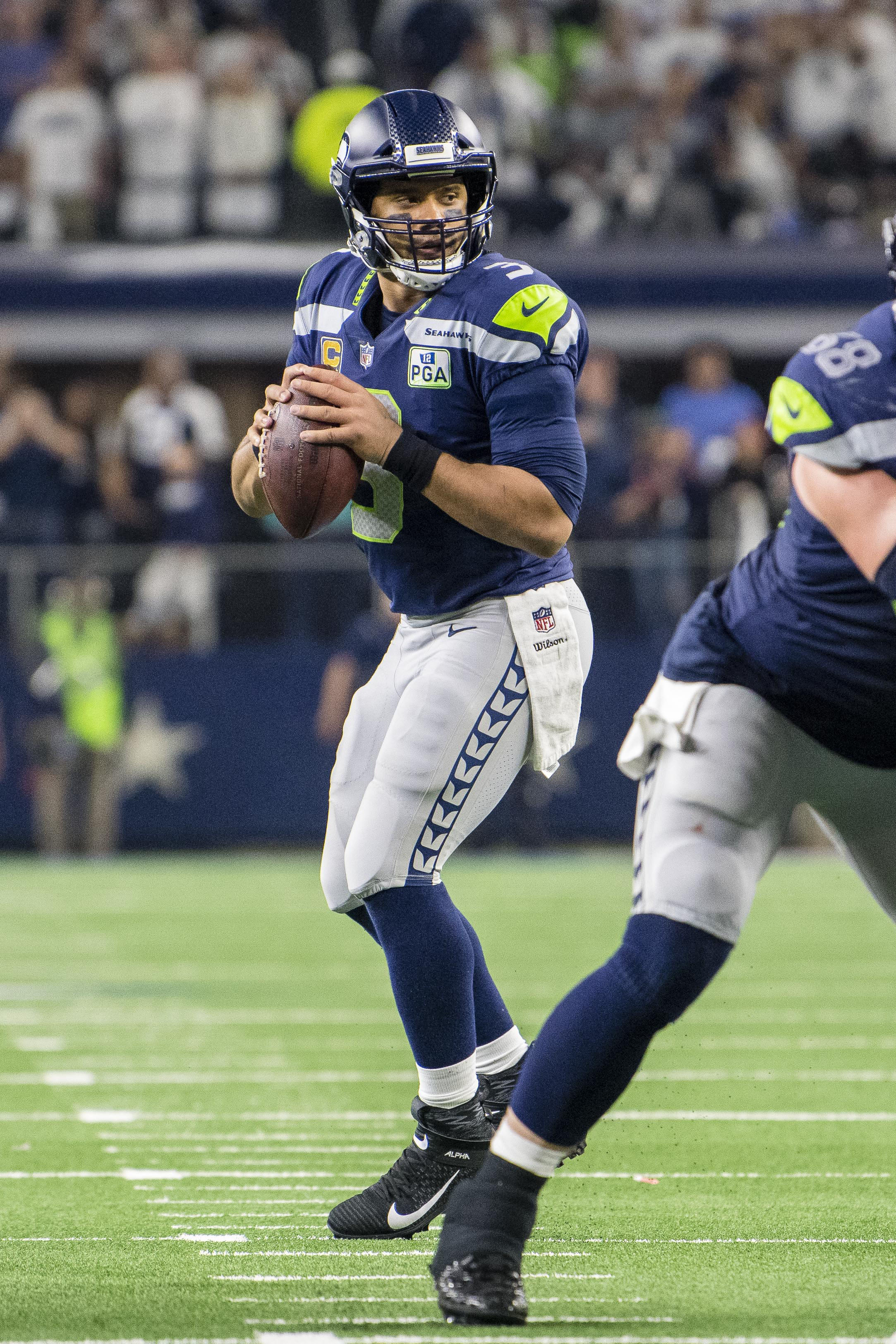
▪️ Drew Brees, QB (Saints)
▪️ Laurent Duvernay-Tardif, OL (Chiefs)
▪️ Jimmy Garoppolo, QB (49ers)
▪️ Jimmy Graham, TE (Bears)
▪️ DeAndre Hopkins, WR (Cardinals)
▪️ Patrick Mahomes, QB (Chiefs)
▪️ Deshaun Watson, QB (Texans)
▪️ J.J. Watt, DL (Cardinals)
▪️ Russell Wilson, QB (Seahawks)
The Chiefs, who represent 25% of the list, furnished LDT with a NTC as a part of his contract restructure. Historically, there haven’t been many offensive lineman to secure the clause. However, Duvernay-Tardif had a bit of leverage in 2020 when the Chiefs needed extra cap room. He was scheduled to count for nearly $9MM, $6.45MM of which was comprised of base salary. Instead, he converted some of that money into a signing bonus over the remaining three years and came away with a perk typically reserved for quarterbacks.
Watson and Wilson are among the QBs who can block trades. They’re both putting it to use, albeit in different ways. Watson wants out — even after finally meeting with new head coach David Culley – and he’s steering himself towards a small group of teams, including the Dolphins and Panthers. Wilson, meanwhile, says that he doesn’t want to get traded and doesn’t expect to get traded. But, if the Seahawks do shop him, he wouldn’t mind joining up with the Bears, Cowboys, Saints or Raiders. In beating out several other teams for Watt, the Cardinals included the clause in the star defender’s contract.