Poll: Which Free Agent QB Will Sign First?
Last week, a veteran quarterback came off the board, but it wasn’t one of the names that the football world has really been waiting on. Dan Orlovsky will now look to make the Rams’ final cut while more notable players continue to look for work.
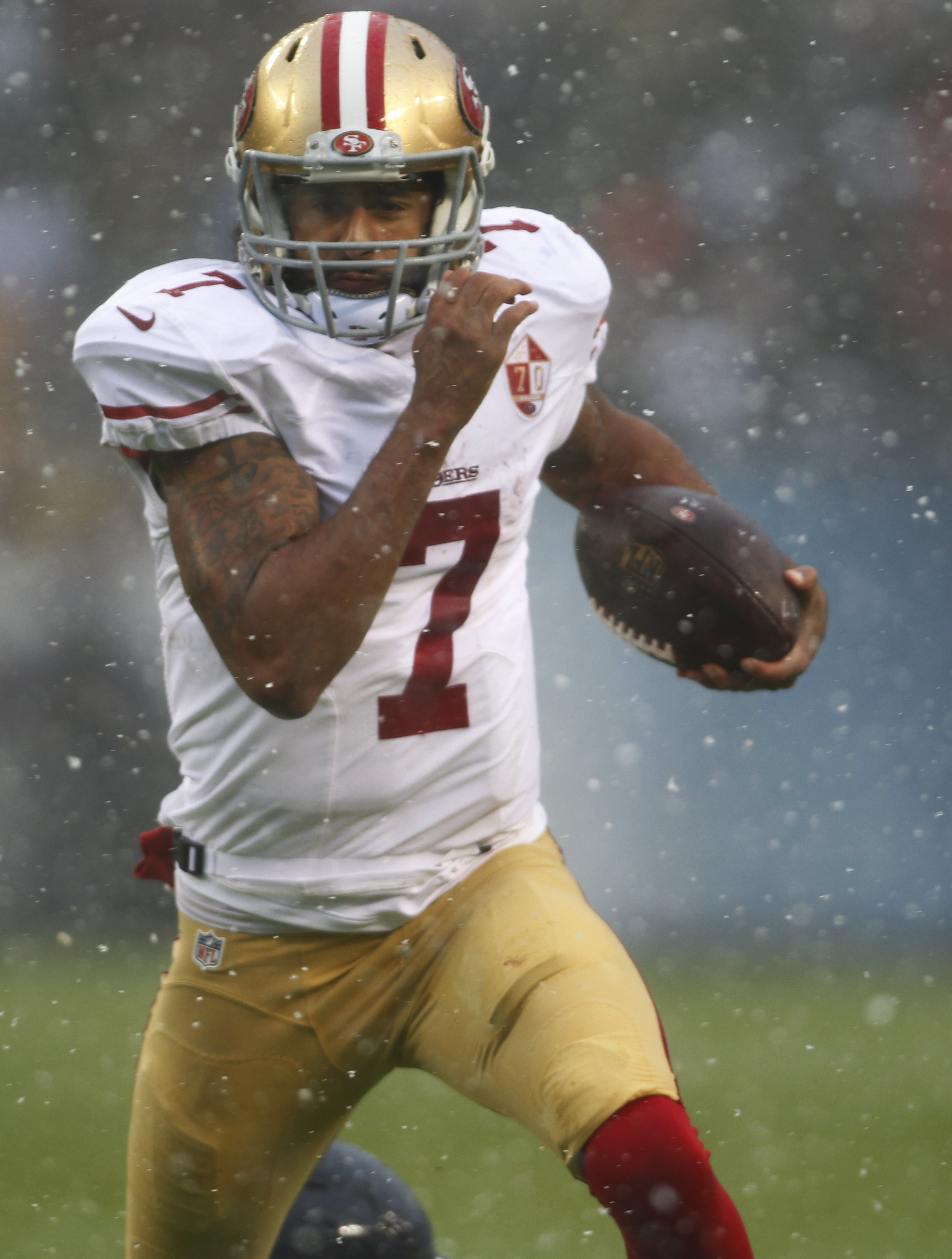
Things continue to be eerily quiet for Colin Kaepernick, despite the fact that he is widely regarded as the best backup quarterback option available. The Ravens say that they have some degree of interest, but they’re also concerned about how adding him to the roster would be publicly perceived. A late May workout with the Seahawks did not result in a deal and, depending on who you ask, Seattle may have passed because of Kaepernick’s salary expectations. The Cowboys also found themselves in the market for a quarterback when Zac Dysert went down with injury, but they scooped up Luke McCown without calling Kaepernick. For what it’s worth, Chip Kelly says that Kaepernick’s political activism was not a distraction while they were together in San Francisco.
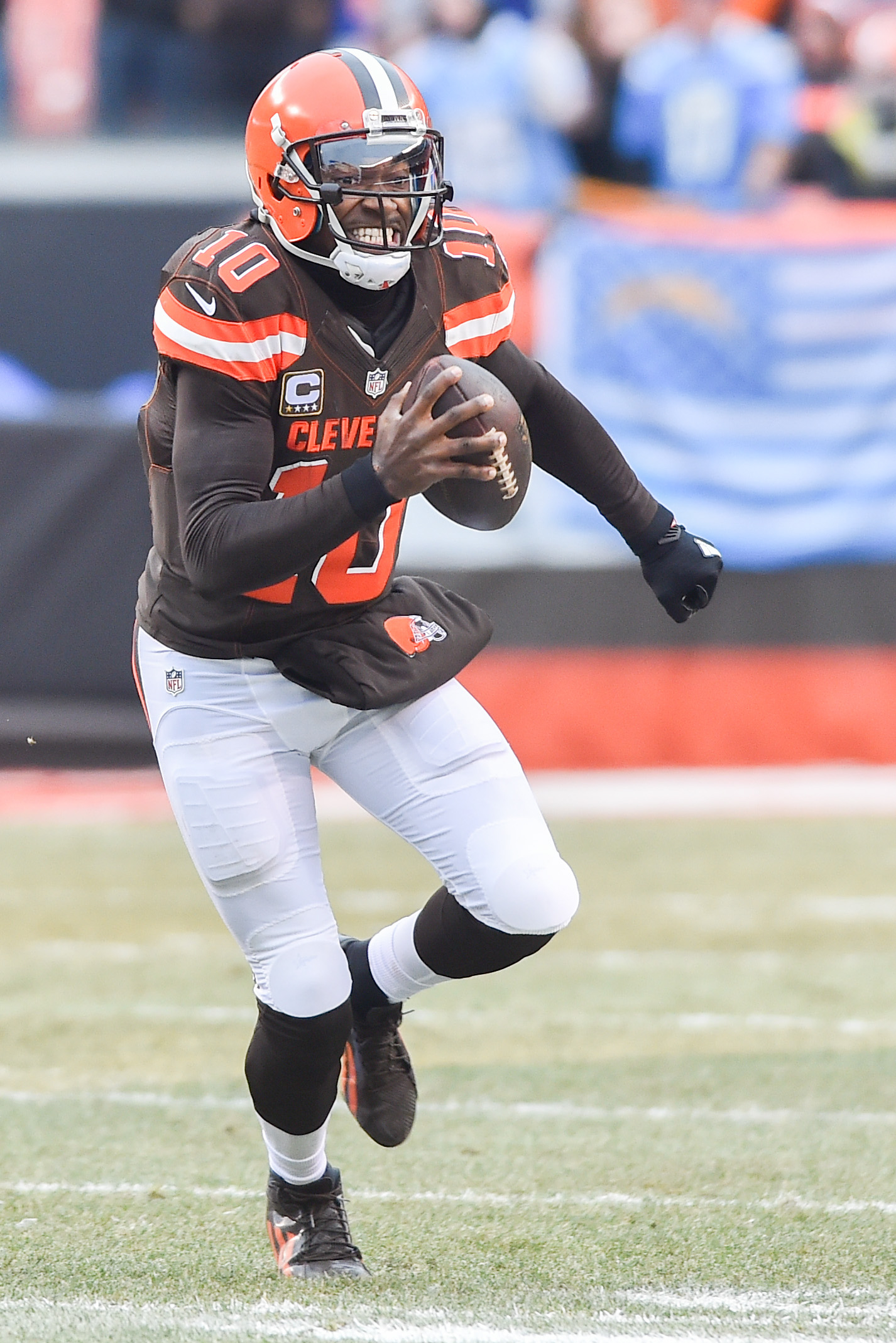 There was hope for Robert Griffin III to find a home after he had a successful audition with the Chargers earlier this month. Unfortunately for the former Redskins star, it seems that the Bolts used his quality tryout to leverage the Bills into a more favorable trade for Cardale Jones. The Bolts workout was Griffin’s first of the offseason and although the Ravens are thinking about bringing him in for a workout, it’s not clear if they’ll follow through. Griffin is eager to show teams that he can recapture some of the magic from his rookie season in 2012. But, after Griffin missed the bulk of 2016 with a shoulder injury and fell flat in his five starts, teams are not all that interested in seeing what he can do.
Kaepernick and Griffin are the most well-known QBs left on the market, but other notable names left include 37-year-old Shaun Hill, former first round pick Christian Ponder, and ex-Titans signal caller Zach Mettenberger. Of those five players – who do you think will be the next to sign? Click below to cast your vote and back up your choice in the comments.
Who Will Sign First?
-
Colin Kaepernick 26% (498)
-
RG3 24% (453)
-
Zach Mettenberger 19% (367)
-
Shaun Hill 15% (287)
-
Christian Ponder 15% (287)
Total votes: 1,892
PFR Originals: 7/23/17 – 7/30/17
The original content and analysis produced by the PFR staff during the past week:
- With the 2017 regular season only two months away, PFR began its annual Offseason In Review series, assessing the major signings, departures, trades, and other notable events for each of the 32 NFL clubs. We covered two teams this week:
Offseason In Review: Indianapolis Colts
The Colts limped to an 8-8 record for the consecutive year, as even an excellent campaign from quarterback Andrew Luck couldn’t overcome the club’s poor defense. With a new general manager installed in January, Indianapolis had several areas of focus to address during the offseason.
Notable signings:
- Johnathan Hankins, DT: Three years, $27MM. $10MM guaranteed. $3MM available via escalators.
- Jabaal Sheard, LB: Three years, $25.5MM. $9.5MM guaranteed.
- Jack Doyle, TE: Three years, $18.9MM. $7.5MM guaranteed.
- John Simon, LB: Three years, $14MM. $6MM guaranteed. $1.5MM available via incentives.
- Darius Butler, CB: One year, $3MM. $2.5MM guaranteed.
- Kamar Aiken, WR: One year, $2.6MM. $1.5MM guaranteed.
- Jeff Locke, P: Two years, $3.45MM. $1.25MM guaranteed.
- Barkevious Mingo, LB: One year, $2MM. $1MM guaranteed.
- Sean Spence, LB: One year, $2.5MM. $750K guaranteed.
- Margus Hunt, DL: Two years, $4.1MM. $500K guaranteed.
- Robert Turbin, RB: Two years, $2.7MM. $500K guaranteed.
- Brian Schwenke, OL: One year, $1.3MM. $300K guaranteed.
- Al Woods, DT: Two years, $4MM. $250K guaranteed.
- Brandon Williams, TE: One year, minimum salary benefit. $80K guaranteed.
- Fahn Cooper, OL: Two years, $1.02MM.
- Christine Michael, RB: One year, $775K.
- Jon Bostic, LB: One year, $690K.
- Troymaine Pope, RB: One year, $540K.
The Colts arguably had the worst defensive depth chart in the NFL heading into the 2017 offseason, meaning general manager Chris Ballard & Co. had quite a bit of work to do on that side of the ball. Indianapolis’ front office made several smart value signings, including that of former Giant Johnathan Hankins, who waited out the market with the hope of landing a hefty contract. Ultimately, the Colts landed Hankins for only $9MM annually, a salary which ranks just 21st among interior defensive linemen.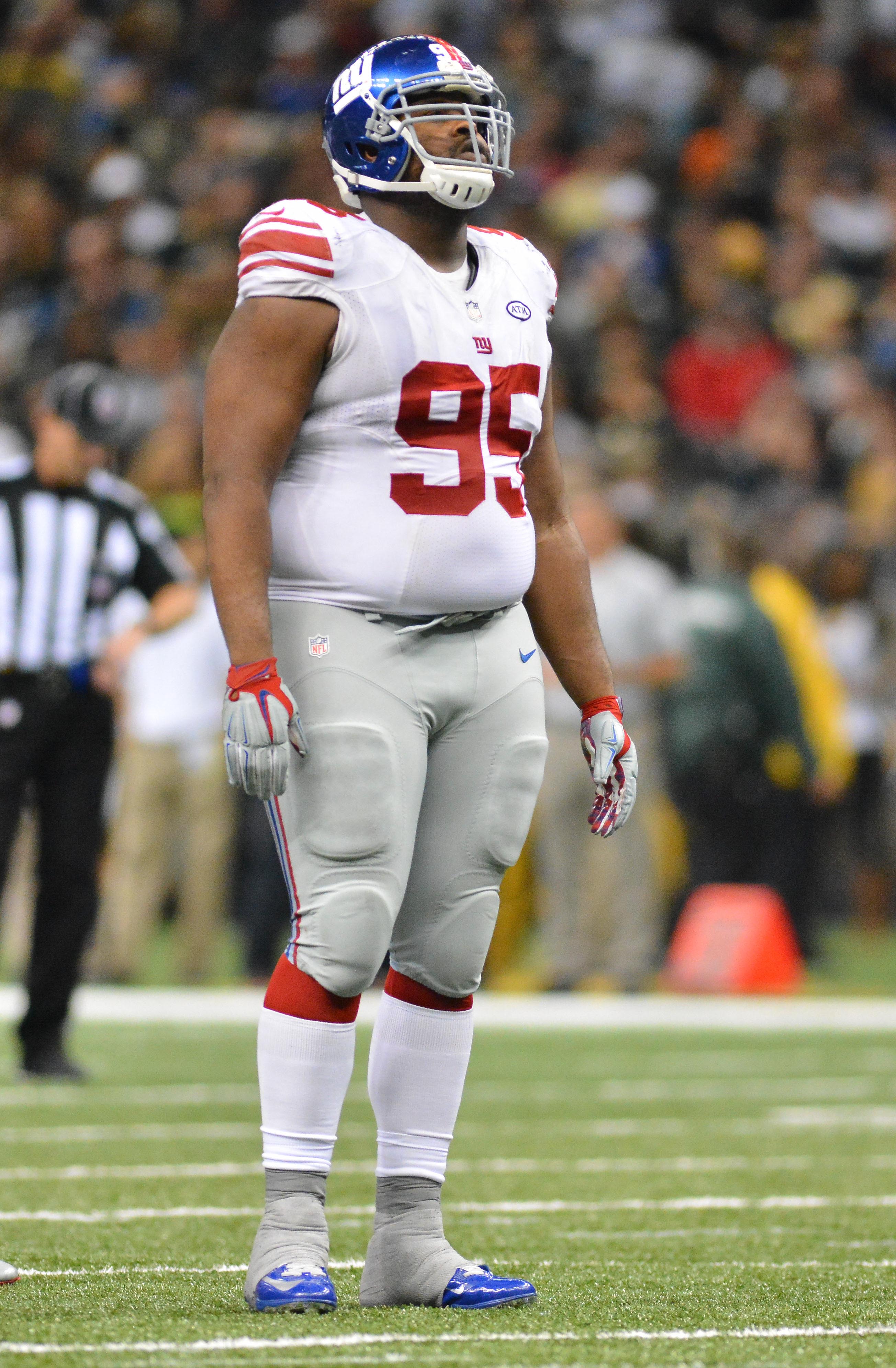
Hankins posted the worst season of his career in 2017, grading as the league’s No. 59 interior defender, according to Pro Football Focus, which handed Hankins extremely poor marks as a pass-rusher. But there are reasons to be optimistic about Hankins in Indy, and chief among them is his age. Despite having already played four NFL seasons, Hankins is only entering his age-25 campaign, so improvement isn’t out of the question. Additionally, Hankins will move to nose tackle with the Colts after playing three-technique in New York thanks to the presence of Damon Harrison. Shifting to a nose shade should aid Hankins’ play, as he’s always been more productive when playing over a center.
Indianapolis didn’t stop after adding Hankins, as the club inked two pass-rushers in the form of John Simon and Jabaal Sheard. Neither player is a superstar, but both are competent outside linebackers with experience in 3-4 schemes. Simon and Sheard are both solid against the run, as well, and should help improve a Colts run defense that ranked dead last in DVOA a year ago. Given that both Simon and Sheard are now transitioning from part-time roles to full-time jobs, it wouldn’t be a surprise if at least one of them reaches a double-digit sack total in 2017.
While most of the Colts’ defensive signings came along the front seven (which, despite the additions, PFF still ranks as the the No. 31 front in the NFL), the team did re-sign one of its own in the secondary, coming to terms with defensive back Darius Butler on a one-year pact. Butler, 31, put up arguably the best campaign of his eight-year career in 2016, and entered the free agent market with the intent of shifting from cornerback to safety. While it’s unclear exactly what role he’ll play for the Colts, Butler looks poised to fill a jack-of-all-trades position, roving between slot corner and safety, especially while Clayton Geathers is on reserve/PUP.
Hankins, Simon, Sheard, and Butler represented the most high-profile Colts signings/re-signings on defense, but Indianapolis also threw a limited amount of guarantees against the wall to bring in a number of defensive players. Sean Spence will likely start at inside linebacker, but Barkevious Mingo, Jon Bostic, Margus Hunt, and Al Woods were all brought in to add depth and perhaps play special teams. The total amount of guaranteed money spent on those players is $2.5MM, so it’s a small investment in order to ensure the club won’t be completely bereft of help if and when injuries strike. After years of fielding a top-heavy roster, the Colts are finally prioritizing depth throughout the squad.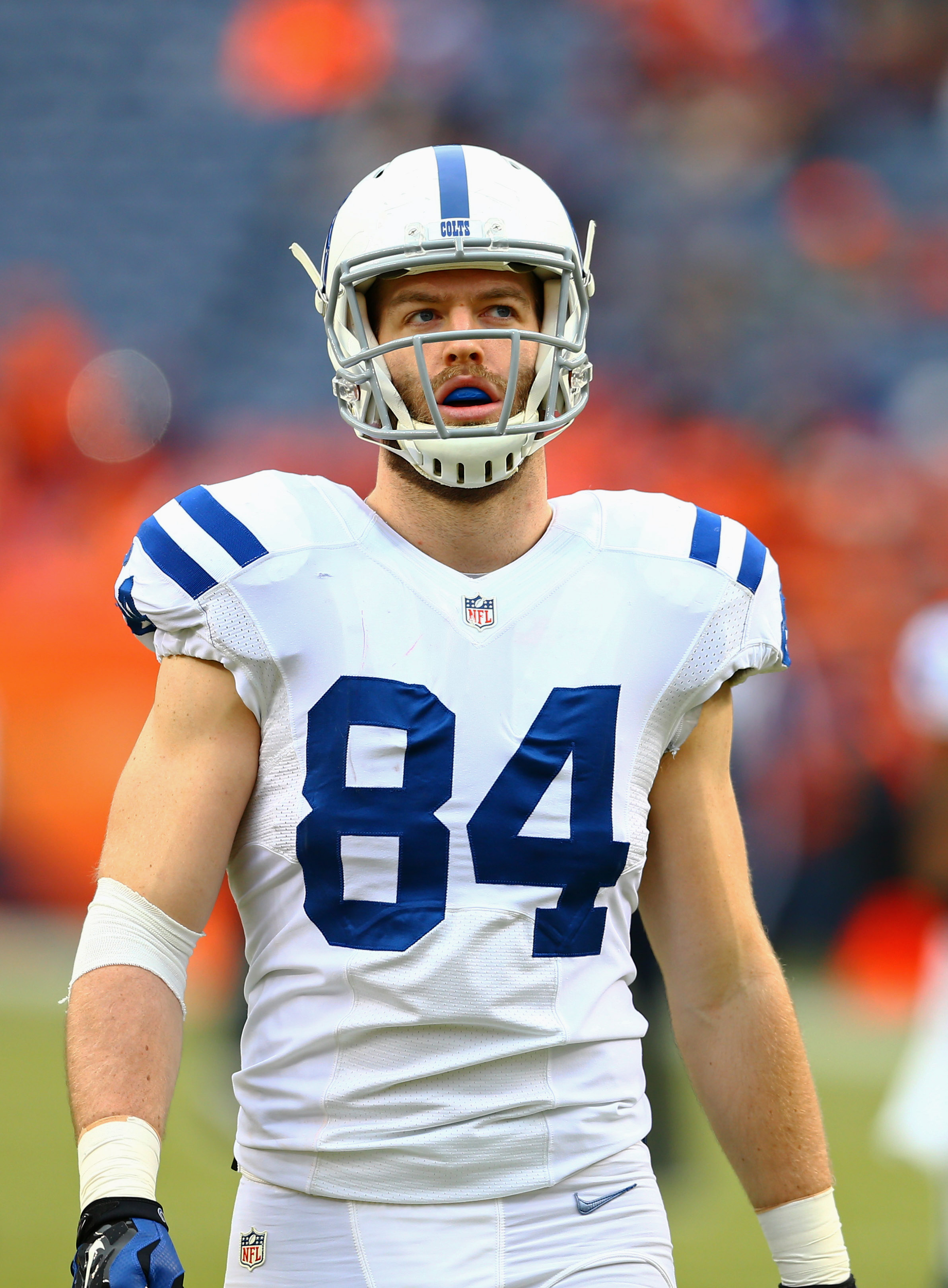
On offense, Indianapolis’ primary move was re-signing Jack Doyle, who is now the club’s unquestioned No. 1 tight end following the trade of Dwayne Allen to the Patriots. Doyle, a former undrafted free agent, had never topped 22 targets prior to the 2016 season, but broke out during his fourth NFL campaign, managing 59 receptions for 75 targets for 584 yards and five touchdowns. With Allen out of the picture, it’s conceivable that Doyle — who ranked ninth in DYAR and 10th in DVOA, both courtesy of Football Outsiders — could play an even larger role in the season to come. Doyle isn’t a superb blocker (23rd in the run game, per PFF), meaning free agent signee Brandon Williams could see playing time as an in-line tight end.
Former Raven Kamar Aiken could possibly serve as the Colts’ No. 2 wide receiver or fall as far as fourth on the depth chart, and training camp/the preseason will likely determine where exactly Aiken fits. Donte Moncrief, Indy’s presumptive second wideout, hasn’t been able to stay healthy, while 2015 first-round pick Phillip Dorsett has averaged just 26 receptions per season during his first two years in the league. Aiken plays special teams and received $2.5MM in guarantees, so he’ll make the roster, and he was reportedly told the Colts would stage an “open competition” at receiver this offseason.
Offseason In Review: Dallas Cowboys
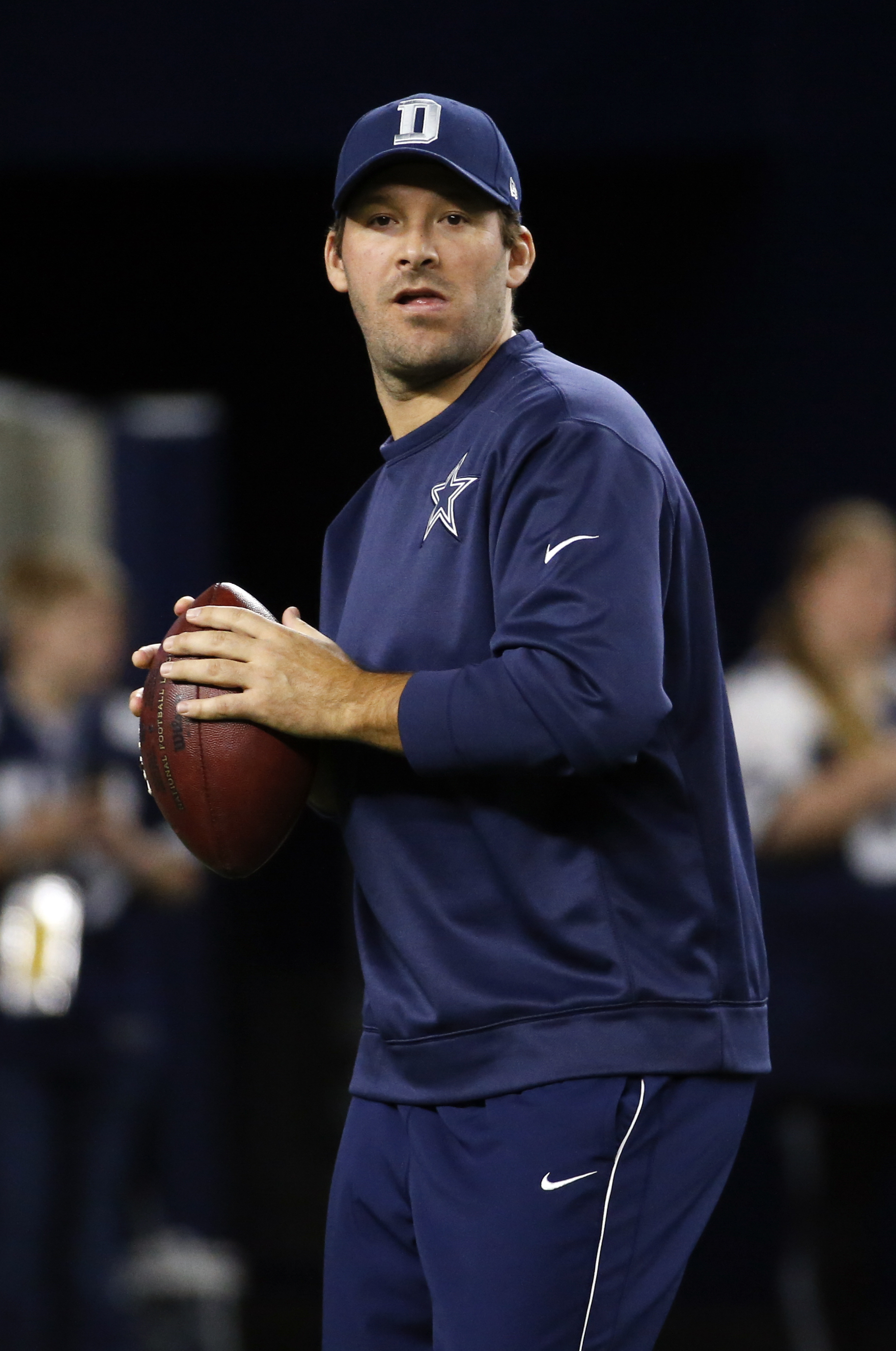
The Cowboys appeared doomed when Tony Romo suffered a back injury during Week 3 of the 2016 preseason, but fourth-round rookie quarterback Dak Prescott — combined with an excellent running game — led Dallas to an NFC-best 13-3 record and a Divisional Round appearance. With Romo retired, the Cowboys headed into the offseason with clear needs on defense that could be filled either through free agency or the draft.
Notable signings:
- Terrance Williams, WR: Four years, $17MM. $9.5MM guaranteed.
- Nolan Carroll, CB: Three years, $10MM. $3MM guaranteed.
- Jonathan Cooper, G: One year, $2MM. $500K guaranteed.
- Stephen Paea, DL: One year, $2MM. $500K guaranteed.
- Brice Butler, WR: One year, $1.1MM. $300K signing bonus.
- Byron Bell, OL: One year, $2MM. $250K guaranteed. $500K available via incentives.
- Damontre Moore, DE: Two years, $1.665MM. $100K guaranteed.
- Kellen Moore, QB: One year, minimum salary benefit. $100K guaranteed.
- Robert Blanton, S: One year, minimum salary benefit. $80K guaranteed.
- Darren McFadden, RB: One year, minimum salary benefit. $80K guaranteed.
- Justin Durant, LB: Contract terms unknown.
Although Terrance Williams posted the fewest receiving yards of his career in 2016, underlying metrics show that the 27-year-old actually produced an above-average season. Among wide receivers with at least 50 targets, Williams finished 11th with a 72.1% catch rate. The former third-round pick ranked 17th in Football Outsiders‘ DYAR (which measures total value) and fourth in DVOA (per-play value), and while run-blocking isn’t that important a skill for a wide receiver, Williams contributed in that realm of offense as well, finishing No. 22 in the run game, according to Pro Football Focus.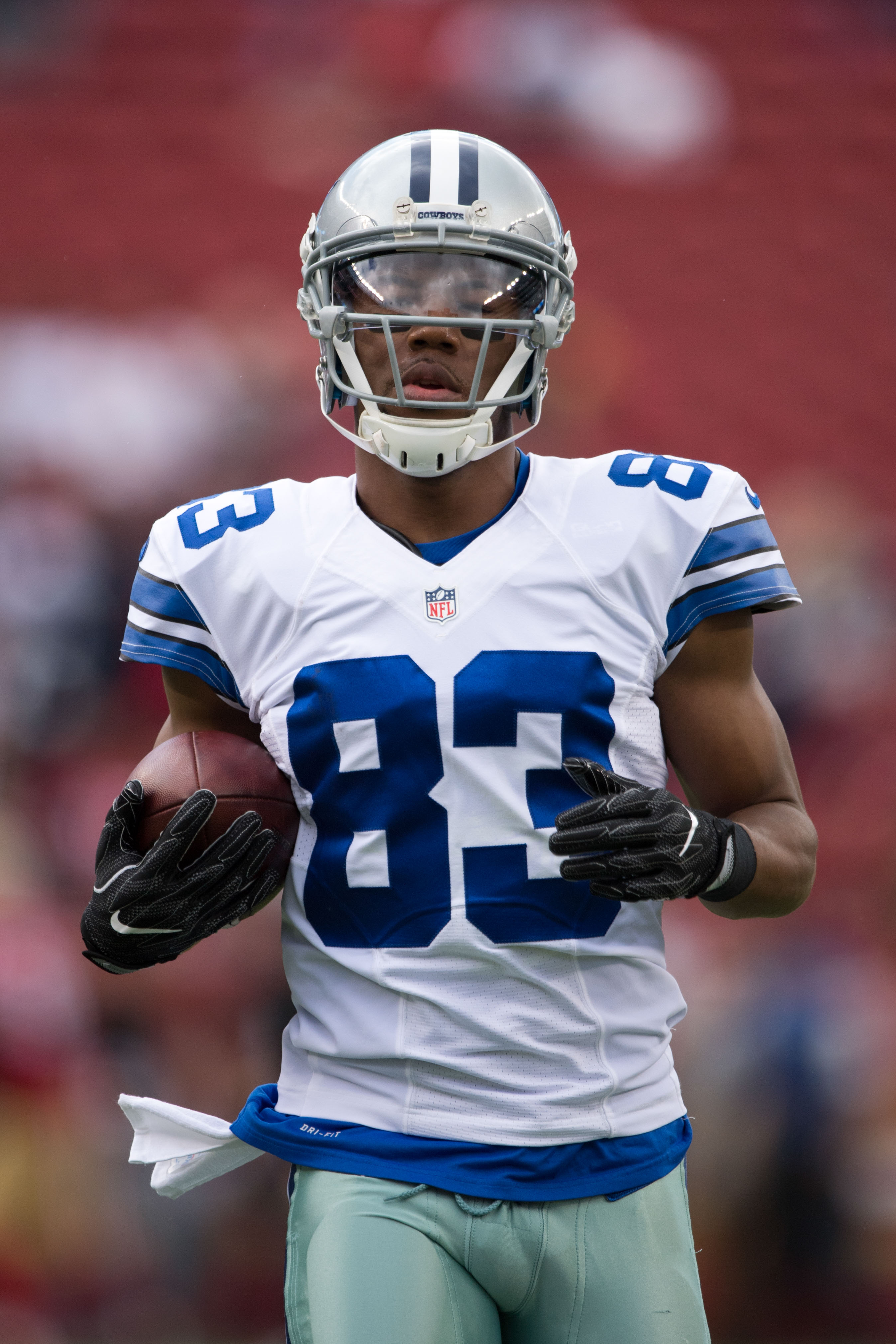
But despite that production and his relative youth, Williams re-signed with the Cowboys on a deal that pays him just $4.25MM per season. Reports prior to free agency indicated Williams could score an annual salary in the $6-8MM range, but Williams instead landed a per annum average that’s below the likes of Travis Benjamin, Markus Wheaton, Rishard Matthews, and Jermaine Kearse. Clearly, soft factors could be at play here, as Williams indicated he took less money to stay in Dallas because of his comfort in the locker room, and there’s some incalculable benefit to playing on a young, contending team. But the Cowboys found a value in Williams, allowing them to spend cap space elsewhere.
Dallas made a concerted effort to retain the skill players on an offense that ranked third in DVOA a year ago, and that included re-signing veteran running back Darren McFadden to a cheap contract. McFadden, 29, was sidelined by injury for the majority of the 2016 campaign, but he’s still a high-quality backup who — along with Alfred Morris — will allow the Cowboys to tread water if and when Ezekiel Elliott is suspended. In 2015, McFadden, buoyed by the league’s best offensive line, topped 1,000 rushing yards for the second time in his career while averaging 4.6 yards per carry.
Kellen Moore was also re-signed to act as a reserve, but it’s very surprising that the Cowboys haven’t entered the free agent market to find a more experienced backup quarterback. While Dallas did express interest in Josh McCown, it hasn’t brought in another veteran to compete with Moore, and may be content to allow the former Boise State Bronco to be Dak Prescott‘s No. 2. Moore, who entered the league as an undrafted free agent in 2012, has only attempted 104 regular season passes in five NFL seasons. The best signal-callers remaining on the open market include Colin Kaepernick, Christian Ponder, Shaun Hill, and Robert Griffin III.
While the Cowboys brought back the majority of their offensive skill players, the club did sustain two losses along the offensive line in Ronald Leary (free agency) and Doug Free (retirement). Dallas plans to move La’el Collins to right tackle, meaning former first-round pick Jonathan Cooper will get the first crack at left guard. Despite being selected seventh overall in 2013, Cooper has never been a full-time starter through four NFL seasons. As such, it’s fair to wonder if Byron Bell, another free agent signee, will get a shot to overtake Cooper on the left side.
Dallas didn’t use the free agent period to overhaul a defensive unit that ranked 17th in DVOA last season, but it did bring Nolan Carroll aboard, signing the former Eagles corner to a three-year deal. Carroll is now on the wrong side of 30 and wasn’t effective in 2016 (No. 92 CB among 109 qualifiers, per PFF), so he won’t be the answer for a secondary that lost the majority of its starters. But the Cowboys can get out the Carroll deal after one season and $4MM, so it’s a worthwhile risk to add the veteran to a beleaguered defensive backfield.
Defensive tackle Stephen Paea is a fair bet to improve upon the 321 snaps he played for Cleveland last year, and the 29-year-old might be the best interior lineman on the Cowboys’ roster. Cedric Thornton, signed to a four-year deal last spring, seems to have been miscast as a 4-3 defensive tackle, while Maliek Collins struggled mightily during his 2016 rookie season. Paea, meanwhile, has been quietly effective for several years, and should help a front seven that Pro Football Focus ranks 26th heading into the regular season.
PFR Originals: 7/16/17 – 7/23/17
The original content and analysis produced by the PFR staff during the past week:
- With the 2017 regular season only two months away, PFR began its annual Offseason In Review series, assessing the major signings, departures, trades, and other notable events for each of the 32 NFL clubs. We covered three teams this week:
- The Redskins failed to sign franchise-tagged quarterback Kirk Cousins to a long-term extension last week, meaning he’ll now play out the 2017 campaign on a one-year tender. With that in mind, Connor Byrne asked PFR readers if Cousins will be back in Washington next season, either on a third consecutive franchise tag or on a multi-year deal. The response has been clear, as more than three-quarters of voters believe Cousins will be playing elsewhere in 2018.
Offseason In Review: Seattle Seahawks
After finishing first in Football Outsiders‘ DVOA efficiency metric in each season from 2012-15, the Seahawks fell to ninth in 2016. The fact that that ranking was Seattle’s lowest since 2011 speaks to the consistency of the organization, especially at the top (John Schneider and Pete Carroll each finished among the NFL’s top three general managers and head coaches, respectively, in Patrick Daughtery of Rotoworld’s excellent leadership lists). The Seahawks have advanced to the divisional round of the playoffs in each of the past five campaigns, and have shown a remarkable ability to lock up core players in order to maintain their run of success.
That’s not to say Seattle didn’t have areas to address this offseason, however, so let’s take a look at how Seattle fared:
Notable signings:
- Luke Joeckel, T: One year, $8MM. $7MM guaranteed.
- Eddie Lacy, RB: One year, $4.25MM. $2.865MM guaranteed. $1.3MM available via incentives.
- Luke Willson, TE: One year, $1.8MM. Fully guaranteed.
- DeShawn Shead, CB: One year, $1.2MM. $1MM guaranteed.
- Bradley McDougald, S: One year, $1.8MM. $750K guaranteed.
- Neiko Thorpe, S: Two years, $1.75MM. $600K guaranteed.
- Michael Wilhoite, LB: One year, $1.55MM. $500K guaranteed.
- Oday Aboushi, G: One year, $975K. $200K guaranteed.
- Terence Garvin, LB: One year, minimum salary benefit. $80K guaranteed.
- Austin Davis, QB: One year, minimum salary benefit. $50K guaranteed.
- Blair Walsh, K: One year, $1.1MM.
- David Bass, LB: One year, minimum salary benefit.
- Arthur Brown, LB: One year, minimum salary benefit.
- Marcus Cromartie, CB: One year, $690K.
- Dion Jordan, DE: One year, $640K.
As I noted when assessing the Seahawks’ most pressing needs heading into the offseason, Seattle’s offensive line could have been listed first, second, and third on a list of the club’s glaring weaknesses. After ranking 25th in adjusted sack rate and 26th in adjusted line yards in 2016, the Seahawks and general manager John Schneider addressed the problem in free agency — something they didn’t do a year ago — by adding former No. 2 overall pick Luke Joeckel on a one-year pact.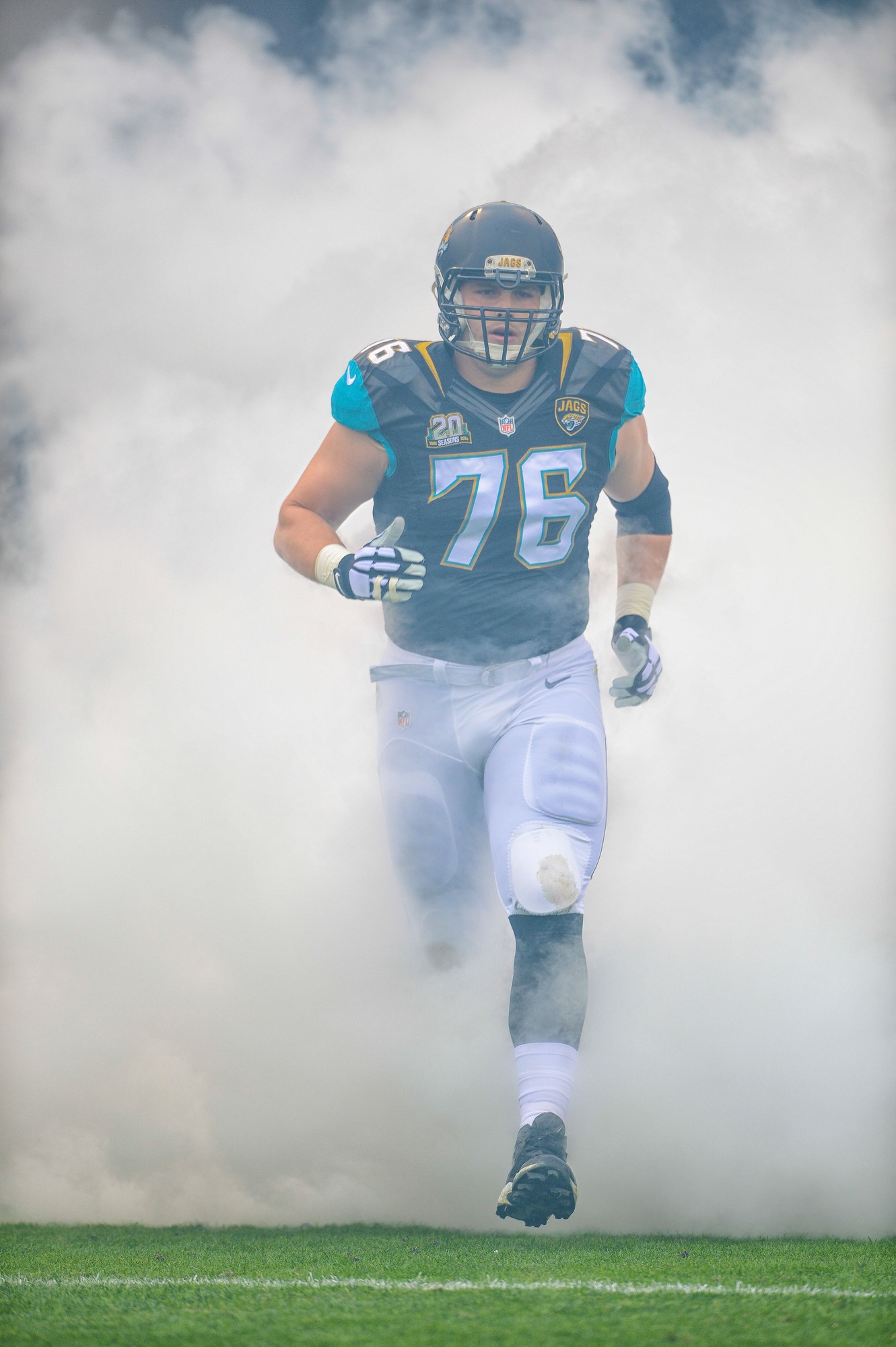
Joeckel received $8MM from Seattle, with $7MM of that total coming as a full guarantee. It’s an astonishing figure for a player who’s been considered a complete bust, and it’s hard to believe Joeckel was drawing enough interest to force the Seahawks to land at that number. Other offensive linemen earning ~$8MM include Marshal Yanda, Mike Iupati, Morgan Moses, and Brandon Brooks, all of whom are in a different stratosphere from Joeckel in terms of production. Former first-round selection D.J. Fluker scored only $3MM from the Giants on a single-season deal this spring, and Joeckel should have come in around the same amount.
Even more surprising is that Joeckel may not even play left tackle! The Seahawks are reportedly considering placing George Fant, who graded as Pro Football Focus‘ single-worst tackle in the NFL last season, on the blindside, meaning Joeckel would likely stick at guard, or perhaps even be forced to act as a reserve. Either way, Seattle’s financial commitment to Joeckel makes no sense if he’s not at least starting at left tackle, as his $8MM salary would make him the 11th-highest-paid guard in the league.
After securing the No. 2 pick in the 2013 draft in Joeckel, the Seahawks also brought in the third overall selection from that draft: defensive end Dion Jordan, who’s been an even larger disappointment during his NFL tenure than Joeckel. The 27-year-old Jordan hasn’t played in a game since December 2014, with PED-related suspensions and knee issues delaying his return to the field. Seattle’s gamble on Jordan is more palatable than its Joeckel bet, especially given that Jordan only inked a minimum salary deal with no guaranteed money. If Jordan does earn a roster spot and perform well, the Seahawks can control him through 2018 as a restricted free agent.
While the Joeckel and Jordan risks are based on performance concerns, the main uncertainly with cornerback DeShawn Shead is his health, as he’s coming off a torn ACL suffered in Week 15. After being non-tendered and then re-signed, Shead is expected to begin the season on the physically unable to perform list, as head coach Pete Carroll said in March he’d be “really surprised” if Shead was able to suit up for Week 1. A 15-game starter a season ago, Shead played more than 1,000 defensive snaps and graded as the league’s No. 37 corner, per PFF.
Joining Shead in the defensive backfield will be Bradley McDougald, an excellent value signing by the Seahawks at cost of only $1.8MM. McDougald, who started 31 games for the Buccaneers over the past two years, will serve as a third safety for Seattle, but could conceivably be forced into action based on injury questions with the Seahawks’ starts. Earl Thomas is expected to be ready for the season opener as he recovers from a broken leg, but complications could certainly arise. Kam Chancellor, meanwhile, is working his way back from multiple ankle surgeries and wasn’t yet at full speed as of March.
Seattle didn’t make many other notable additions on defense, although it did load up on linebackers/defensive backs with special teams experience. While the Seahawks graded among the top half of the league in special teams DVOA, their No. 13 ranking was a ten-spot drop from 2015. Perhaps with the intent of pushing that ranking back up, the Seahawks signed Terence Garvin, Michael Wilhoite, David Bass, Neiko Thorpe, and Arthur Brown, all of whom played on more than 45% of their respective team’s special teams snaps in 2016. Not every member of that cadre will end up making Seattle’s roster, but as a group, it’s a cheap investment with an eye towards special teams improvement.
The Seahawks’ most high-profile signing was former Packers running back Eddie Lacy, whom Seattle landed on a one-year contract worth $4.25MM. Lacy hasn’t posted a complete, healthy season since 2014, and given that his conditioning has been questioned, the Seahawks inserted weight clauses into Lacy’s deal. He passed his first weigh-in last month, earning $55K for tipping the scales below 250 pounds. Lacy, who is still only 26 years old, will join a Seattle backfield that also includes Thomas Rawls, C.J. Prosise, Alex Collins, and Mike Davis. Bob Condotta of the Seattle Times indicated last month that Lacy and Rawls will likely split basedown touches while Prosise handles passing game work.
After considering Colin Kaepernick, the Seahawks landed on Austin Davis as their free agent quarterback addition. Davis hasn’t played since 2015, and has only attempted only 378 career passes, but it’s not even clear that he’ll in fact be Russell Wilson‘s direct backup. Trevone Boykin, a 2016 undrafted free agent who served behind Wilson last year, has avoided jail time for at least one legal incident and isn’t expected to be suspended by the NFL. If he’s available, Boykin will likely relegate Davis to the No. 3 job (or off the roster).
Poll: Kirk Cousins’ Future
Redskins quarterback Kirk Cousins won’t be eligible to sign a multiyear contract until 2018, meaning his future will continue to be among the NFL’s most popular topics leading up to free agency next March. There are multiple ways in which the Redskins could prevent Cousins from reaching the open market, but as those who have paid any attention to his situation know, it’s going to be exceedingly difficult.
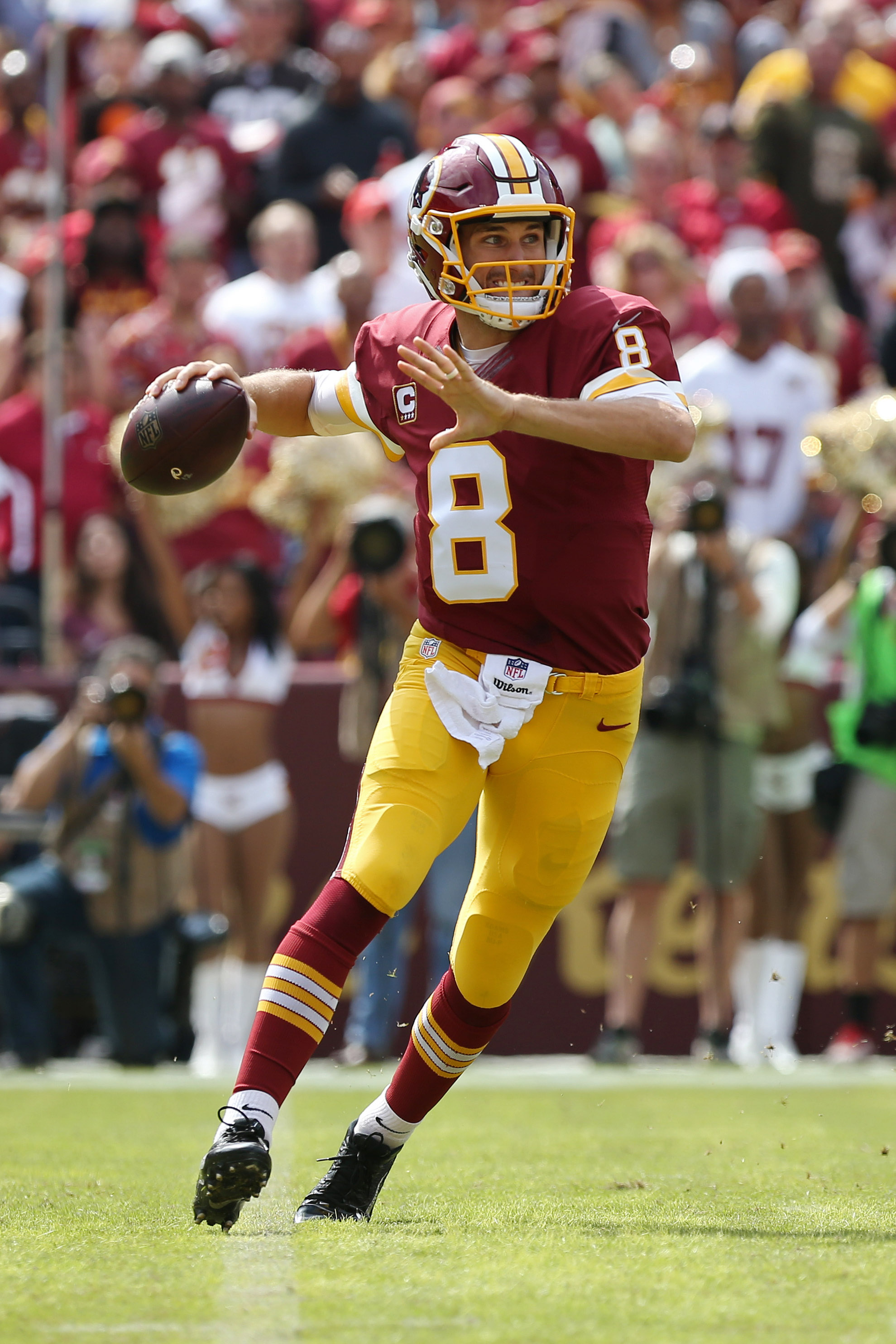
Washington retained Cousins this offseason via the franchise tag for the second straight year, and it saw the price rise from $19.95MM to $23.94MM in the process. Both are palatable costs for Cousins, regardless of whether you believe he’s an elite-level signal-caller or merely a good one. On the other hand, the bill in 2018 for a third consecutive franchise tag – over $34MM – won’t be so appetizing.
While the Redskins could hit Cousins with the $28MM transition tag as a less expensive alternative, that wouldn’t prevent other teams from attempting to pry him away. Any club would have to pay an exorbitant amount to steal Cousins, but a bid that the Redskins don’t match wouldn’t entitle them to any compensation for his departure. The other option for the Redskins is to sign Cousins long term, which they’ve tried to do, but it wouldn’t make much sense for the player to deprive himself of a chance to visit the open market and entertain pitches from around the league if he turns in another terrific season in 2017.
On the heels of his first two years as a starter, a period in which Cousins tossed 54 touchdowns against 23 interceptions, threw for 9,000-plus yards and completed over 68 percent of passes, the Redskins attempted to secure him on a five-year, $110MM extension proposal. Thanks in part to the $43MM-plus in guaranteed money he’ll make from 2016-17, though, Cousins was able to turn down long-term comfort now in hopes of landing an even richer deal in 2018.
While the soon-to-be 29-year-old Cousins is willing to stay in Washington for the foreseeable future (and the team will have plenty of cap space as it negotiates with him next winter), there’s a good chance spurning its offer will go down as a wise decision. With yet another productive season, Cousins would become the rare in-his-prime, franchise-caliber QB to reach free agency, following in the footsteps of Drew Brees in 2006, and many clubs would be in pursuit. Both the 49ers, with a Cousins fan in head coach Kyle Shanahan, and Browns have unsettled situations under center, significant spending room, and have been linked to Cousins this offseason. So, it’s easy to imagine them chasing him in 2018. They won’t be alone, though, with the Jaguars, Jets, Vikings, Cardinals, Rams, Broncos and Bills also standing out as teams that could plausibly participate in a Cousins sweepstakes.
How Cousins performs this season will be a fascinating precursor to what figures to be a riveting offseason for him and Washington. In Cousins, the Redskins found a gem in the fourth round of the 2012 draft, the same year they selected the once-dazzling but now-ruined Robert Griffin III at No. 2 overall. The Redskins believed at the time that RG3 would be the face of their franchise, but five years later, that distinction belongs to Cousins. Roughly eight months from now, though, the Redskins will once again be devoid at the game’s most important position if the very real possibility of Cousins going elsewhere comes to fruition.
Will Kirk Cousins be a Redskin in 2018?
-
No 77% (1,024)
-
Yes 23% (304)
Total votes: 1,328
2017 NFL Offseason In Review Series
Over the last few weeks, Pro Football Rumors has been taking a closer look at the 2017 offseason on a team-by-team basis. Our Offseason In Review series focuses on free agent signings, trades, draft picks, and all the other moves made by clubs during the spring, breaking down what sort of impact those decisions will have going forward.
Just in case you missed our review for your favorite team, we’re rounding up all of our Offseason In Review pieces in this post. We have several more teams to examine before the regular season gets underway, so if your team isn’t linked below, be sure to keep a close eye on PFR — it’ll be coming soon.
Here are the links to our 2017 Offseason In Review pieces to date:
AFC East:
AFC North:
AFC South:
AFC West:
NFC East:
NFC North:
NFC South:
NFC West:
Offseason In Review: Detroit Lions
Although the Lions finished 9-7 and claimed a NFC Wild Card slot, underlying metrics show Detroit wasn’t as good as its record. Pro Football Reference calculates expected wins and losses based on points scored and points allowed, and the Lions were closer to a seven- or eight-win club based on those numbers. Detroit finished 27th in the NFL in DVOA, worse than clubs such as the Jaguars, Bears, and Chargers, none of whom came close to a postseason appearance.
Still, the Lions presumably still believe they’ll contend with the Packers and Vikings for the NFC North in 2017, and had several obvious areas of focus to attend to this offseason. Let’s take a look at how they did:
Notable signings:
- T.J. Lang, G: Three years, $28.5MM. $19MM guaranteed.
- Ricky Wagner, T: Five years, $47.5MM. $17.5MM guaranteed.
- Akeem Spence, DT: Three years, $9MM. $3.5MM guaranteed.
- Paul Worrilow, LB: One year, $3MM. $2.75MM guaranteed.
- D.J. Hayden, CB: One year, $3.75MM. $2.25MM guaranteed. $1.5MM available via incentives.
- Cornelius Washington, DL: Two years, $5.825MM. $1.5MM guaranteed.
- Khyri Thornton, DT: Two years, $3.3MM. $325K guaranteed.
- Darren Fells, TE: One year, $1MM. $100K guaranteed.
- Jordan Hill, DT: One year, minimum salary benefit. $85K guaranteed.
- Nick Bellore, LB: One year, minimum salary benefit. $80K guaranteed.
- Matt Asiata, RB: One year, $840K. $60K guaranteed.
- Armonty Bryant, DE: One year, minimum salary benefit. $40K guaranteed.
- Don Muhlbach, LS: One year, minimum salary benefit. $40K guaranteed.
- Cyrus Kouandjio, T: One year, $800K. $35K guaranteed.
- Tony Hills, T: One year, minimum salary benefit. $10K guaranteed.
- Bruce Gaston, DT: Two years, $1.32MM.
- Ego Ferguson, DT: One year, $615K.
- Keshawn Martin, WR: One year, minimum salary benefit.
The Lions’ offensive line wasn’t a success in 2016, as the unit ranked 31st in adjusted line yards and 18th in adjusted sack rate, so general manager Bob Quinn made upgrades to Detroit’s front five the focal point of the 2017 offseason. The first step was swapping out right tackle Riley Reiff for free agent Ricky Wagner, whom the Lions made the highest-paid right tackle in the NFL (not counting Lane Johnson, who was paid like the Eagles’ left tackle of the future). With Reiff in tow, Detroit averaged only 2.93 yards on rushes to the right side, according to Football Outsiders. Baltimore, Wagner’s former employer, averaged 4.62 running to the right, meaning improvement should be on the way in the Motor City.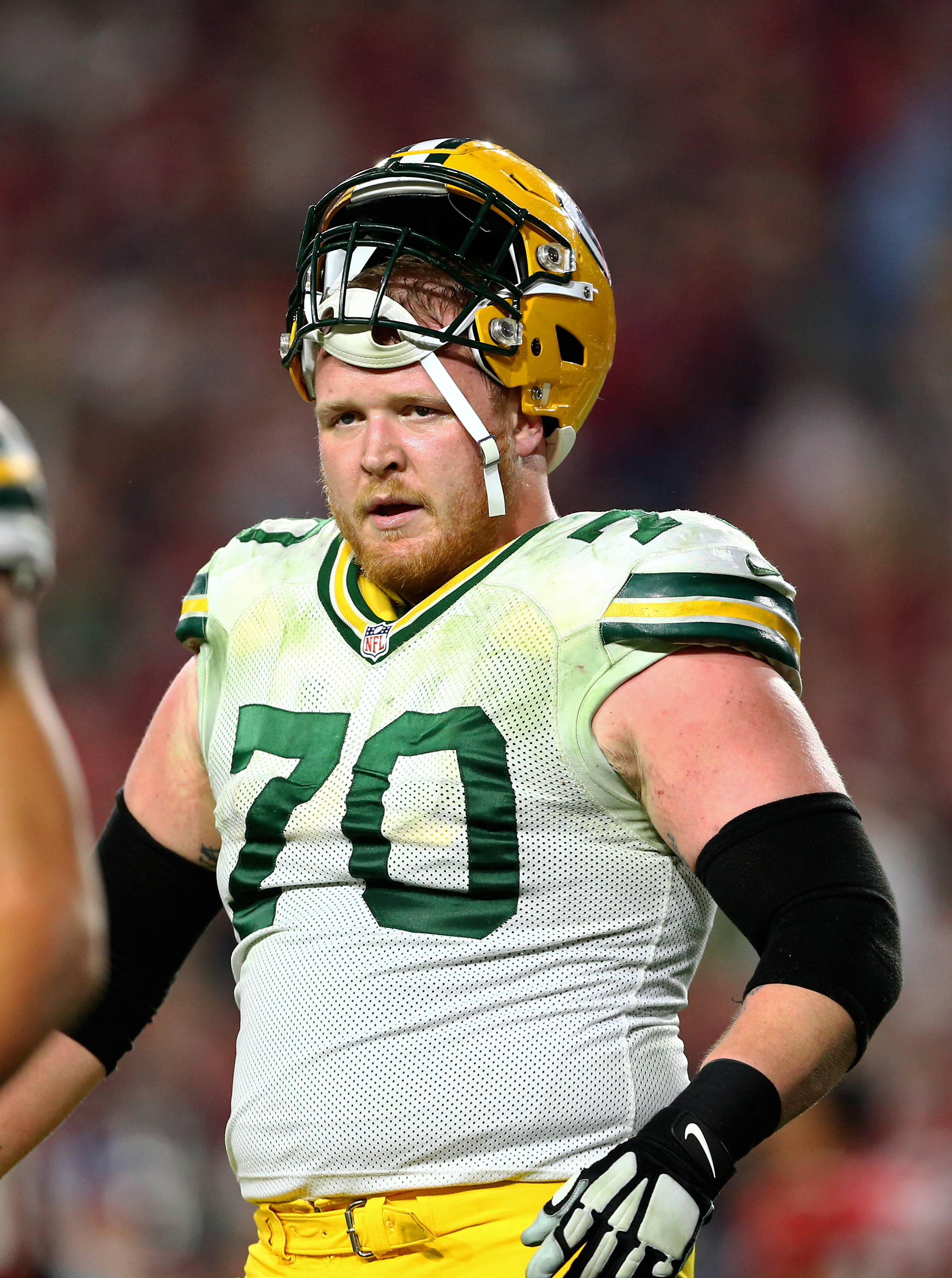
Wagner wasn’t the only addition to the right side of the Lions’ offensive line, however, as the team also signed T.J. Lang to replace Larry Warford at right guard. Not only did Detroit land one of the league’s best guards in Lang, but it stole him from a division rival, weakening the Packers’ line in the process. In order to ink Lang, who reportedly narrowed his free agent choices to Detroit, Green Bay, and Seattle, the Lions guaranteed two-thirds of his $29MM contract, an unprecedented total. Lang, 29, missed three games with injury last season and is now recovering from January hip surgery, but he should be available for training camp.
Darren Fells will be lining up next to Wagner and Lang on the Lions’ front five, and the veteran tight end will essentially act as a sixth offensive lineman on many plays. Fells, whom Detroit signed after he was non-tendered by the Cardinals, managed only 14 receptions a season ago, but uses his 6’7″, 280-pound size as one of the league’s best blocking tight ends, both in the run and pass game. His presence should allow the Lions to split Eric Ebron out wide in more creative formations.
Although Detroit has improved its blocking, that doesn’t mean free agent addition Matt Asiata will suddenly become more effective. Over the past three years, Asiata has been among the league’s most inefficient backs. Of the 49 running backs who have managed at least 250 carries since 2014, Matt Asiata ranks next-to-last with a 3.45 yards per carry average. Last season, Asiata placed in the bottom-10 among backs in both DVOA and DYAR, Football Outsiders’ efficiency metrics. Not guaranteed a roster spot, Asiata shouldn’t be part of Detroit’s Week 1 squad unless an injury strikes.
On the defensive side of the ball, the Lions surprisingly didn’t target any high-profile free agents after the team ranked dead last in defensive DVOA, instead opting to patch over the unit with low-cost additions. In that vein, Detroit signed defensive linemen Akeem Spence and Cornelius Washington, and it’s difficult to see either providing much of an impact next season. Spence, particularly, ranked 123rd of out of 125 qualified interior defenders, per Pro Football Focus, which gave Spence horrible marks against the run. Washington, on the other hand, earned good scores as a pass-rusher, meaning he’ll likely contribute in sub packages.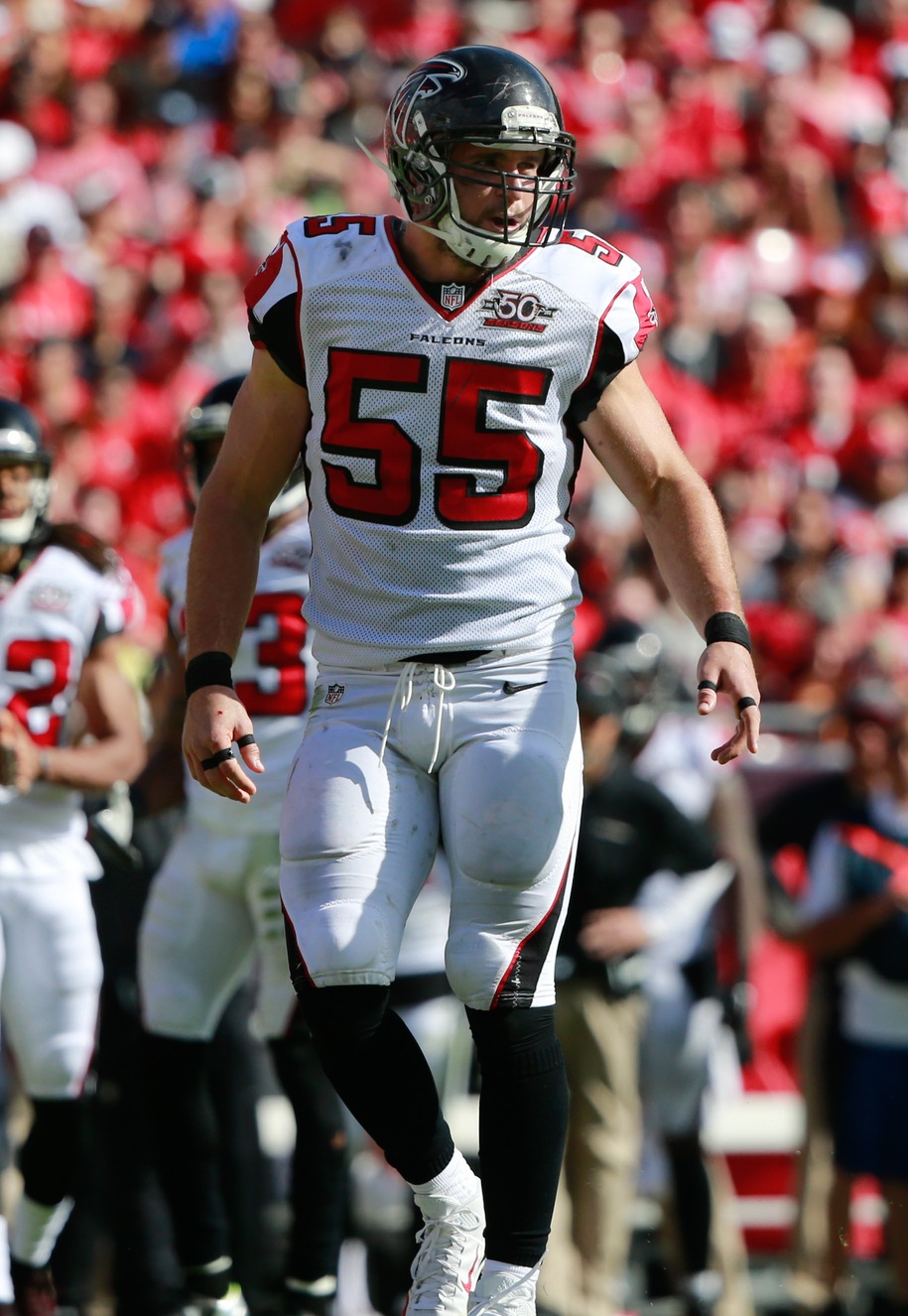
Both of Detroit’s linebacker signings — Paul Worrilow and Nick Bellore — have recent starting experience, but it wouldn’t be a surprise if the duo spends more time on special teams than as regular players on the Lions’ defense. Worrilow and Bellore each played more than 40% of their previous club’s special teams snaps, and Quinn has shown a willingness to pay for special teams aptitude, as evidenced by the signing of Johnson Bademosi last offseason and the extension of Don Carey in December. Detroit’s special teams unit finished sixth in DVOA in 2016 after ranking 13th and 31st in the two years prior.
After fielding the league’s worst pass defense last year, the Lions’ only free agent signing in the secondary was former first-round bust D.J. Hayden. Taking a chance on a former 12th overall selection is never the worst idea, but given Detroit’s immediate needs in the defensive backfield, the club should have gone after more known commodities. Jason McCourty, Davon House, and Morris Claiborne all signed for similar money as Hayden, and I’d take them all over the former Raider.
Offseason In Review: Kansas City Chiefs
Plenty changed in Kansas City since the Chiefs’ narrow divisional-round defeat. High-profile moves came after the Chiefs missed out on another opportunity to advance to an AFC championship game, a round the franchise hasn’t seen in 23 years.
The changes — severing ties with John Dorsey, cutting Jeremy Maclin, and drafting a first-round quarterback for the first time in 34 years — have the defending AFC West champions’ future in question. After being one of the top challengers for AFC supremacy this season, it’s tough to make a case the Chiefs are markedly improved for 2017.
Considering most of the moves the Chiefs made in previous offseasons were about immediate success, and they helped create a team on the rise over the past four years, the team took a bit of a different approach this offseason.
Notable signings:
- Eric Berry, S: Six years, $78MM. $29.8MM guaranteed. Had been assigned franchise tag.
- Bennie Logan, DT: One year, $8MM. $7.68MM guaranteed.
- Gavin Escobar, TE: One year, minimum salary benefit. $80K guaranteed.
- Mike Person, G: One year, minimum salary benefit. $50K guaranteed.
- Cairo Santos, K: One year, $1.797MM. Signed original round RFA tender.
- Albert Wilson, WR: One year, $1.797MM. Signed original round RFA tender.
- Donald Hawkins, OL: One year, minimum salary benefit.
- Jarvis Jenkins, DL: One year, minimum salary benefit.
- C.J. Spiller, RB: One year, minimum salary benefit.
- Cam Thomas, DT: One year, minimum salary benefit.
- Andrew Tiller, OL: One year, $690K.
- Josh Mauga, LB: Contract terms unknown.
- Steven Terrell, S: Contract terms unknown.
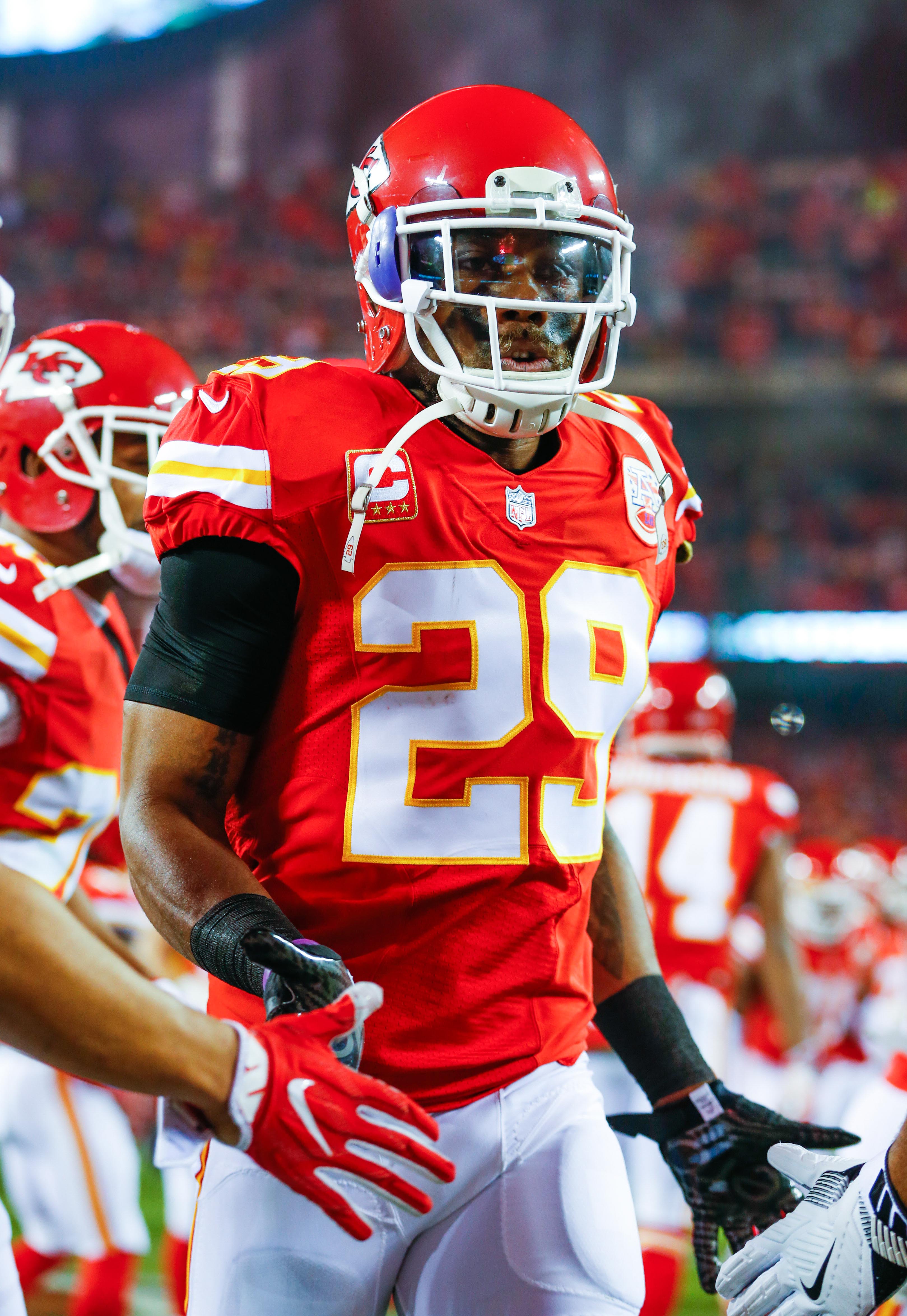 During an offseason that became known more for the men the Chiefs parted with than those they acquired, Kansas City did sign Berry to an extension at long last. Berry was attached to an old-CBA rookie contract until 2016, and he played last season on the franchise tag. But the Chiefs’ indecision on Berry last summer ended up costing them financially. The sides reportedly never got close on a deal by July 2016, leading to the tag season, but said campaign ended up being Berry’s best.
He came up with game-saving turnovers in road wins in Atlanta and Charlotte and helped the Chiefs to their first division title in six years. And with the marketplace changing in between Berry negotiations, thanks to the Cardinals’ landmark deal for Tyrann Mathieu in August of last year, Berry’s camp — representing one of only two active three-time first-team All-Pro safeties — could talk from a greater position of strength. Berry is now the highest-paid safety at $13MM AAV, and his deal will take him well into his 30s. The Chiefs continued their Dorsey-era style of backloading contracts, with Berry’s 2017 cap number sitting at $5MM. That jumps to $13MM in 2018 and $16.5MM in ’19.
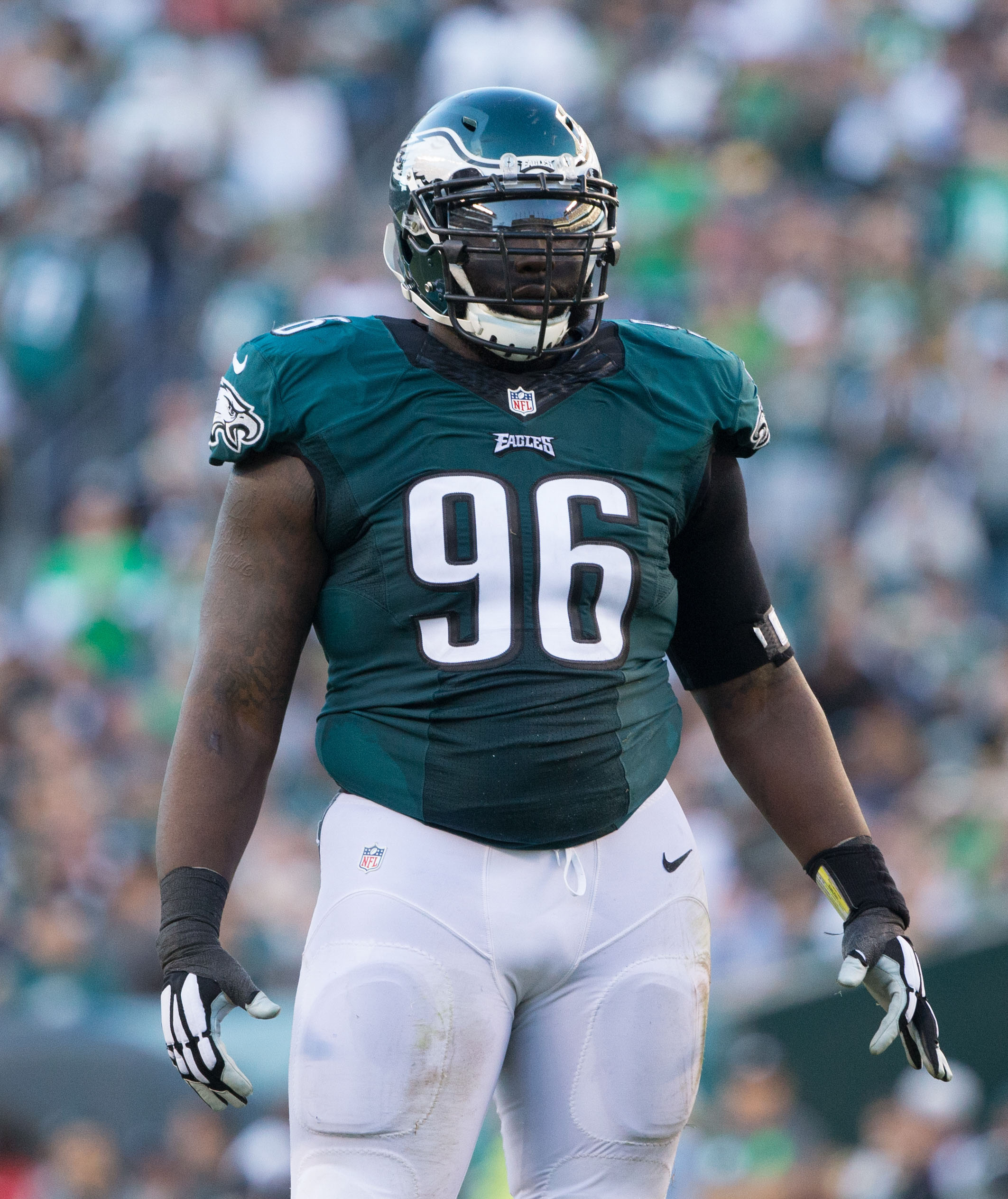 Kansas City’s only notable March outside acquisition came in Logan, who will be the rare Philadelphia-to-Kansas City transplant that did not have an Andy Reid connection. Logan joined the Eagles as a third-rounder in 2013, months after Reid headed for western Missouri. Logan will take over starting nose tackle duties from Dontari Poe and return to the 3-4 scheme he played in for three seasons in Philly. Kansas City has used a 3-4 scheme since 2009, but Philadelphia switched to a 4-3 look last season that had Logan slightly out of position.
The Chiefs were up against the cap entering free agency again, limiting their ability to spend on multiple players. But for a third straight year, the team did walk away with a proven starter acquired. They signed Maclin in 2015 and Mitchell Schwartz last year despite limited funds. But this offseason, not much else transpired for the team during free agency’s premier month.