
Minor NFL Transactions: 7/14/23
Today’s only minor move:
Los Angeles Rams
- Signed: TE Nikola Kalinic
Kalinic, a former second-round pick in the Canadian Football League after going undrafted in the NFL draft, finally made his NFL debut last year with the Colts. While playing for the Hamilton Tiger-Cats in 2019 & 2021, Kalinic reeled in 23 receptions for 192 yards and two touchdowns. His first season in the NFL started out on the practice squad, but Kalinic was eventually promoted to the active roster last year. He failed to register any stats on offense but started two of seven appearances in Indianapolis. He was waived by the team back in May. Kalinic will have to work for snaps in a crowded tight end room led by Tyler Higbee and including Brycen Hopkins, Hunter Long, and rookies Davis Allen and Christian Sims.
Latest On Browns’ WR Corps
There is a lot of confidence around the Browns’ roster heading into the 2023 season. One of the positions of interest, though, is the wide receivers group. Highly dependent on the production of its top two wideouts last year, Cleveland will be paying close attention to the availability of Amari Cooper and the development of other receivers. 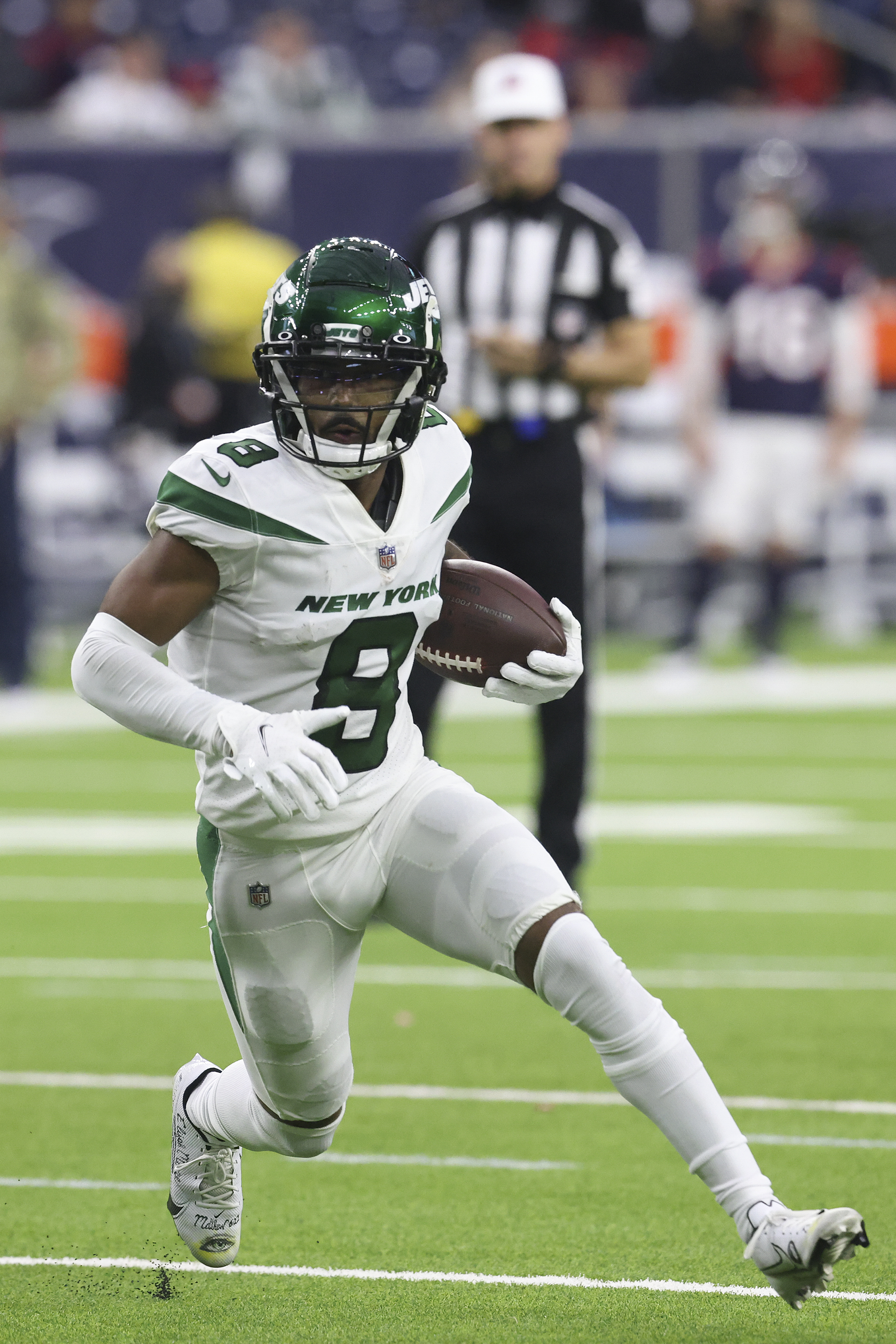
Luckily, after offseason surgery for a core muscle injury that had Cooper limping into the offseason, there are reportedly “no concerns from either Cooper or the Browns that he won’t be ready to go for training camp,” according to Chris Easterling of the Akron Beacon Journal. Even with the injury, Cooper delivered a team-leading 78 receptions for 1,160 yards and nine receiving touchdowns. Finally able to have an opportunity to build a rapport in camp with quarterback Deshaun Watson should set Cooper up for a strong second year in Cleveland.
The other top receiving performance for the team last season came via a bit of a breakout year for third-year receiver Donovan Peoples-Jones. The former sixth-round pick recorded career-highs in receptions (61) and receiving yards (839) while also matching his career-high total in touchdowns (3). If Peoples-Jones can take the next step forward in his development in 2023, the Browns could end up with three extremely capable receiving options for Watson in Cooper, Peoples-Jones, and tight end David Njoku.
Following Cooper and Peoples-Jones, the experienced depth disappears and the Browns begin to rely on young players to produce. The first player the Browns will look to is offseason trade acquisition Elijah Moore. After two years with the Jets that contained several hit-or-miss performances, Cleveland will be hoping for a bit more consistency from Moore this year. They can expect him to produce around 500 receiving yards, considering he’s delivered similar numbers in each of his two previous seasons, but if Moore, too, can take a step forward, the Browns’ top three wideouts can be dangerous. The versatility of Cooper and Peoples-Jones combined with the speed of Moore can provide Watson with a diverse set of primary weapons.
A trio of receivers will look to be top contributors behind those three. Free agent addition Marquise Goodwin, second-year receiver David Bell, and third-round rookie Cedric Tillman will all be vying to prove they can contribute in limited opportunities. Bell could find himself on the roster bubble after a disappointing rookie season, but it seems unlikely that they would release the former third-round pick after only one year.
If the Browns only decide to take six receivers on the roster into 2023, Bell will be competing for the sixth spot with veteran Jakeem Grant and Jaelon Darden. Neither Grant nor Darden are likely to add much on offense, but their abilities in the return game could allow Cleveland to trot someone other than Peoples-Jones out there for returns. If the team would prefer the possible offense Bell could add, they could continue utilizing Peoples-Jones in the return game.
This leaves another third-round pick, Anthony Schwartz, in danger of being waived. Over two years, Schwartz has only caught 14 passes for 186 yards and one touchdown. He contributed on kick returns as a rookie, but with others who can fill that role, that doesn’t help his case much. Other receivers Ra’Shaun Henry, Mike Harley Jr., and Daylen Baldwin all face long odds to make the 53-man roster, while last year’s sixth-round pick, Michael Woods II, is expected to miss the entire season after rupturing his Achilles tendon in April.
The Browns will have a few tough decisions to make when deciding just how many receivers to keep going into 2023, but they should feel confident about the weapons they have leading the group. With Cooper expected back healthy and Peoples-Jones and Moore hoping to continue their development, the Browns could be providing Watson with a talented top group of targets.
Latest On Potential Extension For Jets DT Quinnen Williams
Jets defensive tackle Quinnen Williams rewarded the Jets exercising his fifth-year option last year with a breakout 2022 season. As a result, Williams made the next two decisions for New York very easy and very difficult, respectively. The easy decision was to start working towards an extension for the fifth-year lineman. The difficult part has been finding a deal that is agreeable to both sides. Recently, though, feelings around the deal have been positive and optimistic, according to Brian Costello of the NY Post, who ranked Williams as the team’s best player heading into 2023. 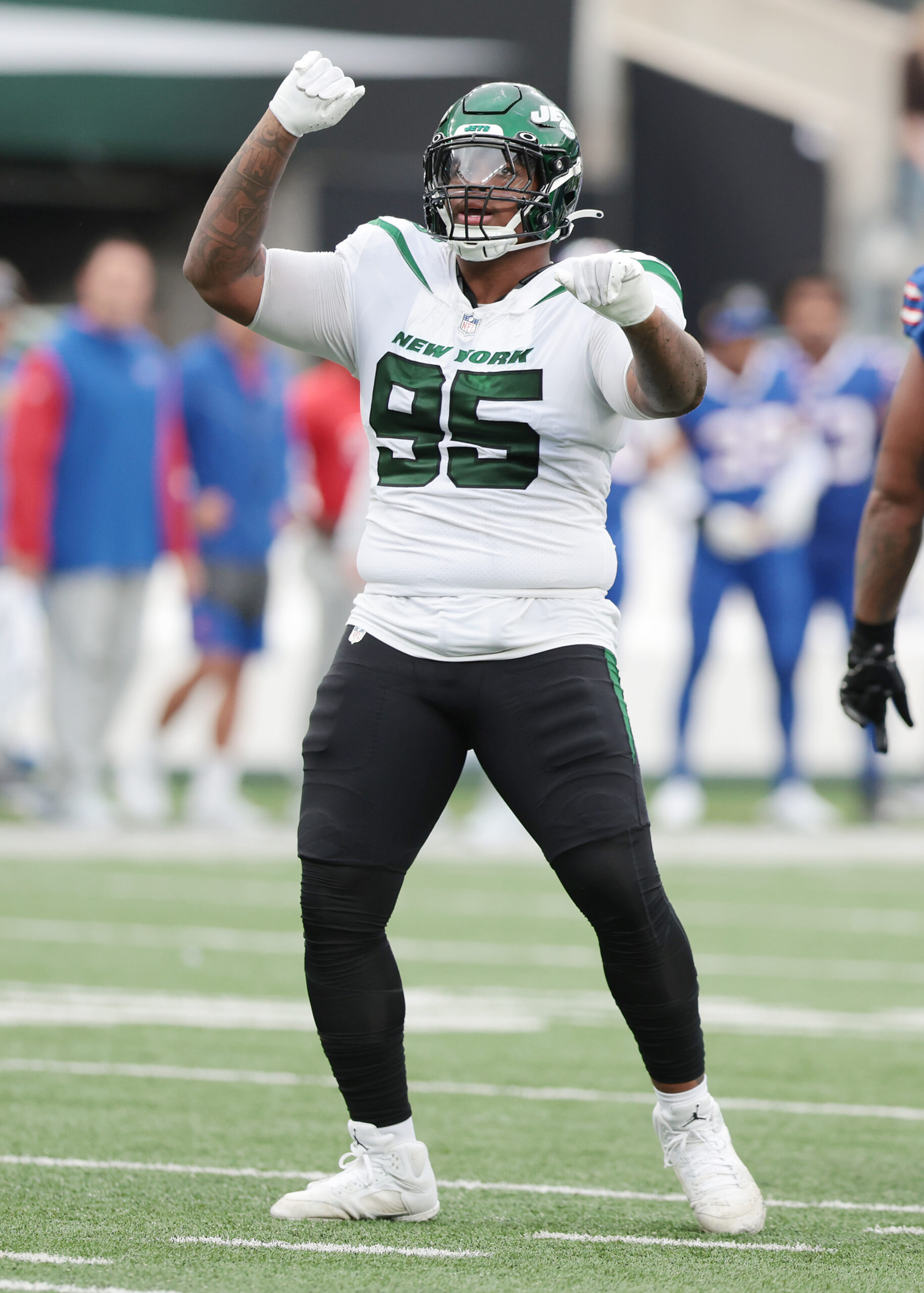
Coming off his career year, Williams made it clear that he wanted a new deal, and he wanted his new deal to be a priority, letting it be known that he wanted an extension by April. Yet, into May, the two sides were reportedly still not close on an agreement. One of the reasons for the delay was the preoccupation of the front office as they dealt with a prolonged trade discussion for quarterback Aaron Rodgers. The team also started working towards a restructured contract for their new passer, but a Williams extension seems like a bigger priority for the long-term.
As the negotiations with Williams have dragged on over the months, things have stayed surprisingly civil. For a team that has been known to alienate their best players, like former safety Jamal Adams and former cornerback Darrelle Revis, during contract negotiations, the Jets appear to be on good terms with Williams, despite the slow progress.
Being on good terms for now is fine, but with training camp approaching quickly, the pressure is likely building. Williams could potentially stay away from camp or stage a “hold-in.” In order to avoid any uncomfortable situations, the Jets probably want to figure out a new deal before camp. Williams has certainly earned it, and the quality of the defensive line without him drops dramatically.
NFL Suspends T Will Richardson
Coming out of free agency will be a bit more difficult now for former Jaguars offensive tackle Will Richardson. For an as of yet undisclosed reason, the NFL has issued Richardson a three-game suspension, forbidding him to participate in the first three weeks of 2023, according to Field Yates of ESPN. 
Richardson was a fourth-round draft pick for Jacksonville back in 2018 after a rocky career at NC State. As a redshirt freshman with the Wolfpack, Richardson was suspended for a violation of team rules that was later determined to be a DWI. He was not enrolled at NC State the following spring but ended up back on the team for the 2016 and 2017 seasons. He then received a two-game suspension to start his redshirt junior year because of a marijuana-related incident.
The off-the-field incidents tanked the NC State star tackle’s draft stock. Despite being the team’s best offensive lineman and finishing the year on the All-ACC second team, Richardson slid back to Day 3 of the draft before the Jaguars finally took a chance on him. It was the second year in a row that the team had risked a fourth-round pick on a player with prior off-the-field issues after drafting Dede Westbrook the previous year.
Ultimately, Richardson kept his nose clean during his time with the Jaguars. After not appearing in any games during his rookie season due to injury, Richardson played in 44 of a possible 49 games for the rest of his rookie deal. He made five spot starts over that time, as well, filling in for Ben Bartch to start the 2021 season after the starter entered the year on COVID-19 protocols.
When his four-year rookie deal expired, Jacksonville re-signed Richardson to a new one-year, $2MM contract. Despite the new deal, he failed to make a regular season appearance last season after he was released from the team the day after making the initial 53-man roster to make room for two waiver claims.
It’s unclear if this new suspension has anything to do with substance abuse like his college incidents. Perhaps if he can land with a new team in 2023, despite the suspension, he can avoid any further off-the-field trouble. A three-game suspension following a year away from the league, though, will make returning to the NFL an uphill battle.
Options As Clock Ticks Down On RB Franchise Tags
JULY 10: During an appearance on the Rich Eisen Show, Darlington added to his previous reporting on the Barkley and Jacobs situations (video link). He stated that Barkley remains the likelier of the two backs to ultimately sign a long-term deal before the deadline, with Jacobs’ tenure in Vegas having seemed uncertain since the arrival of head coach Josh McDaniels last year. Many of the remaining RB free agents – including, quite possibly, Dalvin Cook – will see their value determined in part by the developments (or lack thereof) which take place with the Giants and Raiders in the coming days.
JULY 9: Running back has notoriously become the most difficult position at which to earn a salary worth your performance in the NFL. For the clearest examples we’ve seen of this, look no further than Josh Jacobs and Saquon Barkley.
Both running backs delivered elite performances in contract years, which at any other position would set them up for big extensions. Unfortunately, both players were franchise tagged by their respective teams and have threatened holdouts to try and gain leverage in their contract negotiations. So, how do their teams respond to the situation? After talking with league executives, Dan Graziano of ESPN provided a few options. 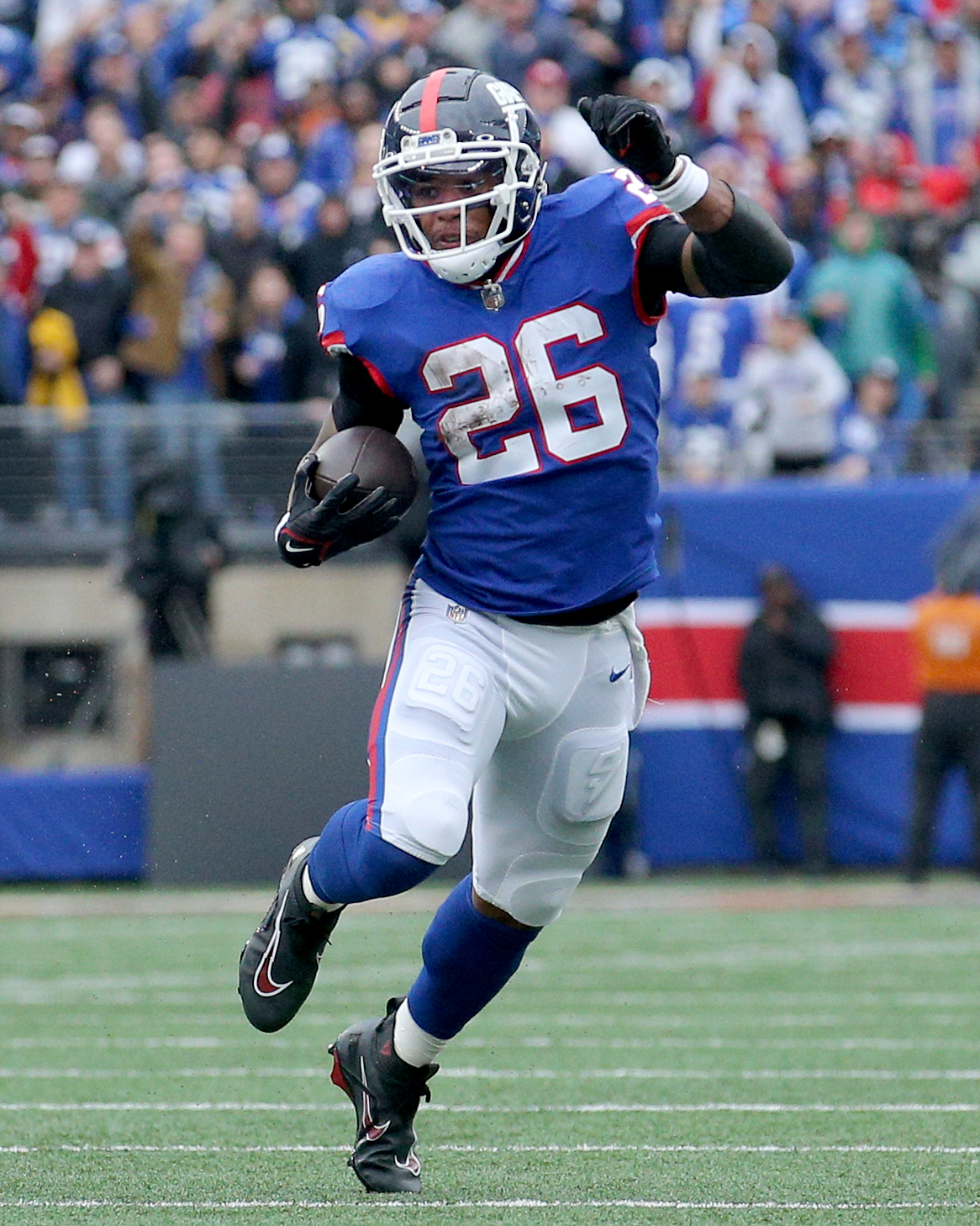
The first option involves both players getting a “fair market” deal, a new contract extension that will keep Jacobs and Barkley home. Another option involves the team’s doing nothing. They would allow the backs to play out their tags and likely tag them a second time the following offseason. A third option would try to avoid the second. With the second option being the most likely, the teams could offer the two a two-year, fully guaranteed deal that would pay slightly more than two consecutive franchise tags. This provides slightly more security over the next year and a half before the two would hit free agency again. Lastly, Graziano mentions a fourth, “nuclear” option of rescinding the tags then signing someone cheaper.
Because the combination of youth and rookie contracts have proven some success in the recent past, it really feels like most of the decision lies with the teams. Both teams have the simple option of locking the backs down with the franchise tag and then tagging them a second time in 2024 at a still relatively cheap price, compared to other positions. In that situation, the teams get to have their star running backs for the 2023 season but aren’t committed to them past that. If either back shows signs of regression next season, they can allow them to walk away at no financial risk. Jacobs and Barkley can always hold out during the regular season (as their own financial burden), but they’ll just come out the other side in a similar situation.
With the deadline for franchise players to sign multi-year contract approaching on Monday, July 17, conversations are expected to pick up between the teams and running backs. New York and Las Vegas are both expected to make some last-ditch efforts to sign their backs to a deal other than their franchise tags. If either player gets a deal done before the deadline, it will certainly lay the groundwork for the other.
Regardless, in today’s NFL, hitting the open market is the worst-case scenario for a running back. If two consecutive franchise tags is the alternative, at least it keeps them on a roster for 2023. Barkley’s relationship with the Giants has proven a bit less rocky than Jacobs’s relationship with the Raiders, so it might be on Barkley and New York to set the tone if new deals are going to get done.
Latest On Vikings’ RB Situation
With former star running back Dalvin Cook officially off the team, it’s now apparently the Alexander Mattison-era in Minnesota, according to Kevin Seifert of ESPN. Mattison’s opportunities in his first four seasons have been extremely limited due to Cook’s hold on the position, but with Cook a free agent, Mattison now gets the opportunity to perform as a three-down back. 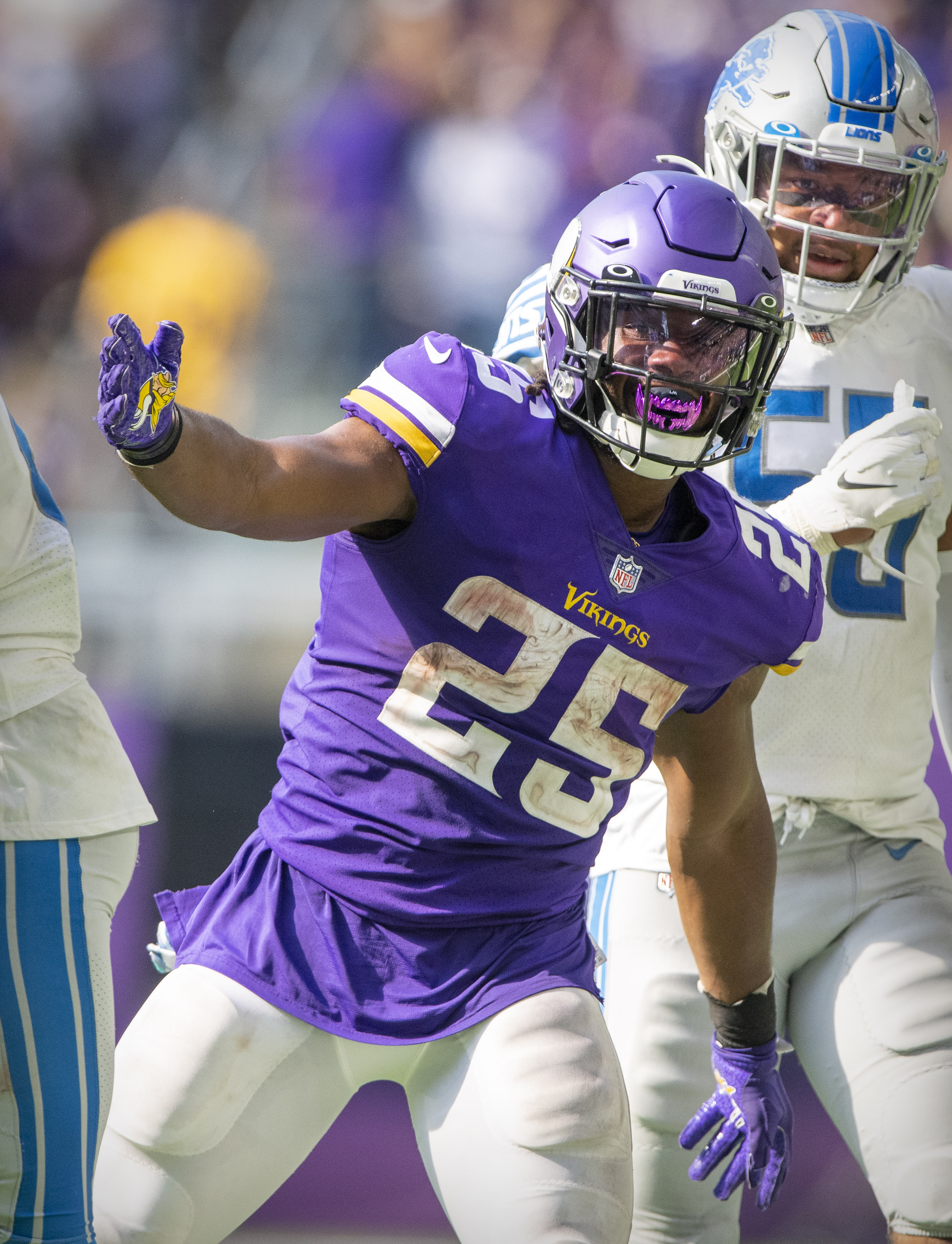
In 2022, Cook and Mattison split nearly all the offensive snaps at running back at about a 75-25 split. Other running backs only saw the field on special teams or in garbage time. Mattison hasn’t been Cook’s RB2 because he is a perfect complement to Cook, Mattison has been the first back off the bench because he has been the team’s second best running back, period. Mattison could likely have earned starts on other teams around the league, if given the opportunity. Instead, he’s mentored behind Cook and taken advantage of the few playing opportunities he’s been given.
In eight games where Mattison has either started or seen significant carries (12 or over), Mattison has 589 rushing yards and three touchdowns. That’s with sporadic opportunities. With consistent starts and usage, Mattison could definitely find a rhythm that makes him a strong three-down back. With Mattison firmly planted in the lead-back role and no other backs getting serious time in 2022, who’s the favorite off the bench in Minnesota?
The one big thing that Mattison lacks in comparison to Cook is explosive speed. The Vikings have heaps of that in both Ty Chandler and Kene Nwangwu. Chandler impressed many with a 4.38-second 40-yard dash before getting drafted in the fifth round last year out of North Carolina. He only appeared in three games last season, though, spending most of his rookie year on injured reserve.
Nwangwu is already a recognizable name, which is impressive without having made an offensive impact in two seasons. He’s recognizable because Nwangwu has forced his way onto the field as a kick returner, earning second-team All-Pro honors last year. He’s yet to score an offensive touchdown but has three return touchdowns over his first two years in the league.
Elite speed makes both Chandler and Nwangwu ideal complements to Mattison. Chandler likely gets the edge here, though, due to his ability in the passing game. In five seasons of college football, Chandler caught 73 balls for 681 yards and four touchdowns. In opportunities during last year’s preseason, Chandler showed surprising effectiveness running inside, as well. He appears to be the most well-rounded backup to complement Mattison, but after missing so much time last year, he’ll have to prove he can stay on the field and effectively serve as RB2.
Nwangwu could certainly play in the role if needed. He provides the top-end speed that Mattison lacks and showed a bit of promise averaging 4.7 yards per carry on 13 carries as a rookie. What could keep him out of the running is his impact on special teams. Nwangwu’s become such a key special teamer for the Vikings, that they may not want to risk throwing him out on offense consistently.
The only other back on the roster is rookie seventh-round pick DeWayne McBride out of UAB. Against Conference-USA competition, McBride was dominant over his two years as a starter. In those two years, McBride combined for 3,523 rushing yards and 32 touchdowns. Somehow both stout and shifty, McBride is hard to bring down, but he doesn’t have the speed to complement Mattison as RB2. The jump to NFL competition could also really challenge McBride as a rookie. He may be best served to bide his time until Mattison’s rookie contract runs out and try to climb the depth chart then.
So, for now, Mattison appears to be the heir apparent to take over for Cook as the team’s lead-back. Minnesota seems ready to trust him in a three-down role for the first time in his career. Behind Mattison, Chandler and Nwangwu will duke it out for the RB2 role. Even though Chandler is the favorite to win the job, Nwangwu’s roster spot is safe due to his elite return abilities. McBride provides the only depth past those three and should, at the very least, end up on the practice squad, if not on the active roster in 2023.
Latest On Texans’ WR Corps
The Texans’ wide receiving corps was among the league’s worst last season, finishing 26th in combined receptions, 28th in receiving yards, and 28th in receiving touchdowns. Things aren’t looking any easier as the team’s top receivers from 2022, Brandin Cooks and Chris Moore, will find themselves in different uniforms next season. Still, according to DJ Bien-Aime of ESPN, new head coach DeMeco Ryans appears to be fairly comfortable with how the position is currently lined up. 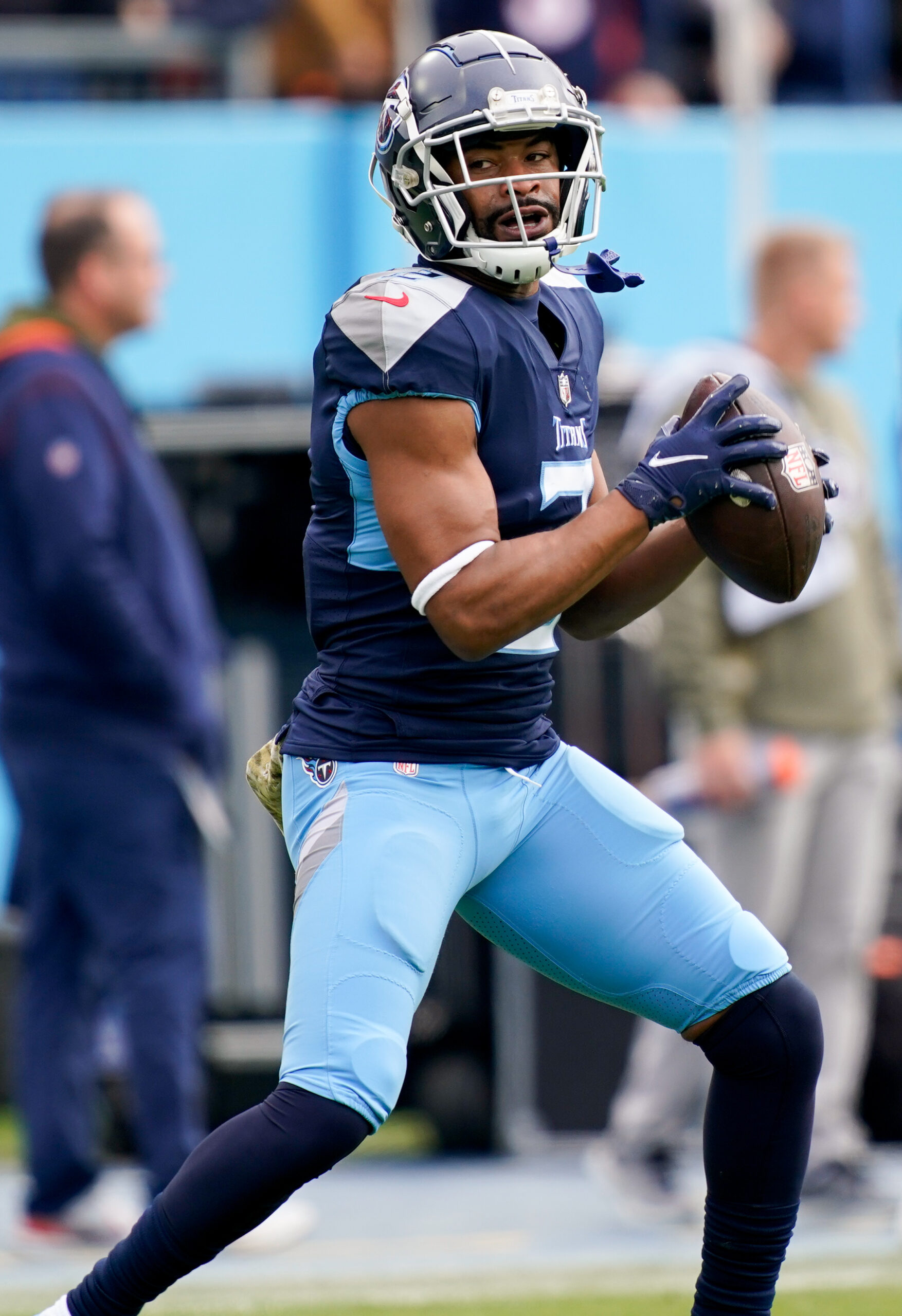
With veteran leader Cooks just up north in Dallas, Houston will be looking for a former division rival to lead their young group. Playing in another room bereft of star talent last year, Robert Woods looked like a shell of his former self in Nashville. Part of that may have had more to do with the scheme and personnel around him, as he still led the Titans in both receptions and receiving yards, but in 17 games, Woods failed to surpass his total from his final year in Los Angeles, when his season ended after only nine games. Still, Woods is not far removed from some of the best football of his career. Just two years ago, a torn ACL prevented Woods from extending a streak of three consecutive seasons with over 900 receiving yards. From 2018-2020, Woods was dominant with the Rams combining for 3,289 receiving yards and 14 receiving touchdowns, even adding 427 yards and four more scores on the ground.
After the experience of Woods, the Texans will rely on the familiarity of third-year wideout Nico Collins. Collins was fourth on the team in receiving last year behind Cooks, Moore, and tight end Jordan Akins despite putting up similar numbers that had him ranked second on the team as a rookie the year prior. The team hopes he can progress past those numbers in Year 3. He doesn’t need to suddenly become a No. 1 receiver with Woods in town, but Houston will want him to surpass his careers-highs last year of 37 receptions, 481 yards, and two touchdowns.
Rounding out the potential starting three is last year’s second-round pick John Metchie III. Metchie is still waiting to make his NFL debut after sitting out his rookie year after being diagnosed with acute promyelocytic leukemia. The young receiver is now over a year and a half removed from his last meaningful snap of football and has worked his way back from a torn ACL, leukemia, and now a hamstring strain in order to play in the NFL.
Beyond those three, the team’s depth fades quickly. Former Cowboys receiver Noah Brown joins the group after a breakout year in Dallas. Brown performed as a No. 2 receiver for Dallas last year, gaining career-highs in receptions (43), receiving yards (555), and touchdowns (3), after combining for 39 catches for 425 yards and no touchdowns in the four years prior.
After Brown, the team’s depth is unproven. Amari Rodgers returns after starting one game in six appearances last year. Two rookies join him as depth pieces in the receivers room. Nathaniel Dell was drafted in the third-round out of Houston. Dell was dominant for the Cougars as an undersized wide receiver, catching a combined 199 passes for 2,727 yards and 29 touchdowns in his final two collegiate seasons. In the sixth-round, the team added Iowa State’s Xavier Hutchinson, who delivered strong performances in all three years as a Cyclone before bringing his best football last year.
“I’m not concerned with where we are with our wide receivers,” Ryans claimed. “I like our group. I like where we are. We have a lot of talented guys and have a lot of different qualities.”
He’s certainly not wrong there. Collins provides the team with a big, 6-foot-4 body and strong hands. Brown and Hutchinson also bring the group ideal body-types for a wide receiver. Woods and Metchie both sit around six-foot and bring completely different playing styles to the offense. Finally, Dell and Rodgers bring explosiveness in smaller packages.
Ryans can certainly back up his claim of confidence in covering the gamut of receiver-types, but experience remains a concern. On paper, the Texans’ wide receiving corps is ready to provide rookie quarterback C.J. Stroud with an assortment of weapons. In reality, the team will need young players to step up into big roles quickly in 2023 if they’re going to prove wrong position rankings from ESPN’s Bill Barnwell and Pro Football Focus’s Trevor Sikkema, both of whom have the team’s group ranked last in the league.
Extension Candidate: Justin Herbert
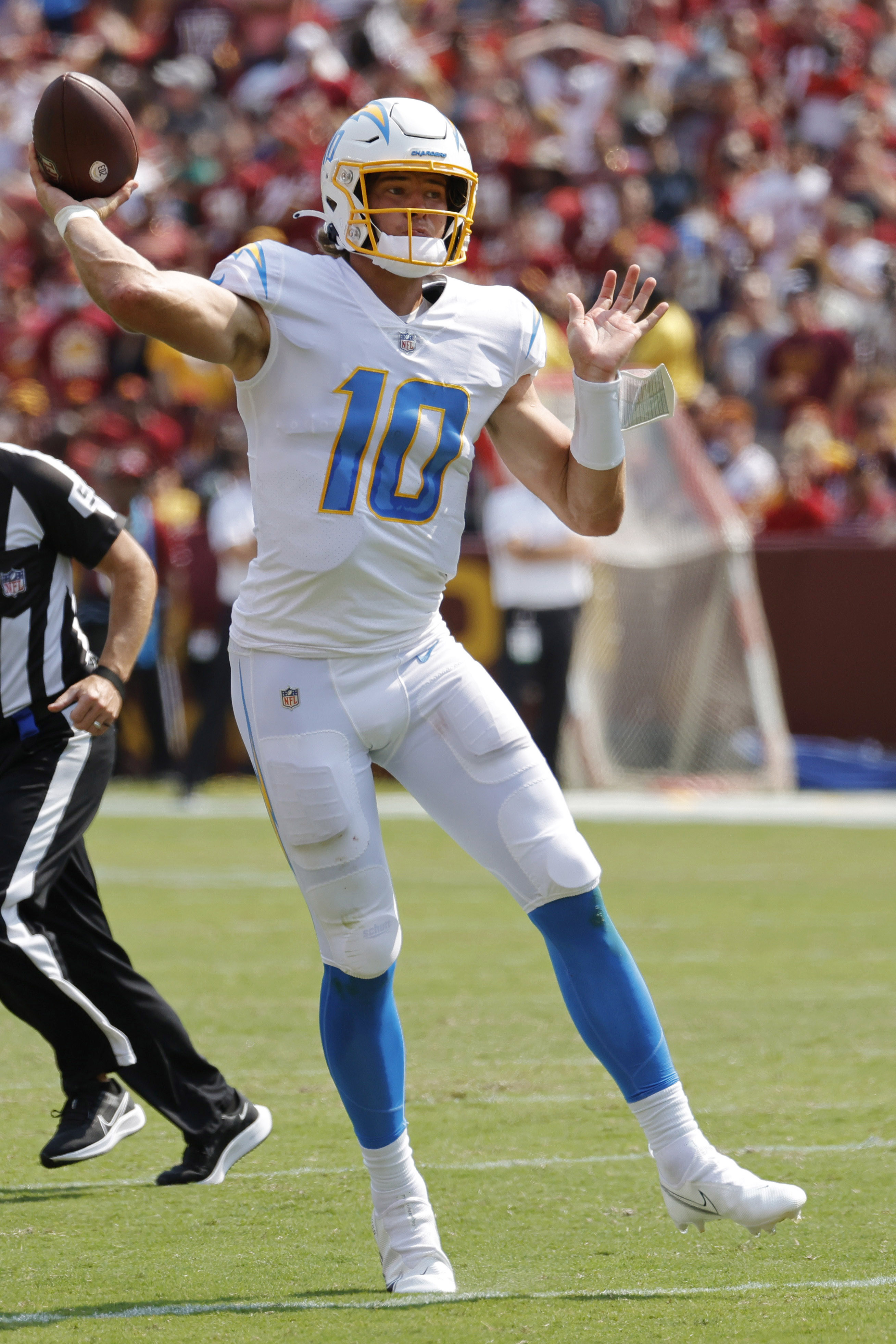
Now that the league’s most controversial quarterback extension discussion has come to an end, it’s time to move on to what may be the second-most controversial. Chargers quarterback Justin Herbert has shown some impressive regular season success in Los Angeles, but without results in the postseason, does he deserve to earn what some of his colleagues are making?
The 2020 quarterback class recently became eligible to sign their second NFL contracts. Eagles quarterback Jalen Hurts, in a slightly different situation with no fifth-year option due to being drafted in the second round, broke the mold before heading into the final year of his rookie contract, signing an extension that gave him the highest annual average contract value in the NFL, a record that would be broken weeks later by Ravens quarterback Lamar Jackson.
 The Packers decided to get ahead of the pack, as well, signing inexperienced quarterback Jordan Love to an extension of his four-year rookie deal that will keep him under contract through this season and the next. Aside from that, the remaining first-round quarterbacks from the 2020 NFL Draft are playing it patient. The Bengals and quarterback Joe Burrow seem to be in a bit of a holding pattern, watching Herbert and the Chargers. The Dolphins also seem to be sitting pat on a new deal for quarterback Tua Tagovailoa. Injury issues, namely frequent concussions, have Miami playing it slow, as Tagovailoa’s future appears uncertain to say the least.
That brings us to Herbert. The 2020 class’s Offensive Rookie of the Year, Herbert has been a statistical phenom in Los Angeles. Through his first three seasons, Herbert has passed for 14,089 yards, more than any other player in NFL history through their first three years. He followed up his ORoY campaign with a Pro Bowl sophomore season. He averages just over 31 passing touchdowns per year to just over 11 interceptions. Despite throwing for the fewest touchdowns of his career last season, he finally saw his team’s success result in a postseason appearance. That paradox serves as a microcosm of the biggest issue currently surrounding his legacy: what good are statistics if they don’t lead to team success?
With Herbert behind center, the Chargers are 25-24. They have floated just above .500 since he took his place atop the depth chart. In his lone postseason contest, the Chargers’ defense consistently put Herbert and the offense in positions to succeed, leading to a 27-0 lead over Jacksonville to begin the game. As the Jaguars mounted their comeback, though, Herbert and the offense struggled generate much scoring as the team only managed three second-half points. That loss ultimately puts his record as a starter at 25-25, including the postseason.
The blame doesn’t fall solely on Herbert’s shoulders, of course. A middling-to-subpar defense in the past three years has made Herbert’s job that much harder. Injuries to leading offensive players like running back Austin Ekeler and wide receivers Keenan Allen and Mike Williams have put him in tough situations from time to time, as well. Still, quarterbacks like Jackson and Hurts have made winning without stats look easy, while Hurts and Burrow have found enough postseason success to each have a Super Bowl loss on their records. Herbert’s statistical success should well reward him and set him on track for a top contract, but his lack of winning success could lessen his price tag a bit.
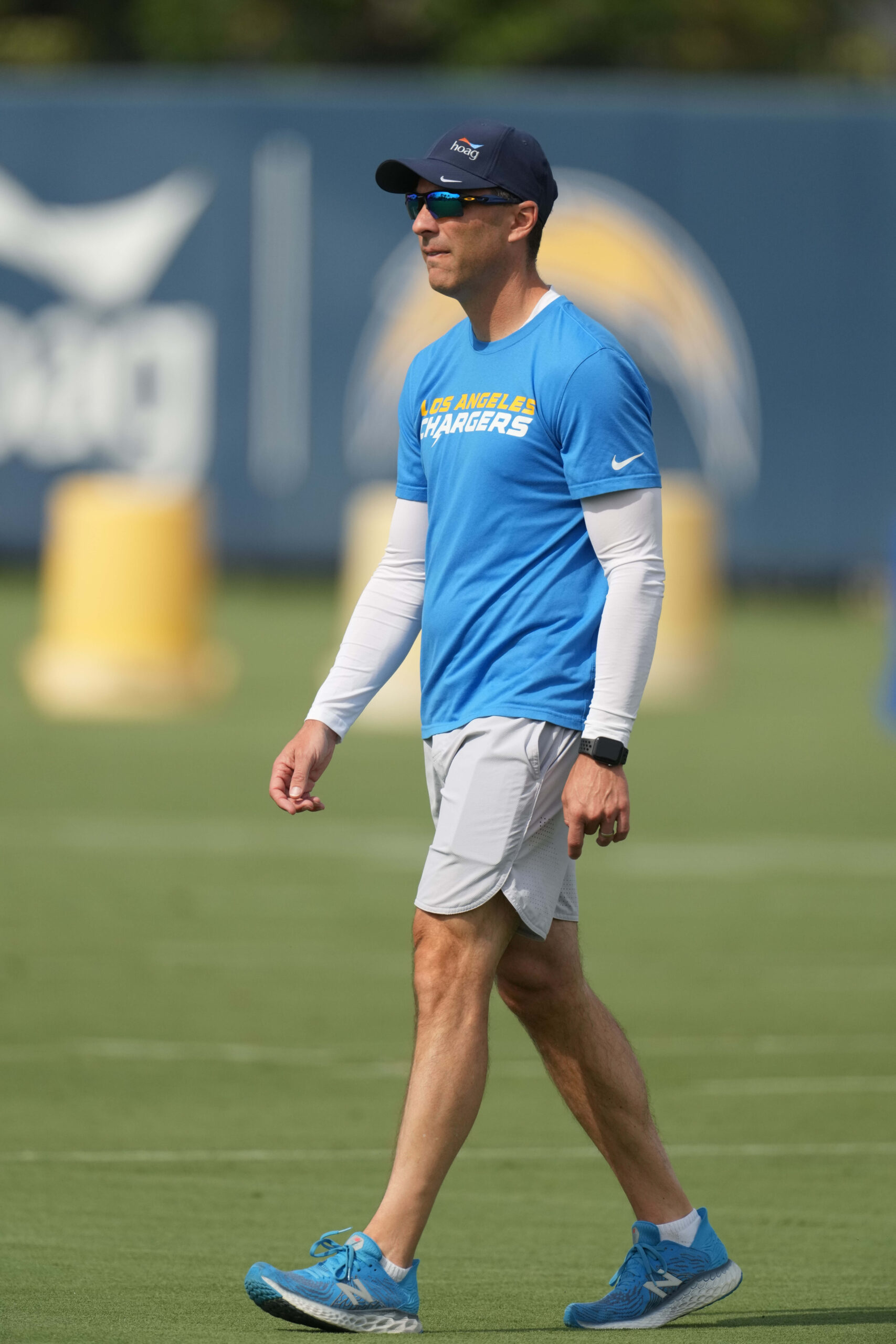 Veteran general manager Tom Telesco has been here before with Philip Rivers. As a student of Bill Polian with the 2000’s Colts, Telesco had a front row seat to how Indianapolis paid Peyton Manning while still fielding a strong team around him. Seeing the success that that resulted in, Telesco will likely be aiming for a more team-friendly deal when trying to extend Herbert.
“At least in our situation, I don’t think I need to have that talk with our quarterback. I think he’s fully aware, has really good self-awareness on how much money he is going to make, how it affects the team,” Telesco said. “But like most agents will tell you, like, it’s my job to figure out how to make sure that the player gets the value that he deserves and we build a team around him.”
With that in mind, what might a deal for Herbert look like? This is a tough one. As the price tag for quarterbacks continues to climb, Herbert is expected to make over $50MM per year. The statistical success backs that assertion, and the development of the deals of Hurts and Jackson make that harder to deny. Yes, Mahomes and Allen aimed for longer deals (slightly for Allen, extremely for Mahomes), that take a bit of burden off the team, but those deals came in 2020 for Mahomes and 2021 for Allen. It’s hard to imagine that both of those deals would still be under $50MM per year in 2023.
If Herbert and Telesco are on the same page about a team-friendly deal, it’s going to be based off of length. Herbert may end up looking at a six- to eight-year deal. With the added years to the contract, he may agree to take a bit less than the five-year deals Hurts and Jackson signed. I could see an eight-year, $400MM deal with a $50MM AAV or maybe a six-year, $306MM deal with a $51MM AAV. If the team waits longer to make the deal, they not only risk further inflation to contract prices, they also risk Herbert driving up the price tag with some postseason success.
Telesco has his work cut out for him. The team clearly wants to commit to Herbert long-term. With seven players all set to make over $10MM next year, the team’s payroll is getting top-heavy. He’ll have to work some Colts-Manning magic in order to give Herbert the long-term deal he deserves while not totally handicapping the team’s ability to stack top-end talent around him.
CB Isaiah Oliver’s Size Impacted Interest From 49ers
When attempting to replace slot cornerback K’Waun Williams this offseason, the 49ers decided to change their approach to the position a bit. While San Francisco has been home to some smaller nickelbacks in recent years (Williams was 5-foot-9, 180 pounds), the signing of former Falcons cornerback Isaiah Oliver represents a change of direction, according to David Lombardi of The Athletic. 
Oliver was a home run signing for the 49ers. After a torn ACL ended his 2021 season early, Oliver bounced back with the best season of his career, according to Pro Football Focus (subscription required). Oliver began his career as a perimeter corner out of Colorado. He performed admirably in a rotation as a rookie, but once he took over as a starter, he struggled to maintain a high level of play.
The Falcons decided to try him out as a slot cornerback in 2021 to try and turn his play around, and it seemed to be working until his major injury. Last year, he finally got a chance to establish himself in the slot and rewarded Atlanta’s faith in him with a top-10 cornerback performance, according to PFF.
Not only are the 49ers getting a top-10 cornerback out of free agency, but they’re also getting an upgrade in terms of size. At 6 feet, 210 pounds, Oliver holds a huge advantage in height and strength over Williams. This upgrade is a designed move in San Francisco’s concerted efforts to keep up with evolving offenses.
According to Lombardi, “the average size of opposing inside receivers is increasing.” It used to be that small, quick cornerbacks were a must to keep up with short, shifty slot receivers. Bigger receivers and the continuing involvement of receiving tight ends necessitate the initiative to get bigger without losing short-area quickness. Luckily for San Francisco, Oliver provides just that: an increase in size as well as agility to work inside and close to the line of scrimmage.
These days in the NFL, a player in the slot is being asked to cover quite a large range of jobs. The 49ers feel confident in Oliver’s ability to get those jobs done in 2023.
Latest On Colts’ OL Situation
After years of dominant offensive line play, the last season of offensive line coach Chris Strausser‘s tenure saw an uncharacteristically down year for the team’s position group up front. With Strausser now coaching for rival Houston, the Colts are hoping that Tony Sparano can get the line back on track. 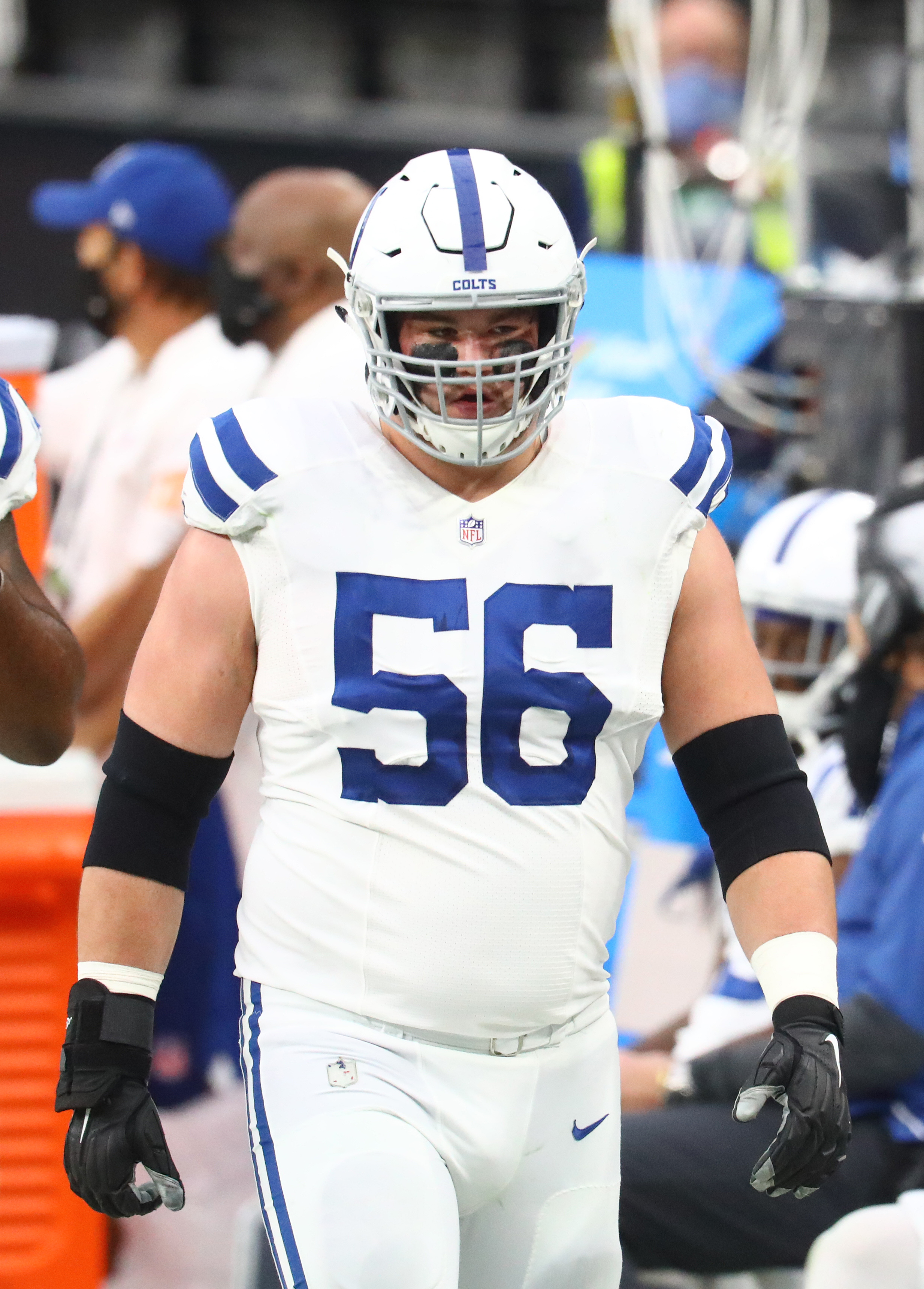
After the spring, it appears that the team has no plans to switch up the starting lineup with which they ended the 2022 season, according to Mike Chappell of FOX 59. Left tackle Bernhard Raimann, left guard Quenton Nelson, center Ryan Kelly, right guard Will Fries, and right tackle Braden Smith all return to start in 2023.
After starting his career in an elite manner, Nelson’s play has dropped slightly in the past two years. He’s still a Pro Bowl talent who is in no danger of losing his starting job, but after an extension that would make him the league’s highest paid guard at the time became inevitable, he’s gone from a top-three guard in the NFL to top-20, according to Pro Football Focus (subscription required). Fries, a seventh-round pick from 2021, was asked to step up as a starter for the second-half of last season. It took him a bit to find his footing, but he displayed a few strong performances to end the season, and he’ll start the year opposite Nelson.
At center, Kelly has shown flashes of talent that have made him a top-10 center in the past. He bounced back after a dismal 2021 season but still didn’t quite reach the top-form we saw from him just a few years ago. His job should continue to be safe as backups Wesley French and Dakoda Shepley have a combined zero starts.
On the outside ends of the line, the team will aim to get Raimann and Smith a full year together. Raimann stepped up a few games into the season last year and performed admirably as a rookie at what is widely considered the toughest job on the line. Now, with 11 starts under his belt, Raimann is ready to not only perform but excel on the blindside in Year 2. Smith continues to be a bright spot on the line, even in a down year for the group. The only challenge with Smith seems to be keeping him on the field. Smith has missed nine games since the start of the 2020 season, and keeping him healthy throughout the year could be big for the integrity of the line.
The roster consistency gave Indianapolis the luxury of not needing to do much to address the position group this offseason. No big men were added in free agency, but the team added two rookies in the draft in fourth-round pick Blake Freeland out of BYU and seventh-round pick Jake Witt out of Northern Michigan. While Witt has an NFL frame that could help him contribute as a rookie depth piece if needed, he’s likely a project that needs a bit of time to develop. Freeland, on the other hand, looks a bit more NFL-ready and is expected to stand in as the team’s swing tackle as a rookie. If Smith does end up missing any time or Raimann experiences a bit of a sophomore slump, Freeland should be the first name off the bench to fill in.
So, that’s the situation heading into 2023. There’s a little concern over the lack of personnel adjustments after a disappointing performance in 2022, but there’s hope that consistency and a new face in the coaching staff will help push this group to its usual dominance. They also inserted that fresh blood that has potential to energize the line, if necessary.