
Offseason In Review: Jacksonville Jaguars
Although the 2016 Jaguars may not have been as poor as their 3-13 record indicated (Football Outsiders pegged Jacksonville’s expected wins at 5.4 while Pro Football Reference had them at 5.9), the club still posted at least 11 losses for the sixth consecutive season. Having fired their head coach in-season, the Jaguars seemed likely to add free agent talent to their roster, and with nearly $70MM in available cap space, they had the funds to do so.
Notable signings:
- Calais Campbell, DL: Four years, $60MM. $30MM guaranteed.
- A.J. Bouye, CB: Five years, $67.5MM. $26MM guaranteed.
- Barry Church, S: Four years, $26MM. $12MM guaranteed.
- Abry Jones, DT: Four years, $15.5MM. $3.5MM guaranteed.
- Earl Watford, OL: Two years, $5MM. $1MM guaranteed.
- Mychal Rivera, TE: Two years, $3.25MM. $750K guaranteed.
- Lerentee McCray, LB: One year, $2MM. $750K guaranteed.
- Stefan Charles, DT: Two years, $4MM. $400K guaranteed.
- Audie Cole, LB: Two years, $2.6MM. $100K guaranteed.
- Patrick Omameh, G: One year, $875K. $100K guaranteed.
- Brian Dixon, CB: One year, $690K.
- Andrew Gachkar, LB: One year, minimum salary benefit.
- Jonathan Grimes, RB: One year, minimum salary benefit.
- DuJuan Harris, RB: One year, minimum salary benefit.
- Jeron Johnson, S: One year, minimum salary benefit.
- Malliciah Goodman, DE: Contract terms unknown.
The Jaguars have completely revamped their starting defensive backfield over the past two years, first adding Jalen Ramsey and Tashaun Gipson through the draft and free agency, respectively, in 2016 before signing A.J. Bouye and Barry Church this spring. Bouye, particularly, was one of the more interesting free agent cases in recent memory, as he’d only played on 819 defensive snaps over his first three NFL seasons before seeing action on 722 plays last year. He was excellent, as well, grading as the league’s No. 2 cornerback, per Pro Football Focus, and ranked as PFR’s No. 1 free agent when the market opened.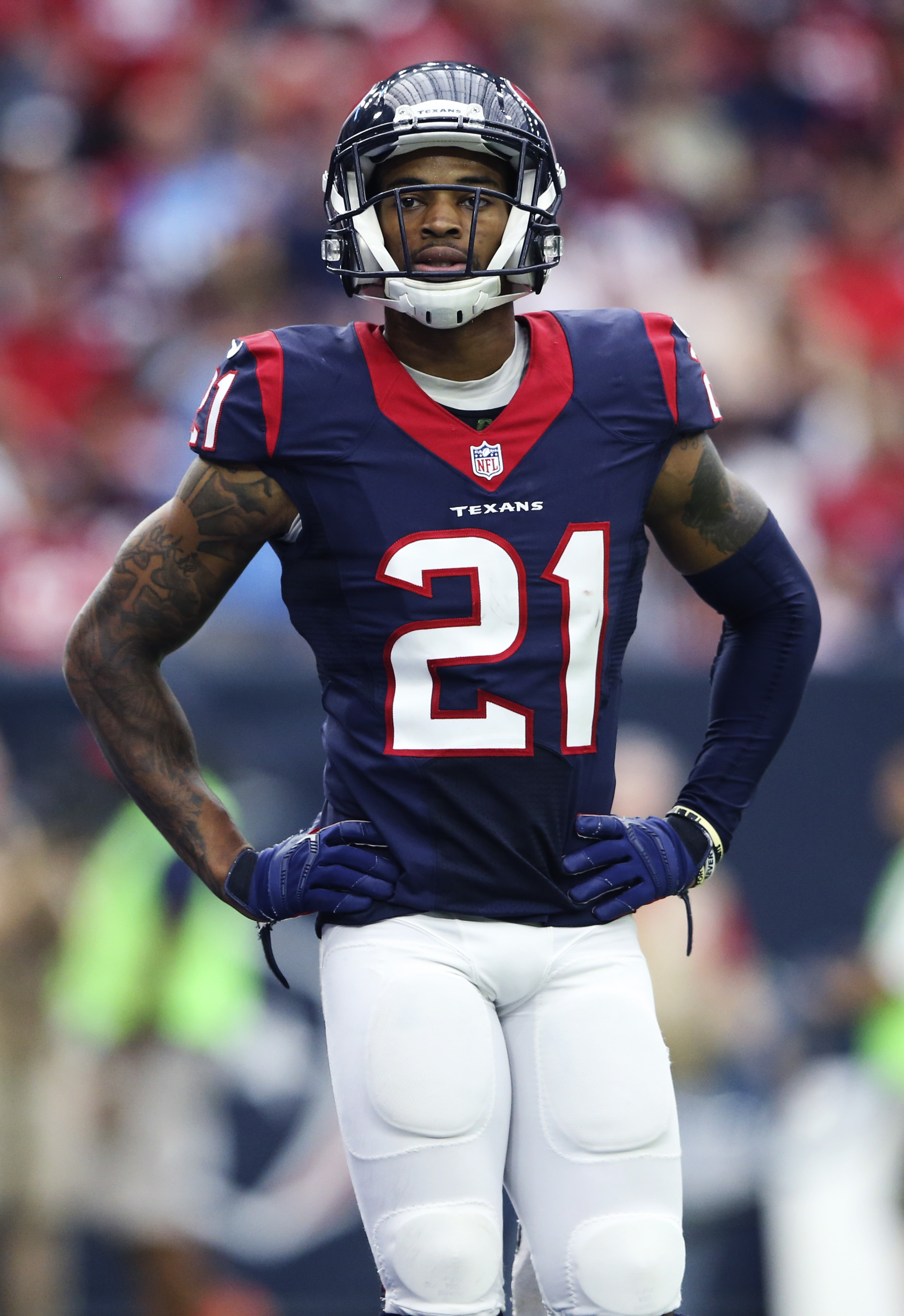
Due to his productivity and his age (he just turned 26 last week), Bouye generated a great deal of interest, as the Colts, Titans, Bears, Buccaneers, Jets, Eagles, and Texans all inquired on the free agent corner. Jacksonville, though, has never been afraid to open up its checkbook for top-of-the-market deals, and made Bouye the eighth-highest-paid cornerback in terms of annual salary — he ranks fourth in guarantees at $26MM. Now paired with Ramsey, who lived up to his fourth overall draft status during his rookie campaign, Bouye gives the Jaguars one of the league’s best secondaries.
Church will join Ramsey and Bouye in the back-end of Jacksonville’s defense, and while he’s not an elite athlete on the level of the Jaguars’ starting corners, Church is a sound, reliable safety who should provide capable play for the duration of his four-year contract. Since becoming a starter in 2013, the 29-year-old Church has started 59 of a possible 64 games, and while he missed four contests in 2016, that was due to a freak injury (broken arm) and not a nagging ailment. Jacksonville not only now boasts an an outstanding defensive backfield, but faces the third-easiest schedule of opposing offenses, according to Warren Sharp‘s 2017 NFL Preview.
The Jaguars didn’t stop adding to their defense after upgrading the secondary, as the club also targeted reinforcements along the front four. Calais Campbell was the best interior defensive lineman available during the free agent period, and Jacksonville convinced him to move to northern Florida instead of Denver (Campbell reportedly narrowed his choice to the Jaguars and Broncos). While Campbell is an extremely talented player against both the run and pass, it’s fair to question the wisdom of signing a near-31-year-old to a four-year pact that contains $30MM in guaranteed money. The deal contains a signing bonus of just $6MM, so Jacksonville can exit the contract after two years, but it’s certainly a risky proposition. In 2017, expect Campbell to play end on early downs before sliding inside on passing plays.
Campbell is a new addition to the Jaguars’ defensive line, while Abry Jones will be returning to Jacksonville for a fifth consecutive season. Jones, who at age-25 is five years younger than Campbell, re-signed with the Jags in February, well before free agency actually opened. I can’t help but wonder if he could’ve landed a larger contract by waiting and meeting with other teams, and Jacksonville may have orchestrated a steal. Jones is an exceptional run defender and played on nearly half the Jaguars’ defensive snaps a year ago, but his contract is essentially equal to that of the Jets’ Steve McLendon, who is a vastly inferior player.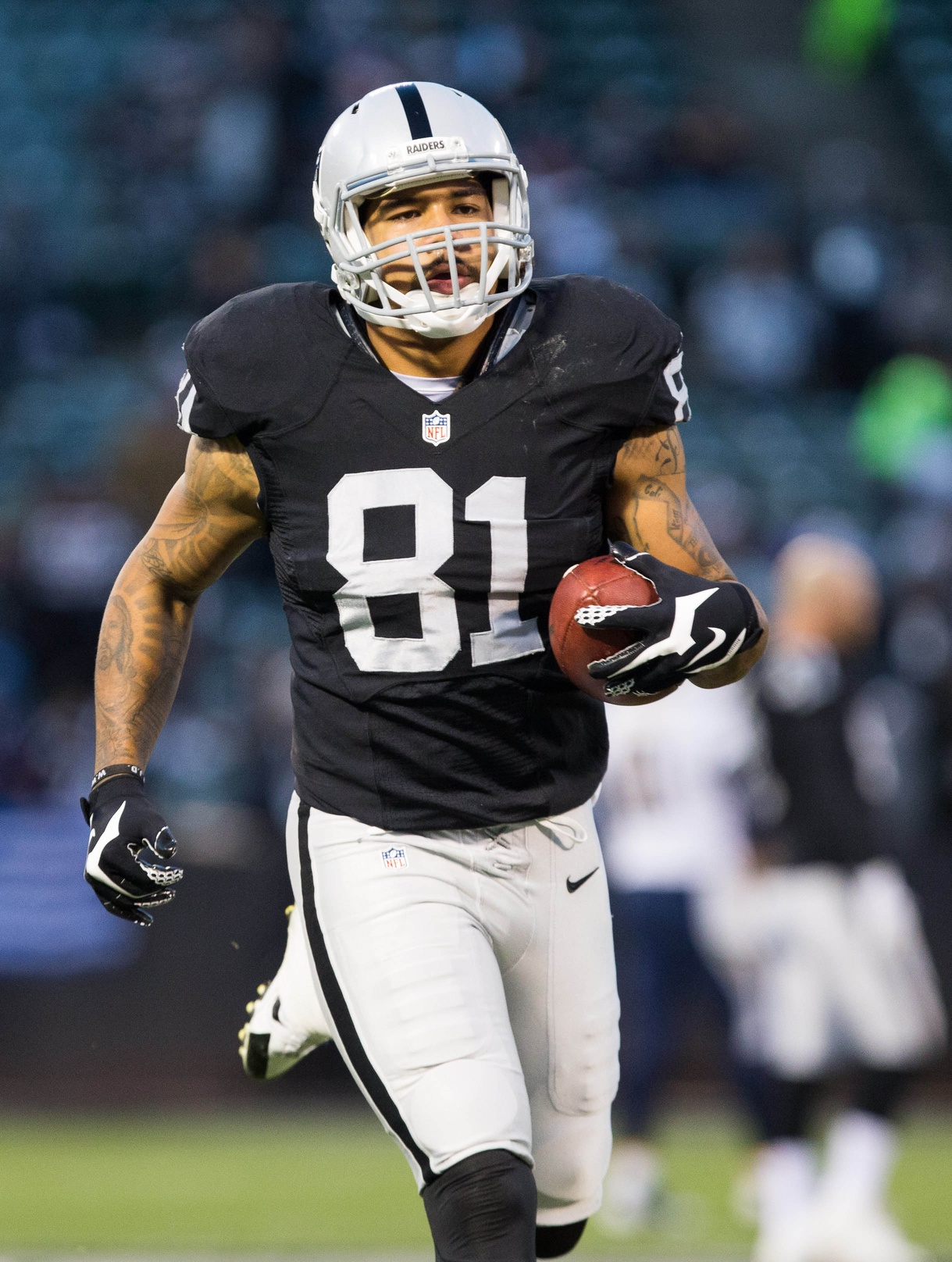
While the Jaguars didn’t spend extravagantly on the offensive side of the ball, a couple of veterans could end up playing relatively impactful roles. Tight end Mychal Rivera once posted 58 receptions for the Raiders, but consistently saw his role dwindle over the past two years. While Jacksonville ran of ton of three wide receiver formations last season (75% of plays, 15% above league average), that percentage could fall in the early weeks of the season as Marqise Lee recovers from a high ankle sprain. Without an established No. 3 wideout, it’s possible the Jaguars could use more two tight end sets, potentially giving Rivera an opportunity to make an impression.
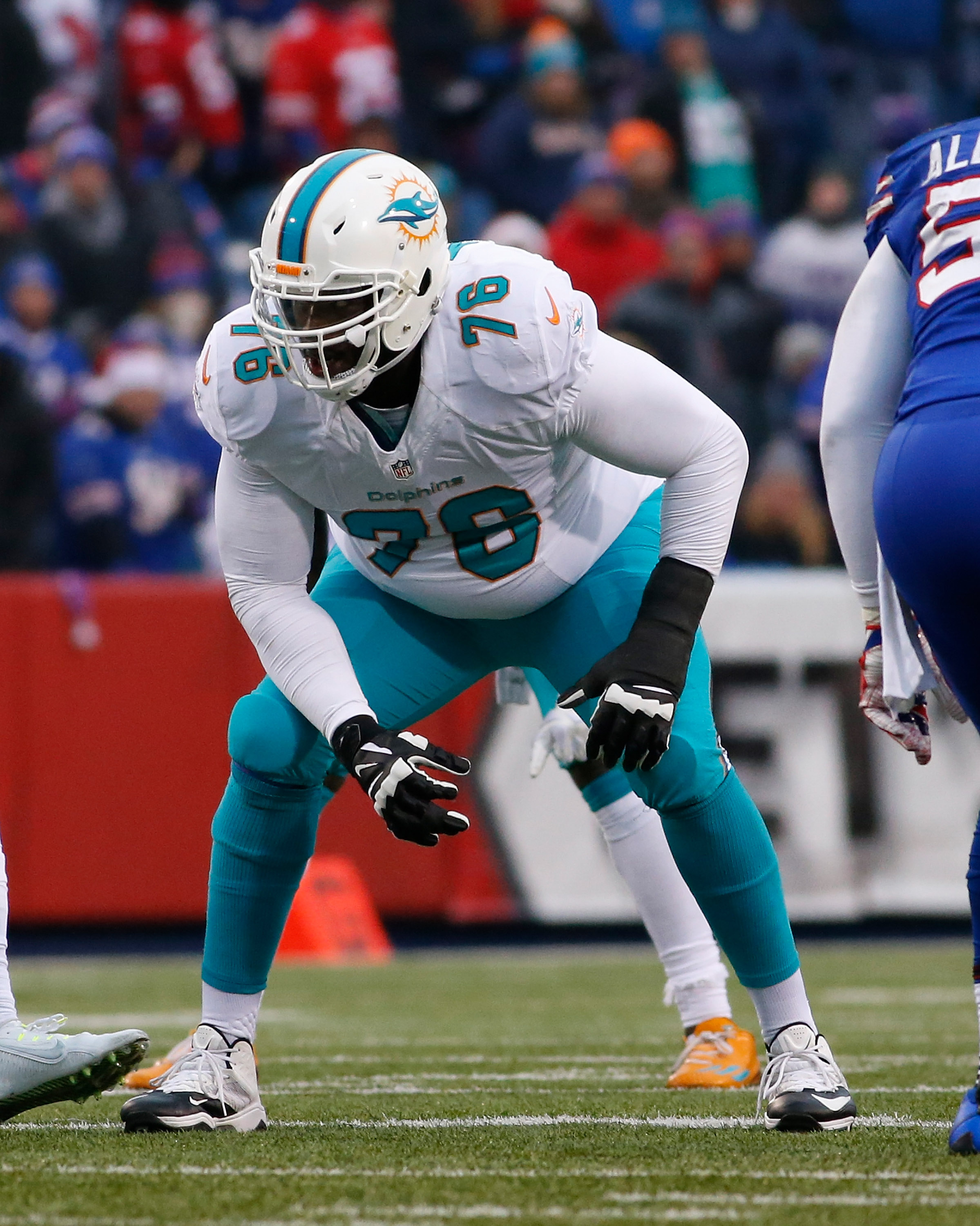
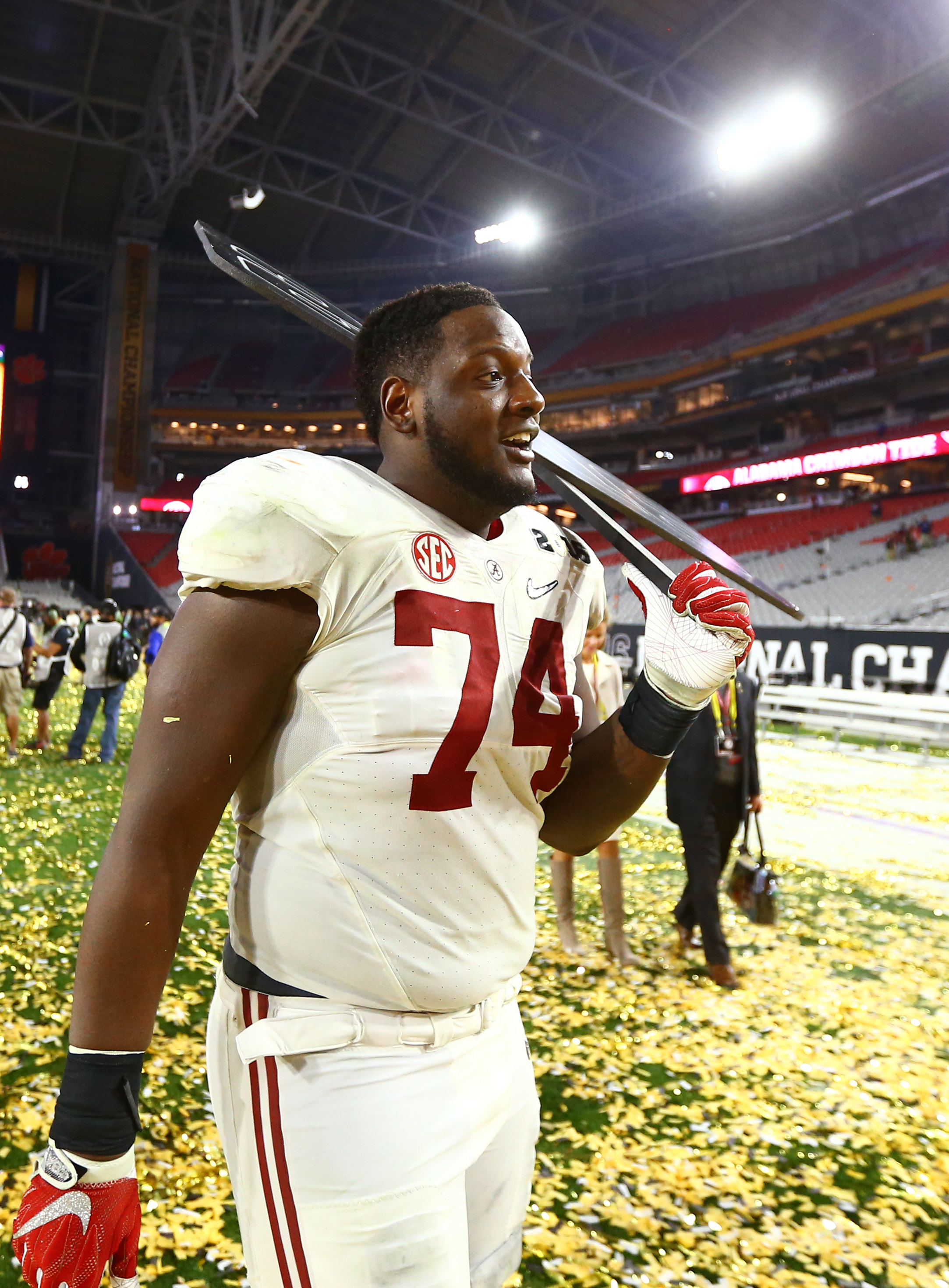
Patrick Omameh may also see his responsibilities enhanced, as Branden Albert‘s release means rookie Cam Robinson will now start at left tackle, leaving a vacancy at left guard that Omameh figures to fill. Omameh, who received a guarantee of just $100K, will be the weak link on Jacksonville’s offense line, but he’s not a disaster, as PFF ranked him as the No. 31 guard in the NFL last season. However, PFF gave Omameh poor run-blocking marks, and given the Jaguars’ intention to lean on the running game in 2017, the club may need to search for other options on the left side. Austin Pasztor, who just signed with the Falcons last week, would have been an intriguing signing.
Offseason In Review: Pittsburgh Steelers
After qualifying for their first AFC championship game in six seasons, the Steelers are once again positioned as one of the NFL’s best teams. They are firmly in the conversation as being the top AFC challenger to the Patriots and have as good of a case as any team in that group to possess the best shot at dethroning them.
But while the Patriots made several key additions this offseason, the Steelers continued their cautious approach to outside augmentation. The team fans will see this season is largely the same as what Pittsburgh supporters observed in 2016. While that’s not necessarily a bad thing given the success 2016 brought, the Patriots having appeared to improve stands to make the Steelers’ task at reaching their first Super Bowl in seven years more difficult.
Pittsburgh, though, did have several notable moments during the offseason — one headlined by seminal contract outcomes for their top skill-position talents.
Notable signings:
- Le’Veon Bell, RB: One year, $12.12MM. Fully guaranteed. Assigned franchise tag.
- Tyson Alualu, DT: Two years, $6MM. $1.75MM guaranteed.
- Landry Jones, QB: Two years, $4.4MM. $600K guaranteed.
- James Harrison, LB: Two years, $3.5MM. $500K guaranteed.
- Coty Sensabaugh, CB: Two years, $2.6MM. $425K guaranteed.
- David Johnson, TE: Two years, $2.05MM. $235K guaranteed.
- Steven Johnson, LB: One year, minimum salary benefit. $80K guaranteed.
- Justin Hunter, WR: One year, minimum salary benefit. $30K guaranteed.
- Ross Cockrell, CB: One year, $1.797MM. Signed original round RFA tender.
- Chris Hubbard, T: One year, $1.797MM. Signed original round RFA tender.
- Knile Davis, RB: One year, minimum salary benefit.
- Daimion Stafford, S: One year, minimum salary benefit.
- Terrell Watson, RB: One year, $465K.
- JaCorey Shepherd, CB: Contract terms unknown.
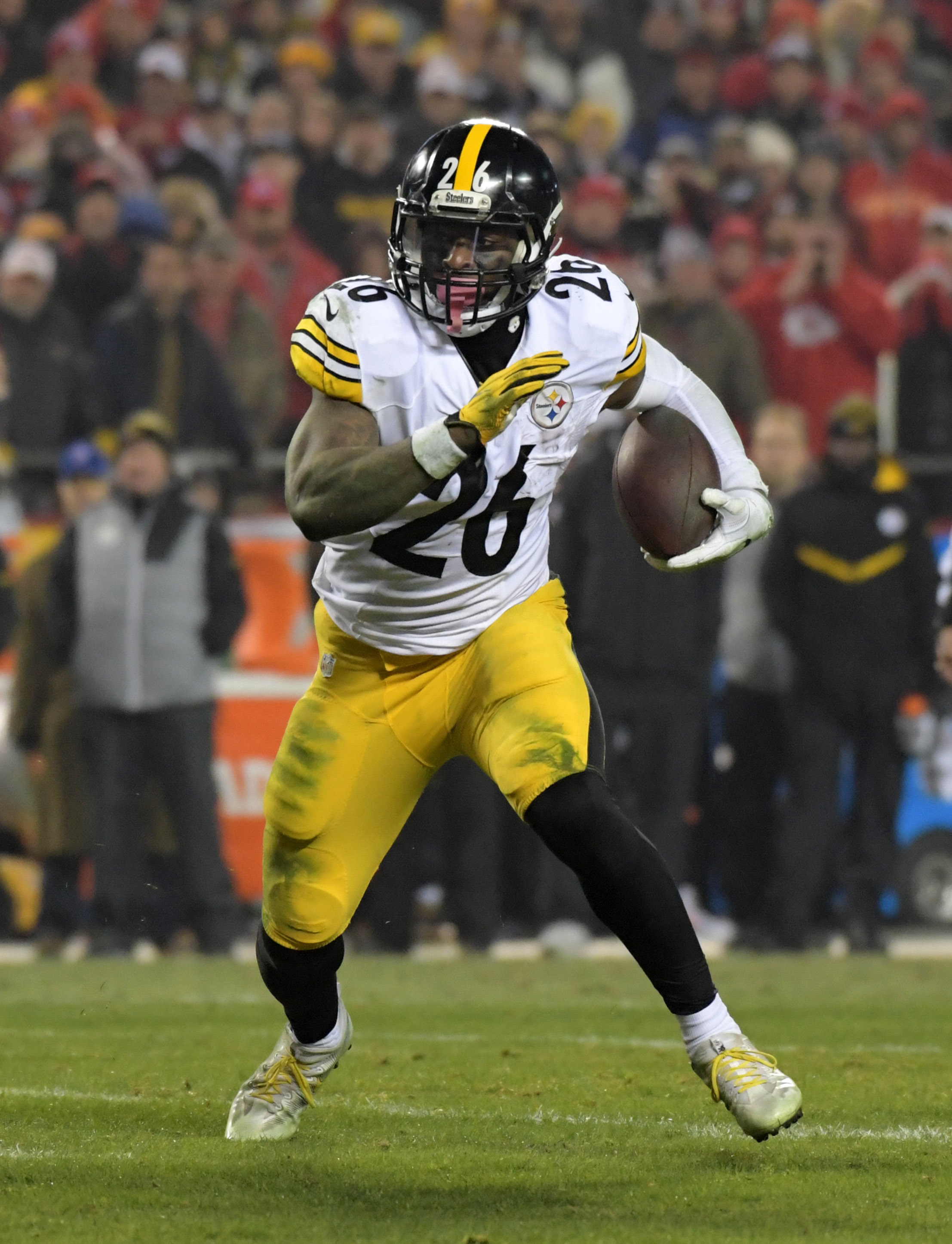 Bell and the Steelers couldn’t come to terms on an agreement, and the star running back remains a holdout. While he’s expected back before the season, this is not an ideal situation. The Steelers reportedly offered the All-Pro talent a competitive deal worth $60MM over five years. Ian Rapoport of NFL.com reported the proposal included $30MM in Years 1-2 and $42MM by Year 3. As a result of the impasse going past July 17, and one that possibly featured Bell reneging on an agreed-upon contract, the sides can’t discuss a long-term deal until after this season.
The 25-year-old running back reportedly wanted a deal that also reflected his value to the Steelers as a receiver. While it’s true Bell (227 career catches) is essentially Pittsburgh’s No. 2 wideout, that’s become part of the job description for modern-day backs. It’s not as if this skill is overlooked by front offices, with backs who cannot threaten defenses aerially having tougher times getting work. Bell is one of the best there is at this discipline, but turning down a deal that would have placed him on his own financial tier is a risk, especially given his history with injuries and suspensions.
The NFL’s suspended Bell twice for substance abuse, and he’s now undergone knee and groin surgeries over the past two years. His window to sign a mammoth pact like the one reportedly offered is decreasing, especially considering how the Steelers use him. Bell averaged 28 touches per game during the 12 games be played in 2016. That workload will be tough to sustain.
However, the Steelers were willing to pay Bell $14MM on average over the first three years of this deal. His tag amount would be $14.5MM in 2018, and the Steelers — without a replacement lined up — may be amendable to that figure. If so, Bell taking the Kirk Cousins approach would pocket him nearly $30MM in two years. No other running back can match that kind of earning power. But another injury puts these hopes in jeopardy, so Bell not agreeing to long-term security now could be a pivotal moment in his career.
 Other than this, free agency went pretty much as it usually does for Pittsburgh. The build-from-within franchise secured a host of role players’ returns with low-level deals and brought back Harrison again.
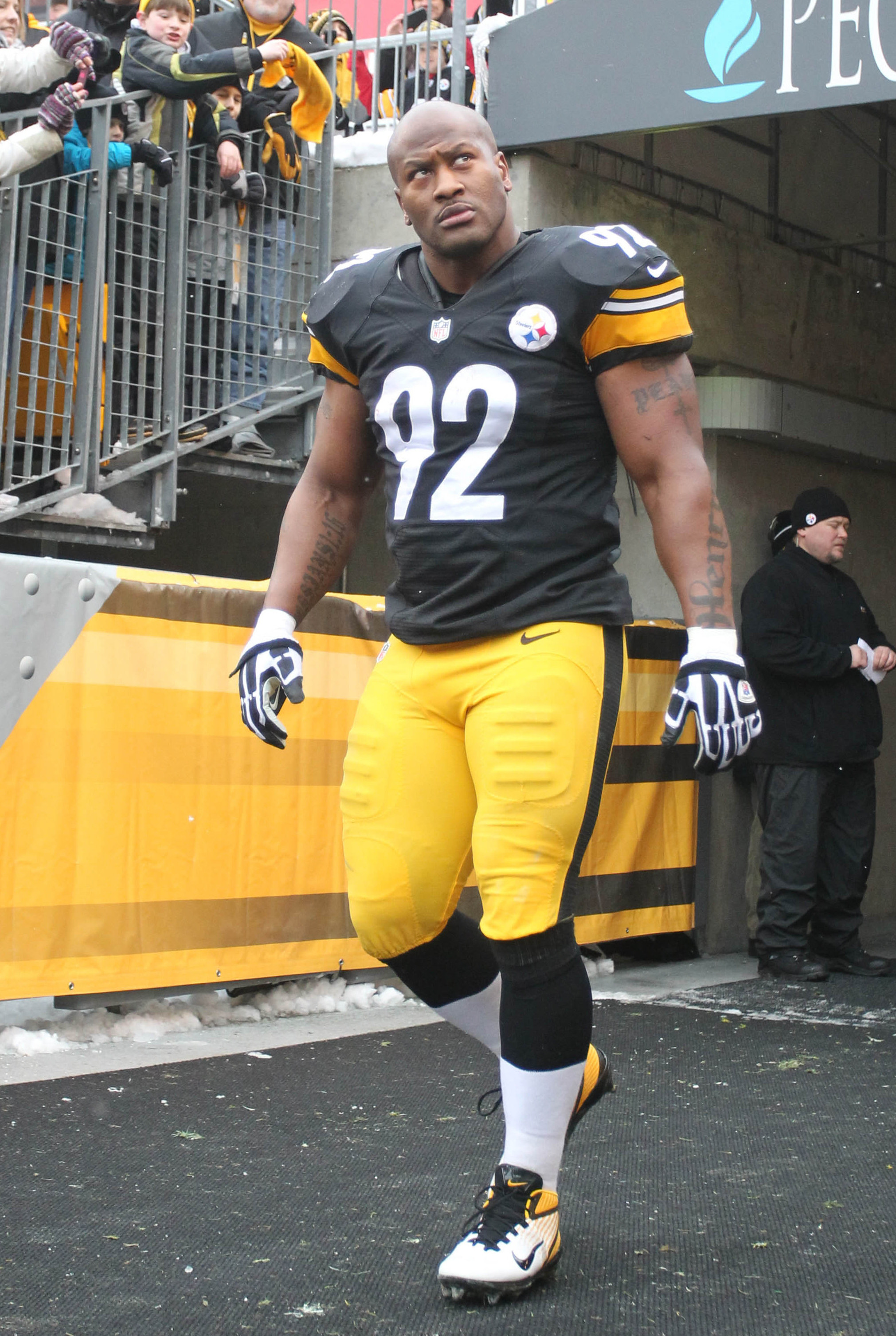
Now 39, Harrison remains the oldest defender in the league. He was a revelation for the AFC North champs last season, ranking as Pro Football Focus’ No. 10 edge defender — ahead of prime talents like Jason Pierre-Paul, Ryan Kerrigan and Bruce Irvin. Pittsburgh also used Harrison on 758 snaps. The workout warrior may be near the end of the line, but the Steelers still figure to coax some final months (or years?) of quality football from the 2008 defensive player of the year. Linebackers coach Joey Porter did say he plans to use the veteran as a “relief pitcher” behind the younger talents this season, though.
Jones will be back to serve as Ben Roethlisberger‘s backup for a third straight season. While the Steelers’ capabilities diminish considerably when Big Ben is out, as he generally is at some point during a season, Jones has been in Todd Haley‘s system for five years now. Jones’ completion rate jumped three percentage points, to 61 percent, last season. He fared better than he did in the past, but the Steelers drafted another quarterback to put Jones on notice. However, for 2017, Jones is probably still the franchise’s QB2.
 When compared to the Patriots’ offseason additions — Brandin Cooks, Stephon Gilmore, Dwayne Allen and Co. — or the Raiders’ (Marshawn Lynch, Jared Cook, Cordarrelle Patterson), the Steelers’ approach places a premium on draft work. And it’s arguable this lack of action to plug holes, especially on defense, is doing Roethlisberger a disservice. With the 35-year-old passer now on a year-to-year arrangement, Steelers management isn’t exactly maximizing the championship window the quarterback’s given the team the way other AFC frontrunners have in recent years.
That said, the Steelers’ methods continue to produce winning teams. It’s just debatable if this offseason caution has restricted them from matching up with conference powers in January during this decade.

PFR Originals: 8/13/17 – 8/20/17
The original content and analysis produced by the PFR staff during the past week:
- While the NFL doesn’t see as many trades as the NBA or MLB, deals can often be swung in the weeks leading up to the regular season. With that in mind, I examined the Top 30 NFL Trade Candidates for 2017, with players such as A.J. McCarron, Carlos Hyde, Reggie Ragland, and Stephone Anthony making the list.
- Ryan Mathews was released by the Eagles last week, but he should be able to find work in the near future, as I made the case that Mathews is the perfect backup running back. Based on his production, scheme fit, cost, and the lack of running back options on the open market, Mathews will be a nice find for whichever team lands him.
- With the 2017 regular season only several weeks away, PFR began its annual Offseason In Review series, assessing the major signings, departures, trades, and other notable events for each of the 32 NFL clubs. We covered three teams this week:
Offseason In Review: Tampa Bay Buccaneers
Last year’s Buccaneers didn’t break the club’s decade-long streak of sitting at home during the postseason, but they did post their best record since 2010. Under first-year head coach Dirk Koetter, quarterback Jameis Winston showed marked improvement, while Tampa Bay’s defense also posted better results under new coordinator Mike Smith. With an eye towards earning a playoff berth for first time since the Jon Gruden era, the Buccaneers entered the offseason with clear goals in mind.
Notable signings:
- DeSean Jackson, WR: Three years, $33.5MM. $20MM guaranteed.
- William Gholston, DE: Four years, $27.5MM. $7MM guaranteed. $9MM available via incentives.
- Chris Baker, DT: Three years, $15.75MM. $6MM guaranteed.
- J.J. Wilcox, S: Two years, $6.5MM. $3.125MM guaranteed.
- Josh Robinson, CB: Two years, $5MM. $3MM guaranteed.
- Chris Conte, S: Two years, $5MM. $2.5MM guaranteed.
- Ryan Fitzpatrick, QB: One year, $3MM. $1.25MM guaranteed. $2MM available via incentives.
- Joe Hawley, OL: Two years, $6MM. $1MM guaranteed.
- Nick Folk, K: One year, $1.75MM. $750K guaranteed.
- Jacquizz Rodgers, RB: Two years, $3.3MM. $600K guaranteed.
- Sealver Siliga, DT: One year, $1.1MM. $200K guaranteed.
- Garrison Sanborn, LS: One year, minimum salary benefit. $50K guaranteed.
- Ryan Griffin, QB: One year, $1.797MM. Signed original round RFA tender.
- Jacquies Smith, DE: One year, $1.797MM. Signed original round RFA tender.
- Robert McClain, CB: One year, minimum salary benefit.
- Justin Trattou, DE: One year, minimum salary benefit.
- Marqueston Huff, S: One year, $690K.
- Tavaris Barnes, DE: One year, $540K.
While the Buccaneers passing offense ranked a respectable 12th in DVOA last season, the unit didn’t post many explosive plays, as Tampa Bay finished 24th in 20+ yard receptions and dead last in 40+ yard catches. Mike Evans, Adam Humphries, and Cameron Brate formed the foundation of a solid passing game, but a new dimension was clearly needed. Enter DeSean Jackson, who lead the league in yards per reception in 2016, the third time he’s done so in his nine-year career. Among receivers with at least 40 receptions last season, Jackson ranked third with 12.82 air yards per catch, meaning he’s able to get open down the field and not simply rely on yards after the catch. He also accounted for 145 yards and four first downs by drawing pass interference penalties, an underrated facet of his game. Although he’s on the wrong side of 30, Jackson is exactly what the Buccaneers offense needs, and he should be worth of every penny of a contract that makes him the ninth-highest-paid wideout in the NFL.
Joining Jackson as an offensive starter (at least for the first three games of the season) will be running back Jacquizz Rodgers, who earned the first multi-year contract of his career after averaging 4.3 yards per carry on 129 rushes a season ago. Rodgers, 27, touched the ball more than he had in any prior season, and was a workhorse for Tampa Bay in Weeks 5-7, rushing the ball 75 times during that span. He’ll be the Buccaneers’ lead back to begin the campaign while Doug Martin finishes a suspension, and Rodgers could keep the starting job for even longer, as general manager Jason Licht recently indicated Martin won’t be handed a role when he returns.
While the Bucs are comfortable rolling with Rodgers until Martin comes back, they surely won’t feel the same way if they’re forced to use new backup quarterback Ryan Fitzpatrick for any extended period of time. That being said, Fitzpatrick isn’t a disaster as a reserve option, especially at a price of only $3MM. Yes, Fitzpatrick posted the worst statistics of any starting quarterback not named Matt Barkley or Jared Goff in 2016, but he’s not being asked to start in Tampa Bay. If Jameis Winston is sidelined next year, Fitzpatrick should at least be able to keep the club’s offense afloat.
On defense, the Buccaneers acted quickly to re-sign defensive end William Gholston, who was said to be a priority for the team in free agency. At first glance, Gholston’s five-year contract appears to be a massive overpay, as his $5.5MM annual salary is exorbitant for a run-stuffer who ranked as a bottom-20 edge defender in 2016, per Pro Football Focus. But because Tampa Bay rarely employs signing bonuses, Gholston’s deal is essentially a one-year pact. All of his $7MM guarantee comes in 2017, and the Buccaneers could cut ties after the season without any dead money incurring on their cap. If Tampa is able to land a top-notch pass rusher in next year’s draft, I’d expect Gholston to be on the chopping block.
New defensive tackle Chris Baker will be lining up next to Gholston after the Bucs lured him away from the nation’s capital with a three-year agreement, and he should be able to help out a Tampa Bay run defense that took a major step backward under first-year defensive coordinator Mike Smith. While the Buccaneers’ pass defense improved from 26th in DVOA to sixth, the club’s prowess against the run slipped from ninth in DVOA to 26th, while Tampa’s defensive line ranked 24th in adjusted line yards. Baker is a stud in the run game, but he’s also adept at getting after opposing quarterbacks, as he ranked 11th among defensive tackles with 16 hurries last season.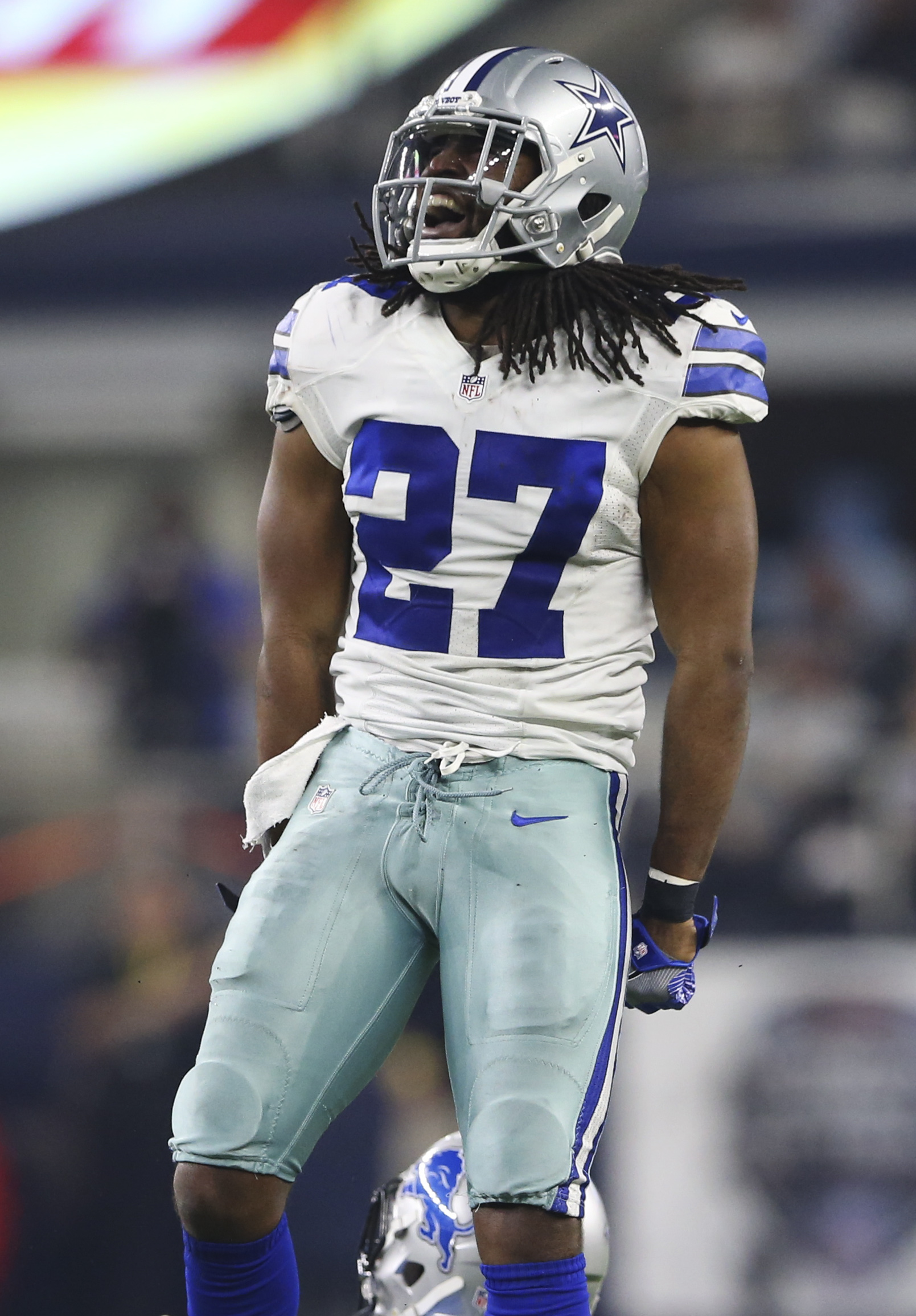
Chris Conte keeps getting chances despite grading as one of the least capable safeties in the league for the duration of his career. Last season, PFF ranked Conte as the second-worst safety in the NFL, but the Buccaneers still re-signed him to a two-year pact. Thankfully, Tampa Bay isn’t asking Conte to play a full complement of snaps in 2017, as they’ve signed former Cowboy J.J. Wilcox and drafted Justin Evans in the second round. Wilcox, 26, only played half of Dallas’ defensive snaps a season ago, but had significant starting experience in 2014-15. Josh Robinson is back to help out in the secondary, as well, but most of his time will be spent as a gunner on special teams.
Tampa Bay signed kicker Nick Folk to hedge against Roberto Aguayo‘s struggles, and the move now seems prescient following Aguayo’ release. Although Tampa handed Folk a $750K guarantee, the club was only nominally on the hook for that money — had Folk been cut, he likely would’ve been picked up by another team, and the offset language in his deal would have freed the Bucs from his commitment. The Jets, Folk’s former employer, ranked dead last in special teams DVOA last season, but that wasn’t Folk’s fault, as he converted 87.1% of his kicks (including 50% from 50+ yards) and gave New York 0.3 points of field position. He didn’t do well on kickoffs, however, as he ranked just 23rd among kickers with 39 touchbacks.
Offseason In Review: Baltimore Ravens
The Ravens narrowly missed the playoffs last year, blowing a golden opportunity to put themselves in the driver’s seat for a divisional title in Week 16 before allowing the Steelers to drive the length of the field in the game’s waning moments. That was essentially the story of the season for Baltimore, as missed opportunities and fourth quarter collapses turned what might have been a successful campaign into a disappointment.
Depending on who you ask, the offseason has not been much better. The Ravens focused most of their attention, both in free agency and in the draft, on the defensive side of the ball when the offense sorely needed help. While Jeremy Maclin surprisingly falling into their laps late in the spring helped to mitigate that somewhat, the offensive line is still a major question mark. It’s also fair to wonder how wise it is for the team to depend so heavily on third-year wideout Breshad Perriman considering that he missed his entire rookie season with a knee injury, had an up-and-down 2016, and is currently being held out of training camp with hamstring soreness (thus halting the momentum he had built in spring and in the early stages of camp).
The Ravens have a fair amount of talent and could make some noise in the AFC North, though their recent spate of injuries is threatening to derail the season before it starts. One might also ask whether the conservative and predictable play-calling of offensive coordinator Marty Mornhinweg and defensive coordinator Dean Pees will get the most out of their talent, and whether a mixed bag of an offseason will be enough to get Baltimore back to the postseason.
Notable signings:
- Brandon Williams, DT: Five years, $52.5MM. $24.5MM guaranteed.
- Tony Jefferson, S: Four years, $34MM. $19MM guaranteed. $3MM available via incentives.
- Jeremy Maclin, WR: Two years, $11MM. $6MM guaranteed. $3MM available via incentives.
- Brandon Carr, CB: Four years, $24MM. $4MM guaranteed.
- Danny Woodhead, RB: Three years, $8.8MM. $3.25MM guaranteed.
- Anthony Levine, S: Three years, $4.2MM. $1.3MM guaranteed.
- Lardarius Webb, S: Three years, $6.3MM. $1.2MM guaranteed. $1.4MM available annually via incentives. Had previously been released.
- Michael Campanaro, WR: One year, $1.2MM. $250K guaranteed. $800K available via incentives.
- James Hurst, T: One year, $1.2MM. $250K guaranteed.
- Austin Howard, T: Three years, $16MM. Guarantees unknown.
- Ryan Jensen, G: One year, $1.797MM. Signed original round RFA tender.
- Terrance West, RB: One year, $1.797MM. Signed original round RFA tender.
- Brandon Boykin, CB: One year, minimum salary benefit.
- Larry Donnell, TE: One year, minimum salary benefit.
- Thaddeus Lewis, QB: One year, minimum salary benefit.
- Bobby Rainey, RB: One year, minimum salary benefit.
- Trevin Wade, CB: One year, minimum salary benefit.
- Griff Whalen, WR: One year, minimum salary benefit.
The Ravens landed two key offensive pieces late in the offseason in Maclin and Austin Howard, but until that point, they had invested the vast majority of their assets into the defensive side of the ball. One of the most curious moves of the offseason was the massive payday Baltimore doled out to Brandon Williams. Williams is a terrific player to be sure, but he’s not a generational talent, and Baltimore has a quality defensive tackle in Michael Pierce that might have filled in capably for Williams at a fraction of the price. Plus, the Ravens have always been able to find quality defensive linemen. It has been more of a struggle to find quality offensive pieces, and the fact that Baltimore spent so lavishly on Williams and Tony Jefferson while letting right tackle Ricky Wagner walk in free agency and ignoring free agent wideouts like Alshon Jeffery and Terrelle Pryor — who both signed relatively inexpensive deals — certainly raised some eyebrows.
Luckily for the Ravens, it may have worked out anyway, though it’s hard to say it was by design. No one expected a receiver like Maclin to become available when he did, and while Howard could be a solid replacement for Wagner, he is coming off an injury-plagued season in which his performance took a noticeable dip. Danny Woodhead, who for a long time was Baltimore’s big offensive acquisition, offers a nice complement to the bruising running style of Terrance West, and if he can stay healthy — a big “if” for players wearing purple and black these days — he should be a big contributor as a receiver out of the backfield and will surely line up in the slot a fair amount.
Jefferson will join last year’s big free agent splurge, Eric Weddle, to form arguably the best safety tandem in the game, and the Ravens also signed Brandon Carr to bolster its cornerback corps, which has been thin in recent seasons and which has really suffered when No. 1 corner Jimmy Smith has been forced to sit out due to injury. Unfortunately for Baltimore, sophomore corner Tavon Young, who was excellent in his rookie season, tore his ACL and will miss all of 2017, which precipitated the Brandon Boykin signing. Maurice Canady, another sophomore corner who enjoyed a terrific spring and a strong start to training camp, was the favorite to replace Young, but he, too, went down with a potentially serious knee injury, so it looks as if Smith and Carr will man the perimeter while Boykin or stalwart Lardarius Webb will line up in the slot (though first-round draft choice Marlon Humphrey could replace Carr later in the season). That sounds like a decent enough group of CBs, but one more injury could lead to the same problems in coverage that the Ravens have experienced of late.
Nonetheless, the defense looks strong as a whole, and with the influx of young athleticism that the team added to that side of the ball in the draft, the only thing holding that unit back (outside of injury) is Pees. Wideouts Maclin, Mike Wallace, and Perriman offer considerable talent and complementary skill-sets on the offensive side of the ball, and if the Ravens can find some production from the tight end spot — see below — and if Joe Flacco can overcome his back injury, Baltimore should be in pretty good shape.
Free Agent Stock Watch: Ryan Mathews
The Eagles finally ended the NFL’s longest charade today, releasing veteran running back Ryan Mathews months after it became clear they’d do so. Philadelphia had reason to wait, of course, as now that Mathews has received medical clearance, the club is off the hook for $1.15MM in injury protection.
Mathews, a first-round selection back in 2010, has mostly been defined by his lack of availability through seven NFL campaigns. He’s appeared in all 16 games just one time, and has missed roughly a quarter of the 112 total games in which he could’ve played. Additionally, Mathews is now on the wrong side of 30, and is hitting an age when some running backs break down.
Those negative attributes are obvious, but Mathews still has quite a bit to offer interested NFL clubs. In fact, he’s perhaps the perfect NFL backup running back. Here’s why:
Production
Given that Mathews has missed so much time during his career, it’s more informative to assess his production on a per-play basis rather than in the aggregate. Defense-adjusted value over average (DVOA) is a Football Outsiders metric that measures value on a rate basis, and can be applied to either team or individual performance. In seven NFL seasons, Mathews has ranked among the top-20 running backs in DVOA five times, including a No. 3 finish in 2015. So while Mathews’ counting statistics might not be all that impressive (he’s crossed the vaunted 1,000-yard threshold only twice), he’s been extremely valuable when he’s been on the field.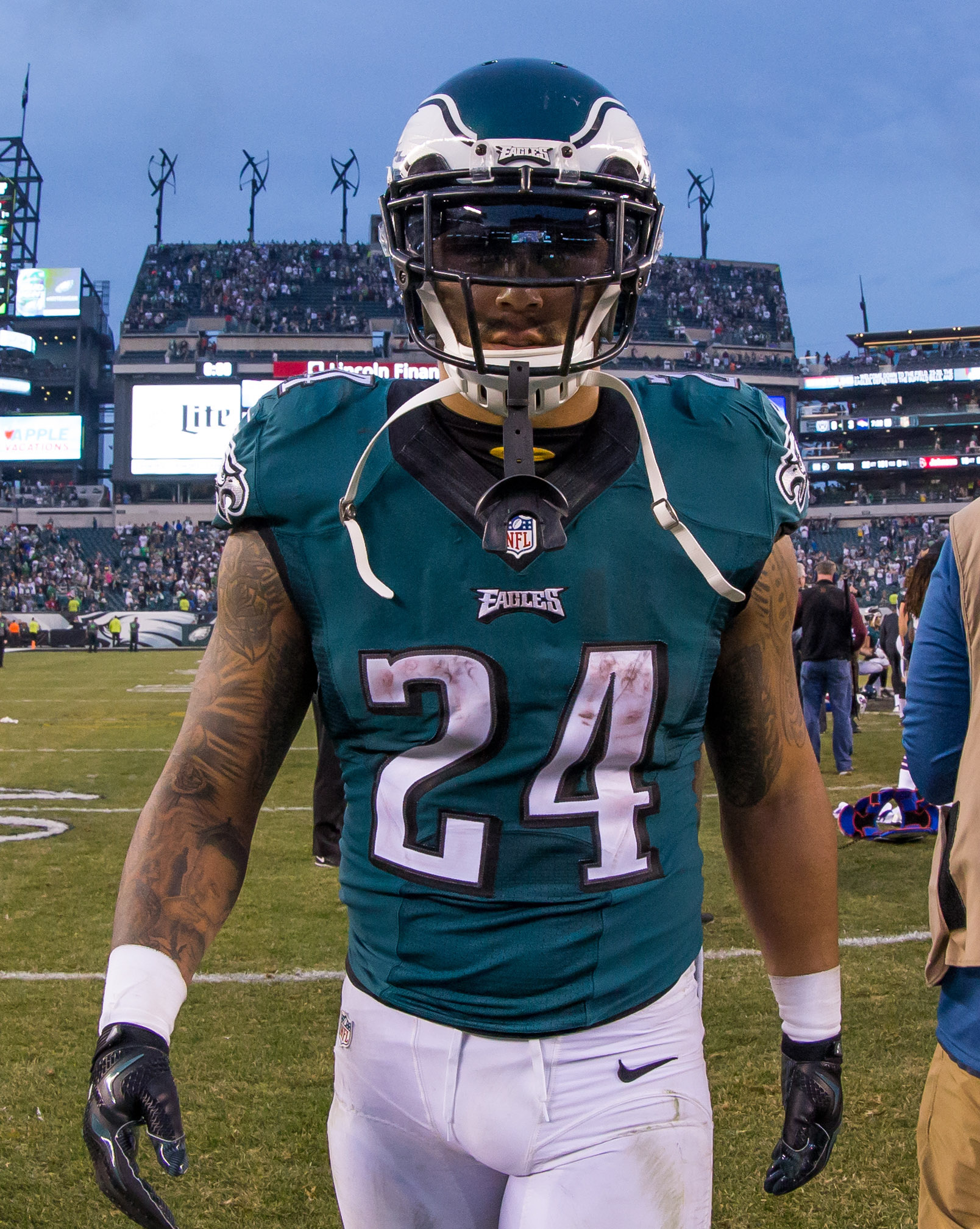
Success rate is another Football Outsiders metric that’s often helpful when evaluating running backs, at it determines how well a back keeps an offense moving. In general, a run will deemed a success if a back gains 40% of the needed yards on first down, 60% of the needed yards on second down, and 100% of the needed yardage on third down.
Different situations can adjust those percentage tiers, but overall the formula is a good indicator of how well a back is keeping an offense “on schedule,” as Bill Barnwell of ESPN.com writes. Mathews grades incredibly well based on success rate: In his seven NFL campaigns, he’s finished as a top-25 back in success rate six times, and ranked among the top-10 twice (2013 and 2015).
While he’s not an above-average pass blocker, Mathews can be useful in the passing game. He’s averaged 26 receptions per season during his career, and even reached 50 catches in 2011. Since entering the league in 2010, Mathews ranks eighth among all running backs with a 79.3% catch rate on 226 targets, so he can be relied on as a passing game weapon. Fumbles have been an issue for Mathews, however, as he ranks first among NFL backs with 21 fumbles since 2010.
As a backup running back, Mathews would — by definition — see his touches reduced. Not only would that perhaps allow Mathews to stay healthy, but he can still remain productive when he is called upon. Not being asked to play starter’s snaps would help both Mathews and the team that signs him.
Scheme Fit
When the Eagles signed Mathews prior to the 2015 season, NFL Films producer Greg Cosell called him a “decisive downhill runner,” and Fran Duffy of PhiladelphiaEagles.com explained why those traits worked so well for what was — at the time — a zone-blocking-Eagles run game. But Mathews can conceivably fit in any number of offenses, as Sam Monson of Pro Football Focus explained to me.
“I think [Mathews] can be a useful member of a backfield,” said Monson. “I actually think he’s quite scheme diverse and pretty versatile as a back, so he should have options.”
Additionally, Mathews has played under a number of offensive minds who are still employed in various roles throughout the league. That list includes Mike McCoy (Broncos offensive coordinator), Rob Chudzinski (Colts OC), Pat Shurmur (Vikings OC), Hal Hunter (Browns offensive line coach), and Jason Michael (Titans quarterbacks coach), meaning there’s no shortage of offensive coaches who have firsthand experience with Mathews.
Cost
Coming off an injury-plagued season in 2014, Mathews landed a three-year deal worth $11MM ($5MM guaranteed) with the Eagles. As he hits free agency for the second time in his career, Mathews won’t come anywhere near that total: while he’s offered solid production on a rate basis over the past two seasons, he’s also two years older and just recovered from a serious neck injury.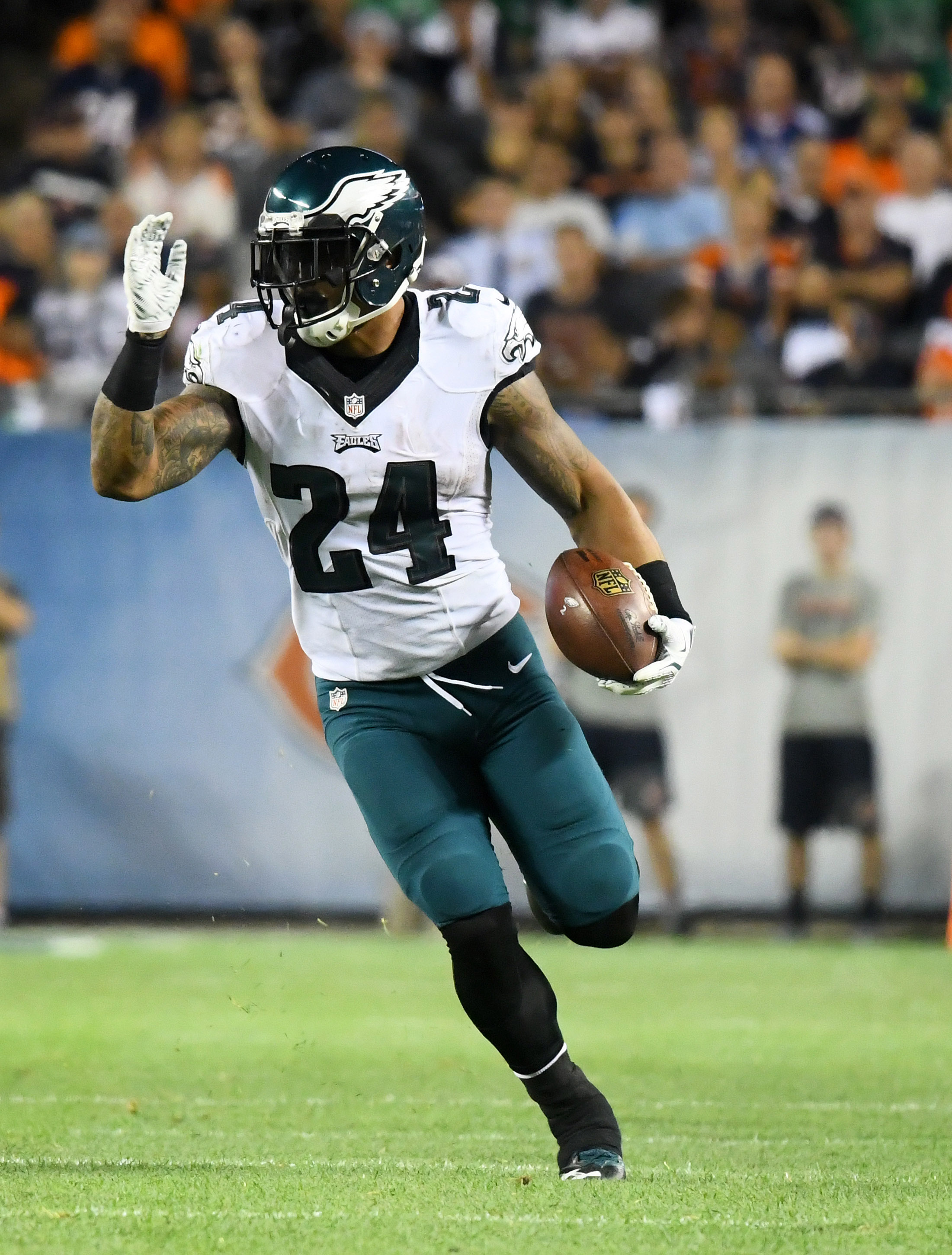
It shouldn’t come as a surprise if Mathews can only score a minimum salary benefit deal in the coming weeks. Such a contract would allow a club to pay Mathews at the seven-year veteran rate of $900K while only using $615K in cap space. Mathews could also receive a signing bonus of up to $80K.
Recent contracts for veteran running backs include Jacquizz Rodgers (two years, $3.3MM), Robert Turbin (two years, $2.7MM), and Lance Dunbar (one year, $1.5MM). Dunbar is probably the best comparable given that he’s spent most of the past two seasons dealing with injuries and ineffectiveness, but he’s also three years younger than Mathews. Whichever team signs Mathews should plan on taking on an eminently affordable salary, and cap space won’t be a barrier.
Signing Mathews would also eliminate another potential opportunity cost — the draft pick capital it may require to trade for a running back. Earlier today, I examined several backs that could be dealt in the near future, including Carlos Hyde, Jeremy Hill, and T.J. Yeldon, all of whom are probably upgrades on Mathews, but all of whom will require the sacrifice of a draft pick. For clubs that aren’t inclined to trade away future value, signing Mathews would cost only money, not picks.
Market
Mathews became the best available free agent running back the second he was released by the Eagles. While other veteran options include Rashad Jennings, DeAngelo Williams, and James Starks, none offer the combination of talent and relative youth that does Mathews. Any team looking for running back help should instantly vault Mathews to their top of their free agent lists.
With that said, here’s a look at several clubs that could make sense as a landing spot for Mathews:
- Baltimore Ravens: Kenneth Dixon was already going to miss the first four games of the season after being suspended, but now he’ll be sidelined for the entire 2017 campaign after undergoing knee surgery. Terrance West looks like Baltimore’s bell-cow, while Danny Woodhead will play on passing downs. Mathews could give the Ravens another viable option in the backfield, and Baltimore’s coaches “have a lot of respect for” Mathews, as Jeff Zrebiec of the Baltimore Sun tweets.
- Detroit Lions: On an NFL-low 350 rushing attempts, the Lions finished 27th in yards per carry, 25th in DVOA, and 31st in adjusted line yards last season. Detroit has already upgraded its offensive line by signing Ricky Wagner and T.J. Lang, but the club is still relying on Ameer Abdullah, Dwayne Washington, Zach Zenner, and free agent addition Matt Asiata at running back. The Lions have reportedly talked with Rashad Jennings, but Mathews is a better player.
- Los Angeles Chargers: Back to where it all began? With new head coach Anthony Lynn in town, the Chargers figure to lean heavily on the run, meaning Melvin Gordon could need a breather every once in awhile. Los Angeles’ reserves behind Gordon — Kenneth Farrow, Branden Oliver, Kenjon Barner, Andre Williams — are nothing to write home about, so Mathews could help out, especially as a pass-catcher.
- Miami Dolphins: Mathews makes sense for the Dolphins, opines Armando Salguero of the Miami Herald (Twitter link), especially given that Jay Ajayi is recovering from a concussion. Ajayi, who dealt with knee injuries in college, needs a solid backup behind him in case injury issues crop up again. Damien Williams and Kenyan Drake (also battling a concussion) are interesting players, but Mathews is a more known commodity.
- New York Giants: Big Blue ranked 26th in rushing DVOA last season, and the only investment they’ve made at the running back position since has been fourth-round rookie Wayne Gallman. While the Giants have made noise about Paul Perkins serving as a three-down back, Jordan Raanan of ESPN.com reports Perkins “hasn’t blown anyone away” at camp, meaning the club could be searching for reinforcements.
- Pittsburgh Steelers: Franchise-tagged running back Le’Veon Bell hasn’t yet reported to training camp, and while the Steelers may expect him to show up before the regular season starts, Pittsburgh might not want to rely too heavily on Fitzgerald Toussaint and rookie James Conner. Playing behind one the league’s best offensive lines, Mathews could have success with the Steelers.
Photos courtesy of USA Today Sports Images.
Top 30 NFL Trade Candidates
While the NFL isn’t a trade-happy league like the NBA or MLB, deals are becoming more common as each season progresses. Draft pick swaps will always dominate any listing of NFL trades, deals involving veteran players aren’t as rare as they once were. Seven trades involving veteran players have occurred since the draft ended — at this time last year, only one such deal had gone down. As Jason Fitzgerald of Over the Cap noted in his excellent salary cap book, Crunching Numbers, trades are likely to become ordinary as front offices are taken over by younger, more out-of-the-box thinkers.
The players listed below as trade candidates aren’t ranked in any specific order — rather, we’ve attempted a league-wide look at players who could conceivably be on the move in the coming weeks or months. Contract status, overall ability, scheme fit, age, and coaching staff alterations all play a role in value, and each trait was factored into the likelihood of an individual player being dealt.
As always, you can find PFR’s complete list of 2017 NFL Trades right here.
Quarterback
- A.J. McCarron, Bengals
- Brock Osweiler, Browns
Although the Bengals haven’t openly shopped A.J. McCarron, they haven’t completely sealed off the idea of dealing their backup quarterback. The asking price is extremely high, however, as Cincinnati reportedly wants a first-round draft choice for McCarron. An unidentified team offered a second-rounder for McCarron this offseason, and the Bengals declined, an indication of the value the club places on McCarron.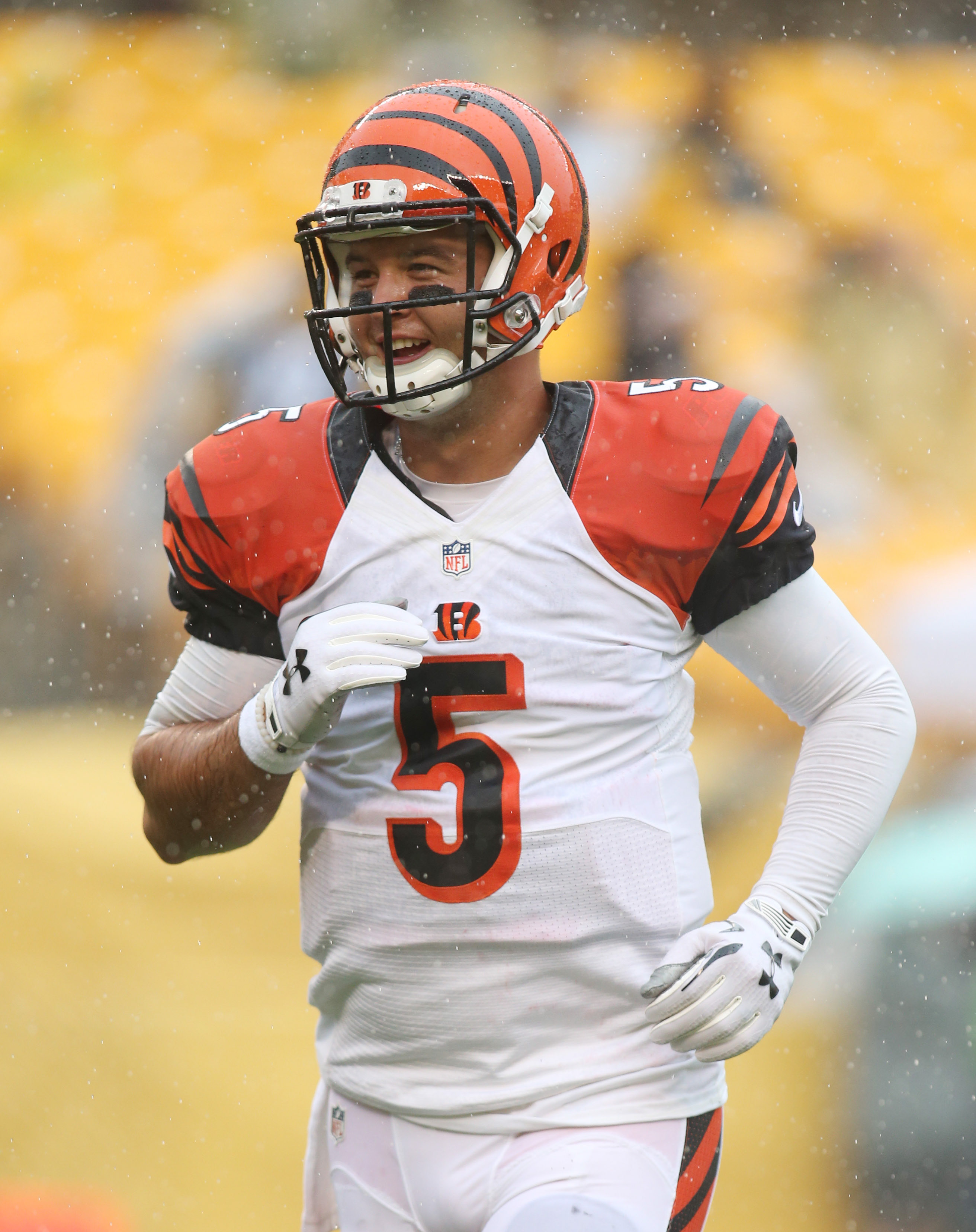
Most likely, Cincinnati will need an injury to strike — and a club to get desperate — in order to meet its demands. In 2016, for example, the Vikings shipped a first-round pick to the Eagles in exchange for Sam Bradford after incumbent signal-caller Teddy Bridgewater went down. That situation presented the perfect opportunity for Philadelphia to reap compensation for Bradford, as Minnesota was a contending team with an immediate need under center. Bradford offered much more NFL experience than does McCarron, so a trade of the Bengals No. 2 quarterback remains unlikely.
Brock Osweiler, meanwhile, has a chance to act as the Browns’ Week 1 starter, but he’s not a long-term option for a club that used a second-round pick on DeShone Kizer. Cleveland has already rejected at least one trade offer for Osweiler this offseason, but it simply doesn’t make sense for the team to retain him on their roster. Having already acquired a second-round choice in exchange for taking on Osweiler’s contract, the Browns should convert most of his base salary guarantee into a signing bonus (thus reducing the cap hit for any interested parties) and send him to a quarterback-needy club.
Running back
- Jeremy Hill, Bengals
- Carlos Hyde, 49ers
- Matt Jones, Redskins
- Charles Sims, Buccaneers
- T.J. Yeldon, Jaguars
New coaching staffs and pending free agency are key factors in labeling a player a trade candidate, and Carlos Hyde fits into both those buckets. Reports near the draft indicated the new 49ers regime wasn’t sold on Hyde, who has just one year left on his rookie contract, and the club has added several running backs this year, including free agent Tim Hightower and draft choice Joe Williams. Squarely in the midst of a rebuild, San Francisco has no reason to hold onto Hyde if it doesn’t plan to re-sign him, and early indications are Hyde hasn’t been offered an extension.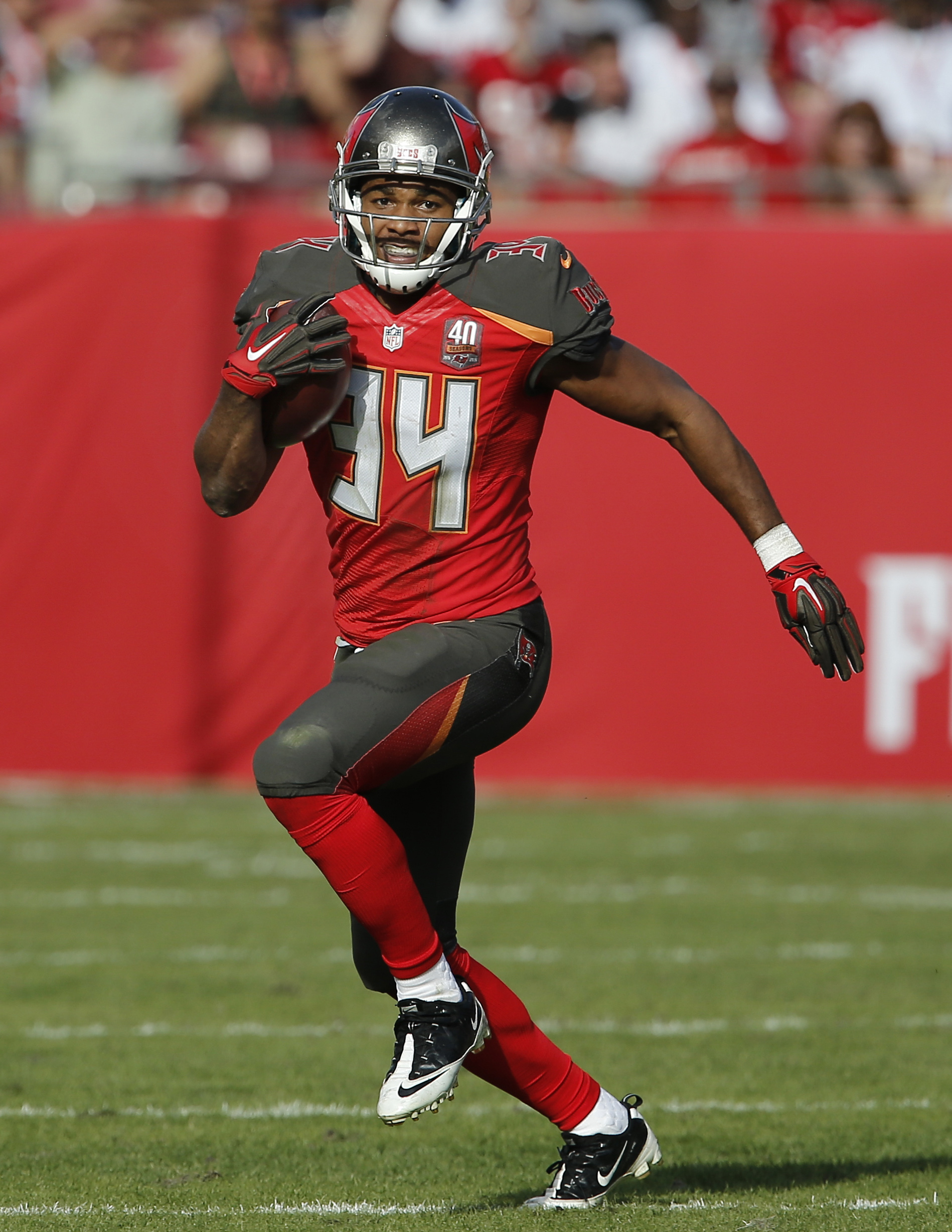
Charles Sims could play a key role for the Buccaneers while Doug Martin is suspended for the first three games of the season, but his long-term role with Tampa Bay is unclear. General manager Jason Licht said earlier this year that Martin “looked as good as [he’s] ever seen him,” and I’d guess Martin will reclaim the Bucs’ starting job once he returns. Until that point, Tampa Bay could probably get by with a committee of Jacquizz Rodgers, Peyton Barber, and Jeremy McNichols if it decides it can get a draft pick for Sims, who is scheduled for free agency in 2018.
There are enough teams around the NFL looking for depth at running back that each of these backs should be able to create some sort of trade market. Speculative fits: Jeremy Hill, Giants; Hyde, Ravens; Matt Jones, Lions; Sims, Steelers; T.J. Yeldon, Chargers.
Wide receiver
- Phillip Dorsett, Colts
- Cody Latimer, Broncos
Despite being selected 29th overall just two years ago, Phillip Dorsett appears to be in danger of not earning a Colts roster spot. He’s behind former undrafted free agent Chester Rogers and free agent signee Kamar Aiken on Indianapolis’ depth chart, and new general manager Chris Ballard doesn’t have any allegiance to the former Miami wideout. Eric Galko of the Sporting News (Twitter link) suggested the Jets — who recently lost Quincy Enunwa for the year — could be a fit for Dorsett, while the Bills, 49ers, Panthers, and Browns also make some deal of sense.
Offseason In Review: Atlanta Falcons
The Falcons suffered the most heartbreaking loss in Super Bowl history earlier this year, blowing a 28-3 lead to the Patriots after storming through the NFC bracket. Clearly, that defeat will stick with Atlanta and its fans for some time, but that shouldn’t take away from the excellent 2016 season the club posted. With most of a high-scoring offense (except for offensive coordinator Kyle Shanahan) and a young, exciting defense returning, the Falcons’ offseason figured to be relatively quiet.
Notable signings:
- Dontari Poe, DT: One year, $8MM. $7.5MM guaranteed.
- Levine Toilolo, TE: Three years, $12MM. $4.5MM guaranteed.
- Jack Crawford, DE: Three years, $9.9MM. $3MM guaranteed.
- Matt Schaub, QB: Two years, $9MM. $2.5MM guaranteed.
- Kemal Ishmael, S: One year, $2MM. $1MM guaranteed.
- Andre Roberts, WR: One year, $1.8MM. $750K guaranteed. $500K available via incentives.
- LaRoy Reynolds, LB: One year, $1.3MM. $250K guaranteed.
- Courtney Upshaw, DL: One year, $1.15MM. $150K guaranteed. $200K available via incentives.
- Taylor Gabriel, WR: One year, $2.746MM. Signed second-round RFA tender.
- Derrick Coleman, FB: One year, $690K.
- Blidi Wreh-Wilson, CB: One year, minimum salary benefit.
Boasting one of the more complete rosters in the NFL, the Falcons didn’t have many areas of weakness to be addressed during the free agent period. Ameliorating their run defense was one such focal point, however, as Atlanta ranked 28th in DVOA against the run. In a market where Calais Campbell and Brandon Williams received more than $20MM in full guarantees on multi-year contracts, the Falcons declined to overpay and landed Dontari Poe on a one-year, $8MM deal.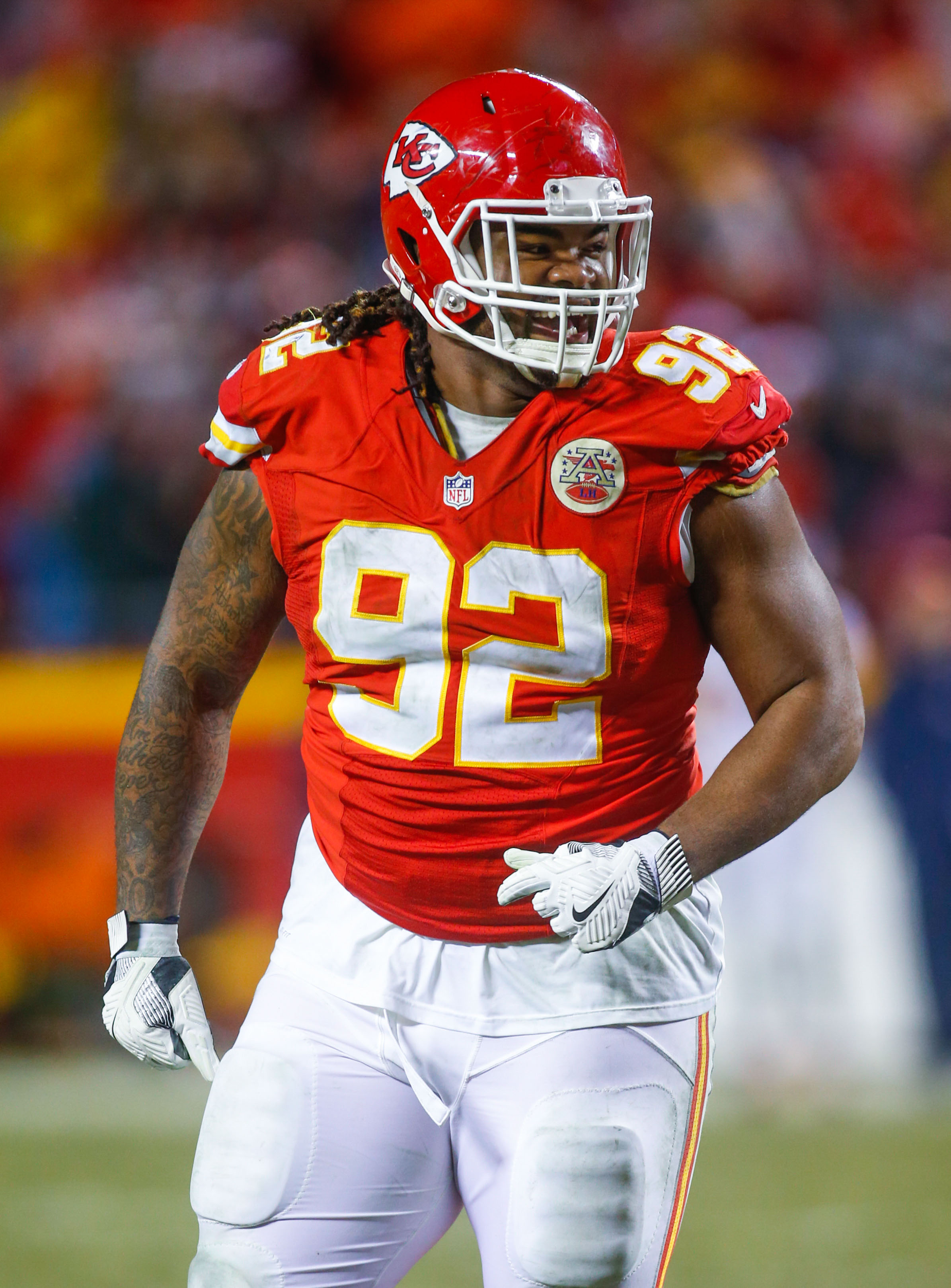
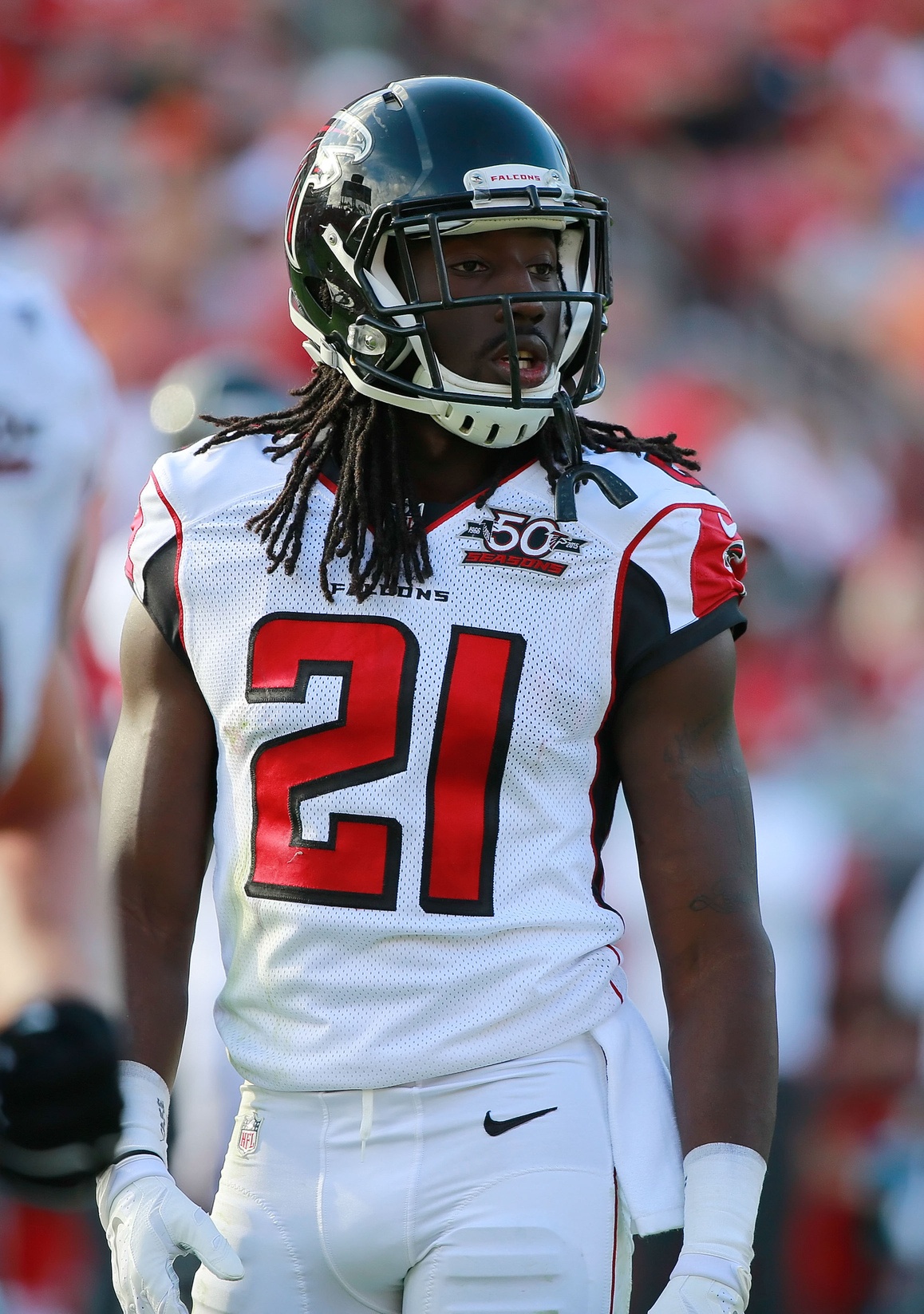
Poe certainly has his positive attributes: he’s young (26), durable (just two career missed games), athletic despite his 6’3″, 250-pound stature, and can rush the passer from the interior. But it’s unclear just how helpful Poe will be at stopping the run. Among 115 qualified interior defenders, Poe graded 87th in run defense, according to Pro Football Focus. The Chiefs, Poe’s former employer, ranked 30th in total adjusted line yards last season and dead last in yards middle of their defensive line. That’s not to place all the blame at Poe’s feet, but he played the most snaps of any Kansas City defensive lineman in 2016.
While the Poe signing was certainly defensible, Atlanta’s addition of former Cowboys defensive end Jack Crawford made little sense, at least at the required price. While he did an admirable job guiding Clarice Starling in her encounters with Hannibal Lecter, Crawford doesn’t provide much that the Falcons defensive line didn’t already have. He’s a remarkably similar player to incumbent options Adrian Clayborn and Courtney Upshaw, the latter of whom also re-signed with Atlanta this offseason. Crawford isn’t as talented as either of those players, however, and at a cost of $3.3MM annually, he’s earning a similar salary to that of Erik Walden, Connor Barwin, and Julius Peppers, all of whom I’d take over Crawford.
The Falcons didn’t need to add much to an offense that ranked first in DVOA last year, but they did bring back two key insurance pieces: quarterback Matt Schaub and tight end Levine Toilolo. Now in his second stint as a backup in Atlanta, Schaub attempted only three passes in relief of Matt Ryan. While he’s a capable reserve, there’s little question the Falcons’ season would go down in flames if Schaub is forced to step in for Ryan for any serious length of time. Toilolo, meanwhile, is the perfect No. 2 tight end, as he’s a willing blocker who also plays on special teams. In 2016, Toilolo played 55% of Atlanta’s offensive snaps while rookie Austin Hooper saw roughly 40% playtime. Expect those percentages to flip next season.
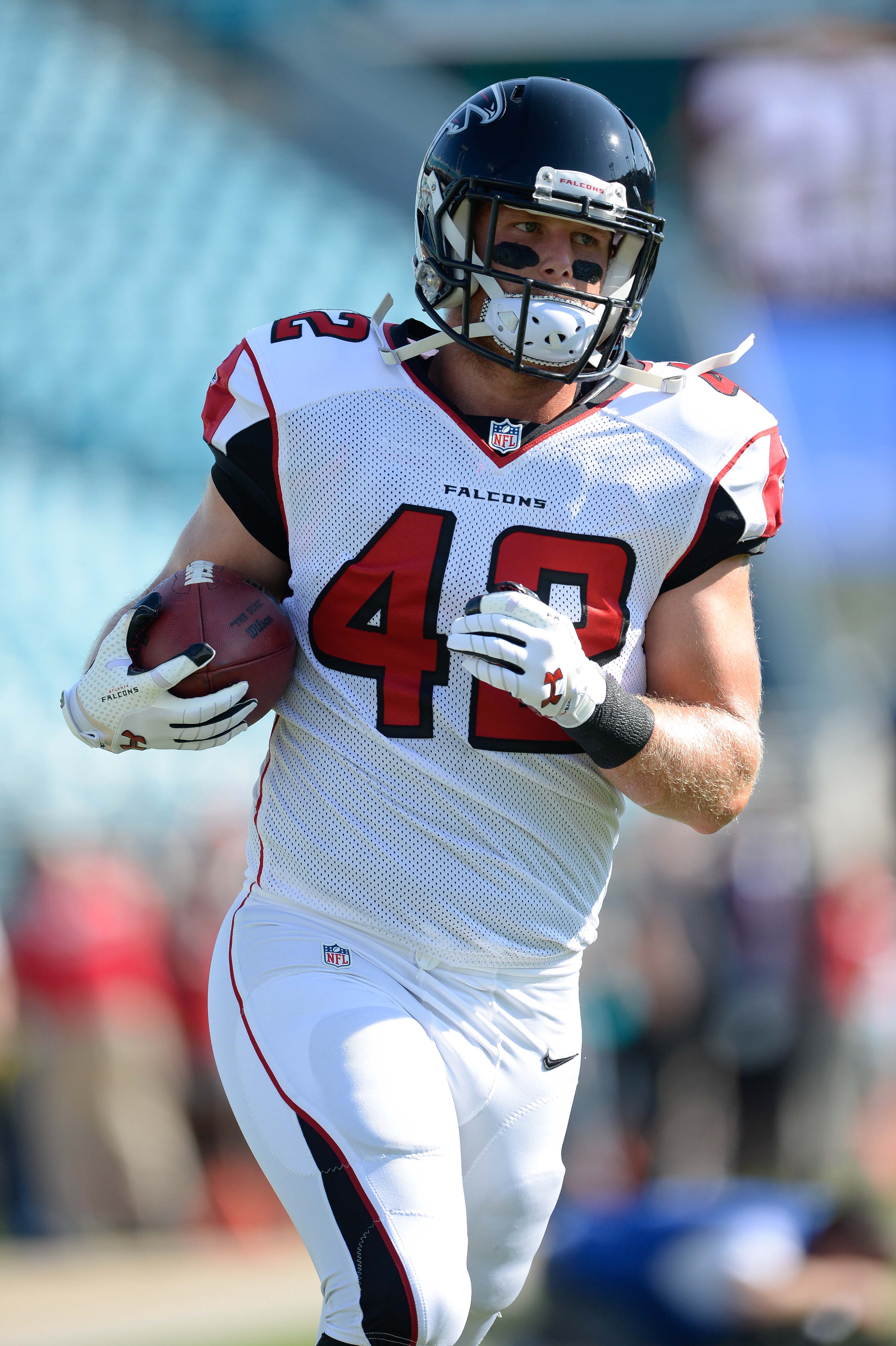
The only external additions made by the Falcons — wide receiver Andre Roberts and fullback Derrick Coleman — should slot in as replacements for two departed Atlanta free agents, Eric Weems and Patrick DiMarco. Roberts will likely become the primary return man for the Falcons in 2017, although his roster spot isn’t a given just yet, per Vaughn McClure of ESPN.com. Entering his eighth NFL campaign, Roberts handled 33 kickoffs and 20 punt returns for Detroit last season. Coleman, 26, was out of of the NFL in 2016 following an alleged hit-and-run, but he should see ample playing time next season, as DiMarco played the second-most offensive snaps of any fullback in the league a season ago.
PFR Originals: 8/6/17 – 8/13/17
The original content and analysis produced by the PFR staff during the past week:
- With the 2017 regular season only several weeks away, PFR began its annual Offseason In Review series, assessing the major signings, departures, trades, and other notable events for each of the 32 NFL clubs. We covered two teams this week:
- A recent report indicated the Bengals rejected a second-round pick for backup quarterback A.J. McCarron this offseason, so I attempted to figure out which clubs may have been involved in such talks with Cincinnati. I tossed out options such the Jets, Broncos, 49ers, and Browns, the latter of whom is the most likely contender for the mystery McCarron suitor, per a PFR reader poll at the end of the piece.
Let’s Figure Out Who Offered A Second-Rounder For A.J. McCarron
An unidentified team reportedly offered the Bengals a second-round pick for backup quarterback A.J. McCarron this offseason, as Albert Breer of TheMMQB.com reported earlier this week. Cincinnati rejected the offer, as it apparently wants a first-rounder for McCarron, who will once again act as a reserve behind starter Andy Dalton in 2017.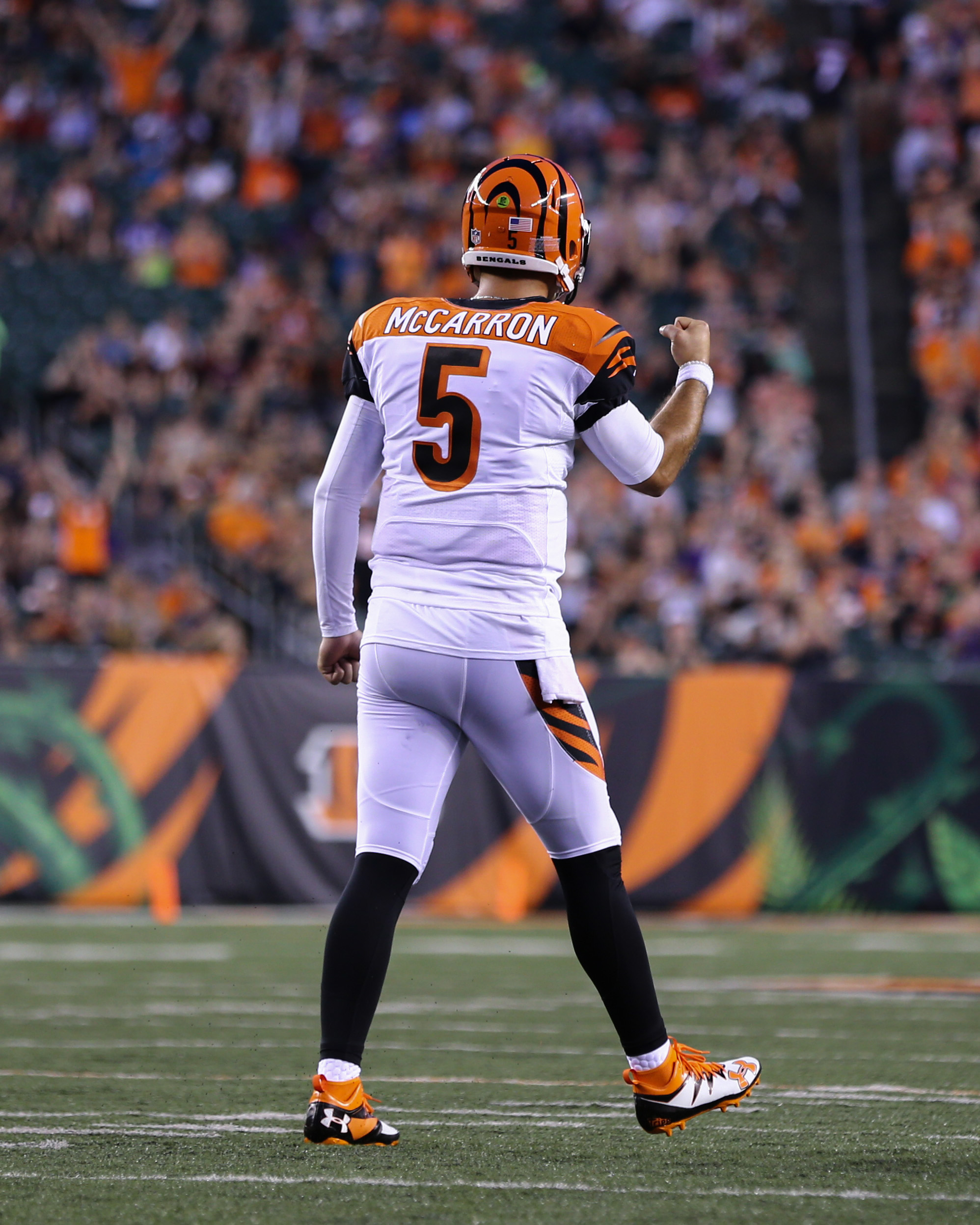
McCarron, 26, doesn’t have much NFL experience, as he’s only made four total starts (all following a 2015 Dalton injury) during his three-year career. Although he posted a decent showing in those appearances, tossing seven touchdowns against two interceptions, the former fifth-round pick’s track record is admittedly limited. McCarron’s contract situation is also up in the air: while the Bengals reportedly believe he’ll be a restricted free agent in 2018 because he spent his rookie season on the non-football injury list, McCarron and his agent may have a different take. An arbitrator hearing and resolution likely won’t come until next season.
With those caveats in mind, let’s look at the possible candidates for who offered a second-round pick for McCarron:
Arizona Cardinals
Let’s start off this exercise with the one true wild card on this list, as the Cardinals already have their starting quarterback in another former Bengal, 37-year-old Carson Palmer. Given that Palmer hinted at retirement all offseason, it’s entirely feasible 2017 will be his final NFL season, and Arizona hasn’t established a plan for the future. Drew Stanton and Blaine Gabbert aren’t realistic options to take over under center if Palmer does hang up his cleats after the upcoming campaign, so it’s possible the Cardinals would have floated a Day 2 selection in order to land a long-term successor like McCarron. General manager Steve Keim hasn’t been afraid to trade draft picks in the past, although his other significant deal — sending a second-rounder to the Patriots for edge rusher Chandler Jones — was a win-now move. McCarron’s 2014 NFL.com draft profile noted his lack of a “big-time, vertical arm,” which would theoretically present a problem in a Bruce Arians offense.
Buffalo Bills
The Bills hemmed and hawed on whether to retain incumbent signal-caller Tyrod Taylor, and though it appeared as though he’d hit free agency, Taylor ultimately agreed to a short-term pact that will keep him Buffalo through the 2018 season. While McCarron would seemingly fit in new play-caller Rick Dennison‘s offense, the timeline of the Bills’ front office turnover makes it unlikely they were involved in McCarron trade discussions. Buffalo reached a new deal with Taylor just prior to the start of the 2017 league year in early March, and former general manager Doug Whaley was fired two months later. Targeting another quarterback just after working out a fresh pact with Taylor seems improbable, and Buffalo’s ownership wouldn’t have let a lame duck like Whaley make such a franchise-altering decision.
Chicago Bears
While the Bears were never linked to McCarron, they were interested in trading for another high-profile backup quarterback — the Patriots’ Jimmy Garoppolo. Rival clubs didn’t believe Chicago would be forced to part with its No. 3 overall pick in order to land Garoppolo, as a package of multiple second-round selections was thought to be enough to get a deal done. Clearly, that view was misguided in regards to Garoppolo’s availability, but the Bears were obviously willing to ship away draft choices in order to bring in a passer. Ultimately, Chicago not only signed free agent Mike Glennon, but sent a bevy of picks to the 49ers in order to move up one spot in the first round for UNC’s Mitch Trubisky. Sending a second-rounder to Cincinnati for McCarron, then, wouldn’t have been out of the question.
Cleveland Browns
The one club known to have held McCarron trade talks with the Bengals is the Browns, who were reportedly discussing McCarron as late as the first day of the draft in April. However, negotiations between Cincinnati and Cleveland apparently didn’t get very far, as the Bengals were had assigned a high price tag to its backup quarterback. Based on familiarity alone, the Browns were an excellent fit for McCarron, as Cleveland head coach Hue Jackson was the Bengals’ offensive coordinator when McCarron entered the league in 2014. The Bengals didn’t seem to have any qualms about dealing McCarron to a division rival, and Cleveland seems like an obvious contender for the mystery team that offered Cincinnati a second-round pick, especially given that it owned two of them heading into the draft.
Denver Broncos
An armchair psychologist might say general manager John Elway‘s insistence that the Broncos are not currently trying to trade for McCarron (“150% false) is a bit on the defensive side, but even if Denver isn’t looking into McCarron at the moment, that doesn’t mean the club wasn’t interested in him earlier this year. Yes, the Broncos used a first-round pick on Paxton Lynch just a year ago, but reports on him and fellow quarterback Trevor Siemian haven’t been positive. Plus, Denver was linked to at least one signal-caller upgrade — veteran Tony Romo — this offseason, meaning the Broncos were willing to put Lynch and Siemian on the bench if a better option was discovered.
Houston Texans
One of the three clubs on this list that ultimately traded up to select a quarterback in the first round of the draft, the Texans are now set for the future with Clemson’s Deshaun Watson under center. But would they have been willing to ship a relatively early pick to the Bengals for McCarron before acquiring Watson? Possibly, although the fact that McCarron would likely need to be extended relatively quickly may have presented a problem. The Texans are staring at long-term deals for wide receiver DeAndre Hopkins and defensive end Jadeveon Clowney, so cap space could quickly get tight. And after general manager Rick Smith whiffed on Brock Osweiler in 2016, Texans ownership may not have given approval for the front office to spend both draft pick capital and more cash on another unproven quarterback.
Kansas City Chiefs
The Chiefs actually selected another quarterback — Georgia’s Aaron Murray — one pick before McCarron came off the board to Cincinnati in the fifth round of the 2014 draft. But McCarron doesn’t look like a perfect fit for Kansas City, and like Houston, cap space problems would have likely come into play. The Chiefs are currently projected to be nearly $5MM over the cap in 2018, so extending or franchising McCarron would have possibly been untenable. As such, Kansas City needed the benefits of a rookie quarterback contract, and instead opted to trade up to acquire Patrick Mahomes out of Texas Tech.
New York Jets
Writing in early March, Rich Cimini of ESPN.com suggested the Jets may have looked into a possible Sheldon Richardson-for-McCarron trade, noting his belief that Cincinnati would have had to insert a draft pick to get a deal done. I completely disagree on that last point, as a quarterback — even a reserve — has more value than a unproductive edge rusher/defensive tackle (plus, Richardson is scheduled to earn nearly $8MM more than McCarron in 2017), the idea of Gang Green trading for McCarron wasn’t completely out of the question. New York isn’t trying to win during the upcoming season, however, and will limp through the campaign with Josh McCown, Bryce Petty, and Christian Hackenberg before presumably finding a quarterback in next year’s draft.
San Francisco 49ers
The 49ers are one of the more interesting clubs on this list, as new head coach Kyle Shanahan should be allowed to essentially handpick his quarterback of the future at this point. San Francisco signed free agents Brian Hoyer and Matt Barkley, and drafted Iowa’s C.J. Beathard in the third round, but any talks regarding McCarron likely would have occurred before the 49ers made those moves. Still, the idea that San Francisco would have offered a second-round pick for McCarron seems unlikely for a few reasons. First, the Niners’ second-rounder was No. 34 overall, an extremely valuable draft choice, and second, San Francisco is probably holding off on adding a long-term quarterback until the 2018 free agent status of Kirk Cousins — Shanahan’s former pupil — is resolved.
What do you think? Did one of these clubs offer a second-round pick for McCarron? Or was it another unidentified team? Weigh in here: