
Packers Tried To Trade For Trey Hendrickson Prior To Micah Parsons Acquisition
The Packers made a major investment – in terms of acquisition cost and the finances needed for an extension – by adding Micah Parsons. The now ex-Cowboy is not the only notable edge rusher Green Bay targeted this offseason. 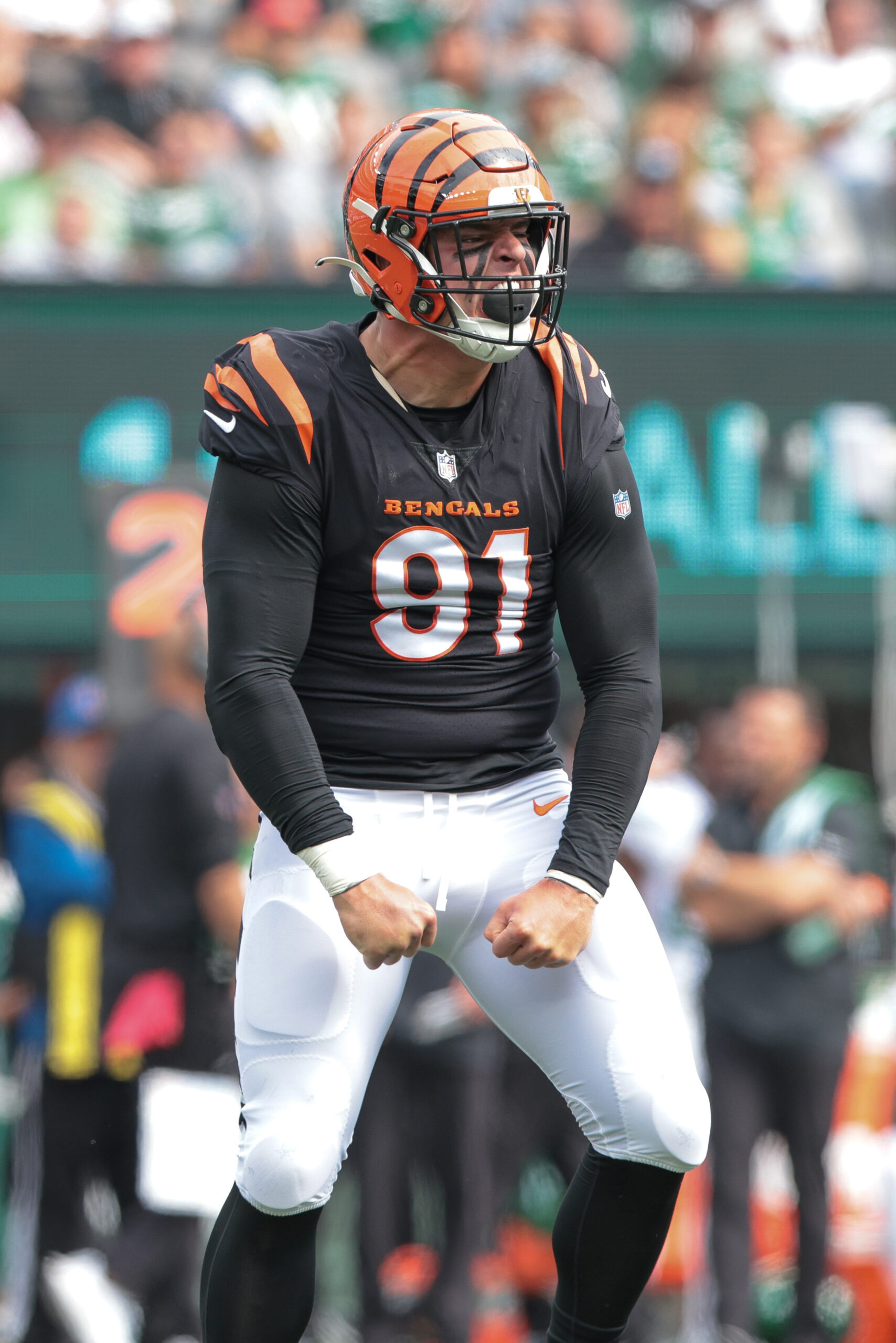
Before the Parsons trade, the Packers were among the top suitors for Trey Hendrickson, NFL Network’s Ian Rapoport reports. Cincinnati fielded calls through the spring for the 2024 sack leader. Green Bay was among the teams which showed the most interest in Hendrickson, per Rapoport, who adds an offer was made to the Bengals.
[RELATED: Recapping Packers’ Offseason]
Hendrickson’s future was again in question for much of the 2025 offseason. The Bengals allowed him to seek out a trade, differing from their stance on the matter in previous years. As Rapoport notes, though, retaining him was always Cincinnati’s preference. An agreement was reached on the length and value of a long-term extension, but the gap between team and player on guarantees could not be bridged.
As a result, Hendrickson agreed to a straight raise for 2025 without any new years being added to his pact. Efforts to work out a top-up did not begin until training camp, during which Hendrickson did not practice until his revised deal was in place. By that point, the Packers had been in contact about a trade, with a splashy addition along the edge being seen as a key priority.
Rapoport notes Kenny Clark would have been included in a Hendrickson-to-Green Bay deal, although the Packers were not willing to part with him during their initial discussions with the Bengals. The three-time Pro Bowl defensive tackle ultimately wound up being on the move when Green Bay sent him and a pair of first-round picks to Dallas for Parsons. At 26, Parsons obviously represents a longer-term investment from the Packers’ perspective than Hendrickson, who will turn 31 in December.
The Eagles made a push to acquire Parsons, but to no surprise the Cowboys were not willing to deal the four-time Pro Bowler within the division. Carolina also showed interest, although no offer was made in that case. Green Bay won out based on the team’s willingness to part with Clark but also to extend Parsons on a $47MM-per-year pact, the most in NFL history for non-quarterbacks.
The back issue Parsons has been dealing with through the summer led to questions about his Week 1 availability. He is expected to suit up tomorrow, with Rapoport noting a full workload is unlikely. Having arrived one week before the start of the season, Parsons will ramp up early in the year in advance of an every-down role with his new team. The Packers are banking on a high-profile EDGE addition helping them join the NFC’s elite, something illustrated by their eventual Parsons acquisition but also the Hendrickson pursuit which preceded it.
Offseason In Review: Baltimore Ravens
Fresh off another disappointment in the playoffs, the Ravens returned to roster-building work ahead of another push at a Lamar Jackson-era Super Bowl berth. For the first time since 2021, Baltimore returned both of its coordinators, and the coaching staff as a whole had significantly less turnover than recent years. Free agency was another situation, as the Ravens’ pricey roster left little cap space to do too much work.
GM Eric DeCosta prioritized the most important of his free agents – left tackle Ronnie Stanley – and let several others walk to collect more compensatory picks in the 2026 draft. The Ravens did add some big names at discount prices in cornerback Jaire Alexander and wide receiver DeAndre Hopkins before landing safety Malaki Starks and edge rusher Mike Green in April’s draft. The result is another talented roster that will enter the year with Super Bowl expectations once again.
Extensions and restructures:
- Signed S Kyle Hamilton to a four-year, $100.4MM contract ($48.02MM guaranteed)
- Signed RB Derrick Henry to a two-year, $30MM extension ($25MM guaranteed)
- Signed WR Rashod Bateman to a two-year, $25MM extension ($16.5MM guaranteed)
- Added $500K of per-game roster bonuses to OLB Kyle Van Noy‘s contract
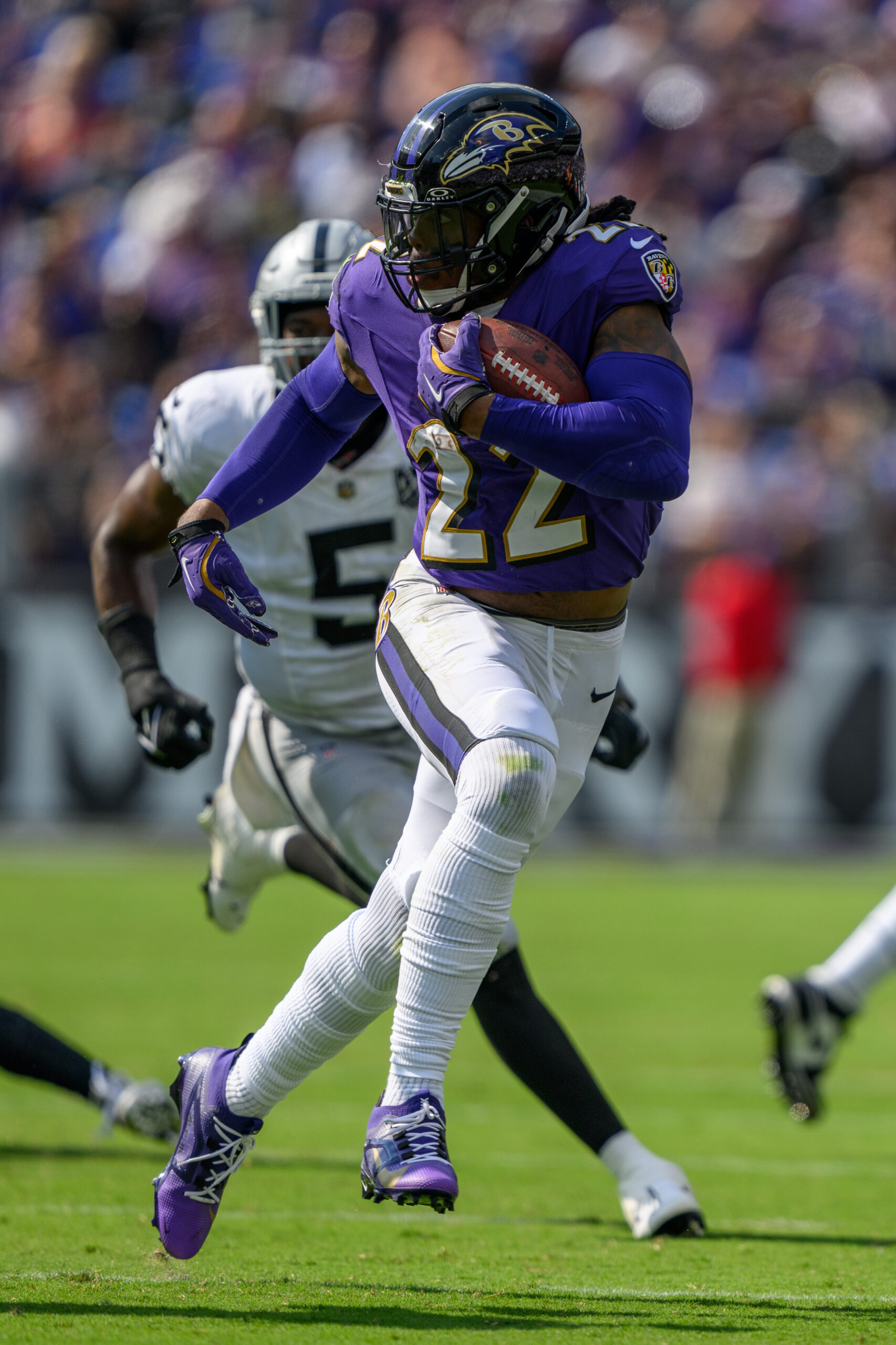 Extending Henry off his outstanding 2024 season was an early-offseason priority for the Ravens. Saquon Barkley’s market-resetting extension with the Eagles (two years, $41.2MM) seemed to prolong negotiations and increase Henry’s price tag.
He ultimately signed a two-year extension for $5.6MM less per year than Barkley’s deal; this contract gave the Ravens an out after 2026 if needed. However, Henry shows no sign of slowing down as he entered his 30s. He could see this contract out and retire a Raven. While conventional logic suggests the odds Henry plays out this through-2027 contract are not great — after all, he has a 539-carry lead over the next-closest active running back (Joe Mixon) — but the two-time rushing champion has continued to defy expectations.
The Ravens hedged on Henry last year, bringing him on a two-year deal worth $16MM. That contract gave Baltimore an easy out after Year 1. The Ravens, who pursued Henry in 2023, then watched him dominate to the tune of 1,921 yards and 16 touchdowns. Henry became only the second running back this century to gain at least 1,900 yards and fail to land a first-team All-Pro nod, joining ex-Packer Ahman Green (2003). It took a historic Barkley stampede to deny Henry a second first-team All-Pro honor.
This represents the largest deal for any 30-something running back, highlighting Henry’s longevity and Baltimore’s faith he can keep delivering into his early 30s. The ex-Tennessee mainstay created a historic power-speed combo with Lamar Jackson, and Keaton Mitchell‘s return in earnest from a 2023 ACL tear should only enhance the NFL’s most consistent rushing attack.
The contract guarantees Henry’s 2026 compensation, creating a decision — perhaps for both player and team — in 2027, when the bulldozing RB’s $11MM base salary is nonguaranteed. Already past $74MM in career earnings, the future Hall of Famer will push for $100MM as a result of this extension.
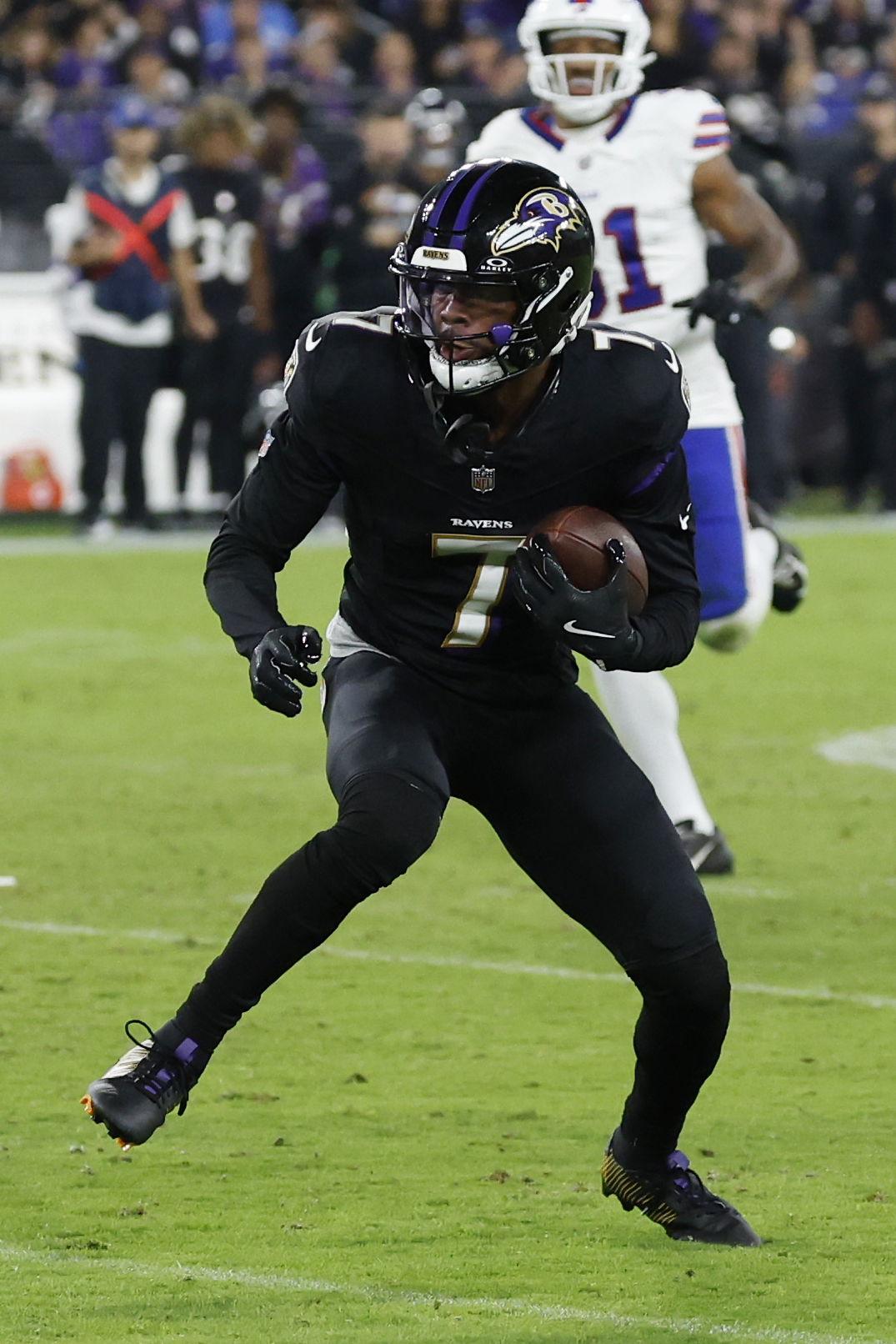 Bateman signed an extension last offseason, partially due to a quirk with his rookie contract. After a career-best year in 2024, he came back for a raise. The Ravens gave him an opportunity to explore his trade market, and the Cowboys inquired before pivoting to George Pickens. But a Bateman-Baltimore pact eventually came together at $12.5MM AAV, still quality value for a receiver of his caliber.
Overall, the agreement brings his terms to just under $50MM over the next five years. The diversity of the Ravens’ offense may cap the 2021 first-rounder’s volume, but he can still be an efficient weapon, especially as one of Jackson’s favorite targets downfield and in the red zone.
Baltimore reportedly explored extensions with a number of their 2022 draftees, including Tyler Linderbaum, Isaiah Likely, and Travis Jones, but they only finalized a pre-Week 1 accord with Hamilton. At $25.1MM per year, Hamilton’s deal dramatically reset the safety market and made him the third-highest-paid defensive back in the league. His AAV represented about 9.0% of the salary cap, similar to the 2022 extension signed by Derwin James after he established himself as the best safety in the league at the time.
Hamilton seems to have done the same. He was a dangerous nickel defender as a rookie before breaking out as a versatile defensive weapon in 2023. In 2024, his move to a more traditional safety role midway through the season revived Baltimore’s pass defense, proving his ability to affect opposing offenses at all levels of the field. Getting the extension done with two years left on Hamilton’s contract will keep him in Baltimore through 2030 for an effective AAV of $20.7MM.
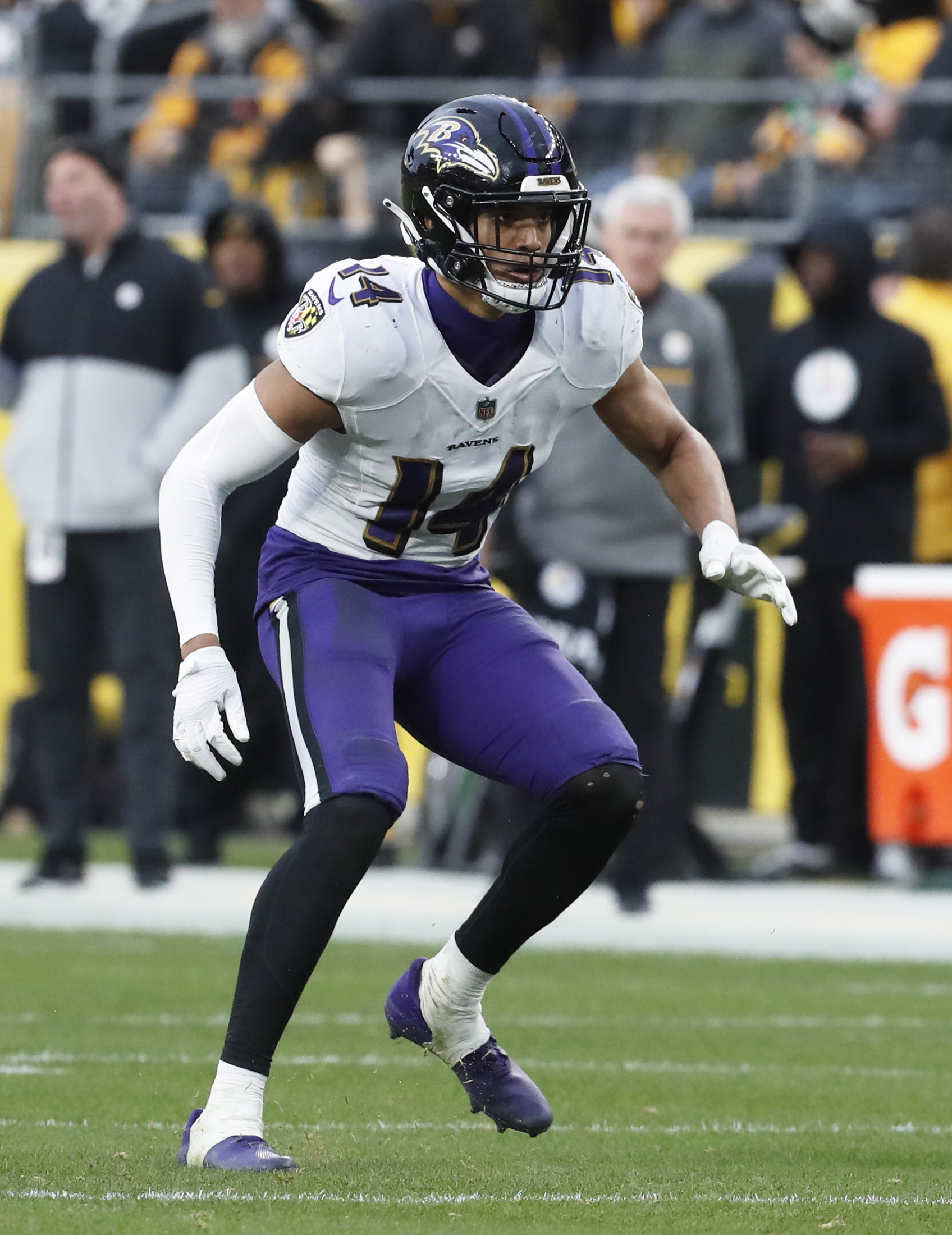 Dating back to Ed Reed‘s dominant run, the Ravens have placed considerable value on safeties. Although this position has seen its value yo-yo in the modern game, Baltimore has kept adding talent here — from Eric Weddle to Earl Thomas to Marcus Williams. Not all of the moves have worked out, but Hamilton is easily the best Ravens safety decision since Reed. This contract reflects a belief Hamilton’s prime will be transformative, as the deal comes in more than $3MM north of where Antoine Winfield Jr. and Kerby Joseph moved the market over the past year-plus.
Only 24, Hamilton is already a two-time All-Pro. The Ravens locked in some cost certainty by extending Hamilton in his fourth NFL offseason. They did the same with Marlon Humphrey in 2020. Hamilton receives money early as well, and the staggering value convinced the Notre Dame alum to commit ahead of Year 4.
The Ravens, who now have three $20MM-per-year players on defense (in Hamilton, Nnamdi Madubuike and Roquan Smith), were also looking to get ahead of Lamar Jackson’s contract with two $74.5MM cap hits awaiting them in 2026 and 2027, but talks gained little traction. That will likely be Baltimore’s top priority next offseason.
Free agency additions:
- DeAndre Hopkins, WR. One year, $5MM ($5MM guaranteed)
- Cooper Rush, QB. Two years, $6.2MM ($4MM guaranteed)
- Jaire Alexander, CB. One year, $4MM, ($4MM guaranteed)
- Joseph Noteboom, OT. One year, $2MM, ($2MM guaranteed)
- Chidobe Awuzie, CB. One year, $1.255MM ($1.26MM guaranteed)
- John Jenkins, NT. One year, $1.75MM, ($325K guaranteed)
- Jake Hummel, LB. One year, $1.2MM, ($100K guaranteed)
The Ravens have a history of adding Lamar Jackson’s desired receivers. They drafted Marquise Brown on Jackson’s recommendation in 2019 and aggressively pursued Odell Beckham Jr. in free agency in 2023 as they tried to get their franchise QB to sign an extension. This year, DeCosta signed another rumored name on Jackson’s wishlist: Hopkins.
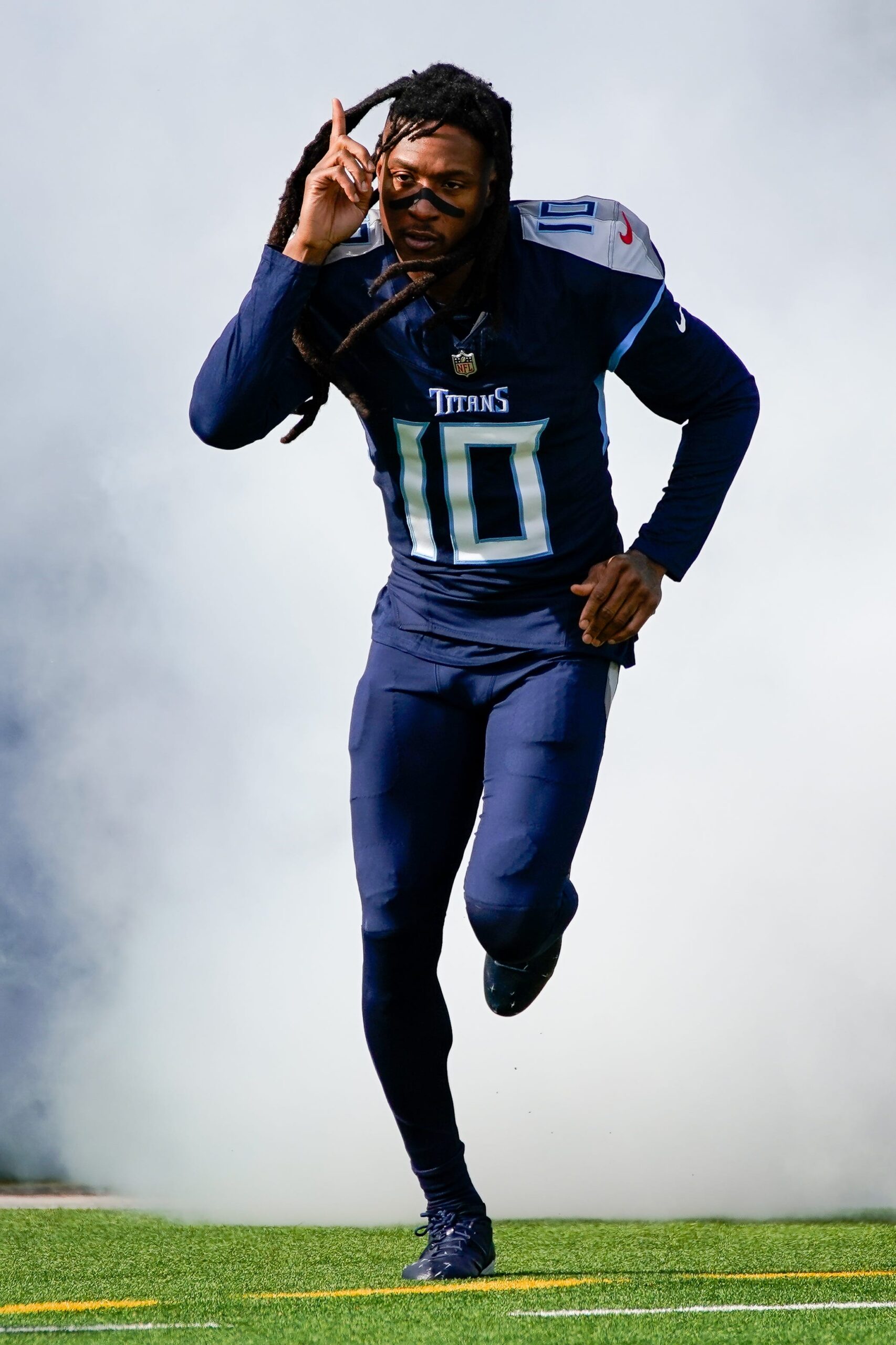 Limited by the Titans’ poor quarterback play last year, Hopkins started to show signs of his former self after being traded to the Chiefs at the deadline. The three-time All-Pro’s $5MM deal features another $1MM in incentives. The Ravens are certainly not adding the Texans’ version of Hopkins, as he has not booked a Pro Bowl invite since 2020 and managed only three catches for 29 yards during the Chiefs’ three-game postseason. But the big-bodied receiver will be positioned as a tertiary target in an offense that has higher-priority players.
Hopkins joins Zay Flowers and Rashod Bateman to form a trio pairing youth with experience (and one now housing three first-round picks). The gravity of Baltimore’s rushing game will give Hopkins more one-on-one opportunities to work his veteran route-running and skills at the catch point. The Ravens are hoping Hopkins can be a difference-maker for their offense in key situations. At a minimum, the NFL’s active leader in receiving yards (12,965) would appear to be an upgrade over last year’s WR3, Nelson Agholor.
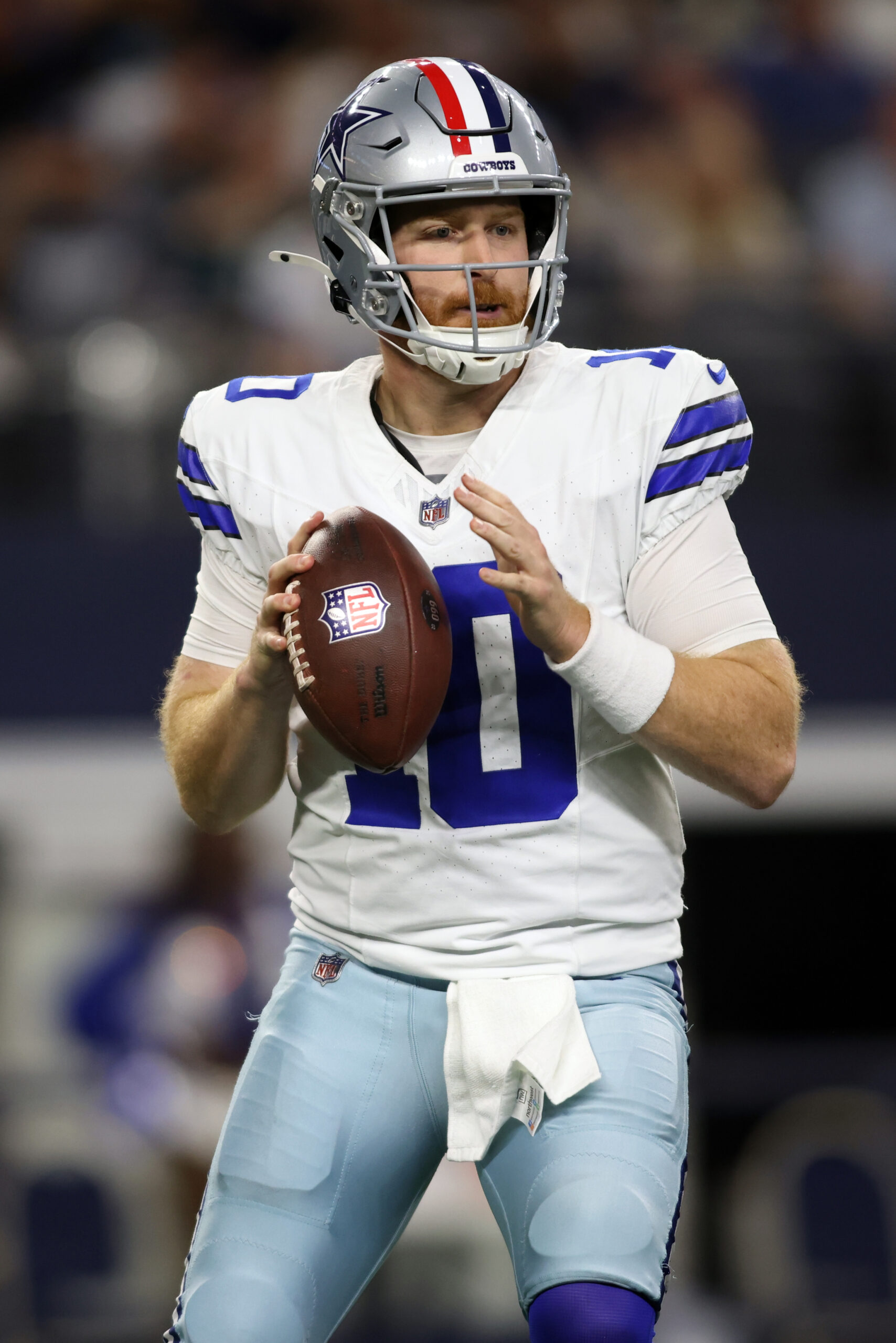
A longtime backup to Dak Prescott in Dallas, Rush was not seen as a schematic fit behind Jackson. Instead, the team touted his winning record as a starter and veteran experience as reasons he could run the offense if needed. He’s also younger with a more live arm than Josh Johnson, the 2024 backup. Obviously, though, the Ravens will only want Rush on the field if the game is already won in a blowout.
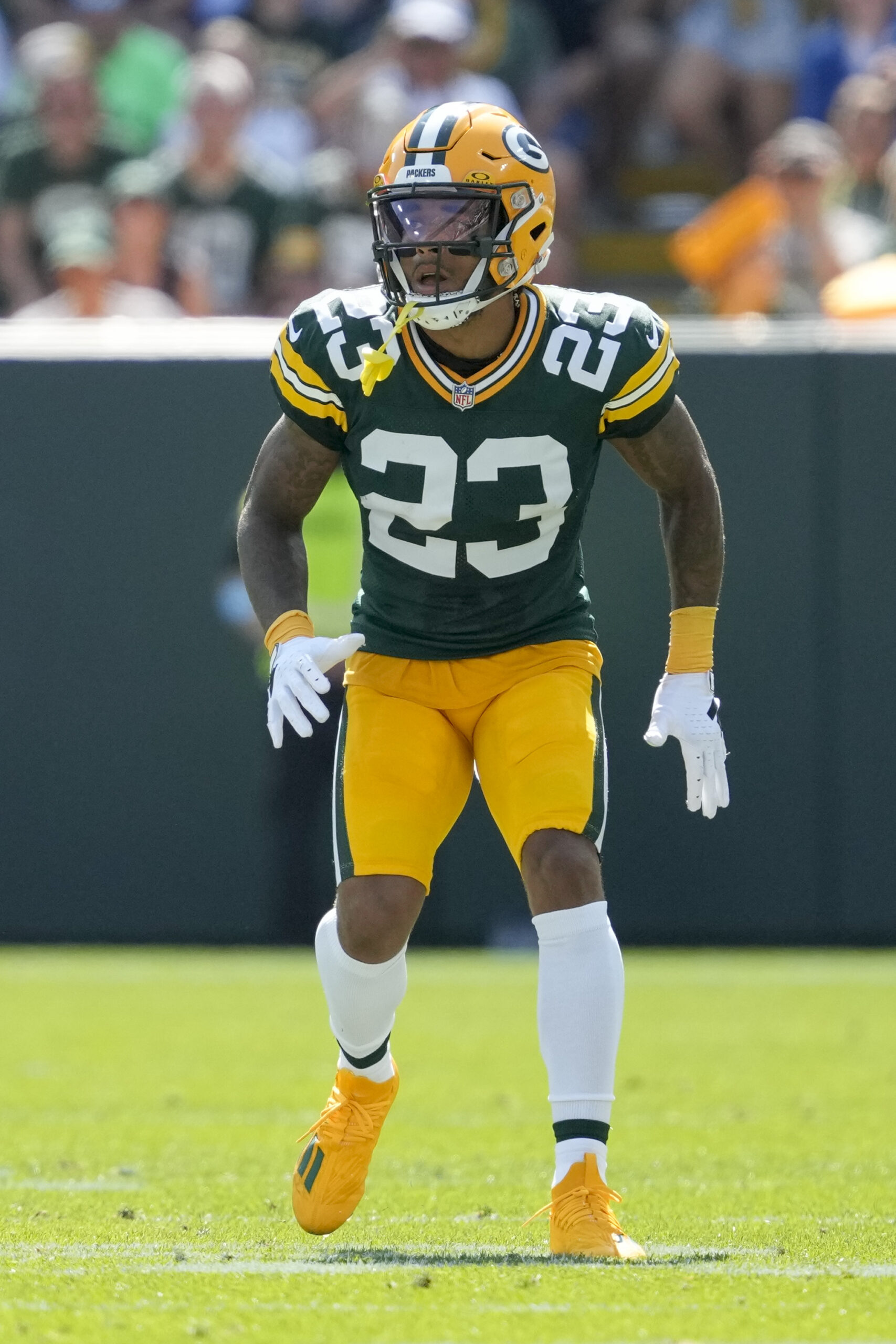 Alexander is known just as much for his talent as his injuries at this point. With only 34 appearances since 2021 – and three seasons with seven games or fewer – the Packers understandably wanted him to take a pay cut from the $17.5MM he was due in 2025. Alexander refused, and his contract remained an obstacle in trade talks with multiple teams, including the Bills. Green Bay eventually cut him loose in June, making the former first-round pick an enticing late addition to the free agency crop.
The Ravens’ need at cornerback and Alexander’s longstanding friendship with Jackson dating back to their Louisville days made Baltimore an obvious destination. Jackson even told his general manager to “go get” Alexander during a spring press conference. DeCosta obliged, signing Alexander — who also considered the Dolphins and Falcons — just over a week after he hit the market.
As with Hopkins, the Ravens seemed to get a steal by nabbing Alexander for $4MM (plus $2MM in play time incentives), but he still carries significant injury risk. It’s no guarantee the eighth-year vet can stay healthy for a whole season, but he adds another elite talent to a Ravens secondary that was already among the best in the league.
 The rest of the Ravens’ free agency signings filled some of the holes in their depth left by their offseason departures. Noteboom arrived as an inexpensive veteran swing tackle to replace Josh Jones. Awuzie was a Titans cap casualty with guaranteed salary remaining on his deal, allowing the Ravens to sign him for the veteran minimum.
With 81 career starts, Awuzie is slightly overqualified for a No. 4 CB role. But he has also missed significant time due to injury in two of the past three seasons. The Titans dropped Awuzie’s three-year, $36MM contract after he missed nine games due to a nagging groin injury. This came two years after an ACL tear stalled the ex-Cowboys draftee’s momentum. Having started in Super Bowl LVI with the Bengals, Awuzie was not a full-time starter in his final Cincinnati season. Considering Alexander’s injury history, however, Awuzie could represent important insurance.
Jenkins, who started 34 games for the Raiders in the last two years, will add nose tackle depth behind Travis Jones after Michael Pierce’s retirement in March. Needing to revamp an underwhelming special teams unit, the Ravens added former Rams special teams ace Jake Hummel on a cheap deal.
Re-signings
- Ronnie Stanley, LT. Three years, $60MM ($44MM guaranteed)
- Patrick Ricard, FB. One year, $2.873MM, ($2.87MM guaranteed)
- Tylan Wallace, WR. One year, $2.1MM ($1.35MM guaranteed)
- Ar’Darius Washington, S. One year, $3.26MM (RFA tender)
- Ben Cleveland, RG. One year, $1.17MM
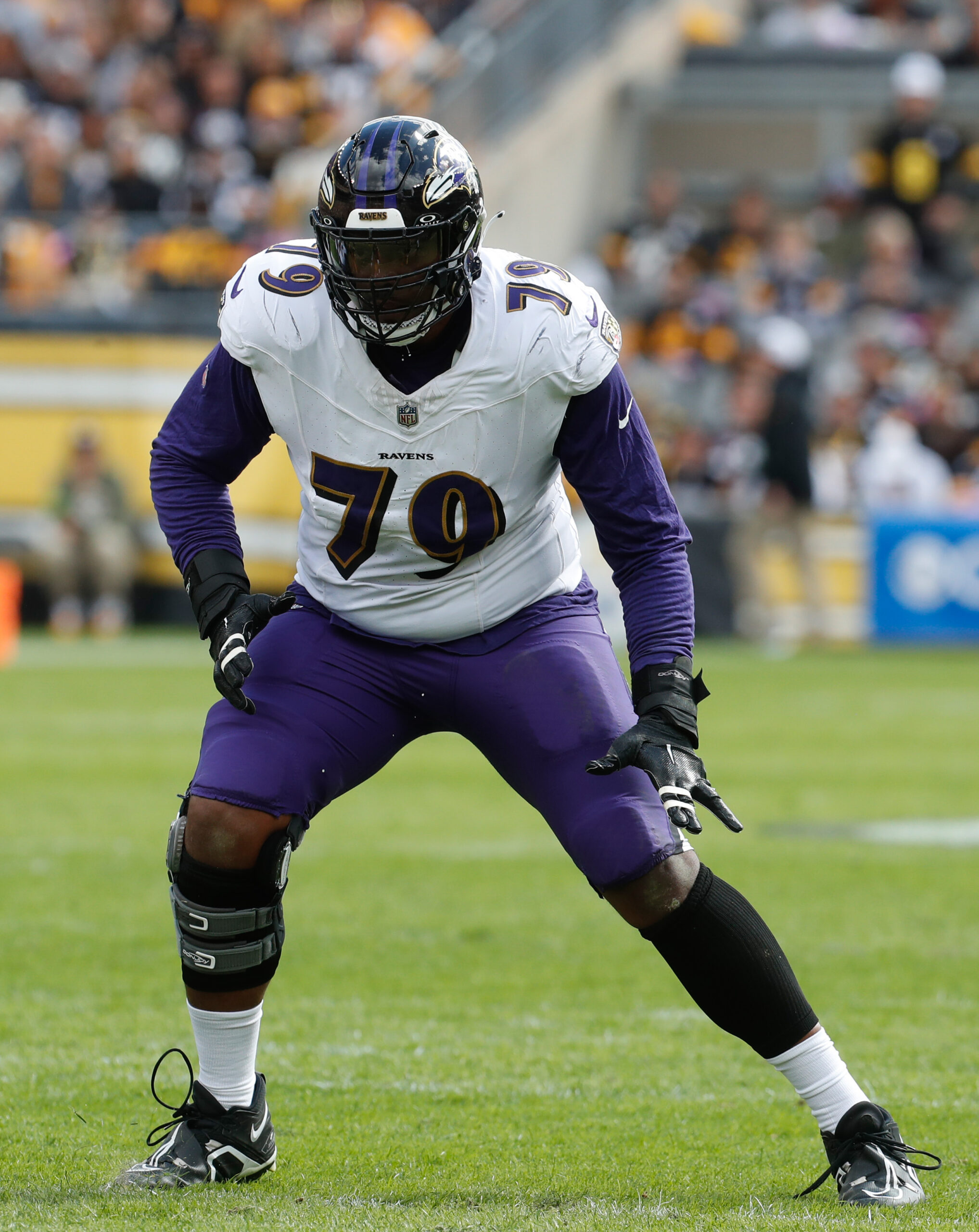 The No. 6 pick in the 2016 draft, Stanley is coming off a resurgent year — his best since a devastating ankle injury in 2020. The nine-year Baltimore left tackle only played 25 games in the next three seasons and couldn’t return to his elite form even when he was healthy. The Ravens stood by Stanley (and his massive contract), but they got him to take a pay cut in 2024 to ease their cap burden and prove that he was back to full health.
The nine-year veteran responded with the first full season of his career as well as his second Pro Bowl selection. Stanley wasn’t a dominant pass protector, but he lost slowly and consistently gave Jackson enough time to make a play. He also played a huge role in the Ravens’ bulldozing rushing offense leading runs to the weak side that regularly gashed opposing defenses.
As a result, Stanley wasn’t just the Ravens’ biggest pending free agent, but one of the most coveted league-wide. PFR’s No. 4-ranked free agent, Stanley drew significant interest from the Patriots, Chiefs, and Commanders, but he took $20MM per year to stay in Baltimore. The Ravens convinced Stanley to re-sign two days before the legal tampering period.

Broncos Place DL Malcolm Roach On IR, Promote QB Sam Ehlinger
Malcolm Roach was already known to be out for Week 1. The veteran defensive lineman will be unavailable through at least the first month of the campaign. 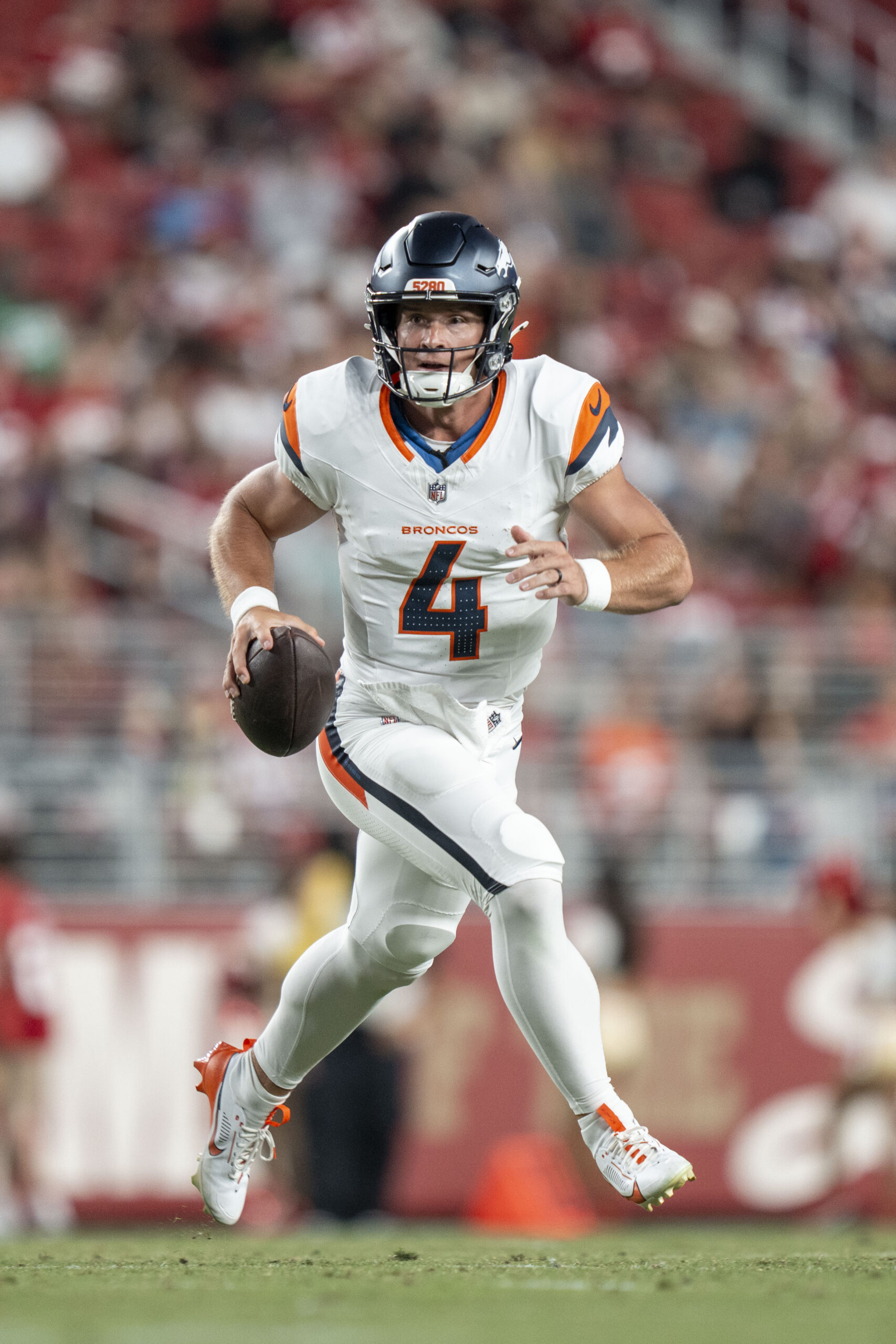
The Broncos announced on Saturday that Roach was placed on injured reserve. A grade two calf strain will thus keep him sidelined through Denver’s first four contests at a minimum. Roach played every regular and postseason game in 2024, his debut Broncos campaign. That will not be the case this time around.
Denver’s defensive front will be expected to remain one of the league’s best through the early portion of the season and beyond, with Zach Allen, D.J. Jones and John Franklin-Myers each set to reprise their roles as starters. Still, being without Roach will deal a blow to the Broncos’ D-line. The 27-year-old handled a 42% snap share on defense last season and set a new career high in tackles (43) and sacks (2.5).
Roach is owed $2.75MM this season, the final one of his deal. The former UDFA would stand to benefit from another productive campaign with respect to his market value, just like Franklin-Myers. Plenty of time remains for a return at some point, but Roach’s absence could hurt his free agent stock while also leaving Denver shorthanded along the defensive interior for a stretch.
In a corresponding move, quarterback Sam Ehlinger has been promoted from the practice squad to the active roster. The former Colts passer was among Denver’s roster cuts last week but he remained in place by signing to the team’s taxi squad. That decision came after two offers were made by outside suitors for a spot on their 53-man rosters. Ehlinger elected to stay put, and Chris Tomasson of the Denver Gazette notes the Broncos planned to make room for him on the active roster in the near future. That opportunity has now arrived.
Bo Nix will handle starting duties in 2025 while looking to build off his impressive rookie season. Jarrett Stidham will once again operate as Denver’s backup, but Ehlinger is now in place to serve as the team’s third-string (and, on gamedays, emergency QB3) option.
Minor NFL Transactions: 9/6/25
With our first slate of Sunday games tomorrow, we’ll see our first slew of standard gameday practice squad elevations. Here are today’s minor transactions:
Atlanta Falcons
- Elevated: WR David Sills, RB Carlos Washington Jr.
Baltimore Ravens
- Elevated: TE Zaire Mitchell-Paden
Buffalo Bills
- Elevated: G Kendrick Green, K Matt Prater
Carolina Panthers
- Signed to active roster: DT Jaden Crumedy
- Placed on IR: CB Damarri Mathis (story)
Cincinnati Bengals
- Elevated: DT Mike Pennel
Denver Broncos
- Elevated: FB Adam Prentice, LB Levelle Bailey
Detroit Lions
- Signed to active roster: RB Jacob Saylors
- Elevated: LB Anthony Pittman
- Placed on IR: T Jamarco Jones
Green Bay Packers
- Elevated: CB Micah Robinson
Houston Texans
- Elevated: FB Jakob Johnson
Indianapolis Colts
- Elevated: LB Austin Ajiake, RB Ulysses Bentley IV
Jacksonville Jaguars
- Elevated: T Ricky Lee
Las Vegas Raiders
- Elevated: WR Alex Bachman, S Terrell Edmunds
Los Angeles Rams
- Elevated: RB Cody Schrader
Miami Dolphins
- Elevated: K Riley Patterson, RB Jeff Wilson
New England Patriots
- Signed to active roster: DT Cory Durden
- Elevated: CB Corey Ballentine, LB Mark Robinson
- Released: DT Jeremiah Pharms
New Orleans Saints
- Signed to active roster: DE Fadil Diggs
- Elevated: TE Jack Stoll, DE Jonah Williams
- Waived: QB Jake Haener
New York Giants
- Elevated: DT Elijah Garcia
New York Jets
- Elevated: WR Tyler Johnson
- Placed on IR: G Alijah Vera-Tucker (story)
Pittsburgh Steelers
- Elevated: CB James Pierre
San Francisco 49ers
- Elevated: WR Russell Gage, LB Curtis Robinson
Seattle Seahawks
- Elevated: CB Shaquill Griffin, DT Quinton Bohanna
Tampa Bay Buccaneers
- Elevated: DT Adam Gotsis, G Michael Jordan
Tennessee Titans
- Elevated: C Corey Levin, DT Carlos Watkins
Washington Commanders
- Elevated: C Michael Deiter, WR Chris Moore
Each NFL team is granted up to two standard gameday practice squad elevations each game, allowing them to call up two members of their practice squad who are able to play in that weekend’s game. After the game is played, the elevated players revert back to the practice squad with no transaction required. This differs from the situation with somebody like Crumedy in Carolina. With Mathis’ placement on injured reserve opening a spot on the 53-man roster, Crumedy has been promoted from the practice squad to the active roster, where he will remain until he is cut or his contract expires.
Practice squad players can be called up a maximum of three times under a single practice squad contract. If a team wants to call up a player who’s been called up three times already, the team will usually sign the player to their active roster for a game, cut them after, and then sign them to a new practice squad contract. Under the new contract, the player would be eligible to be elevated for three more games.
As the Dolphins await Jason Sanders‘ return from IR, Patterson was named the winner of a kicking audition with three other veteran kickers. Miami will be able to elevate him three times but will have to promote him to the active roster for any games between that and Sanders’ activation. Similarly, Prater will likely be on the same plan in Buffalo.
Haener’s stint on the Saints’ active roster was short-lived as the team decides to move forward with only two quarterbacks. Spencer Rattler will handle starting duties to begin the campaign with second-round rookie Tyler Shough serving as his backup.
Eagles Waive G Kenyon Green
Kenyon Green did not survive the Eagles’ cuts ahead of last week’s deadline. The former first-rounder quickly found himself back in the fold, but that is no longer the case. 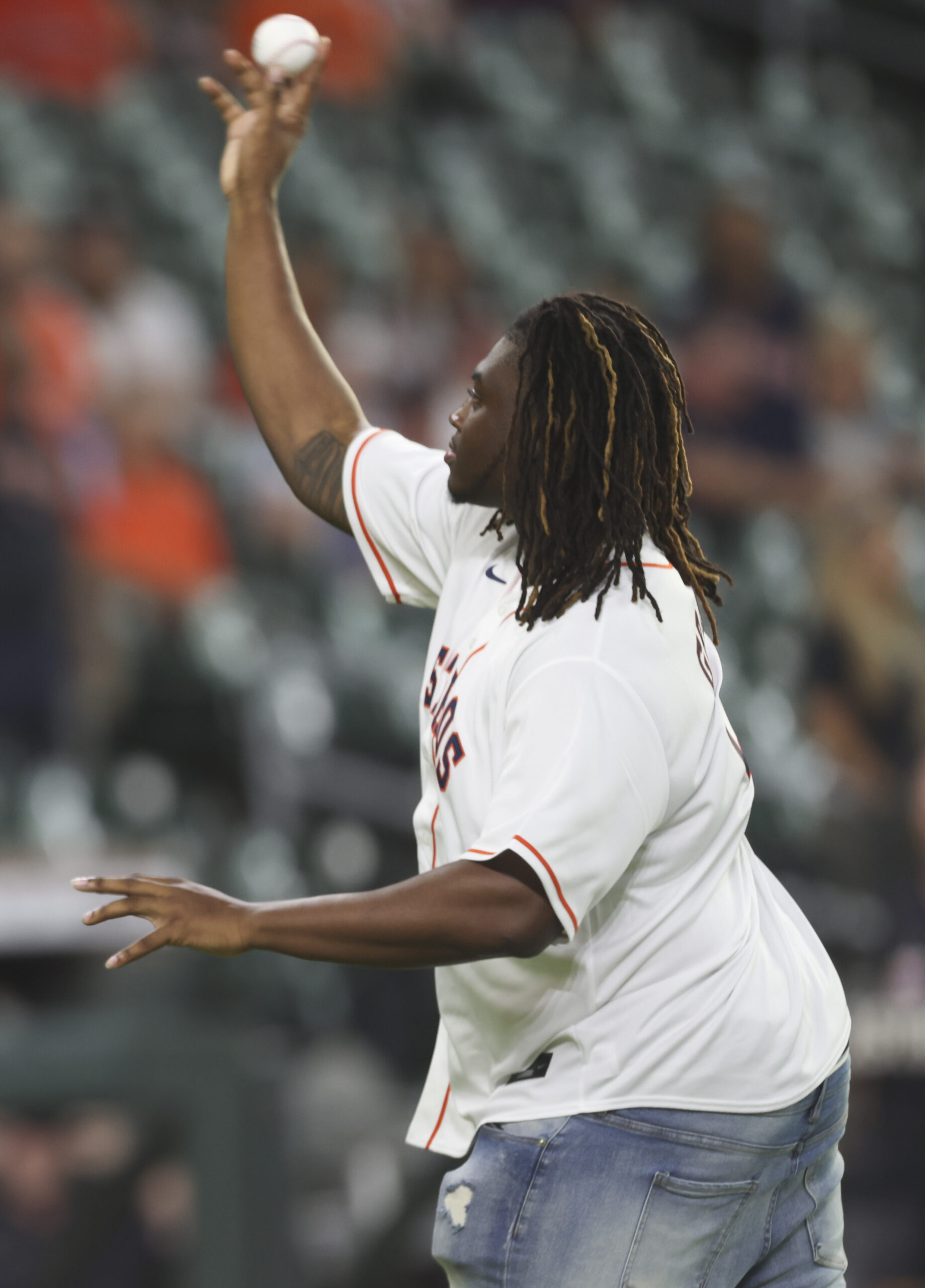
Green was waived once again on Saturday, per a team announcement. The offseason trade acquisition was on Philadelphia’s active roster in time for the team’s regular season opener, but he did not take part. Green will now hit the waiver wire with free agency looming in the event he does not get claimed.
[RELATED: Eagles Sign Za’Darius Smith]
During his three years in Houston, Green was unable to live up to the expectations brought about by his draft stock. The 24-year-old managed to play 12 games last season after missing the previous campaign in its entirety. His play when on the field, however, was a key factor in the Texans’ struggles along the offensive line. The team made a number of changes up front this spring, including the decision to include Green in the C.J. Gardner-Johnson trade.
Four of Philadelphia’s starter along the O-line are still in place from 2024. The lone vacancy compared to last season was right guard, with Mekhi Becton landing a two-year Chargers pact in free agency after delivering a strong campaign with the Eagles. Tyler Steen won the RG gig in training camp and played there on Thursday. Without a first-team opening for Green – and without the Texas A&M product being viewed as one of Philadelphia’s top backup options along the interior – a change of scenery is likely in store.
Green could remain with the Eagles via a practice squad agreement after clearing waivers. Failing that, he will look to join a new team with the regular season underway.
NFL Practice Squad Updates: 9/6/25
Here are today’s only practice squad transactions:
Atlanta Falcons
- Signed: WR David Sills
- Released: DT Simeon Barrow Jr.
The Falcons released Sills yesterday but still wanted him to play in their season opener tomorrow. In order to make that happen, Atlanta needed to sign him to the practice squad so he can be a standard gameday elevation in Week 1.
NFC South Notes: Pitts, Otton, Saints, Young
The Falcons rebuffed Kyle Pitts trade interest, though with the former top-five pick set to begin a contract year, it is possible the franchise could revisit this topic. Pitts was mentioned as “relatively available” this offseason, with the price of a Day 2 pick floated. No Pitts extension is planned, but a franchise tag would not be out of the question if the tight end puts together a good contract year. Still, teams indeed viewed the Florida alum as available in the past, per The Athletic’s Josh Kendall. The Falcons stumbling out of the blocks this season could reignite the prospect of Pitts being traded during his fifth-year option season.
How Pitts’ salary would be divvied up in a trade would be a key component in negotiations, as he is tied to a $10.88MM option salary. The later in the season he is dealt, the less money an acquiring team would be responsible for. The Falcons having Pitts would give Michael Penix Jr. a fairly talented weapon, but if the team intends to make the 6-foot-6 pass catcher a one-contract player, it would make sense to listen to offers before the November deadline.
Here is the latest from the NFC South:
- Buccaneers extensions for Luke Goedeke and Zyon McCollum have surfaced this week, but the team appears through with its preseason paydays. No Cade Otton deal is expected, ESPN’s Jeremy Fowler notes. Otton would join Pitts as promising TE options in 2026, barring any franchise tags. The former fourth-round pick is interested in a Bucs extension, and Tampa Bay is rather good at retaining its own. Next year’s tight end market would stand to include, barring extensions or tags, big names. Travis Kelce, Mark Andrews, Dallas Goedert, David Njoku and Isaiah Likely‘s contracts expire after this season. Otton, Pitts and Likely would be of particular interest as second-contract-seeking players. Otton, 26, is looking to build on a career-best 600 yards and four touchdown catches last season.
- Pro Football Focus rated Alontae Taylor as the NFL’s worst full-time cornerback last season, ranking him 116th. The former second-round pick’s perception within the league appears different, as Fowler notes the Saints CB is on the extension radar. New Orleans jettisoned Marshon Lattimore at last year’s deadline and lost Paulson Adebo — a player the team hoped to re-sign — in free agency. Although the Saints drafted Kool-Aid McKinstry in Round 2 last year, they appear interested in a second Taylor contract. He has started 37 career games entering his platform year.
- Chase Young is again dealing with injury trouble. The recently re-signed defensive end, who bounced back from neck surgery to play 17 games last season, will miss the Saints’ opener with a calf injury. Young joins Trevor Penning, who has been battling turf toe, in being ruled out.
- The Falcons have not ruled out Darnell Mooney for Week 1, but the team has been coy regarding the deep threat’s status after a late-July shoulder injury. In other Mooney matters, the team restructured his contract. Atlanta created $6MM in cap space by restructuring Mooney’s deal, ESPN’s Field Yates tweets. Mooney is tied to a three-year, $39MM contract — a deal that includes three void years. The sixth-year receiver’s restructure ballooned his 2026 cap hit to $18.05MM.
- Last September, Bryce Young‘s January 2026 extension-eligible date did not appear to mean much. The Panthers were moving toward a 2025 separation with a QB they benched. Young’s second-half turnaround last season, though, has the prospect of a 2026 payday back in play, per ESPN’s Dan Graziano. The Panthers believe the undersized passer has turned a corner in terms of confidence and competitiveness, and Carolina believes the improvement he showed late last year will carry over. While it would be perhaps more newsworthy if the Panthers didn’t believe Young would sustain this form, the prospect of an extension for the 5-foot-10 QB is still notable considering the separation rumors that engulfed him less than a year ago.
John Franklin-Myers Not Expecting Broncos Extension; Latest On Nik Bonitto Deal
The Broncos have now completed their three top extension priorities, coming to terms with Courtland Sutton, Zach Allen and Nik Bonitto. The Bonitto deal came to pass Thursday, and it marked a fourth contract given to a front-seven starter since November 2024.
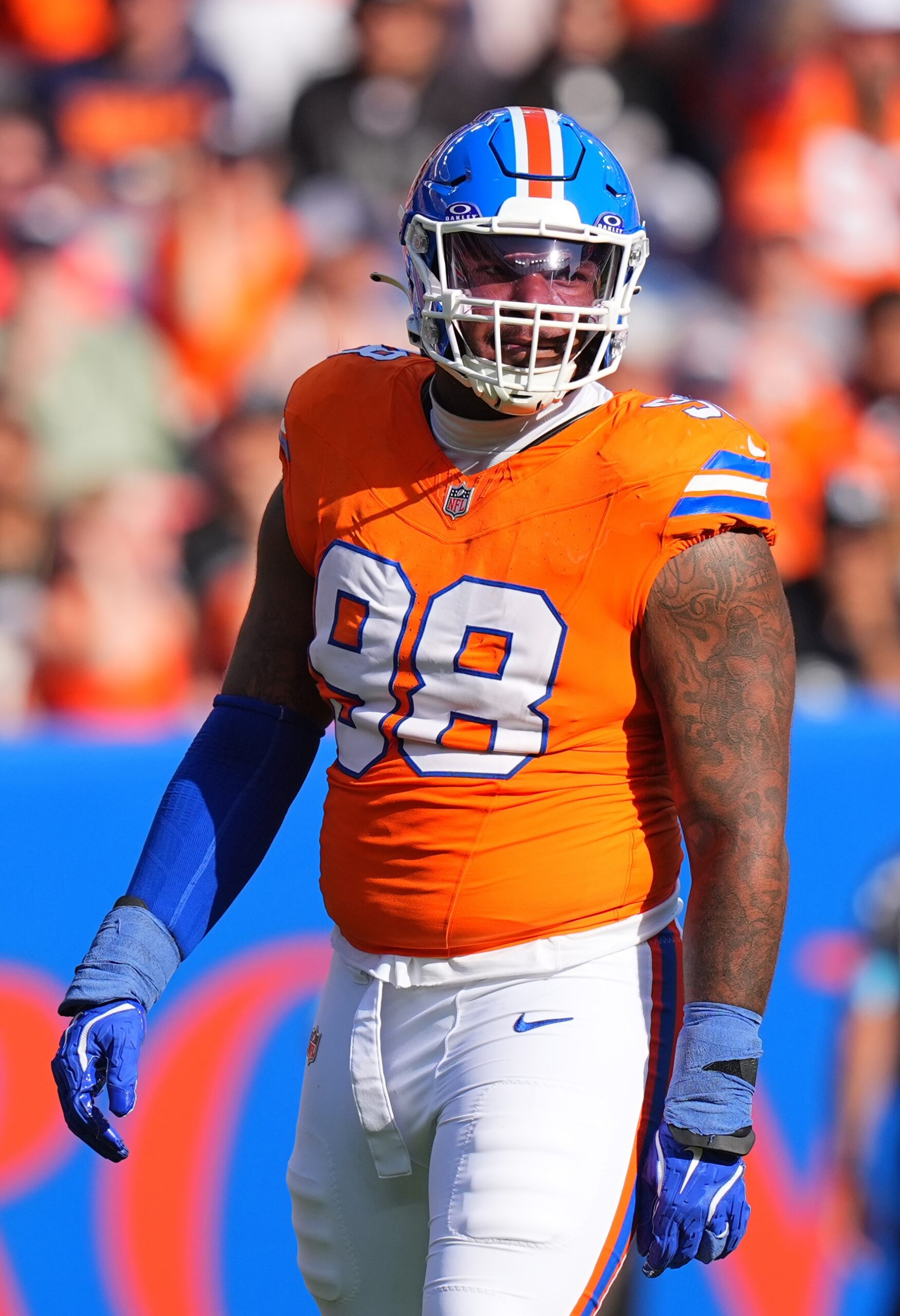 Denver also re-upped Jonathon Cooper and D.J. Jones in this span. This spending spree naturally will leave some on the outside looking in. John Franklin-Myers expects to be one of those who miss out, with the Denver Post’s Luca Evans reporting no extension is likely. Franklin-Myers, then, will be on track to hit free agency in 2026. No talks had taken place as of late August.
[RELATED: Recapping Broncos’ 2025 Offseason]
“Shoot, it’s only a matter of time,” Franklin-Myers said, via Evans, after the Bonitto deal emerged. “You can’t deny me. And a lot of that stuff is circumstantial, is based on circumstances. But after this year, I’m a free agent, and I control the circumstances.”
Acquired in a salary-dump trade with the Jets during the 2024 draft, Franklin-Myers became a full-time starter in the Broncos’ 3-4 defense. The versatile D-lineman played a part in the Broncos leading the NFL in sacks, finishing with seven to go with eight tackles for loss and 18 QB hits. The seven sacks marked a career-high tally for the soon-to-be 29-year-old defender. Another strong year would make him a candidate to land a starter-level deal in free agency come March.
Franklin-Myers has not reached free agency previously. The Jets claimed him from the Rams and later extended him. With the team expecting to have Haason Reddick in Week 1 of last season, it unloaded Franklin-Myers to Denver for a 2025 sixth-round pick. Franklin-Myers joined Allen and Jones as Broncos D-line starters last season but saw the team trade up for D-lineman Sai’Vion Jones (via the Eagles) in the third round this year. With money going to Allen and D.J. Jones (and the two OLBs), Franklin-Myers appears set to play out his two-year, $15MM deal before potentially giving way to Sai’Vion Jones in 2026.
Malcolm Roach joins Franklin-Myers as a contract-year Denver D-lineman, though the ex-Sean Payton Saints charge would be easier to retain by comparison. Roach, though, will not start his second Broncos season on time. The interior defender suffered a grade two calf strain, 9News’ Mike Klis notes. The Broncos have already ruled out Roach and linebacker Dre Greenlaw for Week 1. Spending most of his first Broncos offseason out, Greenlaw is down with a quad issue.
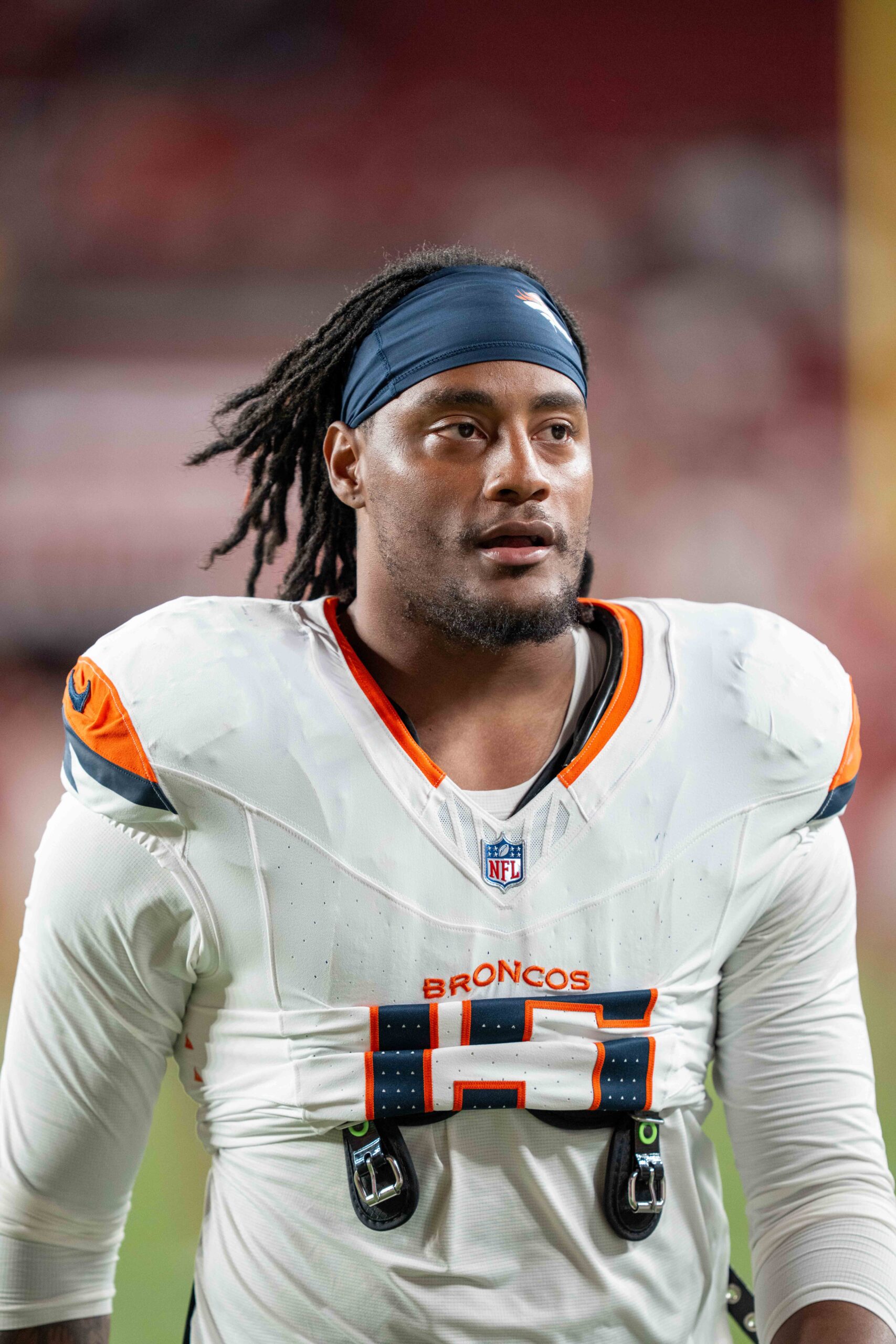 The team was already going to keep Greenlaw on a pitch count to start the year, due to his recent Achilles trouble, but the Broncos’ LB depth will again be tested. Justin Strnad, who replaced Alex Singleton last season, will be the likely next man up. Singleton has returned from the ACL tear he sustained in Week 3 last season.
Circling back to Bonitto’s deal, Pro Football Talk’s Mike Florio reports it contains $38.35MM at signing. The four-year, $106MM extension includes a key 2026 date. If/when Bonitto is on the Broncos’ roster on Day 5 of the ’26 league year, his $24.49MM 2027 base salary shifts from an injury guarantee to a full guarantee, according to OverTheCap.
The Broncos used this rolling guarantee structure in their Allen and Mike McGlinchey contracts, and it effectively ensures Bonitto will be on this deal for at least the next three seasons. Bonitto, who only landed the 10th-largest EDGE deal despite waiting out a market that skyrocketed this offseason, also secured a rolling guarantee structure for 2028. If on Denver’s roster by Day 5 of the 2027 league year, the All-Pro OLB will see $7.16MM of his $20.99MM 2028 base salary become fully guaranteed, per Florio. Bonitto’s 2029 base salary is nonguaranteed.
Titans Extend S Amani Hooker
Amani Hooker will agree to a second extension in Tennessee. The veteran safety will put pen to paper on a new three-year deal before Week 1, ESPN’s Jeremy Fowler reports.
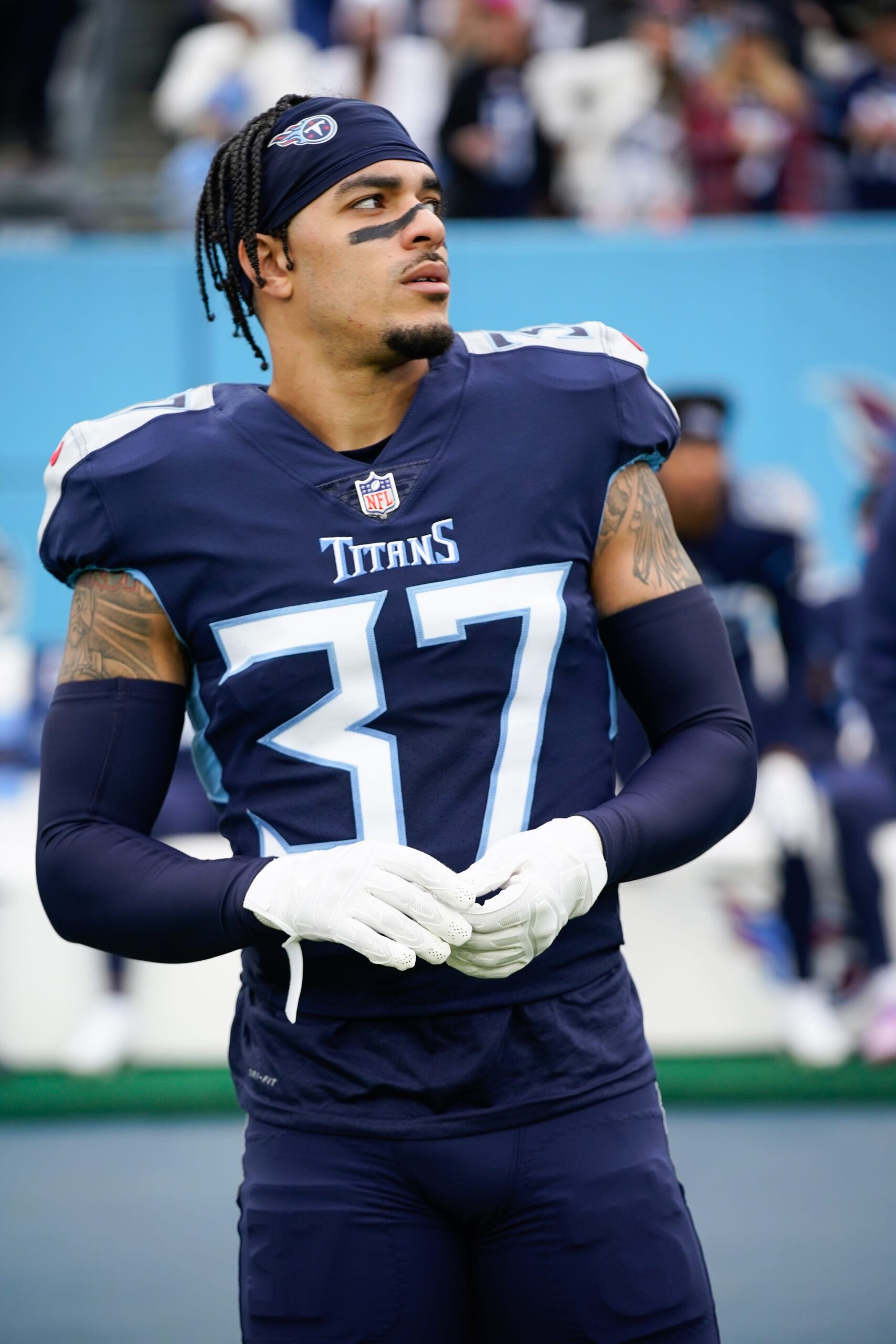 The longtime Titans starter is signing a three-year, $48.6MM accord — one that comes with $29MM guaranteed in total. Hooker was set to enter the final season of his previous deal (three years, $30MM). This will mark a significant raise for a player extended two GMs ago. The Titans have since announced the extension.
[RELATED: Assessing Titans’ 2025 Offseason]
Jon Robinson signed off on Hooker’s previous contract nearly three years ago today. The Titans have changed coaching staffs since then and have fired two GMs — Robinson and Ran Carthon — in that time. Formerly in place as a Kevin Byard sidekick, Hooker has endured in Tennessee and factors in prominently moving forward under the Chad Brinker–Mike Borgonzi power structure.
Hooker’s second Titans extension comes after he intercepted five passes last season. Although the Titans bottomed out at 3-14, Hooker has been one of their best players for several years. The team traded Byard to the Eagles during the 2023 season, building their safety corps around Hooker. One of Robinson’s top draftees, the former fourth-rounder is still only 27. He has started 51 games. That number will continue to climb in Nashville, as the Titans are now building around Cam Ward‘s rookie contract.
If the $48.6MM number represents the contract’s base value, Hooker becomes the NFL’s fifth-highest-paid safety. He would settle between Derwin James and Budda Baker, though initial reports frequently reflect contracts’ max values. At $29MM in total guarantees, Hooker sits 11th. Only agreeing to a three-year extension naturally stands to reduce the seventh-year vet’s standing in that category. But this deal should keep the door open for another lucrative deal down the line; Hooker will turn 30 in his 2028 contract year.
No Pro Bowls are on Hooker’s resume, though he was extended the first time following a third-place finish in Pro Football Focus’ 2021 rankings. Last year, PFF slotted Hooker 33rd among safeties. This came on a Titans defense that produced a 30th-place points ranking but second in total yardage. Ward’s presence should help bring those numbers closer together, and Tennessee wants Ward as a key part of its Ward-years nucleus.
The Titans made a few investments at safety this offseason, adding Xavier Woods and re-signing Quandre Diggs. The team also drafted Kevin Winston Jr. in the third round. Woods is expected to start alongside Hooker, having signed a two-year, $8MM deal.
Eagles, Panthers Showed Interest In Micah Parsons Trade
Last night’s season opener began the post-Micah Parsons era for the Cowboys. Dallas’ decision to trade away the All-Pro one week before their regular season began came as a shock to many and took place after interest from a number of suitors was shown. 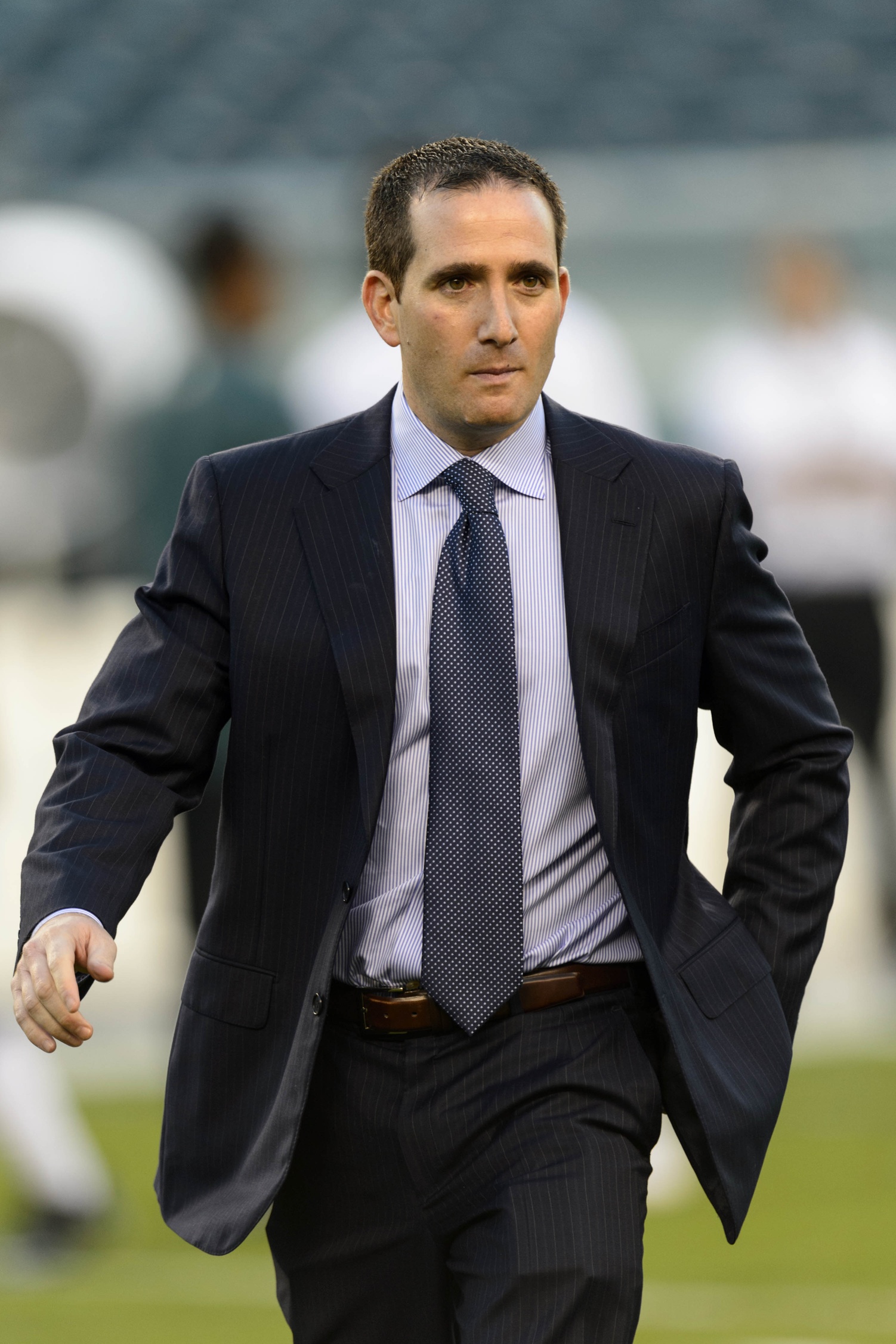
Following Parsons’ trade request, teams around the league did not view a swap as realistic. Dallas’ stance shifted over time, however, and calls came in before the team informed Parsons and his camp he would be play out his fifth-year option in 2025 or be dealt. Further details have now emerged regarding the trade market which took shape.
ESPN’s Adam Schefter reports the Eagles made a “strong push” to acquire Parsons this offseason. That comes as little surprise, of course. General manager Howie Roseman has a reputation for being aggressive in pursuing impact roster moves, and adding Parsons to the fold would have helped offset the losses Philadelphia suffered in the pass rush department during free agency. Josh Sweat took a Cardinals pact on the open market while Brandon Graham retired and Bryce Huff was traded to the 49ers.
The Eagles made a pair low-cost investments in Azeez Ojulari and Josh Uche, inking both to one-year pacts. Their projected impacts pale in comparison to what Parsons would have been counted on to contribute, of course. In any case, a homecoming for the Pennsylvania native and Penn State product did not receive serious consideration on Dallas’ part. As Schefter notes – and as Jerry Jones stated in his post-draft press conference last week – the Cowboys were not willing to trade Parsons within the division.
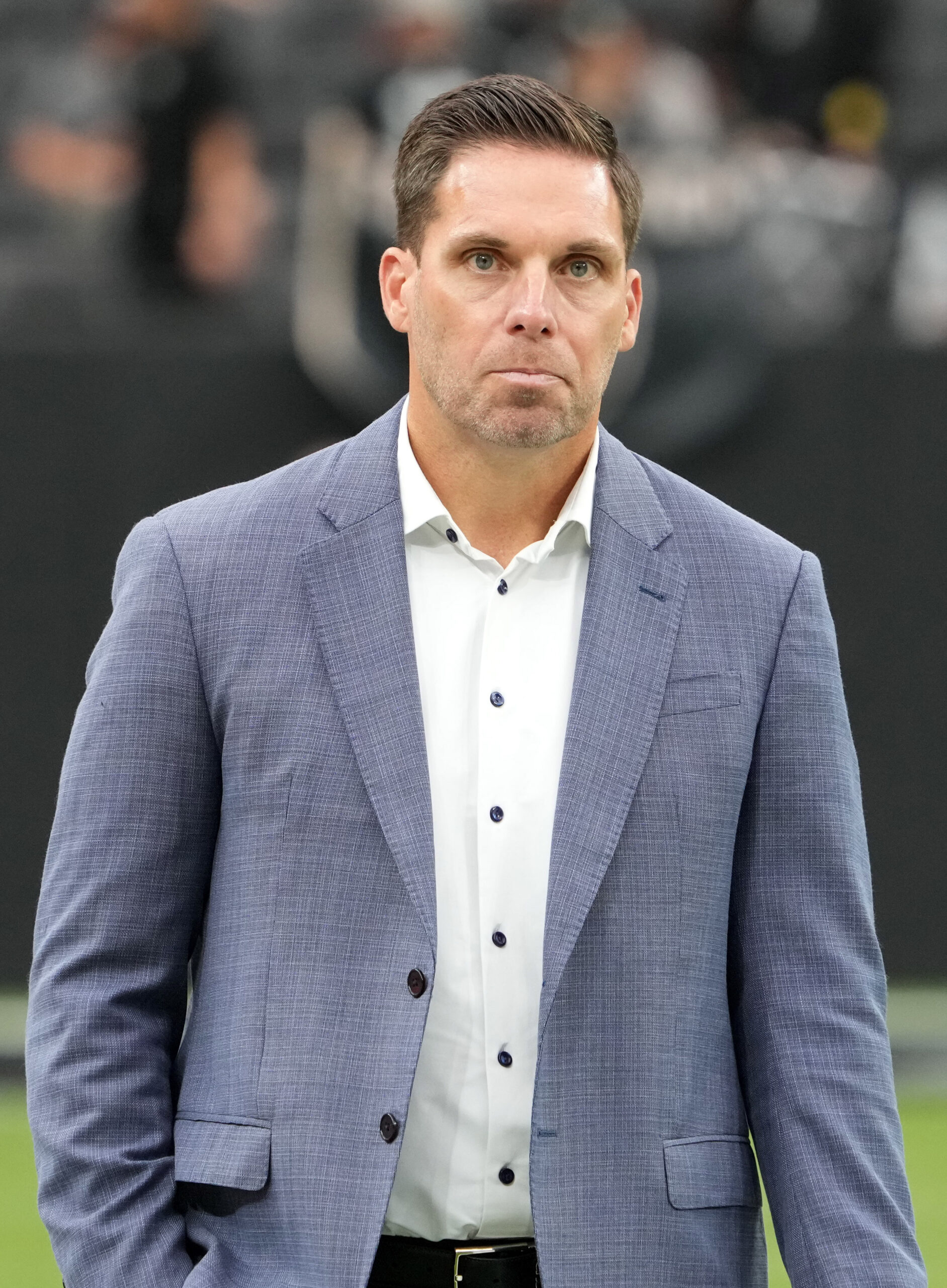
In addition to the Packers, other NFC suitors were present in this case. One of those was the Panthers, per Schefter’s colleague Jeremy Fowler. He notes Carolina called about Parsons and showed interest in a potential trade. No formal offer was made by general manager Dan Morgan, however. The Cowboys targeted a defensive tackle upgrade when evaluating partners for a Parsons trade, meaning Derrick Brown would have been involved in any serious discussions had they taken place. The Panthers opted to keep Brown (instead of wideout D.J. Moore) in place when trading with the Bears for the No. 1 pick in 2023, so it comes as no surprise Carolina was not as aggressive as other suitors.
 Fowler adds Parsons was “intrigued” by a few destinations, with the Packers being one of them. Before his trade (and record-breaking extension) was in place, though, the 26-year-old also showed interest in joining the Chiefs and Ravens. Per Fowler, Kansas City was never truly in contention to pull off the move. Baltimore, like other teams, would have been hard-pressed to fit a Parsons deal into future cap planning; the Ravens also would have faced a logjam along the edge had no outside linebackers been sent back in the trade.
In the end, the Packers agreed to send Kenny Clark and their first-round pick in the next two drafts to the Cowboys for Parsons. The effects of the deal will be felt by both organizations for years to come, while other suitors will move forward with their current setups on the edge.