
Contract Guarantees
Unlike in the NBA or MLB, players’ contracts in the NFL aren’t guaranteed by default. Typically, an NFL player will receive at least some guaranteed money when he signs a deal, but that money often comes in the form of contract bonuses, and in particular signing bonuses. While a player’s base salary, or P5 salary, will occasionally be guaranteed for a season or two, more often than not future seasons in that contract are fully non-guaranteed, allowing the team to escape the contract without much of a cap hit, particularly if the player’s bonus money was limited. 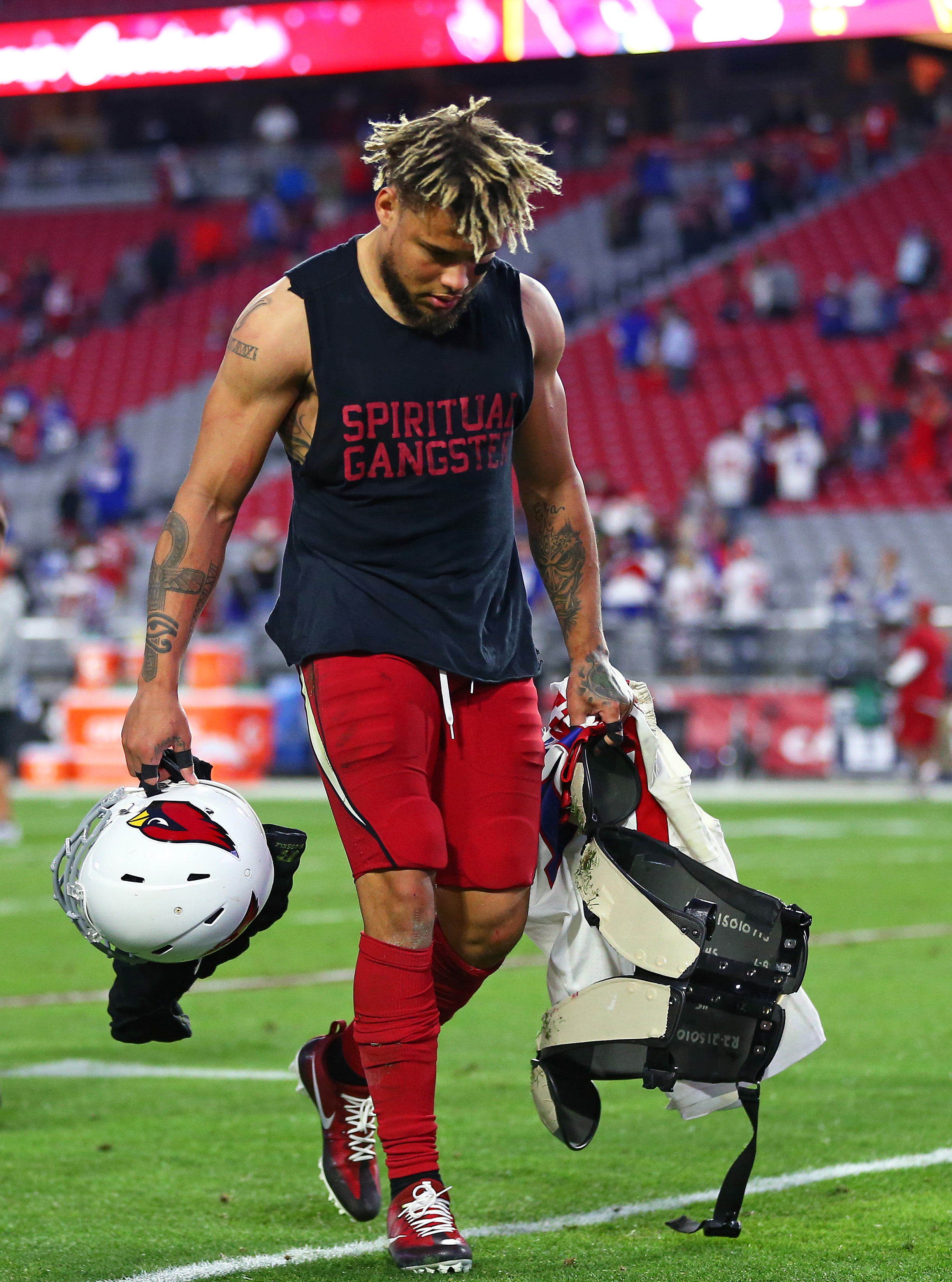
Take Tyrann Mathieu for example. The safety inked a five-year, $62.5MM extension with the Cardinals back in 2016, but only $21.25MM of that sum was fully guaranteed. Rather than paying Mathieu a $5MM roster bonus in March, the Cardinals released him, leaving $9.3MM in dead money on the cap. Mathieu’s $60MM+ contract seemed like a whopper at the time of signing, but he only collected on a fraction of it.
Signing bonuses, which are generally paid in one or two lump sums, are fairly straightforward forms of guaranteed money, but not all guaranteed money is created equal. We saw a prime example of that when Colin Kaepernick inked a long-term extension with the 49ers in 2014. When word of the agreement first broke, Kaepernick’s guaranteed money was reported to exceed $60MM+. However, upon learning the full details of the contract, we found that only about $13MM of that total was fully guaranteed, whereas another $48MM+ was guaranteed for injury only.
An injury-only guarantee is one of three types of guarantees that a team can write into a player’s contract that apply to his base salary in a given season. These guarantees are as follows:
- Guaranteed for injury: If a player suffers a football injury and cannot pass a physical administered by the team doctor, he would still be entitled to his full salary if the team were to release him. For a player like Kaepernick who has several future seasons guaranteed for injury only, it would take a career-ending injury for the Niners to be on the hook for all those future injury-only guaranteed salaries.
- Guaranteed for skill: The most subjective of the three, a player whose talents have significantly declined and is released for skill-related reasons (ie. another player beats him out for a roster spot) would still be entitled to his full salary if that salary is guaranteed for skill.
- Guaranteed for cap purposes: This form of guarantee ensures that a player who is released due to his team’s need to create cap room will still be entitled to his full salary.
A team can use a combination of these forms of guarantees, making a player’s salary guaranteed for injury and skill, for example. In the event that a player’s salary is guaranteed for injury, skill, and cap purposes, we’d refer to that salary as fully guaranteed, since the player would be eligible for his full salary regardless of the reason for his release.
As is the case with prorated bonuses, all future guaranteed salary owed to a player by a team is considered “dead money” and would accelerate onto the club’s current cap in the event of his release (over one or two years, depending on whether the cut happens after June 1). For the most part though, beyond the first year or two of a deal, that prorated signing bonus money is the only guaranteed figure remaining on the contract, which is why teams often don’t have qualms about releasing a player in the later years of his deal.
Note: This is a PFR Glossary entry. Our glossary posts will explain specific rules relating to free agency, trades, or other aspects of the NFL’s Collective Bargaining Agreement. Information from Over the Cap was used in the creation of this post. This post was modified from an early entry by editor emeritus Luke Adams.
This Date In Transactions History: Joe Horn Retires
On this date in 2010, wide receiver Joe Horn officially called it a career. By signing a one-day deal with the Saints, Horn found the perfect way to ride into the sunset while also patching things up with the franchise that helped make him famous. 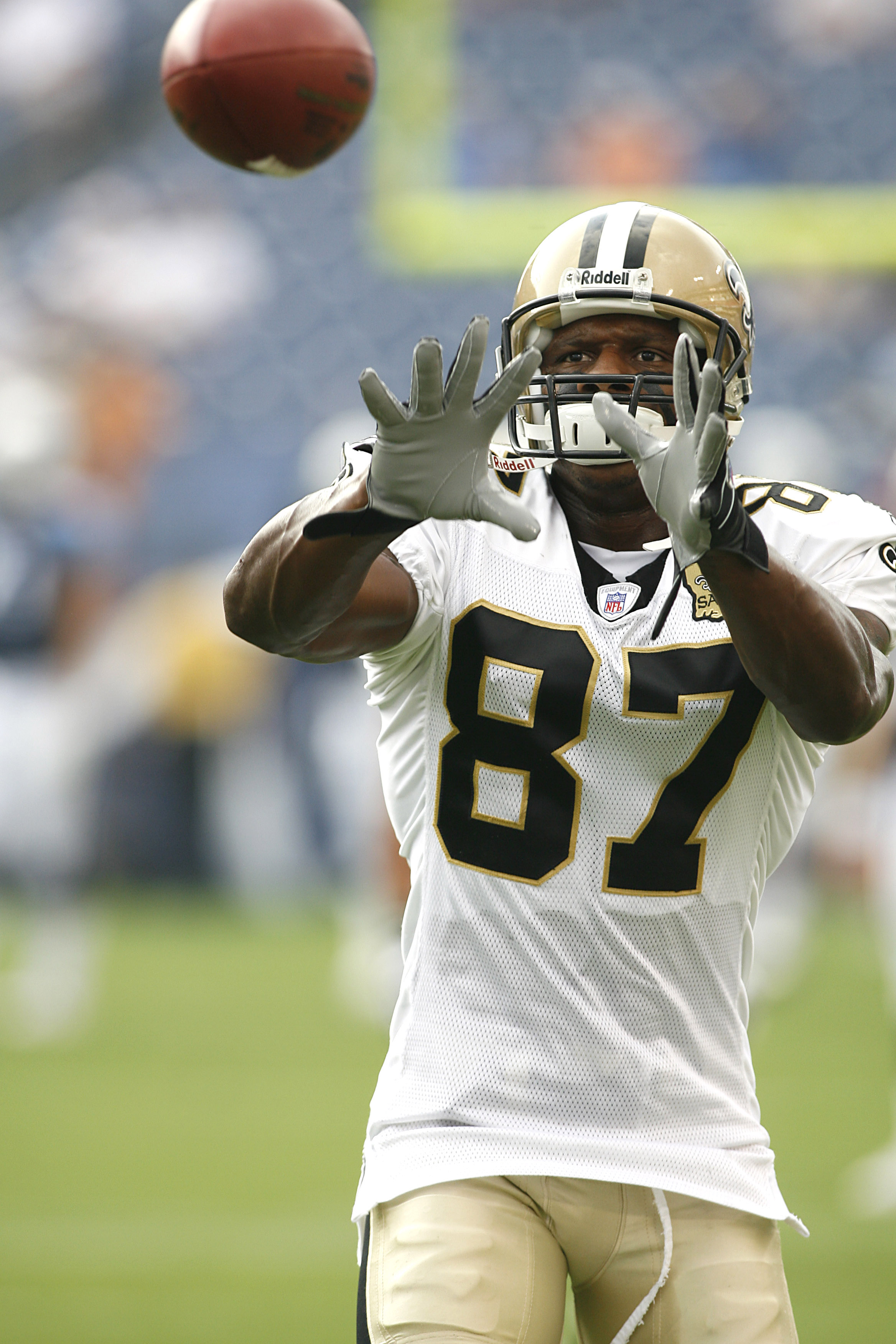
Horn entered the league with the Chiefs in 1996, but he made his name with the Saints starting in 2000. Horn seemingly came from out of the blue to notch 94 catches, 1,430 yards, and eight touchdowns in his first season with New Orleans, earning him his first of four career Pro Bowl selections. Through the highs (helping the franchise to its first playoff victory), lows (a five-year playoff drought), and the in-between (hiding a cell phone in the goal post), Horn was out in front as one of the Saints’ premier players.
However, his Saints tenure ended on an awkward note in 2007 when he joined up with the rival Falcons. Things were a bit frosty between the outspoken wide receiver and the organization, but the two sides patched things up years later when he was inducted into the team’s Hall of Fame.
“I appreciate the city that welcomed me, and I’m humbled by this day, ” Horn said (via the Times-Picayune). “When I was embracing Coach [Sean] Payton and we immediately started reliving the good times, I felt very good leaving that golf course.”
Horn tried hard to find success after his time with the Saints, but he was never able to replicate those results. At the age of 35, the Falcons used him as a bit player in 2007. He later auditioned for the Lions, Giants, and Titans, but did not find a deal in 2008 or 2009.
It only makes sense that the Saints and Horn put the ugliness behind them to focus on the positives. Although Marques Colston and Jimmy Graham pushed him down the list in many statistical categories, Horn is still third all-time in Saints history in touchdown receptions (50), receiving yards (7,622), and receptions (523).
PFR Originals: 6/17/18 – 6/24/18
The original content and analysis produced by the PFR staff during the past week:
- The Vikings, Bears, Lions, and Packers all had eventful offseasons, with each team’s coaching staff seeing major changes. I asked PFR readers which NFC North team had the best offseason and recapped the eventful spring that each team had.
- Sam Robinson reflected on the Patriots’ long run of dominance in the AFC and asked readers which AFC team would be the biggest threat to the Patriots’ supremacy moving forward.
- Zach Links took a look at the running backs left on the market and asked readers which free agent running back would be the best option for a team in 2018.
- Zach explained what it all means when you hear teams talking about “restructuring contracts” and provided some info on how teams maneuver around the cap.
- Zach broke down which teams had signed all of their 2018 draft picks.
- There are still a lot of veteran players out there waiting to be signed, with many holding out for more money. Zach defined contract incentives and how they play a large role in contracts given out to veterans who need to prove they still have something left.
- Zach examined which draft picks still hadn’t signed, and how fifth-year options work.
- We covered five notable moves in our This Date In Transactions History series:
- I reflected on the day Matt Cassel signed with the Patriots. Cassel hadn’t started a game since high school when suddenly he was thrust into being the starter for the Patriots after Tom Brady suffered a torn ACL in 2008. Cassel would lead the Patriots to an 11-5 record that year and go on to be traded to the Chiefs for a second round pick.
- Ben Levine took a look at the Rams’ decision to release longtime quarterback Marc Bulger and his subsequent signing with the Ravens. The Rams decided to start a new era that year by taking Sam Bradford number one overall in the draft.
- Zach dug into the Redskins’ signing of actor Terry Crews. Crews had a short stint in the NFL before he realized that football wasn’t for him and decided to pursue a career in Hollywood.
- Ben took a glance at a pair of signings from the Ravens’ 2010 draft class.
- Zach noted how the Bengals released Terrelle Pryor, back when he was still a quarterback before he successfully transitioned to a wide receiver.
This Date In Transactions History: Matt Cassel
When the Patriots drafted Matt Cassel in the seventh round of the 2005 draft, nobody would’ve guessed that Cassel would go on to have a lengthy and significant NFL career. Cassel never started a game in college, he was a backup all four years at USC, but landed himself on NFL teams’ radars with a strong Pro Day performance. On this day 13 years ago, Cassel signed his rookie contract with the Patriots. 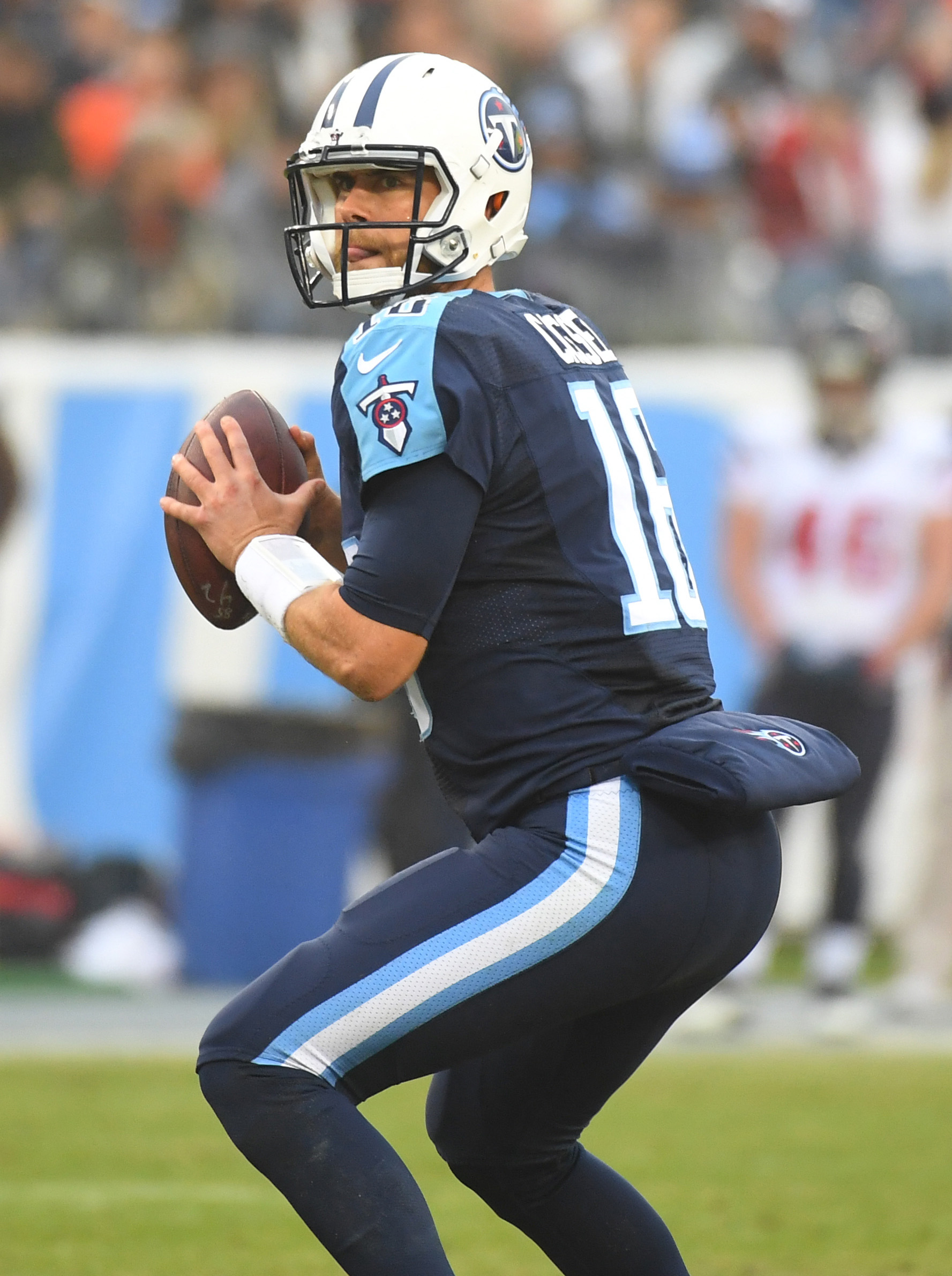
It was a surprise when Cassel even made the Patriots’ initial 53-man roster in 2005, and even more of a shock that he continued to stick around. Eventually he worked his way from third string into being Tom Brady‘s primary backup. Cassel would entrench himself in NFL and Patriots history when Brady went down with a torn ACL in the first game of the 2008 season. Cassel stepped in and ended up starting the next 15 games for New England.
He led the Patriots to an 11-5 record while throwing for 3,693 yards, 21 touchdowns, and 11 interceptions. Although the Patriots became the first team since the NFL switched to their current playoff format to go 11-5 and not make the playoffs, it was an incredible season for Cassell. Just a couple months earlier beat writers had been predicting he would be cut from the team.
At the end of the year, the Patriots franchised tagged him and ended up trading him to the Chiefs for an early second round pick. Cassel would go on to make the Pro Bowl with the Chiefs in 2010, but flamed out soon after that and has bounced around the league as a backup ever since. He’s spent time with the Chiefs, Vikings, Bills, Cowboys, and Titans since his magical season in New England. This past April, he signed a one-year deal with the Lions.
The seventh round pick who hadn’t started a game in high school somehow saw himself quarterbacking the Patriots to an 11-5 record and earned himself a spot in the NFL for the next decade. It was a great pick by the Patriots, who ended up getting a season of stellar quarterback play and a second round pick for the 230th pick in the 2005 draft. And it all started on this day, 13 years ago.
Poll: Which NFC North Team Had The Best Offseason?
Over the past couple weeks, we’ve asked you which teams from the AFC North, AFC East, AFC West, and NFC West had the best offseasons. Today we’ll be looking at the offseason each team from the NFC North had, another division that was quite active. 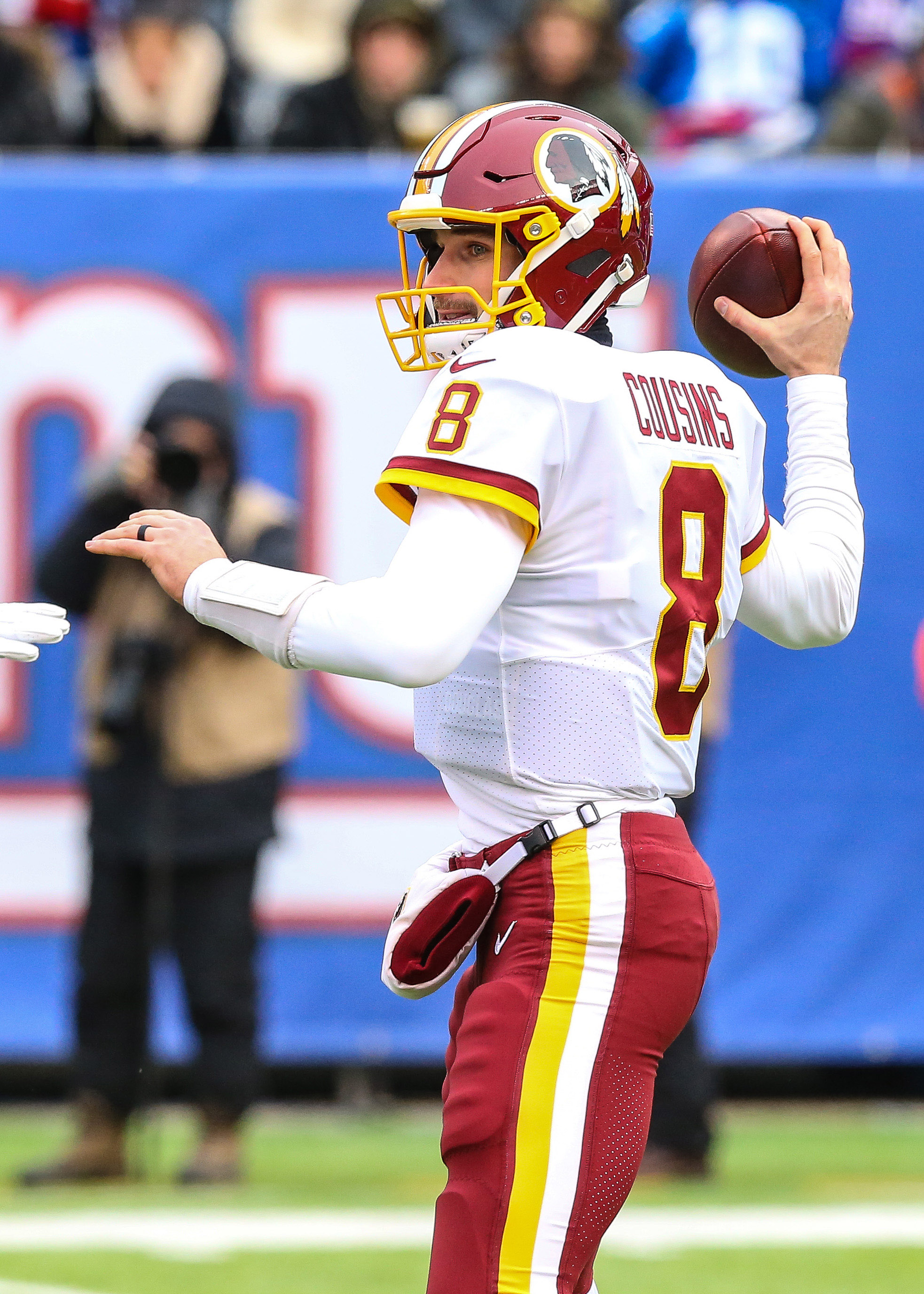
The Vikings made the biggest splash in the entire league when they signed Kirk Cousins to the NFL’s first ever multi-year fully guaranteed deal for a quarterback. They let three of their quarterbacks from last year, Case Keenum, Teddy Bridgewater, and Sam Bradford walk in free agency. Their offensive coordinator Pat Shurmur left to be the head coach of the Giants and they replaced him with Eagles quarterbacks coach John DeFilippo. They signed a pair of players away from the division rival Bears, guard Tom Compton and receiver Kendall Wright, and added Pro Bowl defensive lineman Sheldon Richardson from the Seahawks. They lost running back Jerick McKinnon to the 49ers but will return Dalvin Cook who was lost to a torn ACL early last season. They added cornerback Mike Hughes from Central Florida with their first round pick. Overall, there was a lot of turnover from last year’s team that made the NFC Championship game, and the Vikings will be counting on a lot of new faces to help them get back there.
The Bears started their offseason off by firing John Fox, and hiring Matt Nagy to replace him. They looked to bolster last year’s woeful receiving corp by signing Allen Robinson and Taylor Gabriel in free agency. They also added tight end Trey Burton as another pass-catcher for Mitchell Trubisky. They used the eighth overall pick on Roquan Smith, the linebacker from Georgia. The team cut Mike Glennon after his short four-game tenure as the starting quarterback last year and signed Chase Daniel to be Trubisky’s new veteran mentor backup. The team retained defensive coordinator Vic Fangio after a lot of speculation about his potential departure and matched a large offer sheet that cornerback Kyle Fuller signed with the Packers. Overall, the offseason was all about offense for the Bears, from Nagy’s hiring to the signing of Robinson and Burton. Chicago is looking to set up Trubisky for as much success as possible in his second year, and tangible progress from him will be the most important thing for the team this season.
The Lions also changed coaches, firing Jim Caldwell and hiring Matt Patricia. Patricia, formerly the Patriots defensive coordinator, was a hot name in head coaching searches the past few seasons but no one was able to lure him away until finally Detroit did this spring. They didn’t make many major moves in free agency, but did sign a handful of defensive role players like defensive lineman Sylvester Williams and cornerback DeShawn Shead. They let their former first round pick, tight end Eric Ebron walk in free agency to the Colts. They also let defensive tackle Haloti Ngata sign with the Eagles. They took center Frank Ragnow from Arkansas in the first round of this year’s draft to strengthen the offensive line. They added running back Kerryon Johnson in the second round, who they hope will become the three-down back they’ve been lacking for many years. Overall, besides the coaching change it was a relatively quiet offseason for the Lions. They’ll look to stay the course and hope Matthew Stafford can carry the team to the playoffs yet again.
The Packers made some rare coaching changes. They didn’t retain longtime defensive coordinator Dom Capers and replaced him with Mike Pettine. They also fired offensive coordinator Edgar Bennett and quarterbacks coach Alex Van Pelt, who was reportedly close with Aaron Rodgers. They hired former Dolphins head coach Joe Philbin to be the new offensive coordinator. They cut former star receiver Jordy Nelson and signed defensive lineman Muhammad Wilkerson, tight end Jimmy Graham, and cornerback Tramon Williams. They traded cornerback Damarious Randall to the Browns for quarterback DeShone Kizer, and drafted cornerback Jaire Alexander in the first round. The focus was clearly on addressing the defense, the team’s achilles heel in recent years, and particularly the secondary. Overall, it was an offseason of change, as the team said goodbye to several former staples. Aaron Rodgers will return from the injury that cost him most of the 2017 season, and will once again need to carry the load if the Packers 2018 season is going to be successful.
Which team do you think had the best offseason in the NFC North? Vote in PFR’s poll below and weigh in with your thoughts in the comments section!
Which NFC North Team Had The Best Offseason?
-
Minnesota Vikings 33% (730)
-
Green Bay Packers 29% (655)
-
Chicago Bears 29% (652)
-
Detroit Lions 9% (201)
Total votes: 2,238
Poll: Who Is Patriots’ Biggest AFC Threat?
Around a year ago, I asked readers who would be the biggest challenger to the Patriots’ AFC stranglehold. Seeing as they repeated as conference champions, this question seems pertinent again. And with more complications coming out of New England than there were a year ago, the Pats venturing to the Super Bowl may be more difficult this season than it was in 2017.
But who is best-equipped to end this run?
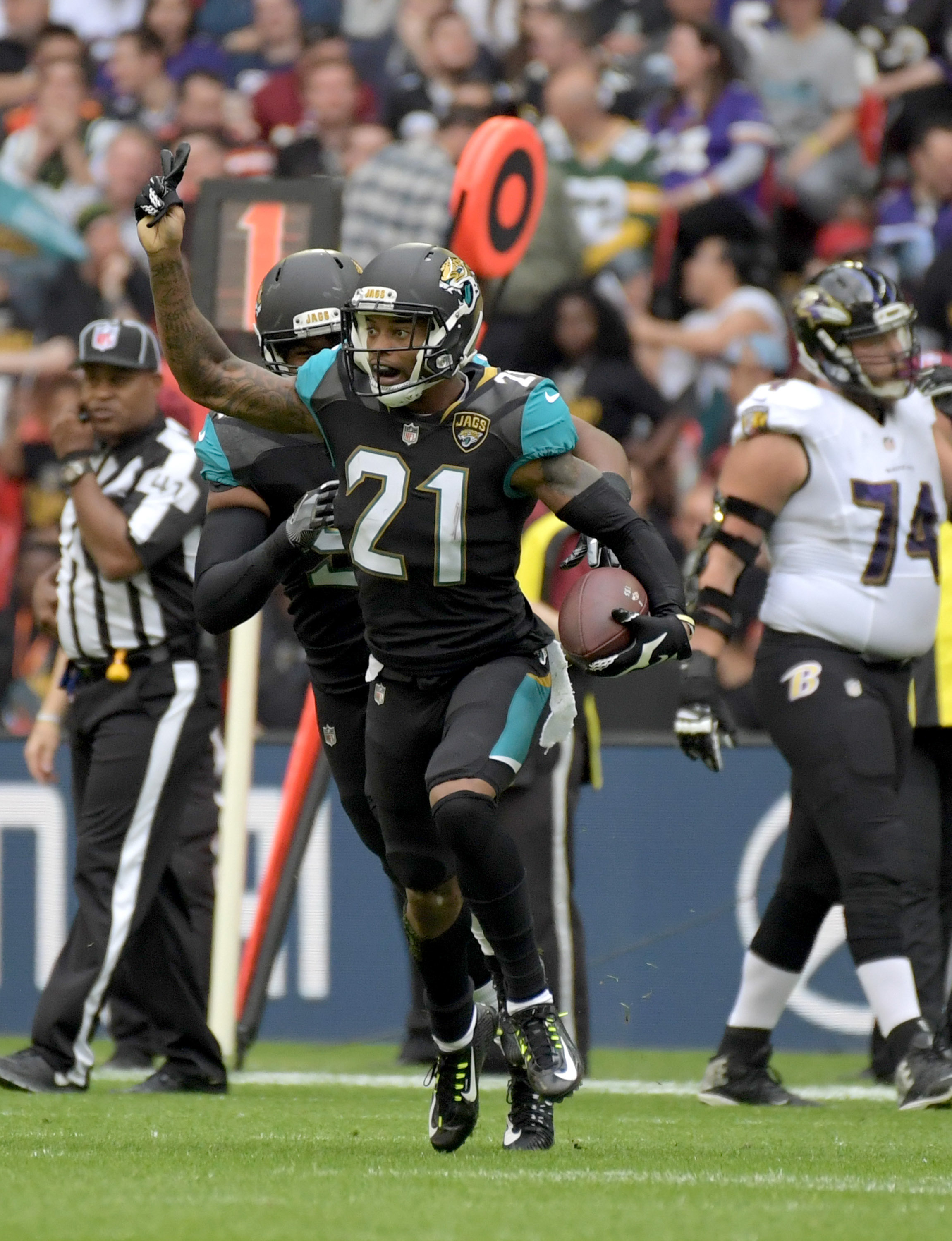 The Jaguars emerged after a decade of playoff absences to nearly stun the Patriots in Foxborough, and an argument can be made that had Myles Jack not been prematurely whistled down following his pivotal forced fumble, the upstart team would have represented the AFC in Super Bowl LII. How likely are the Jags to take the next step this season?
Their loaded defense mostly avoided injuries in 2017 and, after rumors the Jags would attempt to upgrade from Blake Bortles at quarterback this offseason vanished quickly, the franchise has the same issue at sports’ most important position. However, the reigning AFC South champions didn’t lose any cornerstone players from last season’s effort, one Allen Robinson was not healthy for, so it stands to reason they will be a factor again.
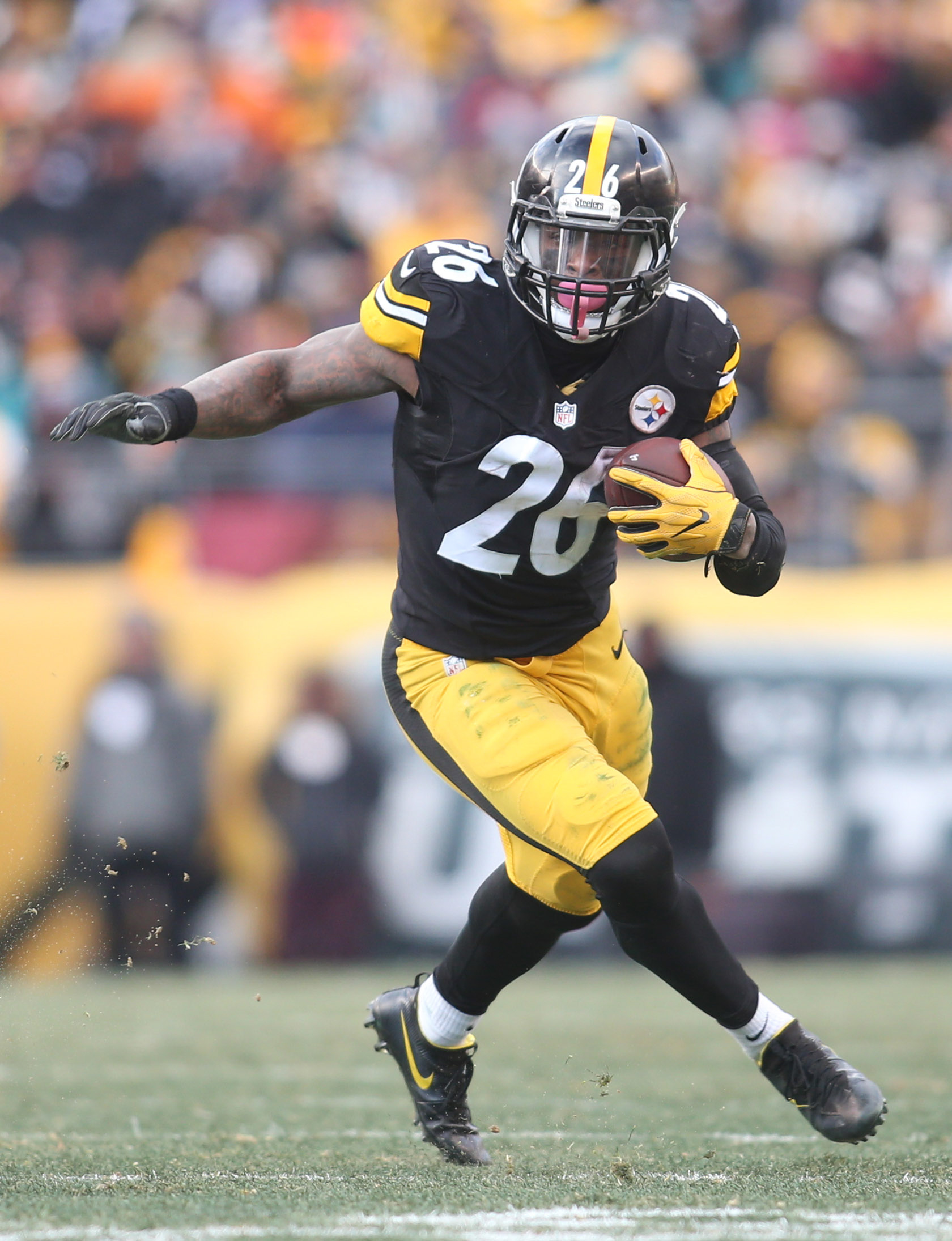
Pittsburgh may be the safest bet here, but the Steelers have run into persistent trouble in January. Though dealt tough blows in the form of Ryan Shazier‘s injury and Jesse James‘ pivotal touchdown being overturned against the Patriots last season, the Steelers’ balanced team disappointed in allowing 45 points in a divisional-round loss. Pittsburgh signed Morgan Burnett and Jon Bostic, and drafted athletic safety Terrell Edmunds in Round 1. However, have the Steelers done enough to improve defensively in time to capitalize on what could be the final year Ben Roethlisberger, Antonio Brown and Le’Veon Bell are working together?
 The AFC West could be as wide open as in any season since before Peyton Manning arrived in Denver, and it could feature multiple legitimate challengers for conference supremacy.
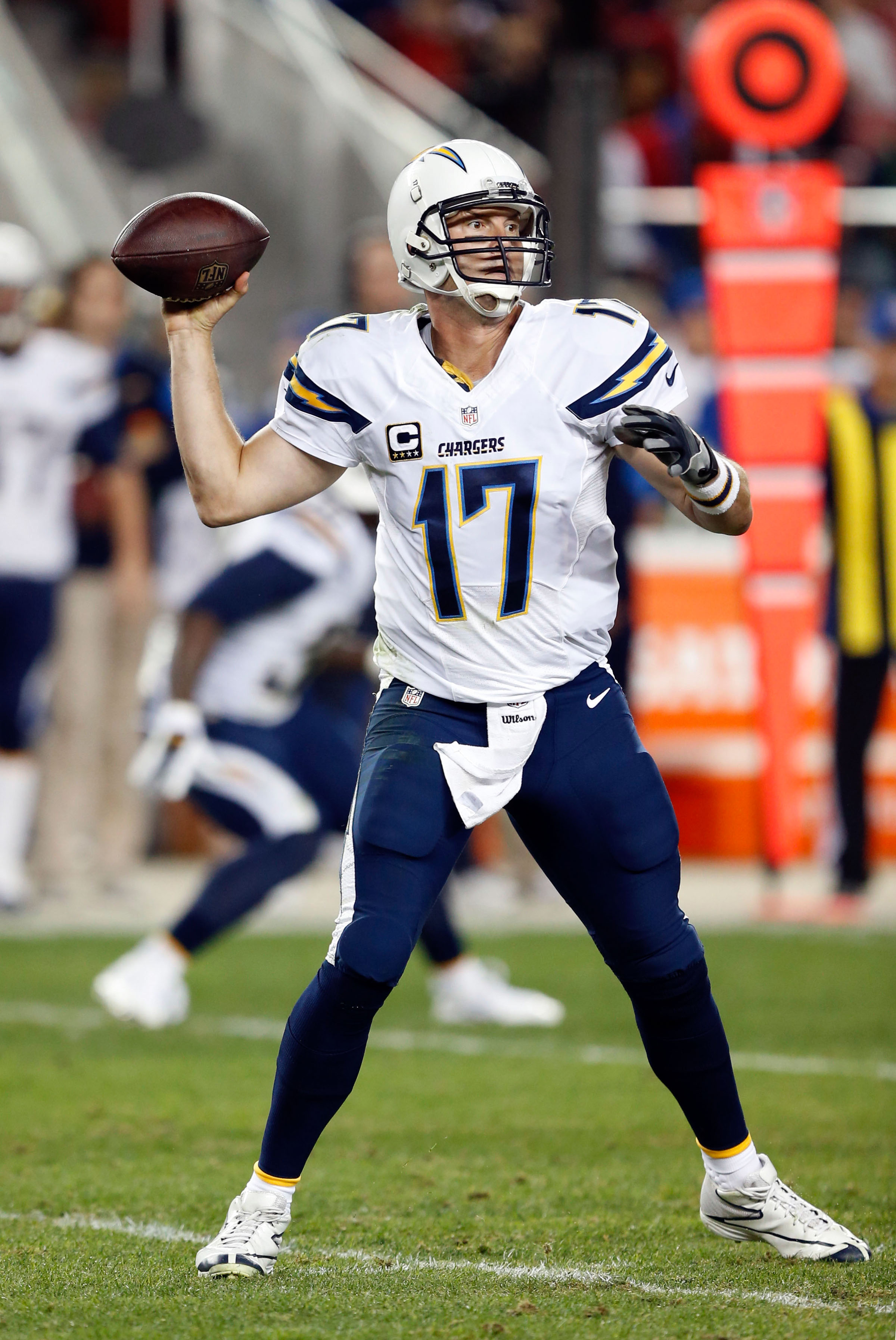
Las Vegas places the Chargers as the division’s favorite, despite the franchise having failed to make the playoffs in each of the past four years and all but one season in the 2010s. They also have by far the weakest home-field advantage in football. But, roster-wise, the Bolts boast a strong pass rush, added Mike Pouncey and selected a player whom many thought was the steal of the draft in Derwin James. Los Angeles’ similar offensive core, Hunter Henry‘s injury aside, should be a boon for the Philip Rivers-led attack to lead a breakthrough charge.
The Chiefs are on the heels of winning back-to-back division titles for the first time in franchise history, but they look quite different from their previous outfits. Kansas City traded both Alex Smith and Marcus Peters, the latter not having an obvious replacement like the former does. Although the Chiefs did add Sammy Watkins on a surprising contract to help out Patrick Mahomes, how ready will the 2017 first-rounder be to guide the team back to the playoffs in his debut campaign? Kansas City will have Eric Berry back, and the franchise added Anthony Hitchens and Xavier Williams to help the run defense before using nearly its entire draft to restock its weaker unit. But will a defense that ranked 30th in DVOA with Peters be competent enough now that the team’s high-floor quarterback is out of town?
 Vegas also is bullish on the Texans, despite their four-win 2017, placing them among the frontrunners in what looks like the weaker of the two conferences. Deshaun Watson is looking to be ready for Week 1, and, as of now, J.J. Watt is on that path too. Houston strung together three straight nine-win seasons from 2014-16, with three different starting quarterbacks, and displayed considerable flash with Watson last season. But is it a bridge to far to ask the second-year quarterback to pilot the team to a legitimate Super Bowl perch?
The Titans made the playoffs, revamped their coaching staff and signed multiple Patriots cogs. They may be slightly overqualified for sleeper status. The Broncos made an attempt to pair their upper-echelon defense with a better quarterback in Case Keenum and saw Bradley Chubb fall to them at No. 5. They still employ many holdovers from Super Bowl 50, but is their window still open? Can Jon Gruden reinvigorate the recently well-regarded Raiders after a busy offseason? Does the AFC North or AFC East have a deep-sleeping candidate that could make a Jaguars-level leap?
Vote in PFR’s latest poll and weigh in with your thoughts in the comments section!
Who is the Patriots' top threat for AFC supremacy?
-
Pittsburgh Steelers 29% (462)
-
Jacksonville Jaguars 24% (376)
-
Los Angeles Chargers 18% (281)
-
Kansas City Chiefs 11% (176)
-
Another team (specify in comments) 10% (159)
-
Houston Texans 8% (119)
Total votes: 1,573
This Date In Transactions History: Marc Bulger
With the Rams prepared to take Sam Bradford with the first-overall pick in the 2010 draft, the organization decided to release long-time quarterback Marc Bulger. Eight years ago today, the Pro Bowler ended up finding his next home. On June 23, 2010, Bulger signed a one-year, $3.8MM deal with the Ravens (with the potential to earn up to $5.8MM thanks to incentives).
Bulger, a 2000 sixth-round pick out of West Virginia, bounced around the NFL during his rookie season, spending time with the Saints and Falcons. He eventually landed on the Rams practice squad, although he was inactive for his entire rookie campaign. He got his first chance to start during the 2002 season following injuries to Kurt Warner and Jamie Martin. Bulger ended up leading the team to a 6-0 record to wrap up the year, and he ultimately earned the full-time starting gig in 2003.
Bulger would go on to earn a pair of Pro Bowl nods during his time with the Rams, including a 2006 campaign when he completed 62.9-percent of his passes for 4,301 passing yards, 24 touchdowns, and eight interceptions. The team ended up signing the quarterback to a six-year, $62.5MM extension following that standout campaign, but Bulger’s product dropped soon after. Between 2007 and 2008, Bulger threw more interceptions than touchdowns, and he missed half of the 2009 season due to injury.
With the Rams armed with the first-overall pick heading into the 2010 draft, they released Bulger early in the offseason. While some sources claim that the quarterback requested the release, there was plenty of incentive for the organization. The team had already signed A.J. Feeley to be Bradford’s backup, and releasing Bulger saved the team $8.5MM.
Then, eight years ago today, Bulger ended up catching on with the Ravens. While Baltimore was paying the veteran modest money to back-up a third-year Joe Flacco, the quarterback didn’t end up seeing the field during the 2010 campaign. While teams expressed interest in him during the following offseason, Bulger ultimately decided to hang up his cleats.
It was an unceremonious ending to a pretty underrated career. Bulger currently sits second on the Rams’ list of all-time passing yard leaders, and he’s third in touchdowns. While his tenure in Baltimore was forgettable, those in St. Louis will likely remember Bulger’s contribution for years to come.
Poll: Best Free Agent RB Remaining?
Even as June winds down, there are a surprising number of quality running backs still available on the open market. The current free agent crop of backfield options includes some notable names, such as: 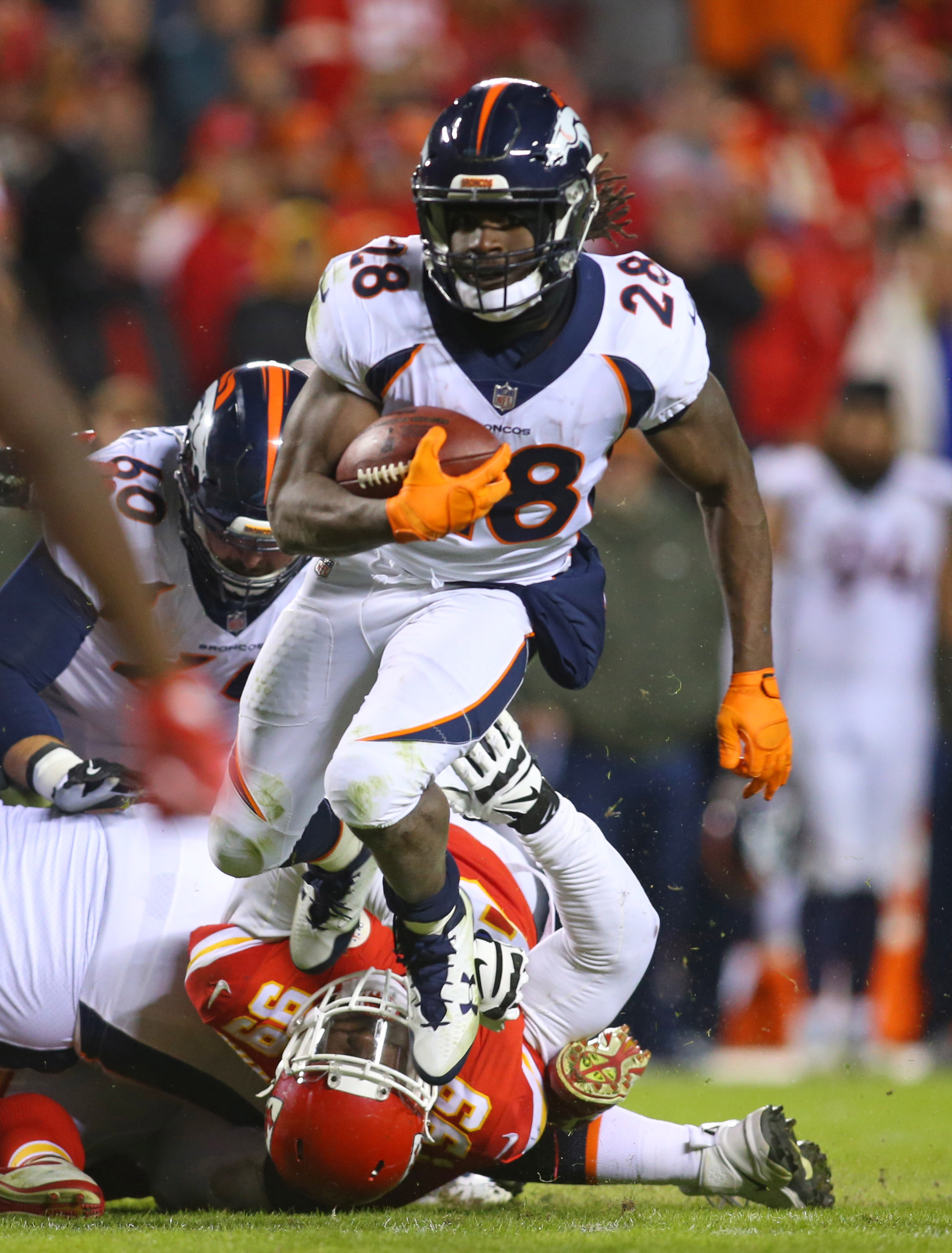
- Jamaal Charles (31)
- Orleans Darkwa (26)
- Tim Hightower (32)
- Eddie Lacy (27)
- Alfred Morris (29)
- DeMarco Murray (30)
- Adrian Peterson (33)
- Shane Vereen (29)
Charles, Hightower, Vereen, and Murray were all on the Saints’ radar recently as they canvassed the free agent market for running back support. Ultimately, they signed Terrance West to help fill in during Mark Ingram‘s four-game suspension, leaving the other vets in limbo. While Charles, Hightower, and Vereen all showed their stuff for coach Sean Payton, Murray declined his invite, preferring not to participate in a giant cattle call.
When considering only past accomplishments, the names of Peterson, Charles, and Murray obviously stand out. But, unfortunately, father time is cruel to NFL running backs and these players are on the back nines of their careers, to put it mildly. Out of this trio, Murray has the best 2017 to show teams. Even though his job as the Titans’ top rusher was usurped by Derrick Henry, he had 39 catches for 266 yards and occasionally showed the powerful rushing that made him a force to be reckoned with in Dallas. Charles, he of several 1,000-yard seasons, had only 296 rushing yards in total and found himself at the bottom of Denver’s depth chart to close out the season. Peterson, meanwhile, forced his way out of New Orleans due to a lack of playing time and had only two performances of note in his run with the Cardinals.
Lacy signed with the Seahawks last year and hoped to put concerns about his health and conditioning to rest. Unfortunately, those questions persist after he averaged just 2.6 yards per carry in nine games. Lacy was a bulldozer in his early days with the Packers, but his last season of note came in 2015 when he averaged 4.1 yards per carry. Even then, ball security was a problem as he fumbled the ball four times.
Darkwa is back on the NFL radar after doctors cleared him to workout. Darkwa won’t win this poll on name value, but unlike everyone else on this list, he’s coming off of the best season of his career.The 26-year-old (did we mention that he’s also the youngest running back here?) ran for 751 yards off of 171 carries, good for a strong 4.4 yards per carry average. It was an ugly year for the Giants on the whole, but Darkwa excelled on a personal level.
Vereen, another ex-Giant, can’t say the same for his 2017 season. However, his second act with the Giants has been respectable on the whole. Acting as a secondary ball carrier, he has averaged 4.2 yards per carry over the last three seasons. He also showed that he can still be a worthwhile pass catcher out of the backfield with 44 grabs for 253 yards last season, though he averaged a career-low 5.8 yards per catch.
Last but not least is Morris, though you can be forgiven for forgetting about this three-time 1,000-yard rusher. Morris was a force to be reckoned with from 2012-2014, but he has been riding the pine for the Cowboys over the last two years. What you might not realize is that Morris was tremendous in a small sample last year as Ezekiel Elliott‘s early-season backup and later-season fill-in. Morris averaged 4.76 yards per carry off of 115 attempts, which makes one wonder why we haven’t heard his name mentioned in recent months.
Out of the running backs listed here, which player do you feel can contribute the most in 2018? Click below to cast your vote and defend your choice in the comments section.
Who Is The Best Free Agent RB Left?
-
DeMarco Murray 29% (57)
-
Alfred Morris 24% (47)
-
Orleans Darkwa 17% (33)
-
Adrian Peterson 15% (29)
-
Jamaal Charles 8% (16)
-
Eddie Lacy 6% (12)
-
Tim Hightower 2% (4)
-
Shane Vereen 1% (2)
Total votes: 200
Restructuring Contracts
When an NFL team finds itself short on cap flexibility and in need of some space, one of the most effective short-term fixes is to restructure a player’s long-term contract. While cutting or trading players can often be solutions as well, a contract restructure allows the team to keep its roster intact while also providing immediate cap relief.
The base salaries of NFL contracts typically aren’t guaranteed, but players can receive guaranteed money in the form of signing bonuses. While those bonuses are considered to be up-front payments, for cap purposes they can be spread out over up to five years of the contract. For instance, if a player were to sign a four-year deal with a $12MM signing bonus, that figure would prorate equally over the four years of the contract, amounting to a $3MM cap hit per year. If a team were to release that player one season into the deal, the club could avoid paying most of the player’s annual base salaries, but would still be on the hook for the remaining bonus money, along with the cap total for that money.
As such, the most common form of contract restructuring involves converting a portion of a player’s base salary for a given year into a new signing bonus. That bonus can then be spread out over several years, moving it away from the current season.
This is exactly the sort of agreement the Ravens and Tony Jefferson reached this offseason. In 2017, the Ravens signed Tony Jefferson to a four-year deal worth up to $37MM. This year, the Ravens moved some of that cash around to give themselves breathing room under the cap. Baltimore converted $5MM of Jefferson’s $6MM base salary into a signing bonus, creating $3.3MM in space for 2018. Meanwhile, Jefferson’s 2019 and 2020 cap numbers increased by $1.67MM.
Restructuring a contract by converting base salary to a signing bonus creates immediate relief, but also creates problems in future years. A year from now, the Ravens may have to make another move with Jefferson, which will likely mean restructuring his deal once again, to reduce a $12.657MM cap number for 2019.
There are ways a player can remain under contract with a team while also helping to create or maintain both short-term and long-term cap flexibility. A player agreeing to take a pay cut, for instance, could allow a team to reduce his current cap number without necessarily moving that money further down the line in the contract. However, that generally happens in situations in which the team’s leverage outweighs the player’s leverage.
In most cases then, a restructured contract that sees base salary converted into bonus money is the simplest short-term fix for a club. The bill will come due eventually, but restructuring a deal allows a team to put off a more significant decision for at least one more year.
Note: This is a PFR Glossary entry. Our glossary posts explain specific rules relating to free agency, trades, or other aspects of the NFL’s Collective Bargaining Agreement. Information from Joel Corry and Over the Cap was used in the creation of this post.
This Date In Transactions History: Baltimore Ravens
The 2010 draft didn’t necessarily go as planned for the Ravens. They sent their first-rounder to the Broncos (Denver selected Tim Tebow), and their pair of second-rounders failed to live up to their billing. Linebacker Sergio Kindle played in only three career games, while defensive tackle Terrence Cody mostly played in a reserve role.
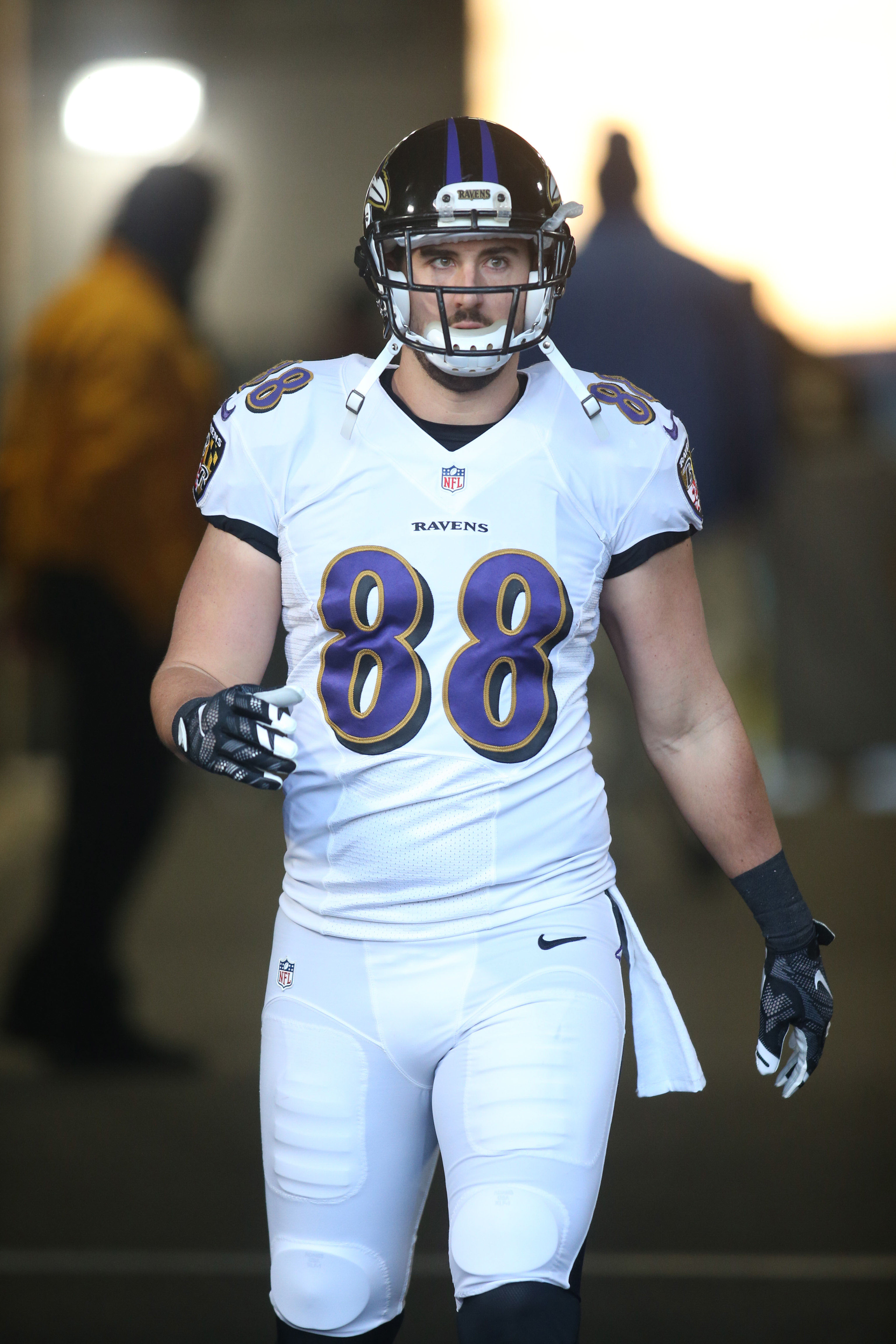 The team did manage to snag tight end Ed Dickson in the third round, but nobody would deem the first half of Baltimore’s draft a success. However, the team did manage to draft a pair of contributors in the later rounds: tight end Dennis Pitta and defensive end Arthur Jones. Both of those players inked their rookie contracts on this date eight years ago.
The Ravens used their fourth-round pick (#114) on Pitta, a tight end out of Brigham Young. He ended up playing his entire seven-year career in Baltimore, winning a championship along the way. His best season came in 2012, when he hauled in 61 catches for 669 yards and seven touchdowns, and his 2,098 career receiving yards rank 12th in franchise history. Unfortunately, Pitta suffered a number of injuries throughout his career, forcing him to miss 46 regular season games. After suffering a hip injury during last year’s OTAs, the Ravens ended up cutting the veteran, effectively ending his career.
Jones, who was selected with the team’s second fifth-rounder, mostly served in a reserve role for the Ravens during the first three years of his career, including their Super Bowl run in 2012 (the defensive end finished with a key sack and fumble recovery in the victory). He took on a bigger role in 2013, finishing with 53 tackles and four sacks. He ended up inking a lucrative five-year deal with the Colts worth more than $30MM, but he never managed to stay healthy during his tenure in Indy. The 32-year-old played in a single game for the Redskins this past season.
While no one would ever declare the Ravens 2010 draft as a “win” (the team also drafted wideout David Reed and offensive tackle Ramon Harewood), their pair of later-round picks ended up having solid NFL careers.