
Dolphins Sign Minkah Fitzpatrick
The Dolphins have signed first rounder Minkah Fitzpatrick, as Ian Rapoport of NFL.com tweets. In accordance with his slot, the defensive back will receive a four-year, $16.4MM deal with a $10MM signing bonus. 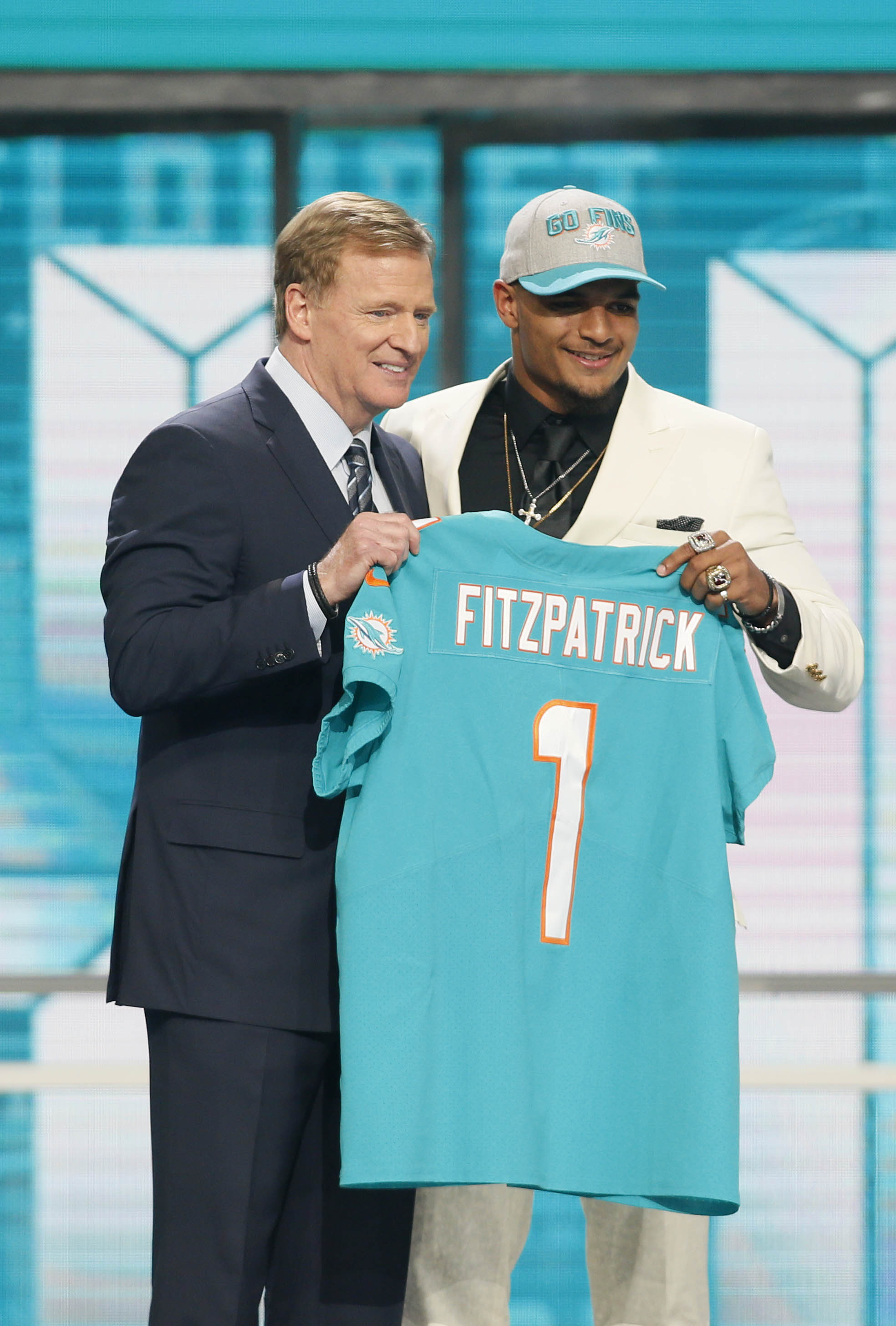
Heading into Friday, the Dolphins were one of two teams who had yet to sign any of their draft picks. However, things changed when the calendar flipped to June. Miami had just $312K in cap room on Thursday, but gained an additional $17MM in cap space on Friday when Ndamukong Suh’s post-June 1 release became official. With that room, they carved out the necessary space to get to work on their draft class.
Fitzpatrick, the No. 11 overall pick, projects to start at free safety with Reshad Jones alongside him at strong safety. T.J. McDonald, who started every game in his suspension-shortened season, will head to the bench as the first backup behind both players.
In addition to Fitzpatrick, the Dolphins have also inked sixth-round cornerback Cornell Armstrong, seventh-round linebacker Quentin Poling, and seventh-round punter Jason Sanders, the club announced.
The Best Remaining NFL Free Agents
The biggest names in this year’s free agent class such as Kirk Cousins, Sammy Watkins, Allen Robinson, and Trumaine Johnson have long been spoken for, but plenty of notable players remain on the board here in June. With a hat tip to James Palmer of NFL.com (on Twitter), here’s a look at some high-profile veterans who are still seeking work this summer: 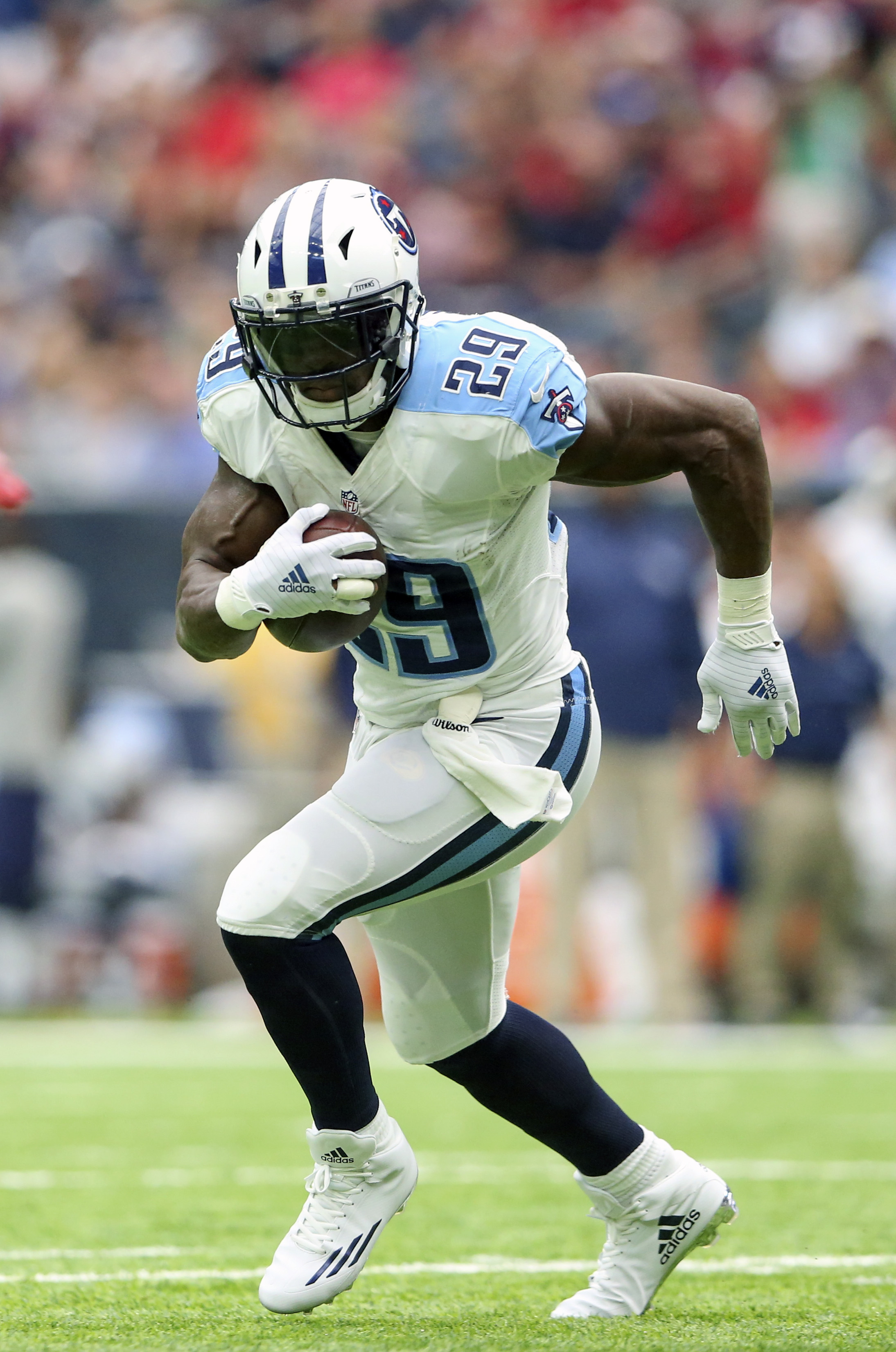
- QB Colin Kaepernick
- RB DeMarco Murray
- RB Adrian Peterson
- WR Dez Bryant
- WR Jeremy Maclin
- WR Eric Decker
- DE Connor Barwin
- LB NaVorro Bowman
- CB Dominique Rodgers-Cromartie
- CB Bashaud Breeland
- S Tre Boston
- S Eric Reid
- S Kenny Vaccaro
Of course, Kaepernick’s situation is more complicated than the rest. Lately, the only updates we’ve heard regarding Kaepernick have been tied to his pending collusion case against the NFL. Former teammate Reid is certainly closer to the NFL radar after an April meeting with the Bengals, but he also believes teams are shying away from him due to his participation in anthem protests. Reid filed a grievance of his own against the NFL in May and has been spotted working out with Kaepernick.
Unfortunately for Murray and Peterson, filing a grievance for age bias against running backs is not an option. The Titans kicked Murray to the curb in March and he has not found a new NFL home despite meeting with the Lions, Seahawks, and Dolphins since his release. Peterson has lobbied the Texans, Saints, Packers, Panthers, Dolphins, and Rams to sign him, but we have yet to hear of any reciprocated interest from those clubs. Given Peterson’s reluctance to be on the lower end of a timeshare in New Orleans last year, one has to imagine that Peterson will not be a real consideration for teams unless a starter gets injured in camp. Murray could be a more attractive option for teams. Although he averaged just 3.6 yards per tote with the Titans last year, he contributed in the passing game with 39 receptions.
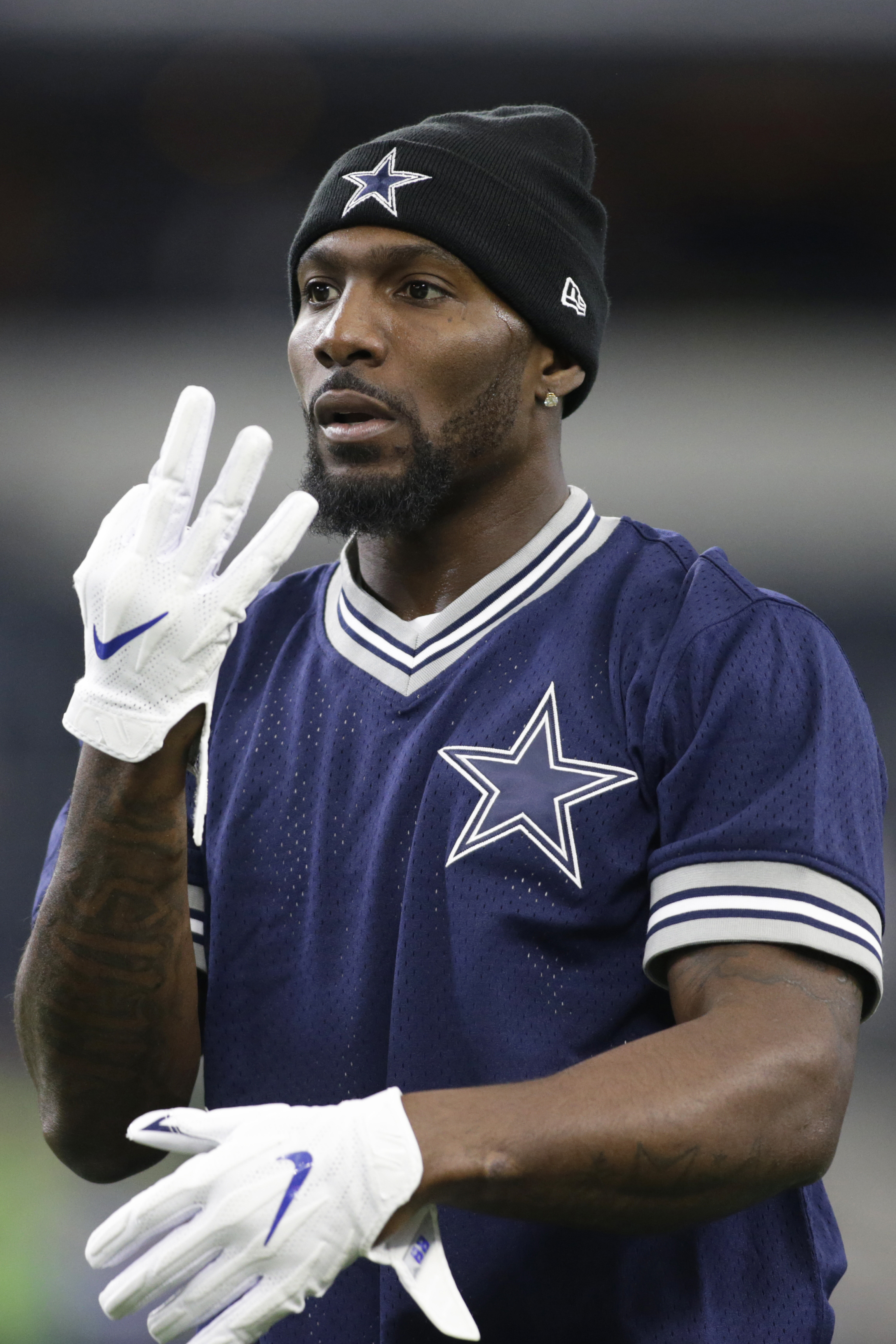 Bryant says he has no regrets about turning down a three-year, $21MM offer from the Ravens, but right now it looks like he blew his opportunity at a solid free agent deal. Reportedly, many teams are unwilling to consider him for even the league minimum, so it seems unlikely that he’ll find the lucrative one-year contract he’s seeking. On the plus side, his former employer says multiple teams have checked in on him.
Things have been eerily quiet for Maclin after he was displaced by the Ravens, though the Eagles and Cowboys considered him internally in the spring. We also haven’t heard a peep about Decker since his spring meetings with the Raiders and Ravens. Both players are roughly in the same boat – they were 1,000-yard receivers in 2015, but they are on the wrong side of 30 and haven’t done much on the field in the last two years. Still, both profile as low-risk/high-reward signings.

AFC East Notes: Jets, Enunwa, Patriots
A neck injury sidelined Jets wide receiver Quincy Enunwa for the entire 2017 season, but it’s an issue that he’s been dealing with for years, as Manish Mehta of the Daily News writes. Enunwa says the pain dates all the way back to 2015 when the Jets beat the Titans in Week 14.
Interestingly, the 26-year-old says that he has not done any post-surgical rehab over the last eight months.
“I had the surgery. I had a brace for a little bit. I didn’t have the brace for long,” Enunwa said. “I had to sleep a certain way for a few days. After that, it was nothing. I wasn’t allowed to run (in the beginning). Otherwise, there was no rehab. Everything I did was for my legs, so when I got back I could run.”
This year, Enunwa says that his goal is to be a “difference maker” for Gang Green. A big year could also make a difference in his wallet. Enunwa is slated to earn $2.91MM on his restricted free agent deal and will be eligible for unrestricted free agency in 2019.
Here’s more from the AFC East:
- Patriots guard Shaq Mason could be one year away from becoming one of the league’s highest-paid guards, Jeff Howe of The Athletic writes. Mason probaly won’t approach Andrew Norwell‘s five-year, $66.5MM deal ($30MM guaranteed), but Howe estimates that he should see no less than $9MM/year with about 40% of his deal fully guaranteed. Right now, there are eleven guards who make at least $9MM per season, so it’s fair to assume that Mason – who will turn 26 just before the ’19 season – will hit that mark if he performs in 2018. Last year, Mason graded out as Pro Football Focus’ No. 10 ranked guard in the NFL.
- With seven running backs on the Patriots‘ roster, something has to give. Doug Kyed of NESN can envision a scenario in which Mike Gillislee is cut in favor of former Bengal Jeremy Hill. First-round pick Sony Michel is obviously safe and the same goes for pass-catching specialist James White. After that, Hill, Gillislee, Rex Burkhead, and Brandon Bolden are competing for no more than three spots. Burkhead had a productive first year with the Pats and Bolden has been tremendous on special teams, so Hill and Gillislee are probably squaring off for one final place on the roster. The seventh running back under contract, undrafted free agent Ralph Webb, seems unlikely to make the cut.
- On Thursday, the Bills reached an injury settlement with retired center Eric Wood.
- The Dolphins were one of five teams to utilize the post-June 1 release designation this year.
Five Teams Use Post-June 1 Designation
Lingering guarantees can be a rough pill to swallow for NFL teams as they move on from players, but the league’s post-June 1 designation allows clubs to spread out the dead money hit over two seasons while reaping greater benefits in the current year. This offseason, five teams took advantage of the rule to carve out some cap space. As Field Yates of ESPN.com (on Twitter) notes, the following clubs now have some extra breathing room to sign draft picks and add veterans in the late stages of free agency: 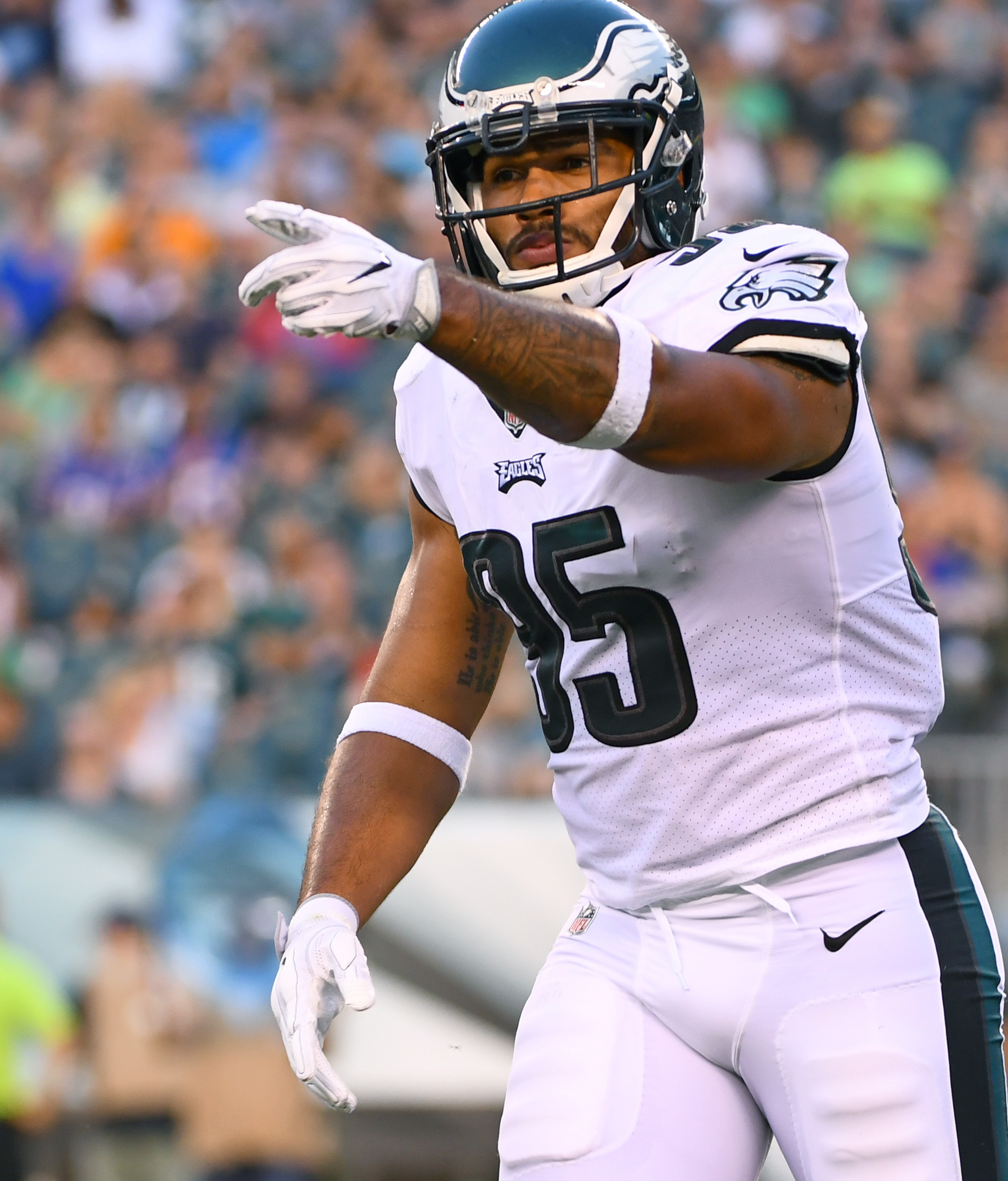
- Dolphins: $17MM (Ndamukong Suh release)
- Eagles: $6MM (Mychal Kendricks release)
- Falcons: $3.5MM (Levine Toilolo release)
- Cowboys: $3MM (Orlando Scandrick release)
- Saints: $3MM (Coby Fleener release)
The additional cap space will be particularly useful for the Dolphins and Eagles, who have about $400K in cap room combined. The Falcons ($3.7MM),Saints ($4.2MM), and Cowboys ($8.5MM) are also looking forward to the extra fiscal flexibility. The extra cap room may help to jumpstart the free agent market for players such as Dez Bryant, Tre Boston, Kenny Vaccaro, Eric Reid, and others without a home at this stage of the offseason.
The Dolphins have yet to sign any of their 2018 draft picks, including top choice Minkah Fitzpatrick, but you can expect to see some movement on that front once they receive their $17MM reprieve. The Cowboys, Saints, and Eagles have already wrapped their respective draft classes and the Falcons have signed every pick except for first rounder Calvin Ridley, so those four clubs can concentrate on using their extra room for veteran additions, or new deals/contract sweeteners for current players.
Cardinals Sign Mason Cole
The Cardinals have wrapped up their 2018 draft class. On Thursday, Arizona inked their final straggler in third round centerMason Cole. 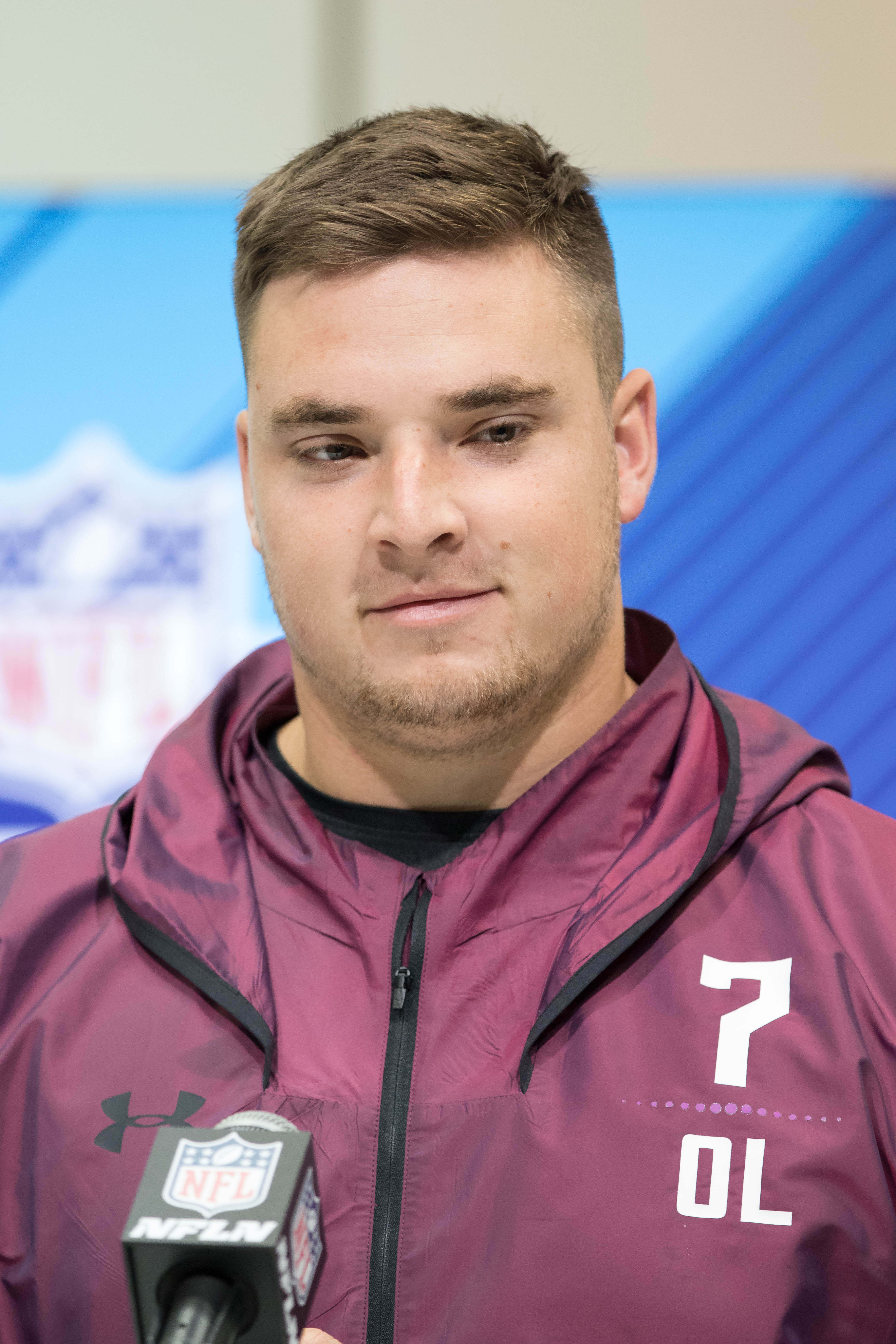
Cole, a Michigan product, owns the distinction of being the first true freshman offensive lineman in program history to start the season opener. He did so at the left tackle position, where he spent the first two years of his collegiate career. Starting with his junior season, Cole made the switch to the middle when Graham Glasgow left for the NFL. In the pros, Cole projects to serve as Arizona’s backup center behind starter A.Q. Shipley.
Here’s the complete rundown of the Cardinals’ draft class:
- 1-10: Josh Rosen, QB (UCLA): Signed
- 2-47: Christian Kirk, WR (Texas A&M): Signed
- 3-97: Mason Cole, C (Michigan): Signed
- 4-134: Chase Edmonds, RB (Fordham): Signed
- 6-182: Christian Campbell, CB (Penn State): Signed
- 7-254: Korey Cunningham, T (Cincinnati): Signed
As of this writing, 12 third round draft picks in the 2018 class remain unsigned. In total, 54 of this year’s 256 picks have yet to ink their deals.
BIlls Release C Eric Wood
The Bills have officially released center Eric Wood. Wood, who retired earlier this offseason due to a neck injury, has agreed to an injury settlement with the team. 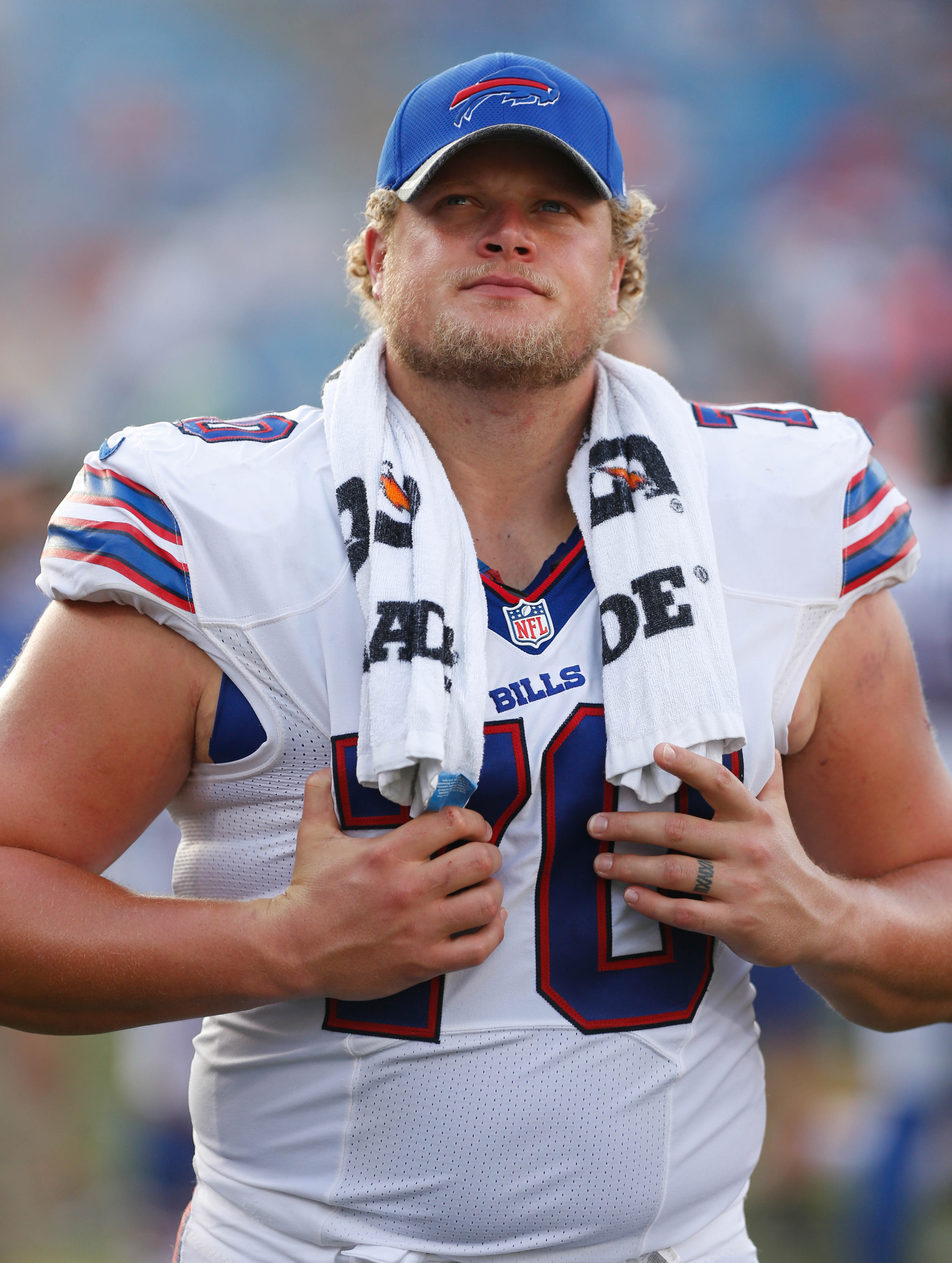
Wood, 32, was Buffalo’s starting snapper from 2009 through 2017. Prior to his retirement, he was Buffalo’s second-longest-tenured active player behind defensive tackle Kyle Williams. Over the course of his Bills tenure, he was team’s top center under six different head coaches, or seven if you count Anthony Lynn‘s one game as interim head coach.
Remarkably, he started in all 16 of the Bills’ regular season games last season, plus their playoff game against Jacksonville. Wood managed to play through the pain all year, but the malady was too serious for him to continue on the field.
Wood graded out as the No. 16 center in the NFL in 2017, per Pro Football Focus’ advanced metrics. In 2015, the season in which he his first and only Pro Bowl, PFF had him ranked in the top five league-wide.
With Wood out of the picture, the Bills project to start free agent pickup Russell Bodine in the middle. Interior lineman Ryan Groy figures to serve as his top backup.
Bears’ Jordan Howard To Be “Main Guy”
Earlier this year, Bears running back Jordan Howard was the subject of trade speculation. Based on what Howard has been hearing, there should be no more questions about his place on the team. 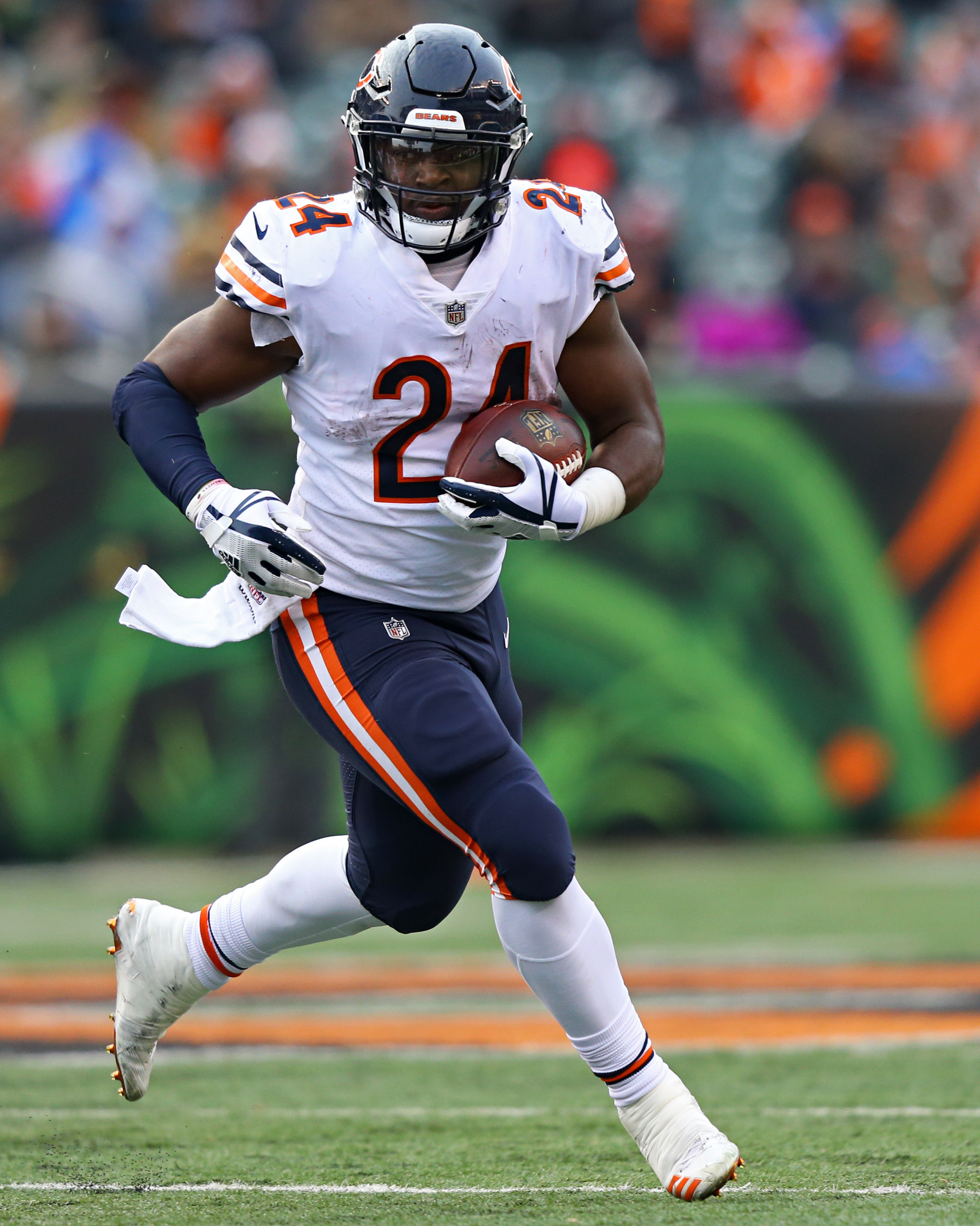
[RELATED: Former Bears LB Shea McClellin Leaning Towards Retirement]
“[New head coach Matt Nagy] already said I’m going to be the main guy,” Howard said (via Adam L. Jahns of the Sun Times).
Nagy has also indicated that Howard is in for a big workload, though he cautioned that his offense doesn’t require a bell-cow back in every game. With Howard penciled in for a significant number of carries, it seems unlikely that he’ll be shipped out, which jibes with what the team told him in April.
Howard, a fifth-round pick in the 2016 draft, has easily topped 1,000 rushing yards in each of his two NFL seasons. Given that Howard as a firm grip on the top RB spot over backups Tarik Cohen, Benny Cunningham, and Taquan Mizzell, he could have another highly productive year on the horizon.
Howard is one of the better running backs in the league and also one of the very best values at the position. He is under contract for another two years with modest cap hits of $692K in 2018 and $782K in 2019.
AFC Notes: Kendricks, Raiders, Colts, Simon
Mychal Kendricks‘ left his visit with the Raiders on Wednesday without signing a deal, as Vic Tafur of The Athletic tweets. With that in mind, Kendricks’ scheduled visit with the Browns should take place this week.
Kendricks has been vocal about his desire to play with his brother in Minnesota, but the Vikings’ level of interest is not immediately clear following their meeting. Minnesota arguably would give Kendricks the easiest path towards another Super Bowl ring, but the Browns – armed with upwards of $70MM in cap room – could be the highest bidder of the bunch. The Raiders, meanwhile, would have to do some maneuvering to sign Kendricks given that they have just $1.7MM in cap room.
Here’s more from the AFC:
- The Colts could conceivably cut John Simon this summer, Stephen Holder of the Indy Star writes. Simon performed well in an injury-shortened 2017, but new defensive coordinator Matt Eberflus is looking to play him at defensive end rather than middle or strong-side linebacker. Simon, listed at (a perhaps inflated) 6’2″and 260 pounds, is undersized for DE and may not have the speed needed to get around pass blockers. Given that Simon is now battling with edge rushers like Jabaal Sheard, Tarell Basham, Kemoko Turay, Chris McCain, Tyquan Lewis, it’s possible that he might not make the final cut. Simon, who signed a three-year, $14MM deal with the Colts just last year, has no guaranteed money remaining on his deal. The Colts would save $3.28MM against the cap by releasing Simon.
- Darryl Slater of NJ.com estimates that any suspension for Jets wide receiver Robby Anderson would be of the shorter variety. Recently, Florida prosecutors dropped felony charges against Anderson, though he still faces six charges stemming from a January incident in which he was arrested and threatened to sexually assault the wife of a police officer.
Details On Brandon Marshall’s Contract
The Seahawks don’t have much to lose in their contract with wide receiver Brandon Marshall. The veteran’s $90K signing bonus represents the only guaranteed portion of his one-year deal, according to ESPN.com’s Field Yates (on Twitter). 
The modest signing bonus means that the Seahawks can bail on the deal between now and September if Marshall does not play up to par in practice. If he does make the team, he’s in line for just $1.015MM in base pay. After that, he can earn another $1MM through incentives to bring the value of his deal as high as $2.155MM. Here’s the complete breakdown of those bonuses, courtesy of Yates:
- 40-49 receptions: $75K
- 50-59 receptions: $125K
- 60-69 receptions: $250K
- 70+ receptions: $350K
- 500-599 receiving yards: $75K
- 600-699 yards: $125K
- 700-799 receiving yards: $250K
- 800+receiving yards: $350K
- 7+ receiving touchdowns: $350K
Assuming all goes well in Seattle over the next three months and change, a decent chunk of Marshall’s incentives should be attainable. Even in a down year with the Jets in 2016, Marshall still had 59 catches for 788 yards and three touchdowns. If he were to reprise that stat line, the 34-year-old would earn $375K of the potential ~$1MM payout. Add another reception to that total and Marshall is looking at $500K, roughly half of his potential bonus earnings.
Of course, Marshall didn’t come close to those numbers last year as an early season injury sidelined him for all but five games in 2017. He’ll do his best to get back to his 2015 output when he had 109 catches for 1,502 yards and 14 touchdowns – numbers that would allow him to max out his Seahawks deal and, more importantly, position him for a better deal in 2019, should he choose to continue playing in his age-35 season. In December, Marshall indicated that he would like to play through the ’19 season.
If Marshall is healthy, it wouldn’t be surprising to see him positioned as the team’s No. 2 wide receiver behind Doug Baldwin. Tyler Lockett, free agent addition Jaron Brown, and speedy trade acquisition Marcus Johnson figure to round out Seattle’s top five. Until last year’s injury-shortened season, Marshall averaged 164 targets per 16 games as an NFL starter.
Explaining Post-June 1 Cuts
NFL teams will often use bonuses in contracts as a way to spread out a cap hit that might otherwise be exorbitant. For instance, if a player’s five-year deal includes a $10MM signing bonus, that money can be paid immediately but spread out over five years for cap purposes. This way, the cap charge for the bonus amounts to $2MM per year for cap purposes, rather than $10MM in year one.
However, this practice can come back to haunt teams if they want to get out of a contract early. Suppose the team in the above scenario wanted to release the player in the third year of his contract. Even if none of the player’s base salary is guaranteed at that point, the team will still have to account for that remaining prorated bonus money. Rather than counting on the cap as $2MM per year for three seasons, that dead money “accelerates,” and applies to the cap for the league year in which the player is released. In other words, the remaining $6MM in prorated bonus money immediately counts against the club’s cap.
Although these rules apply to many cuts, a different set of rules is in place for players released after June 1. In that case, a team can spread the cap hit across two seasons rather than one — for the current season, the prorated bonus figure stays at its original amount, with the remaining bonus balance accelerating onto the following season. Referring again to the above scenario, that means the player would count against the cap for $2MM in the league year in which he was cut, with the remaining $4MM applying to the following league year.
The guidelines for pre-June 1 and post-June 1 cuts are fairly straightforward, but things become a little more complicated when we take into account that teams are allowed to designate up to two players as post-June 1 cuts even if those players are released before June. This offseason, we’ve seen a number of players designated as post-June 1 cuts, including Ndamukong Suh (Dolphins), Orlando Scandrick (Cowboys), Mychal Kendricks (Eagles), and Coby Fleener (Saints).
In the case of Kendricks, the Eagles were initially slated to pay him a $5.85MM in base salary this year with a $7.6MM cap figure. Under typical circumstances, the release would have left the Eagles with a $3.2MM dead money obligation for 2018. However, through the post-June 1 designation, they will unlock $6MM in cap space starting on Friday with just $1.6MM in dead money this year. In 2019, they’ll be faced with the remaining $1.6MM charge.
Because the cap charge for the current league year isn’t reduced until June, designating a player as a post-June 1 cut isn’t hugely advantageous for teams. By June, just about every notable free agent is off the board, so the new savings likely won’t be put toward a major move.
Still, releasing a player in March and designating him a post-June 1 cut can be mutually beneficial for a player and his team. It allows the player to hit the market when potential suitors still have cap room and are still looking to add free agents, and it allows the club to spread out the player’s cap charge without having to actually wait until June 1 to release him — waiting until that point could mean paying roster or workout bonuses in the interim. Additionally, even if the team doesn’t need that June cap space for free agency, it can come in handy for signing draft picks.
In the case of the defending champs, who faced a serious numbers crunch heading into the offseason, the June 1 designation allowed for some much-needed wiggle room. Before the move, the Eagles had an NFL-low $103K available under the cap.
A couple loose ends related to post-June 1 cuts:
- The same rules applying to players who are released apply to players who are traded — if a team trades a player after June 1, his remaining bonus money can be spread out over two seasons. However, a club can’t designate anyone traded prior to June as a post-June 1 player.
- Teams cannot designate post-June 1 cuts during the final league year of the Collective Bargaining Agreement.
Note: This is a PFR Glossary entry. Our glossary posts explain specific rules relating to free agency, trades, or other aspects of the NFL’s Collective Bargaining Agreement. Information from Over the Cap was used in the creation of this post. The original version of this post was published on April 2, 2014.