
Poll: Which Rookie RB Will Rush For Most Yards In 2019?
Last year, the Giants pounced on the opportunity to take Saquon Barkley at No. 2 overall. The decision to use a high draft pick on a running back was panned by some, but, so far, things have panned out just fine. The Penn State product rushed for 1,307 yards, led the NFL with 2,028 total scrimmage yards, and averaged 5.0 yards per carry, despite the Giants’ overall offensive struggles. 
Barkley wasn’t the only gem in last year’s class – Sony Michel (Patriots, No. 31 overall), Nick Chubb (Browns, No. 35 overall), and Kerryon Johnson (Lions, No. 43 overall) all showed serious promise for the future.
This year’s crop of running backs is not believed to be on the same level, nor was there a consensus top RB like Barkley, which complicates projections for rookie production. A look at some of this year’s strongest contenders to lead the pack in rushing yards:
- Joshua Jacobs, Raiders: At No. 24 overall, Jacobs was the first running back taken in the 2019 draft. Even then, many in the football world felt that Mike Mayock & Co. reached for the Alabama product. Of course, after taking Clemson defensive end Clelin Ferrell No. 4 overall, the Raiders showed that they aren’t afraid of bucking convention. Jacobs rushed for just 640 yards in his final year on campus, which doesn’t necessarily point to major production as an NFL rookie. But, with Marshawn Lynch no longer in the fold, there’s a clear opportunity for Jacobs to shine, provided that he can get a larger share of work than Doug Martin.
- Miles Sanders, Eagles: Another running back was not selected until 29 picks later when the Eagles took Sanders towards the back end of the second round. Lauded for his size and power, Sanders has the potential to break tackles early and gut out the tough yards. On the other hand, he’ll have to push past newcomer Jordan Howard and last year’s leading rusher Josh Adams in order to carve out opportunities.
- Darrell Henderson, Rams: Could Todd Gurley‘s backup lead rookie RBs in rushing? Well, that depends on Gurley’s health, and there are plenty of question marks in that regard after the star’s disappointing finish to the 2018 season. Henderson had more touchdowns (22), yards (1,909), and yards per carry (8.9) than anyone else in this year’s draft class, so he could be one snap away from a monster freshman year.
- David Montgomery, Bears: With Tarik Cohen slotted for serious work in the passing game, the stage could be set for Montgomery to serve as the Bears’ top rusher. Montgomery topped 250 rushing attempts in each of his final seasons at Iowa State and averaged 4.7 yards per carry in his final collegiate campaign.
- Devin Singletary, Bills: LeSean McCoy is the man in Buffalo – for now. The Bills say they’re moving forward with McCoy, but if he’s released or traded, Singletary could easily edge Frank Gore and T.J. Yeldon for the starting gig. Singletary bombed at the combine, but his track record for powering into the end zone should make him a favorite of offensive coordinator Brian Daboll early on.
Will one of those five RBs take the crown, or will it be another rookie rusher? Vote in the poll below (link for app users) and back up your choice in the comment section.
Who Will Lead Rookie RBs In Rushing Yards?
-
Josh Jacobs 25% (454)
-
David Montgomery 22% (401)
-
Miles Sanders 12% (209)
-
Damien Harris 4% (77)
-
Benny Snell Jr. 4% (76)
-
Justice Hill 4% (72)
-
Darrell Henderson 4% (70)
-
Devin Singletary 3% (61)
-
Myles Gaskin 3% (55)
-
Bryce Love 3% (49)
-
Alexander Mattison 2% (42)
-
Darwin Thompson 2% (41)
-
Dexter Williams 2% (37)
-
Tony Pollard 2% (28)
-
Trayveon Williams 1% (26)
-
Mike Weber 1% (22)
-
Travis Homer 1% (20)
-
Ty Johnson 1% (15)
-
Rodney Anderson 1% (11)
-
Qadree Ollison 1% (10)
-
Ryquell Armstead 0% (9)
-
Jordan Scarlett 0% (7)
-
Chandler Cox 0% (7)
-
Kerrith Whyte Jr. 0% (2)
Total votes: 1,801
This Date In Transactions History: Giants Release Ryan Clark
On this date in 2004, the Giants released former undrafted free agent Ryan Clark. The move didn’t make waves at the time, but it proved to be a missed opportunity for the G-Men.
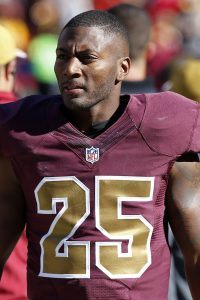 After going undrafted out of LSU in 2002, Clark spent two forgettable seasons with the Giants. The defensive back was relatively productive during his sophomore campaign (21 tackles, one sack, two passes defended in 16 games (four starts)), but he seemingly didn’t do enough to earn a longer look from the organization. On May 27th, 2004, the Giants let go of the young safety.
This ended up being a blessing in disguise for the Steelers, but it’d take several years to translate. After all, Clark initially caught on with the Redskins, who he’d play with for two seasons. Thanks to injuries to Matt Bowen and Andre Lott, Clark got an opportunity to start, and he ended up starting 24 games between 2004 and 2005. However, in a widely-panned moved, Washington ended up moving on from Clark after inking Adam Archuleta to a lucrative deal.
Clark then landed in Pittsburgh, where he’d spend the next eight years of his career. The safety started all but two of his games while he was with the Steelers, and he compiled at least 80 tackles for six straight seasons. Clark started all three postseason games for the Steelers en route to their Super Bowl XLIII victory, and he also helped guide the team to a Super Bowl loss during the 2010 campaign. He even made a Pro Bowl in 2011 after finishing with 100 tackles, one sack, five passed defended, and one interception.
By the time Clark ended up returning to Washington in 2014, he had earned a spot on a couple of the Steelers all-time top-1o lists, including tackles (10th – 448) and passes defended (8th – 44). Still, if the Giants had decided to give the safety a longer look, who knows if Clark would have ever found his way to Pittsburgh.
Photo courtesy of USA Today Sports Images.
PFR Originals: 5/19/19-5/26/19
The original content and analysis produced by the PFR staff during the past week:
- As part of our ‘this date in transactions history’ series, Ben Levine took a look at the Dolphins’ decision to sign cornerback Will Allen to a two-year, $16.2MM extension in 2009. His promising career was quickly derailed due to an arrest and an ACL tear, and he ended up not playing a single game under the terms of his new extension.
- After his recent release, the biggest name left on the free agent market is Gerald McCoy. In a quiet period for the league, all eyes are on McCoy and where he will sign. Micah Powell ran through some of the options and asked readers in a poll where they think McCoy will end up signing. As of right now the Browns are in first place, with 22.49 percent of the vote.
- Speaking of polls, Ben also examined the known candidates for the Jets’ GM job, the other big developing story in the NFL right now. The Jets have been taking their time with Adam Gase currently installed as the interim GM, and Eagles executive Joe Douglas won the vote with 36.4 percent.
- Also as part of our ‘this date in transactions history’ series, Zach Links looked back on the Broncos’ signing of Jerry Rice. Rice’s career is so legendary, that people often forget he briefly spent some time in Denver. He signed with them back in 2005, but ended up retiring before the season started after realizing he wouldn’t have a huge role with the team.
- Zach also wrote about the Cowboys’ signing of Randy Gregory to his first contract, and reflected on his tumultuous career. Gregory was viewed as a top-ten talent, but fell to the second round due to off-field concerns. Those concerns turned out to be valid, as Gregory has been suspended several times. He most recently was banned indefinitely after this past season, although the Cowboys are sticking by him.
- Another big story around the league right now is the standoff between Chris Harris and the Broncos. The star cornerback is demanding a new contract and staying away from the team, and there’s been a lot of buzz about a potential trade. Sam Robinson asked readers how the situation will play out in a poll, and despite all the trade talk readers seem to think an extension will be reached at some point.
This Date In Transactions History: Will Allen
In 2009, Will Allen was coming off three productive seasons with the Dolphins, and he was quickly establishing himself as one of the most reliable cornerbacks in the NFL. On May 26th, the cornerback signed a two-year, $16.2MM extension ($10MM guaranteed) with Miami… and he proceeded to play zero games under his new deal.
With one year still remaining on his contract, the deal was set to kick in during the 2010 campaign and would last through 2011. Allen looked like he was worth the money during the first chunk of the 2009 season, compiling 21 tackles, two interceptions, and six passes defended. It quickly went down hill for the defensive back, however, as he tore his ACL in a Week 6 matchup with the Saints, ending his season. That offseason, Allen was arrested and charged with driving under the influence after nearly blowing through a police roadblock.
Then, one week before the 2010 season (the season when his new contract was set to kick in), Allen was placed on the IR with a knee issue. To stick around Miami for the 2011 campaign, the defensive back had to rip up his lucrative deal and settle for a new, one-year contract that paid significantly less than the $5.5MM he was set to make. However, the veteran was ultimately released from this new deal prior to the start of the regular season.
Allen ended up catching on with Miami again in mid-September, and he ultimately compiled 43 tackles and three passes defended in 15 games. However, the team technically ended up getting zero production out of their initial $10MM investment.
Poll: Who Should Jets Hire As GM?
It’s been 10 days since the Jets suddenly fired general manager Mike Maccagnan, leaving a major hole atop their front office. Yesterday, we finally got some clarity on definitive candidates, as the organization requested interviews with Eagles executive Joe Douglas and Bears assistant director of player personnel Champ Kelly.
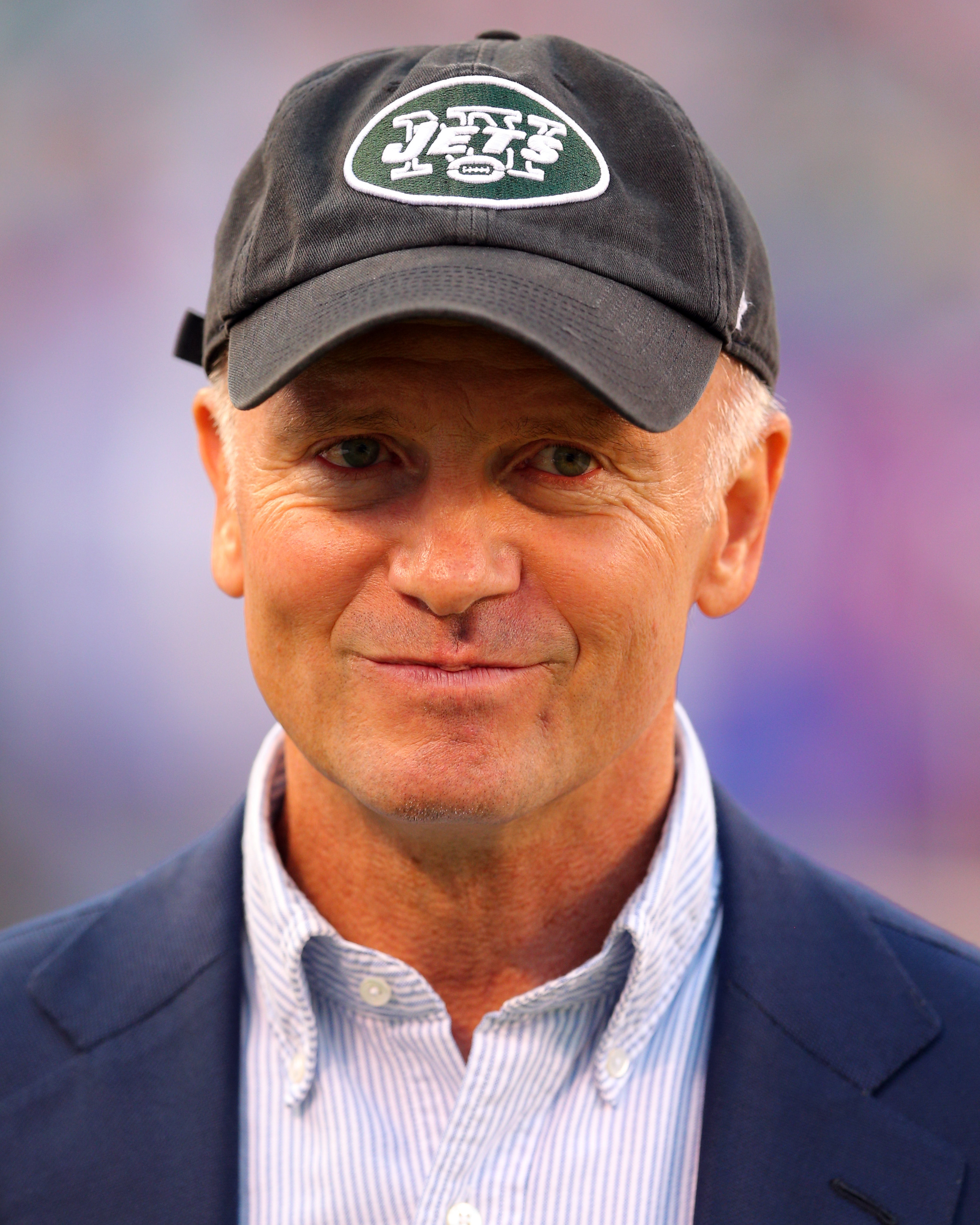 Following reports of tension between Maccagnan and head coach Adam Gase, Kelly would seemingly be a good choice. The two have a history that dates back to their tenures with the Broncos, with Denver earning four division titles during Kelly’s five seasons as Assistant Director of Pro Personnel. Kelly also played a role in signing eight veteran free agents who would go on to earn Pro Bowl nods with the Broncos.
The executive has spent the past four years with the Bears, including the last two as the team’s Assistant Director of Player Personnel. In this role, Kelly has directed both Chicago’s pro personnel and college scouting departments. Kelly was one of the Fritz Pollard Alliance’s recommended GM candidates this offseason, but he didn’t get an interview in the thick of the cycle.
Despite Gase’s connection to Kelly, Douglas is reportedly his top choice for the position. Douglas spent the past three seasons as the Eagles’ vice president of player personnel, and he played a major role in constructing the Super Bowl LII-winning roster. Douglas had a brief stint with the Bears in 2015 after having spent the previous 16 years with the Ravens. Douglas is expected to be choosy when it comes to his next opportunity. Many pundits are questioning the Jets’ power structure given the timing and nature of Maccagnan’s firing, so it’s uncertain if Douglas would be willing to take on the challenge.
Besides Kelly and Douglas, the Jets have also been connected to Peyton Manning. Following Maccagnan’s firing, there were rumblings that the Jets were eyeing the future Hall of Fame quarterback for the open GM gig. However, subsequent reports have indicated that the notion of Manning becoming the Jets’ GM is “unrealistic,” with a source stating that being an NFL GM is “not a job he seems to want.”
Of course, there’s also Gase, who earned the interim GM tag following Maccagnan’s ouster. The head coach has been relatively busy since taking on the job; he’s moved on from a pair of former draft picks (tight end Jordan Leggett and linebacker Darron Lee), and he’s added wideout Deonte Thompson. There were reports that Gase was opposed to Le’Veon Bell‘s lucrative contract, and the organization’s apparent trust in their head coach indicates that he’ll surely have a say in future transactions (assuming he doesn’t maintain the GM role).
There are a number of additional candidates who could emerge in the coming days. We learned earlier this week that Gase would be receptive to a number of GM hires, including the 49ers’ Adam Peters and the Lions’ Lance Newmark. Additionally, Jets ownership is believed to “think highly” of Vikings exec George Paton.
So that brings us to today’s question: who should Christoper Johnson hire as the team’s next GM? Should they bring on Douglas, Kelly, or another executive from outside the organization? Should they take a flyer on Manning, who has no front office experience? Should they allow Gase to maintain control over the 53-man roster?
Vote in PFR’s latest poll and weigh in with your thoughts in the comments section.
Who should the Jets hire as their GM?
-
Joe Douglas 38% (454)
-
Peyton Manning 21% (254)
-
Other 19% (224)
-
Champ Kelly 13% (158)
-
Adam Gase 9% (112)
Total votes: 1,202
This Date In Transactions History: Broncos Sign Jerry Rice
Jerry Rice is best remembered for his remarkable 16-year career with the Niners, in which he earned a dozen Pro Bowl nods and ten First-Team All-Pro selections. After that, Rice had some less remarkable – but still productive – seasons with the Raiders. His final NFL games were spent in a Seahawks uniform, but that wasn’t the original plan. On this date in 2005, Rice signed a one-year contract with the Broncos. 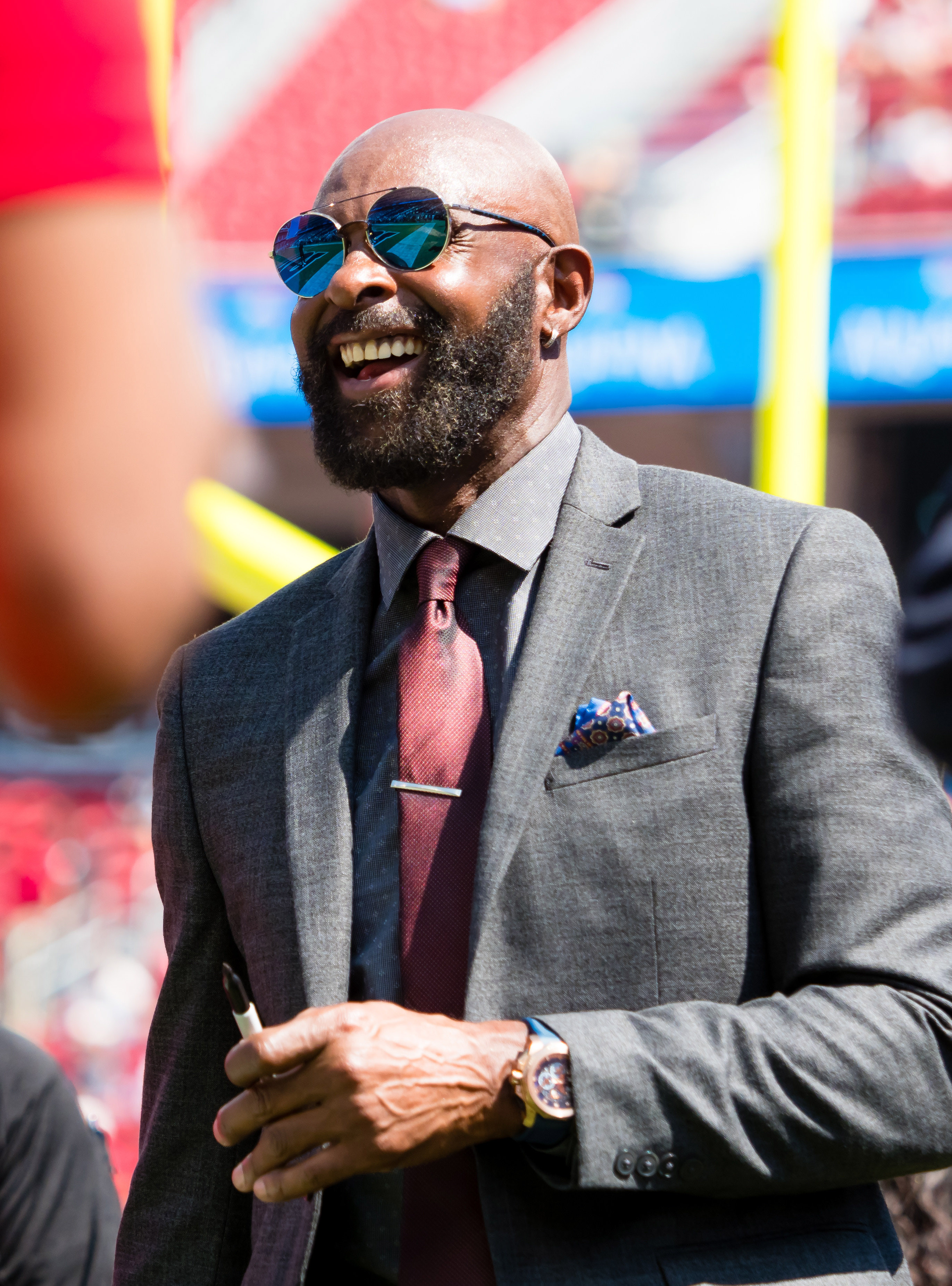
“For so many years there was so much pressure on me,” Rice told Denver beat reporters on a conference call after signing his deal (via The Associated Press). “I had to set a certain standard and I still carry on that standard. But I had a lot of weight on my shoulders. I had blinders on. I couldn’t hear the crowd. I couldn’t hear them chanting my name and I couldn’t see little kids in the stands. I was so focused on what I had to do. The last couple of years, though, he has been more of a role player. The ball was not coming my way every down and I’m really enjoying the game and having fun.”
Rice was 42 years old at the time, meaning that his plans to continue playing were ambitious, even by Jon Gruden‘s standards today. In 2004, the legendary receiver totaled just 30 catches for 429 yards and three touchdowns. Even though he still averaged an impressive 14.3 yards per reception, he was no longer the player that he once was, and Denver head coach Mike Shanahan did not guarantee his place on the roster.
“I told Jerry that I don’t know if he’s lost a step or two steps, but you’re going to come here for one reason and that’s to compete with the other guys,” Shanahan said. “And if you’re one of our top five guys at the end of camp, then you’re going to be on our football team. If you’re not, I said I’d have one of the toughest jobs in the world.”
As the season drew near, Rice realized that he would be no higher than fourth or fifth on the Broncos’ depth chart. After serving as a role player in ’04, Rice decided in September that he would rather retire than be a role player in Denver.
The receiver left the game with remarkable league-record totals of 1,549 catches for 22,895 yards and 197 touchdowns – numbers that are in no danger of being eclipsed anytime soon, unless Larry Fitzgerald changes course and decides to play into his 40s.
So, Rice’s run with the Broncos never came to pass, but if you happen to have his replica orange-and-blue jersey hanging in your closet, you can probably fetch a nice price for it on eBay.
Photo courtesy of USA Today Sports Images.
This Date In Transactions History: Cowboys Sign Randy Gregory
Four years ago today, the Cowboys inked Randy Gregory to his first NFL contract. After taking a gamble on the Nebraska edge rusher in the second round of the 2015 draft, the Cowboys were optimistic about his potential at the pro level. 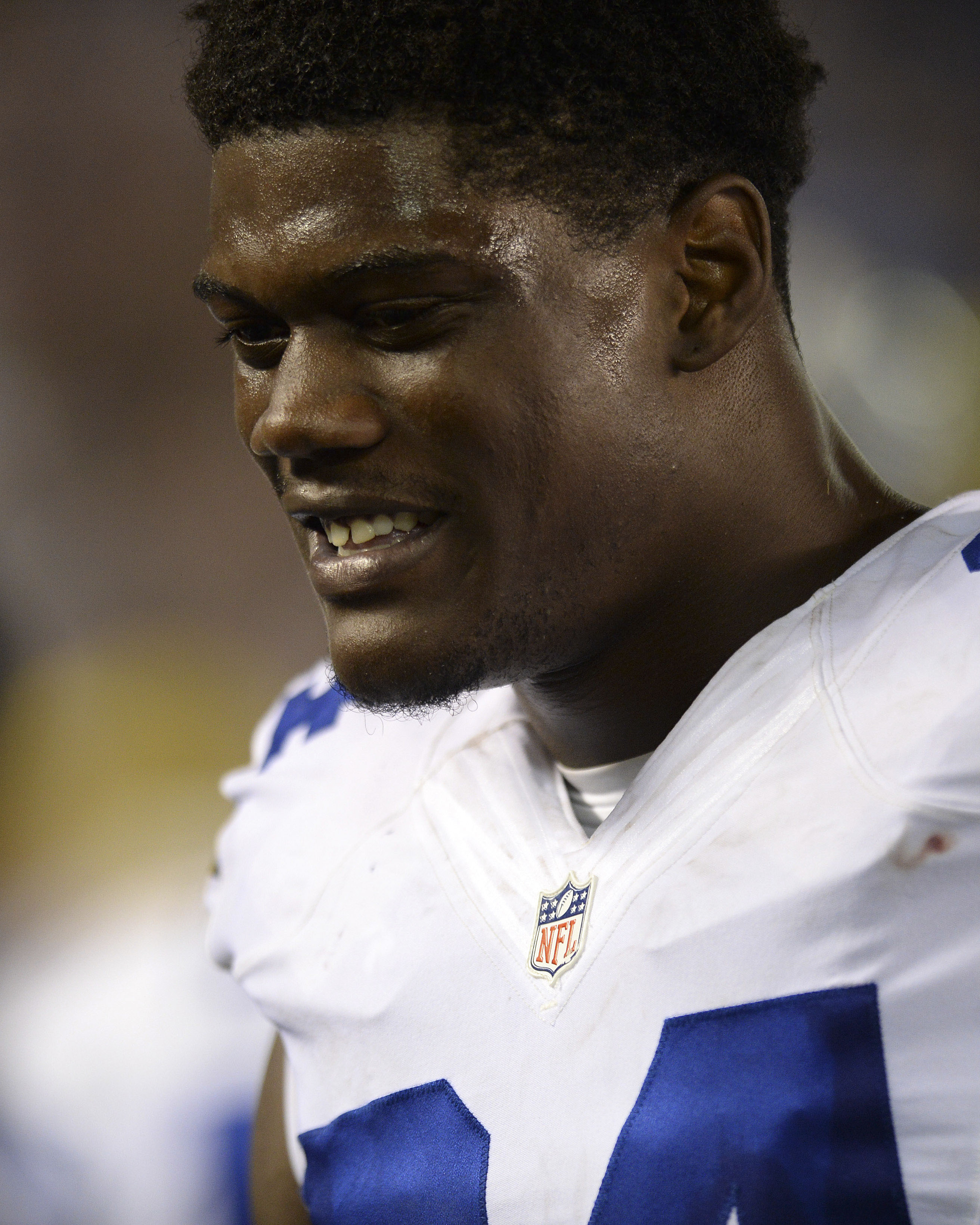
Gregory was viewed as a probable top-10 pick based on talent alone, but a failed drug test at the combine and potential mental health concerns caused him to drop into the second round. Had Gregory been a top-10 selection, he would’ve been assured of a four-year contract worth upwards of $14MM fully guaranteed, with a signing bonus of more than $8MM. After falling to No. 60, he landed a four-year pact worth $3.815MM, with a signing bonus of about $1.035MM.
Despite those off-field concerns, PFR readers were surprised not to see Gregory come off the board in round one — heading into the second round, he edged Landon Collins as the most surprising non-first-round pick in our poll. Unfortunately, Gregory’s demons derailed his career early on.
In February 2016, Gregory was hit with a four-game suspension for violating the league’s substance abuse policy. That same year, Gregory went on to fail a second drug test, resulting in an additional ten-game ban. Months later, we learned that Gregory had failed a third drug test, but the league did not immediately institute the ban. That gap allowed Gregory to play in the final two games of the regular season, though he was barred from appearing in the playoffs and sidelined for the entire 2017 campaign.
Last year, Gregory was given another chance by the league office and was reinstated on a conditional basis. Playing mostly in a reserve role, Gregory managed six sacks and 25 tackles in 14 games and showed serious promise. Sadly, the offseason would bring another familiar hurdle for Gregory as he violated the NFL’s substance abuse policy yet again and was banned indefinitely.
Despite it all, Cowboys owner Jerry Jones has remained steadfast in his support of the 26-year-old.
“He’s a pure soul first and foremost, the proof of that is how he’s thought of everybody around him, teammates coaches everyone,” Jones said in March. “He’s genuinely afflicted, genuinely. It’s real. He has to work through, just as you would many things as human beings. He has to work through this, the way and the way he works through it, the way he deals with his circumstances. It’s impressive. It may not look that impressive when you say look at the penalties that he’s endured, but it is impressive.”
Weeks later, Jones backed up those words with an extension that will keep Gregory in a Cowboys uniform through 2020, provided that the NFL allows him to play. The Cowboys remain hopeful that Gregory will be cleared to play sometime in 2019, and, more importantly, get his personal life on track.
Poll: How Will Chris Harris’ Holdout End?
Tied with Von Miller as the Broncos’ longest-tenured player, Chris Harris has opted to stay away from his team’s offseason work thus far in an effort to secure a new contract. Given that the All-Pro cornerback has been one of the top players at his position for many years, and his place financially among active corners, it makes sense.
Harris is entering the final season of a five-year, $42.5MM deal. This contract was considered to be Broncos-friendly at the time, and as the former UDFA helped anchor dominant Denver secondaries the next two years and kept his Pro Bowl form going into his late 20s, it became one of the NFL’s best bargains. But the Broncos changed the equation this offseason, signing Kareem Jackson to a three-year, $33MM contract — in a move largely responsible for this situation.
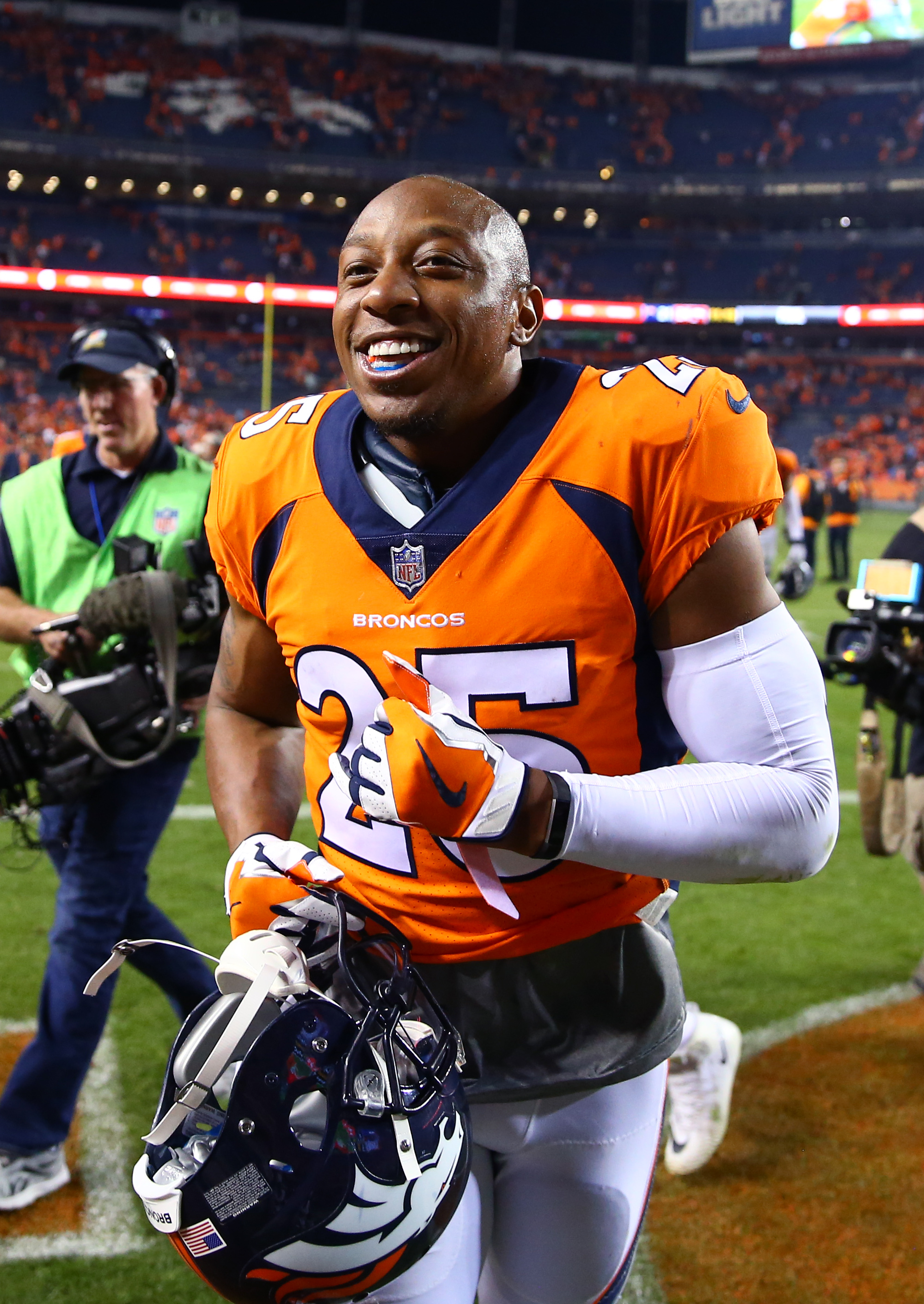 Considering Jackson is a year older than Harris and has four fewer Pro Bowl honors (4-0), this looks like one of the more justified holdouts in recent memory. (Though all of the missed workouts have been voluntary thus far, Harris appears intent on continuing his absence through mandatory team activities.) Will John Elway end up redoing his top corner’s deal? The Broncos provided an incentive package last year; it does not sound like that will be an option this time.
Despite a trade-or-extension demand from Harris’ camp, Elway kept the ninth-year defender through the draft and has exchanged offers with the disgruntled standout. Harris’ current deal stands to pay him $7.8MM this season — 26th among corners in terms of AAV. Jackson, brought in because of the Broncos’ inability to develop a reliable corner opposite Harris after trading Aqib Talib, sits 14th on this list.
Elway has a history of being a hard-line negotiator, but the GM has taken care of his own on several occasions — Miller, Demaryius Thomas, Ryan Clady and Champ Bailey being notable extensions. The Broncos’ trade for Joe Flacco suggests they believe they can compete for a playoff spot this season. Removing Harris from the equation would make that a more difficult task. The Broncos were 6-6 last season but lost their final four after late-season injuries to Harris and Emmanuel Sanders.
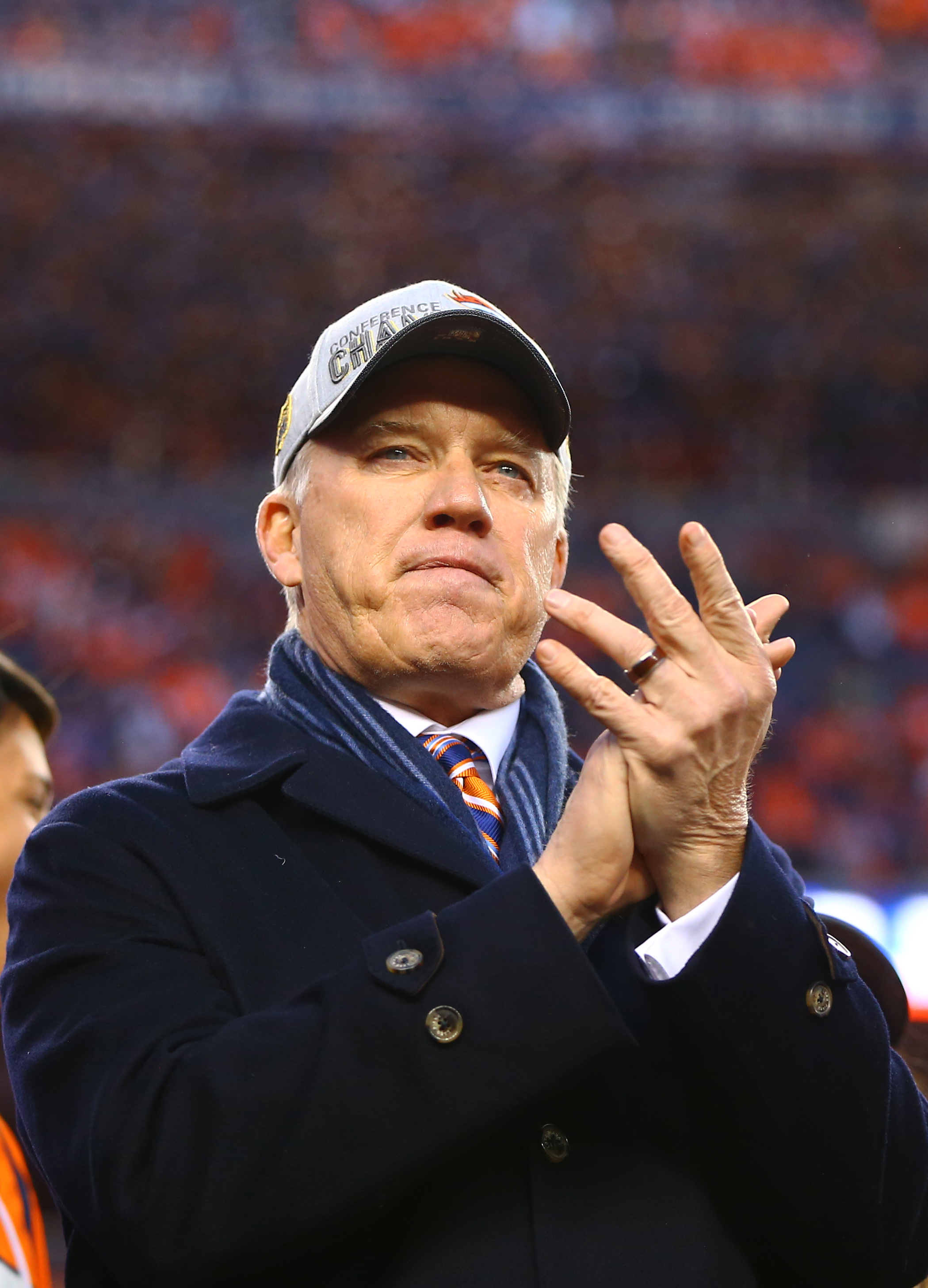 But Harris is going into his age-30 season. The Broncos are also in better shape at corner, with Jackson and Bryce Callahan in the fold. Harris’ play has not tailed off, with Pro Football Focus grading him as the No. 3 overall corner last season, but counting on a corner to remain a top-tier cover man into his early 30s is somewhat dicey. This explains the parties discussing a short-term deal. Elway extended Bailey when he was entering his age-33 season, and the recent Hall of Fame inductee delivered two more Pro Bowl campaigns before suffering a major injury in 2013.
While Harris has accomplished more than new $15MM-per-year corner Xavien Howard, his age has surely given the Broncos reservations about meeting his $15MM-AAV asking price. Should the sides reach an agreement, a compromise seems likely. Ten corners earn between $12-$14.5MM annually.
If the Broncos’ final offer ends up being too low, Harris could opt to bet on himself and hit free agency in 2020. But walking away from money now and entering free agency in advance of an age-31 slate would be much riskier now than had he done this prior to free agency in 2015.
A trade would have made more sense during the draft, but that endgame could still be in play if it becomes clear there is no post-2019 future for Harris in Denver. But will another team give the Broncos reasonable value at this point in the offseason? It may take an injury to a key performer to induce a suitor to submit a fair offer for a 30-year-old talent in a contract year.
How will this process end? Vote in PFR’s latest poll and weigh in with your thoughts in the comments section.
How will the Chris Harris holdout end?
-
An extension will be reached 43% (343)
-
The Broncos trade Harris 34% (267)
-
Harris plays 2019 on his current deal 23% (179)
Total votes: 789
5 Key Stories: 5/12/19 – 5/19/19
Jets allow Mike Maccagnan to run wild in free agency, then fire him: Maccagnan’s four-plus-year run as Jets GM ended this week after CEO Christopher Johnson picked Adam Gase in an apparent power struggle. Given the fifth year that Todd Bowles wasn’t, Maccagnan doled out north of $175MM in contracts for the second straight offseason. One of those deals — Le’Veon Bell‘s — did not go over well with Gase, nor did Maccagnan’s limiting of his HC’s pre-draft input. New GM candidates have emerged, with Eagles exec Joe Douglas and NFL.com’s Daniel Jeremiah the top names, but Gase may end the offseason with 53-man roster control. It does not look like Peyton Manning will be a candidate.
 Jets trade Darron Lee; is Leonard Williams next?: One of Maccagnan’s many underperforming draft picks, Lee is now a Chief. Gase quickly unloaded the former first-round pick for a 2020 sixth-rounder. The Jets passed on Lee’s fifth-year option. While a Lee move could be expected, with C.J. Mosley and Avery Williamson entrenched as starters, Gase may have his eye on a higher-profile trade. Williams has now been mentioned as a player the interim GM would be interested in moving.
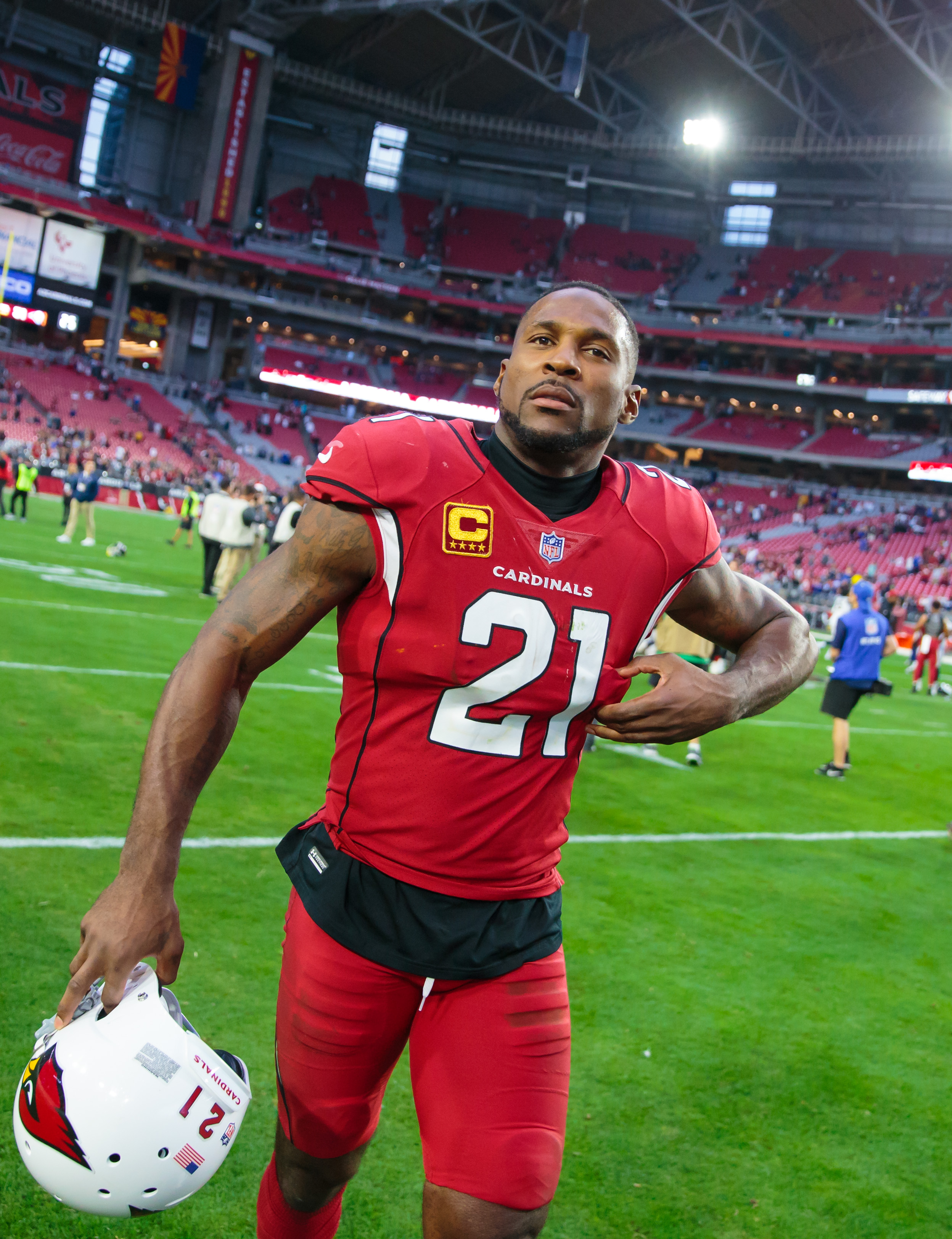
Patrick Peterson receives six-game ban: The Cardinals’ surefire All-Decade cornerback will have a tough time extending his Pro Bowl streak to nine seasons after this suspension, which is for a positive PED test. No appeal is coming, so the Cardinals will go well into October without their best player. Peterson, whose contract runs through 2020, also asked for guaranteed money to be moved into this season — perhaps to compensate for losses during this suspension. Steve Keim denied the request. This ban will void the remaining guarantees in Peterson’s deal.
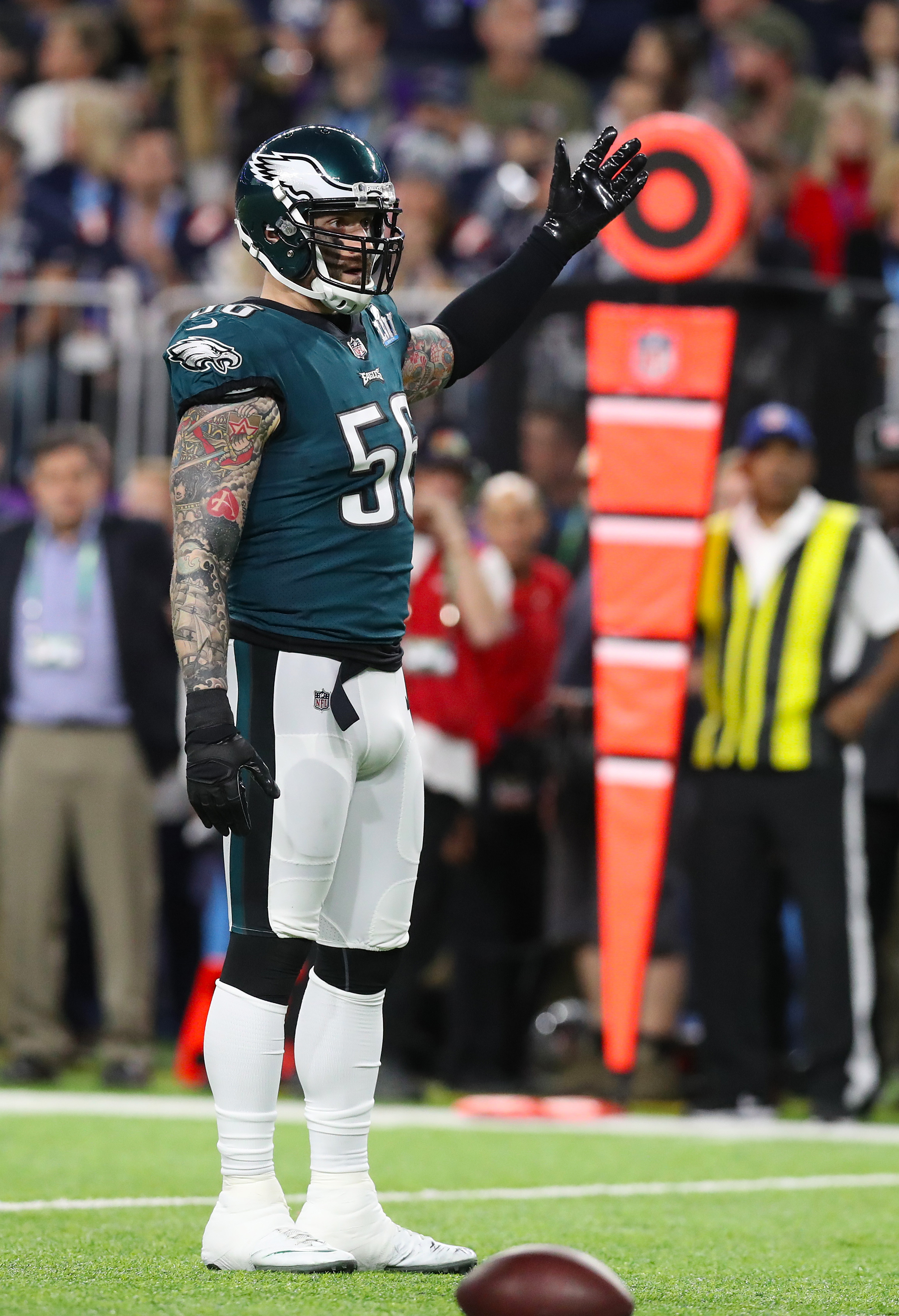 Long, Levitre hang up their cleats: The Eagles’ defensive line became thinner Saturday; the former No. 2 overall pick retired rather than play a 12th season. One of the NFL’s top statesmen, Long enjoyed a rather notable late-career run. After nine playoff-less seasons in St. Louis, Long landed on back-to-back Super Bowl champions — playing auxiliary edge rusher roles with the Patriots and Eagles. The 34-year-old pass rusher also donated his entire 2017 salary to charity. Levitre retired after 10 seasons. The Falcons released him this offseason. Levitre’s career broke down rather interestingly. The Titans gave the former Bills draft choice a massive free agent deal in 2013, but he only played two years in Tennessee. Instead, Levitre resurfaced in Atlanta and played four seasons. The upper-echelon guard started in Super Bowl LI against Long’s Patriots.
Two reunions commence for UFA defenders: Both Jamie Collins and Pernell McPhee will return to where it began for them as NFLers, with Collins making his way back to the Patriots and McPhee rejoining the Ravens. The Pats shipped Collins to the Browns during their Super Bowl LI season, and he went on to sign what was then a high-water contract for off-ball linebackers. The Browns removed that deal from their books this year, and the former Patriots second-rounder spent more than two months in free agency. McPhee has struggled with injuries since his first Ravens run concluded, but after stints with the Bears and Redskins, the versatile linebacker will supply some depth to a Baltimore team that lost Mosley and Terrell Suggs in March. The Ravens also signed Shane Ray.
PFR Originals: 5/12/19 – 5/19/19
The original content and analysis produced by the PFR staff during the past week:
- A member of the Falcons’ talented skill-position corps is entering a contract year, and PFR’s Rory Parks looked at where Austin Hooper stands at a key point in his career. While the Falcons’ extension efforts are aimed at Julio Jones and Grady Jarrett at this juncture, Hooper figures to draw attention fairly soon. The former third-round pick is coming off a Pro Bowl season, but the tight end market has been somewhat stagnant.
- Just 64 of this year’s 254 draft choices remain unsigned, and PFR’s Zach Links examined why. Unsurprisingly, the bulk of the unsigned players are first- or third-round picks — the latter largely due to the vague CBA language regarding Round 3 selections.
- The term “offset language” comes up each year around this time, with that being a haggling point in first-rounders’ negotiations. Zach delved deeper into this term and what it means for top rookies.
- Most of the top remaining free agents are defensive players, and teams have acted accordingly on that front this week. But some notable talents from the offensive side of the ball remain unsigned. On a list that includes Michael Crabtree and Jay Ajayi, PFR’s Dallas Robinson looked into who is left on the market and their best fits.
- Thirty 2020 draft picks have already changed hands, most notably in last summer’s Khalil Mack deal. Dallas charted what teams gained in next year’s draft. Notably, the Patriots hold four seventh-round selections next year.
- The defender market still includes big names like Ndamukong Suh, Eric Berry and Muhammad Wilkerson. Dallas ranked the top defensive players still unsigned. Some key starter-level talents are available.
- Building on that, Rory asked the PFR community — in our latest Community Tailgate installment — who will end up with Suh. With the Rams likely to move on from the acclaimed defensive tackle, Suh will have a fourth employer soon. This will be the mammoth defender’s age-32 season.