
200+ NFL Draft Picks Remain Unsigned
We’re one month removed from the start of the 2020 NFL Draft and more than 200 of the league’s draft picks have yet to sign their contracts, as PFR’s NFL Draft tracker shows. To be exact, there are 207 stragglers and 48 signed, out of 255 picks. 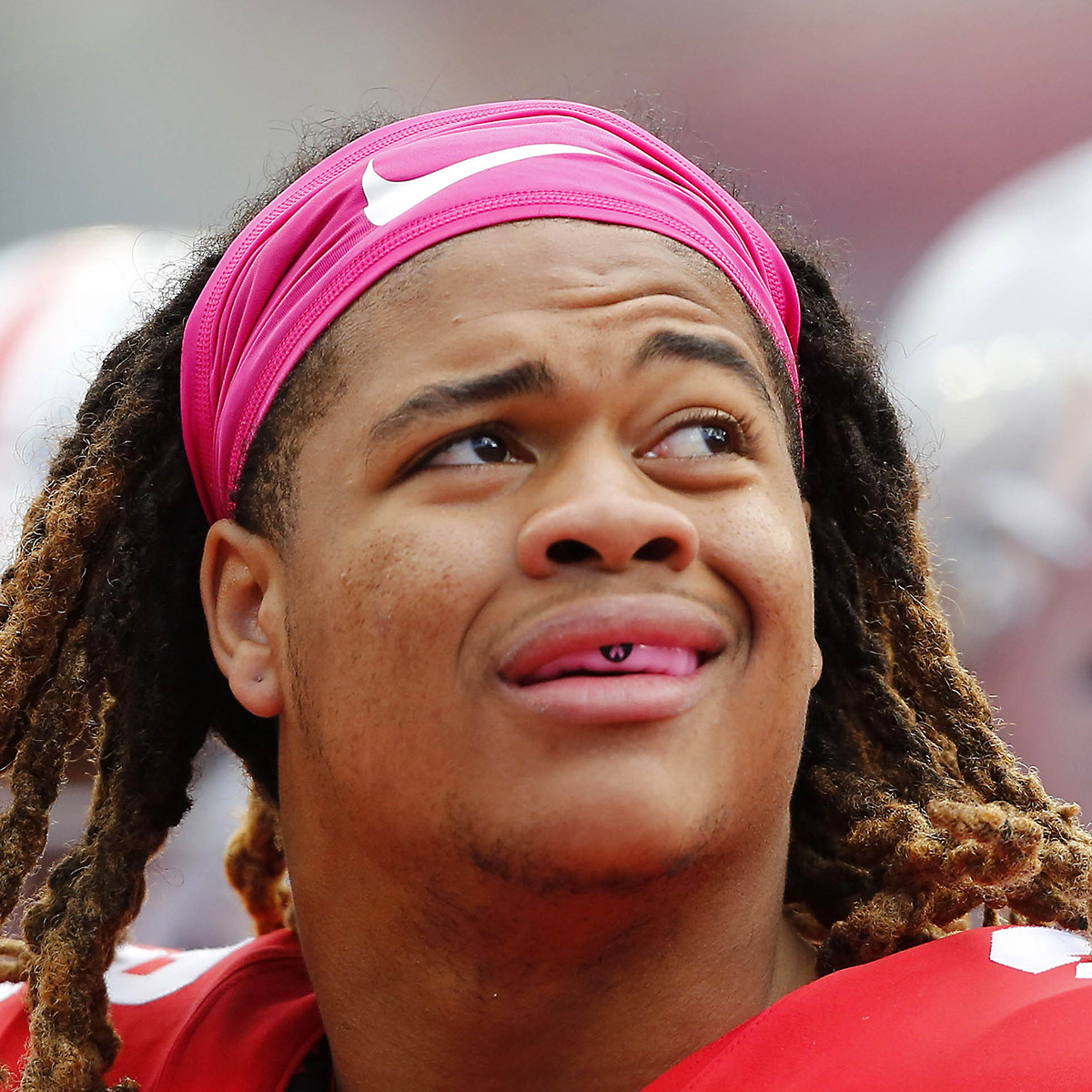
Thanks to the modern NFL’s draft slotting system, rookie deals are mostly a formality. Still, that’s an atypical amount of unsigned players for the ~30 day mark. In 2016, for example, there were only about 50 unsigned rookies by 5/24.
Obviously, the pandemic has complicated matters and changed the normal course of operation. As team facilities begin to open up and more states lift restrictions, we’ll see more draft picks sign their deals. It could be a while before we see some of this year’s top draft picks put pen to paper, however. No. 1 overall pick Joe Burrow recently raised some eyebrows when he indicated that it could take months for his deal to be finalized.
The uncertainty surrounding the 2020 season has left teams concerned about their finances. In Burrow’s case, he’s set to collect a $24MM bonus from the Bengals. With cash flow concerns, teams are skittish about taking the plunge before necessary.
This year’s rookie class could drag longer than most, but, ultimately it should be business as usual – especially since first-round picks are not expected to put up a fight over offsets.
Extension Candidate: Rams CB Jalen Ramsey
Just before last year’s trade deadline, the Rams swung a blockbuster deal to land Jalen Ramsey. Now, they have some more negotiating to do as Ramsey enters the final year of his contract. 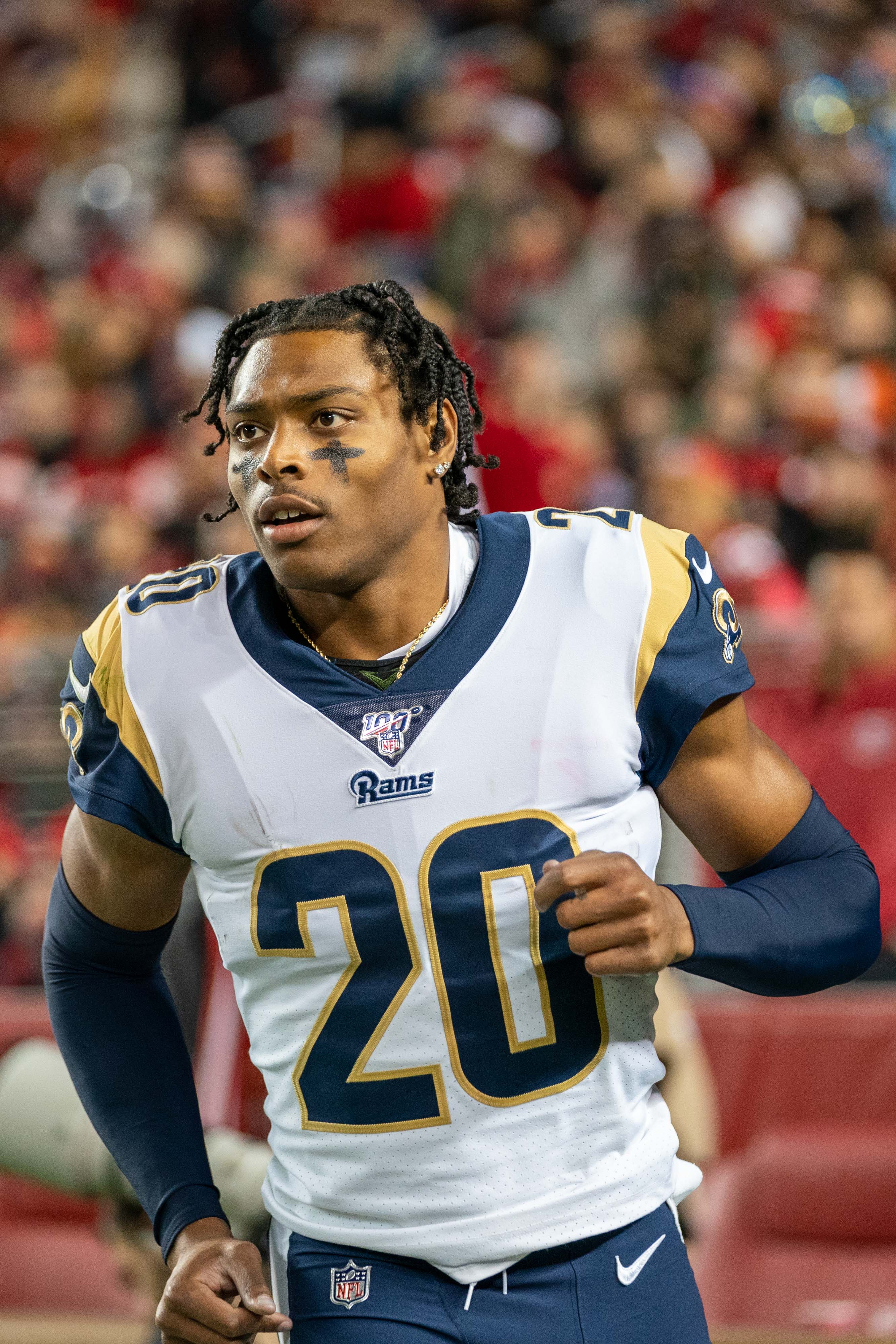
[RELATED: Will The Cardinals Trade Reddick?]
Ramsey, 26 in October, is set to earn $13.7MM in 2020, a figure dictated by his fifth-year option. The expected market will dictate his rate on this go ’round, which means that he’s probably due for a raise. Before Ramsey arrived in Los Angeles, he had his sights set on a deal that would reset the market. Despite an iffy year, Ramsey still figures to play in that ballpark.
Between his three games with the Jaguars and nine games with the Rams, Ramsey recorded just 50 tackles and one interception. The former No. 5 overall pick did not play up to his usual standards, but the fact remains that Ramsey is one of the league’s most talented cornerbacks and any team would be happy to back up a Brinks truck for him.
Currently, Darius Slay stands as the league’s highest-paid cornerback on a per-year basis with an average annual salary of $16.7MM. Meanwhile, Byron Jones of the Dolphins leads corners in full guarantees ($46MM) and effective guarantees ($54.4MM). It’s safe to say that Ramsey’s reps will have all of those numbers handy when it comes time to talk.
The Rams, meanwhile, would be willing to toss figures around in that ballpark, though their lack of cap room makes it a bit tricky. It would be tough for the Rams to tamp down Ramsey’s 2020 hit while also giving him $17MM/year to top Slay. Meanwhile, there isn’t a lot of fat left to trim. They could carve out another $3.6MM for Ramsey by releasing Troy Hill, but that would also leave ~$900K in dead money and little room for extra improvements. A restructuring of Aaron Donald‘s deal could give them more dollars to work with – similar to what Jared Goff did recently – but that would also create a snowball effect on future cap years.
Ramsey promised the team that he wouldn’t hold out in 2020 if he didn’t have a new deal in place, though he won’t necessarily cooperate with the Rams if he’s franchise tagged for 2021. Without that safety net in place, the Rams will have to find middle ground with their star cornerback sooner rather than later.
Longest-Tenured GMs In The NFL
When we ran down the longest-tenured head coaches in the NFL, we found that less than half of the league’s current coaches have been in their positions for more than three years. That’s not quite the case with general managers, but there have been plenty of changes in recent years.
A handful of general managers have gotten to take their coats off and stay for a long while. Among coaches, Bill Belichick had joined his team prior to 2003. Here, you’ll see that five GMs have been with their teams since before ’03 (Belichick, of course, is also on this list). Two of those five – Jerry Jones and Mike Brown – are outliers, since they’re team owners and serve as de facto GMs. But the Patriots, Steelers, and Saints, have all had the same general managers making their roster decisions for well over a decade.
Here’s the complete list of the NFL’s longest-tenured GMs, along with the date they took over the job:
- Jerry Jones (Dallas Cowboys): April 18, 1989[1]
- Mike Brown (Cincinnati Bengals): August 5, 1991[2]
- Bill Belichick (New England Patriots): January 27, 2000[3]
- Kevin Colbert (Pittsburgh Steelers): February 18, 2000[4]
- Mickey Loomis (New Orleans Saints): May 14, 2002
- Rick Spielman (Minnesota Vikings): May 30, 2006[5]
- Thomas Dimitroff (Atlanta Falcons): January 13, 2008
- John Schneider (Seattle Seahawks): January 19, 2010[6]
- Howie Roseman (Philadelphia Eagles): January 29, 2010
- John Elway (Denver Broncos): January 5, 2011[7]
- Les Snead (St. Louis Rams): February 10, 2012
- David Caldwell (Jacksonville Jaguars): January 8, 2013
- Steve Keim (Arizona Cardinals): January 8, 2013
- Tom Telesco (San Diego Chargers): January 9, 2013
- Jason Licht (Tampa Bay Buccaneers): January 21, 2014
- Ryan Pace (Chicago Bears): January 8, 2015
- Chris Grier (Miami Dolphins): January 4, 2016
- Bob Quinn (Detroit Lions): January 8, 2016
- Jon Robinson (Tennessee Titans): January 14, 2016
- John Lynch (San Francisco 49ers): January 29, 2017
- Chris Ballard (Indianapolis Colts): January 30, 2017
- Brandon Beane (Buffalo Bills): May 9, 2017
- Brett Veach (Kansas City Chiefs): July 11, 2017
- Marty Hurney (Carolina Panthers): July 19, 2017
- Dave Gettleman (New York Giants): December 28, 2017
- Brian Gutekunst (Green Bay Packers): January 7, 2018
- Mike Mayock (Oakland Raiders): December 31, 2018
- Joe Douglas (New York Jets): June 7, 2019
- Eric DeCosta (Baltimore Ravens): January 7, 2019[8]
- Ron Rivera (Washington Redskins): January 1, 2020[9]
- Andrew Berry (Cleveland Browns): January 27, 2020
- Bill O’Brien (Houston Texans): January 28, 2020
Footnotes:
- Jones has been the Cowboys’ de facto general manager since former GM Tex Schramm resigned in April 1989.
- Brown has been the Bengals’ de facto GM since taking over as the team’s owner in August 1991.
- Belichick has been the Patriots’ de facto GM since shortly after being hired as the team’s head coach in January 2000.
- Colbert was initially hired as the team’s director of football operations and received the newly-created general manager title in 2011.
- Spielman was initially hired as the team’s VP of player personnel and received the GM title in 2012.
- While Schneider holds the title of GM, head coach Pete Carroll has the final say on roster moves for the Seahawks.
- Elway was initially hired as the team’s executive VP of football operations and received the GM title in 2014.
- In 2018, the Ravens announced that DeCosta would replace Ozzie Newsome as GM for Ozzie Newsome after the conclusion of the season. The Ravens’ ’18 season ended with their Wild Card loss to the Chargers on 1/6/19.
- Technically, the Redskins do not have a GM, as of this writing. Rivera is, effectively, their GM, working in tandem with Vice President of Player Personnel Kyle Smith. Smith may receive the GM title in the near future.
Trade Candidate: Cardinals LB Haason Reddick
In early May, the Cardinals declined the fifth-year option on Haason Reddick‘s contract. The linebacker isn’t on their books for 2021, he’s not a big part of their plans for 2020, and he’s almost certainly on the trade block. 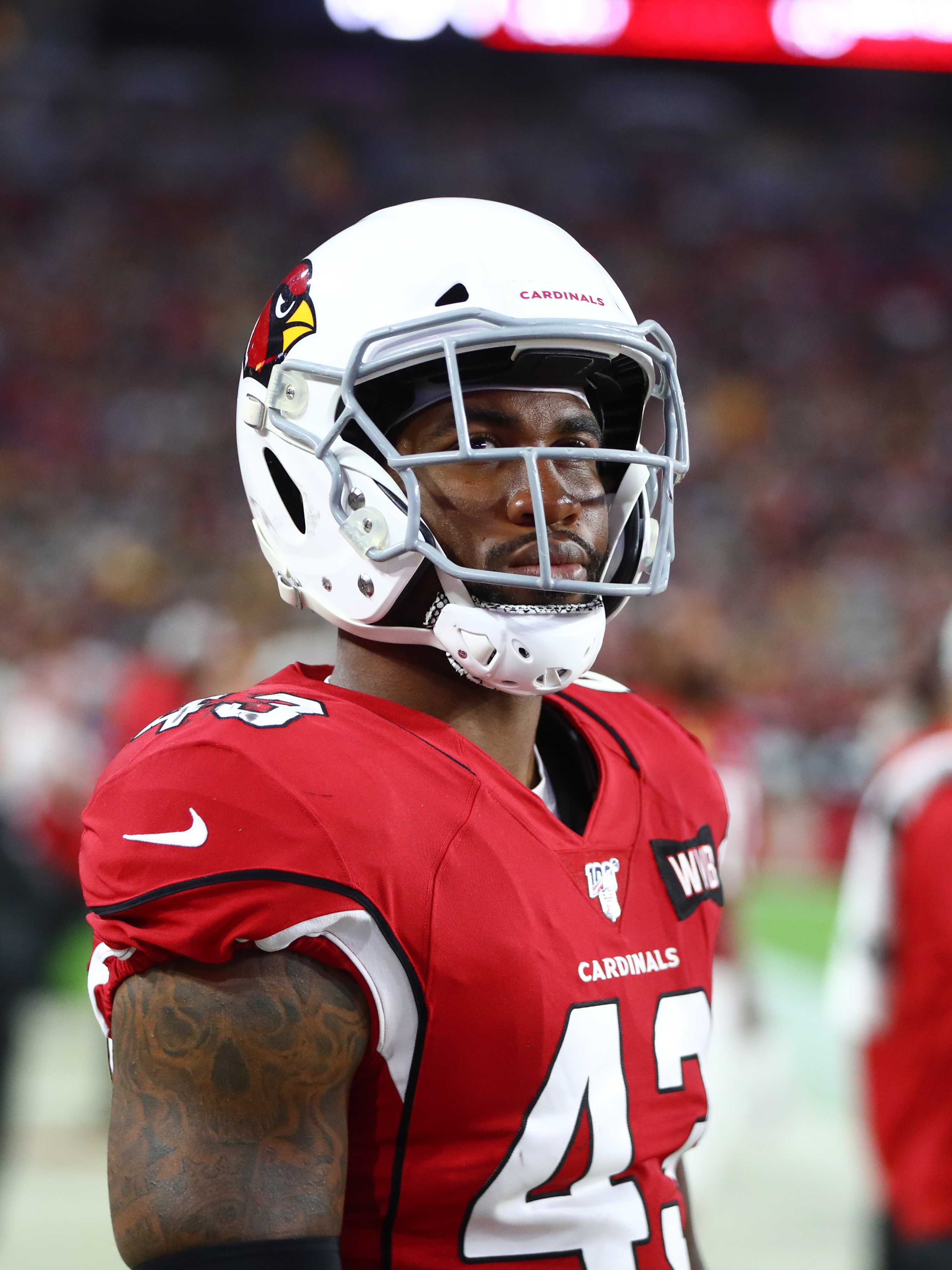
A few years ago, scouts saw Reddick as a versatile prospect with the ability to play multiple spots on the front seven. But, so far, he hasn’t been consistent as an edge rusher or an inside linebacker. Last fall, they gave him a shot to start at ILB. After five weeks, they turned the job over to Joe Walker. Walker left this offseason, but the Cardinals drafted Isaiah Simmons (another versatile, jack-of-all-trades type) and added De’Vondre Campbell and Devon Kennard to the mix, leaving Reddick without a clear role.
After three years, three head coaches, and 7.5 cumulative sacks, Reddick is left with zero job security in Arizona. Last year, he finished out with just six tackles for loss and one sack and graded out as Pro Football Focus’ lowest ranked linebacker out of 63 qualified players. His stock has cooled considerably, but other teams should be willing to take a small gamble on him and his remaining $2.3MM in salary.
The Panthers would be one logical destination for him. New Carolina head coach Matt Rhule coached Reddick at Temple and saw him at his absolute best. Reddick worked his way up across four years on campus and closed out his collegiate career in 2016 with 9.5 sacks as a senior. Thanks in part to Reddick’s performance, Rhule scored new job and bigger bucks with Baylor. The Giants would also make some sense – they’ve yet to re-sign edge rusher Markus Golden and GM Dave Gettleman was supposedly high on Reddick in his draft year.
Reddick has been here before. In 2018, he was rumored to be on the block before the trade deadline, though GM Steve Keim denied shopping him. This time around, we’d wager that Keim is willing to listen.
Top Remaining Free Agents
While most of the top free agents in this year’s cycle have long since signed with new clubs, there are plenty of potential difference-makers still available. Those players remain on the market for various reasons — price tag, injury concerns, etc. — but they all could be a key factor in the fortunes of whatever team they ultimately join. Let’s take a look at the best of who’s still out there:
- Jadeveon Clowney: If you think you’ve been reading a lot about Clowney over the past couple of months, you’re right. That’s what happens when a former No. 1 overall pick and a young dynamic talent is still up for grabs this late in the offseason. Clowney’s high asking price, originally said to be $20MM per year, certainly scared some teams off, as did his recent core muscle surgery. Some will also point to his relatively low sack totals as evidence that he is not the dynamic pass rushing force that he believes himself to be. But he undeniably has the chops to be a game-changer against the run and pass, and he is content to wait for the right situation to come along. Once teams have the opportunity to evaluate him themselves, his market should heat up rapidly.
- Cam Newton: Here’s another former No. 1 overall pick that we have written a great deal about recently. Like Clowney, the 2015 MVP may be signed by now if interested teams could have their own doctors examine him, and Newton is willing to be patient and wait for that to happen if waiting will allow him to secure a starting gig somewhere. But at this point, it looks like only an injury or major underpeformance will open the door for a QB1 role in 2020, so he may have to settle for a top backup job for now and hit the free agent market again in 2021. He is reportedly warming to that idea.
- Everson Griffen: Like Clowney, Griffen is a talented pass rusher, but unlike Clowney, Griffen has multiple double-digit sack campaigns under his belt. The 32-year-old posted eight QB takedowns in 2019, and it is a little surprising to see him unsigned this late in the process. A reunion with the Vikings may be in the cards, and the Seahawks are the only other club to be connected to Griffen at this point.
- Jason Peters: The only reason Peters isn’t signed yet is because of his age (38). He turned in a typically terrific season in 2019, and he has been connected to a number of clubs over the past couple of months. The problem is, many of those teams have filled their needs at the offensive tackle spots, so even though Peters has said that he is willing to play on the left or the right side, his options are now more limited. The Chargers could still be in play, and another year with the Eagles may also be a reality.
- Logan Ryan: Unlike several of the players ahead of him on this list, Ryan doesn’t have any notable health concerns, but his asking price — he’s seeking around $10MM per year — could be depressing his market. He turned in a productive 2019 season with the Titans and has the versatility to move around the defensive backfield, which has apparently led to multi-year offers. Given the need for quality corners in today’s game, Ryan will likely land a lucrative deal soon, it just may not be as lucrative as he wants. The Jets and Dolphins are involved in the bidding.
- Markus Golden: Golden enjoyed what appeared to be a breakout season with the Cardinals in 2016, posting 12.5 sacks in just his second year in the league. But injuries limited the edge rusher over the 2017-18 seasons, and he had to settle for a one-year prove-it deal with the Giants in 2019. He perhaps thought that he proved it, recording 10 sacks for Big Blue, but those 10 sacks came from just 26 total pressures, which is probably an unsustainable conversion rate. So far, only the Giants — who put the rarely-used UFA tender on Golden — have been publicly connected to him.
- Devonta Freeman: We haven’t heard a peep about the two-time Pro Bowl running back since the Falcons released him in March. The fact that Atlanta replaced him with Todd Gurley and his frightening injury concerns isn’t a good sign, and Freeman’s 3.6 YPC average in 2019 certainly isn’t helping matters either. Freeman’s own injury problems limited him to two games in 2018, so he is now two years removed from his last effective season. It’s nonetheless a bit of a surprise that there have been no rumors of interest in his services.
- Delanie Walker: The best tight end left on the market, Walker has battled injuries over the past two seasons and will turn 36 in August, so it makes sense that we haven’t heard too much about him lately. But while he may not be a TE1 anymore, he could still be a useful weapon in the passing game, and he also has a history of being a strong blocker. The Colts, Packers, and Redskins were said to be interested in him in March, and those teams continue to look like good fits even after the draft. The Ravens, who rely heavily on TEs and who traded Hayden Hurst to the Falcons this offseason, also make some sense.
- Eric Reid: The 28-year-old safety turned in what appeared to be a strong year in 2019, starting all 16 games for the Panthers and posting a career-best 130 tackles. The problem is, he may have had so many tackle opportunities because he allowed over 77% of throws in his vicinity to be completed. Still, he is an experienced and generally solid back-end defender, and the Texans — who employ his brother, Justin Reid — seem like a logical fit.
- Darqueze Dennard: Dennard, a former first-round pick of the Bengals, thought he had a deal with the Jaguars in March. But Jacksonville backed out of the deal, and while there was no word on why that happened, it could be that health concerns made the Jags skittish. Dennard missed the first few weeks of the 2019 season due to a knee procedure, but he did play every game from Week 10 forward and graded out well in terms of Pro Football Focus’ advanced metrics. He has been Cincinnati’s primary slot corner over the past several seasons, but there has been no reported interest in him since the failed Jaguars pact.
This Date In Transactions History: NFL Adopts “Annual Draft Of College Players”
On this day in 1935, the NFL made a significant decision that didn’t only impact football, but the entire sports world. As Hall of Famer (and NFL.com analyst) Gil Brandt points out on Twitter, the league “adopted an annual draft of college players” on May 19th, 1935.
There were several events that led up to this decision. For starters, collegiate players were initially allowed to sign with any NFL team, leading to a free-for-all that’s not too different than modern free agency. Specifically, Eagles co-owner Bert Bell found that these prospects were simply opting for the most lucrative deal, and if money was equal, the player would land with the more accomplished, competitive franchise. As a result, teams like the Bears and Packers generally recruited the top collegiate players.
There was also the matter of Stan Kostka, who had a standout campaign for the Minnesota Gophers during the 1934 season. The running back ended up waiting for the highest-possible offer, and after a nine-month “holdout” (which also included an unsuccessful campaign to be the mayor of Inver Grove Heights, Minnesota), Kostka ended up landing a league-leading $5,000 deal (we swear, that’s not a typo) with the Brooklyn Dodgers.
This move infuriated Bell, who believed the NFL would ultimately fail if teams were allowed to simply buy the best prospects. So, on May 18th, 1935, the Eagles co-owner proposed a rookie draft. Bell touted that a draft would help increase parity, and he believed this would have a vicarious impact on the league’s financials. The next day, the league unanimously voted to adopt a draft starting with the 1936 season.
Of course, NFL teams didn’t have the scouting resources that they do now; in fact, NFL teams didn’t even have scouting departments. Organizations were required to randomly submit the names of college seniors, and these players would then be inserted into the draft pool. If a team selected a player, they were allowed to exclusively negotiate with the prospect. If a deal couldn’t be reached, the organization had the ability to trade the rookie. If neither a contract nor a trade materialized, the NFL was allowed to step in and arbitrate a settlement between the two sides. This ended up being relevant for the 1936 Draft, as only 24 of the 81 selections proceeded to play in the NFL that season.
In a not-so-ironic twist, the Eagles (and Bell, the architect of the draft) landed the first-overall selection of the inaugural event. The organization selected halfback Jay Berwanger, but after unsuccessfully negotiating with the prospect, Philadelphia traded his rights to the Bears. Berwanger didn’t sign with Chicago, either, and the first pick of the first draft ultimately never played a snap in the NFL.
Of course, who knows if Berwanger would have followed this same path had he been allowed to sign with any NFL team. There were surely some pundits who pointed to Berwanger and criticized the draft for alienating prospects. However, without the decision made 85 years ago today, the NFL (and sports as a whole) would look a whole lot different.
PFR Originals: 5/10/20 – 5/17/20
In case you missed it, here’s some of our faves from the past week:
- Will the Jets cut ties with Avery Williamson this year? He’s definitely a candidate for release, even though he tallied a career-high 120 tackles in his first year with the Jets. Last year, he saw his 2019 wiped out by a torn ACL. Now, the Jets have a decision to make: They can bank on Williamson’s health, or they could him to save $6.5MM against the cap.
- You already know that the NFL is a revolving door for head coaches, but you might be shocked to see them all listed out, in order of tenure. Spoiler: Bill Belichick leads the way and there are some extremely fresh faces near the top.
- The Buccaneers are beyond loaded at tight end and something has to give. Former first-round pick O.J. Howard and one-time standout Cameron Brate are both on the depth chart behind Rob Gronkowski, and Tampa Bay is probably only big enough for one of the two incumbents.
- Two years ago, the Cardinals signed Josh Rosen, thought to be their quarterback of the future. Two years later, the UCLA quarterback is in Miami, where he sits third on the depth chart behind Tua Tagovailoa and Ryan Fitzpatrick. We reflected on Rosen’s short-lived tenure in Arizona and what might come next for the No. 10 overall pick in the 2018 draft.
- Another odd anniversary for the Cardinals: Their release of Daryl Washington in 2017 – several years removed from his last on-field snap. After the Cardinals rejected the former Pro Bowler, he failed to find work anywhere else in the NFL. Even Jerry Jones didn’t want to get into business with him.
This Date In Transactions History: Steelers Sign JuJu Smith-Schuster
Three years ago today, JuJu Smith-Schuster officially joined the Steelers by signing his rookie deal. The USC product had considerable buzz heading into the 2017 NFL Draft, but the Steelers managed to snag him in the second round, at No. 62 overall. All in all, the Steelers secured four years of his services for just $4.2MM, including a $1.2MM signing bonus. 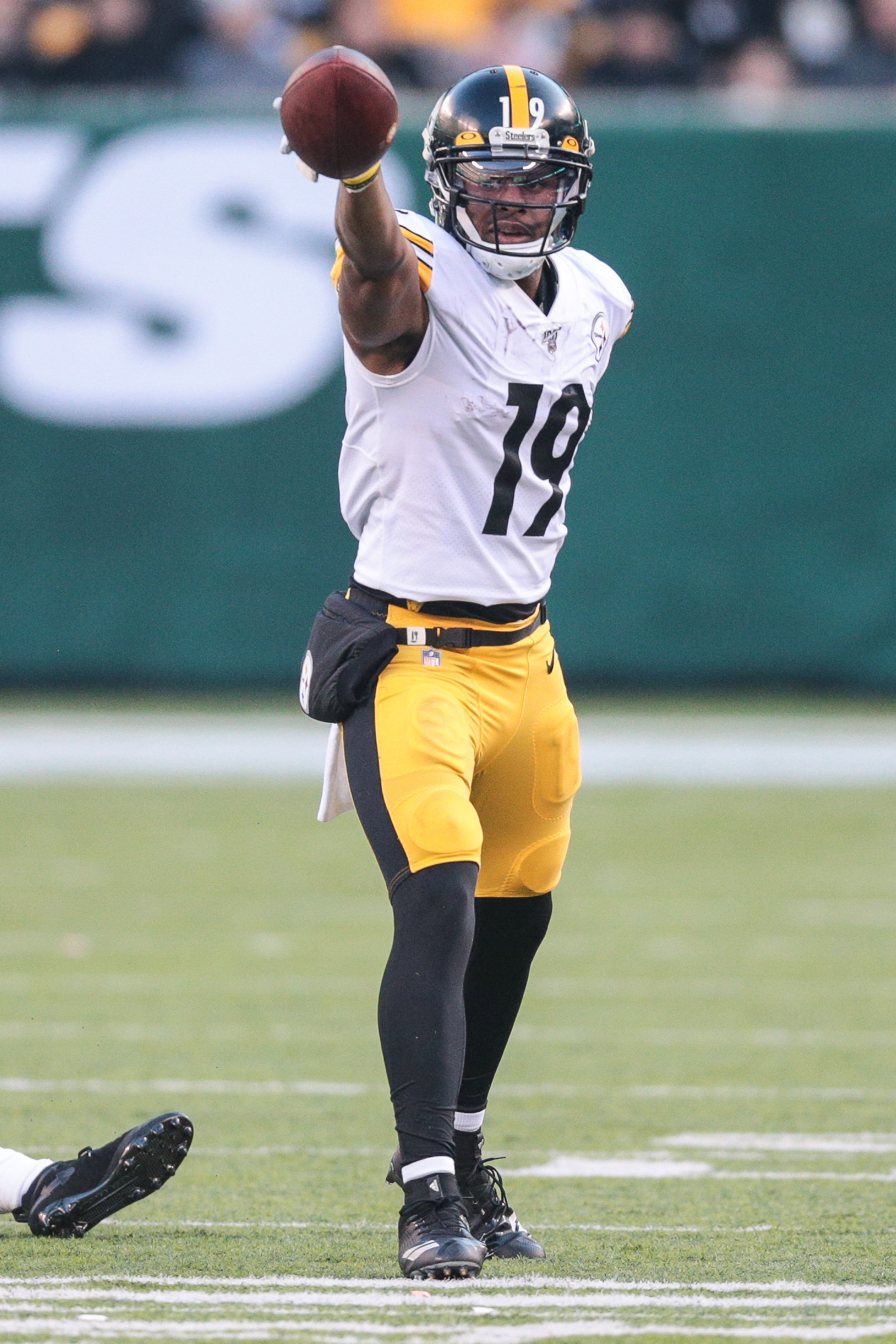
[RELATED: Steelers Deny James Harrison’s Allegations]
Their investment paid dividends immediately. As a rookie, Smith-Schuster caught 58 passes for 917 yards and seven touchdowns in just 14 games. In his last regular season game as an NFL frosh, he took a 96-yard kickoff all the way to the house and became the youngest player in NFL history to record more than 1,o00 all-purpose yards in a season. He celebrated his 21st birthday in November, so, yes, Smith-Schuster could drink to that.
In 2018, Smith-Schuster took things to a whole ‘nother level, recording 111 catches for 1,426 yards and seven scores en route to his first ever Pro Bowl performance. With Le’Veon Bell staying home, Smith-Schuster was the talk of the town and the focal point of the Steelers’ offense, which didn’t exactly thrill longtime star Antonio Brown.
When Brown was shipped to the Raiders before the start of the ’19 season, Smith-Schuster became the Steelers’ unquestioned offensive superstar. Unfortunately, the Steelers were without Ben Roethlisberger for much of the year and Smith-Schuster’s year was marred by a knee injury, plus a concussion suffered in their now infamous Week 11 game against the Browns. It was a year that everyone in Pittsburgh would rather not think about.
What’s next for Smith-Schuster is anyone’s guess. He’s now set to enter the final year of that rookie pact with a modest cap number of $1.335MM. Last year, we expected the Steelers to be gearing up for a massive contract extension that would put him at or near the top of the market. Right now, Smith-Schuster’s best bet would probably be to wait things out so that he can restore his value. The Steelers might not be in a huge rush either – they’ll want to see how Smith-Schuster does before making a monster commitment and, even if he reprises his ’18 season, they’ll have the franchise tag at their disposal.
Trade Candidate(s): Buccaneers’ O.J. Howard, Cameron Brate
To say that the Buccaneers are stacked at tight end would be a gross understatement. Even before the Bucs reunited Tom Brady with longtime teammate and bro Rob Gronkowski, they had the formidable 1-2 combo of O.J. Howard and Cameron Brate. Weeks after the draft, the Bucs still have that ludicrously talented TE trio in place. Logically, at least one of them probably has to go…and it obviously won’t be Gronk. 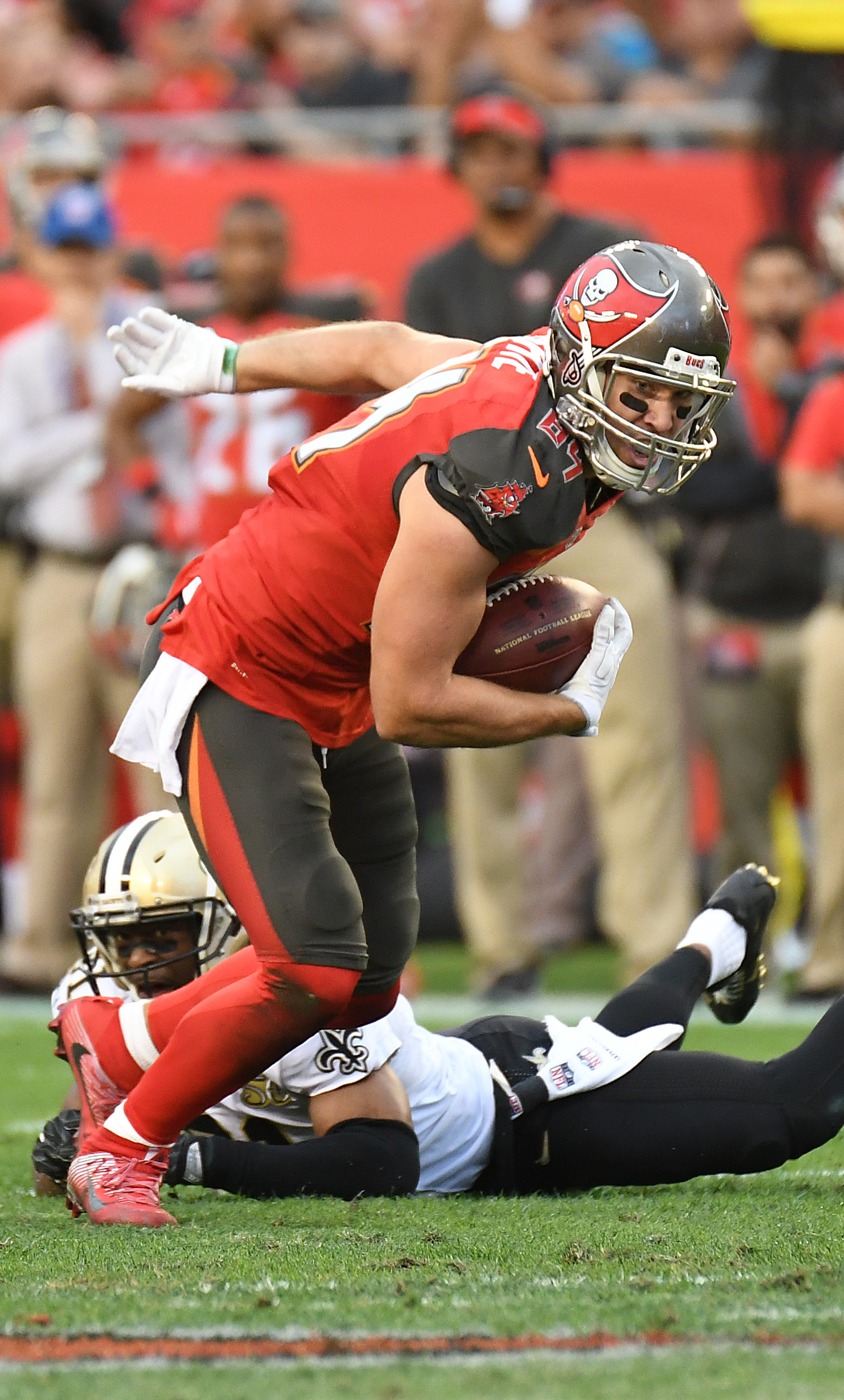
The Buccaneers listened on trade offers for Brate and Howard towards the end of last month, but they didn’t get any offers to their liking. Publicly, the Bucs said they were okay with having all three TEs on the roster. Then, before the early May deadline, they exercised Howard’s fifth-year option for 2021. This doesn’t automatically mean that Brate is the odd man out, or that they’ll commit a total of ~$20MM to the position. Howard’s option – guaranteed for injury only – doesn’t hamper the Bucs’ ability to trade him. Also, this surplus of TEs would be opulent, even by Brady’s standards.
Howard, ostensibly, holds more trade value than Brate. The Alabama product hasn’t lived up to his first-round billing, but he’s flashed serious ability and uncommon athleticism for a 6’6″ receiver. The Bills saw that first-hand last year, as Howard went off for six catches, 98 yards, and two scores in Buffalo. And, roughly one year earlier against the Eagles, he got nearly as many yards, just with better efficiency – three catches for 96 yards, mostly thanks to a 75-yard connection with Ryan Fitzpatrick.
Teams aren’t sleeping on Brate, either. It’s true that he’ll turn 29 in July (Howard won’t be 26 until November), but he’s a proven playmaker and blocker. Between 2016 and 2017, he averaged 52 catches for 625 yards and seven TDs. After that, the Bucs rewarded him with a six-year, $41MM deal, including $18MM guaranteed. He’s been slowed by a surgically-repaired hip, but he’s more than a year removed from the operating table. It also helps that the Bucs restructured his deal in January. The exact terms of the restructure aren’t clear, but he’s probably on the books for less than the $4.5MM in guaranteed dollars he was slated for.
Howard wouldn’t be especially pricey for other teams, either – his rookie deal calls for a 2020 cap hit of just $3.5MM. The Bucs, meanwhile, would carry a $1.5MM charge for trading him.
The Bucs didn’t find any worthwhile deals for them in April, but interest should pick up between now and September. Even after drafting Cincinnati’s Josiah Deguara in the third round, the Packers could use a high-end TE to pair with Marcedes Lewis. The Bengals may also want to give the Bucs a call as they look to surround Joe Burrow with extra artillery. The list goes on. Depending on the asking price, the Bucs could have a market of 20+ teams for either Howard or Brate.
Longest-Tenured Head Coaches In The NFL
Things move fast in today’s NFL and the old adage of “coaches are hired to be fired” has seemingly never been more true. For the most part, teams change their coaches like they change their underwear. 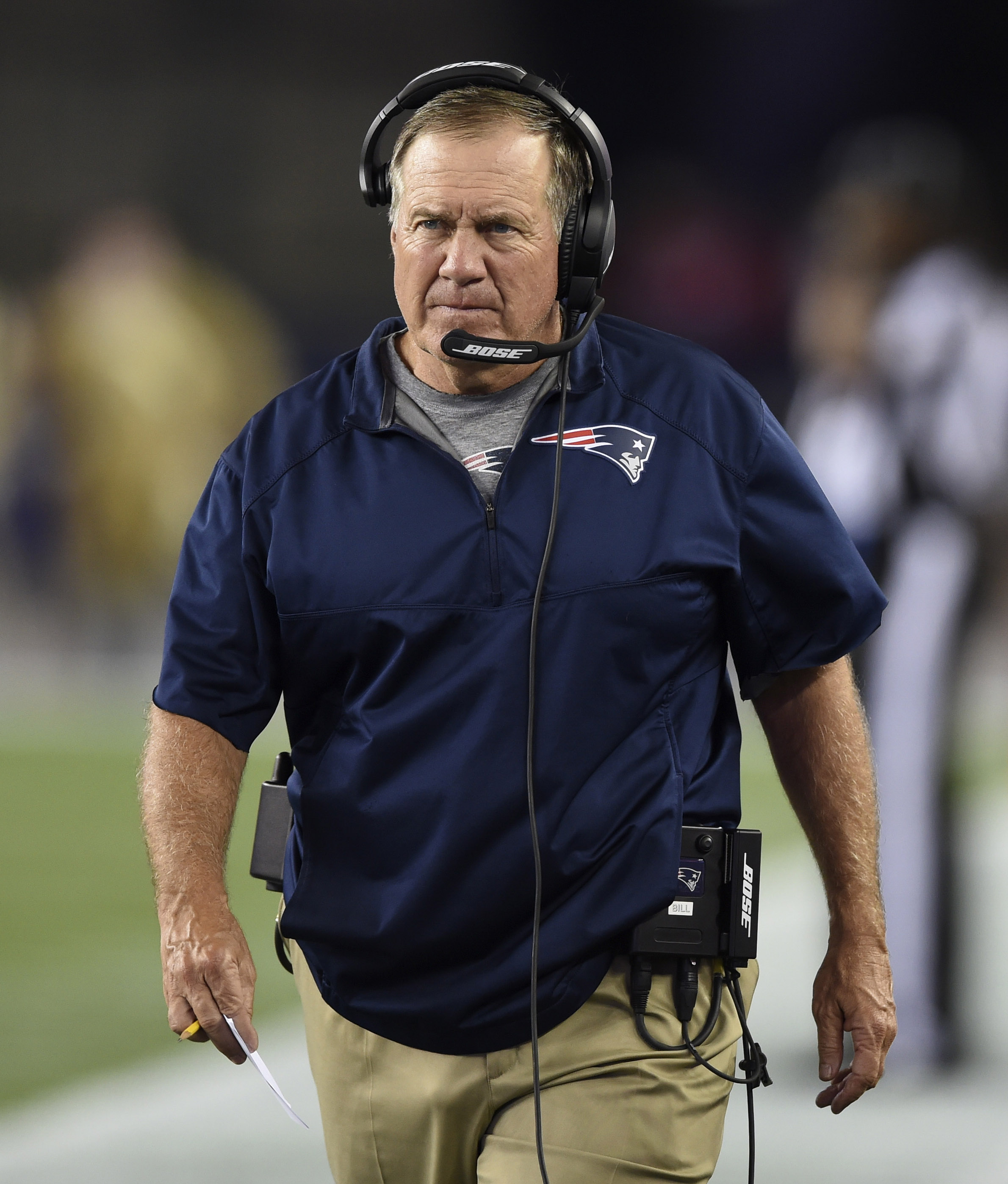
A head coach can take his team to the Super Bowl, or win the Super Bowl, or win multiple Super Bowls, but they’re never immune to scrutiny. Just ask Tom Coughlin, who captured his second ring with the Giants after the 2011 season, only to receive his pink slip after the 2015 campaign.
There are also exceptions. Just look at Bill Belichick, who just wrapped up his 20th season at the helm in New England. You’ll also see a few others on this list, but, for the most part, most of today’s NFL head coaches are relatively new to their respective clubs. And, history dictates that many of them will be elsewhere when we check in on this list in 2022.
Over one-third (12) of the NFL’s head coaches have coached no more than one season with their respective teams. Meanwhile, less than half (15) have been with their current clubs for more than three years. It seems like just yesterday that the Cardinals hired Kliff Kingsbury, right? It sort of was – Kingsbury signed on with the Cardinals in January of 2019. Today, he’s practically a veteran.
Here’s the list of the current head coaches in the NFL, ordered by tenure, along with their respective start dates:
- Bill Belichick (New England Patriots): January 27, 2000
- Sean Payton (New Orleans Saints): January 18, 2006
- Mike Tomlin (Pittsburgh Steelers): January 27, 2007
- John Harbaugh (Baltimore Ravens): January 19, 2008
- Pete Carroll (Seattle Seahawks): January 9, 2010
- Andy Reid (Kansas City Chiefs): January 4, 2013
- Bill O’Brien (Houston Texans): January 2, 2014
- Mike Zimmer (Minnesota Vikings): January 15, 2014
- Dan Quinn (Atlanta Falcons): February 2, 2015
- Doug Pederson (Philadelphia Eagles): January 18, 2016
- Sean McDermott (Buffalo Bills): January 11, 2017
- Doug Marrone (Jacksonville Jaguars): December 19, 2016 (interim; permanent since 2017)
- Anthony Lynn (Los Angeles Chargers): January 12, 2017
- Sean McVay (Los Angeles Rams): January 12, 2017
- Kyle Shanahan (San Francisco 49ers): February 6, 2017
- Matt Nagy (Chicago Bears): January 7, 2018
- Matt Patricia (Detroit Lions): February 5, 2018
- Frank Reich (Indianapolis Colts): February 11, 2018
- Jon Gruden (Las Vegas Raiders): January 6, 2018
- Mike Vrabel (Tennessee Titans): January 20, 2018
- Kliff Kingsbury (Arizona Cardinals): January 8, 2019
- Zac Taylor (Cincinnati Bengals): February 4, 2019
- Vic Fangio (Denver Broncos): January 10, 2019
- Matt LaFleur (Green Bay Packers): January 8, 2019
- Brian Flores (Miami Dolphins): February 4, 2019
- Adam Gase (New York Jets): January 11, 2019
- Bruce Arians (Tampa Bay Buccaneers): January 8, 2019
- Ron Rivera (Washington Redskins): January 1, 2020
- Matt Rhule (Carolina Panthers): January 7, 2020
- Mike McCarthy (Dallas Cowboys): January 7, 2020
- Joe Judge (New York Giants): January 8, 2020
- Kevin Stefanski (Cleveland Browns): January 13, 2020