
Packers Likely To Carry Two QBs In 2022
The quarterback position has been subject to plenty of scrutiny in recent years in Green Bay, including this past offseason amidst the Aaron Rodgers contract saga. Things are likely to look very similar at the position to last season on the depth chart, as well as the Packers’ 53-man roster in 2022, though. 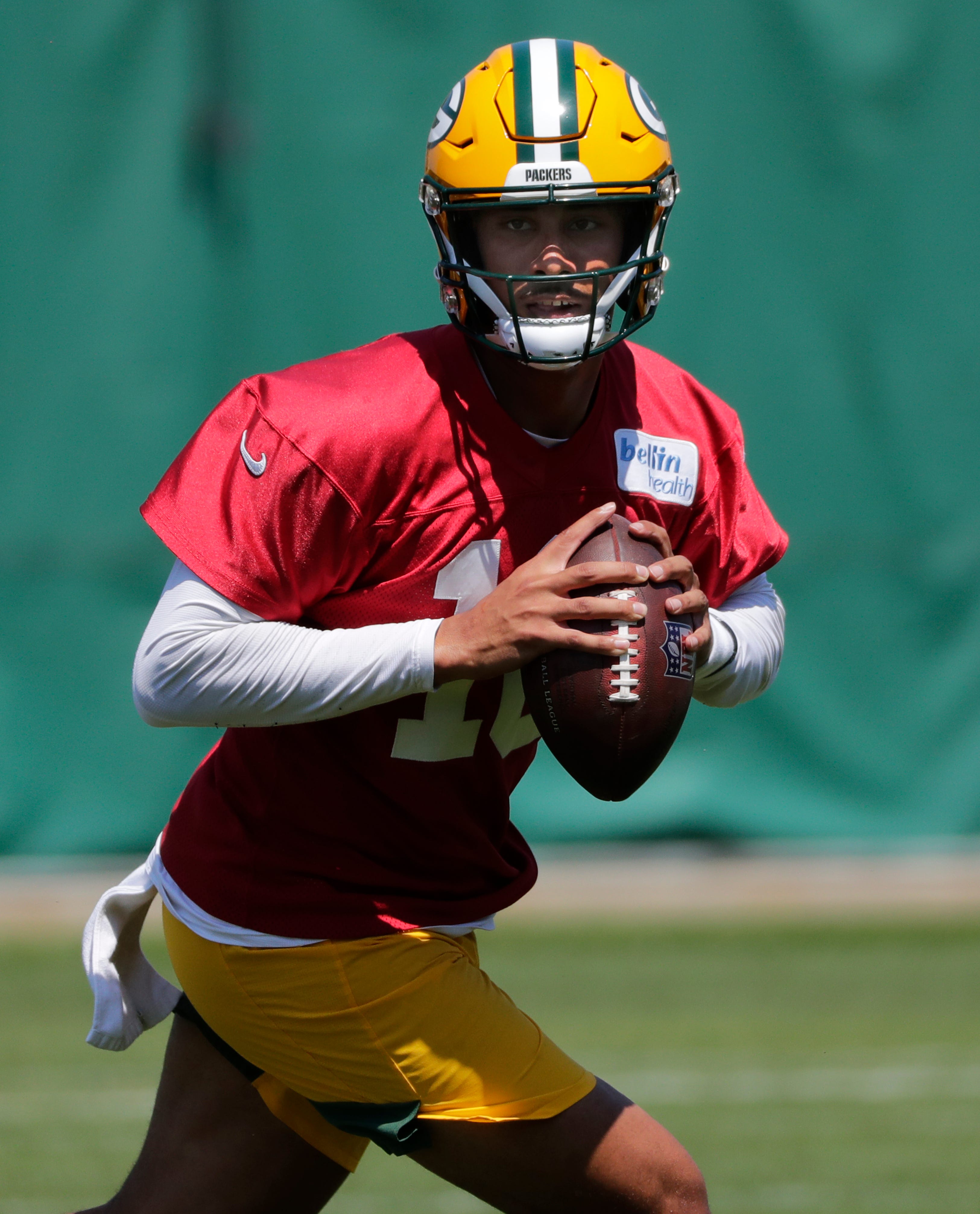
The team faced a number of salary cap challenges entering the new league year, with a new contract for Rodgers at the top of their priority list. The two-time reigning MVP ultimately landed a four-year extension, making him the league’s highest-paid player. There are questions about his chances of playing out the entirety of that contract, though, with Rodgers himself acknowledging that he is essentially set to play on a year-to-year basis moving forward.
“Of course you think about the next chapter and what’s next in your life all the time,” the 38-year-old recently said, via Matt Schneidman of The Athletic (subscription required). “It doesn’t mean you’re not fully invested. When I said I’m back, I’m 100 percent invested… I’m here, I’m all-in, and [the coaching staff] know[s] that. They know what to expect from me… and that’s what they’re going to get.”
Rodgers’ backup will, of course, once again be Jordan Love. The 2020 first-rounder has yet to see an extended run of action to show the Packers he can take over the starting role, though the team has shown a commitment to keep him for at least the near future. In his rookie season, Green Bay carried Rodgers, Love and former UDFA Tim Boyle on the active roster, knowing Love wouldn’t clear waivers to safely reach the practice squad.
That changed last year, when the team carried just two signal-callers, electing to keep Kurt Benkert on the taxi squad. He was cut last month, though, making former seventh-rounder Danny Etling the only other QB on the roster right now. As Schneidman writes, the Packers are likely to take a “similar route” to 2021, with only Rodgers and Love making the team out of training camp, leaving Etling (or another addition) in line for the practice squad. That set-up could give the team the opportunity to get more clarity about both of their top QB’s futures, as they look to remain in Super Bowl contention in 2022.
Are Green Bay, Indianapolis, Tennessee WR Destinations?
In an article suggesting trade or free agency moves for each franchise to make before training camp, the Packer, Colts, and Titans were all encouraged by Pro Football Focus’s Doug Kyed to make a move for a wide receiver. While other teams were also identified as needing wide receiver help, these teams were suggested for veterans, players available on the market who can be key contributors for a team that already has most of the right pieces in place. 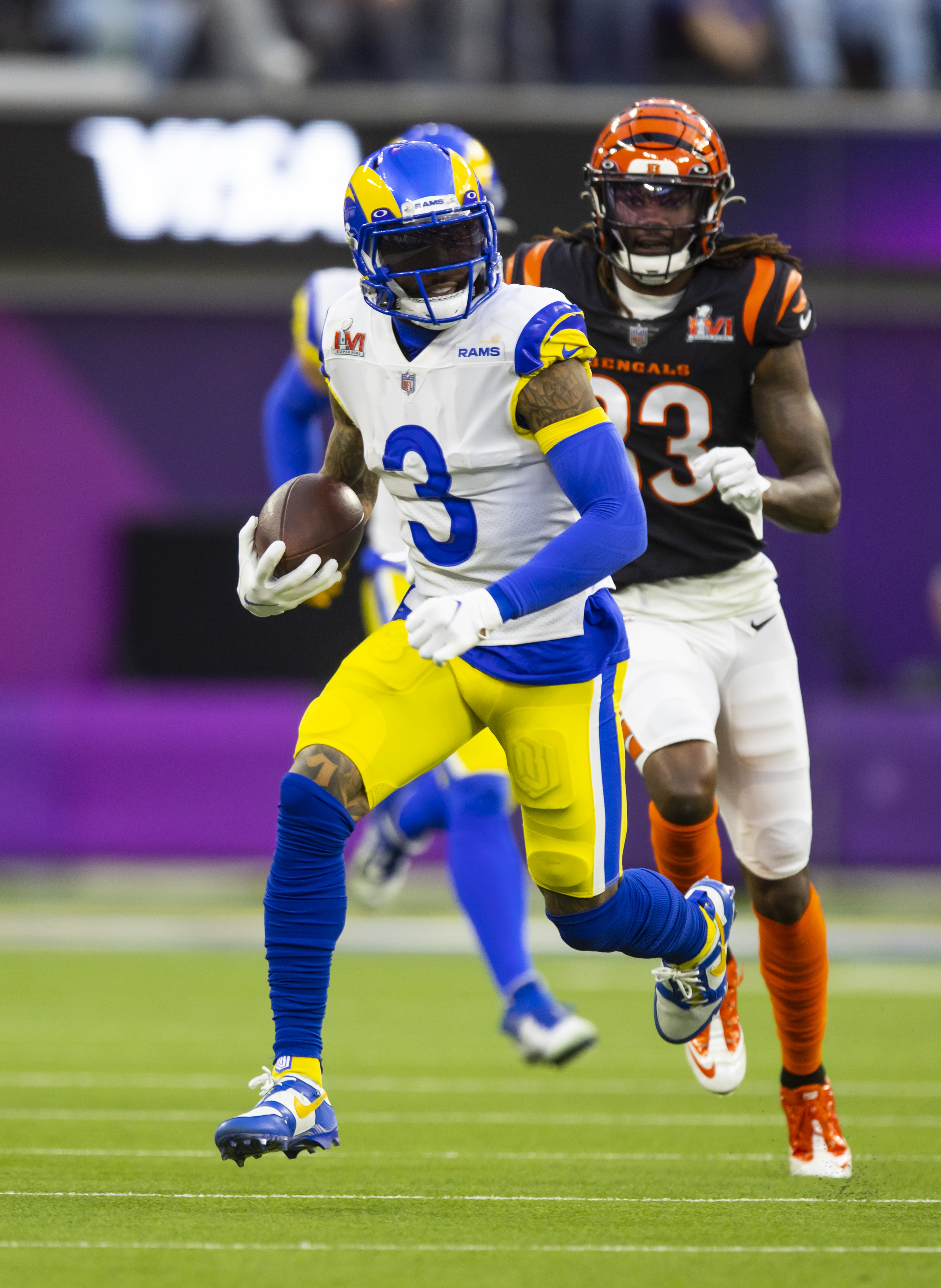
Green Bay has a lot going for them as they continue their recent dominance of the NFC North. They have a star quarterback, a strong two-deep at running back, a solid offensive line, and a top-ten defense in many categories last year. They lost two of their top receiving options from last year as Davante Adams and Marquez Valdes-Scantling both departed this offseason. Replacing them, the Packers have formerly undrafted Allen Lazard, rookie Christian Watson, and veterans Sammy Watkins and Randall Cobb, among a few others. Clearly this isn’t a star-studded group, and, while Aaron Rodgers doesn’t usually have a wealth of talent to throw to, he usually, at least, has Adams. Kyed suggests the team sign another veteran in T.Y. Hilton to perhaps provide some leadership to the receiving corps.
The Colts offense has been working on an (insert-quarterback-name-here) basis for the past couple of years, this year bringing in long-time Falcon Matt Ryan to lead the group. The offense will likely be carried by the team’s strong offensive line and star running back Jonathan Taylor, but having some receivers to take some pressure off the running-game would be ideal. Indianapolis is set to trot out Michael Pittman Jr., rookie Alec Pierce, and Parris Campbell as their top-three wideouts. Pittman had a breakout year and is set to prove he can be a No. 1 receiver, but Pierce is unproven and Campbell has yet to play in half of an NFL season or reach 200 yards receiving in a season. Kyed suggests the team sign free agent Julio Jones to provide some veteran experience to an extremely young receivers room.
The Titans will be trotting out a new-look offense in many position groups this year. They’re currently trying to finalize the last few position battles of their offensive line, Austin Hooper with be the team’s starting tight end, and the wide receivers group will look completely different. With Derrick Henry leading the offense alongside Ryan Tannehill, while rookie quarterback Malik Willis waits in the wings, Tennessee will field Robert Woods, rookie Treylon Burks, and Nick Westbrook-Ikhine as their top-three receivers this year. Woods is coming back from a mid-season ACL tear, Burks is an impressive first-rounder but is being expected to replace the production of trade-departure A.J. Brown, and Westbrook-Ikhine stepped up in a support-role last season. Kyed suggests that the Titans sign another former-Rams receiver recovering from an torn ACL in Odell Beckham Jr. Beckham showed a clear ability to dominate as a true No. 1 wide receiver early in his career and has shown flashes of dominance since. Pairing Beckham with Woods and Burks would create a trio of pass catchers who all have impressive ceilings of potential in any given season.
All three receivers are still looking for homes and Kyed makes good points for all three franchises reaching out to players like these. There’s still lots of time until the 2022 NFL season kicks off and several dominoes still to fall. It’ll be interesting to see if any of these teams reach out for receiving help.
Will Packers Add Veteran Wide Receiver?
The NFC’s contender tier, as could be expected, is flush with marquee wide receivers. The Rams gave Cooper Kupp a near-top-market extension last month, while Mike Evans leads Tampa Bay’s deep crop. Deebo Samuel trade noise has quieted, with the Eagles and Cardinals trading first-round picks to acquire 2019 draftees A.J. Brown and Marquise Brown, respectively. The Cowboys traded Amari Cooper but still roster ascending talent CeeDee Lamb.
Justin Jefferson, Michael Thomas and the recently extended Terry McLaurin also reside in the conference. These staffing efforts differ strikingly from the team that has held the past two NFC No. 1 seeds. The Packers ended (for 2022, at least) the drama surrounding Aaron Rodgers‘ status by extending their latest all-time great quarterback, but his top two wideouts — the tagged-and-traded Davante Adams and free agency departure Marquez Valdes-Scantling — are now in the AFC West. The Packers were prepared to pay Adams more than the Raiders, and they made a push to re-sign Valdes-Scantling. The fallout moved the team to an unusual place.
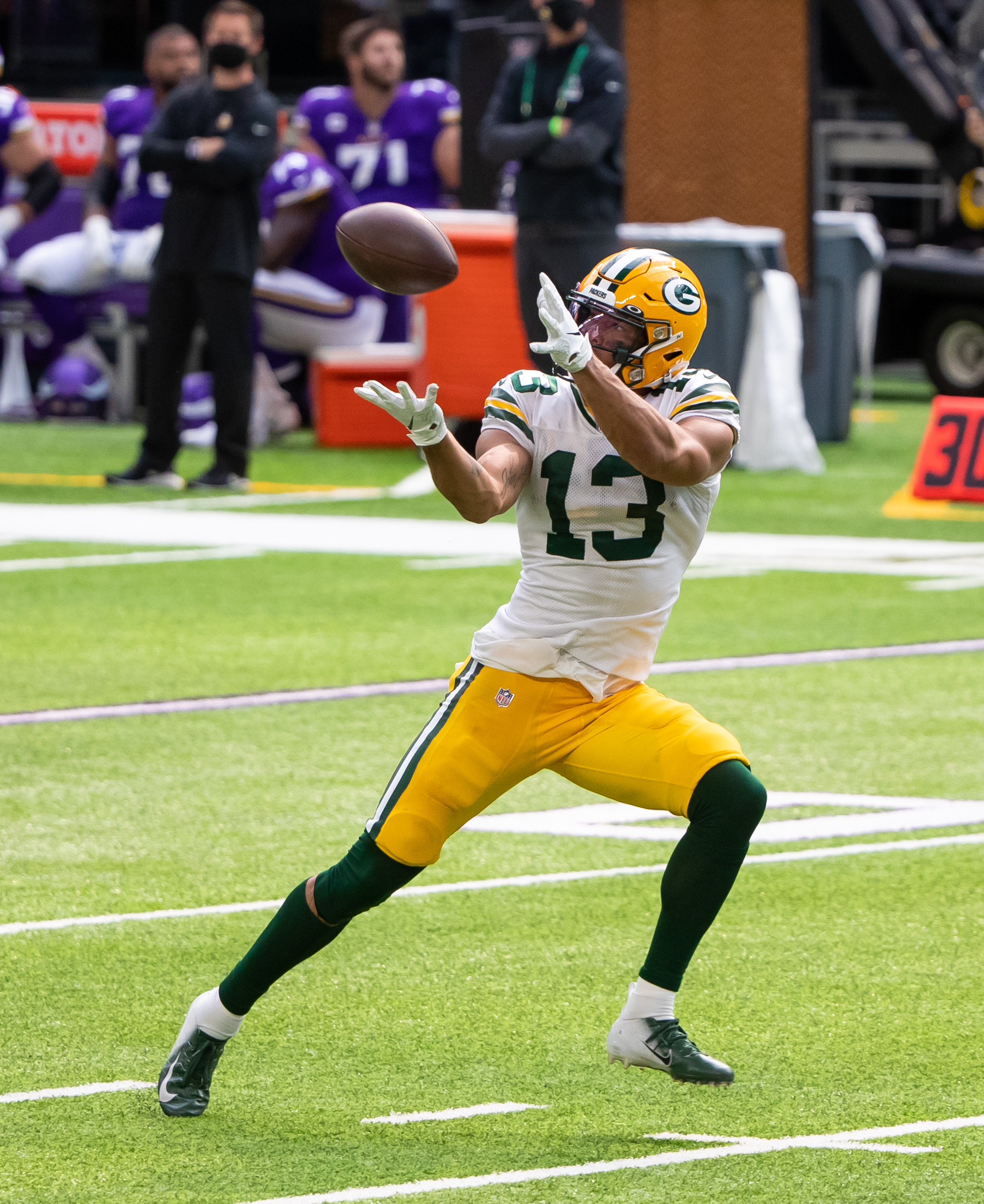 The Packers have rumored as interested in a late-offseason addition at the position, and The Athletic’s Matt Schneidman notes a free agent should not be considered out of the question here. The NFC North kingpins have made efforts to staff their receiver spot; those moves just have not matched some of the many impact transactions other teams have made during a historically action-packed offseason for the wideout position. A mix of unproven players and complementary-type veterans comprise Green Bay’s receiving corps, laying the groundwork for an interesting experiment or for another piece to be added.
Green Bay signed Sammy Watkins in mid-April, inking the former top-five pick to a one-year deal worth $1.85MM. Watkins, 29, continues to see his salaries decrease as his production and availability wane, though he did produce under then-OC Matt LaFleur with the Rams in 2017. Watkins joins Randall Cobb, 31, as experienced players in Green Bay’s pass-catching group. Allen Lazard could be the player who benefits most from the Adams and Valdes-Scantling exits. The Packers kept the former UDFA via a second-round restricted free agent tender ($3.99MM), which he signed just before the mid-June deadline. Cobb, a 2021 trade acquisition whose Texans-constructed/Packers-adjusted contract runs through 2022, is attached to a $4.14MM cap number.
With rookie-contract cogs Amari Rodgers (2021 third-rounder), Christian Watson (Round 2, 2022) and Romeo Doubs (Round 4, 2022), the Packers are not spending much on the receiver position. Rodgers did not carve out a role as a rookie, and Watson coming from a Division I-FCS program figures to produce a learning curve early. The modern Packers certainly have a history of success with second-round wideouts — from Greg Jennings to Jordy Nelson to Cobb to Adams — and they traded up 19 spots for the North Dakota State prospect. But expecting immediate starter-level production may be a asking a lot. Nelson, Cobb and Adams did not exceed 500 yards as rookies.
Given their commitments to Aaron Rodgers, David Bakhtiari and Aaron Jones on offense and a defense full of first-round picks and newly extended vets (Jaire Alexander, De’Vondre Campbell and Rasul Douglas), sacrifices elsewhere are certainly necessary. But the team’s refusal to use first-round picks at receiver perplexes to some degree, with this year’s two-defender first round pushing that trend to a new level. The Lazard-Cobb-Watkins-Watson-Rodgers-Doubs sextet is a lock to be on the roster, Schneidman adds, noting that a seventh player — be it a special-teamer like Juwann Winfree or Malik Taylor, or a free agent — could round out the group.
 This contingent lags behind the deep group Aaron Rodgers worked with to start his QB1 run in the late 2000s and early 2010s, and it obviously lacks an Adams-type presence. Will the two-time reigning MVP be able to coax sufficient production from this mixed bag of auxiliary vets and second- or third-day draftees? Or are the Packers taking too big a risk in what could be one of Rodgers’ final prime years? The team passing on Jarvis Landry suggests confidence the former viewpoint.
As should be expected entering July, the notable free agent options carry age- or health-related red flags. (Antonio Brown carries those and others.) T.Y. Hilton brings both, while Emmanuel Sanders — though still productive, as evidenced by his 626-yard Bills showing — would be the league’s oldest receiver in 2022. The nomadic WR2 turned 35 in March. Will Fuller has been connected to the Packers in the past, and the ex-Texans deep threat is just 28. But he played three games last season. Cole Beasley produced in the slot past 30 in Buffalo, but Green Bay has inside players in Cobb and Amari Rodgers who have been in LaFleur’s system for over a year now.
Julio Jones, 33 will be enshrined in Canton at some point, and the prospect of Rodgers targeting the All-Decade wideout intrigues more than Jones playing in a run-first Titans offense. But Jones’ hamstring trouble can be classified as chronic at this point. The ex-Falcon dynamo has not been connected to any team since being a Tennessee cap casualty.
Odell Beckham Jr. might make the most sense, if the goal here is to bring in a prime talent that can change the equation during the season’s second half. But the Packers may need to act early, even before it is known if their holdover group can be a Super Bowl-level nucleus. Beckham is not expected to be ready until around November, and although he has suffered two ACL tears in a 15-month span, the former superstar showed with the Rams high-end play remains in his skillset. The Packers pursued OBJ last year, and while the Rams have consistently indicated they want him back (and generally do what it takes to acquire splashy vets), an obvious case exists Green Bay needs the 29-year-old standout more.
Trade candidates figure to emerge (the Giants already have some), but for the time being, the Packers are about to attempt a fascinating roster-construction effort — one that surpasses the post-Tyreek Hill Chiefs for uncertainty — as they transition from their Adams-centered arsenals.
The NFL’s Longest-Tenured GMs
Wednesday, we took a look at how the 2022 offseason changed the HC landscape. While 10 new sideline leaders are in place for 2022, not quite as much turnover transpired on the general manager front. Five new decision-makers, however, have moved to the top of teams’ front office hierarchies over the past six months.
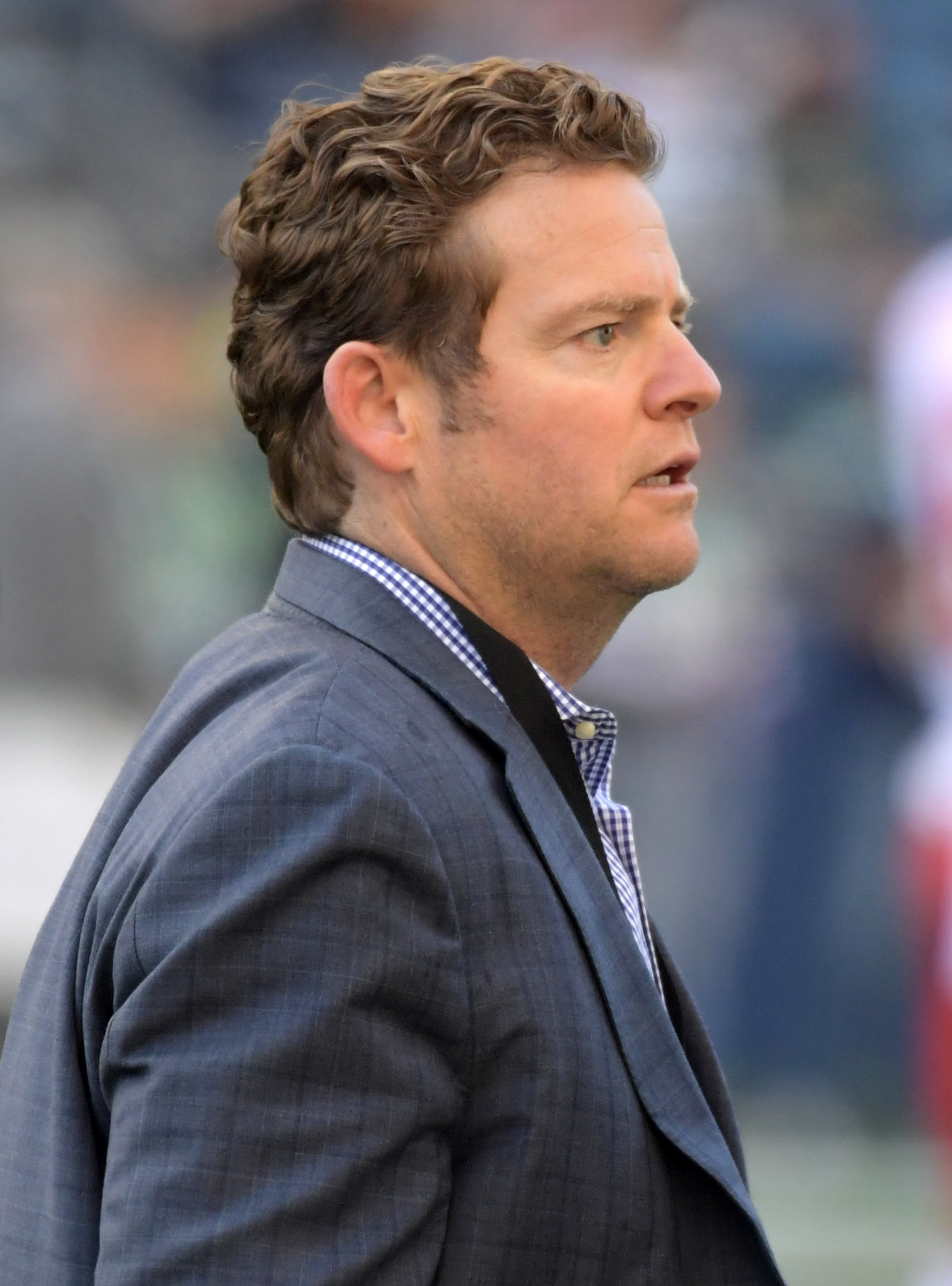 The Bears, Giants, Raiders and Vikings rebooted their entire operations, hiring new HC-GM combos. The Minnesota move bumped out one of the previous top-10 longest-tenured GMs, with 16-year Vikings exec Rick Spielman no longer in power in the Twin Cities. The Steelers’ shakeup took the NFL’s longest-tenured pure GM out of the mix. Kevin Colbert was with the Steelers since 2000, and although he is still expected to remain with the team in a reduced capacity, the 22-year decision-maker stepped down shortly after Ben Roethlisberger wrapped his career.
Twelve teams have now hired a new GM in the past two offseasons, though a bit more staying power exists here compared to the HC ranks. Two GMs (the Cardinals’ Steve Keim and Chargers’ Tom Telesco) have begun their 10th years at the helms of their respective front offices. They have hired three HCs apiece. The Buccaneers’ Jason Licht is closing in on a decade in power in Tampa Bay; Licht will now work with his fourth HC in Todd Bowles. Beyond that, a bit of a gap exists. But a handful of other executives have been in power for at least five seasons.
Here is how long every GM or de facto GM has been in place with his respective franchise:
- Jerry Jones (Dallas Cowboys): April 18, 1989[1]
- Mike Brown (Cincinnati Bengals): August 5, 1991[2]
- Bill Belichick (New England Patriots): January 27, 2000[3]
- Mickey Loomis (New Orleans Saints): May 14, 2002
- John Schneider (Seattle Seahawks): January 19, 2010; signed extension in 2021
- Howie Roseman (Philadelphia Eagles): January 29, 2010; signed extension in 2022
- Les Snead (Los Angeles Rams): February 10, 2012; signed extension in 2019
- Steve Keim (Arizona Cardinals): January 8, 2013; signed extension in 2022
- Tom Telesco (Los Angeles Chargers): January 9, 2013; signed extension in 2018
- Jason Licht (Tampa Bay Buccaneers): January 21, 2014; signed extension in 2021
- Chris Grier (Miami Dolphins): January 4, 2016[4]
- Jon Robinson (Tennessee Titans): January 14, 2016; signed extension in 2022
- John Lynch (San Francisco 49ers): January 29, 2017; signed extension in 2020
- Chris Ballard (Indianapolis Colts): January 30, 2017; signed extension in 2021
- Brandon Beane (Buffalo Bills): May 9, 2017; signed extension in 2020
- Brett Veach (Kansas City Chiefs): July 11, 2017; signed extension in 2020
- Brian Gutekunst (Green Bay Packers): January 7, 2018
- Eric DeCosta (Baltimore Ravens): January 7, 2019
- Joe Douglas (New York Jets): June 7, 2019
- Andrew Berry (Cleveland Browns): January 27, 2020
- Nick Caserio (Houston Texans): January 5, 2021
- George Paton (Denver Broncos): January 13, 2021
- Scott Fitterer (Carolina Panthers): January 14, 2021
- Brad Holmes (Detroit Lions): January 14, 2021
- Terry Fontenot (Atlanta Falcons): January 19, 2021
- Trent Baalke (Jacksonville Jaguars): January 21, 2021
- Martin Mayhew (Washington Commanders): January 22, 2021
- Joe Schoen (New York Giants): January 21, 2022
- Ryan Poles (Chicago Bears): January 25, 2022
- Kwesi Adofo-Mensah (Minnesota Vikings): January 26, 2022
- Dave Ziegler (Las Vegas Raiders): January 30, 2022
- Omar Khan (Pittsburgh Steelers): May 24, 2022
Footnotes:
- Jones has been the Cowboys’ de facto general manager since former GM Tex Schramm resigned in April 1989.
- Brown has been the Bengals’ de facto GM since taking over as the team’s owner in August 1991.
- Belichick has been the Patriots’ de facto GM since shortly after being hired as the team’s head coach in January 2000.
- Although Grier was hired in 2016, he became the Dolphins’ top football exec on Dec. 31, 2018
Packers Could Shake Up RB Depth Chart Next Offseason
The Packers had one of the best RB tandems in the NFL last season, and they’ll roll with the same duo in 2022. However, that might be the last season we’ll see the two-headed monster in Green Bay. Matt Schneidman of The Athletic writes that the Packers could move on from one of Aaron Jones or AJ Dillon next offseason.
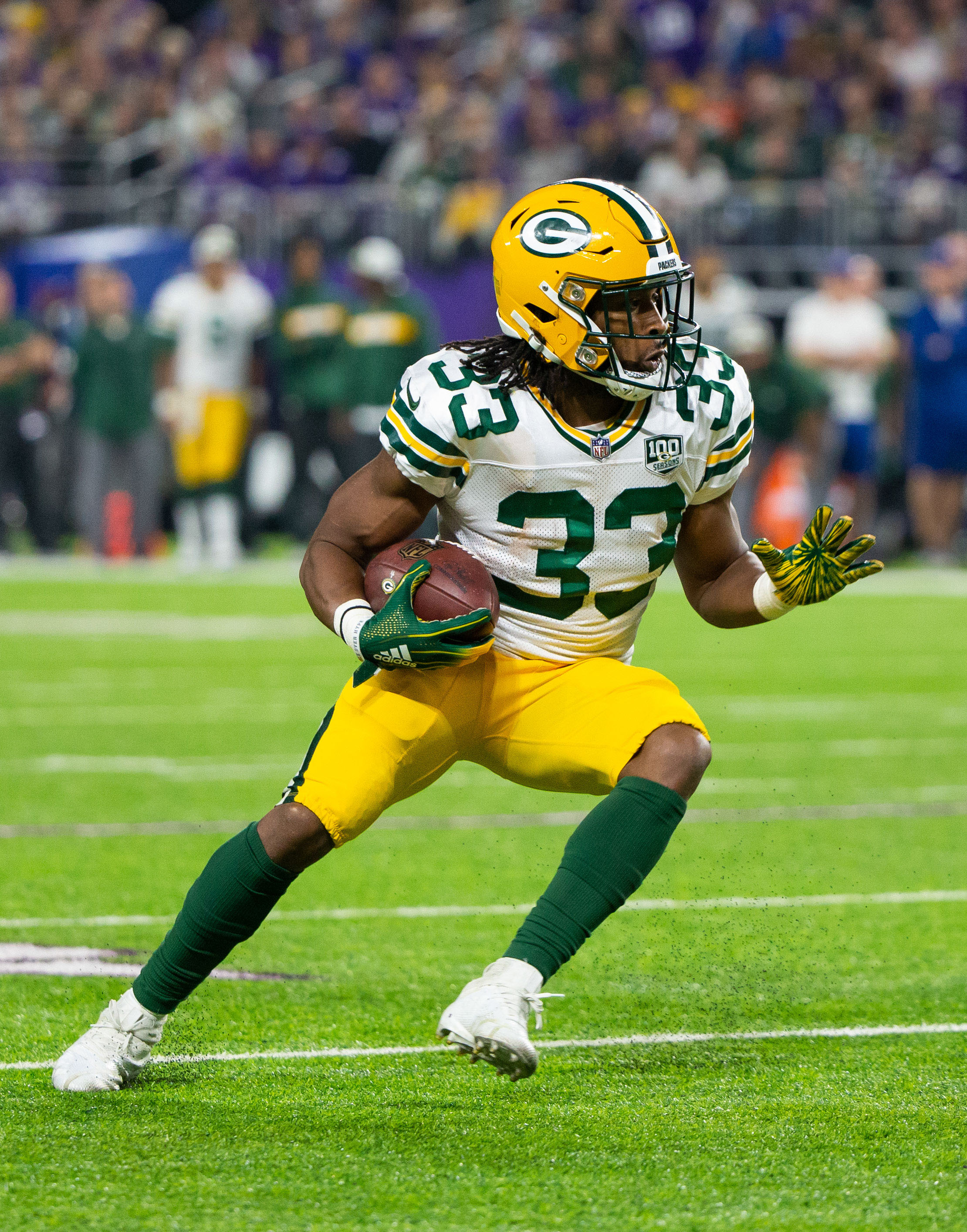 This isn’t a huge surprise if you look at Green Bay’s cap sheet. Dillon will be entering the final year of his rookie contract in 2023, and if he can match his breakout sophomore numbers (1,116 yards from scrimmage, seven touchdowns), then he’ll surely be pushing for an extension. Considering the Packers invested a second-round pick in Dillon, they’d presumably be willing to oblige.
However, it was only a year ago that the Packers inked Jones to a four-year, $48MM extension. That $12MM AAV ranks seventh at the position, and Green Bay could save themselves $10MM by cutting the veteran running back. It’d make sense for Green Bay to pivot that cap hit to the younger Dillon.
Following 2019 and 2020 campaigns where Jones combined for more than 3,000 yards from scrimmage while finding the end zone 30 times, the Packers pretty much split the RB carries evenly between Jones and Dillon in 2021. The move worked out for Green Bay, as they got 2,306 yards from scrimmage and 17 touchdowns from the duo.
“I think they feed off each other pretty well,” running backs coach Ben Sirmans said (via Schneidman). “It’s kind of a luxury because you can keep them both fresh throughout the game and then toward the end, you can either throw AJ in there to pound and wear the defense down or put Aaron in and all of a sudden the defense is worn down and it’s an explosive play. Having a blend of both those guys, that will continue throughout this upcoming season.”
If the Packers do move on from one of the two RBs next offseason, the other running backs on the Packers roster could parlay a solid 2022 campaign into a bigger role in 2023. Patrick Taylor and Kylin Hill are still around, although the latter could start the season on PUP. Green Bay also brought in a pair of undrafted free agent RBs in Tyler Goodson and BJ Baylor.
The NFL’s Longest-Tenured Head Coaches
The NFL experienced a busy offseason on the coaching front. A whopping 10 teams changed coaches during the 2022 offseason, with the Buccaneers’ late-March switch pushing the number into double digits.
 Fourteen of the league’s 32 head coaches were hired in the past two offseasons, illustrating the increased pressure the NFL’s sideline leaders face in today’s game. Two of the coaches replaced this year left on their own. Sean Payton vacated his spot in second on the longest-tenured HCs list by stepping down from his 16-year Saints post in February, while Bruce Arians has repeatedly insisted his Bucs exit was about giving his defensive coordinator a chance with a strong roster and not a Tom Brady post-retirement power play.
While Bill Belichick has been the league’s longest-tenured HC for many years, Payton’s exit moved Mike Tomlin up to No. 2. Mike Zimmer‘s firing after nine seasons moved Frank Reich into the top 10. Reich’s HC opportunity only came about because Josh McDaniels spurned the Colts in 2018, but Indianapolis’ backup plan has led the team to two playoff brackets and has signed an extension. Reich’s seat is hotter in 2022, however, after a January collapse. Linked to numerous HC jobs over the past several offseasons, McDaniels finally took another swing after his Broncos tenure ended quickly.
As 2022’s training camps approach, here are the NFL’s longest-tenured HCs:
- Bill Belichick (New England Patriots): January 27, 2000
- Mike Tomlin (Pittsburgh Steelers): January 27, 2007; extended through 2024
- John Harbaugh (Baltimore Ravens): January 19, 2008; extended through 2025
- Pete Carroll (Seattle Seahawks): January 9, 2010; extended through 2025
- Andy Reid (Kansas City Chiefs): January 4, 2013; extended through 2025
- Sean McDermott (Buffalo Bills): January 11, 2017; extended through 2025
- Sean McVay (Los Angeles Rams): January 12, 2017; extended through 2023
- Kyle Shanahan (San Francisco 49ers): February 6, 2017; extended through 2025
- Mike Vrabel (Tennessee Titans): January 20, 2018; signed extension in February 2022
- Frank Reich (Indianapolis Colts): February 11, 2018; extended through 2026
- Kliff Kingsbury (Arizona Cardinals): January 8, 2019; extended through 2027
- Matt LaFleur (Green Bay Packers): January 8, 2019
- Zac Taylor (Cincinnati Bengals): February 4, 2019; extended through 2026
- Ron Rivera (Washington Football Team): January 1, 2020
- Matt Rhule (Carolina Panthers): January 7, 2020
- Mike McCarthy (Dallas Cowboys): January 7, 2020
- Kevin Stefanski (Cleveland Browns): January 13, 2020
- Robert Saleh (New York Jets): January 15, 2021
- Arthur Smith (Atlanta Falcons): January 15, 2021
- Brandon Staley (Los Angeles Chargers): January 17, 2021
- Dan Campbell (Detroit Lions): January 20, 2021
- Nick Sirianni (Philadelphia Eagles): January 21, 2021
- Nathaniel Hackett (Denver Broncos): January 27, 2022
- Matt Eberflus (Chicago Bears): January 27, 2022
- Brian Daboll (New York Giants): January 28, 2022
- Josh McDaniels (Las Vegas Raiders): January 30, 2022
- Kevin O’Connell (Minnesota Vikings): February 2, 2022
- Doug Pederson (Jacksonville Jaguars): February 3, 2022
- Mike McDaniel (Miami Dolphins): February 6, 2022
- Dennis Allen (New Orleans Saints): February 7, 2022
- Lovie Smith (Houston Texans): February 7, 2022
- Todd Bowles (Tampa Bay Buccaneers): March 30, 2022
Extension Candidate: Rashan Gary
After being one of the more hotly-debated draft picks in the 2019 draft, Rashan Gary is eligible for his second NFL contract. Considering the progress he has made in each of his three seasons with the Packers, he could be in line for a more substantial raise than many would have thought when he entered the league.
The 24-year-old spent three years at Michigan, after being one of the top recruits in the country. That led to significant expectations, but Gary didn’t put up the production many other top edge rushers were able to in his draft class in particular. His sophomore season was his best, as he totalled 58 tackles, including 11.5 for a loss, and 5.5 sacks. Overall, he recorded less than 10 sacks during his time in Ann Arbor.
That represented a major red flag for many in the build-up to the draft. PFF rated him much lower than many of the other pass rushers in the class, including his Michigan teammate Chase Winovich. Still, Gary represented a rare combination of size (six-foot-five, 280 pounds) and athleticism which kept him on the first-round radar. It didn’t come as a shock, therefore, when the Packers drafted him with the No. 12 pick. 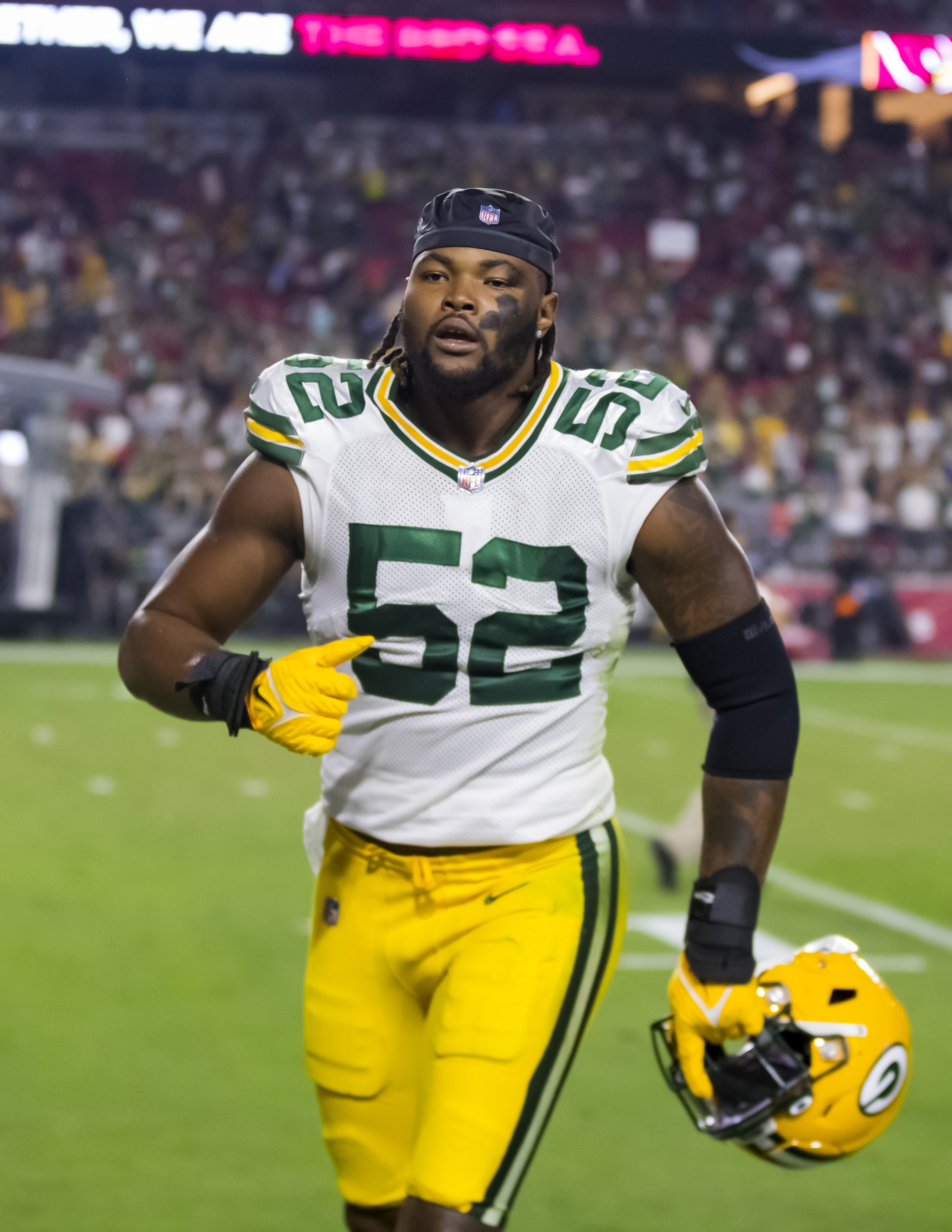
That made Gary the fourth edge rusher taken off the board, taken behind the likes of Nick Bosa and Josh Allen. He heard his name called earlier than other, more accomplished college sack artists like Brian Burns and Montez Sweat, however, meaning that he was once again entering the next chapter of his football career with significant expectations. The early portion of his NFL tenure didn’t put concerns about his high draft stock at ease.
As a rookie, Gary appeared in all 16 contests, but he didn’t register any starts. Seeing the field for just one-fourth of the team’s defensive snaps, he totalled 21 tackles and a pair of sacks. He saw a larger workload the following season, and responded with a step forward in production, with five sacks. Likewise, his PFF grade rose incrementally, leading to optimism for the 2021 campaign.
With Za’Darius Smith sidelined for all but one game due to injury, Gary took on a full-time starting role this past year. He thrived in it, posting 9.5 sacks and 28 QB hits en route to a top-five edge rush PFF grade of 89. It presented an interesting dichotomy with Winovich, who, after a promising start to his career in New England, failed to record a sack in 2021 and has since been traded to the Browns.
The aforementioned Smith left in free agency this offseason, as Green Bay turned its attention to extending fellow veteran Preston Smith. He and Gary are in line to start once again in 2022, meaning the latter will have the opportunity to repeat his performance from last season. Knowing that, it came as little surprise when the Packers exercised Gary’s fifth-year option, keeping him under contract for the next two campaigns. He will have a cap hit of just over $5MM in 2022, a figure which will jump to $10.9MM the following year.
If he is able to continue his career ascension, Gary will represent one of the better values at the edge rusher position in the league at that cost, as 17 players at that spot currently average at least $15MM per season. Given his relatively late blooming, however, it would be understandable for the Packers to wait at least one more year to begin serious extension talks. The team’s overall financial situation in the near future will also, of course, be an important factor in this situation.
The Packers have more cap space than most teams at this point with respect to 2022, after trading away Davante Adams and restructuring a number of large contracts. However, the outlook is more murky beyond this coming season. Gary will need a new contract no later than 2024, by which point Aaron Jones, David Bakhtiari and Kenny Clark will each be entering the final (non-void) year of their respective deals. How the team handles those pacts will no doubt affect their ability to extend Gary at a significant rate.
Gary is aware of the importance of this season as it relates to his next contract. When speaking on the matter however, he said, via Sports Illustrated’s Bill Huber, “When it comes to money, that’s something I don’t worry about. I’m here to play football and I’m here to be the best player I can for this team.”
Still, he called a lucrative extension a “dream… But I’ve got to keep my head down and work and not look too far ahead or all this talk is just talk.”
NFC North Rumors: Gafford, Graham, Bears, Jenkins
Packers’ offseason acquisition Rico Gafford has been asked to move from wide receiver back to his original position of cornerback, according to Matt Schneidman who did an early projection of how the Packers’ 53-man roster could play out for The Athletic this week. Gafford is a speedy player whose versatility led the Raiders to use him as a Lamar Jackson stand in on scout team before playing the Ravens when he was in Las Vegas a couple of years ago.
Gafford was an undrafted cornerback out of Wyoming back in 2018. Over two years of play with the Cowboys, he recorded 6 interceptions, 11 passes defensed, and 3 forced fumbles at the collegiate level. After signing initially with the Titans, Gafford was cut before training camp and signed with the Raiders who asked him to change his primary position to wide receiver because of his speed. He played mostly special teams in Oakland but did catch two balls including a 49-yard touchdown pass from Derek Carr in 2019.
Green Bay has a history of moving undrafted wide receivers to cornerback, most recently in 2016, when the Packers convinced University of Miami wide receiver Herb Waters to move to cornerback due to a couple of injuries in the position room. More famously, the Packers persuaded another former Hurricanes’ receiver, Sam Shields, to switch to cornerback after he went undrafted in 2010. Shields was named the third cornerback on the depth chart after the preseason, behind Charles Woodson and Tramon Williams, and went on to start 62 of the 80 games he would play in a Packers’ uniform over a seven-year stay in Green Bay.
Here are a few more rumors out of the NFC North, all of these coming out of the Windy City:
- After making his NFL debut late into the season last year, Bears cornerback Thomas Graham Jr. could have a shot at a starting spot in the slot over free agent addition Tavon Young in the upcoming season, according to Courtney Cronin of ESPN. A sixth-round pick in 2021, Graham struggled early to make the team, spending most of the season on the practice squad. In a late-December game against the Vikings, though, Graham heard his name called as the Bears’ roster was depleted by injuries and COVID-19. An impressive performance in that game made his promotion permanent as he spent the rest of the season on the active roster. The Bears used their highest draft pick this year to select Kyler Gordon in the second round to start opposite Jaylon Johnson on the outside. This will leave Graham to compete with the former Raven, Young, in the slot. Young, once the highest-paid nickel corner in the NFL, has suffered multiple torn ACLs and a neck injury that have forced him to miss the entire 2017 and 2019 seasons, as well as most of the 2020 season. Even if Graham can’t beat out Young to start, the Bears will be glad to have him as a strong back-up option.
- The Bears announced some updates to their staff this week, according to Kevin Fishbain of The Athletic. The team has announced Reese Hicks as the new West Coast scout, Tom Bradway as the new Northeast scout, and Ryan Cavanaugh as the team’s new Midwest scout. In addition to those personnel positions, Chicago announced two moves in the analytics department. Krithi Chandrakasan will be the director of football analytics and Ryan Hubley will serve as the football systems developer.
- With recent news that the Bears will look at 2022 fifth-round draft pick Braxton Jones at left tackle in camp, Brad Biggs of the Chicago Tribune reminded readers that when Teven Jenkins was drafted in the second round last year, many saw him as a guard at the NFL-level. If Jones does end up impressing on the blindside this summer, Jenkins could find himself filling the Bears’ hole at right guard.
Packers Eyeing Veteran Edge Addition?
The Packers have made a number of changes to their edge rush group this offseason, but another addition may be in the cards. The team “might be looking for upgrades” at the position, according to ESPN’s Rob Demovsky. 
Green Bay lost Za’Darius Smith in free agency to the Ravens, it appeared at first, but he ultimately signed with the Vikings. With the two-time Pro Bowler gone, it became increasingly important that the Packers had re-signed fellow veteran pass rusher Preston Smith at the onset of free agency.
The latter is set to maintain his starting role in 2022. He will be paired with 2019 first-rounder Rashan Gary, who took a significant step forward last season. While that tandem should be in line to replicate their playing time and production from 2021, depth has been a talking point throughout the offseason.
To little surprise, Green Bay added Kingsley Enagbare in the fifth round of the draft to help address that need. The South Carolina product never had more than six sacks in a single college season, but he is listed in Demovsky’s projected depth chart as the No. 3 edge rusher on the roster. Another name included is that of Randy Ramsey, who played almost exclusively on special teams in 2020 as a rookie, and missed the entire 2021 campaign due to an ankle injury.
With very little experience behind Smith and Gary, a veteran signing would make plenty of sense. Some of the top free agents still available include Jason Pierre-Paul, Trey Flowers and, depending on the outcome regarding his UFA tender, Justin Houston. Green Bay currently ranks in the top-10 in the league in cap space, so a short-term, low-cost addition would also be financially feasible. Whether they choose to make one in the coming days or weeks could be one of the most important roster decisions still facing the team.
Packers’ Elgton Jenkins A Candidate To Start Season On PUP List
Offensive line unavailability has become one of the Packers’ recent themes, with David Bakhtiari‘s lengthy recovery effort from his December 2020 ACL tear headlining this. But Green Bay was without its top young blocker for much of last season as well.
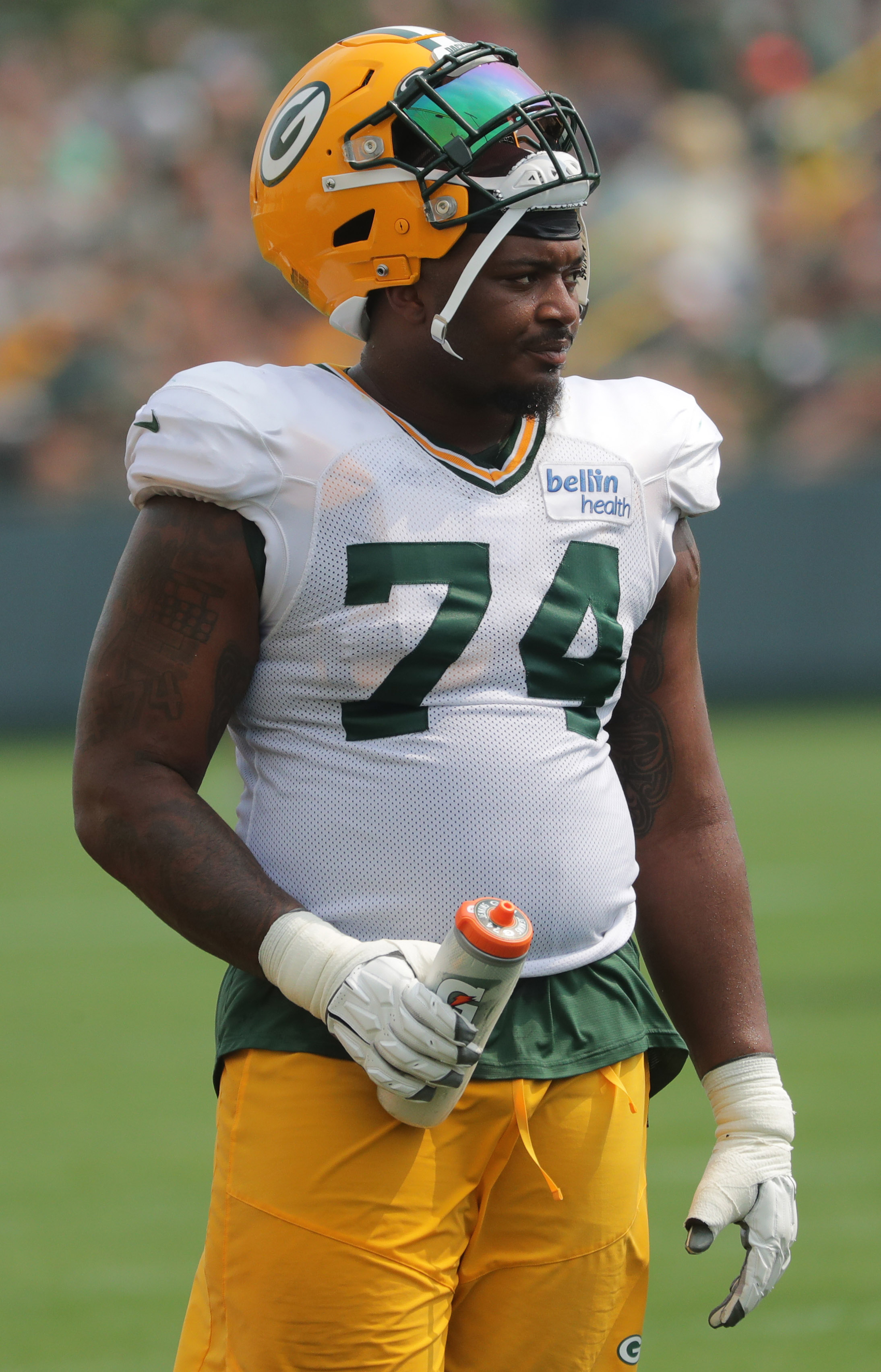 Elgton Jenkins went down with a torn left ACL in late November of last year, and the Packers are not certain to have the versatile Pro Bowler to start this season. Jenkins is a candidate to begin the 2022 campaign on the reserve/PUP list, Rob Demovsky of ESPN.com notes, with his roster projection leaving the fourth-year lineman off the team’s initial 53.
The former second-round pick beginning the season on the Packers’ PUP would shelve him for the team’s first six games. The NFC North champions are annually cautious with injuries, but they have seen O-line trouble become a persistent issue. The Packers regularly trotted out second-stringer-laden blocker configurations last season, and Aaron Rodgers‘ top two protectors were largely not part of those. Bakhtiari and Jenkins have not played in a game together since Week 16 of the 2020 season.
Bakhtiari’s primary fill-in on the left side last season, Jenkins would be in line to play alongside him at left guard or at right tackle this season. The Packers can upgrade at most of their O-line positions by slotting in Jenkins, who is entering a contract year. Jenkins made the Pro Bowl as a guard in 2020 and represents an essential piece up front for the Super Bowl-contending team.
Matt LaFleur did not guarantee Bakhtiari, who missed Green Bay’s offseason program after being sidelined for 17 of the 2021 team’s 18 games, would be ready to go to start training camp. While the Packers have that as a goal, the team’s O-line health troubles will remain a central issue until Jenkins joins the All-Pro left tackle up front.
Having let Corey Linsley defect to the Chargers last year and having released Billy Turner in March, the Packers have just one notable veteran contract on their O-line (Bakhtiari’s $23MM-per-year pact). It would seem Jenkins has an opportunity to join Bakhtiari as a long-term cornerstone for the Packers up front. Missing a chunk of the season due to a 2021 injury would hinder Jenkins here, but a return to health during this upcoming slate would position him to be one of 2023’s top free agents.