
The NFL’s Longest-Tenured GMs
Wednesday, we took a look at how the 2022 offseason changed the HC landscape. While 10 new sideline leaders are in place for 2022, not quite as much turnover transpired on the general manager front. Five new decision-makers, however, have moved to the top of teams’ front office hierarchies over the past six months.
 The Bears, Giants, Raiders and Vikings rebooted their entire operations, hiring new HC-GM combos. The Minnesota move bumped out one of the previous top-10 longest-tenured GMs, with 16-year Vikings exec Rick Spielman no longer in power in the Twin Cities. The Steelers’ shakeup took the NFL’s longest-tenured pure GM out of the mix. Kevin Colbert was with the Steelers since 2000, and although he is still expected to remain with the team in a reduced capacity, the 22-year decision-maker stepped down shortly after Ben Roethlisberger wrapped his career.
Twelve teams have now hired a new GM in the past two offseasons, though a bit more staying power exists here compared to the HC ranks. Two GMs (the Cardinals’ Steve Keim and Chargers’ Tom Telesco) have begun their 10th years at the helms of their respective front offices. They have hired three HCs apiece. The Buccaneers’ Jason Licht is closing in on a decade in power in Tampa Bay; Licht will now work with his fourth HC in Todd Bowles. Beyond that, a bit of a gap exists. But a handful of other executives have been in power for at least five seasons.
Here is how long every GM or de facto GM has been in place with his respective franchise:
- Jerry Jones (Dallas Cowboys): April 18, 1989[1]
- Mike Brown (Cincinnati Bengals): August 5, 1991[2]
- Bill Belichick (New England Patriots): January 27, 2000[3]
- Mickey Loomis (New Orleans Saints): May 14, 2002
- John Schneider (Seattle Seahawks): January 19, 2010; signed extension in 2021
- Howie Roseman (Philadelphia Eagles): January 29, 2010; signed extension in 2022
- Les Snead (Los Angeles Rams): February 10, 2012; signed extension in 2019
- Steve Keim (Arizona Cardinals): January 8, 2013; signed extension in 2022
- Tom Telesco (Los Angeles Chargers): January 9, 2013; signed extension in 2018
- Jason Licht (Tampa Bay Buccaneers): January 21, 2014; signed extension in 2021
- Chris Grier (Miami Dolphins): January 4, 2016[4]
- Jon Robinson (Tennessee Titans): January 14, 2016; signed extension in 2022
- John Lynch (San Francisco 49ers): January 29, 2017; signed extension in 2020
- Chris Ballard (Indianapolis Colts): January 30, 2017; signed extension in 2021
- Brandon Beane (Buffalo Bills): May 9, 2017; signed extension in 2020
- Brett Veach (Kansas City Chiefs): July 11, 2017; signed extension in 2020
- Brian Gutekunst (Green Bay Packers): January 7, 2018
- Eric DeCosta (Baltimore Ravens): January 7, 2019
- Joe Douglas (New York Jets): June 7, 2019
- Andrew Berry (Cleveland Browns): January 27, 2020
- Nick Caserio (Houston Texans): January 5, 2021
- George Paton (Denver Broncos): January 13, 2021
- Scott Fitterer (Carolina Panthers): January 14, 2021
- Brad Holmes (Detroit Lions): January 14, 2021
- Terry Fontenot (Atlanta Falcons): January 19, 2021
- Trent Baalke (Jacksonville Jaguars): January 21, 2021
- Martin Mayhew (Washington Commanders): January 22, 2021
- Joe Schoen (New York Giants): January 21, 2022
- Ryan Poles (Chicago Bears): January 25, 2022
- Kwesi Adofo-Mensah (Minnesota Vikings): January 26, 2022
- Dave Ziegler (Las Vegas Raiders): January 30, 2022
- Omar Khan (Pittsburgh Steelers): May 24, 2022
Footnotes:
- Jones has been the Cowboys’ de facto general manager since former GM Tex Schramm resigned in April 1989.
- Brown has been the Bengals’ de facto GM since taking over as the team’s owner in August 1991.
- Belichick has been the Patriots’ de facto GM since shortly after being hired as the team’s head coach in January 2000.
- Although Grier was hired in 2016, he became the Dolphins’ top football exec on Dec. 31, 2018
The NFL’s Longest-Tenured Head Coaches
The NFL experienced a busy offseason on the coaching front. A whopping 10 teams changed coaches during the 2022 offseason, with the Buccaneers’ late-March switch pushing the number into double digits.
 Fourteen of the league’s 32 head coaches were hired in the past two offseasons, illustrating the increased pressure the NFL’s sideline leaders face in today’s game. Two of the coaches replaced this year left on their own. Sean Payton vacated his spot in second on the longest-tenured HCs list by stepping down from his 16-year Saints post in February, while Bruce Arians has repeatedly insisted his Bucs exit was about giving his defensive coordinator a chance with a strong roster and not a Tom Brady post-retirement power play.
While Bill Belichick has been the league’s longest-tenured HC for many years, Payton’s exit moved Mike Tomlin up to No. 2. Mike Zimmer‘s firing after nine seasons moved Frank Reich into the top 10. Reich’s HC opportunity only came about because Josh McDaniels spurned the Colts in 2018, but Indianapolis’ backup plan has led the team to two playoff brackets and has signed an extension. Reich’s seat is hotter in 2022, however, after a January collapse. Linked to numerous HC jobs over the past several offseasons, McDaniels finally took another swing after his Broncos tenure ended quickly.
As 2022’s training camps approach, here are the NFL’s longest-tenured HCs:
- Bill Belichick (New England Patriots): January 27, 2000
- Mike Tomlin (Pittsburgh Steelers): January 27, 2007; extended through 2024
- John Harbaugh (Baltimore Ravens): January 19, 2008; extended through 2025
- Pete Carroll (Seattle Seahawks): January 9, 2010; extended through 2025
- Andy Reid (Kansas City Chiefs): January 4, 2013; extended through 2025
- Sean McDermott (Buffalo Bills): January 11, 2017; extended through 2025
- Sean McVay (Los Angeles Rams): January 12, 2017; extended through 2023
- Kyle Shanahan (San Francisco 49ers): February 6, 2017; extended through 2025
- Mike Vrabel (Tennessee Titans): January 20, 2018; signed extension in February 2022
- Frank Reich (Indianapolis Colts): February 11, 2018; extended through 2026
- Kliff Kingsbury (Arizona Cardinals): January 8, 2019; extended through 2027
- Matt LaFleur (Green Bay Packers): January 8, 2019
- Zac Taylor (Cincinnati Bengals): February 4, 2019; extended through 2026
- Ron Rivera (Washington Football Team): January 1, 2020
- Matt Rhule (Carolina Panthers): January 7, 2020
- Mike McCarthy (Dallas Cowboys): January 7, 2020
- Kevin Stefanski (Cleveland Browns): January 13, 2020
- Robert Saleh (New York Jets): January 15, 2021
- Arthur Smith (Atlanta Falcons): January 15, 2021
- Brandon Staley (Los Angeles Chargers): January 17, 2021
- Dan Campbell (Detroit Lions): January 20, 2021
- Nick Sirianni (Philadelphia Eagles): January 21, 2021
- Nathaniel Hackett (Denver Broncos): January 27, 2022
- Matt Eberflus (Chicago Bears): January 27, 2022
- Brian Daboll (New York Giants): January 28, 2022
- Josh McDaniels (Las Vegas Raiders): January 30, 2022
- Kevin O’Connell (Minnesota Vikings): February 2, 2022
- Doug Pederson (Jacksonville Jaguars): February 3, 2022
- Mike McDaniel (Miami Dolphins): February 6, 2022
- Dennis Allen (New Orleans Saints): February 7, 2022
- Lovie Smith (Houston Texans): February 7, 2022
- Todd Bowles (Tampa Bay Buccaneers): March 30, 2022
Offseason In Review: Denver Broncos
After making five straight playoff berths from 2011-15, a stretch that included four consecutive AFC byes and two Super Bowl appearances, the Broncos have drifted well off that pace. Years in quarterback wilderness followed Peyton Manning‘s 2016 retirement. But the 2022 offseason represents a significant step toward the franchise moving back onto the contender track.
This season should feature the Broncos as a more formidable operation, and it doubles as a chance to see how promising Denver’s oft-discussed skill-position corps really is. A loaded AFC West hovers over Denver’s offseason rise, but the franchise has clear reasons for optimism. A team frequently labeled as a QB away from mattering in the grand scheme now has its coveted passer.
Trades:
- Acquired QB Russell Wilson from Seahawks for TE Noah Fant, DL Shelby Harris, QB Drew Lock, 2022 first- and second-round picks, 2023 first- and second-rounders, and a 2022 fifth-rounder
Linked to Aaron Rodgers for nearly a year, the Broncos began this offseason’s trade avalanche by completing a deal for a quarterback five years younger. Denver was never linked as a true Deshaun Watson suitor, and its 2021 Matthew Stafford offer was far less enticing than the one the Rams made. But the Broncos had also not been closely connected to Wilson, who left the team off his list of acceptable trade destinations during the 2021 offseason but included them (albeit quietly) later in the year. He will now have a chance to craft an interesting second act.
The Seahawks bailed midway through their franchise quarterback’s third contract, not eager to pay the new going rate for the 33-year-old star whose current $35MM-per-year deal topped the market at the time (April 2019). This opened the door for the Broncos to fill one of the NFL’s longest-standing needs. Other teams pursued the decorated QB — from the Panthers to the Eagles to the Commanders, with Washington offering three first-rounders — but Wilson only ended up waiving his no-trade clause for the Broncos.
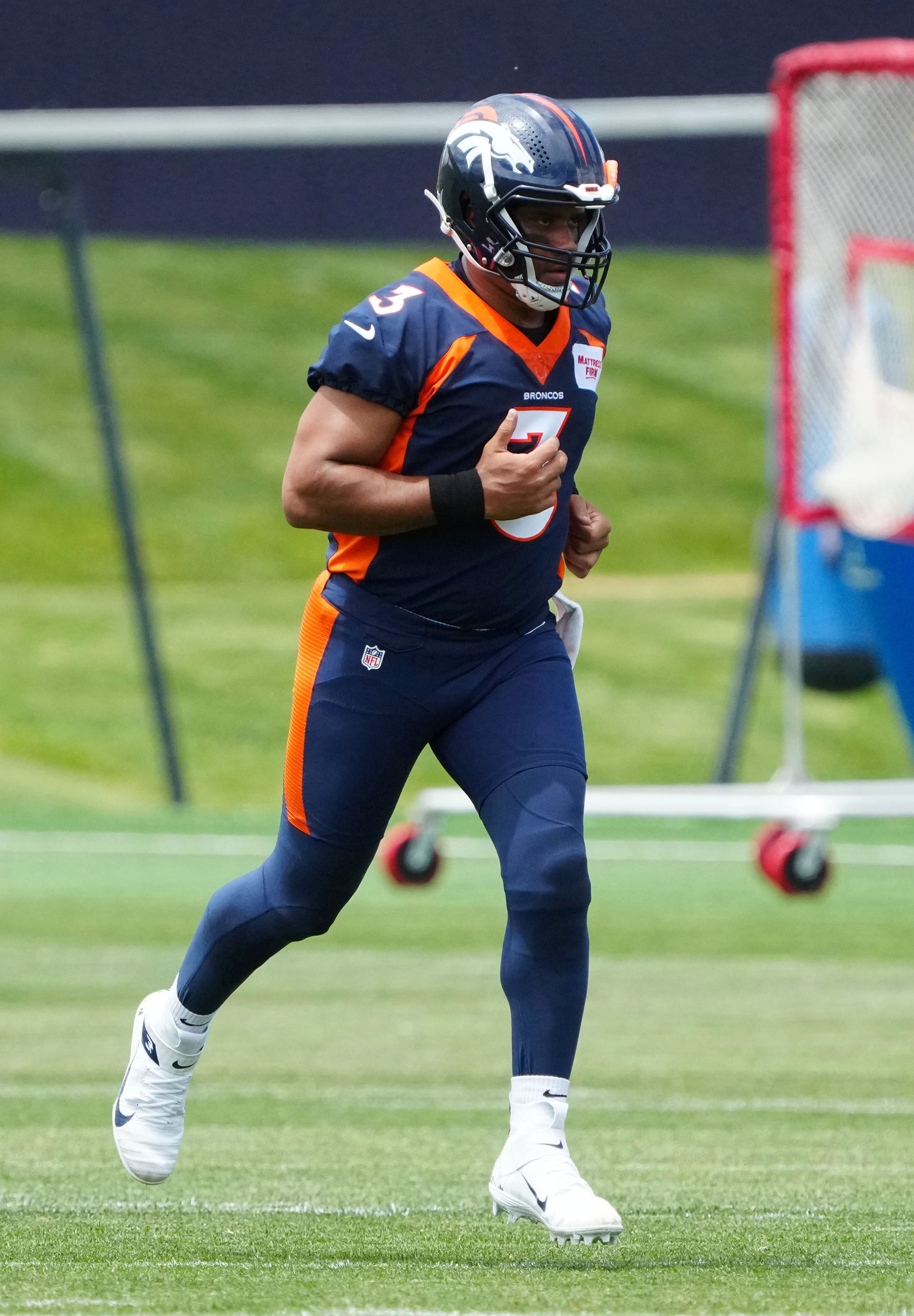 If 2020’s Kendall Hinton-quarterbacked contest is counted, the Broncos match Washington with an NFL-most 11 starting QBs since 2016. An inability to generate above-average QB play through trades (Joe Flacco, Teddy Bridgewater), free agency (Case Keenum) or the draft (Lock, Paxton Lynch) dragged Denver from an AFC power to a team with a lower-middle-class ceiling. This descent prompted second-year GM George Paton to fork over one of the biggest trade hauls in NFL history — though a package not quite as valuable as some expected — to make a clear upgrade.
The quarterback that helped Seattle decimate a depleted Denver team in Super Bowl XLVIII, Wilson grew into a top-flight passer in the years that followed. While the Seahawks transitioned from a team built around the Legion of Boom to a Wilson-centric operation, Pete Carroll insisted on keeping a run-oriented offense in place. The Seahawks also frequently skimped on offensive line investments. The Broncos do not boast a high-end O-line, either, but this could be the deepest collection of skill-position talent Wilson has enjoyed. Injuries and inconsistent QB play have limited Denver’s armada of highly drafted receivers (feat. steady ex-UDFA Tim Patrick) from making much of an impact. The Courtland Sutton–Jerry Jeudy–K.J. Hamler trio appears set for its most relevant NFL stretch.
Coming back after just three games from his right middle finger tendon rupture, Wilson did not look himself for much of the season’s second half. He finished with a career-low 54.7 QBR, but the ex-Seattle cornerstone represented the main reason the post-Super Bowl XLIX Seahawk editions remained contenders. Wilson put up his first two 4,000-yard seasons in 2019 and ’20 and eclipsed 30 touchdown passes from 2017-20, topping out with 40 in 2020. The Broncos have surpassed 20 TD passes as a team just once in the past seven seasons. They have not ranked in the top half of the league in scoring or total offense in that span. These stats may well come up during Wilson extension talks.
Set to tailor their offense to the relocated passer’s strengths, the Broncos will bet on Wilson bouncing back in a Nathaniel Hackett-led attack likely to feature more passing opportunities compared to the future Hall of Famer’s previous setup. From 2012-21, the Seahawks ranked 32nd in pass attempts — by a wide margin — with 30.4 per game. This season will double as a referendum on the Seahawks’ Wilson-era strategy, at least in the years since Marshawn Lynch‘s prime ended, and a chance for the 11th-year QB to show he is capable of thriving in a pass-first offense for an extended stretch.
Notable signings:
- Randy Gregory, LB: Five years, $70MM. $28MM guaranteed
- D.J. Jones, DL: Three years, $30MM. $20MM guaranteed
- Josey Jewell, LB: Two years, $11MM. $6MM guaranteed.
- K’Waun Williams, CB. Two years, $5.2MM. $2.5MM guaranteed.
- Melvin Gordon, RB. One year, $2.5MM. $2.25MM guaranteed.
- Billy Turner, T: One year, $2.5MM. $2.25MM guaranteed.
- Kareem Jackson, S. One year, $2MM. $2MM guaranteed.
- Tom Compton, OL. One year, $2.25MM. $1.5MM guaranteed.
- DeShawn Williams, DL. One year, $1.17MM. $200K guaranteed.
- Alex Singleton, LB. One year, $1.12MM. $150K guaranteed.
- Eric Tomlinson, TE. One year, $1.44MM. $100K guaranteed.
- Josh Johnson, QB. One year. $1.22MM. $100K guaranteed.
Last year’s Von Miller trade afforded the Broncos flexibility to reach deep into their draft assets to acquire Wilson, but it left the team with its most glaring edge need since Miller’s 2011 arrival. While rumors emerged about the Broncos pulling a Yankees-like Aroldis Chapman maneuver — trading a player at the deadline and then re-signing him the following offseason — they went with Gregory at a lower rate. Gregory reneged on a Cowboys contract at the 11th hour, spurning his seven-year (off-and-on) employer due to language that made it easier to void guarantees.
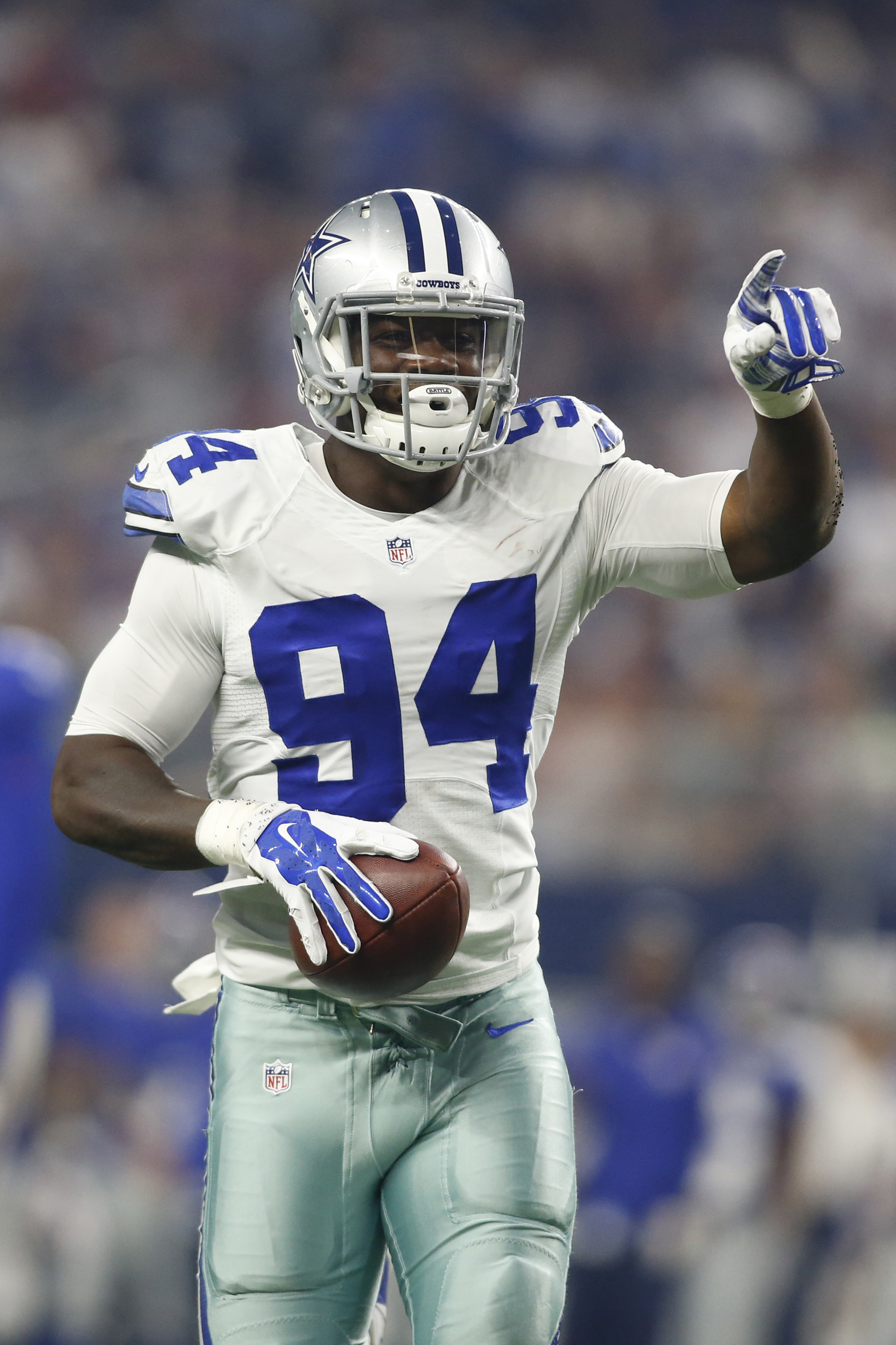 Signing the former suspension mainstay is a gamble for the Broncos; the 2015 second-rounder has been banned four times for substance-abuse policy violations. Between the 2016, ’17 and ’19 seasons, Gregory combined for two games. This could give him a “young 29”-type presence, due to limited wear and tear, but Gregory also missed time with a calf injury and has been limited this offseason due to shoulder surgery. Still, Gregory’s early-season surge in 2021 (five sacks, 11 QB hits and two forced fumbles in a four-game span), before his calf issue paused that stretch, created a live market. How Gregory lives up to his first notable NFL contract will determine the Broncos’ post-Miller pass-rushing outlook.
The Broncos now feature an interesting edge situation, one that houses former top-five pick Bradley Chubb, frequent fill-in starter Malik Reed and second-round pick Nik Bonitto. But if Gregory cannot recapture the near-All-Pro-caliber form he showed early last season, Denver’s plan could crumble. If Gregory can craft a post-Dallas prime arc, the Broncos having him tied to a $14MM-per-year pact — at a time when 21 edge rushers out-earn him — would present a roster-building advantage.
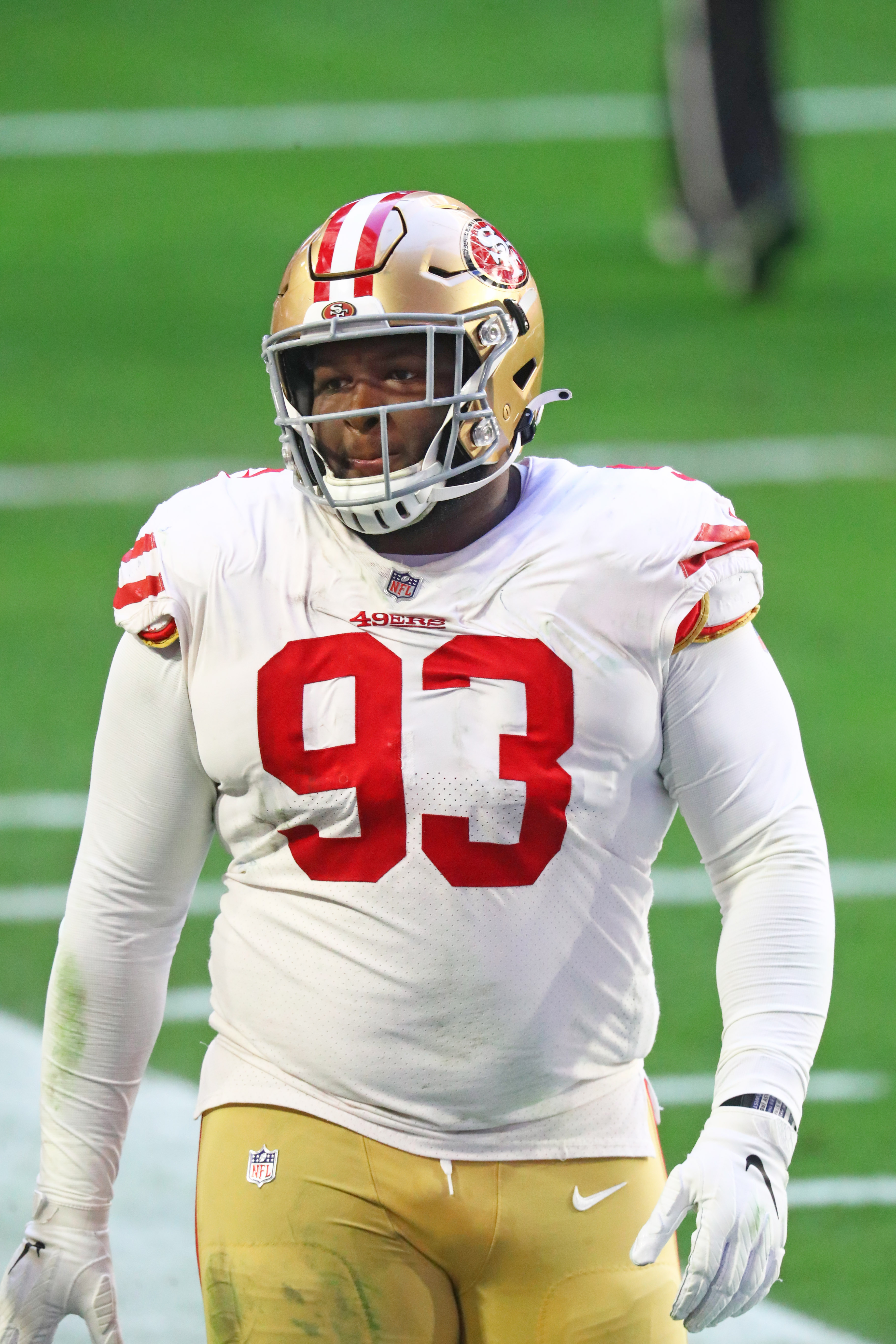
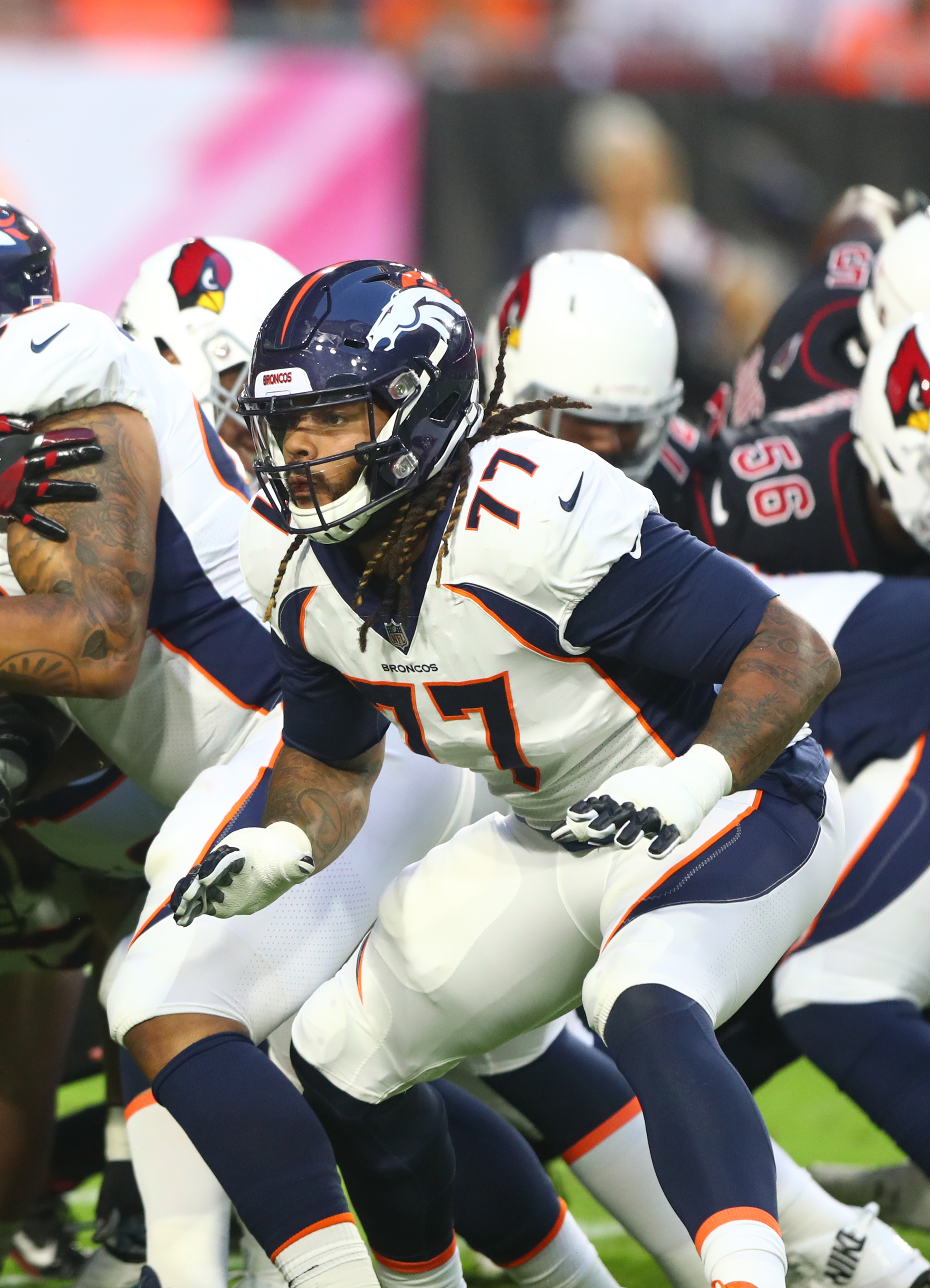
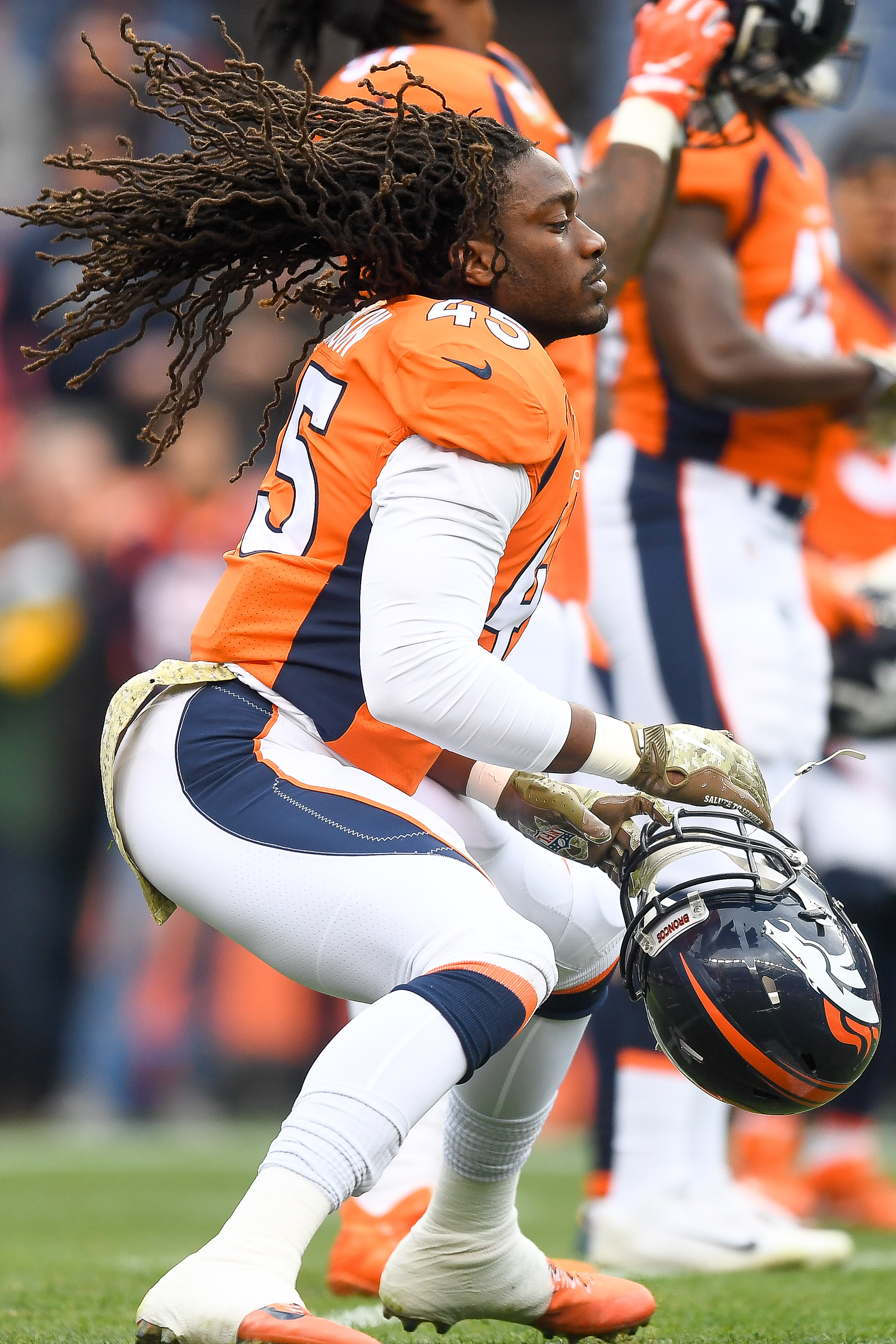
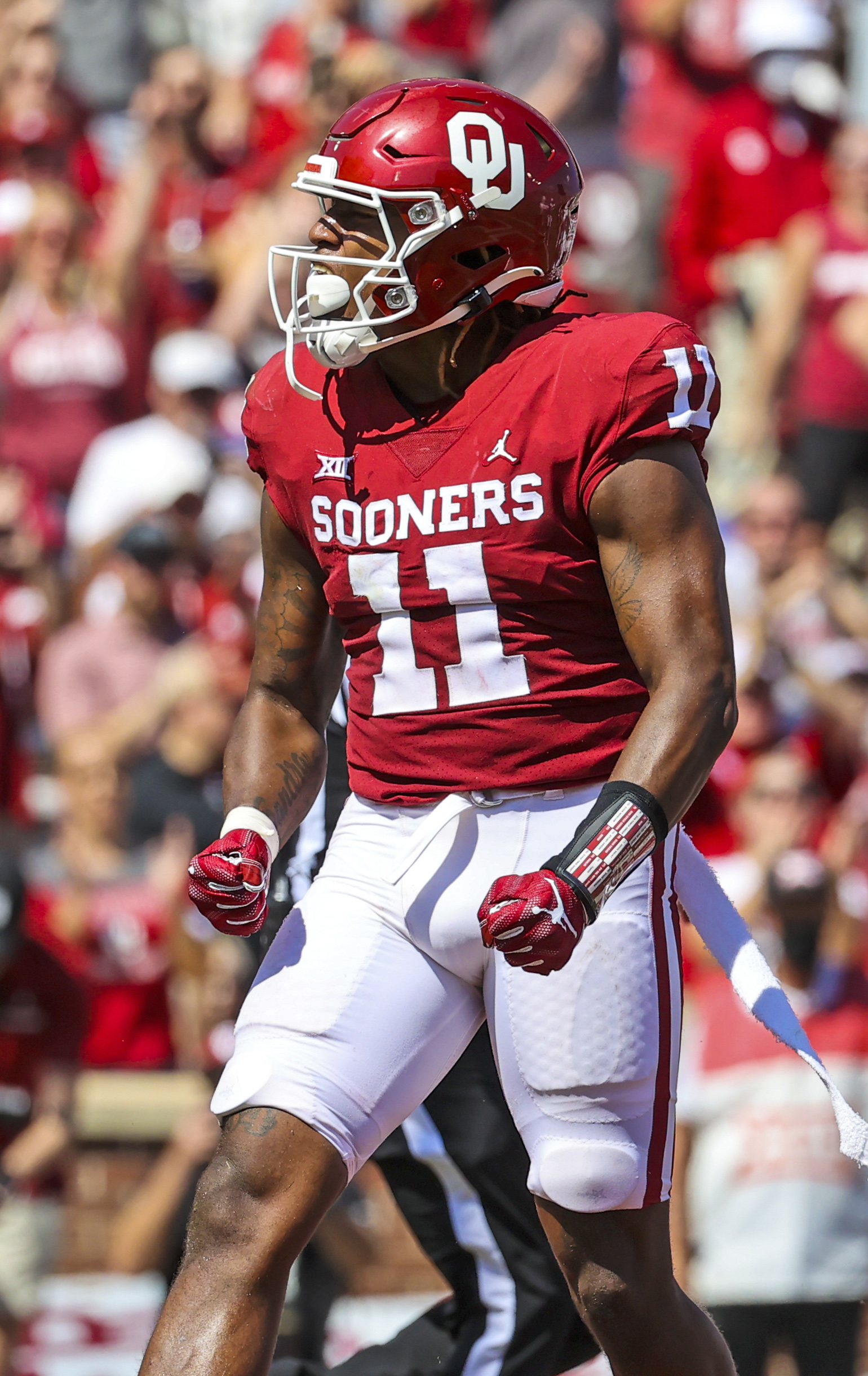
Malik Reed's Broncos Status Uncertain?
With Bradley Chubb and Von Miller suffering injuries at various points from 2019-21, the Broncos could rarely deploy their ideal edge-rushing combination. That led to extensive Malik Reed work. The 2019 UDFA has made 34 starts over the past three seasons and racked up 13 sacks over the past two. However, the Broncos have since signed Randy Gregory, drafted Nik Bonitto in Round 2 and moved 2021 inside linebacker starter Baron Browning to the edge. This creates a crowded depth chart, which features Chubb in his fifth-year option season. Reed is also going into a contract year, and ESPN.com’s Jeff Legwold’s 53-man roster prediction leaves the Nevada product off the team. Reed’s status could depend on Gregory’s recovery from offseason shoulder surgery, per Legwold, with the Broncos potentially going with a special-teamer over Reed if Gregory is healthy. If the Broncos determine Reed is not on track to make their team, he would be a logical trade candidate. Reed is attached to a $2.43MM salary.
Broncos Sign Fourth-Rounders Damarri Mathis, Eyioma Uwazurike To Wrap Draft Class
Each of the Broncos’ 2022 draftees is now signed. Fourth-round picks Damarri Mathis and Eyioma Uwazurike agreed to terms on their four-year rookie contracts Thursday, finalizing the slot-deal negotiation process for the year in Denver.
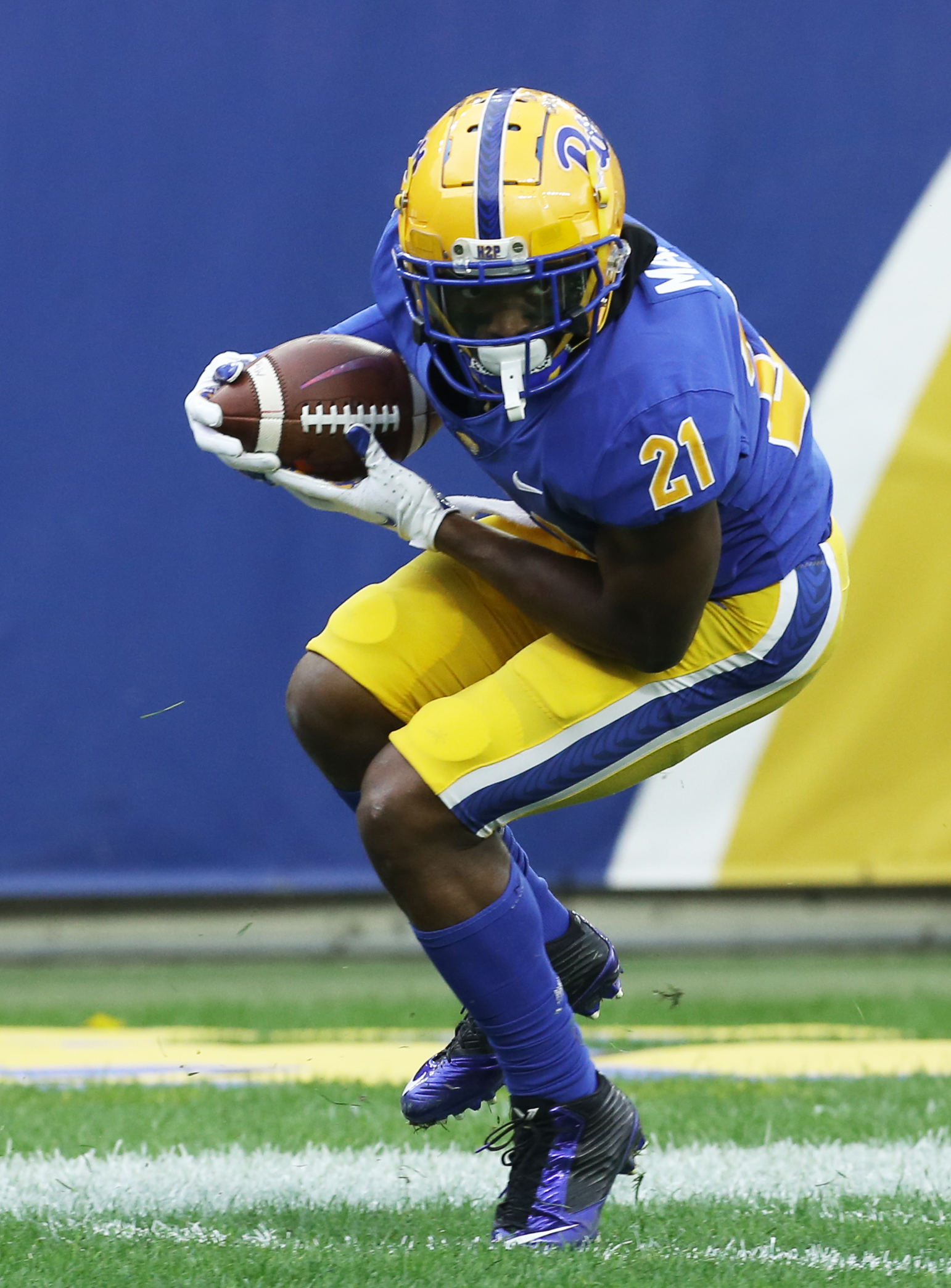 The Broncos chose the two defenders back-to-back in Round 4, with Mathis going 115th overall and Uwazurike 116th. The duo can be expected to play depth roles for a Broncos team featuring more experienced players at cornerback and on their defensive line.
A corner out of Pittsburgh, Mathis missed the 2020 season but returned in 2021 to solidify his status as a draftable prospect. He picked up two more interceptions, finishing his career with five, and helped the Panthers to the Peach Bowl. The Broncos return starters Ronald Darby and Patrick Surtain II and signed K’Waun Williams to work in the slot. Mathis figures to join third-year corner Michael Ojemudia as a reserve option.
Uwazurike, who went to Iowa State, enjoyed a breakout 2021 season. Using his extra year allowed by the NCAA following the COVID-19 pandemic, Uwazurike recorded nine sacks and 12 tackles for loss for the Cyclones last season. The interior D-lineman should be expected to work as a rotational presence for a Broncos team that has Dre’Mont Jones and Mike Purcell returning. The team, which included Shelby Harris in the Russell Wilson trade, added another starter in D.J. Jones via free agency soon after.
Here is how the Broncos’ 2022 draft class looks:
Round 2: No. 64 (from Rams) Nik Bonitto, LB (Oklahoma) (signed)
Round 3: No. 80 (from Saints through Texans) Greg Dulcich, TE (UCLA) (signed)
Round 4: No. 115 Damarri Mathis, CB (Pittsburgh) (signed)
Round 4: No. 116 (from Seahawks) Eyioma Uwazurike, DT (Iowa State) (signed)
Round 5: No. 152 Delarrin Turner-Yell, S (Oklahoma) (signed)
Round 5: No. 162 (from Eagles through Texans) Montrell Washington, WR (Samford) (signed)
Round 5: No. 171 (from Packers): Luke Wattenberg, C (Washington) (signed)
Round 6: No. 206 (from Buccaneers through Jets and Eagles) Matt Henningsen, DT (Wisconsin) (signed)
Round 7: No. 232 Faion Hicks, CB (Wisconsin) (signed)
Jake Heaps To Become Russell Wilson’s Full-Time QB Coach
Russell Wilson will be in a new home this season, but he will have a familiar face coaching him in Denver. Former pro quarterback and radio personality Jake Heaps is becoming Wilson’s full-time positional coach, as detailed by Kyle Ireland of KSL Sports. 
The 30-year-old has spent the past four years at ESPN 710 Seattle, allowing him to stay close to home and to Wilson, during the decade the latter spent as a Seahawk. Heaps also worked with other QBs at various levels, but now he will be able to continue his partnership with the nine-time Pro Bowler.
“It is with mixed emotions that I tell you that I will no longer be able to host on Seattle Sports’ station” he said. “As we all know, Russell Wilson was traded and when this happened I knew that my two careers that were perfectly aligned here in Seattle had become complicated… I have resigned to pursue a once-in-a-lifetime opportunity to coach Russell Wilson full-time and develop the next generation of quarterbacks.”
Heap went undrafted into the NFL in 2015, after a college career which saw him play for BYU, Kansas and Miami. He originally signed with the Jets, but found his way onto the Seahawks during the 2016 offseason. He didn’t initially make the 53-man roster, but he was brought back to the practice squad in September as insurance. After a brief stint in the CFL, he came back to Seattle in 2017. Like each of his professional stops, though, it ended quickly, leading him to his coaching career.
In Denver, Heaps will work alongside new head coach Nathaniel Hackett, who brought fellow ex-Packers staffer Justin Outten with him to serve as offensive coordinator. He will play an integral role in Wilson’s – and therefore, the team’s – success as they look to contend in the AFC.
Broncos Notes: Offensive Line, Veteran CB Search, Javonte Williams
With OTAs and mandatory minicamp finished across the league, organizations and media members alike have had the chance to break down some of the elements of the offseason which have stood out the most to them. In the case of the Broncos, 9News’ Mike Klis has detailed some of his key observations.
Among those is the plethora of variances in the team’s offensive line combinations during practices. Klis notes that the most commonly-used unit comprised Garett Bolles and Dalton Risner on the left side, with Lloyd Cushenberry III at center and Quinn Meinerz and Calvin Anderson occupying right guard and right tackle, respectively.
There are a number of other options being plugged into various positions, though. Included among those is Netane Muti, who has seen work with the other starters while filling in at both guard positions, as well as Graham Glasgow, who recently returned to practice to compete for a starting role. Lastly, Klis lists Billy Turner as a veteran who is “expected to play” somewhere along the o-line. The 30-year-old came back to the Broncos on a one-year, $5MM deal this offseason, but is also the linemen most experienced in working with new HC Nathaniel Hackett.
Here are a few other notes from that same Klis piece:
- Cornerback had the potential to be an area of need, at least in terms of depth behind Patrick Surtain II, Ronald Darby and K’Waun Williams, at this point in the offseason. However, Klis cites the play of Michael Ojemudia during the spring as cause for optimism that the team’s best option for the No. 4 role may already be on the roster. The 2020 third-rounder is set to compete with Damarri Mathis, whom the Broncos drafted in the fourth round this year, for that spot. A number of veteran free agents could still “wind up on GM George Paton’s radar,” Klis notes, however.
- To no surprise, running back Javonte Williams is expected to “bump up to the 1A role” in 2022. In his rookie season, the North Carolina alum produced over 1,200 scrimmage yards despite splitting carries with Melvin Gordon, who signed a one-year deal to stay in Denver. Given his the former’s efficiency, and the seven-year age gap between the two, Williams is the logical candidate to assume a larger workload going forward.
Terrell Davis Joined Josh Harris’ Ownership Group; More Fallout From Broncos Bidding
Although the Broncos went for an American sports-record $4.65 billion — to the Rob Walton-fronted group — last week, Walton’s was not the only bid that would have shattered the NFL record.
Josh Harris‘ group is believed to have bid between $4.25 billion and $4.5 billion, Mike Klis of 9News reports. Harris, who owns the Philadelphia 76ers and New Jersey Devils, was prepared to go $5 billion for the Broncos, according to Mike Florio of Pro Football Talk. But he was not assured Walton would not top that bid. That led to Harris’ group standing down, letting Walton’s bid win the historic sweepstakes. Harris is prepared to pursue ownership of another NFL team, Florio adds.
Tied to a net worth greater than $70 billion, putting him in position to be by far the NFL’s wealthiest owner, Walton had long been considered the frontrunner to acquire the AFC West franchise. Walton’s daughter (Carrie Walton Penner) and son-in-law (Greg Penner) are expected to run the day-to-day operations, Klis adds. Walton, 77, will continue to live in Arizona. Owners of the league’s other 31 teams will vote on this sale soon.
While Magic Johnson was part of Harris’ group, Klis notes Hall of Fame running back Terrell Davis joined that investment team as well. Davis, 49, starred for the Broncos in the 1990s, seeing a 1999 knee injury shorten his career, and played seven seasons with the team.
“They reached out; we talked,’’ Davis said, via Klis, of his affiliation with Harris’ bid. “They said they were interested in bringing me in as part of their ownership group and they wanted to know if the feeling was mutual. And it certainly was. And then it was waiting to see what would happen. I was on standby hoping for the bid, but obviously it never came.”
Poll: Which AFC Team Had Best Offseason?
Due to a flurry of additions, the 2022 AFC presents a crowded competition for playoff and Super Bowl LVII access. Some of the top-tier teams addressed key weaknesses, and several middle-class squads took big swings in respective aims to improve their chances this season.
The fallout paints a picture in which barely any AFCers can be truly counted out for playoff contention. Future Hall of Famers, potential Canton inductees, and Pro Bowlers moving from the NFC — along with various intra-AFC changes — have made for one of the most captivating offseasons in modern NFL annals. While the offseason is not yet complete, most of the acquisition dominoes ahead of training camp have fallen. Which team did the best work?
With Russell Wilson joining the Broncos, the AFC West’s Wilson-Patrick Mahomes–Derek Carr–Justin Herbert quartet appears of the great quarterback armadas any division has fielded in the five-plus-decade divisional era. The Broncos gave up two first-round selections in a five-pick deal but were able to hang onto their young receivers. Denver, which moved to a younger coaching staff headed by first-time HC Nathaniel Hackett and two rookie coordinators, also added defenders Randy Gregory and D.J. Jones. Going from the Teddy Bridgewater–Drew Lock combo to Wilson represents one of the top gains any team made this offseason, but Denver’s divisional competition will not make improvement easy.
Entering the final year in which Herbert must be tied to his rookie contract, the Chargers addressed several needs. They added defensive help in free agency, via J.C. Jackson and Sebastian Joseph-Day, and traded second- and sixth-round picks for Khalil Mack. The team also extended Mike Williams at $20MM per year — days before the wide receiver market dramatically shifted — and drafted right guard Zion Johnson in Round 1.
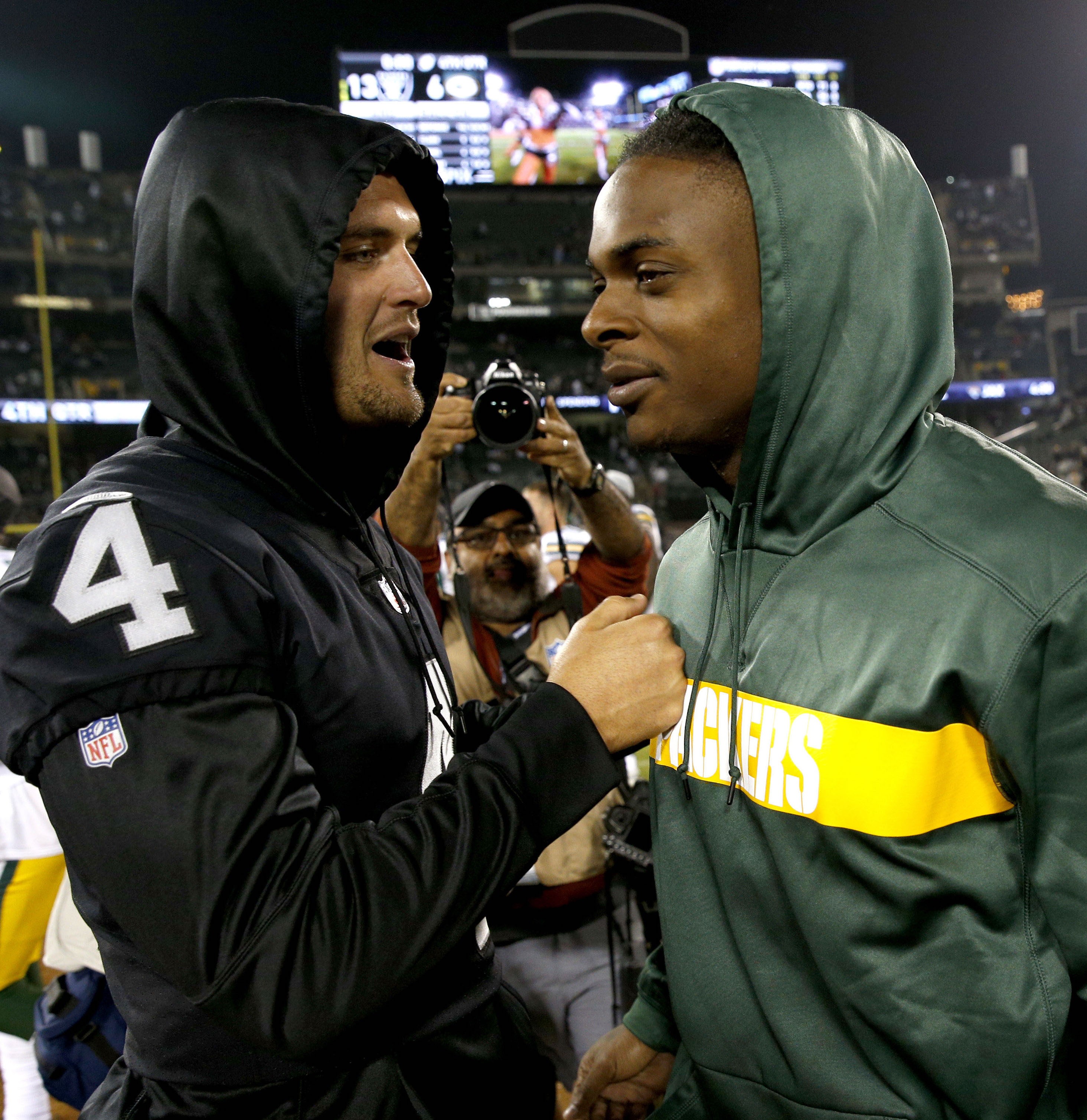 The Raiders were partially responsible for the wideout market’s explosion, trading first- and second-round picks for Davante Adams and extending him at $28MM per year. That came shortly after the team’s Chandler Jones addition. Las Vegas’ Josh McDaniels–Dave Ziegler regime has greenlit extensions for Reggie McKenzie– and Jon Gruden-era holdovers — from Carr to Maxx Crosby to Hunter Renfrow. Will a Darren Waller deal follow?
Of last season’s conference kingpins, the Chiefs and Titans endured the biggest losses. Hill and Tyrann Mathieu‘s exits will test the six-time reigning AFC West champs, while last year’s No. 1 seed balked at a monster A.J. Brown extension by trading him to the Eagles for a package headlined by a 2022 first-rounder. Both teams did address some needs early in the draft, but the Bengals and Bills look to have definitively improved their rosters.
Cincinnati augmented its bottom-tier offensive line by signing La’el Collins, Alex Cappa and Ted Karras. The defending AFC champions retained almost their entire defense, though Jessie Bates is not especially happy on the franchise tag. Buffalo reloaded as well, adding Von Miller to a defensive line that has lacked a top-end pass rusher for a while. The team swapped out ex-UDFA Levi Wallace for first-round cornerback Kaiir Elam, and James Cook is the Bills’ highest running back draftee since C.J. Spiller 12 years ago. How significant will the Brian Daboll-for-Ken Dorsey OC swap be?
 Although Cincy’s AFC North competition made improvements, some caveats come with them. The Ravens filled their center and right tackle spots, with first-rounder Tyler Linderbaum and veteran Morgan Moses, and are now flush with safeties following the arrivals of Marcus Williams and Kyle Hamilton. But Baltimore’s Lamar Jackson situation has reached a strange stage, with the top three Ravens power brokers indicating the former MVP has not shown extension interest. Cleveland landed Amari Cooper for Day 3 draft capital and, on paper, rivaled Denver’s QB upgrade. Historic draft compensation and a shocking $230MM guarantee was required for the Browns to pull it off. But their Deshaun Watson trade has generated considerable drama — to the point the ex-Texans Pro Bowler cannot be considered a lock to play in 2022.
Oddsmakers do not expect the Jaguars’ moves to translate to 2022 contention, but the team did hire a former Super Bowl-winning coach in Doug Pederson and spend wildly for lineup upgrades — from Christian Kirk to Brandon Scherff to Foye Oluokun — and used two first-round picks (Travon Walker, Devin Lloyd) to further upgrade its defense. Going from Urban Meyer to Pederson should offer stability to a franchise that has lacked it, never more so than in 2021.
The Jets chased big-name receivers for weeks but came away with Garrett Wilson in a highly praised three-first-rounder draft. New York’s last-ranked defense now has new pieces in first-rounders Sauce Gardner and Jermaine Johnson, along with DBs Jordan Whitehead and D.J. Reed. Miami made a stunning coaching change by firing Brian Flores, which produced a tidal wave of controversy, but the now-Mike McDaniel-led team also paid up for splashy additions in Hill and Terron Armstead while retaining steady edge rusher Emmanuel Ogbah.
Are there other teams that warrant mention here? Vote in PFR’s latest poll and weigh in with your thoughts on the new-look AFC in the comments section.
Which AFC team had the best offseason?
-
Denver Broncos 13% (421)
-
Las Vegas Raiders 12% (388)
-
Miami Dolphins 11% (369)
-
Los Angeles Chargers 10% (326)
-
Cincinnati Bengals 9% (305)
-
New York Jets 8% (262)
-
Buffalo Bills 6% (211)
-
Pittsburgh Steelers 6% (185)
-
Baltimore Ravens 5% (165)
-
Kansas City Chiefs 5% (163)
-
Cleveland Browns 4% (137)
-
Indianapolis Colts 4% (119)
-
Houston Texans 2% (80)
-
New England Patriots 2% (69)
-
Jacksonville Jaguars 1% (35)
-
Tennessee Titans 1% (23)
Total votes: 3,258
How Will Broncos Proceed With Crowded OLB Corps?
Visions of a long-term Von Miller–Bradley Chubb edge partnership mostly proved fleeting for the Broncos, who saw injuries sideline at least one member of this tandem for most of its three-plus-season tenure. The 2018 season, when Miller and his then-rookie sidekick combined for 26.5 sacks, turned into a mirage.
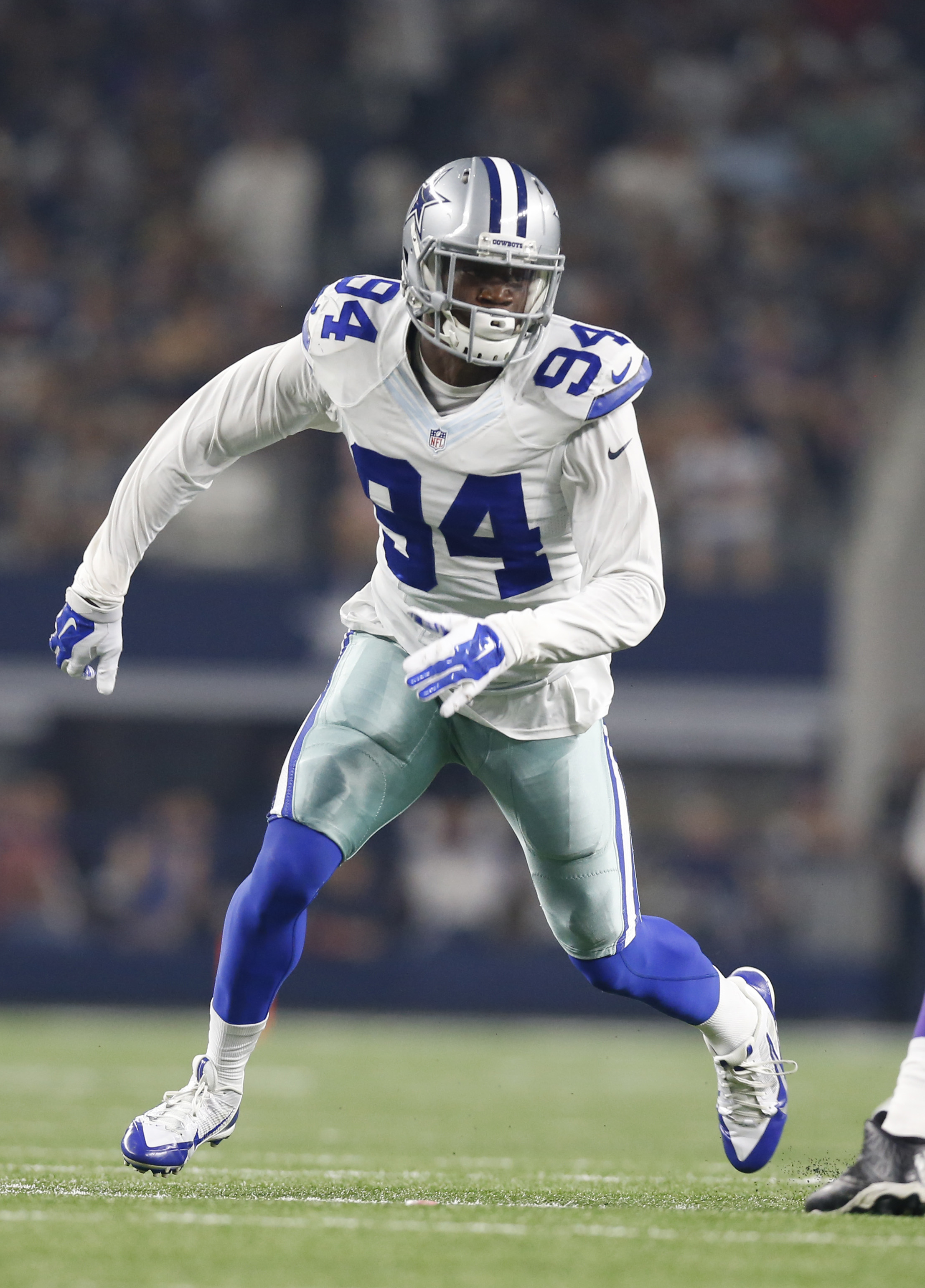 The Broncos’ 2022 contingent of edge rushers presents intrigue, even if it is the first in 12 years not to include the best pass rusher in franchise history. Denver’s Miller trade allowed the team to finish stockpiling its cast of pass rushers, bringing second- and third-round 2022 picks, but with only Randy Gregory locked in as a long-term starter (and given Gregory’s history, that classification might be premature), how the team proceeds with this crew will be interesting ahead of what promises to be a high-profile division race.
Gregory signed a five-year, $70MM deal in March, backing out of a Cowboys agreement at the last minute due to contract language. Suspended four times as a pro, Gregory showed considerable promise during his final Dallas season. If that form is a true indicator of the former second-rounder’s form, the Broncos having him signed to a $14MM-per-year deal will age well as the salary cap’s rise has pushed edge rusher salaries toward the $30MM-AAV mark. Gregory, whose drug suspensions could give him a “young 29” presence, carries boom-or-bust potential. From a roster-building standpoint, more questions surround his supporting cast.
Chubb made the Pro Bowl in 2020, despite accumulating just 7.5 sacks and one forced fumble, and racked up 12 sacks as a rookie. But the two ankle surgeries he underwent last year brought limitations and questions about his future in Denver. (Chubb also sustained an ACL tear in 2019.) George Paton identified the former top-five pick as a core player, and while those comments came before the ankle trouble limited Chubb to seven games in a zero-sack season, the second-year GM expressed Chubb confidence again this year. Paton did extend 2018 second-round pick Courtland Sutton, whom he also called a core talent last year, after an ACL tear. Chubb, 26 later this month, will enter a high-stakes contract year, with Paton reorganizing the team’s edge-rushing stable after the February vote of confidence.
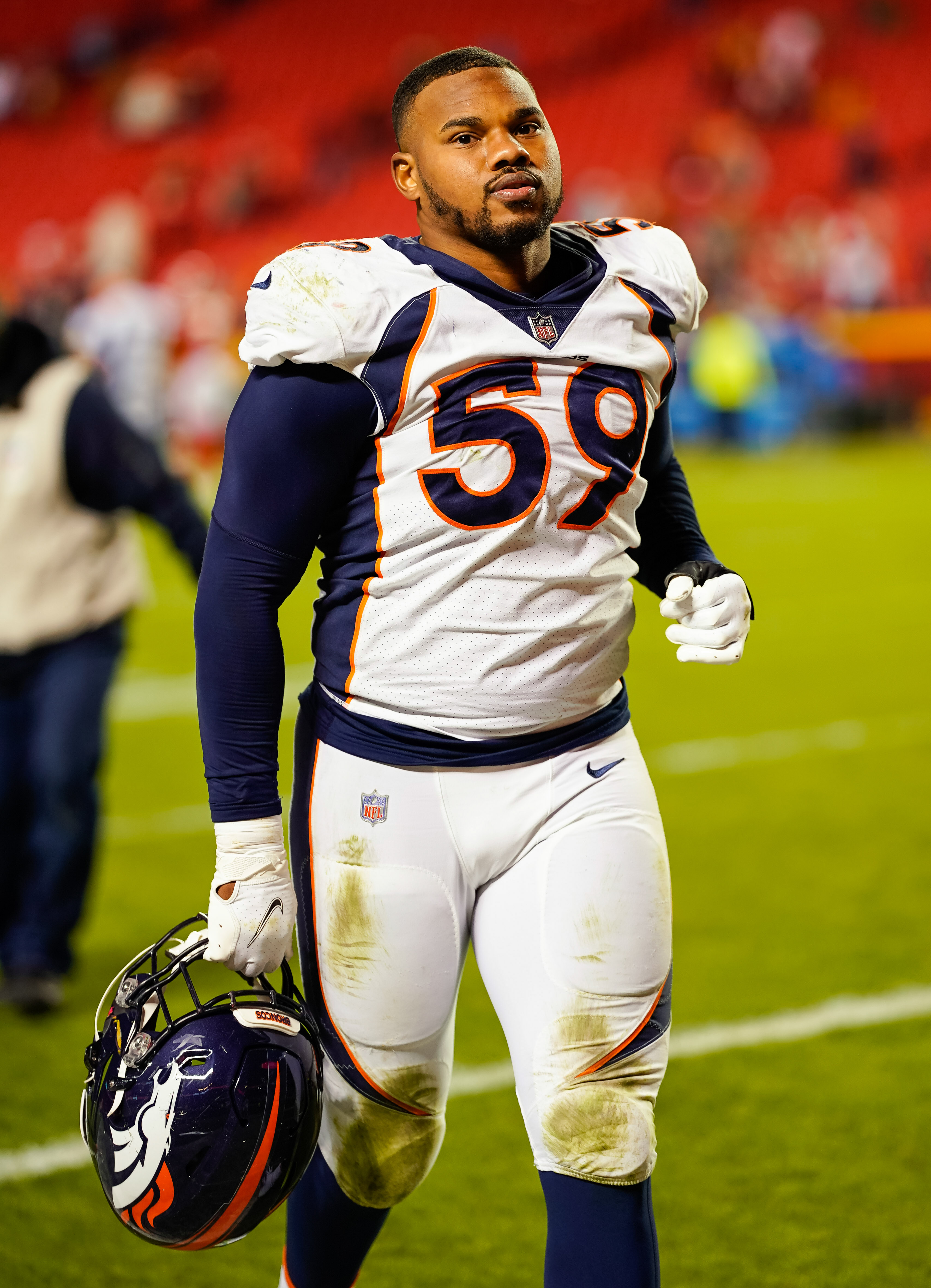 An extension path may still exist for Chubb. Gregory’s AAV checks in just 22nd among edge defenders, and the Chargers and Raiders each have two edges earning north of $17MM per year. But that prospect is murkier than it was last year at this time. Had Chubb not been a first-round pick, he may already be signed to a lucrative deal. The fifth-year option allowed the Broncos to wait, and the team will have cheaper options to flank Gregory beyond 2022 — when Russell Wilson will be playing on a top-market contract.
Denver rosters Malik Reed, a former UDFA who has seen extensive run (34 starts) due to Chubb and Miller’s injuries, and used its top draft choice on Oklahoma edge Nik Bonitto (64th overall). The team also has ex-Ohio State teammates Jonathon Cooper and Baron Browning. Cooper fell to Round 7 because of a heart issue (one that did not keep him out of games last season) and flashed a bit after the Miller trade. The Broncos curiously moved Browning from inside linebacker — where they are much thinner. A 2021 third-rounder, Browning started nine games inside as a rookie.
It will be difficult for the team to roster all six, and its recent penchant for UDFA edge success (Reed, Shaq Barrett) creates a path for Christopher Allen, a 2020 Alabama contributor who missed last season due to a foot injury. The Broncos gave Allen $180K to sign after the draft.
Also in a contract year, Reed has registered 13 sacks over the past two seasons. Though lesser-known than Chubb, Reed profiles as an extension candidate himself. The Broncos would probably stand to save by extending Reed over Chubb, who also looms as a 2023 franchise tag option. Chubb staying healthy this season could create a clear value gap between the two. Denver also has defensive end starter Dre’Mont Jones going into a walk year, creating an unsettled post-2022 mix beyond Gregory and Bonitto.
With Paton-era OLB investments behind Reed, would the Broncos consider trading the frequent fill-in starter ahead of his contract year? They only gave Reed the low-end RFA tender ($2.4MM) in March. That price and Reed’s recent production could be attractive for teams with thinner edge cadres. Chubb is tied to a $12.7MM option salary. A mix of Gregory, Chubb and Reed would limit Bonitto’s rookie-year time. But injuries could obviously change that.
The Broncos faced a surplus situation at cornerback last year but refrained from dealing into it, despite teams showing interest. Chubb’s injury history could prompt Denver to carry an extra outside linebacker on its 53-man roster. Browning’s ability to play on the inside would seemingly represent insurance for an iffy group of inside ‘backers as well. But carrying six edges is on the high end for 3-4 teams.
However the Broncos decide to proceed here, their moving parts on the edge should be a situation to monitor as the revitalized team attempts to compete against high-powered offenses. How that effort goes, particularly from the John Elway-era holdover rushers, will determine how the franchise chooses to complement Gregory beyond 2022.