Offseason In Review: Las Vegas Raiders
The Raiders were unable to follow up their 2021 playoff berth with a .500 season, going 6-11 in Josh McDaniels‘ first year. This generated some faint one-and-done buzz for the polarizing coach. Mark Davis squashed those rumors early, but the second-chance HC faces pressure to make progress in Year 2. The former Patriots staple will go into the season with more familiar faces around him, including one that will inject more risk into the Raiders’ equation.
Free agency additions:
- Jimmy Garoppolo, QB: Three years, $72.75MM ($33.75MM guaranteed)
- Jakobi Meyers, WR: Three years, $33MM ($16MM guaranteed)
- Marcus Epps, S: Two years, $12MM ($7.76MM guaranteed)
- Brian Hoyer, QB: Two years, $4.5MM ($4.21MM guaranteed)
- Robert Spillane, LB: Two years, $7MM ($3MM guaranteed)
- Brandon Facyson, CB: Two years, $6.5MM ($2.27MM guaranteed)
- Austin Hooper, TE: One year, $2.75MM ($2.17MM guaranteed)
- Marcus Peters, CB: One year, $3MM ($1.98MM guaranteed)
- DeAndre Carter, WR: One year, $1.5MM ($1.23MM guaranteed)
- Damien Williams, RB: One year, $1.17MM
- Jacob Bobenmoyer, LS: One year, $1.27MM ($1MM guaranteed)
- Greg Van Roten, G: One year, $1.6MM ($908K guaranteed)
- Roderic Teamer, S: One year, $1.5MM ($729K guaranteed)
- David Long, CB: One year, $1.5MM ($625K guaranteed)
- Duke Shelley, CB: One year, $1.5MM ($500K guaranteed)
- Jaquan Johnson, S: One year, $1.23MM ($432K guaranteed)
- Cam Sims, WR: One year, $1.23MM ($301K guaranteed)
- John Jenkins, DL: One year, $1.32MM ($200K guaranteed)
- Jordan Willis, DL: One year, $1.23MM ($77K guaranteed)
- Phillip Dorsett, WR: One year, $1.23MM
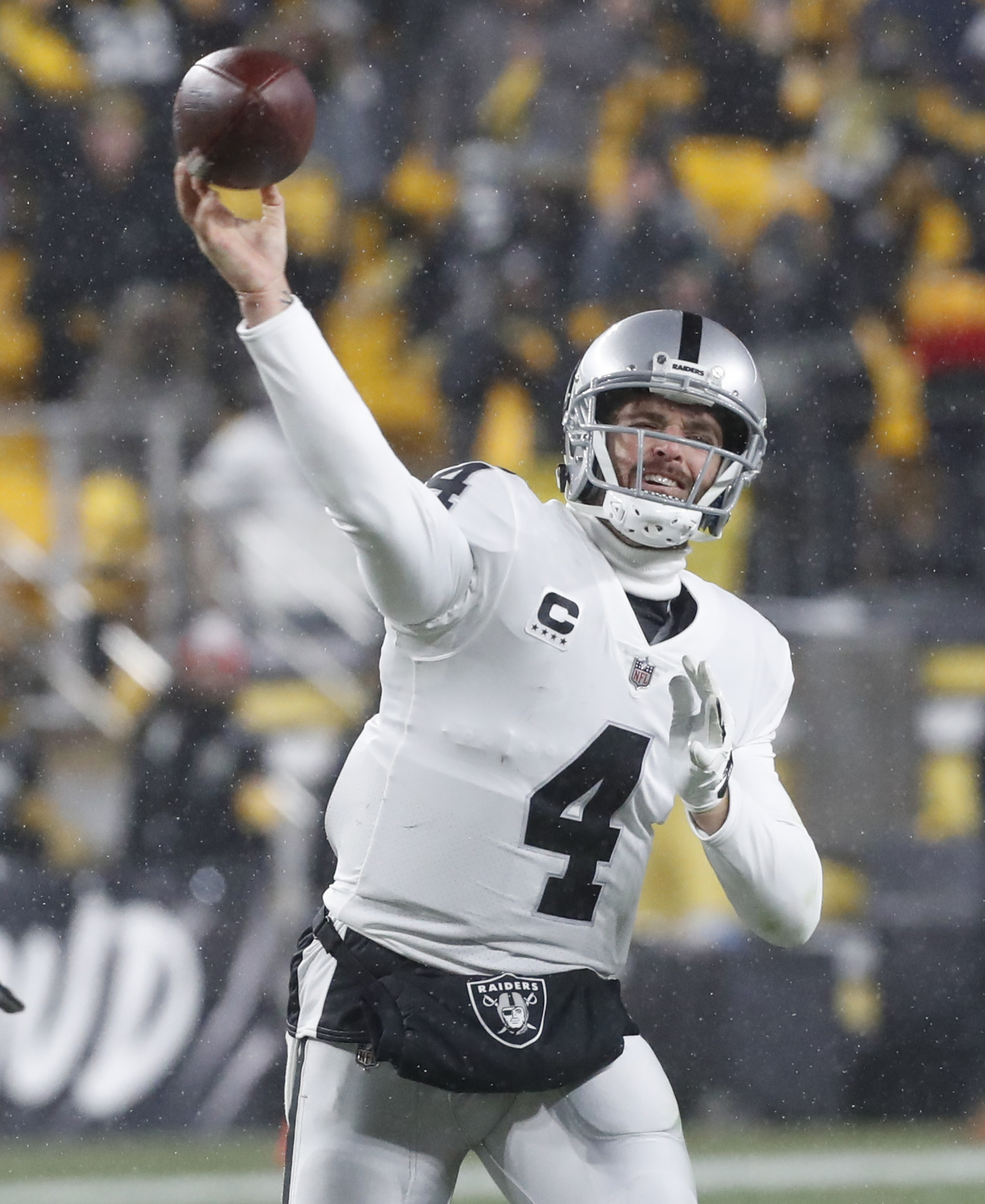
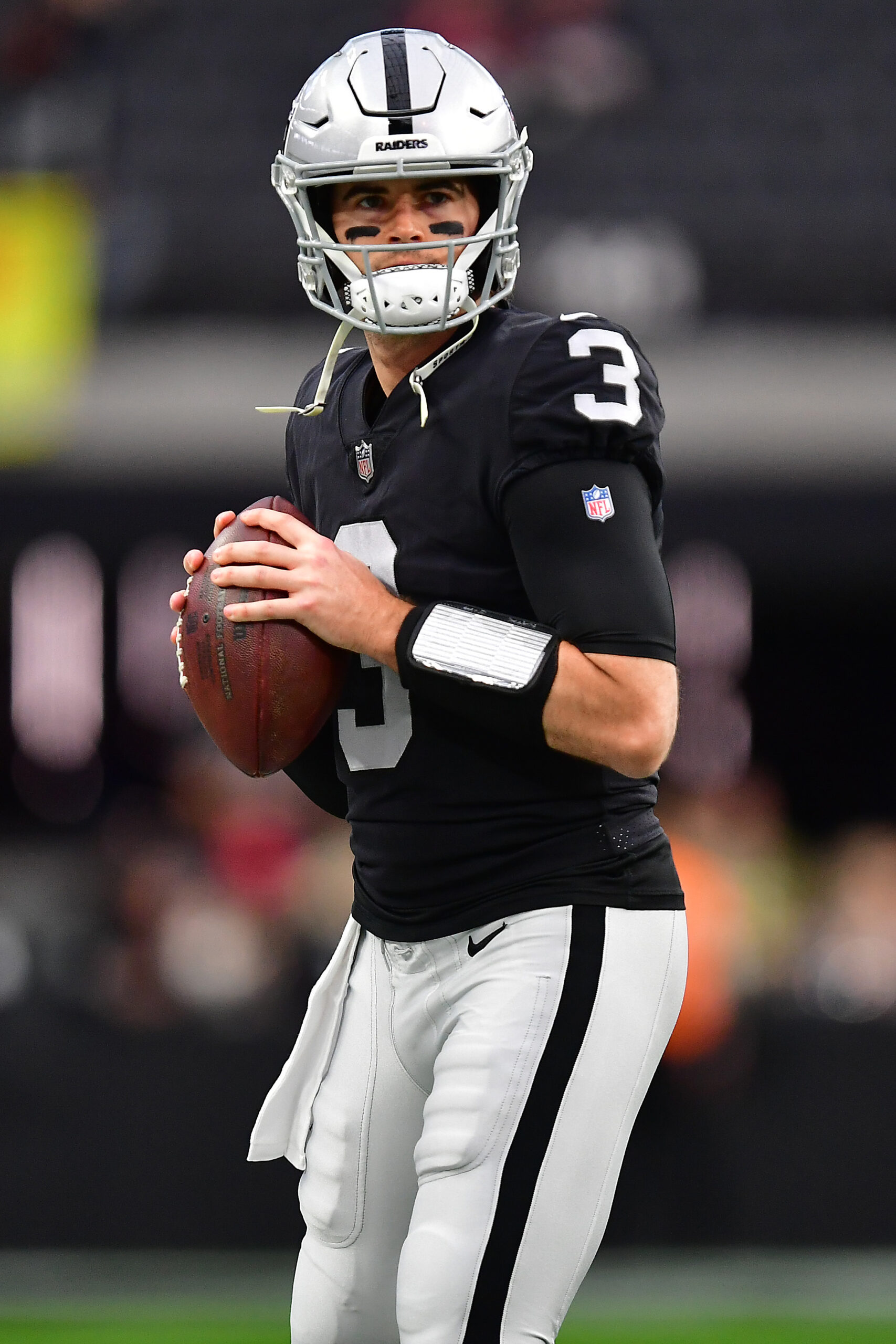
Not only did the Raiders zero in on Garoppolo, they did so after checking on Tom Brady. It is quite possible Garoppolo would have found himself as McDaniels’ second choice behind Brady once again, had the legendary passer not retired for a second time. Brady’s retirement left just one notable ex-Patriots passer on the market, and Garoppolo represents a multiyear stopgap option. Although the contract would allow for a 2024 separation with just $11.25MM in dead money, the Raiders did not use a high draft choice on a quarterback. For the time being, the team has a Garoppolo-centric QB plan in place.
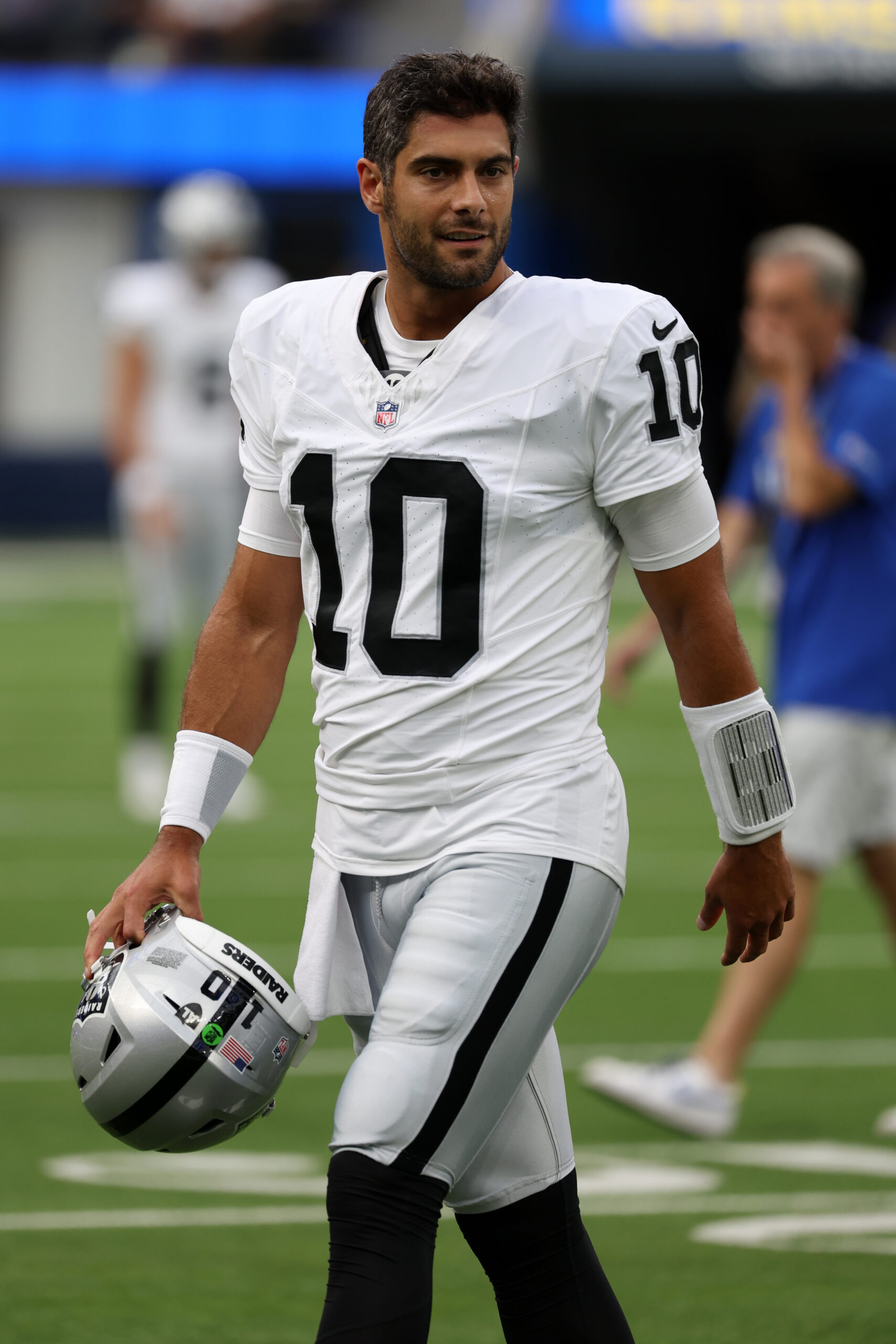 The Patriots’ decision to ship Garoppolo to the 49ers for a second-round pick back in 2017 came with controversy, and the Bill Belichick–Robert Kraft matter affected another franchise’s QB foundation. Rather than sign Kirk Cousins in 2018, the 49ers committed to Garoppolo with a then-record extension. Garoppolo, 31, rewarded the team, which went 38-17 and won four playoff games with the former second-rounder at the controls.
Of course, the immobile passer’s San Francisco stay also brought injuries that have come to define his career. A torn ACL, high ankle sprain preceded 2021 calf, thumb and shoulder injuries. Then, December’s foot fracture ended Garoppolo’s 49ers tenure. All told, Garoppolo has undergone four surgeries and missed 30 games due to injury since that September 2018 ACL tear led to his status as the NFL’s most injury-prone quarterback. Garoppolo’s most recent surgery, to repair the Jones fracture, led to a mini-storyline. The Raiders added a waiver to the middling passer’s contract, and although his passing a physical and beginning training camp on time eliminated the prospect of a quick separation, the addendum illustrates the risk the Raiders are taking with their new QB.
Setting injuries aside (a difficult ask with this particular player), Garoppolo piloted the 49ers to two NFC championship games and Super Bowl LIV. He also rescued the 49ers from their Trey Lance dilemma in 2022, circling back after an offseason of trade rumors to take over once Lance went down in Week 2. Garoppolo began the 49ers’ 12-game win streak, though Brock Purdy‘s stunning form showcased how beneficial Kyle Shanahan and the 49ers’ weaponry can be. QBR placed Garoppolo 12th in 2019, 13th in 2021 and 16th last season, and he completed more than 67% of his passes in 2017, 2019, 2020, ’21 and ’22.
System familiarity aside, McDaniels and GM Dave Ziegler have placed a sizable bet on Garoppolo remaining upright and providing an upgrade on Derek Carr, who, if nothing else, offered durability. The Raiders were also not seriously connected to Aaron Rodgers, giving the Jets free access for the future Hall of Famer.
The Raiders leaned into the Patriots West vibe with Hoyer, who missed most of last season with a concussion and considered retirement this offseason. Going into his age-37 season, Hoyer is the NFL’s second-oldest active quarterback (behind Rodgers). Hoyer had the 2014 Browns in playoff contention — before the Johnny Manziel debacle unveiled itself — and quarterbacked the 2015 Texans to the playoffs. He is well past that prime, and while fourth-rounder Aidan O’Connell may be the next man up if/when Garoppolo goes down, Hoyer — a McDaniels charge for four seasons in New England — took first-team reps during Las Vegas’ offseason program.
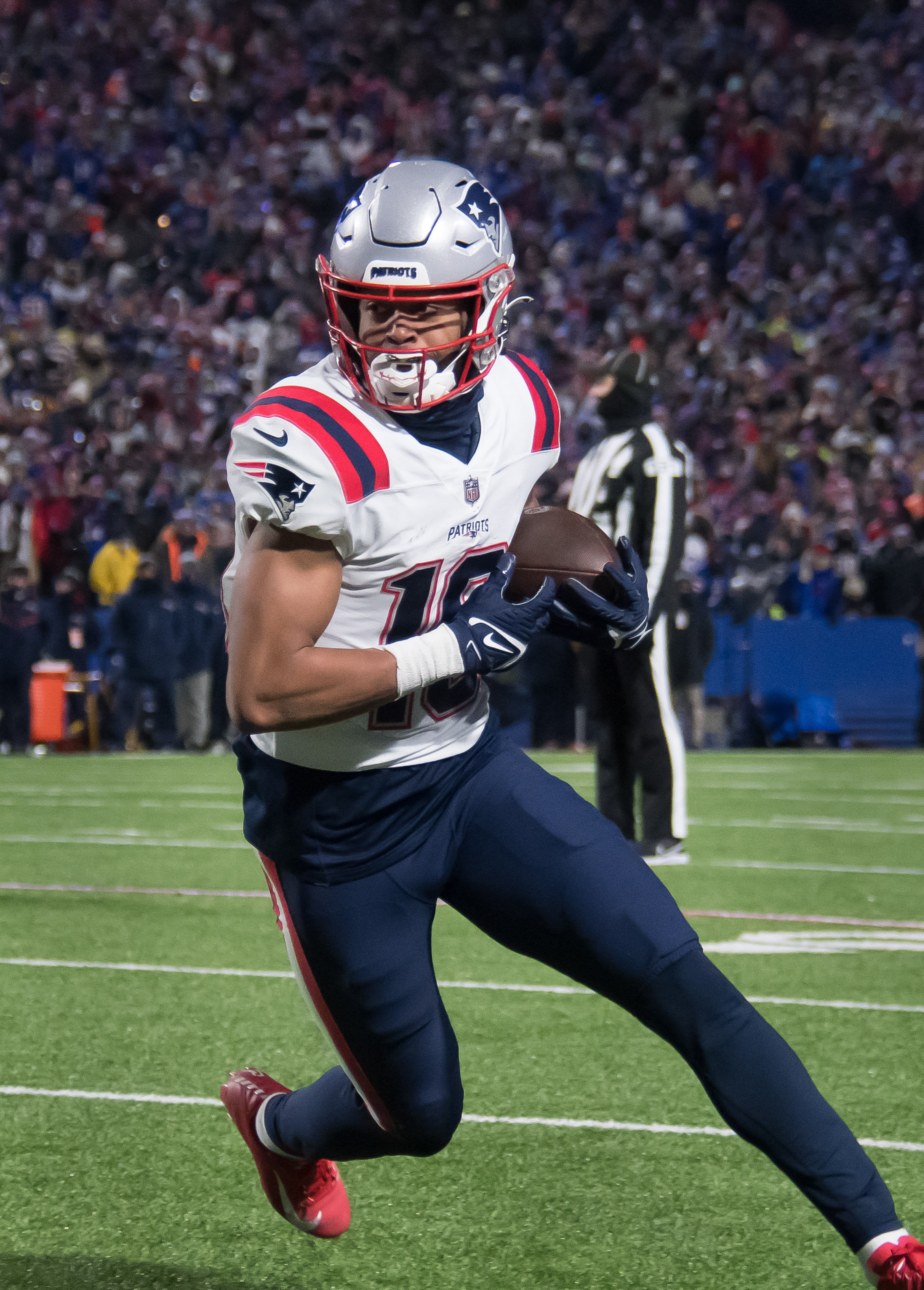 Keeping this Foxborough-to-Vegas theme going, Meyers is back at the scene of his best-known NFL sequence. The former UDFA’s lateral-gone-bad does not define his career, as he was the steadiest Patriots wide receiver post-Julian Edelman. He is one eight former Patriots offensive players on the Raiders’ roster. Meyers and Garoppolo required the biggest commitments, with the former one of the top options in a shaky free agent WR class.
Meyers, 26, collected the second-most guaranteed money in this year’s class; only Allen Lazard‘s $22MM to rejoin Rodgers eclipsed it. Meyers did not rank inside the top 55 in yards per reception in any of the past three seasons, and he famously set an NFL record for the most receiving yards before scoring a touchdown. But Meyers became Mac Jones‘ security blanket, notching back-to-back 800-plus-yard seasons — the second in the Pats’ disjointed post-McDaniels offense — and found the end zone six times last year. As defenses key on Davante Adams, Meyers will be an important part of McDaniels’ second Vegas attack.
The Raiders operated strangely at cornerback, letting Rock Ya-Sin walk and taking fliers on low-cost options during the spring. Shelley, Long and Facyson combined to secure barely $3MM guaranteed, and after training camp, it looks like none of them will start. The Raiders are likely to use Nate Hobbs and fourth-rounder Jakorian Bennett alongside Peters, who signed just before camp after being linked to the Raiders for months.
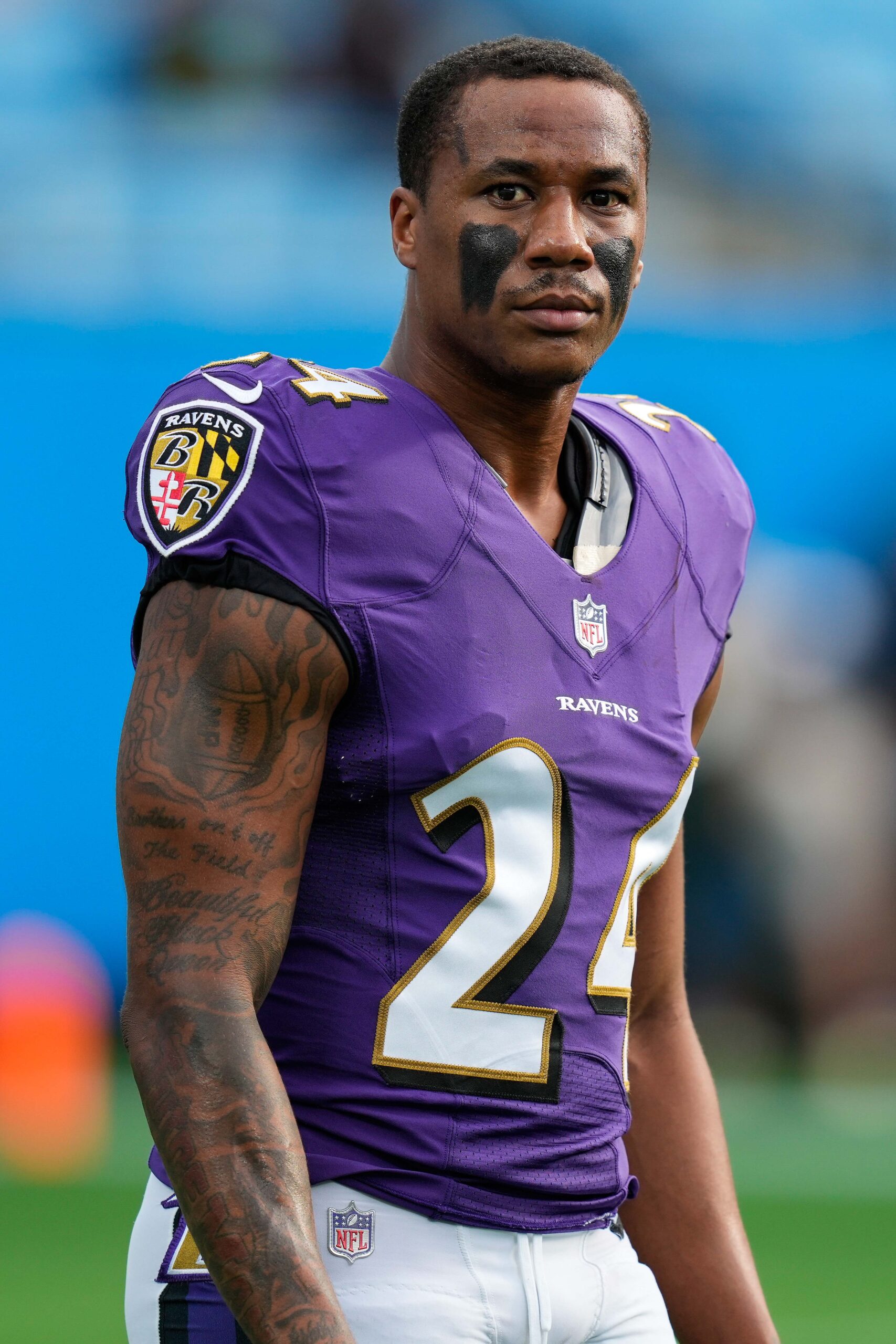 A Raiders fan growing up in Oakland, Peters will be counted on to reprise his takeaway-crazed form. Now two years removed from an ACL tear that nixed his 2021 season, the ex-Chiefs first-rounder should be a decent bet to bounce back in Vegas. Coming off the knee injury last year, Peters surrendered seven touchdowns as the nearest defender and allowing a passer rating of 113.7 — a mark far north of his previous two Ravens figures — and missed the final three games of the season with a calf strain.
Peters, 30, cannot be assessed without noting his elite turnover impact. Despite missing the 2021 season, the 6-foot corner leads the NFL in INTs (32) since his 2015 rookie season. The former Defensive Rookie of the Year has also forced 11 fumbles and scored seven TDs. This production offsets his coverage gambles to a degree.
Epps, 27, used a strong 2022 offseason to become an every-down player for the Eagles, who trotted out the former backup on 1,096 defensive snaps — more than double his previous high. PFF did not rate Epps highly (70th) among safeties in his breakout year, but the NFC champions relied on him as C.J. Gardner-Johnson and Avonte Maddox missed time. As the Silver and Black feature some questions at corner, Epps and Tre’von Moehrig will start at safety.
Re-signings:
- Jerry Tillery, DL: Two years, $6.8MM ($3.85MM guaranteed)
- Jermaine Eluemunor: One year, $3MM ($2.44MM guaranteed)
- Alex Bars, G: One year, $1.5MM ($618K guaranteed)
- Ameer Abdullah, RB: One year, $1.75MM ($500K guaranteed)
- Brandon Parker, T: One year, $1.5MM ($475K guaranteed)
- Jakob Johnson, FB: One year, $1.63MM ($275K guaranteed)
- Keelan Cole, WR: One year, $1.23MM ($77K guaranteed)
- Jacob Hollister, TE: One year, $1.1MM
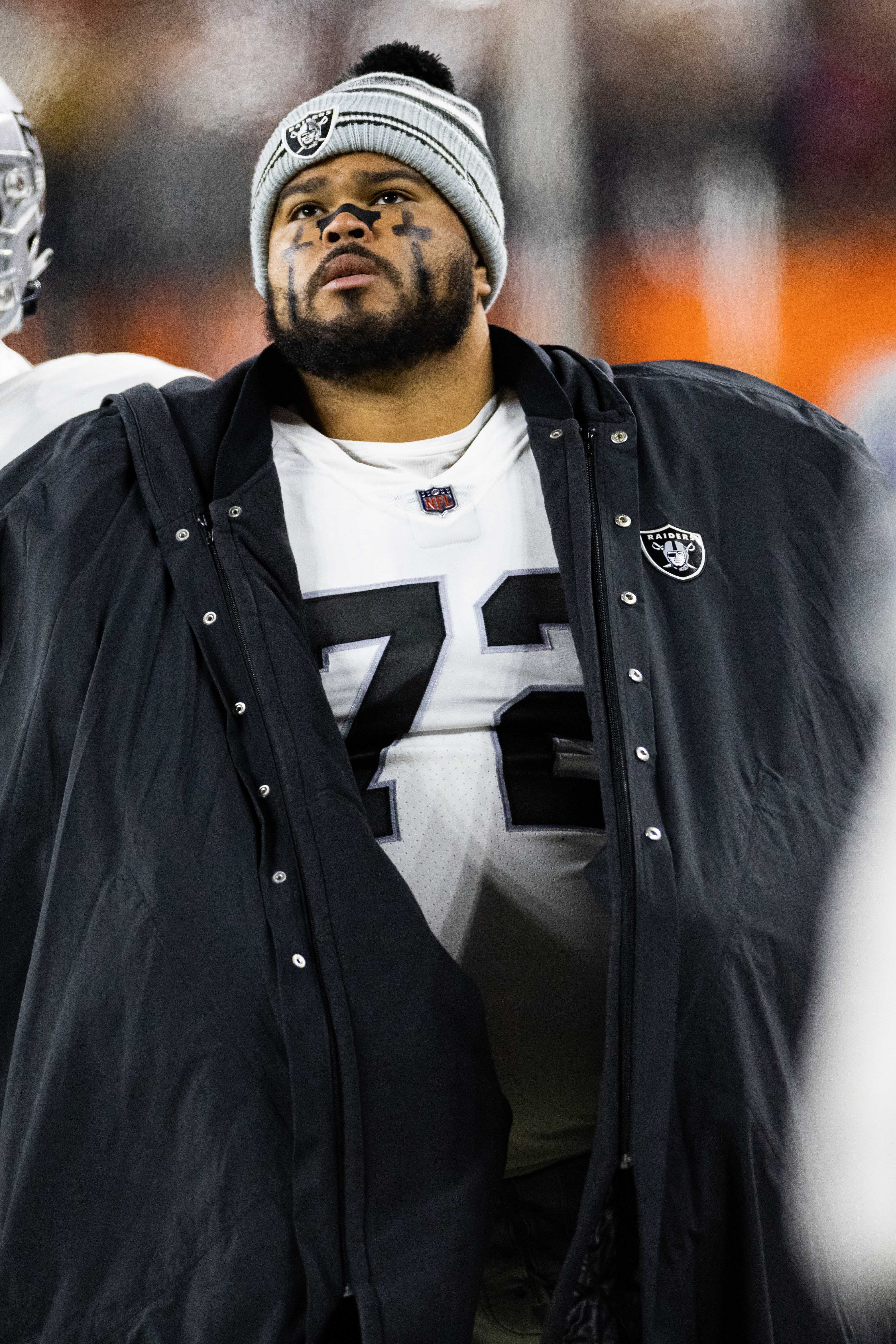 The McDaniels regime did seem to coax quality play from an offensive line that came into last season with a number of questions. PFF ranked the Raiders’ front 10th, and it drove Josh Jacobs to the rushing title. That said, it was surprising to see the Raiders largely punt on outside acquisitions this year. Van Roten, a former Panthers and Jets regular with 54 career starts, is the only notable outside hire up front. As Van Roten attempts to unseat Bars, the Raiders will run it back elsewhere up front. The 49ers gave Garoppolo Trent Williams and Mike McGlinchey over the past three seasons; will the Raiders regret not doing more as they attempt to protect their fragile investment?
PFF graded Bars as by far the worst Raiders O-line starter, placing him as a bottom-10 guard in 2022. But it is possible Las Vegas uses the same right side it did last season. Eluemunor, who played for McDaniels in New England in from 2019-20, has started at both guard and tackle in Vegas. The Raiders are considering Eluemunor at both spots, with 2022 seventh-rounder Thayer Munford in contention to unseat the veteran, 28, from the RT post he manned last year. Van Roten and Eluemunor give the Raiders some options and experience up front. The team also considered moving left guard Dylan Parham, a 2022 third-rounder, to center. But Gruden-era addition Andre James remains there.
A third-round pick in Gruden’s first draft back with the team, Parker represented another option for the Silver and Black. But his career is now at a crossroads, thanks to a second straight IR placement in August.
Notable losses:
- Anthony Averett, CB
- Derek Carr, QB (released)
- Clelin Ferrell, DE
- Duron Harmon, S
- Mack Hollins, WR
- Sidney Jones, CB
- Foster Moreau, TE
- Denzel Perryman, LB
- Trent Sieg, LS (released)
- Jarrett Stidham, QB
- Rock Ya-Sin, CB
Certainly not the best quarterback in Raiders history, Carr stuck around the longest as a starter. Although Ken Stabler was with the Raiders for 13 seasons, AFL icon Daryle Lamonica delayed the Hall of Famer’s QB1 run. As such, Carr’s 142 starts are by far the most by a QB in franchise history. Carr, 32, signed a three-year, $121.5MM extension shortly after McDaniels and Ziegler took over. But the contract included a February escape hatch. The Raiders got out early, benching Carr before Week 17 and ending a nine-year partnership weeks later.
Offseason In Review: Atlanta Falcons
Winners of seven games in four of the past five seasons, the Falcons have both overachieved talent-wise — during the Arthur Smith years, at least — while largely hovering off the radar. After two clear transition years that brought substantial dead money into the equation, the Falcons’ Smith-Terry Fontenot operation has moved to a point where playoff contention — in what looks like the worst division in the weaker of the two conferences — should be expected.
While the Falcons’ quarterback plan overshadows the rest of their 2023 blueprint, Smith’s seat is not as hot as Ron Rivera‘s in Washington. The Commanders’ QB approach most closely matches the Falcons’, but the NFC South presents a better opportunity to try a mid-round signal-caller. And Desmond Ridder is set to enjoy a flashy array of weapons. In addition to the team avoiding a push for a better option under center while upgrading around the incumbent, its moves to improve its defensive situation defined the offseason.
Extensions and restructures:
- Signed G Chris Lindstrom to five-year, $102.5MM extension ($48.2MM guaranteed)
- Created $4.2MM in cap space by restructuring LT Jake Matthews‘ contract
Day 1 of the legal tampering period shaped the Falcons’ offseason. The team reached a few agreements with defensive starters and began its busy day by acquiring Jonnu Smith via trade. But the most expensive transaction transpired minutes later. Four years after going in the first round, Lindstrom secured a guard-record contract.
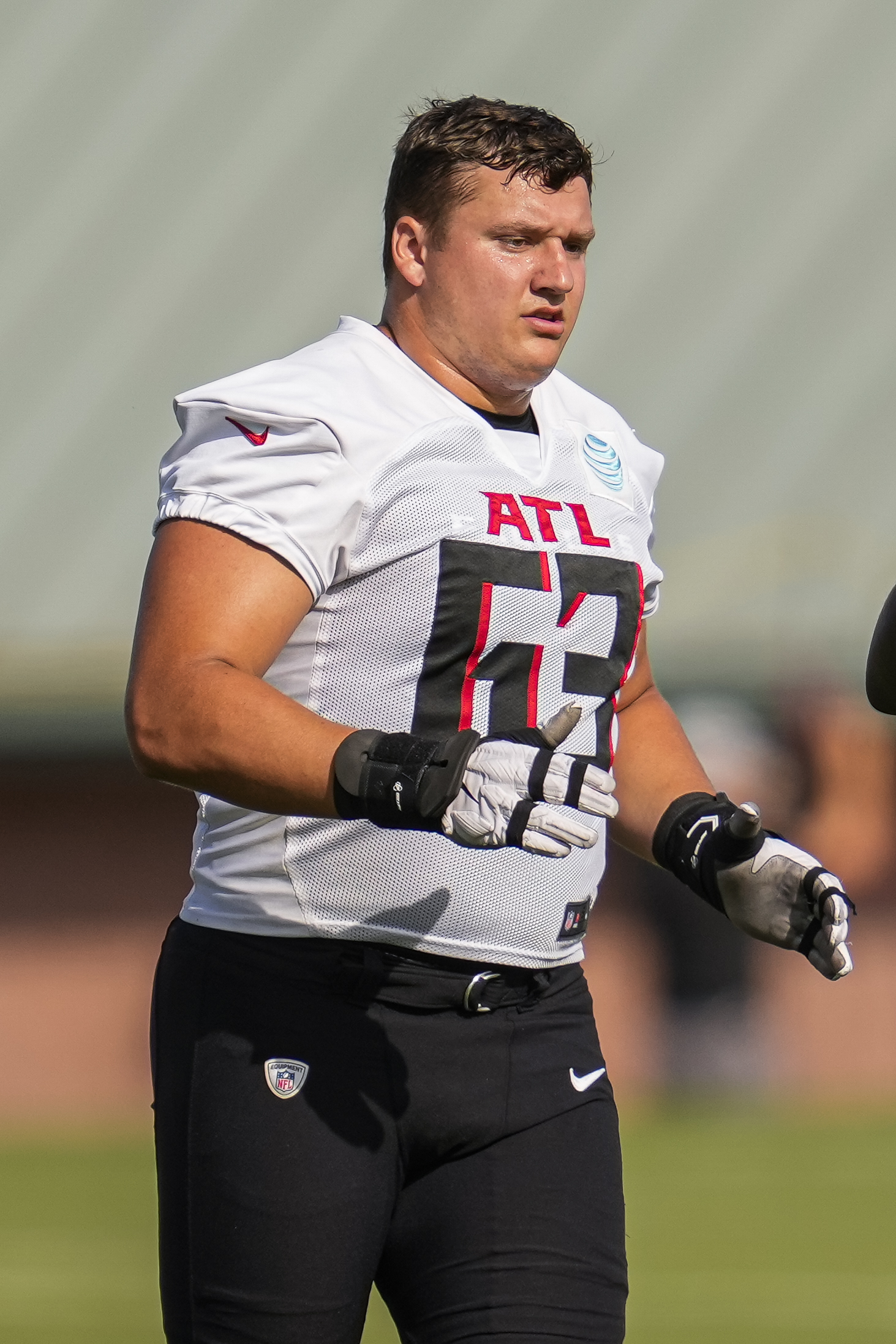 When the Colts gave Quenton Nelson his $20MM-per-year windfall, that AAV checked in $3.5MM north of any other guard’s. Given Nelson’s accomplishments, it was a bit surprising to see his salary surpassed six months after that Indianapolis contract was finalized. But in a league in which Patrick Mahomes has slipped to the bottom half of the top 10 in QB money, Lindstrom, 26, passing Nelson so soon should not be shocking. While Nelson has three first-team All-Pro nods to Lindstrom’s none, the latter did rate as Pro Football Focus’ top 2022 guard — by a wide margin — to help the Falcons become a top-three rushing team. The salary cap is back on the rise, and Lindstrom also secured $7.2MM more in guarantees at signing compared to Nelson.
This marked a big day for the Boston College alum, who joins Matthews and Kaleb McGary as eight-figure-per-year O-linemen on Atlanta’s roster. With the Falcons planning to build around Ridder’s rookie contract, this monster Lindstrom re-up makes sense. Extending Lindstrom on this level and finding room for the number of defensive additions this offseason brought would probably have been unrealistic had the Browns not lured away Deshaun Watson at the 11th hour last March.
Free agency additions:
- Jessie Bates, S: Four years, $64MM ($36MM guaranteed)
- David Onyemata, DT: Three years, $35MM ($24.5MM guaranteed)
- Kaden Elliss, LB: Three years, $21.5MM ($10.16MM guaranteed)
- Calais Campbell, DL: One year, $7MM ($7MM guaranteed)
- Taylor Heinicke, QB: One year, $7MM ($6.32MM guaranteed)
- Mike Hughes, CB: Two years, $7MM ($3.24MM guaranteed)
- Bud Dupree, OLB: One year, $3MM ($2.49MM guaranteed)
- Mack Hollins, WR: One year, $2.5MM ($910K guaranteed)
- Tre Flowers, CB: One year, $1.23MM ($500K guaranteed)
- Scotty Miller, WR: One year, $1.23MM ($153K guaranteed)
- Tae Davis, LB: One year, $1.23MM ($102K guaranteed)
- Justin Ellis, DT: One year, $1.17MM
- Joe Gaziano, LB: One year, $1.1MM
- Andre Smith, LB: One year, $1.1MM
- Albert Huggins, DL: One year, $940K
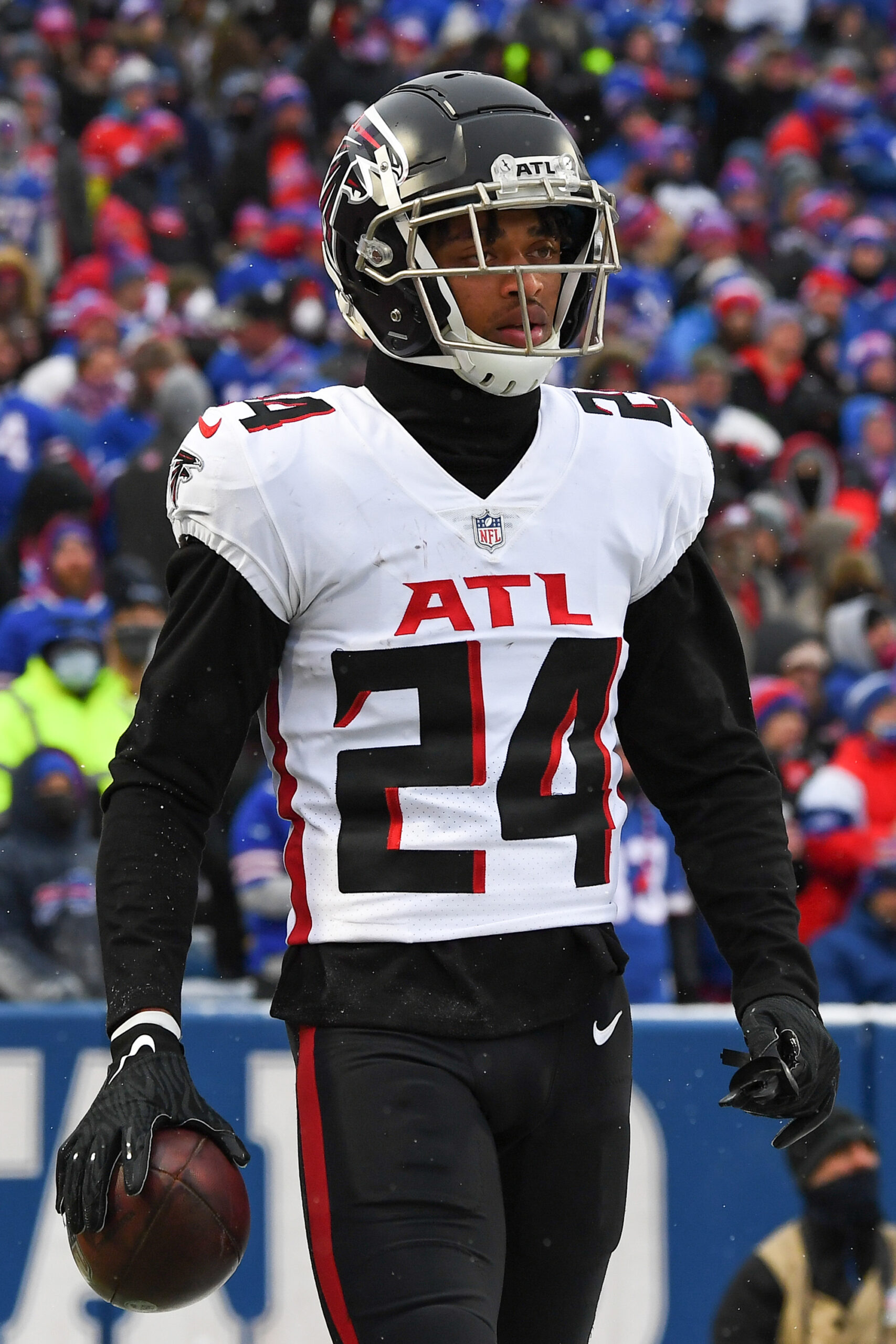
After two less eventful offseasons on the acquisition front, Fontenot spent to fill big needs. Safety represented the Falcons’ top upgrade area. Since its Keanu Neal–Ricardo Allen safety tandem split, Atlanta had seemed to be treading water at this position. While Richie Grant remains in position as a starter, the Falcons paid up to acquire an upgrade at the other post. This year’s safety market featured two clear tiers: Bates, then everyone else. Bates, 26, required an AAV that more than doubled every other free agent safety. The Falcons, who came into the tampering period behind only the Bears in cap space, splurged for the five-year Bengals starter.
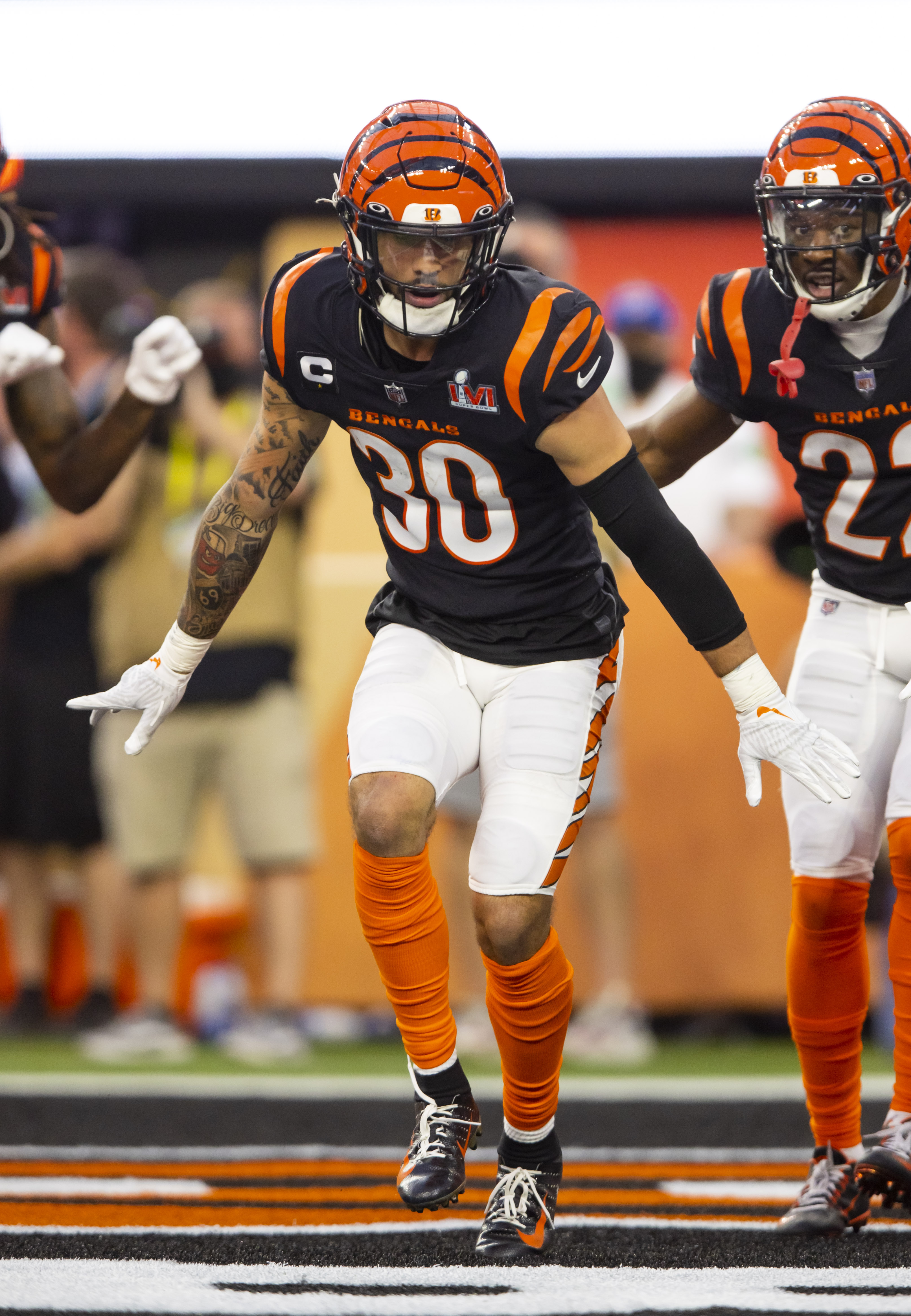 Juan Thornhill, C.J. Gardner-Johnson, Jordan Poyer, Donovan Wilson, Marcus Epps and ex-Bates teammate Vonn Bell all signed deals worth in the $6MM-$8MM range per annum. After playing on the franchise tag, Bates blew away his peers, following Tremaine Edmunds in commanding an action-packed market at a lower-tier position. Bates has missed three career games and arrived in Atlanta after a 14-interception Cincinnati tenure. He added two picks during the 2021 postseason, which also included a tipped pass that set up a Bell INT and led to a field goal that sent the Bengals to Super Bowl LVI.
The Bengals had hoped to re-sign Bell but had long viewed Bates as out of their price range, as their low-guarantee offer revealed before the July 2022 tag deadline. Now, Bates — PFF’s No. 1 overall safety in 2020 — is tied to the fourth-highest safety AAV and the position’s second-highest guarantee.
Beyond Bates, the Falcons’ decision to hire longtime Saints defensive line coach Ryan Nielsen — an ex-Fontenot New Orleans coworker — as their defensive coordinator shaped their defensive payments. Nielsen brought Onyemata, Ellis and Huggins with him from New Orleans. Prior to the Vikings winning out, the Falcons also attempted to reunite Nielsen with defensive end Marcus Davenport. While Davenport defecting to Atlanta as well would have ratcheted up this underrated rivalry, Onyemata and Elliss making Louisiana-to-Georgia treks bring two talents immensely familiar with Nielsen.
Among active players, only Cameron Jordan had spent more time on the Saints’ defense than Onyemata, who was with the team from 2016-22. Onyemata’s arrival predated Nielsen’s in New Orleans, but the new Falcons DC coached the veteran defensive tackle for most of his Saints run. Working as a full-time Saints starter from 2019-22, Onyemata scored a bigger contract at 30 than he did at 27. Playing out a three-year, $26MM deal, the University of Manitoba alum fared well as an inside rusher alongside Jordan. Onyemata notched two five-plus-sack seasons over the past three years and has totaled 48 QB hits over the past four. He will team with Grady Jarrett, who has not enjoyed much in the way of complementary support since Fontenot and Smith arrived.
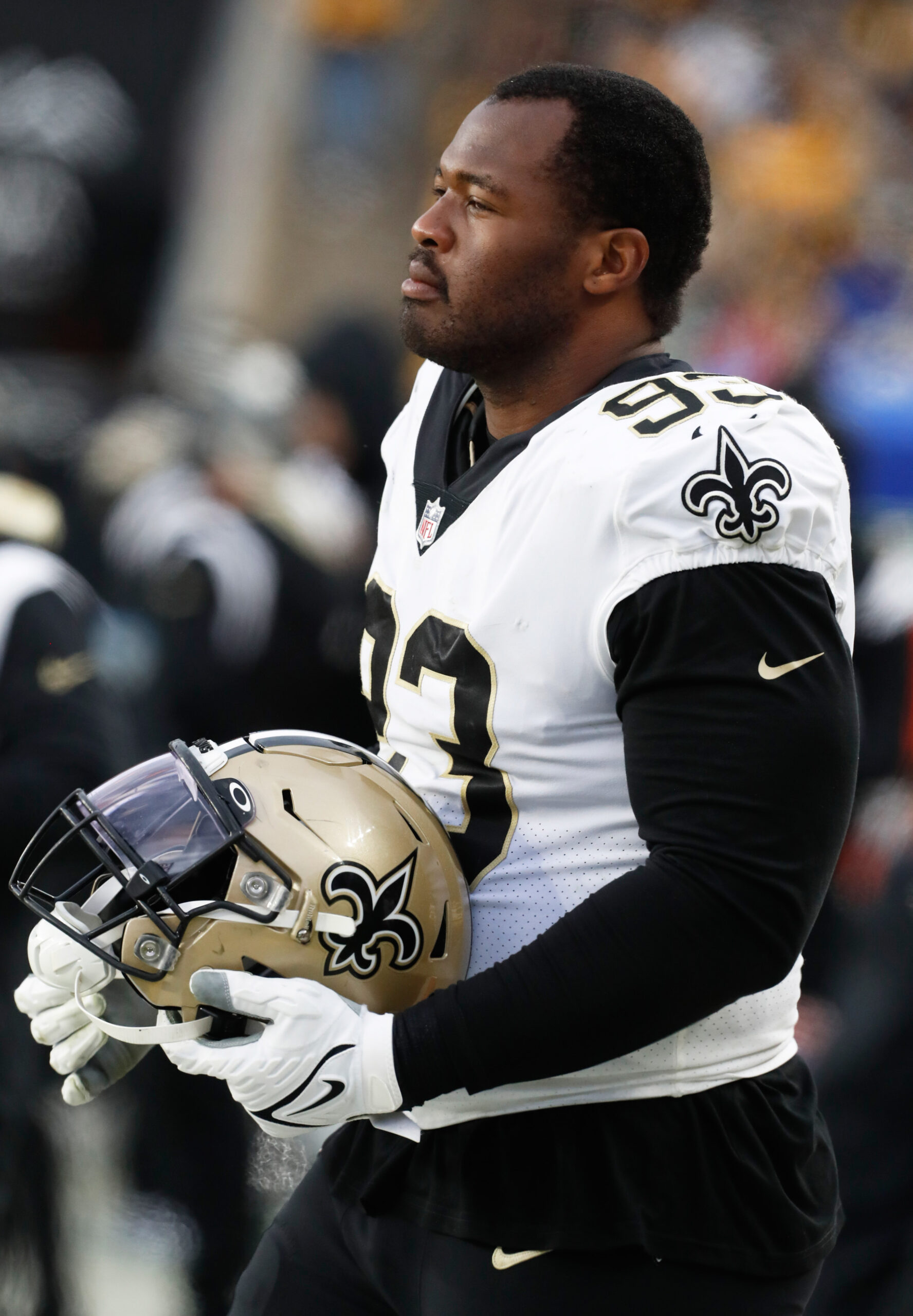 This Elliss contract could bring nice value for the Falcons, one of the many teams who preferred a midlevel linebacker contract rather than going after Edmunds this offseason. While Trey Hendrickson turned a contract-year surge into a run as one of the game’s best pass rushers, Elliss’ Saints run featured even fewer contributions ahead of his platform year. New Orleans had used Elliss as a starter exactly once before last season. In 2022, however, the former seventh-round pick came out of nowhere to tally seven sacks, 78 tackles and two forced fumbles. PFF ranked Elliss seventh among off-ball linebackers last year.
Nielsen’s familiarity with the walk-year wonder should put him in a better positions to sustain that form, though some risk comes with this agreement. But that is mitigated by the modest sum the Falcons authorized. After having the Deion Jones extension on their books for three-plus years, the Falcons have Elliss’ $7.2MM-per-year deal as their top ILB contract. By trading Jones last season, however, the Falcons are still on the hook for $12.1MM in 2023 dead money.
Two well-known cap casualties followed the ex-Saints to Atlanta. The Falcons are spending $10MM combined on Campbell and Dupree, who profile as stopgaps. Campbell is certainly a more proven player; Dupree plays a position from which the Falcons need more production. Only the Bears finished below the Falcons in sacks last season. Atlanta totaled just 21, with only Jarrett (six) surpassing four.
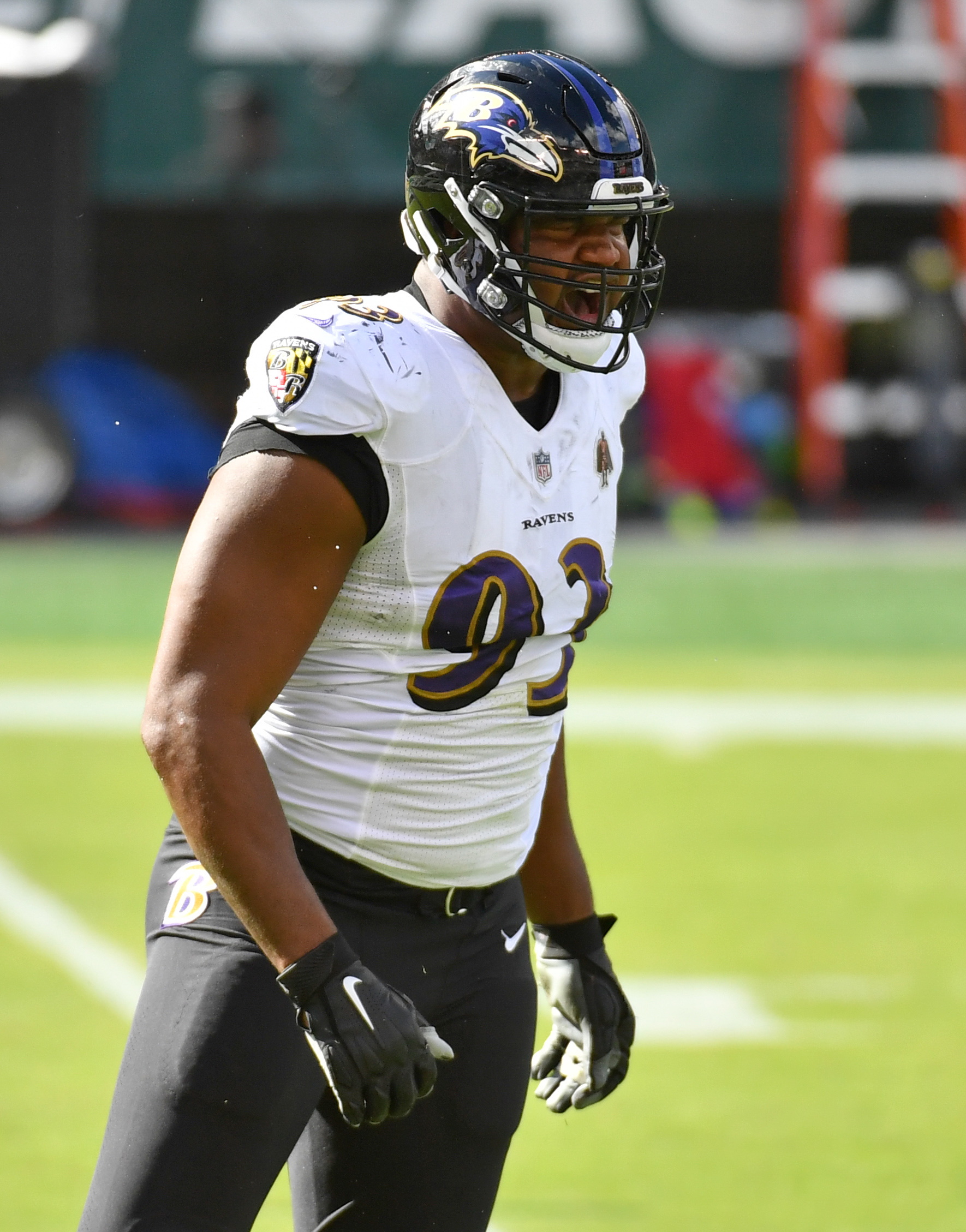 Dupree, 30, did not live up to the five-year, $82.5MM contract he signed with the Titans in 2021. As the Titans struggled to fill their OLB post opposite Harold Landry, Dupree became since-fired GM Jon Robinson‘s most expensive mistake there. The former first-rounder tallied just seven sacks in two Titans slates, missing 12 games in that span. Nearly three years removed from an ACL tear, Dupree may have one more shot to show he is a starter-caliber rusher. But the ninth-year veteran is a Georgia native who totaled 19.5 sacks during his final two Steelers seasons.
Like Jordan in New Orleans, Campbell has used his 30s to make a decent Hall of Fame case. Making vital contributions in Arizona, Jacksonville and Baltimore, Campbell turned down an opportunity to join a Jets team loading up with vets around Aaron Rodgers. Citing off-field opportunities and a connection with the staff in Atlanta, the 6-foot-8 D-lineman/kick-blocking phenom will accompany Onyemata in taking heat off Jarrett. It will be interesting to see how the Falcons deploy Campbell, who has been expected to play more as a defensive end despite a 300-pound frame. Any edge help the soon-to-be 37-year-old can provide would benefit a Falcons steam still featuring questions here, but Campbell has also made steady impacts as an interior D-line presence.
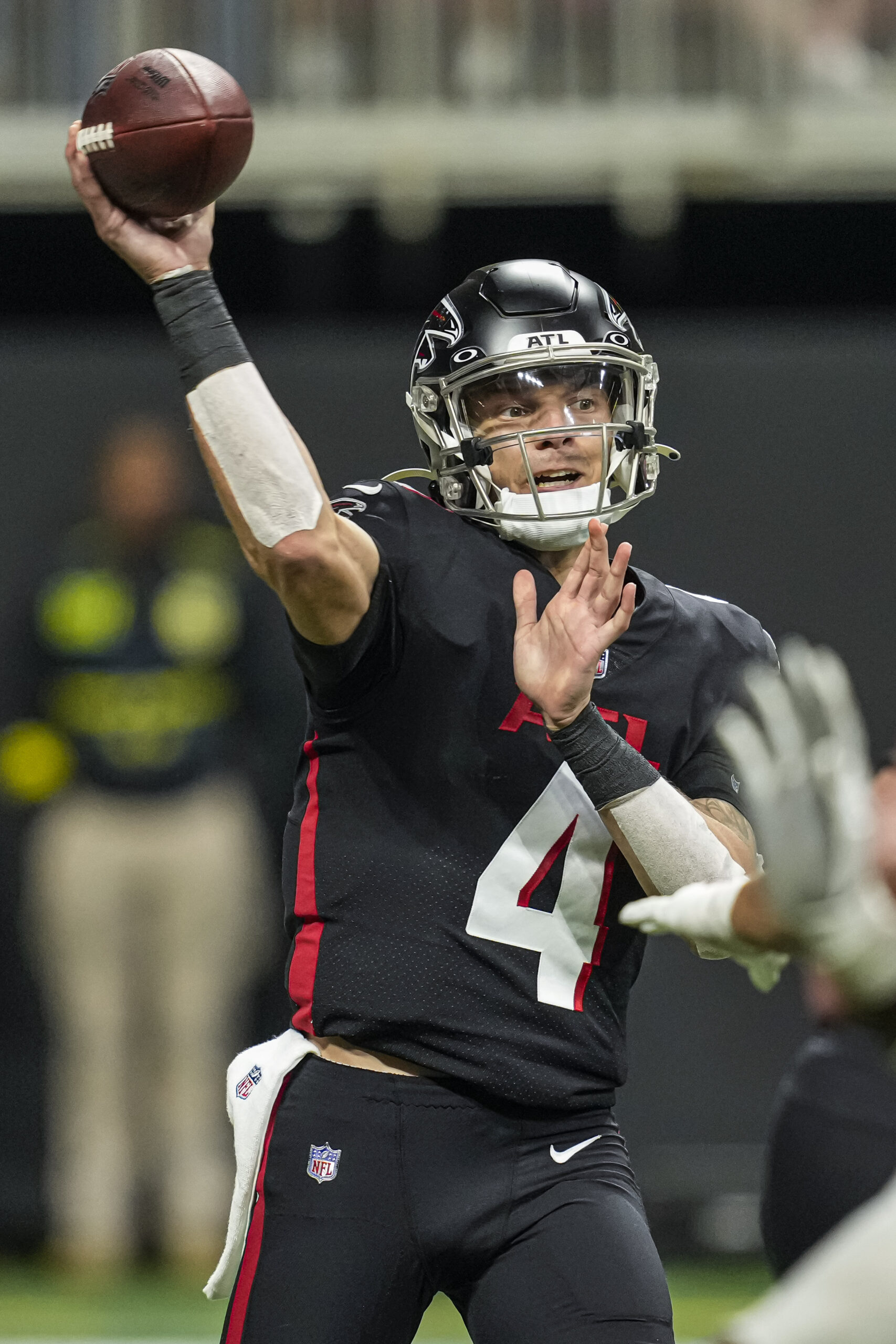
Although Ridder did not need to win a camp battle like Sam Howell did in Washington, the Falcons still spent high-end backup money on Heinicke. Like the Marcus Mariota contract, this deal gives Atlanta an out after Year 1. But Heinicke, 30, represents insurance against Ridder sputtering. Coming off the street to rejoin Rivera at a time of great need in Washington, Heinicke went toe-to-toe with Tom Brady in a stunningly effective wild-card performance. Over the next two seasons, Heinicke went 12-11-1 as a starter. The Commanders needed him as a full-timer after Ryan Fitzpatrick failed to make it out of the first half in Week 1 of the 2021 season, and after Carson Wentz‘s hand injury, the former UDFA helped the 2022 team rebound from a 1-4 start.
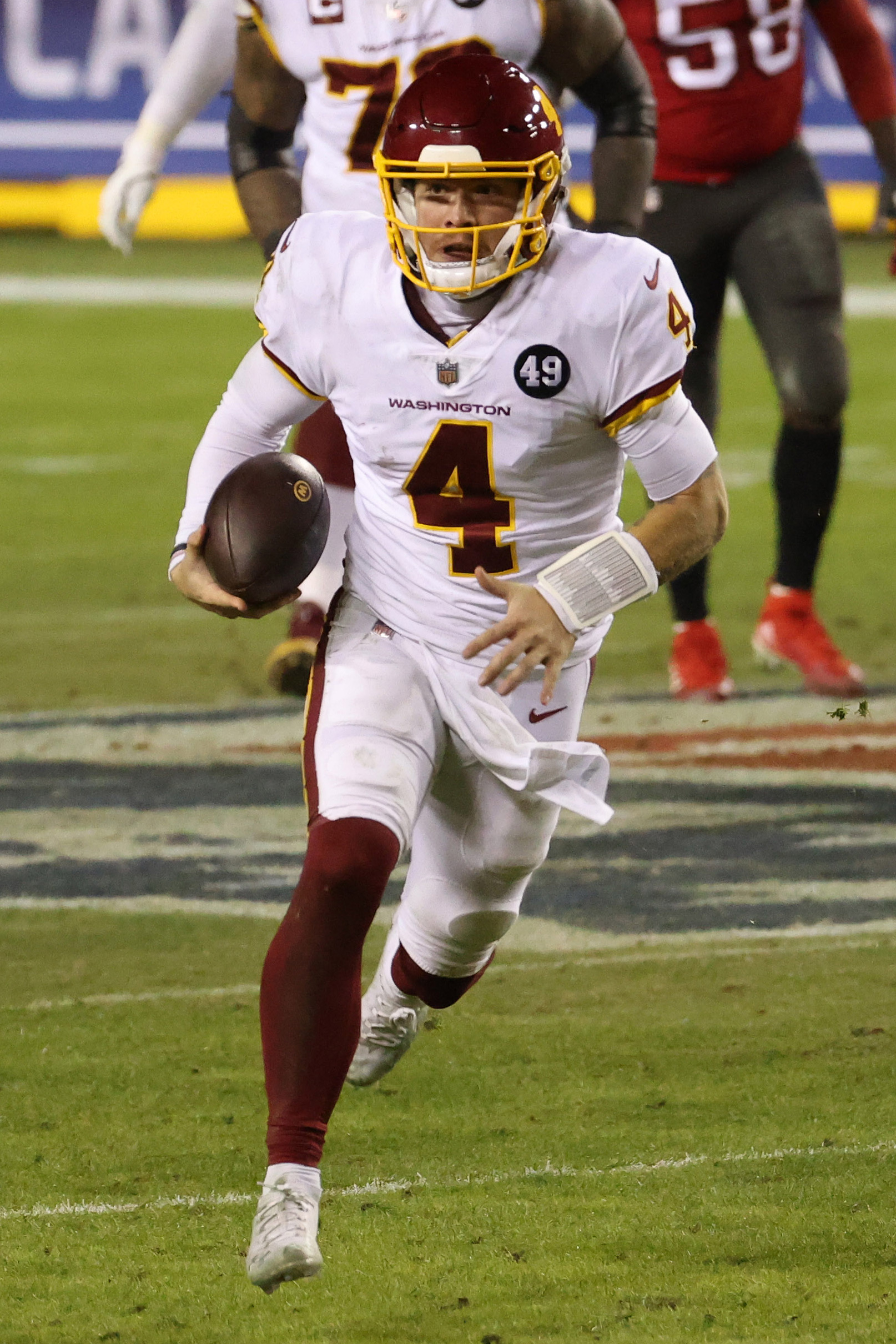 Heinicke brings obvious limitations, but the 6-1 passer’s starter experience provides a safety net should Ridder — an oft-questioned figure this offseason — burn the Falcons for placing so much faith in him. Only two backup QBs topped Heinicke’s $7MM salary last season.
Ahead of his age-30 season, Hollins comes to Atlanta after a surprisingly productive Las Vegas year. With Hunter Renfrow and Darren Waller battling injuries and inconsistency, Hollins became the de facto No. 2 target in Josh McDaniels‘ 2022 offense. The Raiders paid up to upgrade this spot, giving Jakobi Meyers $11MM per year to reunite with his former Patriots OC, but Hollins totaled 690 receiving yards and four touchdowns during his Vegas one-off.
The Falcons will take a flier to see if that is an outlier for a player without another 250-yard season on his resume. The seventh-year veteran is in position to start alongside Drake London. In terms of cap allocations, only the Packers have spent less on their receiving corps that the Falcons, who have $15.3MM devoted to this position on their 2023 payroll.
Re-signings:
- Kaleb McGary, T: Three years, $34.5MM ($15MM guaranteed)
- Lorenzo Carter, OLB: Two years, $9MM ($5.25MM guaranteed)
- Bradley Pinion, P: Three years, $8.65MM ($4.33MM guaranteed)
- Keith Smith, FB: One year, $2.35MM ($625K guaranteed)
- Cornell Armstrong, CB: One year, $1.23MM ($153K guaranteed)
- MyCole Pruitt, TE: One year, $1.22MM
- KhaDarel Hodge, WR: One year, $1.2MM
- Parker Hesse, TE: One year, $940K
With Saquon Barkley, Josh Jacobs and Tony Pollard franchise-tagged, right tackle stood as this free agency class’ top position. Each of the three anchors agreed to deals on Day 1 of the legal tampering period. While Jawaan Taylor and Mike McGlinchey fetched big-ticket agreements with the Chiefs and Broncos, respectively, McGary’s market did not soar to the same level. During their busy first day on the market, the Falcons found room to retain McGary on a mid-tier accord.
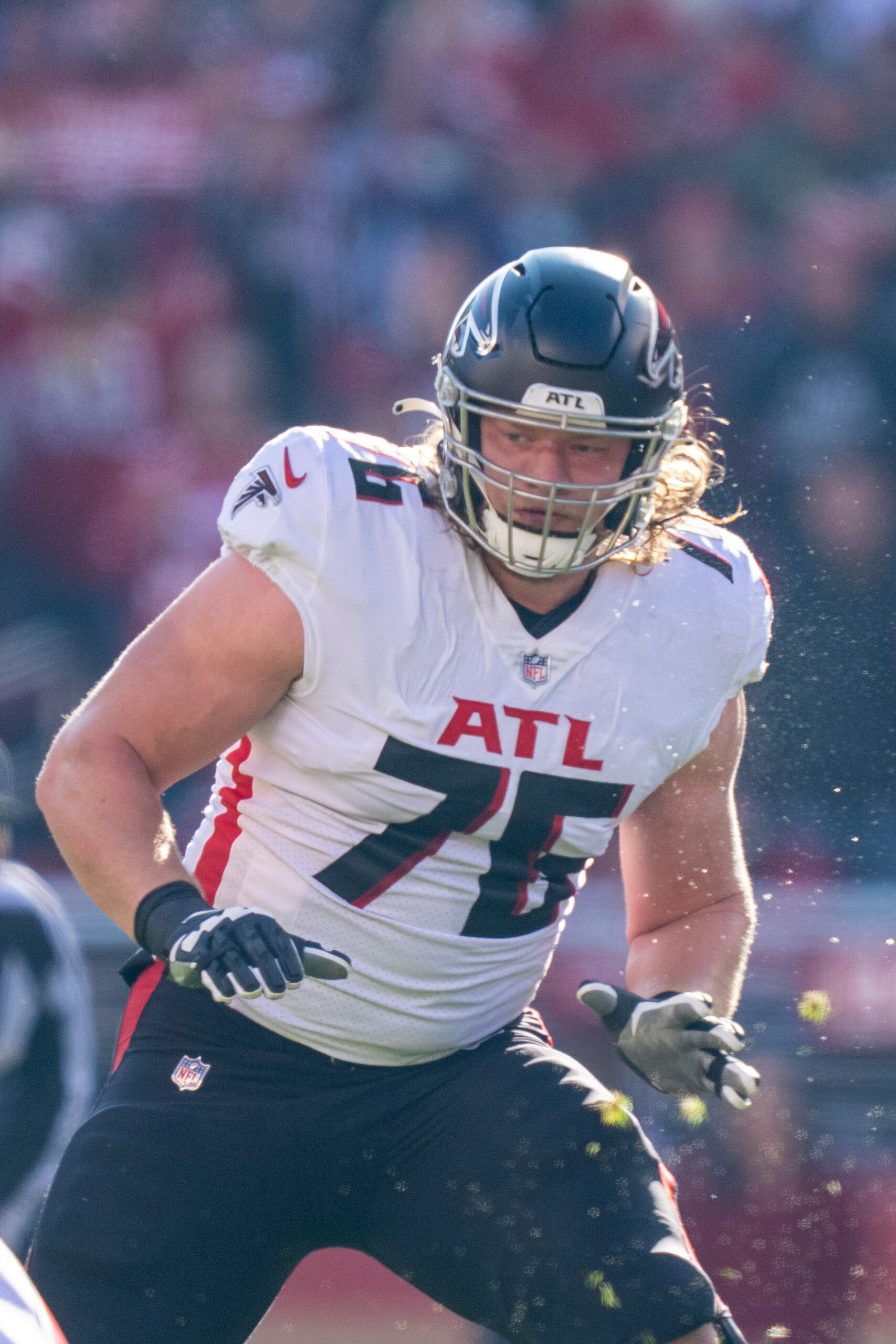 McGary’s $11.5MM AAV is tied for 10th among right tackles — well south of the $20MM and $17.5MM averages Taylor and McGlinchey scored — and his guarantee-at-signing figure sits outside the top 15. This can be traced to McGary’s smaller sample size as a promising blocker. But rather than a “prove it” deal, the Falcons now have McGary signed to a manageable contract through his age-30 season. It perhaps would have made more sense for McGary to accept a “prove it” pact in order to return to free agency after another strong season, but even with Matthews signed for $18.5MM per year, plans to build around Ridder’s rookie deal made this tackle setup palatable for the Falcons.
McGary allowed a whopping 13 sacks as a rookie, and the Falcons declined his fifth-year option in 2022. But the 2019 first-rounder responded with a big contract year, grading as PFF’s No. 4 overall tackle on the strength of an elite run-blocking campaign to this free agency perch. The Falcons may have locked down an ascending talent on the cheap, and if McGary cannot sustain his 2022 form, the $15MM guarantee will not become especially punitive. With high-profile rookie contracts at quarterback and each of its skill positions, the Falcons have smartly invested big dollars in their O-line.
Offseason In Review: Cleveland Browns
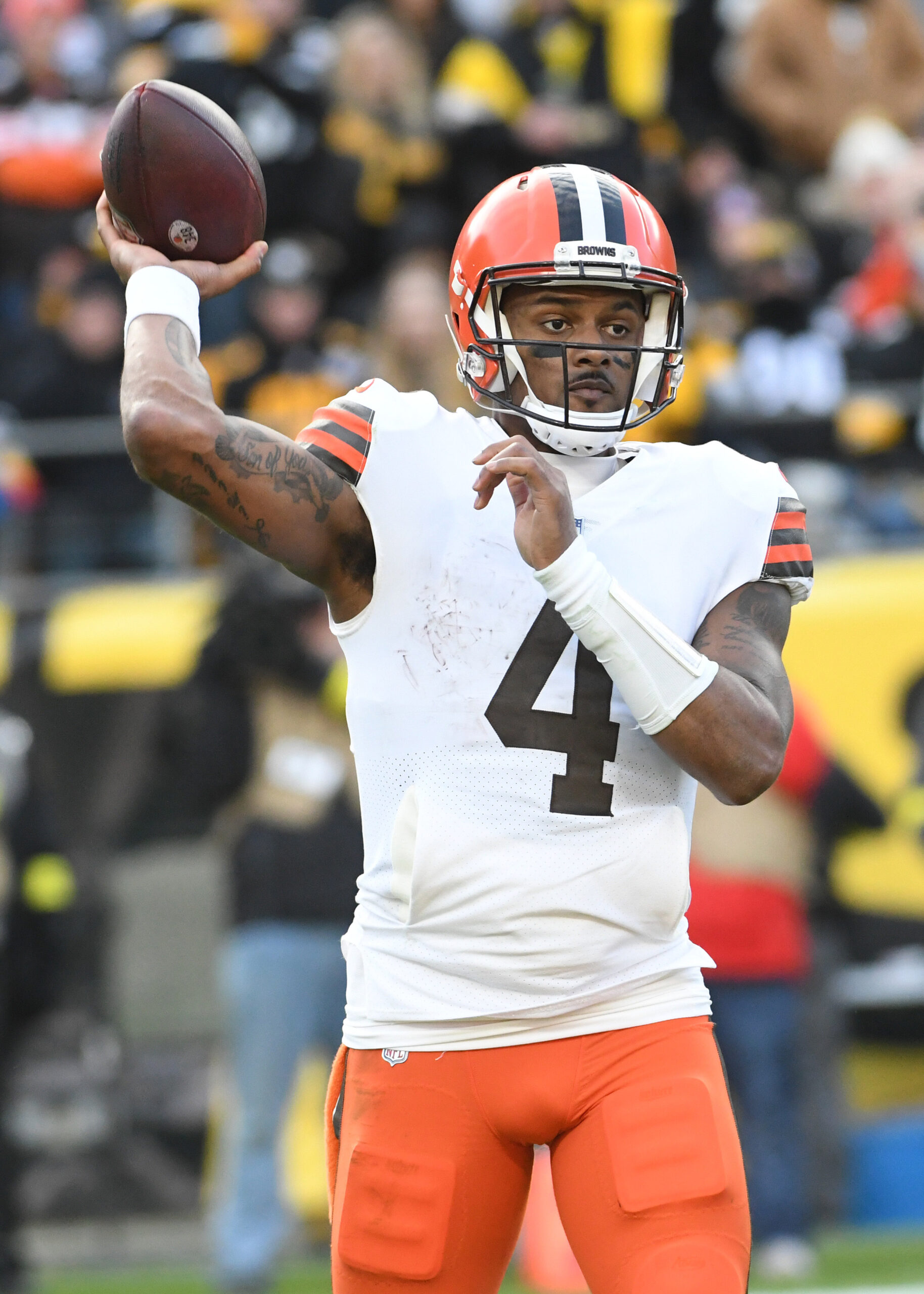
After their historic and controversial acquisition of quarterback Deshaun Watson the Browns resided at the center of attention for much of 2022. A lengthy process of investigation by the NFL left Watson sidelined for 11 games, fueling in large part an underwhelming campaign for Cleveland both before and after his return. The Browns finished in the AFC North basement at 7-10, making this offseason a crucial one for the direction of the franchise.
Beginning the process of dealing with Watson’s fully guaranteed deal and its cap implications, general manager Andrew Berry made a number of changes on defense in particular, retooling a unit which will be guided by a new, highly regarded coordinator. The new faces on the field and the sidelines should help Cleveland in Watson’s first full season at the helm, but the largest determining factor in their success (by a wide margin) will nevertheless be his ability to regain his previous form.
Trades:
- Acquired WR Elijah Moore and 2023 third-round pick from Jets for 2023 second-rounder
- Added DE Za’Darius Smith and 2025 sixth, seventh-round picks from Vikings for 2024, 2025 fifth-rounders
Moore’s time with the Jets seemed to be coming to an end long before their offseason alterations began. The 23-year-old requested a trade ahead of the 2022 deadline, and New York set about reconfiguring its skill-position corps with 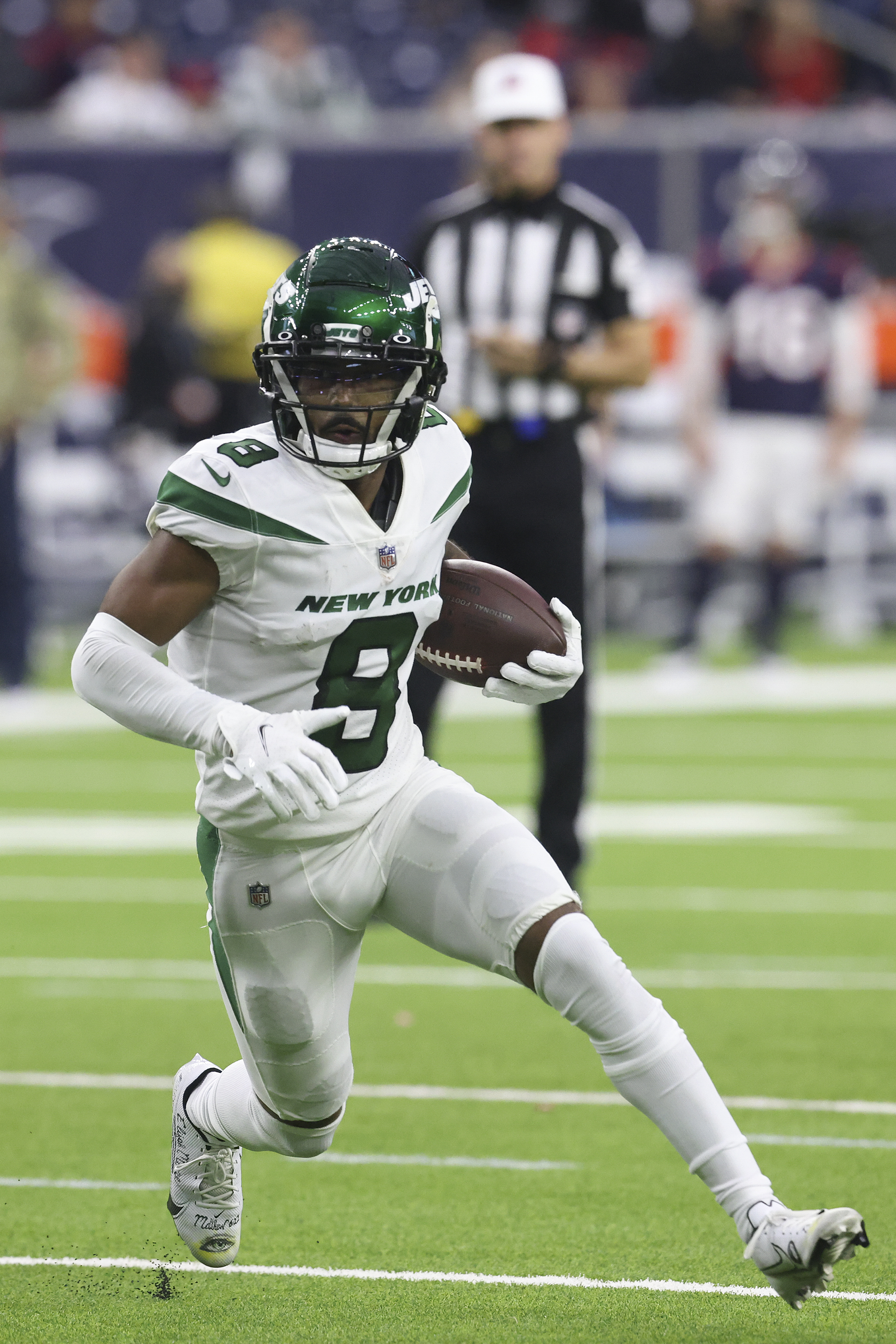 players familiar to Aaron Rodgers before pulling off the blockbuster trade for the future Hall of Fame quarterback. With the likes of Allen Lazard, Mecole Hardman and Randall Cobb having been signed, there was mutual benefit to Moore being dealt elsewhere for a fresh start.
The Browns enjoyed a highly productive debut season from Amari Cooper (78 catches, 1,160 yards, nine touchdowns), but they entered the offseason in search of further firepower in the passing game. That led to interest in Jerry Jeudy, but Cleveland – like all other suitors – was unwilling to meet Denver’s asking price for the former first-rounder. Moore should represent a strong consolation prize if he is able to reach his potential in his new home.
The Ole Miss product flashed as a rookie, posting 538 yards and five touchdowns. He took a step backwards last season, though, so a fresh start should be beneficial beyond the promise of continued usage as a starter. Moore has the ability to play on the outside, but he will likely be most effective in the slot while Cooper and the emerging Donovan Peoples-Jones operate on the outside.
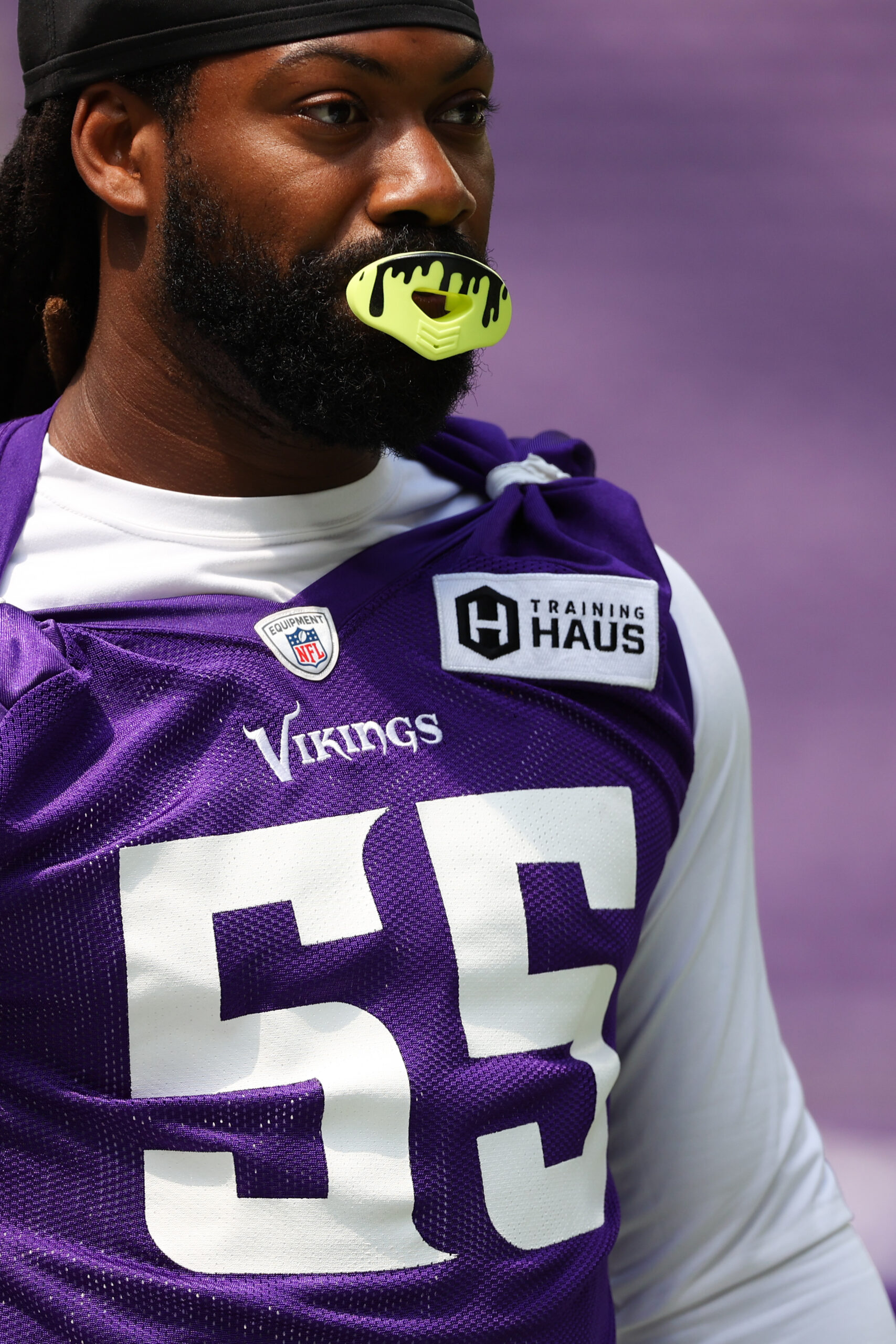 Smith’s path to the Vikings last offseason included an apparent deal being struck which would have returned him to Baltimore. The former Ravens fifth-rounder instead signed with Minnesota after three years as a Packer, the last of which saw him miss all but one game. A return to health helped bring about a return to his productive form in 2022; Smith posted 10 sacks while eclipsing the double-digit mark in that regard for the third time. Due to the language in his contract, Smith remained on the field despite being less than 100% late in the year in particular, however, something he elaborated on following the trade.
The three-time Pro Bowler was part of a veteran exodus in Minnesota this offseason, and questions will be raised about the Vikings’ ability to replace Smith’s production. Cleveland should provide plenty of opportunities for the 30-year-old to boost his market ahead of free agency, using him opposite Myles Garrett but also on the inside at times. Smith’s return to the AFC North could prove to be a key stepping stone in a succesful Browns season, particularly if he can avoid the drop-off in production which occurred toward the end of 2022. Cleveland’s pursuit of Melvin Ingram prior to the Smith trade illustrates the team’s emphasis placed on improvements on the edge, something the latter should provide compared to last season.
Free agency additions:
- Dalvin Tomlinson, DT: Four years, $57MM ($27.5MM guaranteed)
- Juan Thornhill, S: Three years, $21MM ($14MM guaranteed)
- Ogbonnia Okoronkwo, DE: Three years, $19MM ($12.29MM guaranteed)
- Shelby Harris, DT: One year, $3.5MM ($2MM guaranteed)
- Josh Dobbs, QB: One year, $2MM ($2MM guaranteed)
- Jordan Akins, TE: Two years, $2.9MM ($1.73MM guaranteed)
- Mike Ford, CB: One year, $1.5MM ($975K guaranteed)
- Rodney McLeod, S: One year, $1.31MM ($853K guaranteed)
- Marquise Goodwin, WR: One year, $1.7MM ($400K guaranteed)
- Matthew Adams, LB: One year, $1.32MM ($300K guaranteed)
- Trysten Hill, DT: One year, $1.32MM ($300K guaranteed)
- Maurice Hurst, DL: One year, $1.32MM
- Colby Gossett, G: One year, $1.08MM
- Wes Martin, G: One year, $1.08MM
- Jordan Wilkins, RB: One year, $1.08MM
- Michael Dunn, OL: One year, $1.01MM
- Joseph Charlton, P: One year, $940K
- Nate Meadors, S: One year, $870K
- Chris Westry, CB: One year. $870K
Upgrading the defensive front stood as a clear priority entering the offseason for Cleveland, and the Tomlinson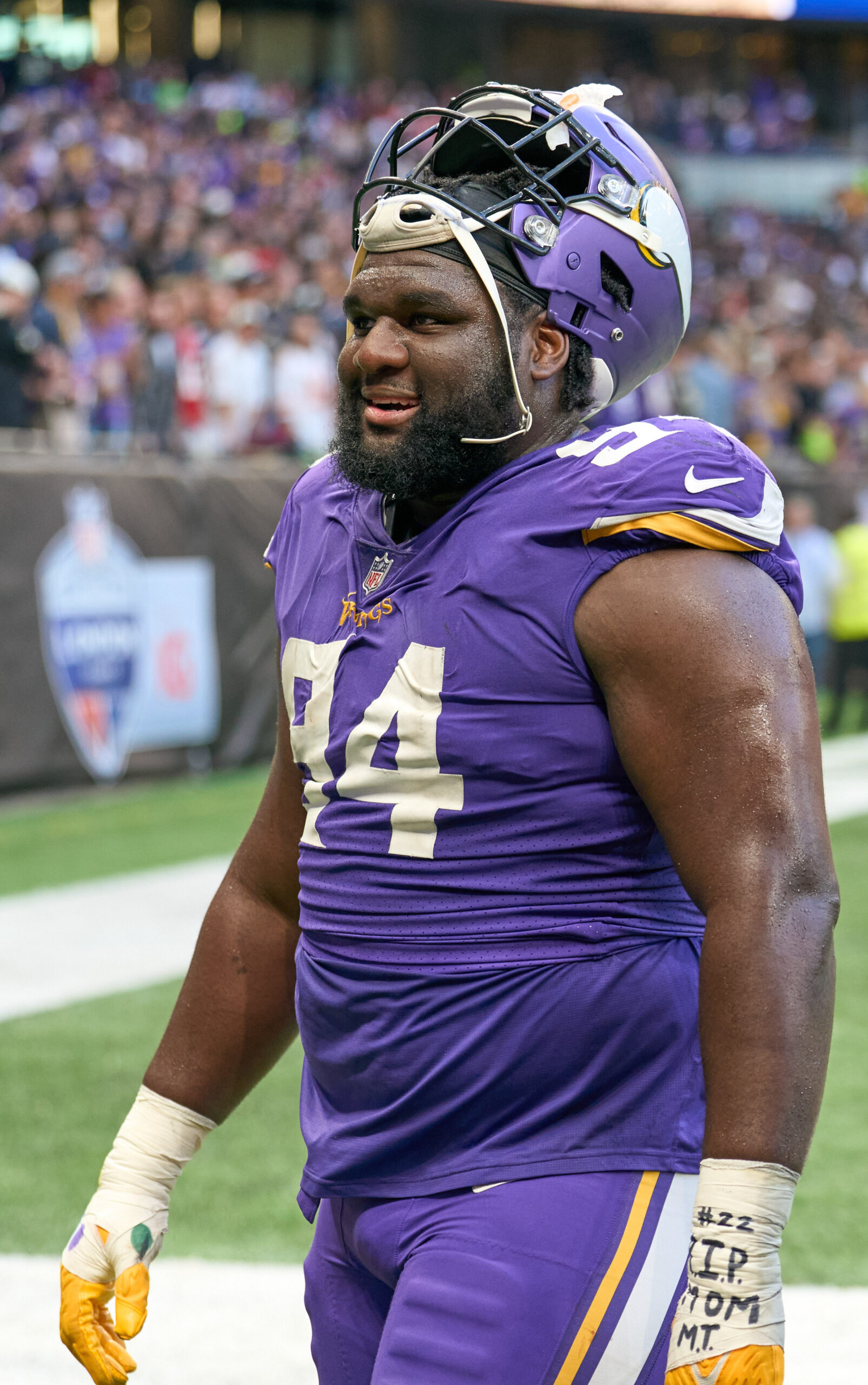 acquisition will go a long way in determining if that goal is achieved. Another of the Vikings’ regulars who departed Minnesota in 2023, Tomlinson established himself as one of the best available options at the DT spot in this year’s free agent class. Tomlinson, 29, will join the Browns with plenty of pedigree as a run-stopper, but also as a player capable of making an impact in the passing game. His 81 stops and five sacks as a Viking led to a desire on his former team’s part to work out a new deal, but instead he will start anew for the second time in his career.
The former second-rounder was not the only Browns target at the position, though. A deal with Dre’Mont Jones (which would have represented a homecoming) was on the radar before the Tomlinson agreement was worked out. Jones, better known for his pass-rushing skillset, took a more lucrative Seahawks contract – in terms of AAV – compared to the one Tomlinson landed. The latter will nevertheless be counted on to anchor a new-look D-line as the Browns aim to improve a unit which ranked 25th against the run last season.
2023 saw plenty of movement at the safety spot, and it came as no surprise that Thornhill made his way out of Kansas City. The Chiefs signed Justin Reid to help replace Tyrann Mathieu last offseason, and the selection of Bryan Cook in the 2022 second round gave the defending champions an in-house Thornhill replacement. The 27-year-old received more value in terms of annual compensation on his Cleveland pact than all but Vonn Bell and Jessie Bates amongst free agent safeties; only the latter earned more guaranteed money.
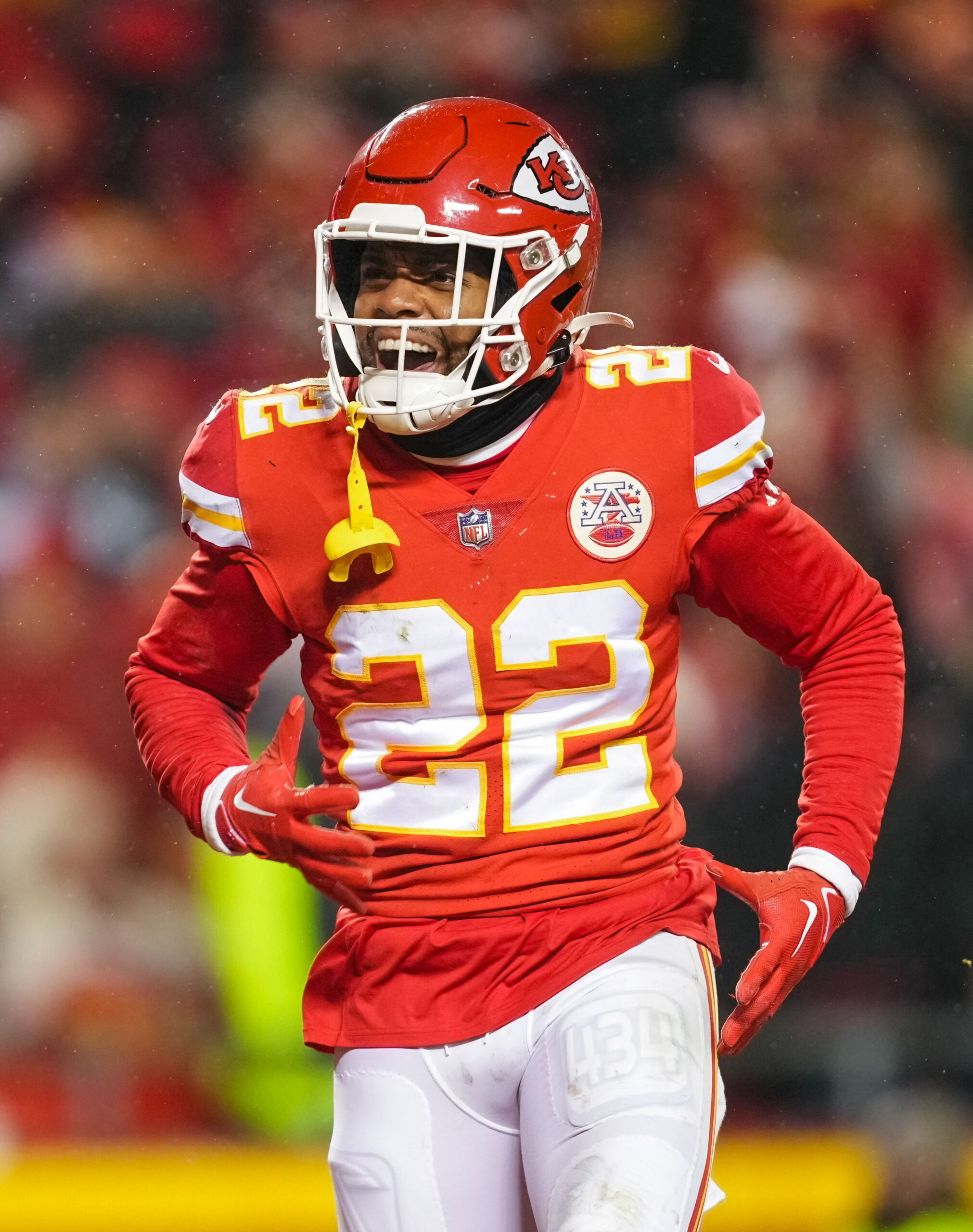 That fact lends credence to the belief some held before the onset of free agency that Thornhill was the second-best safety available. The Virginia product posted career-high marks in tackles (71) and pass deflections (nine) last season while winning a second title. That will raise expectations for him in Cleveland, but Thornhill should help form an effective tandem alongside Grant Delpit. Given the addition of another veteran in McLeod, though, a healthy usage of three-safety alignments would not come as a surprise.
Well before the Smith acquisition, Okoronkwo was in place. In an offseason in which several decorated (but aging) edge rushers were available, the latter represented one of the more high-upside options on the market. A one-year stint in Houston saw him receive a major boost in playing time compared to his Rams seasons. Okoronkwo, 28, took advantage with a career-best five sacks and 17 pressures. Plenty of snaps – and, with Garrett on the opposite edge, desirable one-on-one matchups – will await him in Cleveland. If he lives up to his deal, the former fifth-rounder should help reverse the drop in sack totals (from 49 to 34) the Browns experienced last season compared to 2021, even if Smith ultimately proves to be a one-year rental.
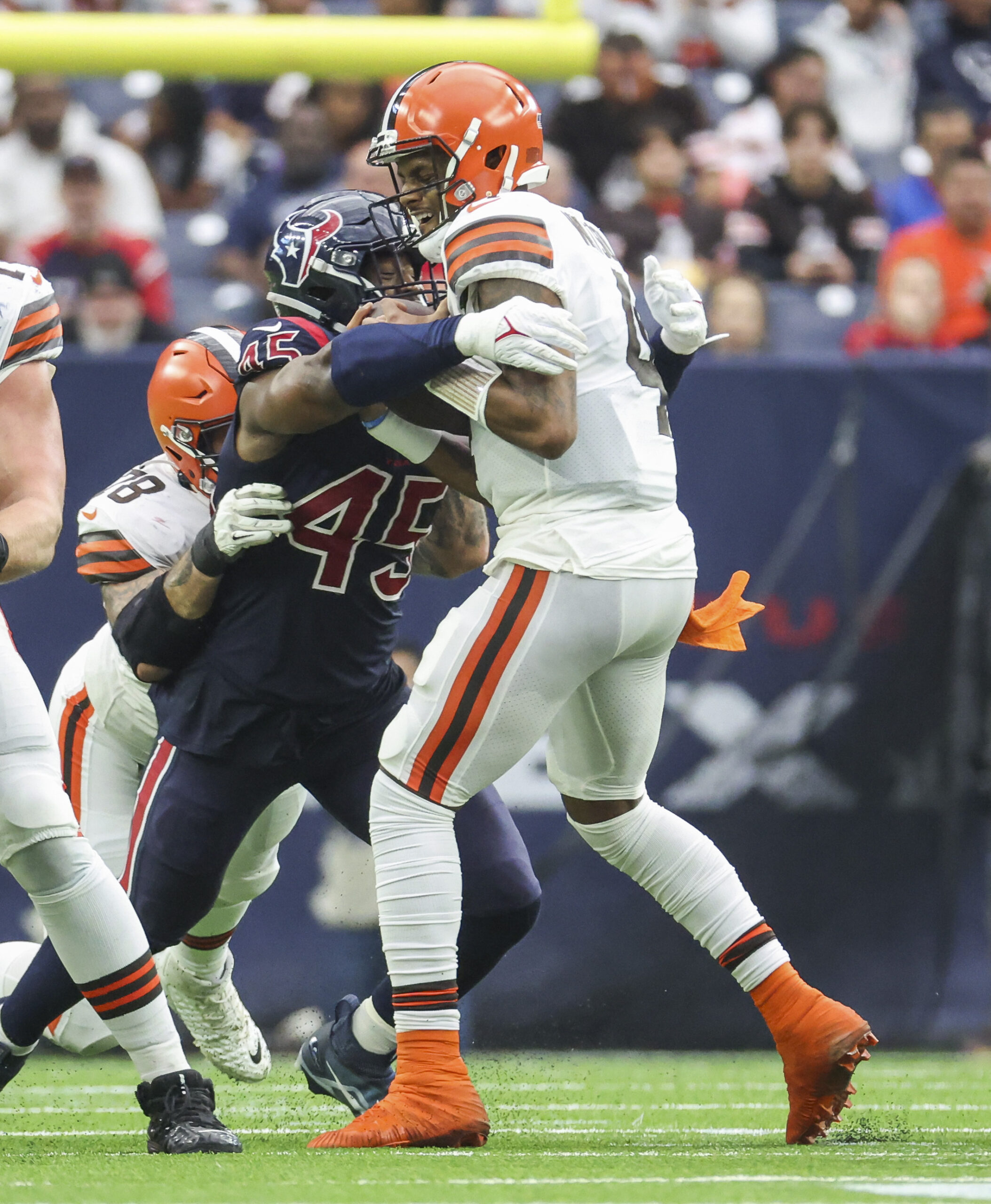 Despite the commitment made to Tomlinson, the Browns remained active in seeking D-line help with the Harris deal. The fact it is worth up to $5.25MM shows the team’s awareness of how effective the former Broncos and Seahawks starter can be. While the Seahawks opted to retool and jettison Harris’ Broncos-constructed contract, Pro Football Focus did grade him as a top-20 interior D-lineman last season. But the veteran lingered on the market for five months, not indicating too much interest in the defender included in the Russell Wilson trade.
Dobbs spent much of 2022 in Cleveland, despite not seeing any game action. He served as Jacoby Brissett’s backup during Watson’s suspension, and the former’s departure leaves the QB2 spot open. For now, Dobbs – who started twice at the end of the season for the Titans – is in line to serve in that role. Cleveland is expected carry rookie Dorian Thompson-Robinson on the 53-man roster, however, so a return to third-string duties may be on the horizon.
Re-signings:
- Ethan Pocic, C: Three years, $18MM ($10MM guaranteed)
- Sione Takitaki, LB: One year, $2.58MM ($1.23MM guaranteed)
- Anthony Walker, LB: One year, $1.23MM ($653K guaranteed)
- Jordan Kunaszyk, LB: One year, $1.23MM ($500K guaranteed)
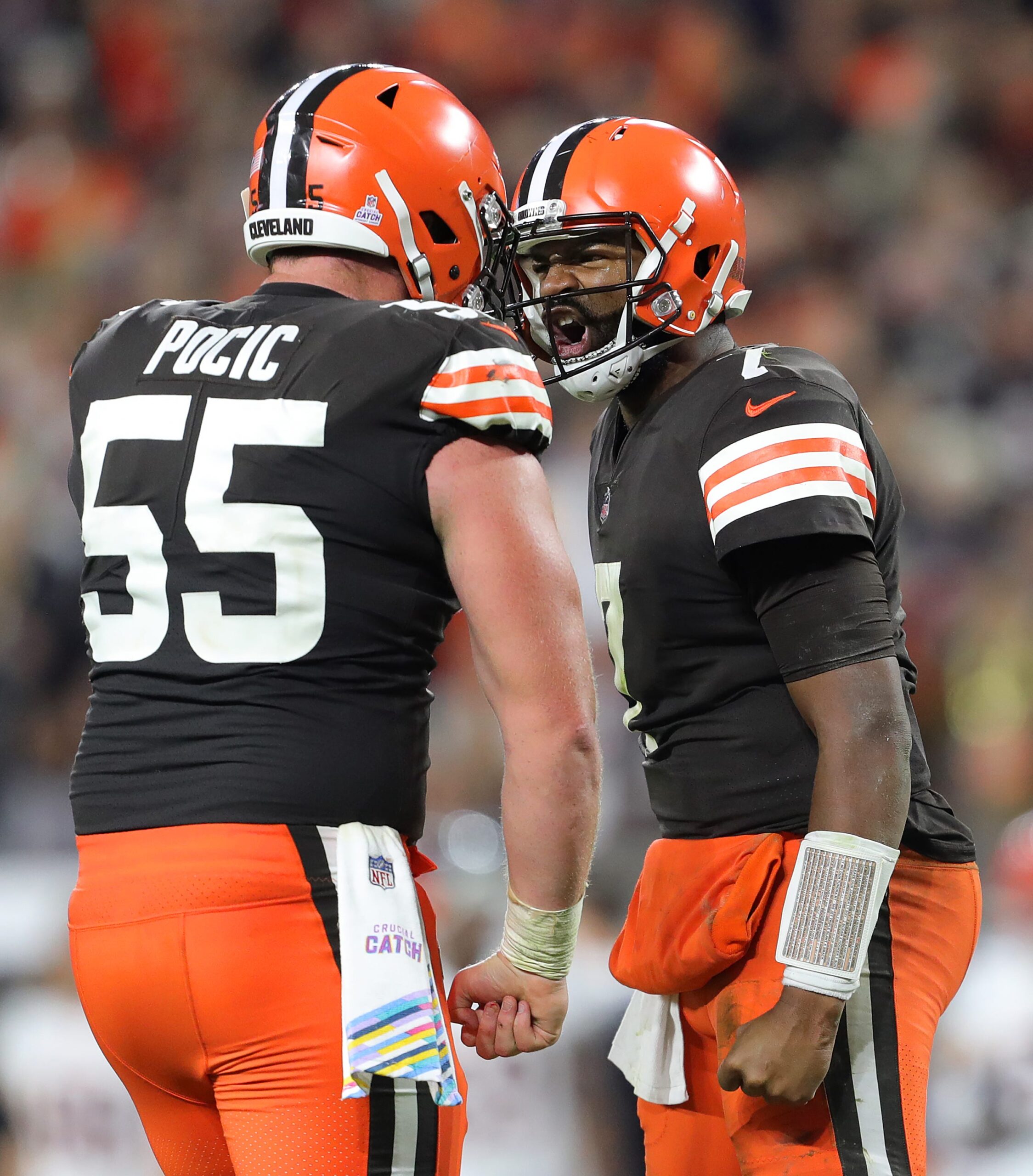 The center spot became the source of plenty of questions heading into 2022. The release (and eventual retirement) of J.C. Tretter opened the door to Nick Harris assuming the starting role. A season-ending knee injury sustained during the preseason instead thrust Pocic into first-team duties, and he thrived under those conditions. The former Seahawk was meant to be a high-end backup despite having logged 40 starts in Seattle, but he delivered a career-best performance in his debut Browns season. After the 28-year-old expressed a desire to remain in Cleveland, his multi-year agreement came as no surprise.
Strength along the interior offensive line has been a constant in recent years for the Browns, owing in large part to the guard tandem of Wyatt Teller and Joel Bitonio. Pocic earned the third-highest PFF grades amongst centers in 2022 when playing between them, and Cleveland is banking on a repeat of that success moving forward. If their investment proves worthwhile, the Browns will have a strong Tretter successor in the fold. If needed, though, Harris will still be available in 2023, the final year of his rookie contract.
Offseason In Review: Detroit Lions
Finishing last season with rare momentum, the Lions are in a stranger position coming into Dan Campbell‘s third year. The Campbell-Brad Holmes rebuild has progressed to the point Detroit comes into a season as the favorite to win the NFC North. Since the NFL redid its divisions after the Texans entered the league in 2002, the Lions have never won this division. Although they made the playoffs three times during the 2010s, their last divisional conquest came in 1993 as part of the NFC Central — in Barry Sanders‘ fifth season.
Making the second first-round pick brought from the Matthew Stafford trade and making a number of moves to improve a porous defense, the Lions operated intently this offseason. The rebuild that covered the past two seasons is over. It will now be deemed a failed season if the Lions do not qualify for the playoffs.
Free agency additions:
- Cameron Sutton, CB: Three years, $33MM ($21MM guaranteed)
- David Montgomery, RB: Three years, $18MM ($8.75MM guaranteed)
- C.J. Gardner-Johnson, DB: One year, $6.5MM ($6.5MM guaranteed)
- Marvin Jones, WR: One year, $3MM ($3MM guaranteed)
- Teddy Bridgewater, QB: One year, $3MM ($2.55MM guaranteed)
- Graham Glasgow, OL: One year, $2.75MM ($2.5MM guaranteed)
- Emmanuel Moseley, CB: One year, $6MM ($2MM guaranteed)
- Jalen Reeves-Maybin, LB: One year, $1.75MM ($500K guaranteed)
- Christian Covington, DL: One year, $1.17MM
- Bobby Hart, T: One year, $1.17MM
- Germain Ifedi, T: One year, $1.17MM
- Benny Snell, RB: One year, $1.1MM
- Saivion Smith, CB: One year, $940K
The Lions went 8-3 in their final 11 games and made defensive strides; Aaron Glenn‘s unit still finished last in yards allowed, 28th in DVOA and 30th against the pass. Holmes and Co. aggressively targeted the secondary in free agency and the draft. The aftermath brought considerable depth, giving Glenn options in his third season as Detroit’s DC.
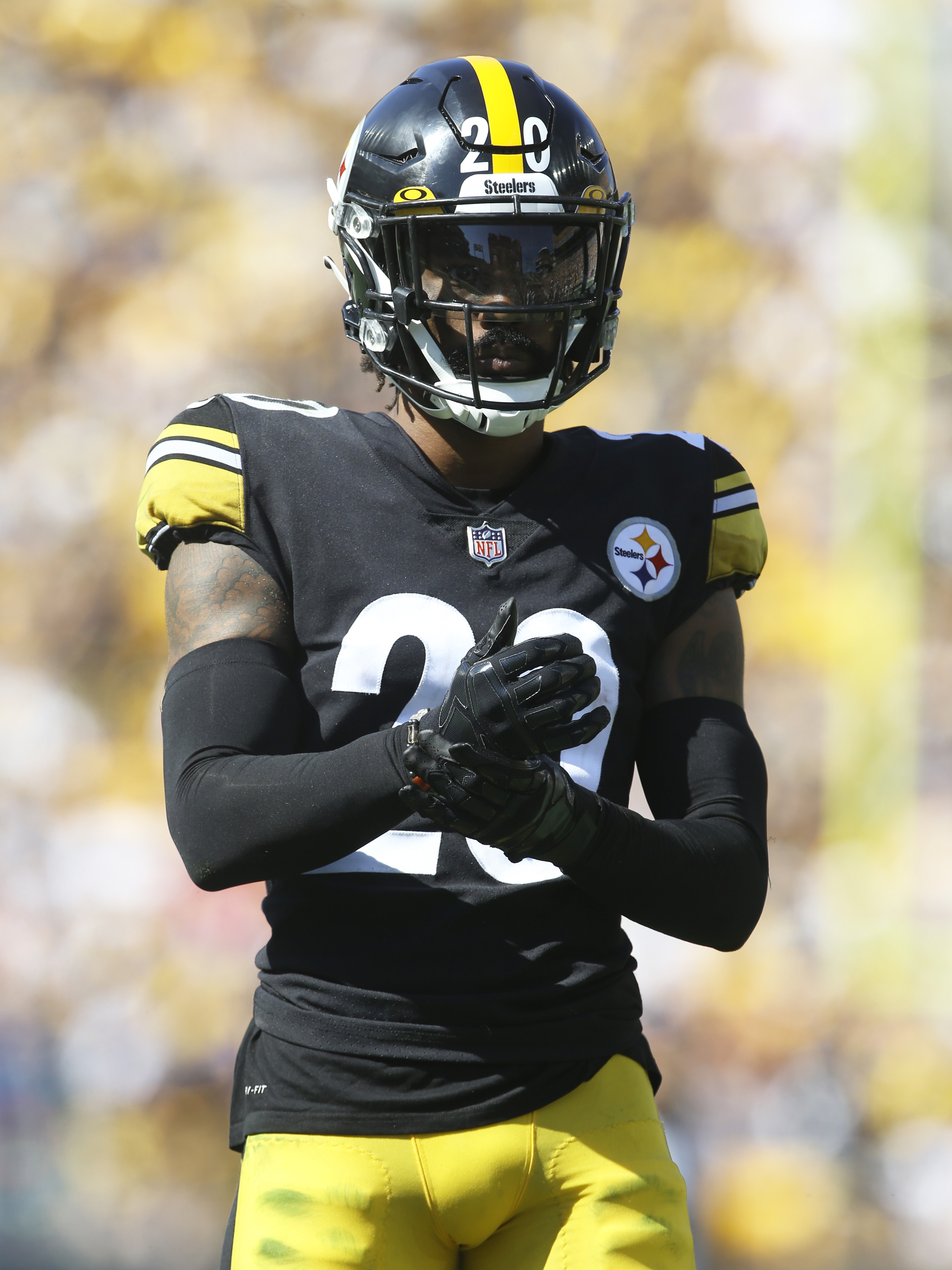 This effort started with Sutton, who had been on the Steelers’ radar to retain. Sutton, 28, had already signed two Pittsburgh contracts; his performance over the past two years turned the two-year, $9MM pact from 2021 into a team-friendly deal. The Steelers were not prepared to go where the Lions did for the former third-round pick, and a contract agreement emerged within hours of the legal tampering period’s opening. Sutton’s arrival illustrated a Lions versatility lean this offseason.
Each of their top three acquisitions in the secondary supplies experience in multiple roles, with Sutton joining Gardner-Johnson and second-rounder Brian Branch as having extensive slot seasoning. But the Steelers had shifted Sutton, an early-career slot corner, to the outside. That is where the Lions are expected to use the seventh-year vet, but Sutton’s history as an inside defender will help his new team. The 5-foot-11 cover man finished in the top five in passer rating allowed as the closest defender last season (among corners), per Next Gen Stats, and ended the year with a career-high 15 passes defensed. He will take over for Jeff Okudah as the Lions’ top corner investment, though Sutton has proven far more than the recently jettisoned top-five pick.
Ideally, Sutton would join Moseley as the Lions’ outside corners. But the ex-49er remains on the Lions’ active/PUP list due to a late-summer knee surgery. A stay on the reserve/PUP list — a designation mandating a four-game absence — is firmly in play. Moseley, 27, suffered an ACL tear midway through last season. That brought the sixth-year corner’s price down to a level that proved palatable for the Lions, per Holmes. Moseley made his way into a regular 49ers role in 2019, replacing Ahkello Witherspoon opposite Richard Sherman on the outside for the Super Bowl LIV-bound team. Pro Football Focus has graded Moseley as a top-35 corner in three of the past four seasons. His last full season (2021) featured substantial improvements in passer rating against (65.6) and yards per target (5.8) compared to his prior work.
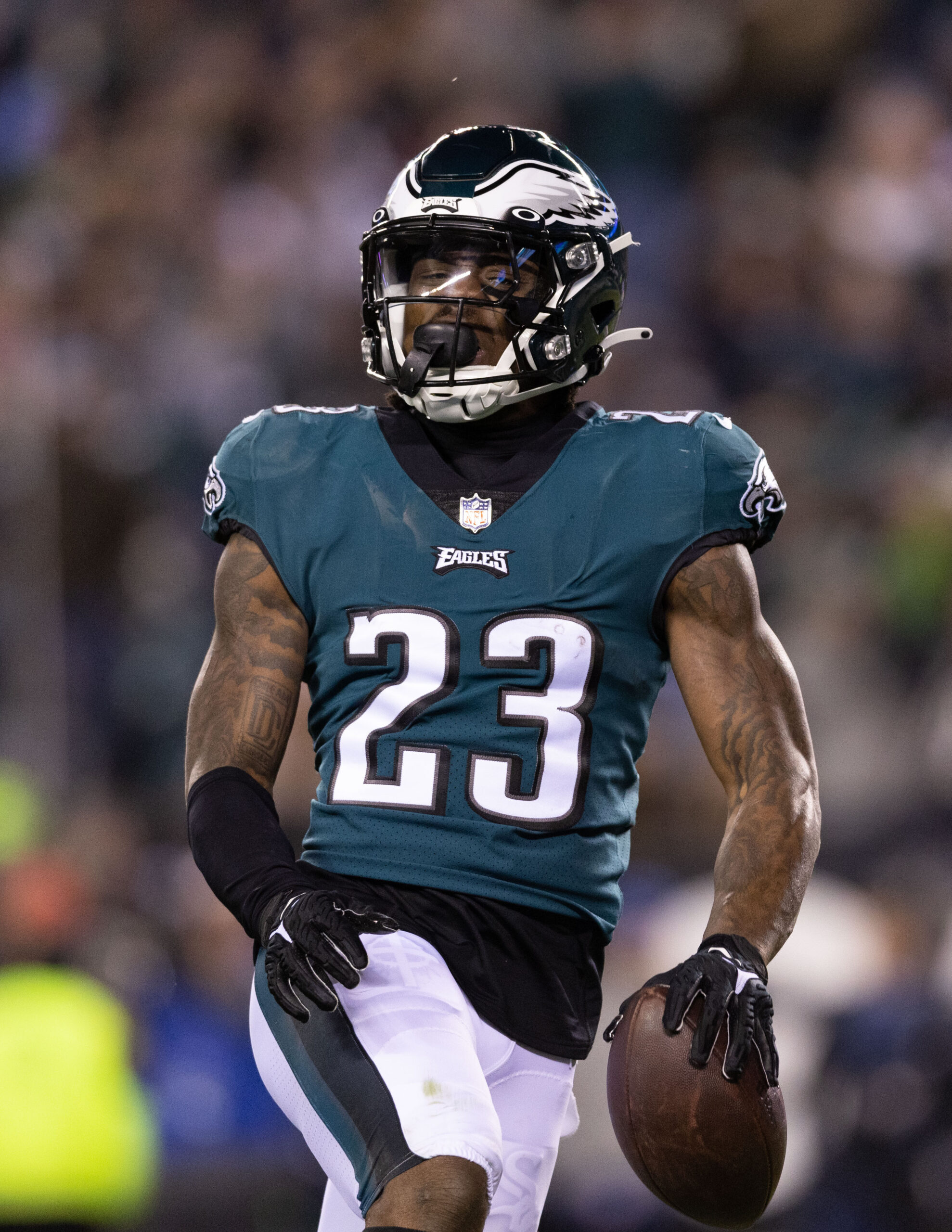 Moseley recapturing that form for the Lions would set him up for a big free agency payday in 2024 or a nice Lions extension. But his extended layoff will be something to keep monitoring as the season nears.
Gardner-Johnson, who has enjoyed quality seasons at safety and as a slot corner, may have misread the market en route to Detroit. The Eagles offered their 2022 trade acquisition a multiyear deal early in free agency. Seeking a higher payout, Gardner-Johnson turned it down. This led to the Eagles pivoting and re-signing James Bradberry to and giving ex-Lion Darius Slay another extension. Rather than extend CJGJ — a pre-free agency goal — Philly reinvested at corner and went with low-cost safeties. Beyond Jessie Bates, none of this year’s free agent safeties secured more than $7.5MM per year. Gardner-Johnson, 25, will attempt to use this season to solidify his value.
Known as much for his trash talking as his coverage acumen, Gardner-Johnson has both served as a full-time slot corner — with the Saints during Sean Payton‘s final seasons — and a regular safety. As a safety last year, Gardner-Johnson tied for the INT lead (six) despite missing five games with a lacerated kidney. Rumors about Glenn, who coached New Orleans’ DBs during CJGJ’s first two seasons, returning the brash defender to a slot role emerged. But the Lions have been trotting him out at safety alongside 2022 third-rounder Kerby Joseph during camp.
A Joseph-CJGJ safety pairing has led to Tracy Walker, who re-signed on a three-year deal worth $25MM in 2022, dropping to a backup role. Branch played a hybrid role at Alabama, and he has been given steady time in the slot during camp. This has led to converted safety Will Harris (again, the Lions ooze DB versatility) working as a second-string corner behind Sutton and third-year UDFA Jerry Jacobs. PFF rated Harris much higher than Jacobs last season, so it would be interesting to see the sixth-year veteran demoted. But Moseley’s re-emergence would stand to lead to Jacobs losing his starting gig, too. On the verge of including four new starters, the Lions’ secondary is poised to present a much higher ceiling.
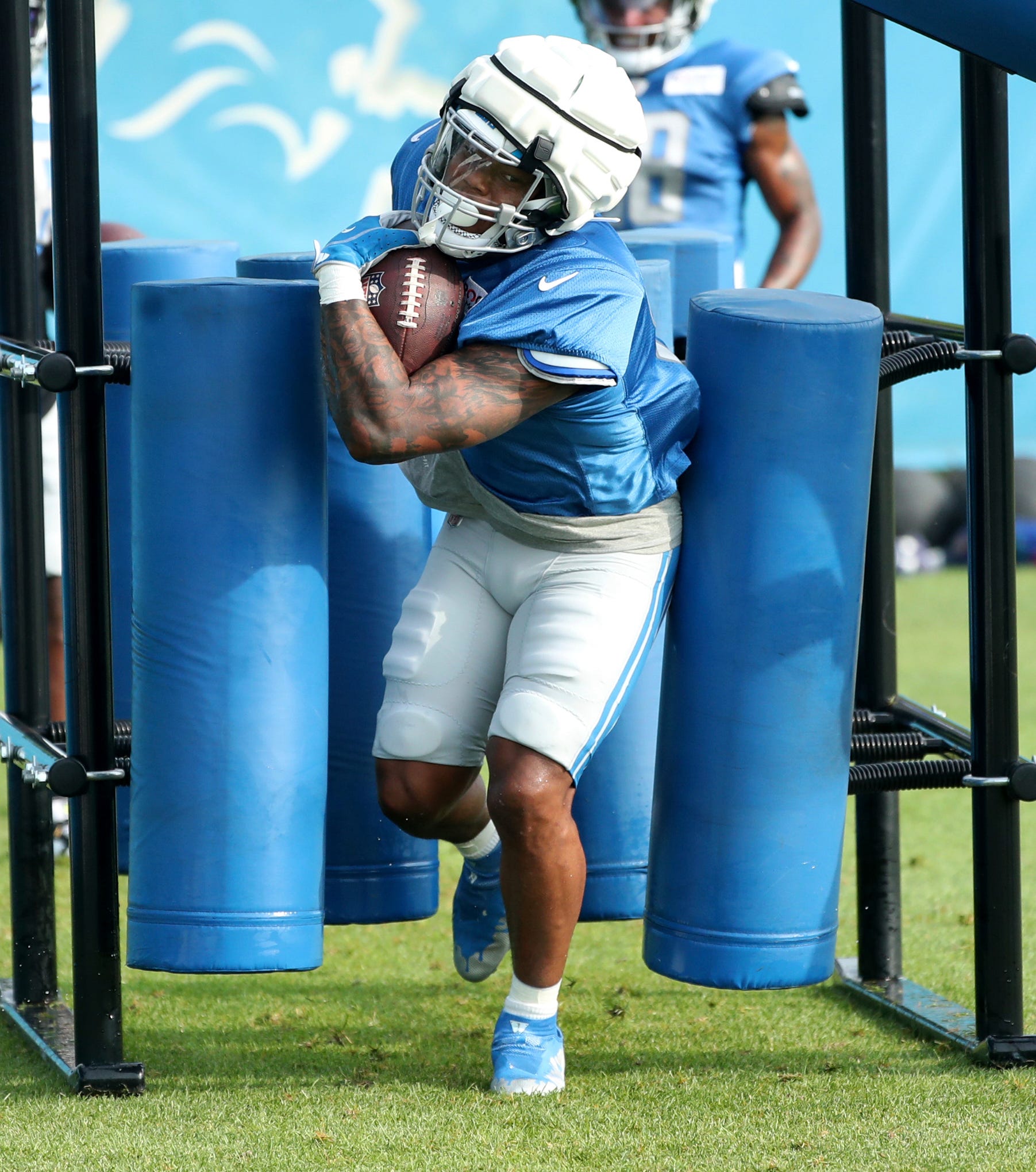 On offense, the Lions pried the Bears’ four-year starting running back to replace last season’s rushing touchdowns leader. After Jamaal Williams turned down a similar offer, Montgomery swooped in and will step in as Detroit’s between-the-tackles runner. It is worth wondering if the Lions overpaid here, given what happened to the running back market this offseason.
Montgomery finished with the NFL’s sixth-worst rushing yards over expected figure (minus-53), per Next Gen Stats, though Williams was not too much better (minus-11). Montgomery, however, finished with the eighth-worst RYOE mark in 2021 (minus-80). That said, Montgomery is two years younger, at 26, and has been better in the passing game (617 yards from 2020-21) than Williams (230 in that span). Still, Williams, who regrouped and signed a $4MM-AAV deal with the the Saints, led the NFL in rushing touchdowns (17) and totaled his first 1,000-yard season.
Offseason developments involving Amon-Ra St. Brown‘s top sidekicks moved the Lions to bring back Jones, who played out a five-year contract with the team in 2020. Working alongside Golden Tate to help the Lions pick up the pieces after Calvin Johnson‘s earlier-than-expected retirement, Jones offered high-end WR2 work during most of his first stint (three 900-plus-yard seasons). The ex-Bengals deep threat led the NFL with 18.0 yards per reception in 2017. Jones, 33, is far removed from that point and now profiles as a possession receiver. With DJ Chark departing and Jameson Williams continuing to encounter obstacles, Jones — whose second Jaguars year ended with his worst full-season yardage total (529) — will likely be needed for regular work.
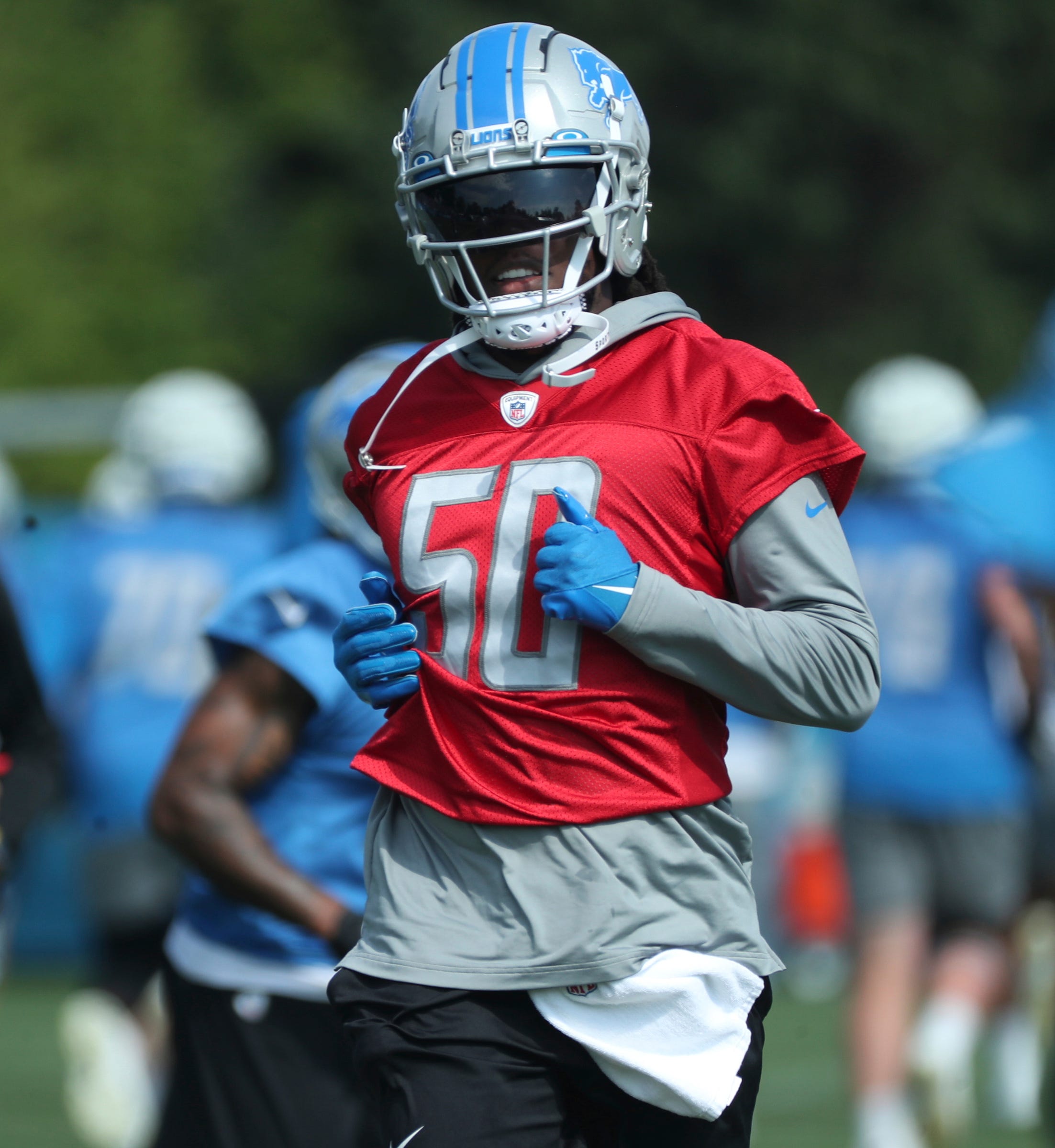 It did not seem realistic the Lions would trudge into a second season with Nate Sudfeld as their backup quarterback. Even after Campbell expressed satisfaction with his QB room during the Lions’ offseason program, the team kept tabs on Bridgewater. Detroit had made the ex-Minnesota first-rounder an offer in April. After it cost the Dolphins $6.5MM to sign Bridgewater last year, the Lions landed him for less than half that.
Bridgewater left multiple 2022 games due to injuries, causing major issues for a Dolphins team that hit a crisis point with starter Tua Tagovailoa‘s availability. This tanked Bridgewater’s market. But the journeyman will reunite with Campbell, who was in New Orleans during both the QB’s years there, and provide Jared Goff with a much more accomplished backup.
Goff did not miss any time due to injury last season, but the Lions went 0-3 without their starter in 2021. Bridgewater, 30, had the Broncos at 7-7 before a second concussion ended his 2021 season. This looks like a clear stopgap situation, with Hendon Hooker positioned as the likely Lions backup in 2024. With the Tennessee product on the NFI list as he winds down ACL rehab, the Lions needed a better option than Sudfeld — he of 37 passes in seven seasons.
Re-signings:
- Alex Anzalone, LB: Three years, $18.75MM ($9MM guaranteed)
- John Cominsky, DL: Two years, $8.5MM ($4MM guaranteed)
- Will Harris, DB: One year, $2.52MM ($2.52MM guaranteed)
- Isaiah Buggs, DL: Two years, $4.5MM ($2.1MM guaranteed)
- Nate Sudfeld, QB: One year, $1.6MM ($1MM guaranteed)
- Craig Reynolds, RB: One year, $1.1MM
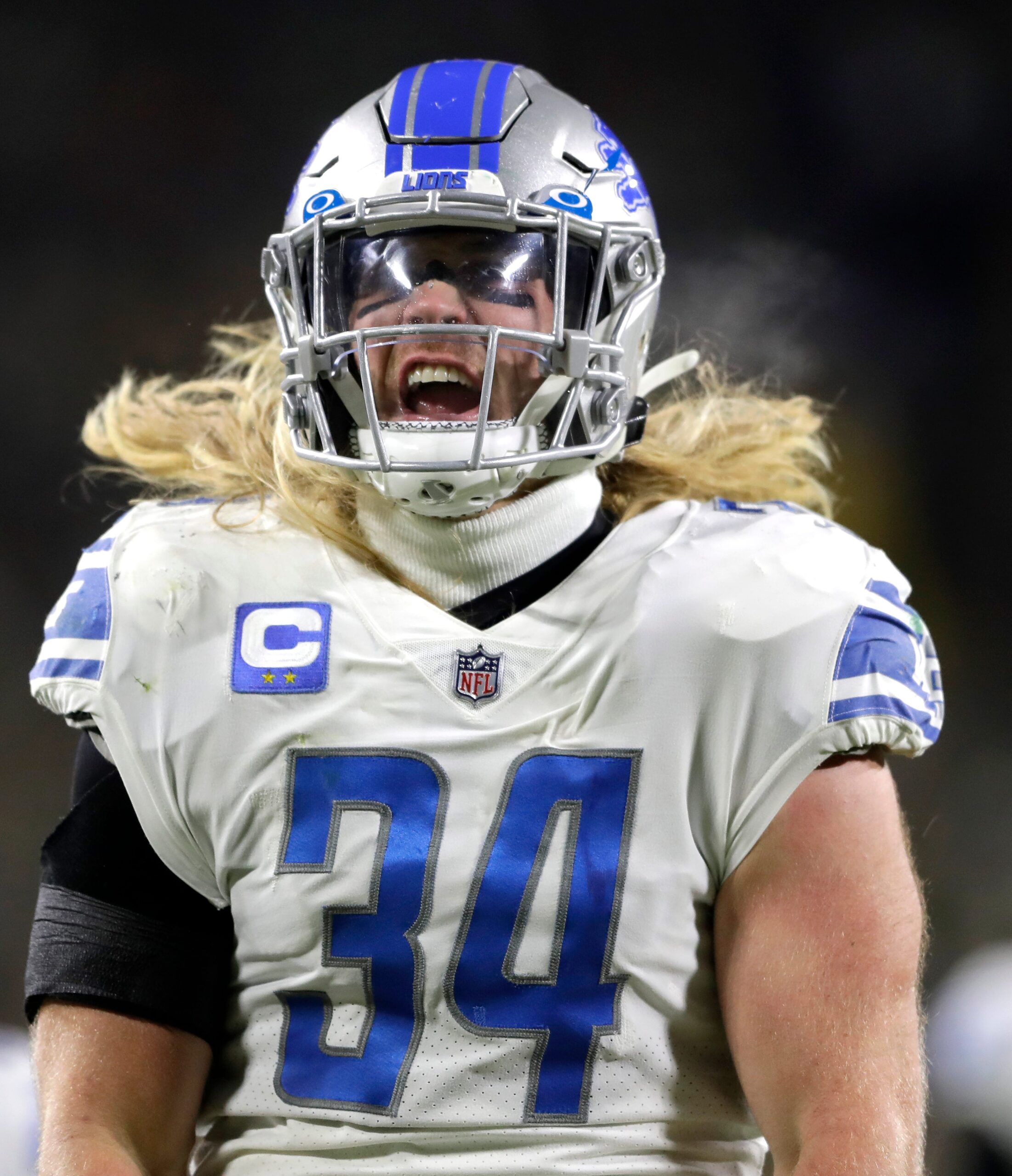 As the third tier of the 2023 inside linebacker market formed, the Lions found common ground with Anzalone, who will continue his career under Glenn. Anzalone’s four New Orleans seasons featured Glennon staff as well, though the veteran linebacker found more playing time in Detroit. After never clearing a 50% defensive snap barrier during a full season as a Saint, Anzalone has been a three-down presence with the Lions. The former third-round pick played a career-high 1,080 defensive snaps last season, totaling 125 tackles — far and away a career high — and notching seven stops behind the line.
One of 11 linebackers to score a deal with an AAV between $5MM and $7.25MM this offseason, Anzalone — after two low-cost, one-year deals — did well to secure a midlevel Lions pact. Although first-rounder Jack Campbell should vie for this status soon, Anzalone remains entrenched as Detroit’s lead linebacker going into his third season with the team.
The Lions’ waiver priority became valuable re: Cominsky, who saw a staggering eight teams attempt to claim him when the Falcons cut bait in May 2022. Following the Lions’ flier, Cominsky put together his best season. The Lions turned to the D-lineman as a regular, giving him eight starts and using him on a career-high 556 defensive snaps. That came after the Falcons made Cominsky a healthy scratch often in 2021. The Division II alum totaled four sacks, 12 QB hits and three pass deflections. Throwing most of their defensive investments at its secondary this offseason, the Lions look set to once again turn to Cominsky often.
Offseason In Review: Baltimore Ravens
The 2022 season was an up-and-down experience for the Baltimore Ravens. Despite some double-digit leads disappearing early in the year, the team put forth a strong first half before injuries threatened to waste a 7-3 start. The Ravens made the playoffs but saw the continuation of a troubling trend of early postseason exits.
This offseason posed its own obstacles. With an offensive system to repair, two All-Pro talents threatening to become two of the biggest names on the free agent market, and a couple of position groups that desperately needed addressing, the Ravens had their work cut out for them this spring and summer. There was plenty to do to push this team into the AFC’s upper echelon, and they took some big swings in an attempt to get there.
Trades:
- Traded SS Chuck Clark to Jets for a 2024 seventh-round pick
On its face, the loss of Clark seems significant. A former sixth-round pick out of Virginia Tech, Clark began his career with the Ravens as a strong special teams contributor, stuck behind Eric Weddle and Tony Jefferson on the depth chart. After earning a few more meaningful defensive snaps in his sophomore season, Clark finally secured an opportunity to be a regular starter in 2019. He opened the year coming off of the bench, but after a season-ending ACL tear to Jefferson, Clark took over the starting job next to new free safety Earl Thomas. 
Clark became a staple in the Ravens’ defensive backfield from that day forward. He would go on to start every game but one for the remainder of his time in Baltimore, even earning the green helmet sticker that denotes the only defensive player allowed to have radio contact with the sideline, an honor usually reserved for leaders on the team. Clark was never the flashiest or most talented safety in the league, but he was a solid, dependable presence on a perennially fierce Ravens defense.
In April of last year, Clark saw the writing on the wall after the team signed former Saints free agent safety Marcus Williams and drafted Notre Dame safety Kyle Hamilton at No. 14 overall. Baltimore dedicated substantial capital to bring in Williams, and Hamilton’s high draft slot reflected the ambitions the Ravens had for his future use. With both onboard for the long term and Clark’s deal not reflecting the same commitment, Clark requested a trade. Despite the request, Clark refused to hold out, participating fully throughout the offseason and, ultimately, retaining his job.
So, is a future seventh-round pick adequate compensation for a starting veteran and leader? It does not seem like an outstanding return, but the Ravens weren’t in a prime position to leverage Clark. Although he continued his starting streak in 2022, it became very clear that the future of the safety position in Baltimore laid with Williams and Hamilton. Clark was a luxury the Ravens could no longer afford to hold on to, and they hoped to be able to get any return as opposed to potentially cutting the veteran at a loss. The team was reportedly “open to the idea” of extending Clark, as he was scheduled to enter a contract year in 2023, but instead, Clark found himself shipped out to New York for a one-year audition before free agency.
Unfortunately for Clark and the Jets, a torn ACL will force the veteran to experience the first extended absence of his career. He will miss the entire 2023 season, losing the chance to put forth a strong performance before free agency.
Free agency additions:
- Odell Beckham Jr., WR: One year, $15MM ($15MM guaranteed)
- Rock Ya-Sin, CB: One year, $4MM ($4MM guaranteed)
- Nelson Agholor, WR: One year, $3.25MM ($3.25MM guaranteed)
- Jadeveon Clowney, OLB: One year, $2.5MM ($2.5MM guaranteed)
- Ronald Darby, CB: One year, $1.7MM ($500K guaranteed)
- Arthur Maulet, CB: One year, $1.08MM ($220K guaranteed)
- Josh Johnson, QB: One year, $1.32MM ($153K guaranteed)
- Melvin Gordon, RB: One year, $1.17
- Angelo Blackson, DT: One year, $1.17MM
- DeAndre Houston-Carson, S: One year, $1.17MM
- Laquon Treadwell, WR: One year, $1.17MM
- Tyler Ott, LS: One year, $1.08MM
- Sam Mustipher, C: One year, $1.01MM
The Ravens focused mainly on two groups with their biggest free agent moves this offseason: wide receiver and cornerback. For the most part, at every other position, Baltimore either has starters returning or is replacing starters internally. 
Baltimore has a strong history of signing veteran wide receivers who come in and make a lasting impact. Whether they were bona fide WR1s like Derrick Mason, Steve Smith, Anquan Boldin, or Mike Wallace, or key role players like Jacoby Jones, the Ravens have historically made up for poor wide receiver draft evaluations with excellent pro scouting. They’ll hope to buck one trend while continuing the other this year. The team will pair returning receivers Rashod Bateman and Devin Duvernay, as well as new first-round pick Zay Flowers, with Beckham and Agholor.
Beckham found himself choosing the Ravens over the Aaron Rodgers-led Jets this offseason. The 30-year-old was last seen winning a Super Bowl ring with the Rams. Unfortunately for Beckham, he did not get to finish Los Angeles’s Super Bowl victory, leaving the game in the second quarter with a torn ACL that would keep him recovering the entire offseason. It seemed likely that a few teams might take a swing at Beckham as a potential addition for a playoff run, but nothing developed from those conversations late last season. Instead, Beckham sat out the entire 2022 campaign as his free agency extended into 2023.
Agholor, also 30 years old, has shown he has the ability to produce almost 900 receiving yards, surpassing 735 three times in his career, and has reeled in eight touchdowns twice. The more common version of Agholor, though, has seen him struggle to surpass 400 yards and three touchdowns. In the right system, with the right quarterback, there is no reason to think Agholor can’t shine again.
Both Beckham and Agholor project with relatively low floors, due to injury history for Beckham and a history of inconsistent play from Agholor. If Baltimore can maximize the potential of both players, though, combined with the trio of Bateman, Duvernay, and Flowers, the team may be looking at its strongest receiving corps since Torrey Smith, Boldin, and Jones helped secure a Super Bowl berth. The good news for Baltimore is that, in the recent Jackson-led offenses, they have not needed high yardage totals out of the wideouts. When Jackson won MVP honors in 2019, his most productive wide receiver was Marquise Brown with 584 yards. Who knows how much that will change under new offensive coordinator Todd Monken, but we know that Jackson does not need highly productive receivers to win 14 games; he needs role players.
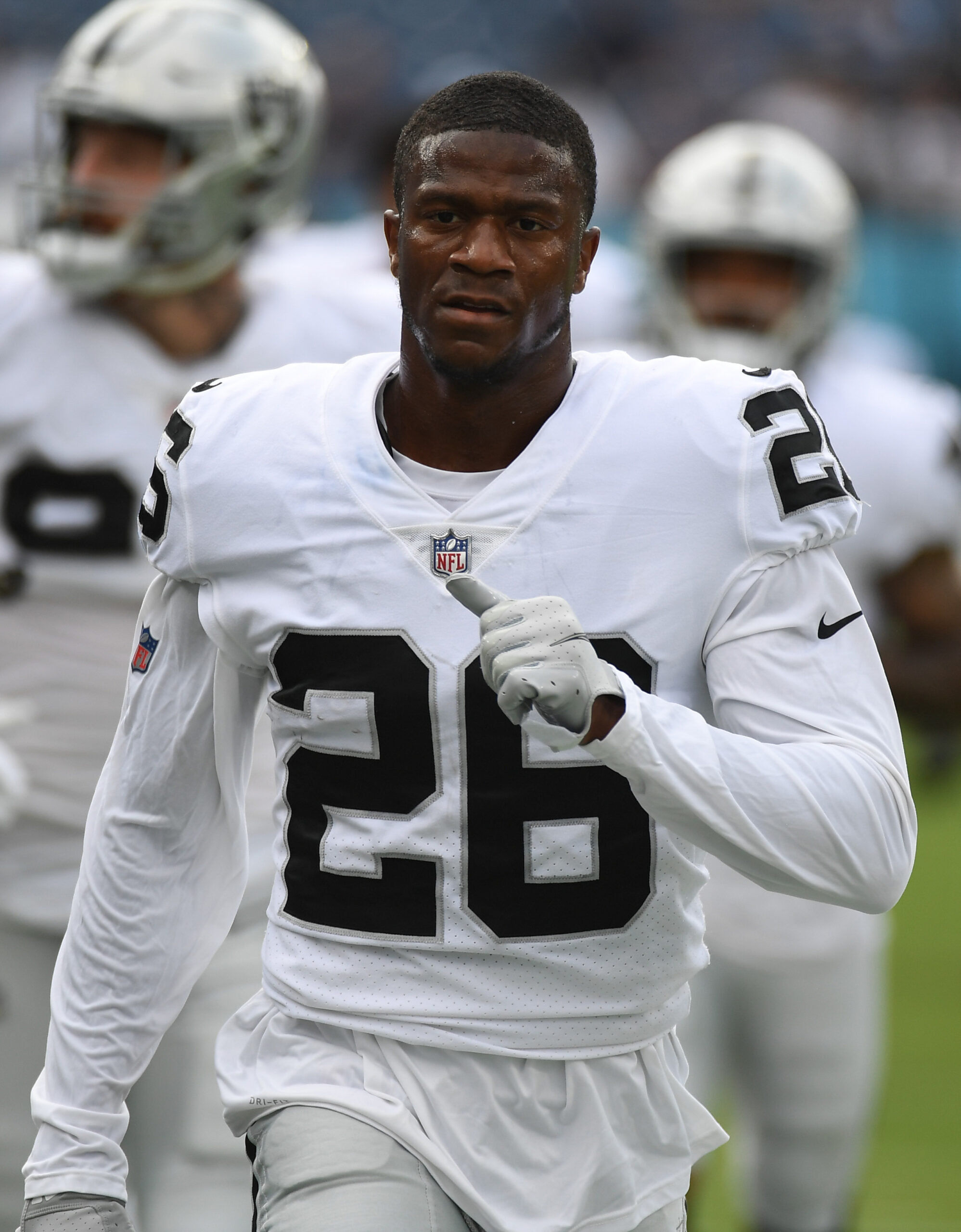 At cornerback, the Ravens needed to replace veteran Marcus Peters. They will turn instead to the former Colts and Raiders cornerback, Ya-Sin, to start across from their former All-Pro Marlon Humphrey. Ya-Sin does not quite have the turnover production that Peters had — no active cornerback does — but he’s younger and can still provide dependable coverage. Baltimore reached out to Darby late in the offseason, as well, after news broke that Humphrey would need to miss a little bit of time, and secured some starting depth. Darby is coming off a midseason ACL tear and has battled injuries for much of his career, having also sustained an ACL tear in 2018. But with 88 starts under his belt, the suddenly injury-plagued Ravens will look forward to that veteran presence.
The team has a lot of young options in the room like second-year corners Jalyn Armour-Davis and Damarion Williams and fifth-round rookie Kyu Blu Kelly, and it will surely hope that one or some of them will eventually step into a bigger role. Until then, the Ravens needed the veteran starting experience of Ya-Sin. Maulet, like Darby, was also a late addition that provides some veteran experience. He has never been a full-time starter in his career, and he will not be expected to become one in Baltimore. But Maulet was a go-to nickel cornerback for the Steelers the past two years and can play a similar role for the Ravens.
Also on defense, the Ravens found their grizzled veteran outside linebacker to replace some of the snaps lost in the departures of Justin Houston and Jason Pierre-Paul. Clowney should be expected to contribute a significant amount, but the staff seems insistent that his presence will not hold back the development they project this year for their young pass rushers Odafe Oweh and David Ojabo.
Offseason In Review: New Orleans Saints
After one of the most stable QB periods in NFL history, the Saints spent the past two seasons on a lower tier. While the Saints’ post-Drew Brees run of quarterbacks did not receive the attention the Broncos’ batch of failed Peyton Manning successor efforts did, New Orleans immediately regressed to a midlevel operation once Brees retired. The team’s 2023 offseason featured relevant non-QB moves, but the clear centerpiece transaction came just before the free agent market opened.
Free agency additions:
- Derek Carr, QB: Four years, $150MM ($60MM guaranteed)
- Nathan Shepherd, DT: Three years, $15.1MM ($10.18MM guaranteed)
- Jamaal Williams, RB: Three years, $12MM ($8.15MM guaranteed)
- Foster Moreau, TE: Three years, $12.23MM ($8MM guaranteed)
- Khalen Saunders, DT: Three years, $12.3MM ($4.6MM guaranteed)
- Jimmy Graham, TE: One year, $1.3MM ($153K guaranteed)
- Trai Turner, G: One year, $1.32MM ($153K guaranteed)
- Lonnie Johnson, DB: One year, $1.23MM
- Max Garcia, G: One year, $1.17MM
- Jesse James, TE: One year, $1.17MM
- Johnathan Abram, S: One year, $1.16MM
- Bryan Edwards, WR: One year, $1.1MM
- Storm Norton, T: One year, $1.1MM
- Kyle Phillips, DL: One year, $1.1MM
- Jaylon Smith, LB: One year, $1.1MM
- Darrel Williams, RB: One year, $1.1MM
- Lynn Bowden, WR: One year, $870K
- Tommy Kraemer, OL: One year, $870K
Jameis Winston‘s October 2021 ACL led to the Saints starting four quarterbacks (Winston, Trevor Siemian, Taysom Hill, Ian Book) during a 9-8 season. Andy Dalton then replaced Winston in October 2022. Not long after the Raiders publicly ended Carr’s nine-season starter run ahead of their Week 17 game — which led to the former second-round find leaving the team early, as Jarrett Stidham replaced him — the Saints put pieces in place for a big-ticket signing. As GM Mickey Loomis went through his usual round of winter restructures, the Saints became the only team to seriously negotiate a trade with the Raiders.
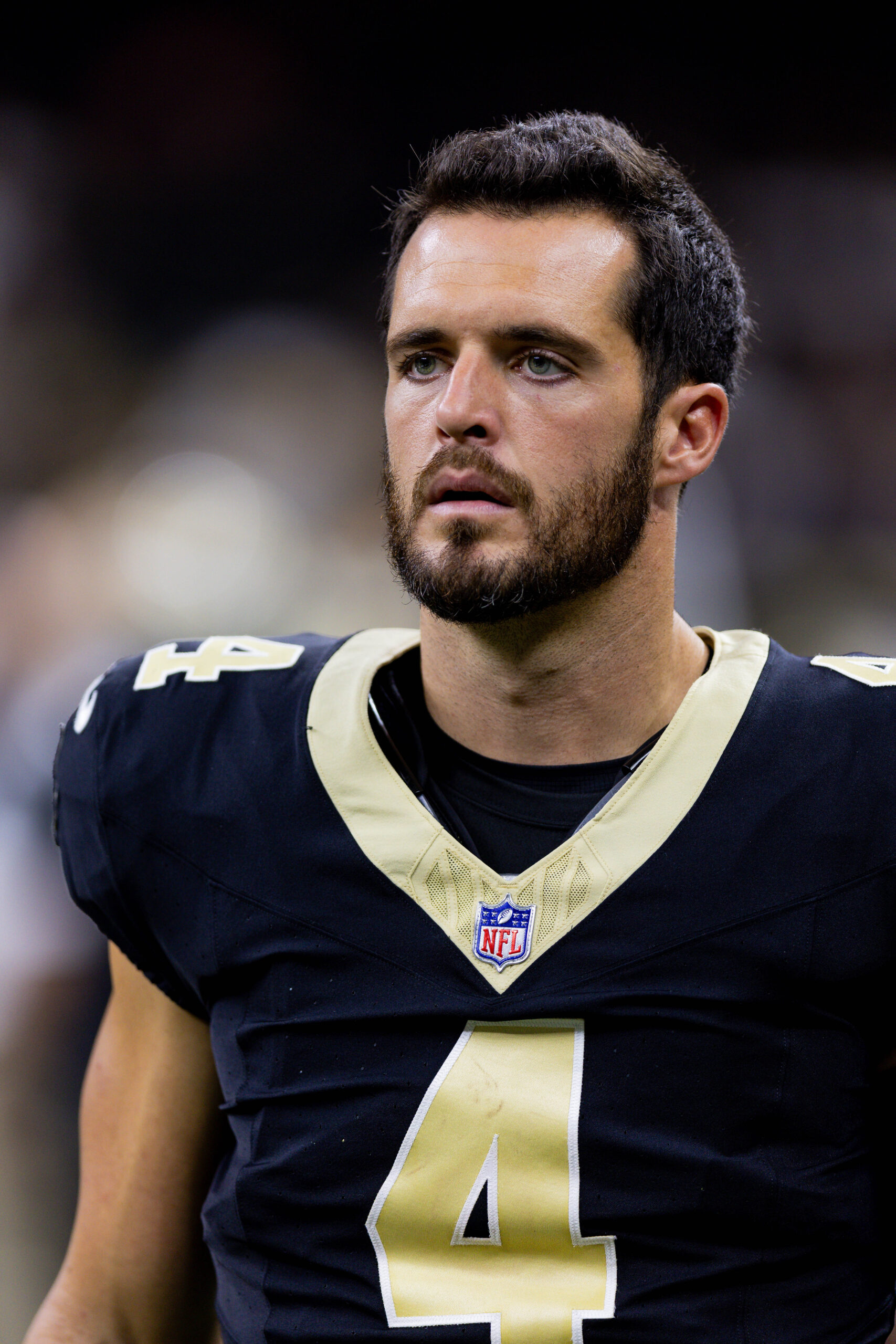 The Raiders gave Carr permission to speak with other teams, and an early-February trip to New Orleans ensued. But Carr ended up wielding the no-trade clause the Raiders gave him as part of their April 2022 extension. The veteran passer refused a trade, forcing the Raiders to release him before a $40MM guarantee vested Feb. 15. The Saints, who had agreed with the Raiders on trade compensation, then needed to compete with other teams on the open market. While Carr met with the Panthers and Jets at the Combine, both teams clearly slotted him as a Plan B.
The Panthers were negotiating with the Bears about a trade to acquire the No. 1 overall pick. The Jets made no secret of Carr being their Aaron Rodgers backup plan. Carr did visit the Jets, who had hired ex-Raiders OC Todd Downing as QBs coach. This meeting came before Rodgers determined he would play a 19th season and before he signed off on becoming a Jet. Without assurances, the Jets bowed out, leading to the Saints agreement. It later came out Carr felt “far more comfortable” with the Saints, who were not courting Rodgers, compared to the Jets. The Saints landed their top QB choice, paying up to do so.
Agreed to more than a week before the UFA market opened, Carr’s contract includes $60MM guaranteed. That is more money at signing compared to his final Raiders deal and more than double what Geno Smith received from the Seahawks. The recently cut QB’s decision to pass on a trade paid off. The four-year contract includes a practical guarantee of $70MM; a $10MM Carr 2025 injury guarantee will shift to a full guarantee in March 2024. The $70MM approaches the territory the Giants needed to go to for Daniel Jones ($81MM fully guaranteed). Carr’s remaining 2025 money ($30MM) will become guaranteed if he is on New Orleans’ roster in March 2025, setting this agreement up as a two-year audition. Due to a nonguaranteed $50MM base salary in 2026, Carr will almost definitely not play out this contract. But if the 32-year-old passer plays well, it is easy to see he and the Saints agreeing on another contract before that point.
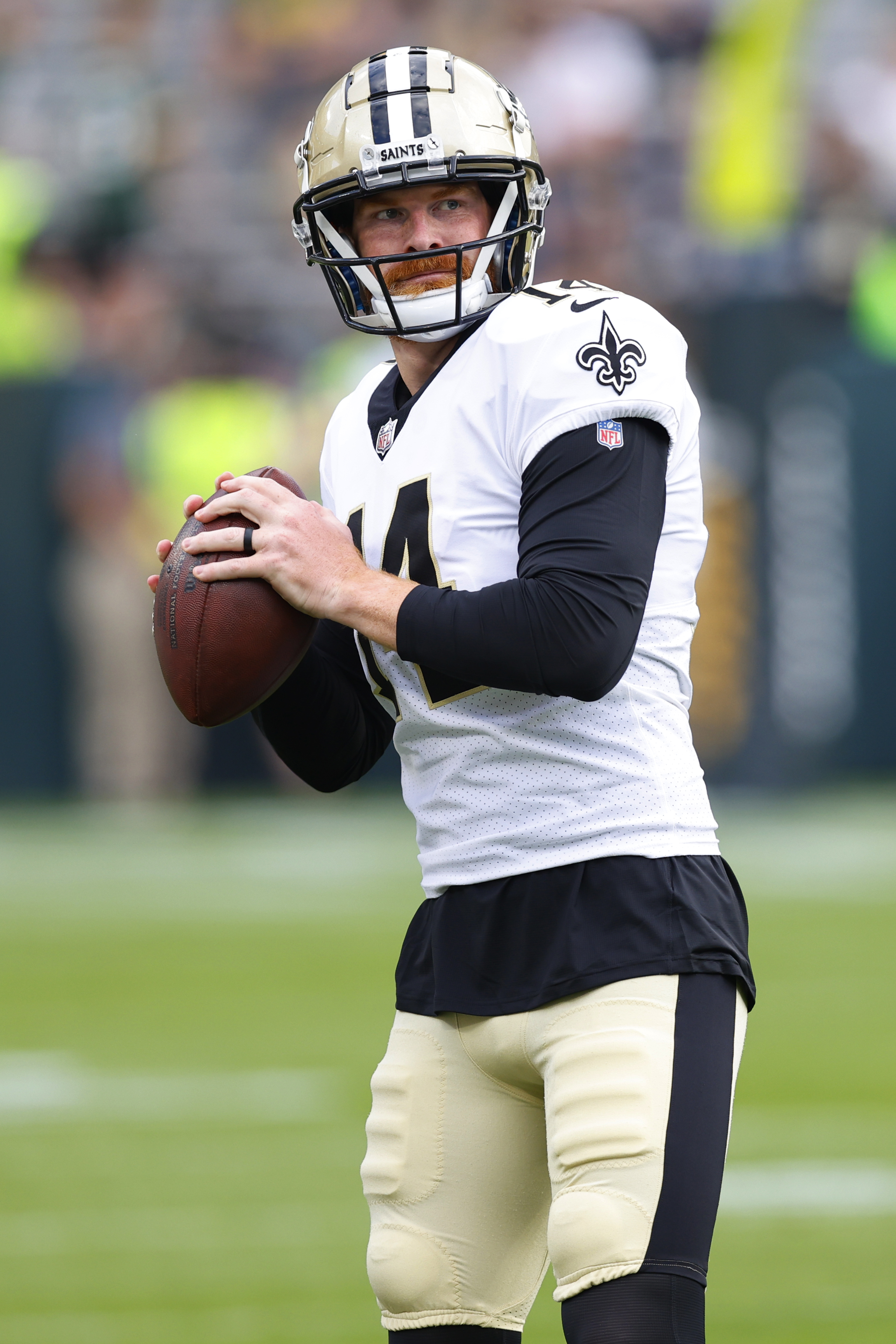
This AAV does not match Carr’s 2022 Raiders re-up, but that deal giving the Silver and Black an early escape hatch did not provide much security. The Saints accord puts Carr back on track; he will have a chance to compete a division that looks much less imposing compared to what the Raiders are facing. Whereas the Raiders gave up on Carr, they will roll the dice with the injury-prone Jimmy Garoppolo. In Carr, the Saints have a player who has only missed three career games (plus a 2016 wild-card tilt) due to injury. While paying Andy Dalton $3MM is more cost-effective than giving Carr $70MM guaranteed, the Saints felt they needed to take a swing after they saw their long-dependable QB situation deteriorate over the past two seasons.
 Familiarity exists here. Dennis Allen was with the Raiders when they drafted Carr in 2014, though he was fired early that season. The Saints also brought in four-year Carr HC Jon Gruden as a consultant. The team also added ex-Raiders Moreau and Edwards. Finishing third in the 2016 MVP voting, Carr fell off that level in 2017. Thanks to the Raiders’ Antonio Brown and Tyrell Williams bets busting (an understatement) and then Henry Ruggs being released after his DUI manslaughter charge, Carr did not have much help at receiver under Gruden. But he finished with a top-11 QBR in 2019 and ’20, before piloting the Raiders to the playoffs in 2021. Carr’s QBR checked in at 14th — seven spots ahead of Dalton — last season. Carr’s completion percentage (60.8) and yards per attempt (6.7) numbers cratered under Josh McDaniels, despite Davante Adams‘ arrival.
While it is debatable Garoppolo is an upgrade on Carr and worth wondering if the ex-Raider is worth this guarantee for the Saints, Las Vegas’ decision to cut the Carr cord will have longstanding ramifications for two franchises. As a result of the Carr contract, the Saints did not authorize any other splash deals this offseason. But the team did hand out a few lower-middle-class contracts of note.
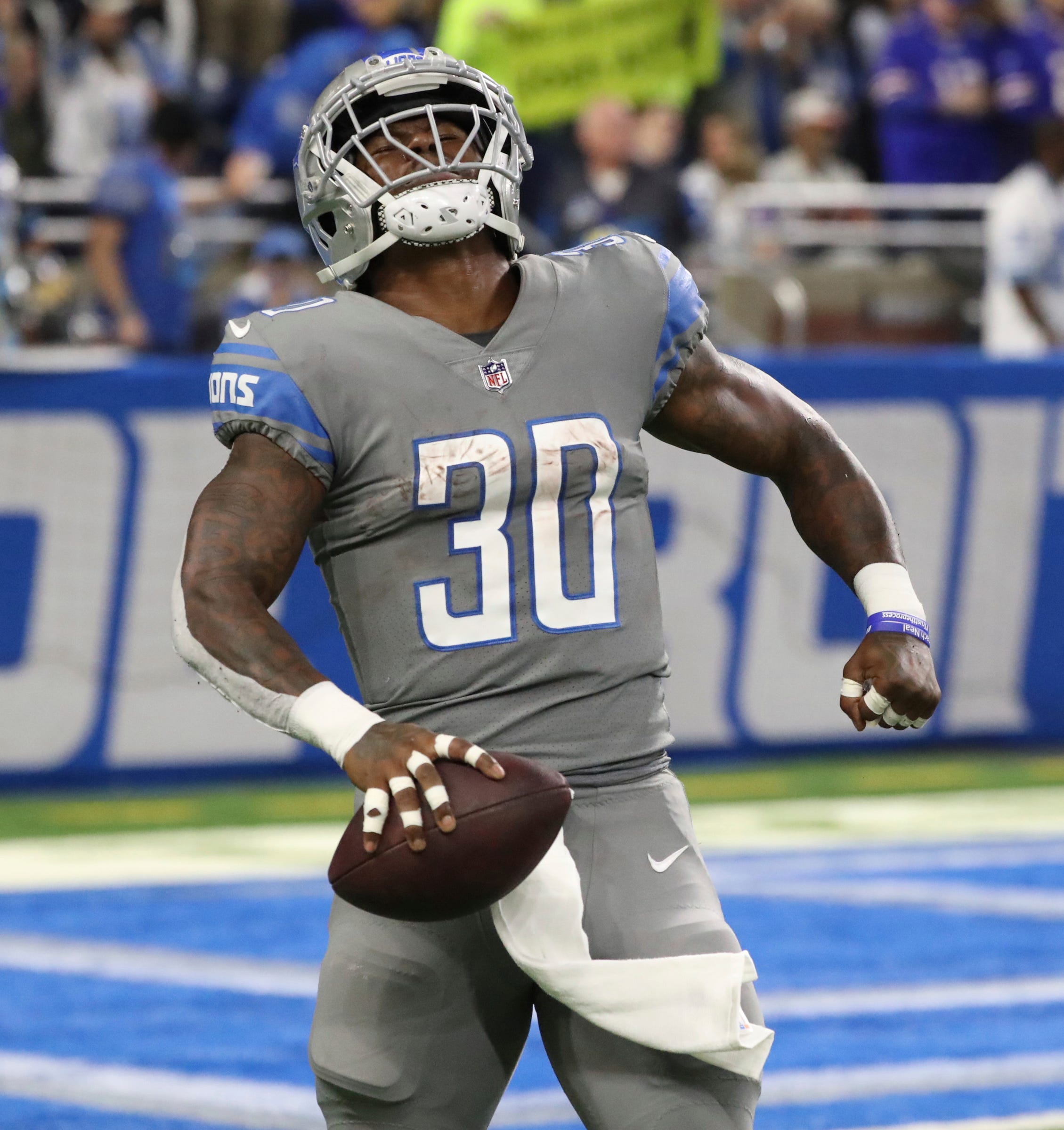
Holding in-season workouts and trying a few players as Kamara insurance in 2022, the Saints operated with more intent at running back this spring. Expecting the long-rumored Kamara suspension to be handed down this year, New Orleans added Williams, who will take an AAV discount despite coming off his best season. The fiery back overtook D’Andre Swift as the Lions’ primary runner, blazing to an NFL-high 17 rushing TDs last season. Never gaining more than 601 rushing yards in a season previously, the ex-Packers draftee finished with 1,066 last year. After the Lions gave Williams a two-year, $12MM contract in 2021, he settled for a $4MM AAV this year. Citing disrespect in the Lions’ offer — one featuring similar terms to David Montgomery‘s three-year, $18MM deal — Williams joined the Saints. He is positioned to be the team’s September starter and should have a regular role once Kamara returns.
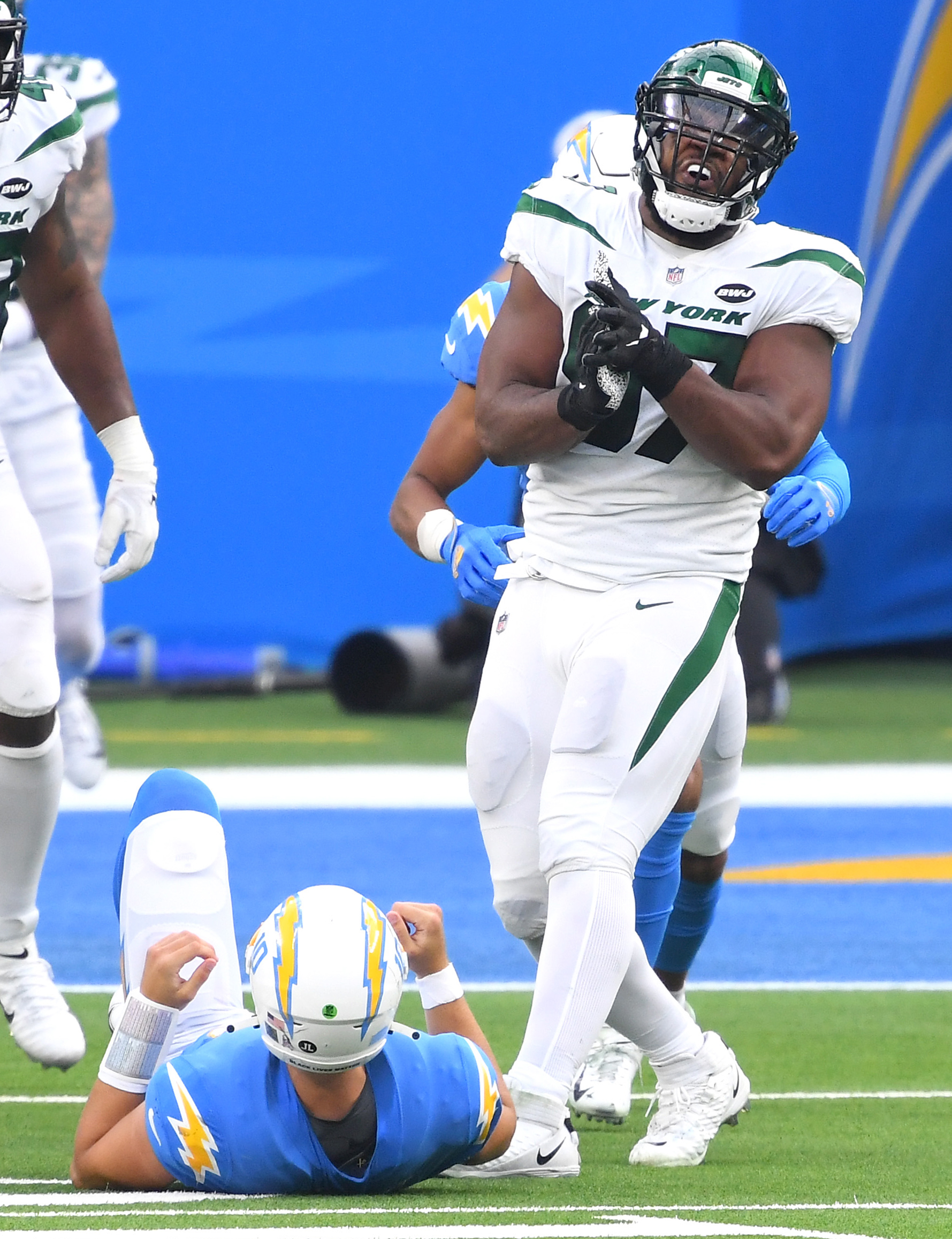 Losing David Onyemata early during the legal tampering period, the Saints completed an overhaul of their defensive tackle contingent. Before drafting Bryan Bresee in Round 1, New Orleans added Saunders and Shepherd on the same day in free agency. Onyemata signed a three-year, $35MM Falcons contract. With Carr on the books, the Saints passed on that D-tackle salary range by signing two players whose AAVs do not add up to Onyemata’s.
Bresee will be expected to move into New Orleans’ starting lineup soon — probably this season — but Saunders and Shepherd reside there now. Each former third-round pick worked most recently as a rotational D-tackle. Shepherd, 29, never cracked the Jets’ lineup on a full-time basis, but the Robert Saleh regime retained the Division II alum and used him on 400-plus defensive snaps in each of the past two seasons. Saunders, 27, has not started a game since 2020. He recorded a career-high 3.5 sacks with the Chiefs last season, finishing his rookie contract with backup roles on two Super Bowl-winning teams.
For name value, the Saints made some considerable strides at tight end. Jesse James is a veteran who, in addition to being associated with one of this era’s most controversial plays, has eight years’ experience. With Moreau, Juwan Johnson and Taysom Hill in place, James is far from a lock to be on the team. Graham should have a better chance, though his summer arrival was certainly more surprising.
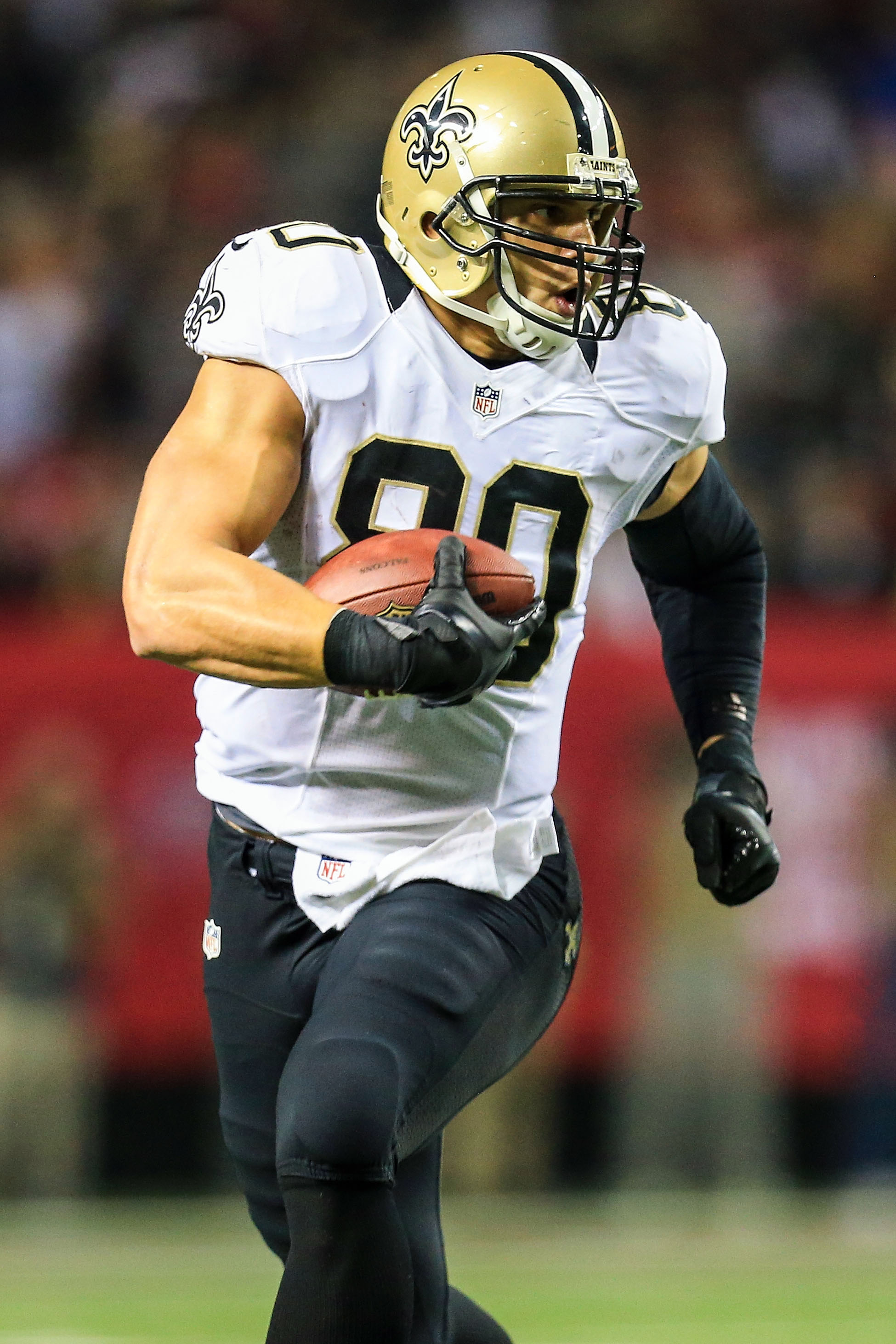 Graham spent last season out of football, having played out a two-year Bears contract. He sought a deal to return to the Saints. At 36, the one-time hoops-to-gridiron sensation is far past his prime. Graham appeared on a Hall of Fame trajectory the last time he donned a Saints uniform, but his Canton pace slowed with the Seahawks, Packers and Bears. Graham delivered dominant work during his four-year run as the Saints’ top tight end, catching 51 of his 85 career touchdown receptions. Even after the 2015 trade for a first-round pick and Max Unger, Graham excelled as a red zone threat. He totaled eight TD grabs in 2020. Graham’s guarantees present this contract as a last-chance flier, but this was easily one of the most surprising signings of the year.
Perhaps more surprising: Moreau going from a cancer diagnosis in March to a $12MM contract in May. Moreau’s Saints visit led to the Hodgkin’s lymphoma discovery, but the New Orleans native stayed in touch with the team as he received treatment. By July, Moreau was in full remission. He rejoins Carr to help a deep tight end corps. The Raiders attempted to re-sign Moreau, but they moved on (via Austin Hooper and second-rounder Michael Mayer) in the weeks after the LSU alum’s diagnosis. Darren Waller running into injury trouble over the past two years opened the door for Moreau, who tallied 793 receiving yards and five TDs in that span.
Trades:
- Traded former HC Sean Payton‘s rights and a 2024 third-round pick to Broncos for 2023 first-rounder, 2024 second
- Sent TE Adam Trautman and a 2023 seventh-rounder to Broncos for 2023 sixth
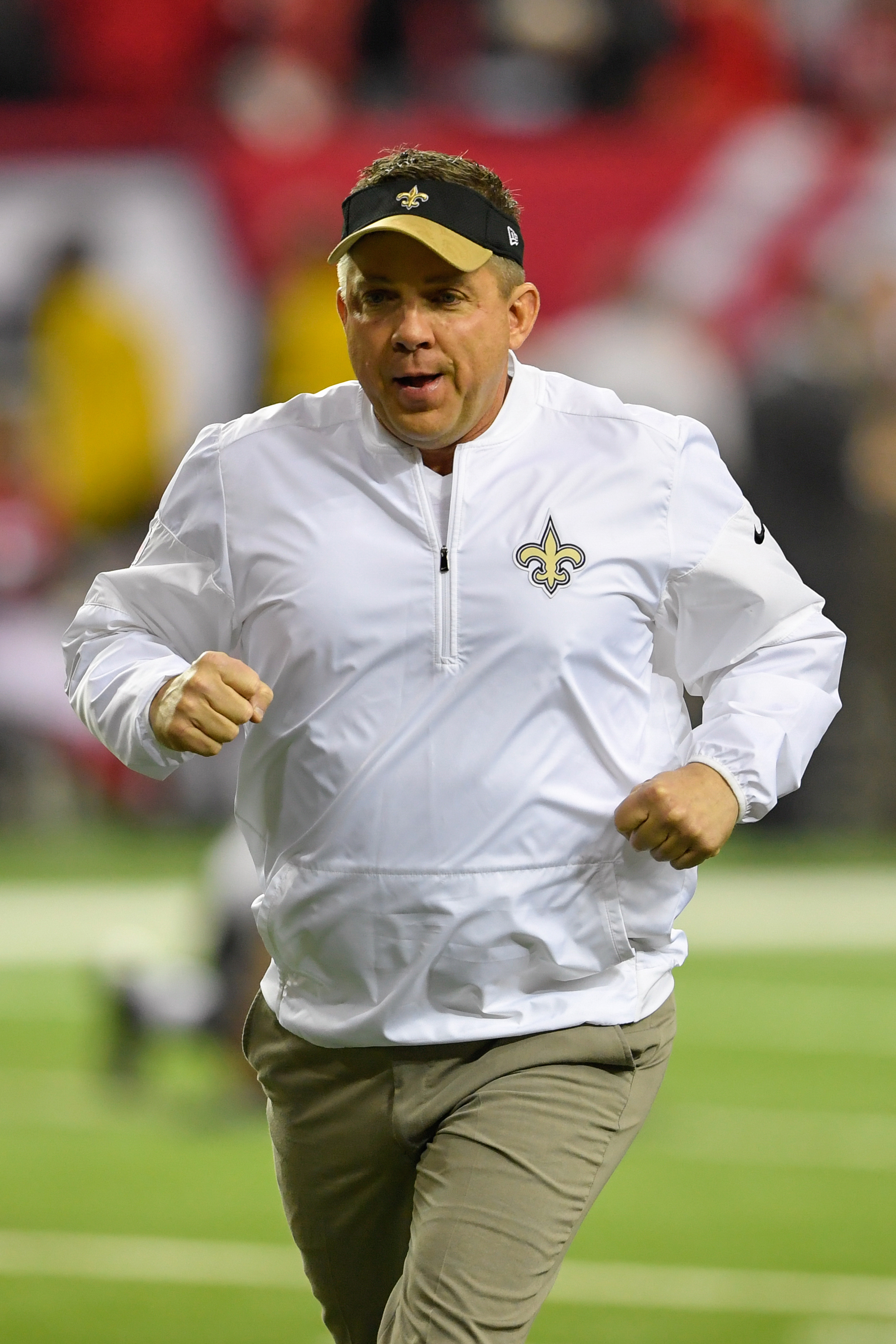 Rumors about Payton returning to his old job ended up quickly squashed, with the Saints committing to Dennis Allen for a second season. This set the one-year FOX analyst on a tour. As the highest-profile coach on this year’s carousel, Payton met with four of the five HC-seeking teams (all but the Colts). The 15-year Saints HC, who was connected to the Cowboys and Chargers jobs, considered staying at FOX and re-entering the market when better jobs were available. But he ended up preferring the Broncos among this year’s lot. The Cardinals were not Payton’s first choice, though Michael Bidwill belatedly called the Payton trade cost too steep. Denver’s deep-pocketed ownership group won over the former Super Bowl winner, setting up negotiations with the Saints on compensation.
In a complex April 2022 trade, the Saints dealt their 2023 first-rounder to the Eagles. This move gave New Orleans a second 2022 first-rounder, which it used to trade up for Chris Olave. As a result, the Saints entered the offseason without a 2023 first. Payton gave them a chance to recoup that asset, but his longtime coworker wanted more initially. Loomis asked for two first-rounders for Payton, whose Saints contract ran through 2024.
Offseason In Review: Chicago Bears
Coming into this offseason with the most cap space, the Bears used it in different ways. In addition to outbidding competitors for Tremaine Edmunds, Chicago filled other needs at guard and defensive end. GM Ryan Poles‘ second draft also is set to include multiple Week 1 starters, but this offseason — and more after that — will be defined by the trade the second-year GM made in March. This Bears regime made a bet on the previous staff’s quarterback investment and acquired a number of high-value assets to do so.
Trades:
- Traded No. 1 overall pick to Panthers for WR D.J. Moore, 2023, 2024 first-round picks, 2023, ’25 second-rounders
The Bears trudged into the Poles era without a first-round pick, a familiar feeling for a team that entered the 2019 and ’20 drafts without Round 1 capital. This trade will give Chicago two 2024 first-rounders — the team last made multiple first-round choices in 2003 — while providing Justin Fields with his best pro receiver. Still, the Bears will bet on Fields plus assets over Bryce Young, a quarterback who came into this draft as a higher-regarded prospect than Fields was in 2021.
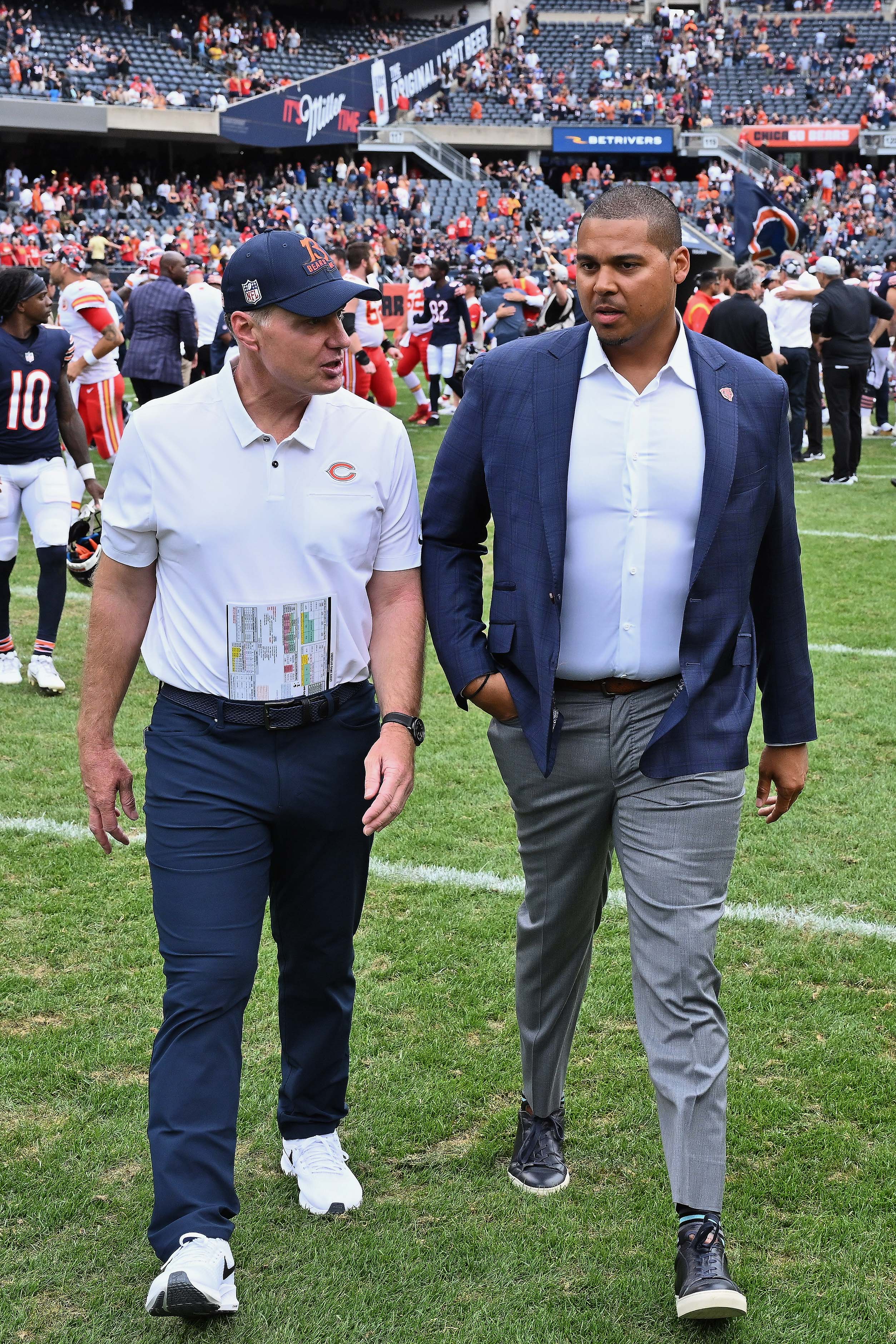 Teams have dealt the No. 1 overall pick earlier than the Bears. The Buccaneers moved what became the 1984 top pick — in a 1983 deal with the Bengals for QB Jack Thompson — before knowing where that selection would land. That separated what the Bears did this year. Two months after seeing a miraculous Texans win give them the No. 1 pick, the Bears dealt it to the Panthers before free agency. That marks new territory in the modern NFL. Since the draft moved to April in 1976, no team knowing it held the No. 1 pick had traded the choice before mid-April.
Poles preferred to have his cards arranged before the free agent market opened, and the March 10 swap led to the Panthers having more clarity before free agency than the Bears, who dropped down to No. 9 overall. Rather than spend more time scouting this year’s QB class, Poles made good on his January indication the team would need to be wowed by one of this year’s prospects to pass on a future with Fields.
Poles has been open about the Texans being included in a three-team deal that would have allowed the Bears to drop from No. 1 to No. 2 to No. 9. The Raiders and Cardinals were also connected to interest in the top pick, but the Texans and Panthers emerged as the only serious buyers. Once Houston showed trepidation, Carolina and Chicago cut out the middle man and made a direct swap. Poles brought up Brian Burns and Derrick Brown, but the Panthers preferred to hang onto their rookie-contract D-linemen. The Bears GM had spoken to Chicago Blackhawks GM Kyle Davidson for advice on how to construct a high-profile trade involving picks and players, and the NFL GM moved to Moore, who became a mandatory piece once the Panthers took Burns and Brown off the table.
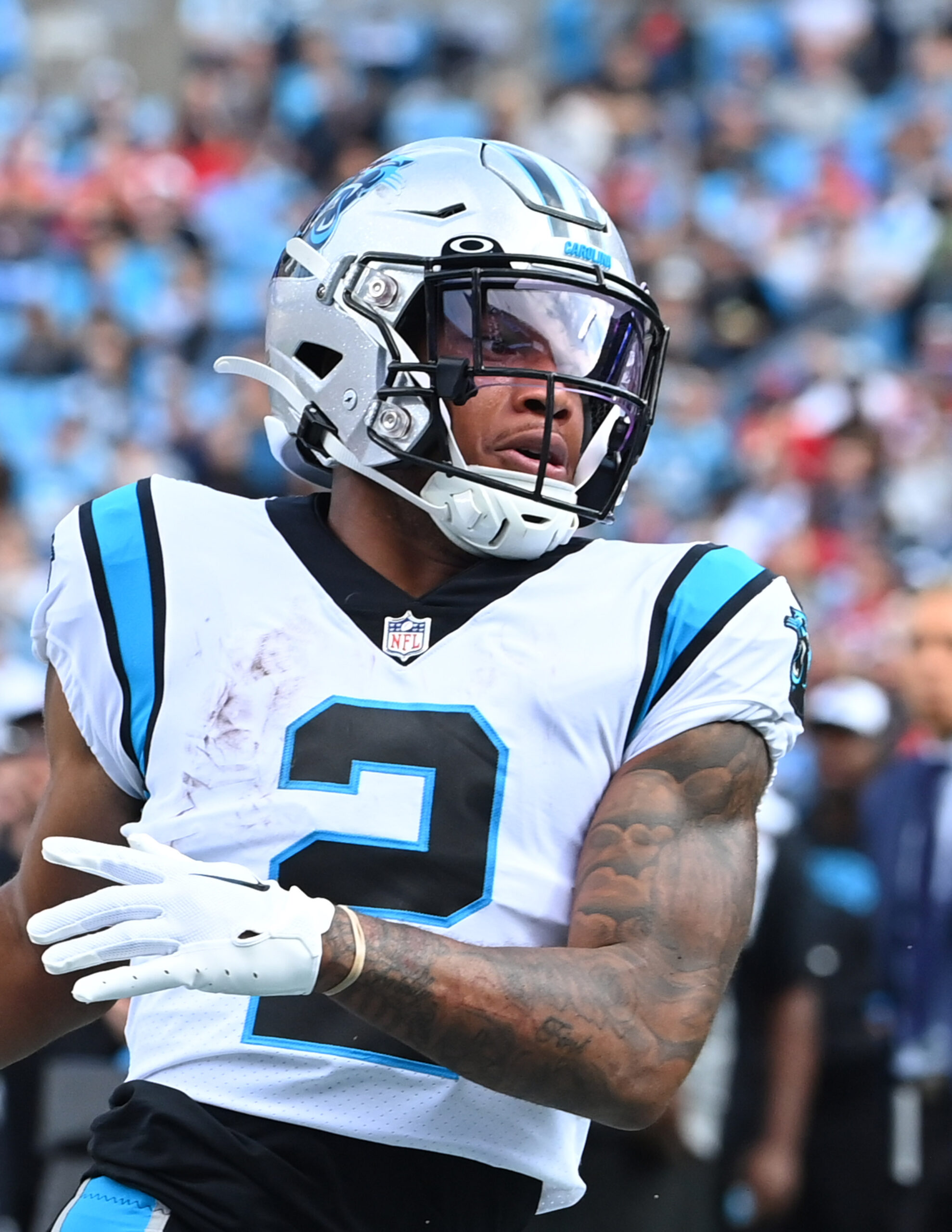 In exchange for allowing the Panthers to retain their No. 38 overall pick this year, the Bears pried two second-rounders — No. 61 this year and a 2025 choice — from the NFC South club. That should be a win for Chicago, which now has Moore signed through 2025. The Panthers gave Moore a three-year, $61.88MM extension hours before the receiver market ignited — via Davante Adams‘ $28MM-per-year Raiders deal — in March 2022, but after Matt Rhule‘s October 2022 firing, sharks circled. Carolina only moved Christian McCaffrey and Chosen Anderson before the trade deadline, rebuffing a big Rams Burns offer and holding onto Moore, Brown and other young pieces. Saving Moore for this Bears trade proved prudent, but it also stripped the Panthers of their longtime No. 1 wideout.
The Bears benefited from the 2022 contract timing, with Moore tied to $16.1MM cap numbers in 2024 and ’25, and the cap space they carried into the offseason. Rather than attempt to provide Fields weaponry in a modest free agent class, the Bears traded for Moore and Chase Claypool. The latter swap has not panned out, but Moore has a much better track record. The 2018 first-round pick posted three straight 1,000-yard seasons despite Carolina running into annual QB trouble once Cam Newton‘s injuries accelerated a steep decline. Kyle Allen, Teddy Bridgewater and Sam Darnold represented the Panthers’ primary passers during that period (2019-21). As of now, it is not known if Moore will need to prepare for more of the same with Fields or if he will be an A.J. Brown-like piece that catalyzes a passer’s ascent.
While the Bears have been able to acquire receiving talent over the past decade, each WR1-caliber cog turned out to be a short-term fix. Brandon Marshall was with the team for three years, with one of them — 2012 — establishing a franchise single-season yardage record. Tandem partner Alshon Jeffery spent five years in the Windy City, thanks to a 2016 franchise tag. Allen Robinson carried otherwise-deficient Bears passing attacks from 2018-20, showing notable slippage while with Fields in ’21. Granted, Robinson’s 2022 Rams form pointed to a decline rather than Fields tanking his stock. In Moore, 26, the Bears will hope they have a long-term piece.
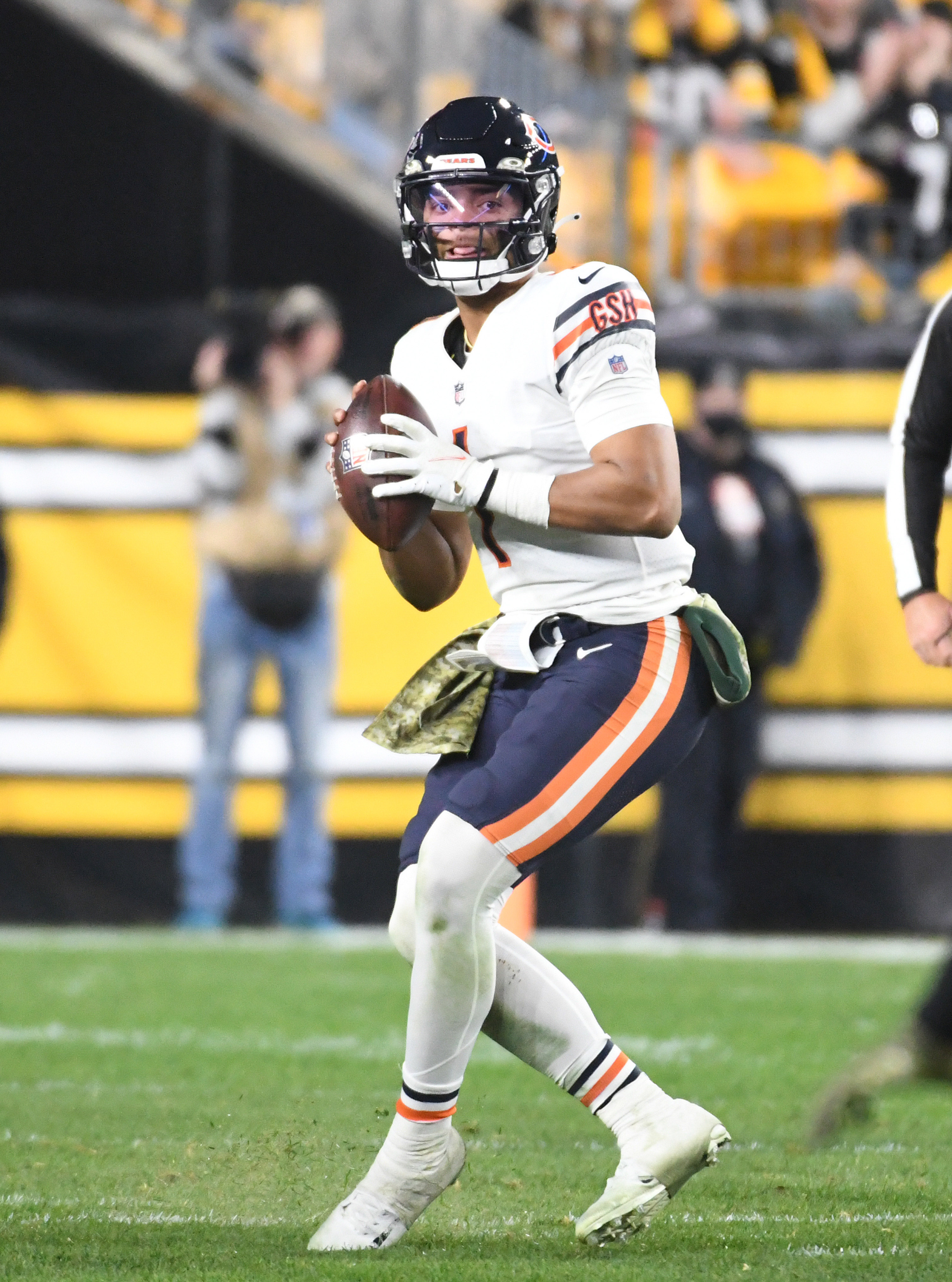 Chicago is banking on the quarterback at the helm of a 3-14 team to show significant improvement, and subsequent offseason moves equipped him with offensive line upgrades. For Fields’ historic rushing season (1,143 yards) last year — one that could have ended with the Ohio State alum eclipsing Lamar Jackson‘s QB record had the Bears not held him out in Week 18 — he has not shown too much as a passer. The Bears’ 22.2 pass attempts per game ranked last in the league in 2022, and Fields completed just 60.4% of his throws. The two-year Buckeyes starter also took a league-high 55 sacks.
This season will better determine if Fields was held back by a bottom-tier supporting cast or if the college star will bring genuine long-term concerns ahead of the Bears’ fifth-year option call. This trade certainly points to the Bears exercising Fields’ option, and potential Jalen Hurts-like strides would make 2024 extension territory for a Bears franchise that has struggled to develop homegrown QB talent for much of its existence.
Fields flopping would move Poles, Matt Eberflus and OC Luke Getsy onto shakier ground, and Young’s Carolina performance will obviously be tied to the Bears’ Fields path. For now, the Bears have a cost-controlled QB, more support around him and draft capital to accumulate more talent in 2024 and ’25.
Free agency additions:
- Tremaine Edmunds, LB: Four years, $72MM ($41.8MM guaranteed)
- Nate Davis, G: Three years, $30MM ($17.5MM guaranteed)
- DeMarcus Walker, DL: Three years, $21MM ($10.5MM guaranteed)
- Yannick Ngakoue, DE: One year, $10.5MM ($9.9MM guaranteed)
- T.J. Edwards, LB: Three years, $19.5MM ($7.9MM guaranteed)
- Andrew Billings, DT: One year, $2.75MM ($2.31MM guaranteed)
- P.J. Walker, QB: Two years, $4MM ($2MM guaranteed)
- Travis Homer, RB: Two years, $4MM ($1.75MM guaranteed)
- Robert Tonyan, TE: One year, $2.65MM ($1.25MM guaranteed)
- D’Onta Foreman, RB: One year, $2MM ($1MM guaranteed)
- Marcedes Lewis, TE: One year, $2MM ($1MM guaranteed)
- Rasheem Green, DL: One year, $2.5MM ($850K guaranteed)
- Dylan Cole, LB: One year, $1.23MM ($100K guaranteed)
- Aviante Collins, OL: One year, $1MM
Eberflus was in Indianapolis when Shaquille Leonard signed a then-record off-ball linebacker contract. It cost nearly that much for the Bears to add Edmunds, who is now tied to an $18MM-per-year deal (fourth among ILBs) and $41.8MM fully guaranteed (third at the position). While Edmunds is going into his sixth season, he is somehow just 25. The Bears are entrusting Edmunds less than a year after trading away Roquan Smith, who sought a top-market contract (and eventually received it from the Ravens).
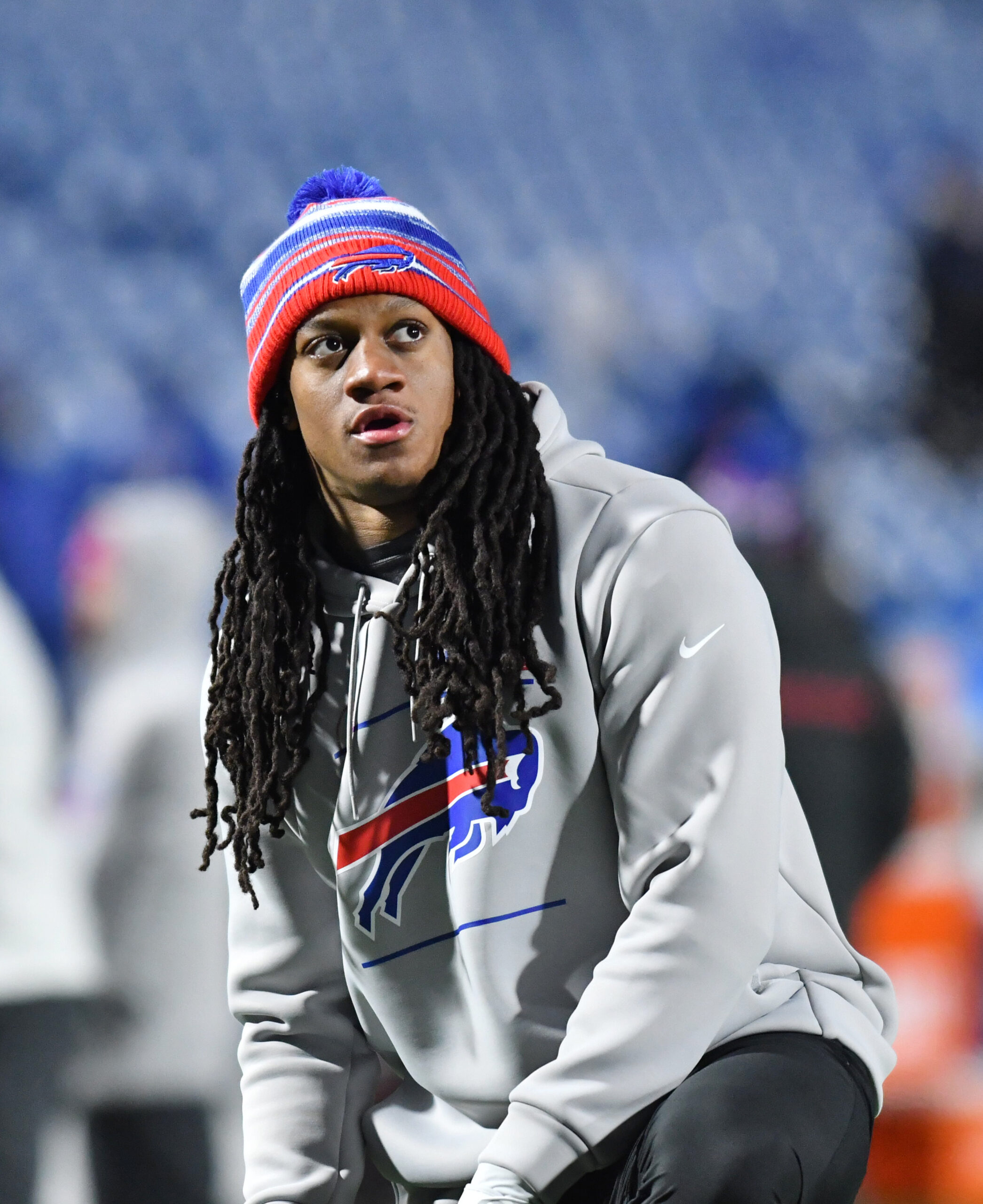 The Bears deemed Smith unworthy of this type of contract but authorized it for another 2018 first-rounder. Edmunds put together five seasons with at least 102 tackles, finishing that run despite missing four games last year. The Virginia Tech product’s four absences last season are not indicative of his durability; Edmunds missed just four games over his first four seasons. He earned Pro Bowl acclaim in 2020 and finished as Pro Football Focus’ No. 5 overall linebacker last season, improving in coverage. He served as a key piece in the Bills’ climb.
Edmunds has not produced on the Leonard level, despite the Bears giving him $8MM more guaranteed, and he will be expected to be more consistent in Chicago. But the Bears not backloading the deal would allow them an easy 2025 escape from this big-ticket agreement.
The non-Edmunds market topped out at $10MM AAV (the Giants’ Bobby Okereke deal), while no other team ventured past $7MM per season for the other ILBs on the market. The Bears also struck early with Edwards, agreeing to terms with the multiyear Eagles contributor on a team-friendly accord that doubled as the legal tampering period’s first 2023 commitment. A northern Illinois native, Edwards rose from UDFA to three-down player in Philly. The 27-year-old defender finished with a monster contract year: 159 tackles (10 for loss), two sacks and seven passes defensed. The Eagles gave Edwards by far their most linebacker snaps last season (1,041).
Offseason In Review: Arizona Cardinals
The Kyler Murray homework clause showed signs the team’s recommitment to its previous nucleus may not work out, but it was difficult to predict just how far the Cardinals would fall. Murray struggled through his worst season, one that ended with an ACL tear, and the Cardinals bailed on the Kliff Kingsbury and Steve Keim extensions less than a year after authorizing them. While the Titans joined the Cards in ditching a GM they had extended earlier in 2022, Arizona pulled the plug on its head coach as well. As a result, this franchise appears to be transitioning into a clear rebuild.
Coaching/Front Office:
- Fired Kliff Kingsbury as HC, Steve Keim as GM
- Named Eagles DC Jonathan Gannon head coach, hired Titans exec Monti Ossenfort as GM
- Cardinals, Eagles exchanged draft picks due to tampering penalty for improper pursuit of Gannon
- Hired Eagles LBs coach Nick Rallis as defensive coordinator, Browns QBs coach Drew Petzing as OC
- Parted ways with DC Vance Joseph; defensive line coach Matt Burke became Texans’ DC
- Named Lions director of college scouting Dave Sears as assistant GM
- Added Colts’ Klayton Adams as offensive line coach, Browns’ Israel Woolfork as QBs coach
- Interim GM Adrian Wilson left to become Panthers’ VP of player personnel
- Former exec Terry McDonough files complaint against owner Michael Bidwill
Keim’s tenure produced high points, one of them including the only 13-win season in Cardinals history (2015). The team could not follow up that Carson Palmer-led effort, and the QB’s retirement preceded a 3-13 campaign. Bidwill still gave Keim the opportunity to hire a third head coach (Kingsbury). Draft misses plagued Keim in Arizona, but despite those and the extreme DUI arrest in 2018, the GM lasted 10 years and secured an extension following the Cards’ 2021 playoff berth. The organization is still on the hook for Keim money through 2027, with the longtime exec out of football, but it altered its blueprint by making an outside hire to replace him.
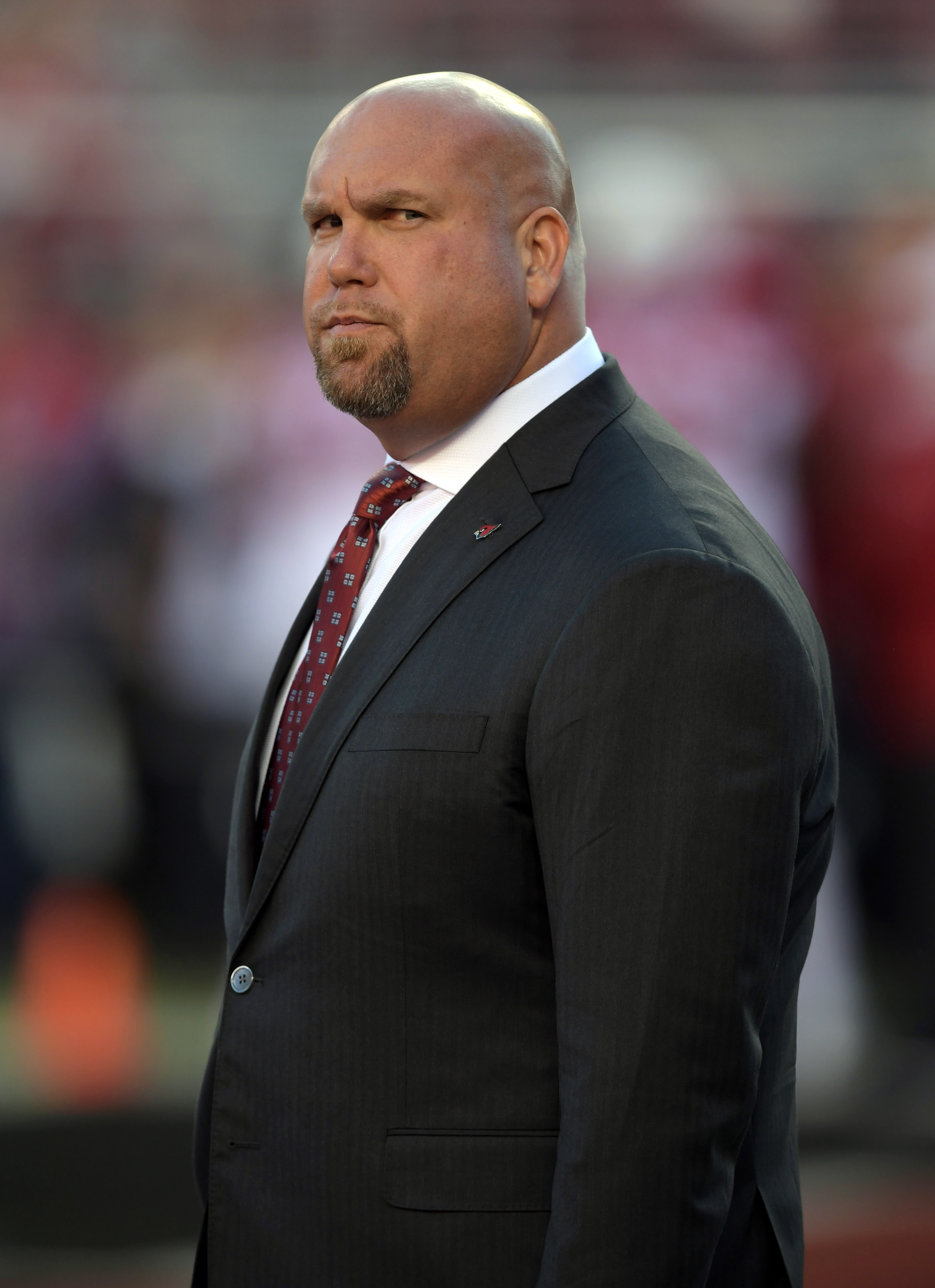 The Cardinals promoted Keim from within in 2013 and elevated his predecessor, Rod Graves, from in-house in 2003. Coming into this offseason, Bob Ferguson (hired in 1996) represented the franchise’s last outside addition for the GM role. With the Cardinals being unable to sustain success under Graves or Keim, the objective became an outside hire. Ossenfort beat out Bears assistant GM Ian Cunningham for the position, but a report also indicated Cunningham turned down the job. Regardless of how Ossenfort reached this post, it will be on him to attempt to revive the Cardinals.
The latest ex-Bill Belichick staffer given a chance to lead a team, Ossenfort indeed spent the bulk of his professional career in New England. The Minnesota native worked his way up from the personnel assistant level to the Patriots’ director of college scouting by the time his 17-year Foxborough run ended in 2019. The Titans hired Ossenfort as their player personnel director, under fellow ex-Pats staffer Jon Robinson. Ossenfort, 45, interviewed for five GM jobs from 2020-23, receiving interest as the Titans continued to voyage to the playoffs while lacking a top-tier quarterback. After spending his career helping the Patriots extend their dynasty and keeping the Titans on the contender tier, Ossenfort has taken over a fixer-upper in Arizona.
Bidwill and Keim’s Kingsbury hire drew criticism in the moment, with the team firing a Black coach (Steve Wilks) to hire someone recently fired from a college HC job. Kingsbury drove the bus for Murray (over Nick Bosa), even with the Cardinals choosing Josh Rosen 10th overall in 2018. Murray turned out to be a good investment at the time, zooming to two Pro Bowls and giving the Cardinals their most exciting homegrown QB in team history. Kingsbury had the Cards at 10-2 in 2021, winning multiple games with Colt McCoy at the helm that year, but the team’s second-half downturn and wild-card blowout loss proved indicative of its direction. While Kingsbury expressed shock upon being fired months after signing a through-2027 extension, rumors about his shaky job security — amid reported clashes with Murray — lingered for months. Kingsbury, 44, is now back at USC.
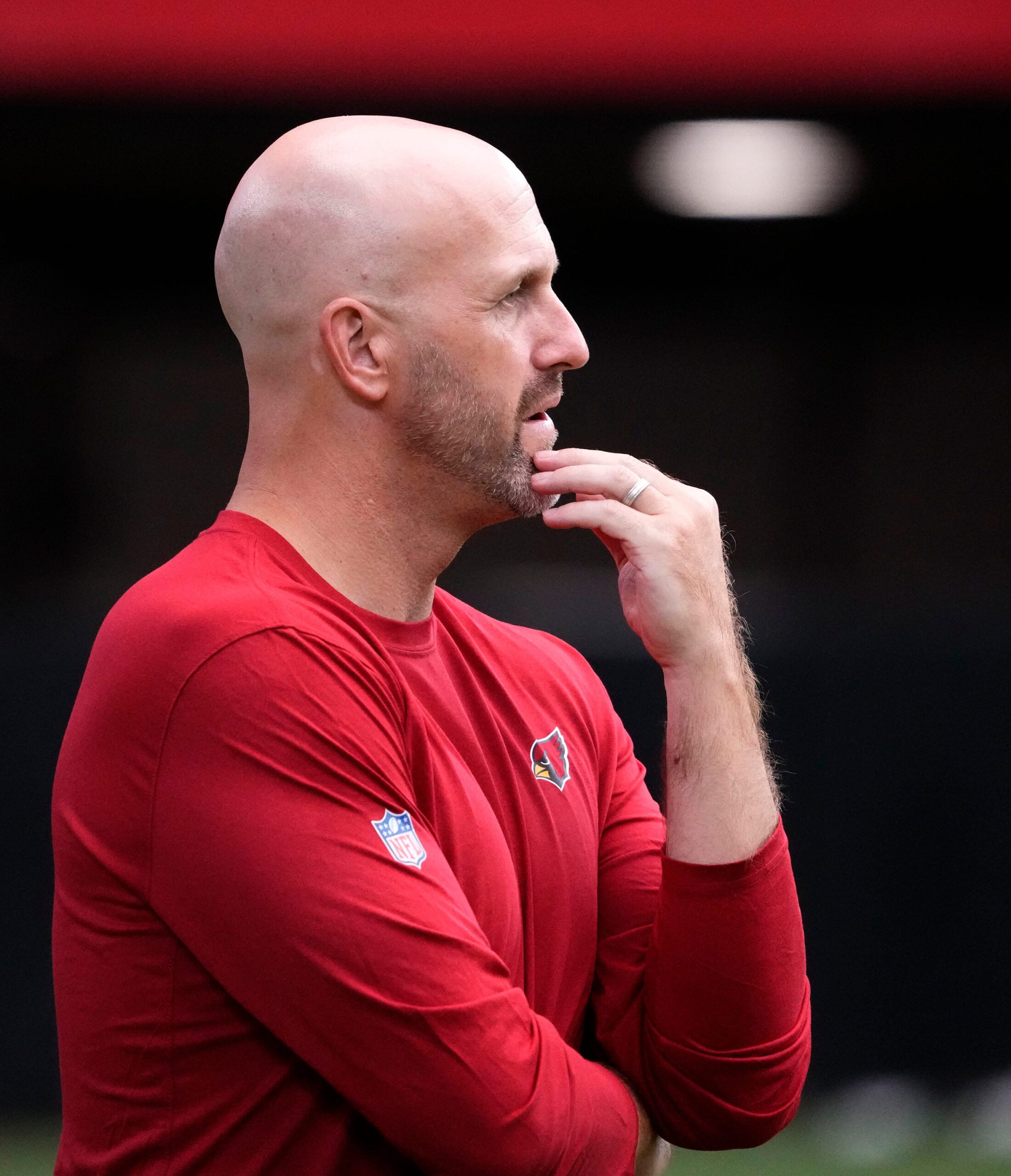 Ossenfort conducted a lengthy search to replace Kingsbury. The process involved Sean Payton, but the Super Bowl-winning HC chose the Broncos. After Payton’s Denver pledge, Dan Quinn removing himself from HC searches and DeMeco Ryans canceling his Cardinals interview, Brian Flores — an Ossenfort Patriots coworker for over a decade — pulled out of the process. In late January, the Cardinals added more names to their search. Lou Anarumo, Brian Callahan and Mike Kafka interviewed, but the Cards waited even longer to speak officially with their preferred candidate.
Gannon’s Arizona path caused some issues for the Cardinals and Eagles. The two-year Philadelphia DC spoke with Ossenfort following the NFC championship game, which violated the NFL’s tampering rules. Bidwill then announced he wanted to postpone a hire until after Super Bowl LVII, suggesting one of the Eagles’ coordinators was on his radar. The Gannon interview did not officially take place until after the game, but a report during the Eagles’ 38-35 loss indicated Gannon was all but certain to land the job. The tampering violation led to the Cardinals’ third-round pick dropping 28 slots in the draft, but Gannon — hired nearly six weeks after the regular season’s conclusion — became the choice.
Reminding of Matt Patricia‘s final act in his first Patriots stint, Gannon’s defense was ineffective in the Super Bowl. Two Chiefs goal-line plays befuddled the Eagles, with no one within several feet of Kadarius Toney and Skyy Moore on walk-in touchdowns that helped Kansas City prevail in a shootout. The Cards’ improper Gannon pursuit also affected Vic Fangio‘s Philly status.
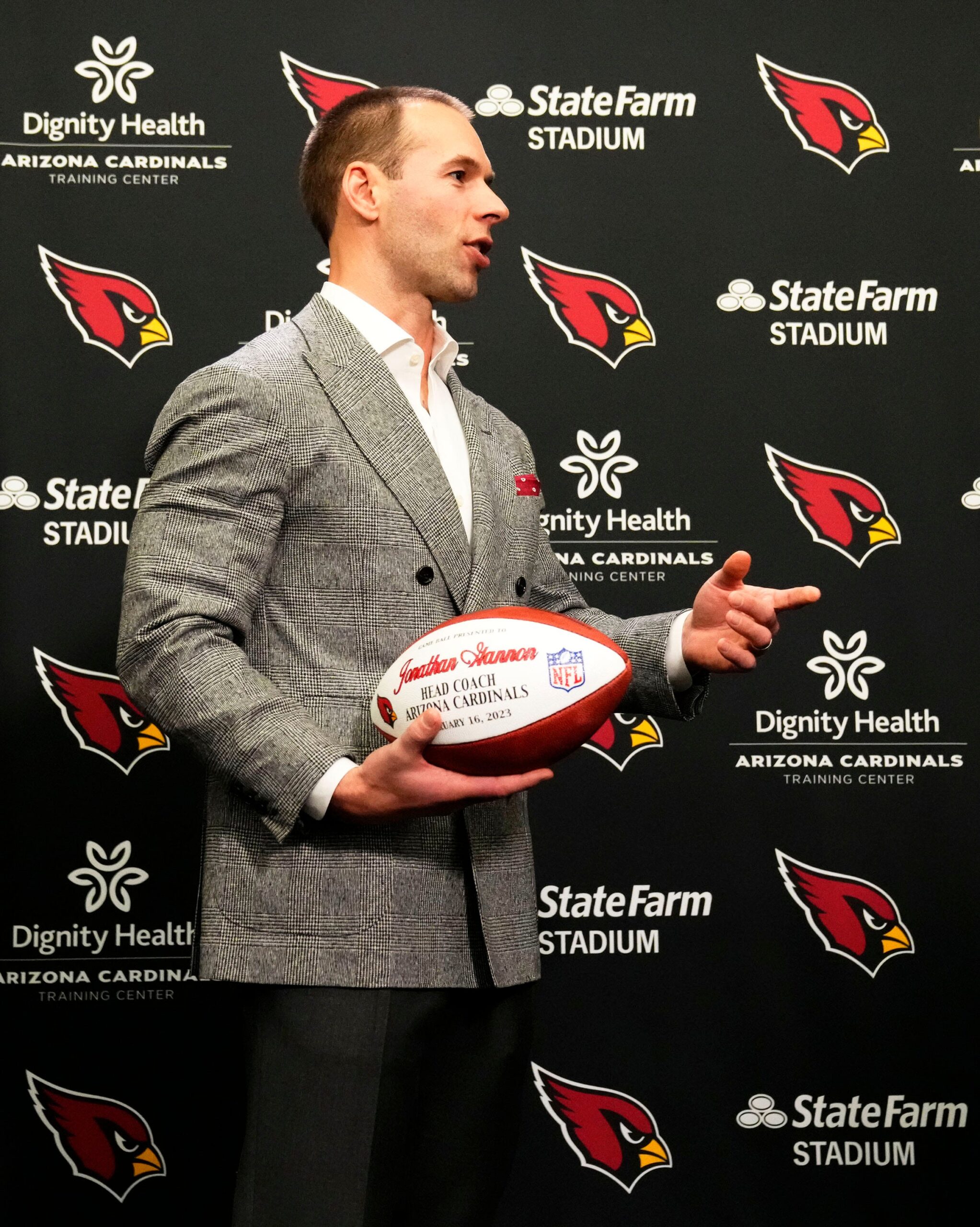 But the Eagles did make considerable strides under Gannon, who coached enjoyed top-flight personnel last season. DVOA viewed Gannon’s first Eagles offering as a step down, with the unit going from 15th in 2020 to 25th in 2021. Last season, which featured the Eagles fall two sacks shy (70) of the 1984 Bears’ single-season record, brought a sixth-place ranking. As Shane Steichen parlayed Jalen Hurts‘ improvement into the Colts’ HC job, Gannon — who also interviewed for the Texans’ job — rode Philly’s defensive improvement into the Cardinals’ top sideline job.
Separating with Joseph, the Cardinals hired the league’s youngest defensive coordinator to replace him. Rallis turned 30 this offseason. While Gannon, 40, has a defensive background, he is giving Rallis the play-calling reins. Rallis spent two seasons with the Eagles, moving from the quality control level (on Mike Zimmer‘s Vikings staffs). The Joseph-to-Rallis play-calling transition will mark a steep experience downgrade. Although the Cardinals’ defense regressed last season, Joseph turned in two top-10 DVOA showings (2020 and ’21) during his tenure.
Gannon, who coached Vikings DBs for four years under Zimmer, did not overlap with Rallis in Minneapolis. But he did with Petzing, who spent six seasons on Zimmer’s staff. The Kingsbury-to-Petzing transition will be more important, with the ex-Browns assistant now the top offensive coach on the Cardinals’ staff. Petzing, 36, coached tight ends in Cleveland during Kevin Stefanski‘s first two seasons and shifted to the more appealing (for coordinator searches) QBs position last year. Jacoby Brissett‘s bounce-back effort undoubtedly helped Petzing, who withstood Deshaun Watson‘s shaky debut to land this job. Gannon will also entrust Woolfork, who spent the past two seasons on coaching fellowships in Cleveland, to be Murray’s position coach. The Cardinals will be light on staff experience this season.
Free agency additions:
- Kyzir White, LB: Two years, $10MM ($6MM guaranteed)
- Hjalte Froholdt, OL: Two years, $4.6MM ($2.11MM guaranteed)
- Zach Pascal, WR: Two years, $4.5MM ($1.5MM guaranteed)
- Elijah Wilkinson, OL: One year, $1.23MM ($1.1MM guaranteed)
- Dennis Daley, OL: Two years, $3.2MM ($750K guaranteed)
- Geoff Swaim, TE: One year, $1.7MM ($450K guaranteed)
- Kris Boyd, CB: One year, $1.23MM ($428K guaranteed)
- Carlos Watkins, DL: One year, $1.67MM ($250K guaranteed)
- L.J. Collier, DE: One year, $1.23MM ($76K guaranteed)
- Kevin Strong, DL: One year, $1.17MM ($76K guaranteed)
- Rashad Fenton, CB: One year, $1.23MM ($76K guaranteed)
- Pat Elflein, OL: One year, $1.15MM ($25K guaranteed)
- Krys Barnes, LB: One year, $1.04MM ($25K guaranteed)
- Corey Clement, RB: One year, $1.1MM
- Jeff Driskel, QB: One year, $1.1MM
- Matt Haack, P: One year, $1.1MM
- Marlon Mack, RB: One year, $1.1MM
 For the time being, the Cardinals have both Froholdt and Wilkinson in place as starters. A Week 1 starting assignment would be new territory for Froholdt, who boasts connections to Ossenfort (as a 2019 Patriots draftee) and Petzing (as a two-year Browns blocker). Froholdt made six starts with Cleveland last season. Wilkinson (36 career starts) has tackle and guard starter experience. The Broncos turned to Wilkinson after Ja’Wuan James‘ Week 1 injury in 2019; the former made 12 right tackle starts that year. Wilkinson also opened last season as the Falcons’ left guard, but a knee injury limited him to nine games. The Cardinals have Wilkinson stationed as their left guard starter.
The Panthers released Elflein two seasons into a three-year contract. Elflein, 29, started at center and guard in Carolina. A hip injury ended his 2022 season after six games. The Panthers did not have a first-unit opening for the ex-Vikings draftee this year, but the Cardinals could probably use his services. And Petzing and Gannon were in Minnesota when he was drafted. Even if Elflein (64 starts) usurps Wilkinson or Froholdt, the Cardinals will be rolling with low-cost veterans at three of their five starting O-line posts.
Gannon and Rallis brought White over from Philly, and his contract is in line with how the non-Tremaine Edmunds–Bobby Okereke linebacker market played out. After signing a one-year, $3MM Eagles deal, the converted safety operated as a full-time linebacker for the Eagles’ NFC champion outfit. Teaming with T.J. Edwards, White totaled 110 tackles and seven passes defensed. The Eagles used the ex-Chargers draftee on 75% of their defensive snaps. Pro Football Focus slotted White, 27, as a top-35 off-ball linebacker in 2021 and ’22.
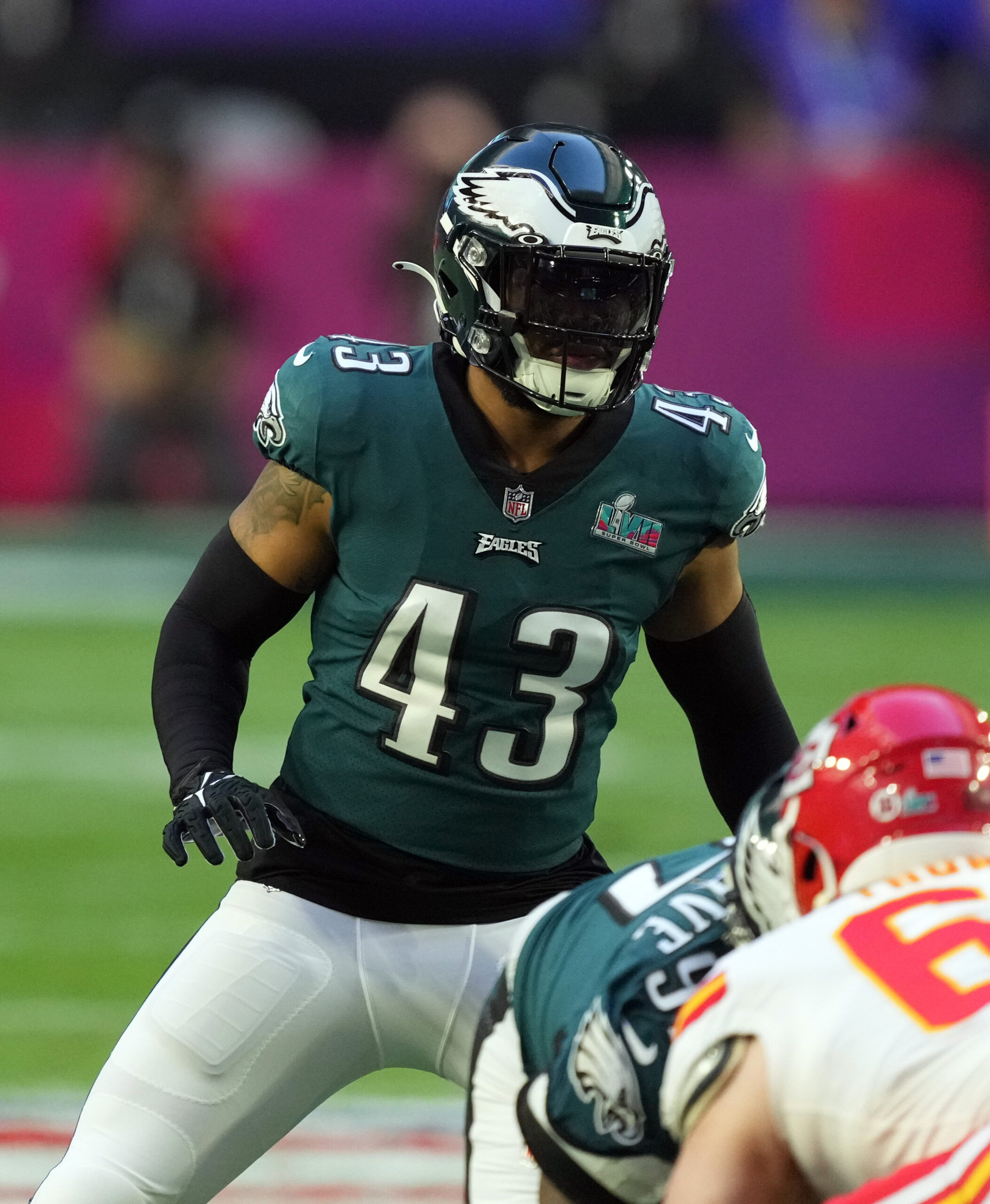 Considering Isaiah Simmons is now a full-time DB and Zaven Collins has shifted to the edge, White figures to see even more playing time in Arizona. He and Barnes, a 23-game Packers starter from 2020-21, emerged as the first-string ILBs on Gannon’s first Cardinals defense. The Cardinals do not have much in the way of draft picks or dollars invested at the off-ball linebacker spots, making White the clear centerpiece. Barnes, 25, sustained an ankle injury in Week 1 of last season. That halted his run as a Packers starter, but it looks like the Cardinals are readying to give the former UDFA another first-string run.
Pascal, 28, was with Gannon in Philly and Indianapolis. While the frequent T.Y. Hilton sub could not beat out Quez Watkins for a regular Eagles role, he does have two 600-yard receiving seasons on his resume. The Cards are planning to use more two-tight end sets to capitalize on their Zach Ertz–Trey McBride duo, but beyond Marquise Brown, this is a thin receiving depth chart. Pascal should have a better chance to carve out a steady role than he did on an Eagles team rostering A.J. Brown and DeVonta Smith.
Re-signings:
- Will Hernandez, G: Two years, $9MM ($4.5MM guaranteed)
- Matt Prater, K: Two years, $7.5MM ($4MM guaranteed)
- Kelvin Beachum, T: Two years, $5.1MM ($3.26MM guaranteed)
- Antonio Hamilton, CB: One year, $1.5MM ($1.5MM guaranteed)
- Zeke Turner, LB: One year, $2MM ($653K guaranteed)
- Aaron Brewer, LS: One year, $1.17MM
Stationed at right guard, Hernandez has a clear role on the latest Cardinals O-line; Beachum does not. As Rodney Hudson, D.J. Humphries and Justin Pugh went down with major injuries last year, Beachum started all 17 games. The Ossenfort-Gannon regime brought Beachum back, but he is currently slotted as a swing tackle. Beachum’s contract does align with that role, and mentoring first-rounder Paris Johnson Jr. while representing veteran depth may suit the 34-year-old blocker well at this point in his career. That said, if a team like the Jets or Patriots called the Cardinals about the recently re-signed tackle, he would likely be available given the NFC West team’s present state. Beachum has started 147 games over the course of his 11-year career.

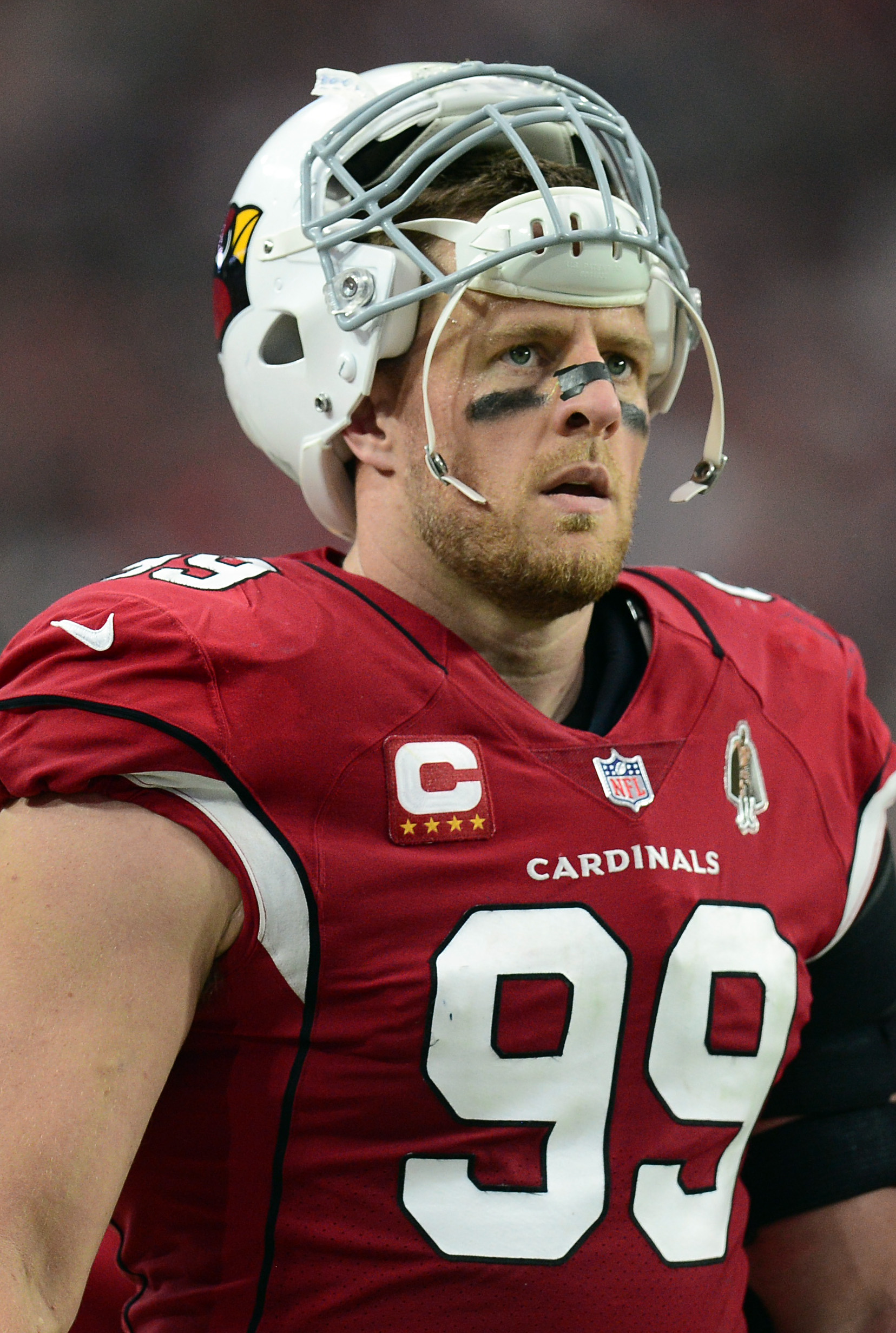
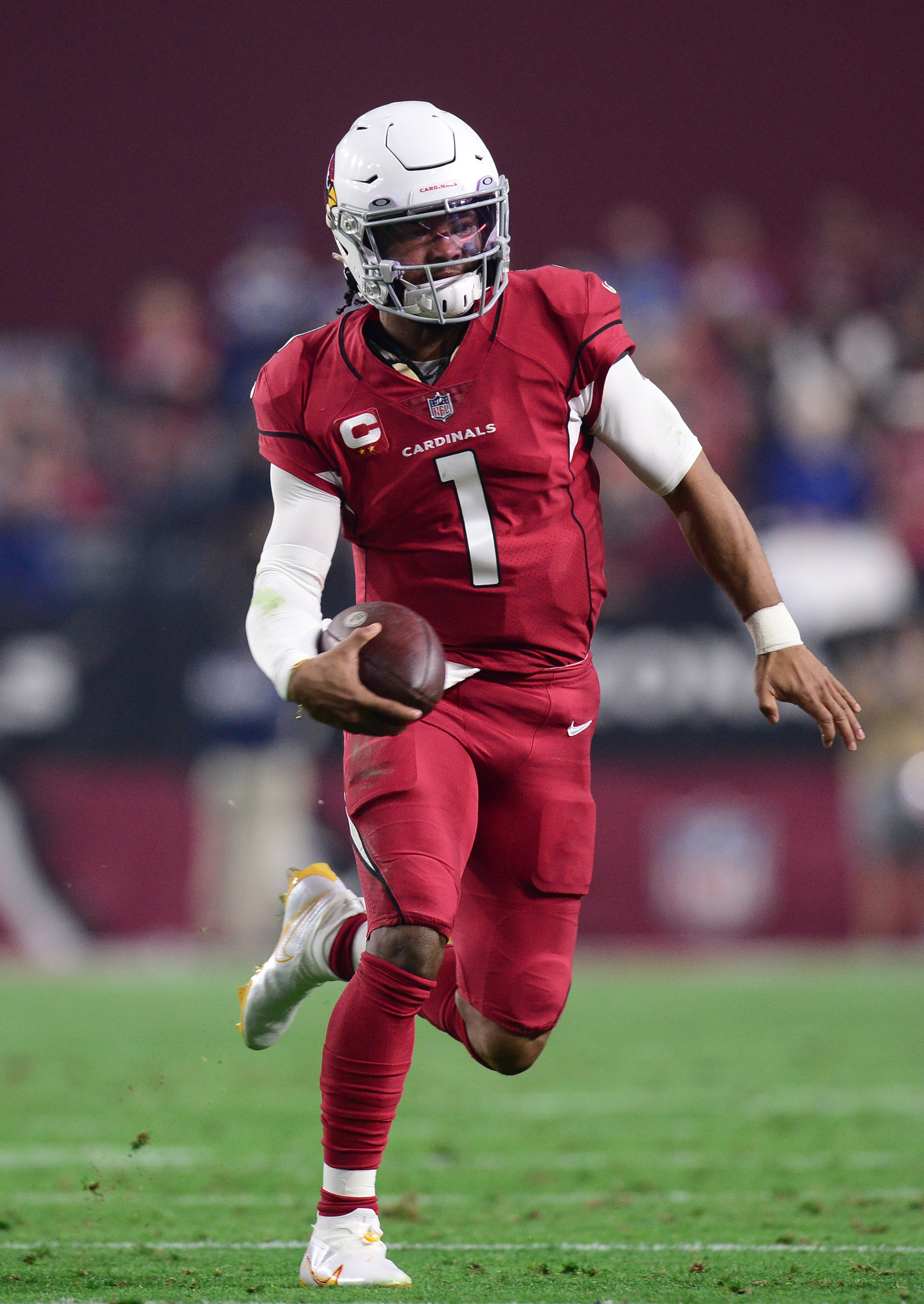
Offseason In Review: Los Angeles Chargers
Only the 1992 Oilers and 2013 Chiefs surpass the Chargers’ 27-point collapse in Jacksonville. While Sean Payton loomed as a potential HC candidate, GM Tom Telesco elected to give Brandon Staley a third season. The Bolts did overcome more major injury trouble to return to the postseason.
The offseason buzz that annually follows the Chargers has been somewhat muted this year, but once again, the oft-hyped team promises to be a factor in a deep AFC. The Bolts have two new coordinators and made a splashy addition to their skill-position corps in the draft. They also completed a long-rumored extension for their latest star quarterback — this one moving into a new NFL salary bracket compared to the deals handed out to Philip Rivers.
Extensions and restructures:
- Reached five-year, $262.5MM ($134MM guaranteed) extension agreement with QB Justin Herbert
- Agreed on $1.6MM incentive package with RB Austin Ekeler
- Restructured contracts of WRs Keenan Allen, Mike Williams, OLBs Joey Bosa, Khalil Mack, creating $40.37MM in cap space
A longtime Colts exec, Telesco was on-hand to observe how Indianapolis built its rosters around Peyton Manning‘s 2004 extension. Whereas that deal checked in at seven years and $98MM and the Telesco-constructed Rivers extension at four years and $84MM (2015), Herbert’s reflected the cap spikes and the swiftly shifting QB market. Herbert followed Jalen Hurts and Lamar Jackson by agreeing to a deal with a record-setting AAV this offseason.
 The Packers have received the most attention for forming a transition between two Hall of Fame-caliber passers, with the Brett Favre–Aaron Rodgers run lasting 31 seasons. But the Chargers have rostered three such QBs since 2001. Unlike Drew Brees, Rivers may not be a lock to enter Canton. But he gave the Bolts upper-echelon play during most of his 14 seasons as their starter. Without any gap years, the Chargers have gone from Brees to Rivers to Herbert. That has not resulted in MVPs like the Packers duo brought (seven) or Super Bowl berths (three), but Herbert still has plenty of time on these fronts. And the Bolts now have their latest set-it/forget-it QB signed through 2029.
Jackson’s long-running Ravens talks, which began back in 2021, produced a true five-year deal. With Hurts’ second-round rookie contract not including a fifth-year option, the Eagles’ latest QB extension gives them control for six seasons. Herbert signed off on the Chargers having seven, signing a five-year extension after the team made the automatic call to exercise his option. Only Patrick Mahomes (through 2031) has a contract that extends farther into the future. This structure will help the Chargers build around the $52.5MM AAV, minimizing cap hits along the way.
The Chargers could not accomplish much during Herbert’s three rookie-deal seasons, advancing to one playoff bracket and enduring a brutal loss when there. But the strong-armed passer presented immediate franchise-QB signs and, other than a dip following a September 2022 rib fracture, has charted a historic course. Only Dan Marino‘s 98 touchdown passes better Herbert’s through-three-years number (94), illustrating how prodigious the Dolphins legend was for his era; no one tops Herbert’s 14,089 passing yards through Year 3. Herbert followed his Offensive Rookie of the Year campaign with a Pro Bowl starting nod. His numbers took a hit last season, as the rib issue and both his top receivers (and left tackle Rashawn Slater) missing extended time hurt the Bolts’ cause. But this extension was always on the team’s docket.
The Chargers did not attach any void years to this contract (yet), but running it through 2029 will keep Herbert’s cap numbers south of $38MM until 2026. As the Chiefs have done on multiple occasions with Mahomes’ deal, the Chargers can go to the restructure well once faced with a $46.35MM cap hit in 2026. The team managed to give Herbert that record-setting AAV while keeping the cap hits low enough that rostering two $20MM-per-year receivers (Keenan Allen, Mike Williams) along with two $23MM-plus edge rushers (Joey Bosa, Khalil Mack) is manageable.
 Herbert’s $133.7MM guarantee number trails only Deshaun Watson‘s deal — a contract this year’s QB extension candidates helped cement as an outlier — and Jackson’s $135MM number. For total guarantees, Herbert’s $193.7MM figure leads the non-Watson field by more than $12MM.
Doubling as one of the many flashpoint moments at the running back position this offseason, the Chargers refused to give Ekeler a raise more in line with his contributions. The dual-threat back led the league in touchdowns in 2021 and ’22, totaling 38. Ekeler offers top-shelf receiving ability which helped compensate for the injuries elsewhere on offense last season. The Chargers let their UDFA find seek a trade, but as RB value decreased yet again, no serious talks commenced. Ekeler remains tied to the four-year, $24.5MM contract — one given in 2020, as the Bolts said goodbye to Melvin Gordon — he has outplayed.
Ekeler, 28, has not been shy about addressing the value of the modern running back. Unlike some of the other backs to voice frustration about where the market has gone, Ekeler provides a clear passing-game dimension that has made his $6.13MM-per-year deal age incredibly well for the Bolts. Los Angeles was able to ink Ekeler to that extension due in large part to finding him as a UDFA out of a Division II school. Even after this year’s market shakeup — which included high-profile releases, two notable pay-cut moves, no free agency deal topping $6.5MM AAV and three franchise-tagged backs not being extended — Ekeler’s AAV sits 11th at the position.
The Chargers threw Ekeler a bone in the form of the $1.6MM incentive package, which is based on his scrimmage yards, touchdowns and the elusive Pro Bowl berth. The yardage incentive begins at 1,125 and tops out at 1,639. The TD section ranges from 10-16. He can earn up to $600K in this area. While Ekeler stands to generate interest on next year’s market, he is set to join Saquon Barkley, Josh Jacobs, Tony Pollard, Derrick Henry, D’Andre Swift, J.K. Dobbins and Antonio Gibson as free agents-to-be. Another crowded market will likely suppress backs’ value once again, and the Bolts will also have the franchise tag available.
Free agency additions:
- Eric Kendricks, LB: Two years, $13.25MM ($6.75MM guaranteed)
- Nick Williams, DL: One year, $1.23MM ($25K guaranteed)
 The Vikings reached agreements to keep their other two remaining Mike Zimmer-era defensive cornerstones — Harrison Smith, Danielle Hunter — this offseason, but Kendricks was an early cap casualty. Taking advantage of what became — beyond the Tremaine Edmunds and Bobby Okereke deals — a buyer’s off-ball linebacker market, the Chargers will give the ninth-year veteran a chance to bounce back. A UCLA alum, Kendricks has 113 starts under his belt and will provide considerable experience from a Bolts team that has not been able to rely on 2020 first-rounder Kenneth Murray.
A former second-round pick, Kendricks ascended to the All-Pro level in the late 2010s. Pro Football Focus rated the ex-Minnesota middle ‘backer as a top-three off-ball LB in 2019 and ’20 but viewed the veteran as sliding a bit over the past two seasons. PFF slotted him 50th at the position in 2022. Still, Kendricks totaled 16 tackles for loss from 2021-22 and topped 135 total stops in each of those seasons. He also finished with 10 passes defensed and six sacks, providing some versatility, in that span.
Re-signings:
- Trey Pipkins, T: Three years, $21.75MM ($13.25MM guaranteed)
- Morgan Fox, DL: Two years, $7.25MM ($3.75MM guaranteed)
- Easton Stick, QB: One year, $1.8MM ($1.2MM guaranteed)
- JK Scott, P: Two years, $4MM ($820K guaranteed)
- Donald Parham, TE: Two years, $2.57MM ($400K guaranteed)
- Jalen Guyton, WR: One year, $1.32MM ($76K guaranteed)
 The Chargers’ Bryan Bulaga bet backfired, and Storm Norton proved a substandard option in 2021. While Pipkins did not impress early in his career, either, he made some well-timed improvements and landed a nice mid-tier contract as a result. PFF still did not think too much of Pipkins’ performance — particularly as a run blocker — slotting him outside the top 60 at tackle last season, but the Bolts disagreed. After seeing the former third-round pick make strides during the ’22 offseason, the team’s above-referenced restructures cleared cap space to keep the young right tackle off the market.
Heading into his age-27 season, Pipkins presents the Chargers with rare RT continuity. The team has not deployed the same primary right tackle since Sam Tevi manned the spot during the 2018 and ’19 seasons. Pipkins’ return also gives the Bolts the potential to deploy one of the NFL’s best O-lines. Pro Bowlers Slater and Corey Linsley anchor the group, with 2022 first-rounder Zion Johnson set to move from right to left guard to make room for converted tackle Jamaree Salyer, who fared well as Slater’s injury substitute last season. With Pipkins now re-signed, each of L.A.’s starters is signed for at least two more seasons. Slater’s rookie deal can (and almost certainly will) be extended through 2025 via the fifth-year option.
Offseason In Review: Pittsburgh Steelers
Last season marked the beginning of the post-Ben Roethlisberger era in Pittsburgh, as well as Omar Khan’s first year in the general manager role. A slow start seemed to threaten an end to the team’s 19-year streak of non-losing seasons, but a strong stretch after the bye week resulted in a 9-8 record. That was insufficient to qualify for the playoffs, but it presented reasons for optimism moving forward.
The free agent period and draft presented plenty of opportunities for Khan to retool the Steelers’ offensive line, secondary and linebacking corps in particular. New faces in those positions, and others, should give quarterback Kenny Pickett a stronger supporting cast ahead of his first full season as a starter, one where offensive improvement will be required for a return to the postseason.
Trades:
- Acquired WR Allen Robinson from Rams in a swap of 2023 seventh-round picks
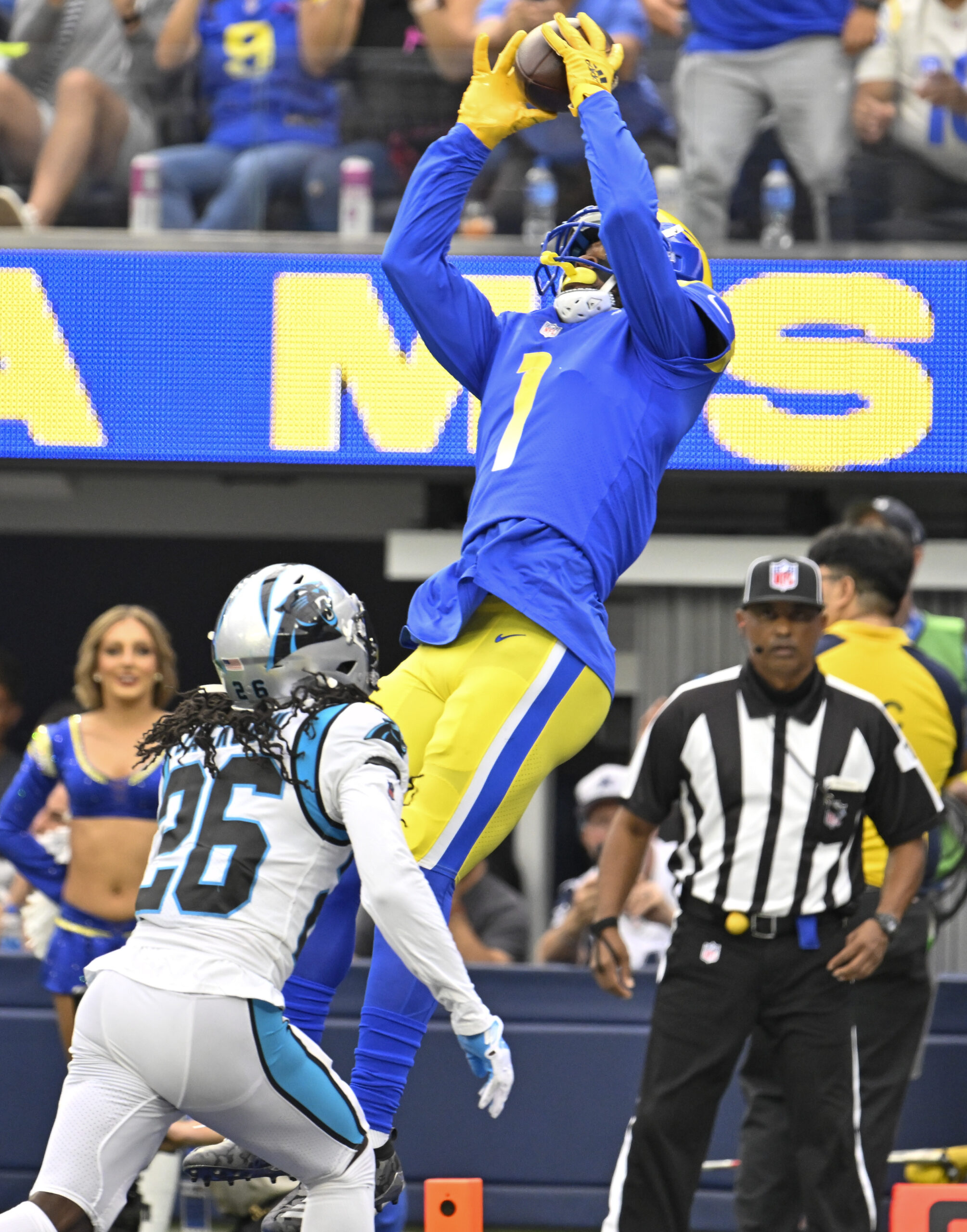
Pittsburgh already boasted an intriguing receiver tandem of Diontae Johnson and George Pickens, and the organization has a well-earned reputation for developing its own at the position. The Rams were active in dumping several veteran contracts during the offseason, however, and they were more than willing to move on from Robinson after only one season in Los Angeles. The soon-to-be 30-year-old was limited to 10 games last season, and he posted underwhelming totals (33 catches, 339 yards, three touchdowns) for the second consecutive season.
Guaranteed money is only present in 2023 on Robinson’s restructured contract, making this essentially a low-cost, one-year rental for the Steelers. A move to the slot could help player and team in this instance, with a complementary role available while Johnson, Pickens and tight end Pat Freiermuth serve as focal points in the passing game. A veteran presence alongside those three could help what is otherwise a young offense as it looks to become more productive and consistent through the air. A return to the earlier form in his career could allow Robinson to benefit from the recent surges in the WR market, either with an extended look in Pittsburgh or another new beginning.
Free agency additions:
- Isaac Seumalo, G: Three years, $24MM ($6.95MM guaranteed)
- Patrick Peterson, CB: Two years, $14MM ($5.85MM guaranteed)
- Cole Holcomb, LB: Three years, $18MM ($4.92MM guaranteed)
- Nate Herbig. G: Two years, $8MM ($2.92MM guaranteed)
- Elandon Roberts, LB: Two years, $7MM ($2.335MM guaranteed)
- Keanu Neal, S: Two years, $4.25MM ($920K guaranteed)
- Markus Golden, OLB: One year, $1.32MM ($153K guaranteed)
- Kwon Alexander, LB: One year, $1.32MM ($153K guaranteed)
- Chandon Sullivan, CB: One year, $1.08MM ($153K guaranteed)
- Armon Watts, DT: One year, $1.08MM ($153K guaranteed)
- Le’Raven Clark, OL: One year, $1.22MM ($50K guaranteed)
- Nick Kwiatkoski, LB: One year, $1.17MM
- Tanner Muse, LB: One year, $1.01MM
- Breiden Fehoko, DT: One year, $940K
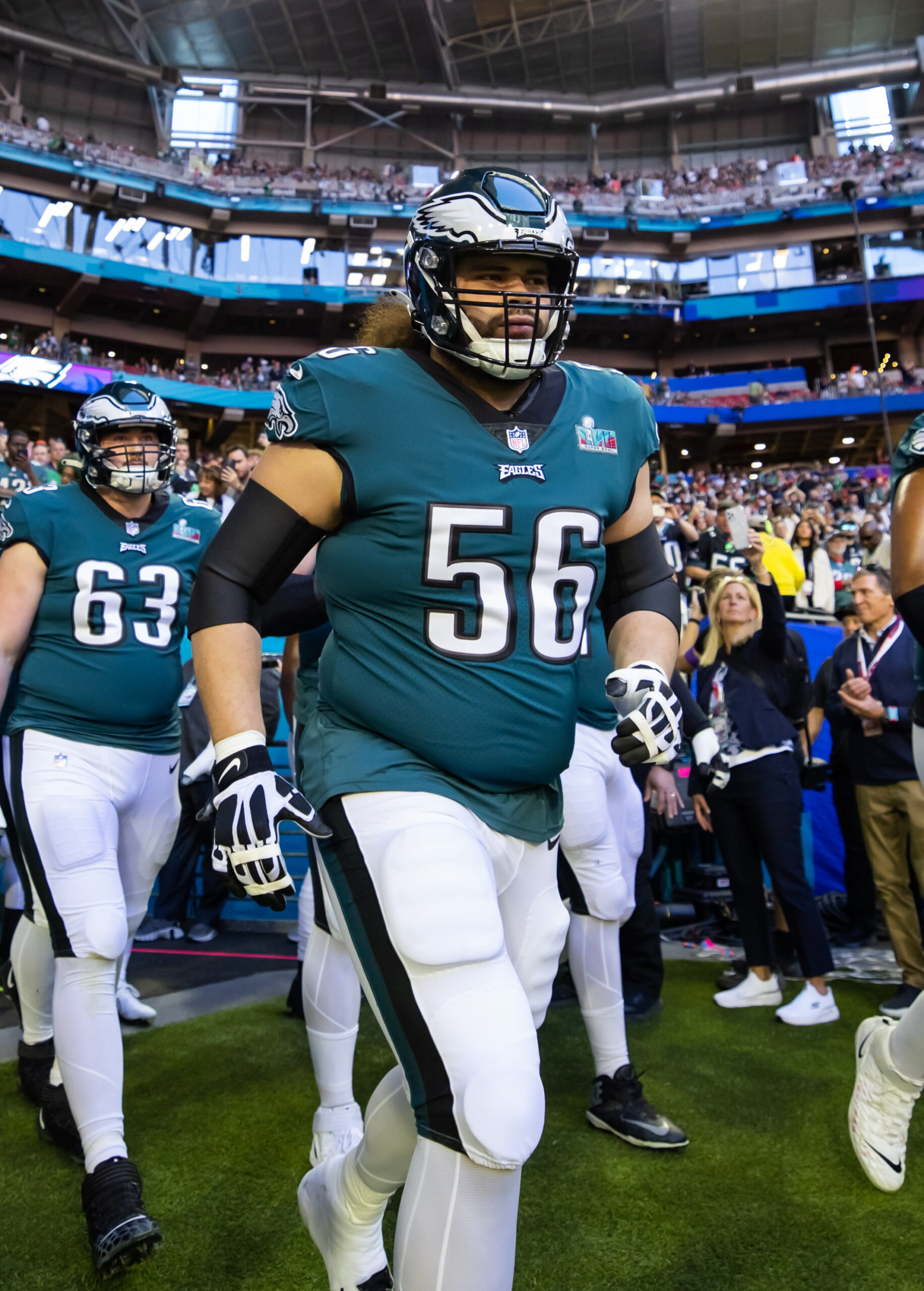 The new league year brought about a full-scale renovation of Pittsburgh’s inside linebacker corps, but it also comes as little surprise that the interior O-line and cornerback spots received the largest financial commitments. Seumalo represents a sizable guard investment for the second straight offseason, after James Daniels was added in 2022. Seumalo proved his worth across career 60 starts with the Eagles, including a fully healthy campaign last season (having been limited to just 12 total contests between the two previous years). He continued his strong showings in terms of PFF evaluations while helping Philadelphia’s elite offensive front guide the team to the Super Bowl, leading to his intrastate move.
The 29-year-old, as expected, earned a more lucrative three-year pact in free agency than his previous one. Carrying over his consistent high-level performances will bolster the Steelers’ O-line, something which will in turn pave the way for a continued heavy reliance on workhorse running back Najee Harris. If Seumalo’s injury issues return, ex-Eagles teammate Herbig should be able to provide quality fill-in play. In any event, a needed step forward in terms of play along the interior should be expected in 2023.
Peterson will be counted on to remain a significant contributor deep into his career, after starting all 31 of his Vikings games. The 2010s All-Decade member racked up five interceptions (the second-highest single-season total of his career) last year, but he also allowed the same number of touchdowns in coverage on a leaky Minnesota defense. Peterson, 33, should rarely leave the field in his third NFL home, though he may no longer exclusively see time as a boundary corner. He and Tomlin have discussed the possibility of being used at multiple spots in the secondary, including safety.
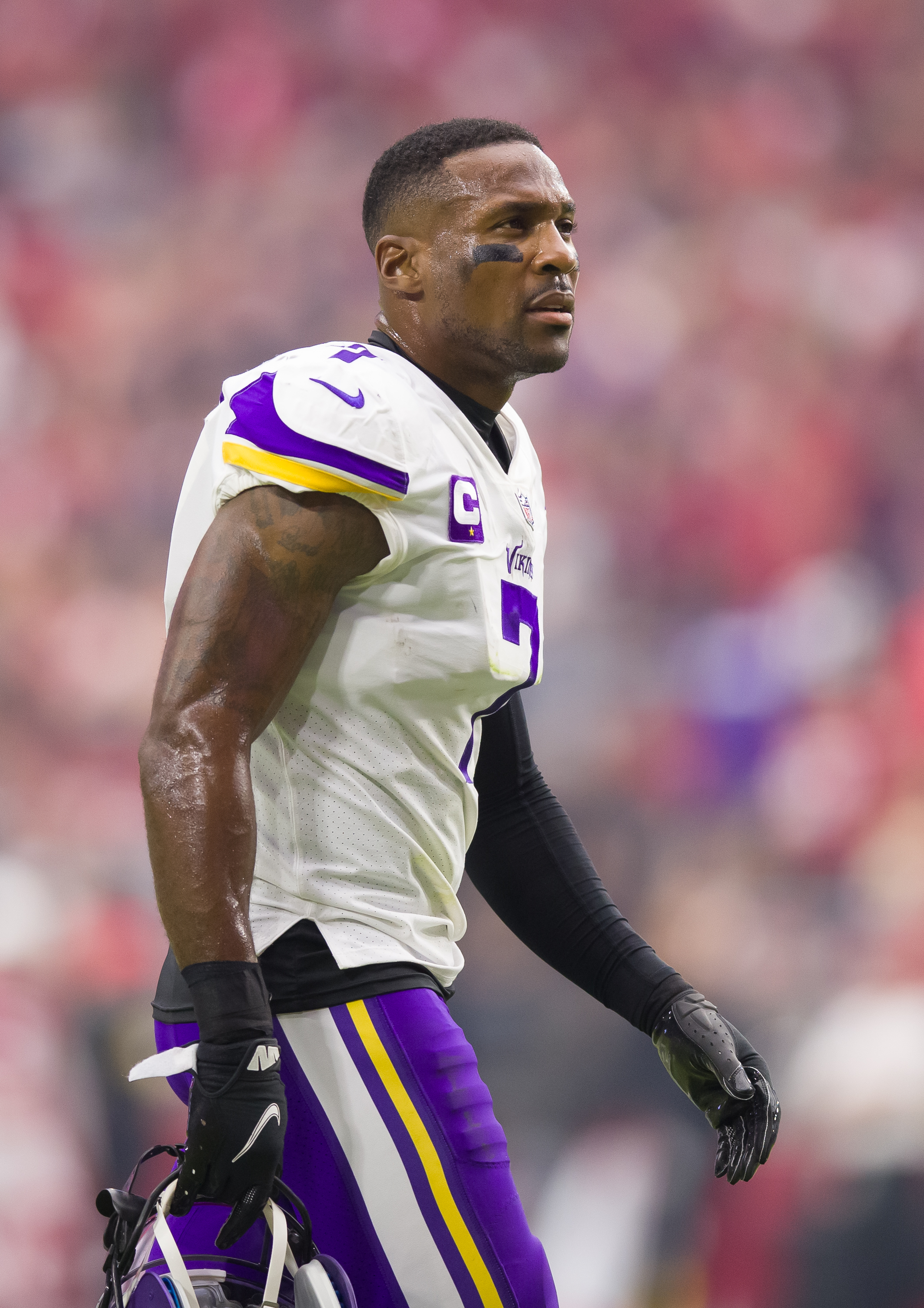 The three-time All-Pro will join a defense featuring a vaunted pass rush, but a backend which has room for improvement. The Steelers ranked 19th against the pass in 2022, and improvement in that regard will be needed to contend in an AFC loaded in quarterback talent. Like Peterson, Neal will provide versatility to the Steelers’ new-look secondary after joining a new team for the third straight offseason. The 28-year-old has seen time at safety and linebacker across his time with the Falcons, Cowboys and Buccaneers, and the absence of Terrell Edmunds and each of the starting ‘backers from last season leaves plenty of opportunities for him to find a role.
Holcomb will lead the new LB room, after a highly productive stint in Washington. He started all but two of his games with the team that drafted him, grading out as a top-25 linebacker from PFF in 2020 and logging over 1,000 snaps the following year. His market was not hindered by the injuries which limited him to seven games in 2022, allowing the former fifth-rounder to price himself out of the nation’s capital. Production similar to that of fellow Steelers target Leighton Vander Esch would prove Pittsburgh’s investment in Holcomb to be worthwhile.
Roberts will look to build off his career year in Miami last season, while holding down a full-time starting role for the first time. He has never logged a snap share above 59%, but his production with the Dolphins in 2022 showed the impact he is capable of making against the run and pass. Topping the 100-tackle mark for the first time last campaign, the ex-Patriot also set a new personal best with 4.5 sacks. At 29, Roberts does not possess the upside that incumbent Mark Robinson (23) has, but that pair will be given considerable opportunity to provide consistent play at the second level for a defense seeking just that.
Alexander, Kwiatkowski and Muse represent experienced fill-in options should the new starters miss time or underperform. Altogether, the new LB corps will spend the buildup to the season aiming to establish a firm pecking order in the middle. Successfully doing do could foreshadow needed improvement at the position during the campaign.
Re-signings:
- Larry Ogunjobi, DT: Three years, $28.75MM ($12MM guranteed)
- Damontae Kazee, S: Two years, $6MM ($1.75MM guranteed)
- Zach Gentry, TE: One year, $1.14MM ($153K guranteed)
- James Pierre, CB: One year, $1.3MM
- Miles Boykin, WR: One year, $1.08MM
- Mason Rudolph, QB: One year. $1.08MM
- Christian Kuntz, LS: One year, $940K
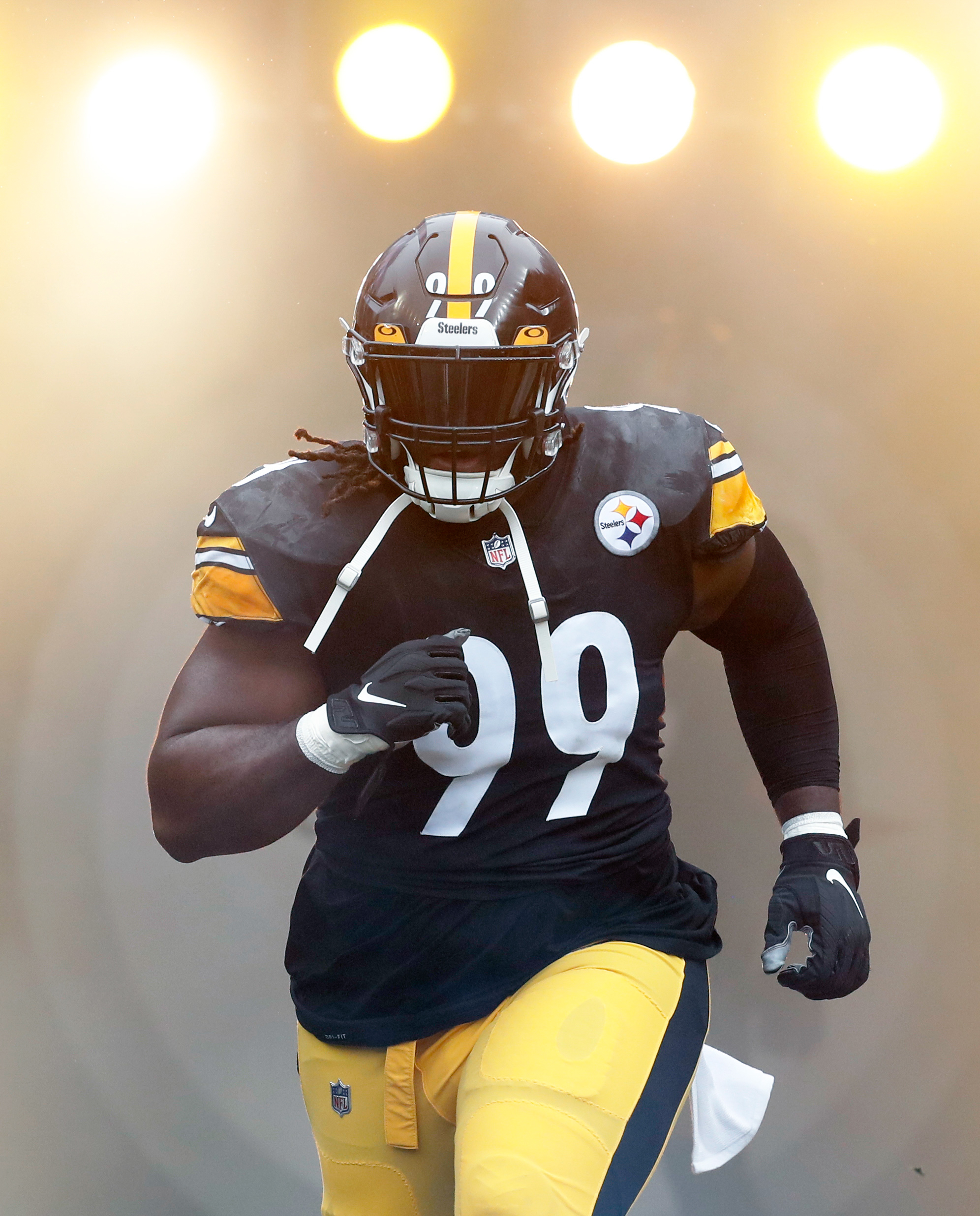 Ogunjobi was set to play in Chicago last season, but his Bears deal fell through and allowed him to remain in the AFC North. The former Brown and Bengal played on a one-year contract and earned himself an extended look in Pittsburgh. He took a significant step back in terms of sacks (1.5, compared to a career-best 7.0 in 2021) but was credited with 30 total pressures by PFF. That led to an overall grade of 61.7, the highest since his rookie campaign. Ogunjobi, who missed only one game last year, will thus remain in place alongside Cam Heyward at the heart of Pittsburgh’s defensive front moving forward. The structure of the 29-year-old’s deal does leave open the possibility of the Steelers cutting bait after this season, though, so his play will be worth watching closely in his second Pittsburgh campaign.
At least one change to the QB depth chart seemed inevitable this offseason for the Steelers, but Rudolph’s free agent period was very brief. The third-string passer was mentioned in trade talks last summer and fielded offers from other teams to sign this spring, but he ultimately decided to remain in his only NFL home. The former third-rounder has made only two starts since the 2019 campaign and did not see any game action last year. A lack of opportunities to unseat fellow veteran Mitch Trubisky for the No. 2 role seen in 2022 is likely to be repeated this year, so plenty would need to take place for Rudolph, 28, to see the field. If he does, though, his market could look much different come next March.